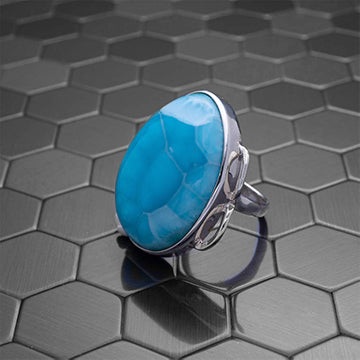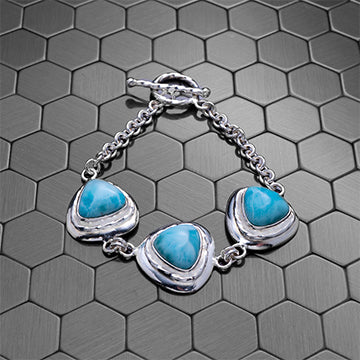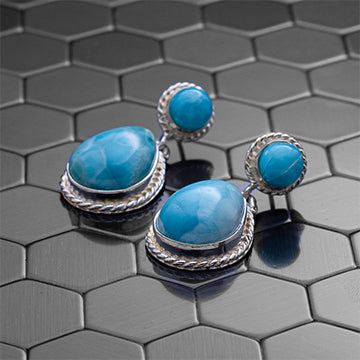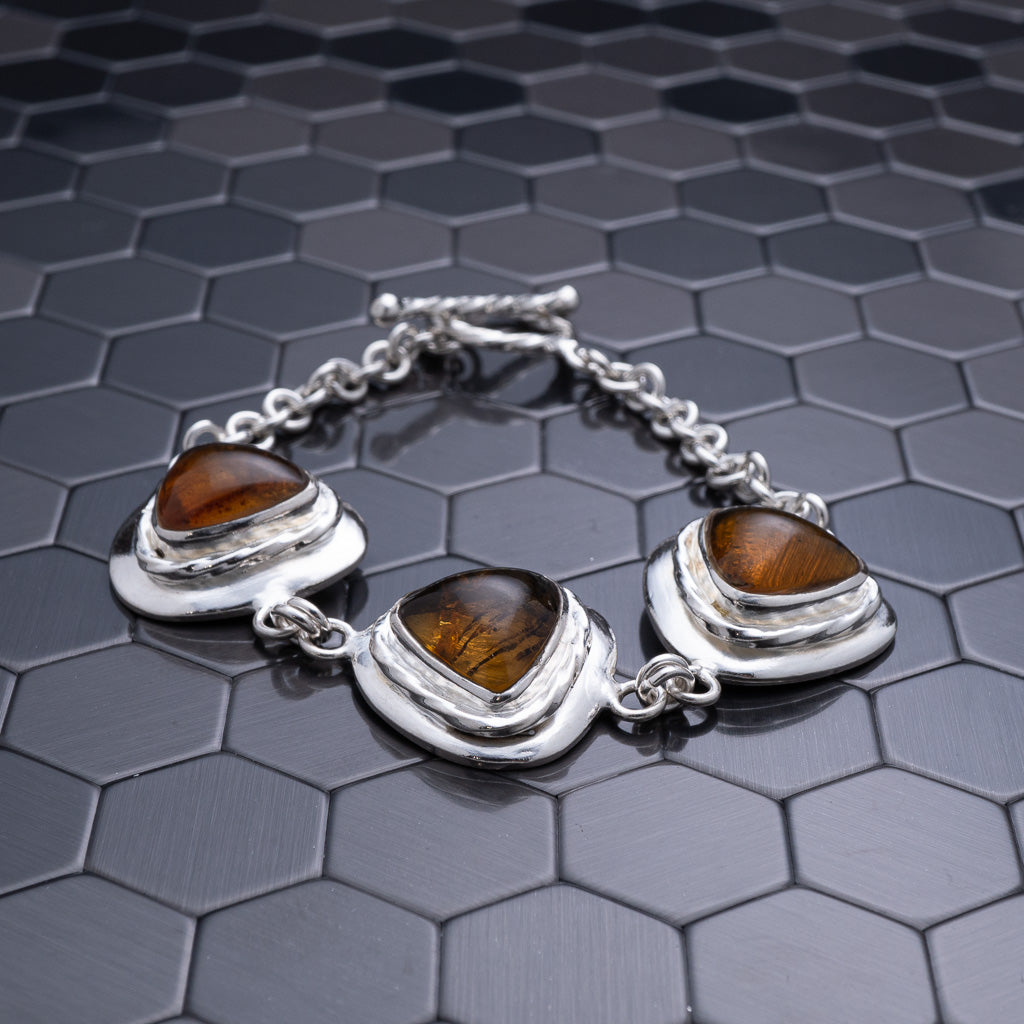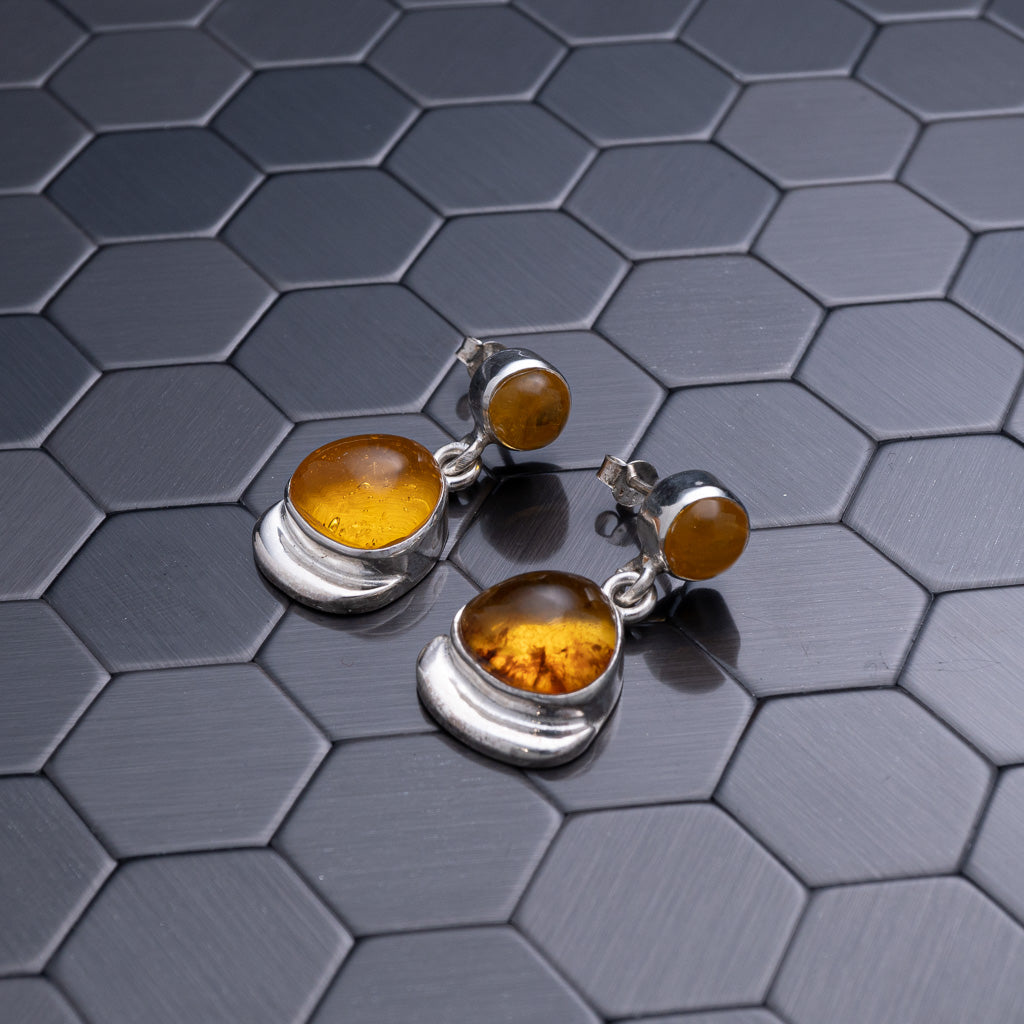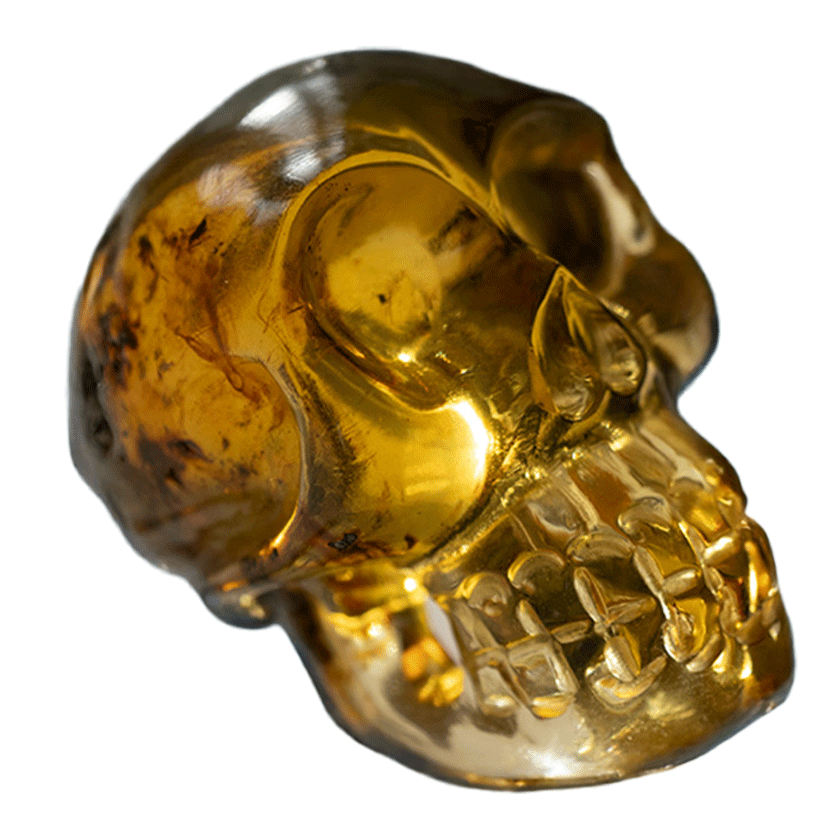


Handcrafted in DR.

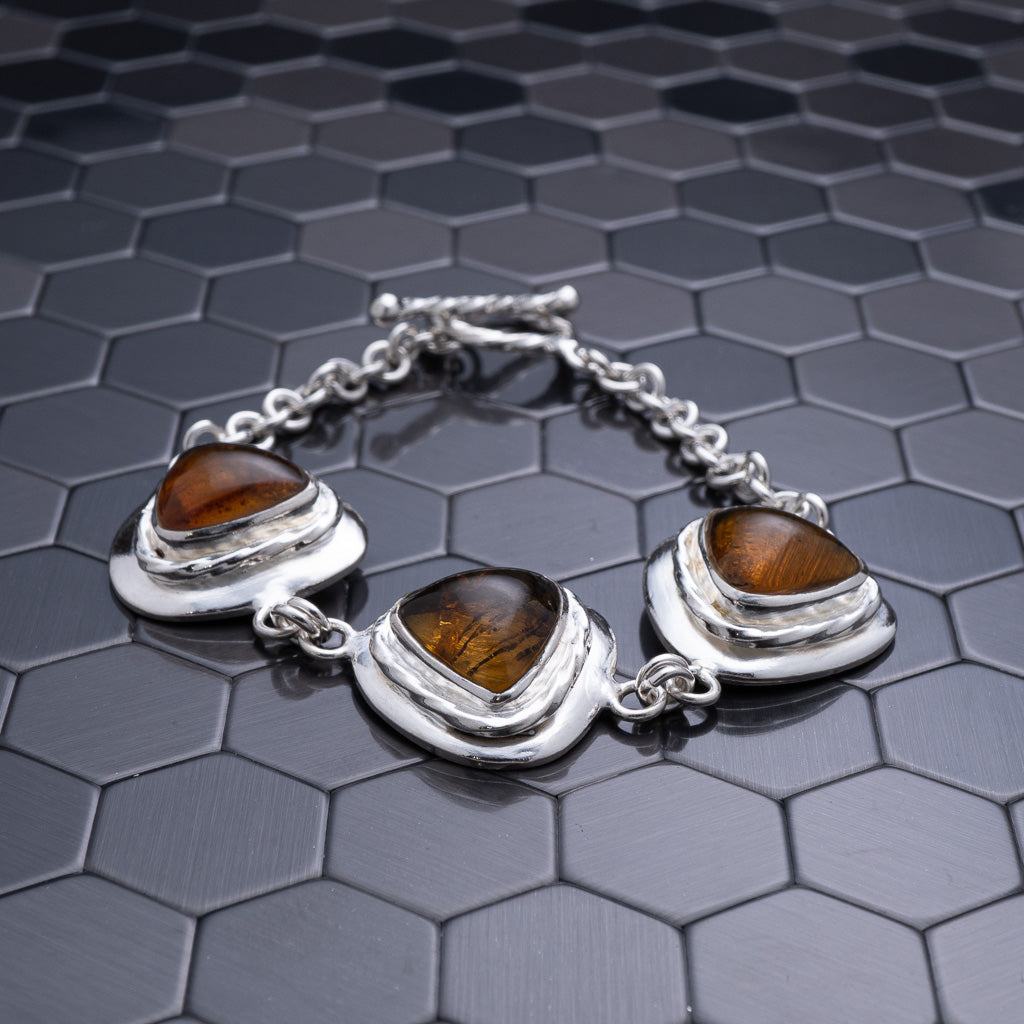
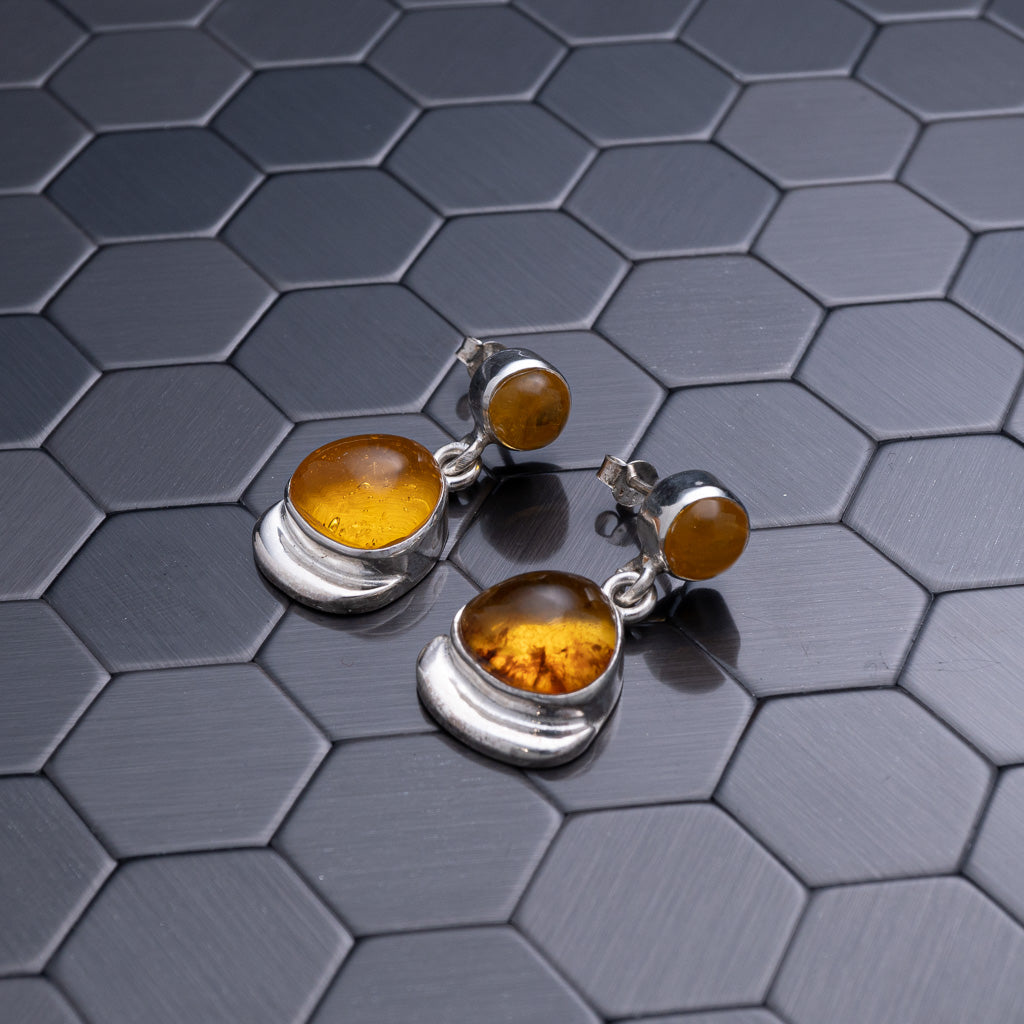


100% Handcrafted in DR.

The fascination with beads amber spans millennia, connecting ancient civilizations to modern jewelry enthusiasts through the warm, glowing beauty of fossilized tree resin. These organic gemstones have captivated collectors, healers, and artisans with their rich honey hues, natural inclusions, and mystical properties. Whether you're considering purchasing amber beads for jewelry creation, seeking to verify authenticity, or exploring the therapeutic benefits attributed to these ancient gems, understanding the nuances of amber selection and verification becomes essential. The market offers numerous options, from Baltic amber to rare Dominican varieties, each with distinct characteristics that influence value, appearance, and suitability for different applications.
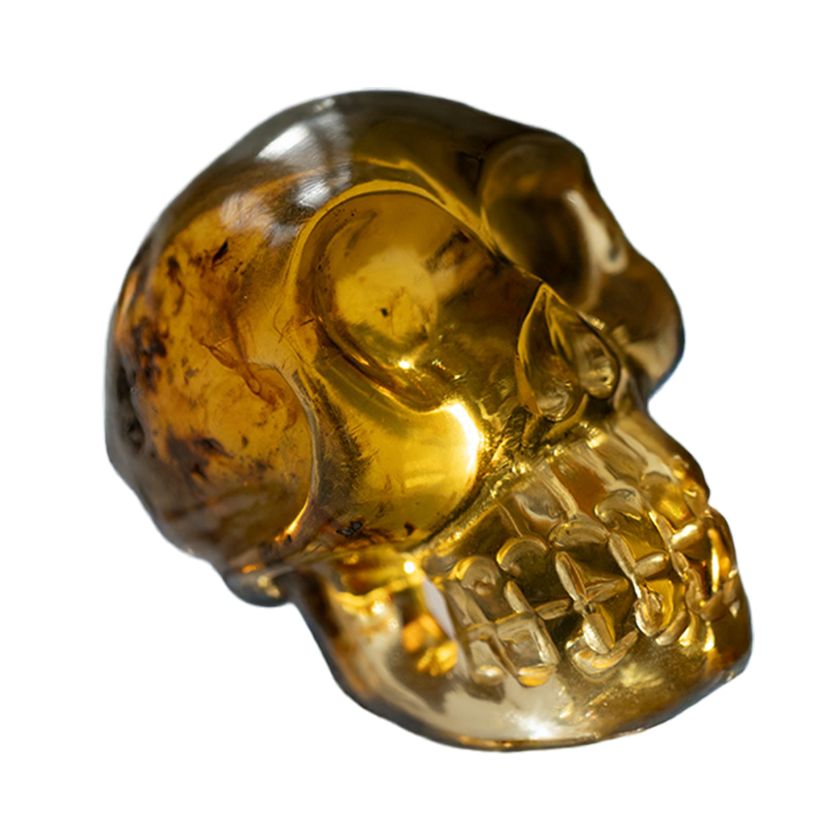
Amber represents one of nature's most remarkable preservation processes, formed from tree resin that hardened over millions of years through polymerization. This fossilization process creates the warm, translucent material prized for beads amber creations worldwide.
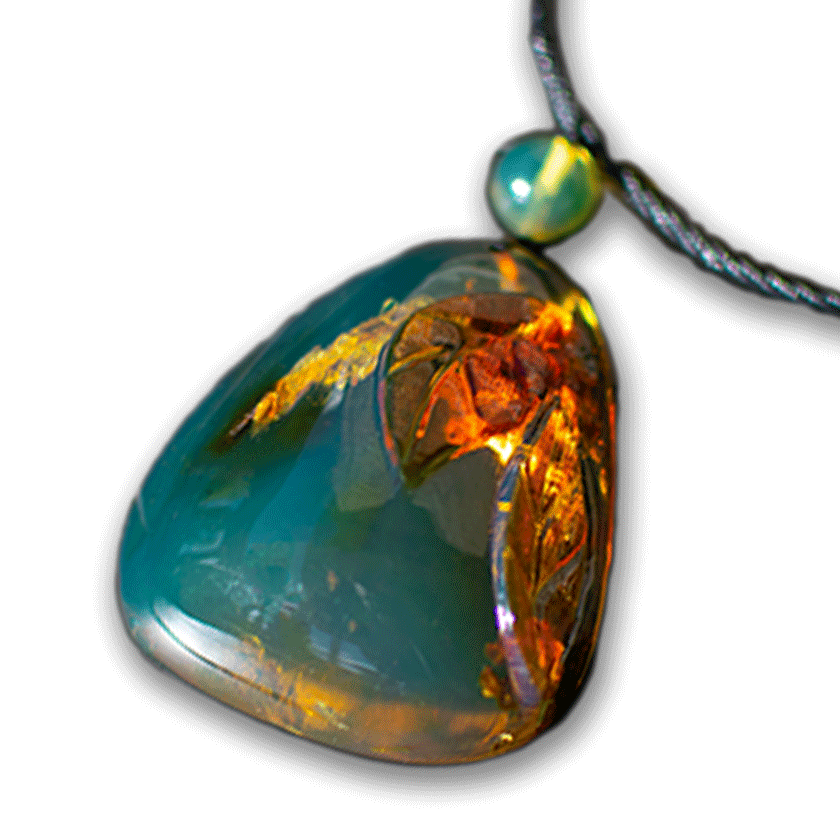
The age of amber specimens varies dramatically, with most commercial amber ranging from 30 to 90 million years old. Baltic amber, sourced from countries surrounding the Baltic Sea, dominates the global market and typically displays warm yellow to cognac tones. Dominican amber, however, presents unique characteristics including the rare blue amber phenomenon that occurs under UV light exposure.
Different geological regions produce amber with distinctive properties that affect both appearance and market value:
The composition of beads amber influences their physical properties, with succinic acid content varying between sources. Baltic amber typically contains 3-8% succinic acid, while other varieties may contain significantly less or none at all.
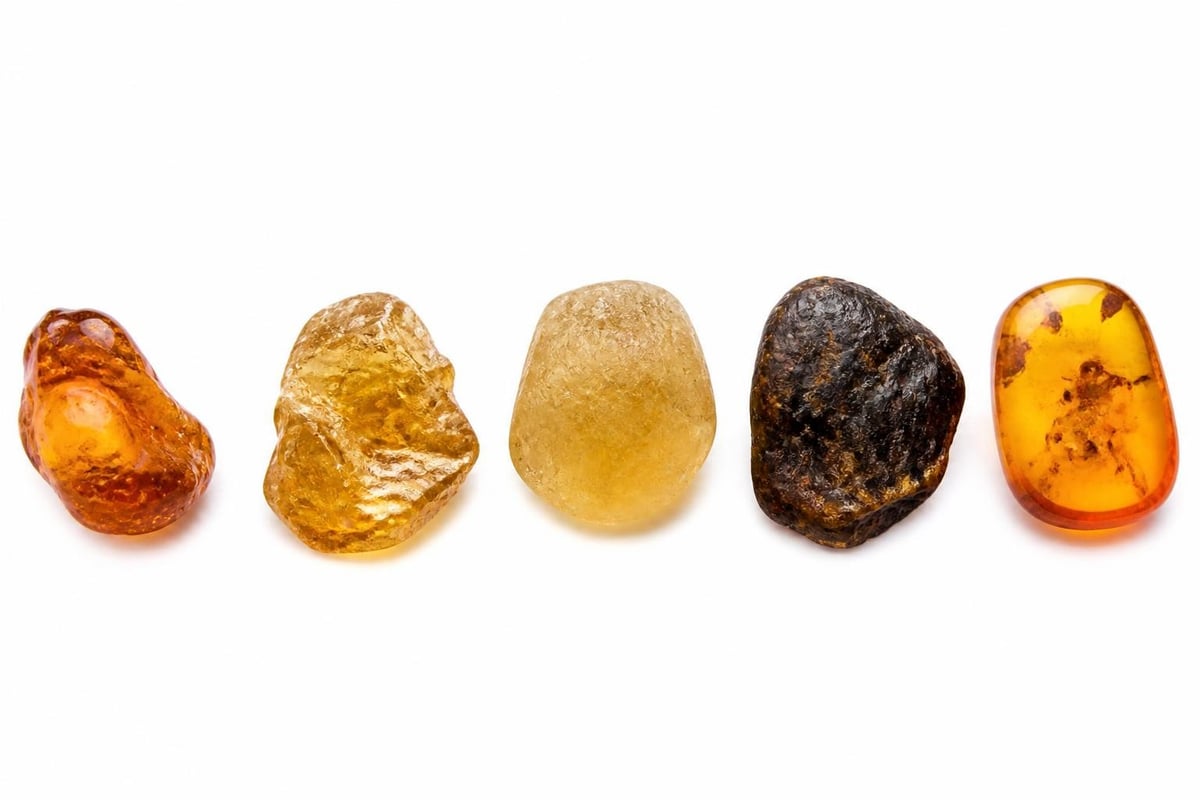
The proliferation of amber imitations in the marketplace makes authentication crucial for anyone purchasing beads amber. Modern synthetics, copal, and various plastics can deceive even experienced buyers without proper testing.
Several reliable at-home tests help distinguish genuine amber from imitations. The saltwater float test provides a simple starting point: mix 7-8 tablespoons of salt per cup of water until dissolved, then place the suspected amber bead in the solution. Genuine amber floats in saturated saltwater due to its specific gravity of 1.05-1.10, while most plastics and glass sink.
The friction test exploits amber's unique electrostatic properties. Vigorously rub the bead against wool or silk fabric for 30-60 seconds, then bring it near small paper fragments or hair strands. Authentic amber generates static electricity that attracts lightweight materials, whereas most imitations remain neutral.
| Test Method | Genuine Amber Response | Common Imitations |
|---|---|---|
| Saltwater Float | Floats in saturated brine | Most sink (except some plastics) |
| Static Electricity | Attracts paper after friction | No attraction |
| Hot Needle | Sweet, piney aroma | Chemical or plastic smell |
| UV Light | Glows blue-white or green | Often no fluorescence |
| Acetone Swab | No surface change | May become sticky or dissolve |
The hot needle test requires extreme caution but provides definitive results. Heat a needle until red-hot and touch an inconspicuous area briefly. Genuine amber produces a sweet, pine-like aroma, while plastic creates acrid chemical fumes and copal smells differently.
Examining beads amber under magnification reveals telltale authenticity markers. Genuine amber often contains natural inclusions such as air bubbles, plant matter, or occasionally prehistoric insects. These inclusions appear random and organic, whereas synthetic beads may display perfectly round bubbles or suspiciously positioned "inclusions."
Flow lines within amber beads indicate natural formation, appearing as subtle wavy patterns throughout the material. Professional gemologists use these characteristics along with refractive index measurements and spectroscopy to confirm authenticity definitively.
For valuable collections or significant purchases, seeking professional certification ensures authenticity. Gemological laboratories provide detailed reports identifying amber variety, any treatments applied, and confirmation of natural origin.
The quality assessment of beads amber involves multiple criteria that significantly impact both aesthetic appeal and market value. Understanding these factors helps buyers make informed decisions when selecting amber for jewelry projects or collections.
Transparency levels in beads amber range from crystal clear to completely opaque, with each category serving different aesthetic purposes. Clear amber commands premium prices due to rarity, displaying rich golden to cherry red hues without cloudiness. Semi-transparent amber offers visual depth with subtle internal patterns, while opaque varieties showcase solid colors from butter yellow to cognac brown.
Color intensity and uniformity affect value substantially. Highly saturated colors with even distribution throughout the bead demonstrate superior quality. Rare colors like cherry red, green (found in Dominican specimens), or the coveted blue fluorescence dramatically increase value.
Larger amber beads without significant flaws command higher prices per gram than smaller specimens. However, size must balance with quality - a small, clear bead often exceeds the value of a larger, heavily included piece.
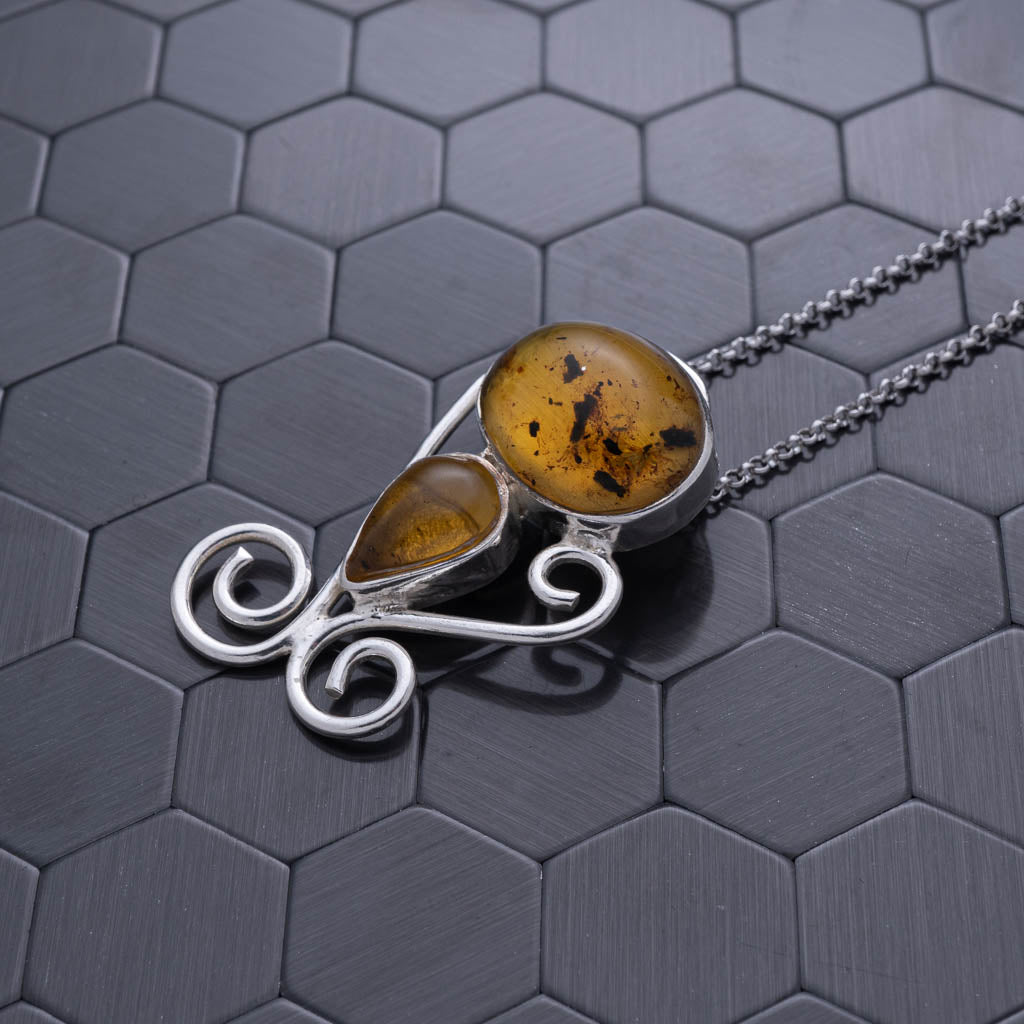
Inclusions present a complex value consideration. While most inclusions decrease value in other gemstones, amber containing well-preserved prehistoric insects, plant matter, or other biological specimens can increase value exponentially. A single beads amber specimen containing a recognizable insect may sell for thousands of dollars.
Throughout history, cultures worldwide have attributed healing properties to beads amber, particularly when worn against the skin. While scientific evidence remains limited, traditional beliefs and anecdotal experiences continue to drive significant market demand.
Baltic amber contains succinic acid, which proponents claim releases into the skin when warmed by body heat. Practitioners suggest this substance provides natural analgesic effects, leading to widespread use of amber teething necklaces for infants and pain relief jewelry for adults.
Traditional medicine systems across Europe, Asia, and the Middle East have incorporated beads amber for various therapeutic applications:
Modern wearers often report subjective improvements in well-being, though these experiences may involve placebo effects or the general benefits of wearing meaningful jewelry. The warm, organic nature of amber creates a tactile comfort that synthetic materials cannot replicate.
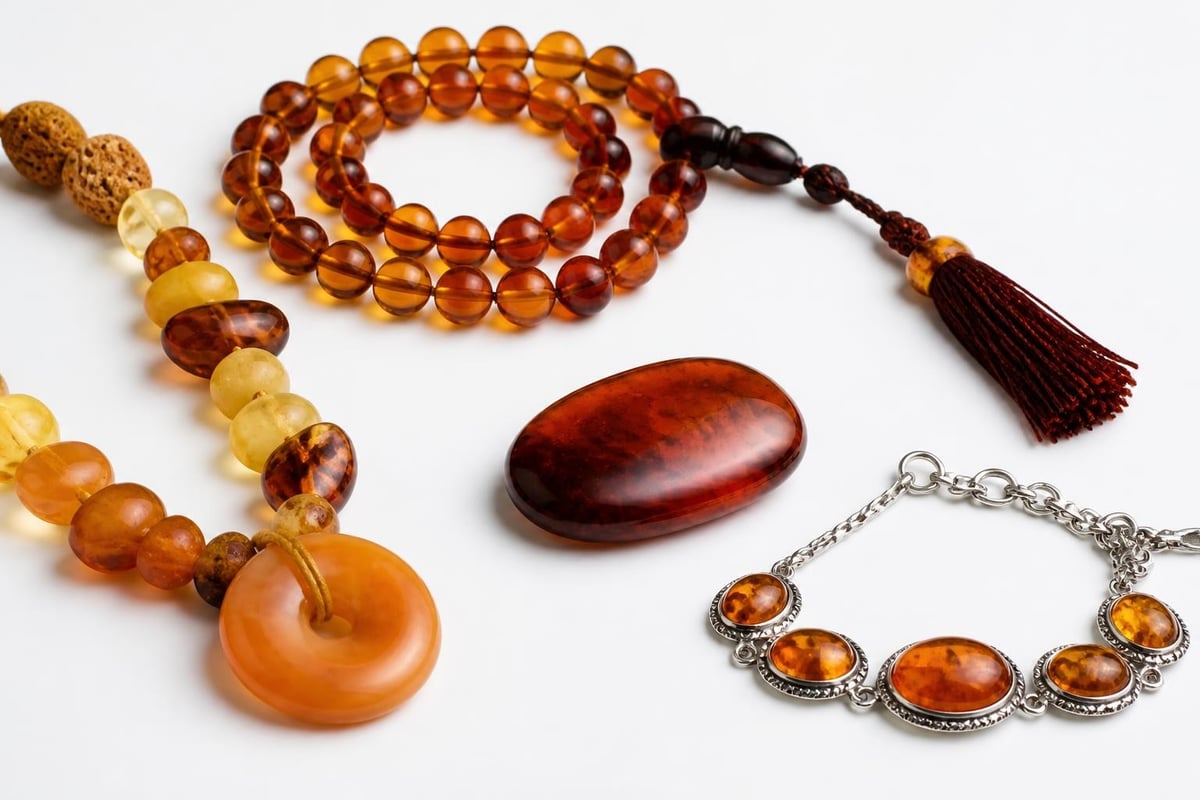
Creating jewelry with beads amber requires consideration of both aesthetic goals and practical construction factors. The organic nature of amber presents unique opportunities and challenges compared to mineral gemstones.
Amber's relatively soft nature (2.0-2.5 on Mohs hardness scale) demands careful design planning. Unlike harder gemstones, beads amber scratch easily when in contact with metal findings or other stones. Spacing beads between amber components, using soft materials like silk cord, or selecting protective setting styles preserves the finish.
Weight becomes a factor for large amber pieces, particularly in earring designs. Despite appearing substantial, amber's low density creates comfortable wear even in statement-sized beads. This characteristic allows for dramatic designs without the heaviness of comparable mineral gemstones.
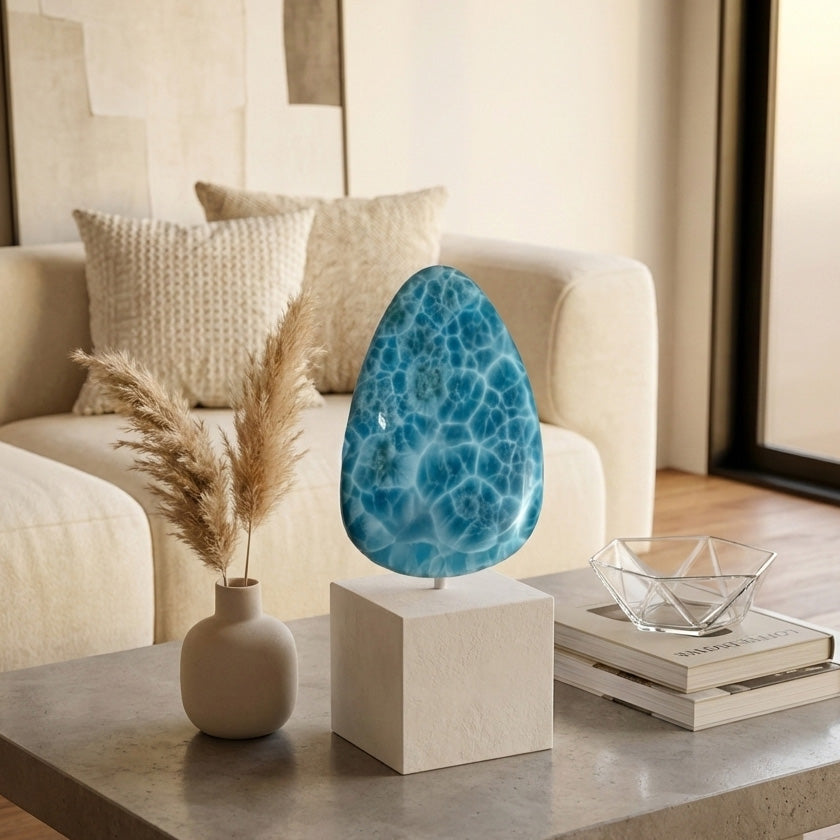
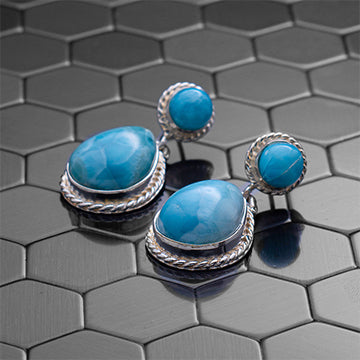
Color coordination with other materials enhances amber's natural warmth. Silver complements cooler amber tones, while gold accentuates honey and cognac varieties beautifully. Larimar Pendants offer an intriguing contrast option, pairing Caribbean blue with amber's warm glow for unique color combinations.
Pre-drilled beads amber simplifies jewelry construction, but understanding proper handling prevents damage during assembly. The material's softness means overtightening can crack beads, while its static properties attract dust during the working process.
| Construction Element | Recommended Approach | Avoid |
|---|---|---|
| Stringing Material | Silk, nylon, leather | Wire (scratches surface) |
| Knots Between Beads | Recommended for protection | Continuous stringing without spacers |
| Adhesive | Minimal, natural glues | Harsh chemical adhesives |
| Cleaning During Assembly | Soft cloth, lukewarm water | Ultrasonic cleaners, chemicals |
Professional jewelers working with beads amber often create designs that minimize stress on the material while maximizing visual impact. Graduated strands, asymmetrical arrangements, and mixed-media combinations showcase amber's versatility beyond traditional uniform bead necklaces.
Proper care extends the lifespan and appearance of beads amber indefinitely, while improper handling can cause irreversible damage. Understanding amber's organic composition guides appropriate maintenance practices.
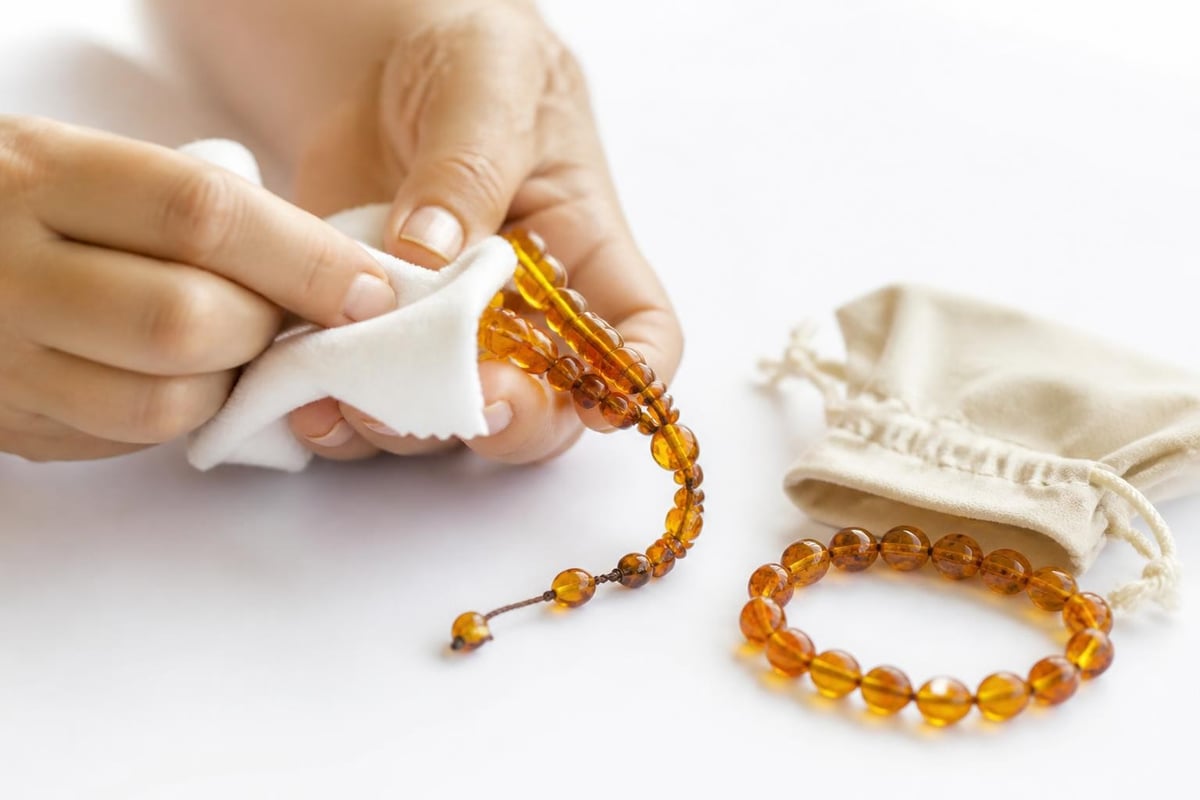
Regular cleaning maintains amber's lustrous appearance without damaging the surface. Simple methods prove most effective: use lukewarm water with mild soap, gently wipe with a soft cloth, then dry thoroughly. Never use ultrasonic cleaners, steam cleaning, or harsh chemicals, as these can cloud, crack, or dissolve amber.
Storage environment significantly impacts long-term preservation. Amber tolerates neither excessive dryness nor humidity, with ideal conditions around 40-60% relative humidity. Store beads amber separately from harder gemstones to prevent scratching, preferably in soft fabric pouches or lined boxes.
Temperature fluctuations and direct sunlight exposure gradually degrade amber over time. Extended UV exposure may darken or cloud the material, while extreme temperature changes risk cracking. Display cases with UV-filtering glass protect valuable collections while allowing visual enjoyment.
Surface scratches on beads amber respond well to gentle repolishing techniques. Fine-grit sandpaper (2000+ grit) followed by polishing compounds restores shine to dulled surfaces. Professional jewelers offer repolishing services that can rejuvenate vintage or heavily worn amber jewelry.
For pieces showing significant cloudiness or oxidation, professional restoration may include careful surface removal and repolishing. However, this process reduces bead size slightly and should be performed by experienced amber specialists to avoid over-polishing or uneven surfaces.
The beads amber market has evolved significantly in recent decades, with growing awareness of authenticity issues alongside increased appreciation for rare varieties. Understanding current market dynamics helps both collectors and casual buyers navigate purchasing decisions effectively.
Contemporary amber pricing reflects multiple variables including origin, quality, size, and market demand. Baltic amber beads of standard quality range from $1-5 per gram for small, cloudy specimens to $20+ per gram for large, clear pieces. Dominican blue amber commands premium prices, often exceeding $50-100 per gram for quality specimens.
Rare inclusions dramatically alter value calculations. A small beads amber specimen containing a well-preserved prehistoric insect may sell for hundreds or thousands of dollars, far exceeding the value of clear amber of similar size. Collectors particularly prize spiders, scorpions, and vertebrate inclusions due to their rarity.
The increasing sophistication of amber imitations presents ongoing challenges for buyers. Modern synthetic materials including phenolic resins and epoxy plastics closely mimic amber's appearance, requiring multiple authentication tests for confident identification.
Pressed or reconstituted amber, created by heating and compressing small amber pieces, occupies a gray area in the market. While technically genuine amber material, the manufacturing process creates a product with different properties than natural amber. Reputable sellers disclose these treatments, but less scrupulous vendors may misrepresent pressed amber as fully natural.
Copal, a younger tree resin that has not fully fossilized, frequently appears in amber markets at lower prices. While attractive and suitable for some applications, copal lacks amber's stability and may deteriorate over time. Distinguishing copal from true amber requires testing methods that reveal its incomplete fossilization.
The relationship between humanity and beads amber extends back thousands of years, with archaeological evidence documenting amber trade routes connecting Northern Europe to Mediterranean civilizations. This historical context adds depth to contemporary appreciation of amber jewelry.
The prehistoric Amber Road facilitated commerce between Baltic amber sources and distant civilizations, with amber artifacts discovered in Egyptian tombs and Roman settlements. This ancient material held such value that it often served as currency or diplomatic gifts between rulers.
Different cultures attributed varied symbolic meanings to beads amber. Baltic peoples considered it solar energy solidified, while Asian traditions incorporated amber into prayer beads and meditation tools. Middle Eastern cultures valued amber for protective properties, incorporating it into talismans and religious objects.
Contemporary uses of beads amber maintain connections to historical traditions while adapting to modern contexts. Prayer beads crafted from amber remain popular across multiple religious traditions, valued for both spiritual significance and tactile comfort during meditation.
Fashion trends periodically rediscover amber, with designers incorporating beads amber into both traditional and contemporary jewelry styles. The material's organic warmth provides visual and textural contrast to metal and mineral components, creating pieces that bridge classical and modern aesthetics.
Beyond standard amber classifications, specialized varieties attract dedicated collectors and command premium prices. Understanding these distinctions helps identify exceptional specimens and appreciate their unique characteristics.
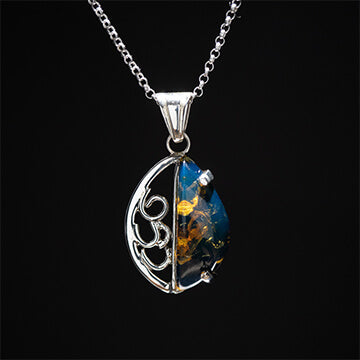
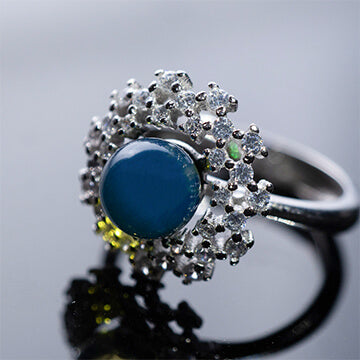
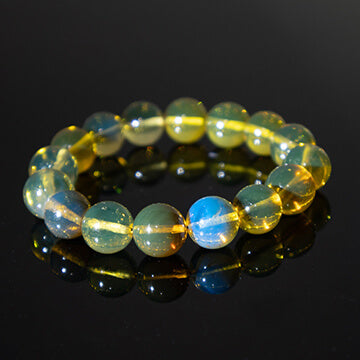
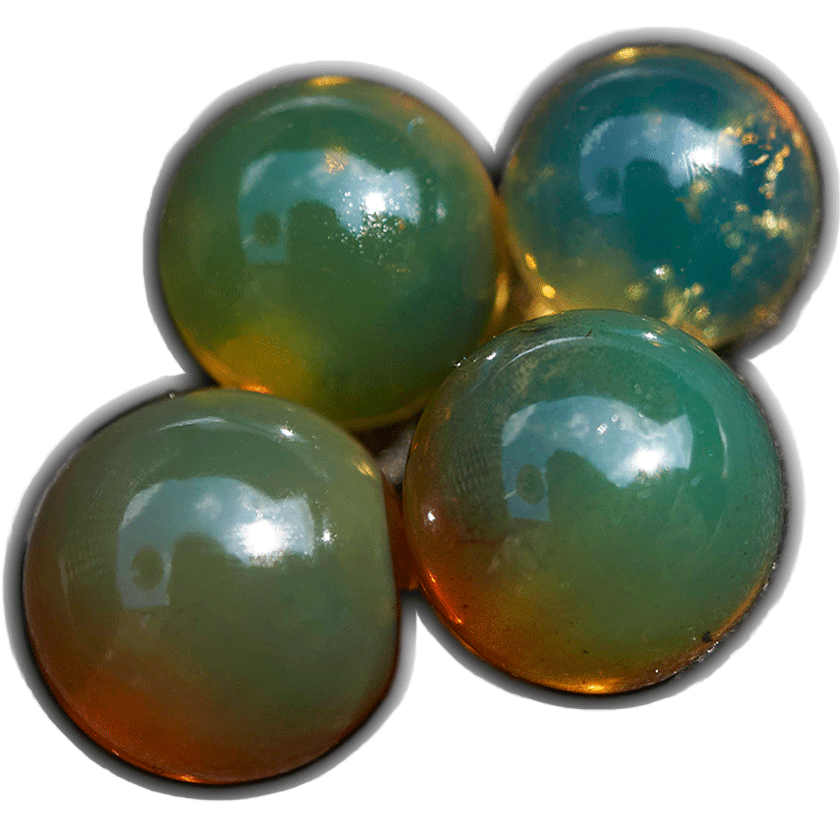
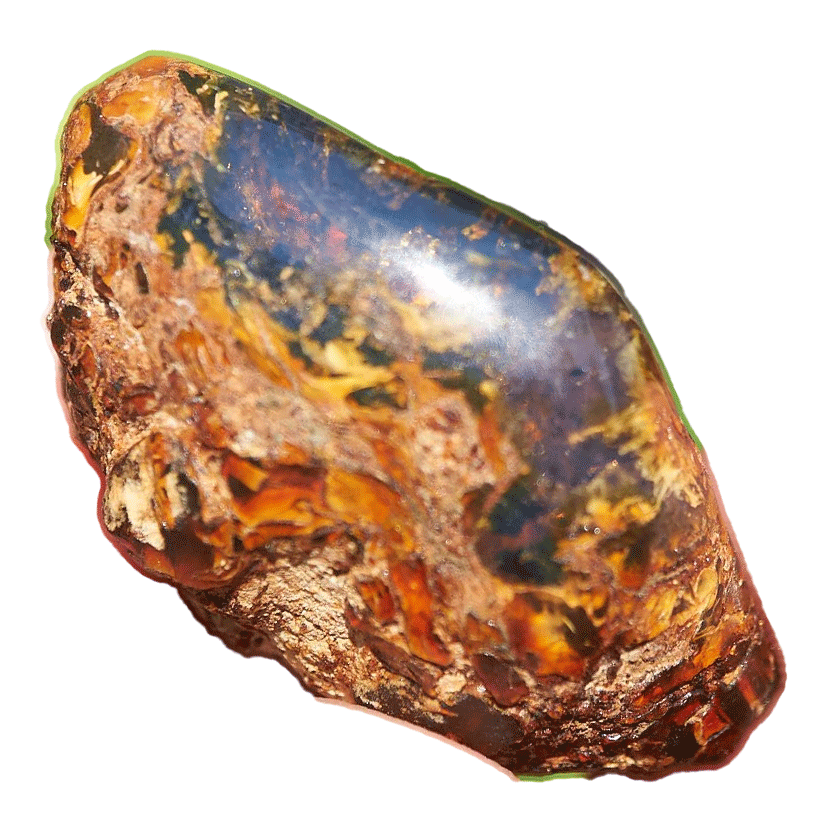
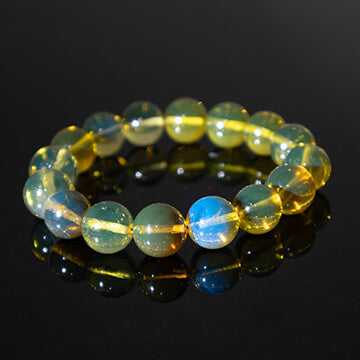
Dominican blue amber represents one of nature's most remarkable optical phenomena. Under natural sunlight, this material displays subtle blue tones, but exposure to UV light reveals brilliant blue fluorescence. This effect results from specific aromatic compounds within the resin, unique to certain Dominican amber deposits.
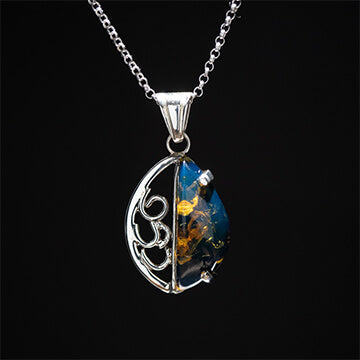
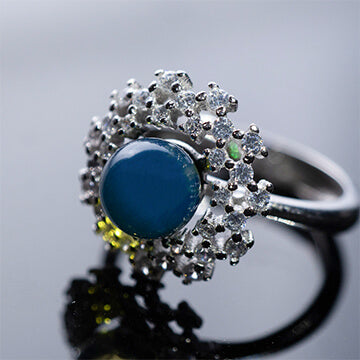
The rarity and visual impact of blue amber create strong collector demand. Quality blue amber beads may cost 10-20 times more than comparable Baltic amber specimens. Artisans working with rare materials often combine blue amber with complementary gemstones to create distinctive jewelry pieces that showcase its unique properties.
Cherry amber, displaying deep red to burgundy coloration, occurs rarely in Baltic deposits. This color results from specific oxidation processes during fossilization, creating warm tones that contrast dramatically with typical honey yellows.
Green amber, found primarily in Dominican deposits, offers another rare color variation. These specimens may appear olive to emerald green depending on lighting conditions and internal composition. Collectors prize these unusual colors for their scarcity and distinctive appearance.
Modern jewelry design increasingly incorporates beads amber in innovative ways that move beyond traditional strand necklaces. Understanding current trends helps both designers and consumers explore amber's versatility.
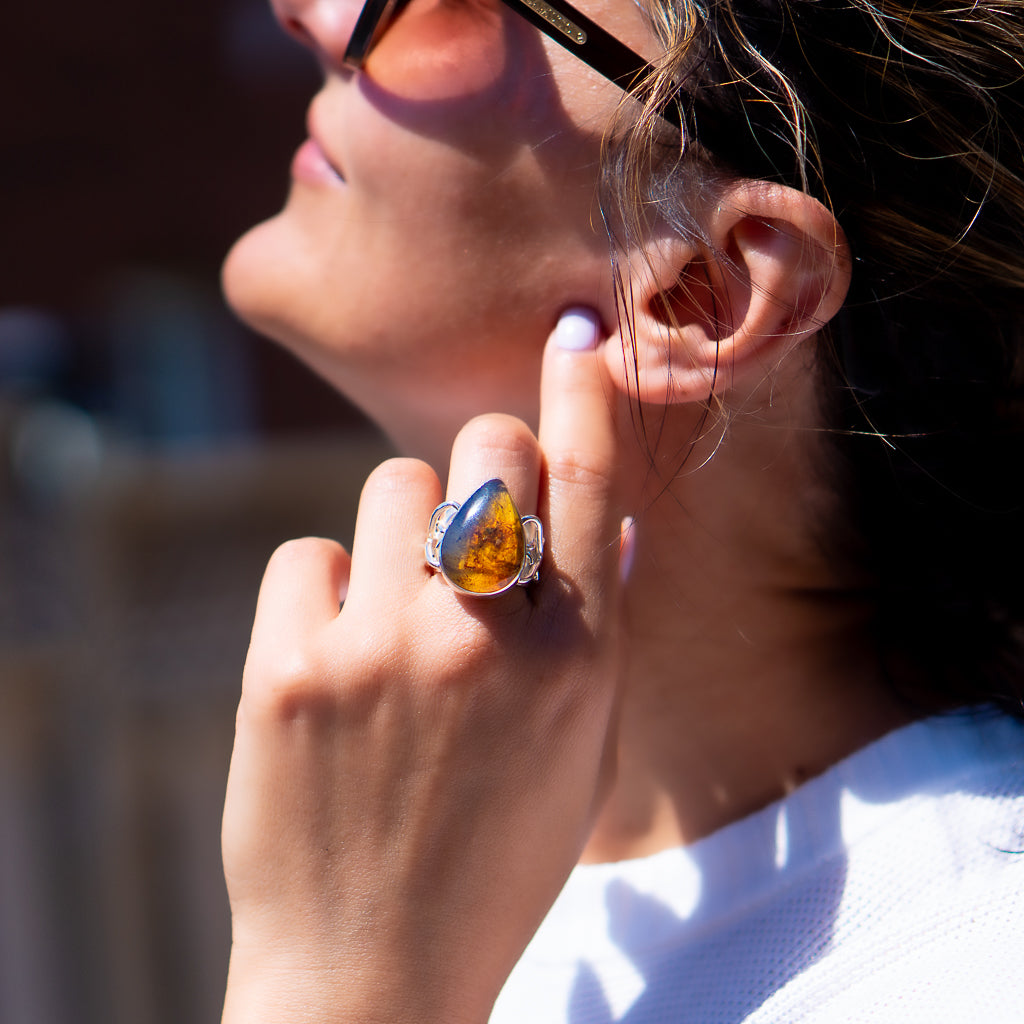
Contemporary minimalist jewelry often features single statement amber beads paired with simple metal components. These designs highlight individual amber specimens' natural beauty while creating wearable art pieces. Large, clear amber beads serve as focal points in pendants, rings, and earrings that emphasize material quality over elaborate construction.
Conversely, maximalist trends embrace abundant amber beads in layered necklaces, chandelier earrings, and statement bracelets. These designs celebrate amber's warm glow through volume and repetition, creating visual impact through material rather than precious metal content.
Modern designers frequently combine beads amber with contrasting materials to create visual interest and textural variety. Pairing amber with silver, leather, wood, or other organic materials produces contemporary pieces that honor traditional craftsmanship while embracing modern aesthetics.
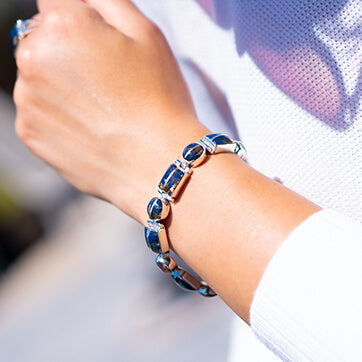
The combination of amber with other gemstones creates unique color palettes and symbolic meanings. Turquoise, coral, or larimar paired with amber produces striking color contrasts that appeal to collectors seeking distinctive jewelry. These mixed-material pieces often carry premium values due to the skill required for harmonious integration.
Understanding beads amber authentication, quality factors, and proper care enables informed purchasing decisions while deepening appreciation for these ancient organic gemstones. Whether you're drawn to amber for its warm beauty, historical significance, or purported therapeutic properties, selecting genuine specimens from reputable sources ensures lasting satisfaction. Larimar Creations specializes in rare organic gemstones including Dominican Blue Amber, offering expertly crafted jewelry that celebrates the unique characteristics of these natural treasures with worldwide shipping to collectors and jewelry enthusiasts globally.