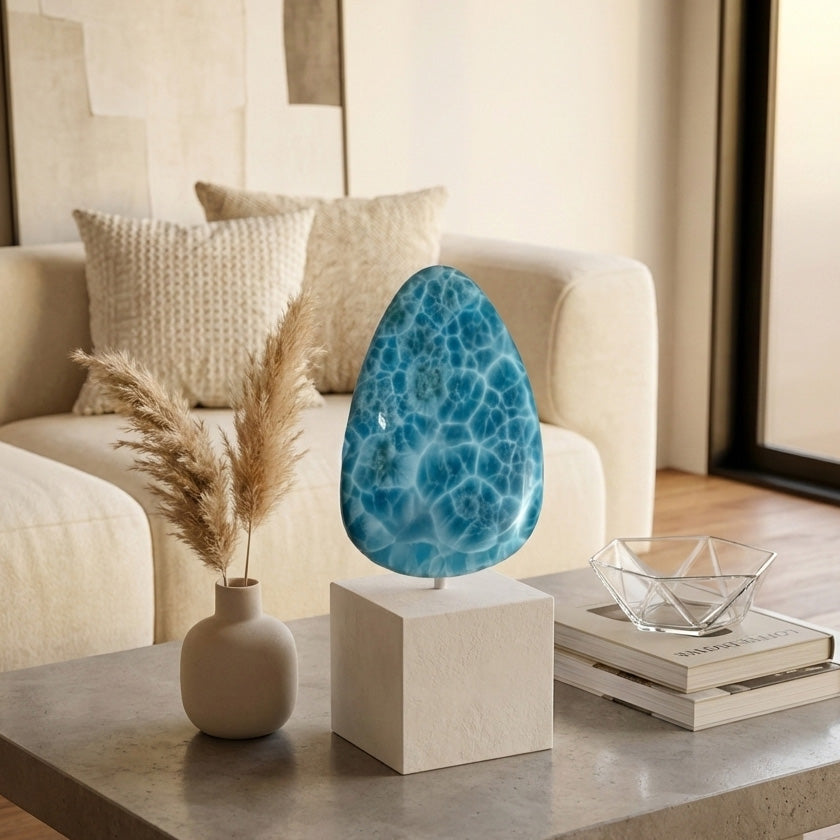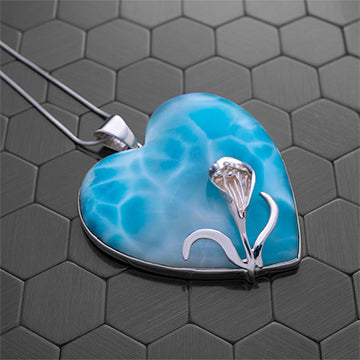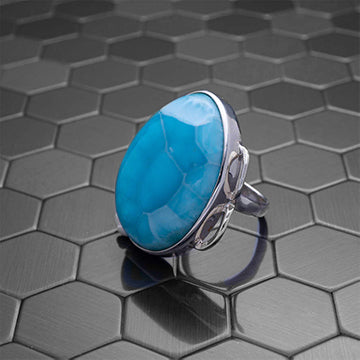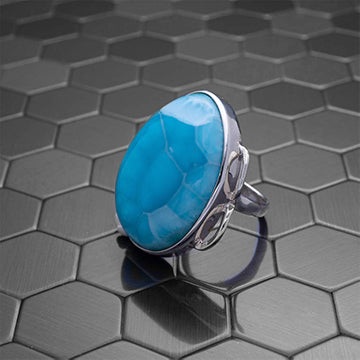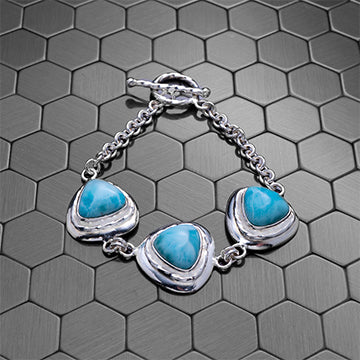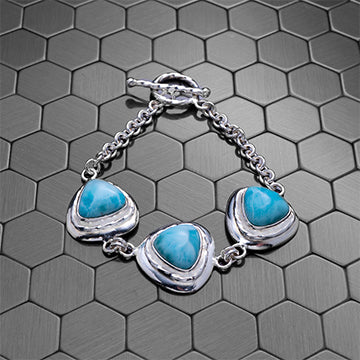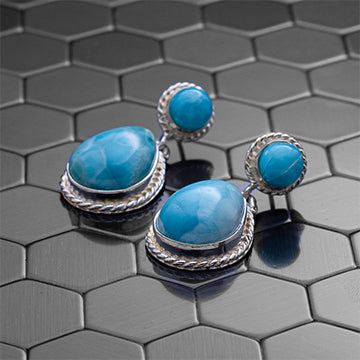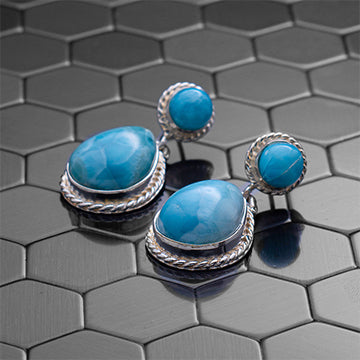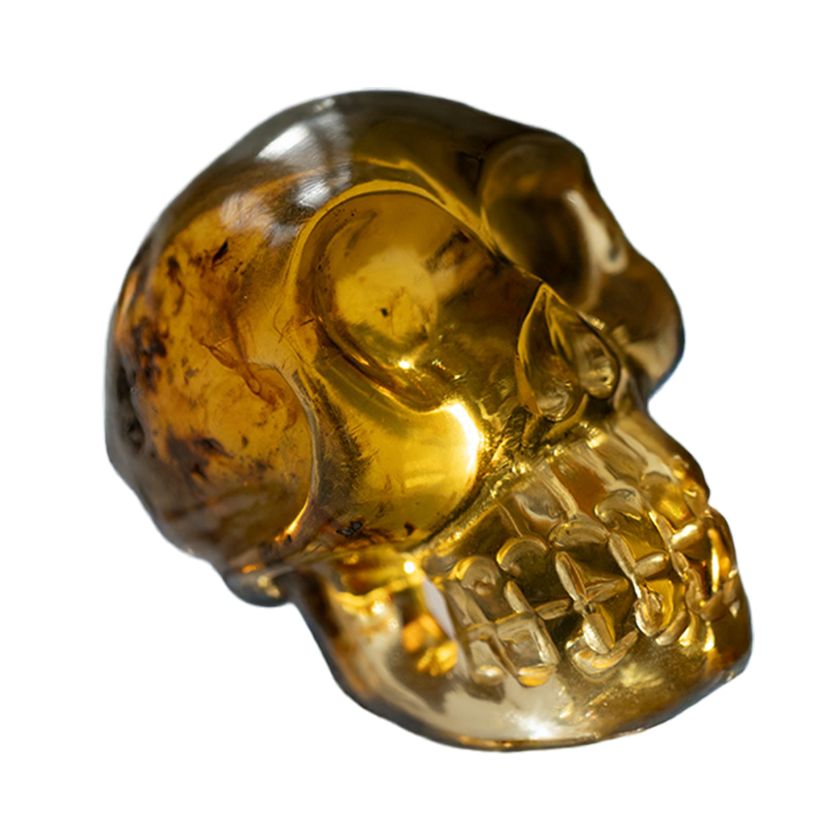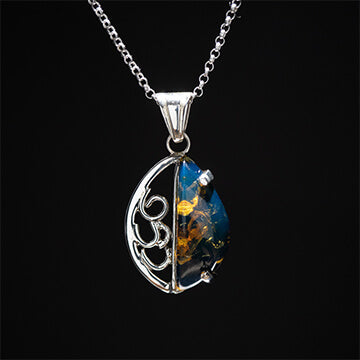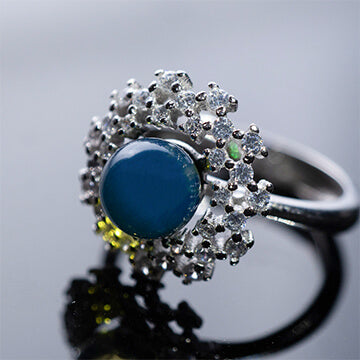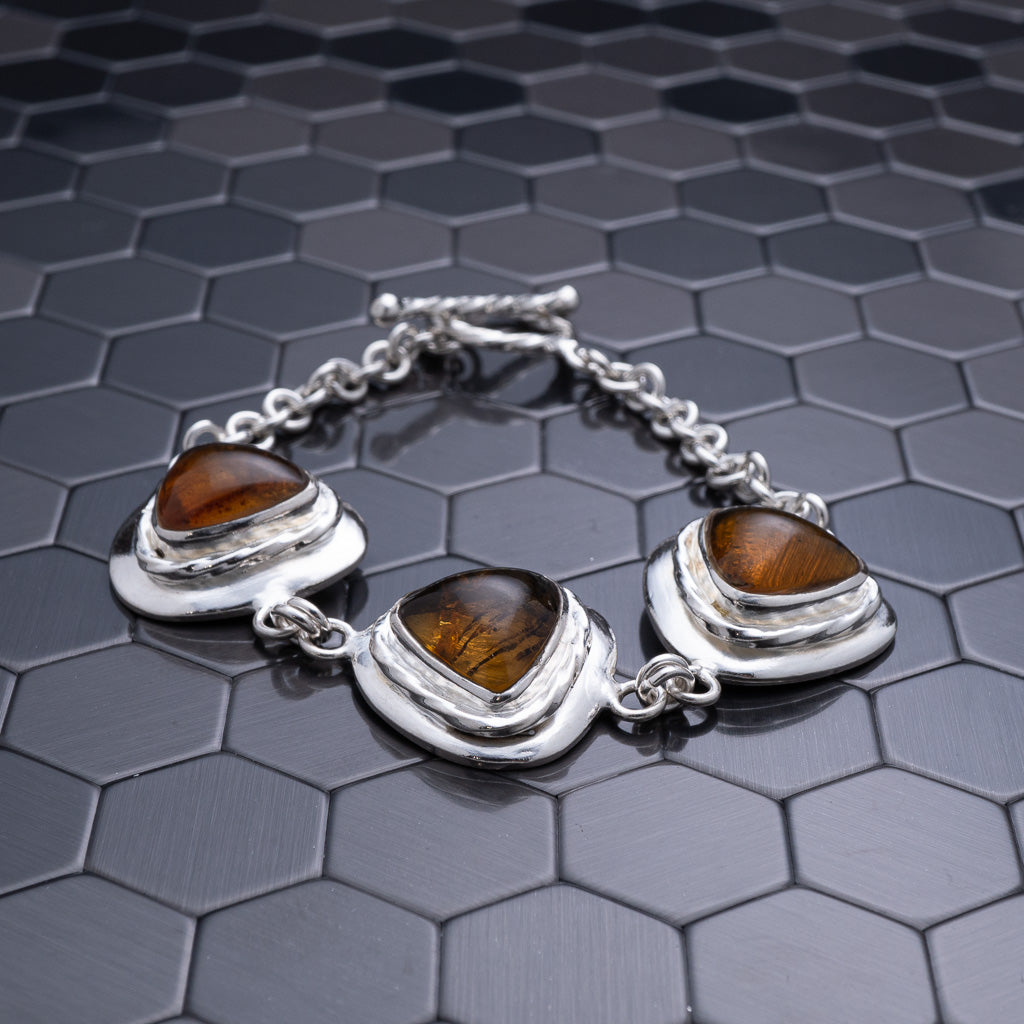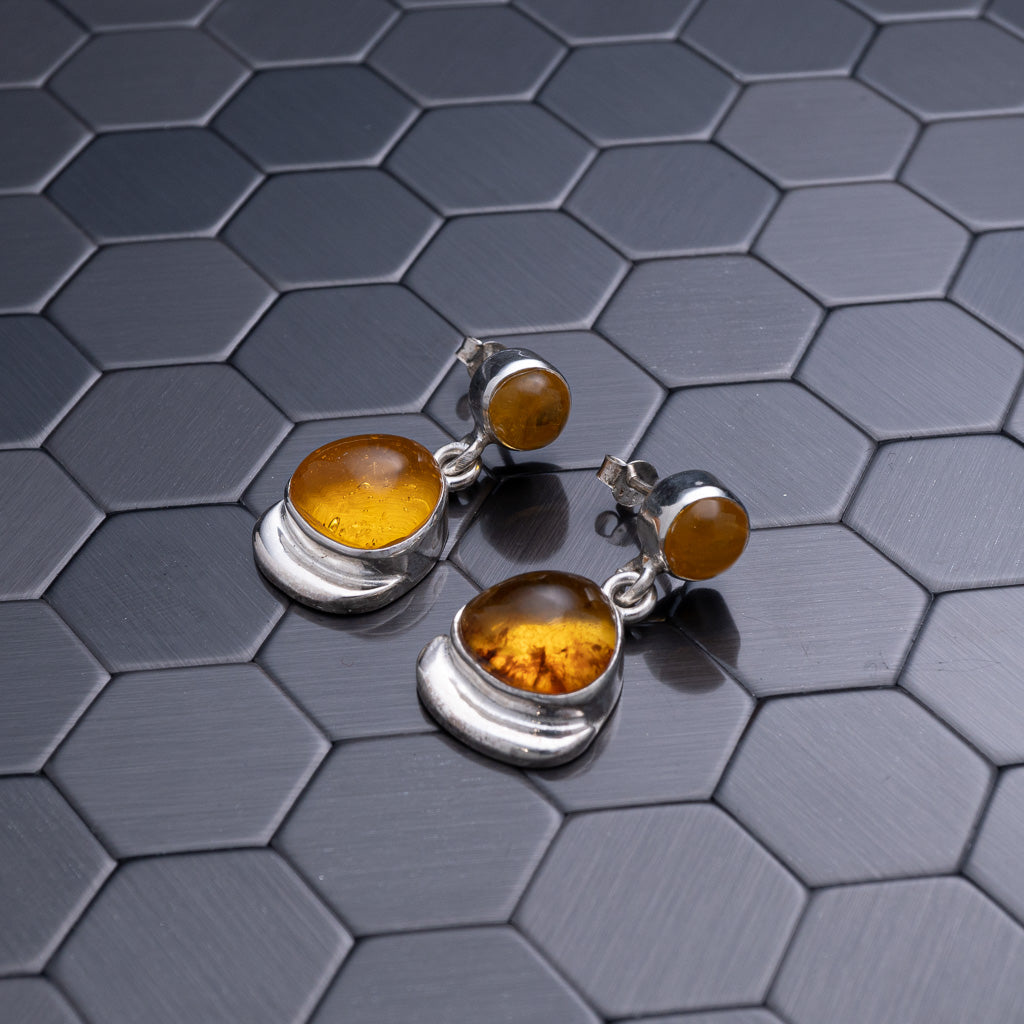


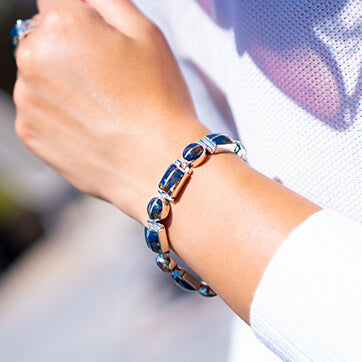
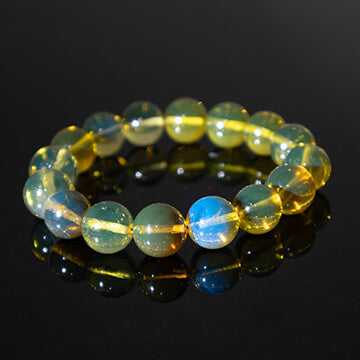
Handcrafted in DR.

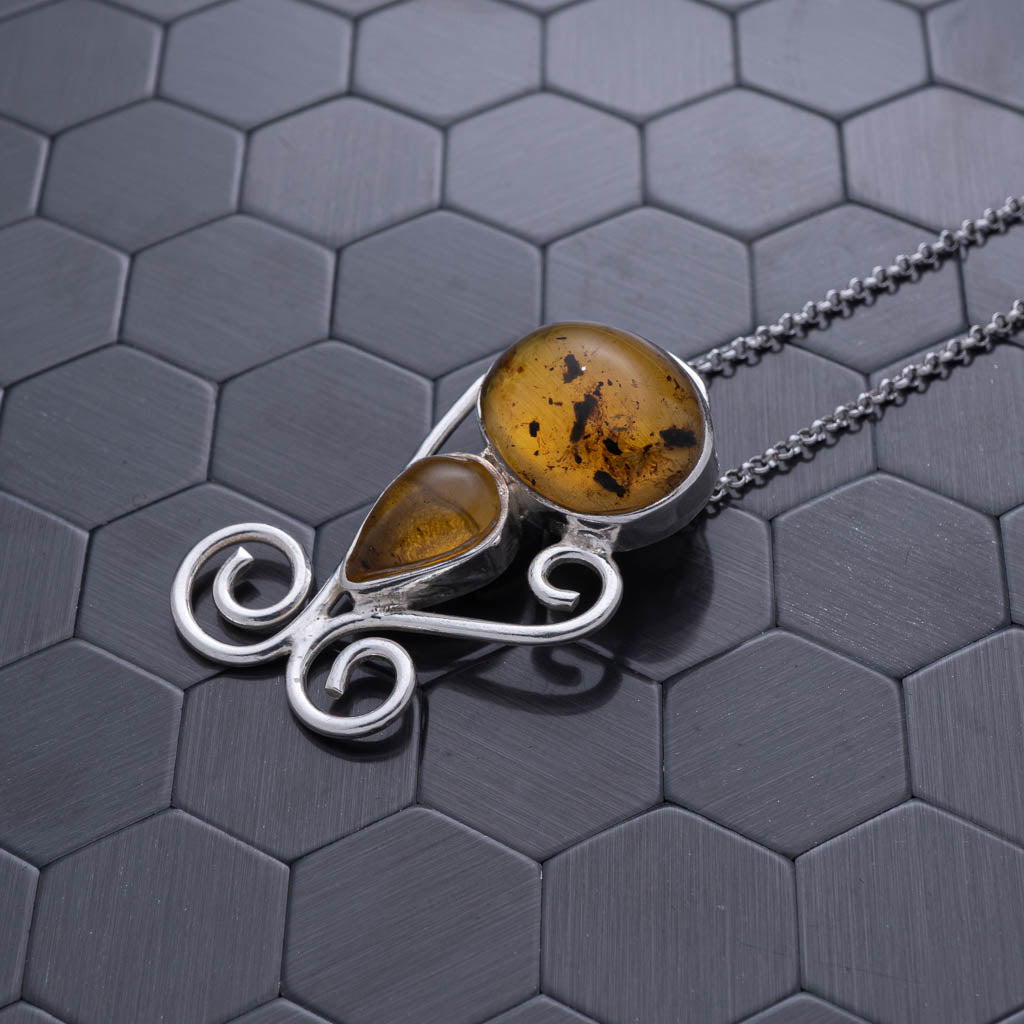
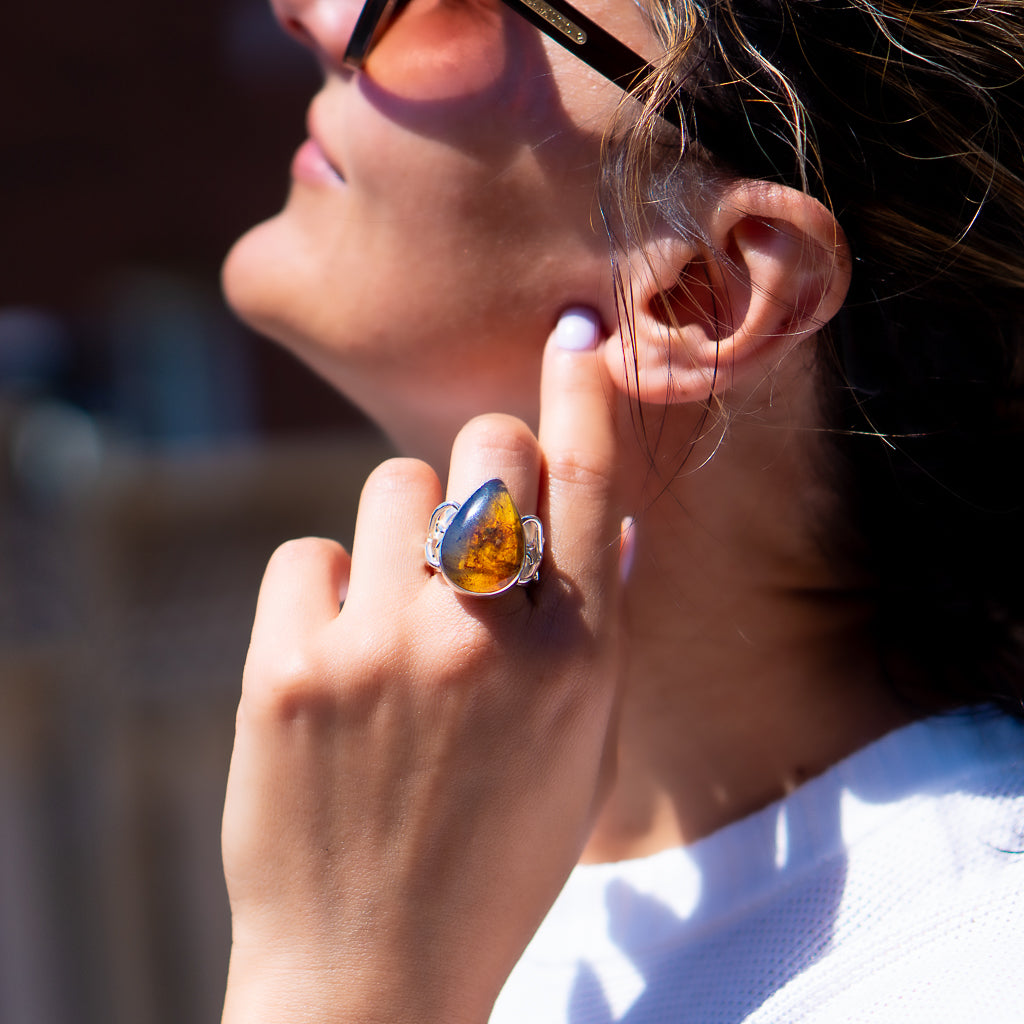
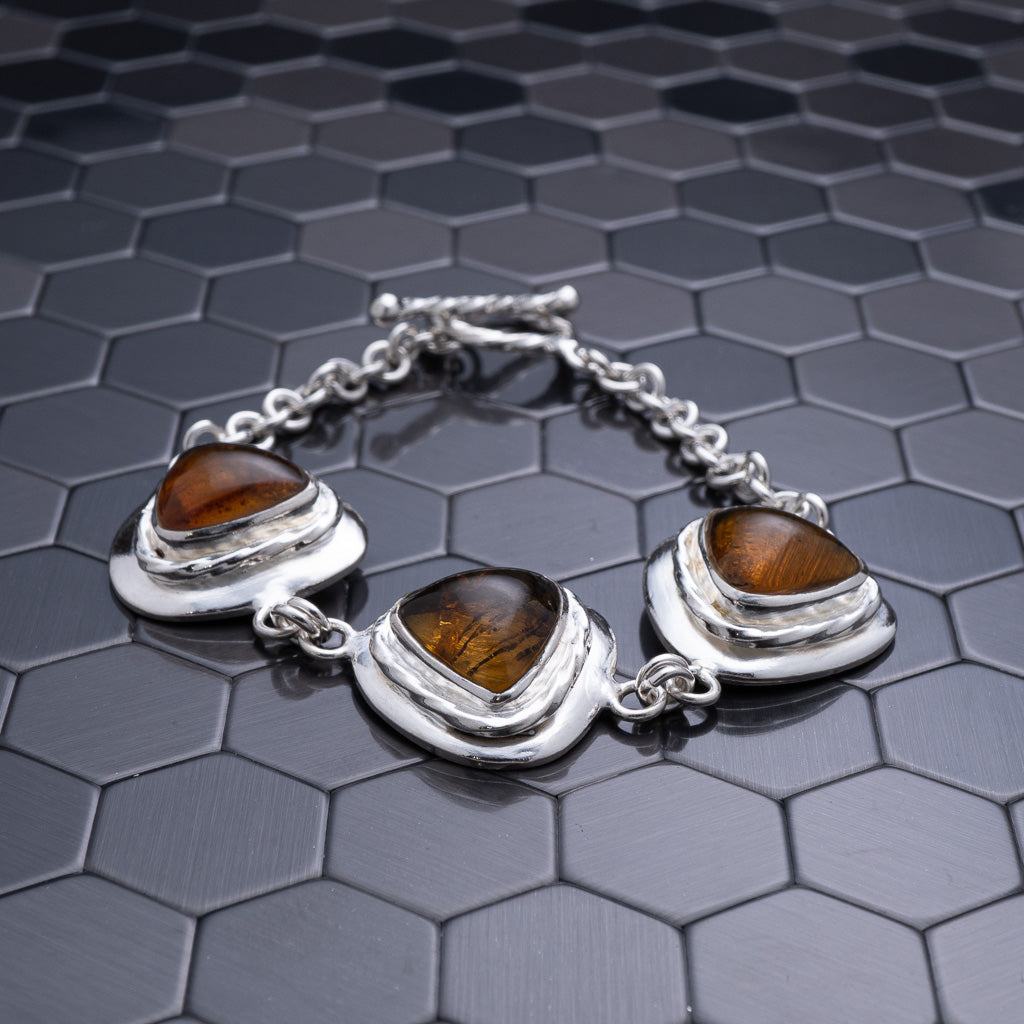
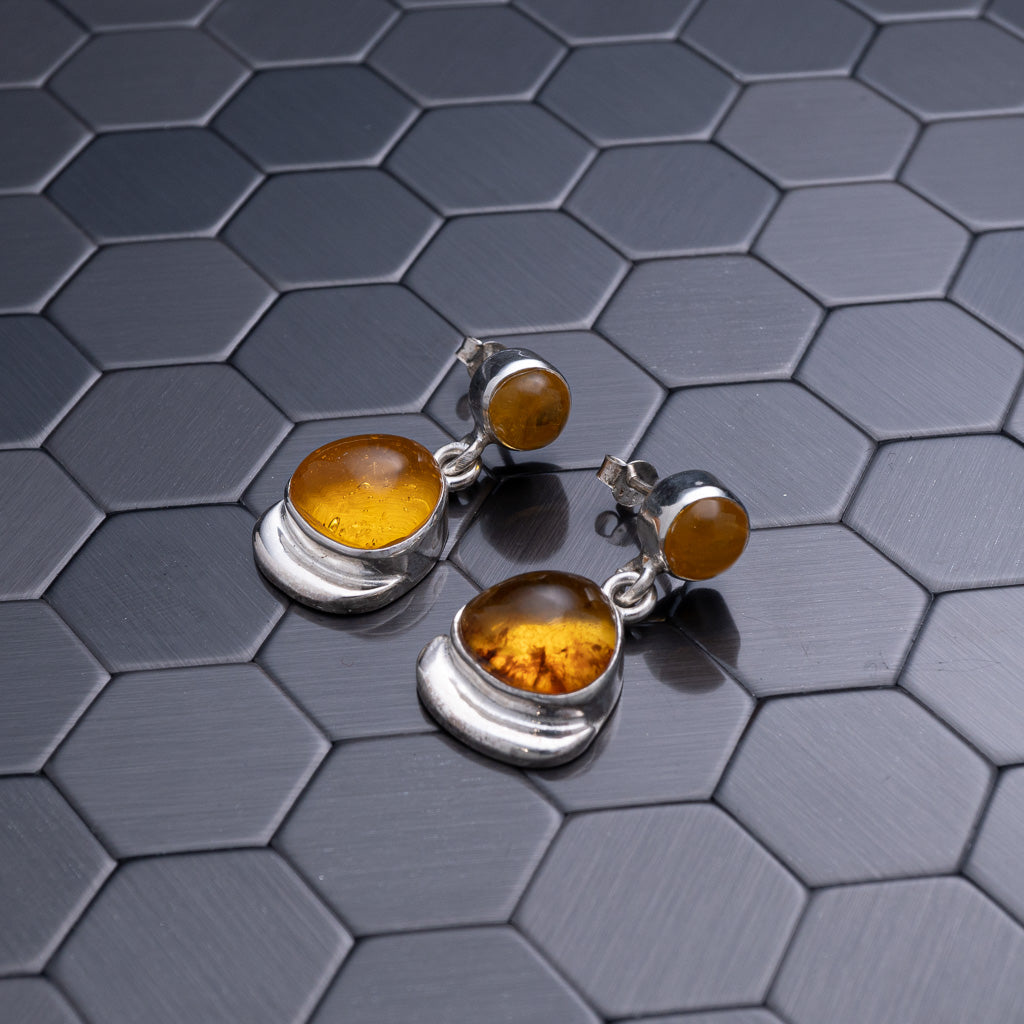


100% Handcrafted in DR.

Step into the extraordinary world of blue amber, where rarity and beauty collide. This mesmerizing gemstone captivates collectors and jewelry lovers alike with its enchanting blue glow—something truly unlike any other stone.
If you’ve ever wondered what makes blue amber so unique, or how to spot the real thing, you’re in the right place. Our guide is designed to empower beginners to confidently identify, appreciate, and care for blue amber in 2025.
Inside, you’ll discover its fascinating origins, how to recognize authentic pieces, the science behind its color, current market values, buying tips, and essential care instructions. Get ready to unlock the secrets of blue amber and start your own journey into this captivating gemstone.
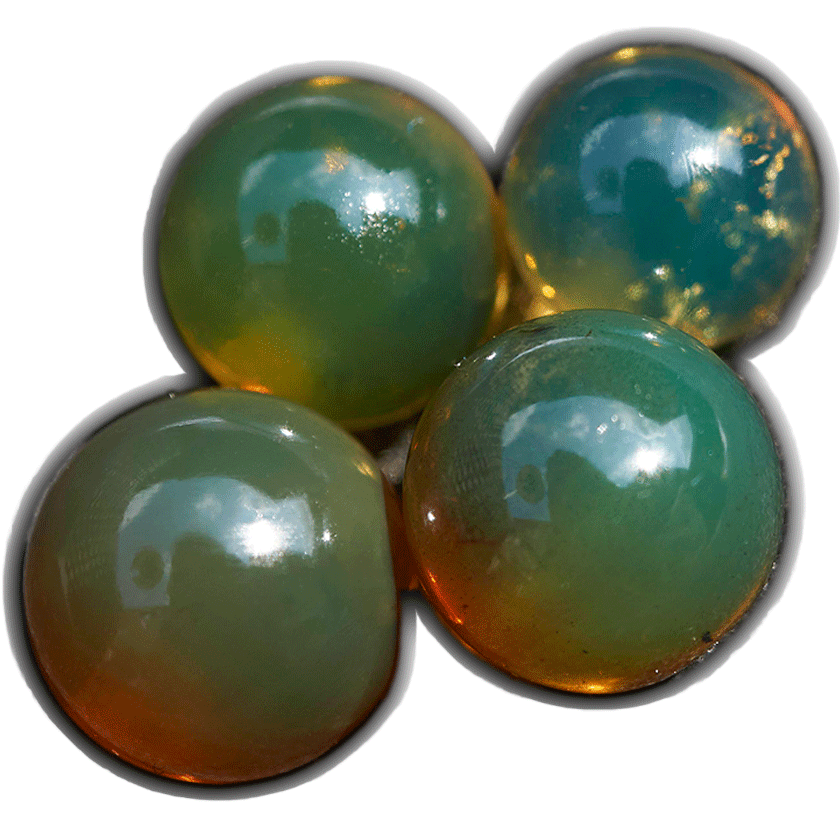
Blue amber is one of nature’s most captivating secrets—a rare variety of fossilized tree resin that reveals a mesmerizing blue glow under sunlight or ultraviolet light. Unlike traditional amber, which ranges from honey to deep orange, blue amber enchants collectors with its unique fluorescence and subtle to vibrant blue hues. The phenomenon is so intriguing that it has inspired dedicated research and passionate followings worldwide. For a comprehensive introduction to its origins and properties, check out this Blue Amber Overview.

Blue amber is fossilized resin produced millions of years ago by ancient Hymenaea trees, primarily in the Caribbean. What sets blue amber apart from other amber varieties is its stunning blue fluorescence, visible under UV light and strong sunlight. This effect is caused by specific aromatic hydrocarbons within the resin that absorb ultraviolet light and emit a visible blue glow.
Traditional amber typically appears yellow, orange, or brown. In contrast, blue amber’s color can range from a faint bluish tint to a vivid, electric blue, depending on the angle and lighting. This unique interplay of light makes blue amber highly sought after by collectors, jewelry designers, and gem enthusiasts alike.
The story of blue amber begins in the Dominican Republic, where locals discovered its mysterious glow in the early 20th century. Soon after, similar finds emerged in parts of Mexico. Ancient civilizations viewed amber as a mystical substance, often using it in amulets or trading it for its perceived powers.
Legends grew around blue amber, with some believing it held protective or healing properties. Unlike Baltic amber, which has a long history in Europe, blue amber’s cultural significance is relatively recent but growing rapidly. Today, it stands as a symbol of Caribbean heritage and natural wonder.
Blue amber is exceptionally rare, making up less than 0.2% of all amber found globally. The main sources are the Dominican Republic, Sumatra (Indonesia), and Mexico. Each region produces blue amber with slightly different characteristics, but Dominican blue amber is considered the most vibrant and valuable.
| Location | Production Volume | Notable Features |
|---|---|---|
| Dominican Republic | Very Low | Intense blue fluorescence |
| Sumatra | Low | Subtle blue tint |
| Mexico | Rare | Unique patterns |
Factors driving blue amber’s rarity include the limited presence of the required tree species, unique geological conditions, and the difficulty of mining in remote areas.
The captivating blue hue of blue amber is rooted in its chemistry. Compounds such as perylene and other polycyclic aromatic hydrocarbons are responsible for its vivid fluorescence. When exposed to ultraviolet light or strong sunlight, these compounds absorb invisible UV rays and re-emit them as visible blue light.
This optical effect is called photoluminescence. Gemologists use UV flashlights to confirm blue amber’s authenticity, as genuine stones display a bright blue glow that is difficult to replicate in imitations. The strength and quality of this blue fluorescence can also influence the stone’s value and appeal.
In the past decade, blue amber has surged in popularity among collectors and jewelry aficionados. Its rarity, combined with its breathtaking beauty, has led to record-breaking auction sales and a steady climb in market prices. Social media platforms and celebrity endorsements have only fueled the desire for blue amber, with influencers showcasing unique pieces to global audiences.
Discovering the key properties of blue amber unlocks a world of visual wonder and scientific intrigue. This unique gemstone stands out for its mesmerizing hues, remarkable fluorescence, and rare inclusions. Let’s break down what truly sets blue amber apart, so you can appreciate its full beauty and value.

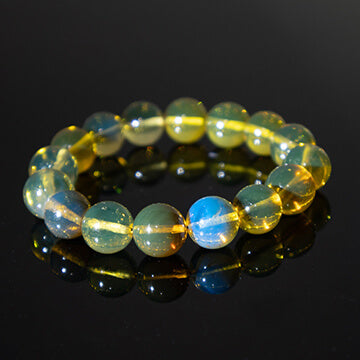
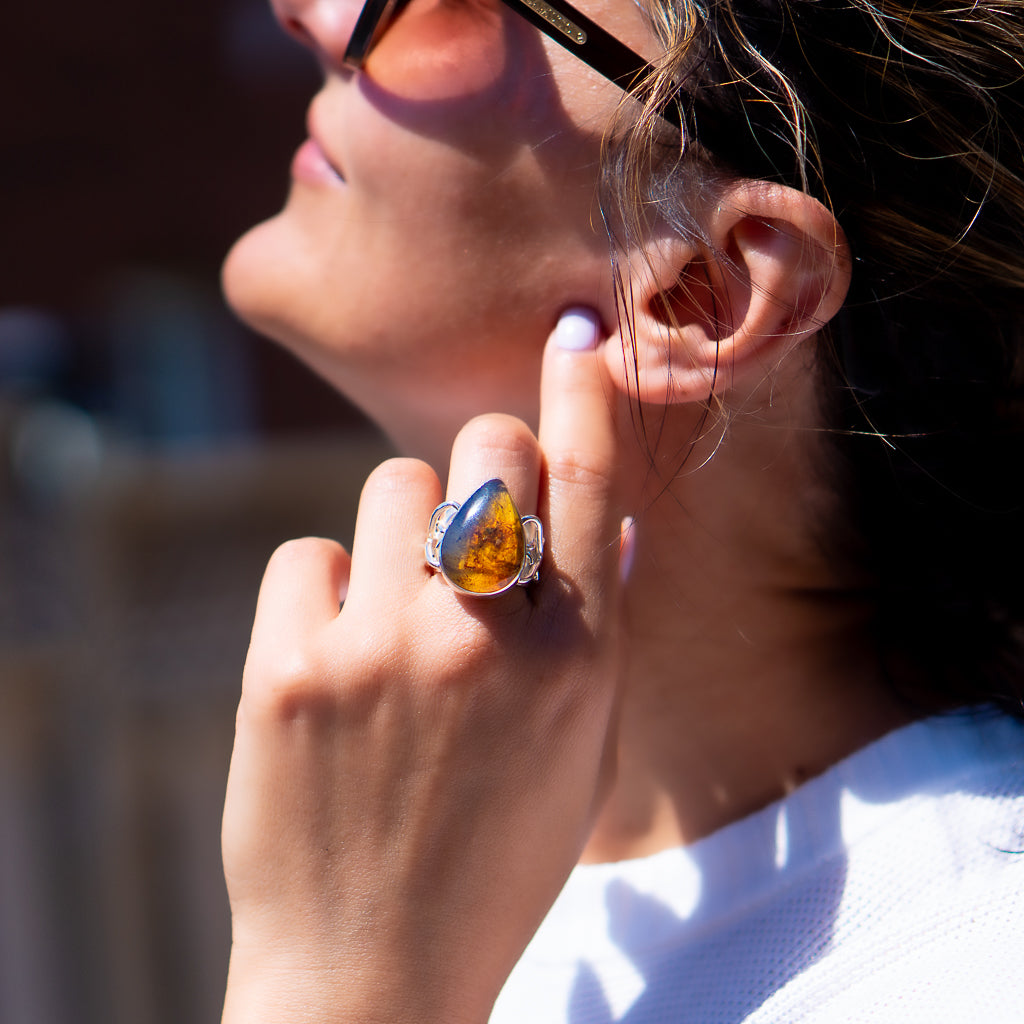
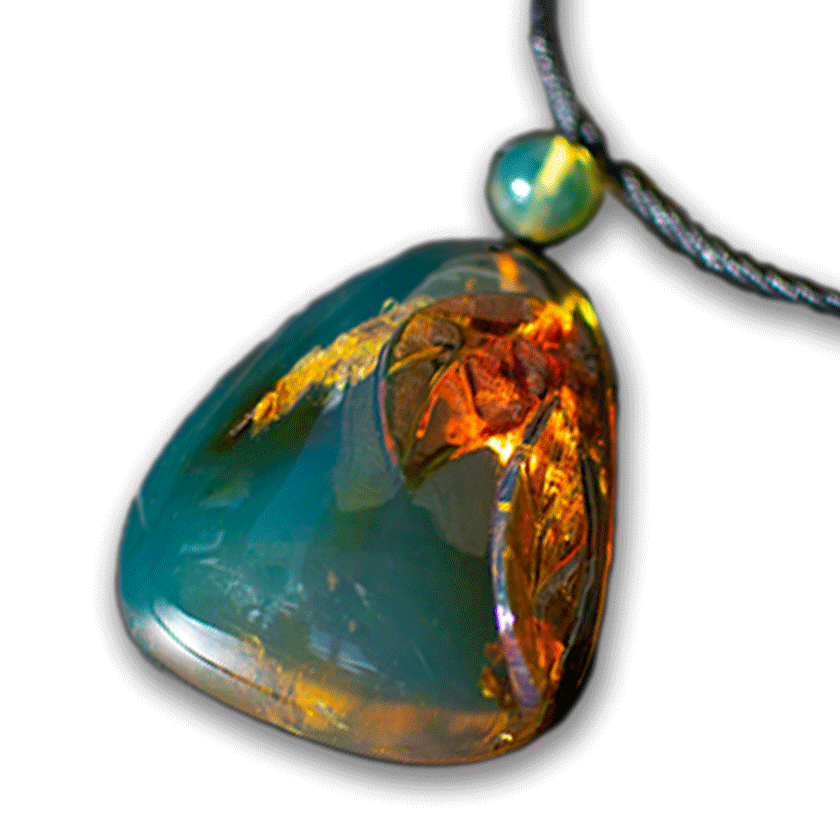
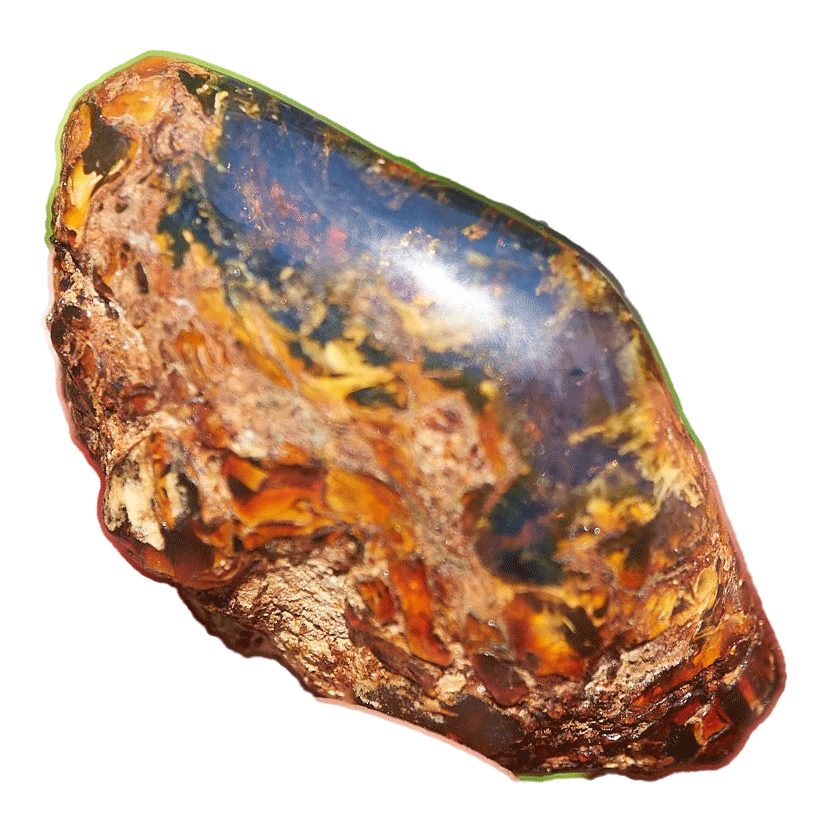
At first glance, blue amber captivates with its subtle to striking blue glow, which becomes especially vivid under sunlight or UV light. In natural light, the stone often appears golden or honey-colored, but a gentle tilt can reveal an ethereal blue sheen. This play of color is what draws so many collectors to blue amber.
The range of blue hues in blue amber varies from faint, soft tints to deep, electric blue flashes. Transparency levels also differ, with some specimens crystal-clear and others filled with enchanting inclusions. Surface patterns, like ripples or cloud-like swirls, add to the individuality of each piece.
Have you ever seen amber glow blue in sunlight?
Fluorescence & Photoluminescence
One of the most defining characteristics of blue amber is its intense fluorescence. Under UV or black light, the gemstone radiates a luminous blue glow that’s instantly recognizable. This reaction is due to unique organic compounds within the amber.
Scientists have studied this effect extensively. According to the Fluorescence Characteristics of Blue Amber, blue amber from the Dominican Republic exhibits strong photoluminescence, which is a key marker for authenticity. At home, you can use a UV flashlight to observe this phenomenon—a simple yet revealing test for blue amber.
When assessing blue amber, it’s important to note its physical and chemical traits. On the Mohs scale, blue amber ranks 2–2.5, making it relatively soft compared to many gemstones. Its density is low, so it feels surprisingly light in hand.
Here’s a quick comparison:
| Property | Blue Amber | Traditional Amber | Other Gemstones |
|---|---|---|---|
| Hardness (Mohs) | 2–2.5 | 2–2.5 | 6–10 |
| Density (g/cm³) | 1.05–1.10 | 1.05–1.10 | 2.5–4.0 |
| Solvent Resistance | High | High | Varies |
Blue amber is resistant to most solvents, but it’s fragile and prone to scratches or cracks. Handle with care to preserve its natural beauty and blue amber’s unique properties.
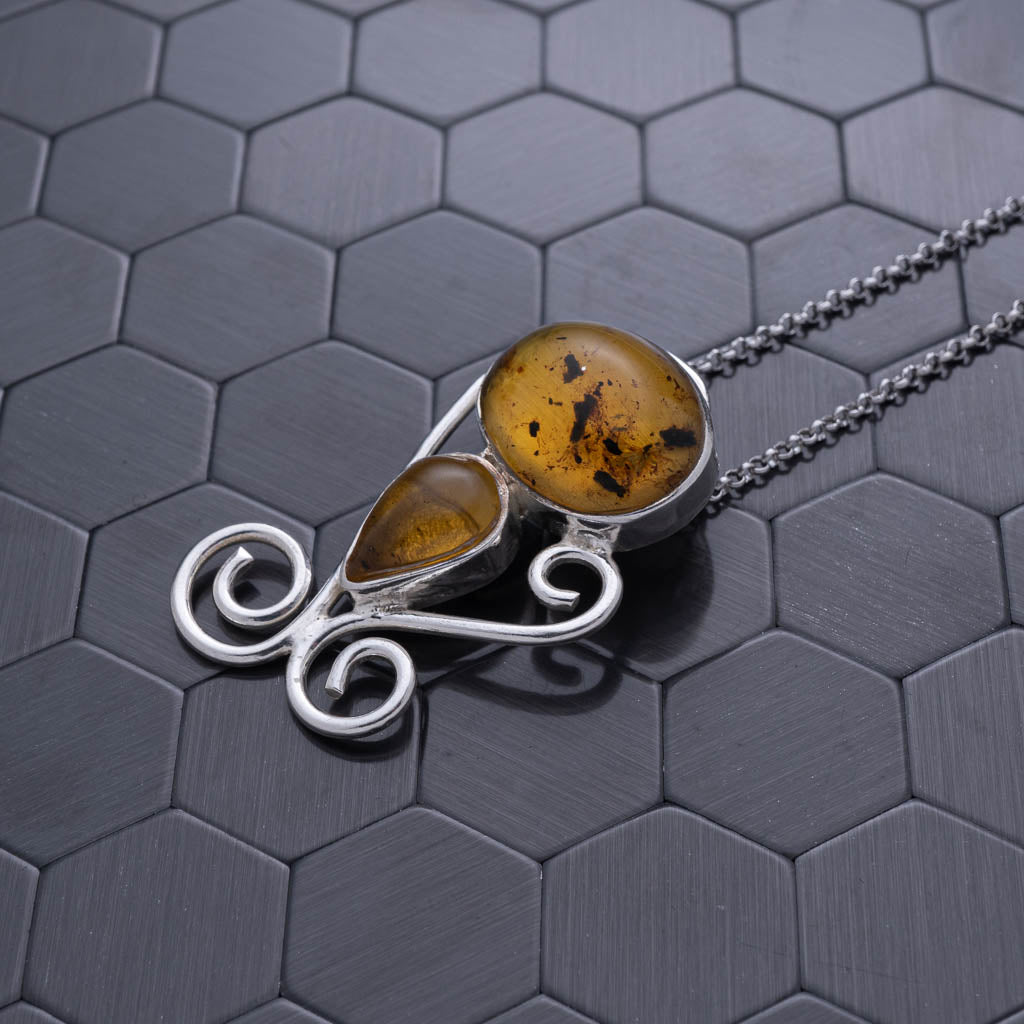
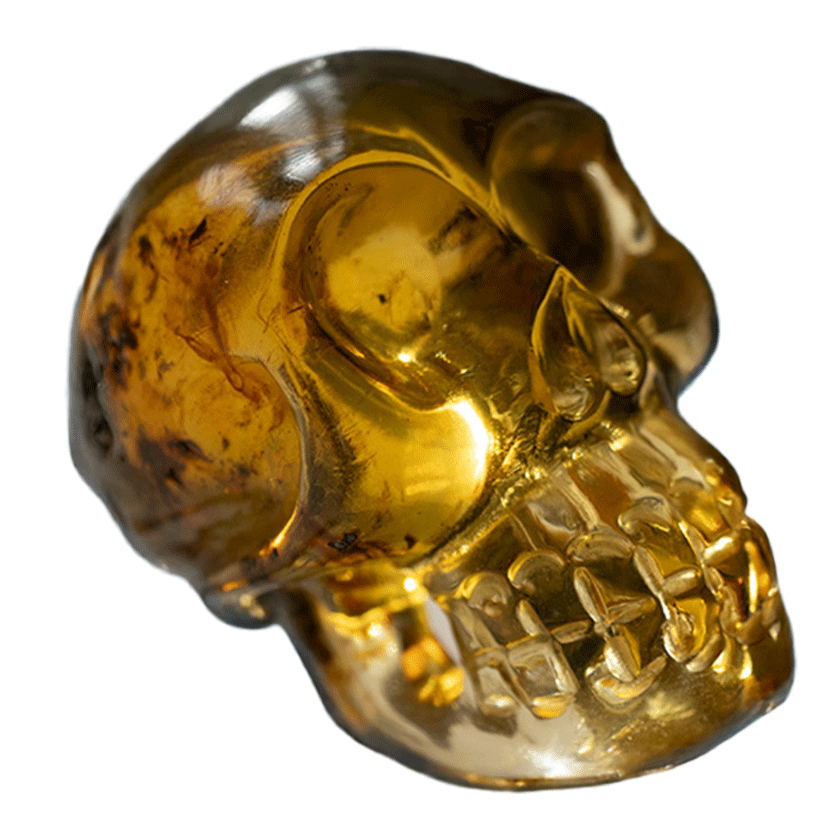
A signature trait of blue amber is its fascinating inclusions. These can range from tiny plant fragments to ancient air bubbles, and, in rare cases, perfectly preserved insects. Each inclusion tells a story from millions of years ago, adding depth and character to the stone.
Collectors often prize blue amber with visible inclusions, as they enhance both the visual appeal and the value of the specimen. Surface patterns—such as flow lines or cloudy zones—make every piece of blue amber one of a kind.
Distinguishing genuine blue amber from imitations requires a keen eye and a bit of know-how. Authentic blue amber will always display that signature blue fluorescence under UV light. Common fakes include dyed resins or heat-treated copal, which lack the correct glow and often feel too soft.
Look for these markers:
Real vs. synthetic blue amber can sometimes be tricky to tell apart. When in doubt, consult with a reputable gemologist or request a lab report to ensure your blue amber is the real deal.
Unlocking the secrets of blue amber starts with knowing how to spot the real deal. Whether you’re at a market stall or shopping online, following a proven process helps ensure you’re investing in a genuine gemstone. Let’s break down the essential steps, tools, and tips you’ll need to confidently identify blue amber.
Start with a close look at the blue amber specimen in natural and artificial light. Under daylight, blue amber often appears yellowish or honey-brown, but under UV or black light, it reveals a striking blue fluorescence—a hallmark feature.
Here’s a quick checklist for visual inspection:
Essential tools include a UV flashlight and a magnifying glass. When shining UV light, you should see a vibrant blue or electric blue hue radiate from the stone. The blue fluorescence is a result of unique organic compounds, which you can explore in more detail in this Color Phenomena in Blue Amber study.
Physical tests provide another layer of confidence when identifying blue amber. The scratch test, while sometimes used, is not recommended as blue amber is fragile (2–2.5 on the Mohs scale) and can be easily damaged.
Try these safer methods:
Always use caution—these tests should be non-destructive, especially with valuable pieces. Remember, blue amber’s low density and organic aroma are key indicators.
For collectors wanting extra certainty, advanced gemological tools come into play. Spectroscopy can analyze light absorption and confirm the organic signature unique to blue amber. Reputable gem labs can provide detailed authentication reports using equipment that’s not available to most hobbyists.
When in doubt, seek professional verification, especially for high-value purchases. Experts can detect subtle differences between blue amber and closely related materials like copal or treated resins, ensuring your investment is secure.
Even seasoned collectors can be fooled by clever imitations. Copal—a younger tree resin—can be dyed to mimic blue amber but lacks the same blue fluorescence and aromatic profile. Avoid relying solely on color; some resins are artificially colored to deceive buyers.
Watch out for these red flags:
Stay alert to popular scams and don’t hesitate to consult community forums or experts if something feels off.
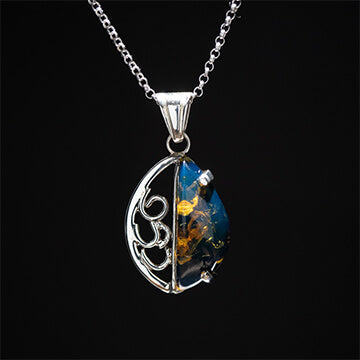
Let’s walk through identifying blue amber step by step. Imagine you’re examining a pendant:
For more technical comparisons and reference images, consult reputable gemological resources or follow examples from experienced collectors. Real-world anecdotes and case studies can be found in online amber enthusiast groups.
With practice, these techniques become second nature, helping you confidently spot genuine blue amber wherever you go.
Understanding the value of blue amber is essential for every beginner. With its mesmerizing color and rarity, blue amber stands out in the gemstone world. Knowing what drives its price, how it’s graded, and its investment potential will help you make smart choices whether you’re buying, selling, or collecting.

Several key factors influence the price of blue amber. The intensity of the blue hue is a major driver—richer, more vivid blues are prized. Size matters, as larger pieces are rare. Clarity, transparency, and the presence or absence of inclusions also play a role.
Provenance is critical. Blue amber from the Dominican Republic is often valued higher than material from other regions. Documentation that verifies the source and authenticity can boost value. Finally, rarity and current market demand add further premiums to top-quality blue amber.
Gemologists use several criteria to grade blue amber. Grading typically considers color saturation, clarity, fluorescence, and overall appearance. The strength of blue fluorescence under UV light is a unique marker; more vivid photoluminescence usually signals higher grade.
Scientific analysis, including spectral testing, helps confirm quality and authenticity. For deeper insights into how fluorescence is evaluated, studies like the Spectral Characteristics of Burmese Amber offer comparative data relevant to blue amber grading.
High-grade blue amber:
Low-grade blue amber:
Blue amber commands premium prices in today’s market. As of 2024–2025, top-quality blue amber can range from $20 to over $100 per gram, depending on source, color, and clarity. Pieces with rare inclusions or museum-grade fluorescence can exceed these figures.
| Grade | Price per Gram (USD) | Notable Features |
|---|---|---|
| High Grade | $60 – $100+ | Vivid blue, clear, rare |
| Mid Grade | $30 – $60 | Good blue, some flaws |
| Low Grade | $10 – $30 | Faint blue, many flaws |
Compared to Baltic or yellow ambers, blue amber is significantly rarer and more expensive.
Many collectors view blue amber as a promising investment. Over the past five years, prices have trended upward, driven by growing demand and social media buzz. However, like any gemstone, blue amber carries risks—market trends can shift, and authenticity is crucial.
Before investing, research thoroughly and seek expert advice. Consider potential liquidity and storage needs. While the rewards can be high, especially for standout pieces, investments should be balanced with caution.
Exceptional blue amber specimens have made headlines at major auctions and in private collections. Museums showcase blue amber with unique inclusions—like ancient insects—fetching record-breaking prices. Some collectors focus on jewelry, while others seek raw stones with rare natural patterns.
Notable pieces often come with detailed provenance and scientific documentation. These collectibles not only hold value but also tell the fascinating story of blue amber’s journey from prehistoric forests to modern luxury collections.
Buying blue amber can be an exciting yet intimidating experience. With its growing popularity and rarity, knowing how to purchase genuine blue amber is crucial for every beginner. This section will guide you through the process step by step, so you can shop with confidence and avoid common pitfalls.
To ensure you’re getting real blue amber, always buy from specialized dealers, reputable auction houses, or certified online retailers. Look for sellers who openly share their credentials, provide detailed product photos, and offer clear return policies.
Warning signs of unreliable sellers:
If buying online, consider platforms recommended by gemological authorities, such as the International Gem Society. These sources often vet their dealers and provide buyer protection.
When purchasing blue amber, ask the seller specific questions about the gem’s origin, mining location, and whether it has undergone any treatments. Genuine blue amber should come with a certificate of authenticity from a recognized gemological lab.
Key questions to ask:
A reputable seller won’t hesitate to provide clear answers and documentation. This transparency is a strong indicator of authenticity.
Blue amber prices can vary widely based on color, clarity, and size. Compare prices from several trustworthy sources before making a decision. Don’t be afraid to negotiate, especially at shows or in-person markets.
Safe payment methods:
| Method | Buyer Protection | Recommended? |
|---|---|---|
| Credit Card | Yes | Yes |
| PayPal | Yes | Yes |
| Bank Transfer | Limited | No |
| Cash | None | No |
Opt for payment options with buyer protection. Avoid cash or wire transfers unless you have an established relationship with the seller.
Scams are unfortunately common in the blue amber market. Beware of sellers offering “blue amber” at prices far below market value or refusing to provide transparent provenance.
Red flags include:
A real-life example: a buyer purchased “blue amber” online for a fraction of the usual cost, only to receive colored resin. Remember, if it sounds too good to be true, it probably is.
If you’re importing blue amber, check the customs regulations in your country. The U.S., EU, and many Asian markets allow import of blue amber, but you may need to pay duties or provide documentation of authenticity.
For shipping, request insured delivery and a tracking number. Ask the seller to use sturdy packaging and to declare the contents accurately. This reduces the risk of loss or damage during transit.
Once your blue amber arrives, inspect it immediately for any damage or discrepancies. Check the certification and compare the stone to the seller’s photos. If you have doubts about authenticity, contact a professional gemologist for evaluation.
Keep all documentation, receipts, and certificates in a safe place. These records are vital if you ever need to verify authenticity or resell your blue amber.
Taking care of your blue amber ensures it remains as captivating as the day you acquired it. Whether you’re a new collector or a seasoned enthusiast, proper maintenance protects your investment and keeps each piece radiant for years to come.
Blue amber is surprisingly delicate and requires gentle care. To clean it safely, use a soft, lint-free cloth to remove dust and fingerprints. If your blue amber needs deeper cleaning, use lukewarm water with a drop of mild soap. Gently wipe and immediately pat dry.
Avoid these common mistakes:
Here’s a quick comparison table for cleaning:
| Method | Safe for Blue Amber? |
|---|---|
| Soft cloth | Yes |
| Mild soap & water | Yes |
| Ultrasonic cleaners | No |
| Harsh chemicals | No |
Storing blue amber correctly preserves its beauty and value. Keep each piece in a soft pouch or a lined jewelry box. Choose a storage spot away from direct sunlight, as UV rays can cause fading.
Ideal storage conditions:
Never store blue amber with harder gemstones to avoid surface damage. A gentle approach ensures your collection stays pristine.
Handle blue amber jewelry with care. Always put on blue amber pieces after applying lotions, perfumes, or hair products to prevent residue buildup.
A little mindfulness goes a long way toward keeping your pieces flawless.
Over time, blue amber can be affected by environmental factors. To preserve its vibrant color, keep pieces out of strong light for extended periods. Store them in a cool, dark place when not on display.
Tips for long-term care:
By following these steps, your blue amber will retain its unique glow and allure for generations.
If your blue amber becomes scratched or damaged, avoid trying at-home fixes. Seek a professional restorer who specializes in amber. They can polish out minor scratches or carefully repair cracks using specialized resins.
Never attempt to glue broken pieces yourself. Amateur repairs can worsen the damage and reduce value. Always keep any fragments, as restorers may use them in the repair process.
For valuable blue amber, insurance is a must. Obtain an official appraisal from a certified gemologist and keep detailed records, including photographs and purchase receipts.
Store documentation in a safe place, separate from your collection. This not only helps with insurance claims but also preserves provenance, which can increase the value of your blue amber over time. For further guidance on appraisals and documentation, consult reputable resources like the Gemological Institute of America (GIA).
Taking these steps ensures your blue amber remains protected, beautiful, and treasured for years to come.
Curious about blue amber? You’re not alone! Here are answers to the most common questions beginners and collectors have about this captivating gemstone.
Is blue amber radioactive or dangerous?
No, blue amber is not radioactive or dangerous to handle or wear. It’s an organic gemstone formed from ancient tree resin. Unlike some minerals, blue amber poses no health risks, making it perfectly safe for jewelry and display.
Can blue amber change color over time?
Blue amber is stable under normal conditions, but prolonged exposure to strong sunlight can cause its surface to lose some of its blue fluorescence. Store your blue amber in a cool, shaded place to maintain its vibrant color.
How rare is blue amber compared to other ambers?
Blue amber is exceptionally rare. Less than 0.2% of all amber mined worldwide displays the signature blue fluorescence. Most amber is yellow, orange, or brown, making blue amber a true collector’s gem.
What makes blue amber more valuable than yellow or red amber?
Several factors contribute to the higher value of blue amber:
The combination of rarity and mesmerizing color makes blue amber a prized addition to any gemstone collection.
Are there ethical concerns with blue amber mining?
Most blue amber is mined in the Dominican Republic, Sumatra, and Mexico. Ethical concerns can arise if mining disrupts local ecosystems or labor practices are poor. Always buy blue amber from reputable sources that can verify ethical extraction.
Can blue amber be used in all types of jewelry?
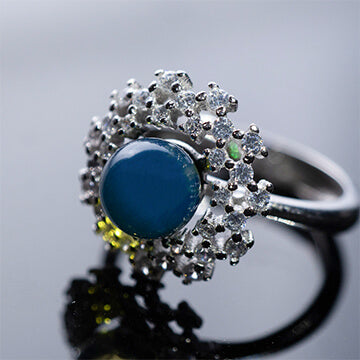
Yes, blue amber is versatile. It’s used in rings, pendants, earrings, and beads. However, it’s softer than many gemstones (2–2.5 on the Mohs scale), so it’s best suited for pieces that won’t be exposed to rough wear.
How do I spot fake blue amber online?
Watch for these red flags when shopping for blue amber:
Always request lab reports or authenticity certificates and purchase from trusted retailers.
Does blue amber have any metaphysical or healing properties?
Some believe blue amber promotes calmness, clarity, and creative energy. While these claims are not scientifically proven, many enjoy blue amber for its beauty and the positive feelings it inspires.
Resources for further learning: books, websites, and gemological institutes.
To deepen your understanding of blue amber, explore resources like the Gemological Institute of America (GIA), specialized gem books, and reputable amber collector forums. These can help you stay informed about blue amber’s latest trends, care tips, and market news.
More Info about it?
Now that you know what makes blue amber so captivating—from its rare origins to its mesmerizing blue glow under UV light—you’re ready to start exploring this unique gemstone for yourself. Whether you’re looking to begin your own collection or searching for a one-of-a-kind piece to cherish, there’s never been a better time to dive in. If you’re curious to see the beauty of blue amber up close and discover handcrafted pieces made with care and authenticity, I encourage you to Browse Our New Arrivals and find something truly special.