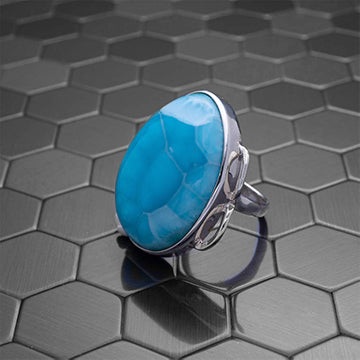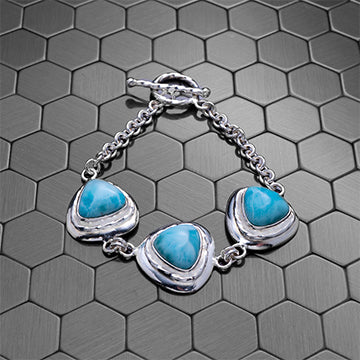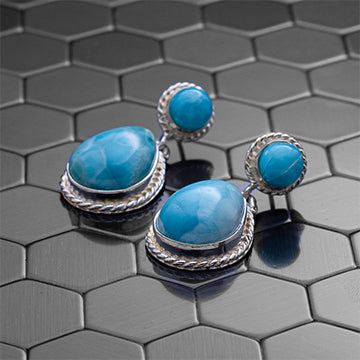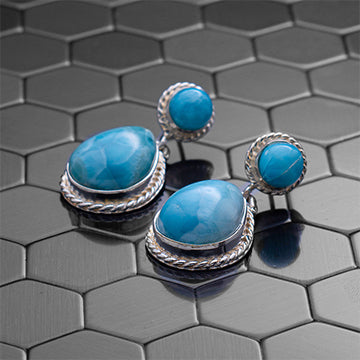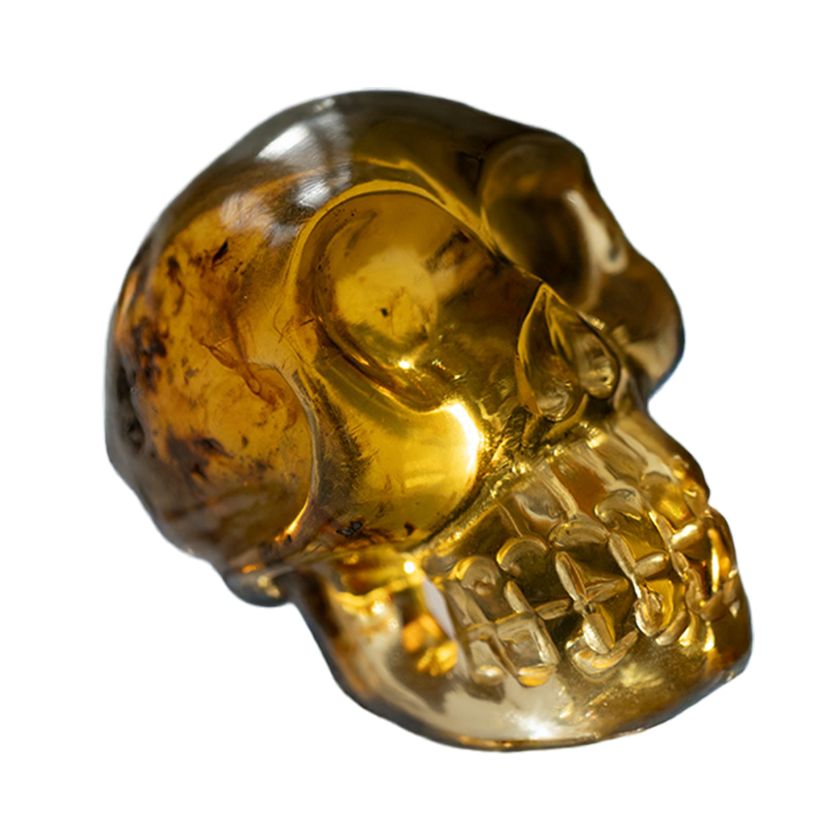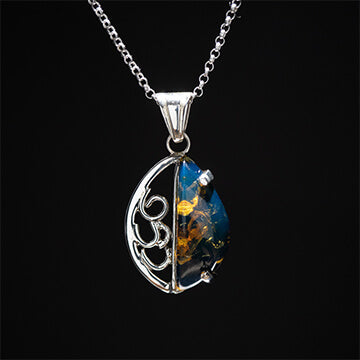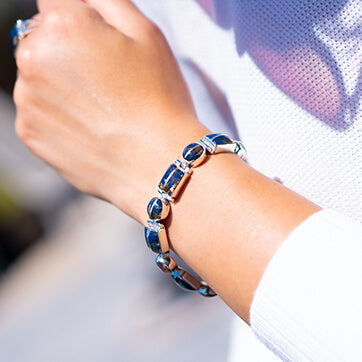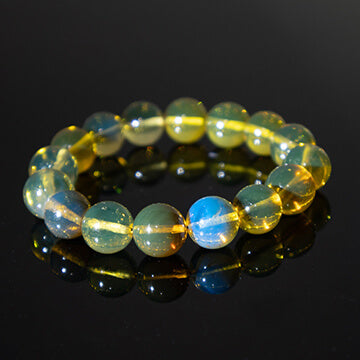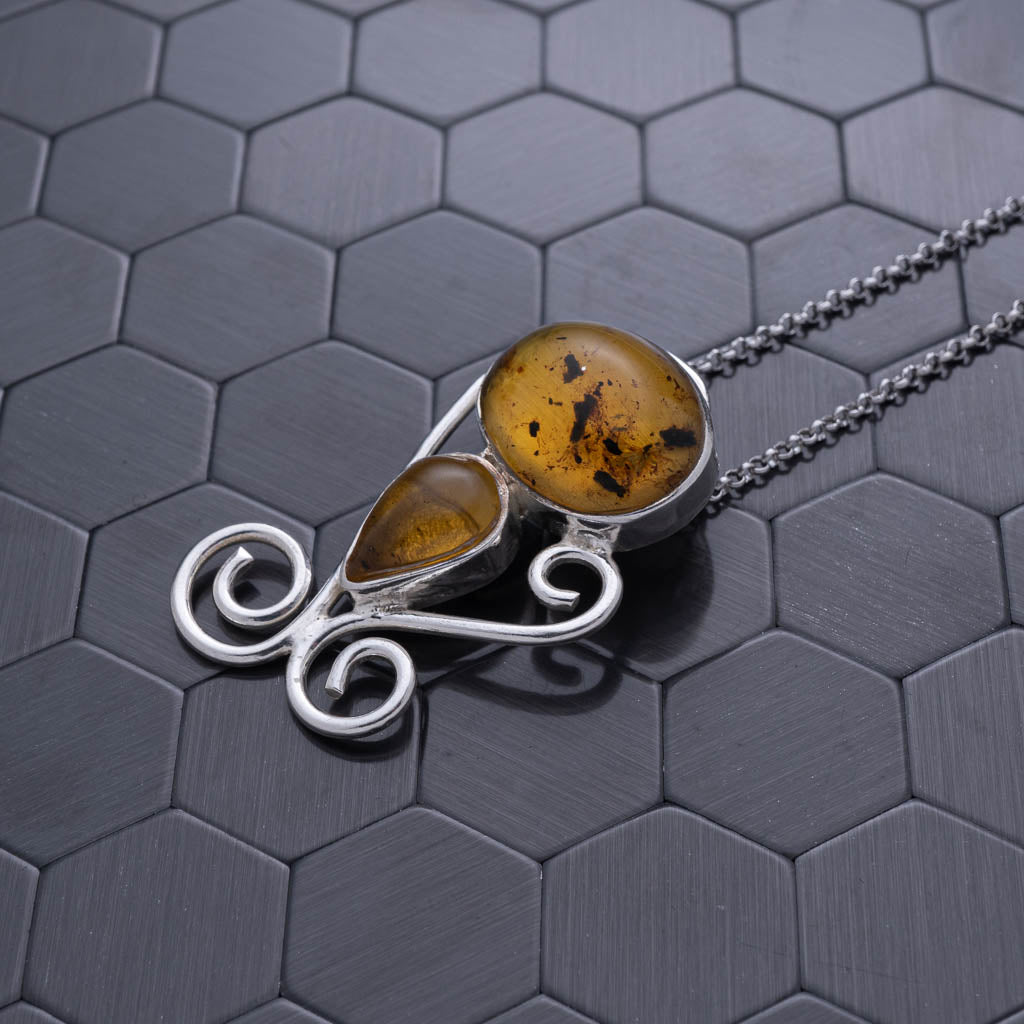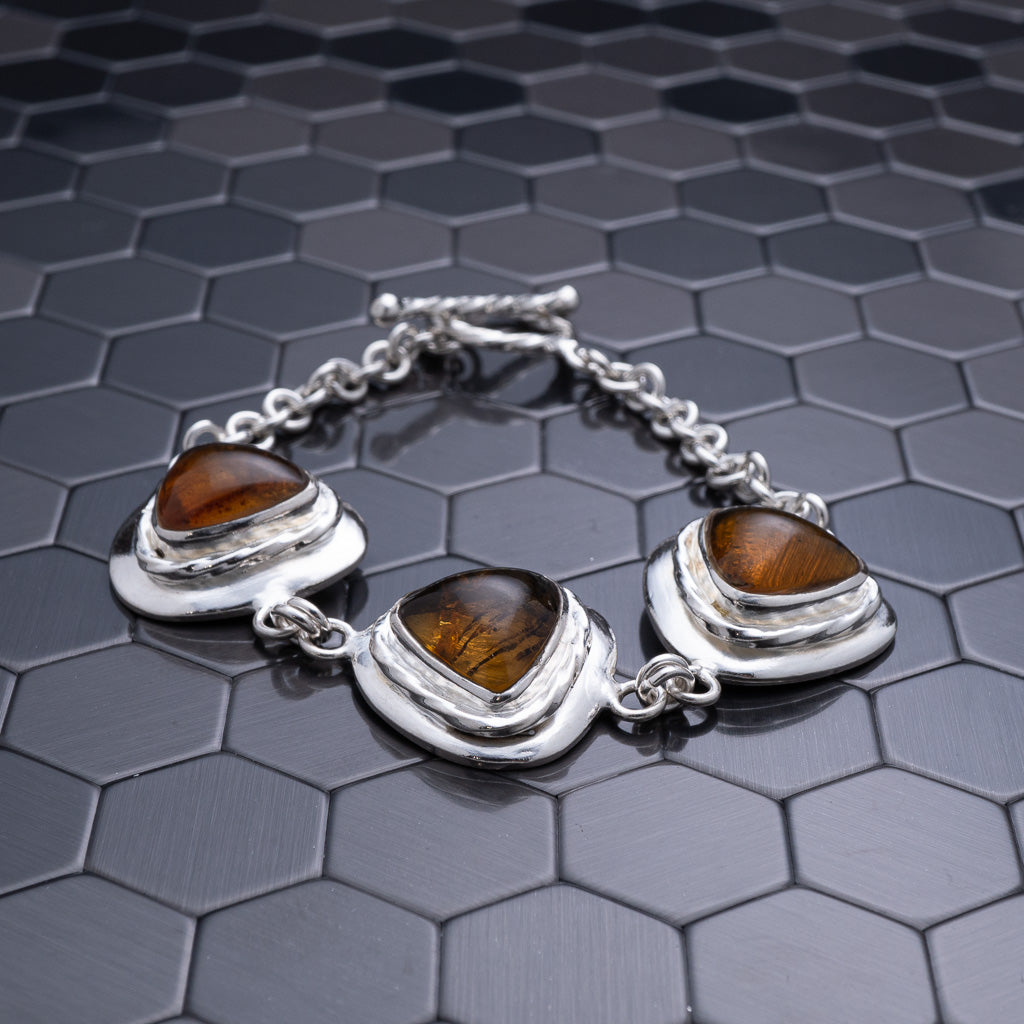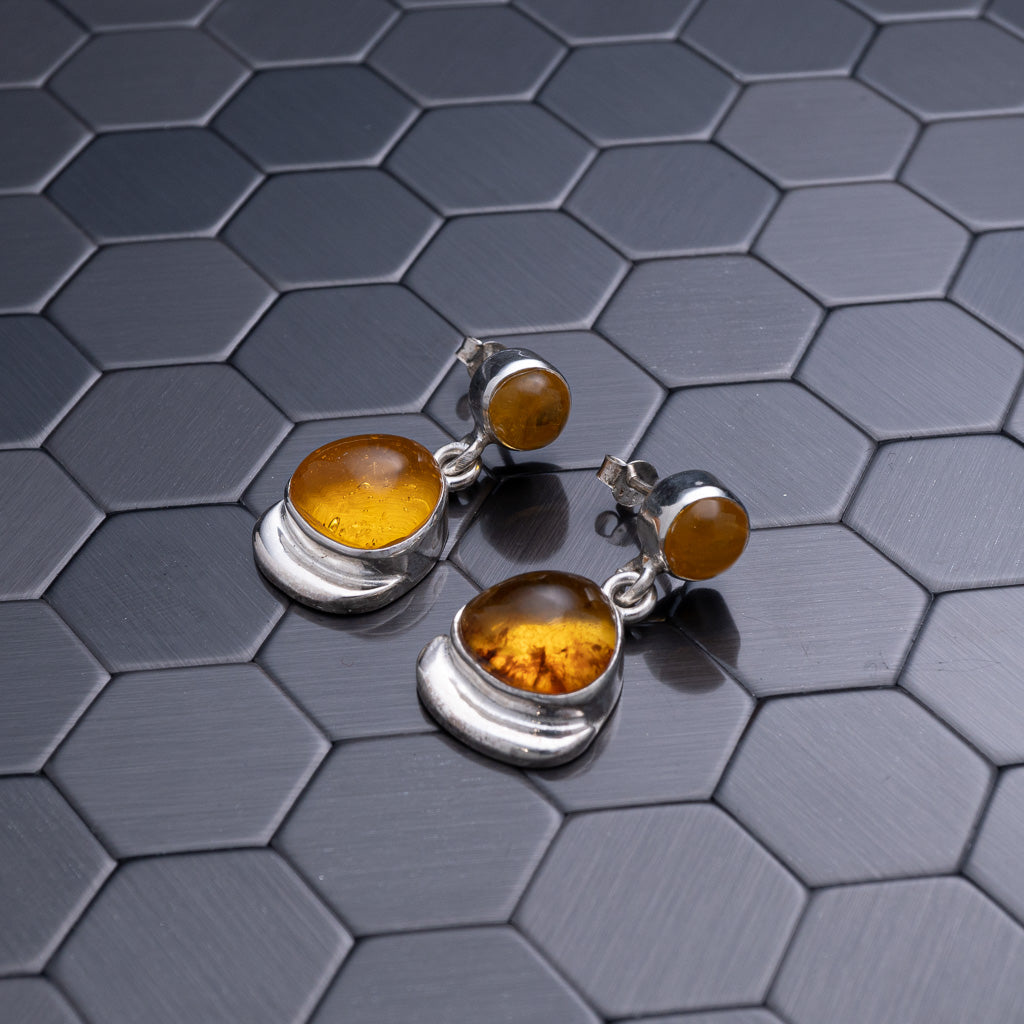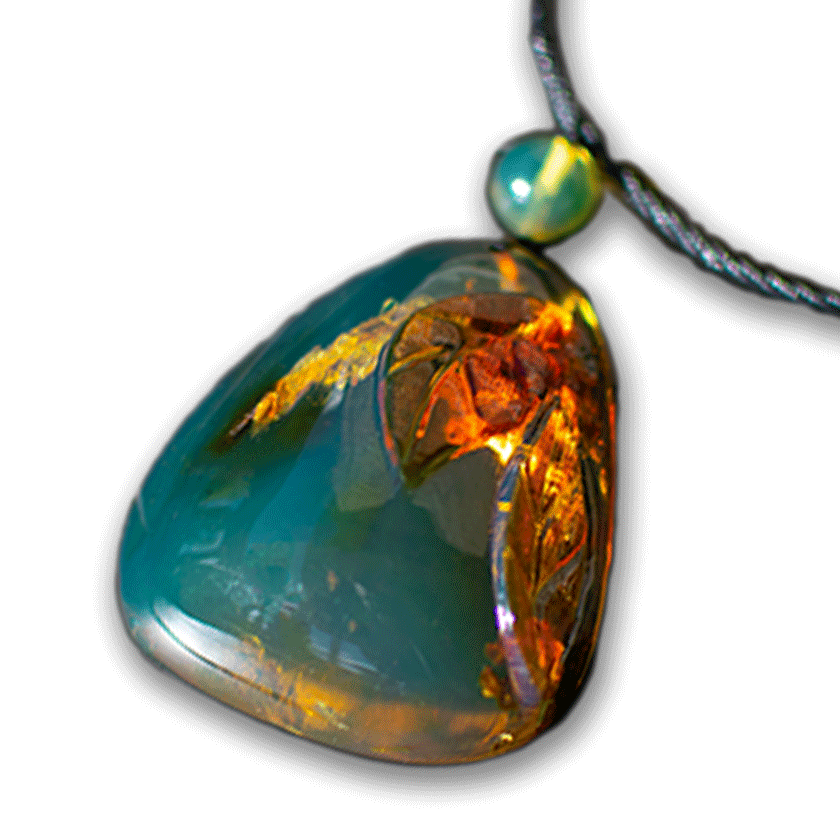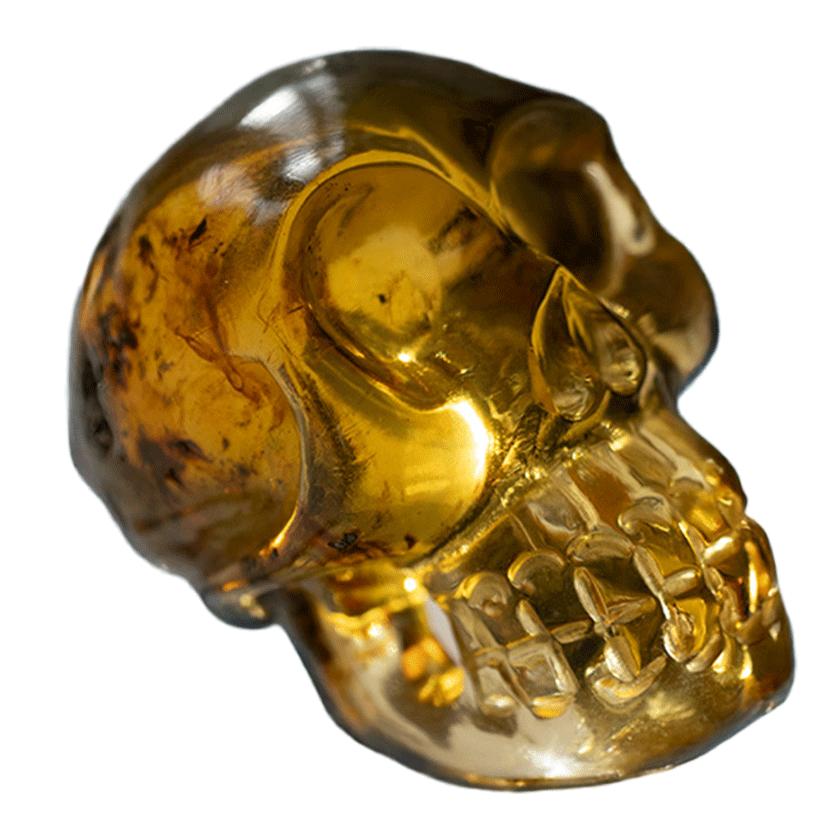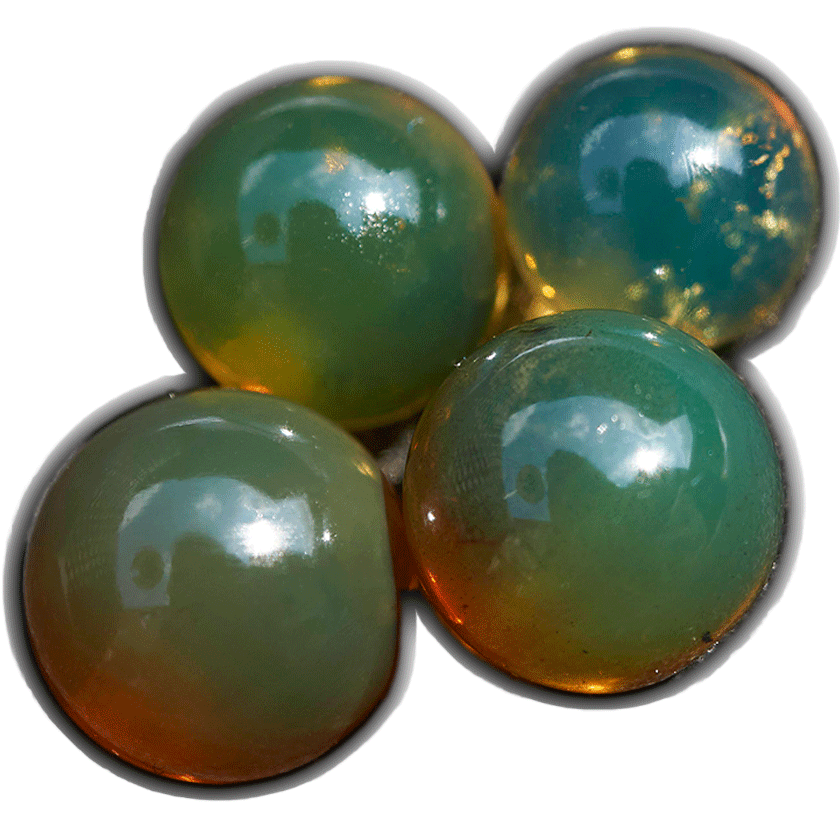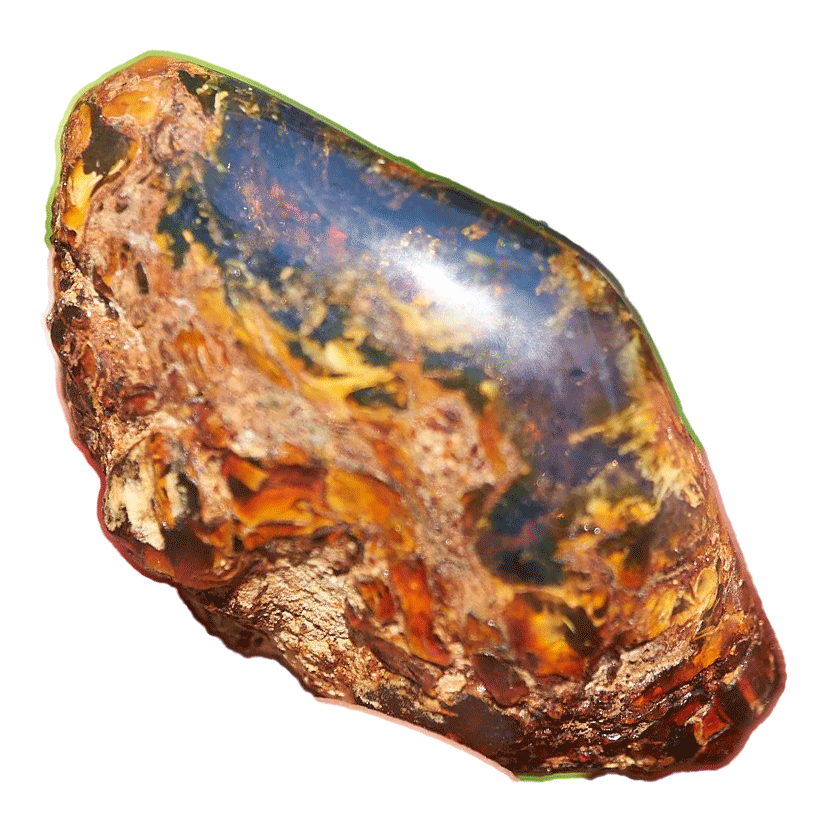


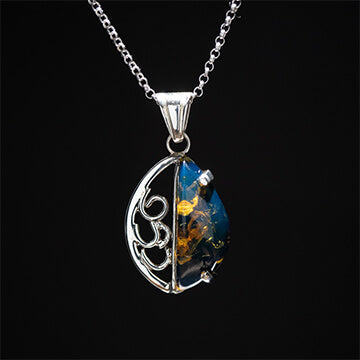

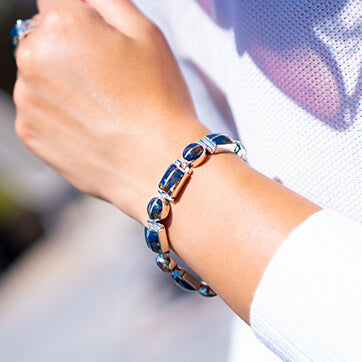
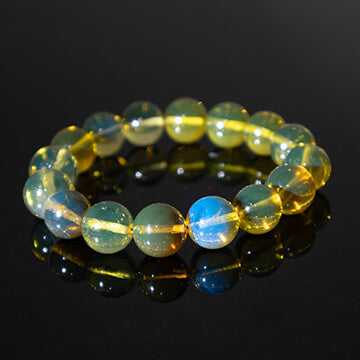
Handcrafted in DR.

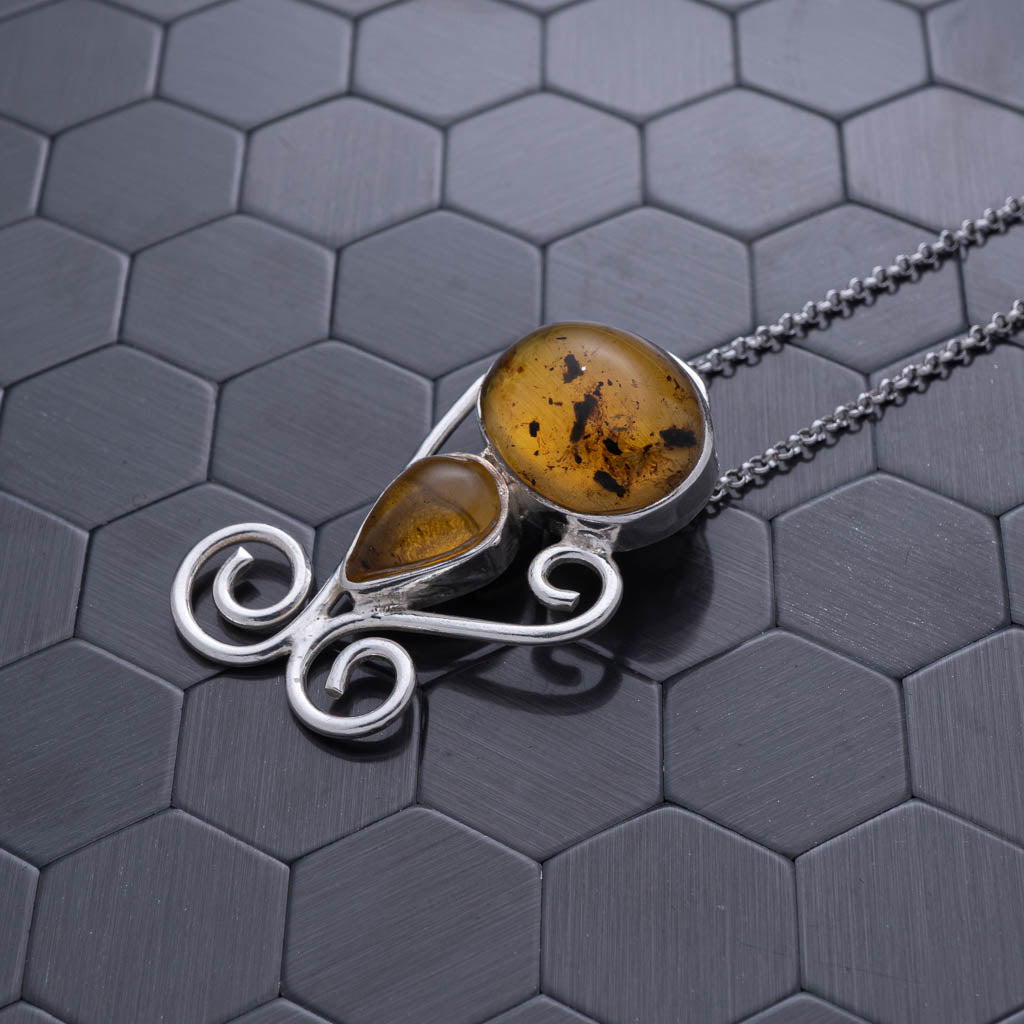

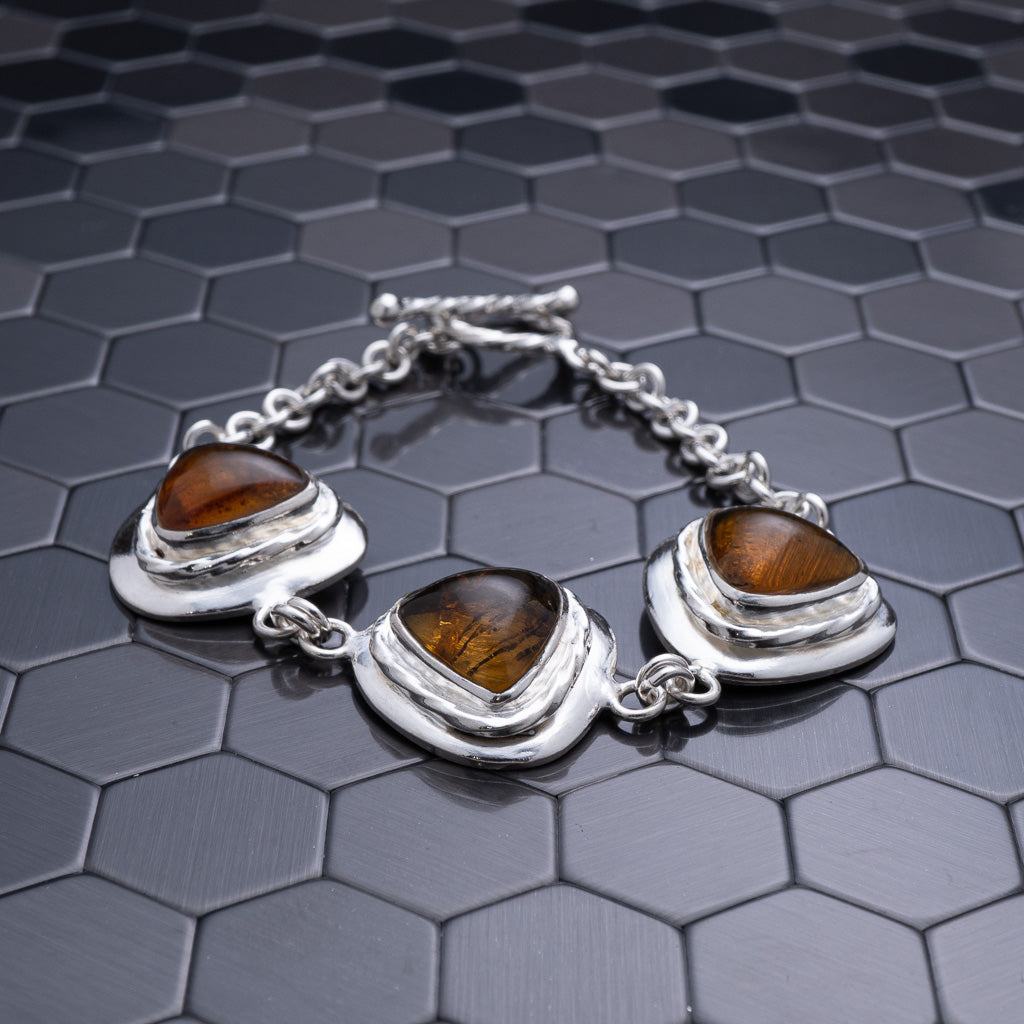
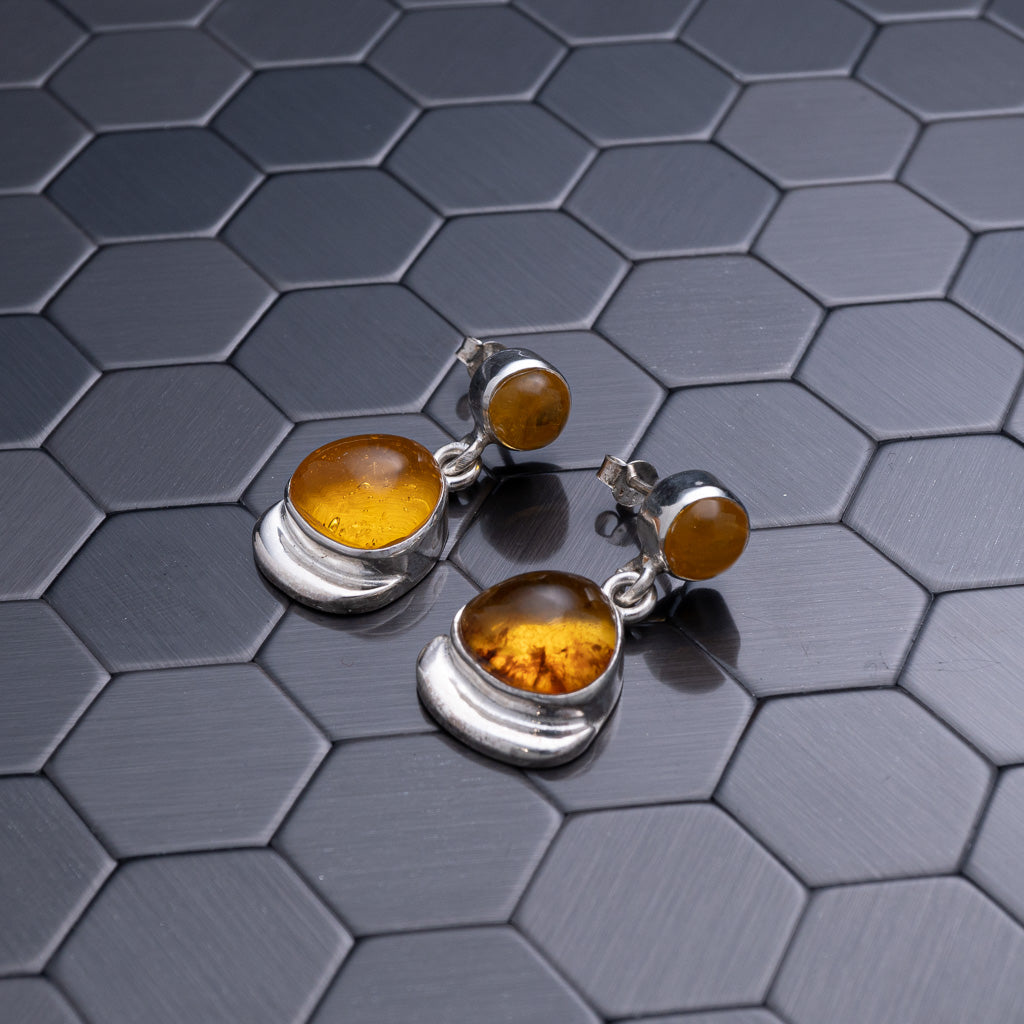


100% Handcrafted in DR.
From timeless patios to sleek urban plazas, blue stone captivates designers and homeowners with its unique blend of natural beauty and lasting strength. This guide dives deep into everything you need to know about blue stone, including its most popular uses, distinct types, and the trends shaping 2025. Renowned for its durability and versatility, blue stone remains a top choice for both classic and contemporary projects. Discover expert tips on selection, maintenance, eco-friendly innovations, and style inspiration to help you make the most of this enduring material. Let’s explore what makes blue stone a standout option for your next project.
Blue stone is a term that describes several types of naturally occurring sedimentary or igneous rocks, renowned for their distinctive blue-gray hues and durability. The most recognized varieties include Pennsylvania bluestone from the United States, Caribbean bluestone, and Australian bluestone, each with unique geological roots. Typically, blue stone forms through the slow deposition of minerals and sediments over millions of years, resulting in a dense, hard surface ideal for construction and design. Its mineral composition often includes feldspar, quartz, and mica, setting it apart from similar stones like slate or limestone. For those interested in the technical specifics of formation and applications, the Comprehensive Guide to Bluestone Properties and Applications offers a deep dive into its geology and versatility.
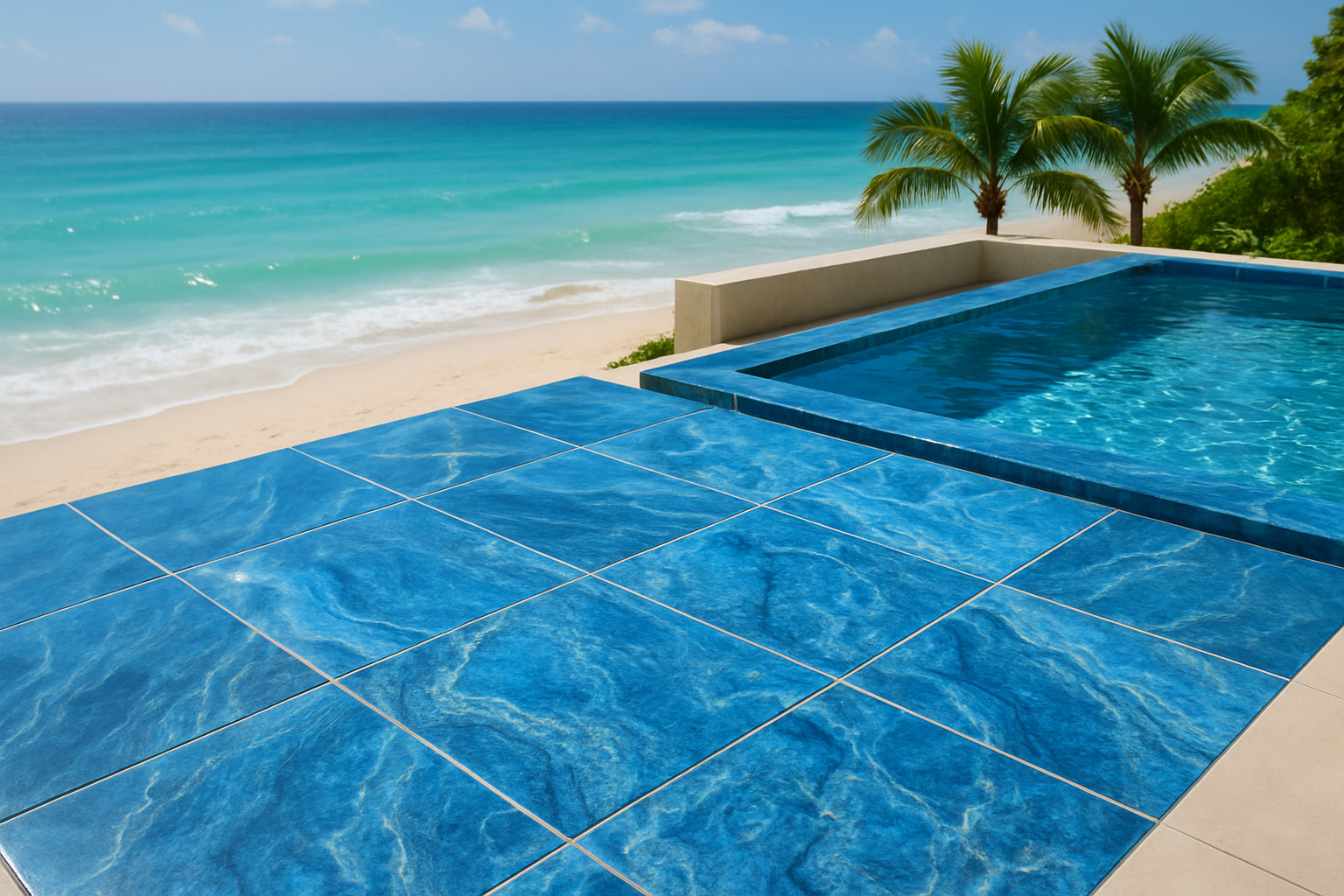
Blue stone is not a single rock type but refers to several stones with blue-tinted mineral content. Pennsylvania bluestone, for example, is a type of sandstone, while Australian bluestone is a volcanic basalt. These stones are quarried in specific regions, each lending subtle differences in tone and texture. What unites them is a unique blend of minerals, which gives blue stone its signature color and resilience. Unlike slate, which splits into thin sheets, or limestone, which is softer, blue stone is valued for its strength and workability. This geological diversity makes blue stone a flexible choice for projects worldwide.
One of the most captivating features of blue stone is its range of natural color variations. You’ll find tones from deep blue-gray and greenish to lilac and multi-hued surfaces, depending on the quarry and mineral content. Blue stone is available in several finishes:
Its dense composition makes blue stone incredibly durable and weather-resistant, which is why it’s a favorite in both hot and cold climates. Whether used for outdoor paving or interior design, blue stone adapts beautifully to different styles.
From colonial-era patios in the Northeast U.S. to grand urban plazas in Australia, blue stone has left a mark on architecture and landscape design. Iconic public spaces, such as the steps of major museums and stately gardens, often feature blue stone due to its prestige and long-lasting appeal. In many cultures, blue stone is associated with quality and permanence, making it a preferred material for monuments, civic buildings, and traditional homes. Its presence in historic estates and public parks highlights a legacy that continues to inspire modern design.
The enduring popularity of blue stone comes from its timeless aesthetic and remarkable versatility. It complements both classic and contemporary designs, serving as pavers, tiles, veneers, or wall stone. Blue stone’s adaptability means it fits seamlessly into residential patios, commercial plazas, or even bespoke furniture. As demand for natural, durable materials grows, blue stone stands out for its blend of beauty and function. Its reputation for longevity, low maintenance, and eco-friendliness ensures blue stone remains a top choice for architects, designers, and homeowners alike.
Blue stone continues to capture the imagination of architects, designers, and homeowners alike. Its blend of durability, elegance, and versatility ensures it remains a leading choice for a wide range of projects as we move into 2025.
Whether you’re planning a backyard oasis or enhancing a public space, understanding the main uses of blue stone can help you make informed decisions and stay on trend.
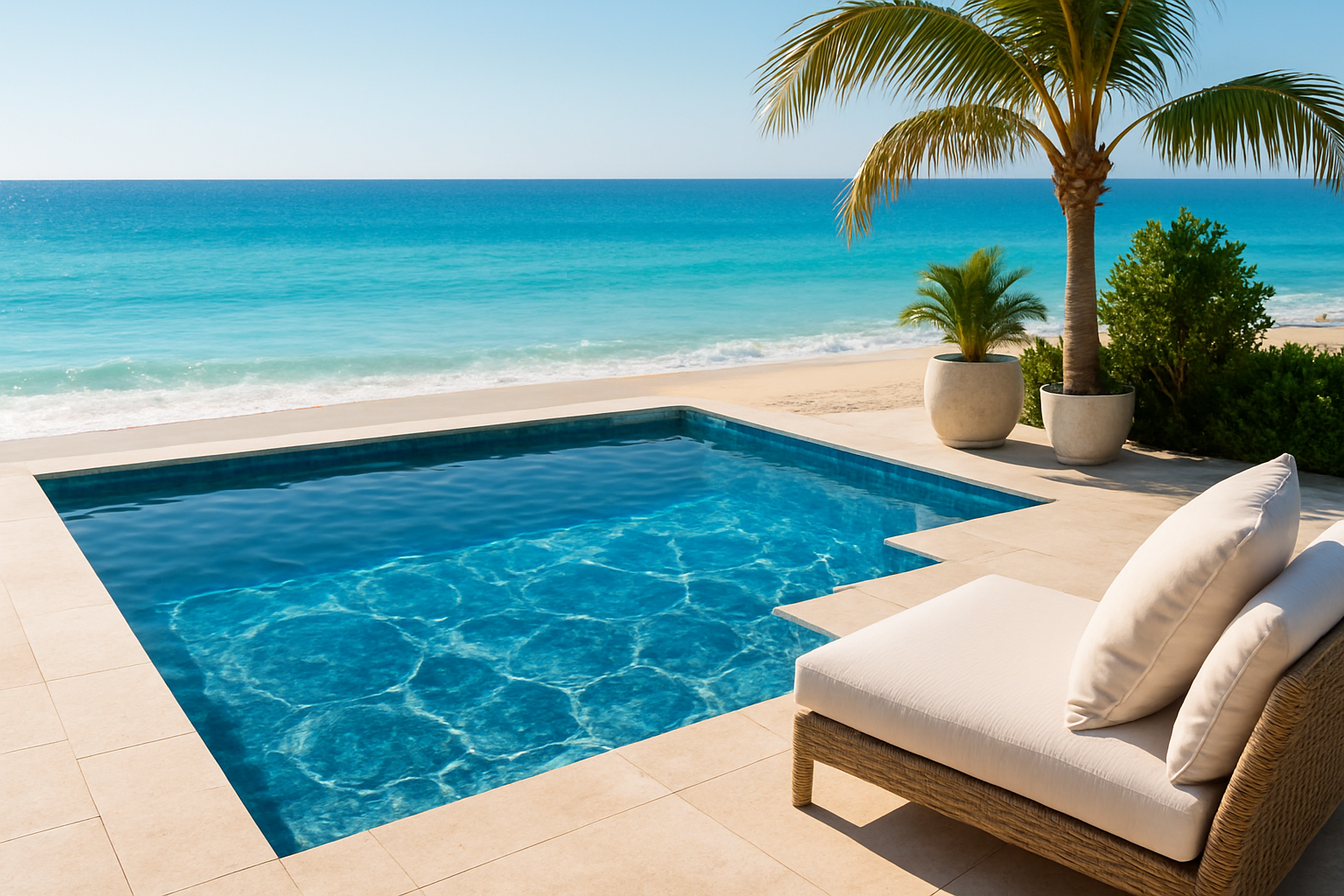
Blue stone is a top contender for patios, walkways, and pool coping, thanks to its slip resistance and visual appeal. Its natural textures blend seamlessly into garden paths, retaining walls, and even outdoor kitchens.
Homeowners favor blue stone for its ability to create a cohesive look between indoor and outdoor spaces. According to recent data, blue stone pavers ranked among the best-selling exterior materials in 2024, a trend poised to continue into 2025.
Designers love how blue stone adapts to different landscaping concepts, from rustic flagstone paths to sleek, modern terraces. Its color range complements lush greenery, water features, and outdoor lighting for a truly inviting environment.
Blue stone’s beauty isn’t limited to outdoor settings. In 2025, you’ll see it featured in flooring, wall cladding, and fireplace surrounds. Its durability makes it perfect for high-traffic commercial areas, while its aesthetic versatility suits a range of interior styles.
Contemporary homes often use blue stone for open-plan living spaces, entryways, or even kitchen floors. The stone’s cool tones pair well with metals, woods, and glass, offering a sophisticated canvas for modern design.
For a comprehensive overview of the many ways blue stone can be incorporated into projects, check out Understanding Bluestone Varieties and Uses.
Blue stone shines in large-scale commercial and public projects. Urban plazas, public parks, and institutional landscaping often feature this material for its longevity and classic appearance.
Case studies from recent years highlight blue stone’s use in university campuses, city squares, and government buildings. Its ability to withstand heavy foot traffic and resist weathering makes it a smart investment for high-visibility spaces.
Municipalities are drawn to blue stone for its timeless look and low maintenance requirements, ensuring public investments remain attractive and functional for decades.
Designers and artists are getting creative with blue stone. It’s now seen in sculptures, water features, and even bespoke furniture pieces like benches and tables. Blue stone mosaics and mesh-mounted patterns are gaining popularity for both indoor and outdoor installations.
Custom-cut blue stone allows for truly unique projects, giving homeowners and businesses the chance to showcase one-of-a-kind designs. This adaptability keeps blue stone relevant for clients seeking something beyond the ordinary.
The stone’s natural texture and color variations lend themselves perfectly to artistic expression and custom architectural details.
As sustainability becomes a top priority, blue stone stands out as an environmentally friendly choice. Its natural composition and long lifespan mean fewer resources are needed over time compared to synthetic alternatives.
Many projects in 2025 are opting for locally sourced blue stone to reduce transportation emissions and support regional economies. The stone’s durability translates to a reduced carbon footprint, aligning with eco-conscious building practices.
Blue stone’s minimal need for replacement or repairs further enhances its sustainability profile. As green building standards evolve, blue stone remains a preferred material for those seeking beauty and responsibility.
One of blue stone’s greatest advantages is its ease of care. Routine cleaning with water and mild soap keeps surfaces looking fresh. For outdoor pavers, a lifespan of 20+ years is common when properly installed and maintained.
Sealing blue stone surfaces can help protect against staining and weathering, especially in harsh climates. Simple maintenance steps—such as sweeping, occasional power washing, and timely sealing—ensure blue stone retains its appeal year after year.
Investing in quality blue stone and following recommended care guidelines will provide lasting value, making it a truly timeless choice for any project.
Blue stone offers a world of choice, with each variety bringing its own character to a project. From quarry to finished product, the options span continents, colors, and textures. Understanding these differences helps ensure you select the right blue stone for your design vision.
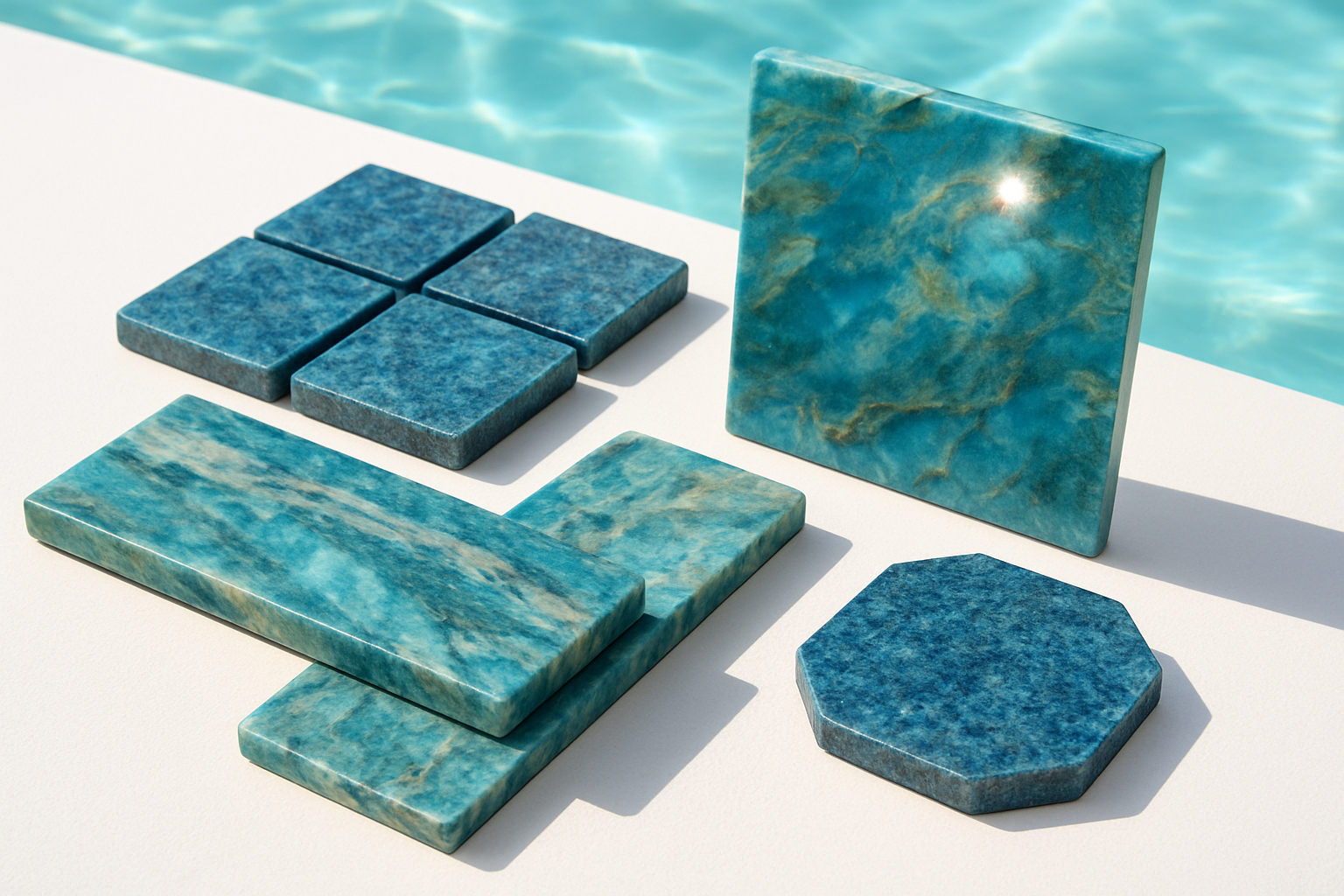
Blue stone is not a single stone but a family of stones sourced from distinct regions around the world. Each geographic variety has unique features that influence both appearance and performance.
Pennsylvania bluestone is quarried in the northeastern United States. It’s known for its blue-gray base, with hints of green, lilac, and earth tones. This blue stone is highly durable, making it a staple in American landscaping.
Caribbean bluestone offers lighter shades and striking natural patterns. Its tropical origins make it popular for beachside resorts and homes seeking a breezy, relaxed vibe.
Australian bluestone is actually a type of basalt, with deep blue to charcoal hues. Its dense structure and rich color are prized in both modern and traditional architecture.
Here’s a quick comparison:
| Variety | Primary Color | Key Feature | Common Use |
|---|---|---|---|
| Pennsylvania | Blue-gray | Subtle color variation | Patios, pavers |
| Caribbean | Light blue | Unique patterning | Pool decks, tiles |
| Australian | Deep blue | Basaltic strength | Urban landscaping |
No matter which blue stone you choose, each variety brings a touch of regional charm and lasting appeal.
The look and feel of blue stone changes dramatically depending on the finish. Each surface treatment not only alters the stone’s texture but also its slip resistance, reflectivity, and even color intensity.
Choosing the right finish is about balancing function and style. For example, a thermal finish blue stone is safer around water features, while honed or polished finishes shine in living rooms or entryways.
The versatility of blue stone finishes makes it easy to match any design aesthetic, from rustic to contemporary.
Blue stone is available in an array of shapes and sizes, making it adaptable for projects large and small. The most common paver sizes include 12x12, 16x24, 18x18, and 24x24 inches. For a more organic look, irregular flagstone pieces are popular.
Patterns add visual interest. Here are some favorites:
These choices let you customize your blue stone project, whether you’re creating a grand patio, a winding garden path, or a show-stopping entryway.
Blue stone is celebrated for its color range, which can be subtle or bold depending on the source and grade. The two main color grades are:
Grading also impacts price and suitability. Select blue pavers often cost more due to their consistency, while full color flagstone brings warmth and texture to outdoor spaces.
Here’s a quick example:
| Grade | Appearance | Typical Use |
|---|---|---|
| Full Color | Varied, multi-tone | Paths, rustic patios |
| Select Blue | Uniform blue-gray | Sleek, modern projects |
When choosing blue stone, consider how color and grading will influence the overall mood and harmony of your space.
Selecting quality blue stone is about more than just looks. Factors like quarrying methods, stone thickness, and consistency all play a role in durability and performance.
For technical details like absorption rates and compressive strength, consult resources such as the Technical Data for Bluestone. These specs help ensure your blue stone meets the demands of your project, whether it’s a residential walkway or a busy public plaza.
By considering these sourcing and quality factors, you’ll invest in blue stone that stands the test of time both structurally and visually.
Blue stone continues to capture the spotlight in design, architecture, and landscaping for 2025. Its enduring beauty, versatility, and adaptability make it a top pick as both homeowners and professionals seek out materials that are as practical as they are visually stunning. Let’s explore the emerging trends, technological innovations, sustainability efforts, and market shifts shaping the blue stone landscape this year.
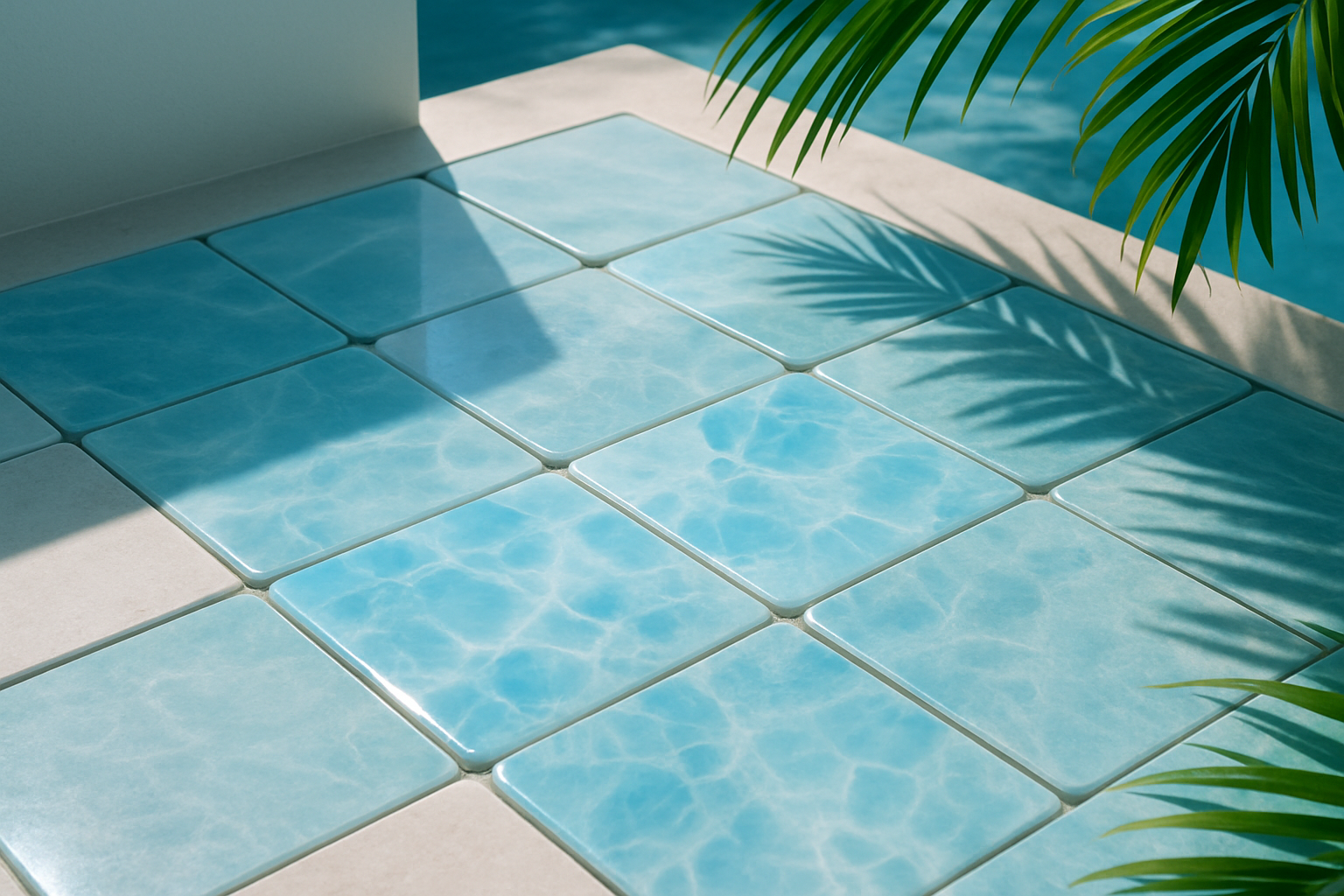
The design world is embracing blue stone in bold new ways for 2025. One standout trend is blending blue stone with other natural materials such as wood and metal. This creates a harmonious contrast that works beautifully for patios, walkways, and even interior floors.
Large-format blue stone pavers are in high demand, offering a sleek, modern look with minimal grout lines. Mixed-color and multi-texture installations are also on the rise, allowing designers to play with patterns and color transitions for a unique effect. Indoor-outdoor continuity is another popular approach, with blue stone flowing seamlessly from living rooms to patios, enhancing a sense of space and connection with nature.
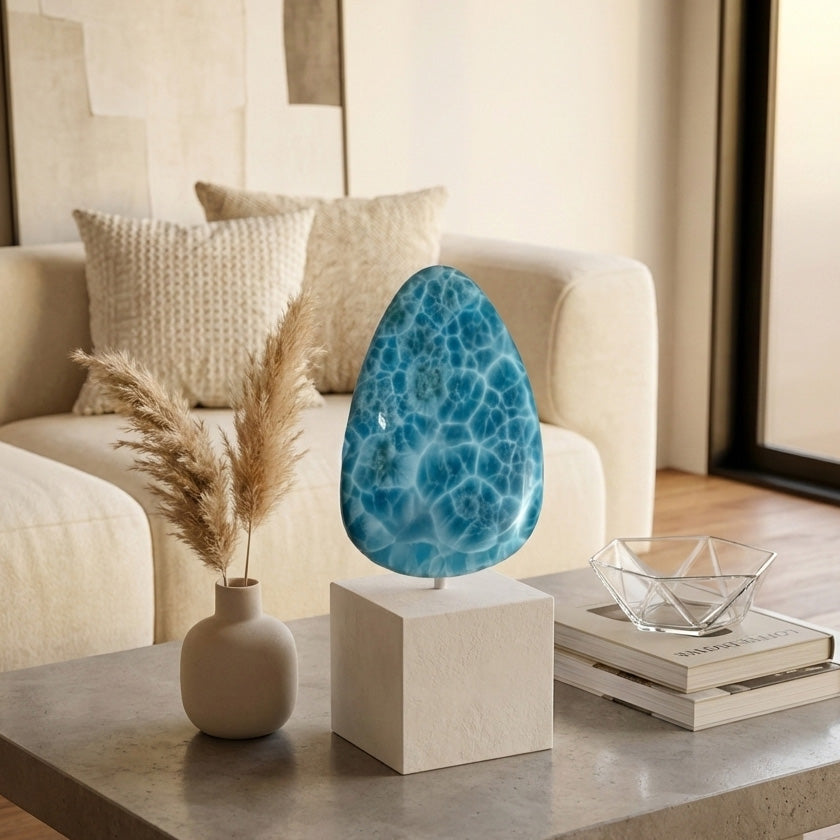
For those seeking inspiration beyond traditional uses, the Larimar stone overview highlights how other blue stones influence current design palettes and creative applications.
Technology is transforming how blue stone is used and experienced. Enhanced surface treatments now provide superior slip resistance and stain protection, making blue stone even more practical for kitchens, bathrooms, and pool decks.
Prefabricated modular systems are gaining traction, simplifying installation and reducing labor time. These systems come in a variety of sizes and finishes, making it easier to achieve custom looks with standard products.
Digital visualization tools, such as “Bath Visualizer” and “Kitchen Visualizer,” empower homeowners and architects to preview blue stone finishes and layouts before making a purchase. This technology-driven approach ensures that every blue stone project is tailored to the client’s vision while minimizing costly mistakes.
Eco-conscious design is more important than ever, and blue stone is stepping up to meet the demand for greener materials. Certified sustainable quarrying practices are on the rise, ensuring that blue stone is extracted with minimal impact on the environment.
Recycled and reclaimed blue stone products are gaining popularity, offering a second life to beautiful stone while reducing waste. Locally sourced blue stone is also a strong trend, as it helps minimize transportation emissions and supports regional economies.
These sustainable efforts not only enhance the appeal of blue stone but also align with broader movements toward responsible design and construction.
Market data reveals strong growth for blue stone in both residential and commercial sectors. Sales in 2024 have surpassed those from 2023, fueled by increased interest in outdoor living, home renovation, and sustainable building materials.
Younger homeowners and commercial buyers are driving this demand, seeking materials that offer both durability and a sense of natural luxury. Regional trends show the Northeast U.S. as a blue stone hotspot, while Caribbean and Australian varieties are making waves in their respective markets.
Here’s a quick comparison of recent blue stone sales:
| Region | 2023 Sales | 2024 Sales | Growth (%) |
|---|---|---|---|
| Northeast U.S. | High | Higher | +15% |
| Caribbean | Moderate | High | +22% |
| Australia | Moderate | High | +19% |
Despite its popularity, blue stone faces several challenges in 2025. Supply chain volatility and price fluctuations are ongoing concerns due to increased global demand and limited quarrying capacity.
Competition from porcelain and manufactured stone alternatives is also intensifying, especially as these materials can mimic the look of blue stone at a lower price point. However, custom and luxury applications offer significant opportunities for blue stone, as discerning clients continue to value its unique character and timeless appeal.
With innovation and sustainability at the forefront, blue stone is poised to remain a favorite for years to come.
Selecting the right blue stone for your project starts long before you visit a showroom or browse a supplier’s catalog. From defining your needs to vetting suppliers and planning for sustainable sourcing, each decision impacts your project’s success and long-term value. Here’s a step-by-step guide to help you navigate the process with confidence.
Before you start sourcing blue stone, clarify your project’s specific requirements. Are you building a patio, walkway, pool coping, or an interior feature wall? Each application has unique demands for thickness, finish, and slip resistance.
Consider your local climate and expected foot traffic. For example, blue stone with a thermal finish is ideal for pool areas due to its enhanced grip. Think about your design vision—do you prefer the uniform look of select blue or the vibrant mix of full color flagstone?
Ask yourself:
Defining these factors up front ensures your blue stone selection aligns perfectly with your project goals.
Not all blue stone is created equal. Start by researching reputable suppliers with a proven track record and a wide inventory. Request samples to examine color, texture, and consistency firsthand—photos alone rarely capture the stone’s true character.
Use this table to compare key supplier criteria:
| Criteria | Supplier A | Supplier B | Supplier C |
|---|---|---|---|
| Inventory Range | High | Medium | High |
| Sample Availability | Yes | Yes | No |
| Shipping Options | Flexible | Limited | Flexible |
Check for transparency in sourcing, clear product warranties, and responsive customer service. Suppliers with ties to regions known for premium deposits—like those near the Bluestone National Scenic River—often provide higher quality blue stone. Always compare quotes, factoring in shipping costs and return policies.
Carefully review product listings for blue stone to ensure they meet your technical needs. Key details to verify include dimensions, thickness, finish type, and color grading.
Standard paver sizes (such as 12x12 or 24x24 inches) are widely available, but custom dimensions may require special orders and longer lead times. Understand the grading system: “select blue” offers a uniform appearance, while “full color” displays a spectrum of natural hues.
Consider these factors:
Reading product specifications closely helps prevent costly mismatches and delays.
Proper installation is crucial for maximizing the longevity and appearance of blue stone. For patios and walkways, a well-prepared base—free of debris and properly compacted—ensures stability and drainage.
Choose installation techniques that match your project:
Common pitfalls include inadequate base preparation and improper joint spacing. If you’re new to masonry, consider hiring a professional installer experienced with blue stone. DIY can work for small projects, but complex layouts benefit from expert hands.
A proactive maintenance plan will keep your blue stone looking its best for decades. Regularly sweep away debris and rinse surfaces with water to prevent staining. For outdoor applications, apply a penetrating sealer every 1–3 years to protect against moisture and weathering.
Recommended cleaning products are pH-neutral and non-abrasive. Address issues like efflorescence or algae promptly with gentle treatments. Develop a simple schedule:
Consistent care ensures your blue stone retains its natural beauty and value over time.
Ethical sourcing is increasingly important in today’s market. Choose blue stone suppliers who prioritize responsible quarrying and transparent supply chains. Ask for documentation verifying sustainable practices and look for local producers to minimize transportation emissions.
Support suppliers who invest in land reclamation and community development near quarries. Ethical blue stone sourcing not only benefits the environment but also enhances your project’s story and long-term appeal.
The world of blue stone design is overflowing with creative possibilities. Whether you’re planning a classic patio, a modern feature wall, or an outdoor kitchen, blue stone offers endless inspiration for unique patterns, material combinations, and regional influences. Let’s explore how designers and homeowners are using blue stone to craft stunning, one-of-a-kind spaces.
Blue stone patterns can dramatically change the mood and functionality of any space. The most popular layouts include:
Each pattern interacts with light and space differently, allowing blue stone to shine in both small courtyards and expansive terraces. For example, modular grids make small spaces appear larger, while random flagging adds organic charm to sprawling gardens. No matter the pattern, blue stone’s natural variations ensure every installation is unique.
Pairing blue stone with complementary materials opens up a world of design opportunities. Some winning combinations include:
Designers also integrate blue stone with landscaping elements like plants and water features to create seamless transitions between hardscape and nature. This approach highlights blue stone’s versatility, making it a favorite for projects seeking both beauty and durability.
Modern design trends are pushing the boundaries of how blue stone is used. Beyond traditional floors and patios, blue stone now appears in:
These creative applications let homeowners and designers experiment with form, scale, and finish. The result? Spaces that feel both timeless and on-trend, with blue stone as the centerpiece.
Regional styles and cultural heritage play a big role in blue stone inspiration. In the Northeast U.S., grand estates often feature Pennsylvania bluestone patios and walkways, reflecting colonial traditions. Caribbean-inspired designs use lighter blue stone varieties for breezy, oceanfront living, while Australia’s basaltic blue stone lends a sleek, contemporary edge to modern architecture.
The allure of blue hues isn’t limited to stone. Gemstones like blue amber are prized for their rare coloration, which, much like blue stone, results from unique geological processes. If you’re curious about how nature creates such captivating blue tones, explore what causes blue amber color for fascinating mineralogical insights.
If you want your blue stone project to stand out, try these expert tips:
By focusing on thoughtful combinations and creative layouts, you can unlock blue stone’s full potential. The possibilities for personalization are as vast as your imagination.
Now that you’ve explored the world of blue stone—its origins, versatile uses, and the latest trends for 2025—you might be feeling inspired to bring a piece of this natural beauty into your own life. If you love the idea of owning something truly unique and handcrafted, why not start with exquisite jewelry made from rare gemstones like Larimar and Dominican Blue Amber? These stunning pieces capture the timeless elegance and vibrant colors that make blue stone so sought after. Take the next step and Start Your Collection Today.