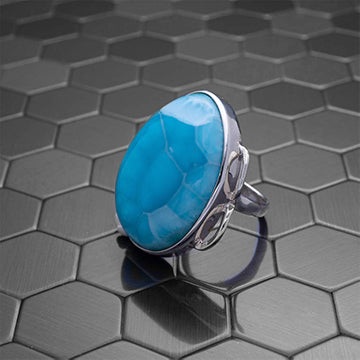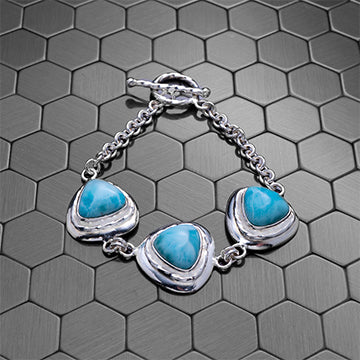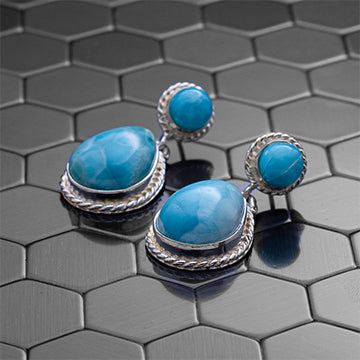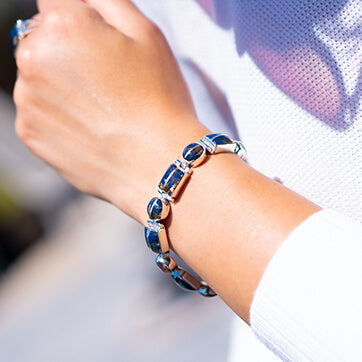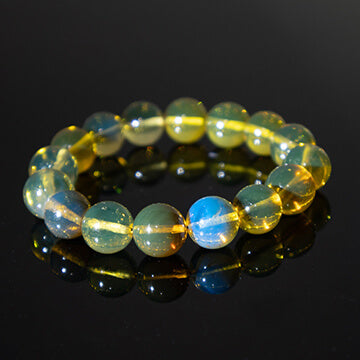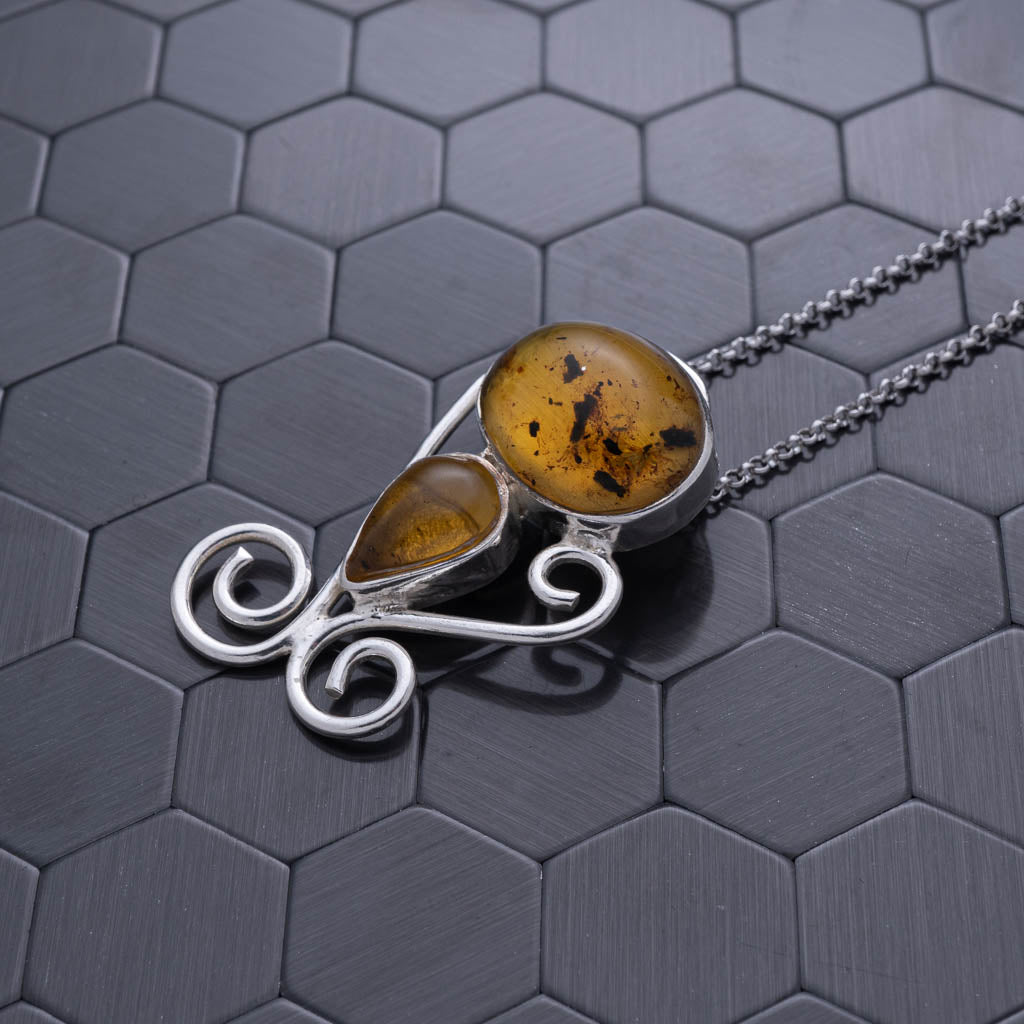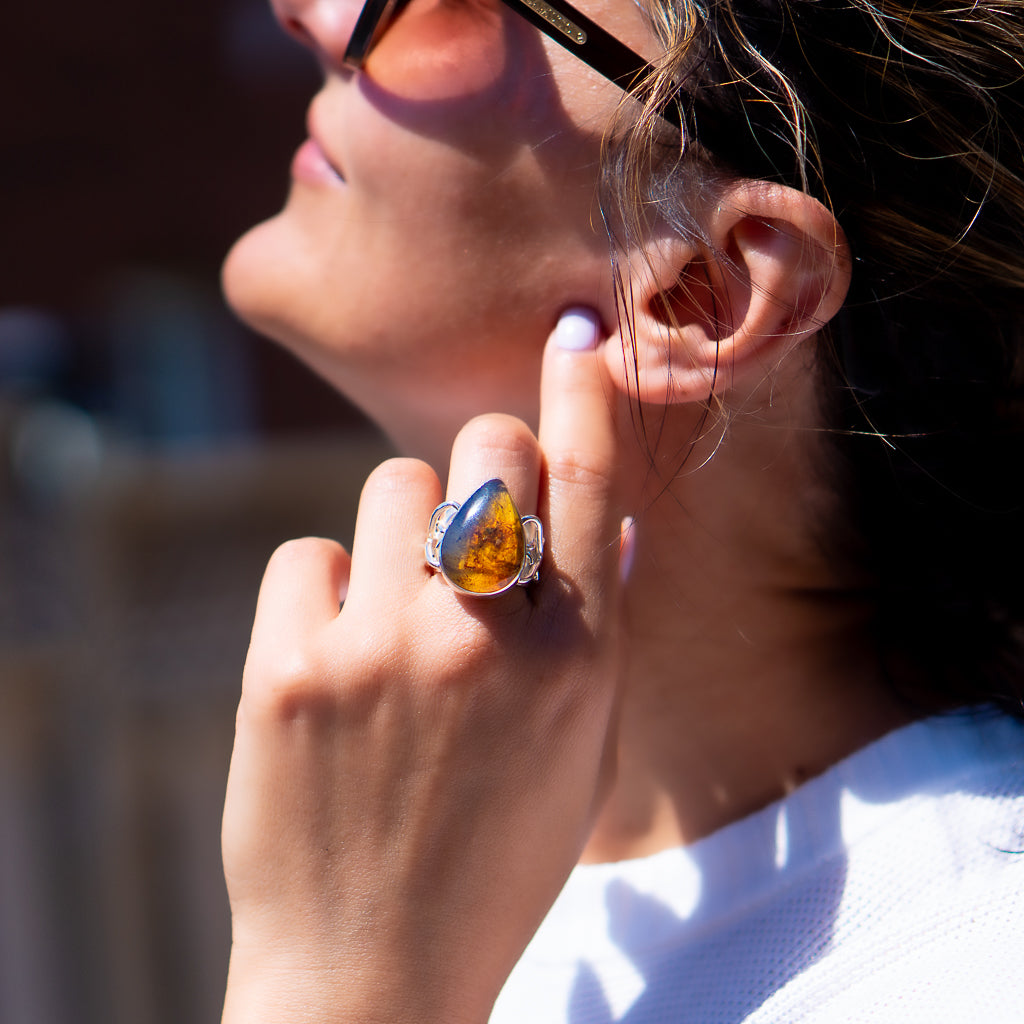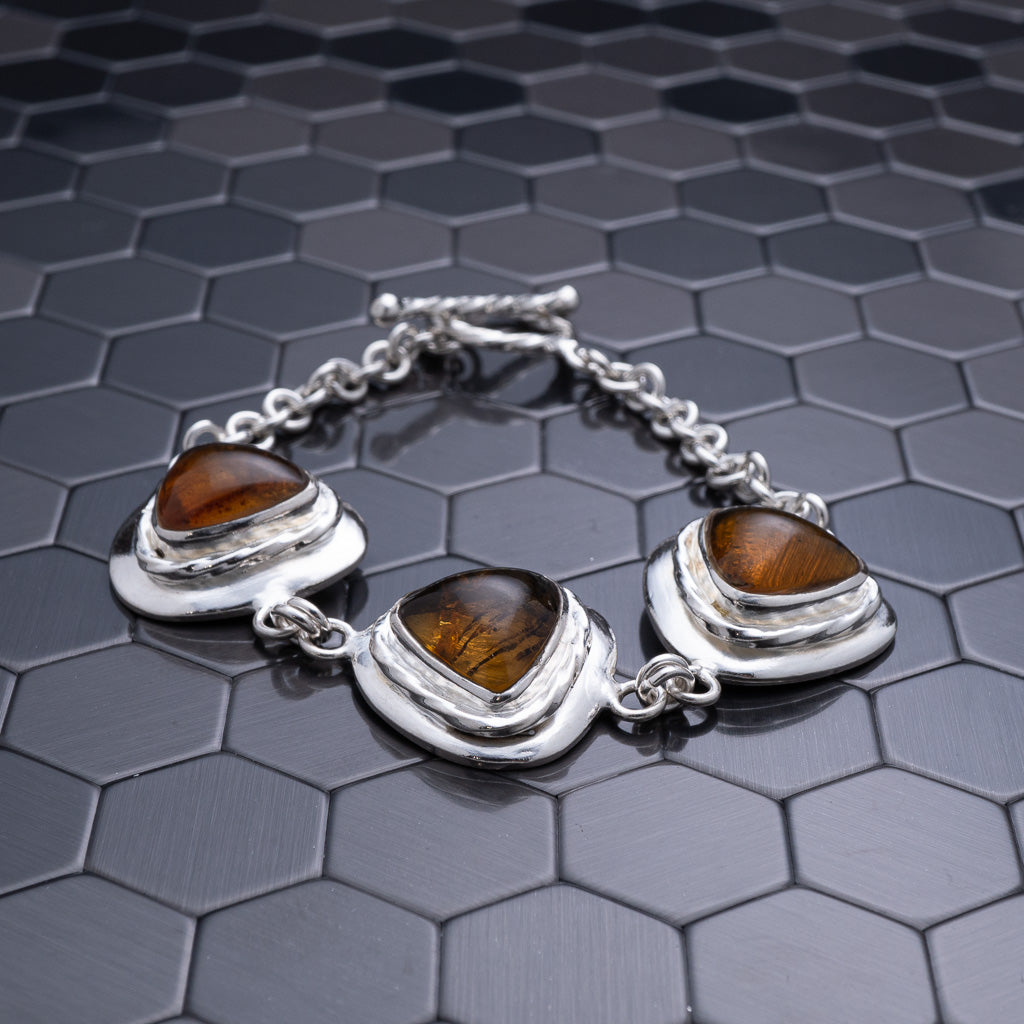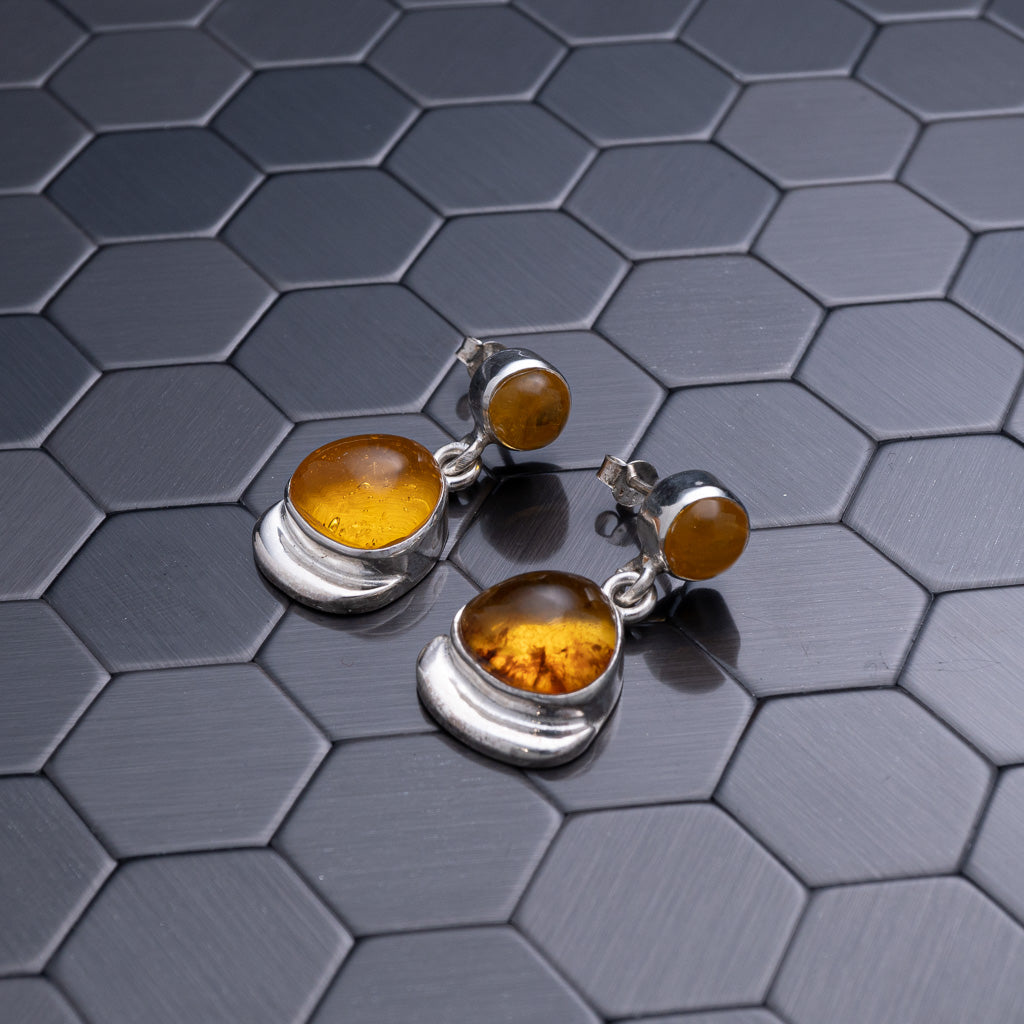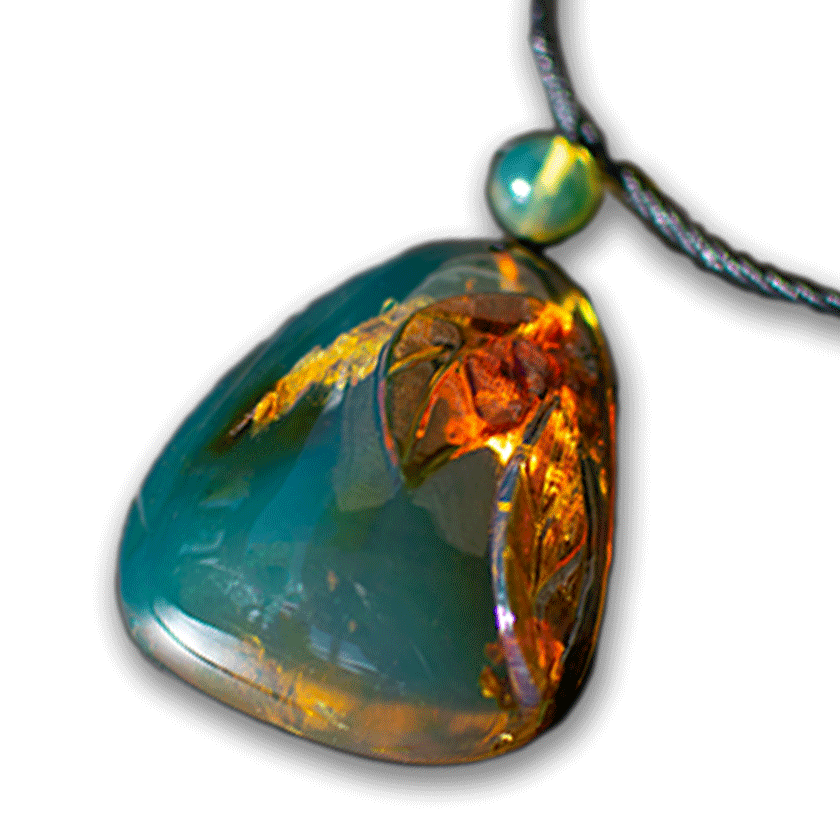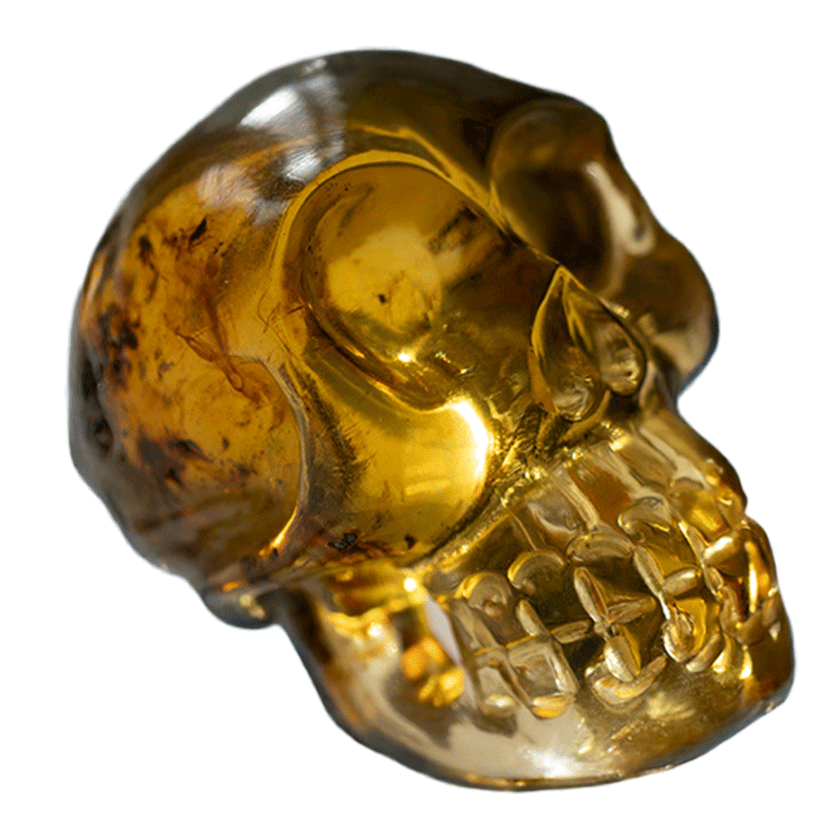


Handcrafted in DR.

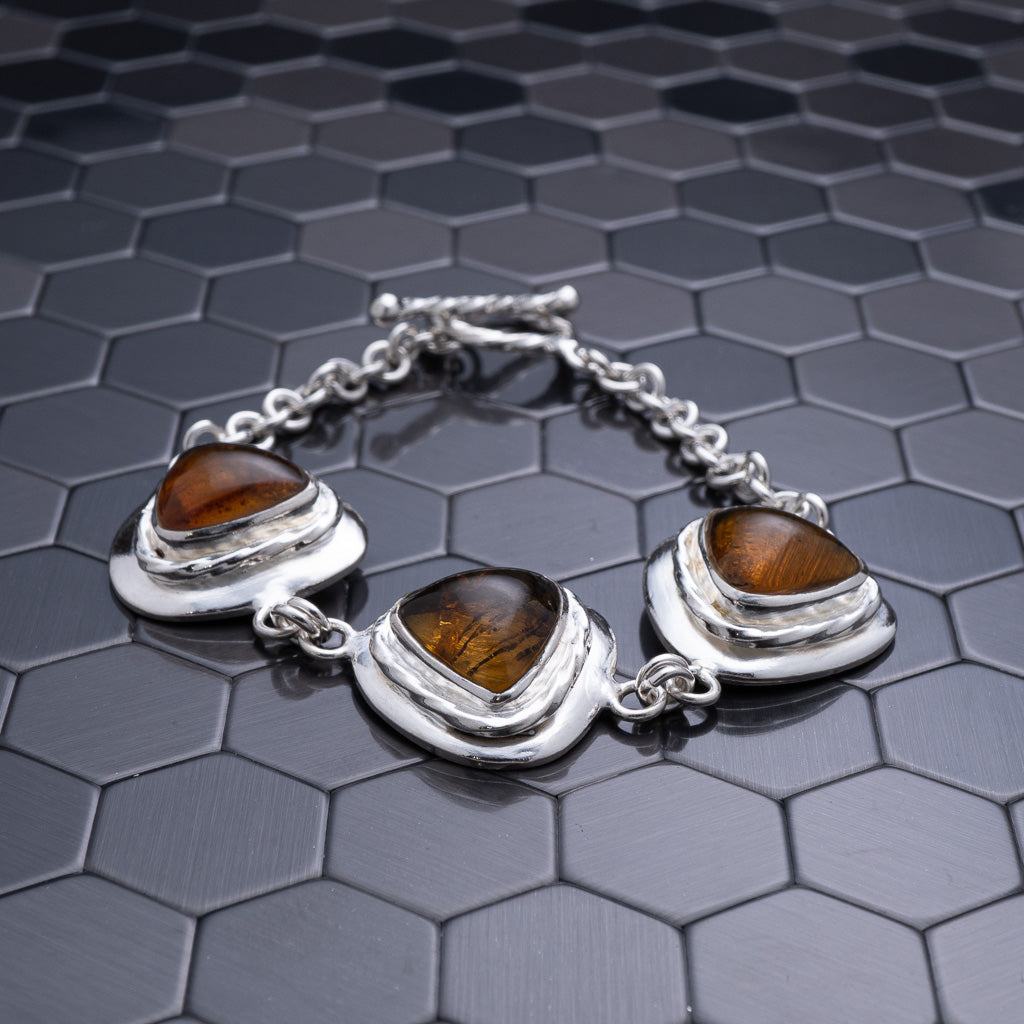
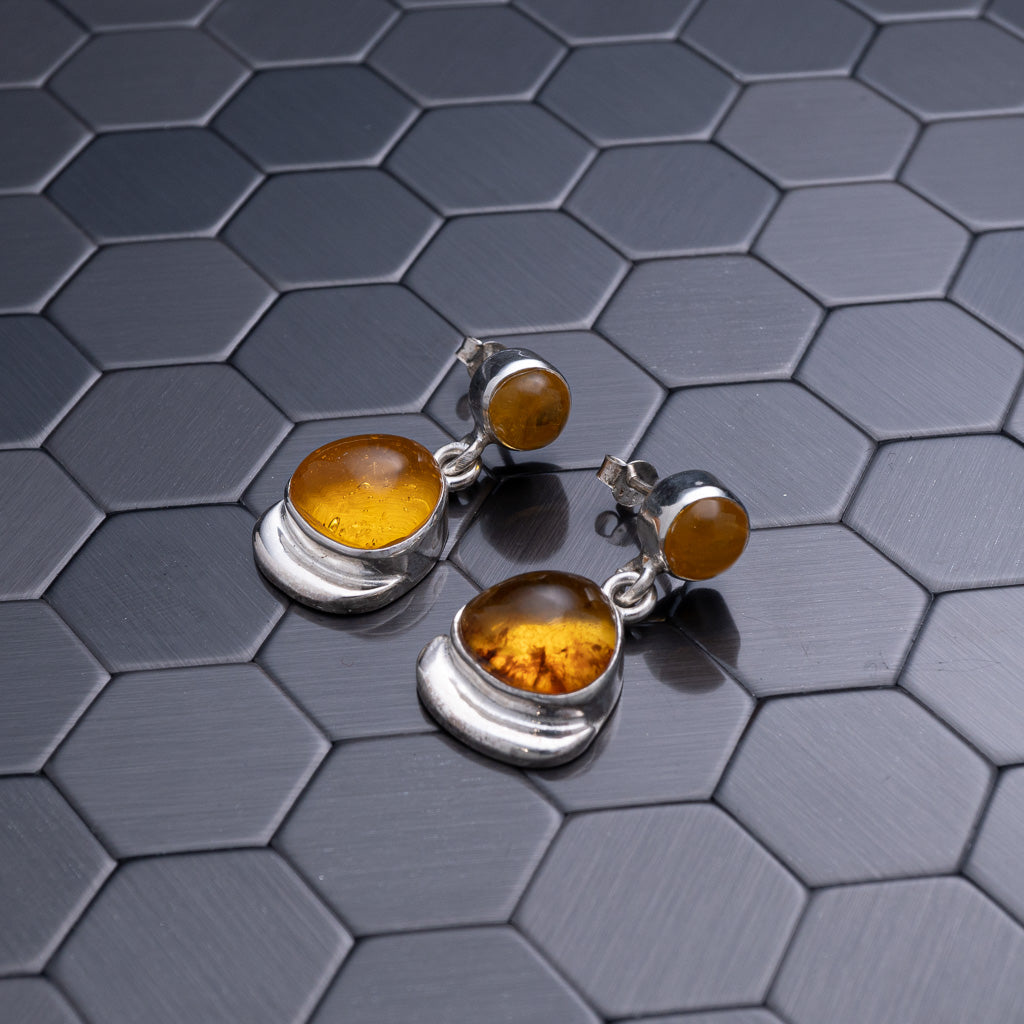


100% Handcrafted in DR.

Did you know the cabochon stone is making a huge comeback in 2026 jewelry trends? Designers and collectors can’t get enough of its smooth, glowing shape and unique personality.
If you’re curious about what makes a cabochon stone special, you’re in the right place. This guide will walk you through everything you need to know, from the basics and popular types to expert tips on choosing, setting, and caring for your favorite gems.
Ready to find the perfect cabochon for your style? Let’s dive in and explore why now is the best time to fall in love with these timeless stones.
A cabochon stone is a gemstone shaped into a smooth, rounded dome, with no facets or sharp edges. Unlike faceted gems that sparkle with many tiny surfaces, cabochons have a softer, more organic look. This shape feels calming and timeless, like a pebble worn smooth by a river.
Cabochon cutting is one of the oldest methods in jewelry history. Ancient artisans used it to highlight the natural beauty of stones rather than hiding flaws. This tradition still matters today, especially for gems with unique colors or patterns.
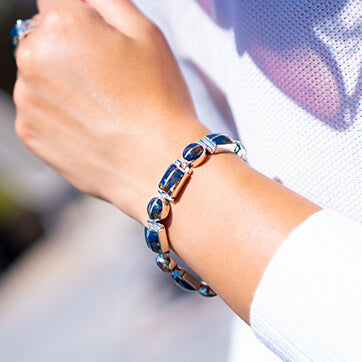
Classic cabochon shapes include:
These shapes help show off a stone’s color and natural inclusions. Certain gems like opal, turquoise, moonstone, and larimar are almost always cut this way. Why? Their color, play-of-light, or internal patterns look best with a domed surface. For example, cabochon opals reveal their famous play-of-color much better than if they were faceted.
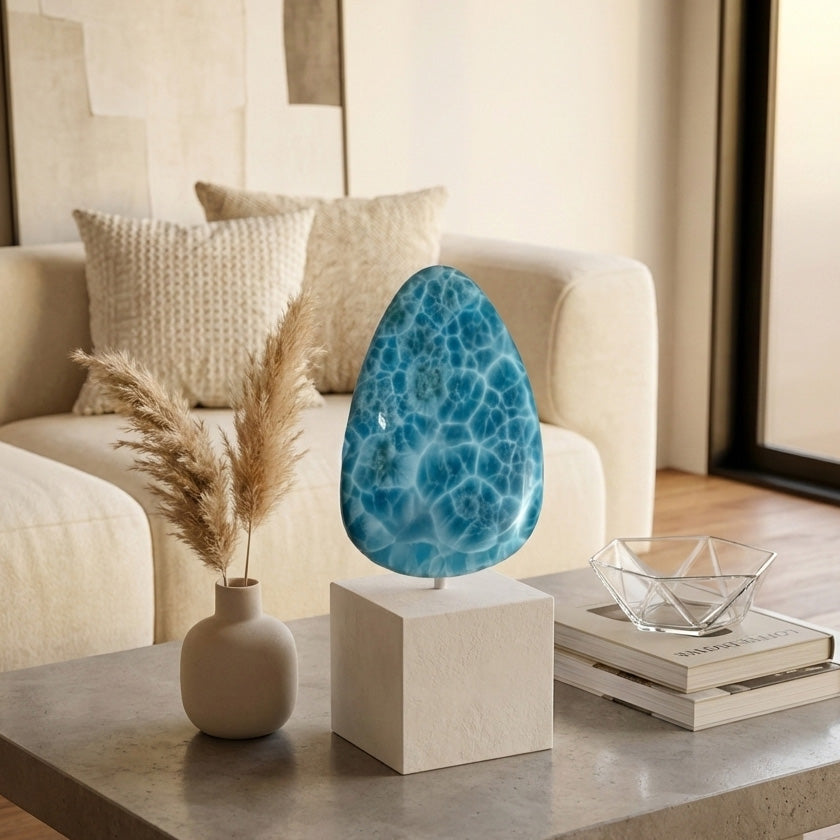
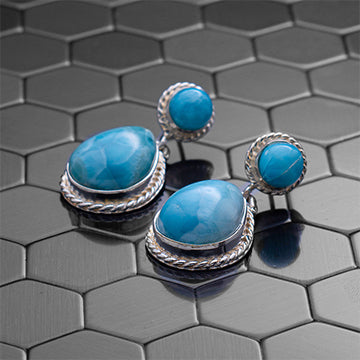
In 2026, cabochon jewelry is making a big comeback. More people are drawn to these stones for their organic vibe and bold colors. If you’re curious about which stones are trending, check out this Larimar cabochon stones collection for inspiration.
Cabochon stones aren’t just a style—they’re a link to jewelry’s roots, with a fresh twist for the modern era.
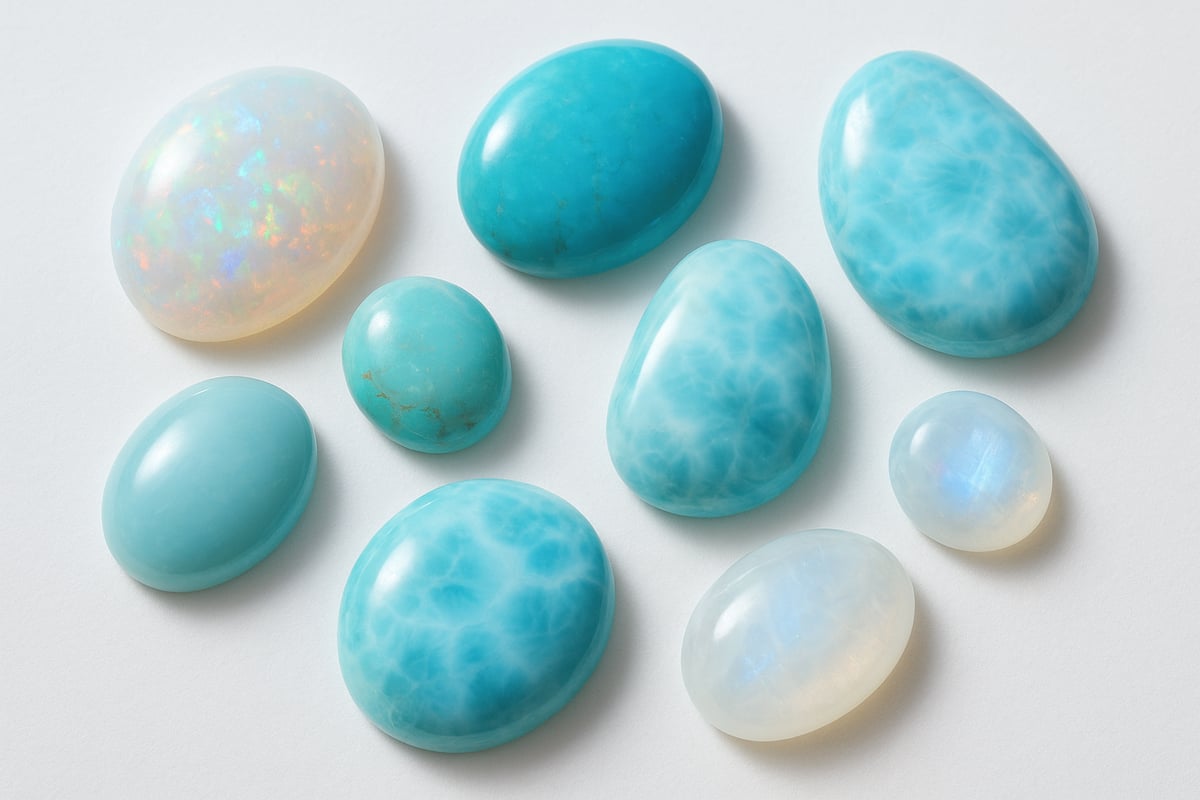
Cabochon stones are making waves in 2026, popping up everywhere from red carpets to indie boutiques. What makes a cabochon stone stand out this year? It is all about bold color, dreamy inclusions, and that irresistible dome. Let us dig into the classics and see which newcomers are stealing the spotlight.
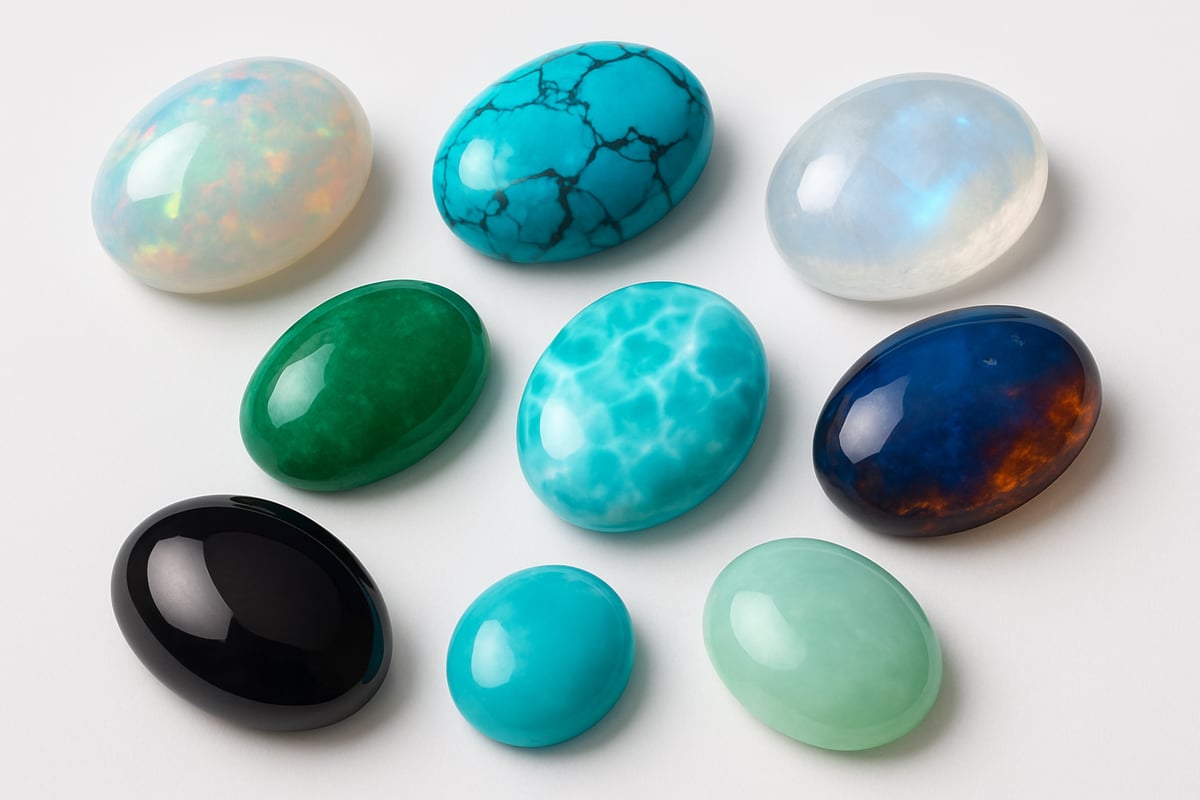
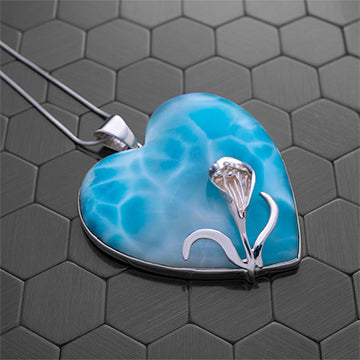
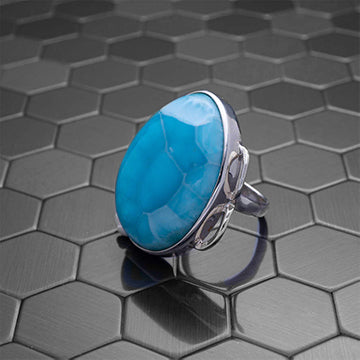
Some cabochon stone legends never fade—think opal, turquoise, moonstone, jade, and onyx. Their colors and natural patterns look best when polished smooth, not faceted. Larimar is also having a moment, especially in pendants and statement rings.
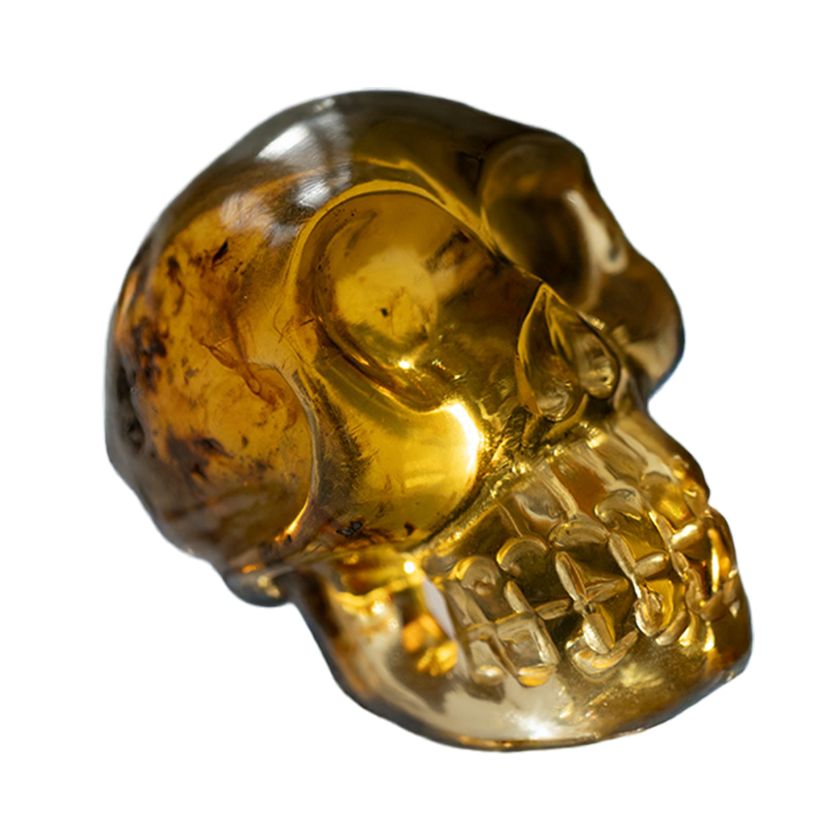
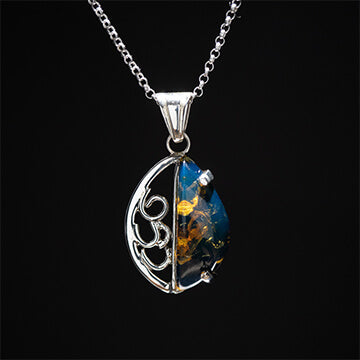
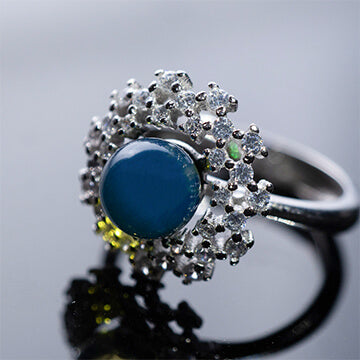
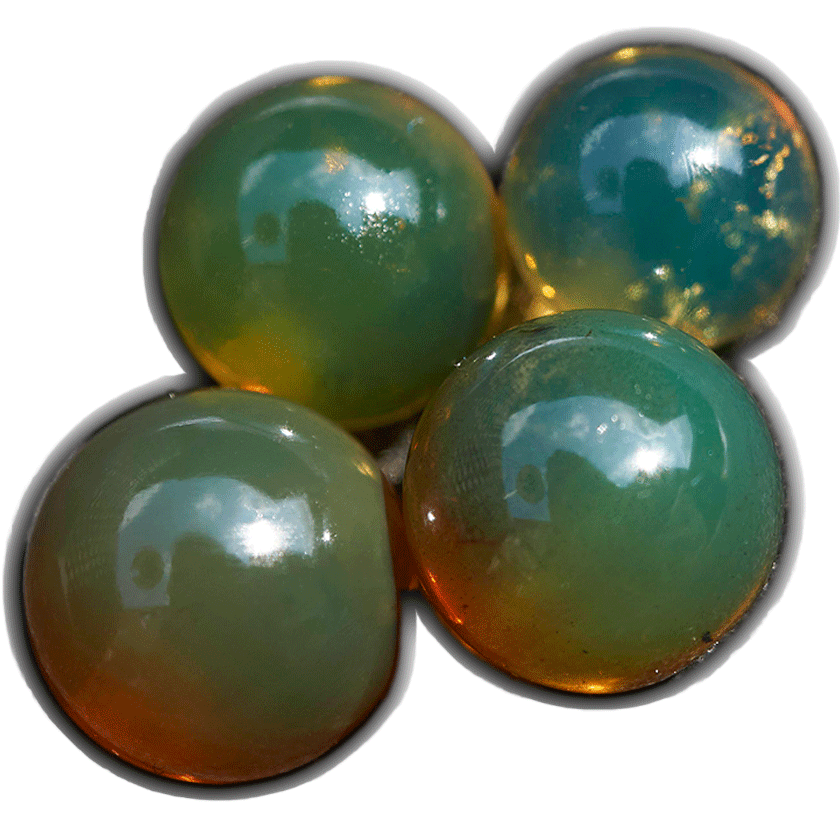
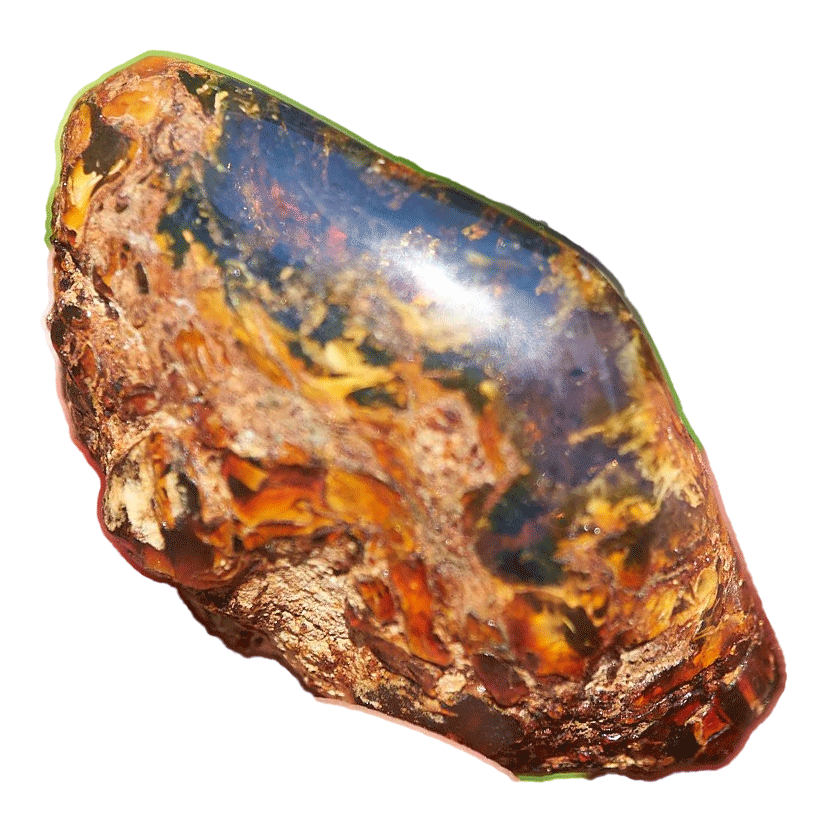
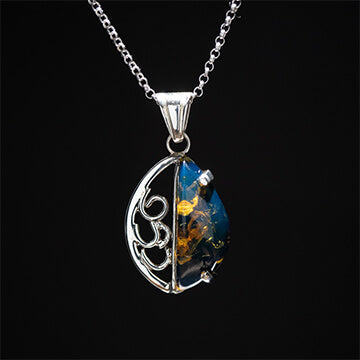
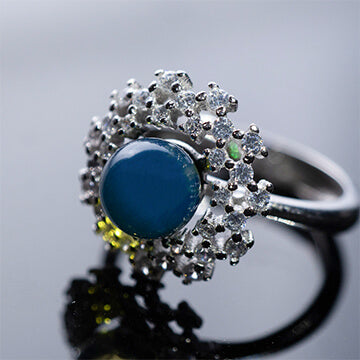
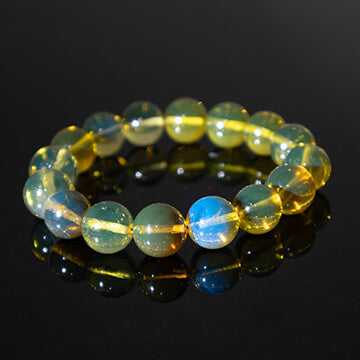
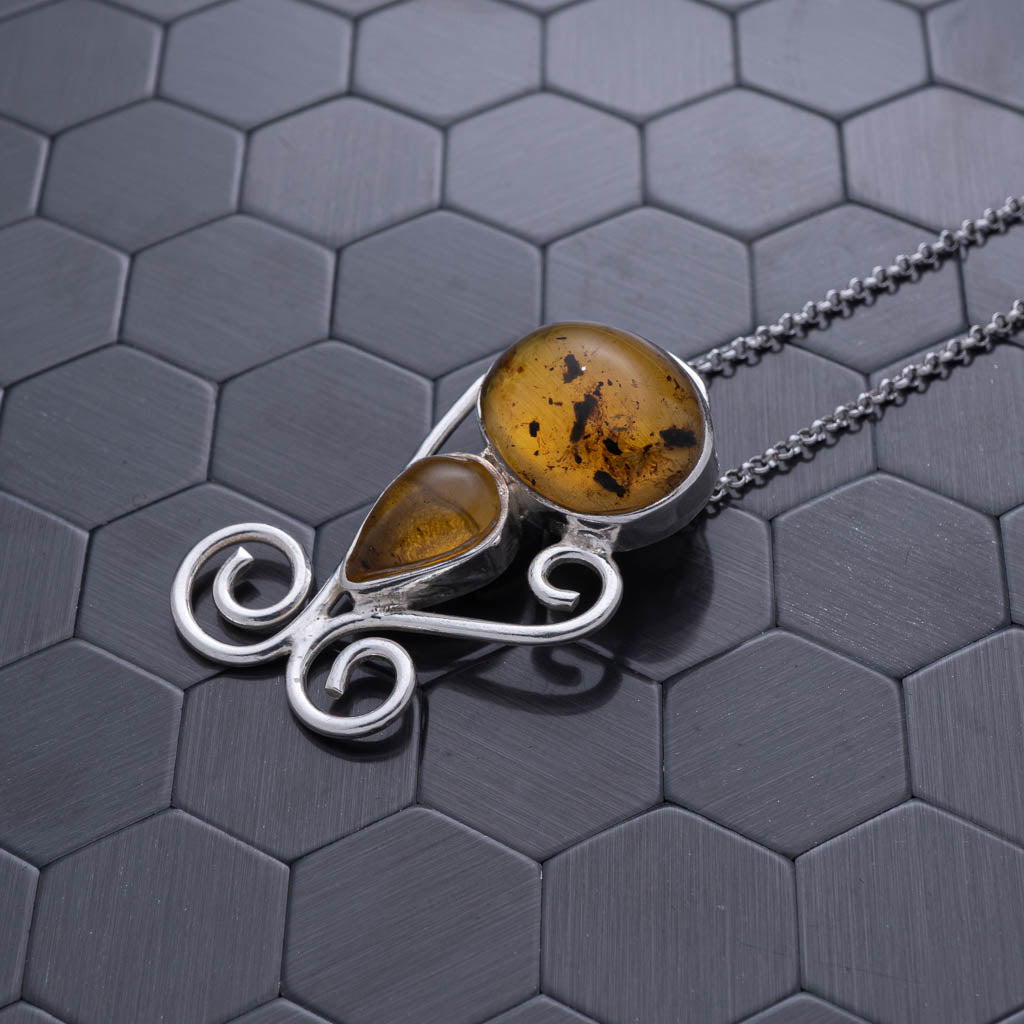
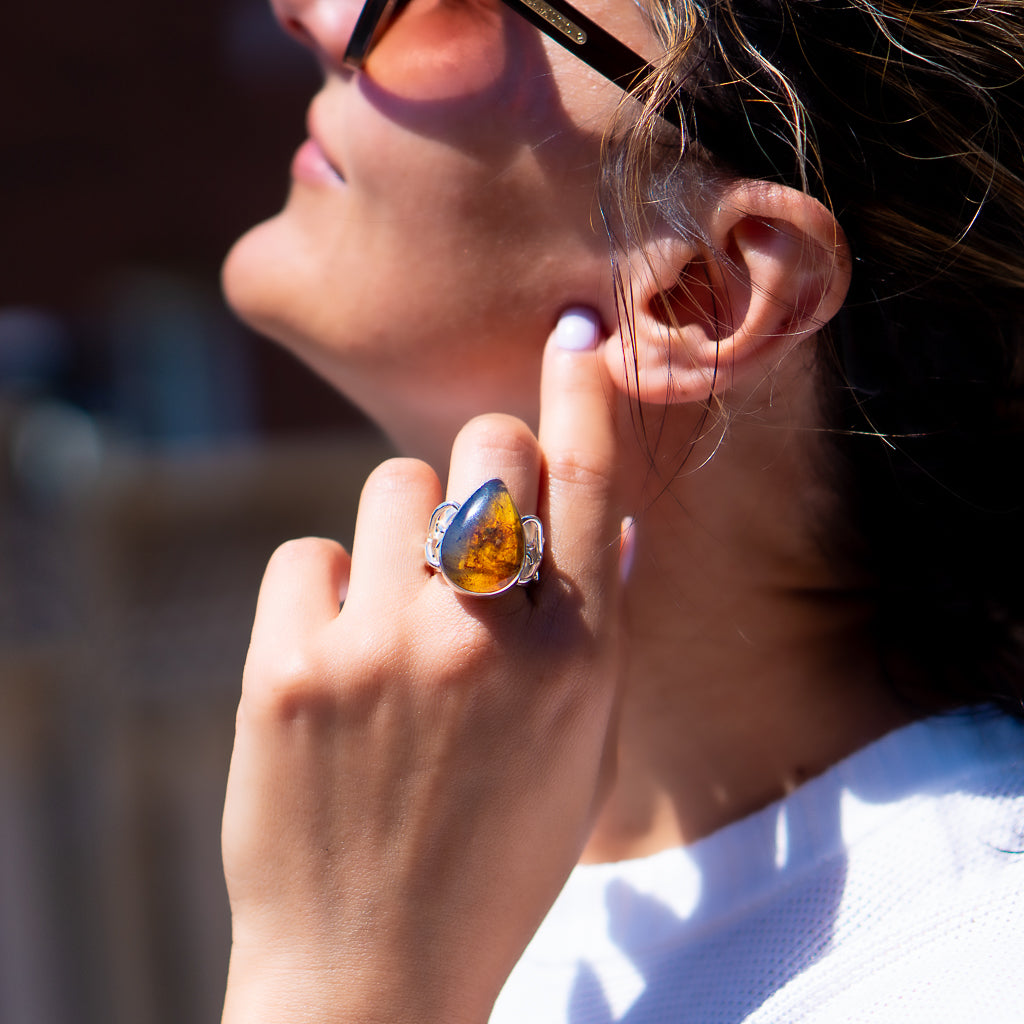
What is new? Blue amber and Dominican amber are hot, adding a twist to the usual lineup. More people are chasing rare colors, creative shapes, and even custom blends. According to recent data, online searches for opal and turquoise cabochons jumped 20 percent from 2024 to 2025. Even celebrities are stacking moonstone cabochon rings this season.
Want to see the trend in action? Check out some stunning Blue amber cabochon jewelry to get inspired.
| Classic Stones | Trending Now |
|---|---|
| Opal | Larimar |
| Turquoise | Blue Amber |
| Moonstone | Dominican Amber |
| Jade | Custom Inlays |
| Onyx | Freeform Shapes |
Picking a high quality cabochon stone is not just luck. Look for rich, even color and a smooth, glassy polish. Translucency can add depth, especially in moonstone or opal. The dome should be symmetrical, not too flat or too tall.
Check for cracks, pits, or any roughness on the surface. These flaws can hurt both beauty and durability. Authenticity matters too—ask if the cabochon stone is natural or treated. Natural inclusions are fine, but fake coloring or fills are not. If you want to get nerdy, RioGrande’s technical guides break down grading even further.
Picking the perfect cabochon stone is a little like finding your signature scent. It’s personal, and there’s real joy in the search. Here’s how to make sure you land on a stone you’ll love every time.
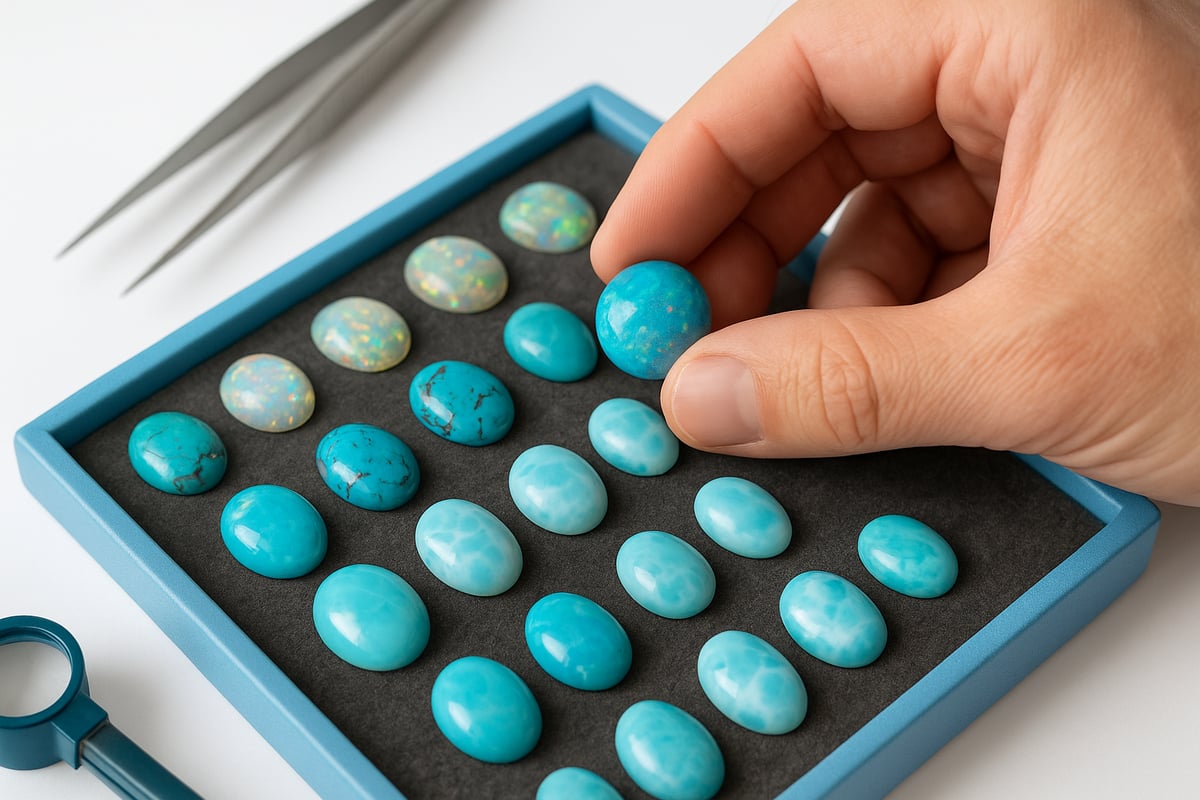
Start by thinking about what vibes you want your cabochon stone to give off. Are you bold, loving statement jewelry, or do you lean toward subtle, everyday pieces? Each stone carries its own energy. Moonstone, for example, is all about intuition and calm, while turquoise is perfect for a free-spirited, boho feel.
Pick a color that lights you up or matches your favorite metals. Picture turquoise set in silver for a laid-back look, or onyx paired with gold for something classic.
Not all cabochons are created equal. Ovals and rounds are super versatile — they work in almost any setting. If you want a piece that stands out, go for a freeform shape.
Think about the size, too. Big cabochons make a statement in pendants, while smaller ones are perfect for rings or earrings. Dome height matters more than you’d think. A higher dome gives depth, while a flatter one sits lower on your skin.
Always inspect your cabochon stone for a smooth surface, even color, and natural inclusions. For rare stones like larimar, ask for details about the stone’s origin or a certificate.
Be careful with imitations or synthetic cabochons. If you’re unsure, check out Gemrock Gemstone Standards for tips on grading and identifying real stones. That way, you know exactly what you’re getting, whether it’s a natural Dominican larimar or something dyed to look the part.
Setting a cabochon stone is all about showing off its smooth, domed beauty. The way you set it can make or break the look, so it pays to know what jewelers actually recommend.
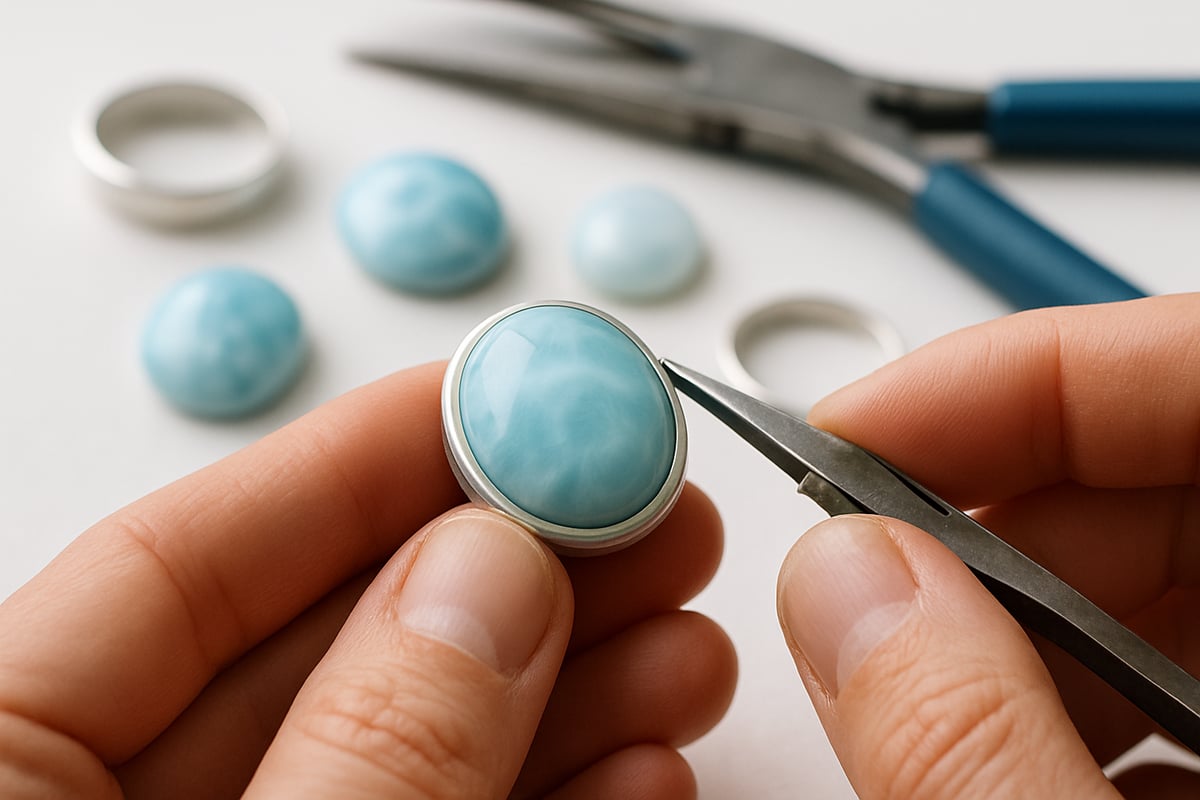
When it comes to a cabochon stone, jewelers almost always lean toward a bezel setting. Why? It hugs the stone tightly and lets that dome shine, plus it keeps softer gems like opal or larimar safe.
For something more artistic, prong settings or wire wraps work well, especially for freeform or unusual shapes. These styles put more of the cabochon stone on display and let you get creative.
Metal color matters, too. Silver brings out the cool blues and greens in stones, while yellow gold can add warmth to reds or browns. If you have a high dome or an odd shape, custom settings make a big difference. Jewelers sometimes use a double bezel for softer cabochon stones, giving extra protection without hiding the beauty.
Caring for a cabochon stone is simpler than you might think, but it does take some attention. First, stay away from harsh chemicals and never use ultrasonic cleaners, as these can damage softer stones.
Always store cabochon jewelry separately so the smooth domes do not get scratched. After wearing, wipe each cabochon stone gently with a soft cloth to keep the polish bright.
Some cabochons, like turquoise and opal, are porous and can react badly to water or humidity. If you own larimar, you can find specific caring for larimar jewelry tips that help keep its color bright and surface smooth.
If your cabochon ever looks dull, you can often revive its shine at home by gently buffing it with a clean, soft cloth. Just treat your cabochon stone with care and it will look stunning for years.
The cabochon stone is having a serious moment in 2026. If you like jewelry that feels both fresh and timeless, you’ll want to see what’s changing right now.
Cabochon stone jewelry is getting a shakeup in 2026. Rare and sustainable stones like larimar and blue amber are turning heads. Designers are mixing materials, using inlays and doublets for layered looks that catch the light in new ways.
Technology is making a splash, too. Laser shaping and better polishing methods help stones show off their color and glow. More jewelry houses are taking custom requests, so one of a kind cabochon creations are everywhere. Oversized pendants, chunky rings, and creative composites are set to dominate. Curious about what’s next? Check out these Jewelry Trends 2026 for a glimpse at what's hot.
All signs point to a big year for cabochon stone pieces. Experts predict jewelry sales will jump by 15 percent as more buyers look for something unique and hand crafted. Ethical sourcing and artisan quality are front and center.
Instagram and TikTok influencers are fueling the cabochon craze, especially for bold rings and statement necklaces. Collectors are snapping up rare stones for investment, and auction prices are climbing. Want to know how these trends affect pricing? Here’s a breakdown of Colored Stone Price Trends 2026 so you can spot a good deal.
Curious about cabochon stone basics, quirks, and best uses? Here are the answers most people want, all in one spot. For even more info, check out these frequently asked questions about cabochons.
Do cabochon stones have more flaws than faceted stones?
Not always. Cabochon stones often showcase natural inclusions, but high-quality ones are smooth and free of major cracks.
Are cabochons better for certain jewelry types?
Yes. Cabochons shine in rings, pendants, and earrings where their smooth domes can be shown off.
Can you recut a cabochon into a faceted stone or vice versa?
Sometimes, but it depends on the material and size left after cutting.
How can you tell if a cabochon is natural or synthetic?
Look for natural inclusions and color zoning. For a deeper dive, see this Refractometer Guide for Cabochon Testing.
Why are some cabochons more expensive than others?
Factors like rarity, quality, and origin all play a part in cabochon stone pricing.
Are cabochons suitable for daily wear?
Most are, but softer stones like opal or turquoise need extra care.
Example:
Some jewelers, like Ziamond, offer detailed FAQs on cabochon diamond and synthetic options.
Now that you know what makes cabochon stones so special and how they’re making a comeback in 2026, it’s the perfect time to bring a bit of that calm, natural beauty into your own life or give it as a meaningful gift. If you’re drawn to the soothing blues and the unique story behind larimar, you’ll love discovering pieces that feel one of a kind. I always find that jewelry with real presence carries a little serenity with it—especially when it’s handcrafted. Take a look and Find the Perfect Gift of Serenity Shop Larimar Pendants with Free Worldwide Delivery.