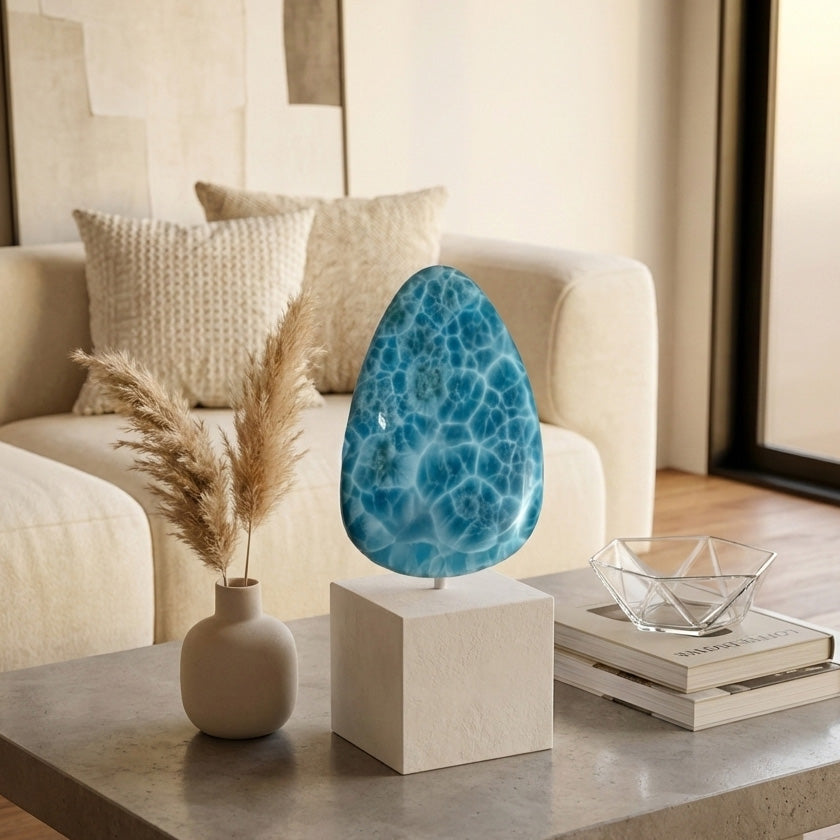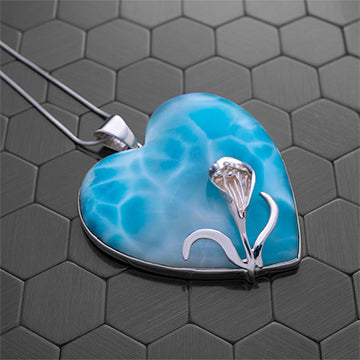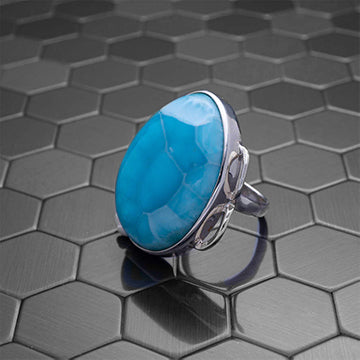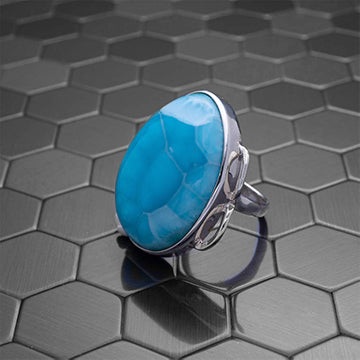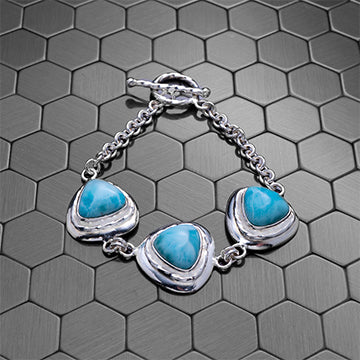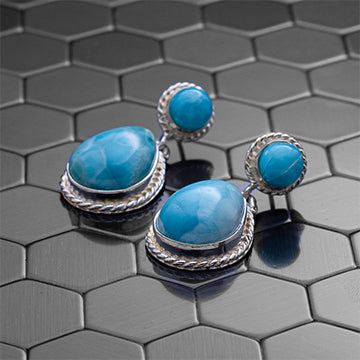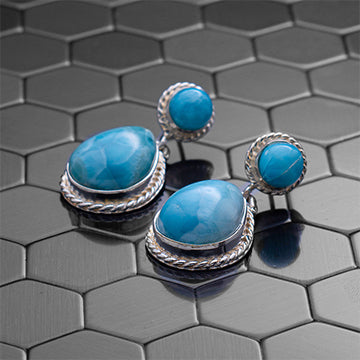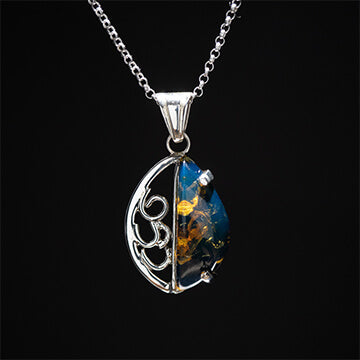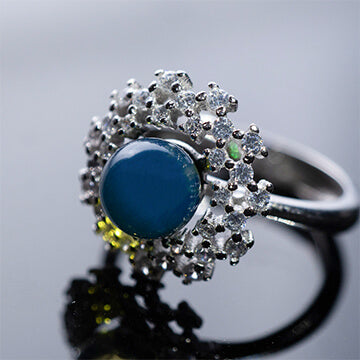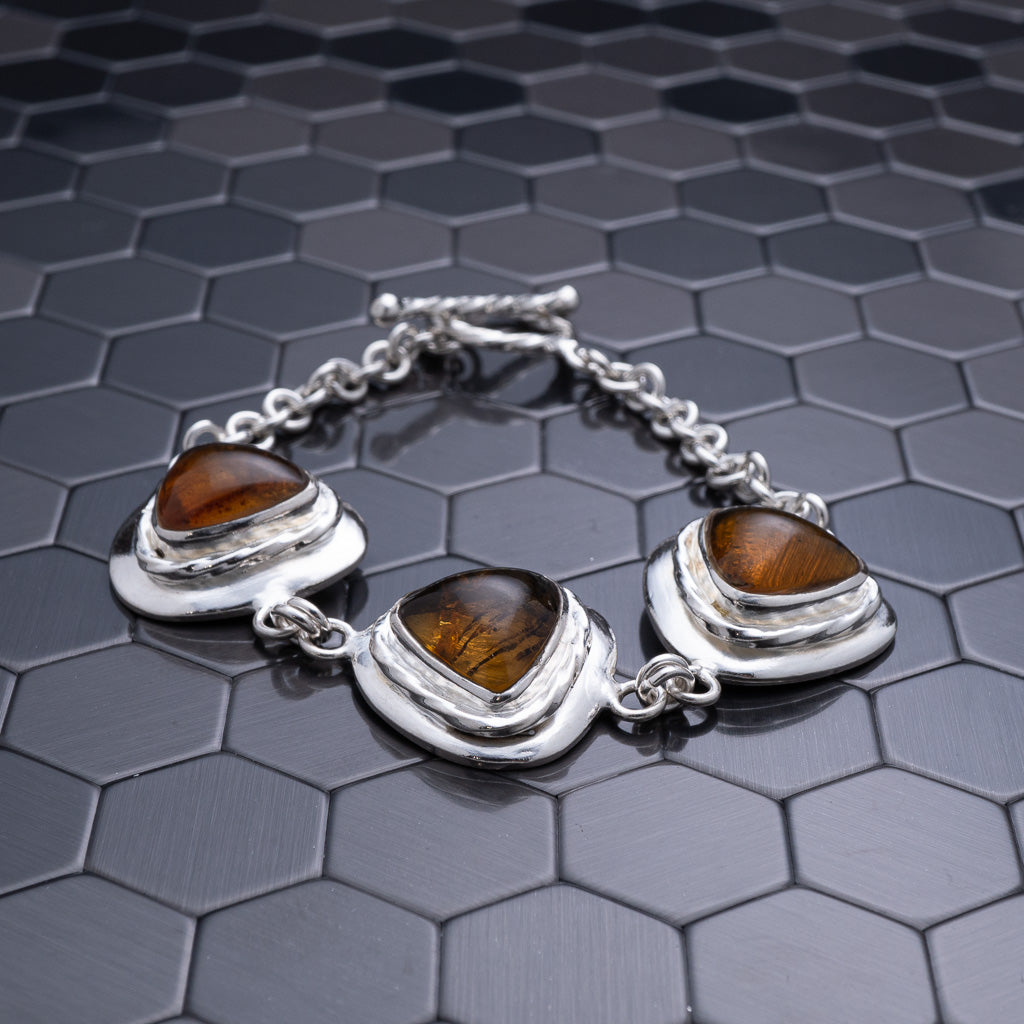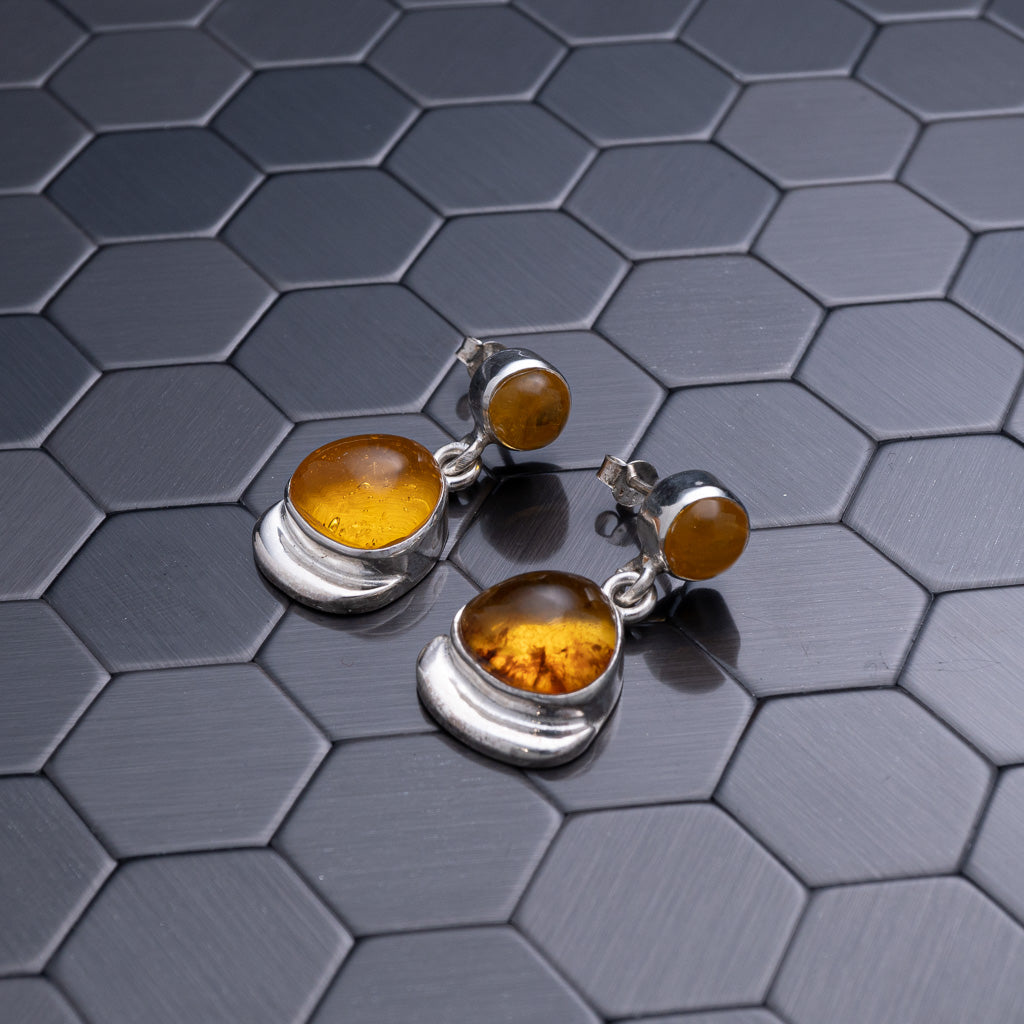


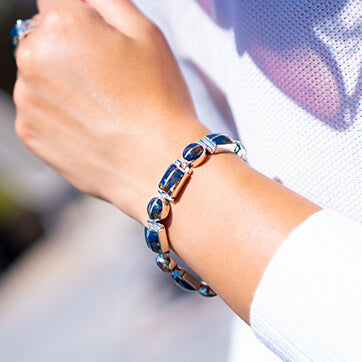
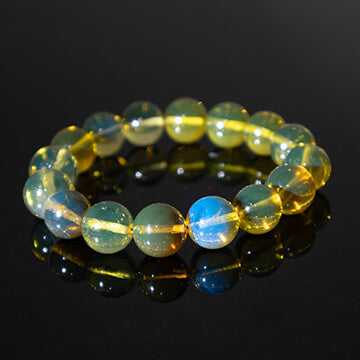
Handcrafted in DR.

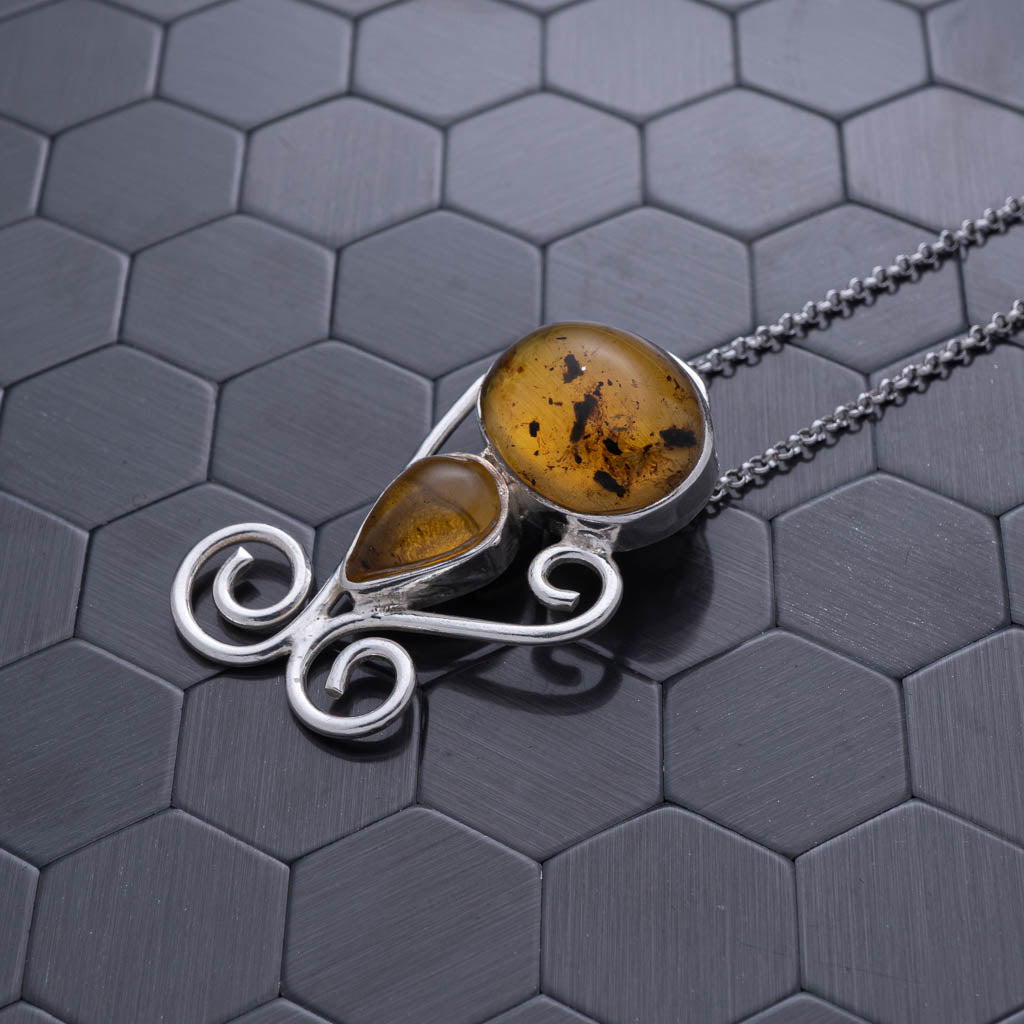
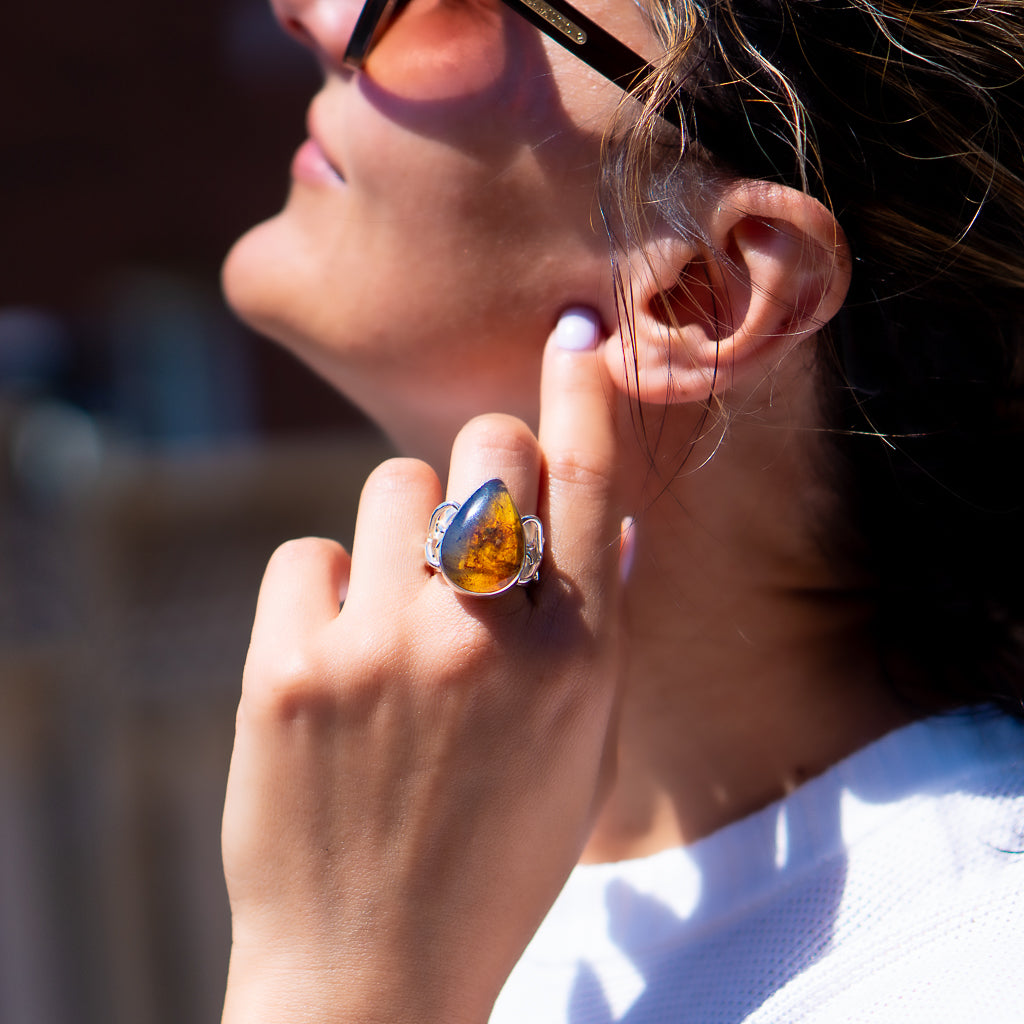
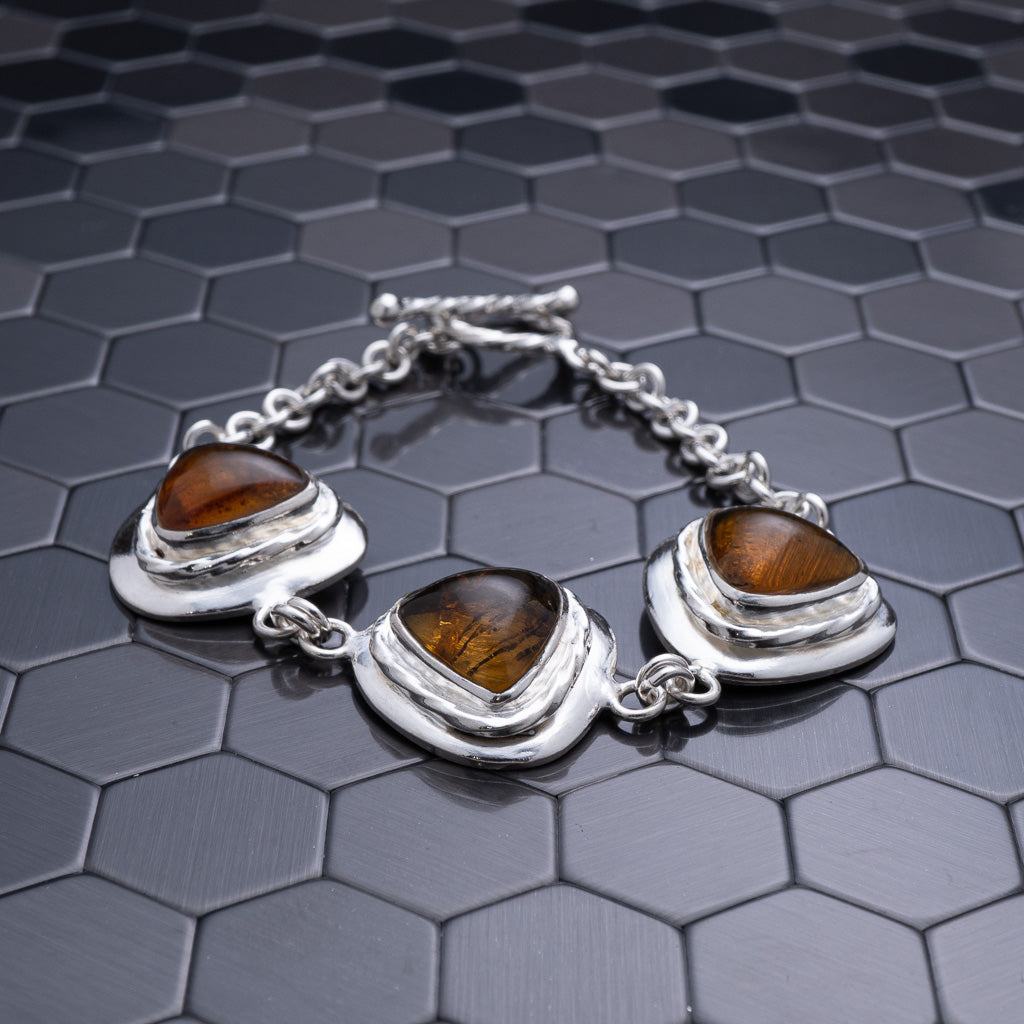
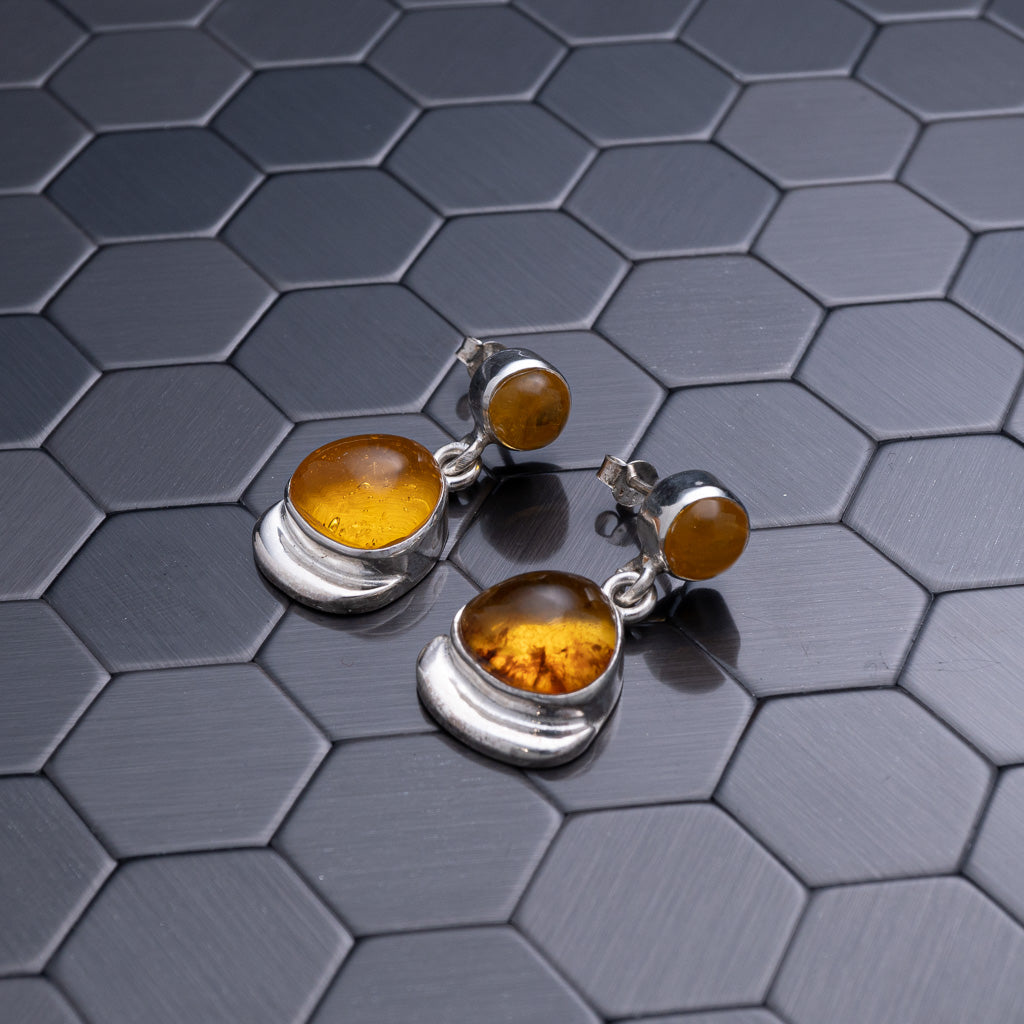


100% Handcrafted in DR.

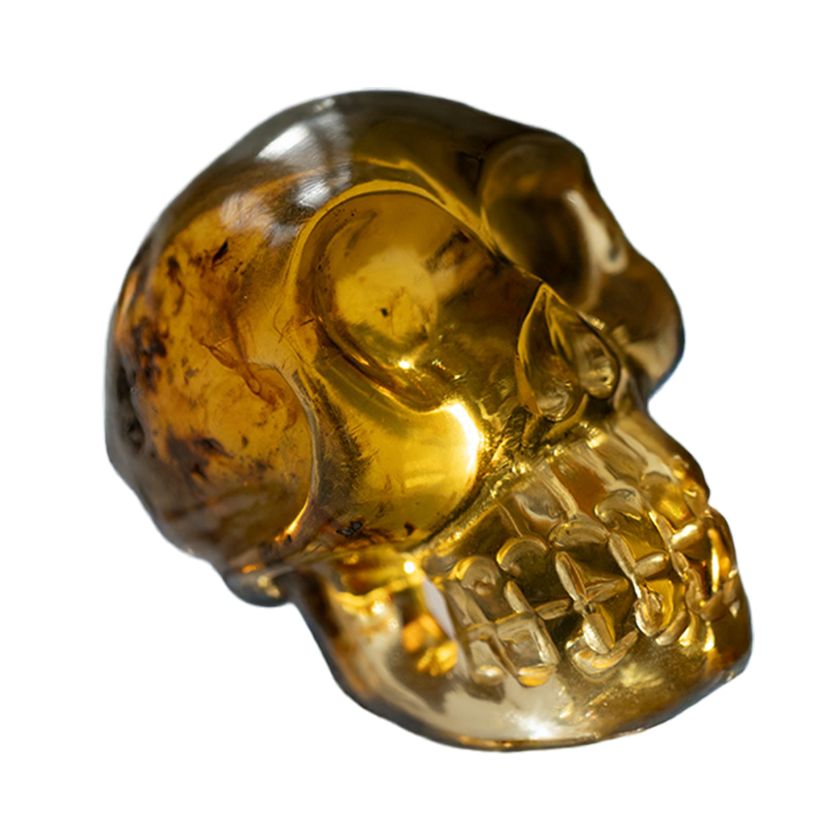
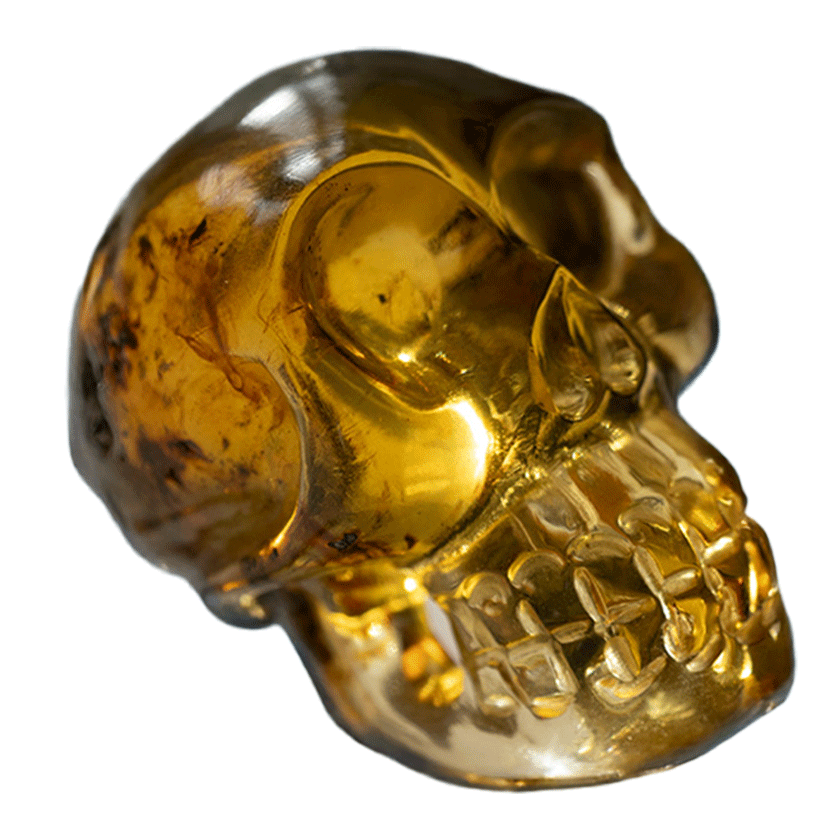
A carved amber pendant represents centuries of artistic tradition combined with nature's most captivating fossilized resin. These extraordinary pieces transform organic material that has aged for millions of years into wearable art, capturing light and imagination in equal measure. Whether you're drawn to intricate religious iconography, naturalistic animal carvings, or abstract designs, each carved amber pendant tells a unique story through the skilled hands of artisans who understand both the material's properties and its aesthetic potential. The market for these pieces spans from ancient artifacts housed in museums to contemporary creations that honor traditional techniques while embracing modern design sensibilities.
Amber possesses unique characteristics that make it particularly suitable for detailed carving work. Its relatively soft nature, rating between 2 and 2.5 on the Mohs hardness scale, allows artisans to work the material with precision tools without excessive force. This workability has made amber a preferred medium for carvers throughout history.
The material's translucent to transparent quality creates depth within carved pieces. When light passes through a carved amber pendant, it interacts with the carved surfaces differently than smooth cabochons, creating shadows and highlights that emphasize design elements. This optical property becomes especially pronounced in pieces featuring relief carving or openwork designs.
Amber's natural color palette influences carving decisions significantly:
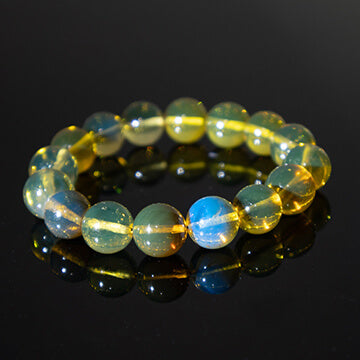
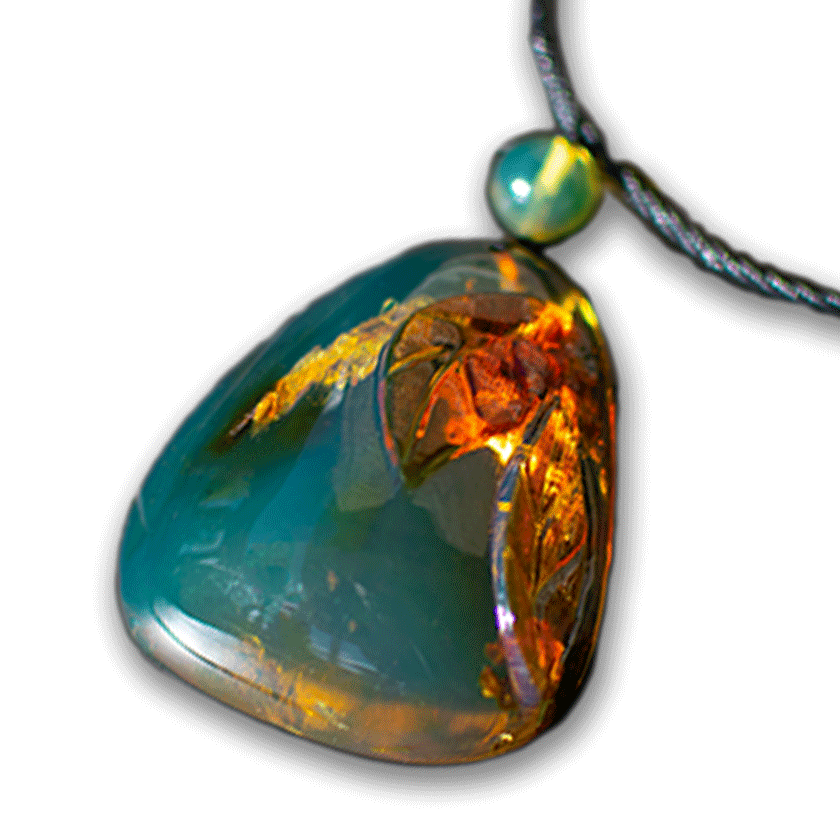
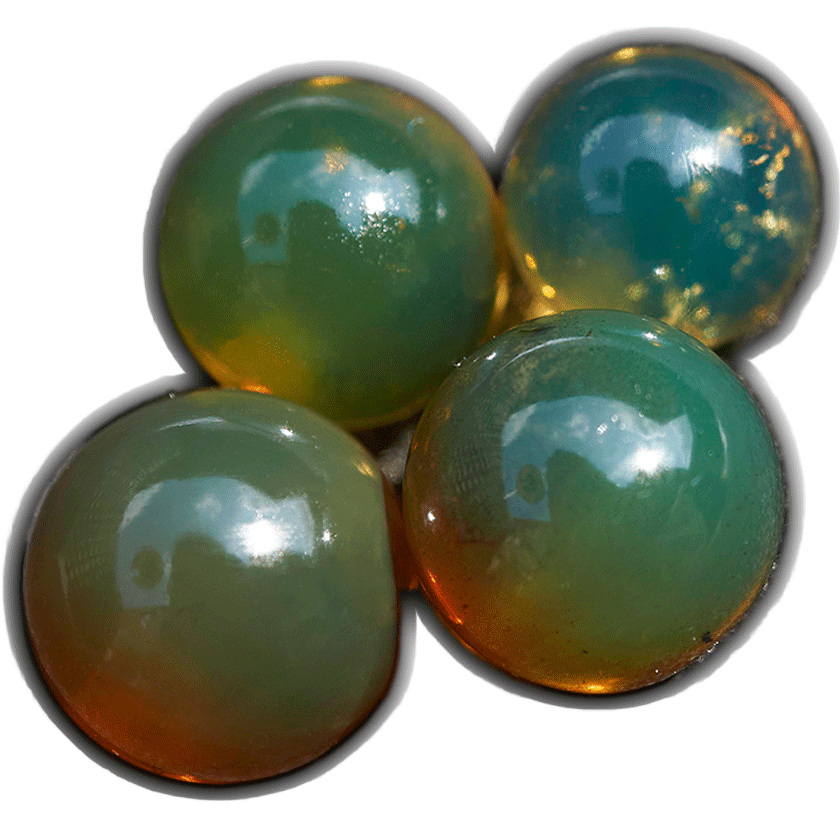
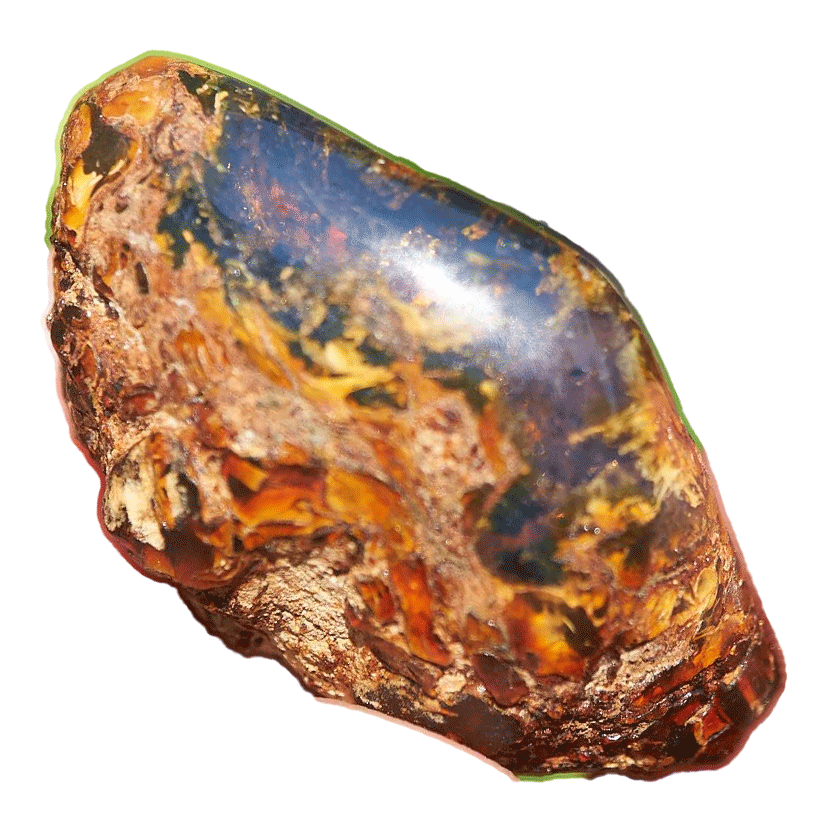
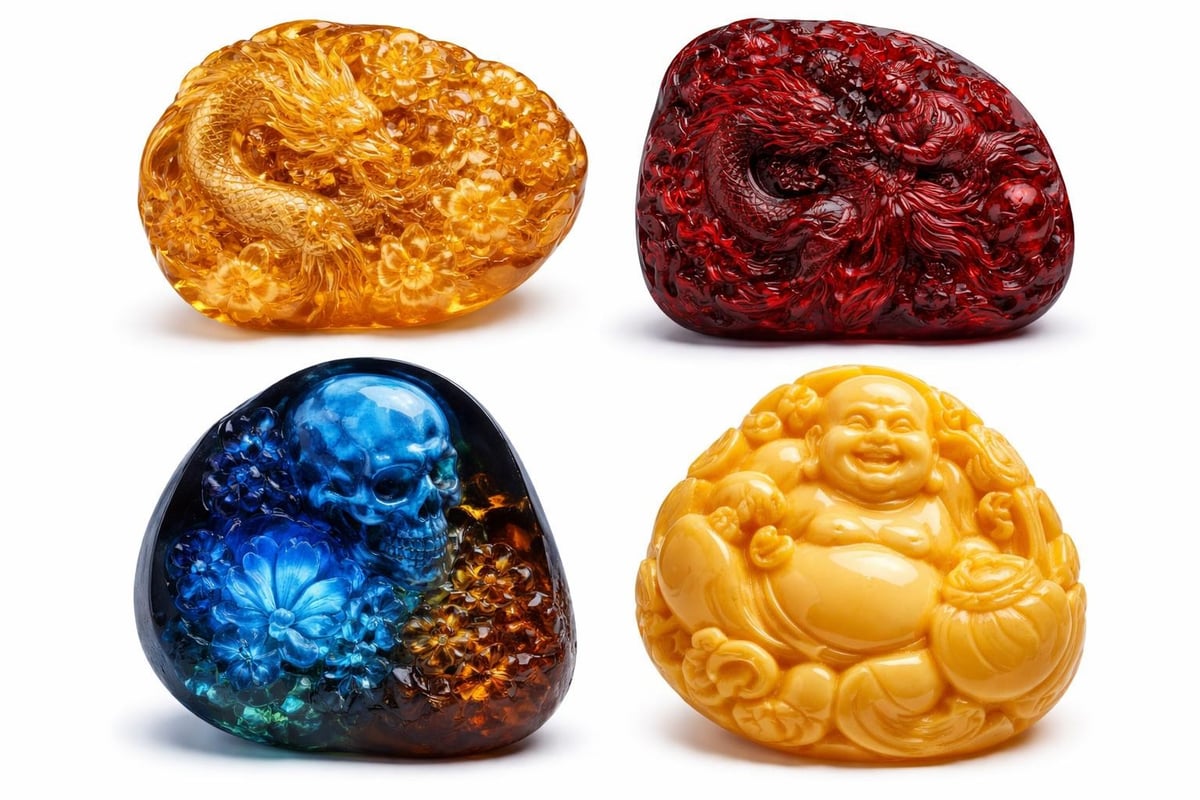
Different amber types respond to carving tools with varying characteristics. The resin's internal structure, presence of inclusions, and clarity all affect how cleanly edges form and how much detail the material can support. Dominican blue amber stands out particularly for carved work due to its remarkable fluorescent properties that intensify carved details under natural light.
Ancient civilizations recognized amber's carving potential thousands of years ago. The Morgan Amber, a 5th-century BCE Etruscan carved amber fibula housed at the Metropolitan Museum of Art, demonstrates the sophisticated techniques employed by early Mediterranean cultures. This piece features intricate figural work that rivals contemporary carving standards.
Chinese artisans developed particularly refined amber carving traditions during the Ming and Qing dynasties. Examples like the 18th/19th-century carved amber pendant featuring a chilong and squirrel showcase the incorporation of symbolic elements into wearable art. These pieces often featured auspicious symbols, mythological creatures, and naturalistic representations that carried specific cultural meanings.
| Historical Period | Carving Style | Common Motifs | Cultural Significance |
|---|---|---|---|
| Ancient Etruscan | Figural relief | Human forms, animals | Religious/ceremonial use |
| Medieval European | Religious iconography | Saints, crosses | Devotional objects |
| Chinese Imperial | Symbolic naturalism | Dragons, gourds, bats | Auspicious meanings |
| Baltic Tradition | Geometric patterns | Abstract designs | Folk art heritage |
European carvers during the 18th and 19th centuries favored naturalistic subjects. A carved amber pendant featuring a beetle and gourds exemplifies this approach, capturing organic forms with remarkable attention to botanical and entomological accuracy.
Modern artisans employ both traditional hand-carving methods and contemporary tools to create carved amber pendants. The choice of technique depends on design complexity, desired finish, and the artisan's training background.
Traditional hand carving remains the preferred approach for creating one-of-a-kind pieces with exceptional detail. Skilled carvers use specialized burrs, files, and gravers to remove material gradually, working with the amber's natural grain and internal characteristics. This method allows for spontaneous design adjustments as the piece develops.
The process begins with careful material selection. Carvers examine each piece of rough amber for internal flaws, stress fractures, and inclusion patterns that might affect the final design. Once selected, the amber undergoes initial shaping to establish the basic form before detailed carving begins.
Contemporary studios increasingly incorporate precision tools that enhance traditional techniques:
These technologies don't replace traditional skills but rather extend the carver's capabilities. The finest carved amber pendants still require an artisan's experienced eye and steady hand to achieve balanced proportions and harmonious design flow.
Several factors determine the quality and value of a carved amber pendant. Understanding these elements helps collectors and enthusiasts make informed acquisition decisions.
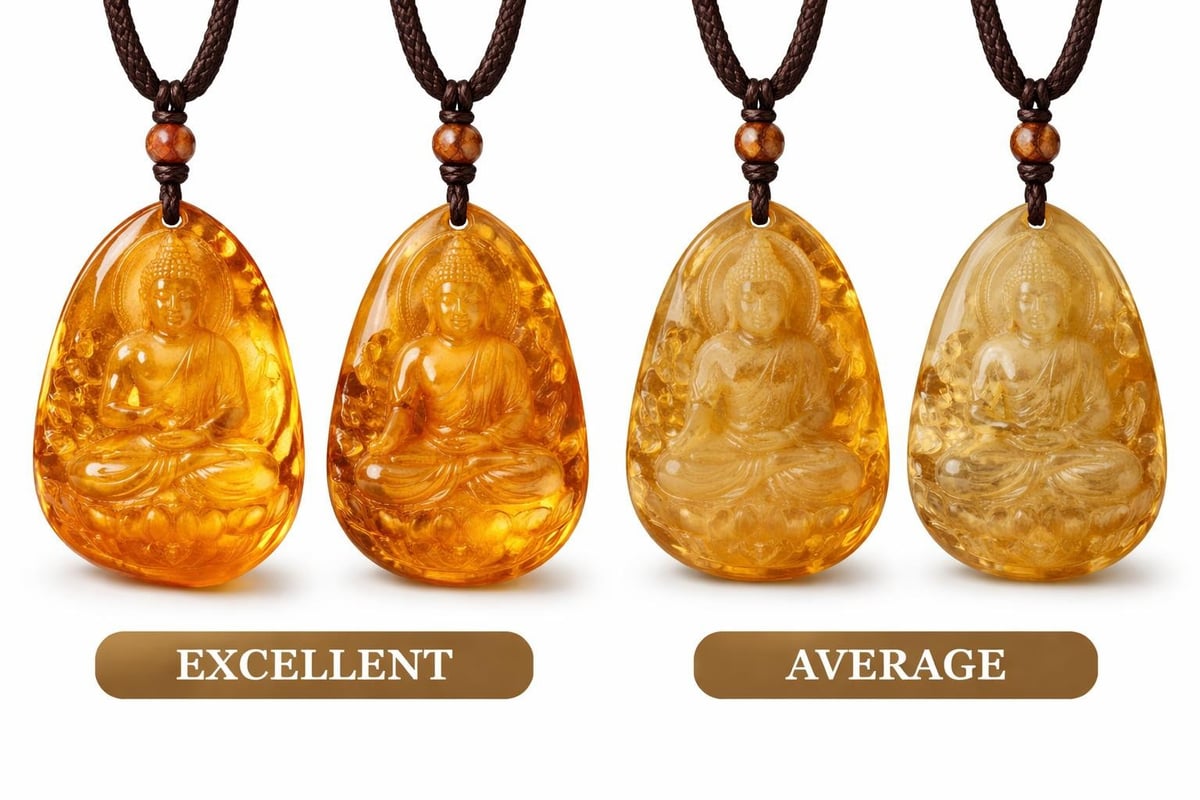
Material quality forms the foundation of any exceptional carved piece. The amber itself should display good clarity appropriate to its type, consistent color throughout the carved areas, and freedom from artificial treatments that might compromise long-term stability. Natural inclusions can add interest but shouldn't detract from the overall design.
Carving execution separates masterworks from average pieces. Examine edge crispness, depth consistency, and surface finish quality. Superior work shows no tool marks in finished areas, maintains proportional relationships between design elements, and demonstrates confident execution throughout the piece.
Design sophistication reflects the carver's artistic vision. The best pieces balance negative space with carved elements, create visual interest from multiple viewing angles, and incorporate symbolic or aesthetic elements that resonate with viewers. Religious subjects, like the carved amber Luohan pendant from the early Qing Dynasty, demonstrate how spiritual significance can elevate carving artistry.
Carved amber pendants require specific care approaches to maintain their beauty and structural integrity. The carved surfaces create additional considerations beyond those for smooth amber cabochons.
Amber's relative softness makes carved pieces vulnerable to abrasion from harder materials. Remove your carved amber pendant before activities involving potential contact with hard surfaces. Store pieces separately in soft pouches to prevent contact with other jewelry that might scratch carved details.
Chemical exposure poses significant risks. Avoid contact with:
Apply cosmetics, perfumes, and hair products before putting on amber jewelry, allowing time for complete evaporation before contact occurs.
Carved details trap dust and oils more readily than smooth surfaces. Clean your carved amber pendant gently using lukewarm water and mild soap. Use a soft brush with natural bristles to reach carved recesses, applying minimal pressure to avoid surface damage.
Rinse thoroughly with clean water and pat dry immediately using a soft, lint-free cloth. Never soak amber for extended periods, as this can affect its surface characteristics. Air drying in direct sunlight should be avoided due to potential heat damage.
The market for carved amber pendants encompasses several distinct segments, each with different value drivers and collector interest levels. Understanding these market dynamics helps both buyers and sellers navigate transactions effectively.
Antique carved pieces, particularly those with documented provenance, command premium prices. Pieces like the 18th/19th-century amber pendant carved as three double gourds demonstrate how age, craftsmanship, and cultural significance combine to create investment-grade pieces. Auction results for such pieces often exceed initial estimates when competing collectors drive bidding.
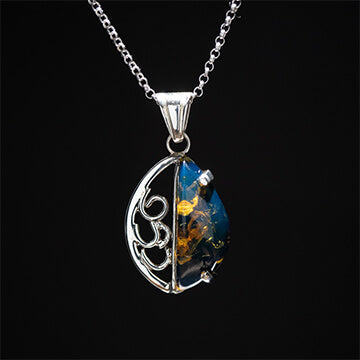
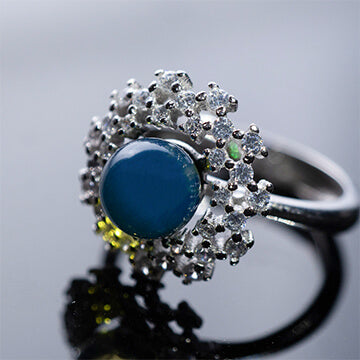
Contemporary carved amber pendants vary widely in value based on material rarity and carving quality. Blue amber pendants featuring carved work command higher prices due to the material's scarcity and unique optical properties. The fluorescent quality of blue amber becomes particularly dramatic in carved pieces where varying depths create intensity gradations.
| Value Factor | Impact Level | Key Indicators |
|---|---|---|
| Material rarity | Very High | Color, clarity, size |
| Carving complexity | High | Detail level, technique difficulty |
| Artisan reputation | High | Known maker, signature work |
| Age and provenance | Very High | Documented history, period authentication |
| Design appeal | Moderate | Aesthetic quality, subject matter |
| Condition | Very High | Intact carving, original finish |
Successful carved amber pendant collectors develop expertise through systematic study and hands-on experience. Begin by focusing on a specific category or cultural tradition rather than attempting to collect broadly. This focused approach accelerates learning and helps develop critical evaluation skills.
Visit museums with significant amber collections to examine historical pieces firsthand. Studying pieces like those in the Metropolitan Museum's collection provides invaluable reference points for quality standards and design evolution. Photography helps document details for later study, though many institutions restrict flash photography to protect light-sensitive materials.
Establishing connections with knowledgeable dealers and artisans proves invaluable for collection development. Reputable sources provide authentication assistance, market insights, and access to exceptional pieces before public availability. Specialty artisans who focus on carved amber work often create custom pieces that address specific collecting interests.
Attend jewelry shows, gem exhibitions, and amber-specific events to network with collectors and dealers. These gatherings offer opportunities to handle multiple pieces for comparison and to learn from experienced collectors willing to share knowledge.
The amber market includes various imitation materials that superficially resemble genuine fossilized resin. Carved pieces face additional authentication challenges since carving can obscure some natural characteristics used for identification.
Copal, a younger resin that hasn't fully fossilized, sometimes appears in the market labeled as amber. While copal can be carved similarly to amber, it lacks the complete polymerization of true amber and may degrade over time. The hot needle test, when performed on an inconspicuous area, produces different odors: amber smells pleasant and pine-like, while copal produces a sharper, more medicinal scent.
Pressed amber, created from amber powder and binding agents, presents a more challenging identification scenario. Examine carved areas under magnification for flow lines or compressed particle boundaries that natural amber lacks. Genuine amber displays consistent internal characteristics throughout carved and uncarved areas.
Plastic substitutes include materials like Bakelite and modern polymers. These materials carve differently than amber, producing sharper edges and more uniform surfaces. The static electricity test provides one verification method: briskly rubbing genuine amber on wool generates sufficient charge to attract small paper pieces, while most plastics don't respond as readily.
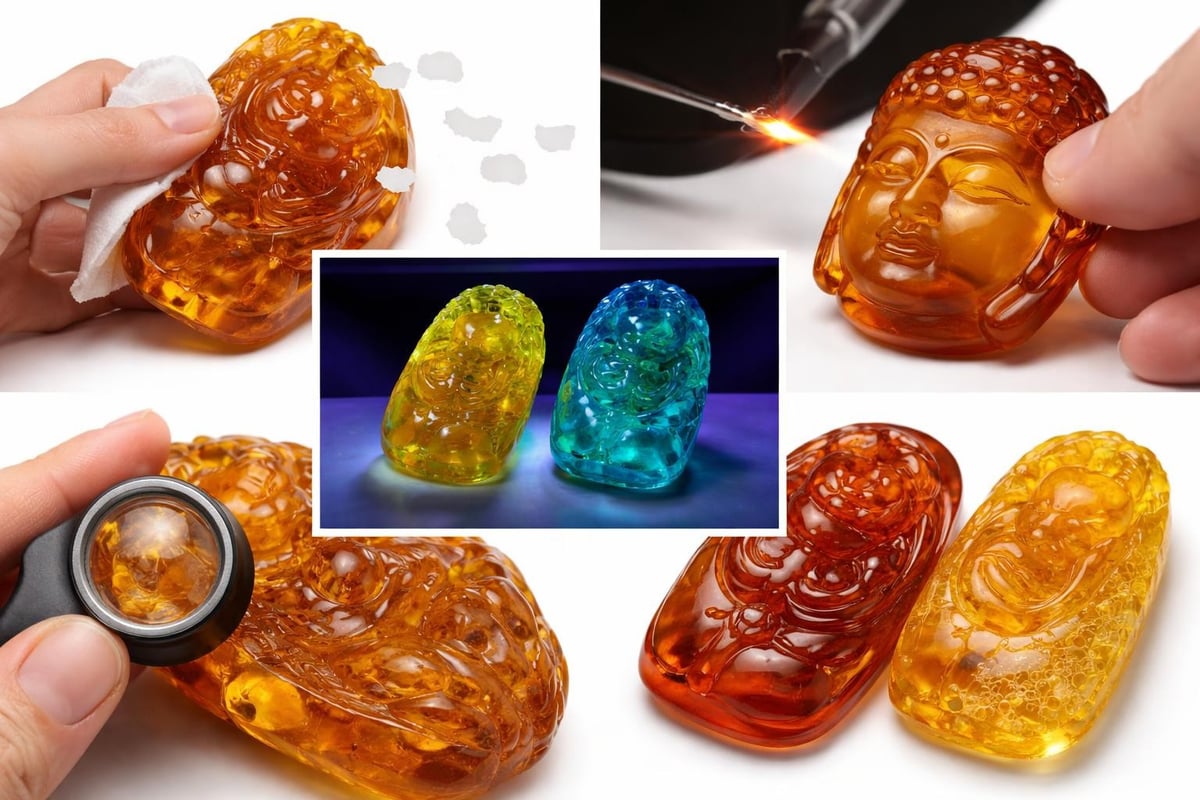
Carved amber pendants often incorporate symbolic elements that carry specific cultural or spiritual meanings. Understanding these symbols adds depth to appreciation and collecting focus.
Chinese carving traditions emphasize auspicious symbols. Gourds represent prosperity and fertility. Bats symbolize happiness and good fortune, despite Western negative associations. Dragons embody power, strength, and imperial authority. Ruyi scepters signify wish fulfillment and authority.
European religious carving focused on devotional subjects. Saints and angels served as protective talismans. Crosses and crucifixes demonstrated faith. Botanical elements often carried Virgin Mary associations, particularly roses and lilies.
Baltic folk traditions incorporated geometric patterns with protective meanings. Sun symbols represented life force and vitality. Spiral motifs suggested continuity and eternal cycles. Abstract patterns often held regional significance specific to carving centers.
Commissioning a custom carved amber pendant allows for personalized design while ensuring quality materials and expert craftsmanship. Successful commissions require clear communication between client and artisan.
Begin by selecting appropriate amber for your intended design. Color preferences, size requirements, and transparency levels all influence material choice. Discuss material options with your chosen artisan, who can advise on how different amber types respond to specific carving techniques. Dominican green amber offers unique characteristics for carved work, with its distinctive color and fluorescence properties.
Consider how the finished piece will be worn. Pendant size affects design possibility and comfort. Larger pieces accommodate more intricate carving but may prove too heavy for extended wear. Smaller carved pendants require simplified designs but offer everyday wearability.
Work with your artisan to develop design concepts that suit both your aesthetic preferences and the material's characteristics. Provide reference images, sketches, or descriptions of desired elements. Experienced carvers can suggest modifications that enhance feasibility while maintaining your vision.
Timeline expectations should account for the hand-crafted nature of carved work. Complex pieces may require weeks or months to complete. Rush orders often compromise quality as carvers cannot devote adequate time to refinement.
Different geographic regions developed distinctive approaches to amber carving, influenced by available materials, cultural aesthetics, and technical traditions.
Baltic Region: Traditional Baltic carving emphasizes geometric patterns and folk motifs. Artisans in Poland, Lithuania, and Russia developed techniques passed through generations, creating pieces that reflect regional identity and cultural heritage.
Chinese Tradition: Chinese amber carving reached extraordinary sophistication during imperial periods. Artisans created pieces featuring multiple figures, architectural elements, and layered scenes within single pieces of amber. The level of detail in some historical Chinese carved amber pendants remains unsurpassed.
German Craftsmanship: Königsberg (modern Kaliningrad) became a major amber working center, producing carved pieces characterized by technical precision and baroque styling. German artisans excelled at figurative work and architectural subjects.
Contemporary Dominican: Modern carvers working with Dominican amber, including both blue and green varieties, blend traditional techniques with contemporary design sensibilities. The unique properties of Dominican amber varieties inspire innovative approaches to carved jewelry design.
The setting for a carved amber pendant significantly impacts both aesthetics and durability. Proper mounting protects carved details while showcasing the artisan's work effectively.
Bezel settings provide maximum protection for carved edges and vulnerable details. The metal rim surrounding the amber prevents impact damage and offers a clean, modern presentation. Bezel settings work particularly well for pieces with three-dimensional carving that extends to the edges.
Prong settings allow maximum light transmission through the amber, enhancing transparency and color. However, prongs must be positioned carefully to avoid carved areas where their pressure might cause damage. This setting style suits carved pieces with smooth perimeters and central carved designs.
Bail attachment methods vary based on the pendant's carving pattern. Glued bails offer invisibility but require careful adhesive selection to ensure long-term stability. Drilled attachments provide security but must be positioned to avoid weakening carved areas. Wire-wrapped bails distribute stress across larger areas but add visual bulk.
Metal choice influences the overall aesthetic. Yellow gold complements warm amber tones and creates traditional elegance. Silver provides contrast against golden amber while matching cooler tones. Platinum offers maximum durability and hypoallergenic properties for sensitive wearers.
Deepening knowledge of carved amber pendants requires examining pieces across various styles, periods, and quality levels. This comparative approach develops the critical eye necessary for informed collecting and appreciation.
Study auction catalogs from major houses to observe how experts describe and value carved amber pieces. Note the terminology used for carving styles, the emphasis placed on different quality factors, and how provenance affects valuations. Many auction houses publish results, allowing you to track market performance over time.
Join collector organizations focused on amber or antique jewelry. These groups often organize study sessions, sponsor lectures by experts, and facilitate member interactions that accelerate learning. Experienced collectors typically welcome enthusiastic newcomers who demonstrate genuine interest and respect for the field.
Photography enhances study by allowing detailed examination at your convenience. Photograph pieces from multiple angles, using both natural and artificial light to reveal different characteristics. Close-up images of carved details, taken with macro lenses or smartphone macro modes, document techniques and quality levels for comparison.
Reading scholarly publications about amber history, geology, and cultural uses provides context that enriches appreciation. Understanding how ancient peoples valued amber, how trade routes developed, and how carving techniques evolved creates a framework for evaluating individual pieces.
Carved amber pendants represent a remarkable intersection of natural beauty, artistic skill, and cultural heritage that continues captivating collectors and jewelry enthusiasts in 2026. Whether you're drawn to historical pieces with centuries of provenance or contemporary works that honor traditional techniques, these carved treasures offer enduring value and aesthetic pleasure. Larimar Creations brings this same commitment to artistry and quality to their handcrafted jewelry featuring rare Larimar and Dominican Blue Amber, creating distinctive pieces that showcase exceptional gemstones through expert craftsmanship and worldwide accessibility.