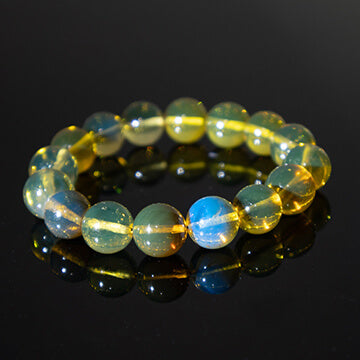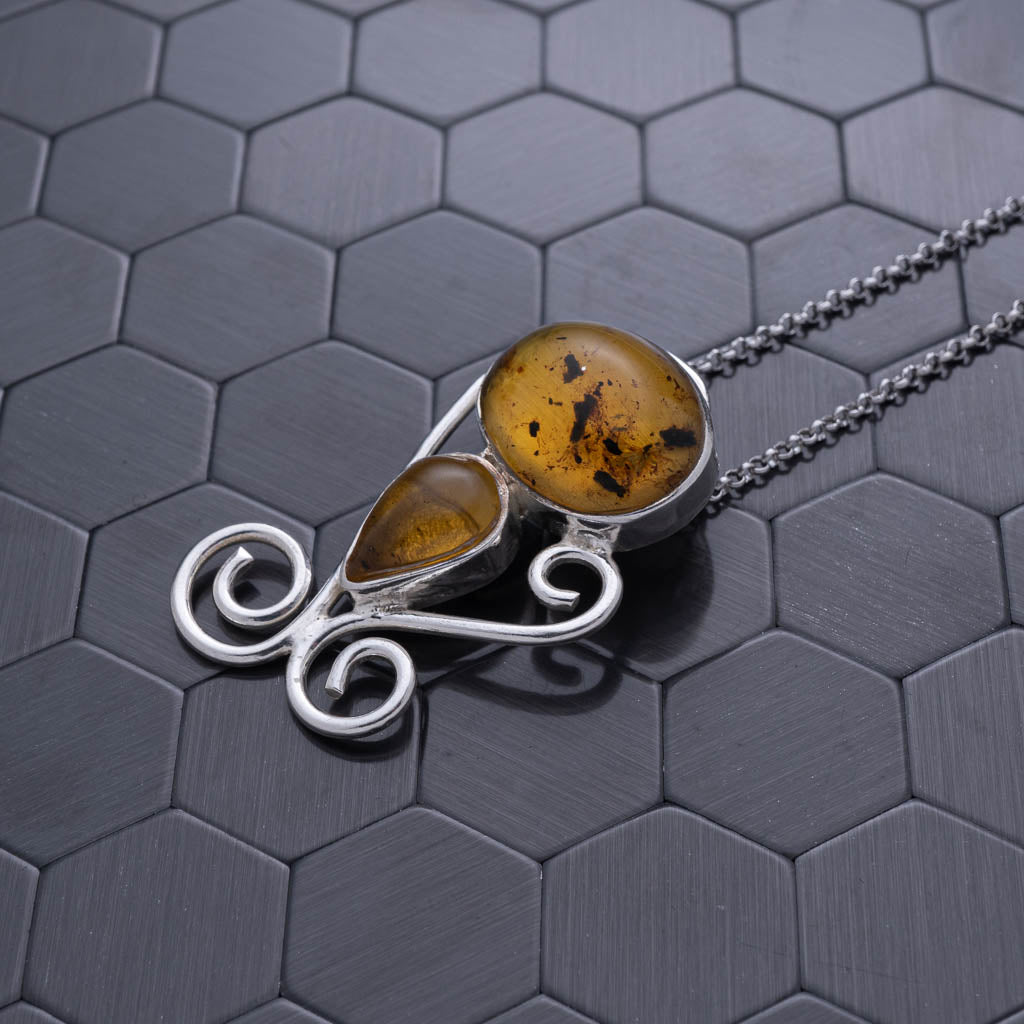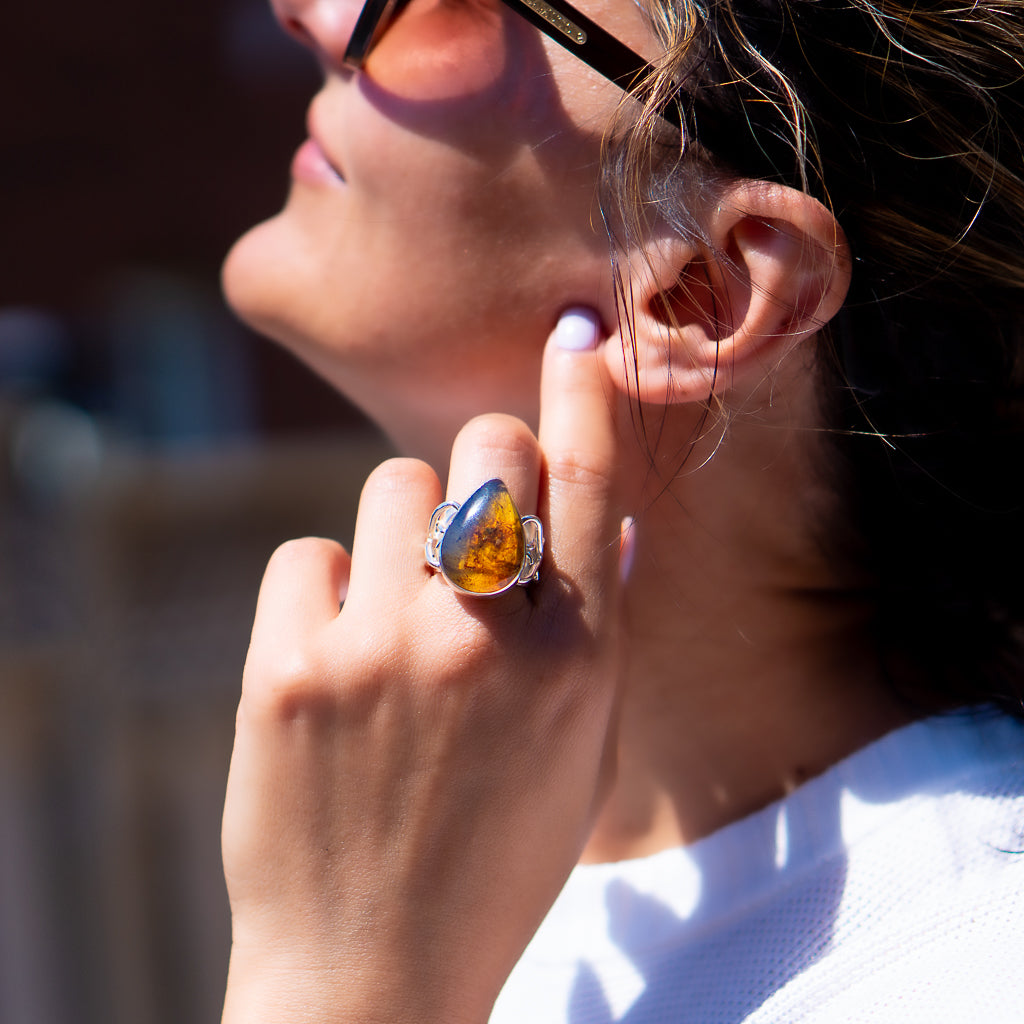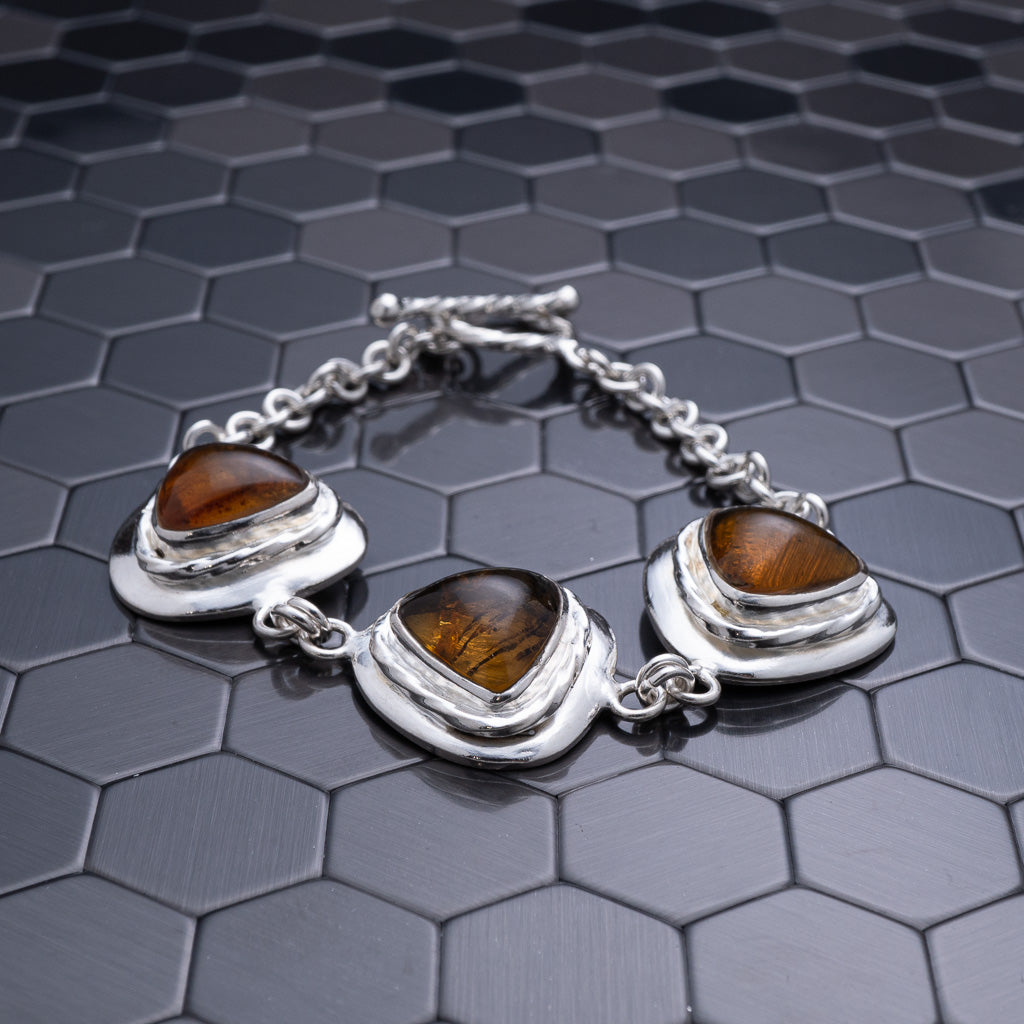



Handcrafted in DR.

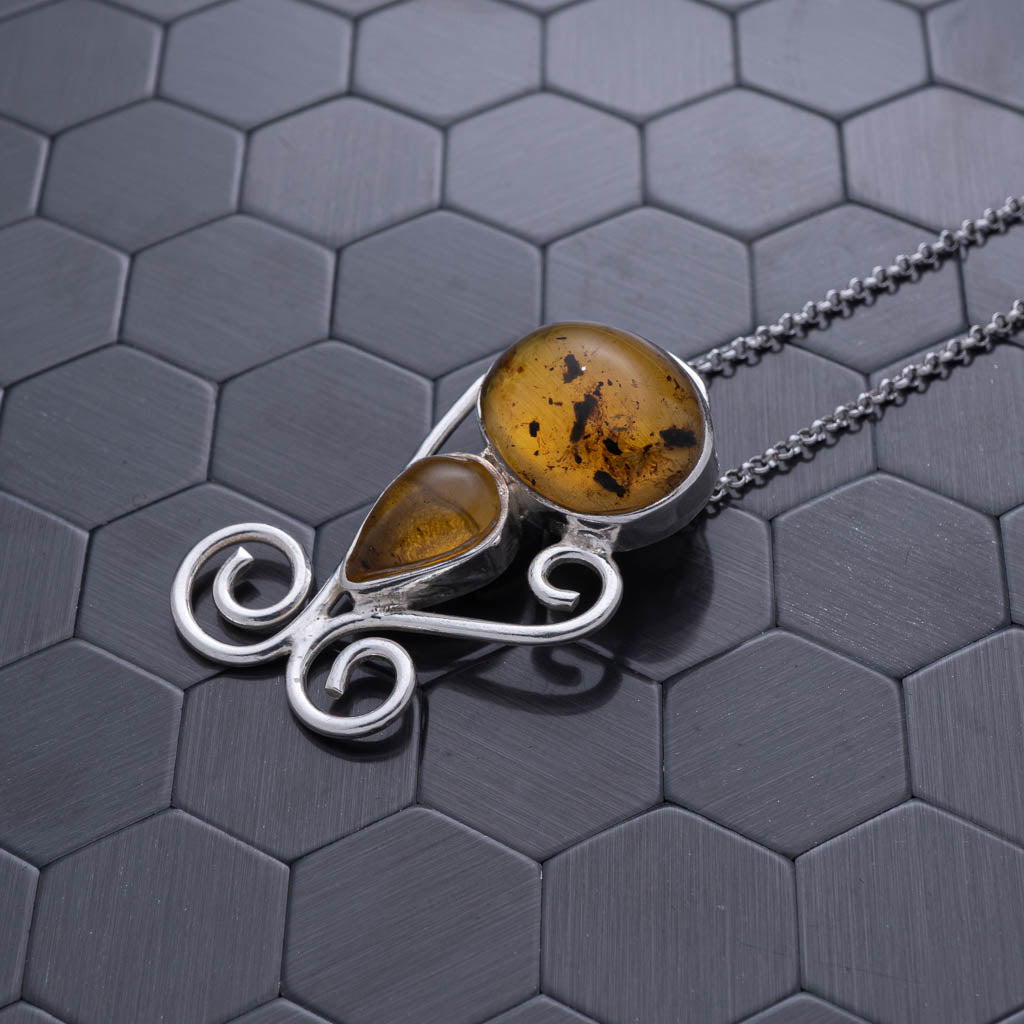
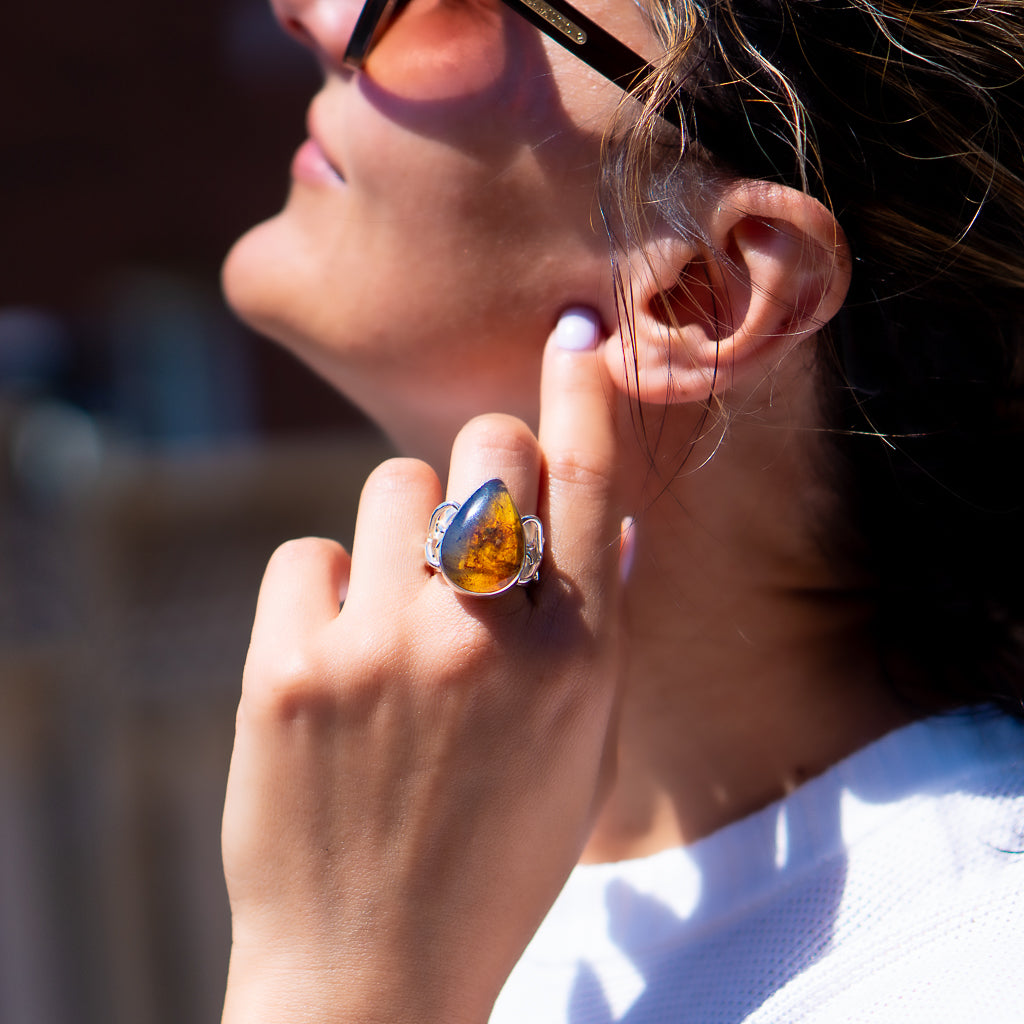
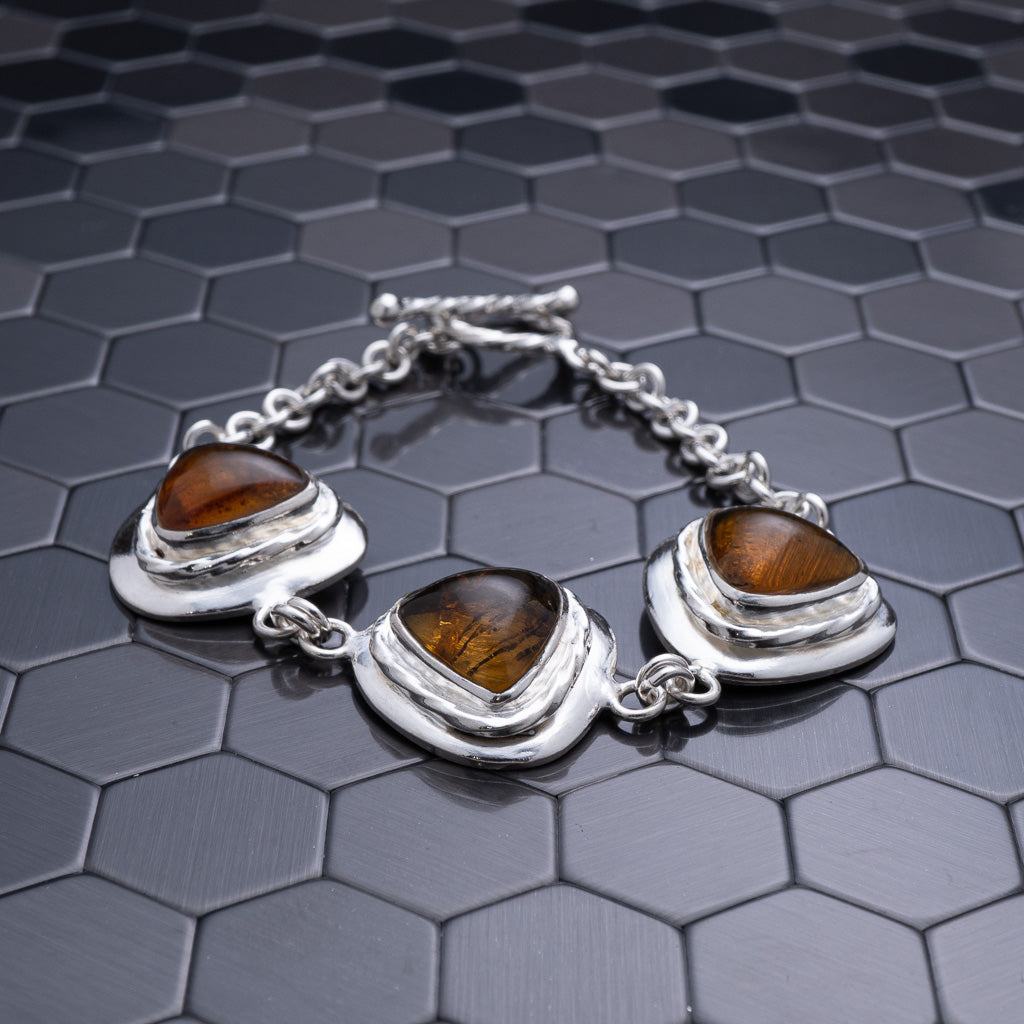
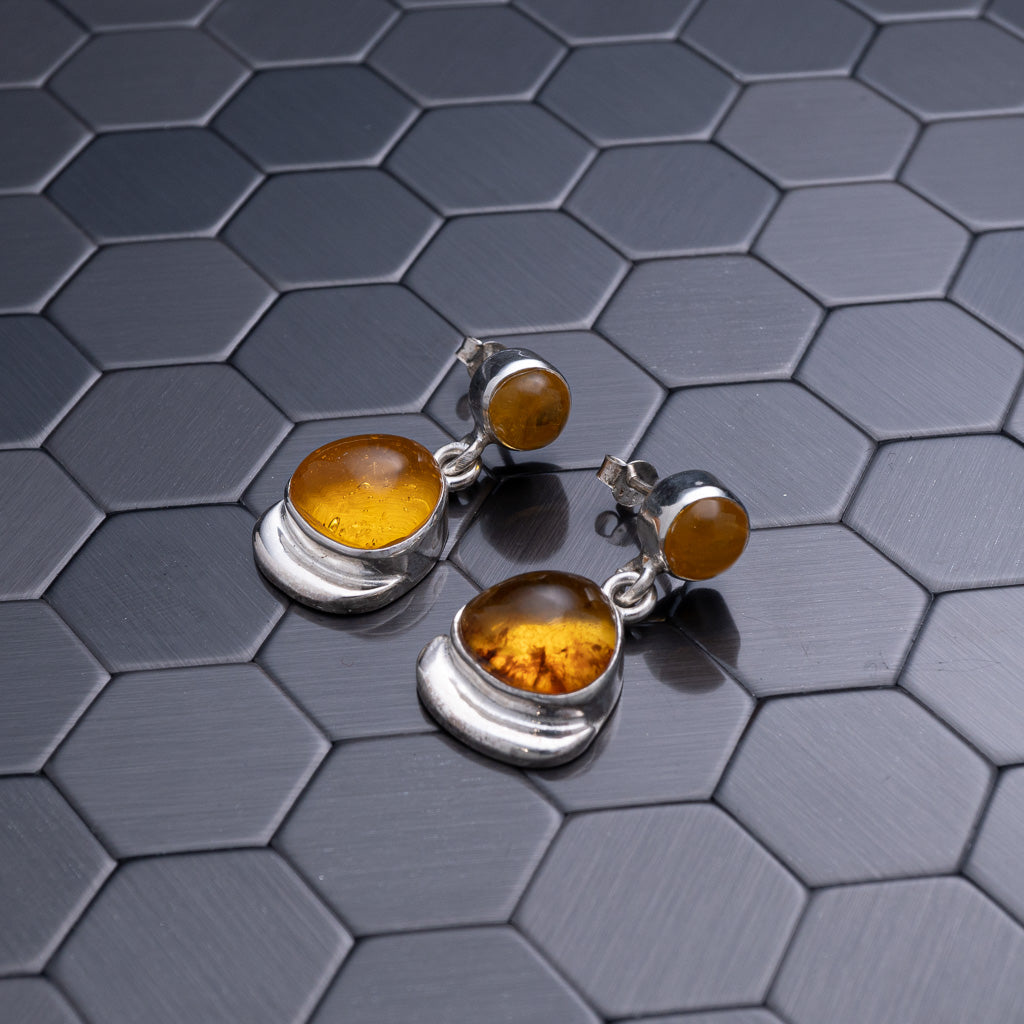


100% Handcrafted in DR.

Imagine holding a piece of the Caribbean sky in your hand. That’s the magic of the dominican larimar stone, a gemstone so rare it’s found only in one small region of the Dominican Republic. Its swirling blue hues are mesmerizing, almost like sunlight dancing on tropical waters.
In this guide, you’ll dive into the story behind this elusive stone, from its volcanic origins to why collectors and designers are clamoring for it in 2025. You’ll learn how to spot authentic pieces, what makes Larimar so valuable, and how to care for your own. If you’re curious about oceanic gems or just want something truly unique, you’re in the right place.
The story of dominican larimar stone is as captivating as its ocean-blue color. Nestled in the mountains of Barahona, this rare gem forms from volcanic activity that happened millions of years ago. Imagine mineral-rich lava cooling slowly underground, creating a blue pectolite that would remain hidden for centuries.
Local legends whispered about blue stones in riverbeds long before the world knew their true origin. It wasn’t until 1974 that Miguel Méndez and a local found these stones on a remote beach, officially introducing dominican larimar stone to the world. People were instantly drawn to its soothing hues and the way it seemed to capture the spirit of the Caribbean.
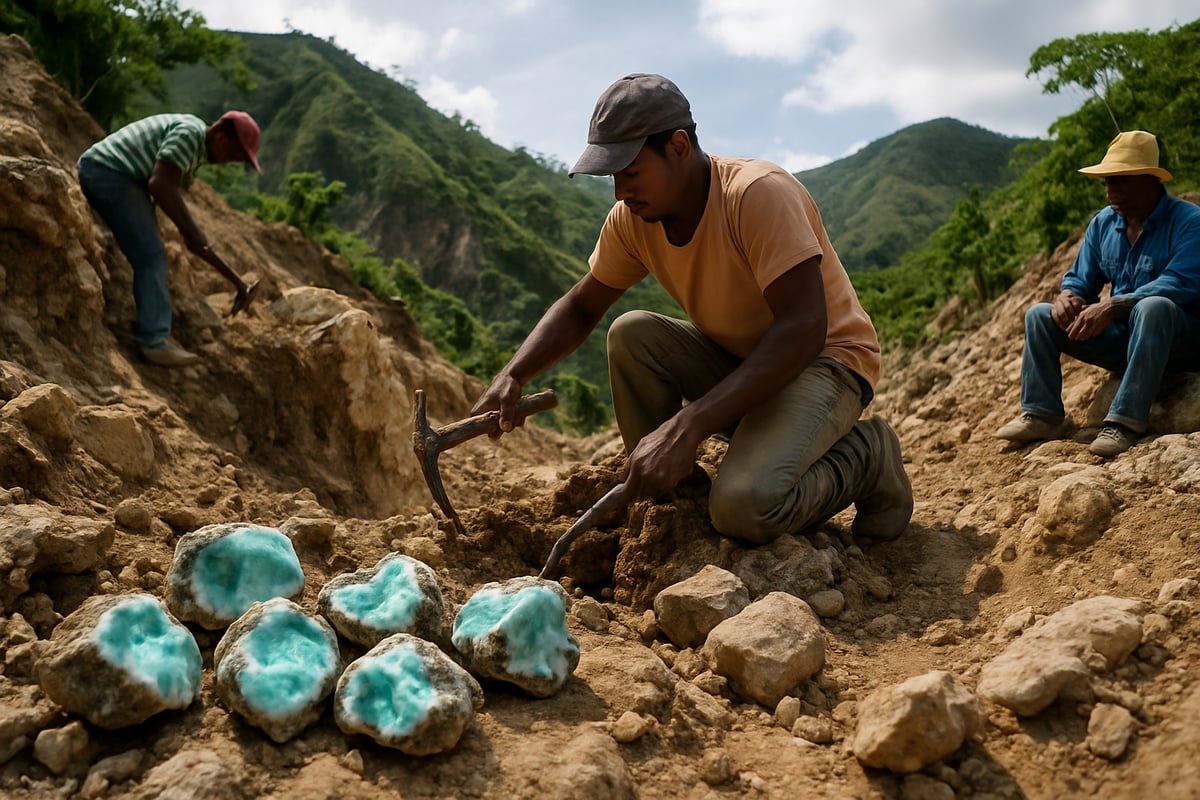
Often called the “Atlantis Stone,” Larimar is wrapped in myth and mystery. Some believe it’s a remnant of the lost city itself because of its color and rarity. The mining process is no less remarkable. Local artisans and small-scale miners work in steep, rugged terrain, extracting each stone by hand. The government protects the mines to ensure sustainable practices and support local communities.
Larimar quickly became a national treasure, earning international fame in the late 20th century. Today, local artisans and the Dominican government work together to keep the stone’s legacy alive. For a deeper dive into its fascinating history and cultural roots, check out The Dominican Republic gemstone Larimar.
Ever wonder why people get so captivated by dominican larimar stone? There’s something mesmerizing about its look and feel that sets it apart. Let’s break down what makes this rare gem stand out.

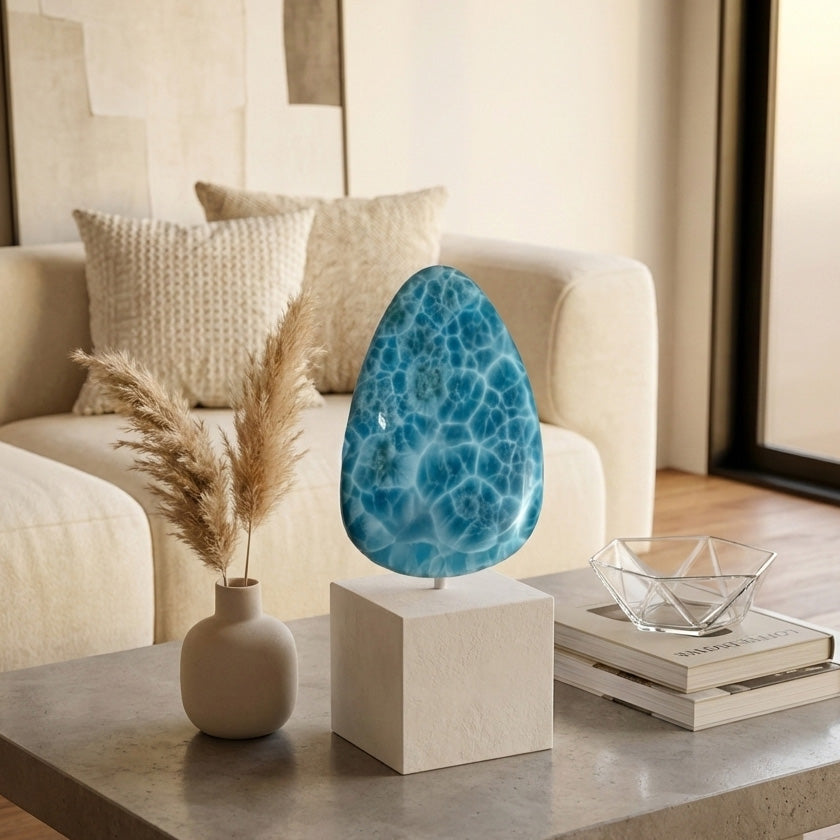
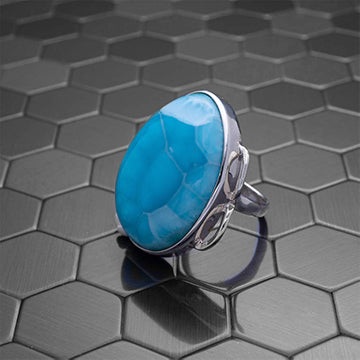
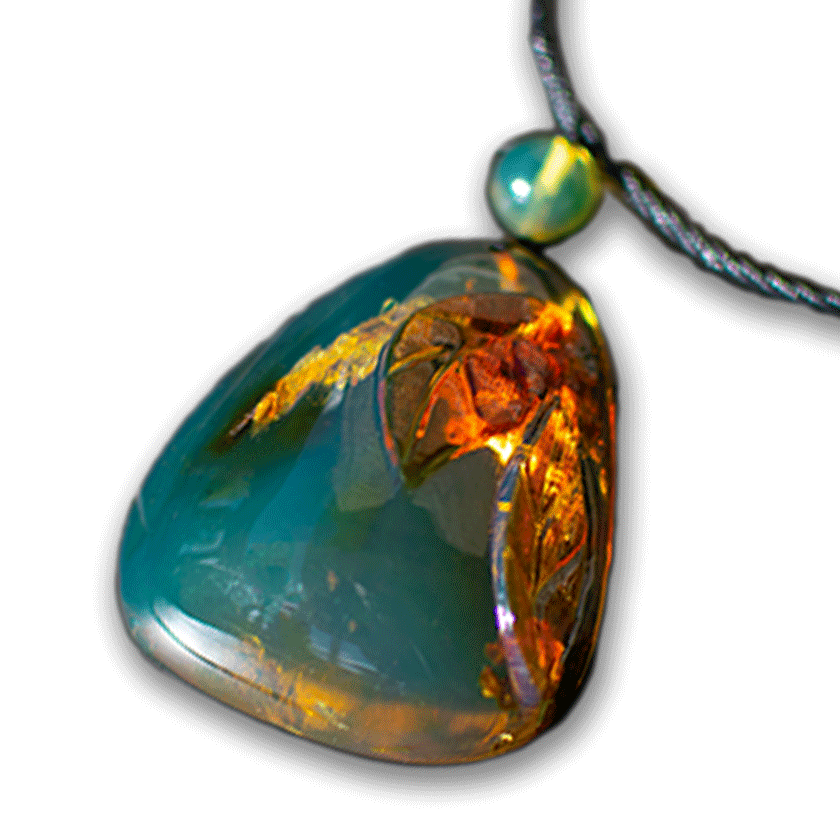
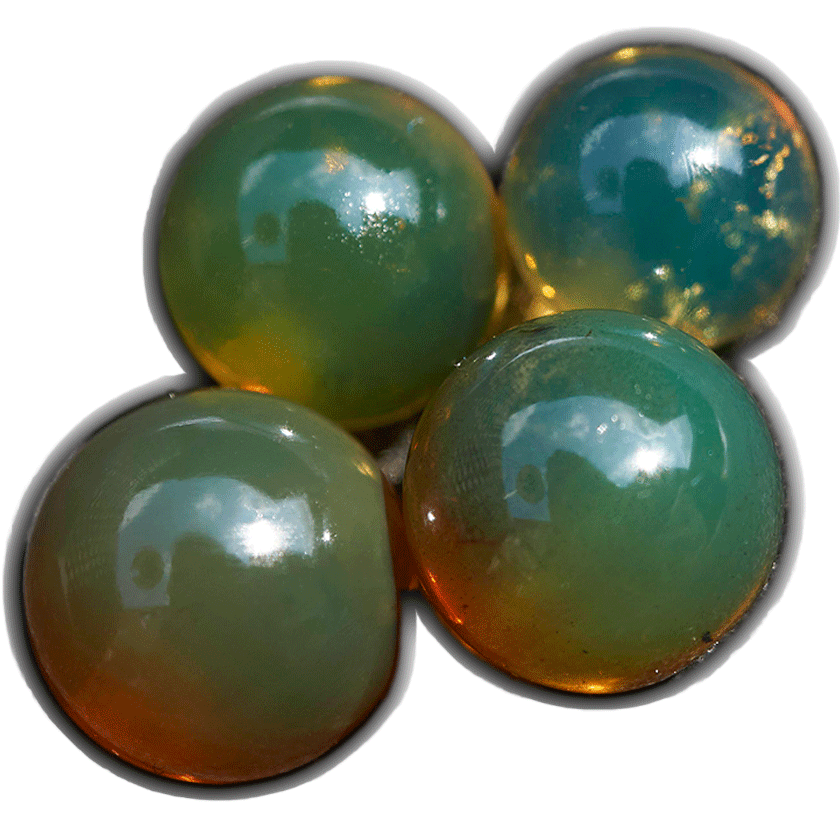
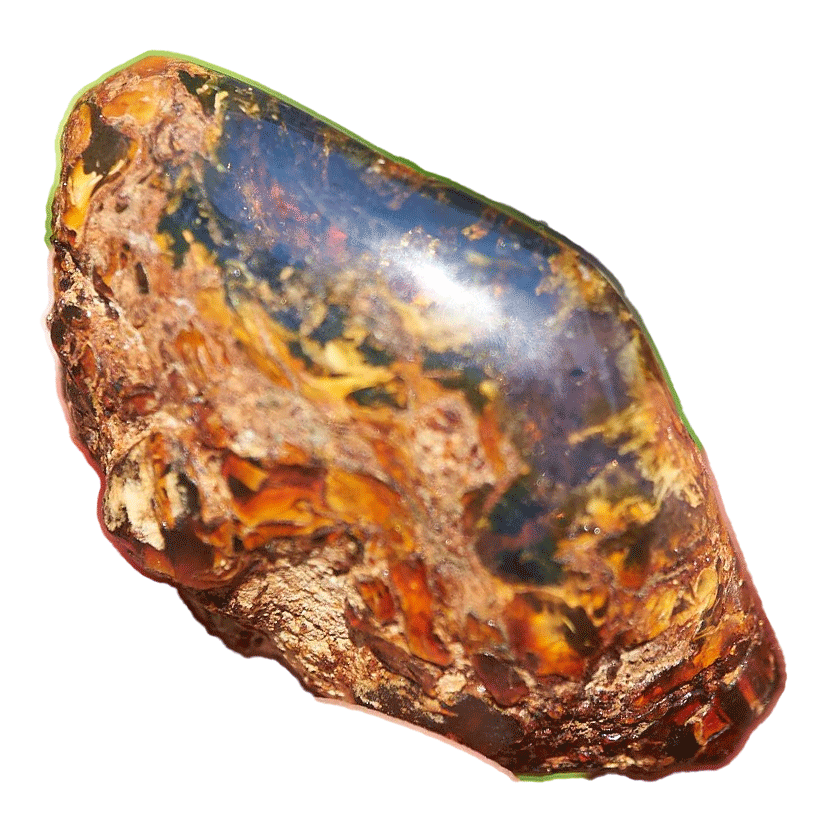
The first thing you’ll notice is the color. Dominican larimar stone ranges from milky white to pale blue, all the way to deep, volcanic blue. The swirling, cloud-like patterns look like they were painted by the ocean itself. No two stones are ever the same—each one is a mini seascape.
Collectors and jewelers prize stones with a strong, rich blue and minimal inclusions. Top-grade larimar is often set aside for truly special jewelry. If you want to dive deeper into its unique appearance, you can check out this detailed look at Larimar’s physical characteristics and colors.
Dominican larimar stone isn’t just about looks. It’s got a gentle hardness—about 4.5 to 5 on the Mohs scale—so it needs a little TLC. The luster is soft, almost silky, which makes it even more appealing in jewelry.
People who love holistic and spiritual jewelry say that larimar encourages calm, healing, and a connection to water. Whether or not you buy into that, it’s easy to see why it’s popular in circles that value both beauty and meaning.
To many, dominican larimar stone represents peace, clarity, and the relaxed spirit of the Caribbean. It’s a favorite choice in Dominican heritage jewelry, often passed from one generation to the next.
International designers are catching on too, adding larimar to their collections. Its growing popularity is a testament to both its beauty and its cultural roots.
Have you ever wondered why the dominican larimar stone is so prized? Its rarity is no accident—it’s a mix of geology, tough mining, and skyrocketing demand.
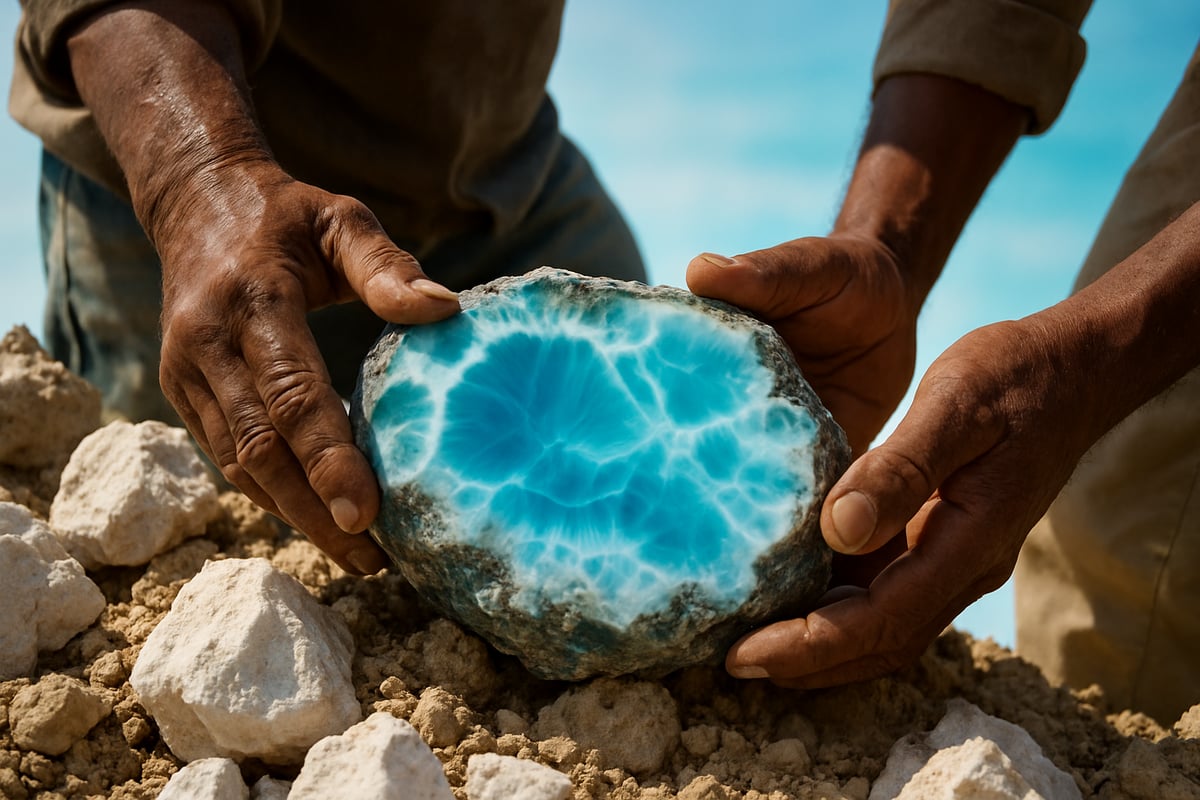
The dominican larimar stone is found in just one remote spot—the mountains of Barahona in the Dominican Republic. It formed millions of years ago through volcanic activity, and its blue pectolite veins are both narrow and deep. No other place on Earth has yielded significant deposits. This makes Larimar incredibly exclusive in the world of gemstones. If you’re curious about the science behind its origin, check out this detailed Geological Formation and Rarity of Larimar guide.
Most mining for dominican larimar stone is done by small, family-run teams. The terrain is steep and rugged, so extraction is slow and physically demanding. Strict environmental rules limit how much can be taken each year. As a result, the total annual supply is far lower than for most other colored gemstones. Getting Larimar from mine to market is never easy, which only adds to its mystique.
Larimar’s tropical blues and unique patterns have caught the attention of jewelry lovers and collectors worldwide. With high-quality stones becoming scarcer, demand keeps rising. Over the past decade, prices for the finest pieces have climbed steadily. This perfect storm of rarity, tough supply, and growing popularity explains why Larimar’s value continues to soar.
Jewelry made with dominican larimar stone is capturing global attention in 2025. This year, designs are bolder, more personal, and definitely more Caribbean. Whether you are a collector, a fashion lover, or just curious, here is what is shaping the Larimar jewelry scene right now.
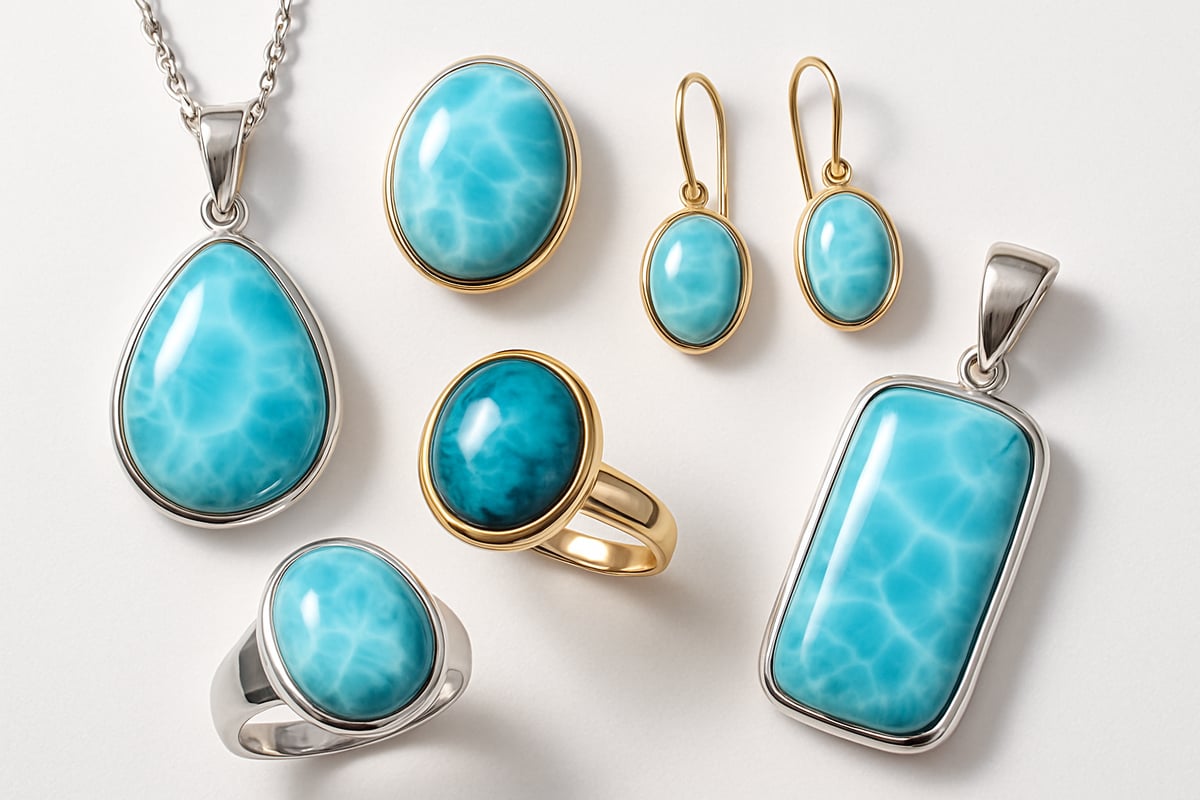
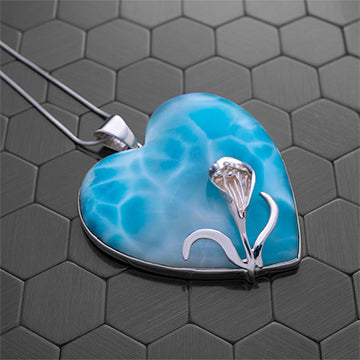
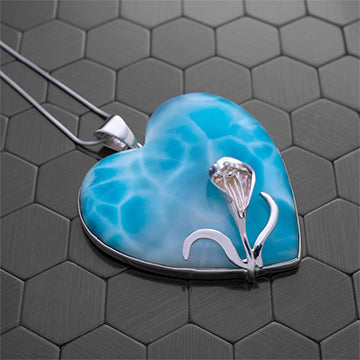
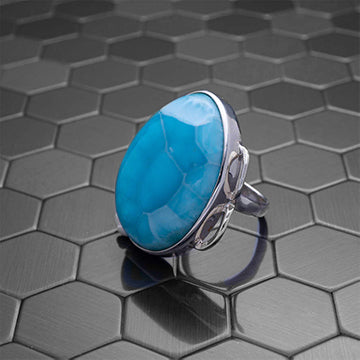
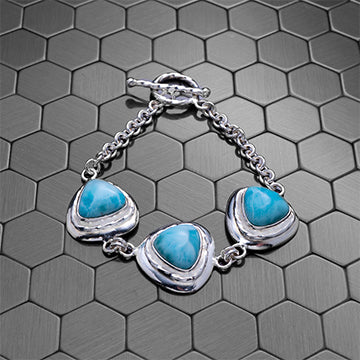
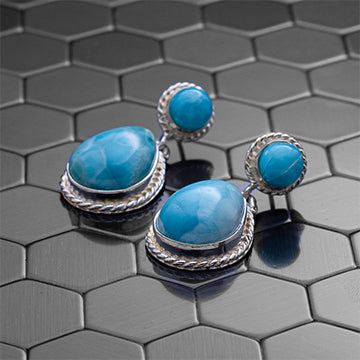
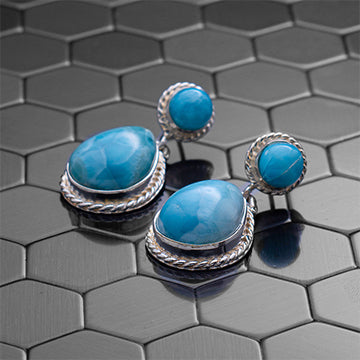
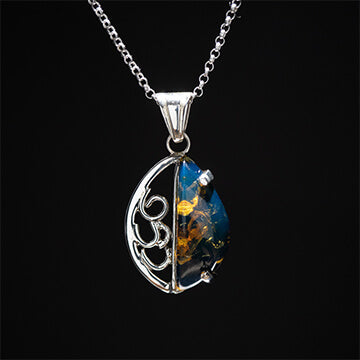
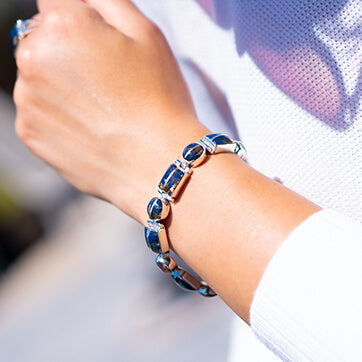
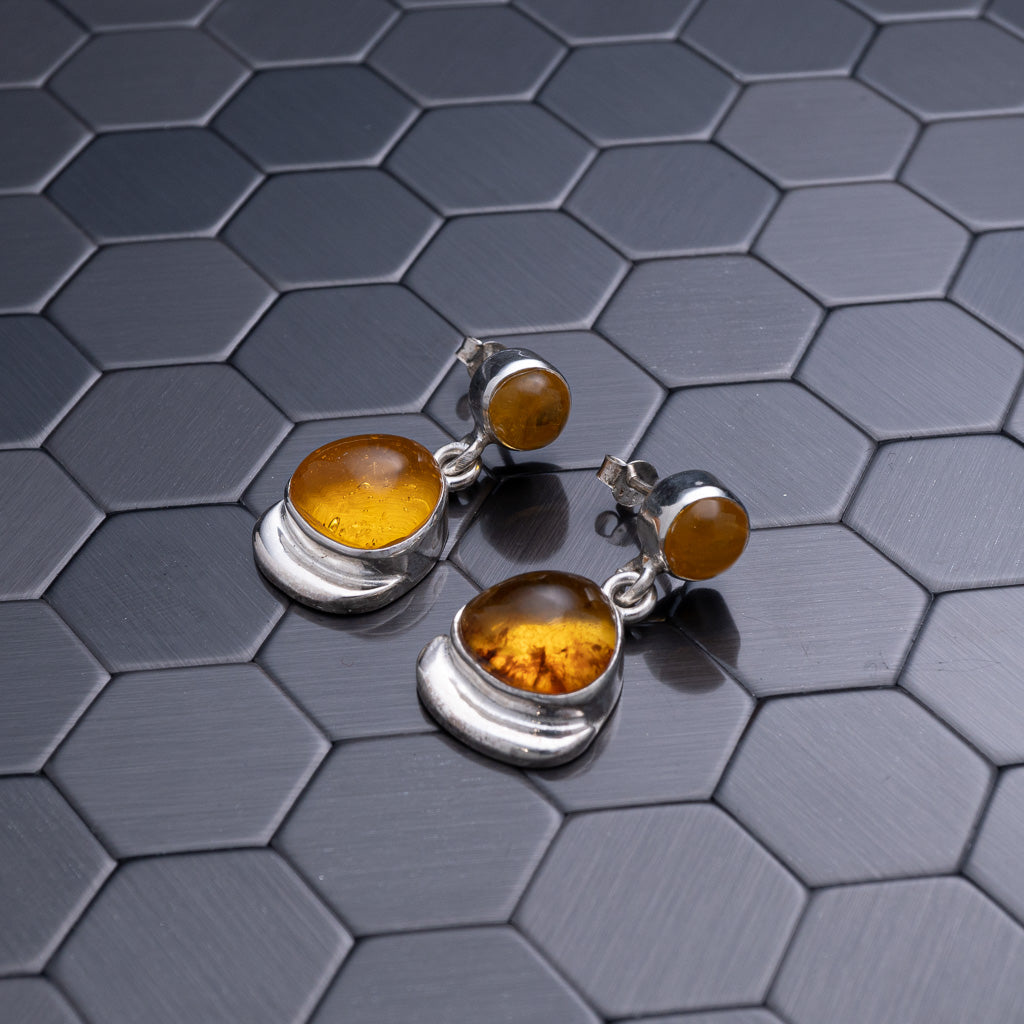
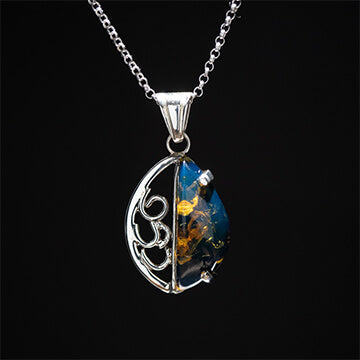
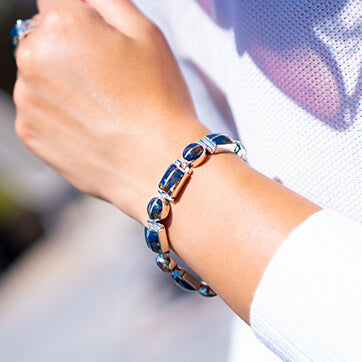
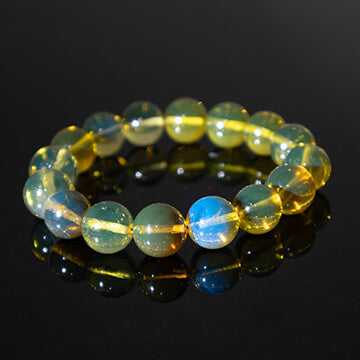
Designers are leaning into statement pieces in 2025. You will see dominican larimar stone in oversized pendants, chunky cocktail rings, and even minimalist earrings that let the blue shine. Larimar pairs beautifully with silver, gold, and sometimes other Caribbean stones for a fresh mix.
Custom and handmade pieces are especially prized. Every stone's unique pattern makes each item one of a kind. For a deeper look at current styles, check out this guide on Larimar jewelry trends and styles.
Dominican larimar stone is popping up on runways, red carpets, and magazine covers. Celebrities are embracing its oceanic vibe, and famous designers are making it the star of luxury collections.
When a well-known actress sports a Larimar ring, or a designer features it in a show, demand spikes. This influence is pushing Larimar’s profile higher than ever.
Consumers care about where their dominican larimar stone comes from. In 2025, there is a real focus on ethically mined stones and fair trade practices. Many jewelers now share stories of local artisans and sustainable sourcing.
Transparency is a big deal. Buyers want to know that their Larimar supports communities and the environment. This shift is making the stone even more meaningful to own and wear.
Spotting authentic dominican larimar stone is easier when you know what to look for. True Larimar has a unique blend of sky blue, white, and sometimes greenish hues, with natural patterns that mimic ocean waves. Each piece feels cool and heavier than glass, and no two stones look exactly alike.
Be cautious with stones that look too perfect or have a neon blue color. These are often dyed or made from glass or plastic. If the price seems too low, it’s a red flag. Real Larimar is not cheap, especially if the color is deep and the pattern is striking.
Always ask for certification of origin and check the seller’s reputation. Trusted Dominican retailers and artisan cooperatives usually provide clear proof that their stones are authentic. The best pieces are often set in quality silver or gold, with settings showing careful craftsmanship.
If you’re shopping online, verify the store’s reviews and return policy. Local shops let you see and feel the stone, but online stores may offer a bigger selection. For a deeper dive into spotting genuine Larimar and avoiding fakes, check out this Authenticity and buying guide for Larimar.
Taking care of your dominican larimar stone jewelry is easier than you might think. A little attention goes a long way in keeping those ocean-blue gems radiant.
For cleaning, use mild soap and lukewarm water. Gently wipe your jewelry with a soft cloth to remove dirt or oils. Skip harsh chemicals and ultrasonic cleaners, as they can damage the dominican larimar stone’s surface.
Keep your jewelry away from direct sunlight for long periods. Prolonged sun can fade the stone’s color. Always remove dominican larimar stone pieces before swimming or doing anything strenuous.
Store your dominican larimar stone jewelry separately from harder gemstones. This prevents scratches and keeps the surface smooth. A soft pouch or a lined jewelry box works best.
Check your jewelry regularly for loose settings or any signs of damage. If you have an heirloom or a special piece, consider a professional cleaning every so often to keep it looking its best.
Interest in the dominican larimar stone keeps climbing, and collectors are paying closer attention than ever. As technology improves, mining and jewelry making are becoming more efficient, but the stone’s natural rarity still makes each piece feel special.
This exclusivity is likely to push values higher in 2025. At the same time, there’s a real focus on protecting the mines and caring for the land. Efforts to support local artisans and promote sustainable mining practices for Larimar are gaining momentum.
Larimar’s story is now tied to both culture and economy in the Dominican Republic. With new government programs promoting responsible tourism and ethical extraction, this gemstone will remain a national treasure for generations.
After exploring what makes Larimar so special, it’s easy to see why people around the world are falling in love with its calming blues and unique story. If you’re inspired to experience a little piece of the Dominican Republic for yourself or want to find a gift that truly stands out, you don’t have to look far. You can bring home the soothing spirit of Larimar and enjoy the craftsmanship of local artisans—no matter where you are. Ready to discover something meaningful? Find the Perfect Gift of Serenity – Shop Larimar Pendants with Free Worldwide Delivery