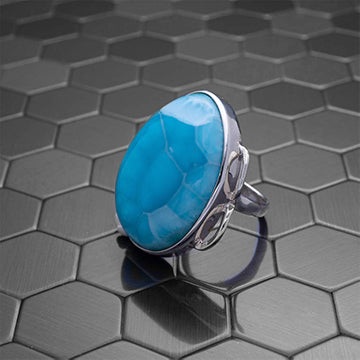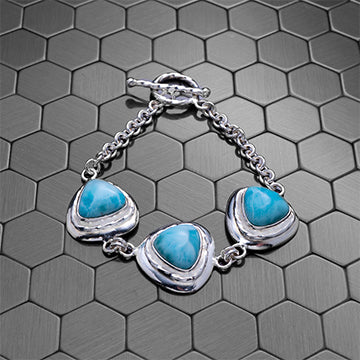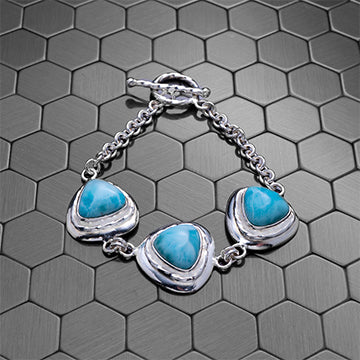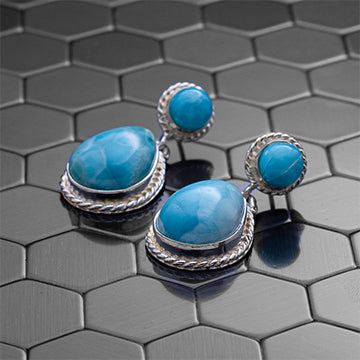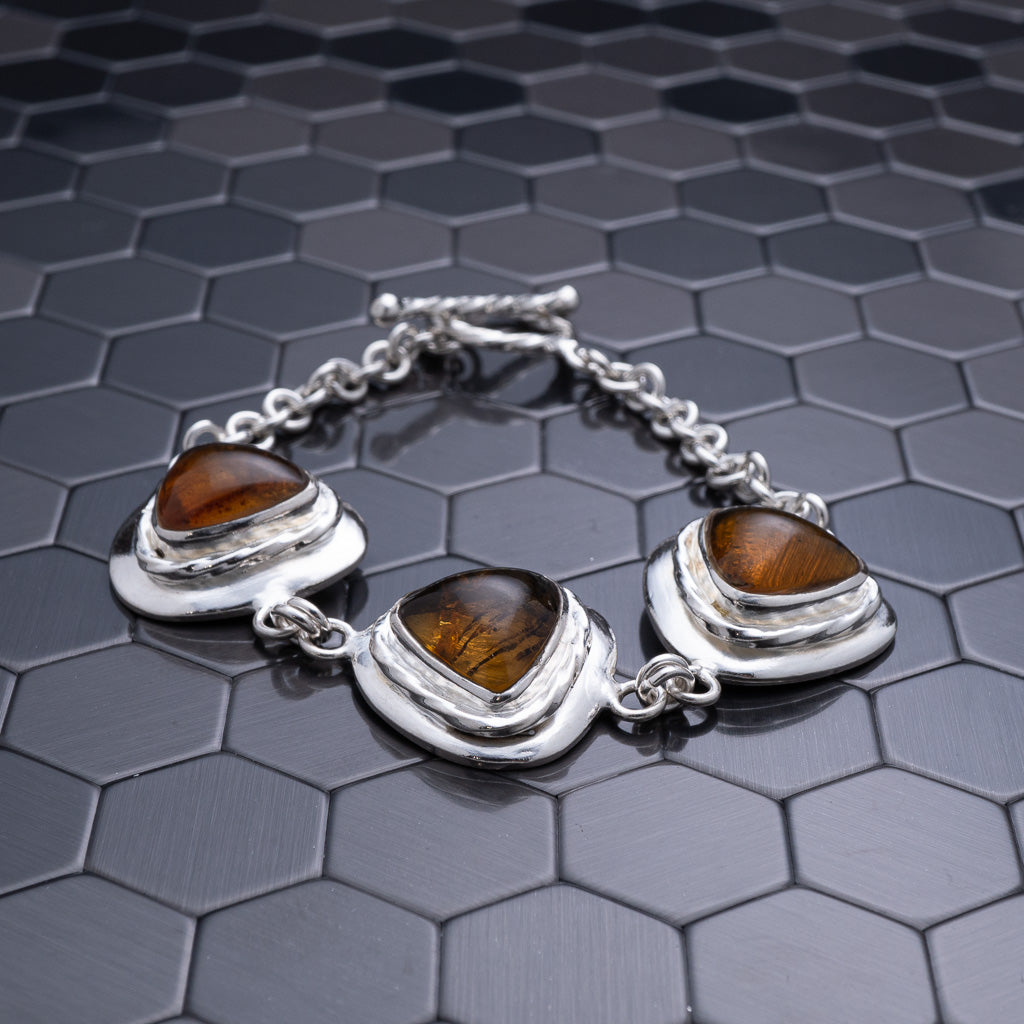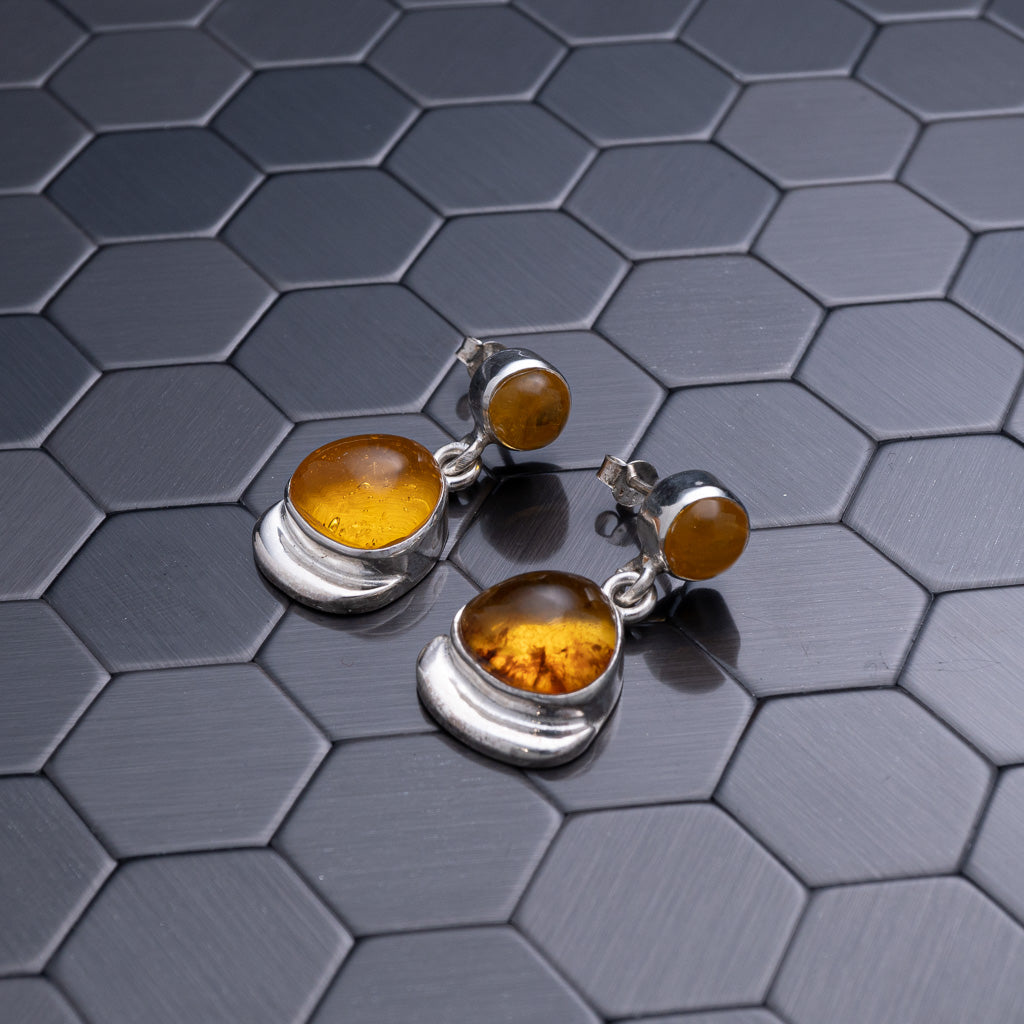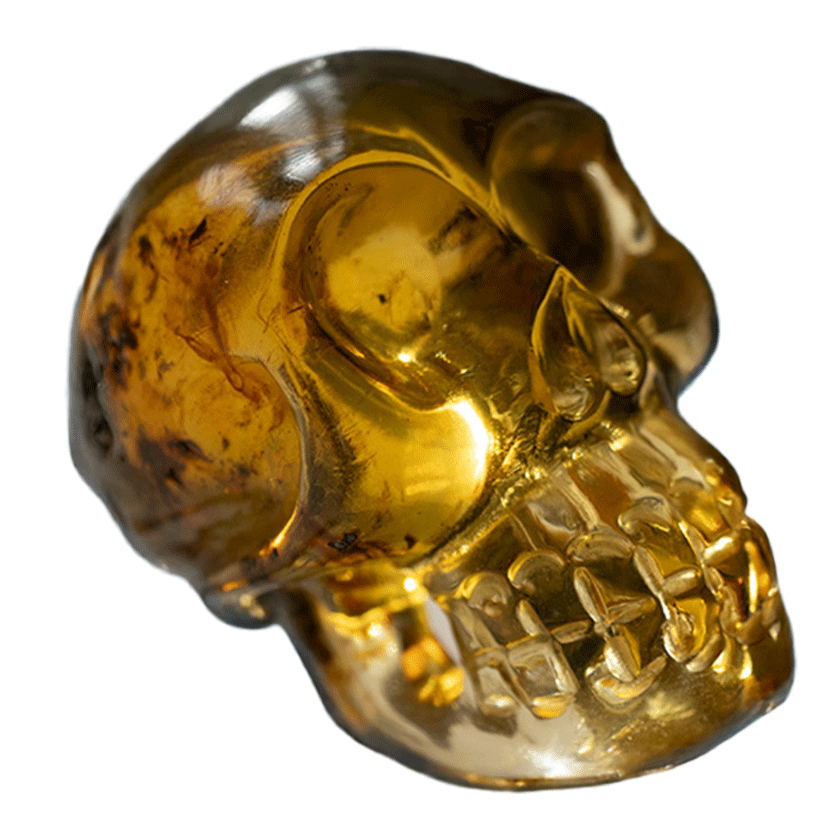


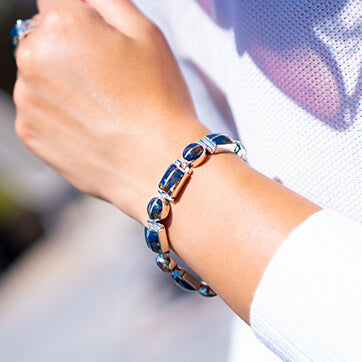
Handcrafted in DR.

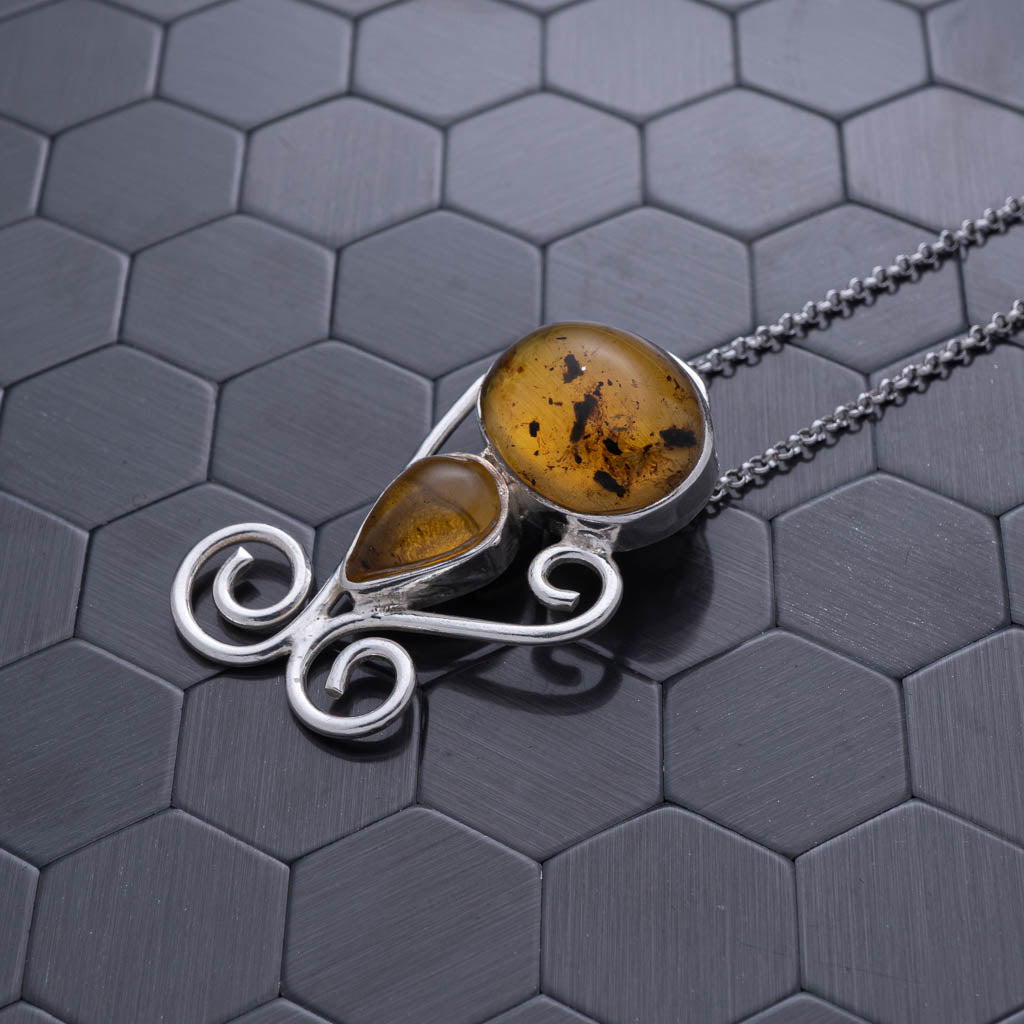
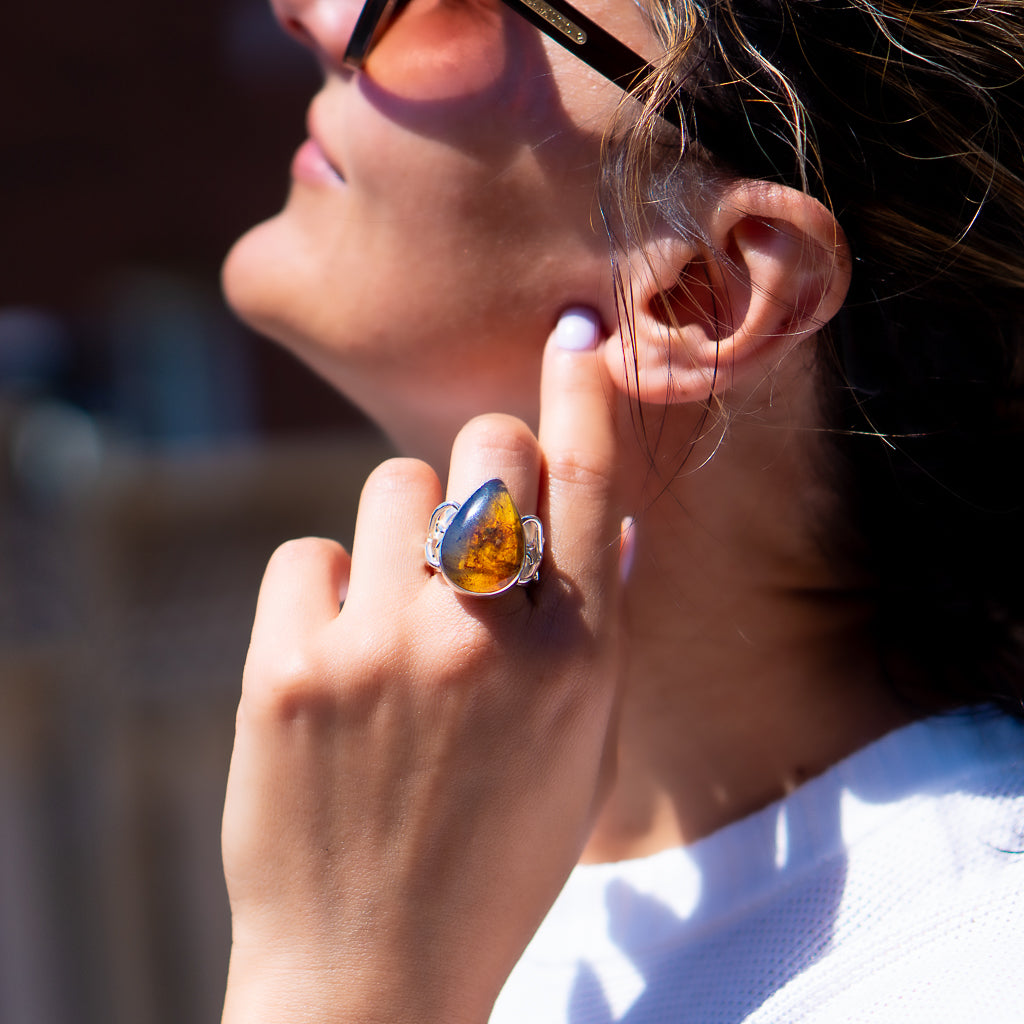
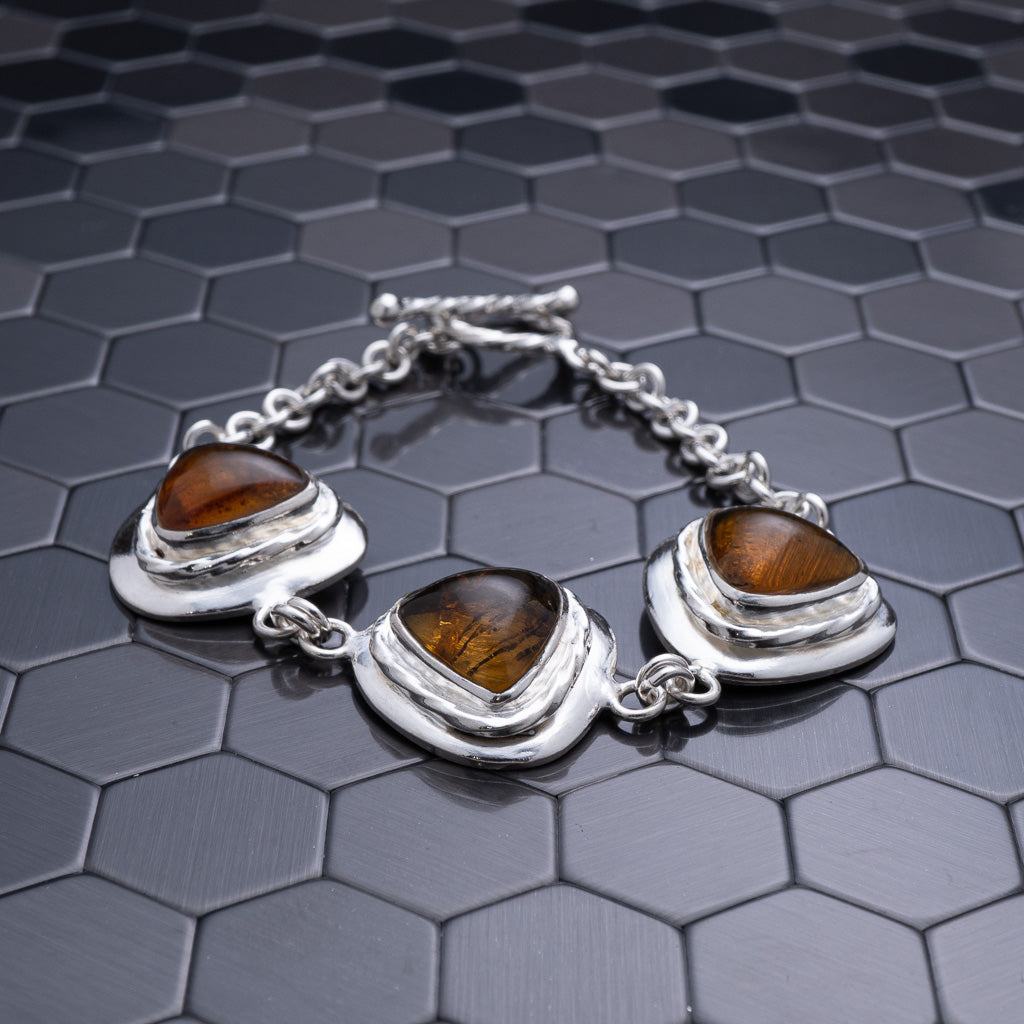
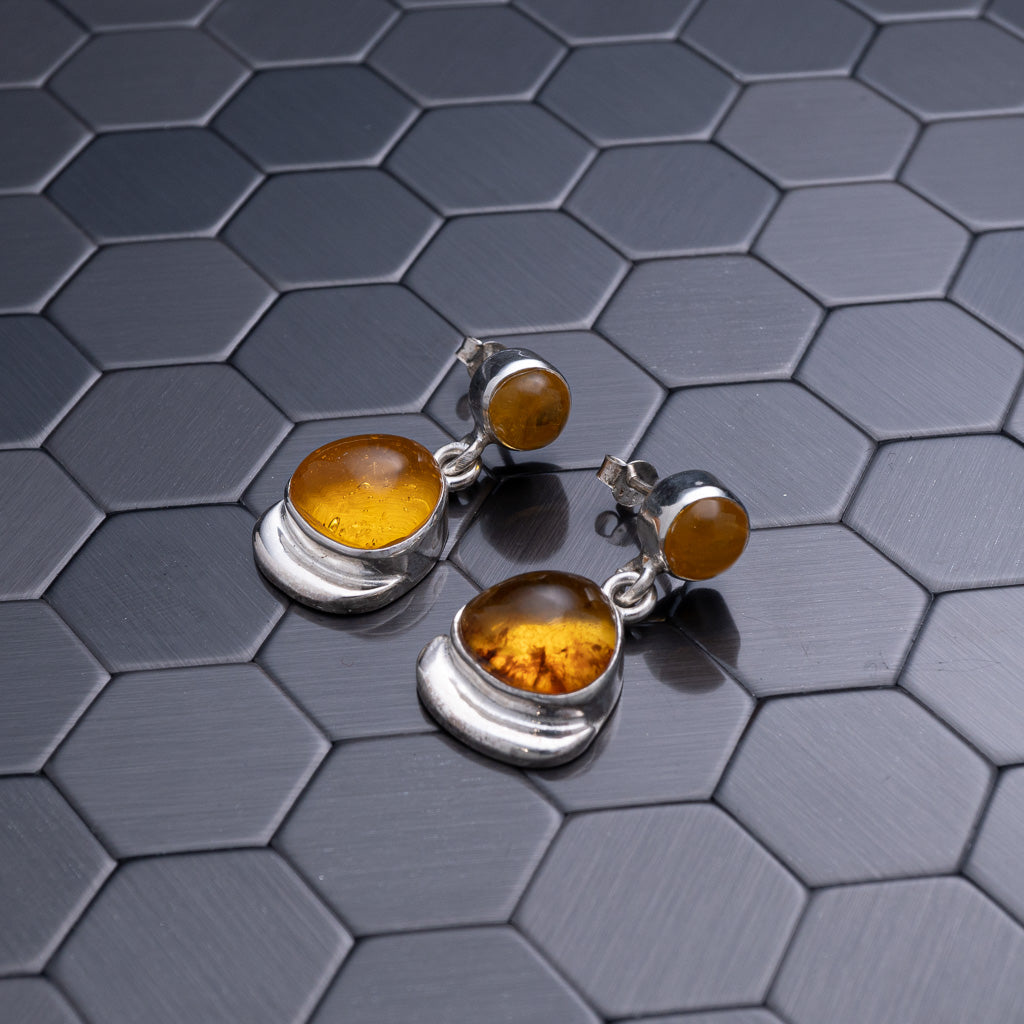


100% Handcrafted in DR.

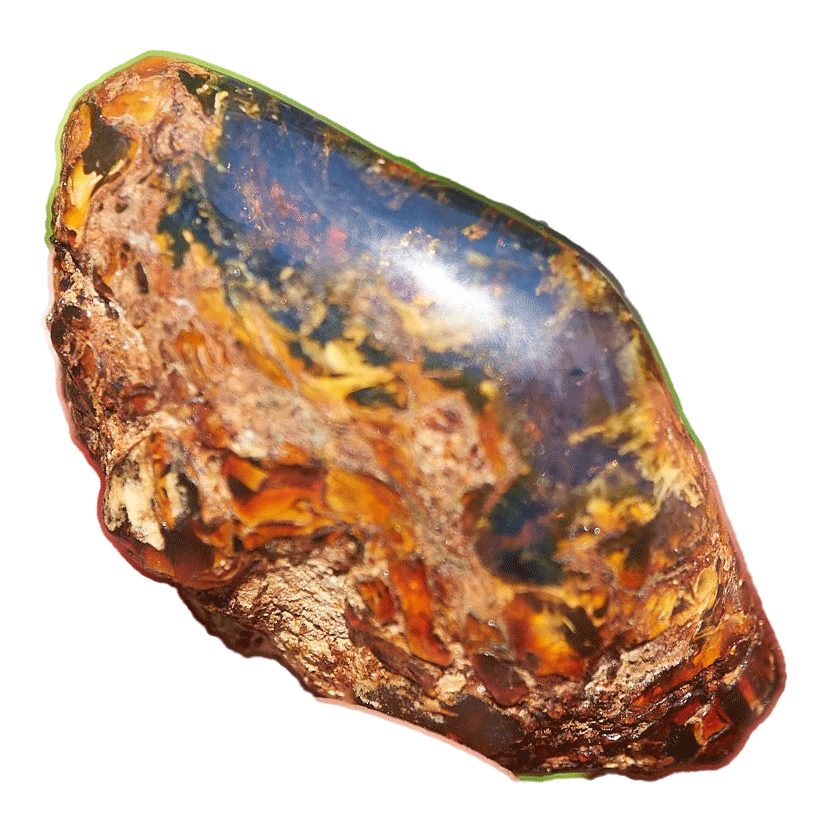
Raw blue stone captivates collectors, jewelers, and gemstone enthusiasts with its natural beauty and diverse varieties. From the Caribbean shores where rare larimar forms to the metamorphic deposits hosting brilliant sapphires, these unpolished minerals represent nature's artistry in its most authentic state. Understanding the characteristics, identification methods, and value factors of raw blue stone enables informed decisions whether you're sourcing materials for jewelry creation, building a mineral collection, or appreciating these geological treasures. This comprehensive guide explores the most sought-after varieties, their distinguishing features, and their transformation into exquisite jewelry pieces.
The term raw blue stone encompasses numerous mineral species, each with distinct geological origins and physical properties. Unlike polished gemstones, raw specimens retain their natural crystalline structures, surface textures, and formation patterns that provide valuable clues about their identity and quality.
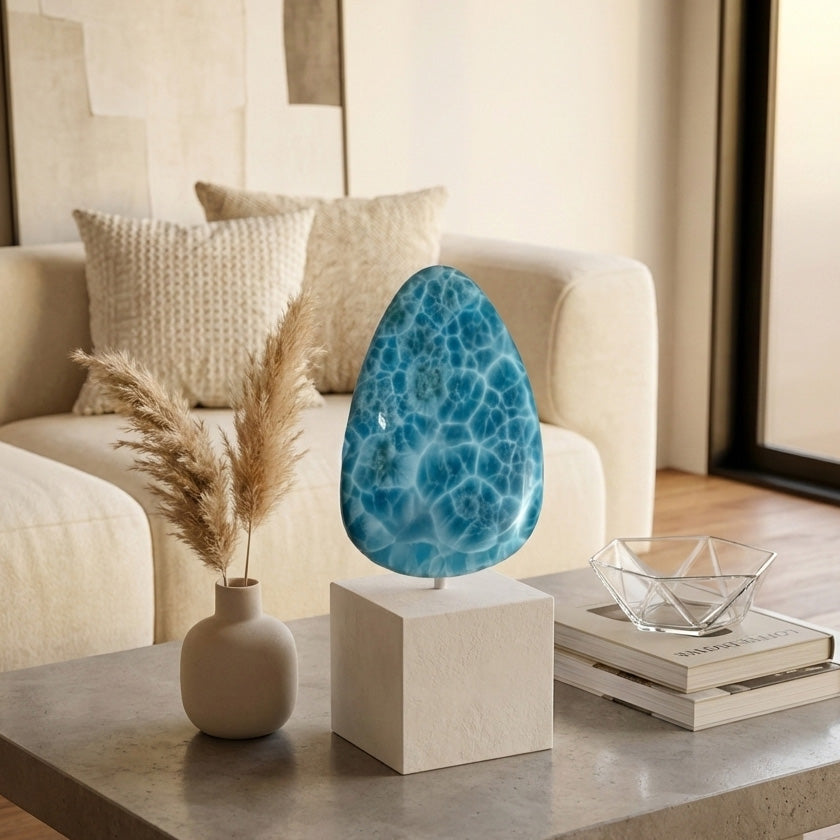
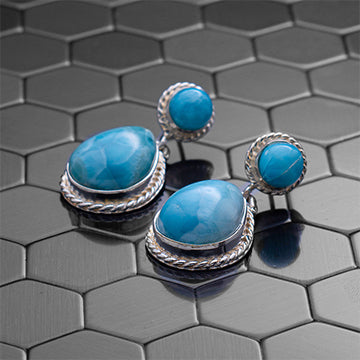
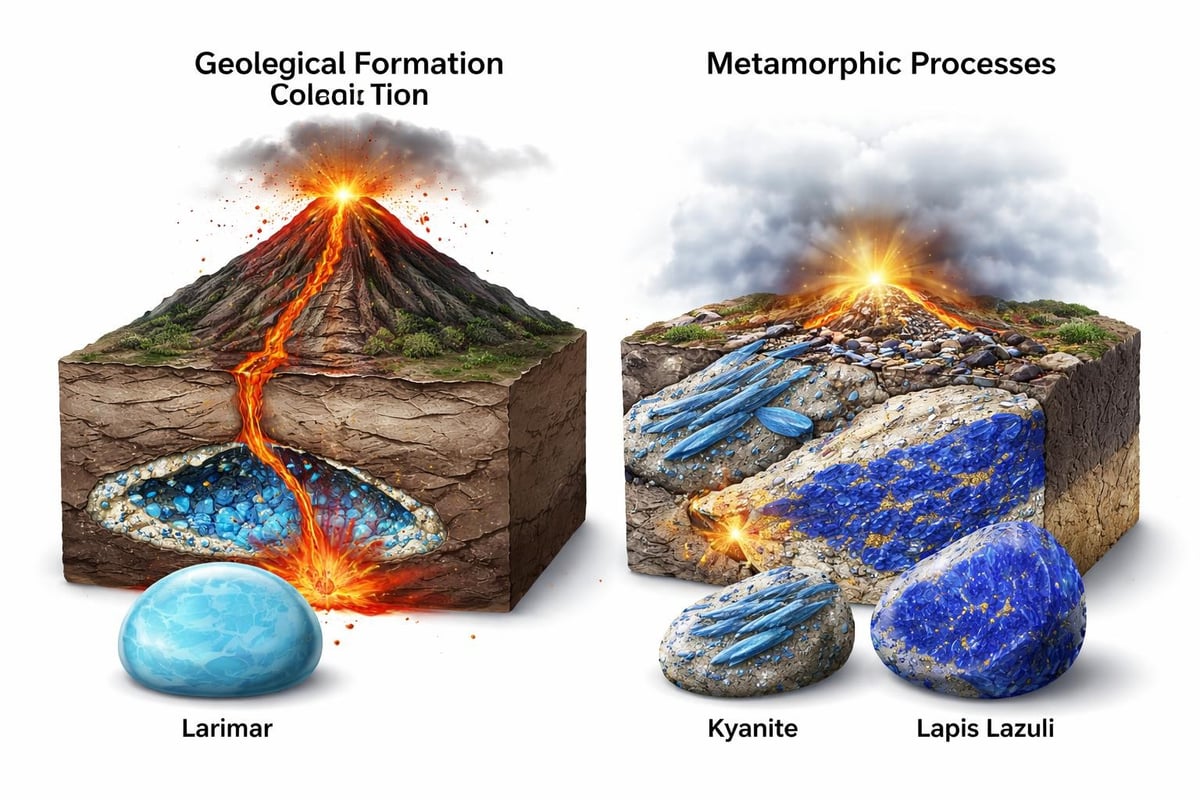
Larimar stands among the rarest forms of raw blue stone, found exclusively in a single mountain range in the Dominican Republic. This blue variety of pectolite forms through volcanic activity, where copper substitution creates its signature sky-blue to turquoise coloration. Raw larimar specimens display fibrous or radiating crystal structures, often with white calcite inclusions that create the distinctive patterning collectors prize.
The stone's limited geographic occurrence makes authentic raw blue stone specimens particularly valuable. Miners extract larimar from difficult-to-access deposits, and each piece exhibits unique color variations ranging from pale blue to deep volcanic blue. The most desirable specimens feature intense color saturation with minimal white streaking.
Key identification features include:
Kyanite presents fascinating physical properties that distinguish it from other raw blue stone varieties. This aluminum silicate mineral exhibits directional hardness, measuring 4.5-5 along its length but 6.5-7 across the crystal width. Raw kyanite typically forms blade-like crystals with brilliant blue coloration, though it also occurs in green, black, and colorless varieties.
The stone's unique properties and occurrence make it valuable for both industrial applications and gemstone purposes. Raw specimens often display striations along crystal faces and may exhibit a pearly luster on cleavage surfaces.
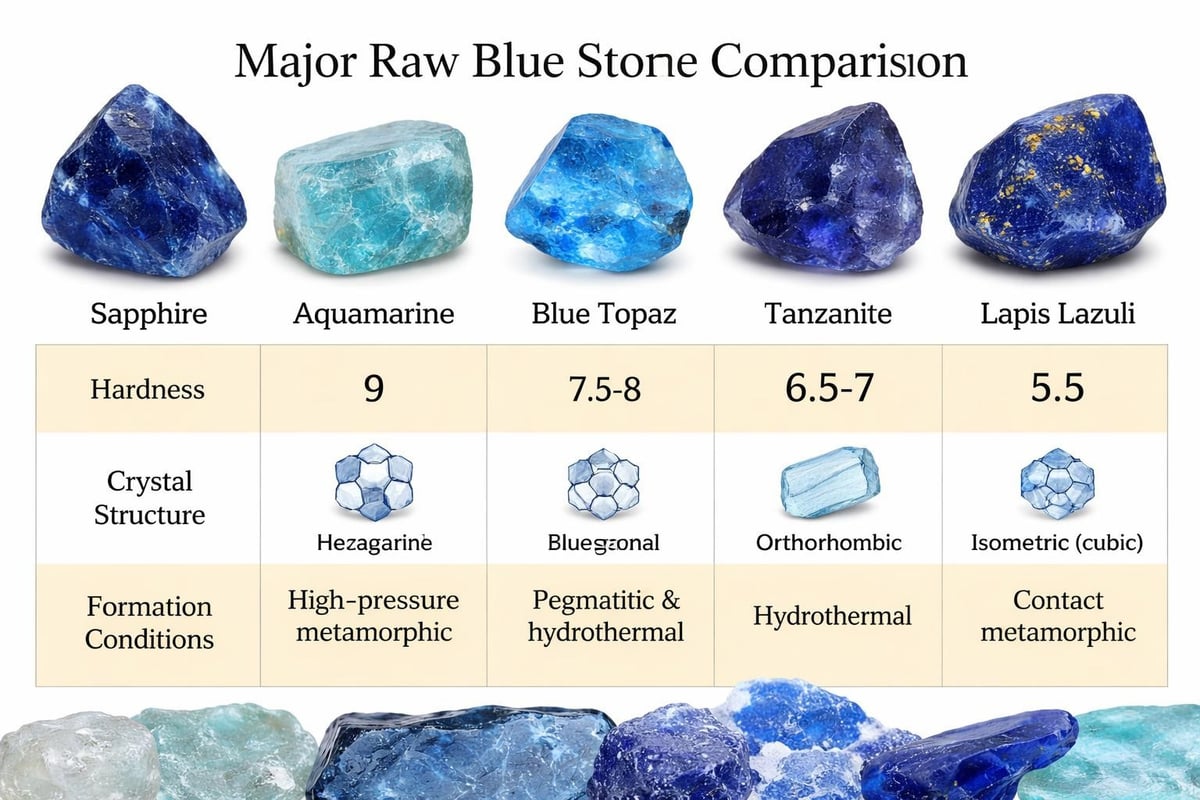
Assessing raw blue stone requires understanding both visual characteristics and scientific testing methods. The unpolished nature of these specimens demands different evaluation criteria than finished gemstones.
Color intensity serves as the primary quality indicator across most raw blue stone varieties. Examine specimens under natural daylight for accurate color assessment, as artificial lighting can distort hue perception. Deep, saturated blues command premium prices, while pale or washed-out colors typically indicate lower-quality material.
Crystal structure integrity significantly impacts value and usability. Raw blue stone with clean, well-formed crystals suitable for cutting into cabochons or faceted stones commands higher prices than fractured or heavily included material. However, some inclusions enhance value when they create desirable patterns, particularly in stones like lapis lazuli.
| Quality Factor | Premium Grade | Commercial Grade | Lower Grade |
|---|---|---|---|
| Color Saturation | Deep, vivid blue | Medium blue | Pale, washed out |
| Clarity | Minimal inclusions | Moderate inclusions | Heavy fracturing |
| Size | Large, cuttable pieces | Medium pieces | Small fragments |
| Pattern | Desirable natural patterns | Standard appearance | Inconsistent markings |
Authenticating raw blue stone protects against misidentification and synthetic substitutes. Professional gemological testing provides definitive identification through refractive index measurement, specific gravity testing, and spectroscopic analysis. These methods distinguish between similar-appearing blue minerals like azurite, sodalite, and treated materials.
Basic field tests offer preliminary identification guidance. Hardness testing using the Mohs scale helps narrow possibilities, though this method risks damaging specimens. Streak testing, where the stone is scraped across unglazed porcelain, reveals powder color that may differ from surface appearance.
For valuable specimens, professional certification from recognized gemological laboratories ensures authenticity and documents quality characteristics. This documentation becomes particularly important for rare varieties like larimar, where geographic origin directly impacts value.
Beyond larimar and kyanite, numerous raw blue stone types attract collectors and jewelry designers. Each variety offers distinct aesthetic qualities and working properties.
This metamorphic rock has adorned jewelry and art for over 6,000 years. Lapis lazuli's composition combines multiple minerals, primarily lazurite, which creates the signature deep blue color. Raw specimens often display golden pyrite flecks and white calcite veining that enhance their natural beauty.
Quality lapis shows intense, uniform blue coloration with minimal calcite. The finest material comes from Afghanistan, though Chilean deposits provide commercial-grade stones. Raw blue stone enthusiasts prize specimens with attractive pyrite distribution that creates a starry-night appearance.
The beryl family contributes aquamarine, a raw blue stone variety prized for its crystalline clarity and serene coloration. Unlike opaque varieties, aquamarine forms transparent to translucent hexagonal crystals ranging from pale blue to deep sea-blue. Raw specimens often grow in impressive sizes, with crystals weighing several pounds not uncommon.
Iron content determines color intensity in aquamarine, and heat treatment can enhance blue tones by removing greenish or yellowish undertones. Collectors seek untreated raw blue stone specimens that display natural, intense color without enhancement.
Blue moonstone exhibits adularescence, an optical phenomenon creating a billowy, moonlight-like glow beneath the surface. This feldspar variety shows body colors from colorless to gray with blue sheen caused by light scattering between microscopic layers. Raw specimens require careful orientation to display maximum adularescence when cut.
The stone's mystical appearance and metaphysical associations make it popular for spiritual jewelry. Raw blue stone dealers often stock moonstone for designers creating pieces with ethereal aesthetics.
Acquiring quality raw blue stone requires knowledge of market dynamics, pricing factors, and ethical sourcing practices. The gemstone supply chain presents both opportunities and challenges for buyers.
Specialized mineral dealers offer curated selections with expert guidance on quality and authenticity. These vendors typically provide detailed provenance information and may offer certification for premium specimens. Building relationships with reputable dealers ensures access to new finds and rare varieties.
Gem and mineral shows create opportunities to examine specimens in person, comparing quality across multiple vendors. These events attract dealers from producing regions, often offering better prices than retail outlets. However, buyers need sufficient knowledge to evaluate quality independently and verify authenticity.
Online marketplaces expand access to global inventory but require caution regarding misrepresentation and synthetic substitutes. Request detailed photographs showing crystal structure, color variation, and any flaws. Understand return policies before purchasing sight-unseen, particularly for expensive specimens.
Direct from source regions provides potential cost savings but demands understanding of export regulations, customs requirements, and ethical mining practices. Visiting mines in producing countries like the Dominican Republic for larimar creates educational experiences while supporting local mining communities.
Raw blue stone pricing reflects multiple variables beyond simple weight measurements. Rarity significantly influences value, with exclusive varieties like larimar commanding premium prices compared to widely available stones. A pound of commercial-grade lapis lazuli might cost $50-$200, while equivalent-weight larimar could range from $300-$2,000 depending on quality.
Market demand fluctuates based on jewelry trends, with certain raw blue stone varieties experiencing periodic popularity surges. Investment-grade specimens require exceptional quality, proper documentation, and secure storage to maintain value. Most buyers focus on acquiring material for creative projects rather than purely financial investment.
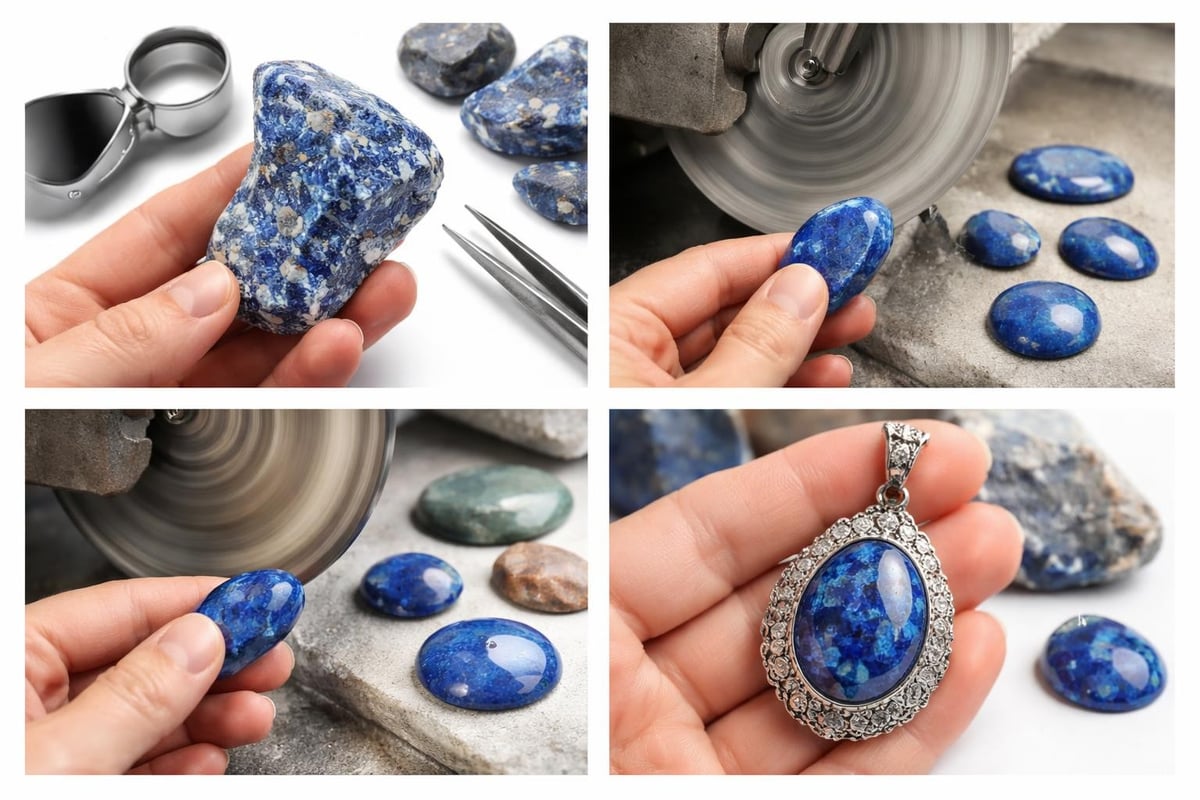
The journey from raw blue stone to finished jewelry involves skilled craftsmanship and careful planning. Understanding this transformation process helps appreciate the artistry involved in creating wearable pieces.
Raw blue stone presents unique challenges during fabrication. Hardness variations affect cutting speed and tool selection. Softer stones like larimar (4.5-5 Mohs) require gentler handling than harder varieties like aquamarine (7.5-8 Mohs). Lapidary artists use diamond-impregnated tools to shape raw material into cabochons, faceted stones, or freeform designs.
Crystal structure influences cutting orientation. Fibrous stones like larimar display optimal color and pattern when cut perpendicular to fiber direction. Transparent varieties like aquamarine require faceting along specific crystallographic axes to maximize brilliance and minimize inclusions.
Common cutting styles include:
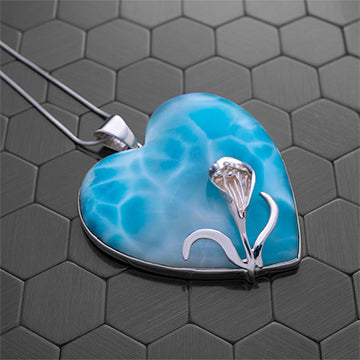
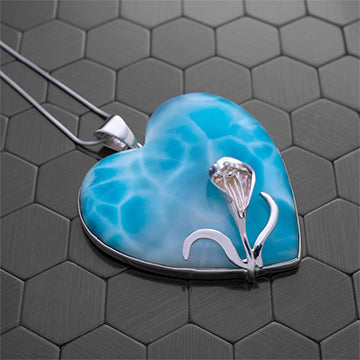
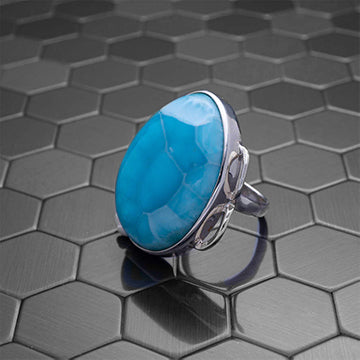
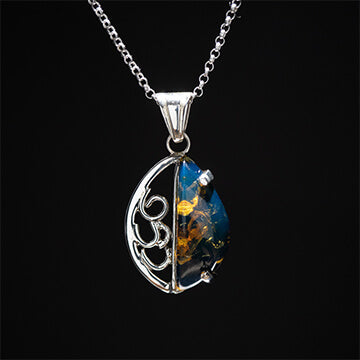
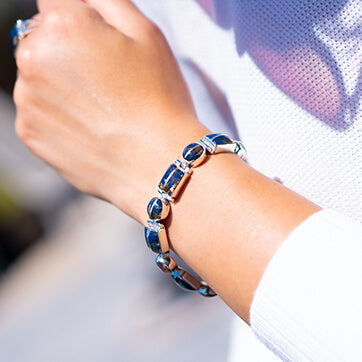
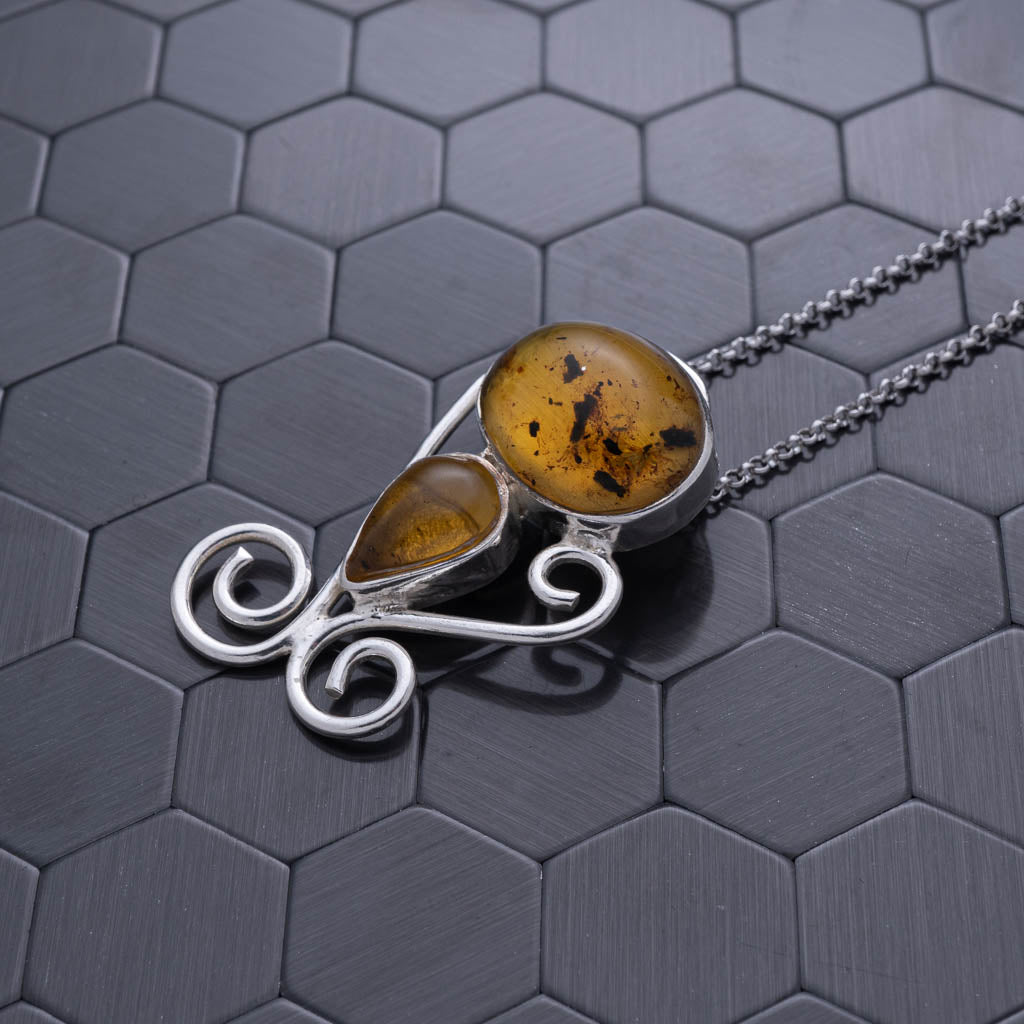
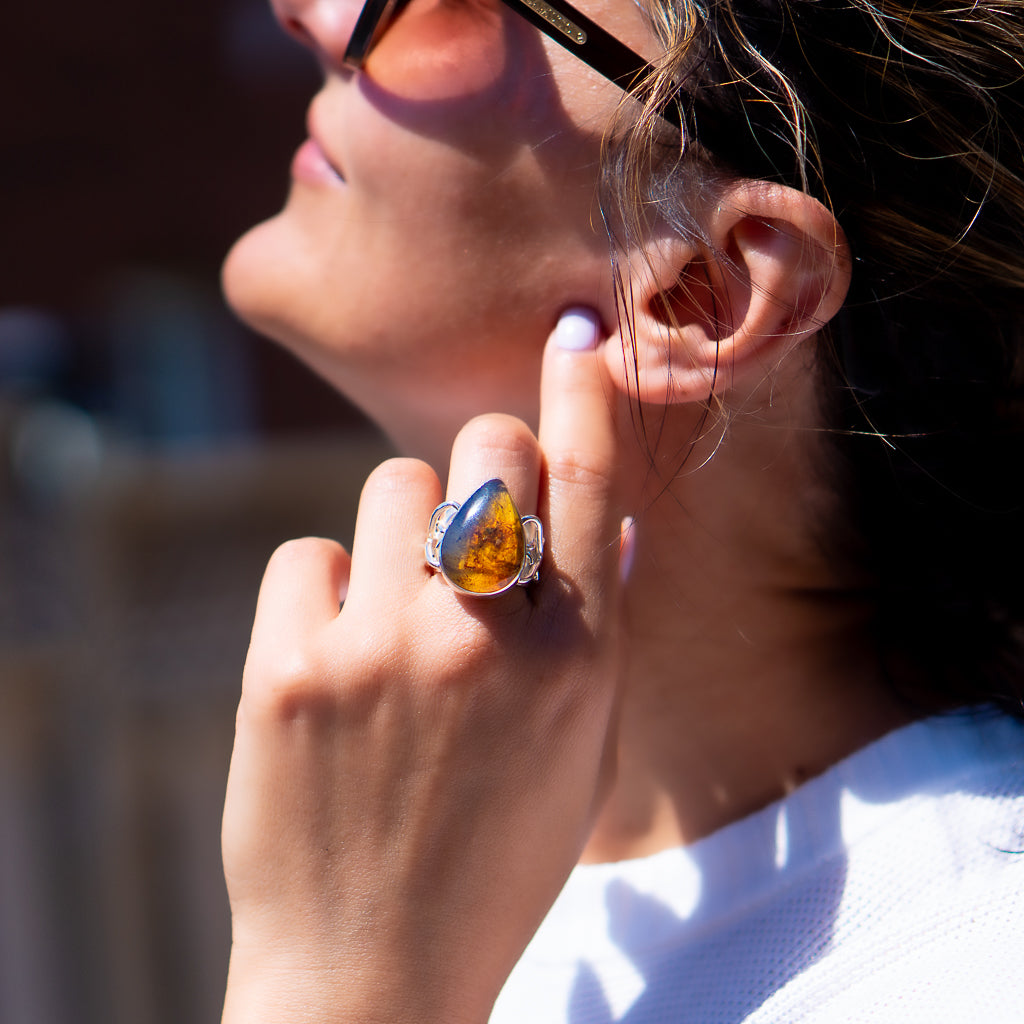
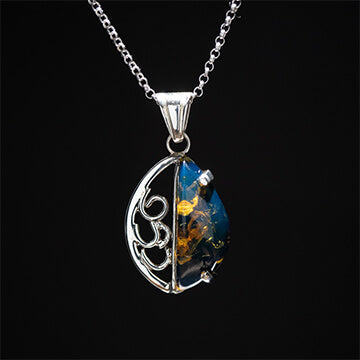
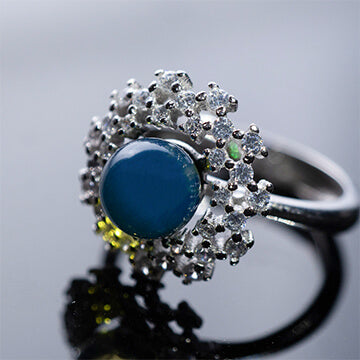
Finished raw blue stone requires appropriate settings that complement its characteristics while ensuring durability. The beautiful larimar pendants crafted by artisan jewelers showcase how thoughtful design enhances the stone's natural beauty, with settings that protect the gem while allowing light interaction to display its unique patterning.
Bezel settings provide maximum protection for softer raw blue stone varieties, encircling the gem's perimeter with metal. This style works particularly well for everyday-wear pieces where impact resistance matters. Prong settings allow more light penetration, enhancing transparency and brilliance in harder varieties like sapphire or aquamarine.
Metal selection impacts the final aesthetic. Sterling silver complements lighter blue stones, creating fresh, contemporary appearances. Yellow gold adds warmth that contrasts beautifully with cool blue tones. White gold or platinum provides modern elegance while maintaining color purity.
Maintaining raw blue stone quality requires appropriate storage, handling, and environmental controls. Unlike finished jewelry, raw specimens need protection from damage that could reduce their value or usability.
Temperature stability prevents thermal shock that might fracture raw blue stone specimens. Avoid storing material near heat sources or in locations experiencing rapid temperature fluctuations. Room temperature environments with minimal daily variation provide ideal conditions for long-term preservation.
Humidity control protects against surface degradation and prevents the growth of mold or mineral deposits on specimens. Store raw blue stone in areas with 40-60% relative humidity. Desiccant packets help control moisture in display cases or storage containers.
Individual wrapping prevents contact damage when storing multiple specimens together. Soft cloth, acid-free tissue paper, or foam padding cushions stones during storage and transport. Label each wrapped piece with identification information, acquisition date, and source location.
| Storage Method | Best For | Considerations |
|---|---|---|
| Display Cases | Show specimens | Protect from dust, UV exposure |
| Padded Boxes | Long-term storage | Individual compartments prevent contact |
| Climate-Controlled Vaults | Valuable collections | Stable temperature and humidity |
| Museum-Grade Storage | Investment pieces | Professional archival conditions |
Raw blue stone requires gentler cleaning than polished gems due to exposed crystal surfaces and potential cleavage planes. Warm water and mild soap suffice for most varieties, using soft brushes to remove surface dirt. Avoid ultrasonic cleaners and steam cleaning, which may damage fracture-prone specimens.
Certain varieties need specialized care. Larimar information helps collectors understand this stone's specific requirements, including avoiding prolonged sun exposure that can fade its delicate blue coloration over time. Lapis lazuli reacts poorly to acidic cleaners, which may etch its surface or alter its appearance.
The gemstone market includes various treatments and synthetic alternatives that can deceive inexperienced buyers. Recognizing enhancement methods and artificial materials protects your investment in authentic raw blue stone.
Heat treatment intensifies color in many blue stones, including aquamarine and sapphire. While widely accepted in the gem trade, treated stones typically command lower prices than untreated equivalents. Raw blue stone may show heat treatment evidence through color zoning abnormalities or altered inclusion characteristics visible under magnification.
Dyeing creates artificial blue coloration in porous materials. Howlite, a white stone, frequently receives blue dye to simulate turquoise or other valuable blue minerals. Dyed stones often show color concentration in cracks and uneven distribution under close examination. Acetone testing reveals some dyes, though this destructive test damages specimens.
Stabilization improves durability in soft or porous raw blue stone varieties. Polymer resins fill pores and fractures, enhancing structural integrity. While stabilization benefits wearability, it constitutes treatment that affects value and should be disclosed during transactions.
Laboratory-created stones replicate natural mineral compositions with identical physical properties. Synthetic blue spinel and created sapphire flood markets as affordable alternatives to natural raw blue stone. These materials require gemological testing for definitive identification, though experienced dealers recognize growth patterns and inclusion types characteristic of synthetic production.
Glass imitations represent the lowest-quality substitutes, easily distinguished through basic testing. Glass feels warmer than natural stone, shows conchoidal fracture patterns, and may contain air bubbles visible under magnification. Hardness testing quickly differentiates glass from genuine minerals.
Composite materials combine stone fragments with adhesives or backing materials to create larger pieces. Doublets feature thin natural stone layers attached to inferior bases, while triplets sandwich colorless material between two gem layers. Examining edges and using immersion techniques reveals these constructions.
Raw blue stone occurrence concentrates in specific geological environments worldwide. Understanding geographic associations helps verify authenticity and appreciate each variety's unique origins.
The Dominican Republic produces the world's only larimar deposits, making geographic origin verification crucial for this raw blue stone variety. Authentic specimens come from the Bahoruco Mountain Range in the southwestern province of Barahona. The region's volcanic history created unique conditions necessary for larimar formation, where hydrothermal fluids carrying copper interacted with calcium and silica.
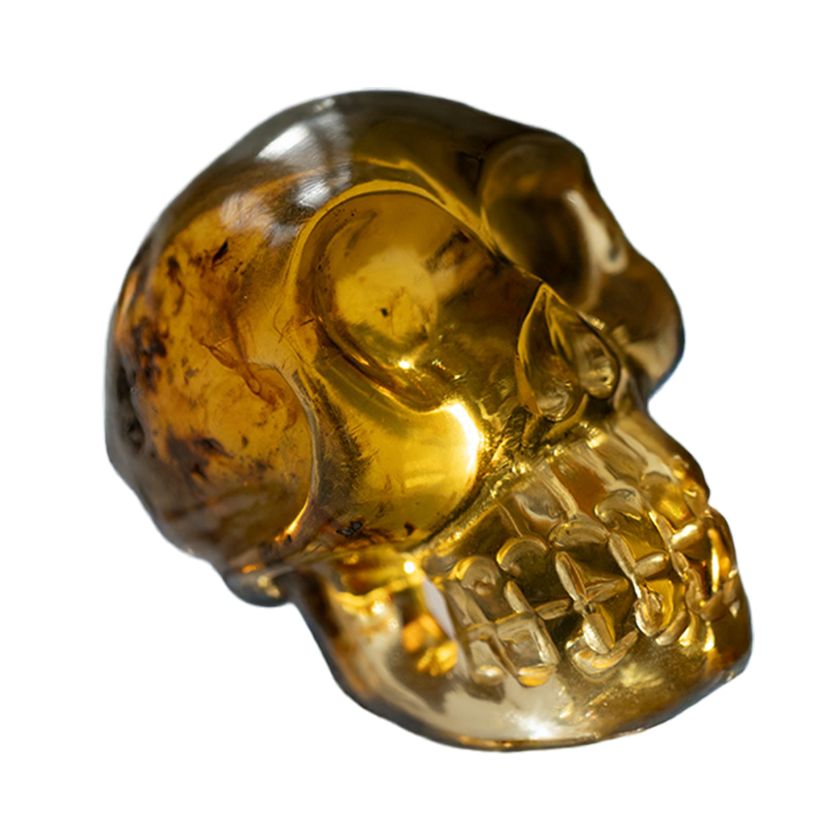
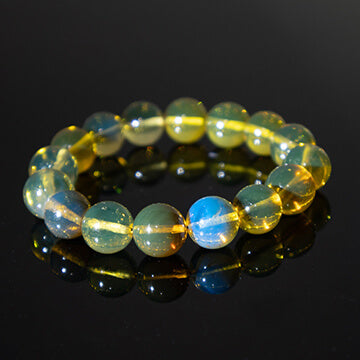
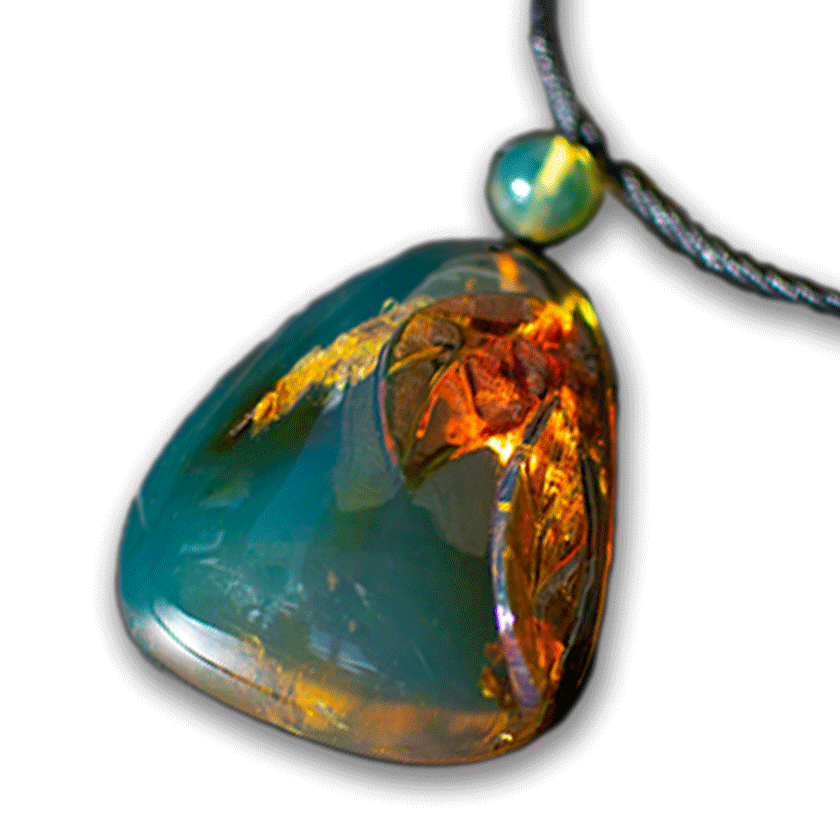
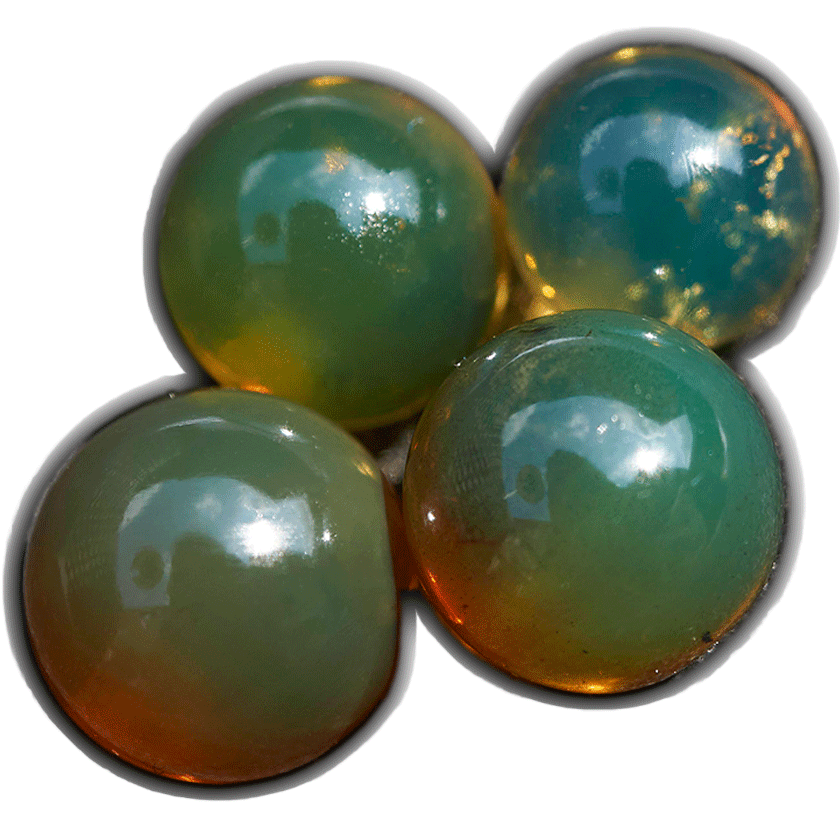
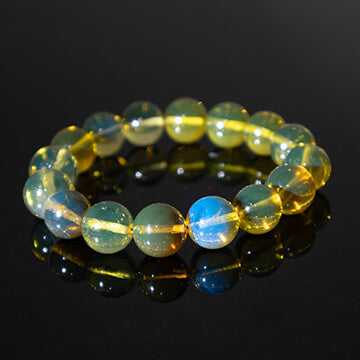
Dominican Blue Amber represents another Caribbean treasure, though this organic gemstone differs fundamentally from mineral-based raw blue stone. Its fluorescent blue phenomenon under UV light creates stunning visual effects prized by collectors and jewelry designers alike.
Montana produces Yogo sapphires, distinctive raw blue stone specimens known for consistent color and minimal need for heat treatment. These cornflower-blue sapphires form in unusual igneous dike deposits, creating unique mining challenges and limited production volumes that enhance their value.
The Blue Diamond Mine in Nevada primarily produces gypsum rather than blue gemstones, though the region's bluestone deposits provide construction materials valued for their durability and aesthetic appeal. These sedimentary rocks differ significantly from gemstone-quality raw blue stone but share the blue coloration that makes them commercially valuable.
Afghanistan supplies the finest lapis lazuli, with deposits in the Badakhshan province producing material for millennia. Brazilian mines yield exceptional aquamarine crystals, some weighing hundreds of pounds in their raw state. Madagascar contributes various raw blue stone types, including sapphire, kyanite, and blue apatite from diverse geological environments.
Transforming raw blue stone into custom jewelry requires collaboration with skilled craftspeople who understand gemstone properties and design principles. Selecting the right artisan ensures your vision becomes reality while respecting the material's inherent characteristics.
Experience with specific raw blue stone varieties indicates a jeweler's ability to work with your chosen material. Artisans familiar with softer stones like larimar understand the careful handling required during setting and finishing. Review portfolios showing completed pieces in similar materials, noting how designs complement natural stone characteristics.
Technical capabilities matter as much as artistic vision. Jewelers need proper equipment for cutting, polishing, and setting various raw blue stone types. Discuss their fabrication process, timeline expectations, and policies regarding material losses during cutting. Quality artisans provide realistic assessments of what's achievable with specific specimens.
Communication style affects project satisfaction. Choose designers who ask questions about your preferences, explain options clearly, and provide input based on their expertise. The collaborative process should feel comfortable and creative rather than rushed or dismissive of your ideas.
Responsible raw blue stone acquisition supports mining communities while minimizing environmental impact. Conscious consumers increasingly prioritize ethical sourcing alongside quality and aesthetics.
Direct relationships with mining communities ensure fair compensation for extraction labor. Small-scale artisanal miners often receive minimal payment when selling through intermediaries, while fair trade arrangements provide living wages and safe working conditions. Purchasing through vendors committed to ethical sourcing supports sustainable livelihoods in producing regions.
Transparency throughout the supply chain allows tracing raw blue stone from mine to market. Reputable dealers document material origins and can verify ethical sourcing claims. This transparency becomes particularly important for rare varieties like larimar, where limited supply creates economic opportunities for Dominican mining communities.
Mining operations impact local ecosystems through habitat disruption, water usage, and waste generation. Responsible operations implement reclamation plans, minimize water pollution, and restore mined areas to functional ecosystems. Supporting miners who prioritize environmental stewardship encourages sustainable practices industry-wide.
Small-scale artisanal mining typically causes less environmental damage than industrial operations, though it may lack safety protections for workers. Balancing environmental and social concerns requires understanding specific conditions at producing locations. Organizations certifying ethical gemstone sources provide guidance for conscious consumers seeking responsibly sourced raw blue stone.
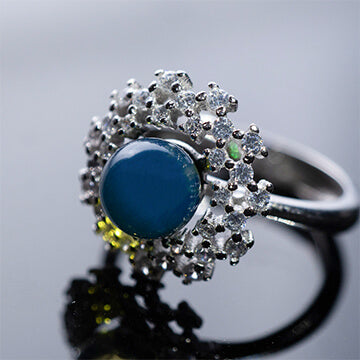
Raw blue stone offers endless possibilities for collectors, designers, and gemstone enthusiasts who appreciate natural mineral beauty. From understanding quality indicators and authenticity verification to working with skilled artisans who transform rough material into wearable art, knowledge empowers informed decisions throughout the acquisition and creation process. Whether you're drawn to the exclusive Caribbean origins of larimar or the crystalline elegance of aquamarine, each variety tells a geological story millions of years in the making. Larimar Creations specializes in transforming these natural treasures into exquisite jewelry pieces, offering handcrafted pendants, rings, and unique designs that showcase the inherent beauty of raw blue stone with worldwide shipping to bring these stunning creations to enthusiasts globally.