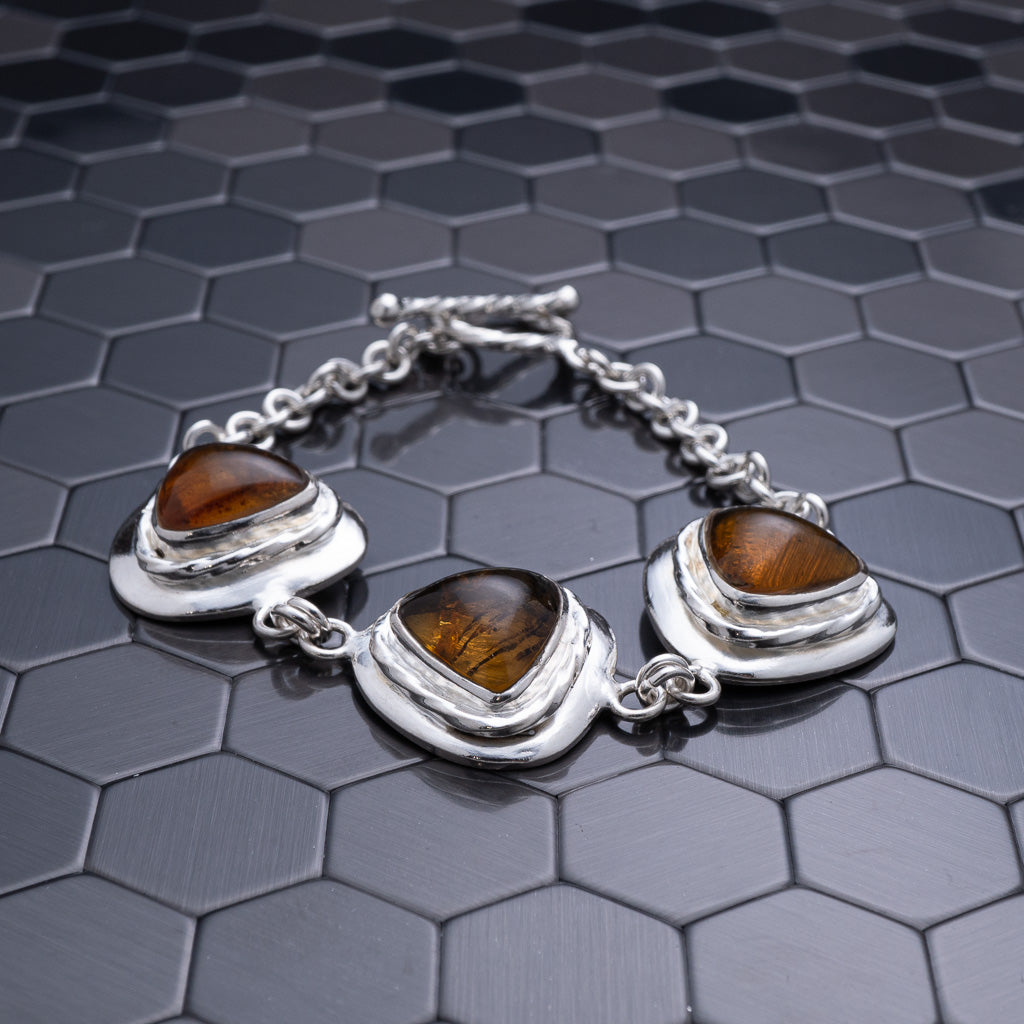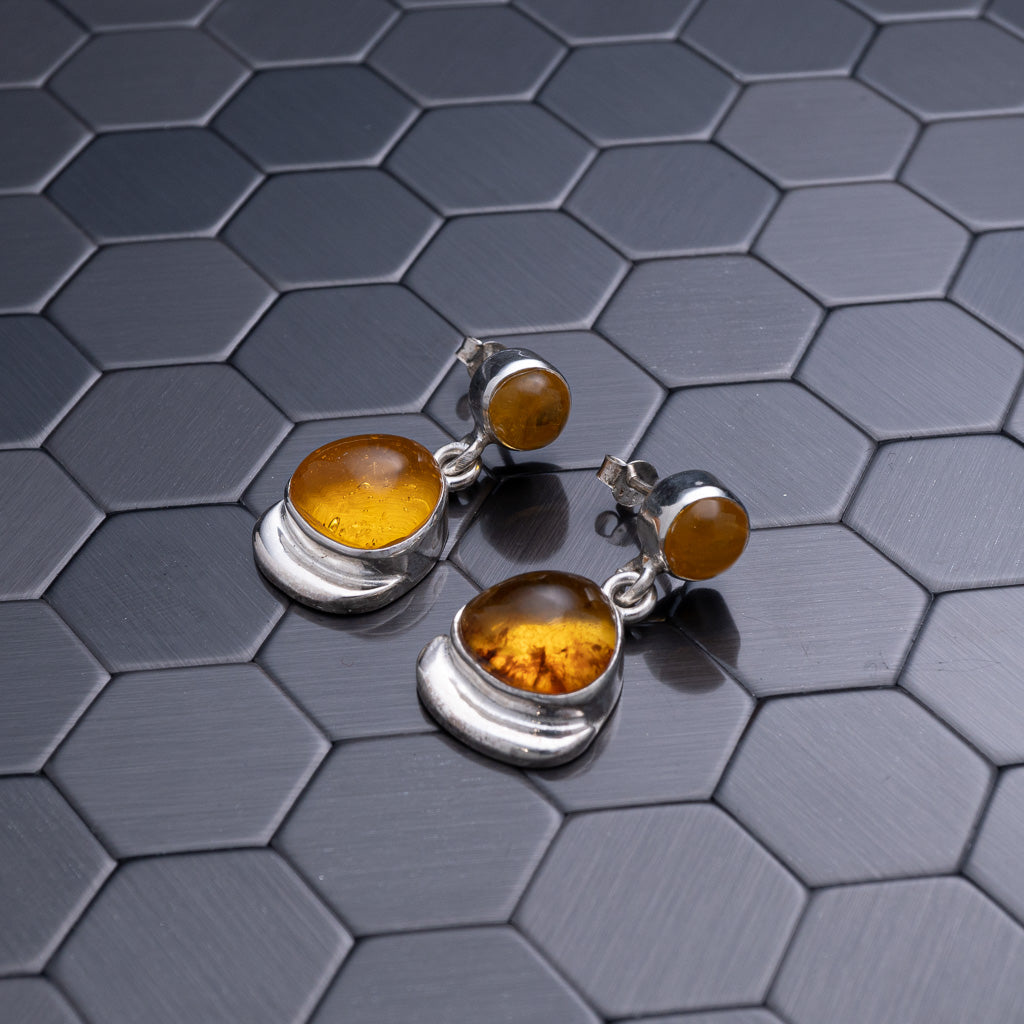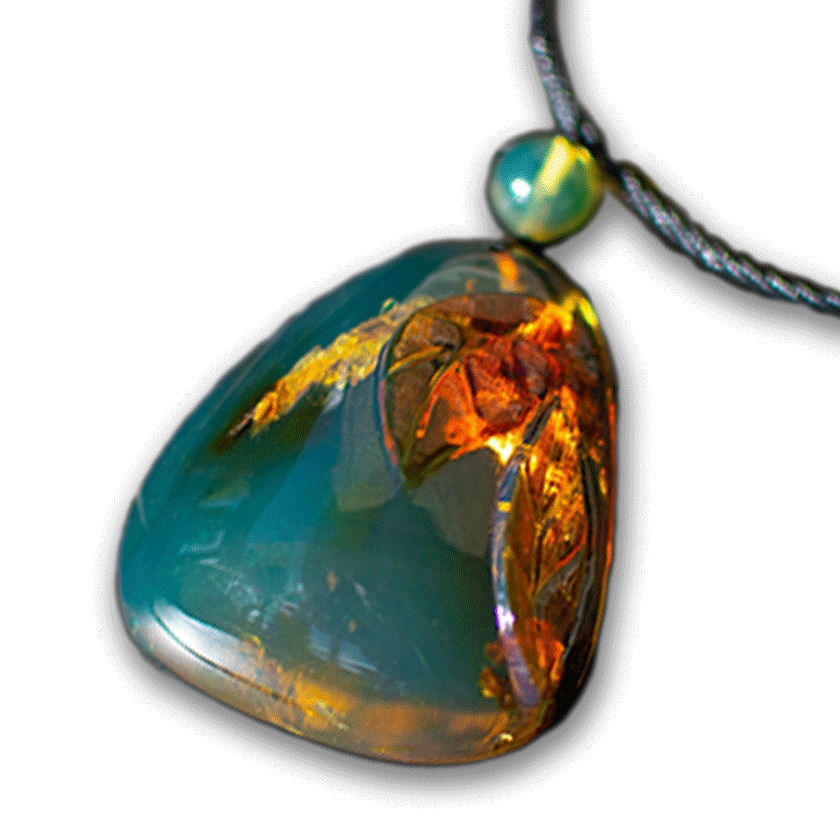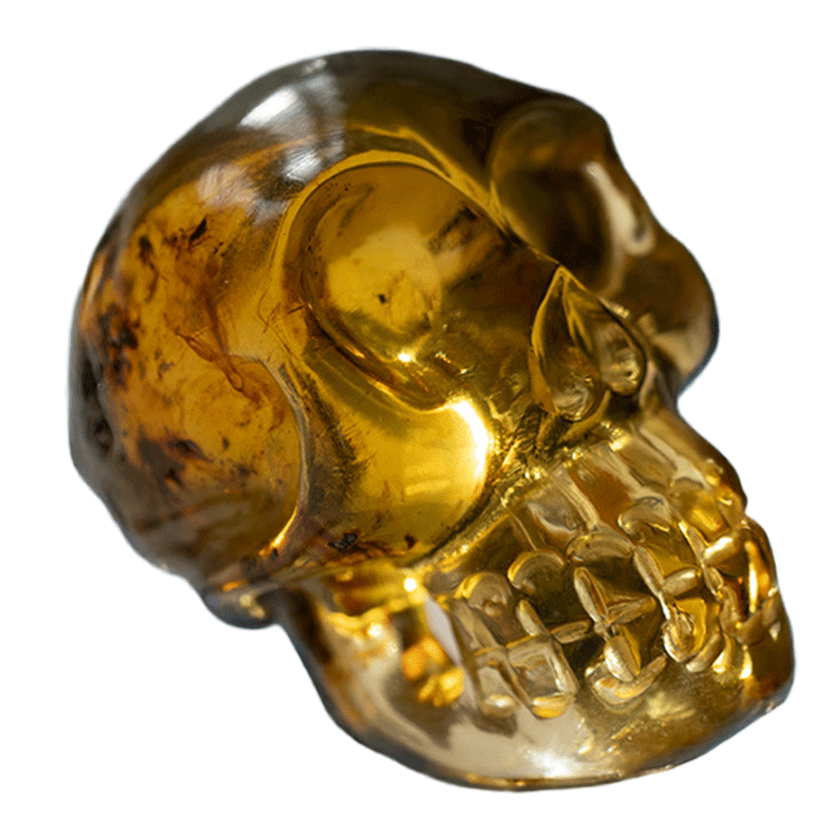




Handcrafted in DR.

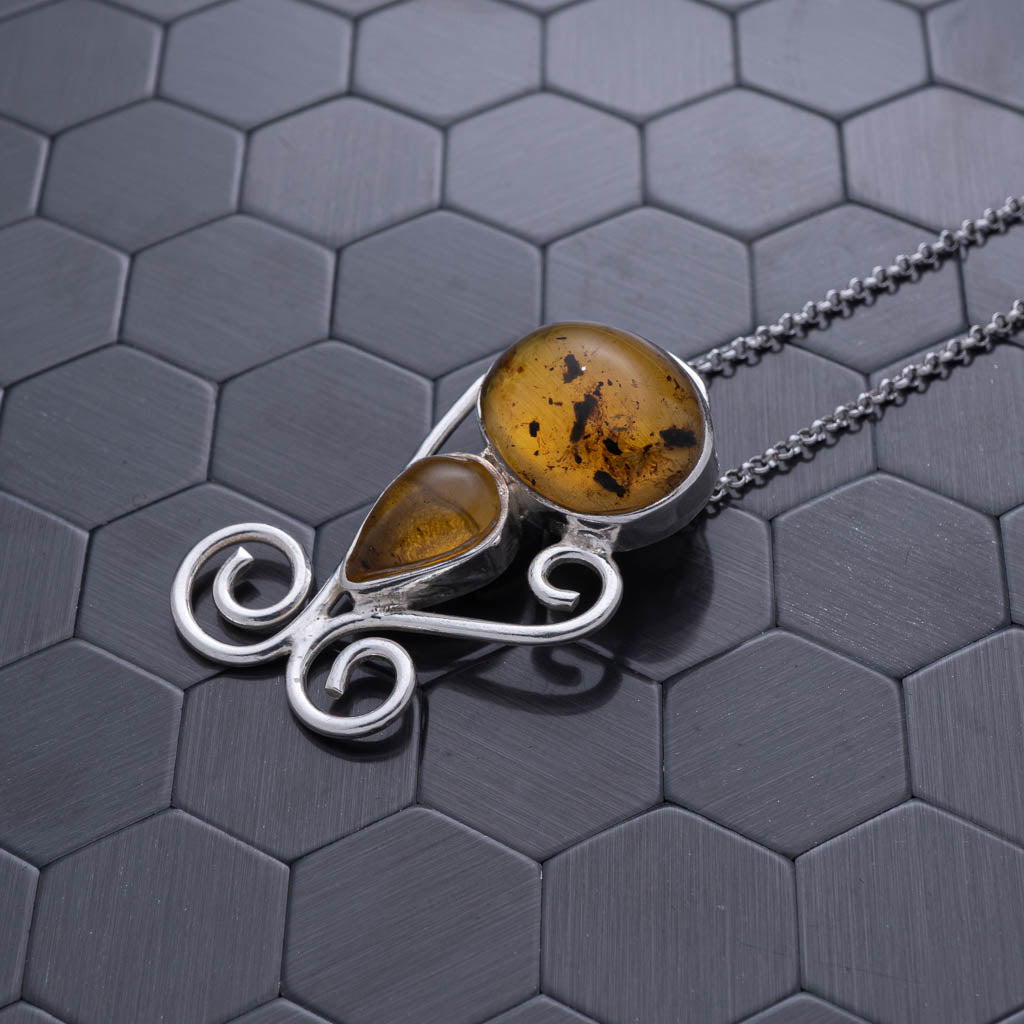
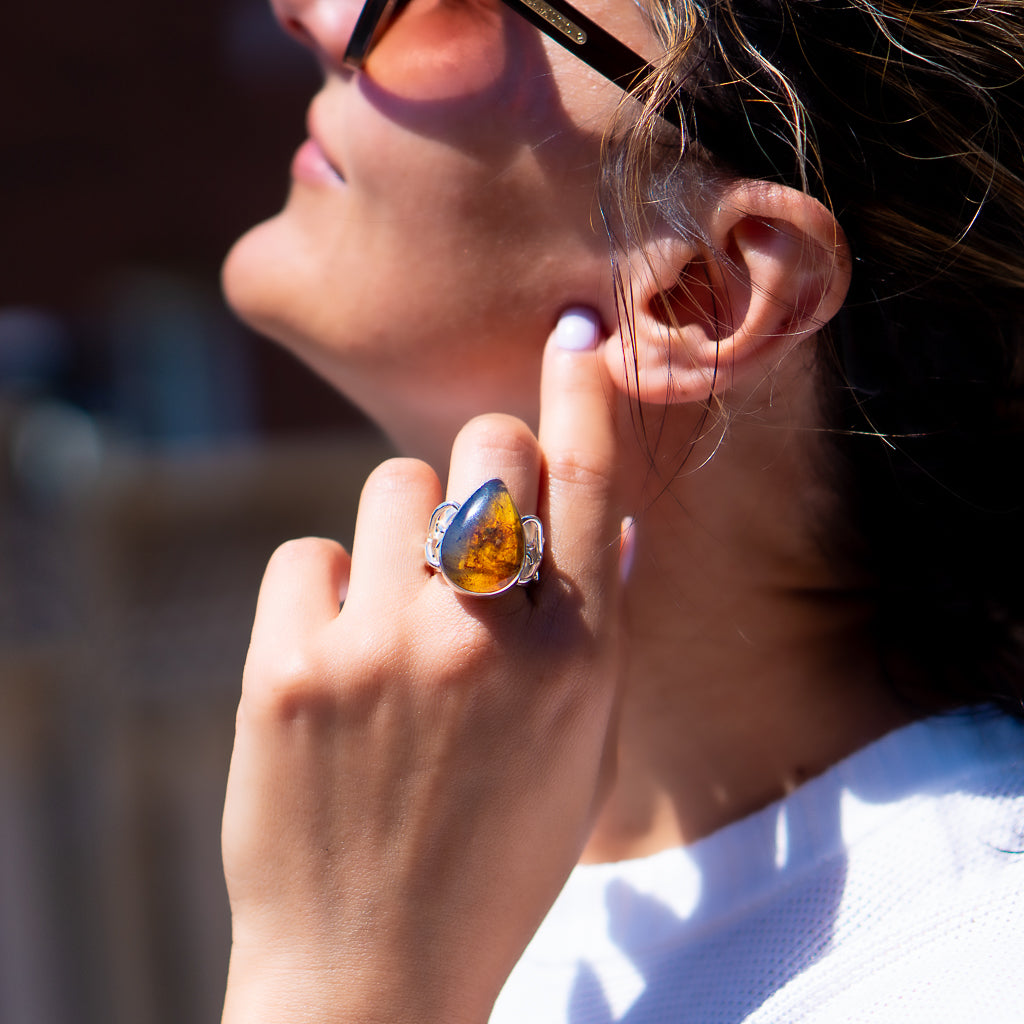
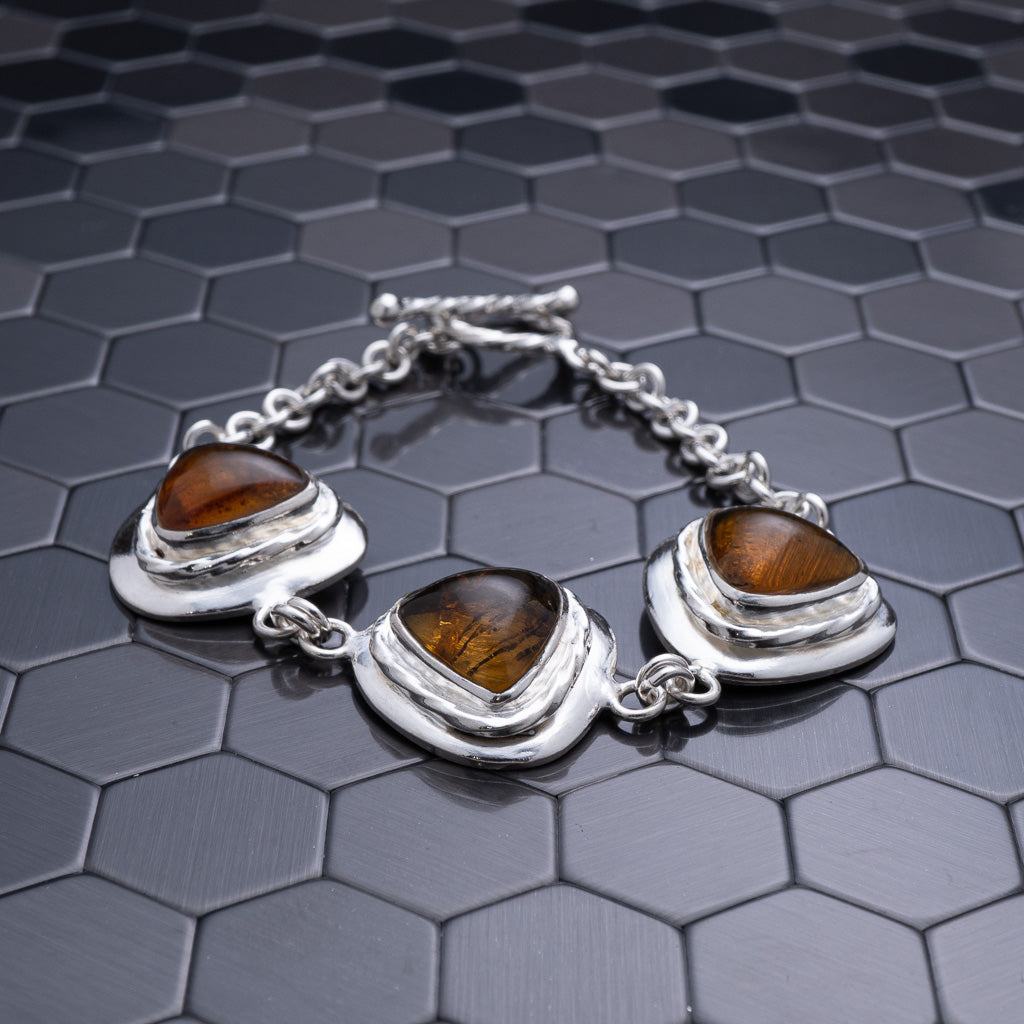
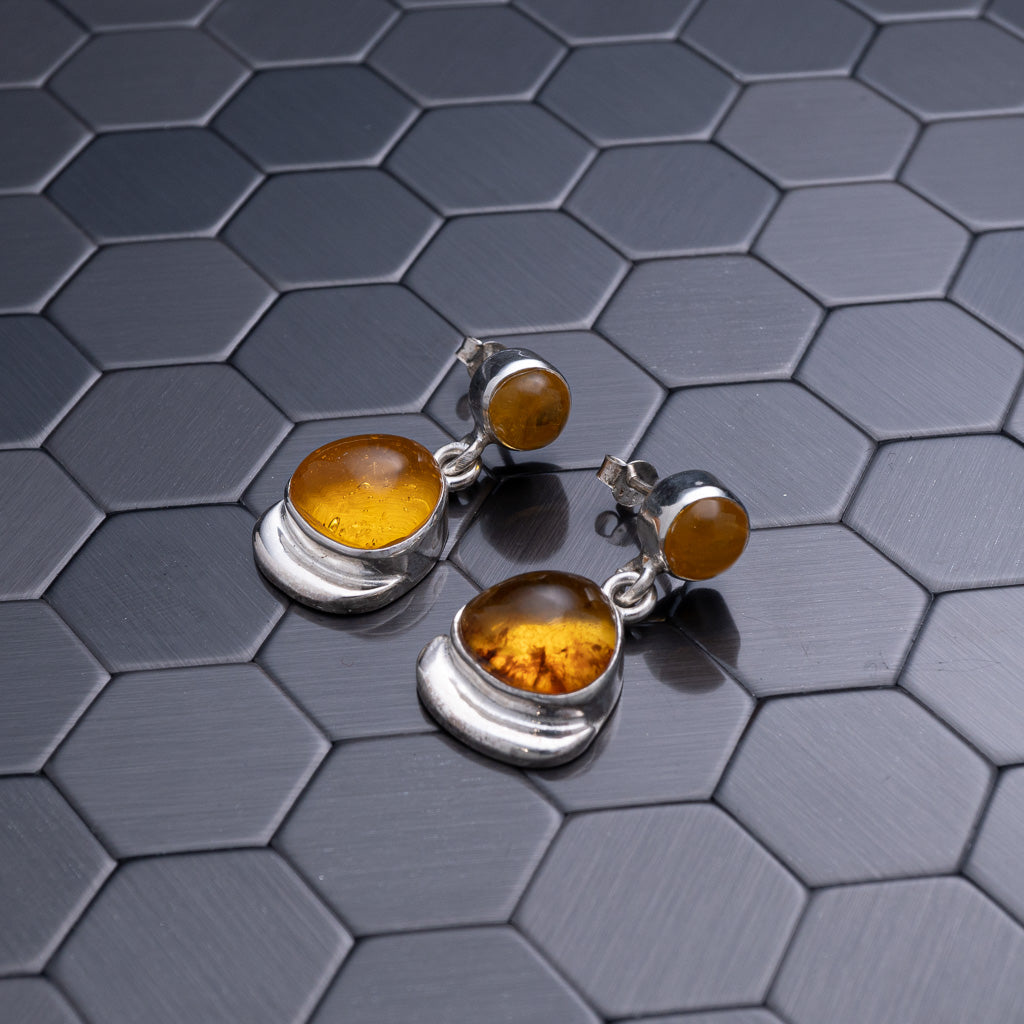


100% Handcrafted in DR.

There’s something almost magical about Larimar. Its swirling blues make you think of sunlight on Caribbean water, and every piece feels like a small, rare treasure. That’s why it stings to see your favorite Larimar ring or pendant scratched or chipped—it feels like a tiny heartbreak.
If you’re staring at a damaged stone and wondering what to do next, you’re in the right place. This guide is your trusted resource for repairing Larimar gemstone in 2026, whether you’re hoping to revive a beloved ring, a favorite pendant, or even a loose stone in your collection.
We’ll walk through what makes Larimar vulnerable, the most common causes of damage, and the smartest repair options—DIY steps, when to call in a pro, and how to keep your Larimar looking stunning year after year. Ready to bring your gemstone back to life? Let’s get started.
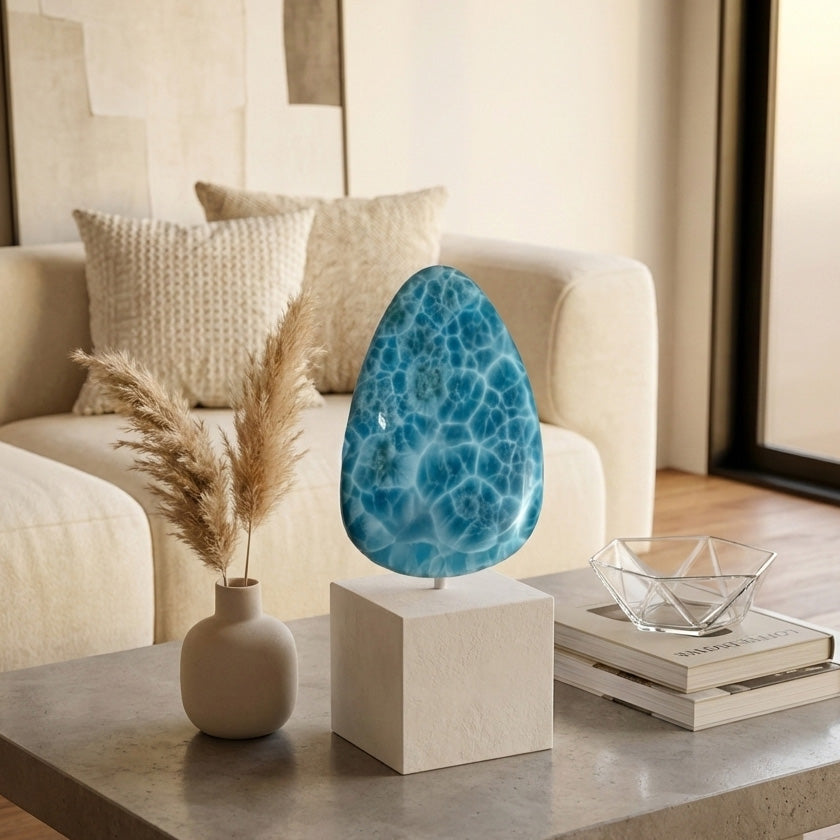
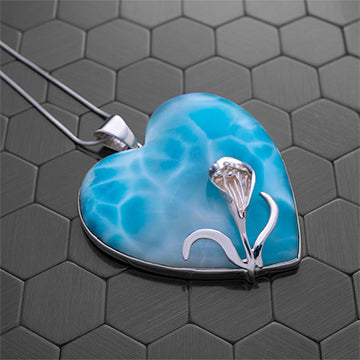
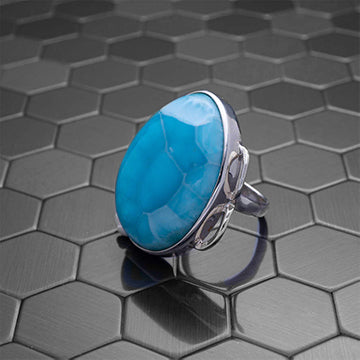
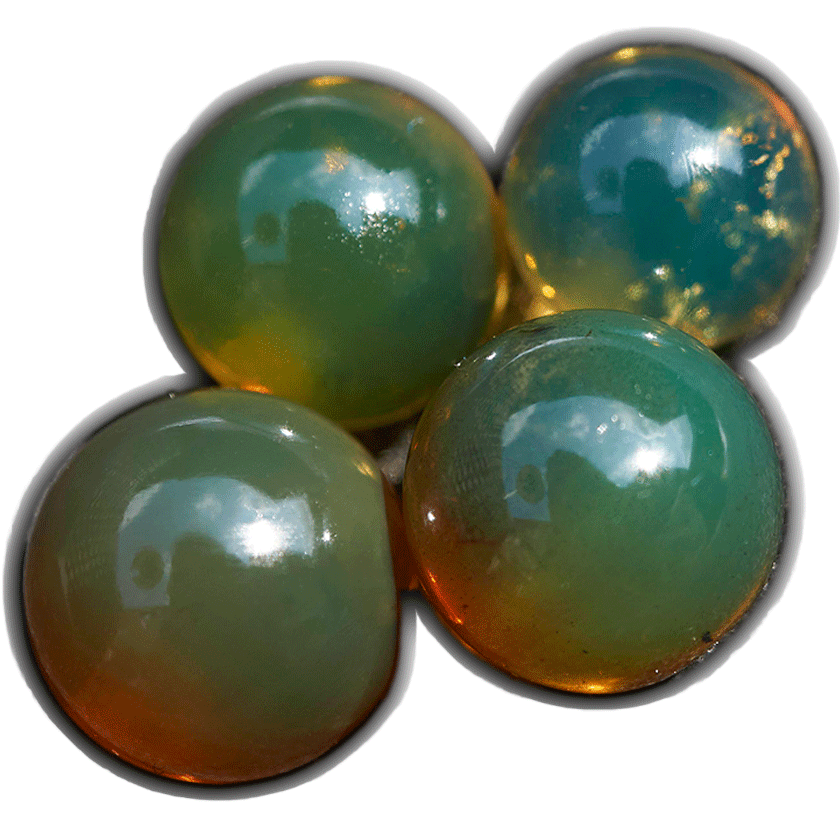
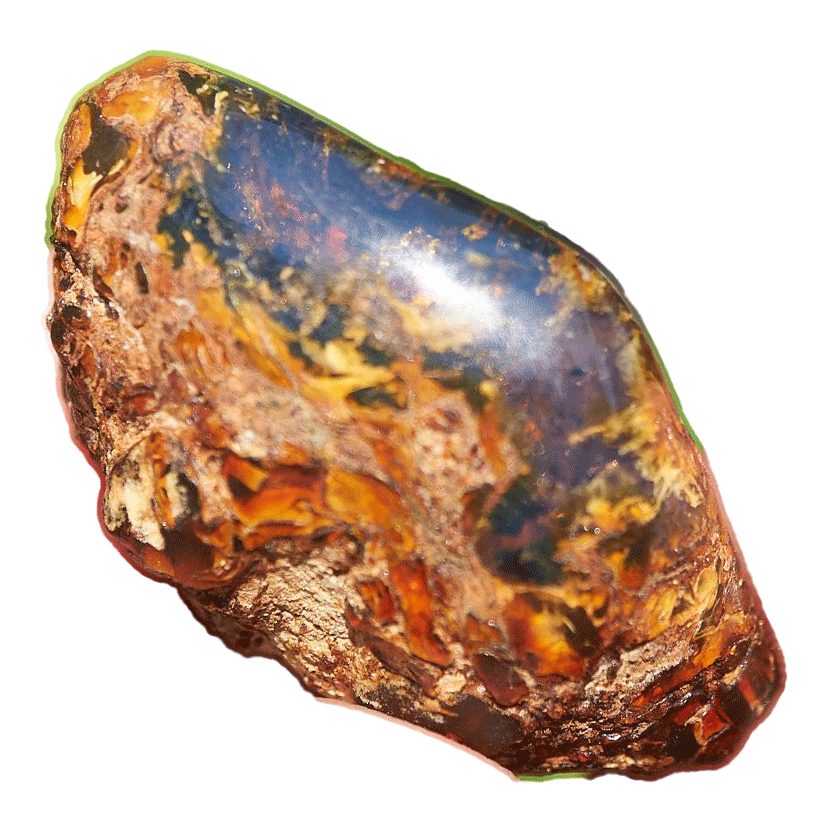
Larimar is one of those gems that instantly grabs your attention. It’s a rare blue pectolite, found only in the Dominican Republic, with swirling colors that look like a tropical sea. Some stones are a soft sky blue, while others dive deep into rich ocean hues. If you want to see the range of shades and learn more about what makes Larimar tick, check out this Larimar Gemstone Meaning and Colors guide.
What makes repairing larimar gemstone tricky is its softness. On the Mohs scale, it sits at 4.5 to 5, which means it’s softer than quartz or turquoise. That softness is why Larimar can pick up scratches or chips if you’re not careful.
Here’s a quick comparison:
| Gemstone | Mohs Hardness | Durability |
|---|---|---|
| Larimar | 4.5–5 | Soft |
| Quartz | 7 | Harder |
| Turquoise | 5–6 | Moderate |
Everyday hazards for Larimar include accidental drops, exposure to cleaning chemicals, and being stored next to harder stones. According to industry data from 2024, about 30% of Larimar jewelry returns happen because of surface damage. Imagine a pendant you wear daily—after a while, it might show a visible scratch or two. That’s why knowing about repairing larimar gemstone is so important if you want your jewelry to last.
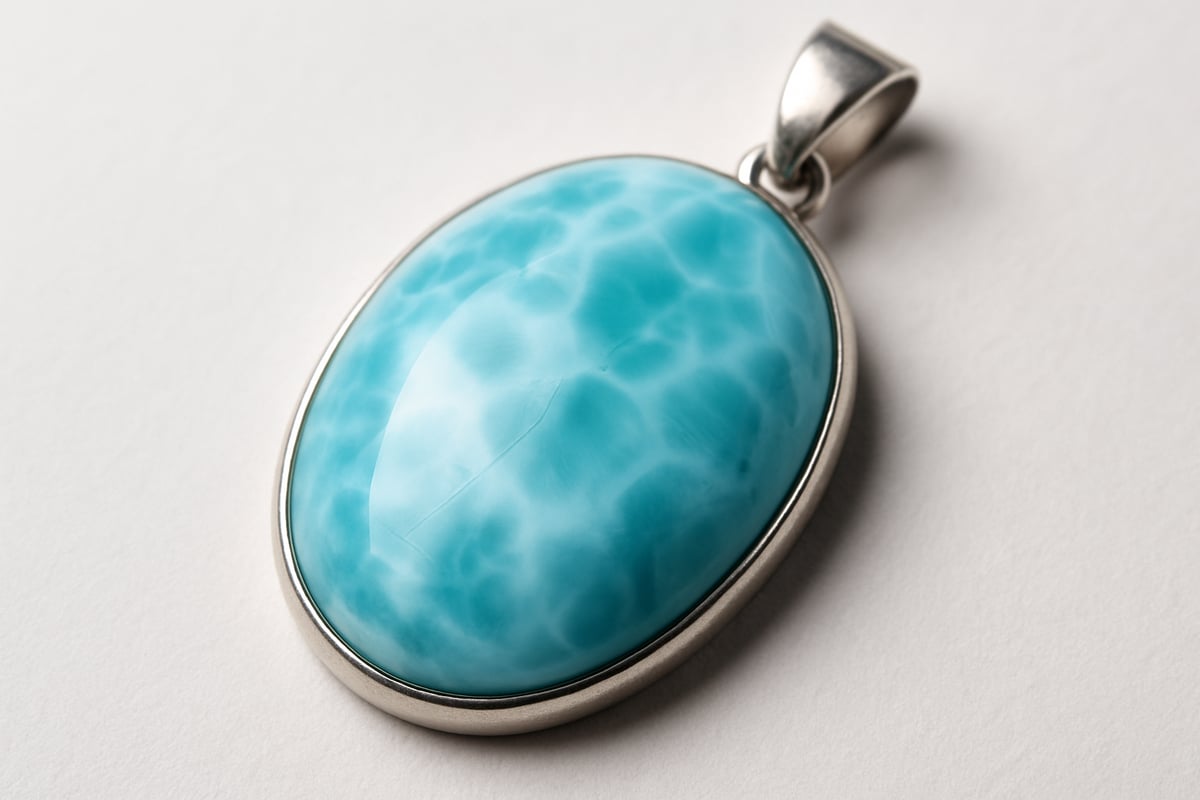
Let’s face it, even the most careful jewelry lover will eventually spot a scratch or chip on their Larimar. If you’re thinking about repairing larimar gemstone pieces, it’s important to first understand what can go wrong.
Here’s a quick look at the most common types of damage:
| Type of Damage | What It Looks Like | Common Causes |
|---|---|---|
| Surface scratches | Fine lines, dull spots | Everyday wear, cleaning |
| Chips | Small missing pieces | Drops, knocks |
| Fractures | Cracks, lines inside | Hard impacts, pressure |
| Discoloration | Faded or yellowed color | Sunlight, chemicals |
| Loss of polish | Matte, cloudy surface | Abrasives, rough storage |
Physical impacts are the main culprit—think dropping a ring on the floor or bumping your pendant against a countertop. Larimar is softer than most gems, so even a gentle bump can leave a mark.
Abrasive cleaning is another risk. Using rough cloths or household cleaners can scratch or dull the surface. Exposure to chemicals like bleach or even perfume can cause color fading and tiny cracks. Sunlight can also fade those beautiful blue tones over time.
The setting makes a difference. Rings are more prone to damage than pendants or earrings since they’re exposed to more knocks and bumps. Improper cleaning, especially with ultrasonic cleaners, can make things worse.
What should you watch for? Dull spots, small cracks, or faded colors are all red flags. For example, a ring accidentally exposed to bleach might lose its shine and develop hairline fractures. According to a 2025 survey, 40% of Larimar owners reported accidental scratches within two years—so you’re definitely not alone.
If you want more detail on how these issues develop and what to look for, check out this Larimar crafting techniques guide for expert insights.
Understanding these causes is the first step toward repairing larimar gemstone jewelry and keeping it looking its best.
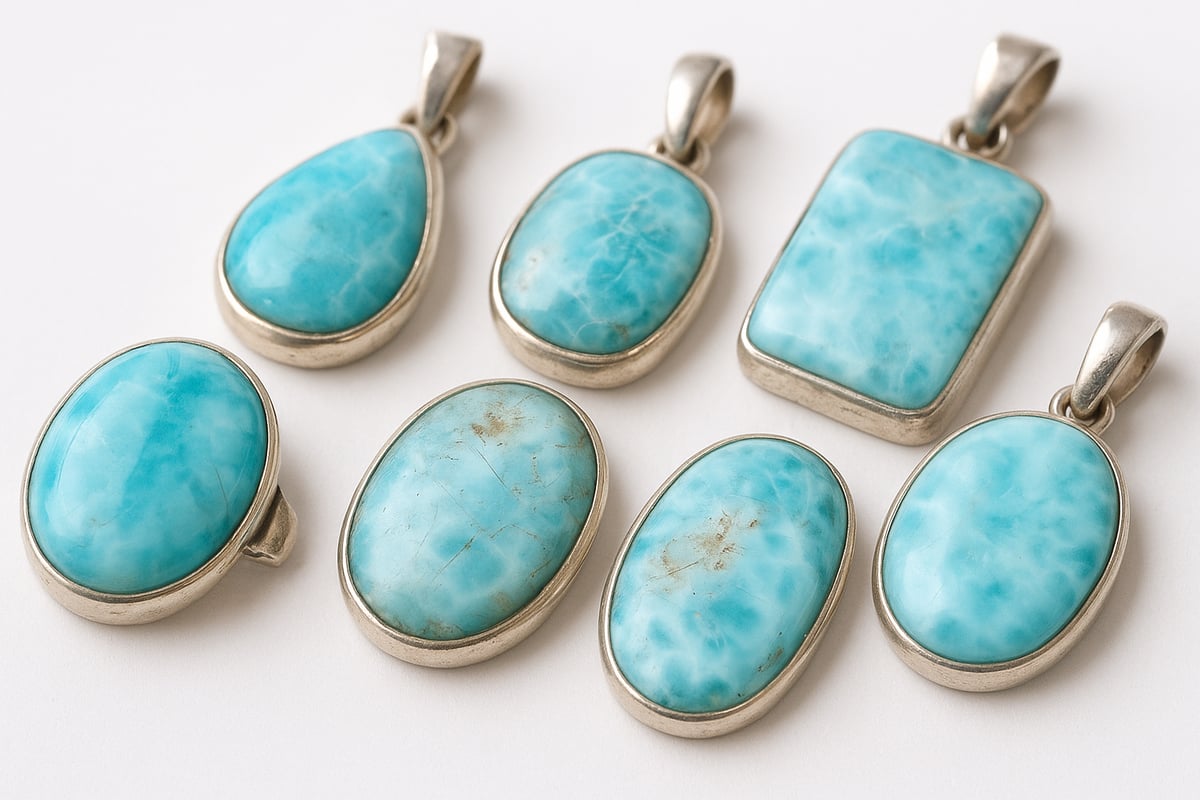
Ever looked at your Larimar and winced at a scratch or tiny chip? Relax. With a careful approach, you can handle minor repairs at home. Here’s how to bring back that ocean-blue glow without making things worse.
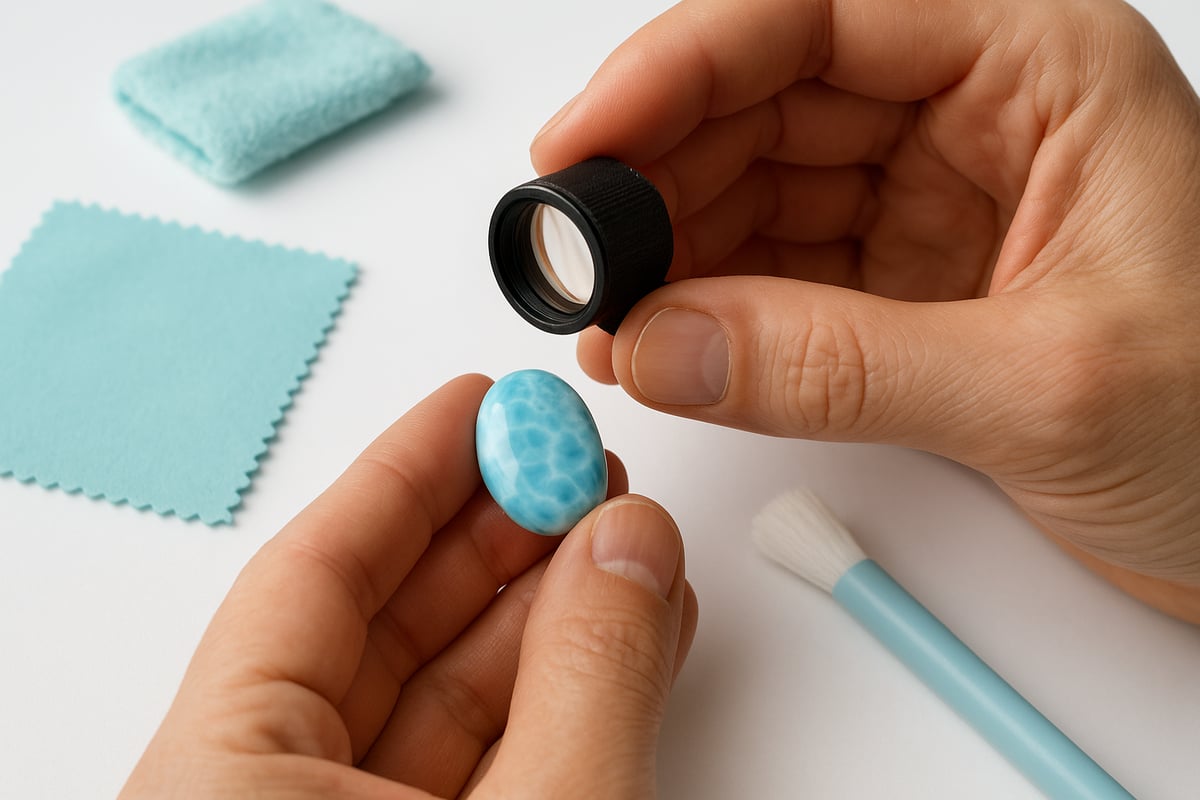
Start by grabbing a magnifying glass or jeweler’s loupe and examining your Larimar in bright, natural light. Look for surface scratches, chips, or deeper fractures. Minor scratches and small chips are often safe for a DIY fix, but anything deeper or structural should make you pause.
Not sure if your Larimar is high or low grade? Knowing the quality helps you decide the best approach. You can check out this Authenticity and Grades of Larimar guide for a quick reference.
If your stone has a simple surface scratch, you’re probably good to go. Spot a deep crack or feel the stone wobbling in its setting? Time to call a pro. For most people, repairing larimar gemstone at home should only be attempted for small, shallow blemishes.
Before you start any repairs, make sure your Larimar is clean. Use a soft toothbrush, mild soap, and lukewarm water. Gently scrub, rinse, and pat dry with a lint-free cloth. Avoid soaking the stone for long periods.
Once dry, use a jewelry polishing cloth made specifically for soft stones. This helps restore shine without scratching the surface. Stay away from abrasive materials, toothpaste, or chemical cleaners. Over-polishing can actually dull the stone. You’ll be surprised how much life returns just from a gentle, proper cleaning.
For tiny chips and shallow scratches, grab some clear epoxy or a jewelry-grade resin. Put on gloves and work in a well-ventilated spot. Use a toothpick to carefully apply a small amount of resin to the damaged area.
Let it cure fully—check the product instructions for timing. Once it’s hard, gently buff with a soft cloth for a smooth finish. This method is perfect for repairing larimar gemstone beads or cabochons that have minor blemishes. Don’t rush; slow and steady wins when fixing delicate stones.
DIY repairs have their limits. Never try to fix deep fractures, reset loose stones, or glue a Larimar that’s cracked through the middle. Ultrasonic cleaners and steam are a big no—they can shatter or cloud the stone.
Skip anything abrasive like baking soda or toothpaste. If you find yourself tempted to keep polishing or tinker with a major flaw, stop. Overworking the stone can make things worse. The golden rule for repairing larimar gemstone at home: when in doubt, let a professional handle it.
Sometimes, repairing larimar gemstone on your own just isn't safe. If you notice deep cracks, a stone that's loose in its setting, or any sign the structure is compromised, it's time to call a pro. Jewelers who specialize in soft stones like Larimar have the tools and skills to assess the damage and suggest the best fix. They can spot issues you might miss, and they'll know when a stone can be saved or if it needs to be replaced.
When you bring your piece in, expect a close inspection and an honest talk about options and costs. Professional repair often involves careful polishing, color restoration, and sometimes resetting. Trying to fix a major fracture at home can make things worse, especially since Larimar is much softer than most gems. For more on why this matters, check out the Larimar gemstone properties and care page.
Here's a quick look at what pro repairs typically cost:
| Repair Type | Typical Cost (USD) |
|---|---|
| Surface repolishing | $40–$60 |
| Filling deep cracks | $60–$90 |
| Resetting stone | $80–$120 |
Always ask for examples of similar repairs and check reviews before choosing a jeweler. One customer brought in a fractured Larimar cabochon that looked hopeless, but a skilled pro restored its color and shine. In short, when the stakes are high, professional help is the safest bet for repairing larimar gemstone.

Keeping your Larimar beautiful starts with prevention. If you want to avoid the hassle of repairing larimar gemstone in the future, a few simple habits make all the difference.
Take off your Larimar jewelry before sports, cleaning, or even showering. Store pieces in soft pouches, not tossed in a drawer with harder stones. Wipe your jewelry gently after every wear and give it a deeper clean about once a month. For a full list of tips, check out this Guide to Larimar Jewelry Care for practical advice that goes beyond the basics.
Keep Larimar away from chemicals, perfumes, and direct sunlight. Check regularly for loose settings or small chips. Schedule a professional re-polish every year or two, and you’ll rarely worry about repairing larimar gemstone. One customer followed these habits and kept their Larimar ring flawless for five years. A little care really does go a long way.
Curious about what to do when your favorite Larimar piece takes a hit? Here are some straight answers to the most common questions about repairing larimar gemstone, so you know exactly how to keep your jewelry looking its best.
Can Larimar be repaired if it’s cracked in half?
Usually, a stone cracked in half needs professional repair or replacement. DIY fixes rarely restore strength or beauty.
Is it safe to use household glue for repairs?
No, household glue is not recommended for repairing larimar gemstone. It can discolor the stone and rarely holds up over time.
How often should Larimar be professionally polished?
Plan for a professional polish every 1 to 2 years, especially if you wear your Larimar often.
Will repair affect the gemstone’s value?
Minor repairs like surface polishing have little impact. Major fixes, especially visible ones, may reduce value.
Can color fading be reversed?
If your Larimar looks faded, a pro can sometimes restore its color and shine. For tips on prevention, check out this Larimar jewelry care guide.
Are there any at-home kits recommended for Larimar?
There are general jewelry repair kits, but most aren’t designed for soft stones. Stick to gentle methods when repairing larimar gemstone.
How to tell if damage is repairable or needs replacement?
Small scratches and chips can be fixed at home. Large cracks, deep fractures, or missing pieces mean it’s time to call a jeweler. For example, a minor scratch on a pendant is a quick fix, but a split stone likely needs replacement.
After learning just how delicate Larimar can be, it’s easy to see why a little extra care makes such a difference. I know how frustrating it feels when a beautiful piece gets scratched or chipped, but with the right know how, you can keep your Larimar jewelry shining for years. And if you’re ready to treat yourself or someone special to a piece that’s as calming as it is rare, why not check out something truly unique Find the Perfect Gift of Serenity Shop Larimar Pendants with Free Worldwide Delivery