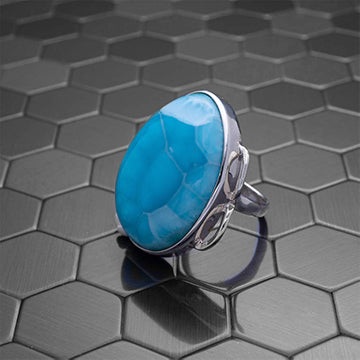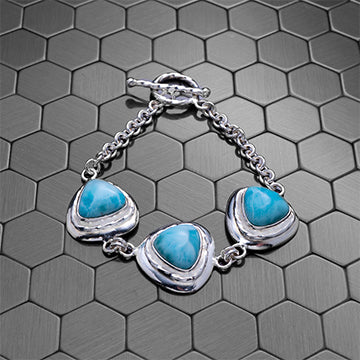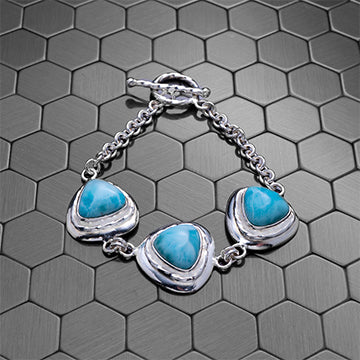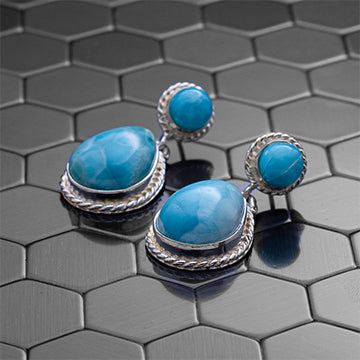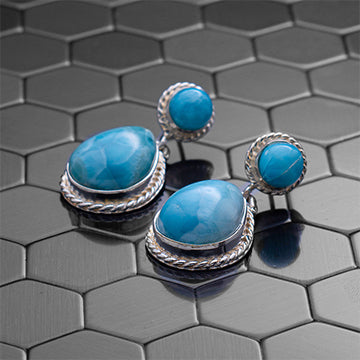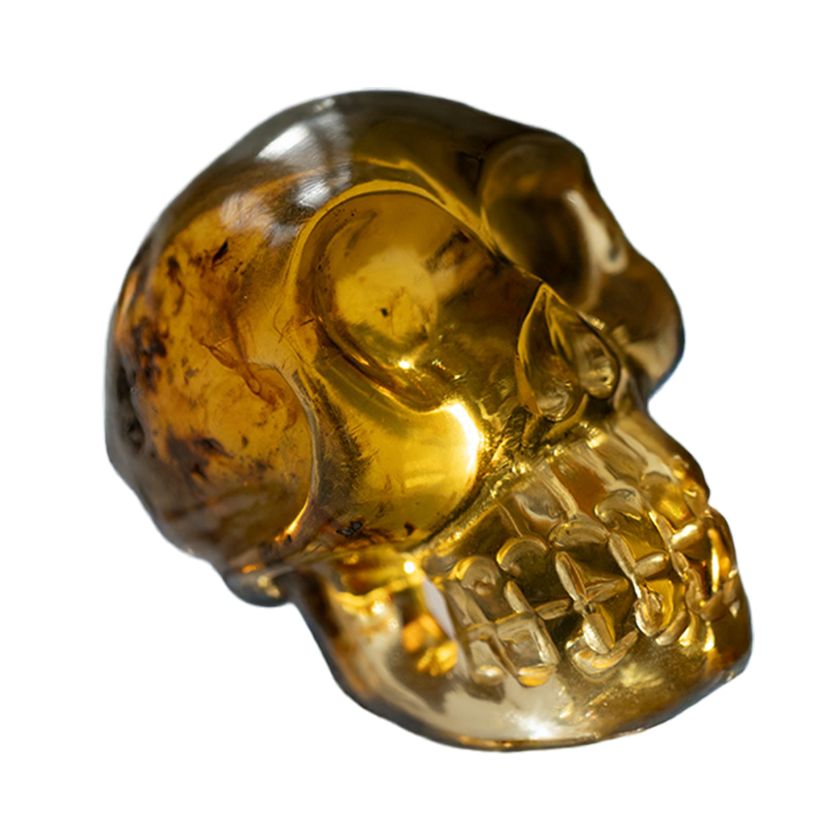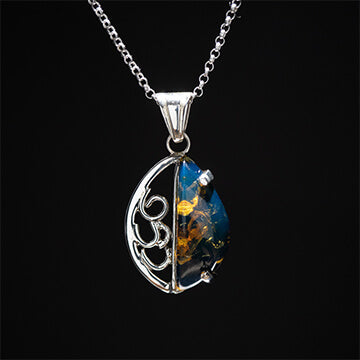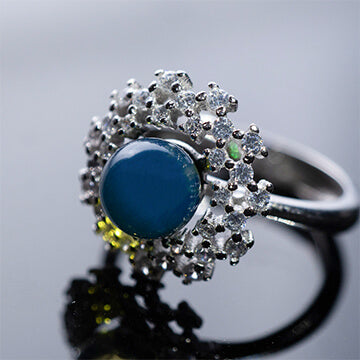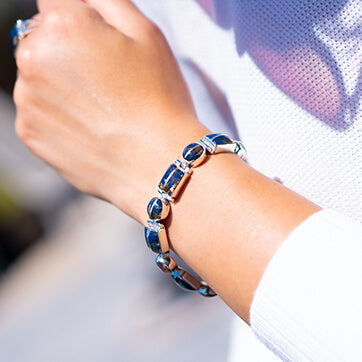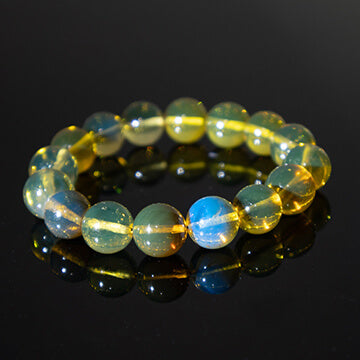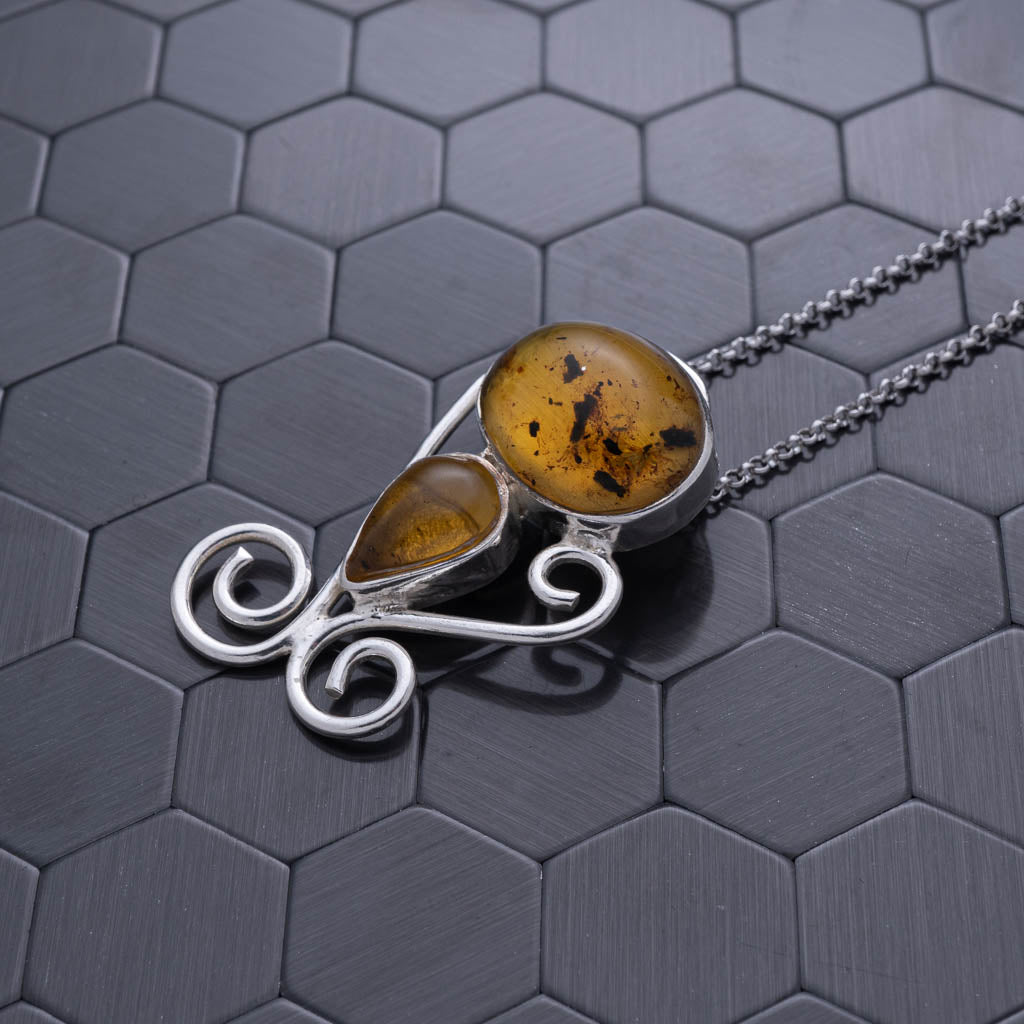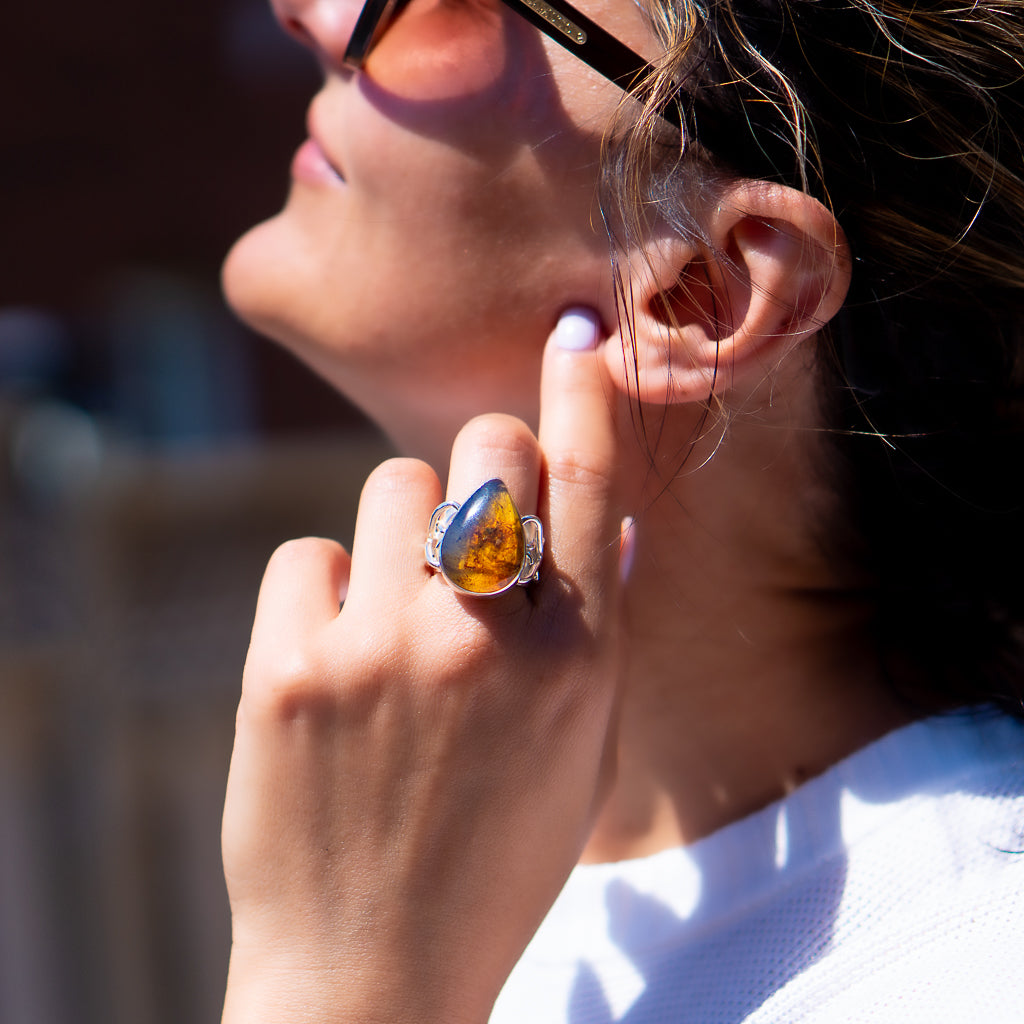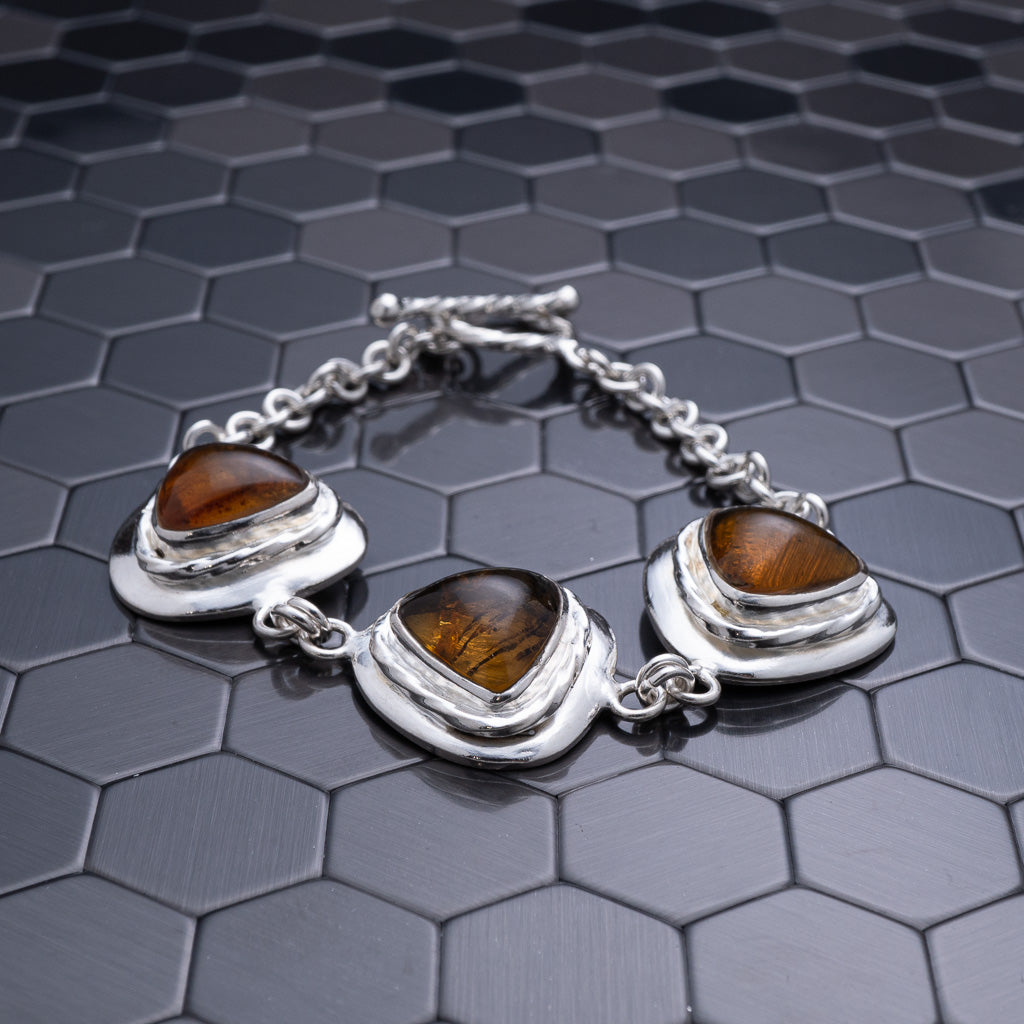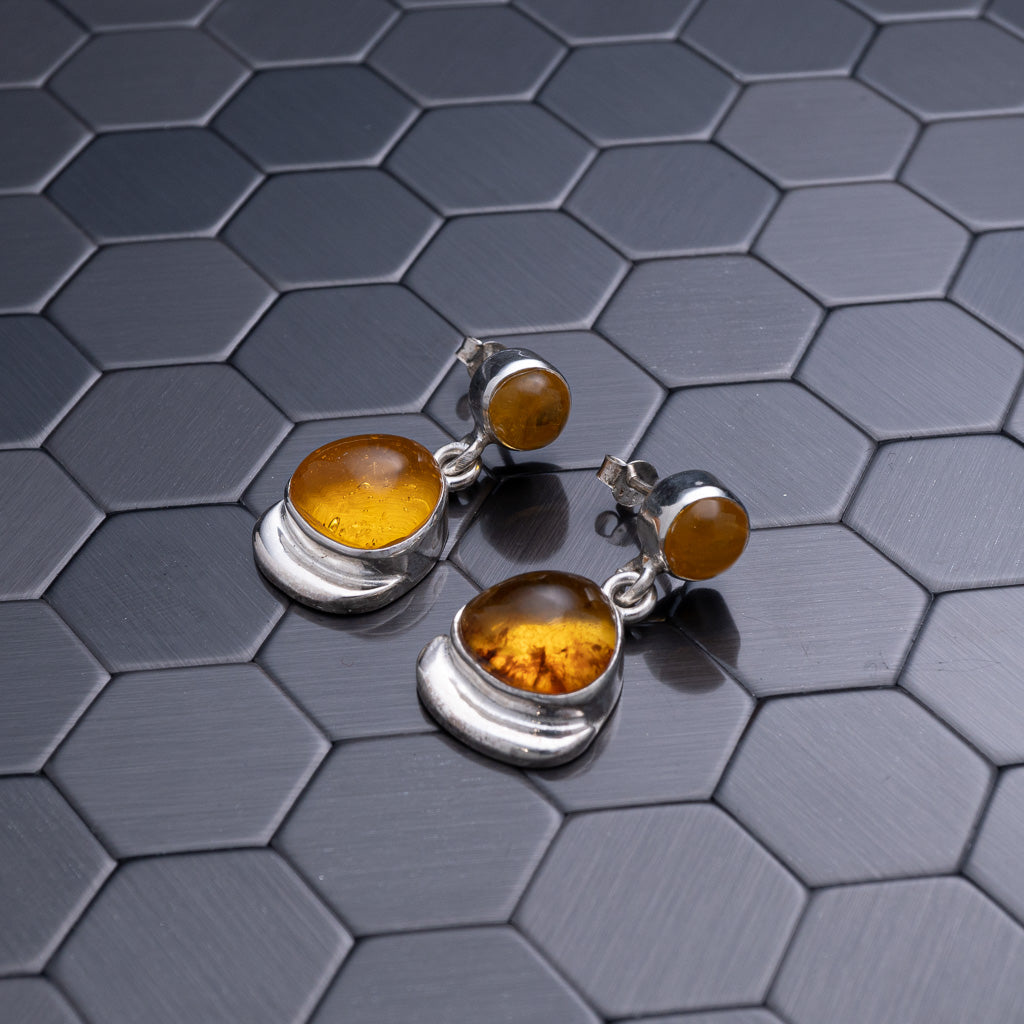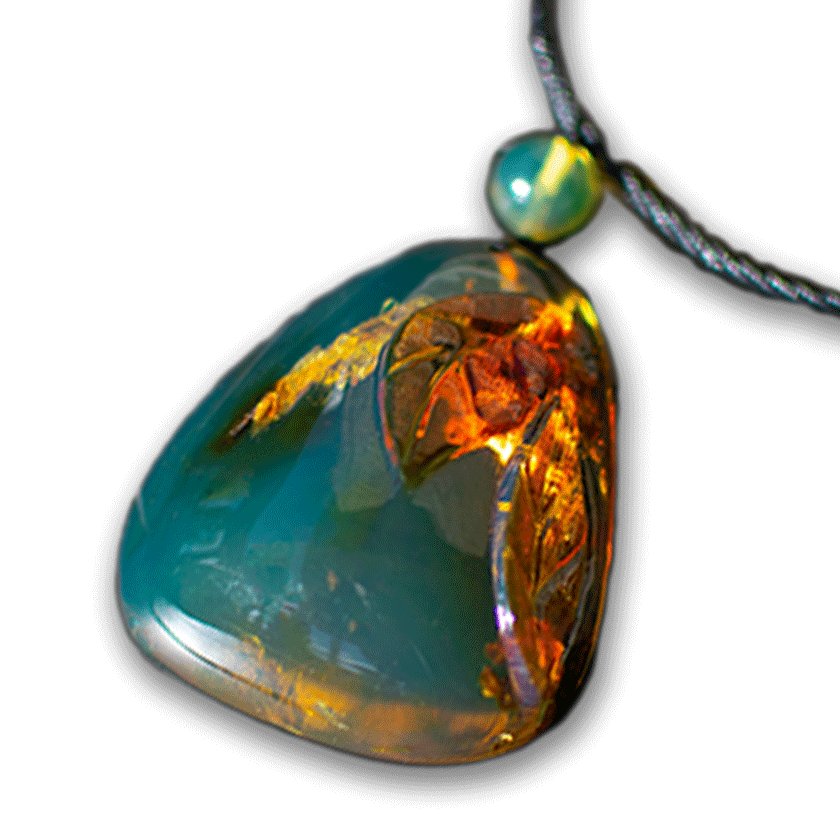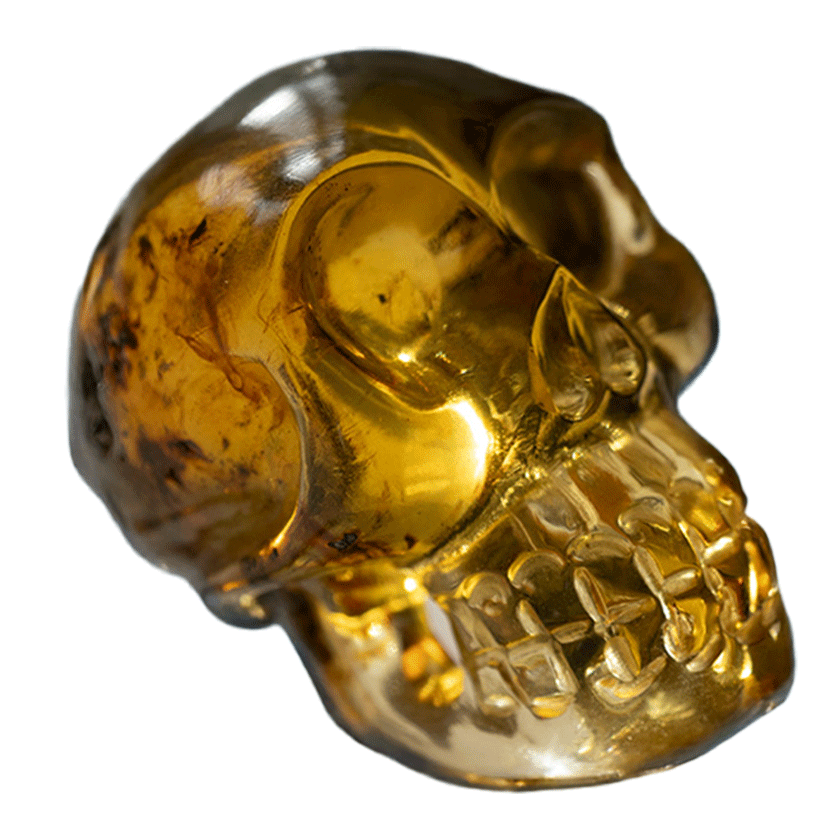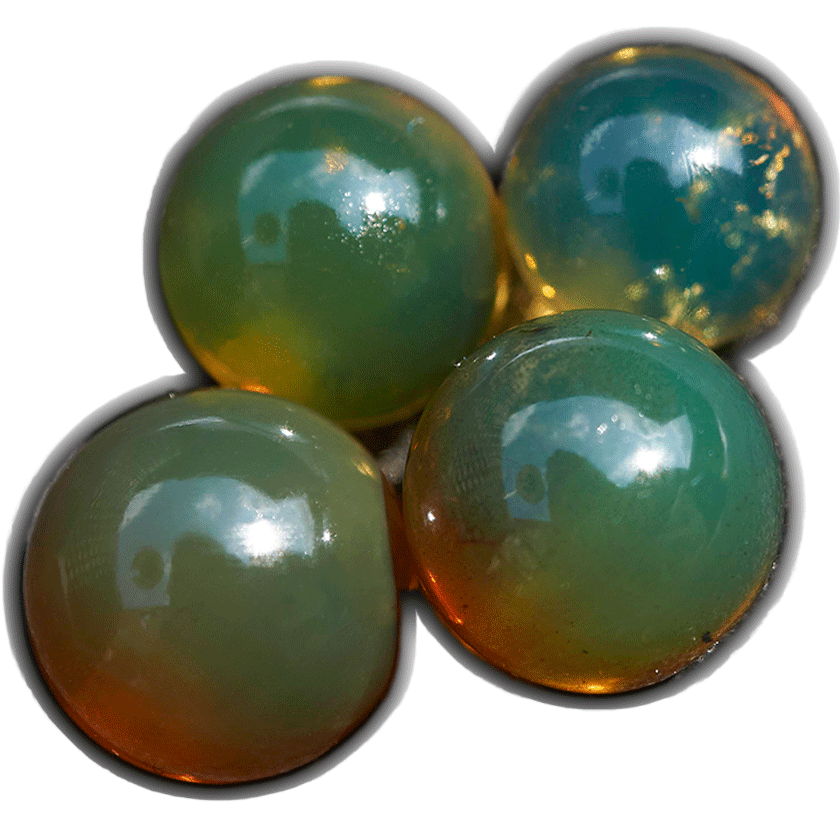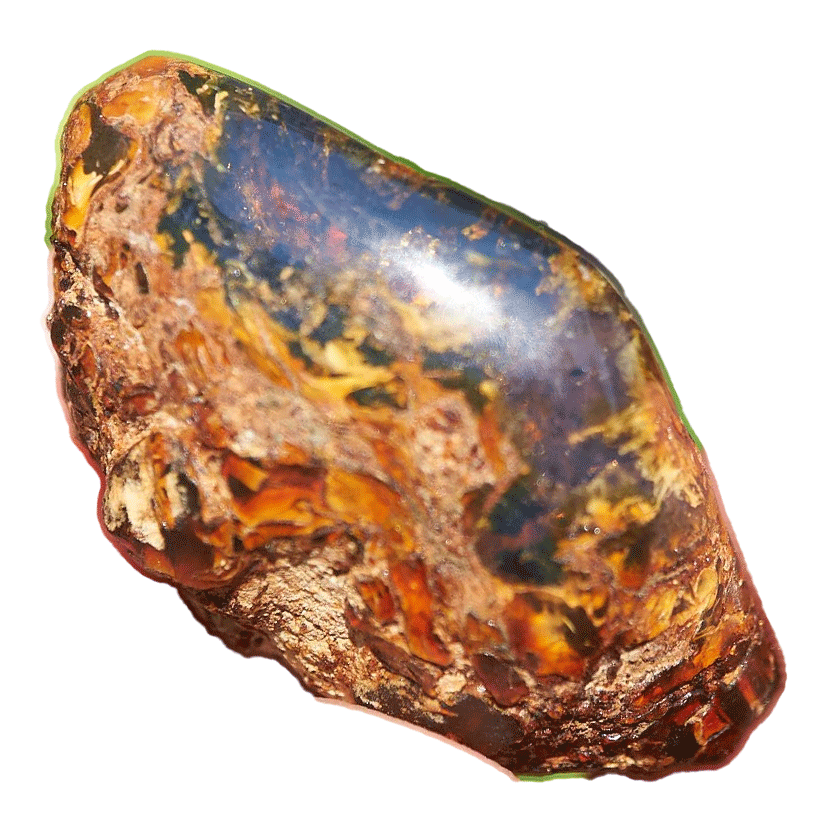


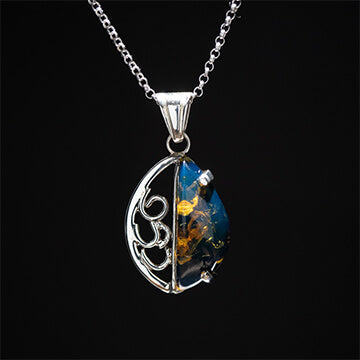
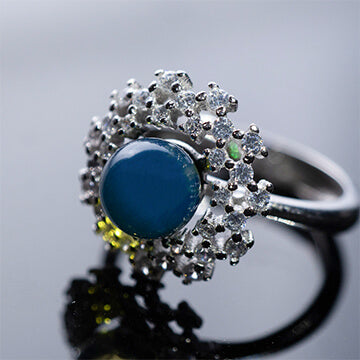
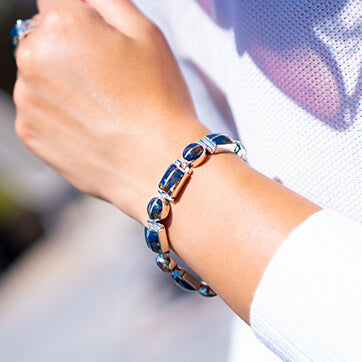
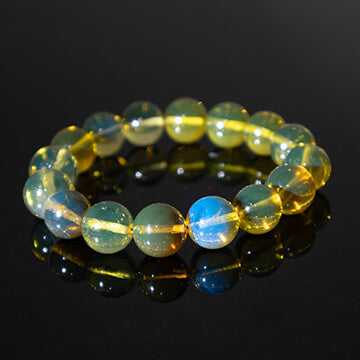
Handcrafted in DR.

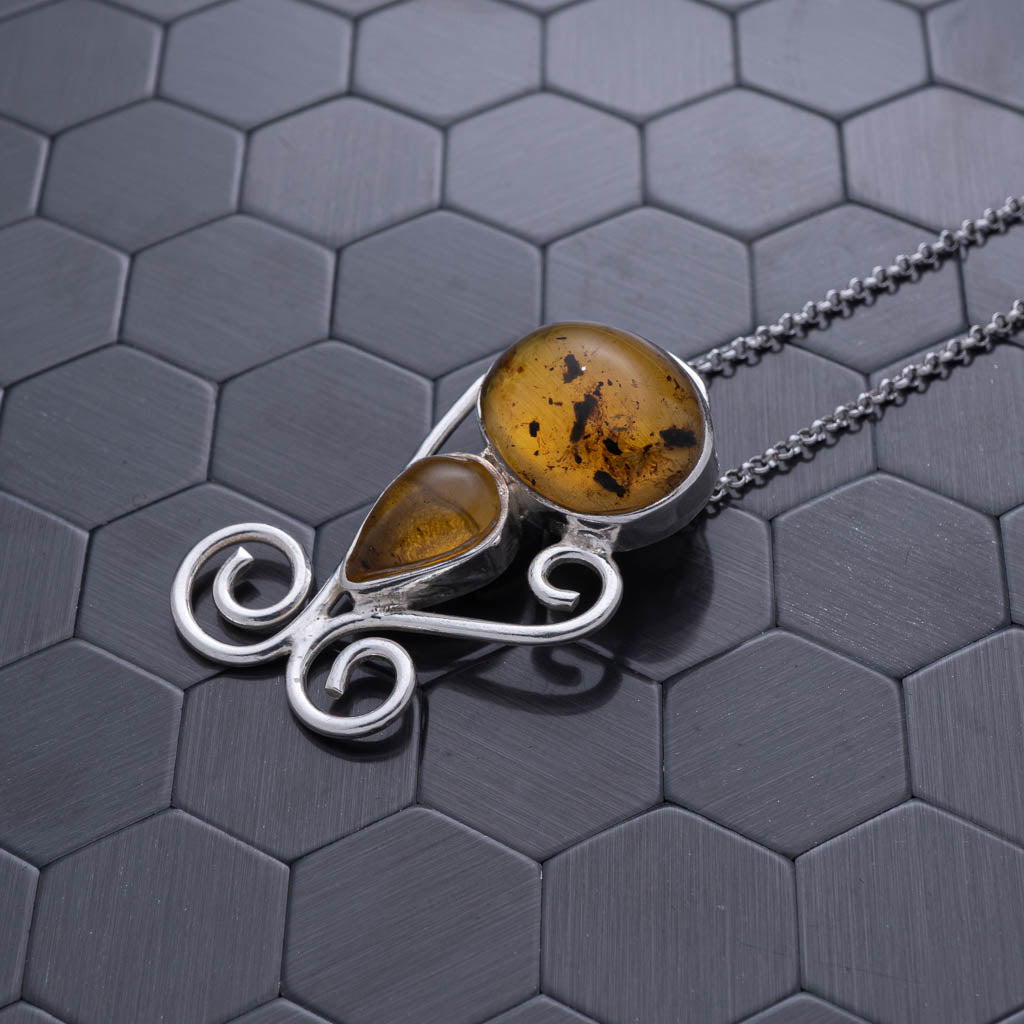
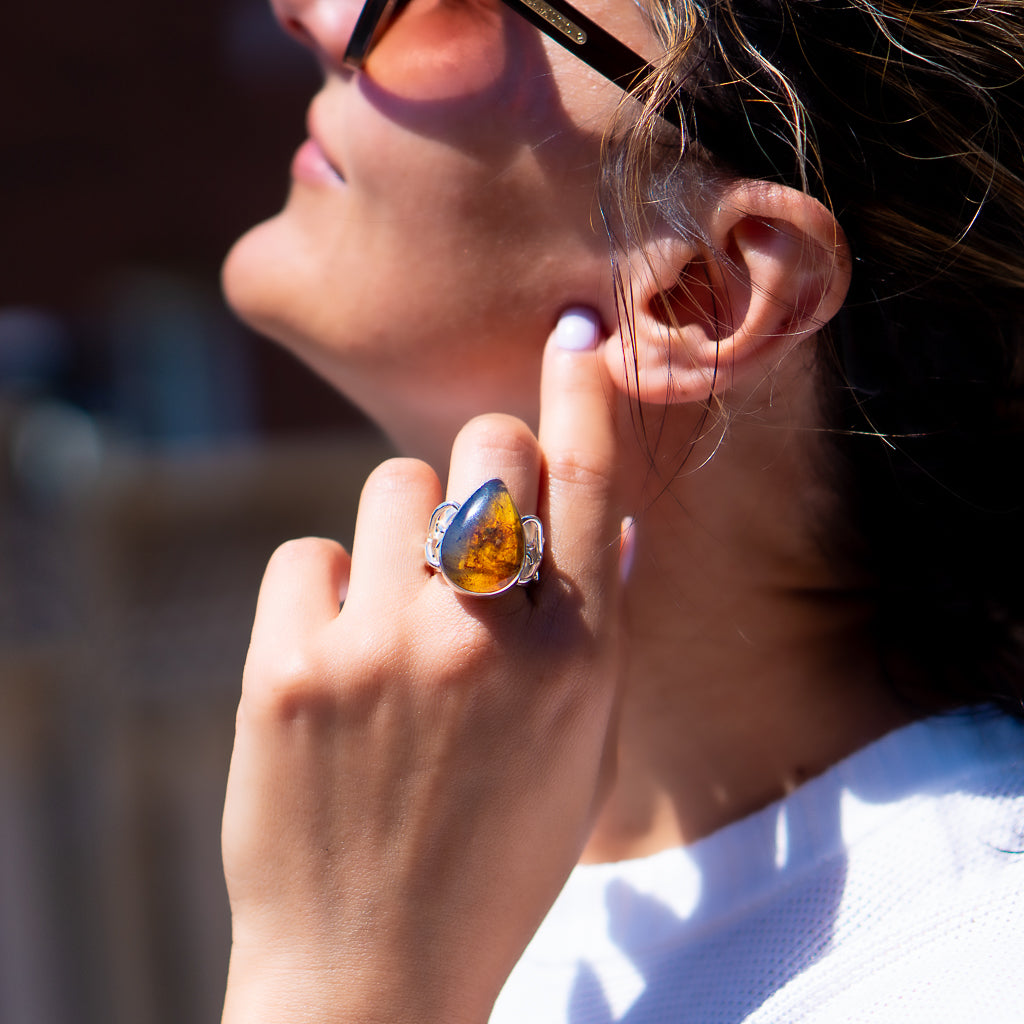
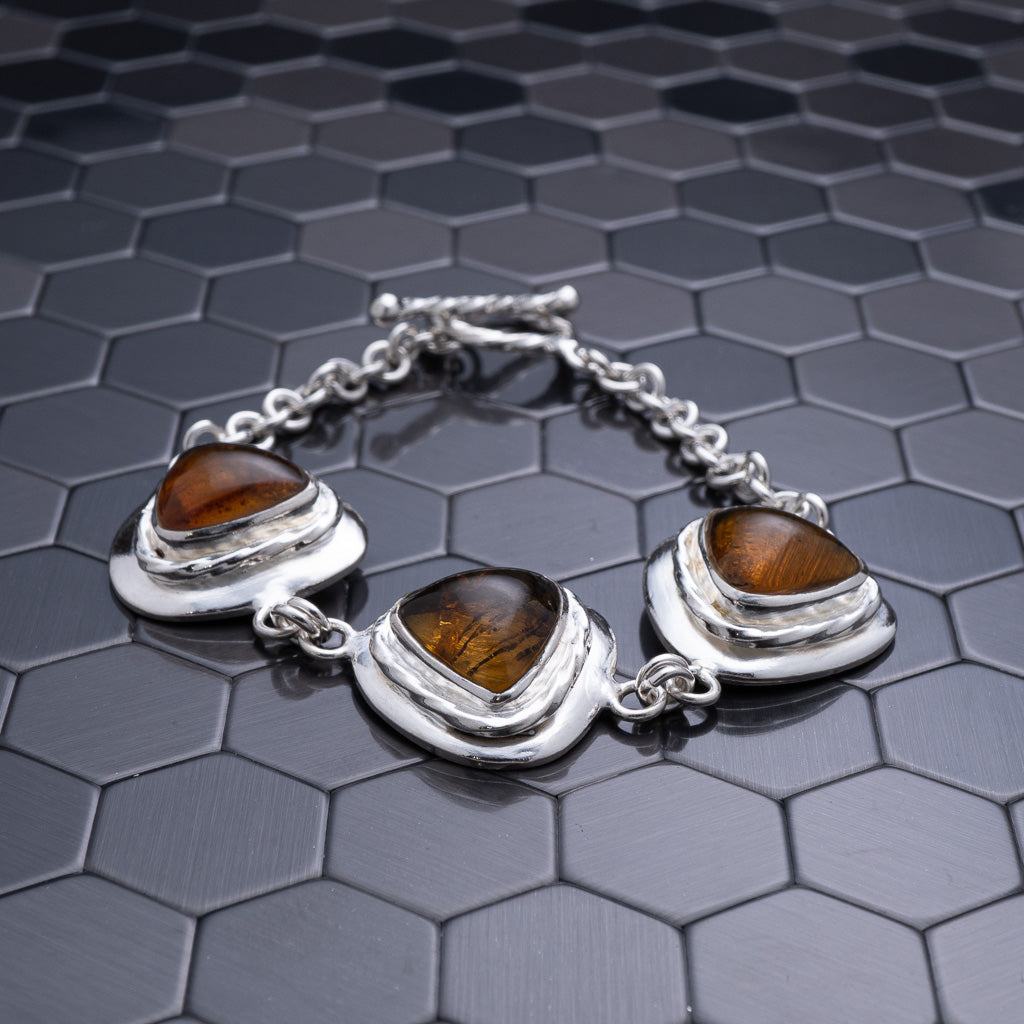
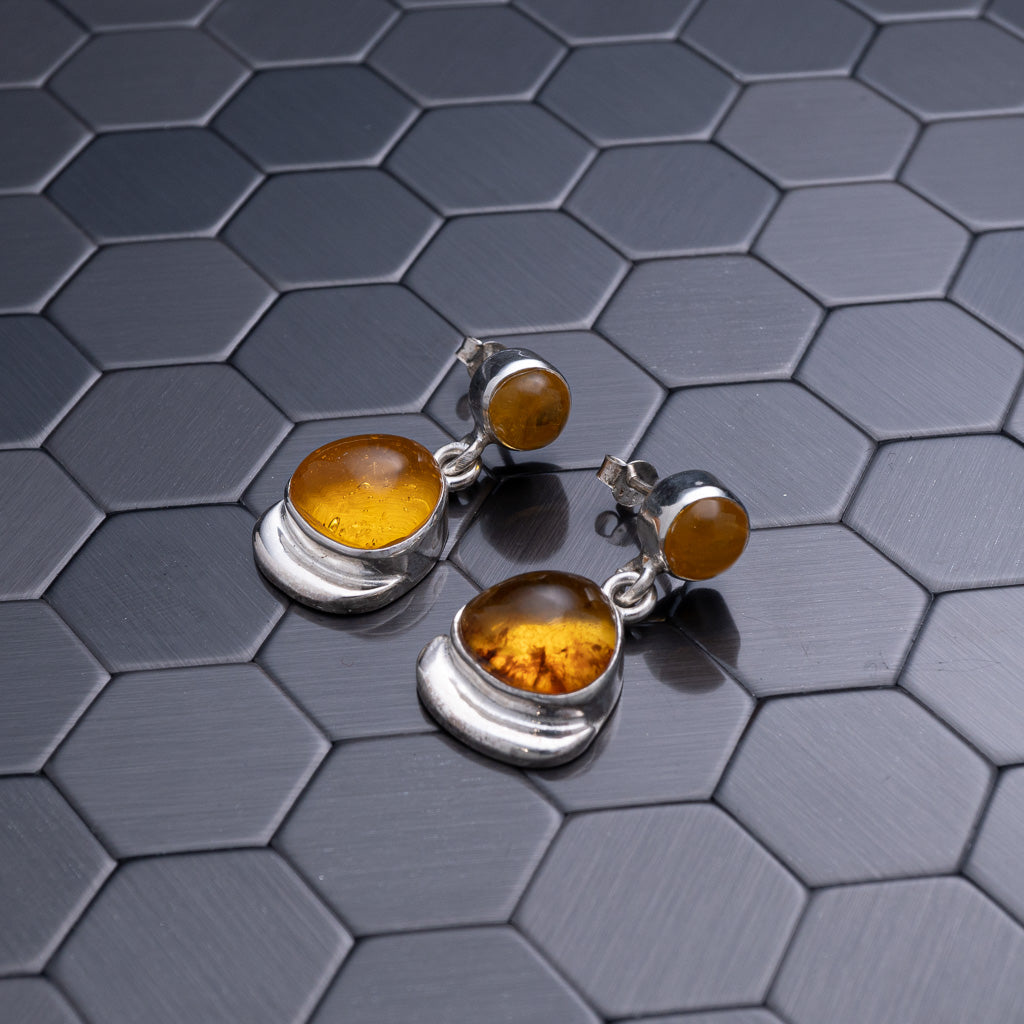


100% Handcrafted in DR.

For anyone wondering what-is-larimar, the answer begins with a gemstone so rare it exists in only one place on Earth. This captivating blue stone, found exclusively in the mountainous regions of the Dominican Republic, has captured the attention of jewelry enthusiasts, collectors, and gemstone experts worldwide. Larimar represents not just a beautiful mineral specimen but a geological wonder formed millions of years ago through volcanic processes unique to the Caribbean. Understanding what-is-larimar requires exploring its composition, formation, discovery, and the characteristics that make it one of the most sought-after gemstones in the world today.
Larimar belongs to the pectolite mineral family, sharing its basic chemical structure with pectolites found elsewhere in the world. However, what-is-larimar at its core is a copper-bearing variety of pectolite, scientifically known as blue pectolite. The chemical formula NaCa₂Si₃O₈(OH) describes the basic pectolite structure, but the presence of copper substituting for calcium creates the distinctive blue coloration that defines larimar.
The formation process of larimar began approximately 20 to 25 million years ago during the Miocene epoch. Volcanic activity in what is now the Barahona region of the Dominican Republic created the precise conditions necessary for larimar formation. Understanding larimar's geological formation reveals that the gemstone crystallized in cavities within volcanic rocks, specifically in basaltic lava flows.
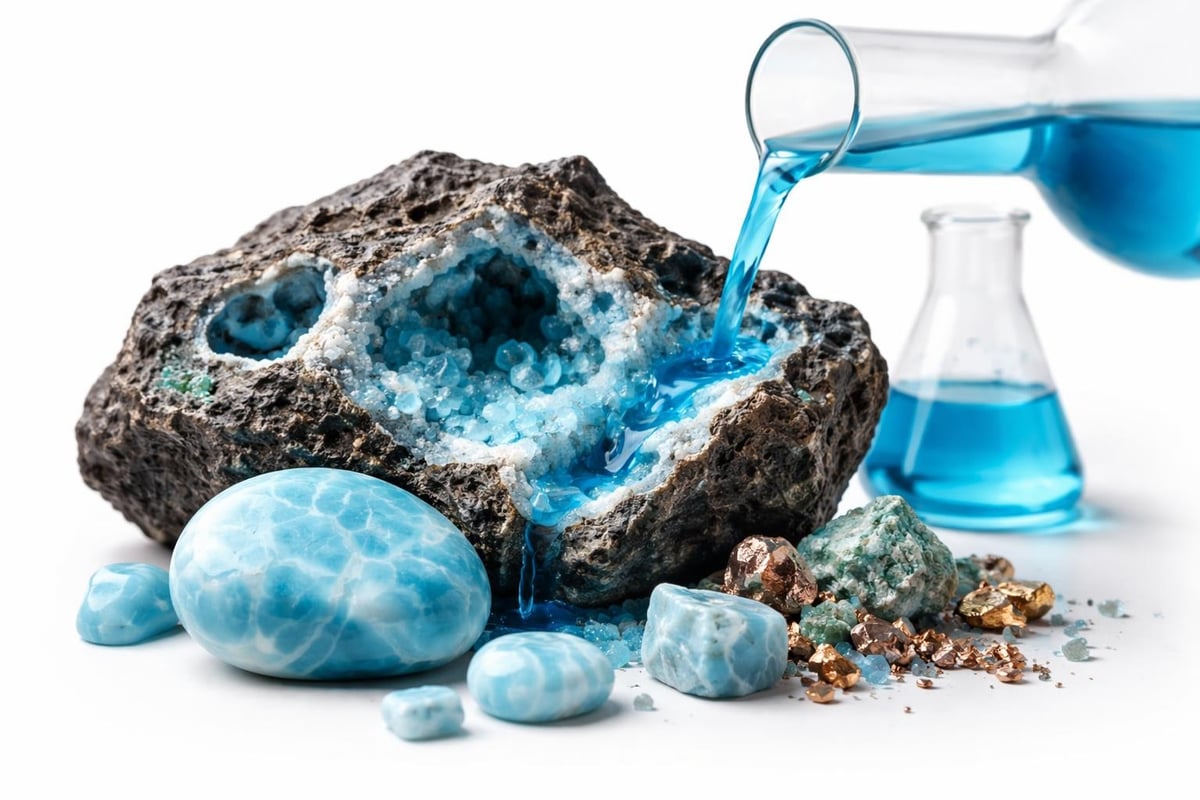
During volcanic eruptions, gases became trapped in the cooling lava, creating cavities known as vesicles. Hydrothermal fluids rich in minerals percolated through these cavities over millions of years, depositing the elements that would eventually crystallize into larimar. The copper ions present in these fluids replaced calcium in the pectolite structure, creating the signature blue coloration.
Understanding what-is-larimar from a scientific perspective requires examining its physical and optical properties:
| Property | Specification | Significance |
|---|---|---|
| Hardness | 4.5-5 on Mohs scale | Moderate durability for jewelry |
| Specific Gravity | 2.7-2.9 | Lighter than many gemstones |
| Refractive Index | 1.599-1.617 | Affects brilliance and luster |
| Crystal System | Triclinic | Influences internal structure |
| Cleavage | Perfect in two directions | Affects cutting and durability |
The geological composition of larimar includes trace elements beyond copper that contribute to its overall appearance and stability. The triclinic crystal system creates complex internal patterns that contribute to the stone's characteristic flow-like patterns.
What-is-larimar's modern history begins with a fascinating discovery story that spans nearly six decades. According to historical accounts, a Spanish priest named Miguel Domingo Fuertes de Loren first documented the existence of blue stones in the Bahoruco mountains in 1916. He requested permission from the Dominican Republic government to mine and explore these stones, but his request was denied, and the discovery was largely forgotten.
The gemstone remained unknown to the wider world until 1974, when Miguel Méndez, a local Dominican, and Norman Rilling, a Peace Corps volunteer, rediscovered blue stones in the Barahona beach area. They traced the stones upstream to their source in the Los Chupaderos mountain range. Méndez combined his daughter's name, Larissa, with the Spanish word for sea, "mar," creating the name "Larimar" that perfectly captured the stone's ocean-like appearance.
This rediscovery marked the beginning of larimar's journey from local curiosity to internationally recognized gemstone. The two discoverers established the first mining operations and began documenting the extent of the deposits.
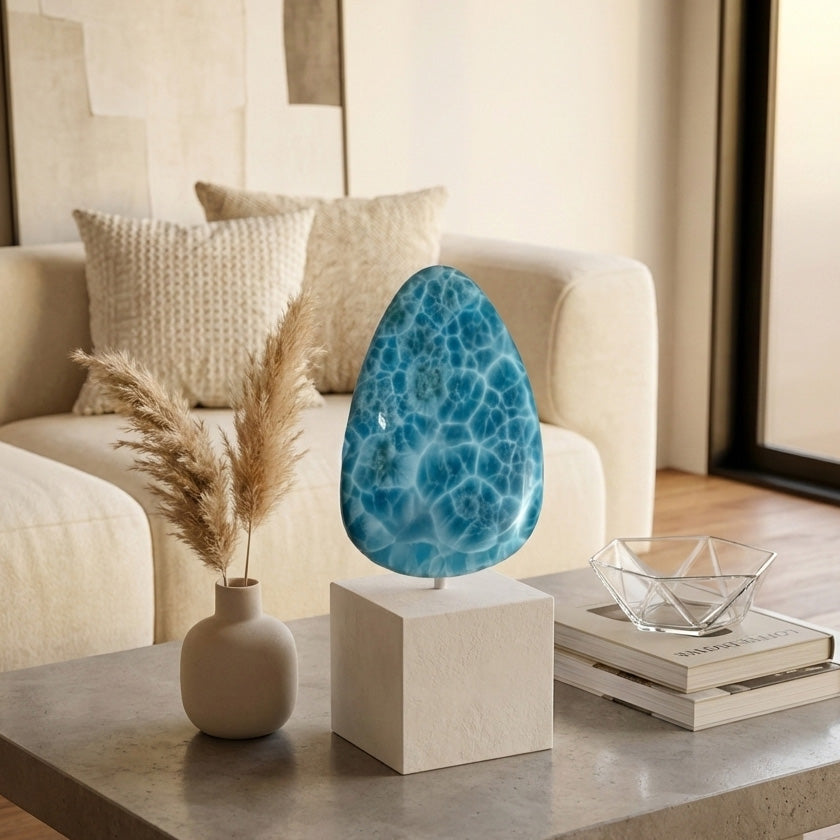
What-is-larimar in terms of appearance varies significantly across the color spectrum. The most prized specimens display a vibrant sky blue to deep blue coloration reminiscent of Caribbean waters. However, larimar occurs in a range of hues that affect both its aesthetic appeal and market value.
The distinctive blue coloration results specifically from copper ions in the crystal structure. When light interacts with these copper atoms, certain wavelengths are absorbed while blue wavelengths are reflected, creating the characteristic color. The intensity of blue correlates directly with copper concentration, making deep blue specimens relatively rare and highly valued.
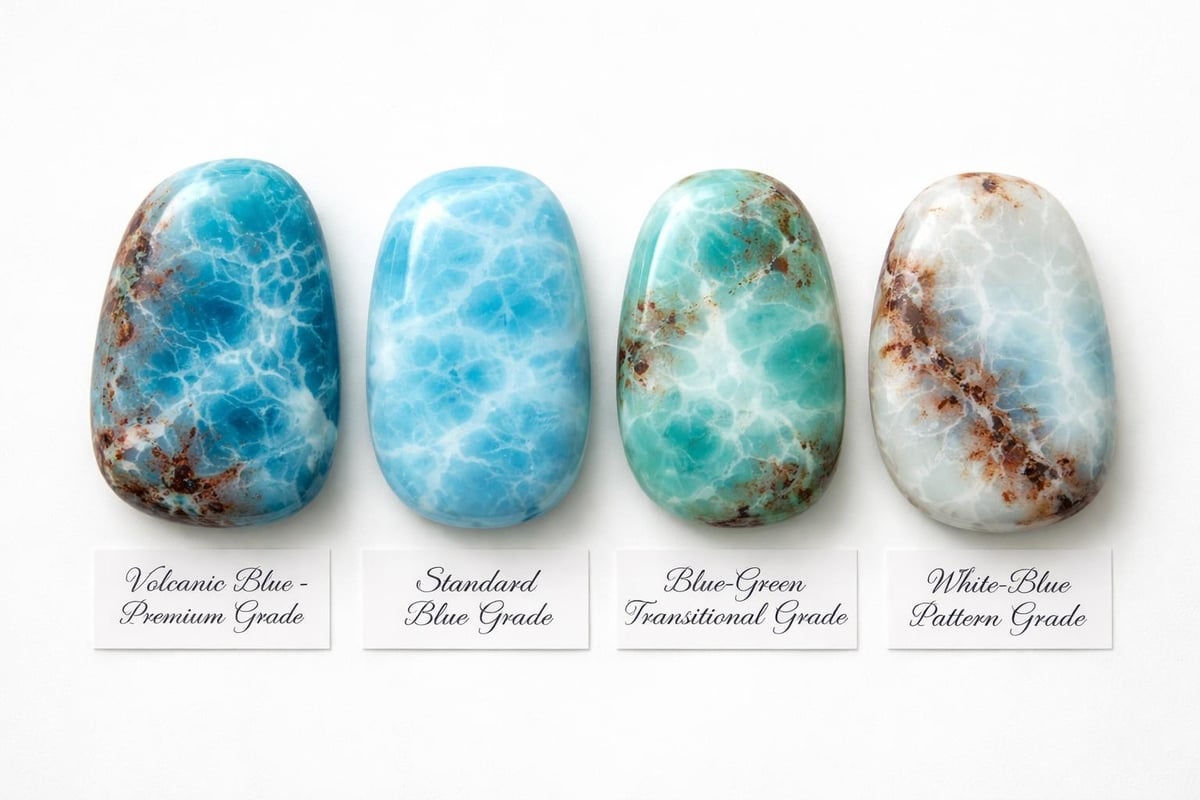
Beyond color, what-is-larimar includes unique internal patterns that make each stone distinctive:
These patterns form during the crystallization process as different mineral components separate and settle within the stone structure. Many collectors specifically seek rare larimar colors and pattern combinations for their unique aesthetic qualities.
What-is-larimar in terms of location cannot be separated from its exclusive Dominican origin. Unlike gemstones found in multiple global locations, larimar exists in only one verified deposit worldwide, located in the Bahoruco mountain range of southwestern Dominican Republic, specifically in the Los Chupaderos region.
This geographic exclusivity significantly impacts larimar's rarity and value. Despite geological surveys in similar volcanic regions throughout the Caribbean and beyond, no other commercial deposits have been discovered. The unique geological conditions that created larimar apparently occurred nowhere else on Earth, or any other deposits remain undiscovered.
| Mining Aspect | Details | Impact |
|---|---|---|
| Location | Los Chupaderos, Barahona Province | Only known source globally |
| Method | Small-scale artisanal mining | Limited production capacity |
| Depth | Up to 300 feet underground | Extraction challenges |
| Workforce | Local Dominican miners | Community economic support |
| Production | Limited annual output | Affects availability and pricing |
The mining operations remain relatively small-scale and artisanal, with local miners working in challenging conditions to extract the precious stone. Mining occurs through tunnels that follow the veins of larimar-bearing rock, with miners carefully extracting specimens by hand to preserve quality.
Understanding what-is-larimar includes recognizing its physical characteristics that affect how the gemstone performs in jewelry applications. With a Mohs hardness rating between 4.5 and 5, larimar falls into the moderate hardness category, softer than quartz (7) but harder than calcite (3).
The perfect cleavage in two directions presents the primary durability consideration for larimar. This means the stone can split along specific planes when struck or subjected to pressure. Jewelers working with larimar must account for this characteristic during cutting and setting.
Key durability considerations:
Despite these considerations, properly cut and set larimar performs well in jewelry, particularly in pendants where the stone experiences less daily wear than ring applications. The stone's moderate hardness makes it suitable for careful daily wear when properly protected.
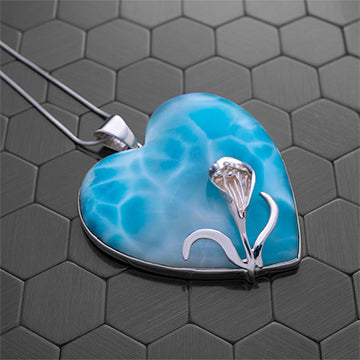
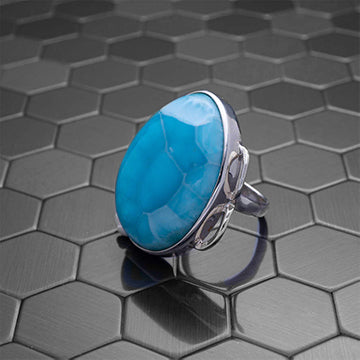
What-is-larimar from a jewelry perspective represents versatility and distinctive beauty. The stone's natural ocean-like patterns make each piece unique, appealing to those seeking one-of-a-kind jewelry. Jewelers typically set larimar in sterling silver, which complements the blue tones while keeping pieces affordable compared to precious metal settings.
The use of larimar in jewelry design has expanded significantly since the 1970s, evolving from simple cabochon settings to sophisticated contemporary designs. Designers appreciate how larimar's natural patterns require minimal enhancement, allowing the stone itself to be the focal point.
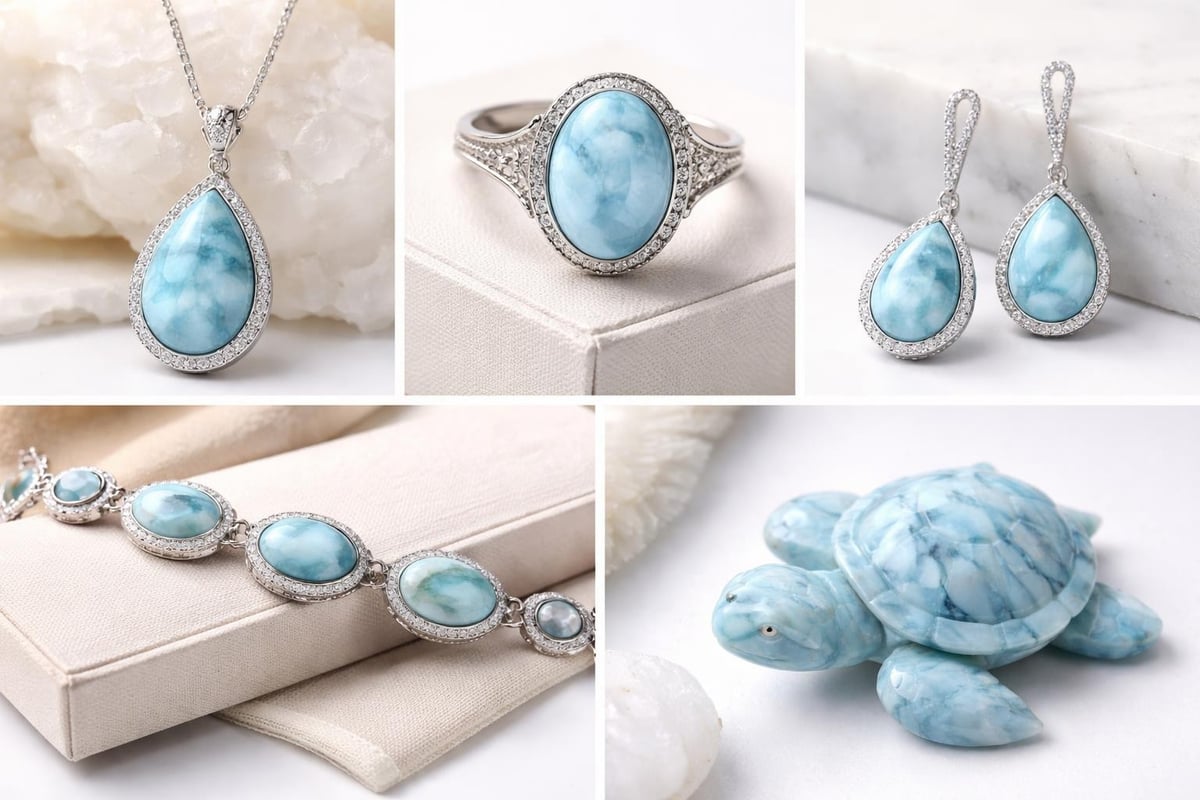
Larimar typically receives a cabochon cut, which best displays its color and pattern while minimizing risks associated with cleavage planes. The smooth, domed surface allows light to interact with the stone's internal structure, enhancing the depth and movement of colors.
Skilled lapidaries orient cuts to maximize pattern appeal and color intensity. They assess each rough piece individually, determining the optimal cutting direction to showcase natural patterns while avoiding structural weaknesses.
With growing popularity comes increased market complexity. Understanding what-is-larimar includes recognizing authentic stones versus imitations or treatments. The gemstone market has seen various attempts to substitute less expensive materials or enhance lower-grade larimar artificially.
Visual inspection characteristics:
Reputable dealers provide certification and source documentation, particularly for higher-grade specimens. The exclusive Dominican origin means any larimar should trace back to this single geographic source. For those exploring Dominican gemstones, understanding authentication becomes crucial for making informed purchasing decisions.
| Factor | Impact on Value | Considerations |
|---|---|---|
| Color intensity | High | Deep volcanic blue commands premium pricing |
| Pattern quality | Medium-High | Distinctive, attractive patterns increase value |
| Size | Medium | Larger quality pieces increasingly rare |
| Clarity | Medium | Fewer inclusions generally preferred |
| Cut quality | Medium | Professional cutting enhances appearance |
The limited supply combined with growing global demand influences pricing trends. As deposits become harder to access and production remains constrained, market values for quality specimens continue appreciating over time.
What-is-larimar extends beyond physical properties into cultural and metaphysical realms. In Dominican culture, larimar represents national pride as one of the country's unique natural treasures. The gemstone appears in Dominican art, tourism materials, and cultural exports, symbolizing the nation's natural beauty.
Many attribute calming and healing properties to larimar, associating it with peace, clarity, and emotional balance. While these claims lack scientific validation, they contribute to the stone's appeal for many buyers. The stone's ocean-like appearance naturally connects to themes of tranquility and flow.
Those interested in the metaphysical aspects of larimar often seek specific color grades or patterns believed to enhance particular properties. These beliefs, whether scientifically supported or not, form part of larimar's broader cultural significance.
Proper care ensures larimar jewelry maintains its beauty for generations. The stone's moderate hardness and sensitivity to certain conditions require specific maintenance approaches.
Do's for larimar care:
Don'ts for larimar maintenance:
Following these guidelines helps preserve both the stone's appearance and structural integrity. The proper care of larimar jewelry ensures pieces remain beautiful investments that can be passed through generations.
Understanding what-is-larimar in 2026 includes considering supply sustainability and future availability. The single-source nature combined with artisanal mining methods creates natural production limitations. As accessible veins become depleted, miners must dig deeper and work harder to extract remaining stones.
Current estimates suggest that higher-grade larimar will become increasingly scarce over coming decades. While the full extent of remaining deposits remains unknown, the finite nature of this single geological occurrence means supply cannot expand through new discoveries elsewhere.
Factors affecting future availability:
This supply dynamic suggests that authentic, high-quality larimar will likely appreciate in value over time, making current acquisitions potentially sound long-term investments. For collectors and jewelry enthusiasts, understanding these market forces provides context for purchasing decisions.
What-is-larimar becomes clearer when compared with other blue gemstones. While several stones display blue coloration, larimar's specific characteristics distinguish it from alternatives.
| Gemstone | Hardness | Color Cause | Origin | Price Point |
|---|---|---|---|---|
| Larimar | 4.5-5 | Copper | Dominican Republic only | Moderate-High |
| Turquoise | 5-6 | Copper | Multiple global locations | Low-Moderate |
| Aquamarine | 7.5-8 | Iron | Worldwide | Moderate-High |
| Blue Topaz | 8 | Irradiation treatment | Worldwide | Low-Moderate |
| Sapphire | 9 | Iron/Titanium | Multiple locations | High-Very High |
Larimar's unique positioning combines moderate hardness with exclusive geographic origin and distinctive patterning. Unlike treated stones such as blue topaz, larimar achieves its color naturally through copper incorporation during formation. The exclusive Dominican source contrasts sharply with widely distributed stones like aquamarine or sapphire.
According to Wikipedia's comprehensive overview, this combination of characteristics makes larimar particularly appealing to collectors seeking distinctive, naturally colored gemstones with interesting geological stories.
For those wondering what-is-larimar as an investment, several factors merit consideration. While not traditionally classified among precious gemstones like diamonds, rubies, or sapphires, larimar's rarity and limited supply create interesting market dynamics.
Positive factors:
Risk factors:
Serious collectors focus on acquiring the highest grades of volcanic blue larimar with exceptional patterns, viewing these pieces as both aesthetic treasures and potential appreciating assets. Documentation, certification, and provenance become particularly important for investment-grade specimens.
Understanding what-is-larimar reveals a gemstone that combines geological rarity, natural beauty, and cultural significance in ways few stones can match. From its exclusive Caribbean origins to its distinctive copper-infused blue coloration, larimar represents both a natural wonder and a testament to the Earth's creative geological processes. Whether you're drawn to larimar for its aesthetic appeal, its unique story, or its investment potential, Larimar Creations offers expertly crafted jewelry pieces that showcase this extraordinary gemstone's beauty, with worldwide shipping bringing authentic Dominican larimar to enthusiasts across the globe.