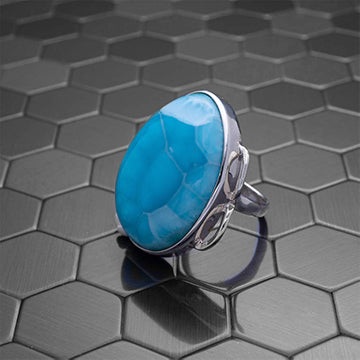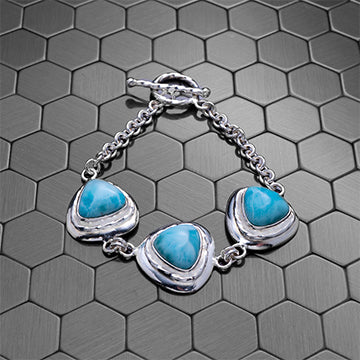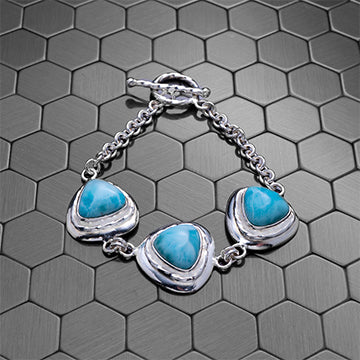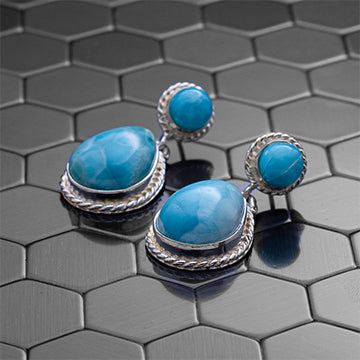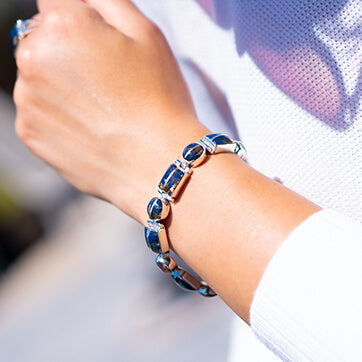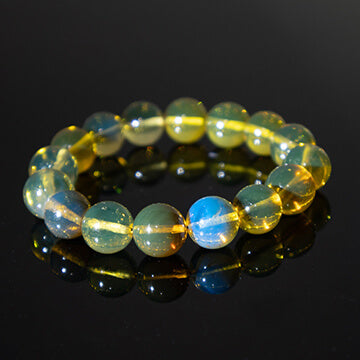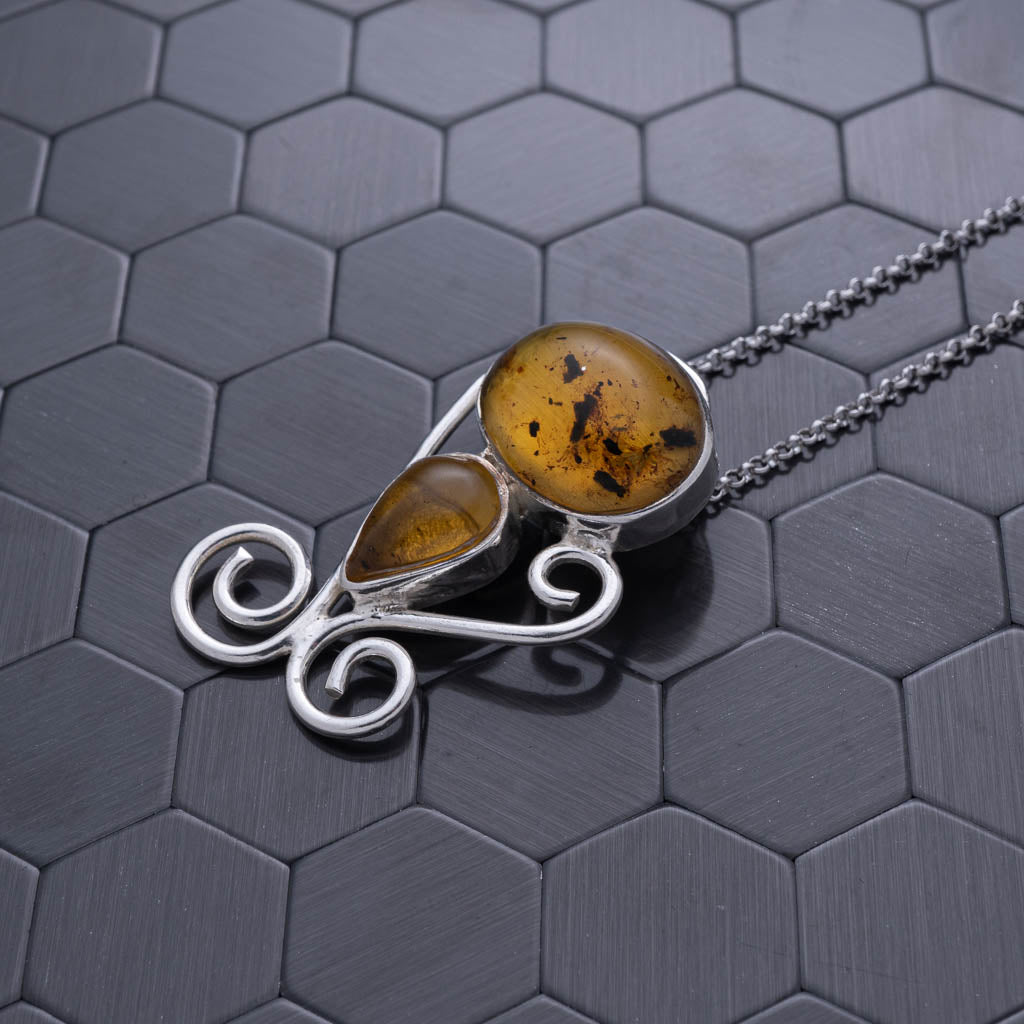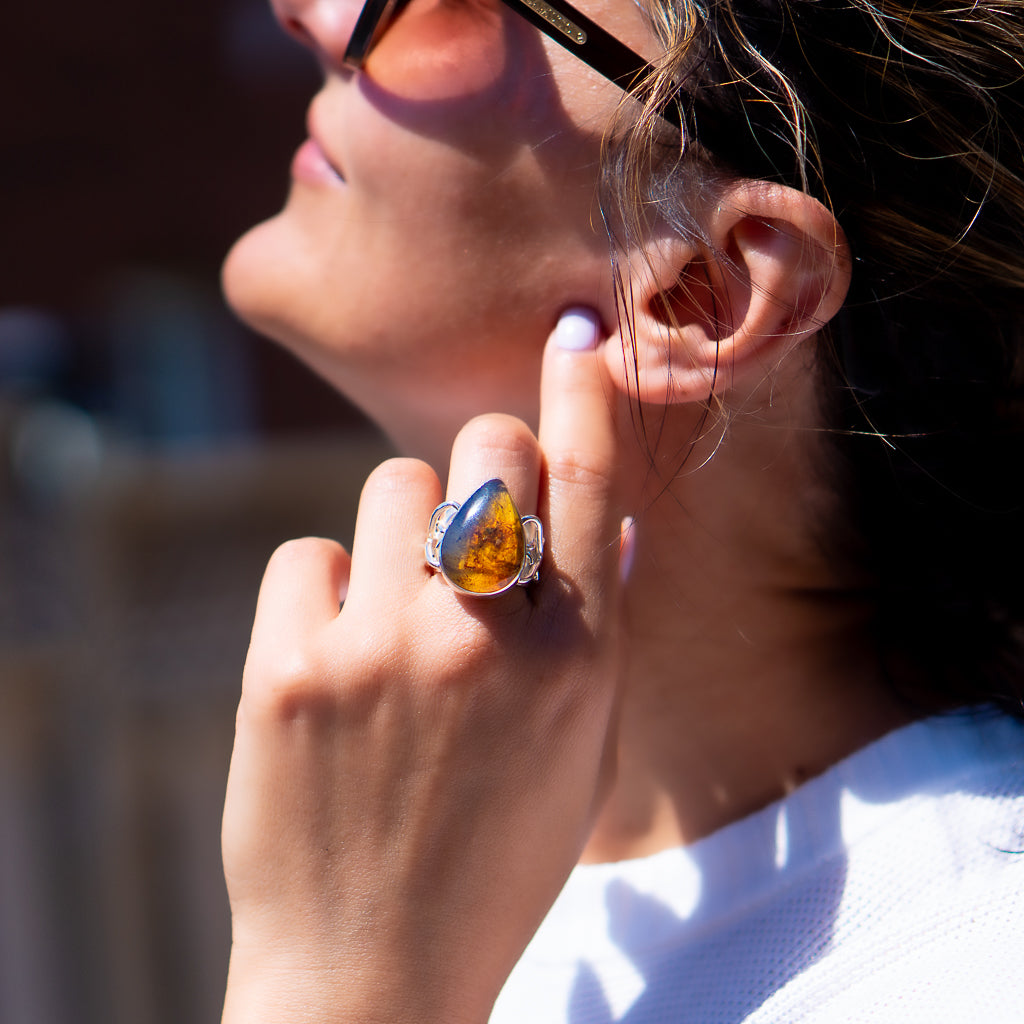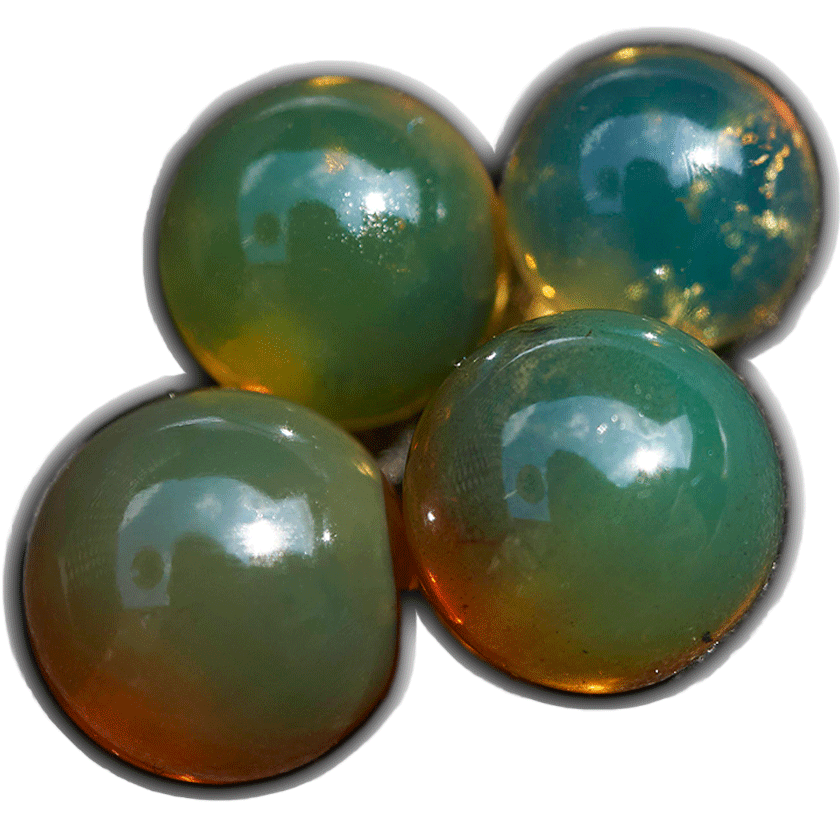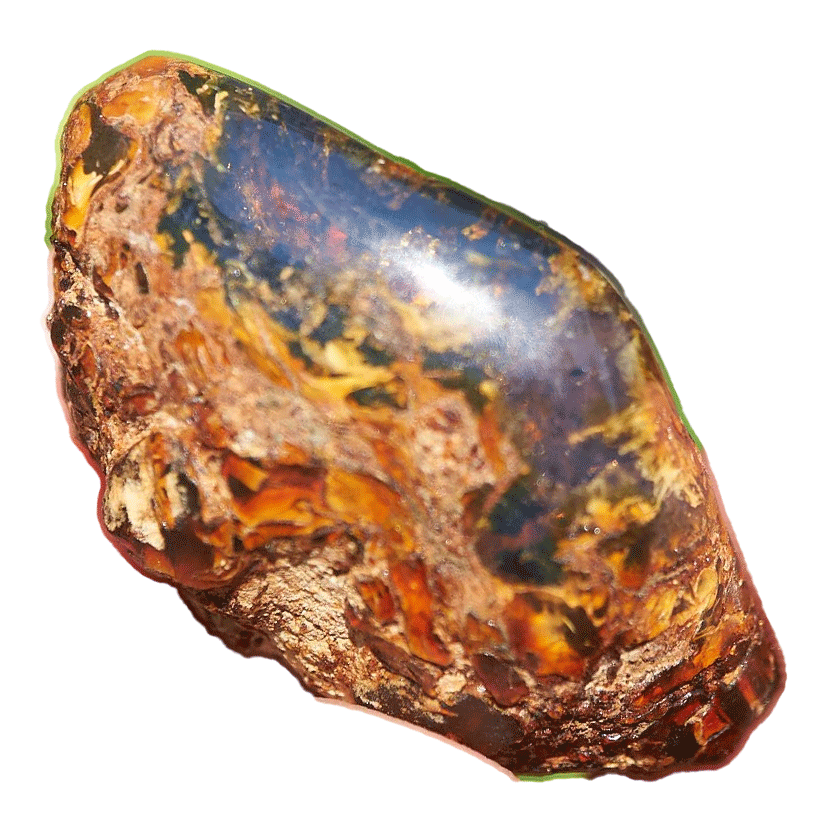

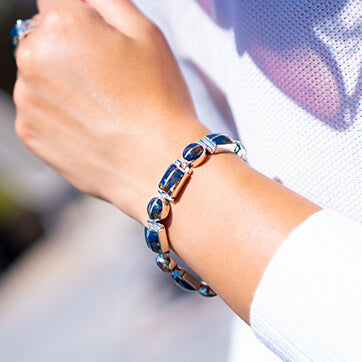
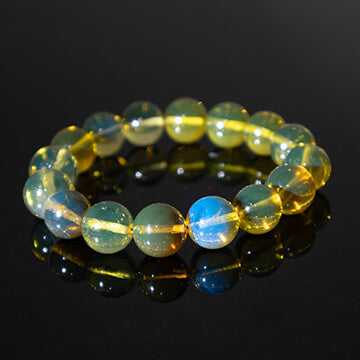
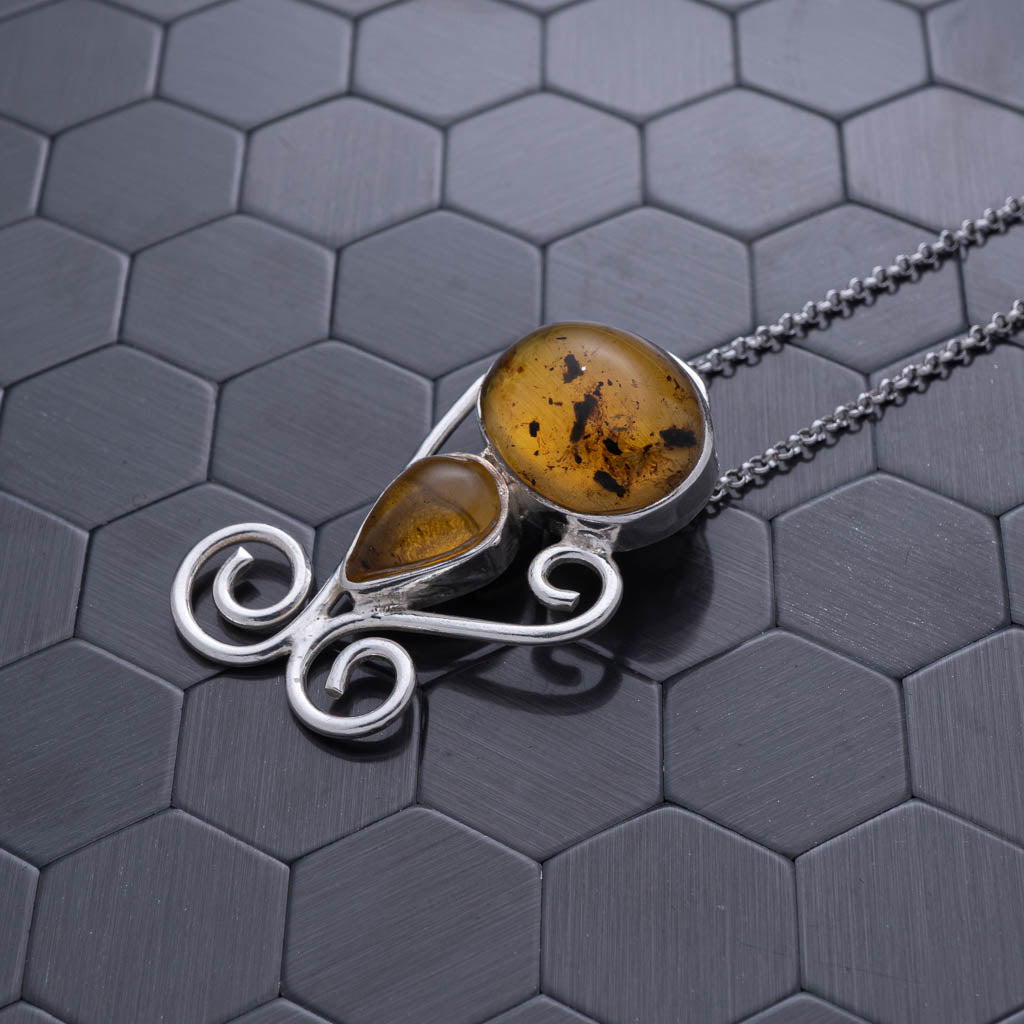
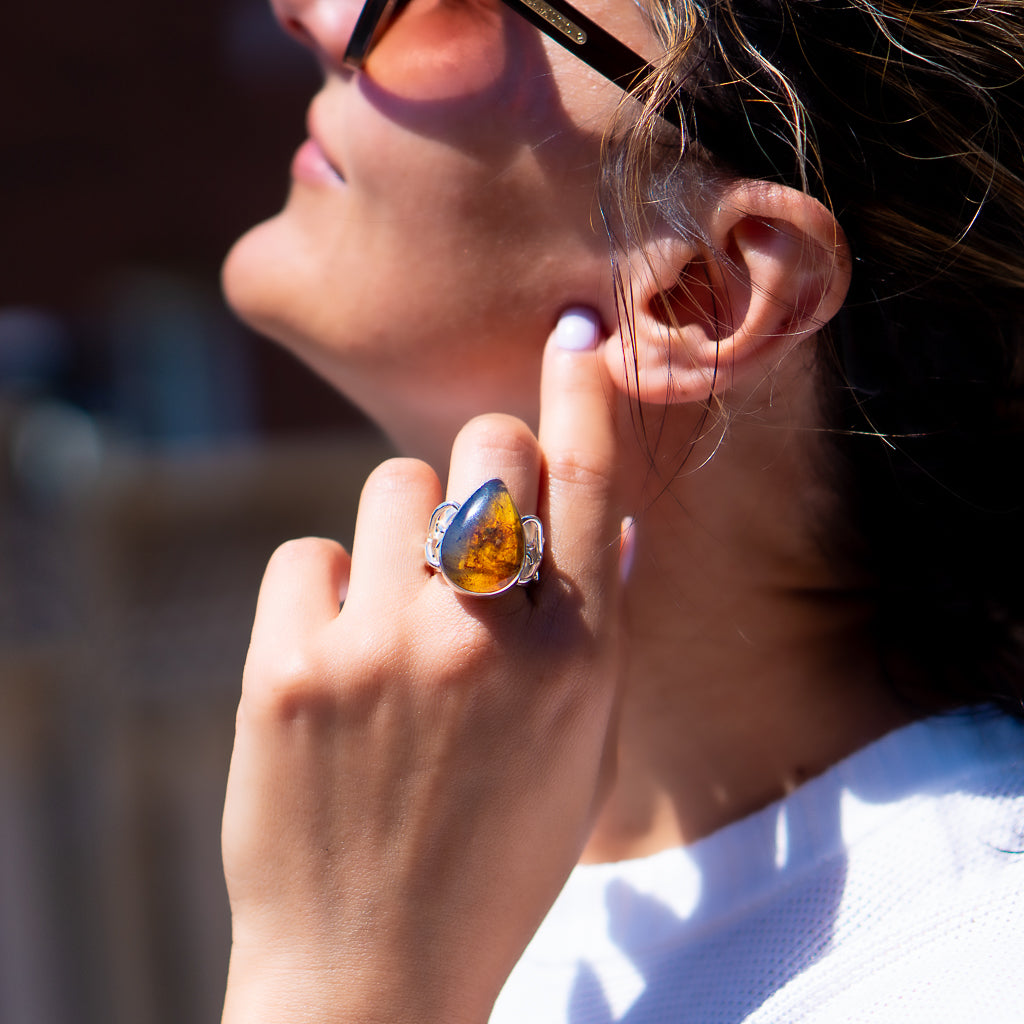
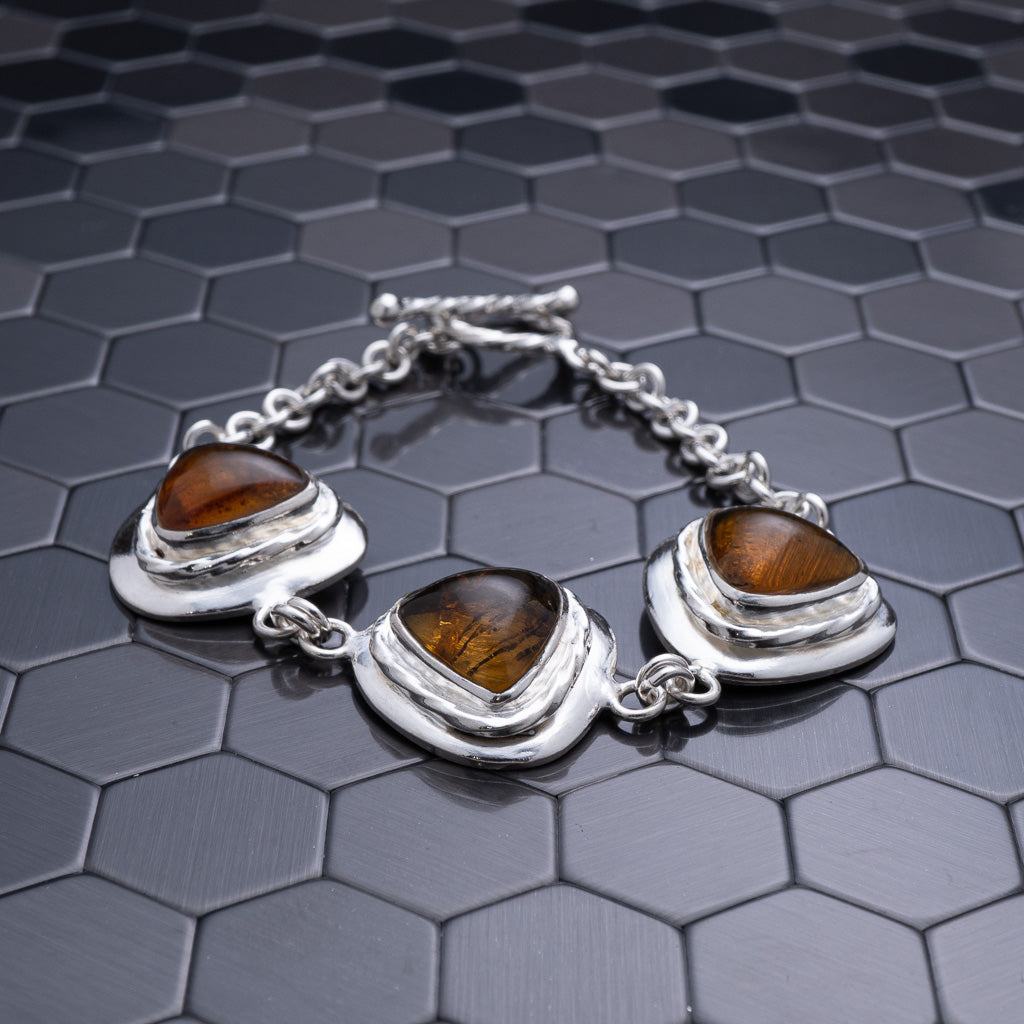
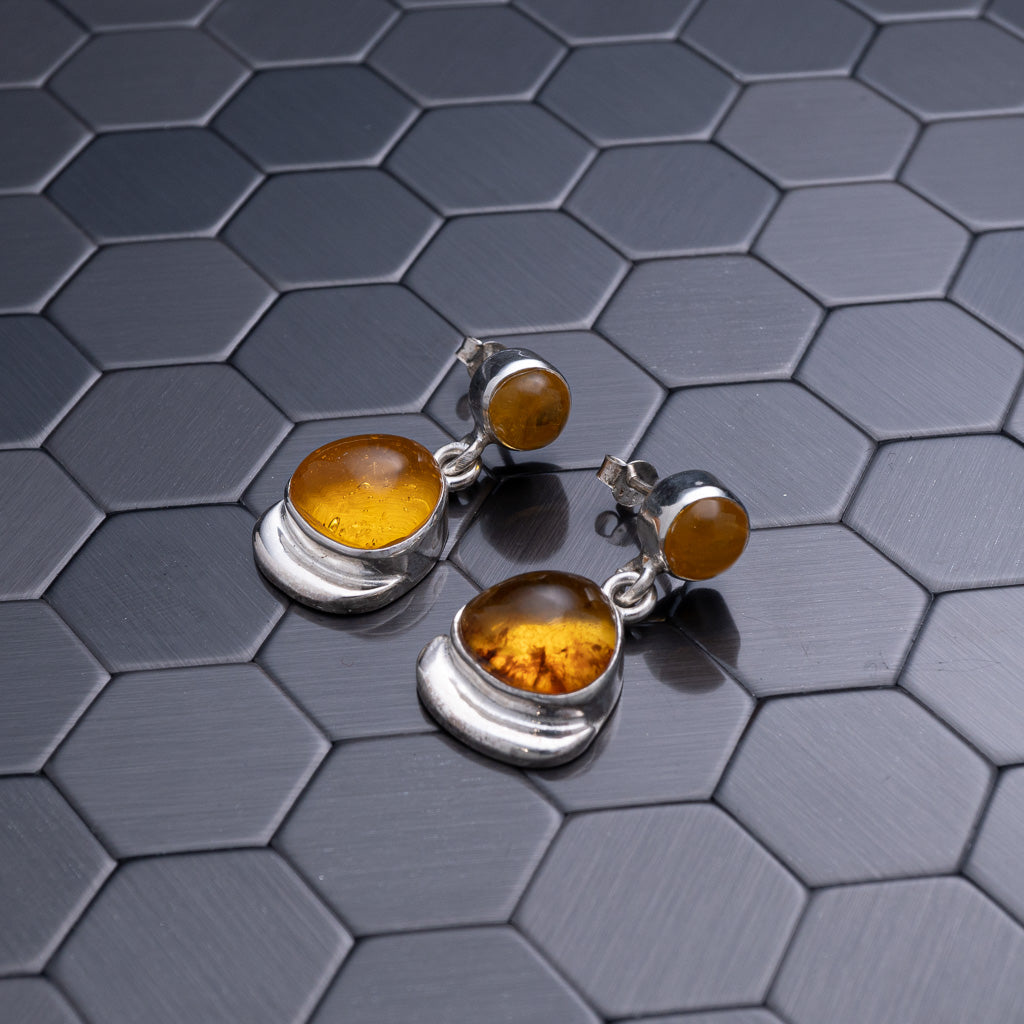
A pale blue stone can look beautiful in a photo. That does not tell you much about real larimar jewelry worth. With Larimar, value lives in the details - the color moving like Caribbean water, the natural patterning, the cut, the polish, and whether the stone is truly authentic and responsibly crafted into a piece meant to last.
For buyers who want more than a pretty accessory, Larimar sits in a special category. It is rare, visually unmistakable, and tied to one place in the world - the Dominican Republic. That origin matters. So does the fact that not every Larimar ring, pendant, or bracelet on the market offers the same quality. Some pieces are priced for casual wear. Others deserve collector attention.
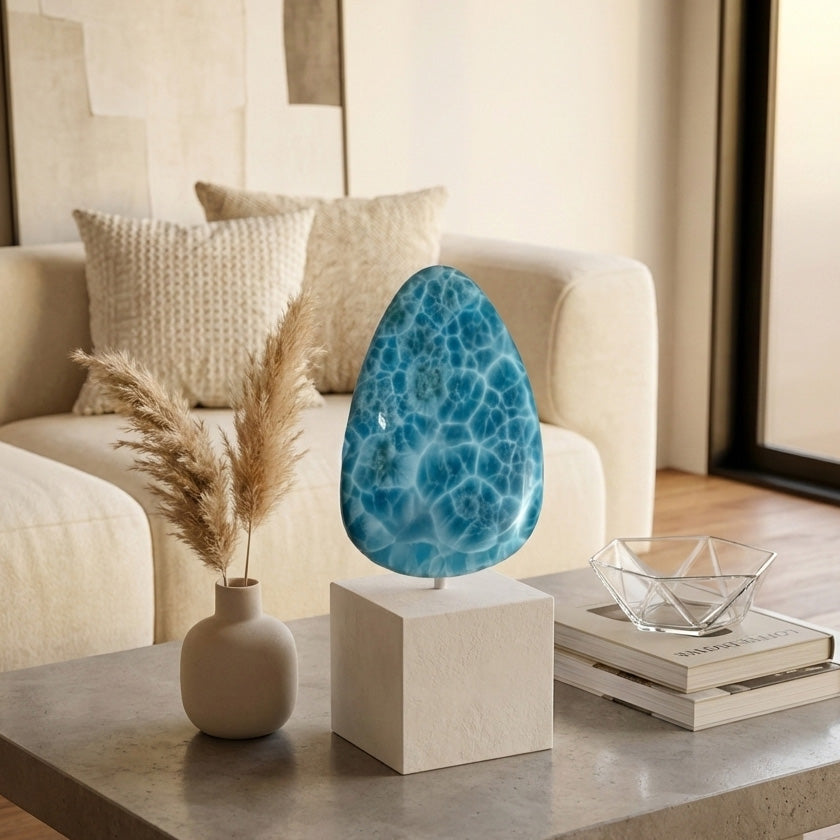
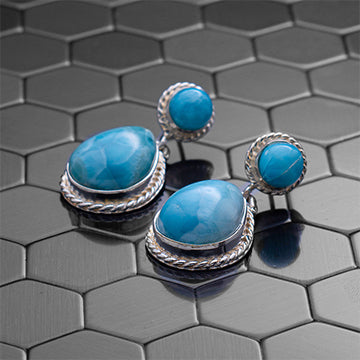
The first factor is color. The most valued Larimar typically shows vivid blue tones with strong saturation and a clean, luminous surface. Many buyers are especially drawn to stones that resemble shallow tropical water - bright sky blue, soft turquoise blue, or deep ocean blue with graceful white marbling. As blue becomes richer and more visually striking, value usually rises.
Pattern also affects price, though this is where preference and market value can overlap. Some collectors seek dramatic wave-like formations or cloud patterns that make each stone look like a miniature seascape. Others prefer a more even field of blue. A pattern does not need to be busy to be valuable, but it should feel natural, balanced, and attractive within the cut.
Clarity matters in a different way than it does with faceted gemstones. Larimar is usually cut en cabochon or shaped for smooth, polished surfaces, so the focus is less on internal brilliance and more on overall visual harmony. Cracks, dull spots, chalky areas, uneven polish, or structural weaknesses can lower value. A well-finished stone should feel refined and alive under light.
Size influences price too, but not as simply as many shoppers expect. A larger Larimar cabochon is not automatically more valuable than a smaller one. If the bigger stone has weaker color, less appealing pattern, or visible flaws, it may be worth less than a smaller stone with exceptional blue saturation and better craftsmanship. In Larimar, beauty and rarity often outweigh dimensions alone.
When people ask about real larimar jewelry worth, they are often really asking how to tell whether a price is justified. Authenticity is central to that answer.
Genuine Larimar comes from the Dominican Republic. That geographic origin is part of its identity and part of its rarity. If a seller cannot clearly speak to origin, authenticity, or gemstone quality, a low price may not be a bargain at all. It may simply reflect poor material, misrepresentation, or mass-market production with little regard for lasting value.
Certified or clearly authenticated Larimar generally carries stronger pricing because buyers are paying for confidence as well as beauty. That confidence matters even more when the piece includes a premium silver or gold setting, hand-finishing, or collector-grade stones. For gift buyers, it also adds meaning. You are not just giving blue jewelry. You are giving a genuine Caribbean gemstone with a distinct source and story.
A Larimar pendant and a Larimar ring can feature stones of similar quality and still be priced very differently. Part of that comes down to wearability and construction.
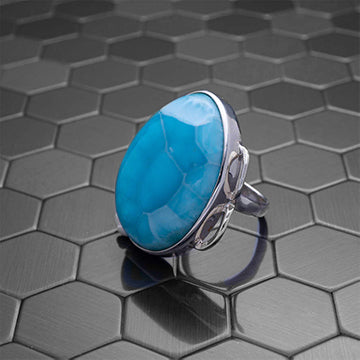
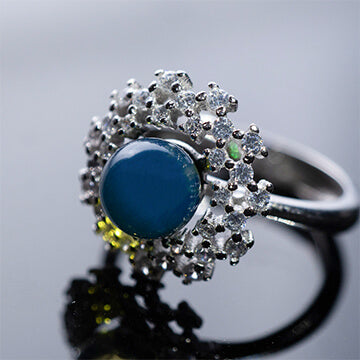
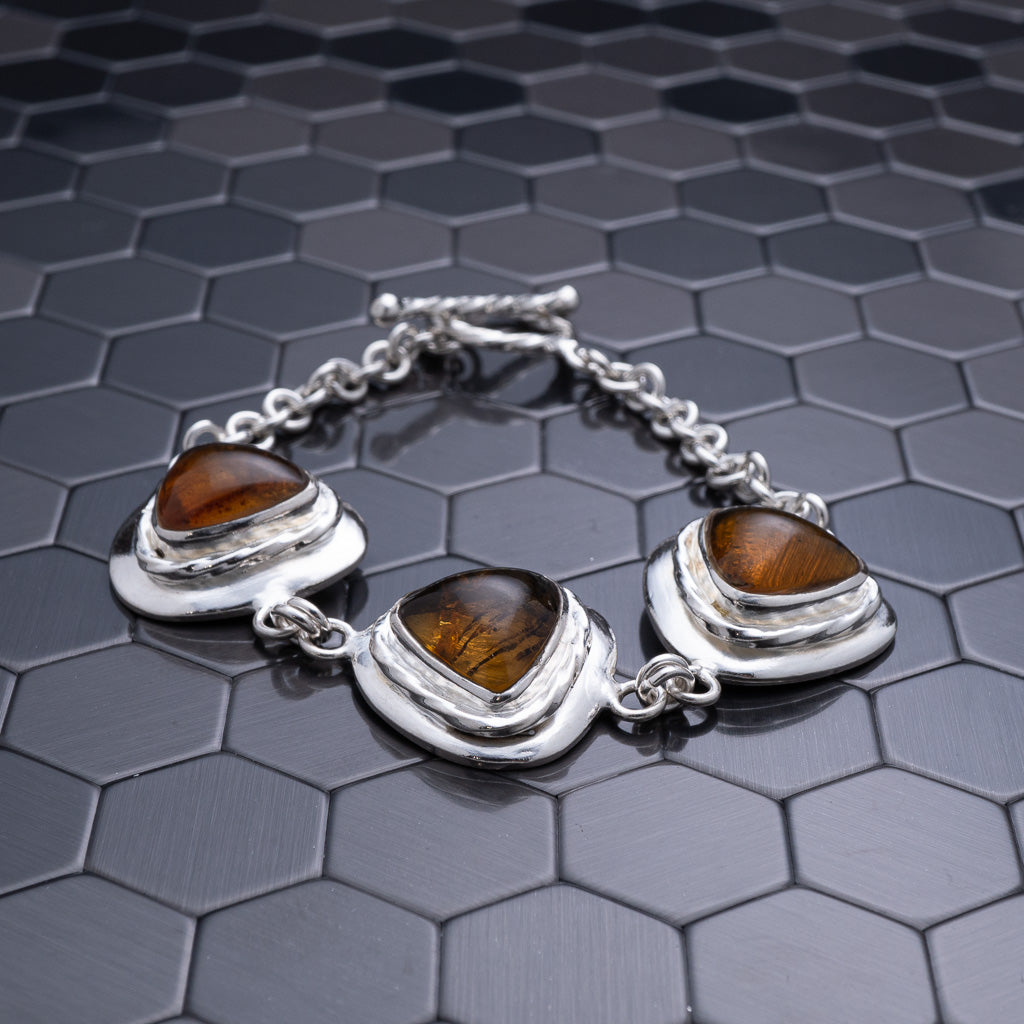
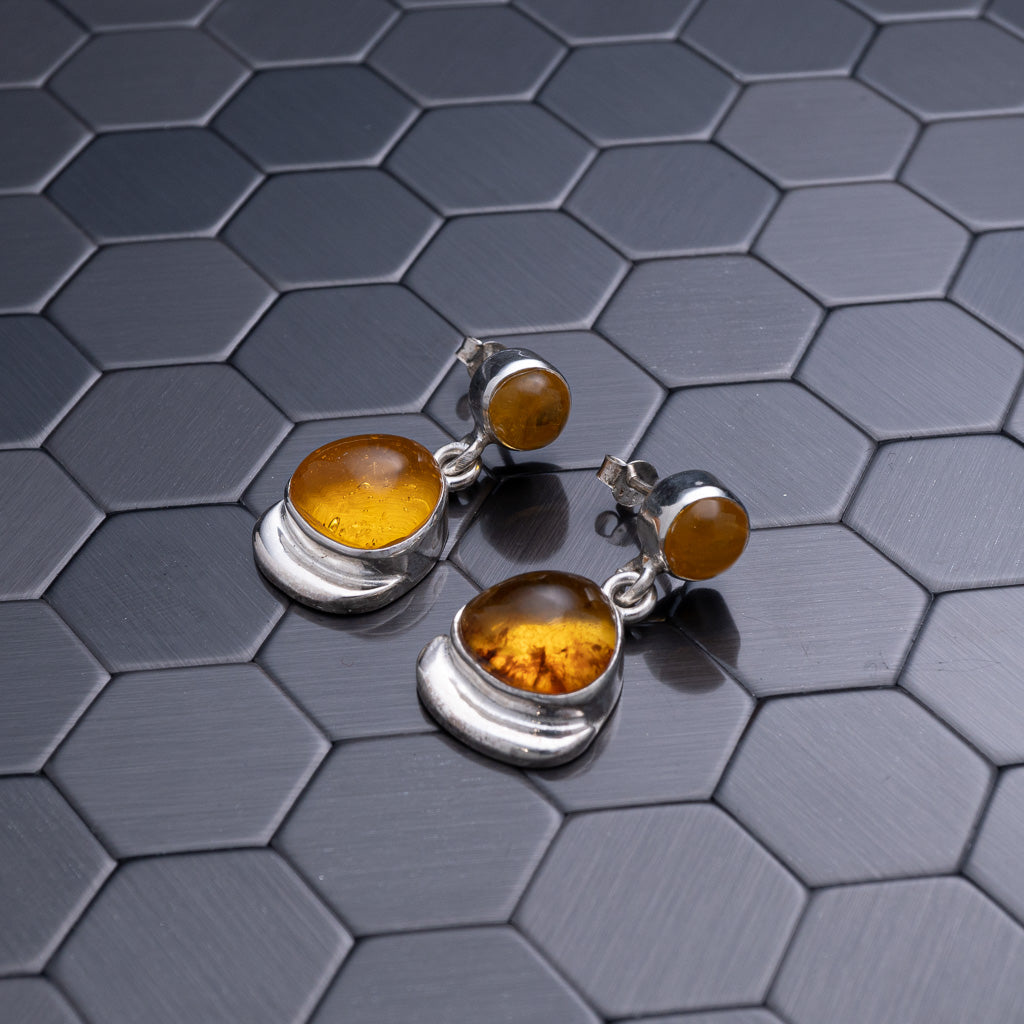
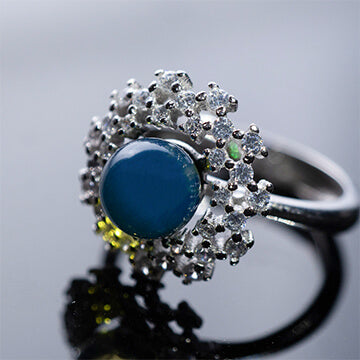
Rings often require more engineering because they take more daily impact. A ring setting should protect the stone while presenting it elegantly, especially since Larimar is not as hard as sapphires or diamonds. That design work affects value. Earrings may command higher prices when a pair is carefully matched in color and pattern, which is harder to achieve than it sounds. Bracelets and statement cuffs can rise in price quickly because they use multiple stones or larger custom settings.
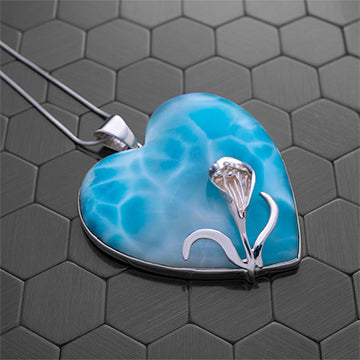
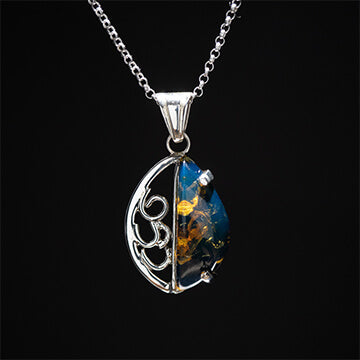
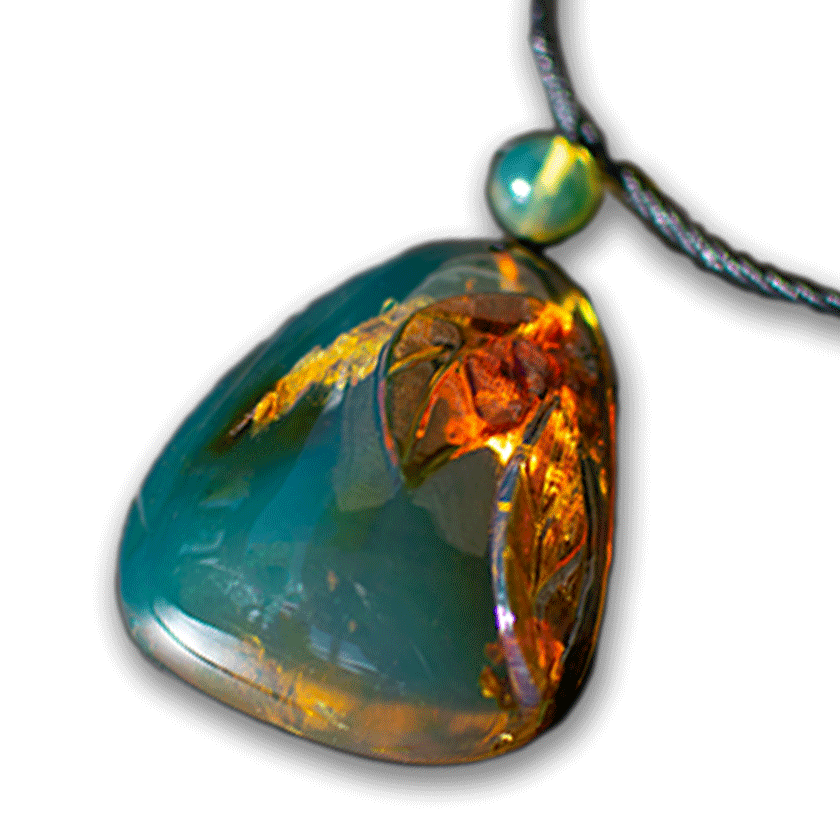
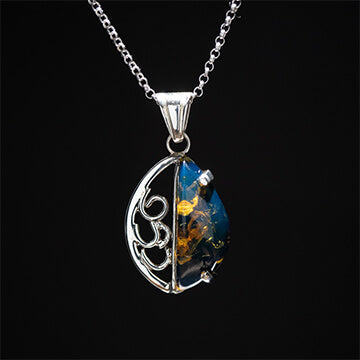
Pendants are often the most accessible entry point for shoppers discovering Larimar for the first time. They can showcase a beautiful stone without the structural demands of a ring. Still, a pendant with exceptional blue color, a graceful handcrafted setting, and strong finishing can absolutely sit in a premium range.
The gemstone gets most of the attention, but the setting is part of the worth. Sterling silver is a natural companion to Larimar because its cool tone complements the stone’s oceanic color. Fine silver and gold settings can elevate value further, especially when the piece is handmade rather than cast in high volume.
Craftsmanship shows up in small but meaningful ways. Look at the bezel edge. Notice whether the polish is clean. See how the stone sits in the design. A thoughtfully handcrafted pendant or ring feels intentional from every angle. That refinement supports both beauty and price.
There is also a difference between jewelry made to move quickly and jewelry made to be kept. Mass-produced pieces may use thinner settings, generic forms, or lower-grade stones selected for cost efficiency. Artisan work, especially when centered on authentic Caribbean stones, tends to command more because it offers distinct design, stronger finish, and a clearer sense of permanence.
Real Larimar jewelry can range from modest to truly premium. Smaller pendants or simple sterling silver earrings with lighter blue stones may sit at the more accessible end. Mid-range pieces often feature stronger color, better polish, and more polished design work. High-end examples usually combine vivid blue Larimar, attractive patterning, substantial size, premium metal, and expert handcraftsmanship.
That said, price ranges are not fixed because Larimar is not a uniform material. Two pendants can look similar from across a room and differ sharply in value once you compare color saturation, pattern quality, surface condition, cut, and setting. This is why buying by photo alone can be misleading if the seller does not provide enough visual and sourcing detail.
Collectors tend to pay more for rare visual character. A stone with that unmistakable water-like appearance, especially in a larger clean specimen, can justify a meaningful jump in price. The same goes for limited handcrafted pieces that feel one of a kind rather than repeated.
Start with the stone itself. Ask whether the blue looks vivid or washed out. Notice whether the white matrix enhances the appearance or interrupts it. A beautiful Larimar stone should feel natural, not muddy or lifeless.
Then consider the finish. A fine piece should have a smooth polish, secure setting, and balanced proportions. If the metalwork feels flimsy or unfinished, the overall worth drops, even if the stone has appeal. Jewelry is not only about material. It is about execution.
Next, look at transparency from the seller. Reputable specialists explain what the stone is, where it comes from, and why a given piece falls into a certain quality tier. They do not need theatrical claims. Clear sourcing, confidence in authenticity, and well-presented craftsmanship usually speak for themselves.
This is also where brand specialization matters. A retailer focused on authentic Larimar and other rare Dominican gemstones is more likely to understand grading nuance than a general fashion jewelry seller. At Larimar Creations, that focus on certified authenticity and handcrafted design is part of what gives buyers confidence when evaluating price.
If your standard is mass-market jewelry pricing, high-quality Larimar may feel expensive at first. But value is not only about the lowest number. It is about rarity, provenance, visual uniqueness, and whether the piece offers something you cannot easily replace.
Larimar does that unusually well. No two stones are identical. Its Caribbean origin gives it a cultural and geological singularity that many gemstones cannot claim in the same way. For gift buyers, that makes it feel personal. For collectors, it gives the material substance beyond trend.
There is a trade-off, of course. Because Larimar is softer than some classic jewelry stones, it benefits from thoughtful wear and proper care. A ring worn every day needs more attention than a pendant saved for special moments or layered occasional wear. That does not reduce its worth. It simply means the best purchase depends on how you plan to enjoy it.
The best Larimar pieces carry a kind of calm authority. They do not need to shout. Their value comes from authentic origin, striking natural blue, skilled cutting, and craftsmanship that lets the stone speak.
When you shop with that standard in mind, the question shifts. Instead of asking whether a piece is cheap or expensive, you begin asking whether it is genuine, beautiful, and made well enough to deserve a place in your collection or your gift box. That is usually where true worth becomes clear.
Wear a piece that feels like the Caribbean itself, and the value is no longer abstract - it is something you can see every time the light hits the stone.