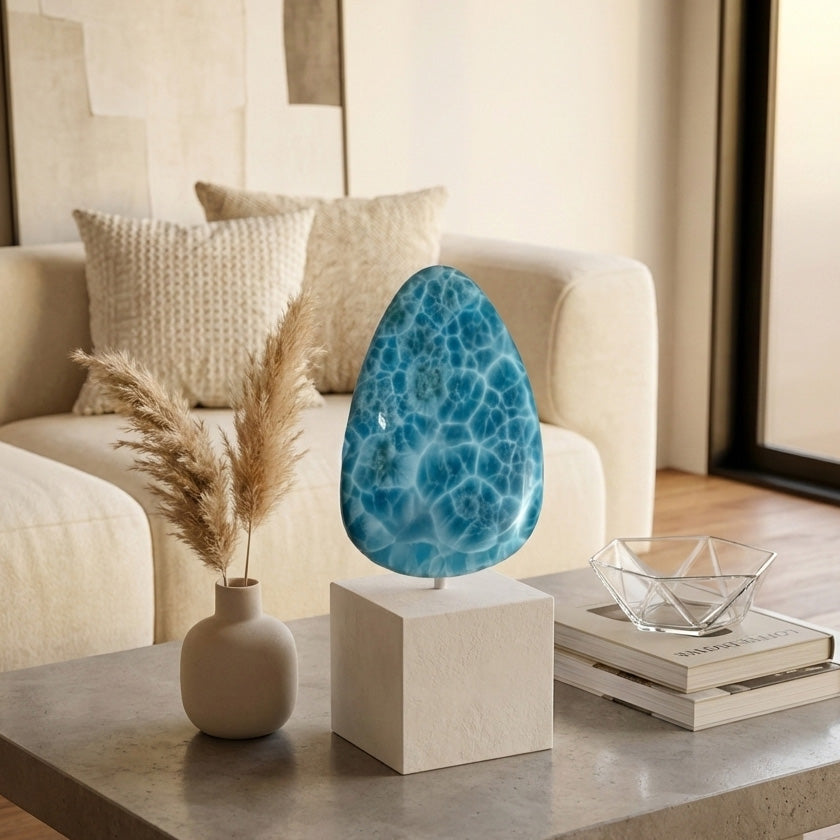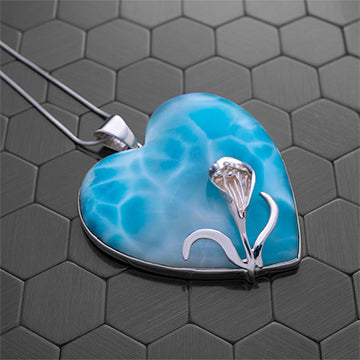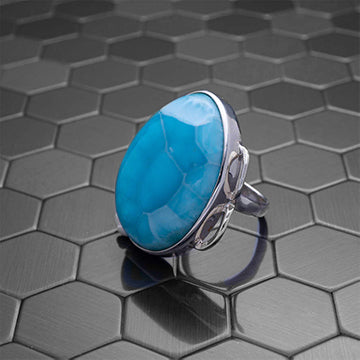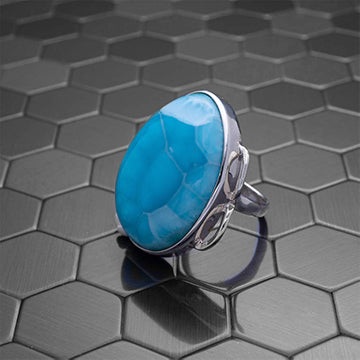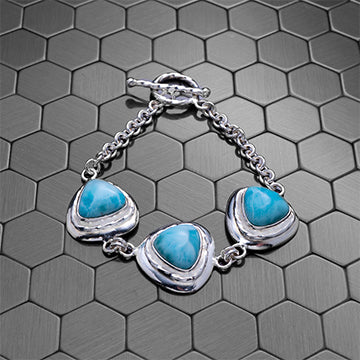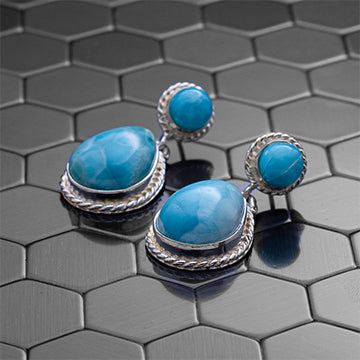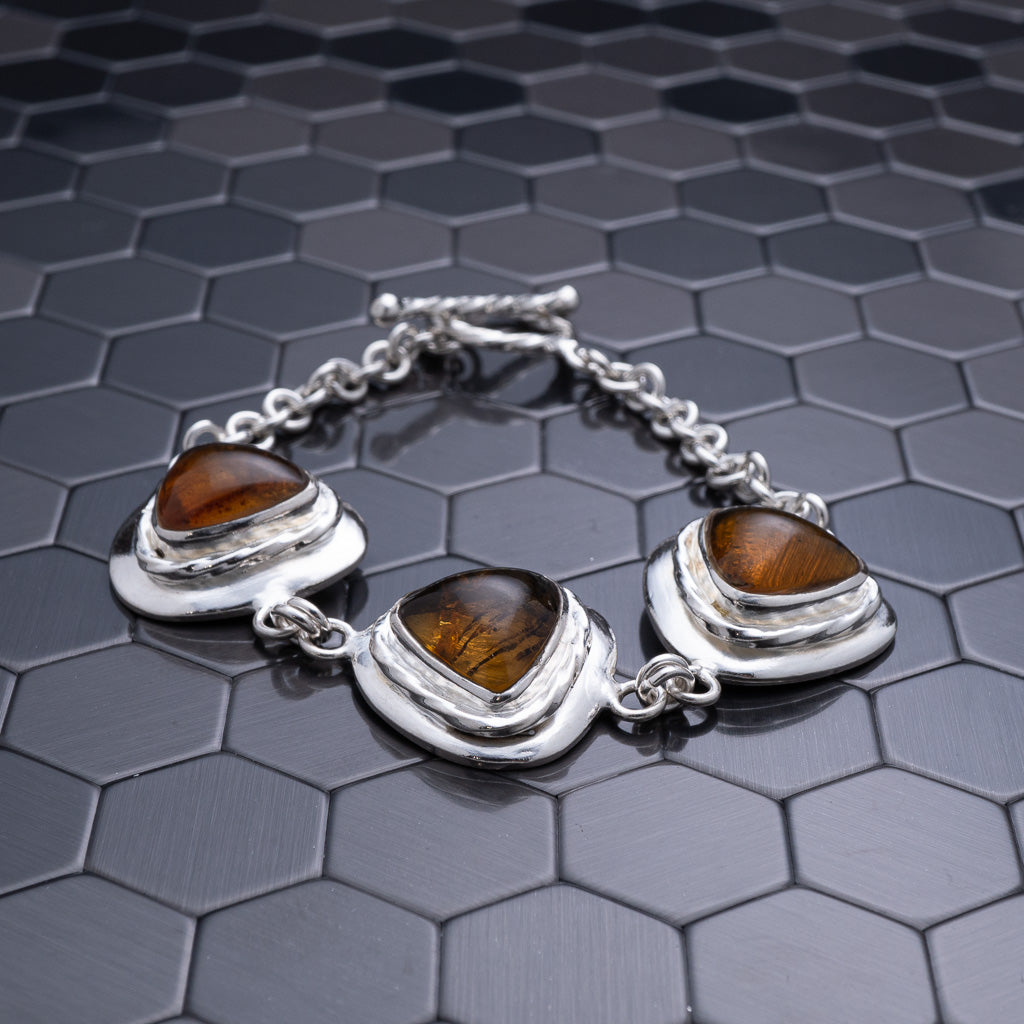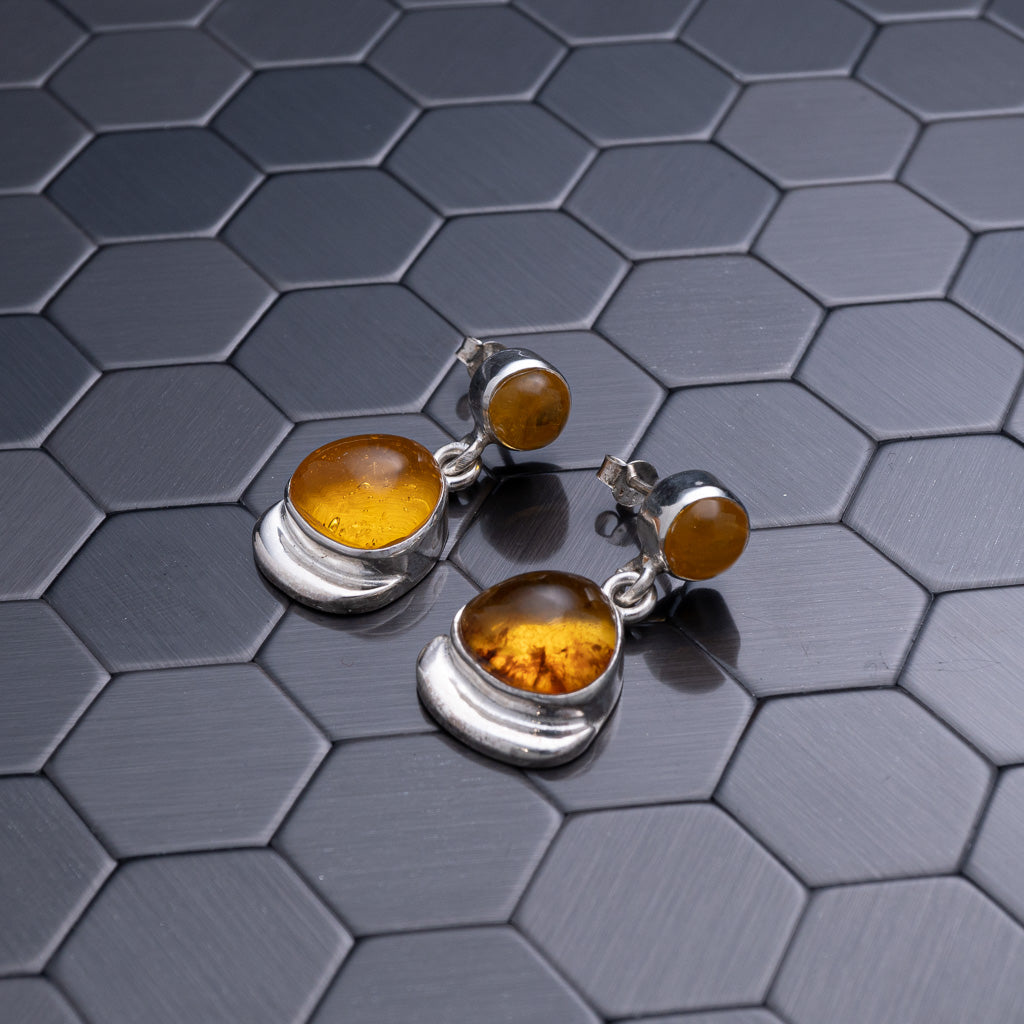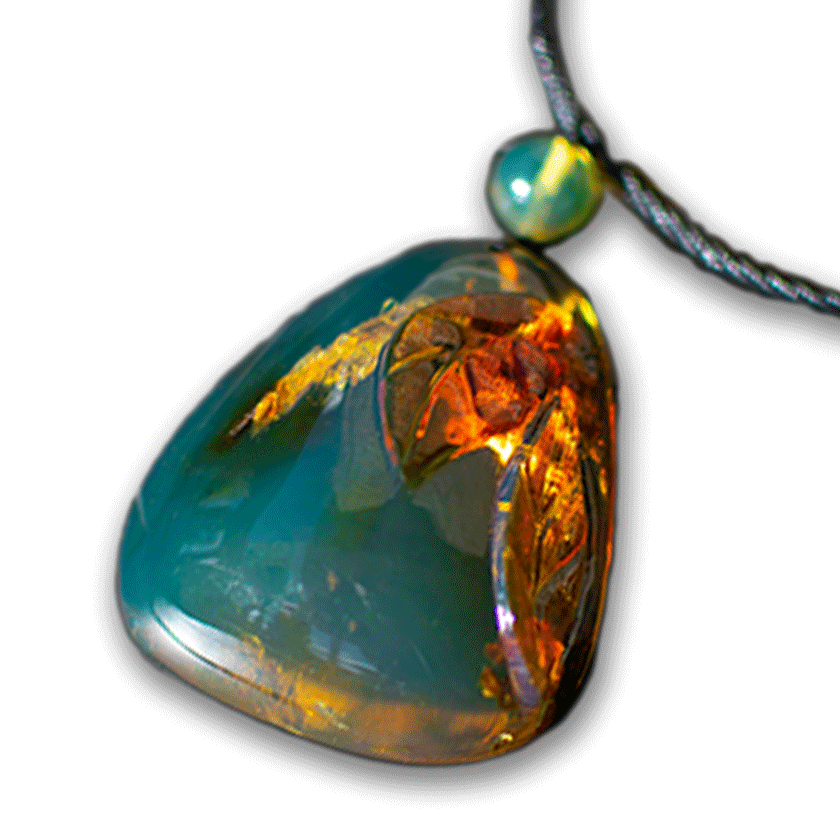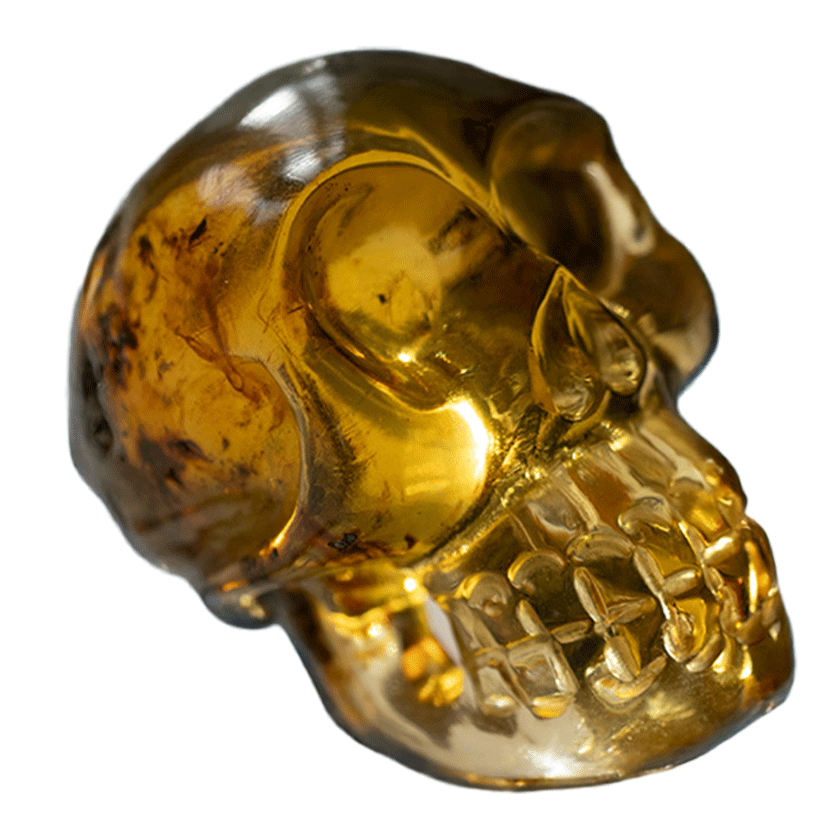


Handcrafted in DR.

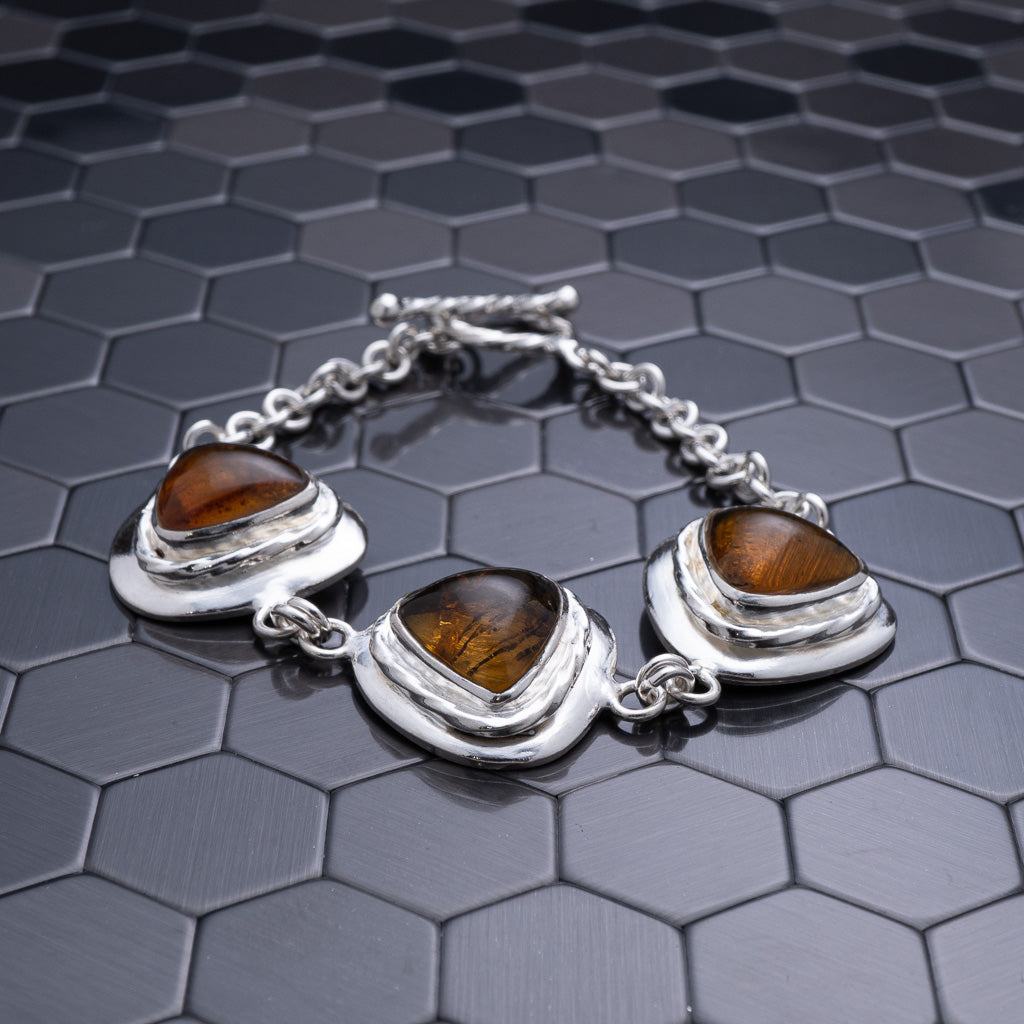
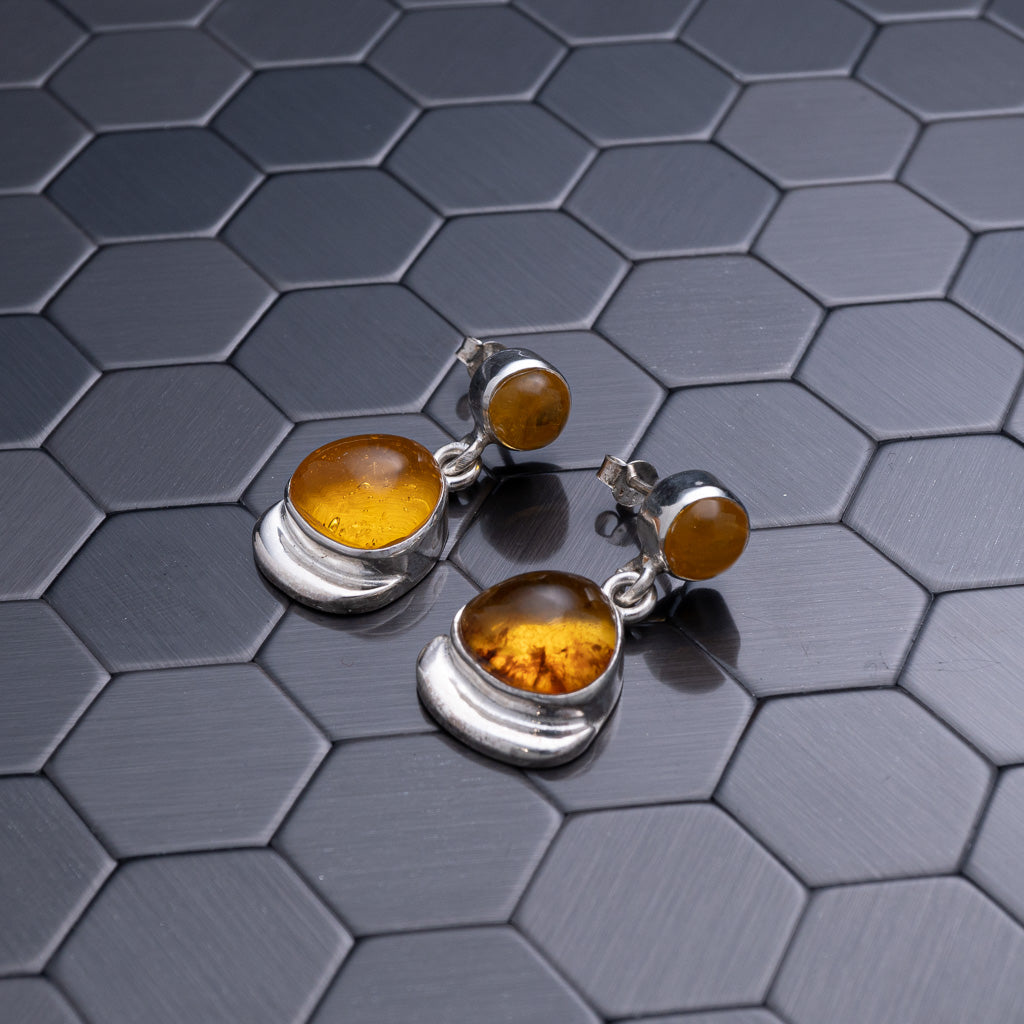


100% Handcrafted in DR.

The timeless combination of amber and silver creates jewelry pieces that transcend fleeting trends and connect wearers to ancient traditions. These rings blend the warm, organic beauty of fossilized resin with the cool elegance of sterling silver, offering a unique aesthetic that has captivated jewelry enthusiasts for centuries. Whether you're drawn to the historical significance of amber or simply appreciate the contrast between golden honey tones and polished metal, understanding what makes these pieces special helps you make informed choices about selection, wear, and care.
Amber and silver rings represent a natural marriage of materials that complement each other both visually and symbolically. The warm, translucent quality of amber contrasts beautifully with silver's reflective surface, creating depth and dimension that single-material rings cannot achieve.
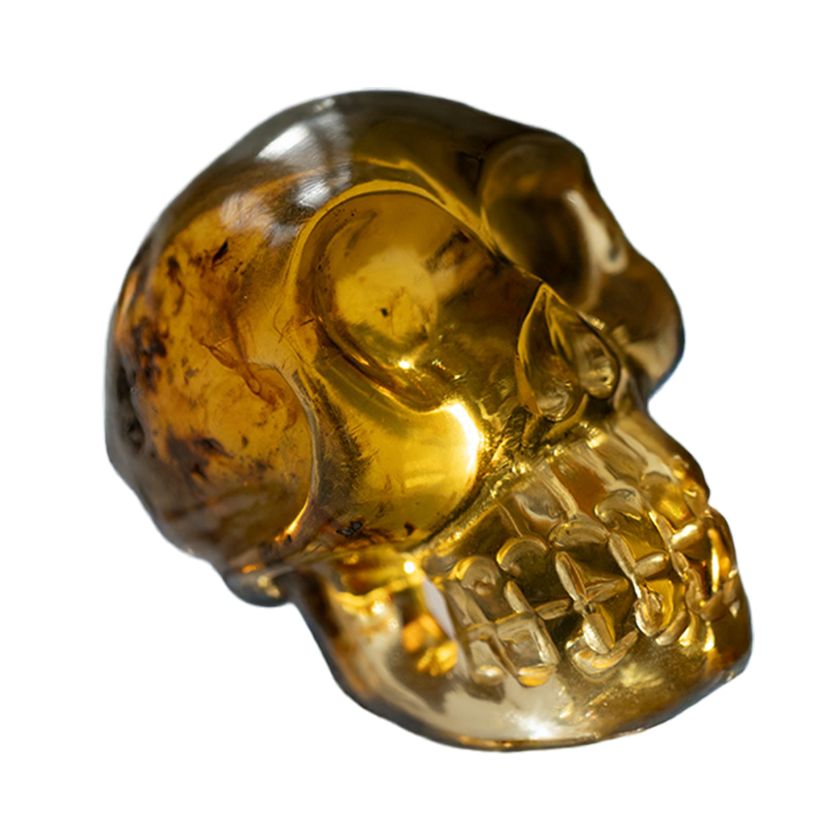
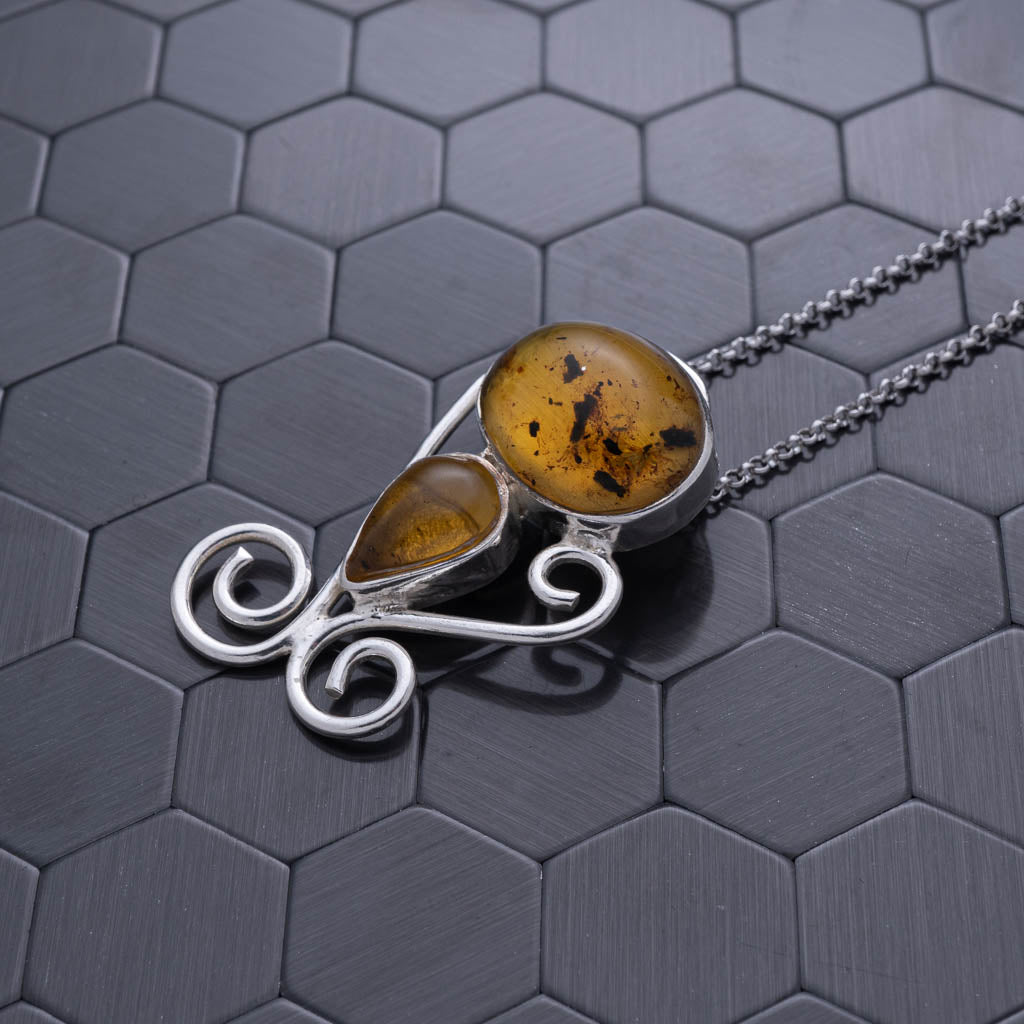
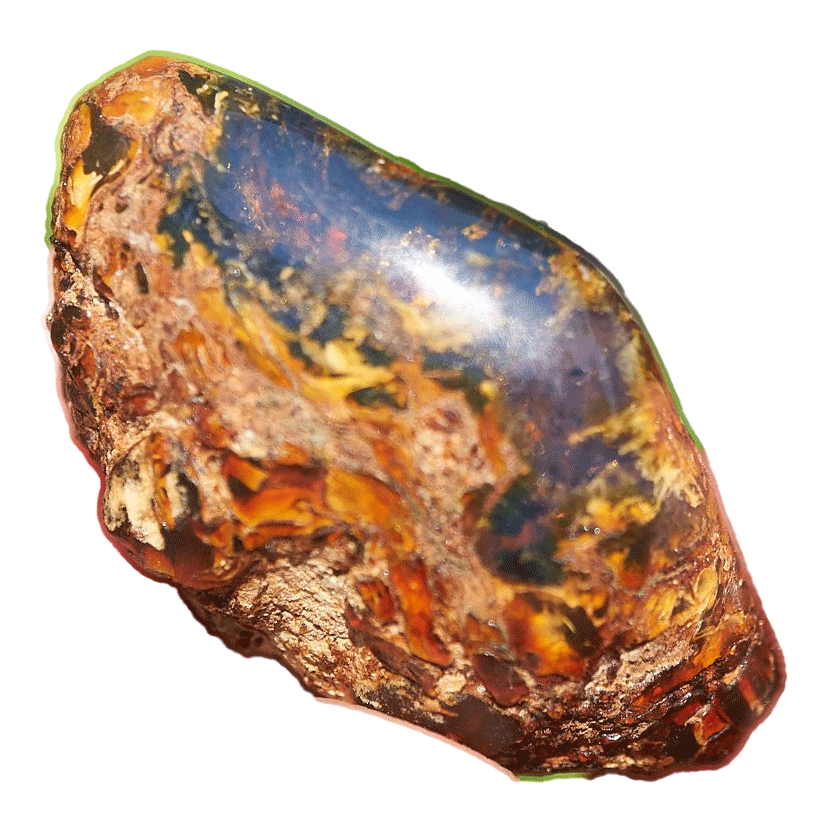
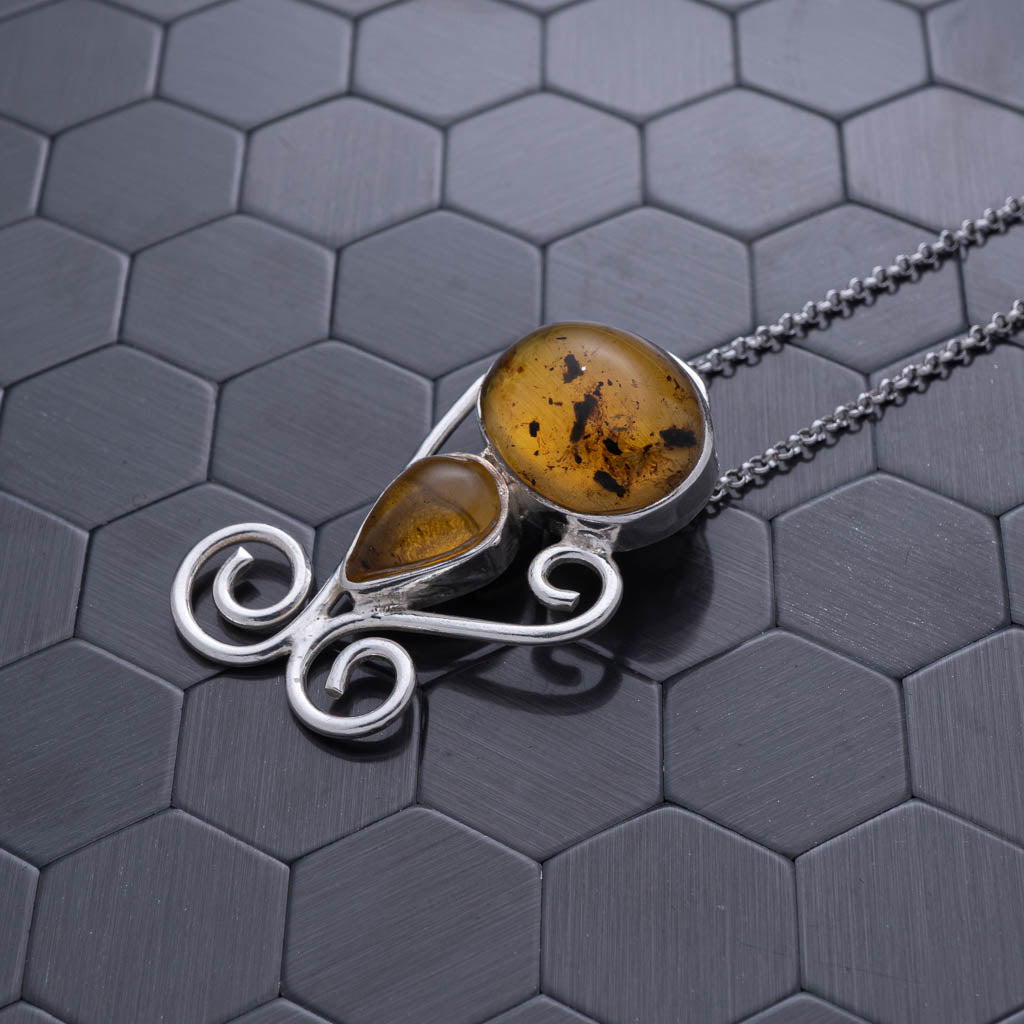
Baltic amber, the most common variety used in jewelry, formed millions of years ago from ancient tree resin. Its organic origin means no two pieces are identical-each contains unique inclusions, color variations, and patterns that tell a geological story. When set in silver, these natural characteristics become even more pronounced.
Silver serves multiple purposes in amber ring design:
Throughout history, amber has held significant cultural and spiritual meaning. Ancient civilizations valued it as a protective talisman and symbol of status. The brief history of amber reveals its role in trade routes spanning continents, where it was exchanged as a precious commodity.
Silver's role as a precious metal spans equally ancient traditions. When combined in amber and silver rings, these materials create pieces that honor both heritage and contemporary style. Modern artisans draw inspiration from traditional Baltic designs while incorporating contemporary aesthetics that appeal to today's jewelry enthusiasts.
Choosing a quality piece requires understanding both materials and how they work together. Genuine amber and authentic sterling silver each have characteristics that distinguish them from imitations.
| Material | Authentic Indicators | Common Imitations |
|---|---|---|
| Baltic Amber | Warm to touch, floats in saltwater, natural inclusions | Plastic (cold, sinks), copal (younger resin) |
| Sterling Silver | 925 stamp, tarnishes naturally, weight | Plated metal, nickel silver, aluminum |
| Craftsmanship | Secure settings, smooth bezels, quality finish | Loose stones, rough edges, gaps |
Genuine amber and silver rings should display hallmarks indicating metal purity. Look for "925" or "Sterling" stamps, which verify that the silver contains 92.5% pure silver. The amber itself should feel lightweight compared to glass or plastic, and when warmed in your hands, it should emit a subtle resinous scent.
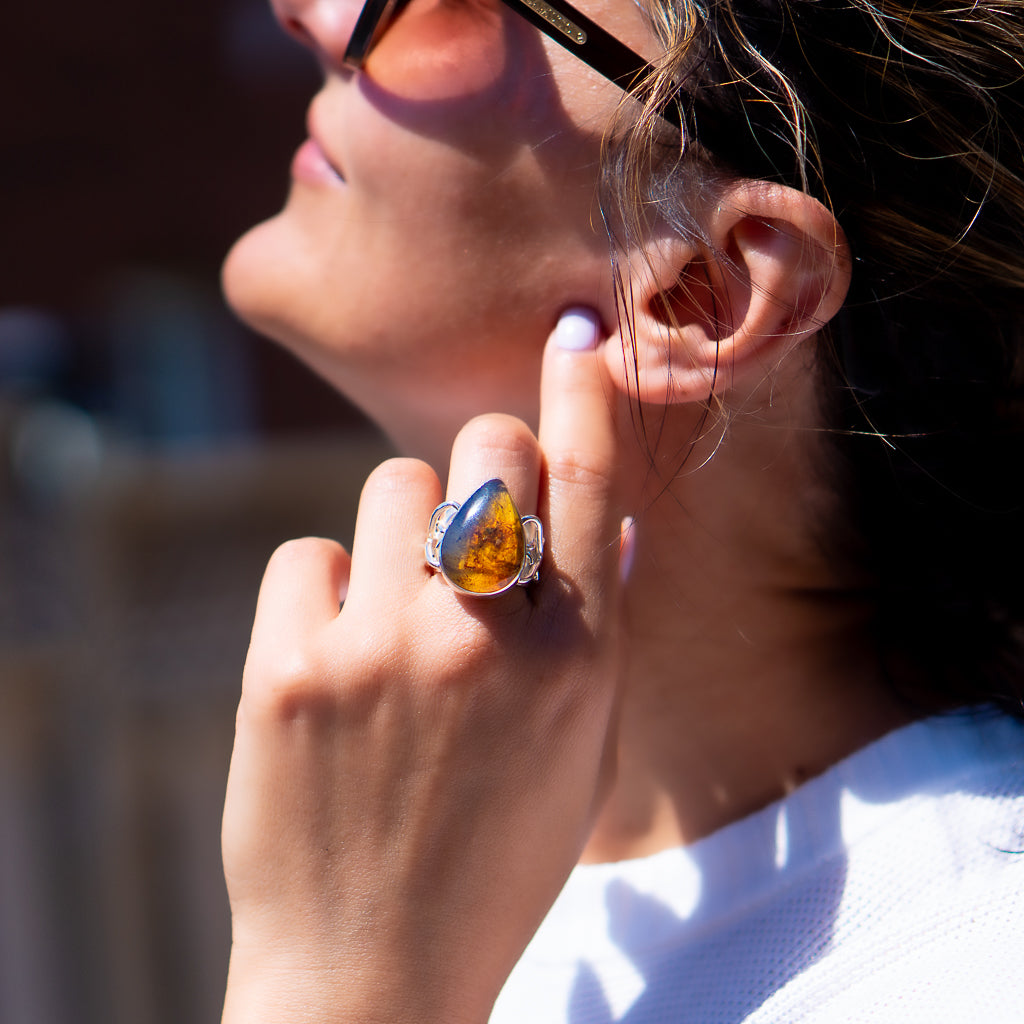
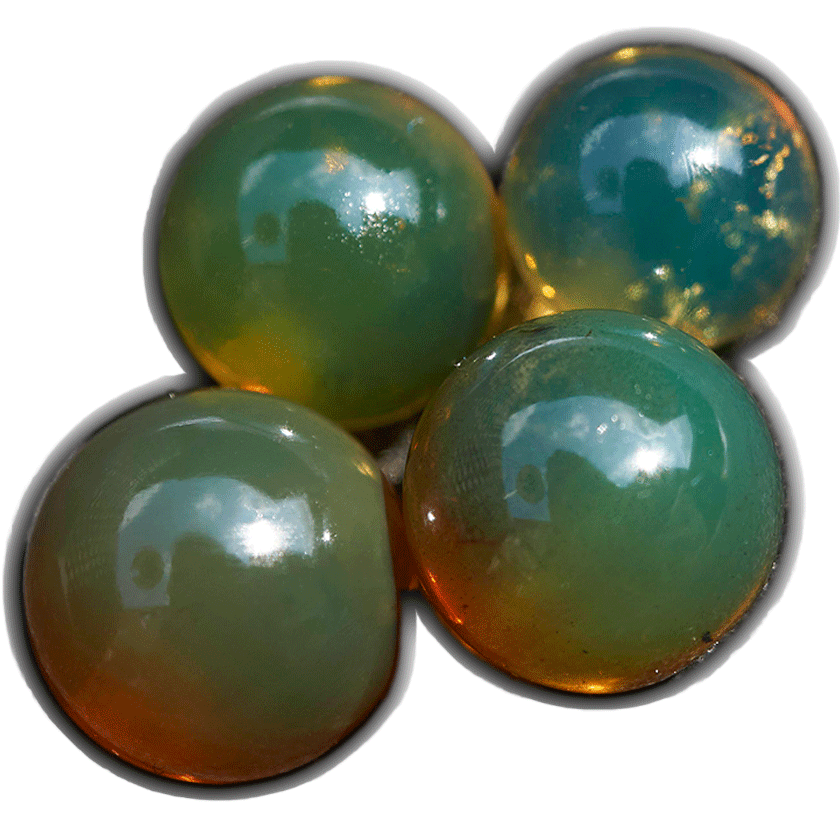
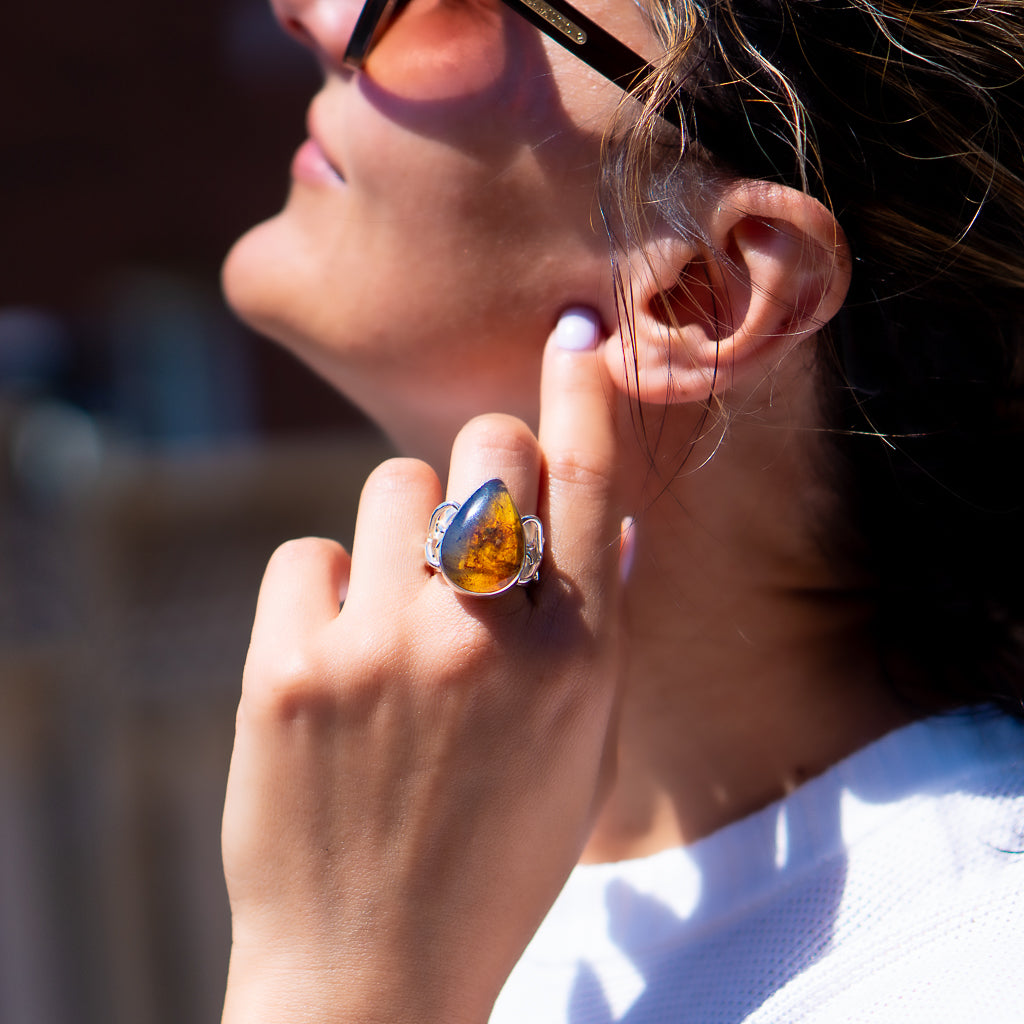
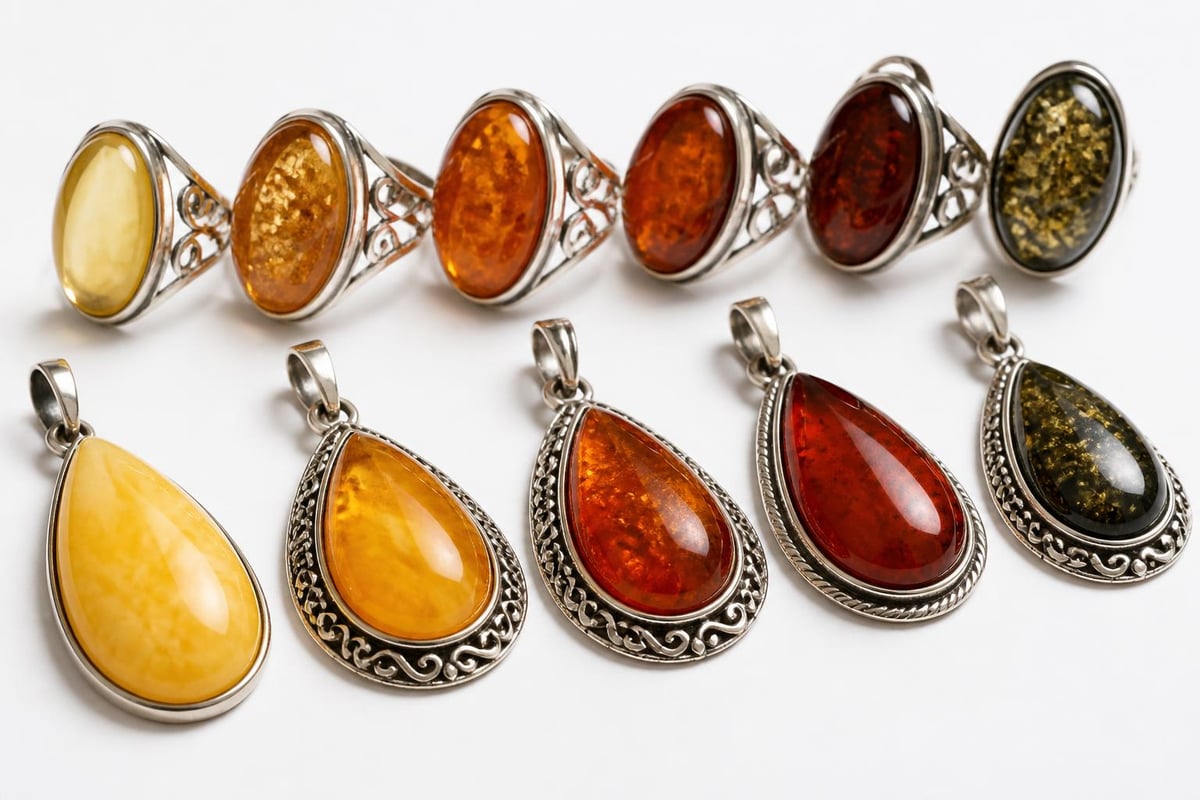
Amber appears in numerous shades, each offering different aesthetic qualities. Cognac amber, with its rich brown-orange hues, creates dramatic contrast against silver. Honey amber provides softer, golden tones that complement silver's cool sheen. Green amber, though rarer, offers an unexpected twist on traditional amber jewelry.
The transparency level also matters. Clear amber allows light to pass through, creating luminous effects, while opaque or cloudy amber offers more solid color presence. Some pieces incorporate multiple amber shades in a single ring, creating complex visual interest.
Consider these factors when selecting color:
Amber and silver rings span a remarkable range of design aesthetics, from minimalist contemporary to elaborate vintage-inspired creations. Understanding different styles helps identify pieces that match your preferences and lifestyle.
Traditional Baltic amber rings feature distinctive characteristics rooted in Northern European jewelry-making traditions. These pieces often showcase larger amber cabochons in substantial silver settings with decorative metalwork. Filigree details, rope-twist bezels, and ornate bands reflect centuries-old craftsmanship techniques.
These designs emphasize the amber as the focal point, with silver serving as an elegant frame. The settings typically use bezel or prong techniques that secure the stone while maximizing its visibility. Many traditional pieces incorporate symbolic motifs or cultural patterns that add meaning beyond pure aesthetics.
Modern interpretations of amber and silver rings often embrace simplicity and clean lines. Contemporary designers create sleek bands with small amber accents, geometric settings, or asymmetrical placements that challenge traditional jewelry conventions.
Minimalist designs appeal to those seeking versatile pieces that transition seamlessly from casual to formal settings. These rings typically feature polished silver and carefully selected amber pieces that make subtle statements rather than bold declarations. The focus shifts to material quality and refined execution rather than elaborate decoration.
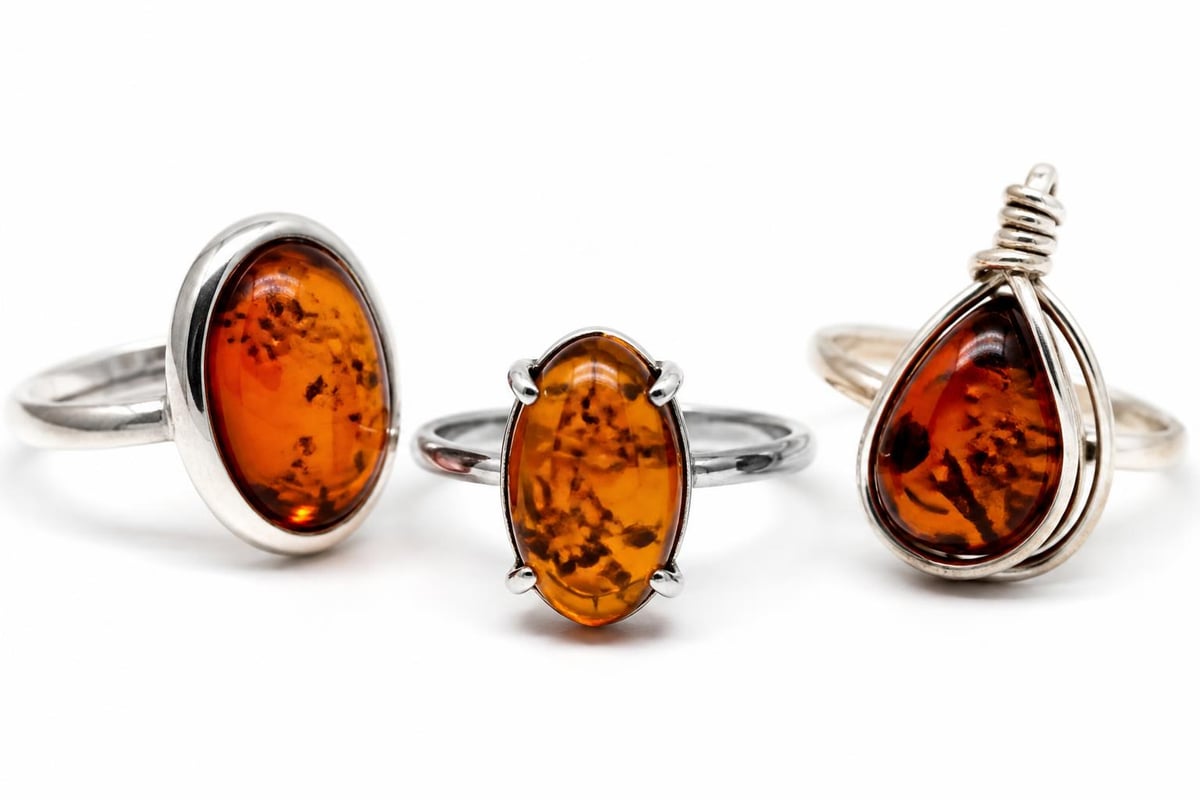
Vintage-style amber and silver rings draw inspiration from Art Nouveau, Art Deco, and Victorian eras. These pieces often incorporate detailed engraving, milgrain edging, and nature-inspired motifs like leaves, flowers, or Celtic knots. The romantic aesthetic appeals to those who appreciate historical design languages and craftsmanship traditions.
Actual antique amber rings offer unique character and historical provenance, though they require careful authentication and condition assessment. Reproduction pieces provide the vintage aesthetic with modern construction quality and reliability.
Proper maintenance ensures amber and silver rings retain their beauty for generations. Both materials require specific care approaches that differ from harder gemstones and other metals.
Amber rates approximately 2-2.5 on the Mohs hardness scale, making it relatively soft and susceptible to scratches. Remove amber and silver rings before engaging in activities that might expose them to impacts, chemicals, or abrasives. Household cleaners, chlorinated water, and even hand lotions can damage amber's surface or accelerate silver tarnishing.
Remove rings before:
Store rings separately in soft pouches or lined jewelry boxes to prevent scratching. Amber can be damaged by contact with harder gemstones or metal surfaces. Individual storage also prevents silver tarnish from transferring to other pieces.
Caring for silver rings requires different techniques than cleaning amber. Never use ultrasonic cleaners, steam cleaning, or harsh chemical solutions on amber and silver rings, as these methods can crack or cloud the amber while potentially damaging the silver.
| Cleaning Task | Method | Frequency |
|---|---|---|
| Basic cleaning | Soft damp cloth, mild soap | After each wear |
| Silver polishing | Silver polishing cloth | Monthly or as needed |
| Deep cleaning | Lukewarm water, gentle brush | Quarterly |
| Professional inspection | Jeweler examination | Annually |
For routine maintenance, gently wipe the ring with a soft, slightly damp cloth after wearing. This removes oils, dirt, and residues before they build up. When silver begins showing tarnish, use a specialized silver polishing cloth, carefully avoiding contact with the amber to prevent scratching.
Even with careful home care, periodic professional attention keeps amber and silver rings in optimal condition. Jewelers can re-polish silver, tighten loose settings, and address minor damage before it worsens. Complete amber jewelry care guidelines emphasize the importance of professional expertise for certain maintenance tasks.
Have settings inspected annually to ensure prongs or bezels remain secure. Loose settings risk amber loss, and early detection prevents costly stone replacement. Professional cleaning removes buildup from hard-to-reach areas while assessing overall condition.
Understanding the market for amber and silver rings helps buyers make informed purchasing decisions and appreciate their pieces' value beyond personal enjoyment.
Several elements determine an amber and silver ring's worth in today's market. Amber quality-including size, color, clarity, and inclusions-significantly impacts value. Rare colors like blue amber or green amber command premium prices compared to common honey or cognac varieties.
Silver content and weight contribute to base value, though craftsmanship often matters more than metal quantity. Handcrafted pieces with intricate details typically hold value better than mass-produced alternatives. Designer signatures or proven provenance can substantially increase worth.
Key value determinants include:
In 2026, consumers increasingly value authenticity, craftsmanship, and sustainable sourcing in their jewelry choices. Amber and silver rings align well with these preferences, offering natural materials and often artisanal production methods. The market shows growing interest in pieces that tell stories-whether through unique inclusions, traditional techniques, or cultural connections.
Environmental consciousness drives demand for jewelry made from naturally occurring materials rather than synthetic alternatives. Amber's organic origin and silver's recyclability appeal to eco-minded buyers. Ethical sourcing practices and transparent supply chains have become important purchasing considerations.
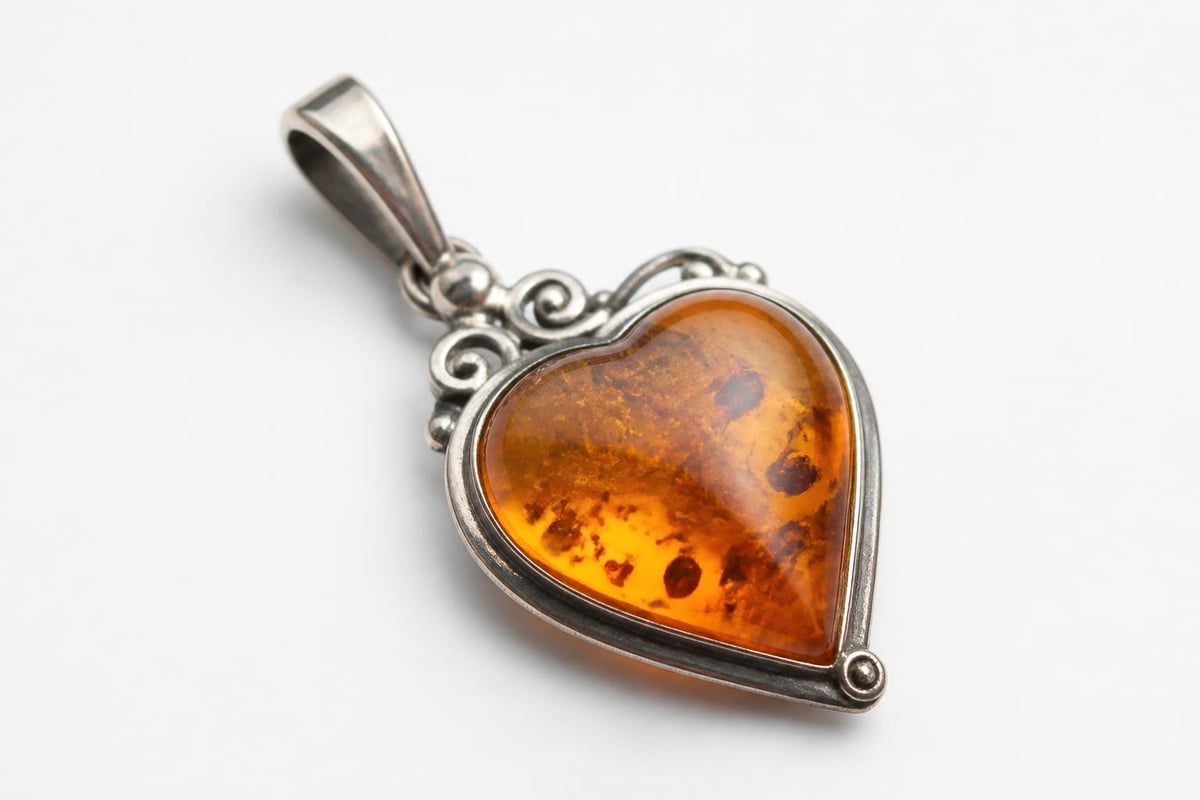
Successfully incorporating amber and silver rings into your wardrobe requires understanding how these pieces interact with different styles, occasions, and other jewelry.
Amber and silver rings work beautifully as statement pieces or as part of coordinated sets. When wearing multiple rings, consider spacing amber pieces to prevent overcrowding warm tones. Mix metals thoughtfully-silver-based rings pair naturally with white gold or platinum, while the amber tones can harmonize with rose gold accents.
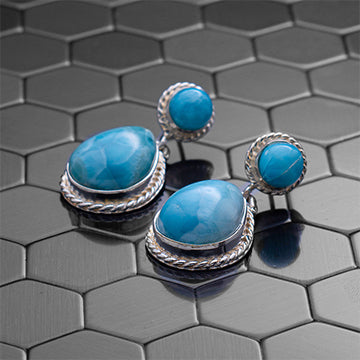
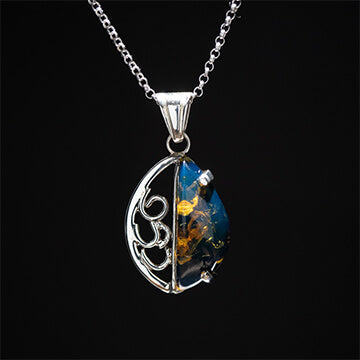
Stacking amber and silver rings creates visual interest when done deliberately. Vary widths, textures, and amber sizes to build dimension. Simple silver bands balance more elaborate amber rings, preventing the overall look from becoming overwhelming. For those who appreciate other rare gemstones, Larimar pendants offer complementary pieces that showcase unique blue tones.
Different ring styles suit various occasions and dress codes. Large, ornate amber and silver rings make striking focal points for evening wear or special events, while smaller, simpler designs work better for professional environments or daily activities.
Casual settings welcome playful designs with unusual amber colors or contemporary silver work. Formal occasions call for more refined pieces with exceptional amber clarity and polished silver finishes. Understanding these distinctions ensures your rings enhance rather than clash with your overall presentation.
Occasion-based selection guide:
Amber's warm tones naturally complement autumn and winter wardrobes, though these rings certainly aren't limited to cooler months. Honey amber varieties work beautifully with spring pastels, while deeper cognac tones enhance summer earth tones. The versatility of amber and silver rings allows year-round wear with thoughtful coordination.
Consider how natural light affects amber's appearance throughout seasons. Summer sunlight enhances amber's translucency and internal characteristics, while winter's diffused light emphasizes its warm glow. This natural responsiveness to light conditions makes these rings dynamic accessories that change subtly with environmental shifts.
Custom-designed amber and silver rings offer opportunities to create truly personal pieces that reflect individual preferences and stories. Understanding the custom creation process helps set realistic expectations and ensures satisfactory results.
Creating a custom amber and silver ring begins with concept development. Work with jewelers who understand both materials' properties and can translate your vision into wearable reality. Share inspiration images, describe desired symbolism, and discuss practical considerations like sizing and daily wear durability.
Artisans typically present sketches or digital renderings for approval before beginning fabrication. This stage allows refinement of proportions, settings, and details. Amber selection comes next-choosing the specific stone that will become your ring's centerpiece. Unlike standardized commercial pieces, custom work lets you personally select amber based on color, clarity, and natural characteristics.
The fabrication phase showcases skilled metalwork as silver is shaped, textured, and prepared to receive the amber. Hand-fabrication techniques create unique textures and details impossible with mass production. Final assembly secures the amber in its setting, followed by polishing and finishing touches.
Custom amber and silver rings accommodate various budgets depending on material choices and complexity. Discuss budget parameters early in the design process, allowing jewelers to suggest approaches that maximize impact within financial constraints.
Smaller amber stones with exceptional quality often create more impressive results than larger pieces with visible flaws. Simpler silver work with superior execution exceeds elaborate but poorly executed designs. Strategic choices about where to invest-premium amber versus intricate metalwork-help achieve desired aesthetics within budget.
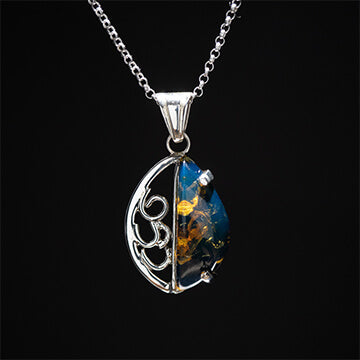
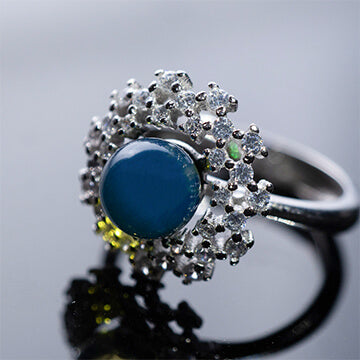
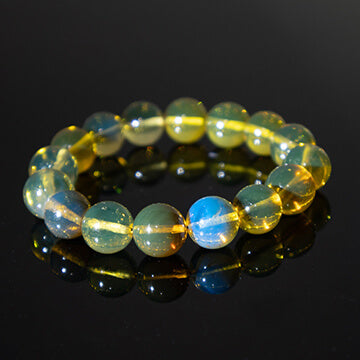
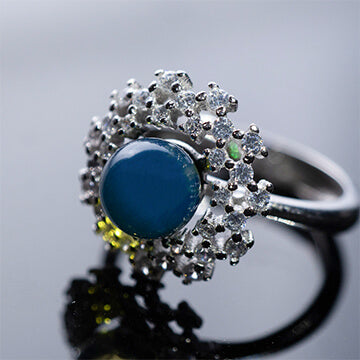
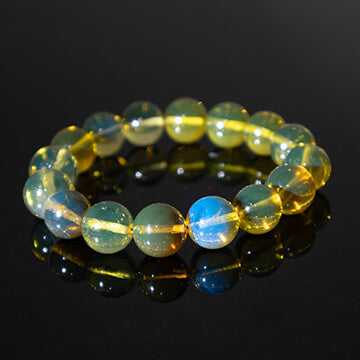
While Baltic amber dominates the market, other amber types offer unique characteristics worth exploring. Dominican blue amber, though rare, creates extraordinary visual effects when properly set in silver, particularly when specialized craftsmanship brings out its distinctive properties. Similarly, Dominican blue amber rings showcase how this exceptional material responds to different lighting conditions with remarkable color shifts.
Baltic amber, sourced primarily from countries surrounding the Baltic Sea, provides the most common material for amber and silver rings. Its age-typically 40-60 million years-and formation conditions create the characteristic warm colors and occasional inclusions that enthusiasts prize. The material's consistency and availability make it ideal for both traditional and contemporary designs.
Different Baltic amber grades exist based on clarity, color saturation, and inclusion presence. Premium grades feature consistent coloring and exceptional transparency, while lower grades may show cloudiness or color variations. Both have appropriate uses depending on design intent and budget.
Beyond Baltic varieties, several specialty ambers create distinctive looks in silver settings. Dominican amber, younger than Baltic at 15-40 million years, often exhibits greater clarity and occasionally rare blue or green fluorescence under ultraviolet light. Mexican amber offers deep red tones rarely found in Baltic sources.
Green amber, whether from Baltic or other sources, provides unusual coloration that pairs strikingly with silver. These pieces appeal to collectors seeking unique alternatives to traditional amber colors. Blue amber creates perhaps the most dramatic effects, though its rarity makes it significantly more expensive than standard varieties.
Proper ring sizing ensures comfort and security for amber and silver rings. Unlike simple metal bands that resize relatively easily, amber rings present unique challenges due to the stone's presence and setting construction.
Accurate initial sizing prevents future complications. Professional sizing accounts for factors like knuckle dimensions, finger shape variations, and intended wear finger. Many people's fingers vary slightly between hands, and seasonal temperature changes affect finger size.
For those uncertain about sizing, many retailers offer ring sizing tools that help determine accurate measurements before purchase. This step proves especially important for online purchases where try-on isn't possible.
Resizing amber and silver rings requires careful consideration. While plain silver bands resize easily, settings containing amber may limit modification options. Bezel-set stones sometimes allow minor adjustments, but prong settings or complex designs may prove impossible to resize without complete reconstruction.
Resizing considerations:
When resizing proves impractical, alternative solutions include ring guards, which narrow the band temporarily, or commissioning a new ring using the original amber in a fresh silver setting sized correctly.
Contemporary jewelry consumers increasingly consider environmental impact and ethical sourcing when making purchases. Amber and silver rings align well with sustainable jewelry principles when sourced responsibly.
Amber extraction generally involves lower environmental impact than hard-rock mining required for many gemstones. Much Baltic amber comes from surface collection or shallow excavation rather than deep mining operations. Silver recycling reduces need for new mining, and many jewelers now offer pieces made from recycled sterling silver.
Ethical considerations extend beyond environmental impact to include fair labor practices and community benefit in amber-producing regions. Transparent supply chains that document amber's journey from source to finished ring provide assurance about ethical standards throughout production.
Well-maintained amber and silver rings last for generations, making them sustainable choices in terms of longevity. Unlike fashion jewelry designed for short-term wear, quality pieces become family heirlooms that pass through multiple owners. This durability reduces overall consumption and waste compared to frequently replaced alternatives.
The timeless aesthetic of amber and silver ensures pieces remain stylistically relevant across decades. Unlike trend-driven jewelry that quickly appears dated, these classic combinations maintain appeal regardless of shifting fashion preferences. This enduring quality enhances both environmental and economic sustainability.
Amber and silver rings combine natural beauty with accessible luxury, offering pieces that connect wearers to ancient traditions while remaining thoroughly contemporary. Understanding selection criteria, care requirements, and styling approaches helps you maximize enjoyment of these distinctive pieces. Whether drawn to rare gemstones and handcrafted artistry, investing in quality amber and silver jewelry means acquiring pieces that deliver lasting beauty and personal meaning for years to come.