
by Admin May 27, 2026 6 min read

Amber can lose its glow long before it ever breaks. A cloudy surface, tiny scratches, or damage from perfume often happens quietly, especially with jewelry worn often and loved well. If you have been wondering how to care for amber, the answer starts with understanding what makes this gem so exceptional - and so different from harder stones.

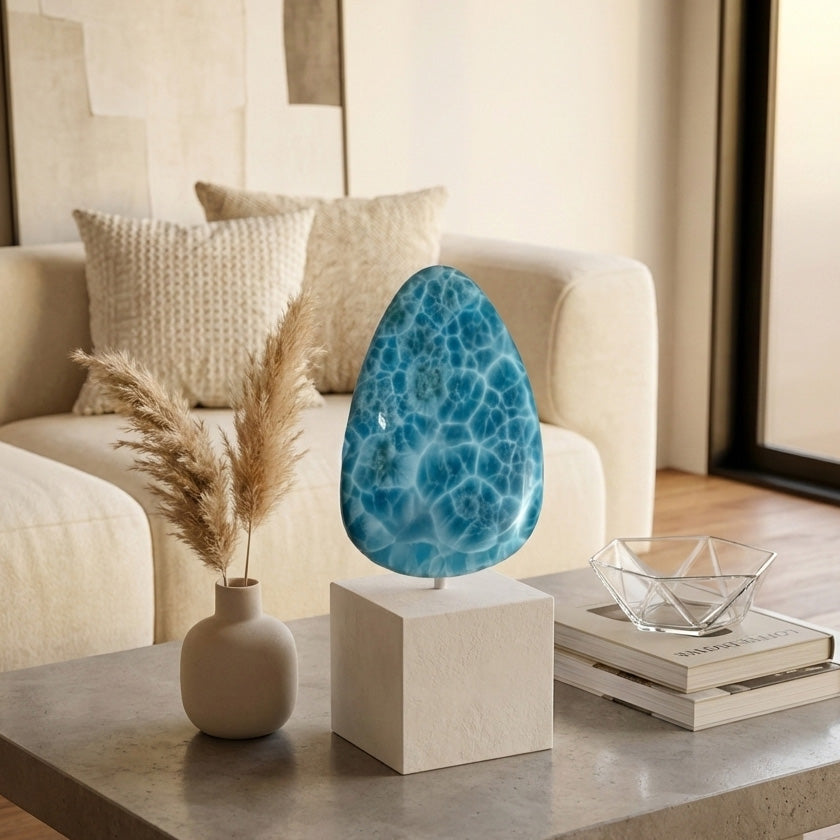
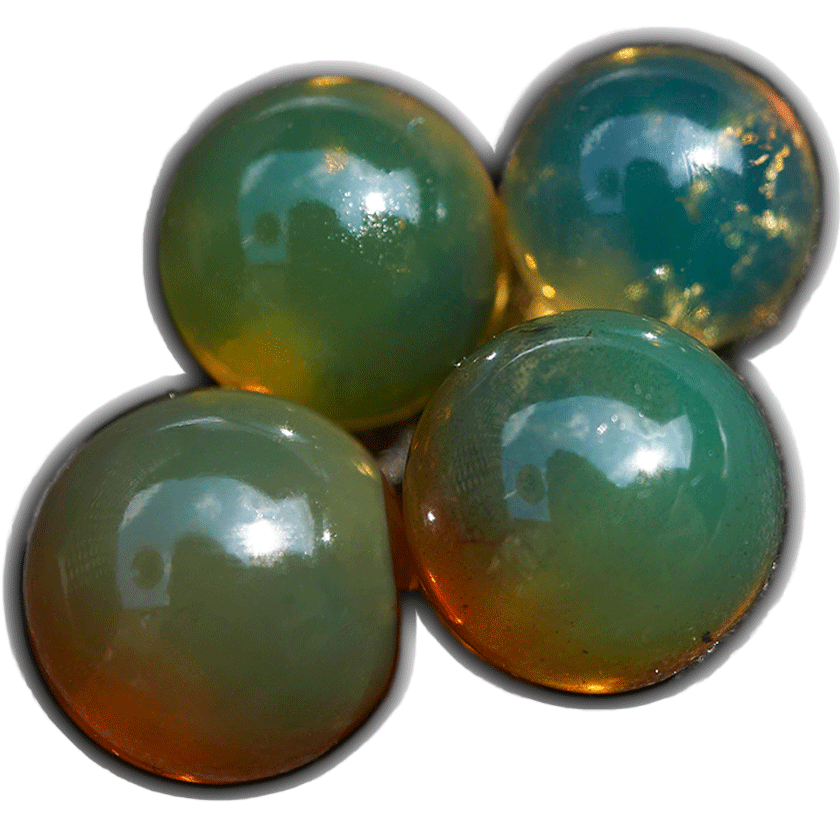
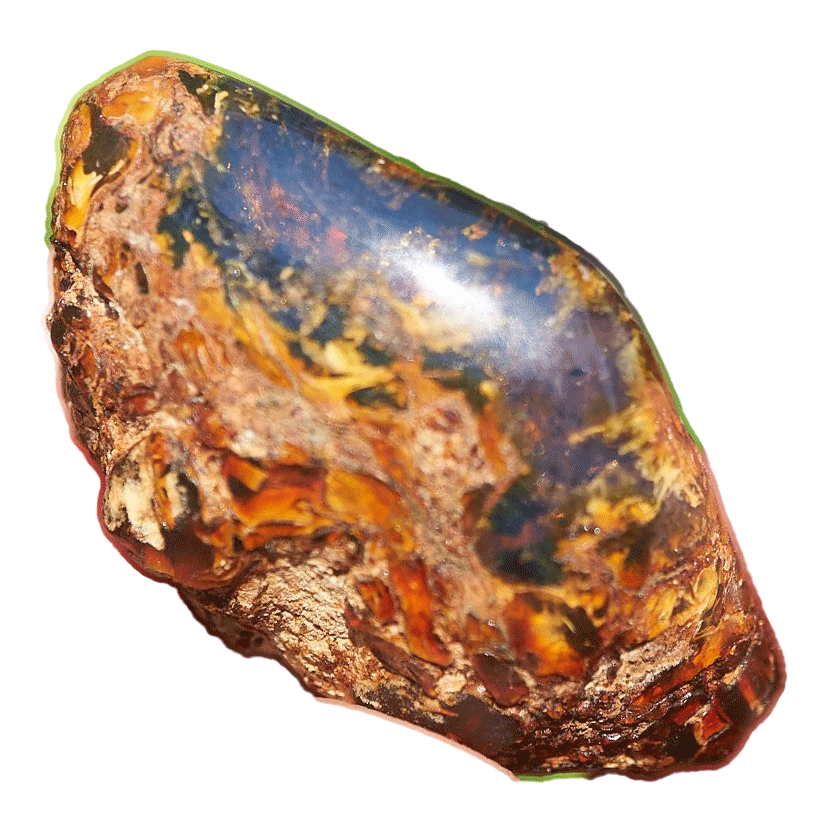
Amber is not a mineral in the traditional sense. It is fossilized tree resin, prized for its warm light, organic character, and in the case of Dominican amber, remarkable clarity and rare colors such as blue. That natural origin is part of its beauty, but it also means amber deserves gentler handling than sapphires, diamonds, or even quartz. Proper care is less about complicated maintenance and more about protecting a rare Caribbean treasure from avoidable wear.

How to Care for Amber Without Dulling Its Beauty

The first rule is simple: treat amber as a soft, natural gemstone. On the Mohs scale, amber typically falls around 2 to 2.5, which means it can scratch far more easily than most fine jewelry stones. If an amber pendant is stored beside metal chains, gemstone rings, or loose cabochons, its surface can pick up marks quickly.

For everyday care, wipe amber gently with a soft, dry cloth after wearing it. This removes body oils, dust, and residue from lotions before they build up. A microfiber or very soft cotton cloth works well. The goal is not to polish aggressively, but to keep the surface clean and clear.

If your amber needs a deeper cleaning, use lukewarm water with a small amount of mild soap. Dip a soft cloth into the water, wring it out well, and wipe the piece carefully. Afterward, remove any soap with a separate damp cloth and dry it fully. Amber should never be soaked for long periods, and it should never be cleaned with harsh agents, commercial jewelry dips, or abrasive materials.

That restraint matters. Many standard jewelry cleaners are designed for harder stones and precious metals, not for organic gems. What works beautifully on a diamond ring can permanently dull amber.

What to Avoid When Caring for Amber

Amber responds poorly to chemicals, heat, and friction. This is where many beautiful pieces are damaged, not through accidents, but through ordinary routines.

Perfume, hairspray, sunscreen, and household cleaners can all affect the surface. Even repeated contact with makeup or heavily fragranced lotion may leave a film or reduce luster over time. The safest habit is to make amber the last thing you put on and the first thing you take off.

Heat is another concern. Leaving amber jewelry in direct sun, on a car dashboard, or near a radiator can dry the surface and make it more vulnerable. Extreme temperature changes are not ideal either. Amber is a gem of natural warmth, but it does not love artificial heat.

Ultrasonic cleaners and steam cleaners are also off-limits. These methods are too aggressive for amber and can cause cracking, clouding, or structural damage. If a piece contains inclusions, fossils, or delicate handcrafted settings, the risk is even greater.

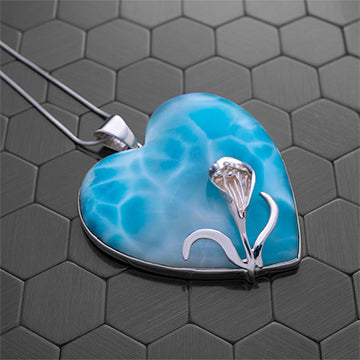
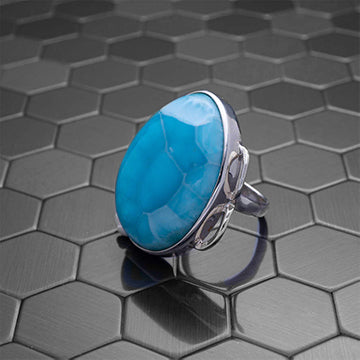
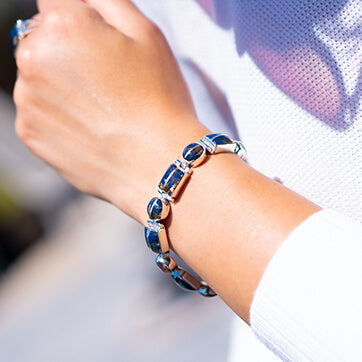
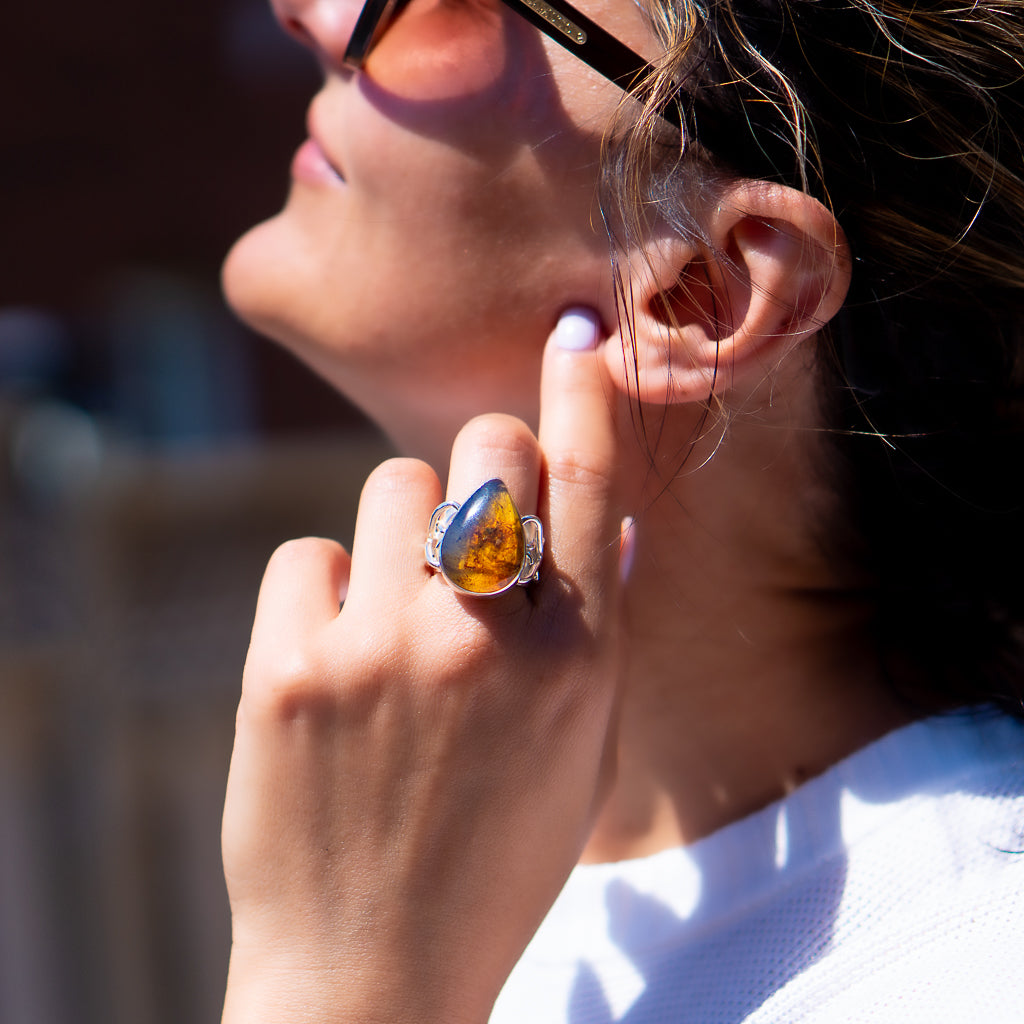
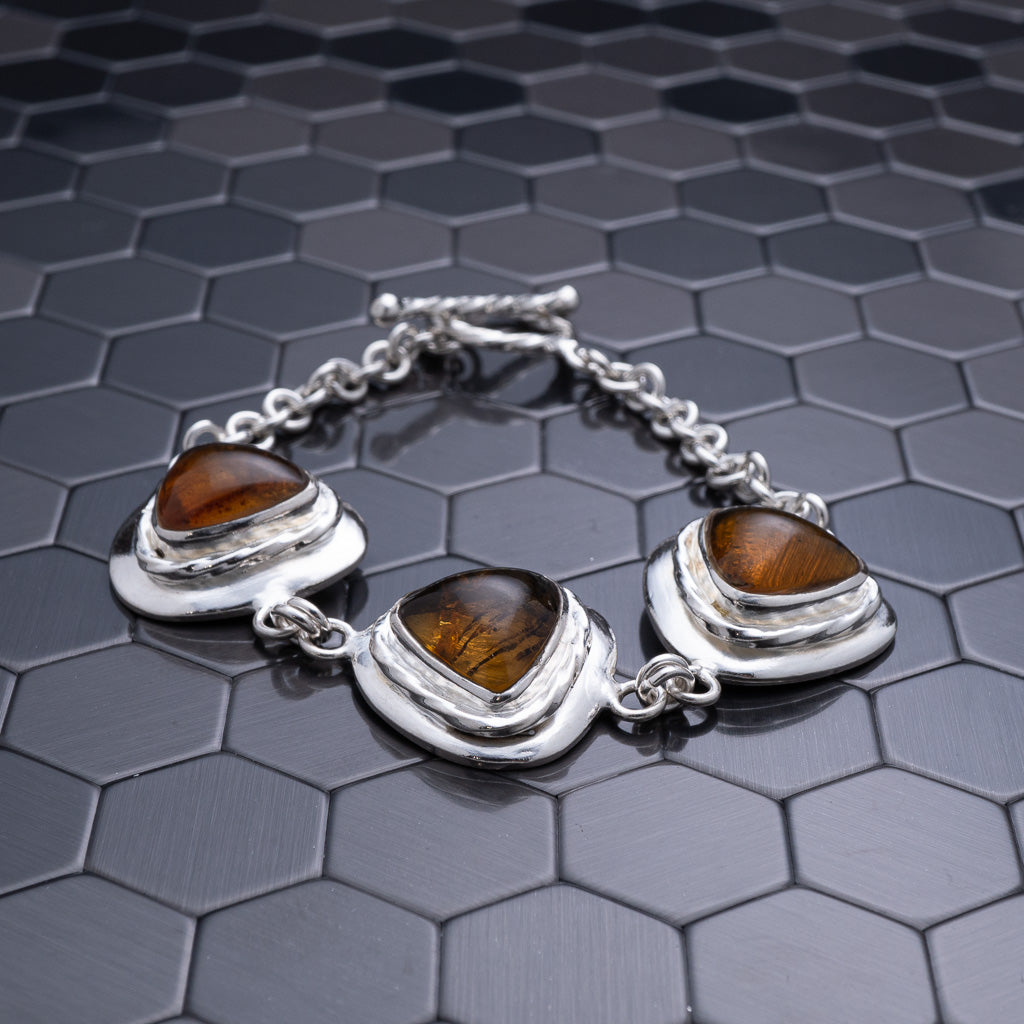
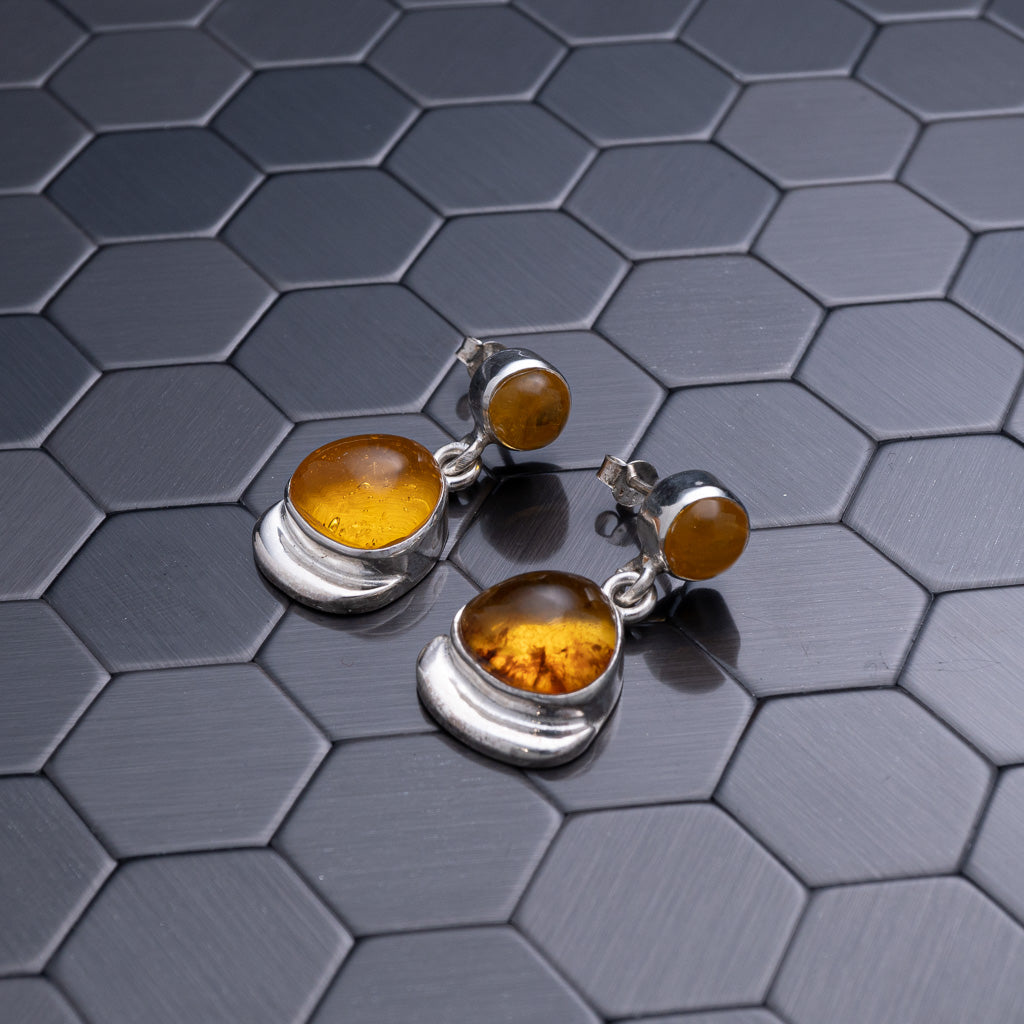
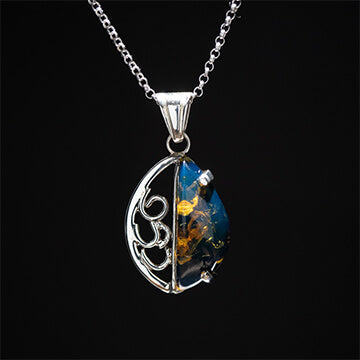
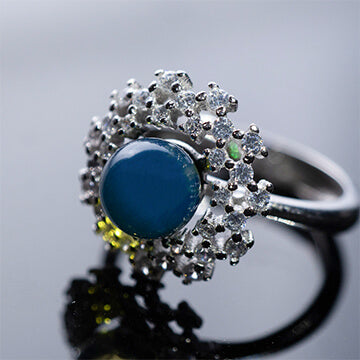
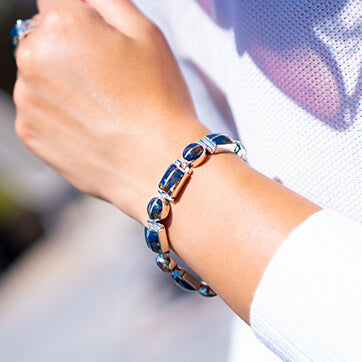
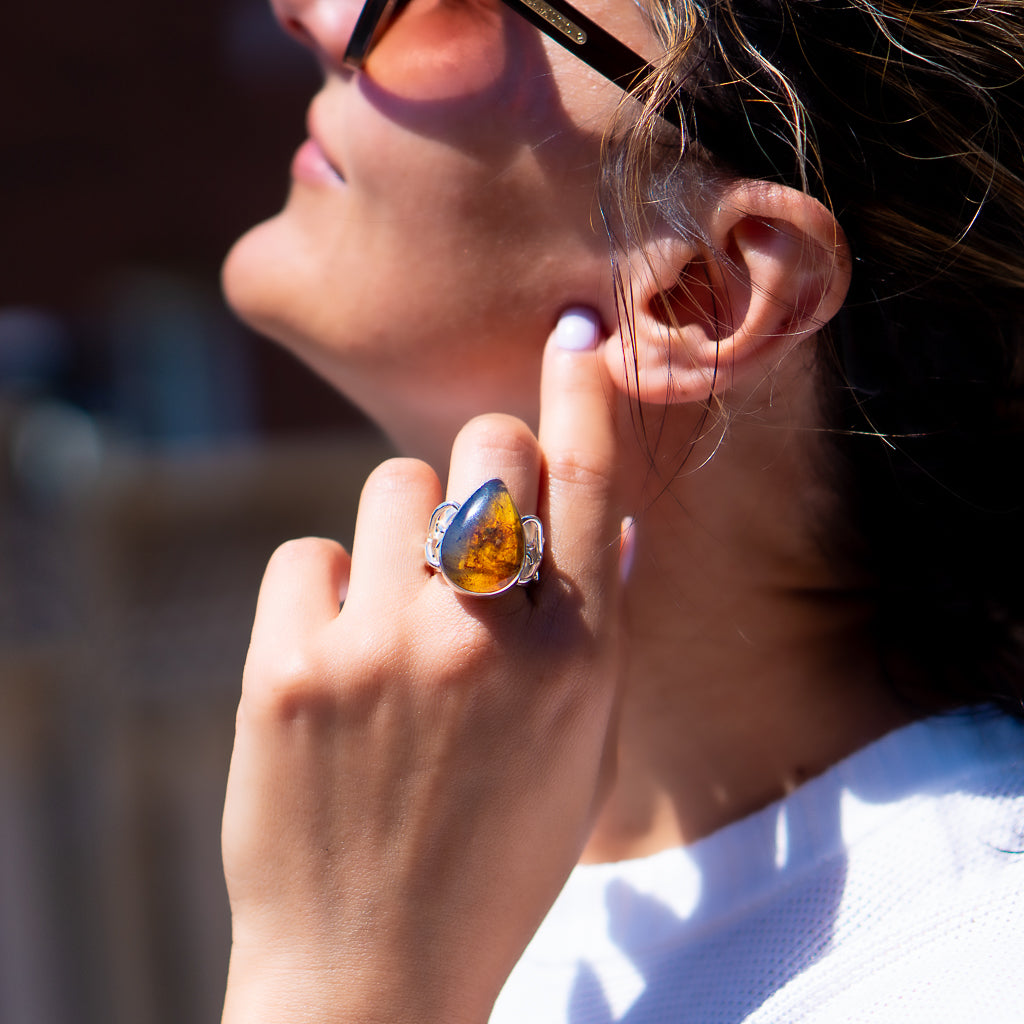
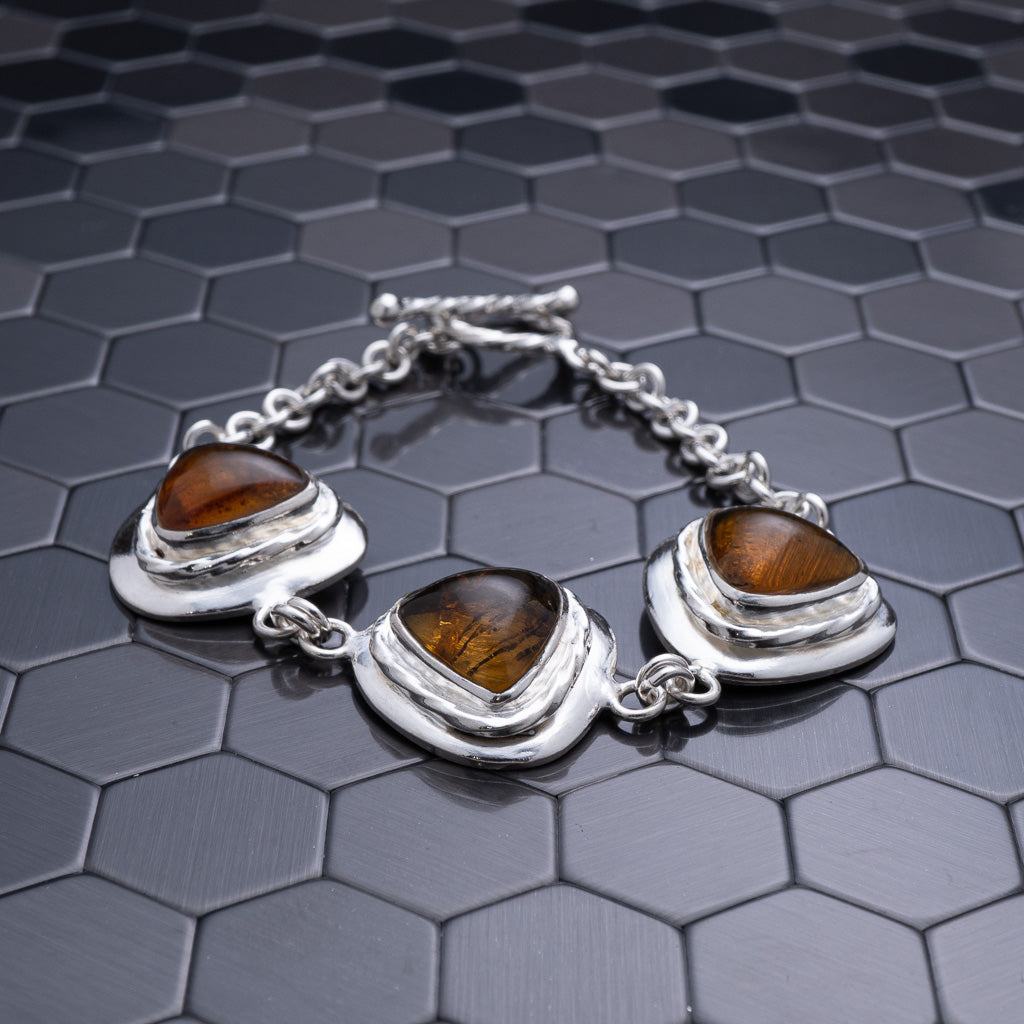
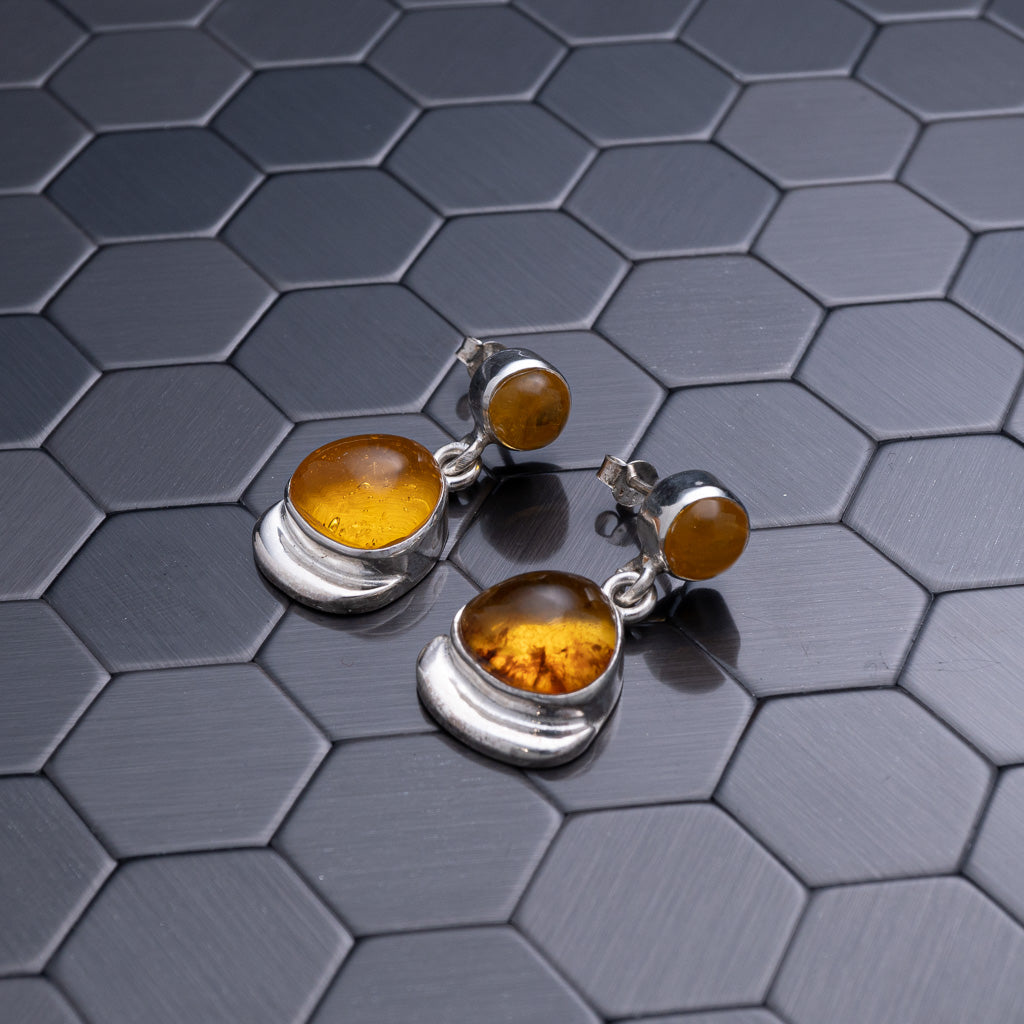
There is also a practical trade-off with daily wear. Amber jewelry is absolutely wearable, but not every setting suits every activity. A pendant or earrings may face less impact than a ring or bracelet, which naturally comes into contact with harder surfaces throughout the day. If you wear amber in rings or cuffs, a little extra attention goes a long way.

The Best Way to Store Amber Jewelry

Good storage protects amber from both scratches and environmental stress. Ideally, each piece should be kept separately in a soft pouch or a lined jewelry box compartment. This is especially important for polished cabochons, carved amber, and highly transparent stones, where even minor surface scratches are easier to notice.

Avoid tossing amber into a general jewelry tray with metal clasps, gemstone strands, or watches. Harder materials will win that contact every time. If your collection includes other artisan pieces, storing amber on its own is one of the simplest ways to preserve its finish.

A cool, dry place is best, but not overly dry for long periods. Some collectors prefer to avoid airtight plastic containers, especially in fluctuating conditions, because amber is an organic material and benefits from a stable environment. You do not need specialized storage equipment, just consistency and softness.

For travel, wrap amber jewelry in a soft cloth or place it in an individual pouch before packing it inside a jewelry case. This prevents rubbing and pressure, particularly for statement pendants and larger collector pieces.

How to Wear Amber Safely

Amber rewards careful wear. It is luminous, romantic, and full of natural character, but it is not meant to be treated like an indestructible stone.

The safest occasions for amber are the ones that allow it to be admired rather than tested. It is perfect for dinners, gatherings, travel styling, gifting moments, and everyday elegance in low-impact settings. It is less suited to workouts, gardening, swimming, housework, or any activity where knocks, sweat, or chemicals are likely.

Water itself is not always the main issue in brief contact. The bigger concern is everything around it - chlorinated pools, salt exposure, soap buildup, and abrupt changes in temperature. If you are headed to the beach or spa, it is wise to leave amber behind.

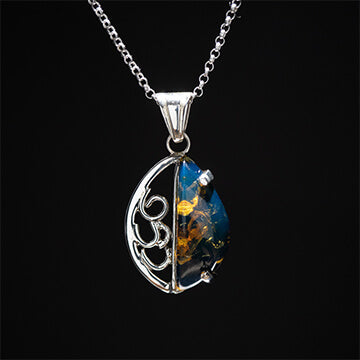
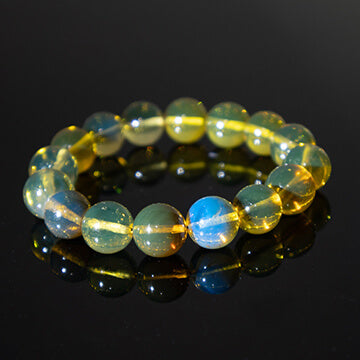
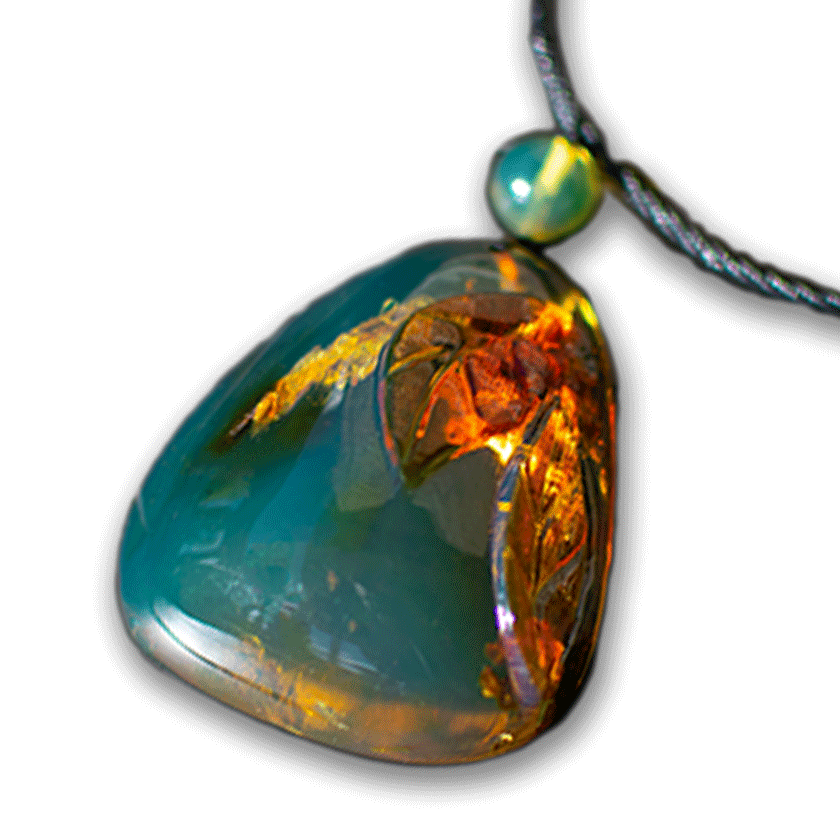
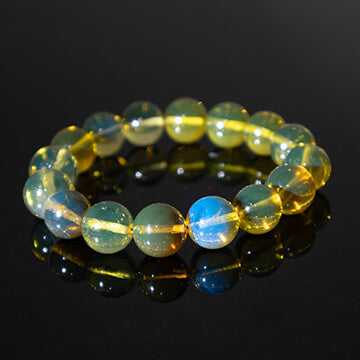
This is especially true for rare Dominican Blue Amber. Its visual magic comes from light, transparency, and exceptional natural formation. Because pieces of this quality are both collectible and highly distinctive, preserving the surface is part of preserving the value. Wear a piece of the Caribbean, yes - but with the care a rare gemstone deserves.

When Amber Looks Cloudy or Scratched

A loss of shine does not always mean permanent damage. Sometimes amber simply has a film from skin oils, cosmetics, or environmental dust. A careful wipe with a soft cloth and mild cleaning can restore much of its natural glow.

If the surface is visibly scratched or dull in a way that cleaning does not fix, polishing may help, but this is where caution matters. Fine amber can often be repolished, yet amateur polishing can remove material unevenly or alter the shape of a cabochon. With handcrafted jewelry or certified stones, professional assessment is the safer route.

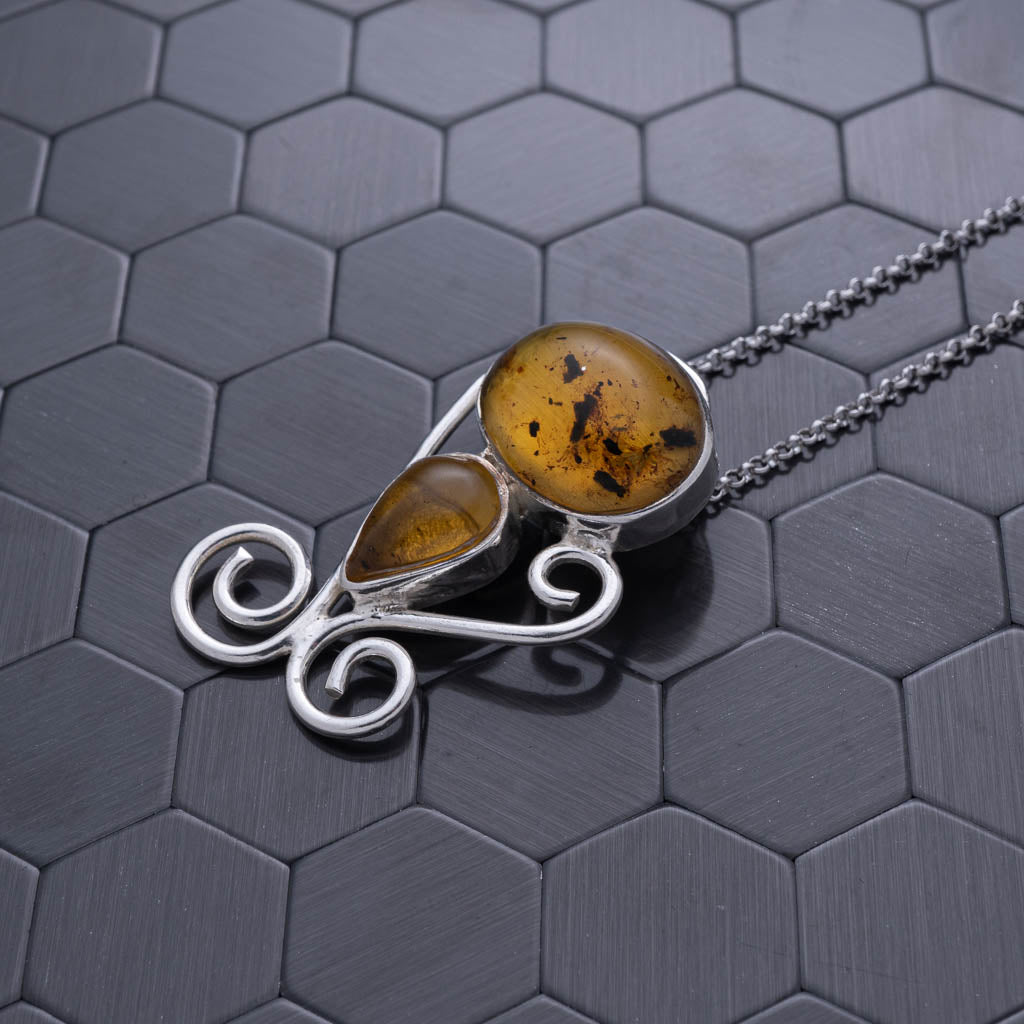
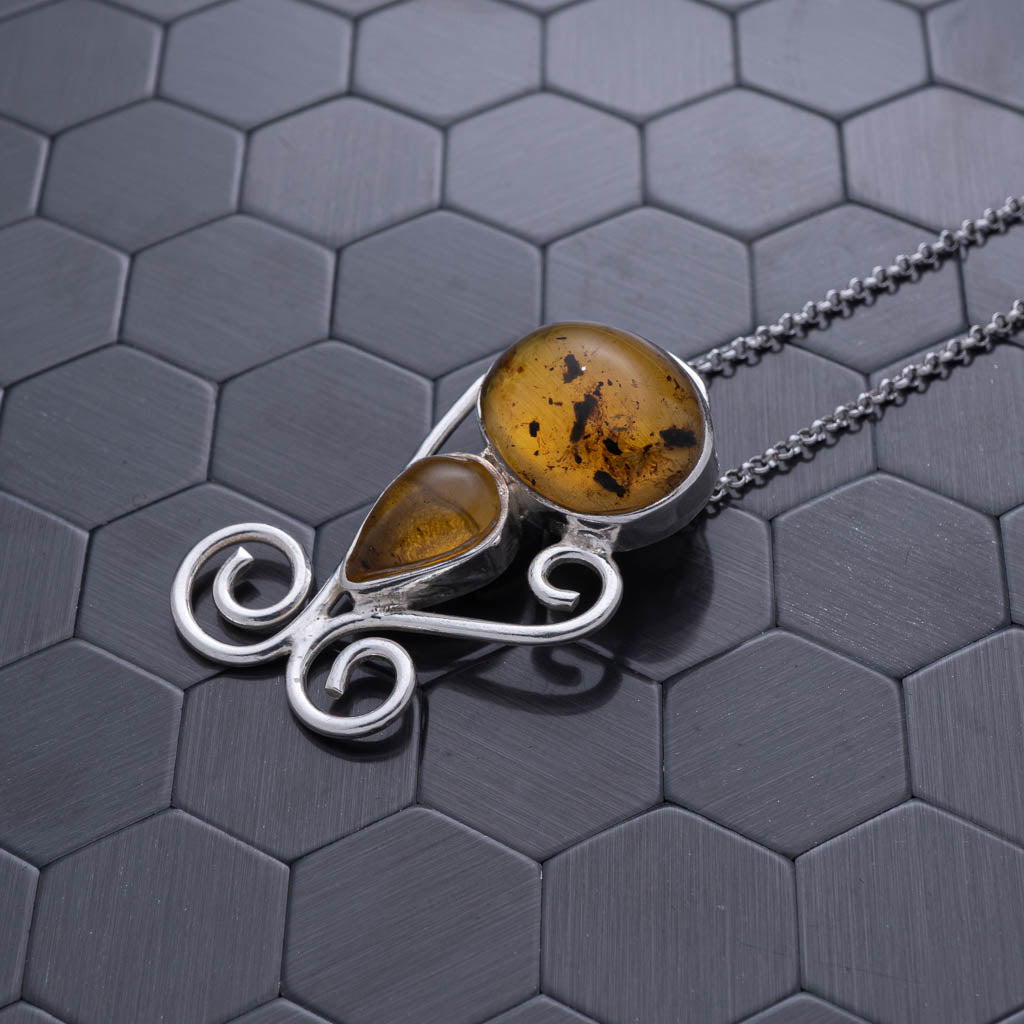
The value of a piece should guide your decision. A simple amber bead bracelet may allow for a more practical repair mindset, while a rare Dominican specimen, fossil inclusion, or artisan-set pendant deserves specialist care. Authenticity and craftsmanship are worth protecting, and restoration should respect both.

Caring for Amber Beads, Carvings, and Collector Pieces

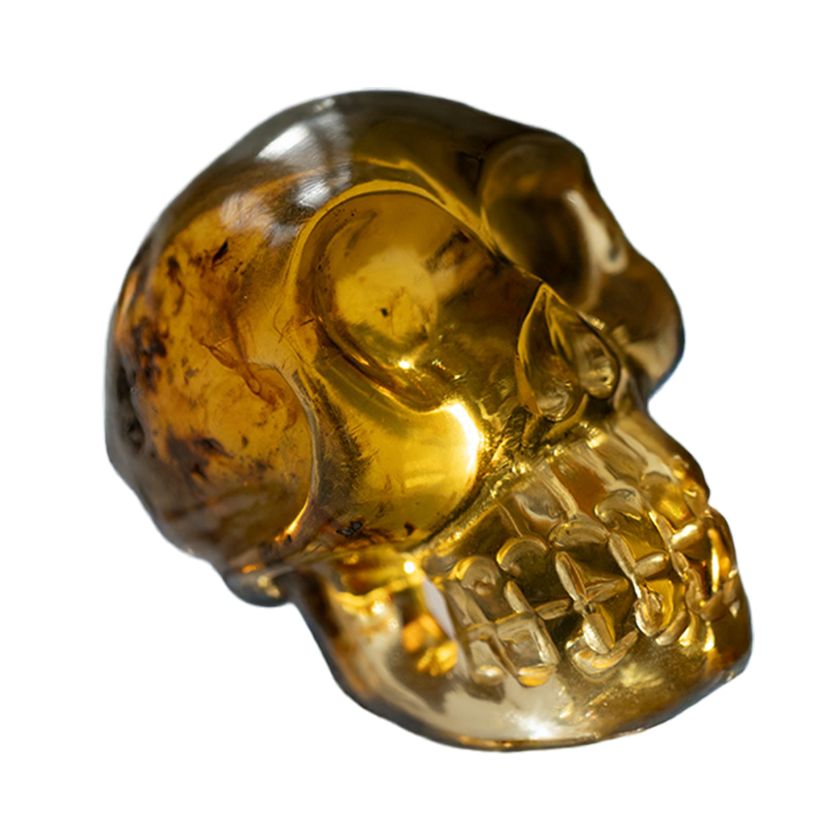
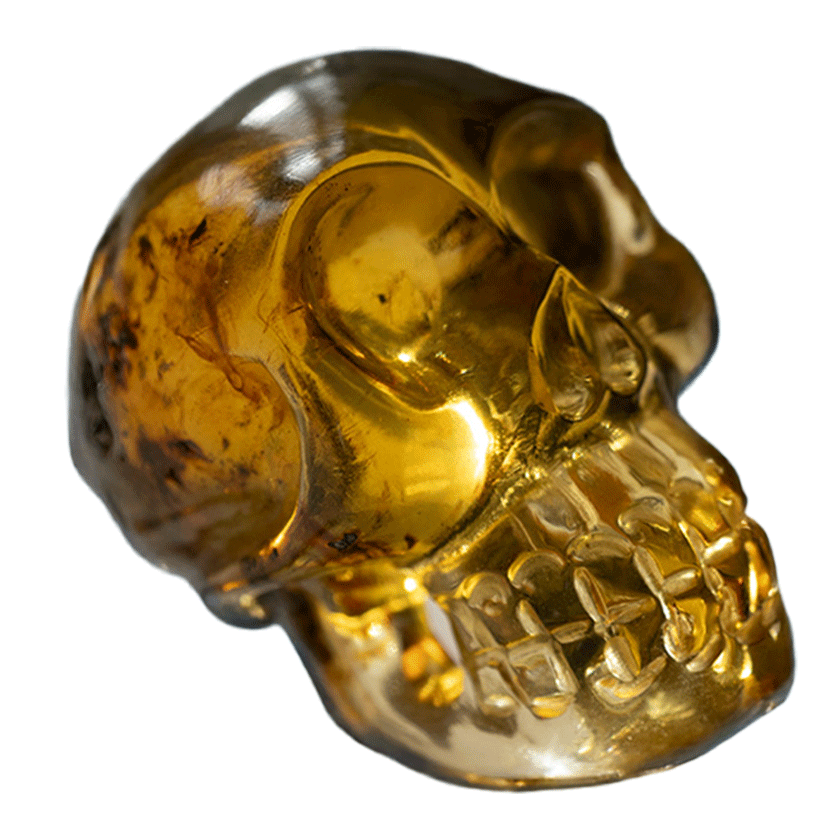
Not all amber is worn the same way, and not all forms should be cared for identically. Beads and tasbih may experience repeated friction from handling, so keeping hands clean and dry helps reduce residue. Carvings with intricate detail need especially gentle dusting because buildup can settle into recessed areas.

Loose cabochons and collector stones should be stored with just as much care as finished jewelry. Because they are often handled for viewing, photography, or collecting, they benefit from a soft display surface and minimal direct contact. If a piece contains a visible fossil or plant inclusion, extra care helps maintain clear viewing without accidental scratching.

For higher-value amber, provenance matters alongside condition. Certified, authentic material deserves care that reflects its rarity. That is one reason collectors and jewelry buyers alike often prefer specialized sources such as Larimar Creations, where origin and craftsmanship are part of the story, not an afterthought.

A Simple Routine for Long-Term Amber Care

If you want the easiest answer to how to care for amber, think in terms of habit rather than rescue. Put it on after perfume and lotion. Remove it before cleaning, swimming, or exercising. Wipe it after wear. Store it separately. Clean it gently only when needed.

That routine may sound modest, but it protects the qualities people love most in amber: warmth, light, depth, and that unmistakable organic glow. Unlike mass-market jewelry that can be replaced without much thought, authentic amber often carries rarity, sentiment, and the hand of the artisan who shaped it.

The finest amber does not ask for much. It simply asks to be worn with intention, protected with care, and appreciated for exactly what it is - one of nature's most luminous originals.


Let's Stay In Touch