Your Cart is Empty

A vivid blue stone can look extraordinary in a product photo. A glowing amber pendant can feel ancient, warm, and unmistakably rare. But when you are buying fine jewelry or collector-grade stones online, beauty alone is not enough. Authentic gemstone certificates give substance to what your eyes admire. They help confirm that the gemstone you are choosing is genuinely what it claims to be, and that matters even more when the stone is rare, region-specific, and naturally distinctive.
For buyers drawn to Larimar, Dominican amber, and especially Dominican Blue Amber, certification is not a minor extra. It is part of the value of the piece itself. These gemstones are cherished for their origin, color, and natural character, and those qualities deserve documentation that supports the story behind the stone.
At their best, authentic gemstone certificates do far more than say a gemstone is real. A proper certificate identifies the stone, describes key characteristics, and records findings based on gemological examination. Depending on the gemstone and the issuing lab, the document may also note whether the stone is natural or synthetic, whether it has received treatment, and whether its geographic origin can be reasonably determined.
That last point matters because not every certificate includes the same level of detail. Some reports focus only on identity. Others go further into origin analysis, enhancements, and measurable properties. For a collector, that difference is significant. For a jewelry buyer choosing a meaningful pendant or ring, it can shape confidence in the purchase.
A certificate should never be treated as decorative packaging. It is evidence. It gives the buyer a clearer picture of what they are purchasing and offers reassurance that rarity and pricing are supported by professional evaluation.
Not all gemstones face the same market pressures. Mass-market stones are often judged mainly by appearance and price. Rare Caribbean stones are different. Their appeal is tied not just to color and polish, but to provenance, scarcity, and cultural identity.
Larimar is found only in the Dominican Republic. That exclusivity is central to its value. Dominican amber, including the especially sought-after blue variety, also carries a strong origin story. Buyers are not simply purchasing jewelry. They are choosing a piece of the Caribbean, shaped by natural history and craftsmanship.
Because these stones are niche and highly desirable, they can also be misunderstood, mislabeled, or casually represented by sellers who lack specialization. A certificate helps separate informed sourcing from vague claims. It tells the buyer that the stone was examined with care, not simply marketed with attractive language.
For a gift buyer, this creates confidence. For a collector, it supports long-term value. For anyone investing in a one-of-a-kind handcrafted piece, it affirms that the gemstone at its center is worthy of the setting around it.
A trustworthy certificate should feel precise, not promotional. The language is typically technical, measured, and based on observable findings. If a document reads more like a sales card than a gemological report, it deserves a second look.
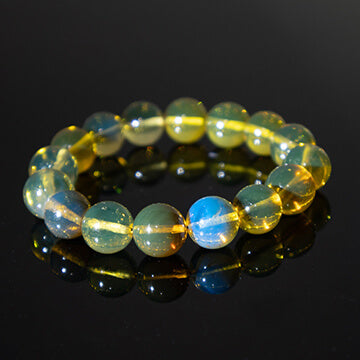
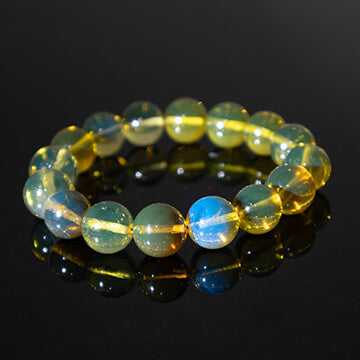
The first and most basic function is identifying the gemstone correctly. That may sound obvious, but it is essential. Blue amber, for example, can be confused in casual selling environments with resin imitations or heavily exaggerated descriptions. Proper identification is the foundation of everything else.
A strong report should clarify whether the material is natural. This is particularly important in online jewelry shopping, where visual similarity can conceal major differences in value. A natural gemstone carries different rarity, durability, and collectibility than a man-made substitute.
Many gemstones in the broader market are treated to improve color or clarity. Treatment is not always negative, but it should be disclosed. Transparency matters. Buyers deserve to know whether the beauty they see is fully natural or altered in some way.
Origin reports can be especially meaningful for Larimar and Dominican amber. Still, this is where nuance matters. Geographic origin is not always easy to confirm with absolute certainty, and reputable labs are careful in how they word these conclusions. If origin is listed, it should be based on established testing and comparative analysis, not romantic assumption.
Even authentic gemstone certificates should be considered as part of a larger trust framework. A reputable seller will usually pair certification with clear product photography, accurate descriptions, and a visible commitment to authenticity. When those things align, the buying experience feels grounded.
If a seller offers certification but provides blurry images, vague stone details, or inconsistent naming, that mismatch can be telling. The reverse is also true. A specialist retailer with deep category knowledge, transparent sourcing language, and carefully presented pieces often signals expertise beyond the document itself.
This matters especially in artisan jewelry. Handmade pieces vary by design, cut, and natural pattern. Certificates support authenticity, but the seller’s ability to explain the stone in context also matters. You want both science and stewardship.
Certificates are powerful, but they have limits. They can identify and describe a gemstone. They can often detect treatment. They may support origin conclusions. What they cannot do is tell you whether a piece matches your taste, whether the polish is ideal for your preference, or whether the stone’s personality speaks to you.
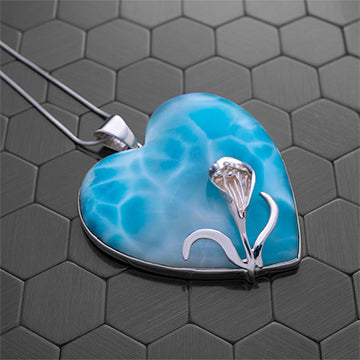
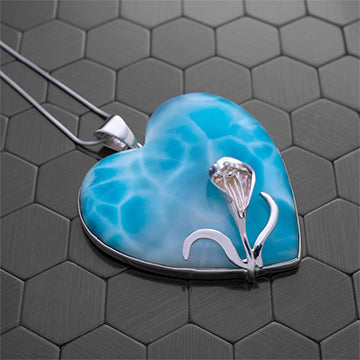
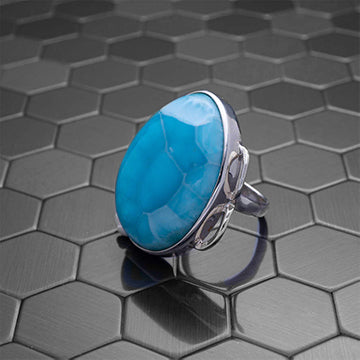
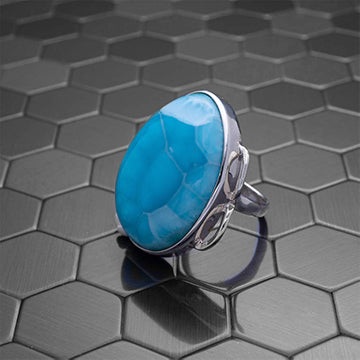
That distinction is worth keeping in mind when shopping for highly visual gems like Larimar. Two authentic stones can both be genuine and still feel completely different. One may show soft cloud-like blue marbling. Another may have deeper ocean tones with dramatic white patterning. Certification confirms authenticity, not aesthetic hierarchy.
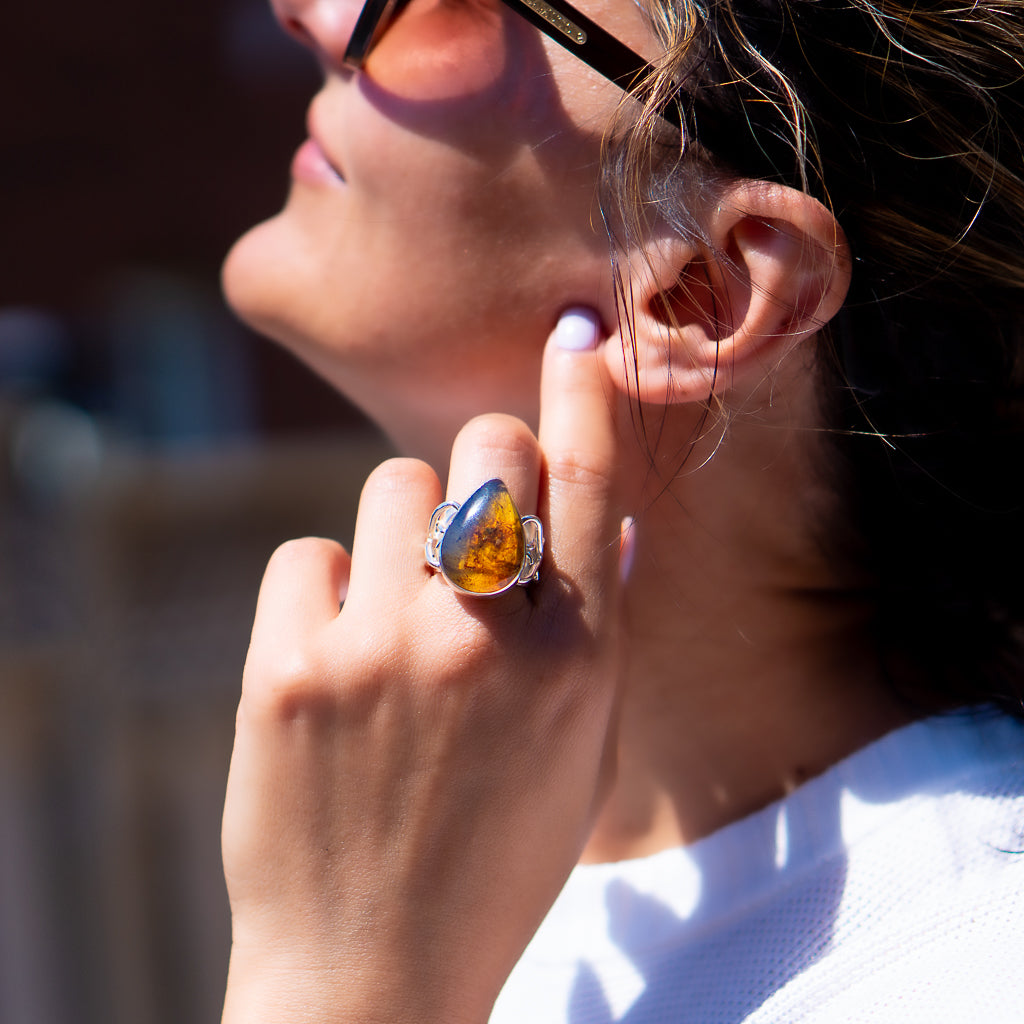
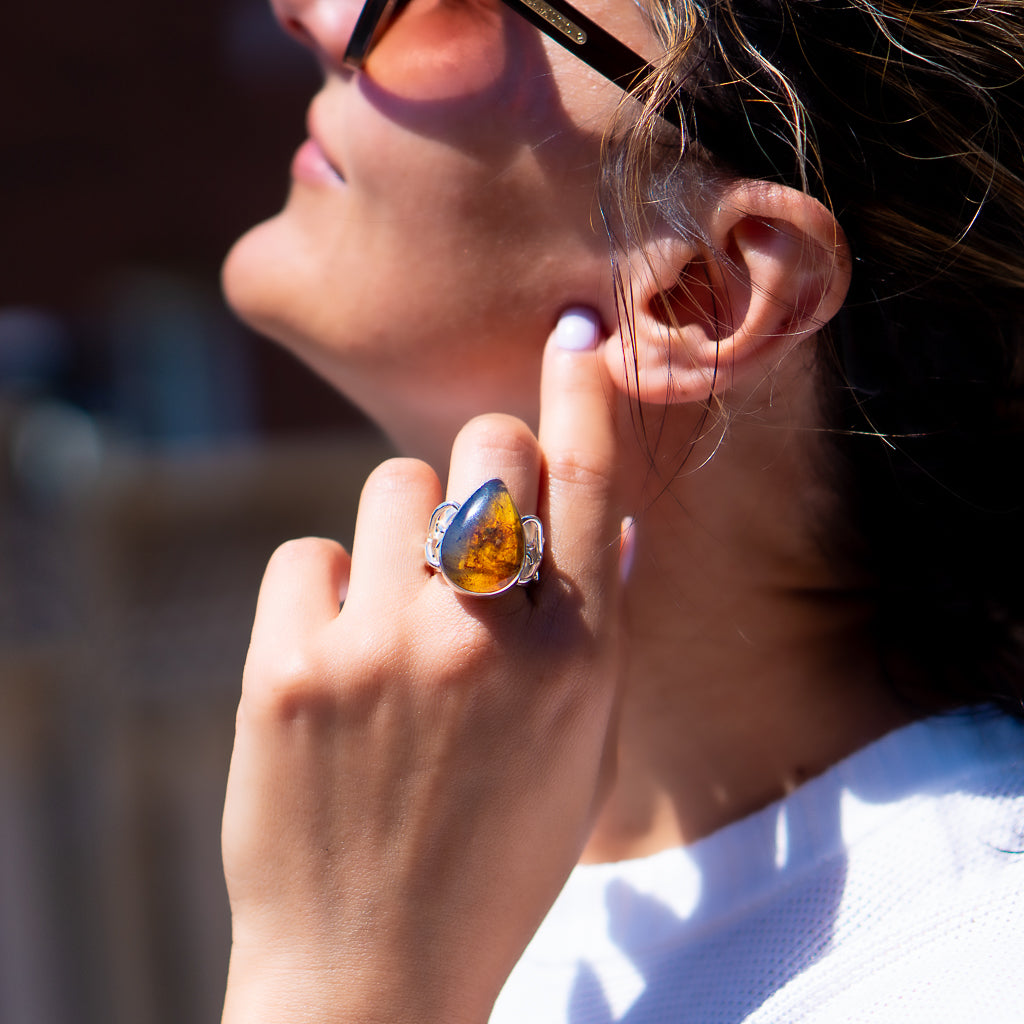
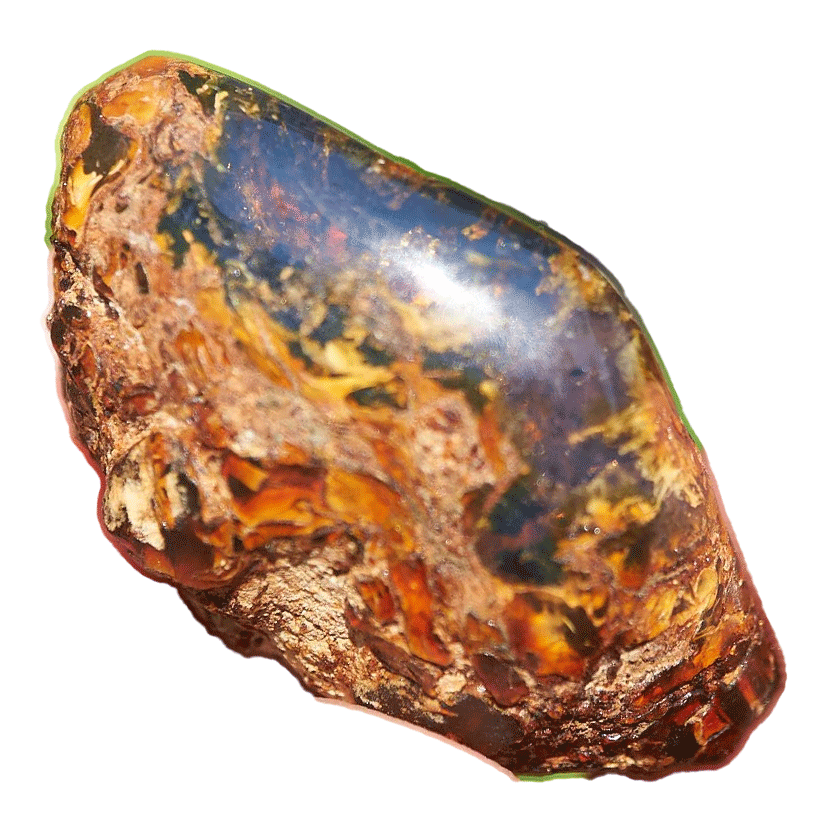
The same applies to amber. Inclusions, glow, transparency, and body color vary naturally. A certificate tells you the material is real. Your eye tells you whether the piece is unforgettable.
Collectors tend to think in terms of rarity, origin, and future significance. Gift buyers often think in terms of emotion, symbolism, and trust. Authentic gemstone certificates serve both perspectives beautifully.
For collectors, documentation helps support a stone’s identity over time. If the gemstone becomes part of a long-term collection, the certificate remains part of its record. It adds clarity and reduces uncertainty later.
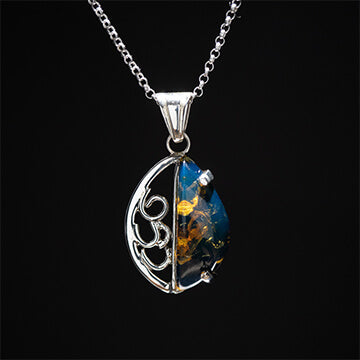
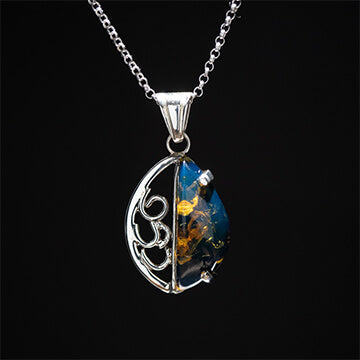
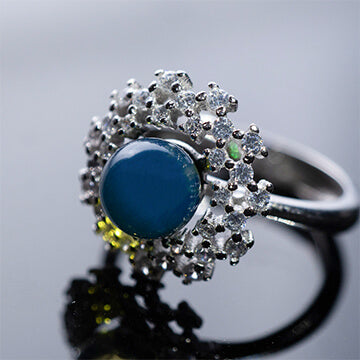
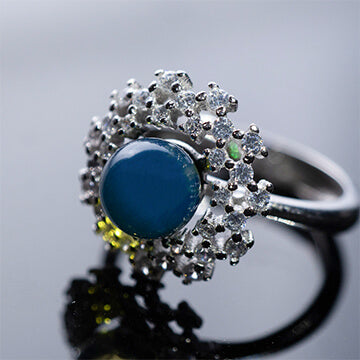
For gift buyers, certification adds meaning. It says the piece was chosen with discernment. A certified Larimar pendant or Dominican Blue Amber ring is not just beautiful. It carries proof of authenticity that elevates the gesture. It shows care, especially when the recipient values unusual gemstones and fine craftsmanship.
These two gemstone categories reward educated buying. Their rarity attracts genuine admirers, but also broad curiosity from shoppers who may be encountering them for the first time. That makes clear documentation especially helpful.
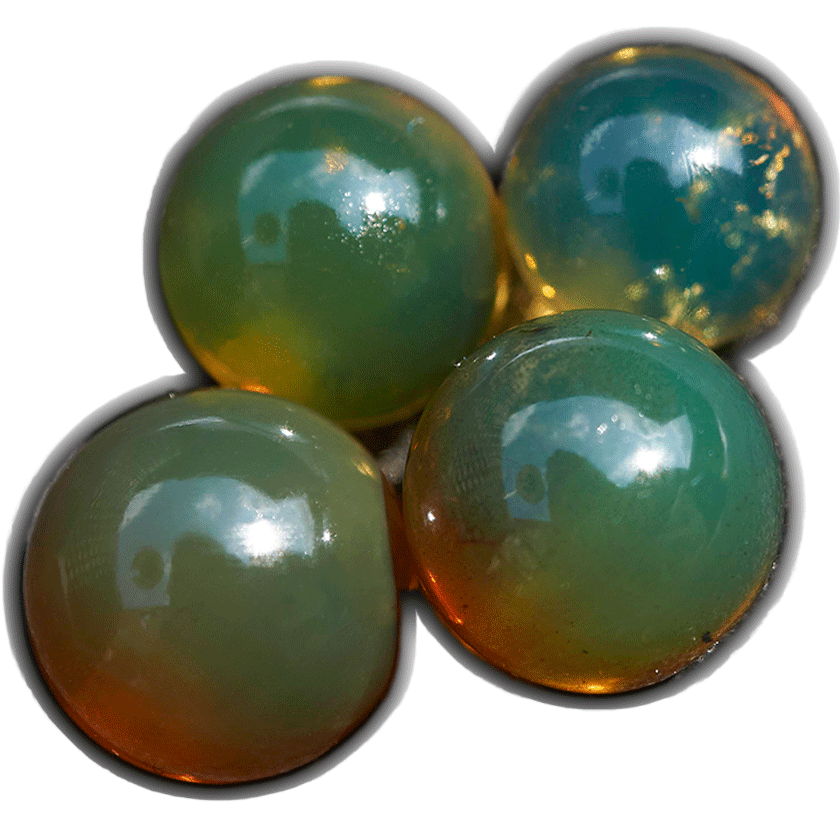
Larimar’s appeal lies in its unmistakable Caribbean palette - serene blues, white currents, and patterns that evoke sea foam and sunlight on water. Dominican Blue Amber offers something equally captivating, with its rare luminous effect and collector appeal. In both cases, certification supports what makes the stone extraordinary: natural identity, regional significance, and precious individuality.
For a brand rooted in these materials, certification is not simply about checking a box. It is part of honoring the gemstone itself. Larimar Creations understands that buyers are not looking for generic jewelry. They are looking for authenticity they can wear, gift, and treasure.
When reviewing a gemstone piece, ask simple but meaningful questions. Is the stone clearly identified? Is certification mentioned with confidence and consistency? Does the seller explain origin and authenticity in a way that feels informed rather than exaggerated? And does the overall presentation reflect the care you would expect from a specialist?
The answers do not need to feel complicated. In many cases, confidence comes from clarity. When a gemstone is rare and beautiful, the details should never be hidden behind marketing language alone.
A certificate will not replace your instinct, but it sharpens it. It gives you a stronger basis for choosing a ring, pendant, bracelet, or collector stone that truly reflects its claimed identity. And when the gemstone carries the color of the Caribbean and the rarity of a singular place on earth, that level of assurance is not extra. It is part of the beauty.
Choose stones that speak to you, but choose them with proof. The most meaningful jewelry is not only admired for how it looks - it is valued for what it truly is.