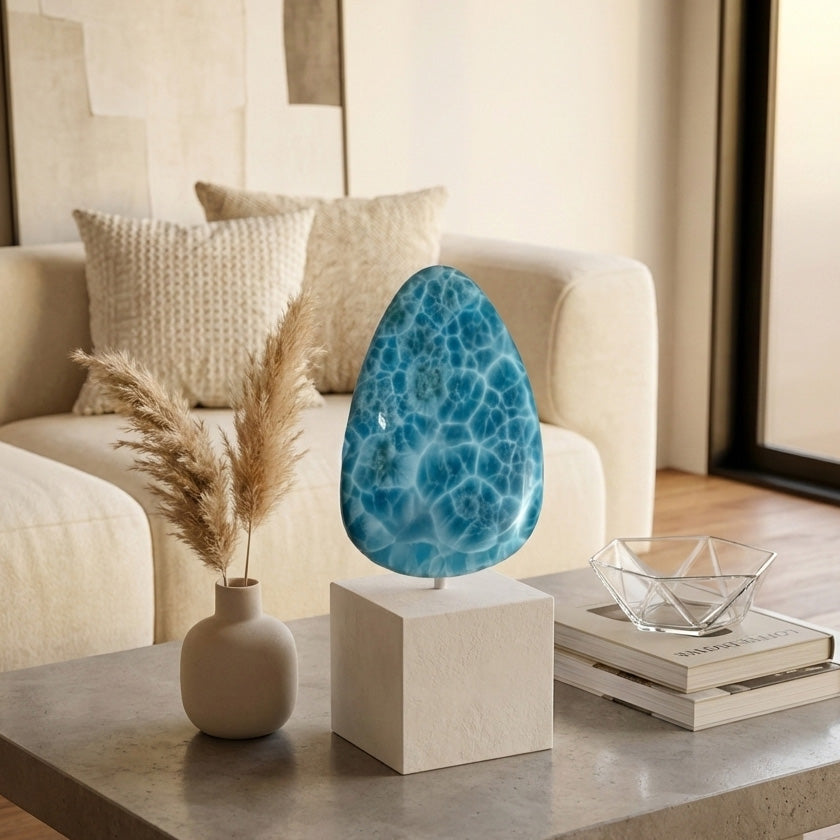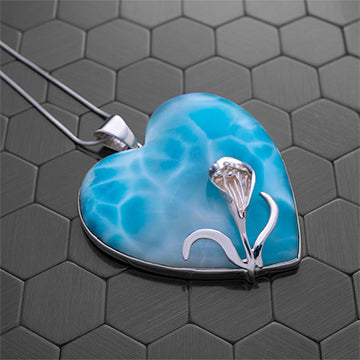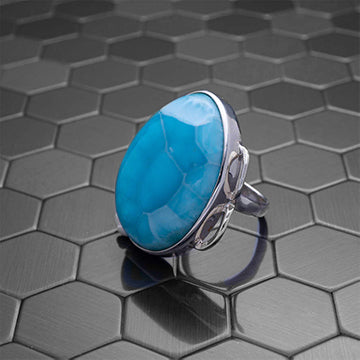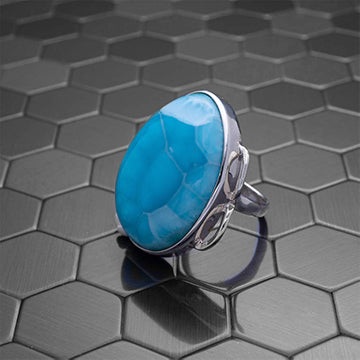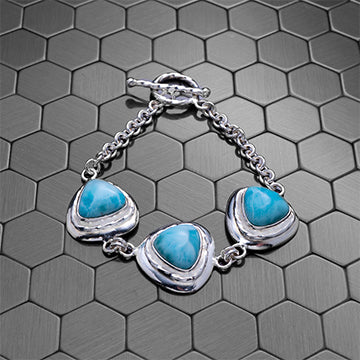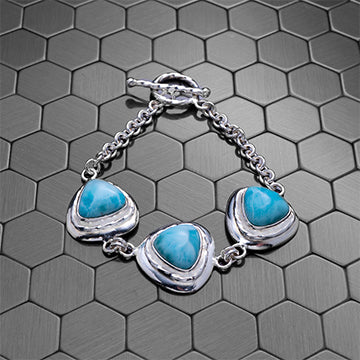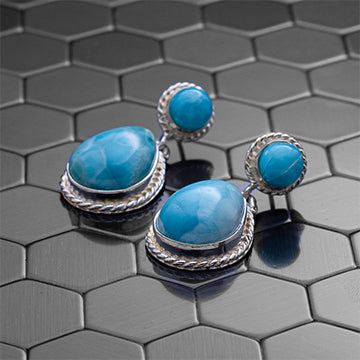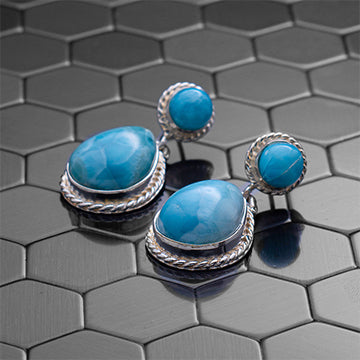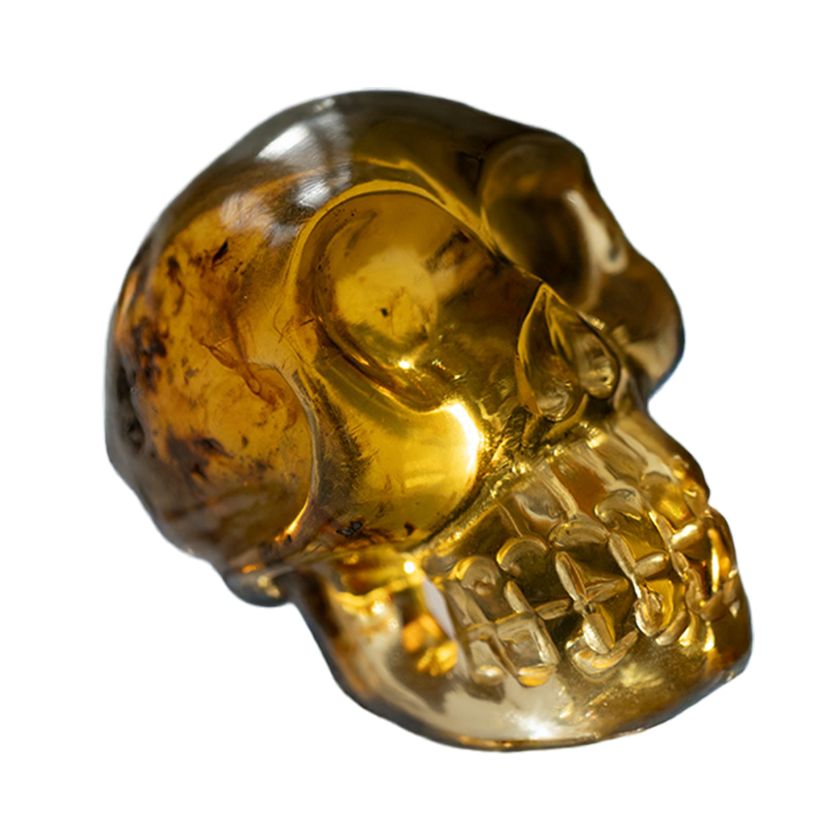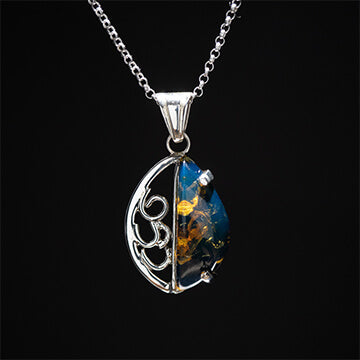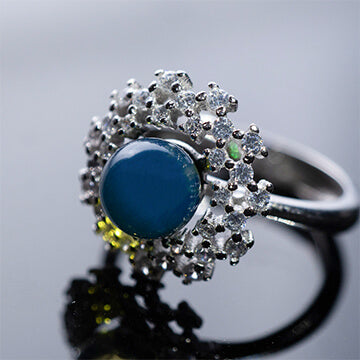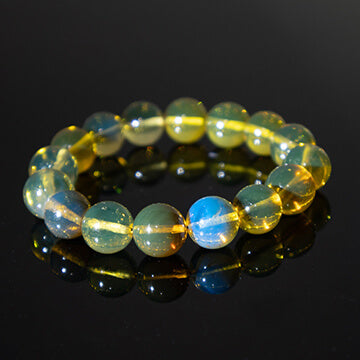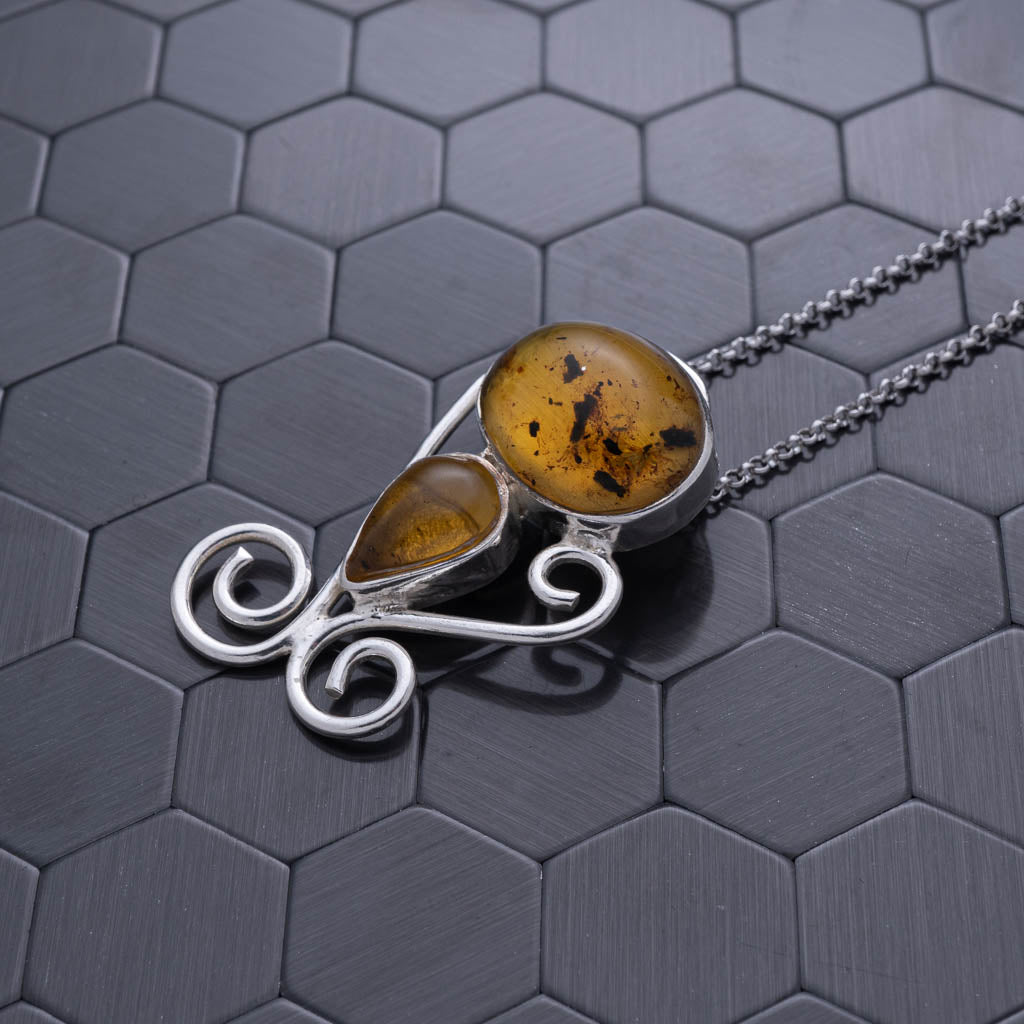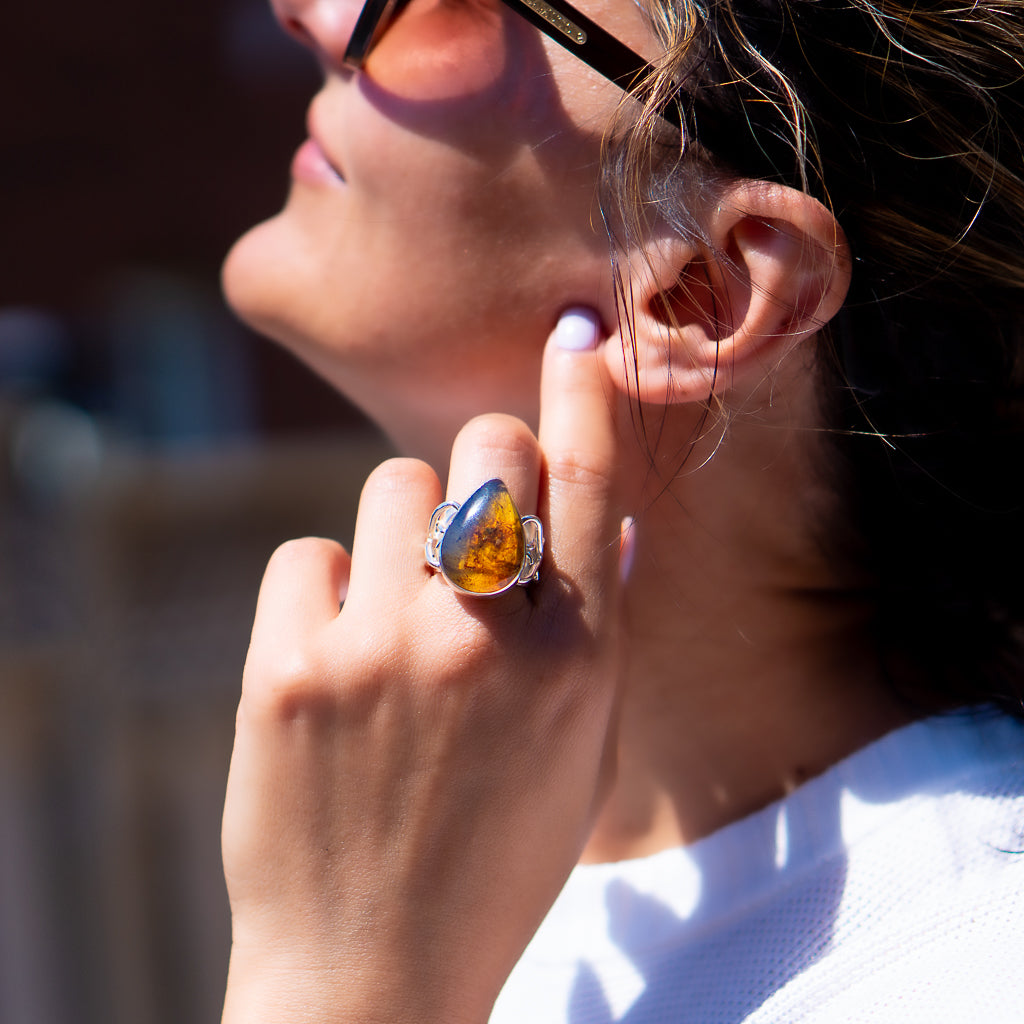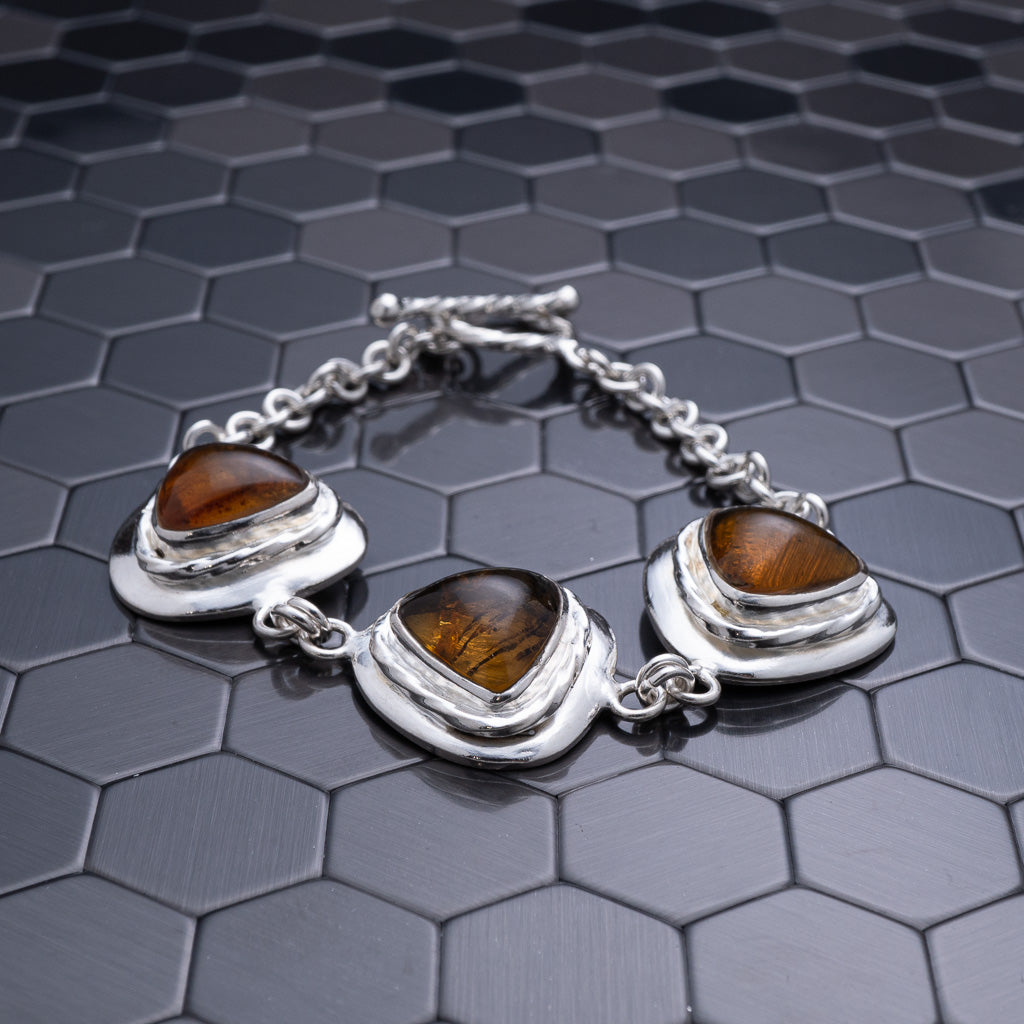



Handcrafted in DR.

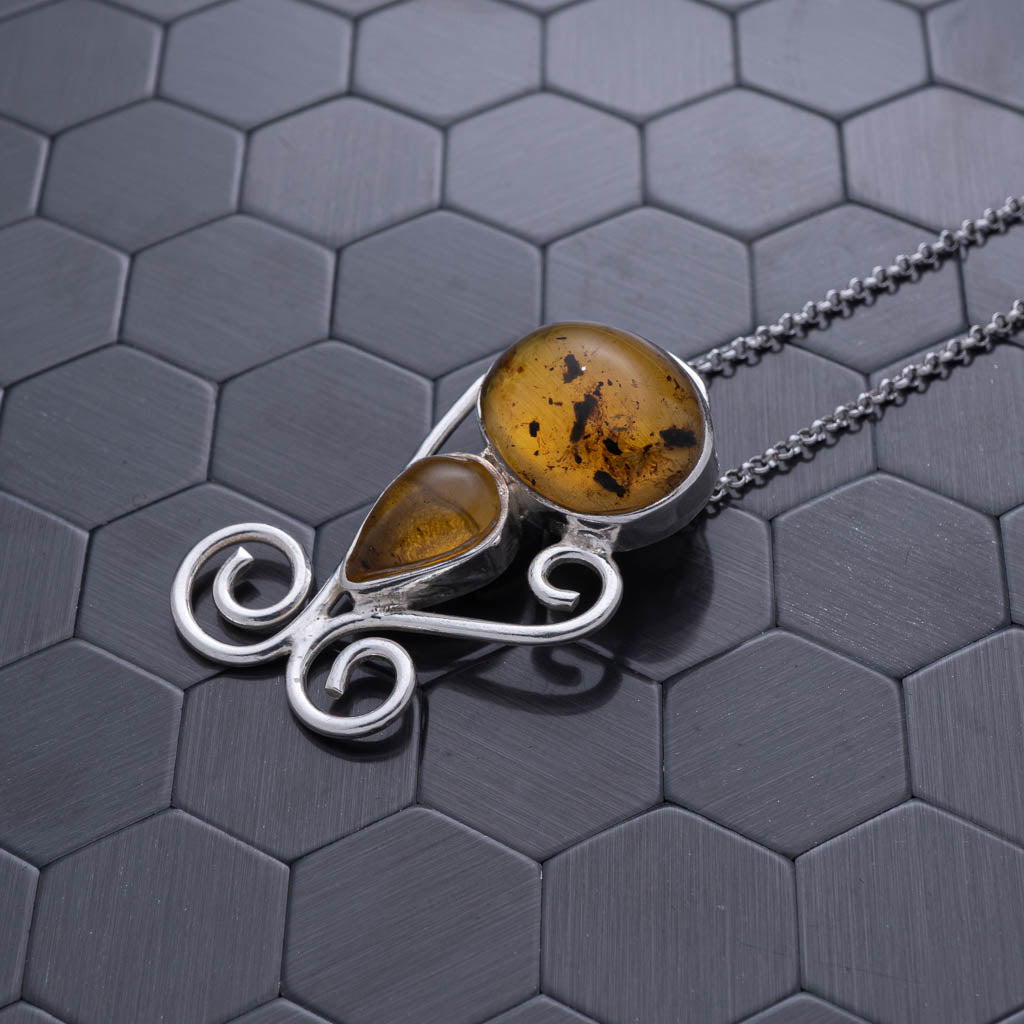
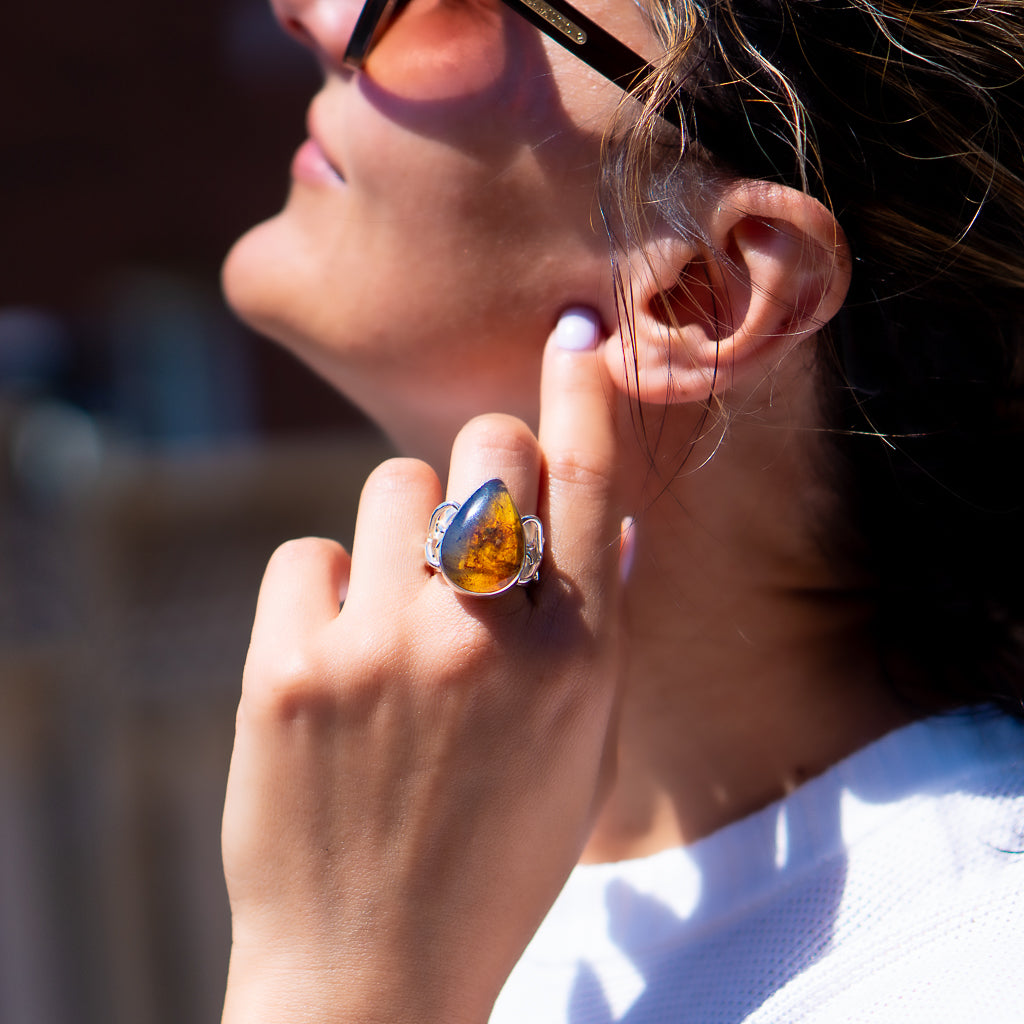
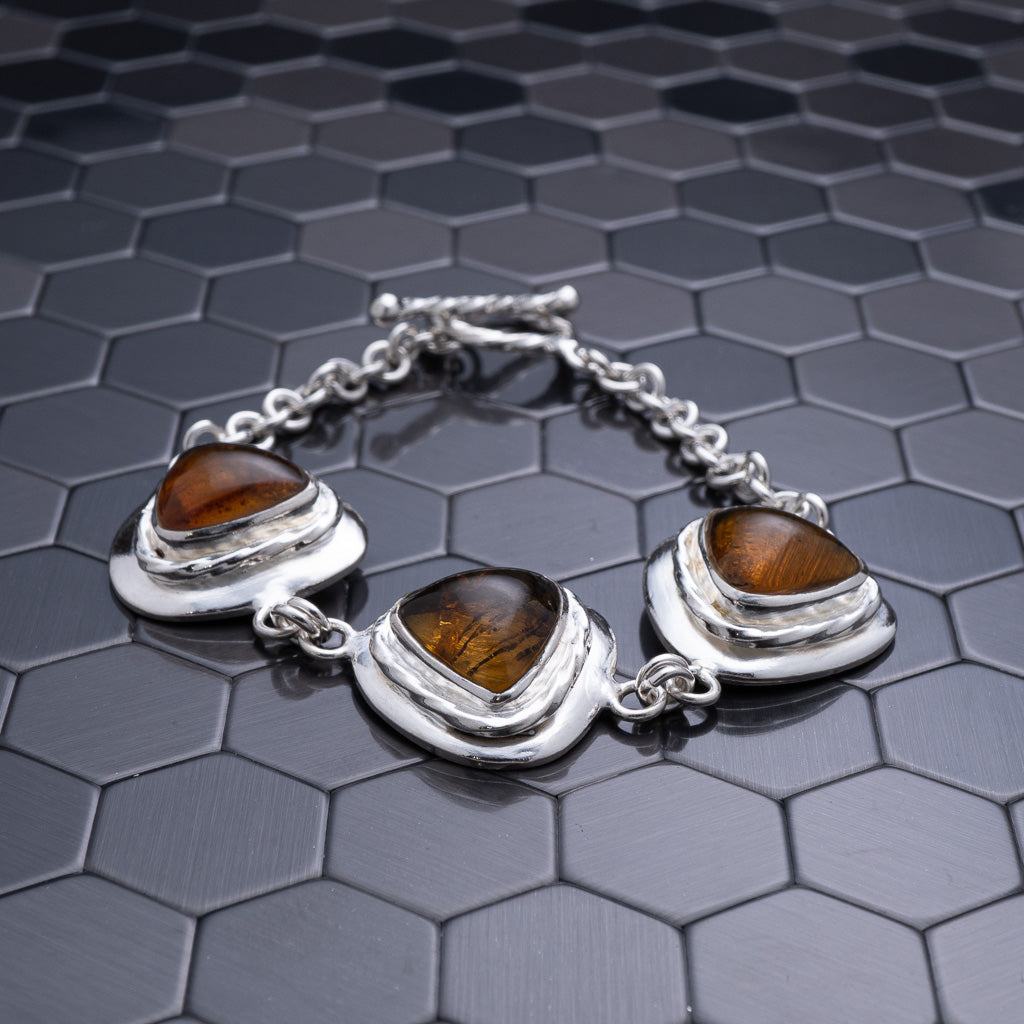
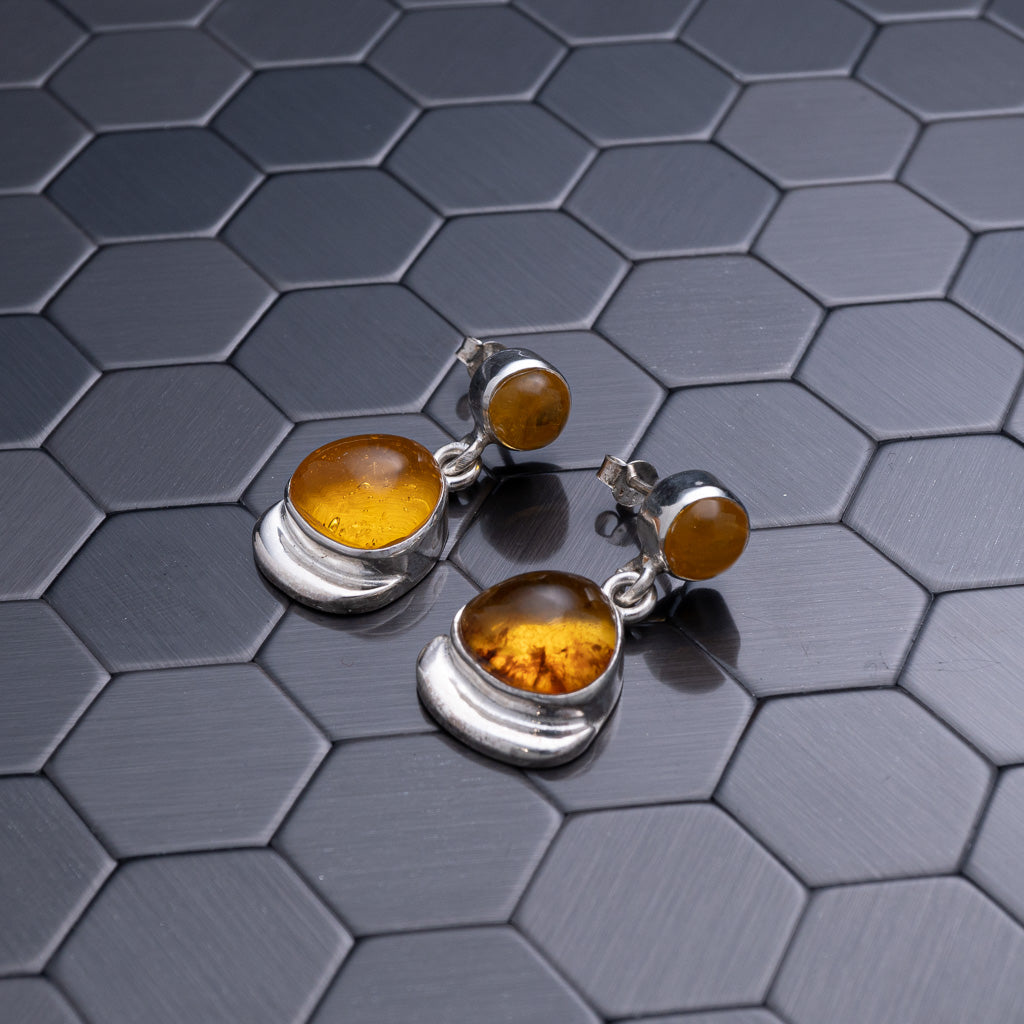


100% Handcrafted in DR.

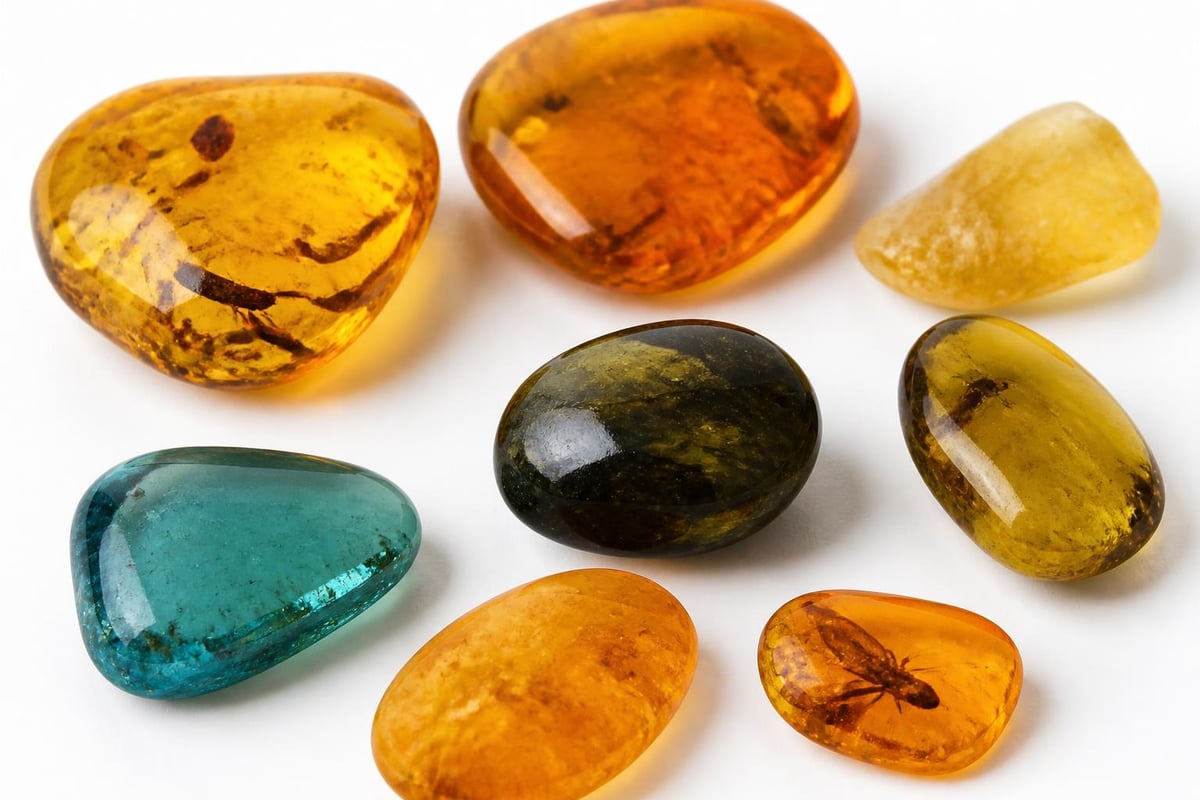
The world of gemstone craftsmanship holds few disciplines as ancient and demanding as the work of an amber artisan. These skilled craftspeople transform fossilized tree resin into breathtaking jewelry pieces, combining scientific understanding with artistic vision to reveal the hidden beauty within each piece of amber. Unlike gemstones formed in the earth's mantle, amber carries within it stories from millions of years ago, sometimes preserving ancient insects or plant matter that provide a window into prehistoric ecosystems. The amber artisan must understand not only the technical aspects of working with this delicate material but also its historical significance, geological formation, and the unique properties that make each piece distinct.
Working with amber requires comprehensive knowledge of its composition and characteristics. Amber is fossilized tree resin that has undergone millions of years of polymerization and hardening, creating a material that's both beautiful and remarkably delicate. An amber artisan must recognize that this organic gemstone differs fundamentally from crystalline stones like diamonds or sapphires.
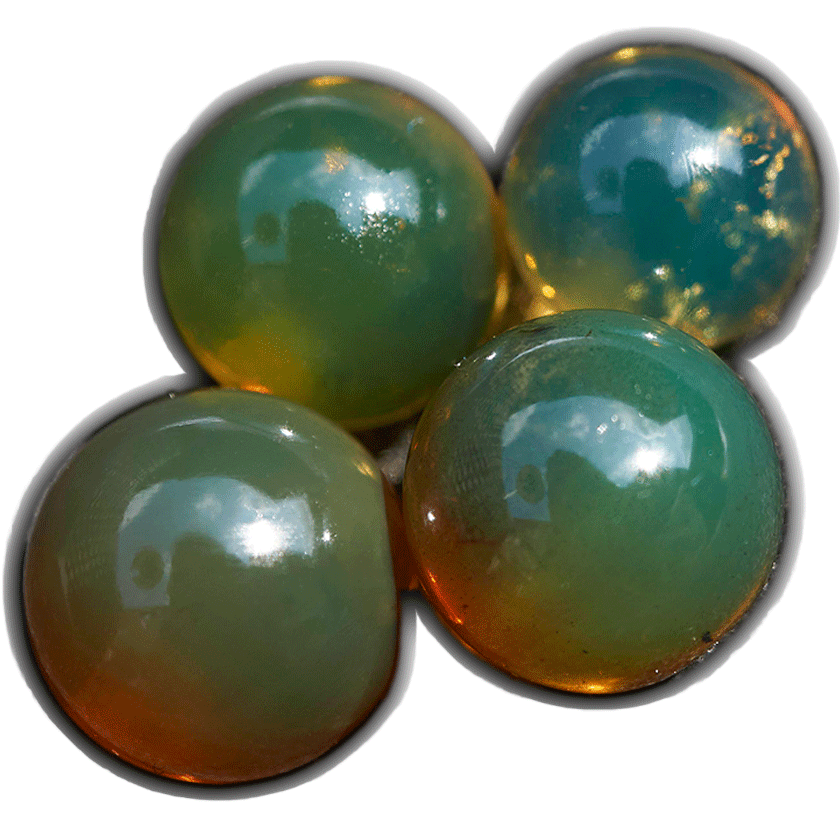
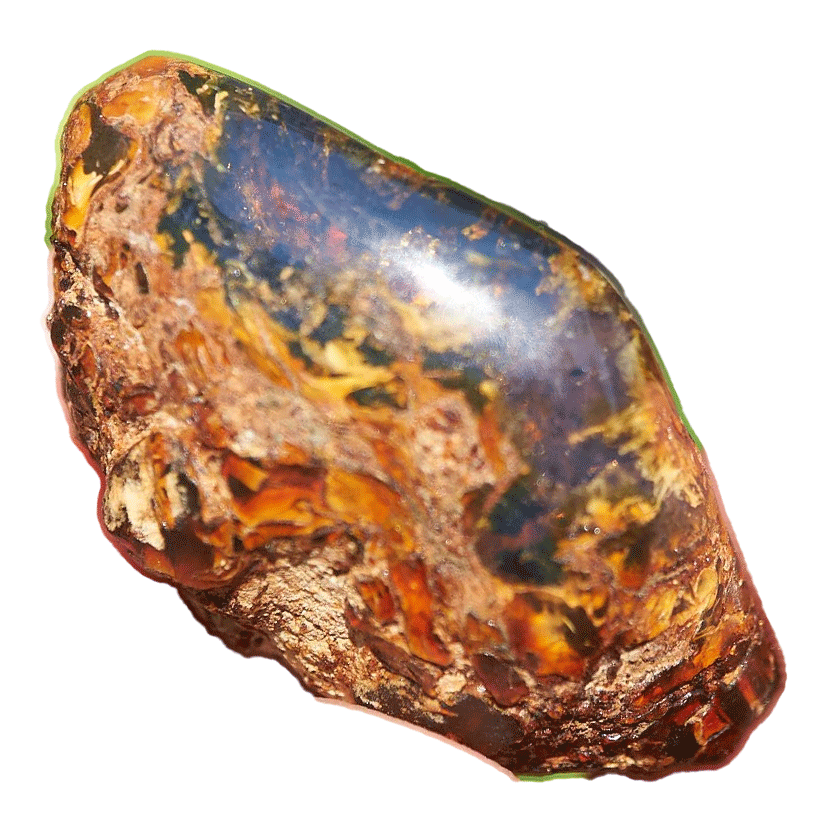
The formation process creates distinctive features that skilled artisans learn to identify and showcase. Baltic amber, one of the most prized varieties, originates from ancient pine forests that existed 44 million years ago. Dominican amber, which can display unique blue and green fluorescence under UV light, comes from a different botanical source and geological period. These variations significantly impact how an amber artisan approaches each piece.
The specific gravity of amber ranges from 1.05 to 1.10, making it one of the lightest gemstones. This low density presents both opportunities and challenges for artisans creating jewelry pieces.
Key physical characteristics include:
Understanding amber's value and properties enables artisans to make informed decisions about cutting, polishing, and setting techniques. The relatively soft nature of amber means traditional gemstone cutting methods must be modified to prevent cracking or heat damage.
Mastering amber craftsmanship requires years of dedicated practice and often involves apprenticeship under experienced artisans. The traditional methods developed over centuries remain relevant in modern workshops, though contemporary tools have enhanced precision and efficiency.
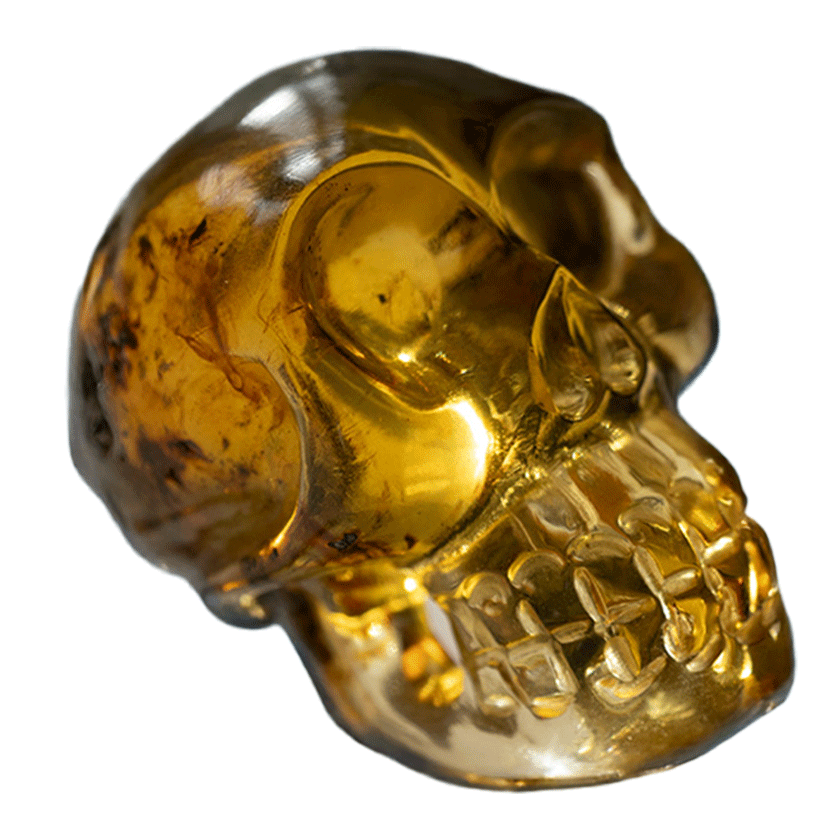
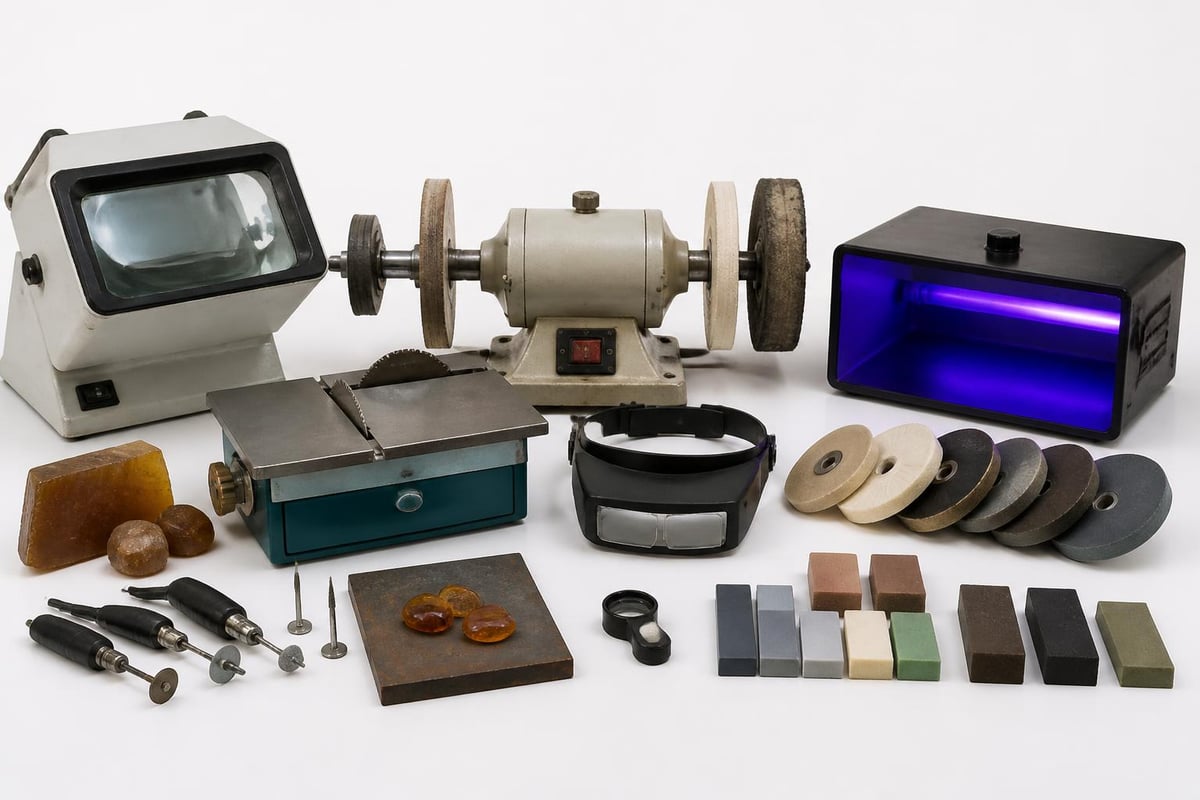
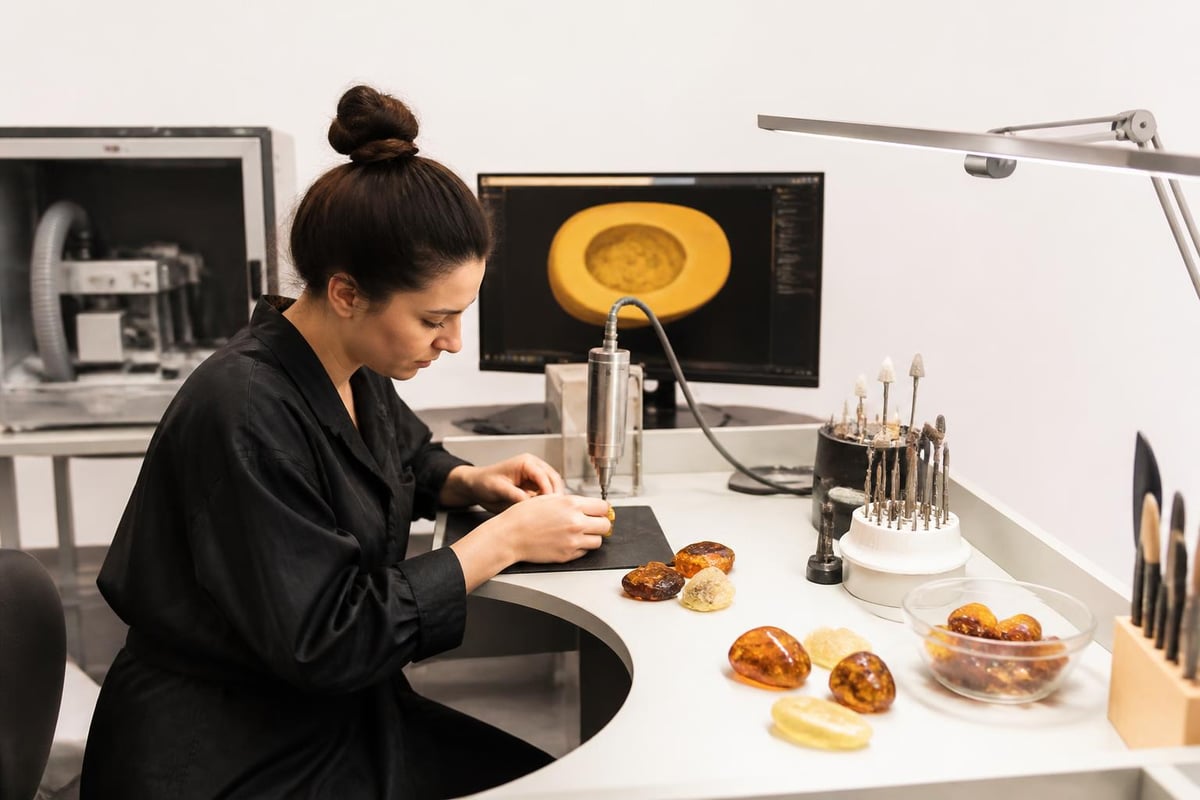
Cutting amber demands extraordinary patience. An amber artisan begins by carefully examining each rough piece to determine the optimal orientation for cutting. Natural fissures, inclusions, and color variations all influence these decisions. Unlike harder gemstones that can withstand aggressive cutting techniques, amber requires gentle, gradual shaping to prevent shattering.
The polishing stage separates exceptional amber artisans from novices. Traditional polishing involves working through multiple grades of sandpaper, starting with 400-grit and progressing to 2000-grit or finer. The final polish often employs jeweler's rouge or specialized amber polishing compounds applied with soft leather or felt wheels.
Historical amber trade routes in prehistoric times demonstrate how highly valued this material has been throughout human civilization, making the amber artisan's role culturally significant across millennia.
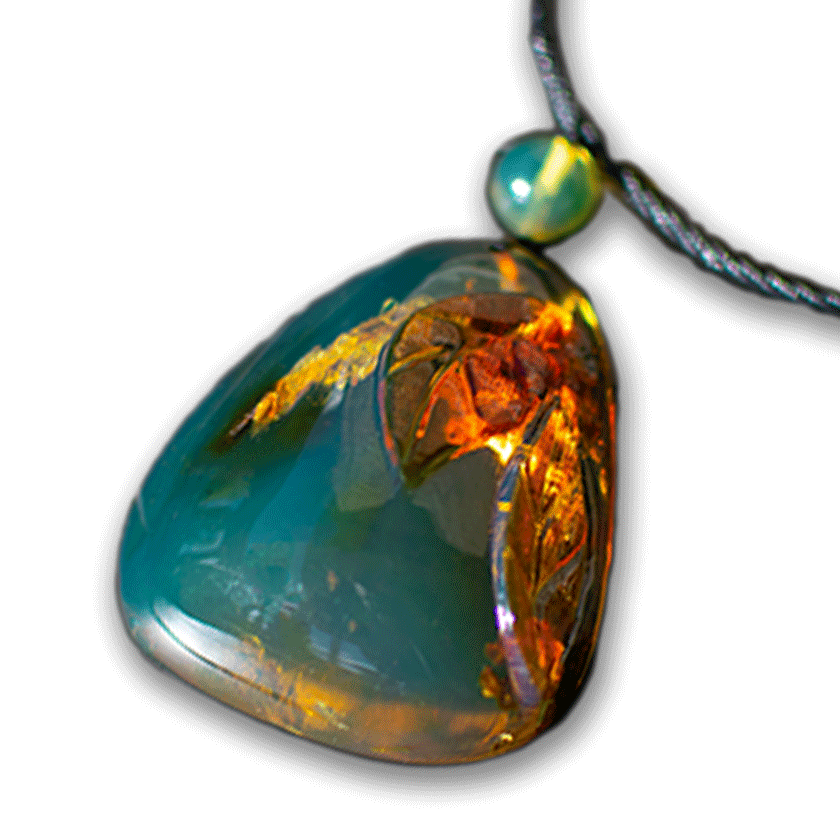
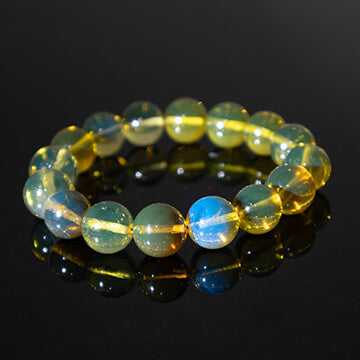
Dominican blue amber represents one of the most challenging and rewarding materials an amber artisan can master. This rare variety exhibits remarkable fluorescence under ultraviolet light, transforming from honey-colored in natural light to brilliant blue under UV exposure. The geological conditions that created this unique material occurred only in specific regions of the Dominican Republic.
Working with blue amber requires additional considerations beyond standard amber techniques. The fluorescent properties result from specific hydrocarbons within the resin, and preserving these characteristics during fabrication demands careful temperature control. Excessive heat during cutting or polishing can potentially diminish the fluorescent intensity.
| Technique | Standard Amber | Dominican Blue Amber |
|---|---|---|
| Cutting Speed | Low to moderate | Very low |
| Heat Sensitivity | Moderate | High |
| Polishing Pressure | Light | Very light |
| UV Testing | Not required | Essential |
| Market Value | Variable | Premium |
An amber artisan specializing in Dominican blue amber jewelry must develop an eye for selecting rough material with the most intense fluorescence. Not all Dominican amber displays the characteristic blue glow, and identifying premium pieces requires experience and proper UV lighting equipment.
Distinguishing genuine amber from imitations forms a critical skill set. Modern synthetics and heated copal resin can closely mimic amber's appearance, making authentication essential for maintaining professional credibility.
Authentication methods employed by skilled artisans:
The principles used for identifying genuine gemstones apply across different materials, though each requires specific testing protocols.
Beyond technical proficiency, successful amber artisans develop distinctive artistic styles that differentiate their work in competitive markets. Design decisions involve balancing the natural beauty of the material with creative enhancement that adds value without overwhelming the amber's inherent characteristics.
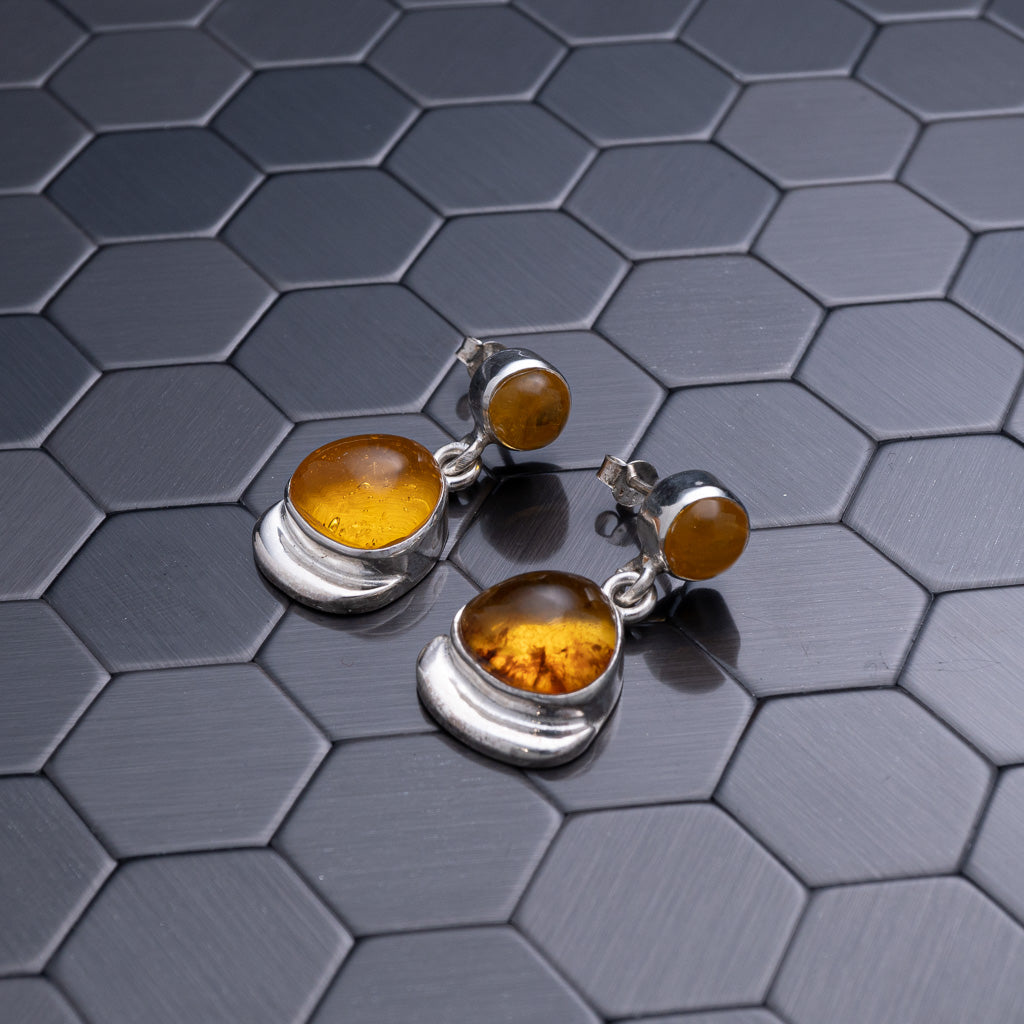
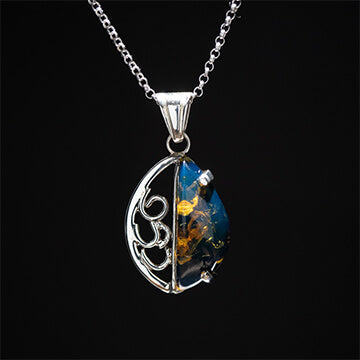
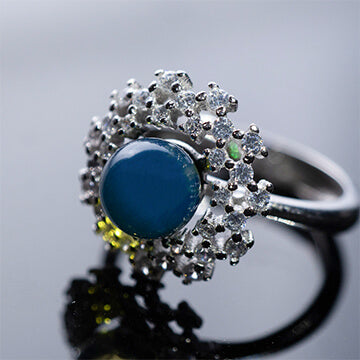
Some artisans embrace minimalist approaches, allowing the amber's natural form and inclusions to serve as the primary focal point. Others incorporate elaborate silver or gold settings that complement the warm tones of the gemstone. The choice depends on market positioning, personal aesthetic preferences, and the specific characteristics of each amber piece.
The rich historical significance of amber throughout various civilizations provides endless inspiration for contemporary artisans. Ancient Baltic peoples created intricate amber amulets believed to hold protective powers. Roman traders valued amber so highly they established extensive trade networks to acquire it.
Modern amber artisans often draw upon these traditions, creating pieces that reference historical designs while incorporating contemporary aesthetics. This fusion of old and new appeals to customers seeking jewelry with cultural depth and meaningful symbolism.
Understanding amber's legends and symbolism enriches the creative process and enables artisans to craft pieces with deeper narrative significance.
Establishing a successful practice as an amber artisan requires business acumen alongside technical skills. The market for amber jewelry spans diverse price points and customer demographics, from affordable tourist pieces to museum-quality collector items.
Market segments for amber artisans:
Positioning strategy significantly impacts pricing power and long-term sustainability. Artisans competing primarily on price face constant pressure from mass-produced items and lower-cost production regions. Those emphasizing unique design, superior craftsmanship, and rare materials can command premium pricing while building devoted customer bases.
In an industry where imitations proliferate, reputation becomes invaluable. An amber artisan builds credibility through consistent quality, transparent sourcing practices, and willingness to educate customers about the material and craftsmanship involved.
Documentation plays an increasingly important role in high-end amber markets. Providing certificates of authenticity, detailed descriptions of the amber's origin and characteristics, and professional photography establishes trust with collectors and serious buyers. Some artisans maintain detailed records of significant pieces, creating provenance that enhances long-term value.
The tradition of amber hunting along Baltic coasts connects modern artisans to ancient practices, offering compelling stories that resonate with customers seeking authentic connections to craft traditions.
While traditional techniques remain foundational, innovative amber artisans embrace modern technologies to expand creative possibilities. Computer-aided design software enables precise planning of complex pieces before making irreversible cuts in valuable amber. Digital microscopy reveals minute details that inform cutting decisions and help identify the most commercially appealing orientations.
Laser cutting technology, when properly calibrated for amber's heat sensitivity, allows for intricate patterns impossible to achieve with conventional tools. However, mastering these technologies requires understanding both the equipment and the material's unique response characteristics.
Responsible amber artisans increasingly focus on ethical sourcing and environmental sustainability. While amber itself is a non-renewable resource, some deposits are managed more sustainably than others. Beach collection after storms, as opposed to intensive mining operations, represents a lower-impact harvesting method.
Transparency about sourcing origins helps customers make informed purchasing decisions aligned with their values. Artisans who establish direct relationships with ethical suppliers can verify collection methods and ensure fair compensation for collectors and miners.
Collections like Dominican blue amber benefit from artisans who prioritize sustainable practices and support local mining communities.
Amber pieces containing well-preserved ancient organisms command premium prices, and skilled amber artisans develop specialized techniques for maximizing the visibility and appeal of these inclusions. The goal involves creating optimal viewing angles and using cutting techniques that bring inclusions into sharp focus without compromising the piece's structural integrity.
Inclusion optimization strategies:
Some artisans specialize exclusively in inclusion pieces, developing reputations for exceptional work with museum-quality specimens. This specialization requires not only technical skill but also paleontological knowledge to properly identify and describe preserved organisms.
Becoming a proficient amber artisan typically involves multiple learning pathways. Traditional apprenticeships, while less common than historically, still offer the most comprehensive training. Working alongside an experienced master provides hands-on experience with diverse amber types and exposure to problem-solving techniques developed over years of practice.
Formal gemology programs now include amber in their curricula, providing scientific understanding of the material's properties and authentication methods. These programs complement hands-on training with theoretical knowledge about amber's characteristics and value factors.
| Training Method | Duration | Advantages | Limitations |
|---|---|---|---|
| Apprenticeship | 2-5 years | Comprehensive, hands-on, mentored | Limited availability, regional |
| Gemology School | 6-12 months | Certified, theoretical foundation | Limited amber-specific depth |
| Self-Study | Ongoing | Flexible, self-paced | Requires exceptional discipline |
| Workshops | Days to weeks | Intensive, specific techniques | Fragmented knowledge |
Many successful amber artisans combine multiple approaches, building theoretical knowledge through formal education while developing practical skills through mentored experience and continuous experimentation.
The amber artisan community shares knowledge through specialized publications, online forums, and professional associations. Understanding Baltic amber's history and properties provides foundational knowledge that informs both technical decisions and marketing narratives.
Attending gem and mineral shows exposes artisans to market trends, new suppliers, and fellow craftspeople. These events facilitate knowledge exchange and relationship building that benefits professional development.
Advanced amber artisans often expand their skill sets to include metalworking, enabling them to create complete jewelry pieces rather than simply selling loose amber stones. The warm tones of amber pair beautifully with various metals, each combination creating distinct aesthetic effects.
Sterling silver provides a classic pairing that allows the amber to dominate visually while offering secure, durable settings. Gold, whether yellow, white, or rose, creates luxurious pieces that appeal to fine jewelry markets. Some artisans experiment with mixed metals or contemporary materials like titanium for unique modern designs.
For those working with multiple gemstone types, understanding how to showcase unique blue stones enhances overall design capabilities and market appeal.
Professional amber artisans establish rigorous quality standards ensuring every piece meets their reputation for excellence. Final inspection involves multiple evaluation criteria, from structural integrity to aesthetic appeal.
Comprehensive quality checkpoints:
Pieces failing quality standards receive additional work or, if flaws prove uncorrectable, get repurposed into smaller items or practice materials. This uncompromising approach to quality distinguishes master artisans from mass producers.
Successfully marketing amber creations requires communicating both the material's inherent value and the artisan's unique craftsmanship. Educational content helps customers understand what differentiates handcrafted amber jewelry from mass-produced alternatives.
Photography plays a crucial role, particularly for online sales. Amber's optical properties demand skilled photography that captures its depth, color variations, and any special characteristics like fluorescence. Professional images showing pieces under both natural and UV light prove especially effective for Dominican blue amber.
Collections such as Larimar pendants demonstrate how presenting complementary gemstones alongside amber offerings can attract diverse customers while showcasing artisan versatility and expertise across multiple rare materials.
Storytelling enhances emotional connections with customers. Sharing details about a piece's amber source, the crafting process, or historical context transforms a purchase from a simple transaction into an acquisition of meaningful art with cultural and geological significance.
The journey of an amber artisan combines scientific knowledge, technical mastery, artistic vision, and business acumen into a rewarding career preserving ancient materials for contemporary appreciation. Whether you're drawn to the warm glow of Baltic amber or the remarkable fluorescence of rare Dominican varieties, understanding the craftsmanship behind each piece enriches your appreciation of these prehistoric treasures. Larimar Creations brings this same dedication to excellence in working with rare gemstones, offering exquisitely handcrafted jewelry featuring both Larimar and Dominican Blue Amber. Explore their worldwide collection to discover pieces that showcase the beauty of these exceptional materials through masterful artisan techniques.