
FREE WORLD WIDE SHIPPING
HANDCRAFTED IN THE DOMINICAN REPUBLIC
30% DISCOUNT APPLIED AT CHECKOUT
FREE WORLD WIDE SHIPPING
HANDCRAFTED IN THE DOMINICAN REPUBLIC
30% DISCOUNT APPLIED AT CHECKOUT
FREE WORLD WIDE SHIPPING
HANDCRAFTED IN THE DOMINICAN REPUBLIC
30% DISCOUNT APPLIED AT CHECKOUT
FREE WORLD WIDE SHIPPING
HANDCRAFTED IN THE DOMINICAN REPUBLIC
30% DISCOUNT APPLIED AT CHECKOUT
FREE WORLD WIDE SHIPPING
HANDCRAFTED IN THE DOMINICAN REPUBLIC
30% DISCOUNT APPLIED AT CHECKOUT
FREE WORLD WIDE SHIPPING
HANDCRAFTED IN THE DOMINICAN REPUBLIC
30% DISCOUNT APPLIED AT CHECKOUT
100% Handcrafted in DR.
by Admin October 29, 2026 6 min read
A beautiful gemstone should hold more than color and light. It should carry a story you feel good wearing, from the hands that shaped it to the place it came from. The best sustainable jewelry materials balance lasting beauty with thoughtful sourcing, honest craftsmanship, and a life beyond a single season. For collectors and gift buyers drawn to rare Caribbean stones, sustainability is not a trend label. It is part of choosing a piece with real origin, meaning, and permanence.
There is no single material that is sustainable in every circumstance. A metal may be recycled but require considerable energy to refine. A natural gem may be untreated and exceptionally durable, yet its extraction can affect a small local landscape. The better question is whether a material is responsibly sourced, made to last, traceable where possible, and valued enough to be worn and passed on for years.
For fine and artisan jewelry, four qualities matter most: longevity, sourcing transparency, low waste, and craftsmanship. A ring that remains cherished for decades is fundamentally different from an inexpensive piece designed to tarnish, break, or be discarded after a few wears. Authentic materials and skilled handwork add value because they encourage care, repair, and permanence.
Origin also matters. Knowing whether a gemstone comes from the Dominican Republic, whether a metal contains recycled content, and whether a piece was made in small batches gives a buyer a clearer view of its impact. Sustainability becomes more credible when it is specific.
Recycled gold is often one of the strongest choices for fine jewelry. Gold can be recovered from existing jewelry, industrial components, and other sources, then refined and reused without losing the properties that make it precious. This reduces reliance on newly mined gold while preserving the rich color, resistance to corrosion, and heirloom quality buyers expect.
It is especially well suited to rings, pendants, and settings intended to be worn every day. Recycled gold does not mean lesser gold. Once refined, it can meet the same standards of purity and beauty as newly mined gold.
The nuance is traceability. “Recycled” can describe several supply chains, and not every seller can identify the original source material. Look for clear disclosure about recycled content and metal purity rather than broad environmental claims.
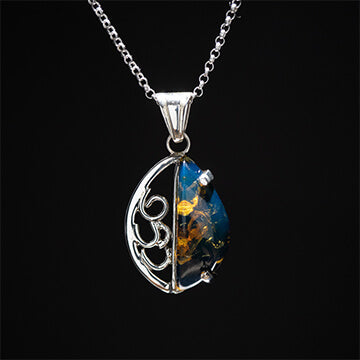
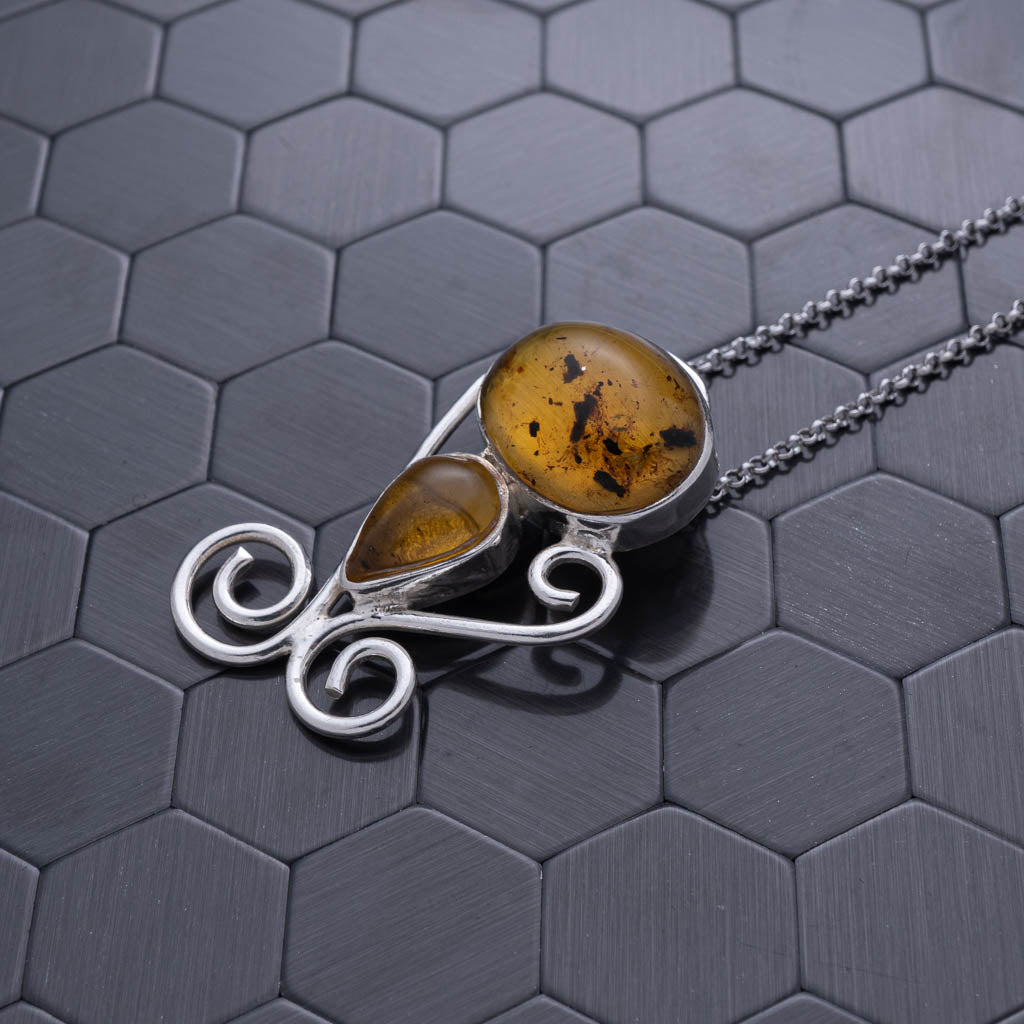
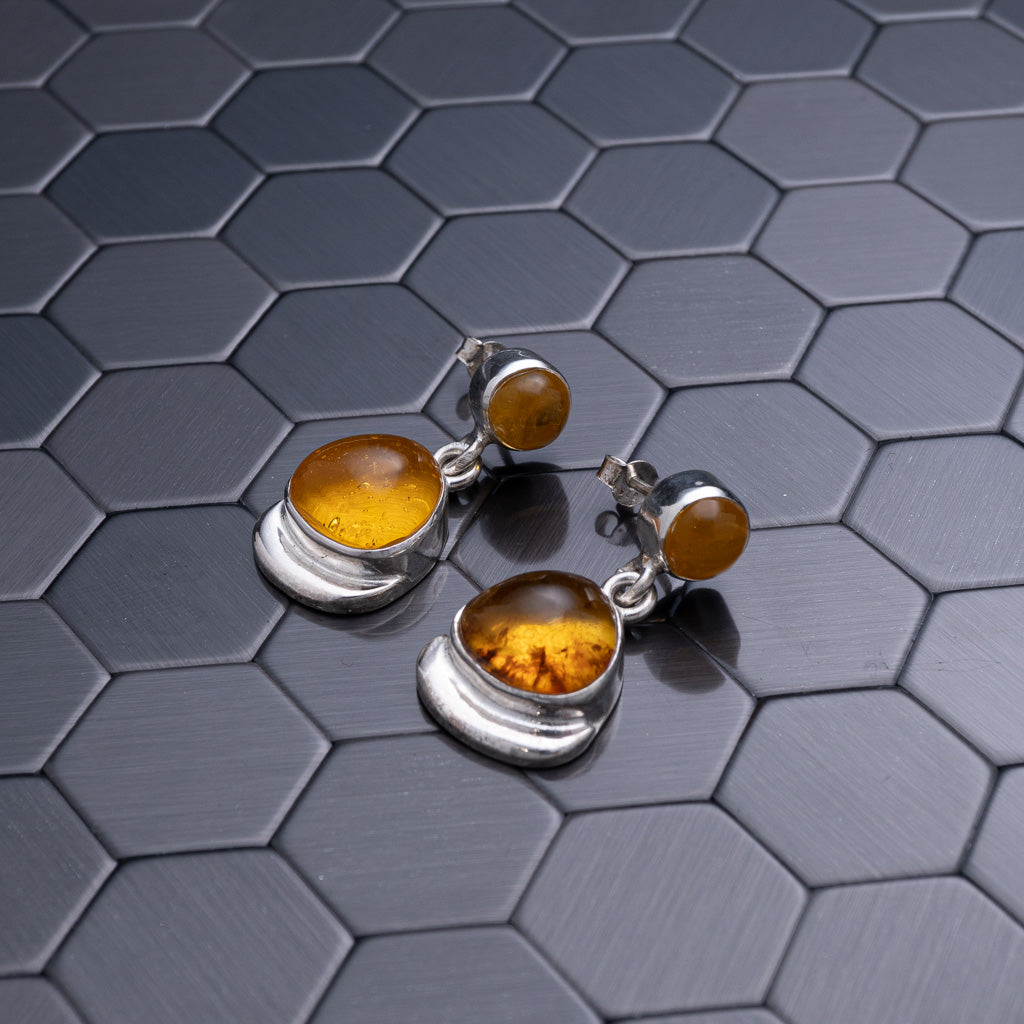
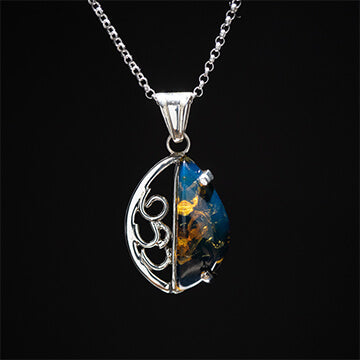
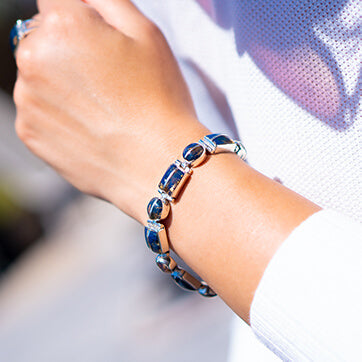
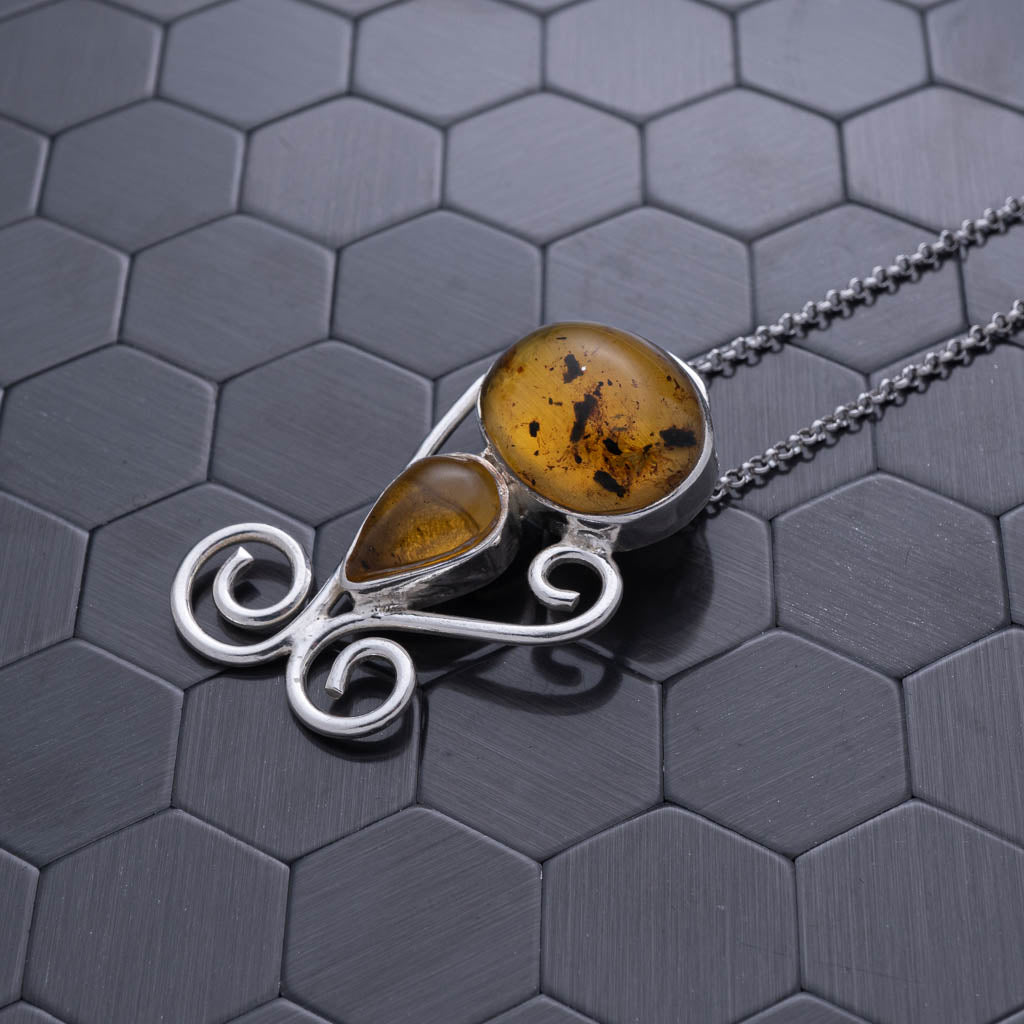
Sterling silver has a luminous, cool-toned presence that pairs beautifully with ocean-blue Larimar, warm Dominican amber, and carved gemstone work. Like gold, silver can be reclaimed and refined repeatedly, making recycled sterling silver a practical material for artisan jewelry.
Its affordability can also support more accessible sustainable choices. A handcrafted silver pendant featuring a distinctive natural stone may offer far more character and longevity than a plated fashion piece at a similar price.
Silver does tarnish over time, particularly in humid environments or when exposed to lotions and perfume. That is not a flaw in sustainability, but it does ask for care. A soft polishing cloth, careful storage, and occasional professional cleaning can keep sterling silver luminous for generations.
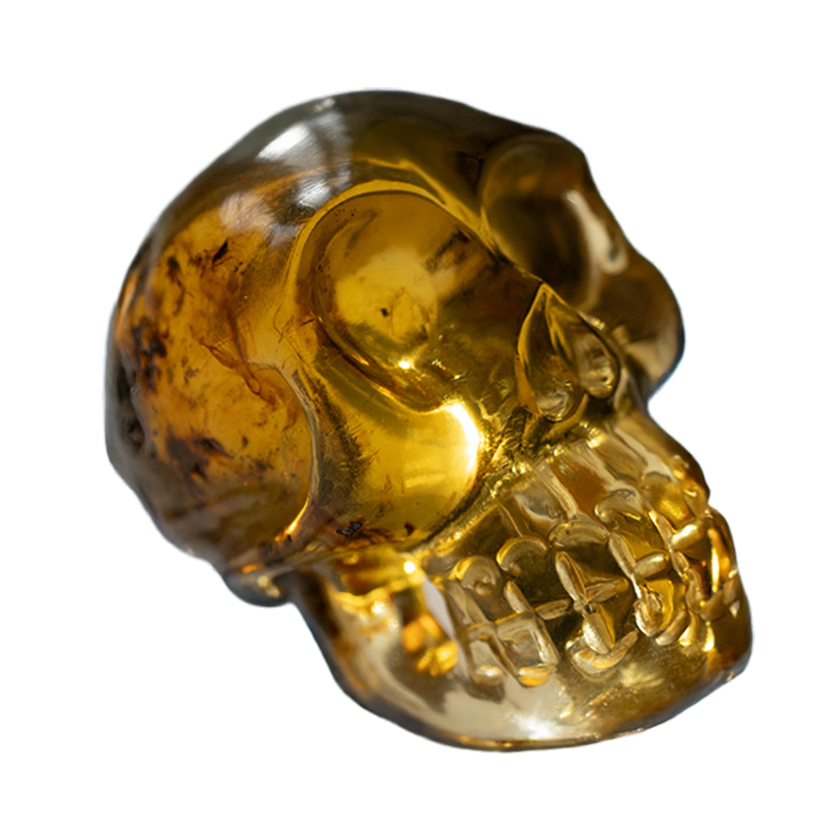
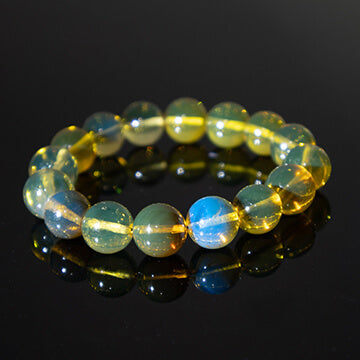
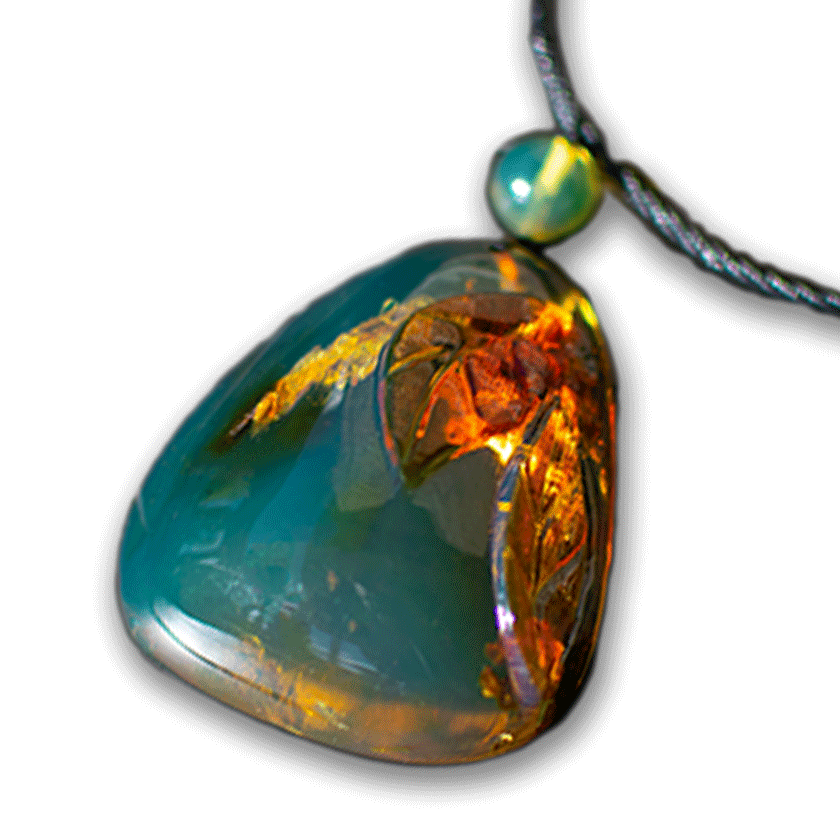
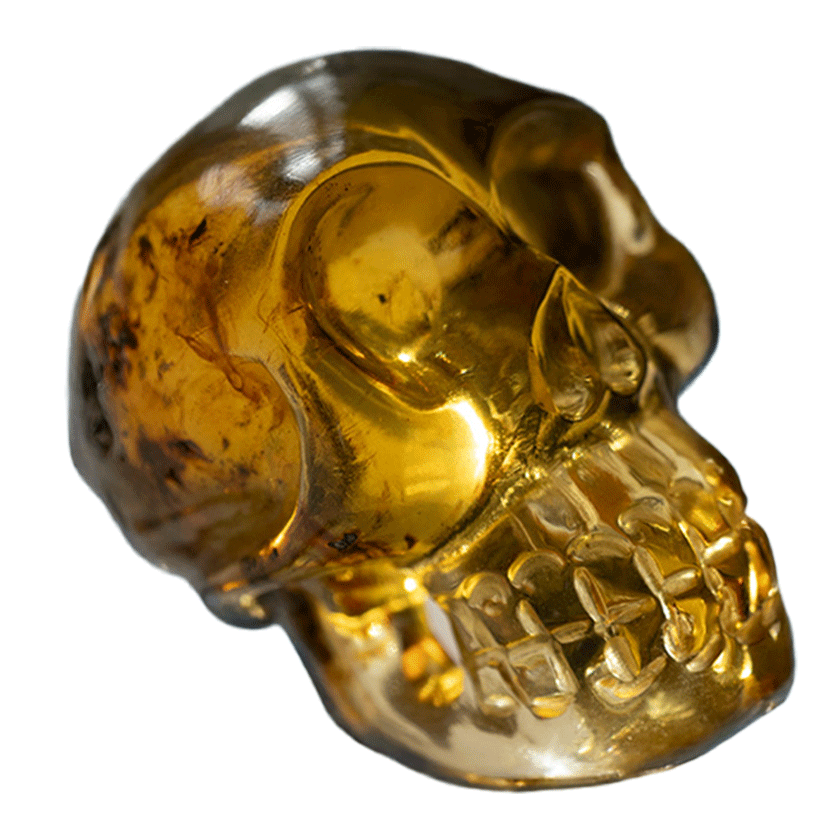
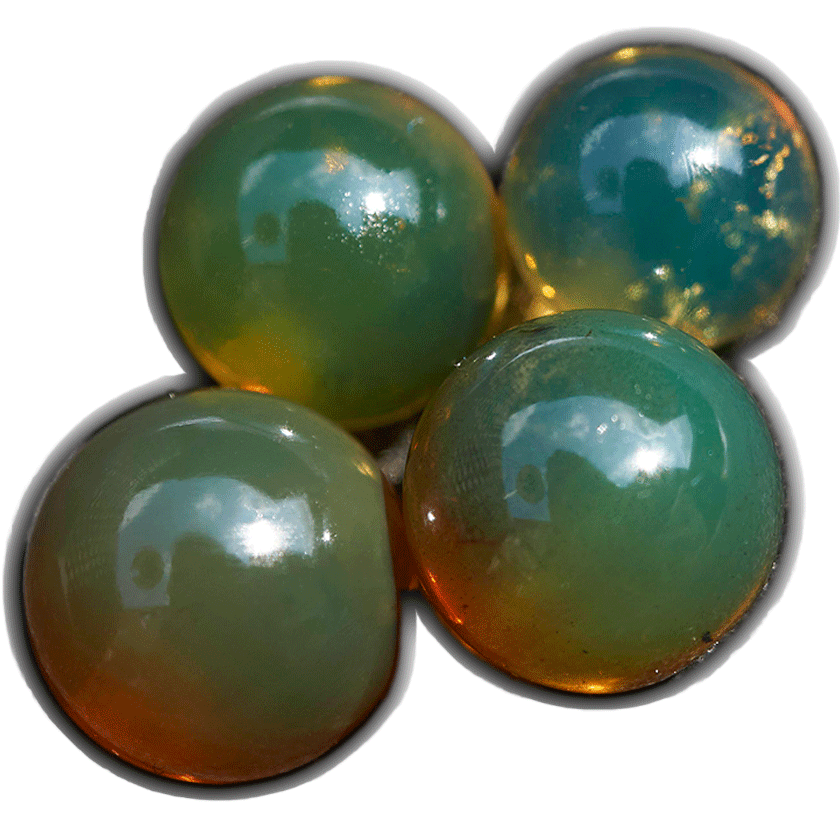
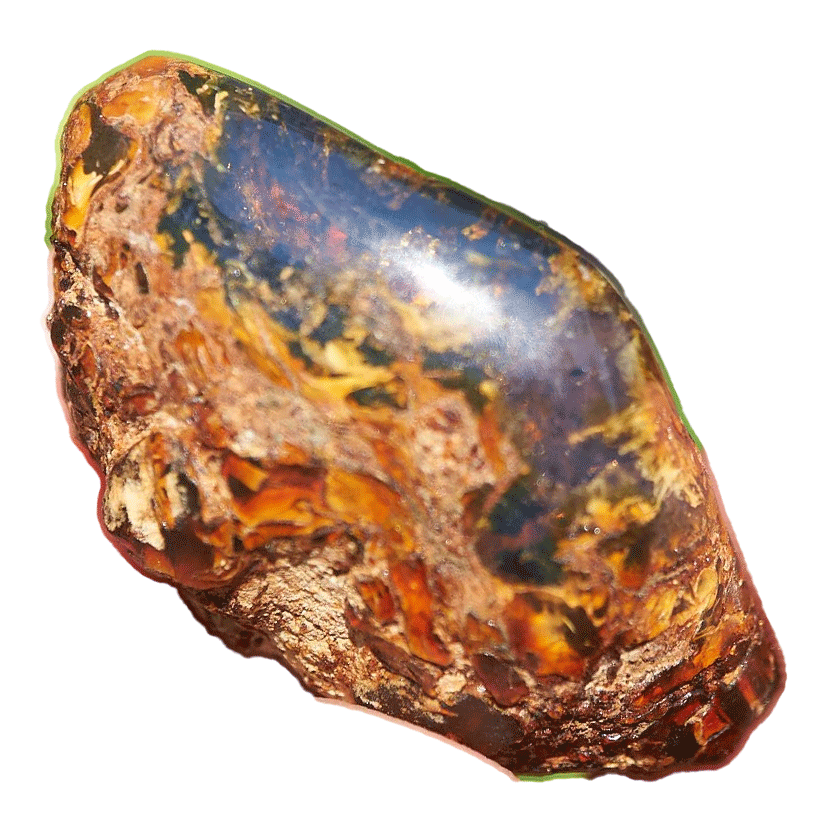
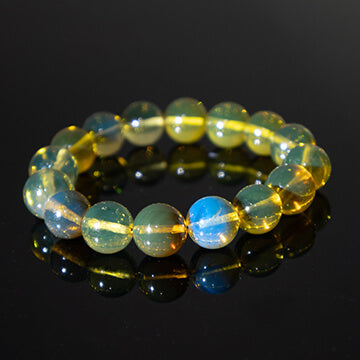
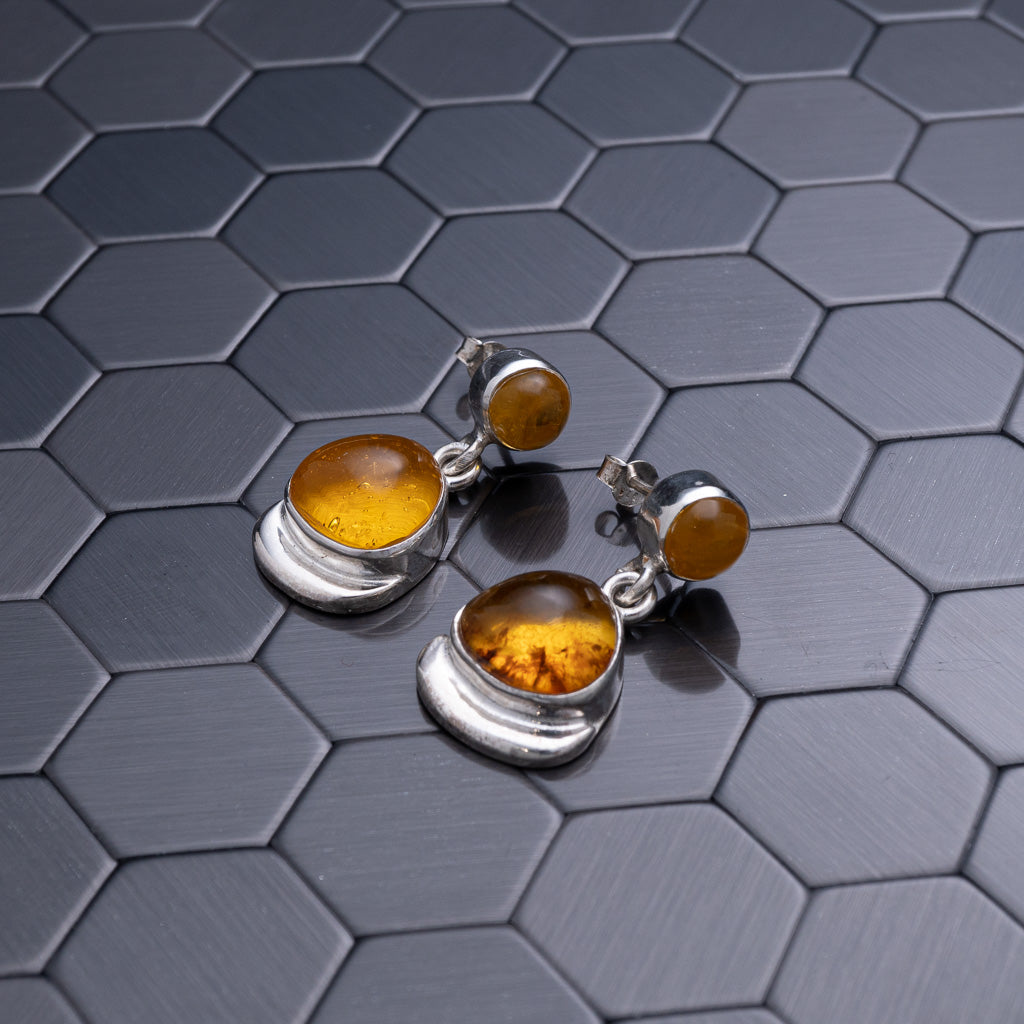
Amber is unlike a freshly mined gemstone. It is fossilized tree resin, formed over millions of years and treasured for its warm glow, natural inclusions, and connection to ancient landscapes. Dominican amber is particularly prized for its clarity, golden tones, and rare blue amber, whose vivid blue fluorescence can appear under sunlight or ultraviolet light.
Because amber is a finite natural material, it should not be described as automatically sustainable simply because it is organic in origin. The responsible choice depends on authenticity, careful extraction, and a supply chain that respects the material’s rarity. An authentic Dominican amber piece, purchased for its enduring value and cared for properly, offers an alternative to disposable synthetic accessories made without a meaningful connection to place.
Blue amber deserves particular care in the marketplace. Imitations, treated resins, and misleading descriptions can obscure what makes the genuine material extraordinary. Certification, reputable sourcing, and clear country-of-origin information protect both the buyer and the integrity of this remarkable Caribbean treasure.
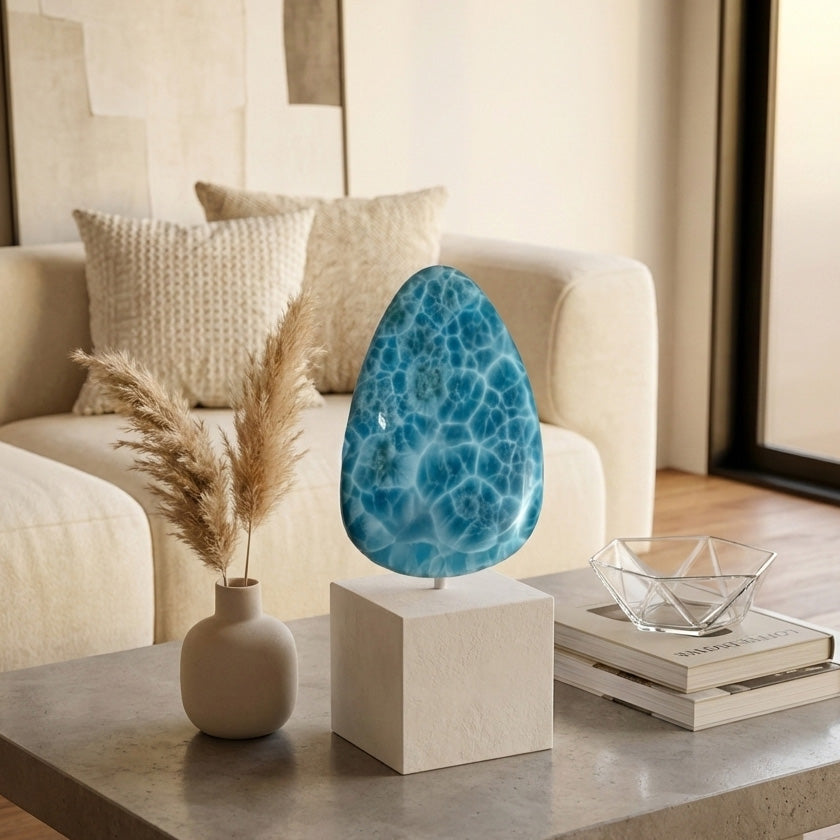
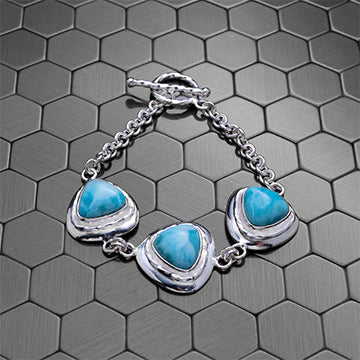
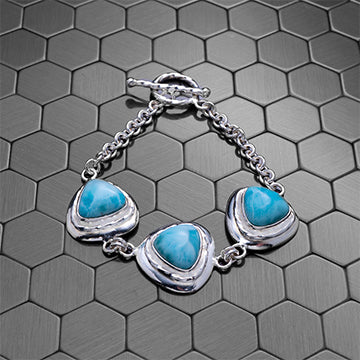
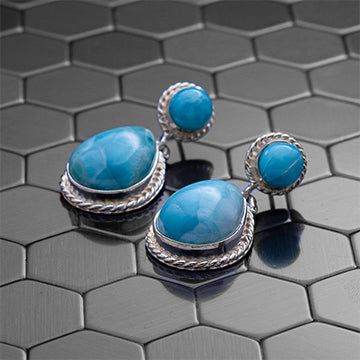
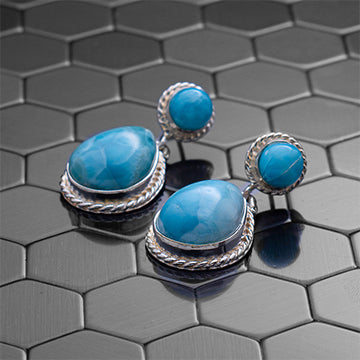
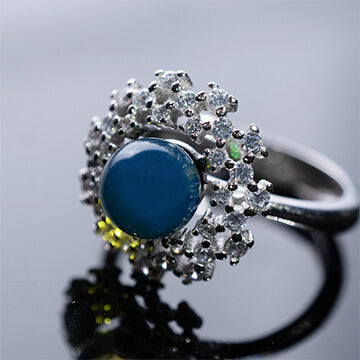
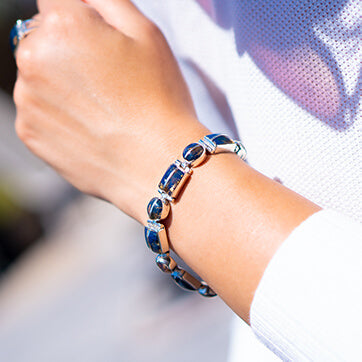
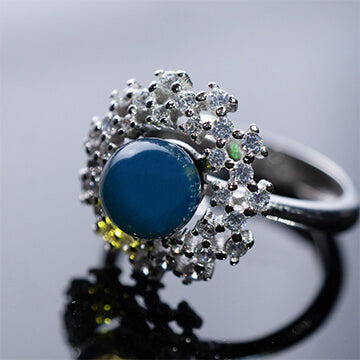
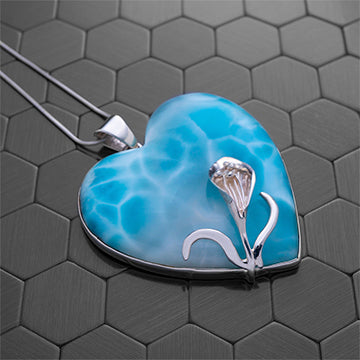
Larimar is found only in the Dominican Republic, making every authentic stone an expression of one small Caribbean source. Its soft blue and white patterns evoke sea foam, open skies, and the gentle movement of water. No two pieces are alike, which gives Larimar jewelry the intimate character of a natural work of art.
As with any mined gemstone, responsible sourcing is essential. Buyers should seek authentic Larimar described accurately, with information about its Dominican origin and the craftsmanship behind the finished piece. Small-scale mining can support local livelihoods, but it must be approached with respect for worker safety, land stewardship, and the limited nature of the deposit.
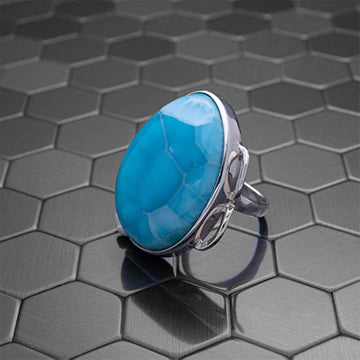
A Larimar cabochon set in a durable recycled metal is a particularly thoughtful combination: a rare stone shaped by Caribbean geology, preserved in a setting designed for a long life. This is sustainability expressed through rarity, authenticity, and lasting wear rather than through a generic label.
Vintage jewelry and reclaimed gemstones extend the useful life of materials already in circulation. An antique-cut stone reset into a modern pendant, an inherited ring redesigned for daily wear, or beads incorporated into a new artisan piece can preserve beauty without requiring a newly mined gem.
Repurposing is also deeply personal. It allows buyers to retain the emotional history of a family jewel while creating a design that suits their own style. However, restoration should be handled by an experienced jeweler, especially when working with delicate materials such as amber, opal, pearl, or older cuts with worn facets.
Natural diamonds, sapphires, rubies, and emeralds can be meaningful sustainable choices when their sourcing is documented and their quality supports long-term wear. Durability is a key advantage. A well-made sapphire or diamond ring can remain part of a family’s story for generations with periodic maintenance.
Still, natural does not automatically mean responsible. Ask about country of origin, mining practices, cutting, and any treatments applied to the stone. Traceability is not always available for every gem, especially in older supply chains, but a seller who communicates clearly is offering something more valuable than a vague promise.
Lab-grown gems are another option for buyers who prioritize a controlled supply chain and lower dependence on mining. They can be visually and chemically similar to their natural counterparts, although energy use varies by production method. The right choice depends on whether you value geological rarity, documented origin, budget, or a combination of these qualities.
Some jewelry materials are marketed as eco-friendly without enough context. Gold vermeil and gold plating can be attractive and more affordable, but the base metal and thickness of the coating matter. Thin plating may wear quickly, creating a shorter product life than solid gold or quality sterling silver.
Stainless steel is durable and often recyclable, yet it may not be easily repaired or resized in the way precious metals can. Resin jewelry can incorporate botanical details or recycled elements, but it is usually plastic-based and can yellow, scratch, or crack over time. “Natural” wood and shell may be appropriate in small artisan collections, though responsible harvesting and durable finishing remain essential.
The most sustainable choice is rarely the one with the loudest claim. It is the material whose quality, origin, and care requirements are plainly understood.
Start with the questions a collector would ask. What is this stone? Where did it come from? Is the metal solid, plated, or recycled? Has the gem been treated? Who made the piece, and is it designed to be repaired if needed? Clear answers reveal a jeweler’s standards.
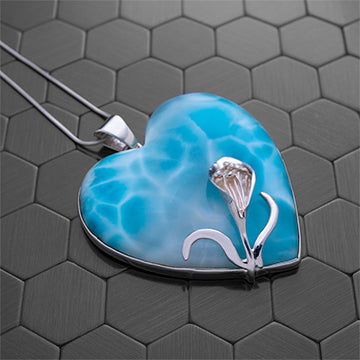
Then consider your own relationship with the piece. A dramatic blue amber pendant worn for special occasions, a Larimar heart given as a lasting gift, or a recycled-gold ring worn every day can all be thoughtful purchases when chosen with intention. Sustainability is not about owning only one kind of jewelry. It is about buying fewer pieces with greater care, choosing authentic materials, and giving them the attention they deserve.
Store amber away from heat and harsh chemicals, protect Larimar from knocks and prolonged sun exposure, and have prongs and clasps checked periodically. Thoughtful care is a quiet but powerful part of responsible ownership.
When you choose a certified Caribbean gemstone, durable precious metal, and craftsmanship worthy of repair, you are not simply selecting an accessory. You are choosing a piece of the earth and the Caribbean to wear, treasure, and someday pass forward.
Sign up to get the latest on sales, new releases and more …
9 min read
6 min read
6 min read