
by Admin June 04, 2026 6 min read

A warm honey glow can fool the eye. So can an electric blue flash under sunlight. When shoppers compare blue amber vs copal, the question is not simply which one looks better. It is whether you are holding a fully fossilized gemstone with rarity and long-term value, or a much younger resin that offers beauty but not the same status, durability, or collectibility.

For jewelry lovers and collectors, that distinction matters. Blue amber occupies a rare place in the gemstone world, especially when it comes from the Dominican Republic, where its color phenomenon has made it one of the Caribbean’s most fascinating natural treasures. Copal, by contrast, is often attractive and accessible, but it belongs in a different category.

Blue amber vs copal: the real difference

The clearest difference is age. Amber is ancient tree resin that has fully fossilized over millions of years. Copal is younger resin, often only hundreds to tens of thousands of years old, and it has not completed that transformation. That single fact shapes nearly everything else - hardness, stability, market value, and how the material should be used.

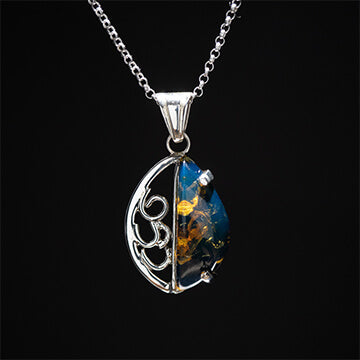
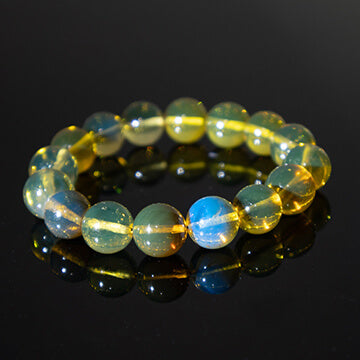
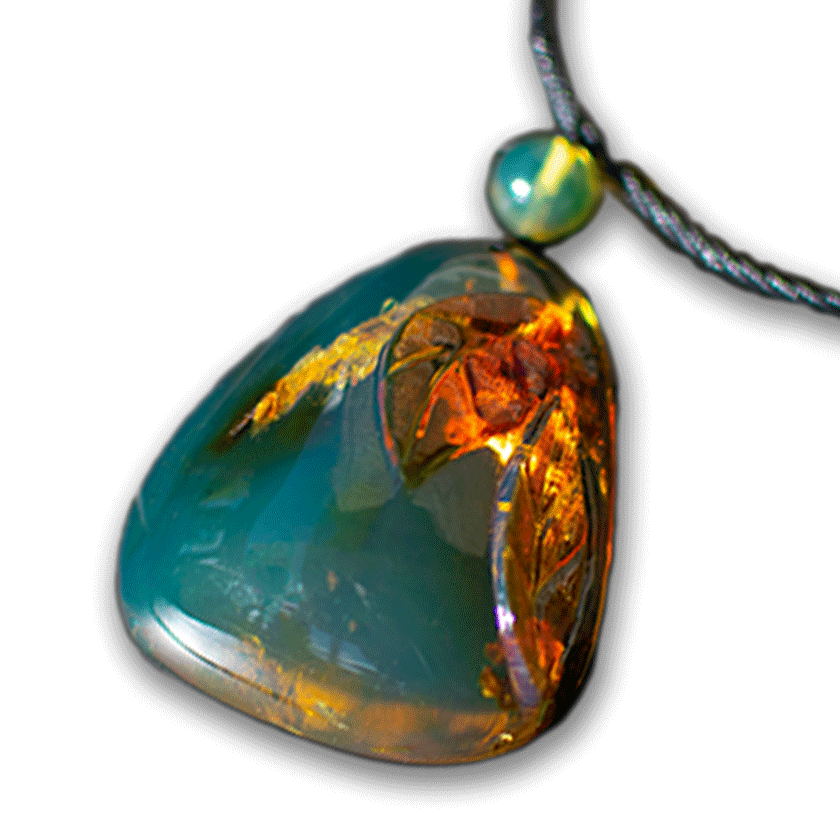
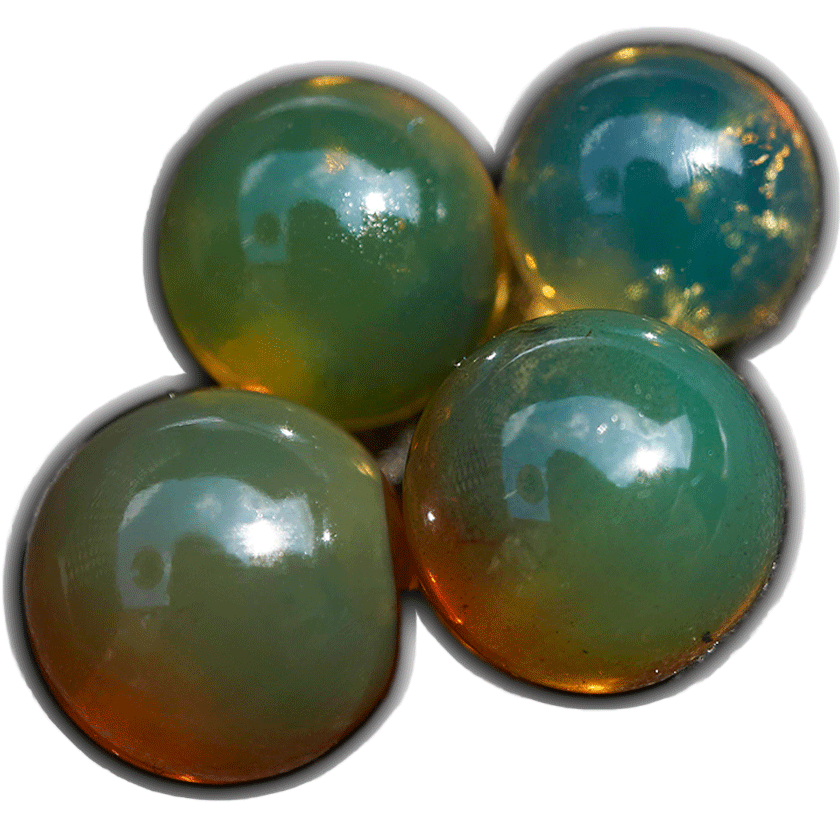
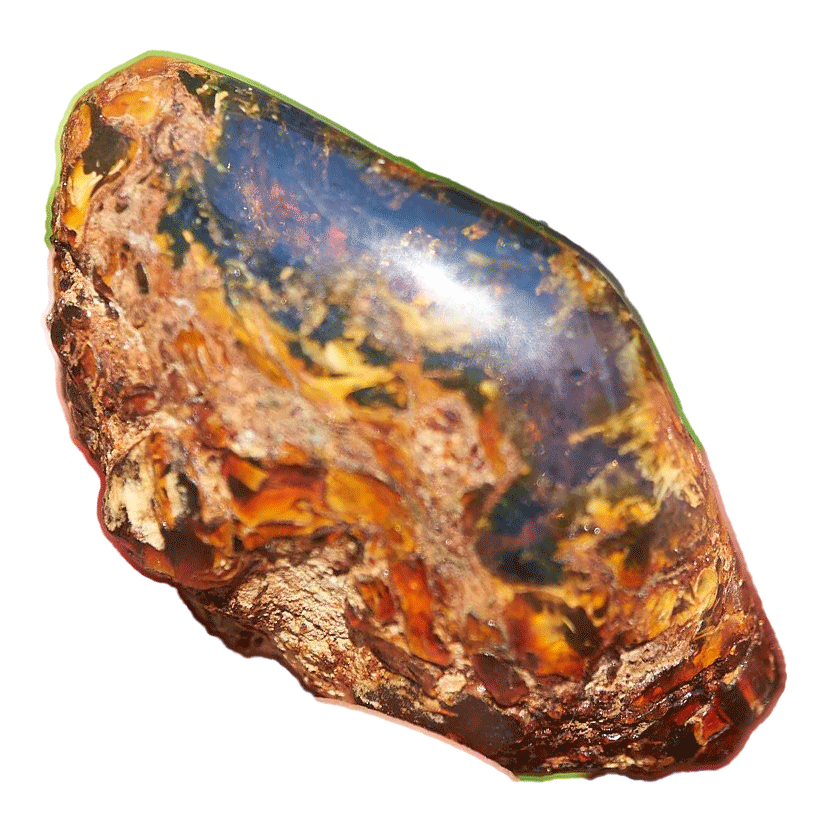
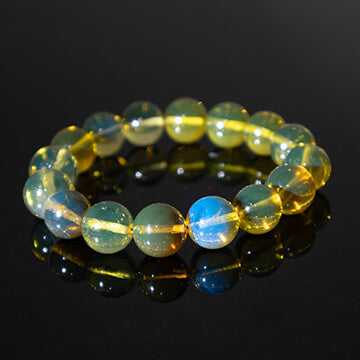
Blue amber is not blue in the same way a sapphire is blue. It is typically yellow to golden in ordinary light, then reveals a blue or bluish-violet effect under sunlight or ultraviolet exposure because of fluorescence. Dominican blue amber is especially prized for this phenomenon. Its beauty feels almost oceanic, which is one reason it has become so desirable in fine and artisan jewelry.

Copal may also appear clear, golden, or even slightly greenish, and some pieces can fluoresce. That is where confusion begins. To an untrained eye, a bright, glowing resin can seem close enough to amber. But gemologically and commercially, they are not equivalent.

Why blue amber is rarer and more valuable

Rarity is central to the appeal of blue amber. Not all amber fluoresces blue, and not all blue amber displays the same intensity or body clarity. Dominican material is especially respected because it can show vivid fluorescence and, in better specimens, a striking play of transparency and internal light.

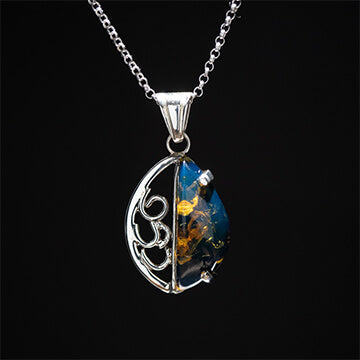
That rarity supports higher value, particularly in jewelry-grade stones with good clarity, attractive cutting, and trustworthy sourcing. A polished blue amber cabochon or pendant is not just decorative. It carries the appeal of geological age, regional identity, and a visual effect that feels unmistakably uncommon.

Copal is usually more abundant and lower in price. That does not make it undesirable. Some buyers enjoy copal for its warmth, lightness, and approachable cost. It can also contain dramatic inclusions that appeal to curiosity. But if you are shopping for a gemstone that holds stronger prestige, better durability, and greater collector interest, blue amber sits in a very different tier.

This is where buyers sometimes make an expensive mistake. A seller may use amber loosely as a marketing term when the material is actually copal. If the price seems surprisingly low for a large, bright piece said to be blue amber, caution is wise.

Appearance: similar at first, different on closer look

At a glance, both materials can look luminous and organic. Up close, the differences become easier to spot.

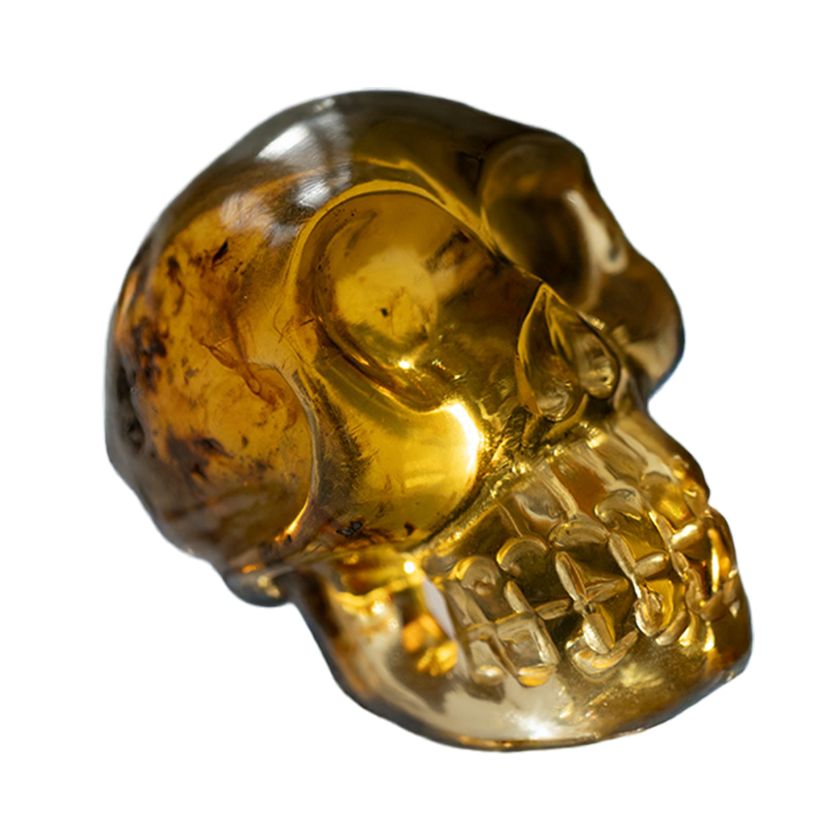
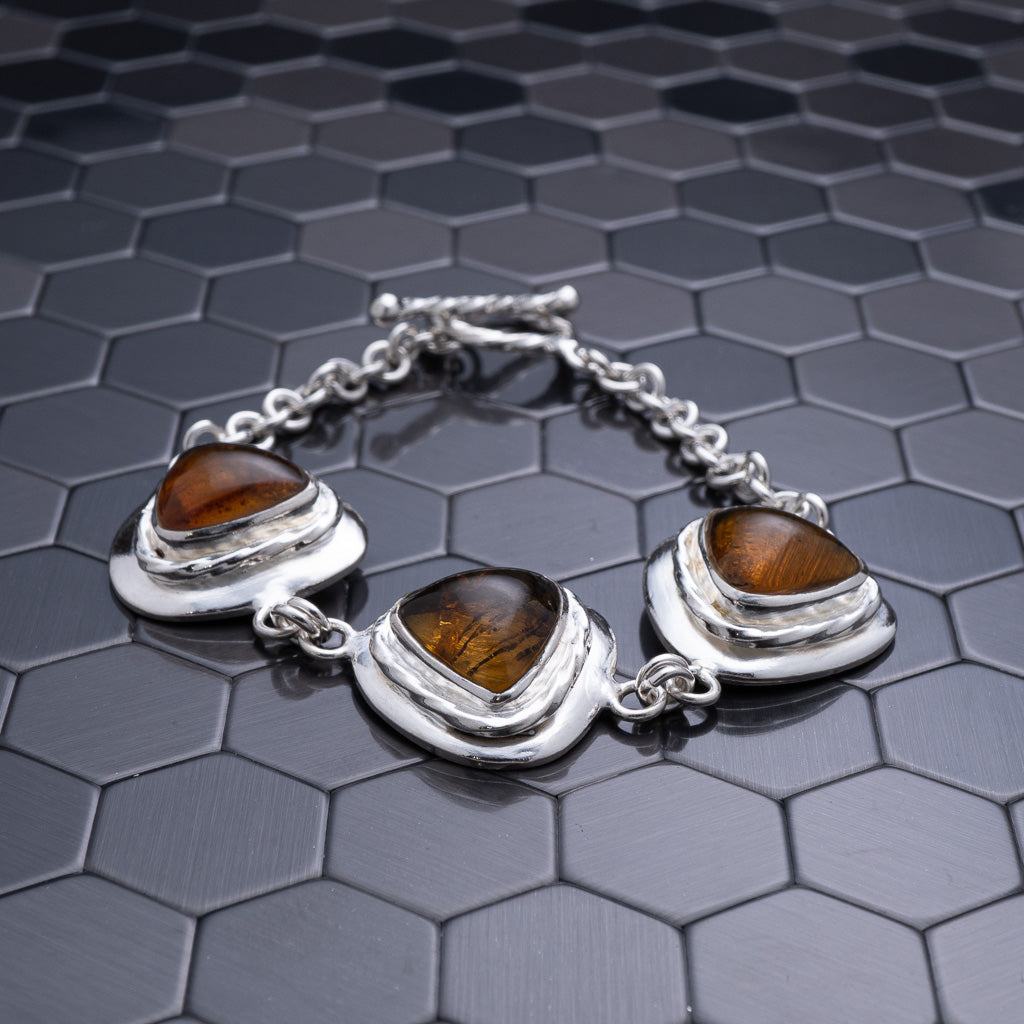
Blue amber often has a mature, glassier finish when well polished. In sunlight, especially against a dark background, its blue effect can seem to rise from within the stone rather than sit on the surface. Fine Dominican blue amber may appear golden indoors yet transform outdoors with a cool blue aura that feels almost surreal.

Copal tends to look softer and sometimes a bit fresher, for lack of a better word. It may show more surface tackiness if poorly stored, and its luster can be less stable over time. Because it is younger and softer, it also scratches more easily. In jewelry, that matters. A ring or bracelet faces more contact than a pendant or earrings, so material strength becomes part of the buying decision.

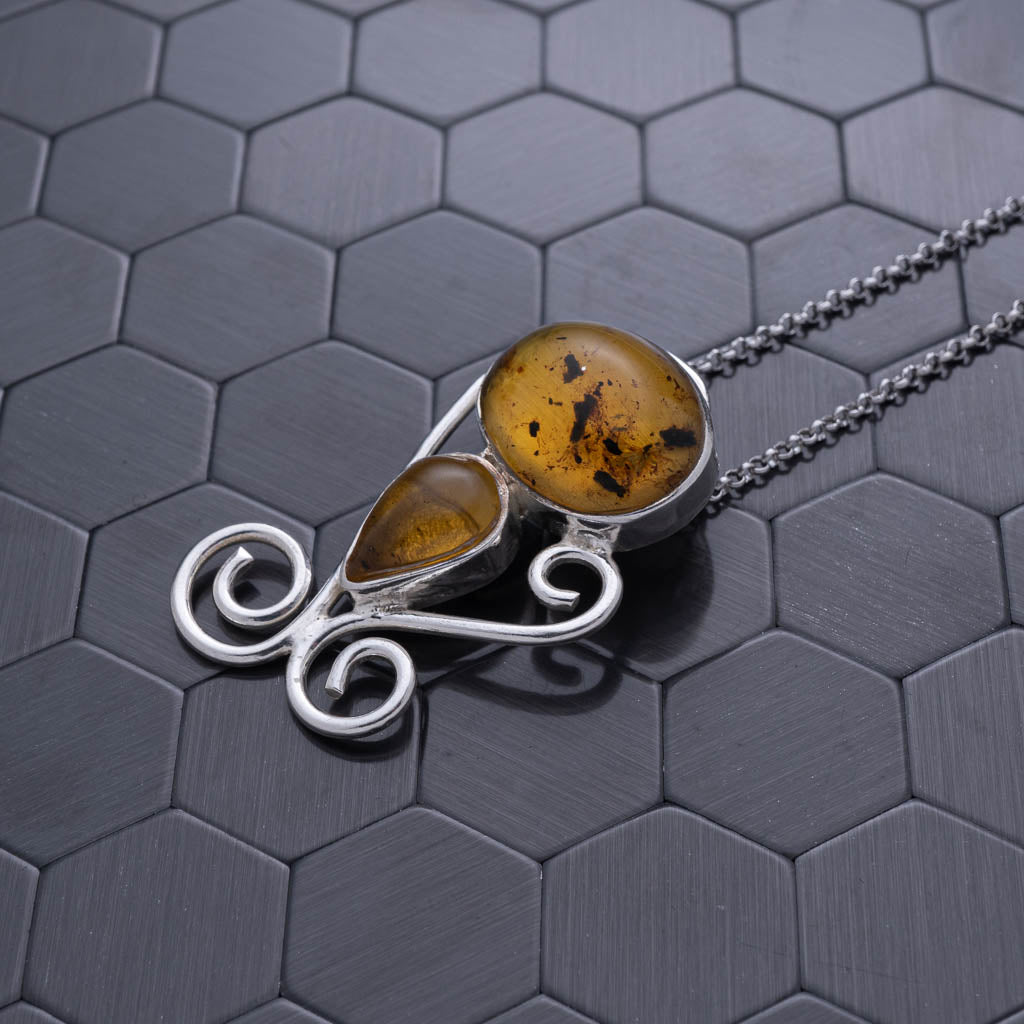
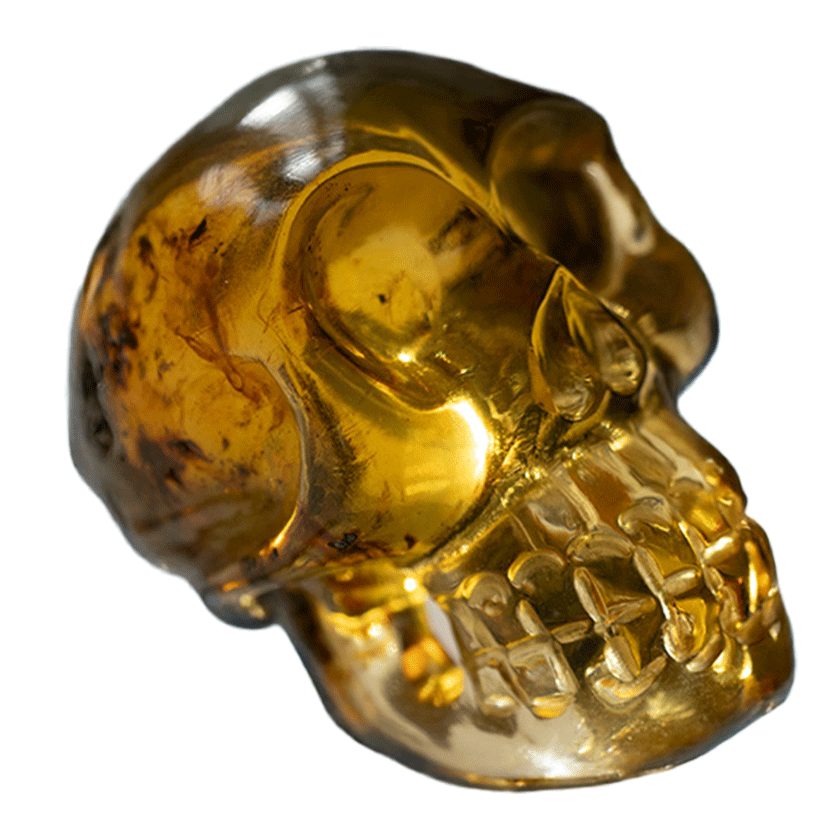
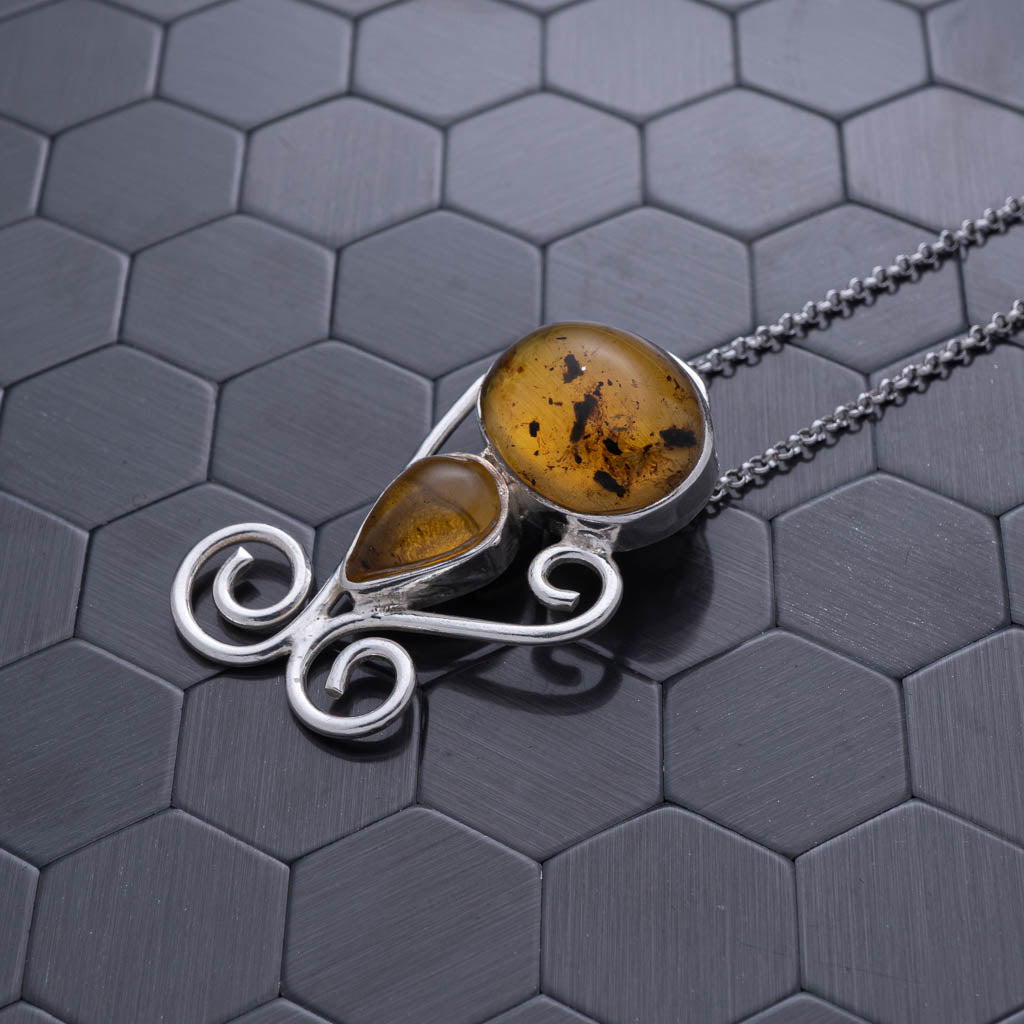
Inclusions can also tell a story. Amber and copal may both contain plant matter, bubbles, or insects. In fact, copal often attracts attention because inclusions can look exceptionally crisp. But that visual drama should not be mistaken for age. A sharply preserved insect in copal is still in younger resin, not ancient fossilized amber.

How to tell blue amber from copal

Some distinctions can be observed at home, but serious buying decisions should rest on reputable sourcing and expert verification.

The first clue is hardness. Copal is softer than amber and more vulnerable to scratches. It can also feel slightly sticky or release a resinous scent more readily when warmed or rubbed. Amber is more stable and less reactive in that way.

A second clue is response to solvents. Copal is more likely to become tacky or damaged when exposed to substances like acetone, while true amber is generally more resistant. This is a known test, but it is risky on finished jewelry and should never be your first move on a purchased piece.

A third clue is age disclosure and origin. A trustworthy seller should be clear about whether the material is copal or amber and where it comes from. Dominican blue amber should be represented with precision, not vague language. Certification, transparent descriptions, and confidence about origin matter greatly here.

Ultraviolet light can also help, but it is not a shortcut. Both amber and copal may fluoresce, and fluorescence alone does not prove identity. What matters is the overall combination of properties, not one dramatic visual effect.

Blue amber in jewelry, copal in jewelry

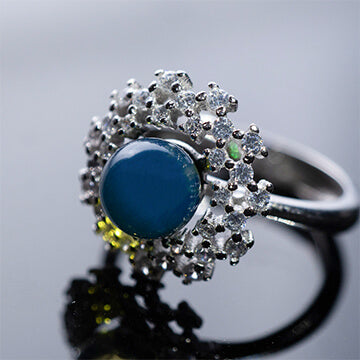
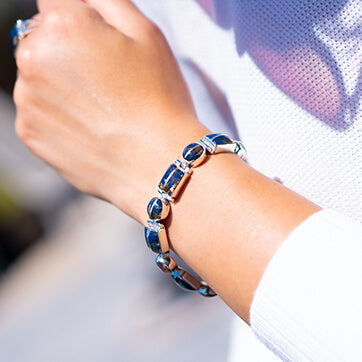
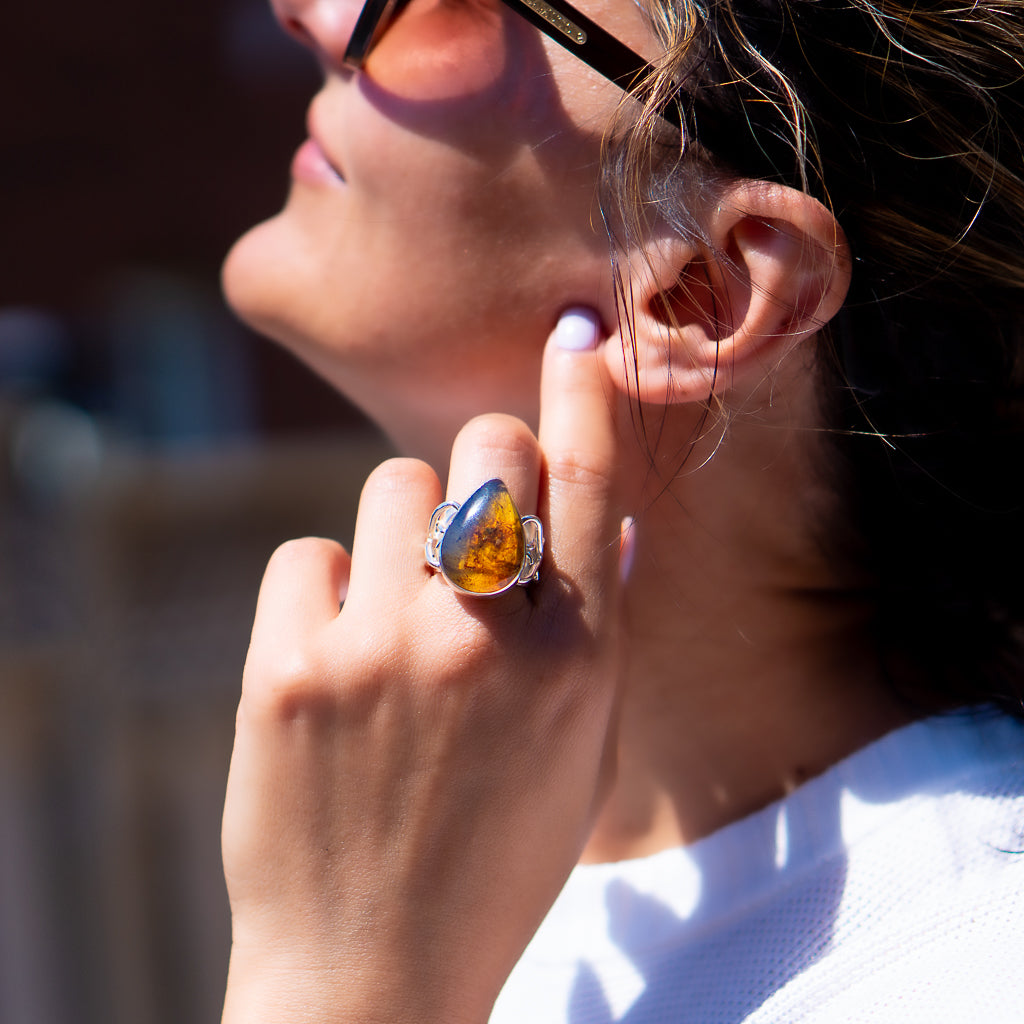
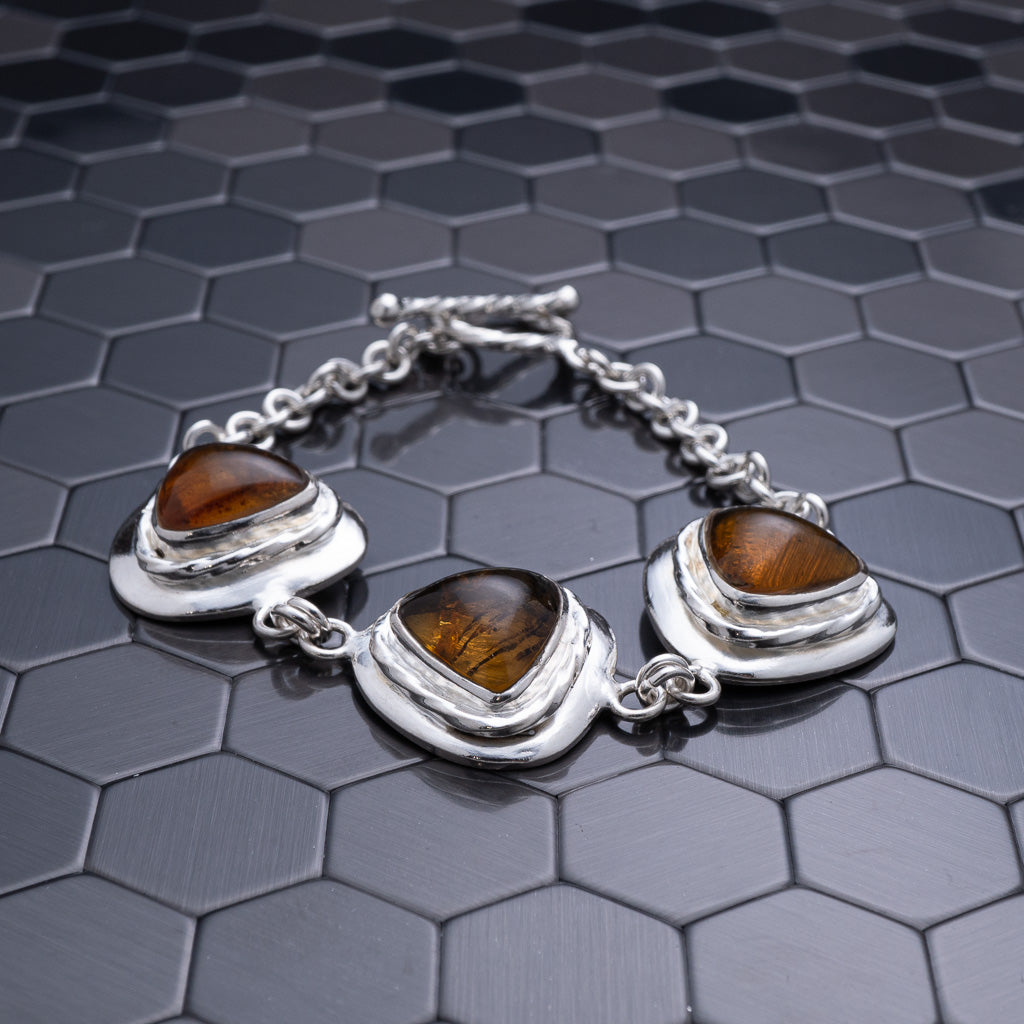
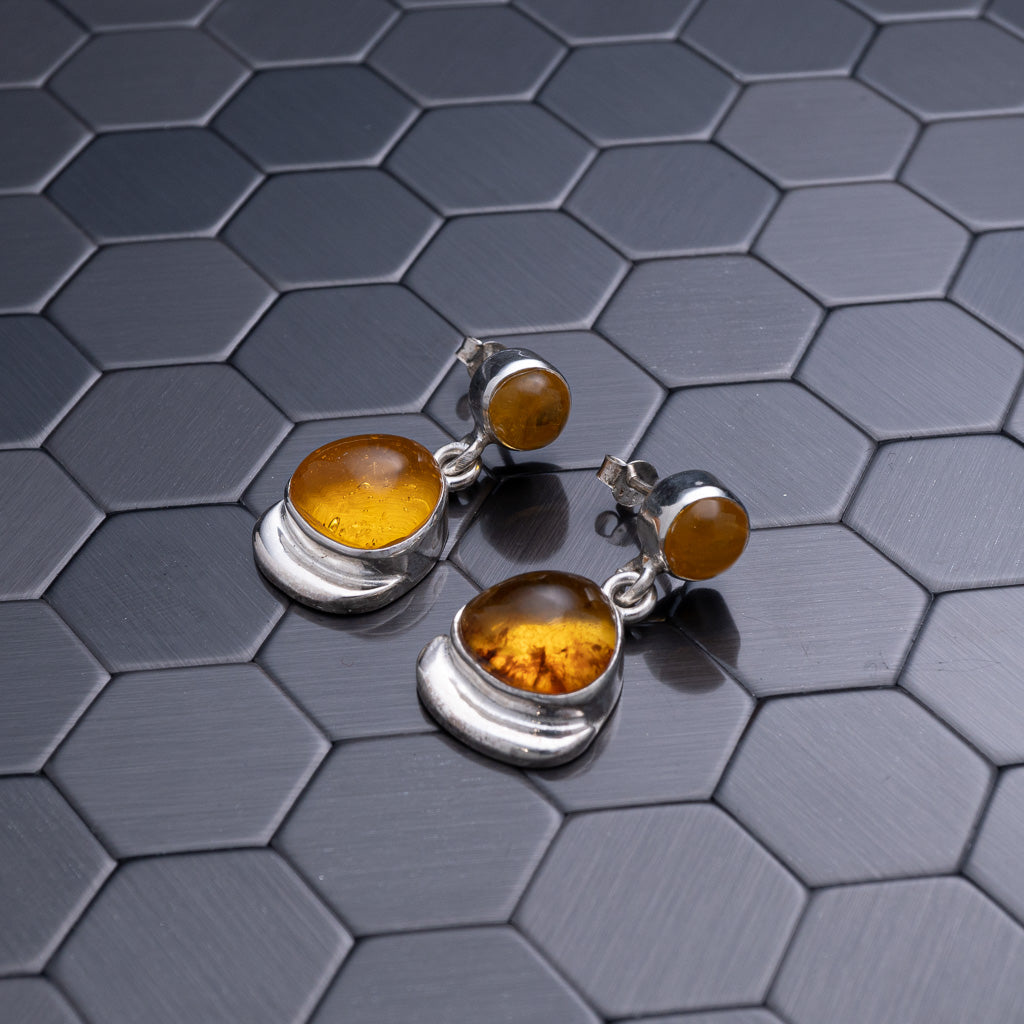
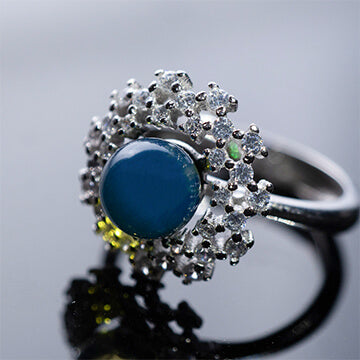
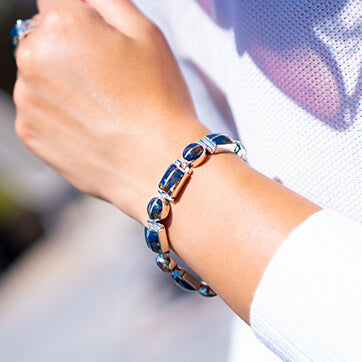
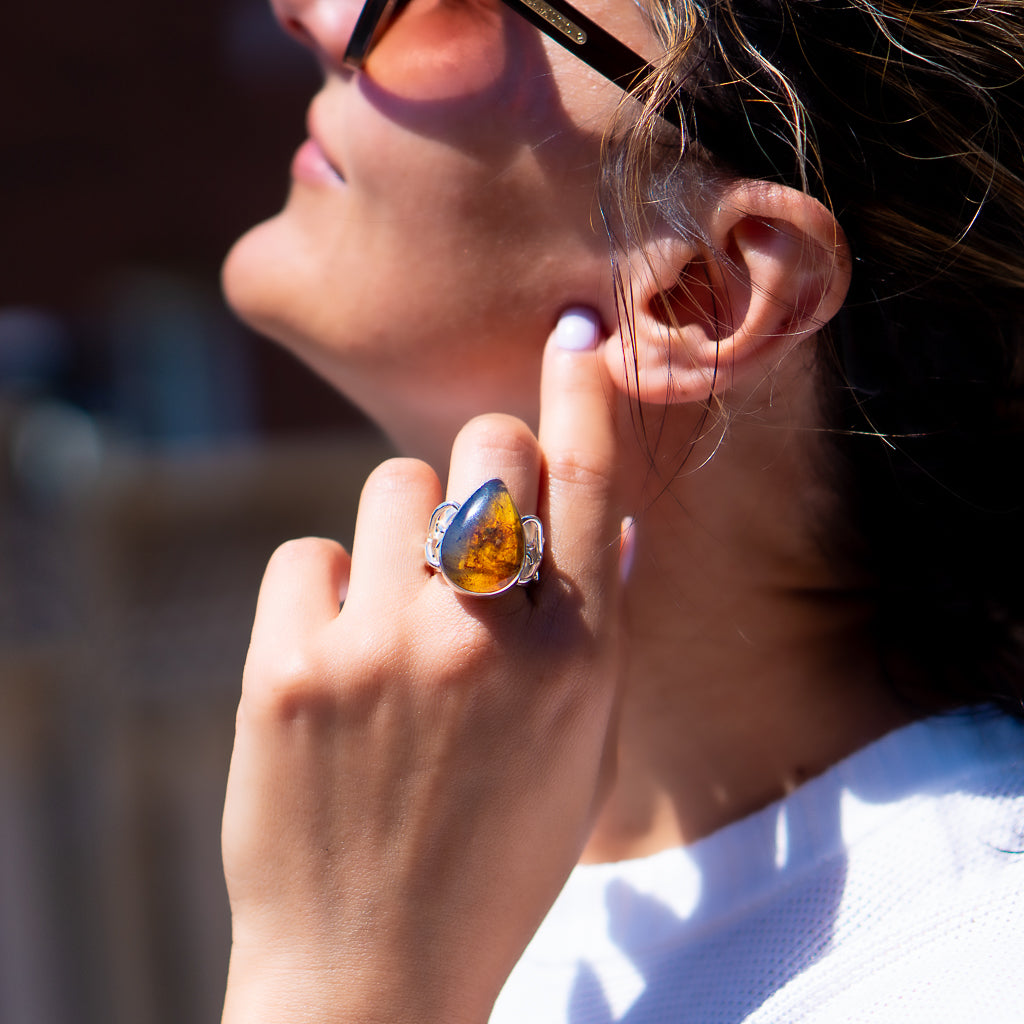
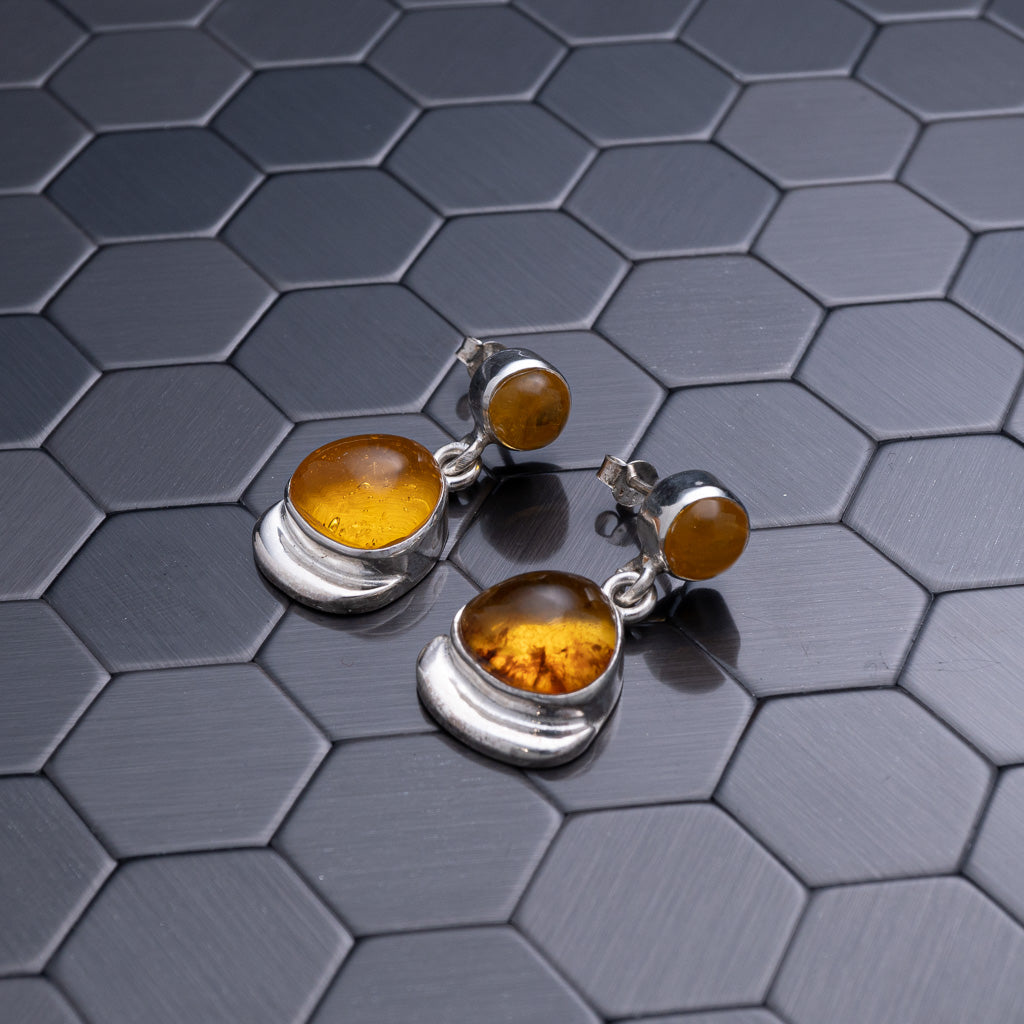
If you are choosing a piece to wear often, blue amber generally offers the better balance of rarity, beauty, and durability. That is especially true for pendants, earrings, and carefully designed rings where the stone is protected. Its light weight makes it comfortable, while its luminous effect gives it a presence that feels refined rather than flashy.

Copal jewelry can still be lovely, but it calls for more caution. Because it is softer and younger, it is better suited to occasional wear and gentler settings. Buyers drawn to copal usually prioritize appearance and affordability over long-term gemstone value.

There is no shame in choosing copal if you understand what you are buying. The problem begins when copal is purchased at amber prices or worn with amber expectations. For meaningful gifts, collector pieces, and heirloom-minded jewelry, authenticity is part of the beauty.

Blue amber vs copal for collectors

Collectors usually place amber well above copal, and blue amber holds special interest because of its rarity. Age, fluorescence, clarity, cut, and provenance all influence desirability. Dominican specimens often carry extra cachet because this source is so closely associated with fine blue amber.

Copal appeals more to curiosity-driven collecting. It may offer visible inclusions, larger sizes, and lower entry cost. For new collectors, that can be enjoyable. But serious gemstone collections tend to separate copal clearly from amber rather than treating them as interchangeable.

That distinction becomes even more important when a piece is advertised as an investment or rare natural treasure. The market does not reward vague language for long. Authenticity, documentation, and origin always rise to the surface.

What buyers should ask before purchasing

Before purchasing any piece represented as blue amber, ask what the material is, where it was sourced, and whether its identity has been verified. Ask if it is natural amber or copal. Ask whether the blue effect is natural fluorescence. Ask how the stone should be cared for in everyday wear.

These questions are not excessive. They are exactly what discerning buyers ask when they want something more personal than mass-market jewelry. A rare Caribbean gemstone deserves that level of attention.

For those who value craftsmanship and origin, certified Dominican stones carry a special confidence. That is one reason collectors and jewelry buyers often gravitate toward specialists such as Larimar Creations, where authenticity and Caribbean gemstone expertise are part of the experience, not an afterthought.

Which one should you choose?

If you want rarity, heritage, and a gemstone with unmistakable collector appeal, choose blue amber. If you want a lower-cost resin piece for casual enjoyment and you are comfortable with its softer nature, copal may still be a satisfying option.

The right choice depends on your purpose. A gift meant to mark a milestone, a pendant meant to be treasured, or a collector purchase meant to hold meaning over time points strongly toward genuine blue amber. A decorative piece chosen mainly for looks and price may make copal perfectly reasonable.

The most beautiful purchase is the one that is honestly represented. When a gemstone carries the light of the Caribbean and the confidence of true origin, it becomes more than jewelry. It becomes something you can wear with certainty.


Let's Stay In Touch