
by Admin May 03, 2026 5 min read

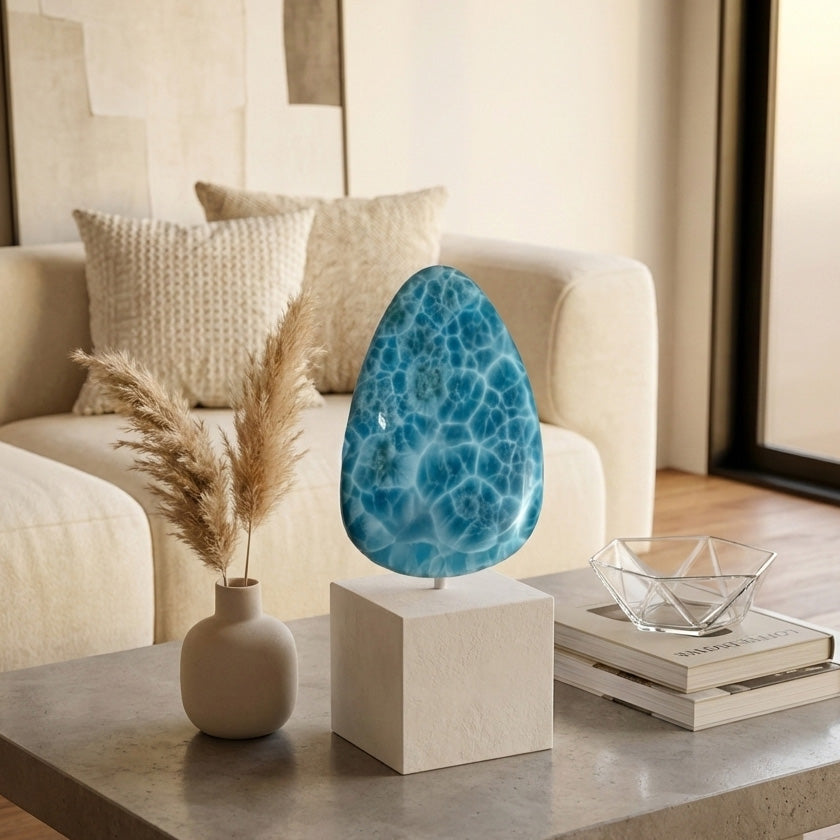
A gemstone does not need loud color to stop a room. Blue amber does it with light.

At first glance, it can appear warm, golden, even understated. Then the angle shifts, sunlight catches the surface, and a cool blue glow seems to rise from within. That visual transformation is what makes blue amber one of the most captivating and sought-after gemstones in fine artisan jewelry. For buyers who want rarity, authenticity, and a deeper connection to origin, it offers something mass-market stones simply cannot.

What makes blue amber different

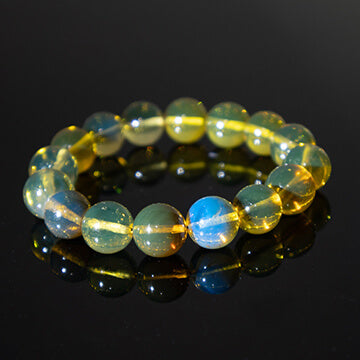
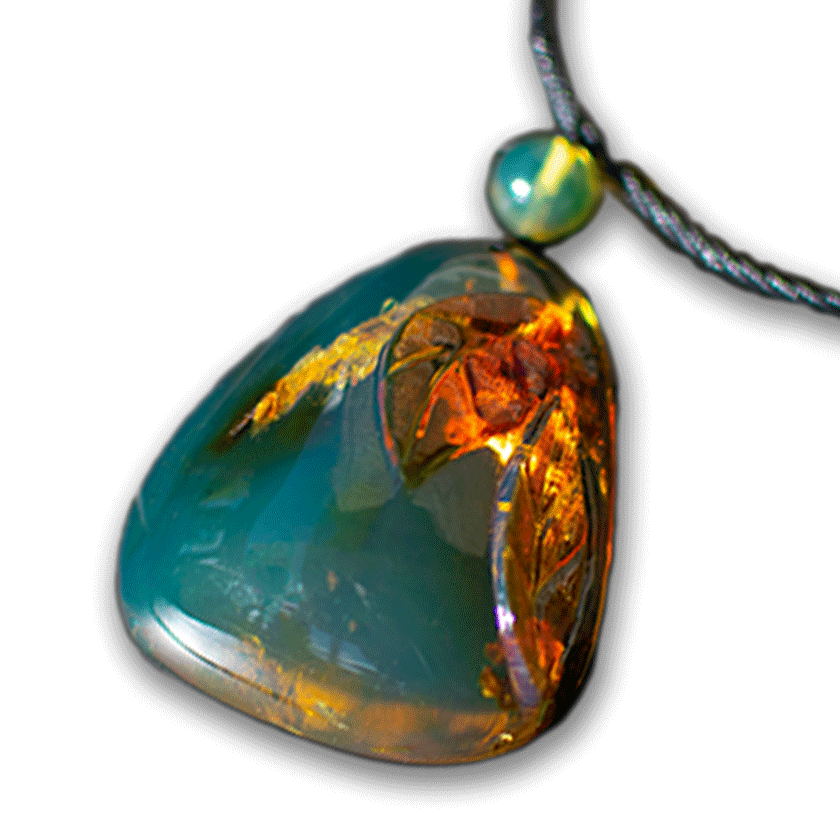
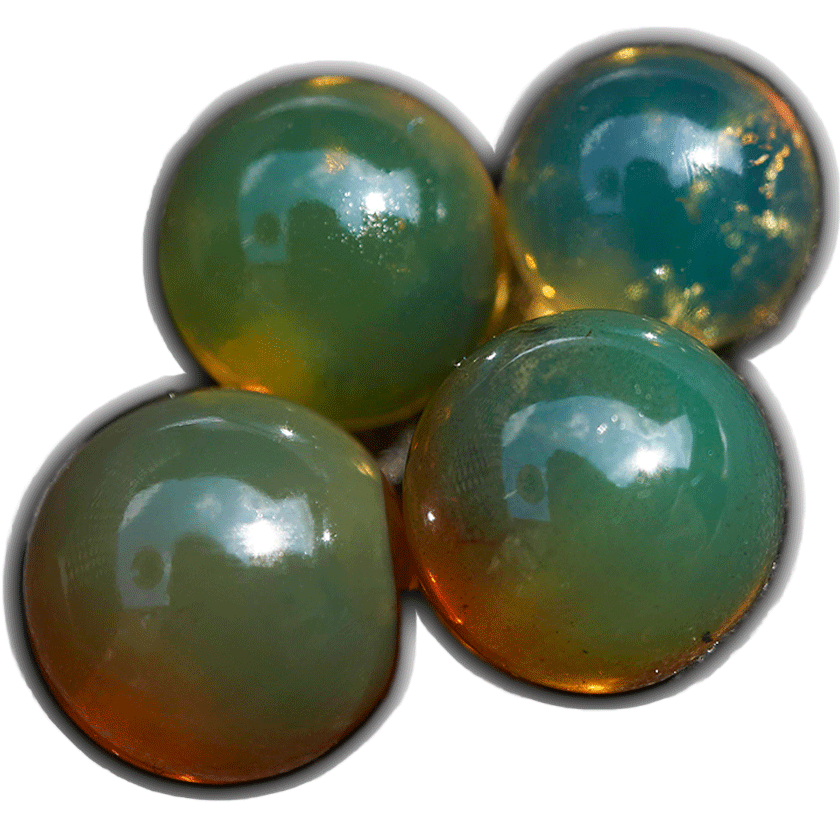
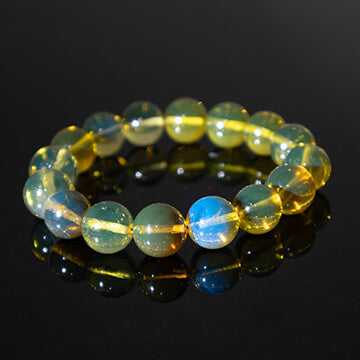
Blue amber is a rare variety of amber that displays a blue fluorescence or blue visual effect under certain lighting conditions. That distinction matters. It is not dyed amber, and it is not a gemstone that is permanently solid blue in the way sapphire or turquoise might be. Its beauty lies in its interaction with light.

This is part of its appeal for collectors and jewelry lovers alike. Blue amber feels alive. Indoors, it may show honey, cognac, or golden tones. In natural light, especially against a darker background, that famous blue effect can become far more noticeable. The result is a gemstone with movement, depth, and surprise.

For anyone drawn to distinctive jewelry, that changing appearance is a luxury in itself. No two pieces perform in exactly the same way, and that individuality is central to the stone’s value.

Why Dominican blue amber matters

Not all amber is created equal, and not all blue amber carries the same prestige. The Dominican Republic is widely regarded as the most important source of true blue amber, and that origin is a major reason the stone has earned such a revered place in the gemstone world.

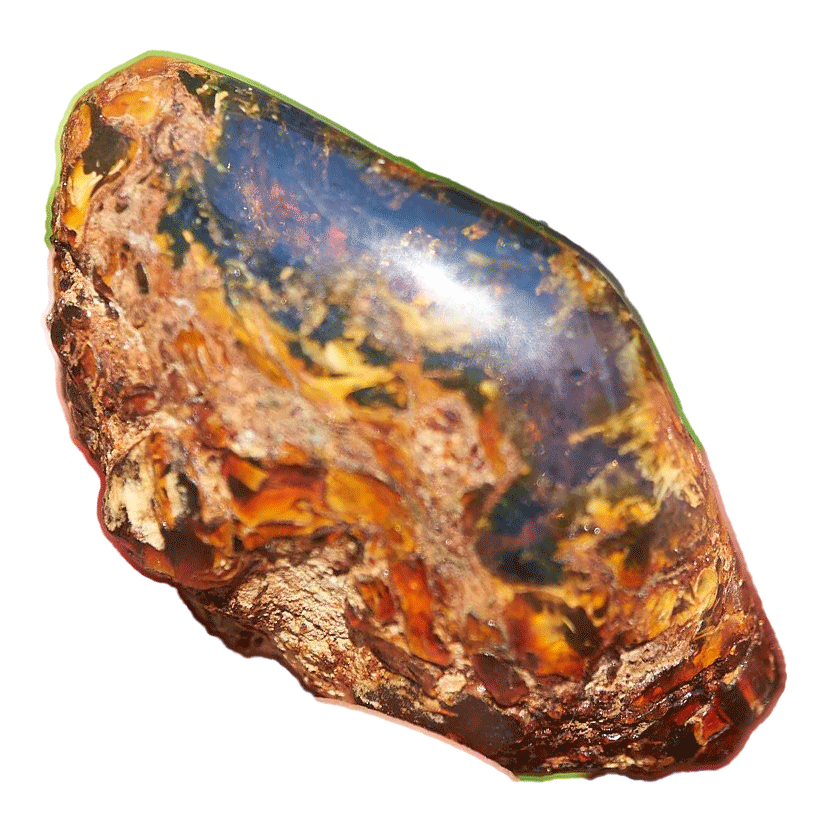
Dominican amber is prized for its clarity, organic history, and exceptional range of colors. Within that family, blue amber stands apart as one of the rarest expressions of Caribbean amber. It is associated with ancient tree resin that fossilized over millions of years, preserving both natural beauty and, in some cases, remarkable inclusions such as plant material or tiny prehistoric life.

For discerning buyers, origin is not a detail tucked into a certificate. It is part of the story, part of the investment, and part of the emotional pull. A genuine Dominican blue amber pendant or ring does more than decorate - it carries the identity of the Caribbean itself.

How blue amber gets its glow

The blue effect in amber has fascinated gemstone lovers for years because it feels almost improbable. Amber is fossilized resin, not a mineral crystal, so buyers often expect warm earth tones rather than cool flashes of blue.

What creates the effect is a combination of the amber’s organic composition and the way it reacts to light. In Dominican material, certain natural compounds can produce a visible blue fluorescence or blue surface effect, especially in sunlight or ultraviolet-rich light. The exact appearance depends on the cut, thickness, transparency, polish, and viewing angle.

That means there is always some nuance when evaluating a stone. One piece may show a dramatic electric blue outdoors and a soft golden body color indoors. Another may have a more subtle blue haze with stronger transparency. Neither is necessarily better in every case. It depends on whether the buyer values vivid display, crystal clarity, unusual inclusions, or jewelry wearability.

Blue amber in jewelry

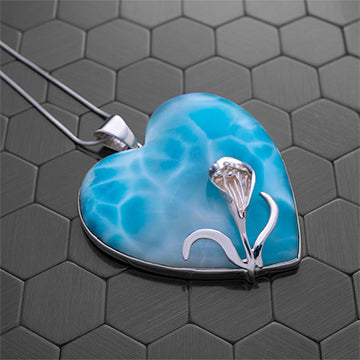
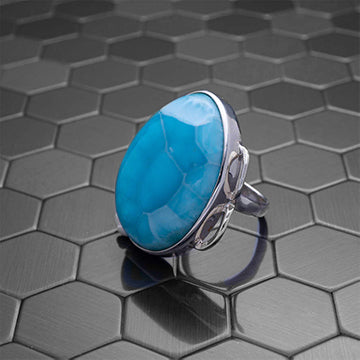
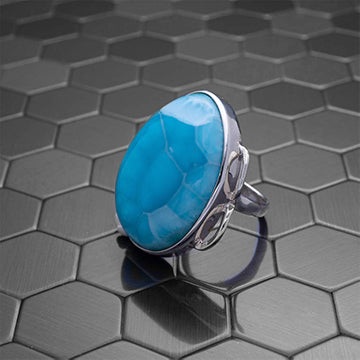
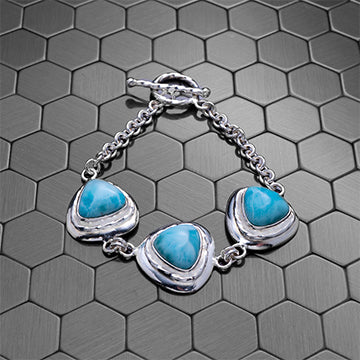
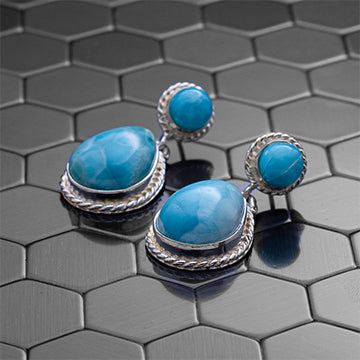
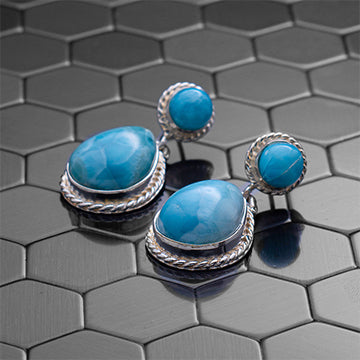
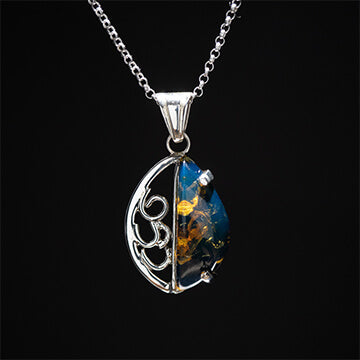
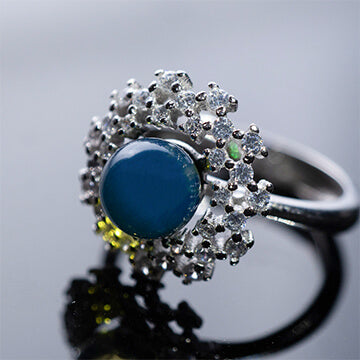
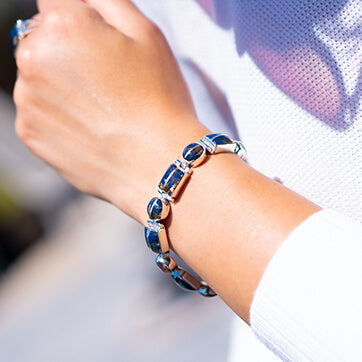
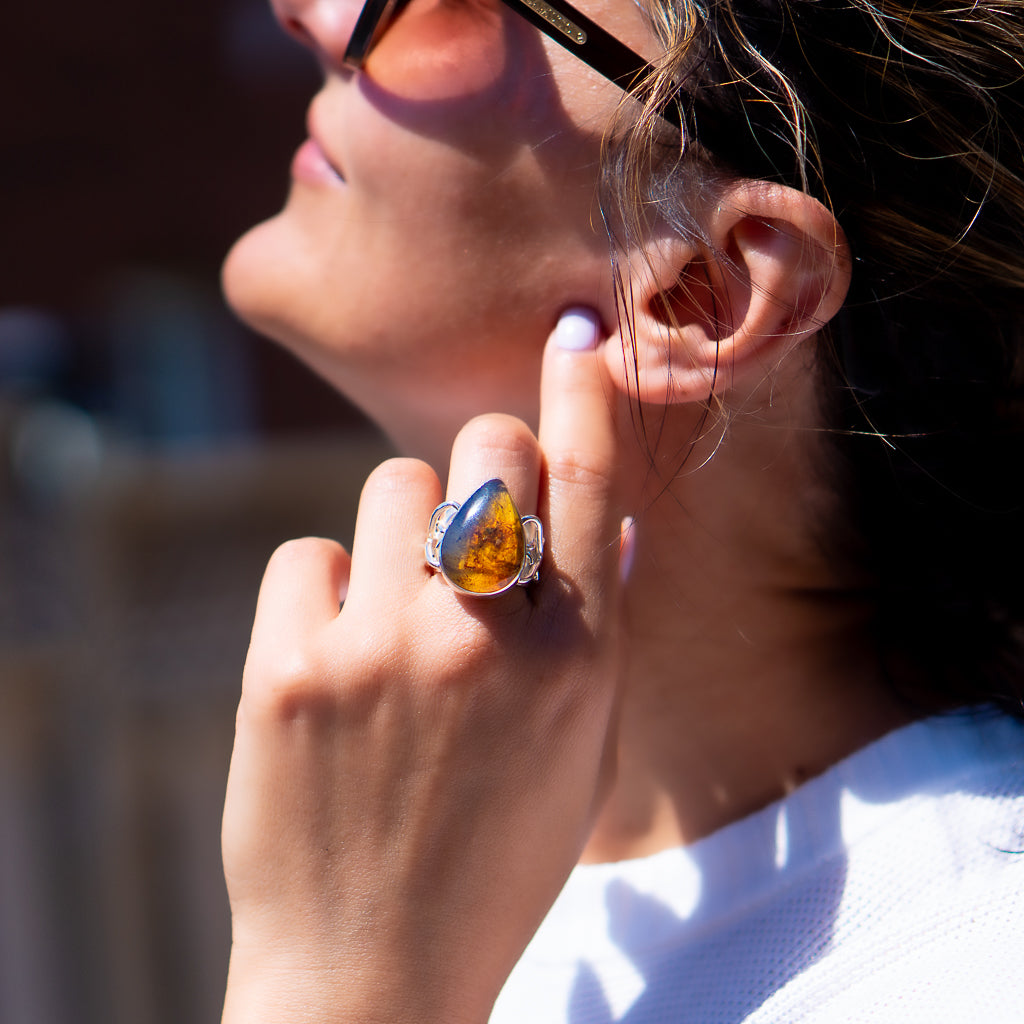
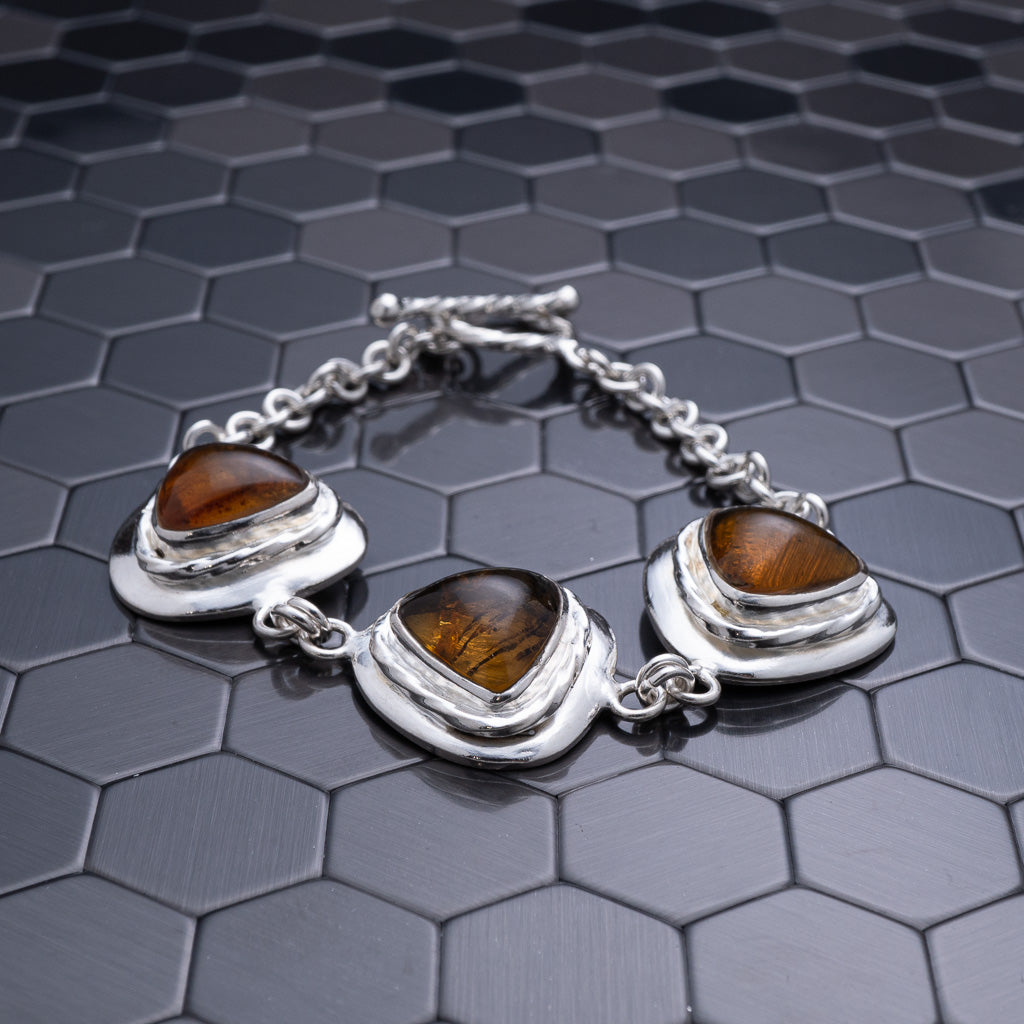
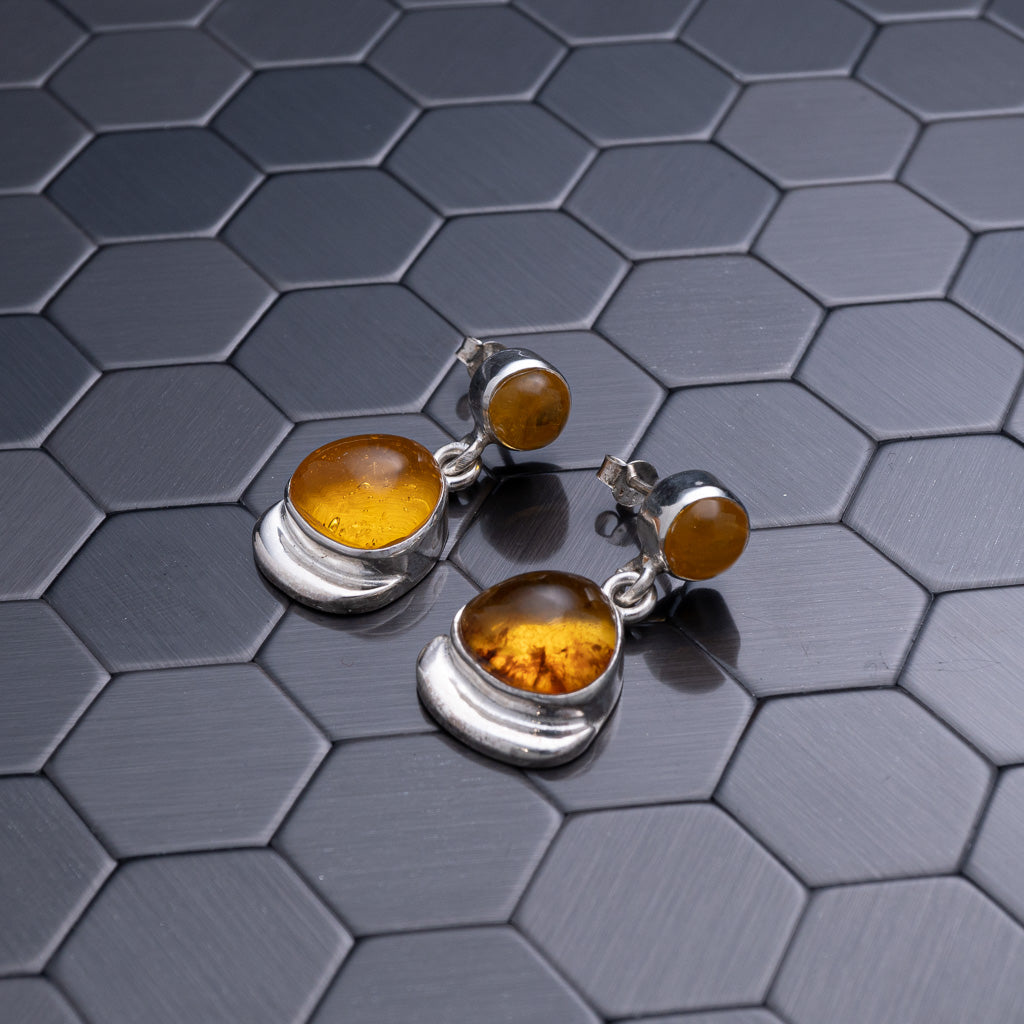
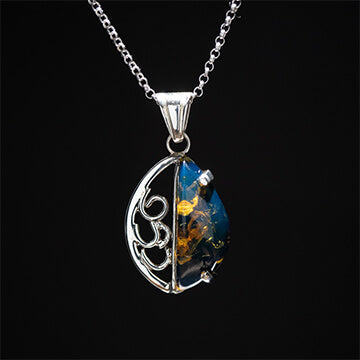
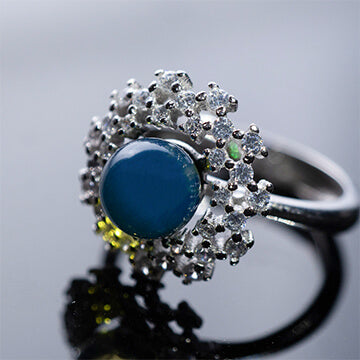
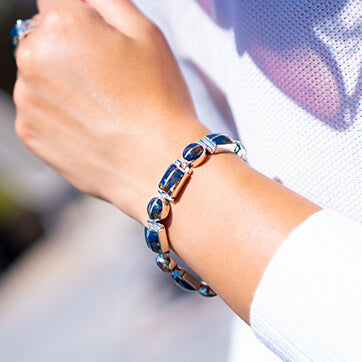
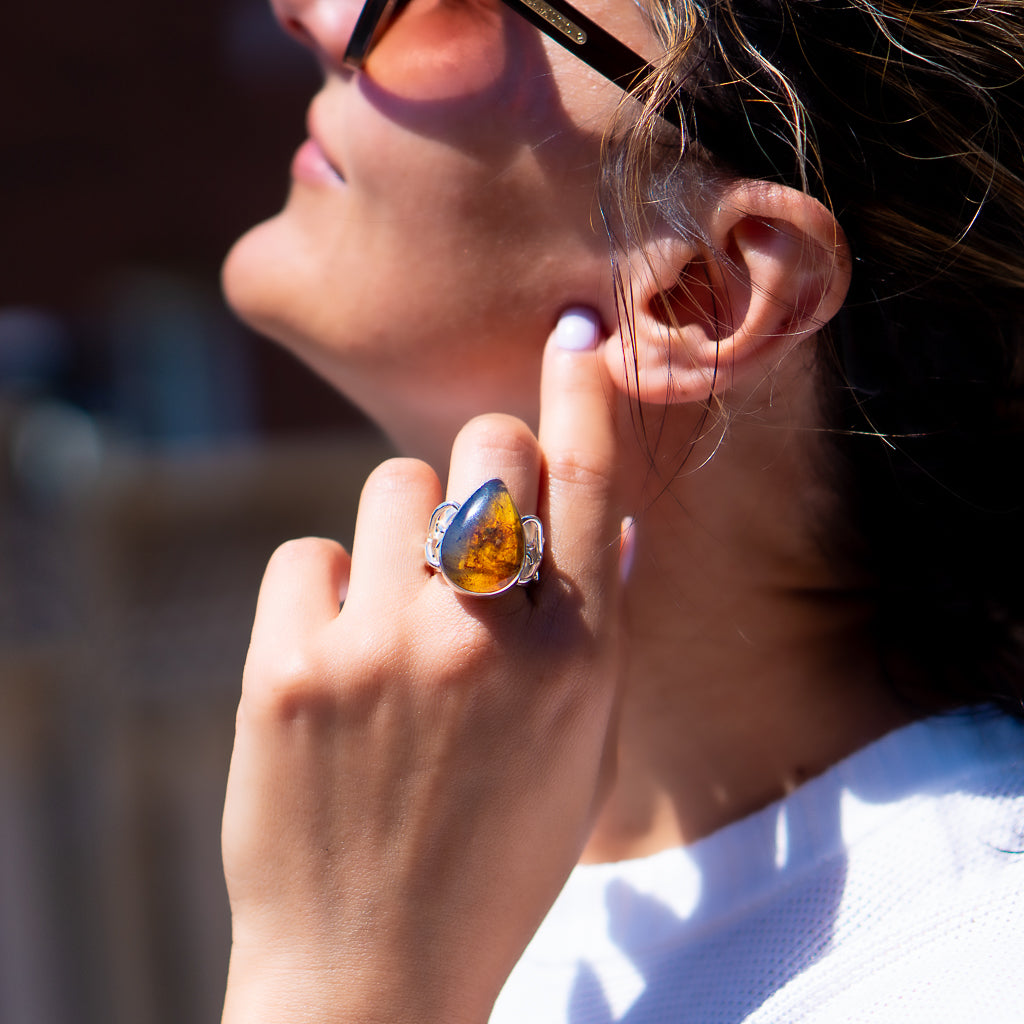
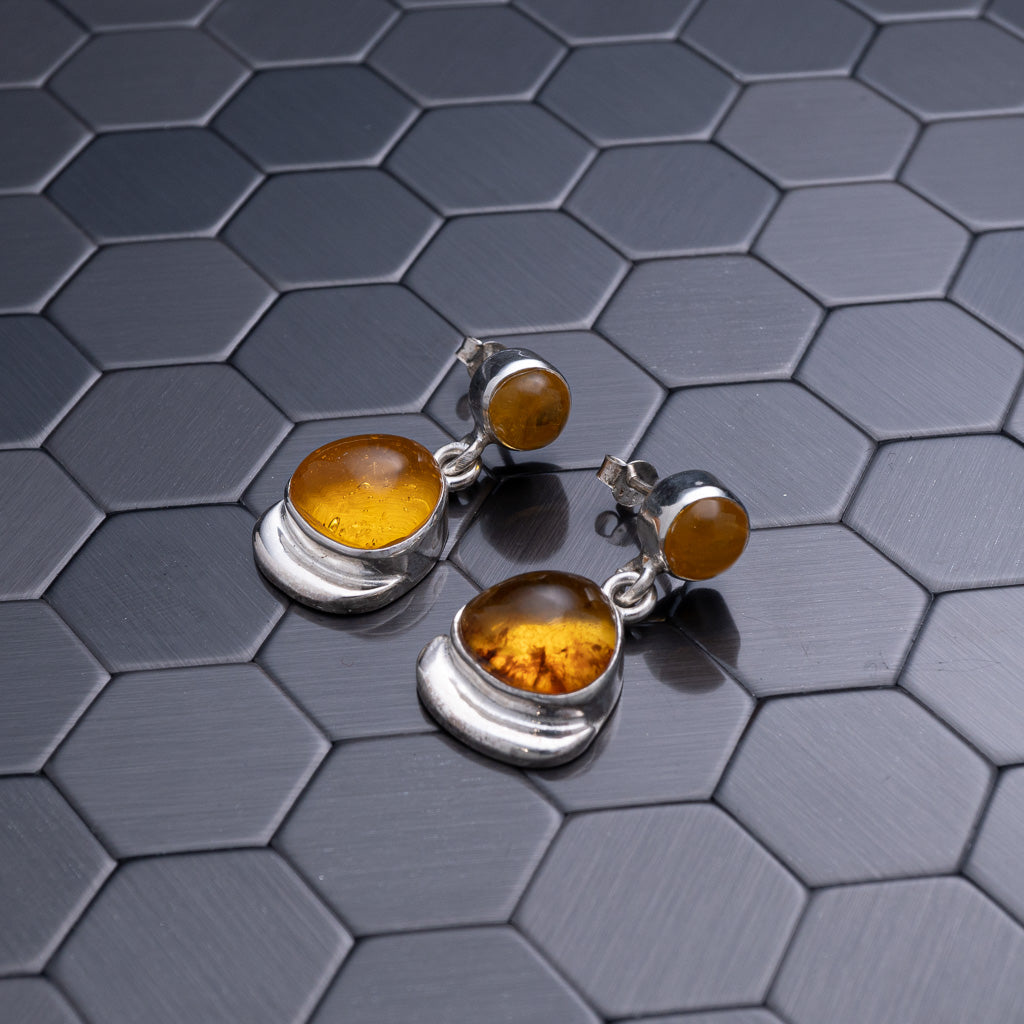
Blue amber is especially compelling in handcrafted jewelry because artisans can design around its light performance. A well-cut pendant allows the stone to catch daylight beautifully. Earrings can create quick flashes of color with movement. Rings bring the gemstone closer to the eye, making its shifting character more personal and intimate.

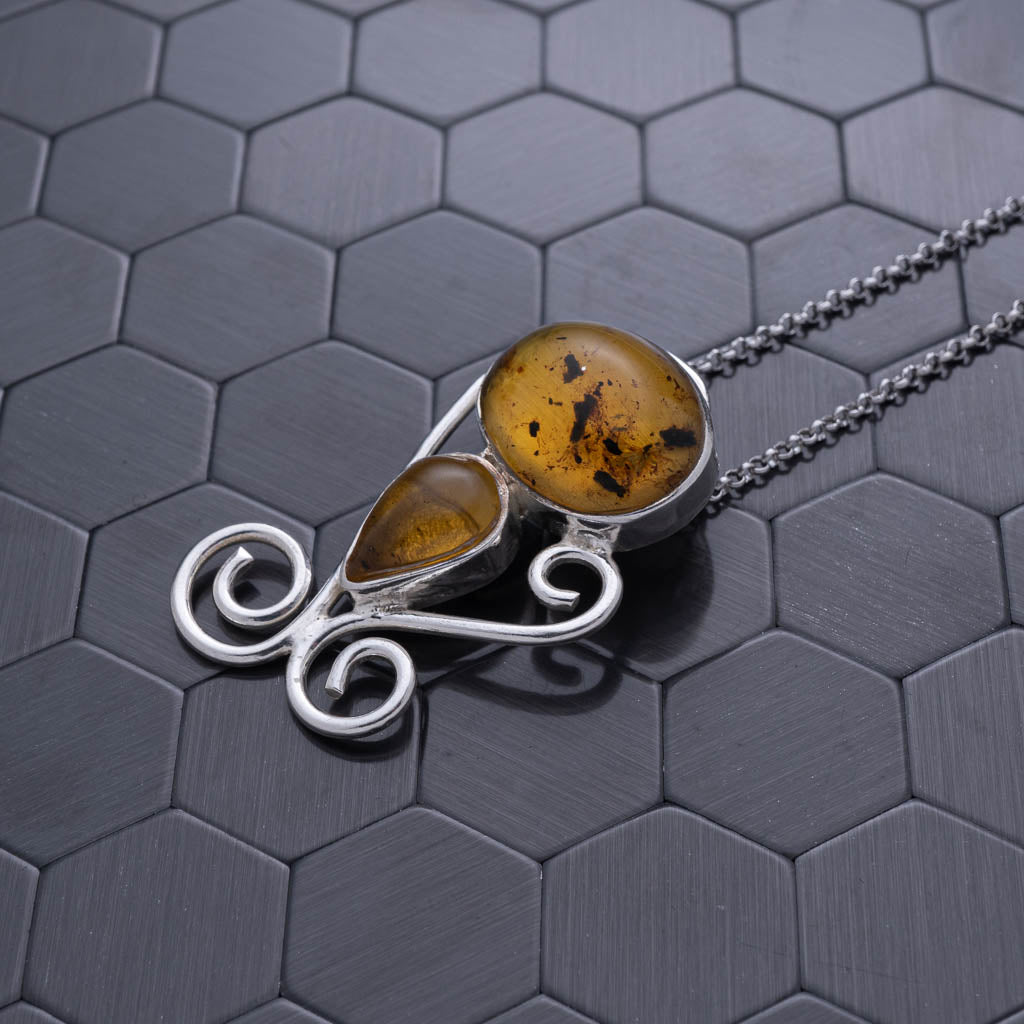
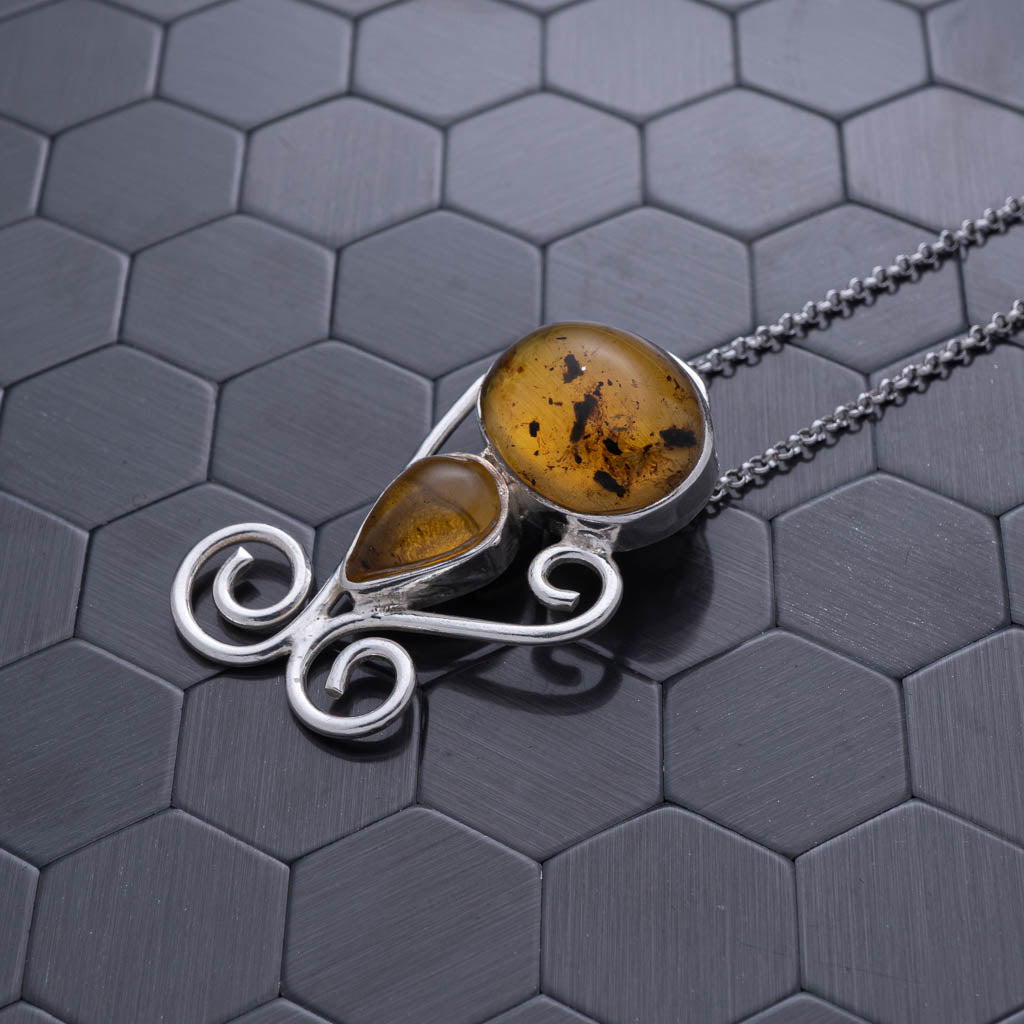
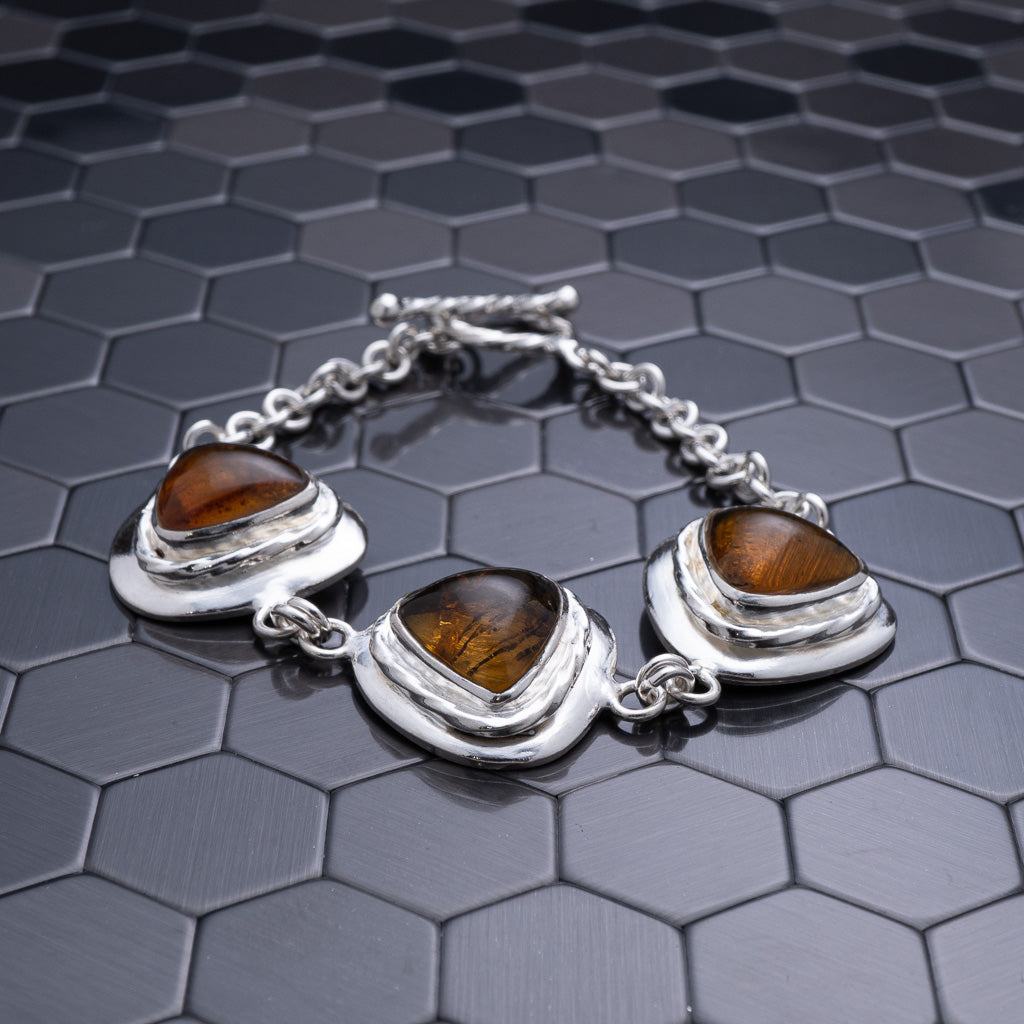
This is where craftsmanship matters. Amber is softer than many traditional gemstones, so the setting should protect it while still allowing light to enter the stone. Bezel settings can offer security and a refined finish, while open-back designs may enhance luminosity. In premium artisan work, the metal choice also shapes the presentation. Sterling silver often sharpens the cool glow, while warmer gold tones can emphasize the contrast between honey body color and blue flash.

For gift buyers, blue amber jewelry has an unusual advantage. It feels romantic without being predictable. It is rare, visually memorable, and rooted in natural history. That makes it an ideal choice for milestone gifts, anniversary pieces, and meaningful personal keepsakes.

What collectors look for in blue amber

Collectors tend to evaluate blue amber through a slightly different lens than jewelry buyers. Beauty still matters, but so do factors such as rarity of color expression, transparency, origin, size, and natural inclusions.

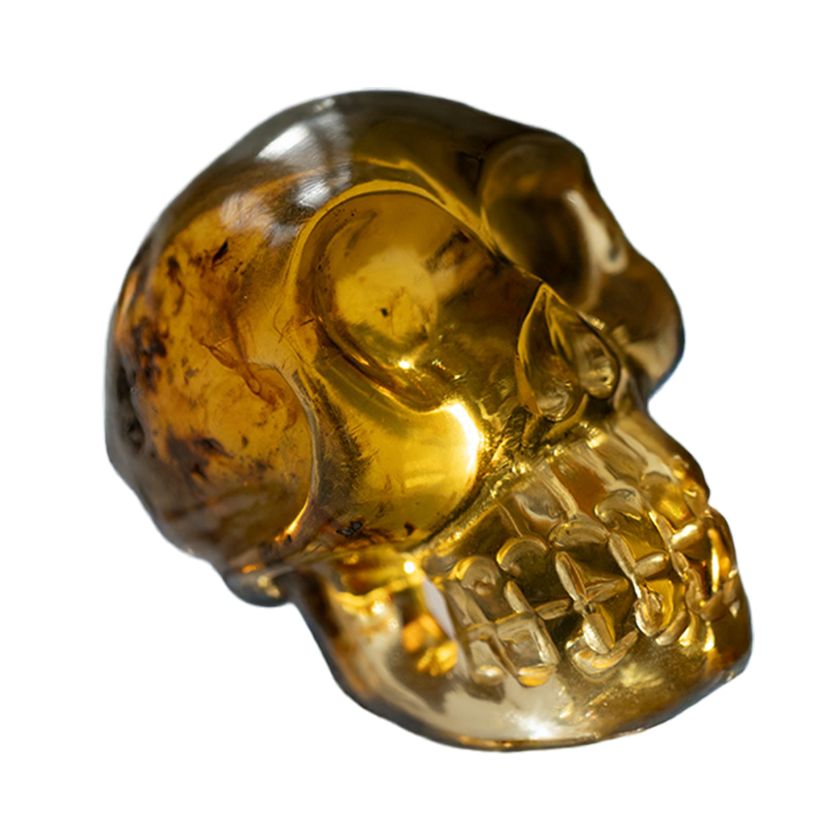
A highly transparent specimen with a strong blue effect can be especially desirable. So can a cabochon that displays a rich glow with minimal cloudiness. Some collectors are also drawn to amber with preserved inclusions because these pieces combine gemstone appeal with fossil interest. Others prefer cleaner material that highlights color and fluorescence alone.

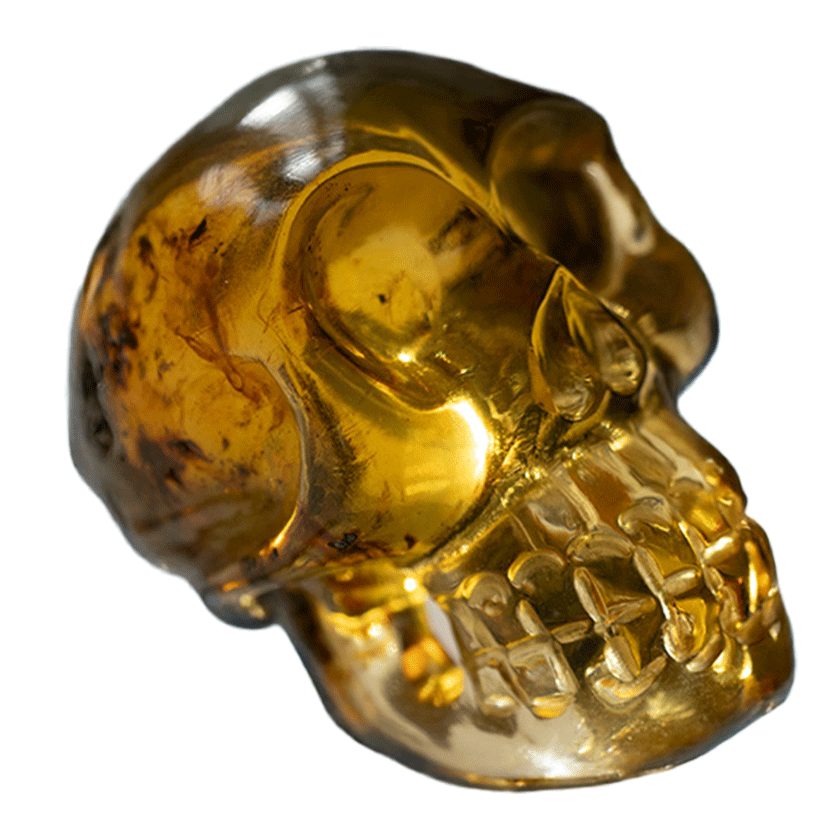
There is also the question of shape. Jewelry-grade stones are often cut for wearability and visual balance, while collector pieces may be selected for unusual natural form or exceptional optical character. Neither approach is more valid. It simply depends on whether the piece is meant to be worn daily, displayed, or kept as part of a curated gemstone collection.

How to tell if blue amber is authentic

Because blue amber is rare and increasingly recognized, buyers should approach the market with care. Authenticity is everything in this category.

The first sign of quality is transparent sourcing. A reputable seller should be clear about origin, especially if the stone is represented as Dominican. The second is honest presentation. Real blue amber should not be marketed as uniformly bright blue in every lighting condition, because that is not how genuine material behaves. If photos look exaggerated or the color seems unnaturally consistent, caution is wise.

Certification or authenticity assurance can add important confidence, particularly for higher-value pieces. So can close-up imagery that shows the stone in varied light. Buyers should also pay attention to craftsmanship. A premium gemstone deserves a setting and finish that reflect its rarity.

At Larimar Creations, that connection between origin, authenticity, and artisan presentation is central to the appeal of Caribbean gemstones. For shoppers seeking a piece that feels both luxurious and credible, those details are not extras. They are the foundation.

Caring for blue amber

Blue amber rewards thoughtful wear. Because amber is an organic gemstone, it is softer and more sensitive than stones like quartz or sapphire. That does not make it fragile in a discouraging sense, but it does mean care should match its value.

Store it separately from harder jewelry to help prevent scratches. Clean it gently with a soft cloth and mild care only. Avoid harsh chemicals, excessive heat, and prolonged exposure to perfumes or cleaning agents. If a piece includes fine silver or gold craftsmanship, careful storage also helps preserve the beauty of both stone and setting.

For many owners, this level of care becomes part of the experience. Blue amber is not disposable fashion. It is a rare natural treasure, and treating it that way only deepens its meaning.

Why blue amber keeps drawing people in

Some gemstones impress with size. Others with sparkle. Blue amber captivates for a quieter reason - it feels discovered rather than manufactured.

Its beauty is layered. There is the rarity, the Dominican origin, the organic history, the blue glow that appears almost like a secret. There is also the emotional side. For some, it recalls the Caribbean sea at dusk. For others, it represents protection, warmth, or spiritual calm. That blend of visual wonder and personal meaning gives the stone unusual staying power.

If you are choosing jewelry that should feel uncommon from the first glance and even more special over time, blue amber is hard to forget. Wear a piece of the Caribbean, and let the light do the rest.


Let's Stay In Touch