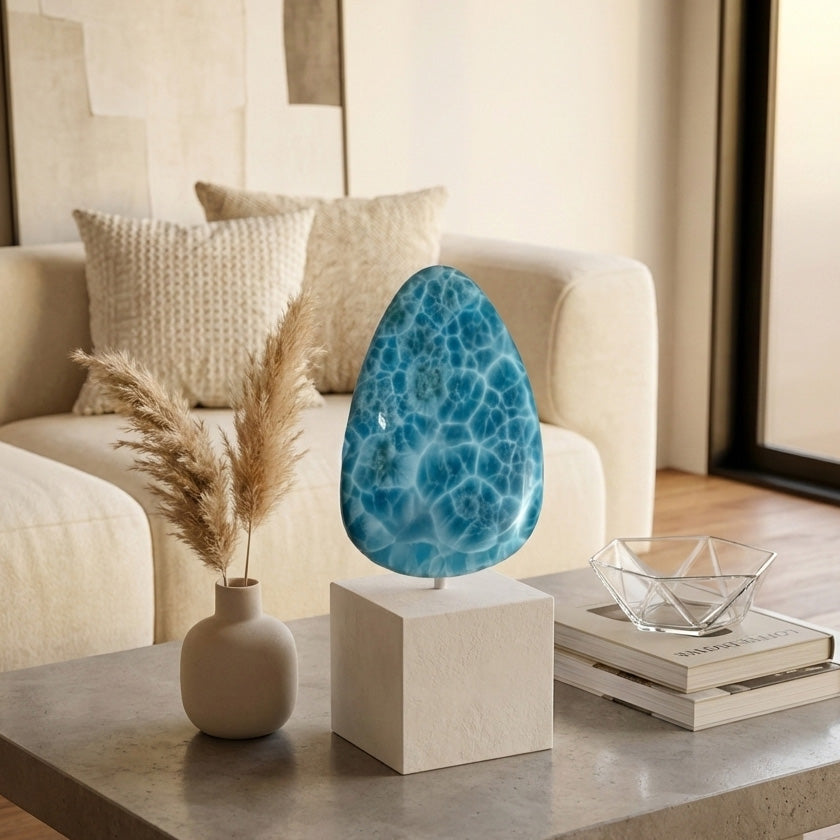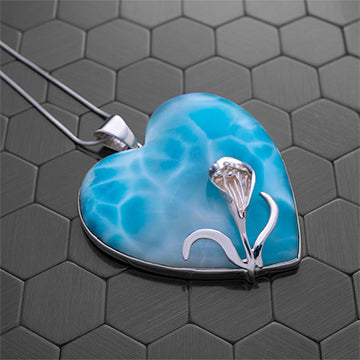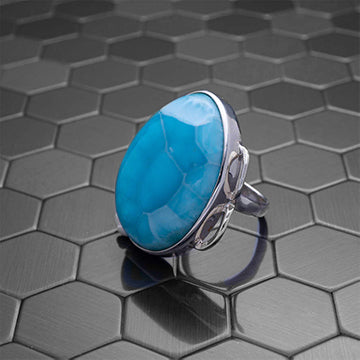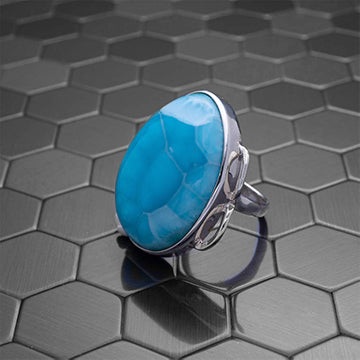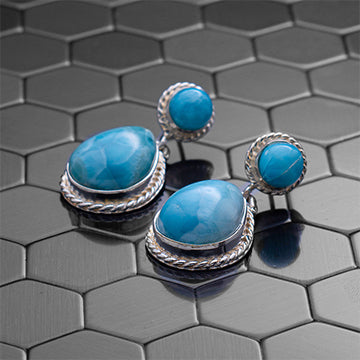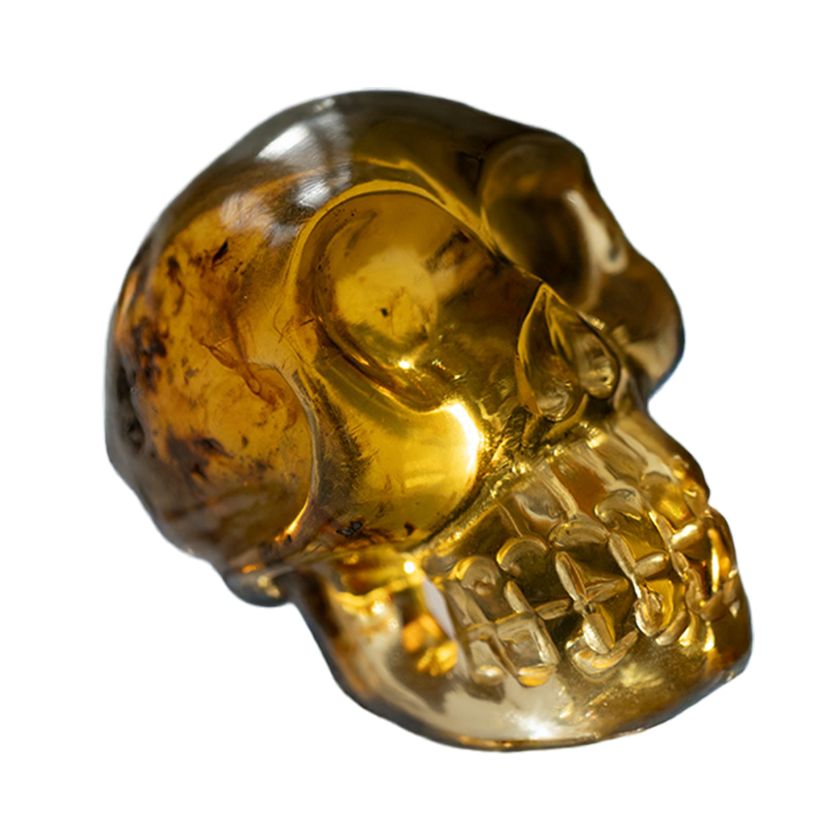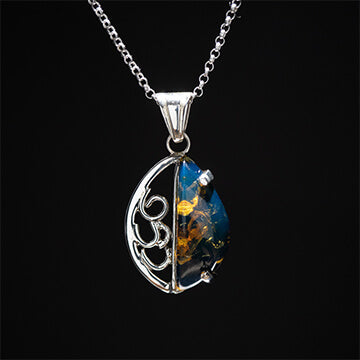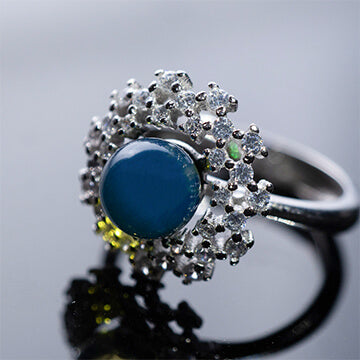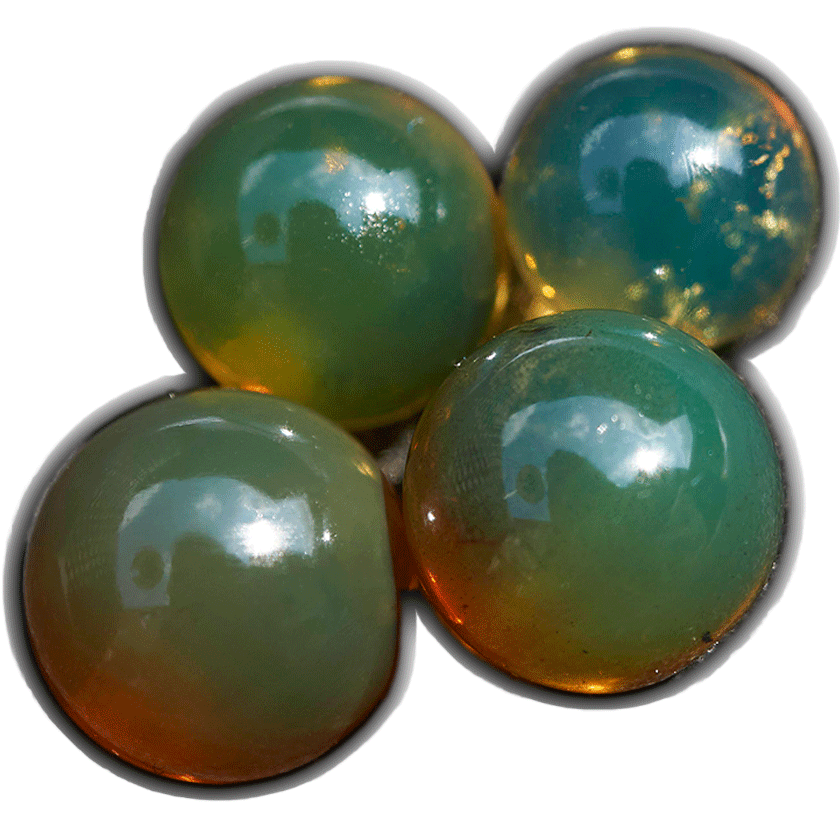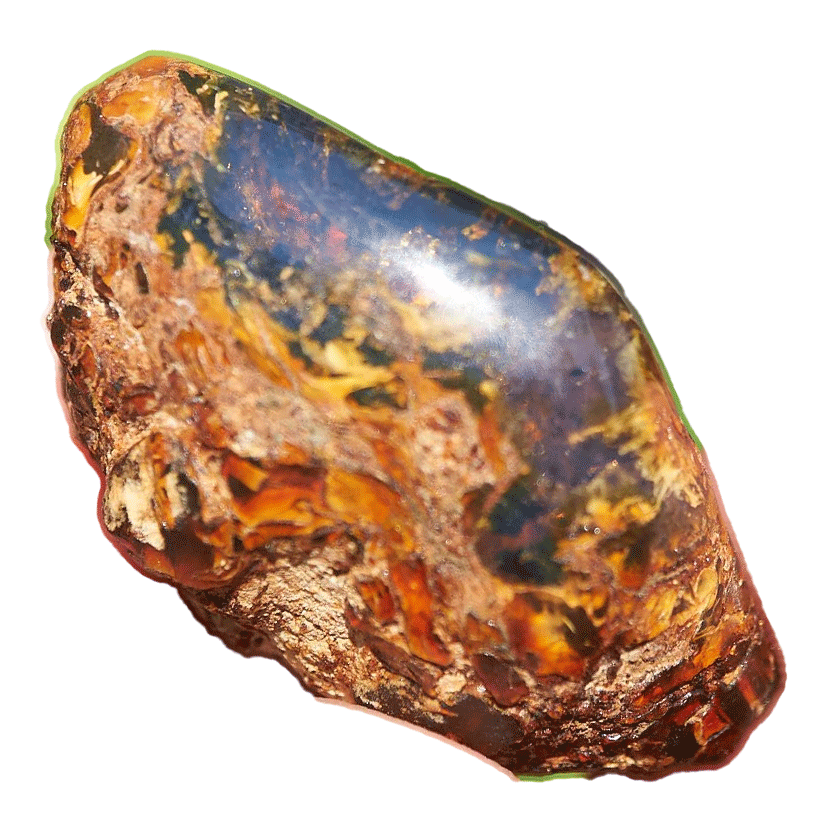

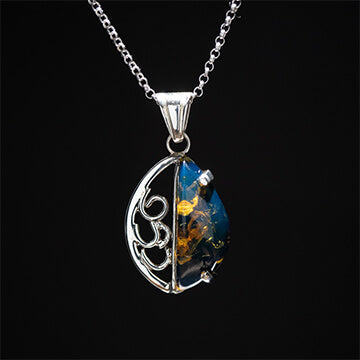
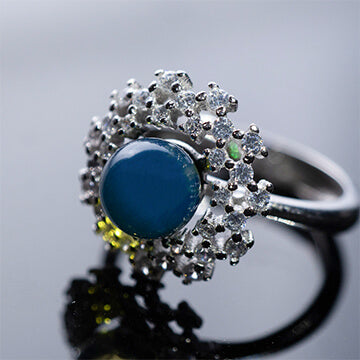
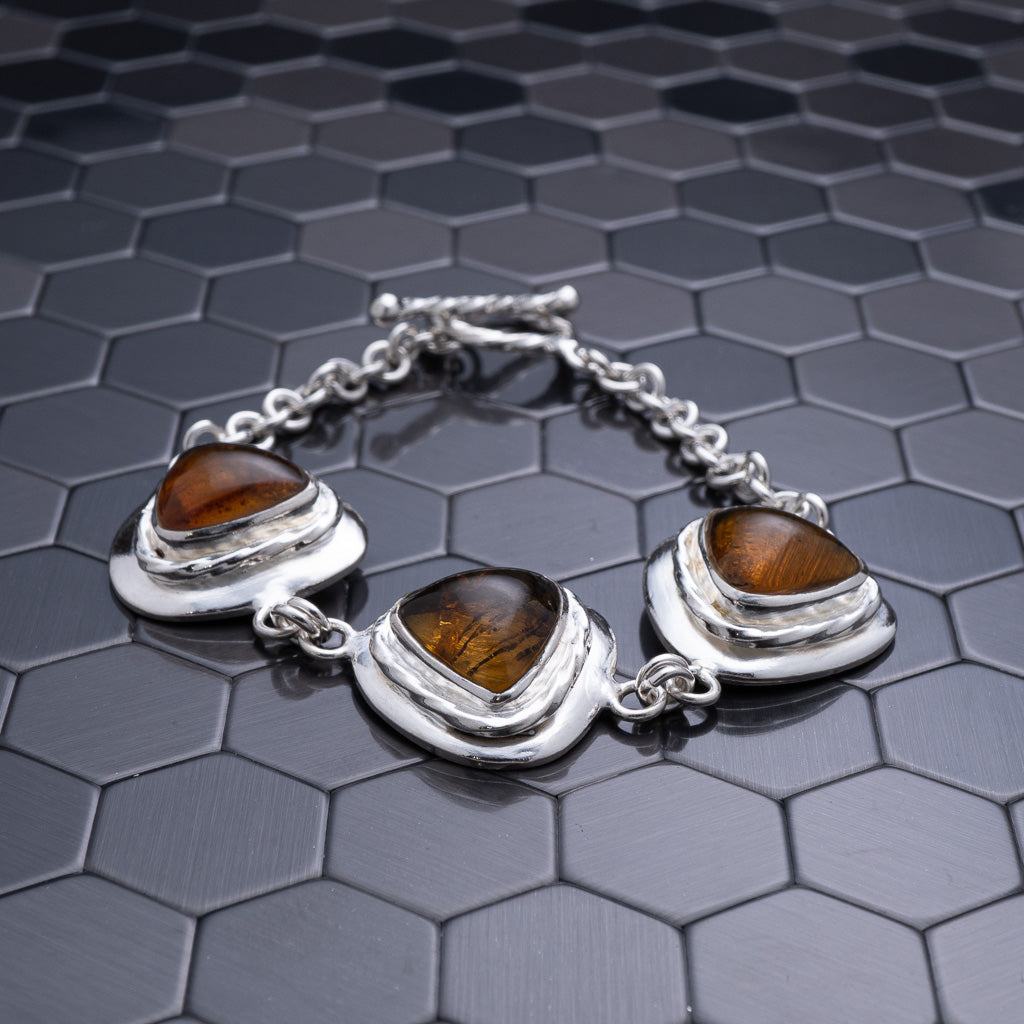
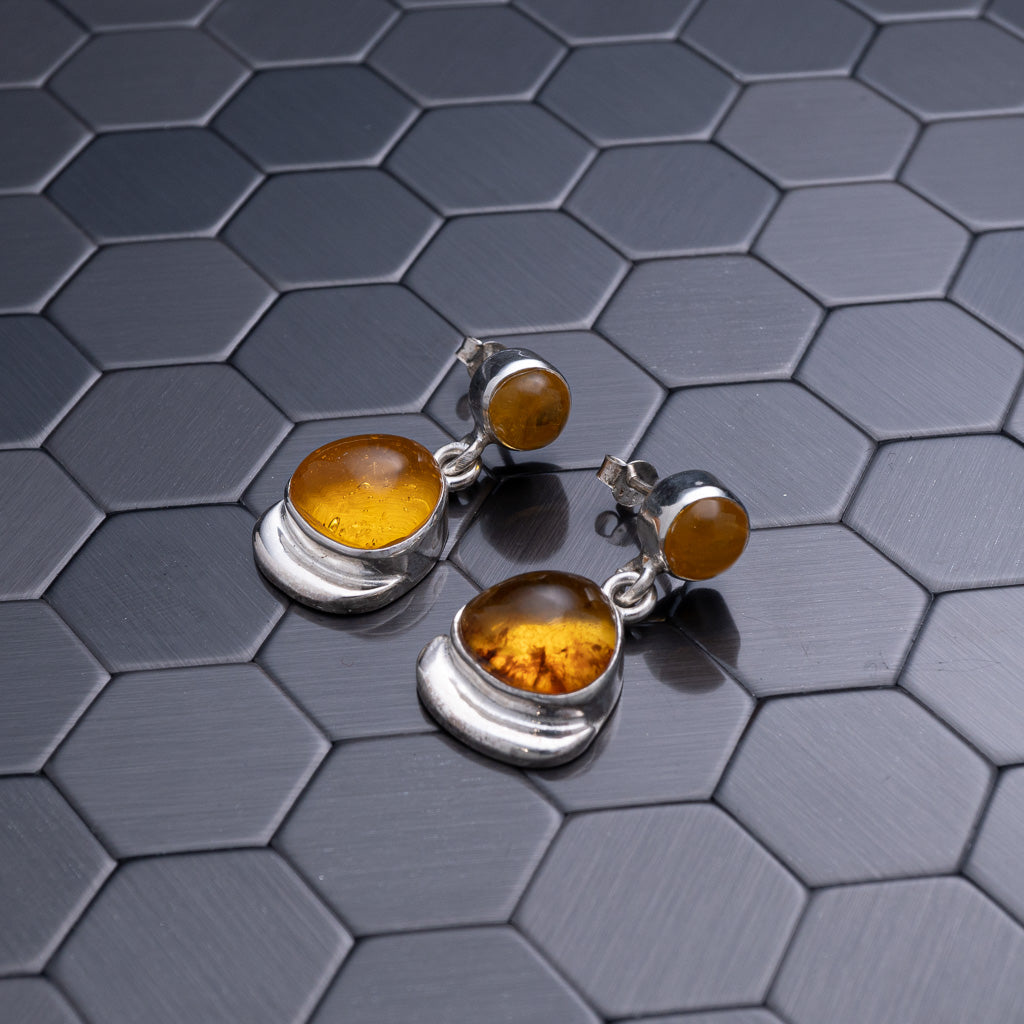
A Larimar ring can stop someone mid-sentence. That soft Caribbean blue, those cloudlike white patterns, the sense that a piece of ocean has been shaped into stone - few gems create that effect. But beauty raises a practical question, especially if you plan to wear it often: are larimar stones durable enough for real-life jewelry use?
The honest answer is yes, with context. Larimar is durable enough to be worn and enjoyed, but it is not a hard-wearing stone in the same class as sapphire or diamond. It rewards thoughtful wear, quality craftsmanship, and proper care. If you understand what the stone is, how it behaves, and which jewelry styles protect it best, Larimar can remain beautiful for many years.
Larimar is a rare blue variety of pectolite found in the Dominican Republic, and its appeal comes from color and rarity rather than extreme hardness. On the Mohs hardness scale, Larimar typically falls around 4.5 to 5. That places it below many classic fine jewelry stones.
What does that mean in practical terms? Larimar can be scratched by harder materials, and it is more vulnerable to knocks than stones like topaz, sapphire, or quartz. It is still a genuine gemstone suitable for jewelry, but it belongs in the category of stones that benefit from mindful wear rather than rough daily exposure.
This is where many shoppers get confused. Durability is not only about hardness. A gemstone’s performance also depends on toughness, stability, cut, and setting. Some stones are hard but brittle. Others are softer yet wear well when properly mounted. Larimar sits in a middle ground - wearable, collectible, and luxurious, but best treated as a treasured natural gem rather than an indestructible one.
Several factors shape how well Larimar holds up over time.
Because Larimar is relatively soft, it can pick up surface marks if it rubs against harder gemstones, metal edges, keys, countertops, or abrasive materials. This matters most in rings and bracelets, which naturally encounter more contact during the day.
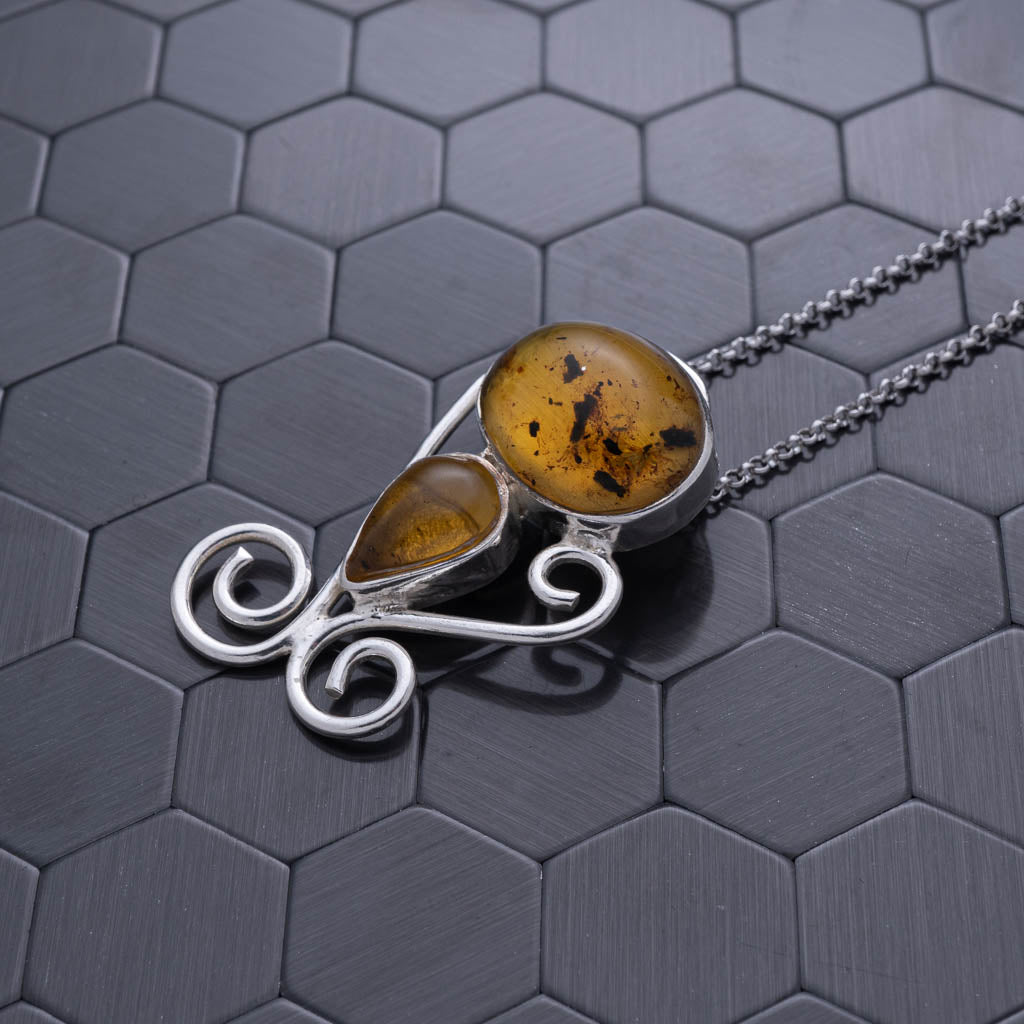
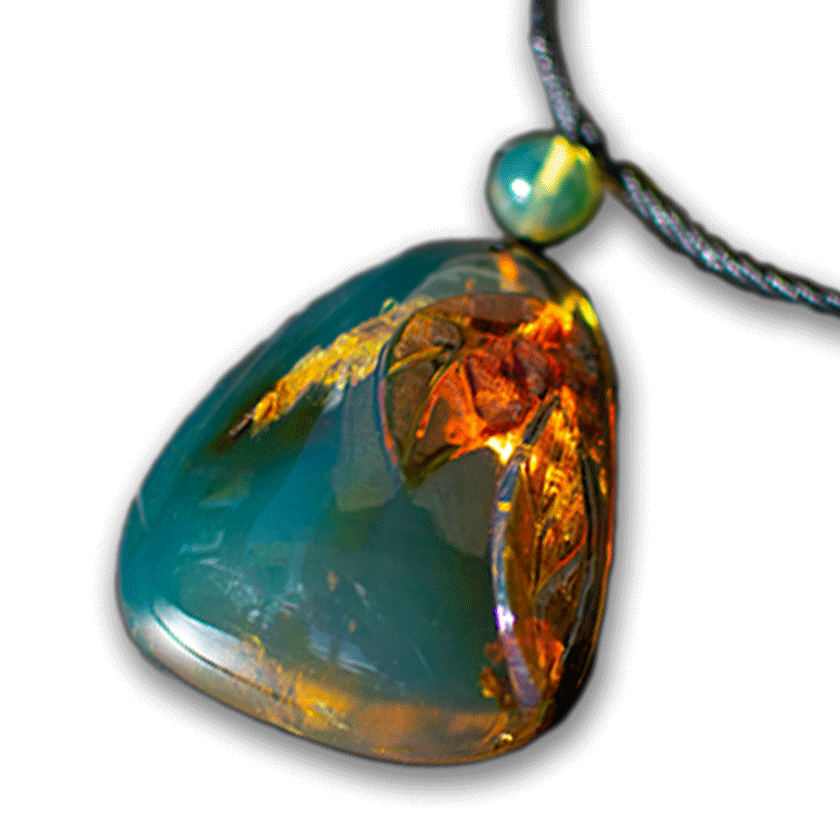
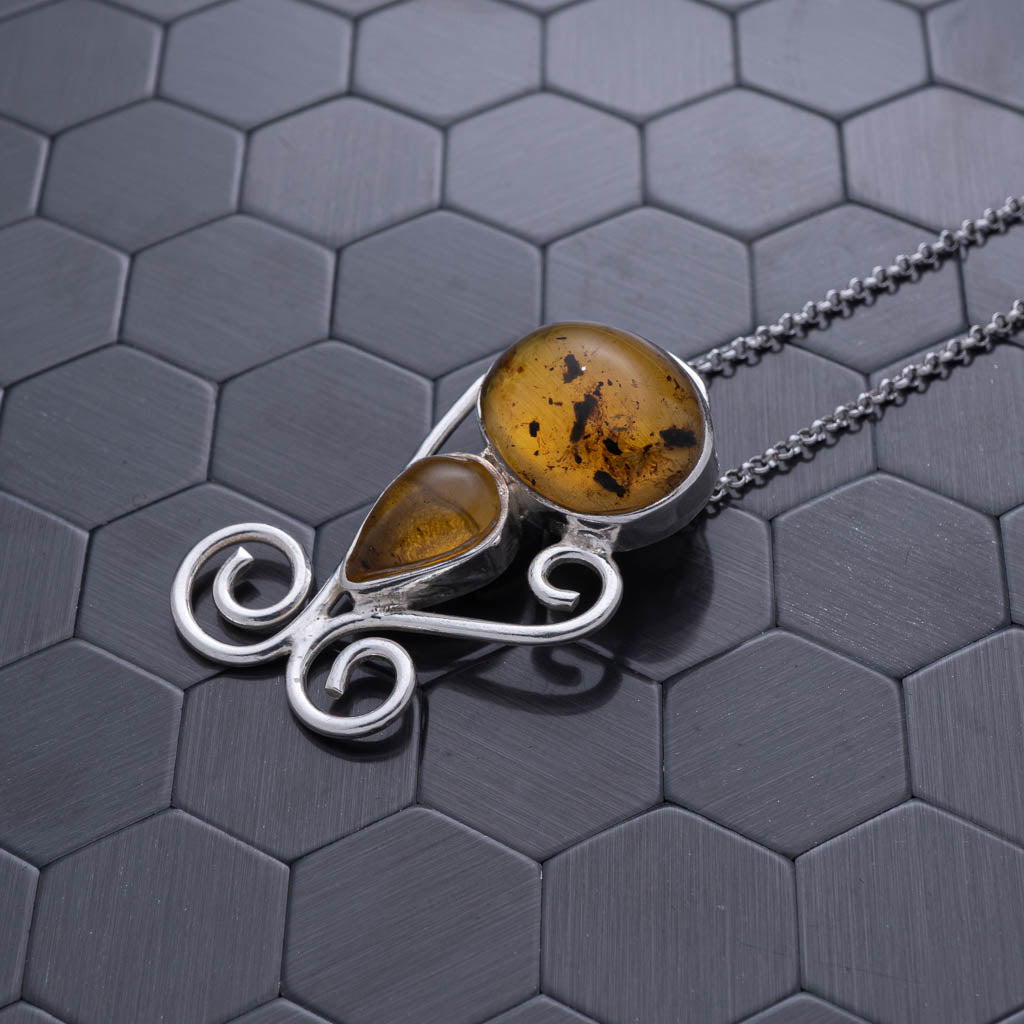
A pendant or pair of earrings usually faces far less wear than a ring. The same Larimar stone that might show signs of use in a heavily worn ring can stay pristine much longer in a necklace setting.
Larimar is a natural stone, and like many authentic gemstones, each piece can vary. Some stones are more compact and resilient, while others may have internal features that make them slightly more delicate. That individuality is part of Larimar’s charm, but it also means quality selection matters.
Well-cut stones with sound structure generally perform better over time than poorly selected material. This is one reason buyers who care about authenticity and craftsmanship tend to pay attention not just to color, but to how the stone has been chosen and finished.
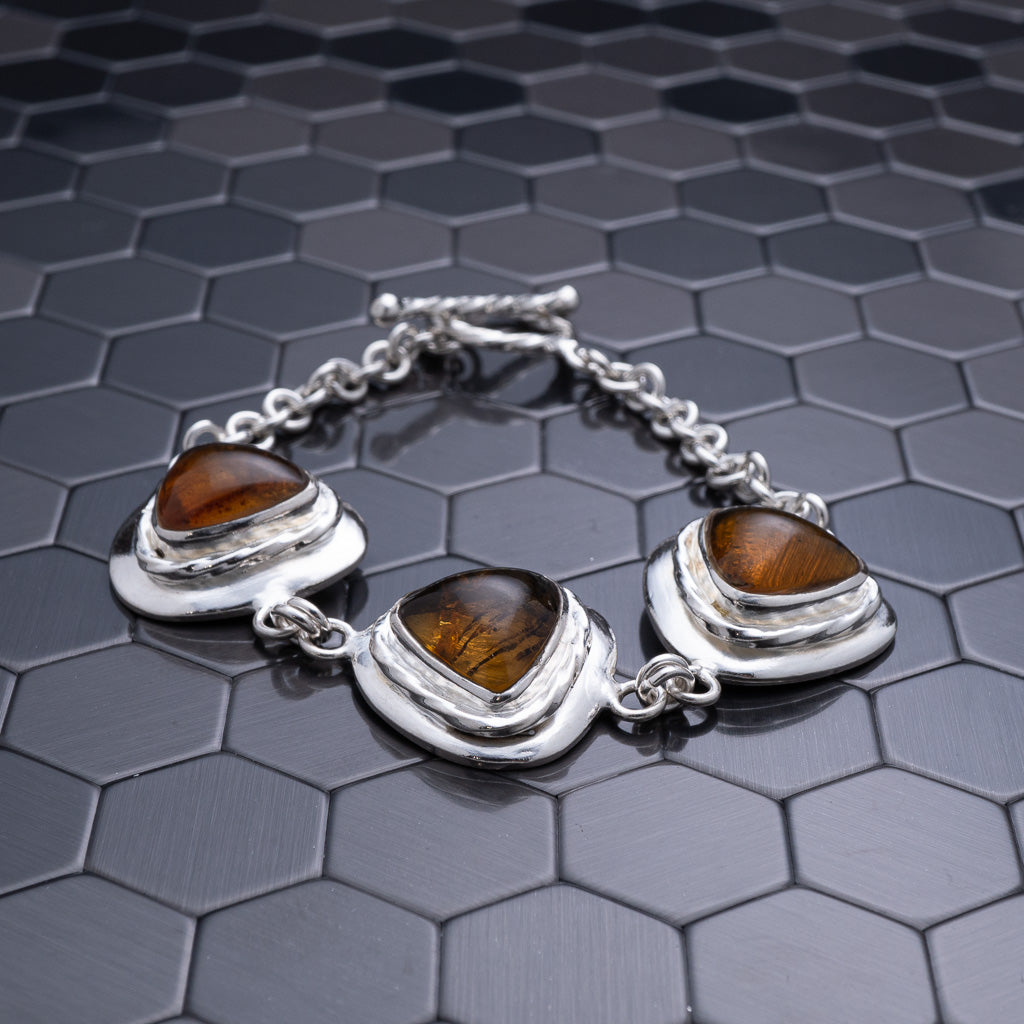
The setting has a major influence on whether Larimar feels fragile or secure. A protective bezel setting, where metal wraps around the edge of the stone, offers more defense than an exposed prong setting. This is especially useful for rings, cuffs, and statement bracelets.
In premium handcrafted jewelry, the design should respect the stone’s nature. A well-made setting does more than showcase Larimar’s ocean-blue surface - it helps shield it from chips and edge impact.
A Larimar pendant worn to dinner is very different from a Larimar ring worn while lifting boxes, washing dishes, gardening, or exercising. The stone itself has not changed, but the lifestyle around it has.
For that reason, durability is partly about behavior. If you remove Larimar jewelry before physical tasks and store it properly, it can maintain its finish and beauty far better than if it is worn without pause.
It depends on the piece.
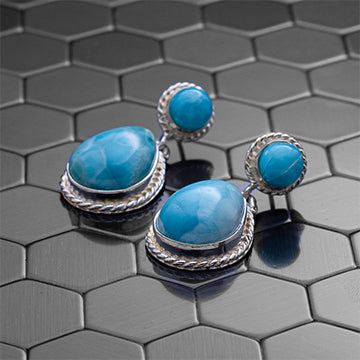
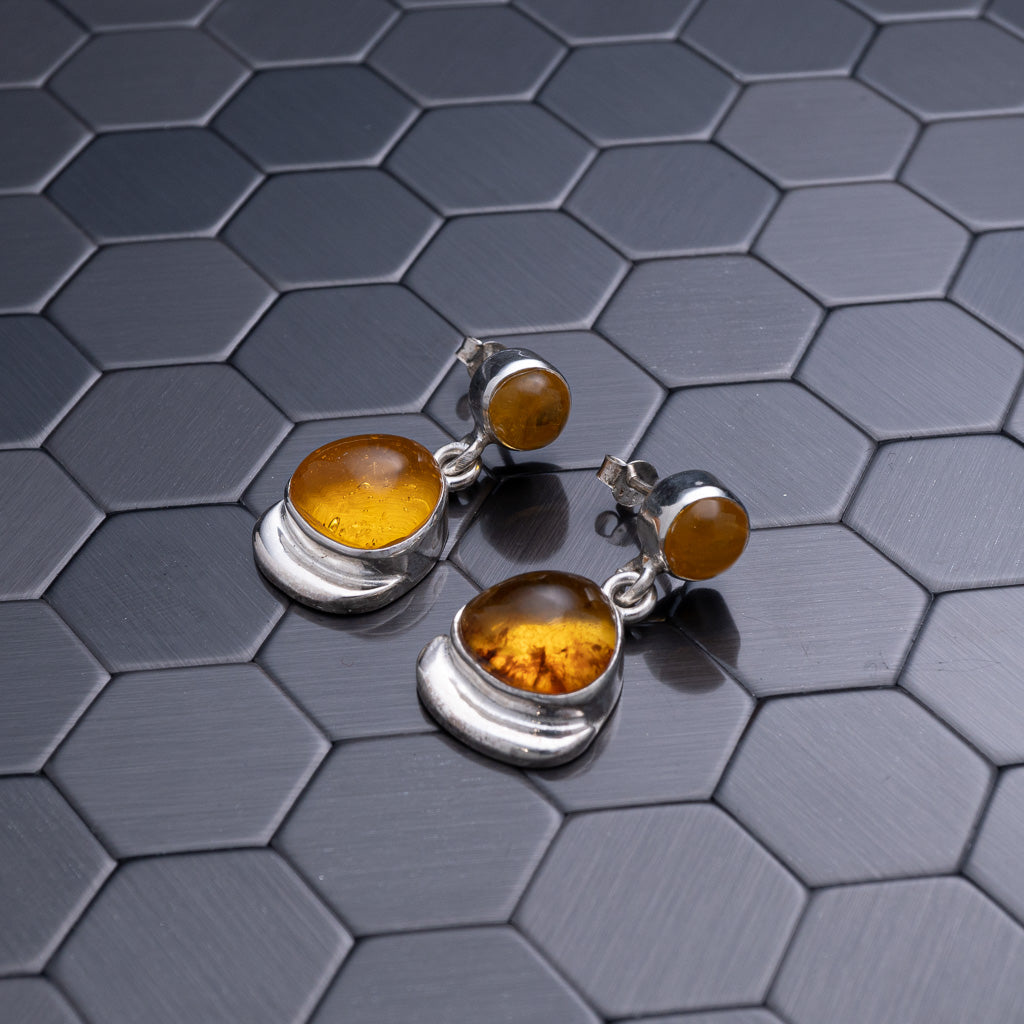
Larimar earrings and pendants are often excellent choices for frequent wear because they are less exposed to abrasion and impact. They allow you to wear a piece of the Caribbean regularly without placing the stone in a high-risk position.
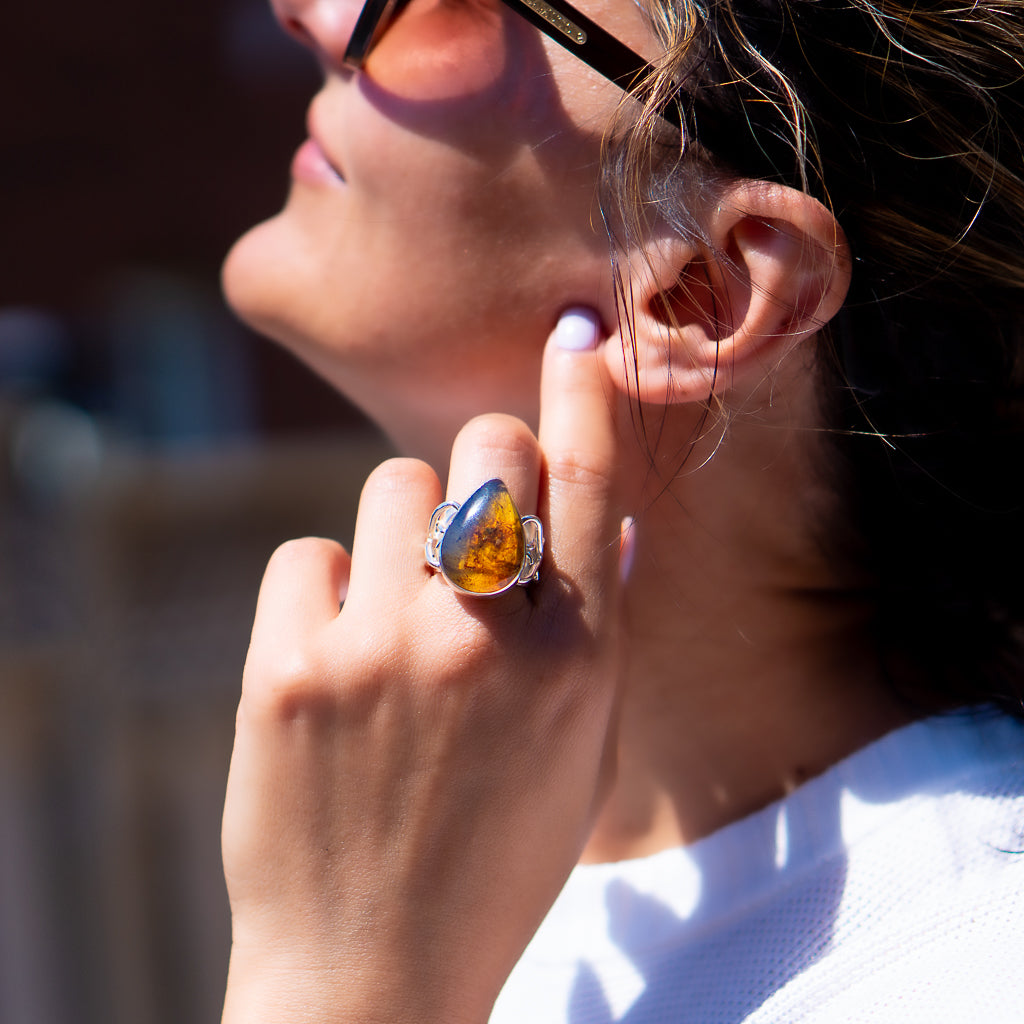
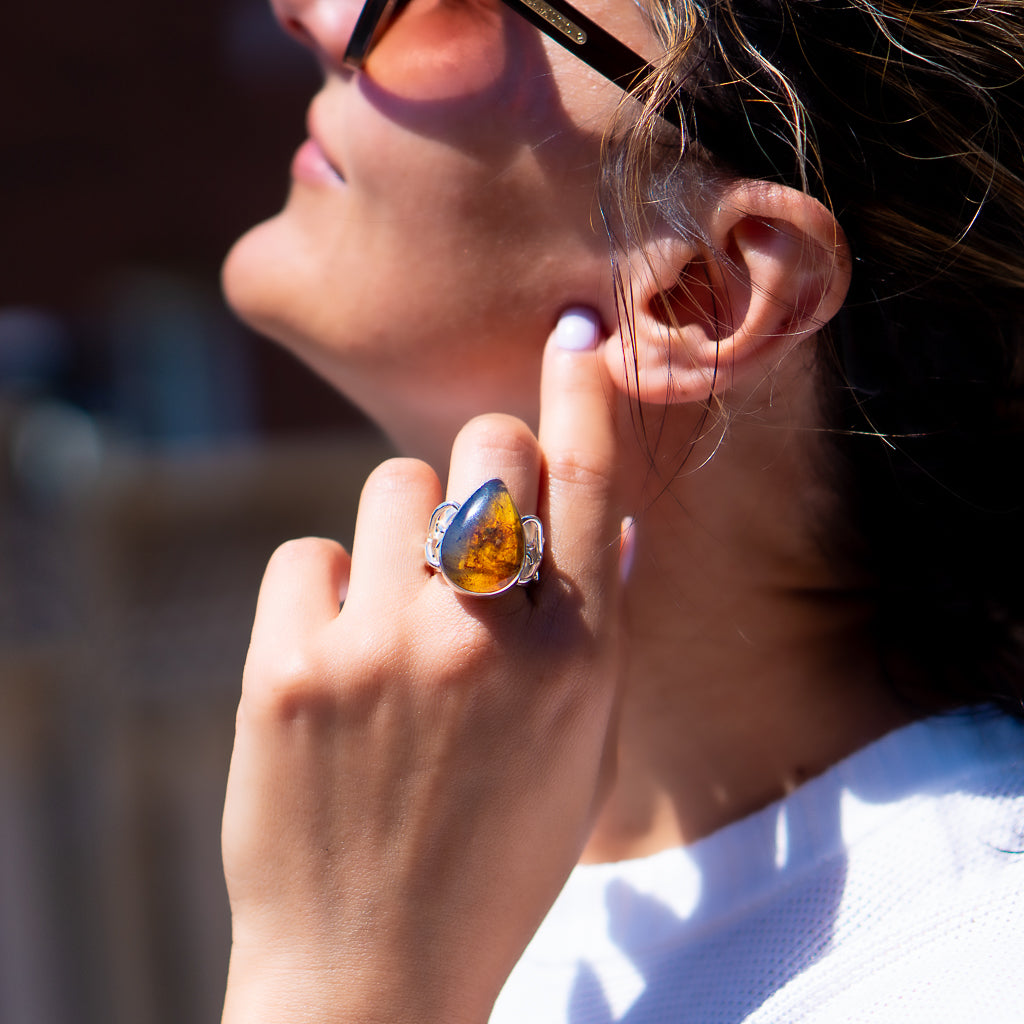
Larimar rings can absolutely be worn, and they are often striking, romantic pieces. But they are better suited to occasional or mindful everyday wear than to nonstop use. If you want a Larimar ring for daily styling, choose a design with strong protection around the stone and be prepared to remove it during hands-on activity.
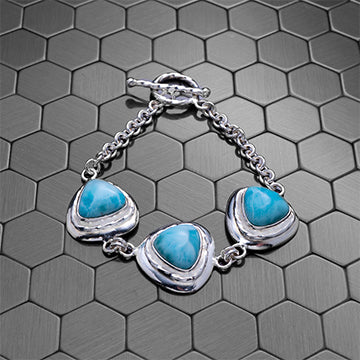
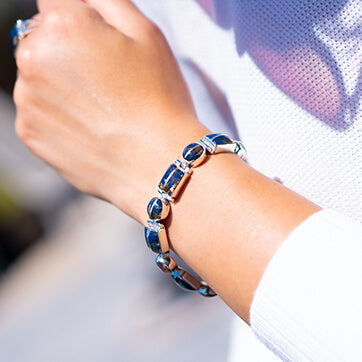
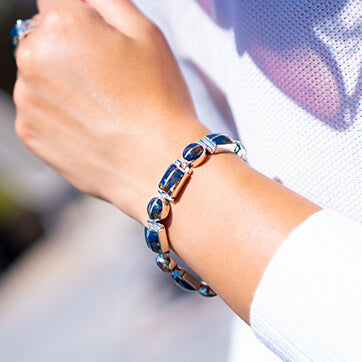
Bracelets sit somewhere in between. They can be beautiful, but because wrists come into contact with desks, doors, counters, and bags, they deserve the same caution as rings.
So if your idea of everyday wear means office, dinner, errands, and normal light activity, Larimar can work beautifully. If it means showering, gym sessions, manual work, beach sports, and sleeping in your jewelry, Larimar is not the best candidate.
Yes, but rings are where the trade-off becomes most visible.
A Larimar ring offers extraordinary visual impact. The stone’s soft blue tones feel serene, refined, and unmistakably rare. For many buyers, that uniqueness is worth the extra care. Still, a ring lives on the hand, and the hand meets the world constantly.
If you choose Larimar for a ring, pay close attention to craftsmanship. Look for a secure setting, good edge protection, and a well-finished stone. Avoid wearing it during cleaning, cooking, yard work, weight training, or any task where impact is likely. Think of it less as a rugged everyday ring and more as an heirloom-quality statement piece meant to be enjoyed with intention.
This is one reason handcrafted jewelry matters. At Larimar Creations, the value of a Larimar piece is not just in the gemstone’s origin, but in how that rare material is shaped, set, and protected for lasting wear.
Larimar does not need complicated care, but it does need gentle care.
Clean it with lukewarm water, mild soap, and a soft cloth. Dry it carefully, and avoid harsh scrubbing. Ultrasonic cleaners, steam cleaning, bleach, strong chemicals, and abrasive jewelry dips are poor choices for this stone.
Storage matters just as much. Keep Larimar separate from harder gemstones and metal pieces that could scratch the surface. A soft pouch or lined jewelry box compartment is ideal.
Sun and heat deserve caution too. Prolonged exposure to intense heat or strong sunlight may affect some stones over time, especially those prized for delicate color. Since Larimar’s beauty is so tied to its tranquil blue appearance, it makes sense to store it away from prolonged direct light when not in use.
And one small habit makes a big difference: put Larimar jewelry on last, after perfume, hairspray, lotion, and cosmetics. That helps preserve both the stone and the finish of the setting.
Larimar is ideal for buyers who value rarity, artistry, and natural beauty over brute hardness. If you want a gemstone with a distinct story, a clear sense of place, and colors that feel impossible to imitate, Larimar is deeply rewarding.
It is especially suited to people who rotate their jewelry, appreciate artisan pieces, and enjoy caring for fine materials properly. It also appeals to collectors who understand that rarity often comes with nuance. The same qualities that make Larimar special - its uncommon origin, soft marine palette, and natural individuality - are the reasons it should be worn with care.
If your top priority is a stone that can take constant impact without much thought, Larimar may not be the best match for a ring or bracelet you never remove. But if you want a gemstone that feels personal, authentic, and unmistakably Caribbean, its value goes far beyond hardness alone.
Larimar is durable enough to wear, gift, and treasure, provided you respect what it is. Not every precious thing is meant to be treated casually. Sometimes the most lasting luxury comes from choosing a rare stone, wearing it well, and letting its beauty stay as intentional as the day you first fell for it.