

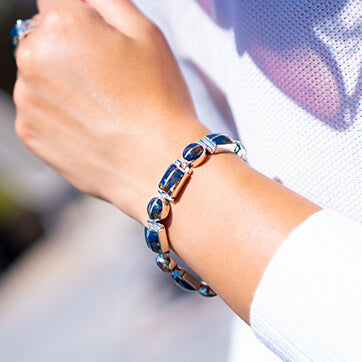
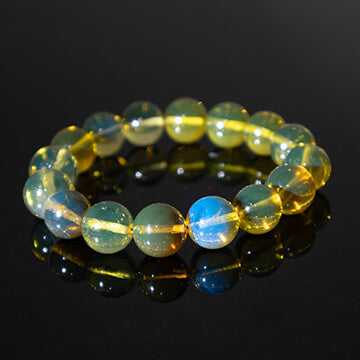
Handcrafted in DR.

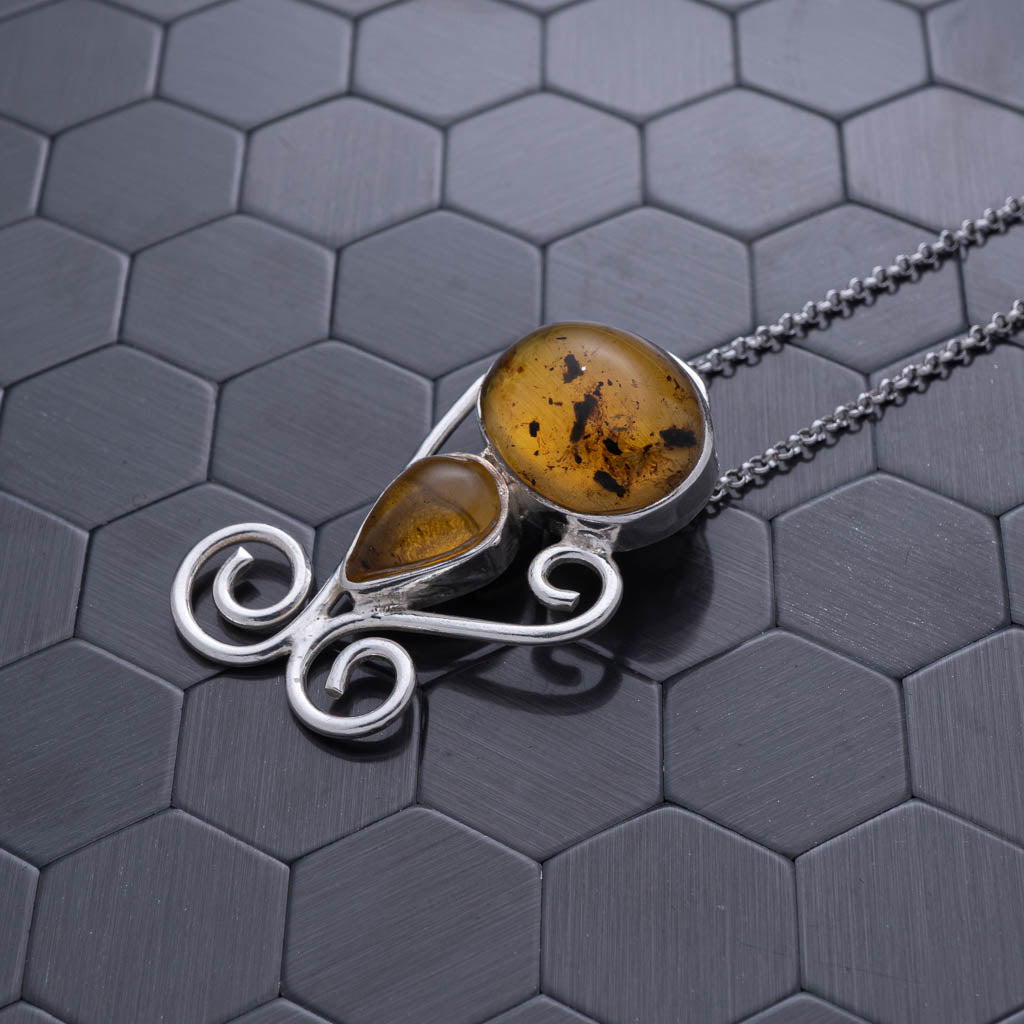
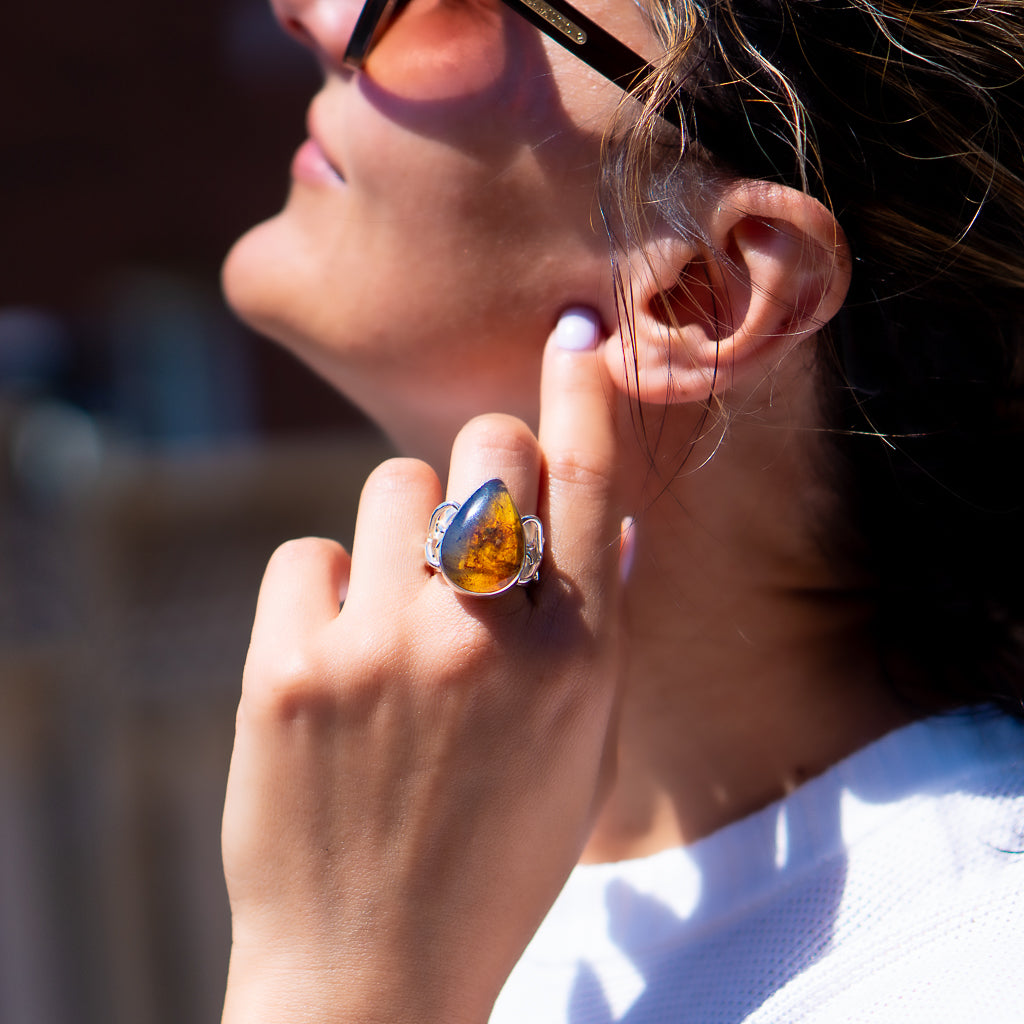


100% Handcrafted in DR.

Imagine holding a piece of the sky or a shimmering slice of the ocean right in your palm. That’s the magic a blue gemstone brings—each one feels like a secret window to nature’s most calming colors. If you’ve ever wondered what makes these gems so special, you’re in the right place.
This guide will introduce you to 12 stunning blue gemstone types you’ll want to know about for 2025. From the timeless classics to the rare finds, there’s a world of color and character to discover. We’ll explore what sets blue gems apart, how to spot true quality, and why these stones are more popular than ever.
Curious about which blue gemstone could be your next favorite? Let’s dive in and see which stones are set to shine the brightest this year.
What is it about a blue gemstone that makes you stop and stare? Maybe it’s the way blue is so rare in nature, or how it instantly reminds you of the calmest ocean or the clearest sky. People have always been drawn to blue gemstones for their soothing vibe and touch of luxury.
Blue gemstone choices are booming for 2025. From icy pastels to deep, electric blues, there’s a growing appetite for every shade. This trend is popping up in both high-end jewelry and among collectors who want something no one else has. If you’re curious about the full range of blue stones and what’s driving their demand, check out this guide to blue stone varieties and trends for some fresh inspiration.
Many blue gemstones carry deep cultural meaning, too. Sapphire is September’s birthstone, while aquamarine is March’s, and both have rich histories in different traditions. Some, like Paraíba tourmaline and Benitoite, are investment favorites because they’re so hard to find.
Blue gemstones are also getting celebrity treatment. Designers are putting them front and center in engagement rings and statement pieces. Remember Princess Diana’s blue sapphire ring? That iconic piece sent global demand soaring. Online searches back it up, with blue stones consistently ranking among the top three most searched gem colors.
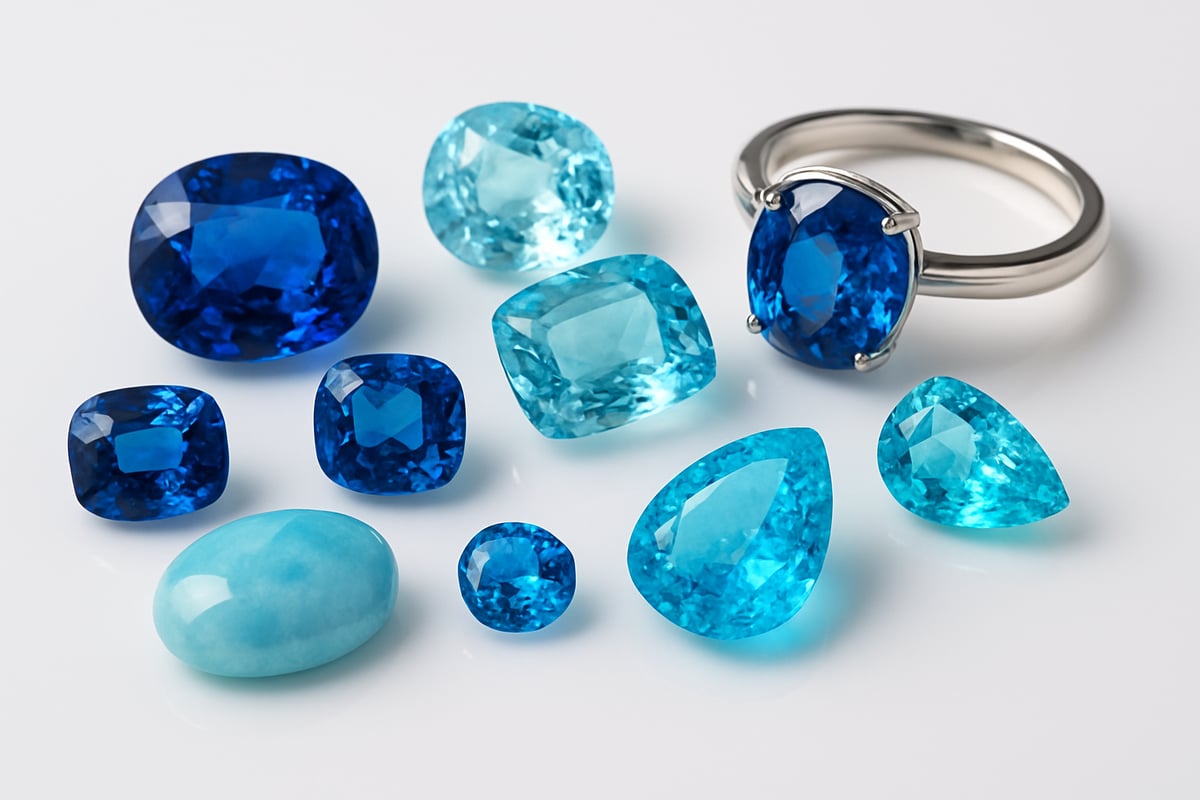
When you’re eyeing a blue gemstone, color is the first thing that grabs your attention. What makes one stone pop and another seem dull? It’s all about hue, tone, and saturation. The most valuable blue gemstone has a vivid, pure blue color that isn’t too light or too dark. If you spot green or violet flashes, those secondary hues can actually nudge the price down.
Clarity is next. Inclusions, or natural “birthmarks,” are less noticeable in dark blue stones, but in lighter ones, even tiny flaws can stand out. If you want something that sparkles in every light, look for stones with minimal inclusions.
Durability is where things get practical. Sapphires score a 9 on the Mohs hardness scale, so they’re tough enough for everyday rings. Softer gems like turquoise, which rates 5 to 6, need more gentle handling. Treatments are common too: heat brings out the best blue in sapphire and aquamarine, while Paraíba tourmaline might get clarity enhancements.
Here’s a quick cheat sheet for evaluating blue gemstones:
| Factor | What to Look For | Why It Matters |
|---|---|---|
| Color | Vivid, pure blue, even tone | Most valuable and eye-catching |
| Clarity | Few inclusions, especially in light gems | Impacts sparkle and value |
| Durability | Mohs 7+ for rings, lower for pendants | Determines everyday wearability |
| Treatments | Transparency about enhancements | Affects price and long-term care |
| Size & Cut | Larger, well-cut stones | Premium prices and better brilliance |
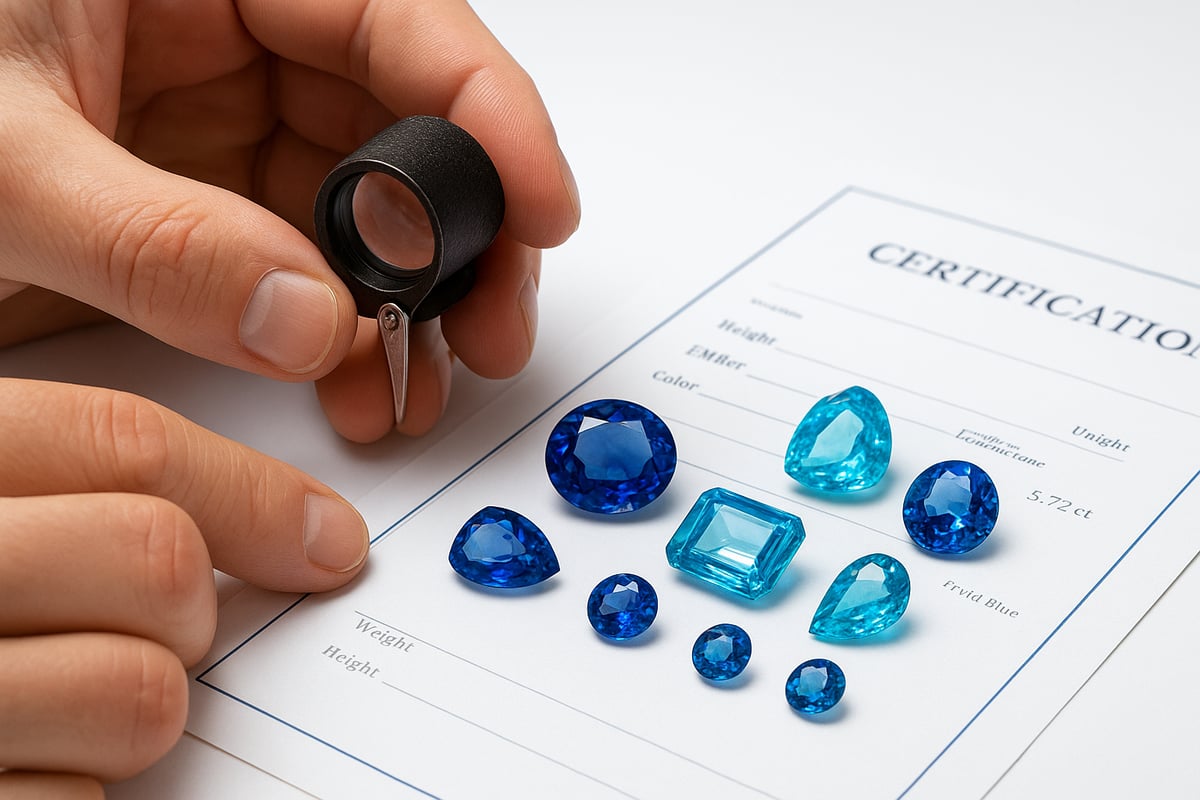
For a deeper dive on what sets a high-quality blue gemstone apart, the Evaluating Colored Gemstones guide from GIA breaks down color, clarity, and cut with real-life examples.
Blue sapphires with a medium-dark, vivid blue can be worth 50% more than lighter or overly dark stones. So, whether you’re buying for beauty, investment, or both, knowing how to judge a blue gemstone means you’re way ahead of the curve.
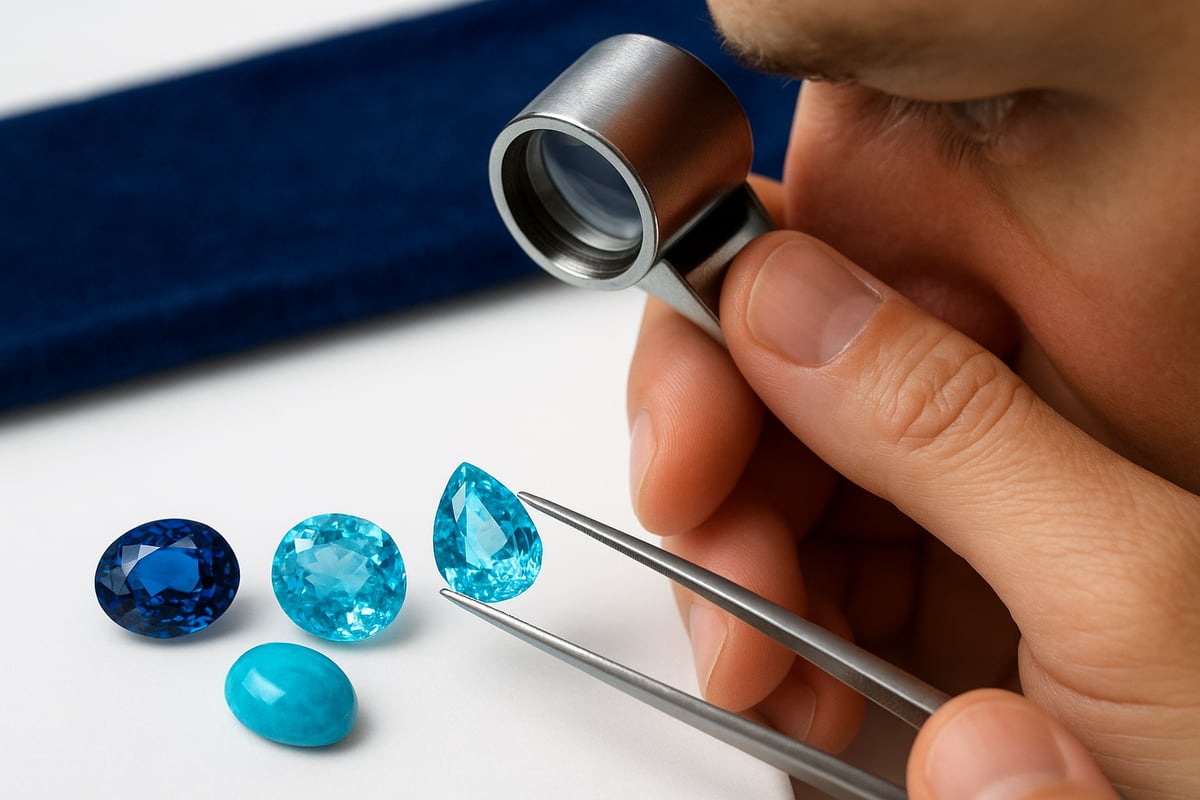
There’s a whole world of blue gemstone treasures out there, each with its own story, color, and vibe. If you’re looking to add something dazzling to your collection or just want to know which blue gemstone is stealing the spotlight in 2025, here’s your essential guide.
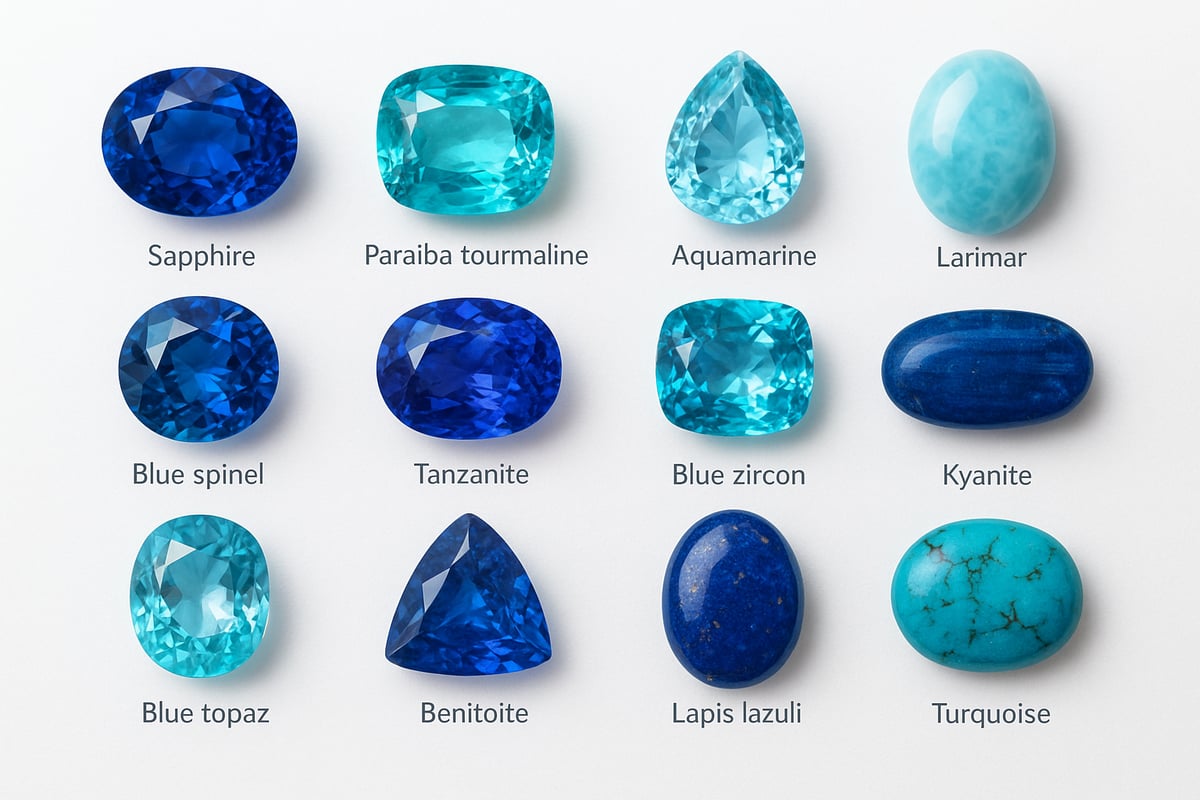
Blue sapphire is the king of blue gemstone choices, famous for its deep royal blue color and incredible durability. With a Mohs hardness of 9, it’s built to last through generations. Sapphires from Sri Lanka, Madagascar, and Myanmar are especially prized, and both natural and lab-grown options are available. If you want a blue gemstone that holds value and timeless style, sapphire is hard to beat.
Paraíba tourmaline is the electric superstar of the blue gemstone world. Its neon blue to blue-green shades come from copper, and truly fine pieces are incredibly rare, especially from Brazil. African sources are now picking up steam, but top stones can fetch prices over $10,000 per carat. This blue gemstone is a collector’s dream, especially when you see its glow in person.
Aquamarine brings a cool, watery vibe to the blue gemstone lineup. It’s the March birthstone and is loved for its clarity and larger crystal sizes. Most aquamarine is heat-treated to boost its pure blue color, and it’s tough enough for daily wear with a Mohs hardness of 7.5 to 8. If you want a blue gemstone that feels both classic and fresh, aquamarine is a great pick.
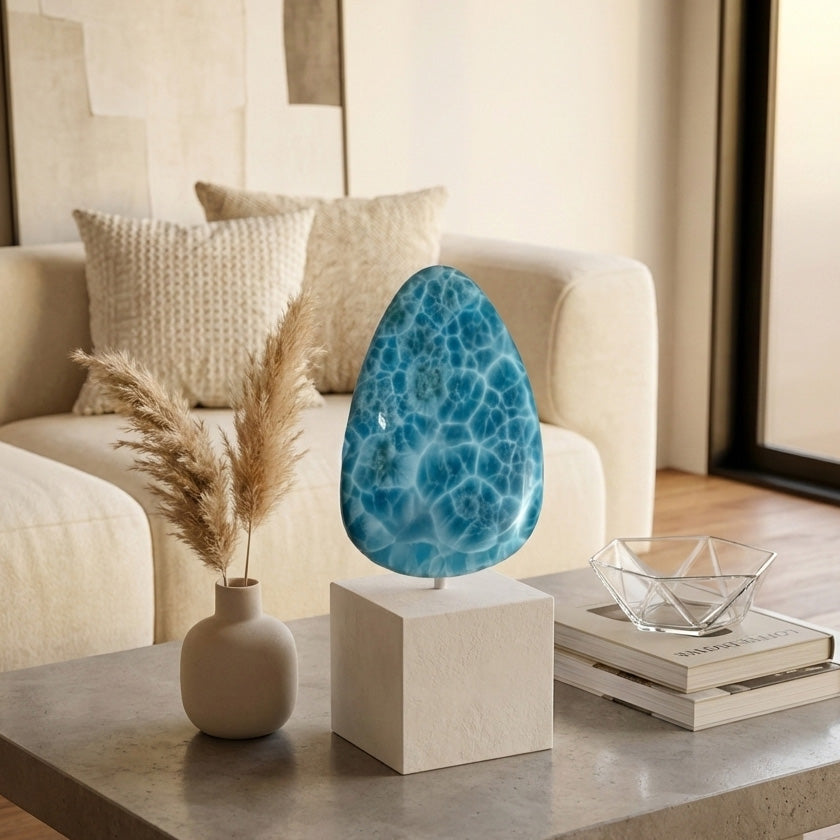
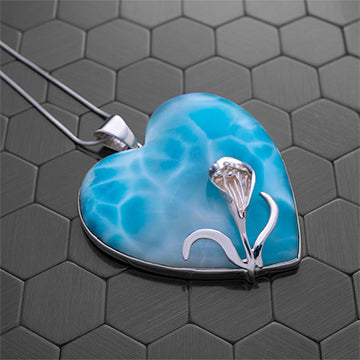
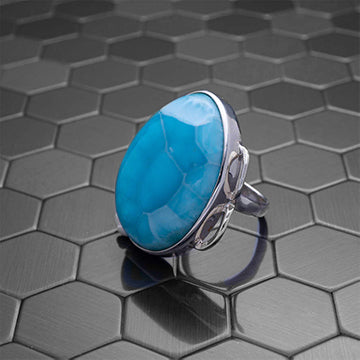
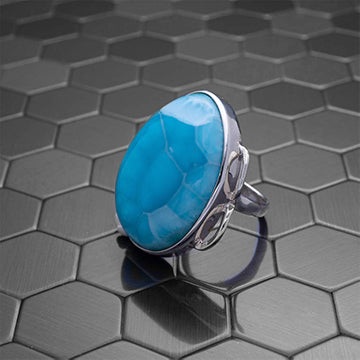
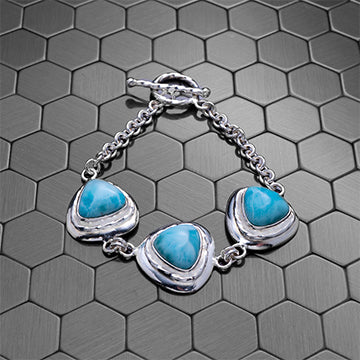
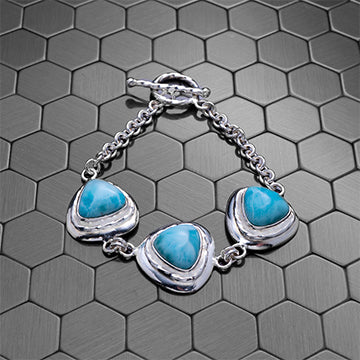
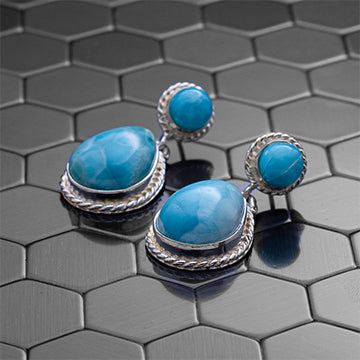
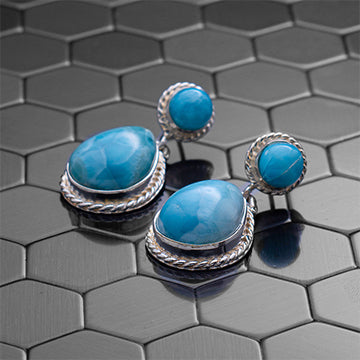
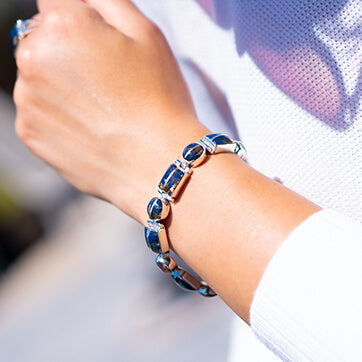
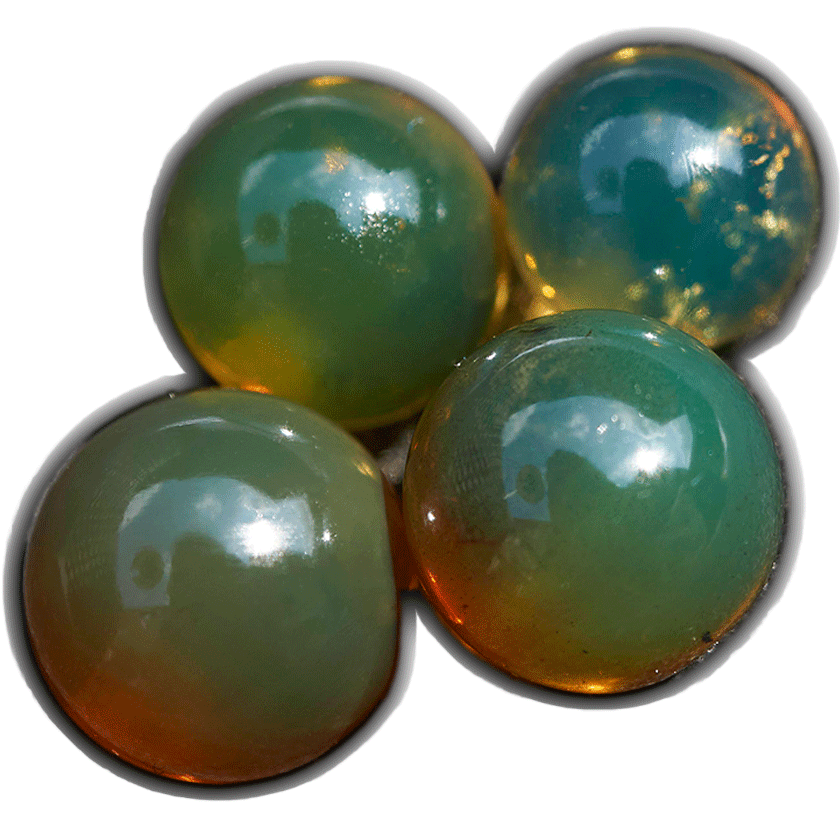
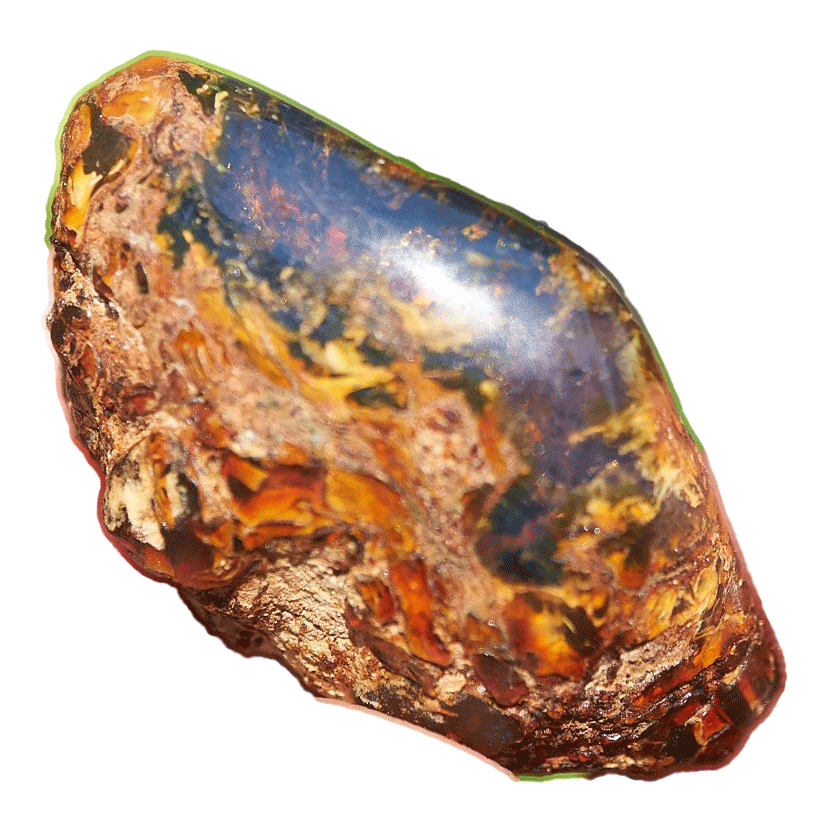
Larimar is a truly rare blue gemstone, found only in the Dominican Republic. Its swirling sky blue to teal patterns look like tropical waves frozen in stone. Designers and collectors are catching on fast, and its single-source origin makes it even more exclusive. Want to dive deeper into its unique hues and symbolism? Check out this Larimar gemstone meaning and colors guide for the full story.
Blue spinel used to be mistaken for sapphire, but now it’s getting its own spotlight in the blue gemstone world. Medium-toned cobalt blue spinels are especially popular, and the stone’s brilliance and Mohs 8 hardness make it a smart, stylish choice for jewelry. Natural blue spinel is rare, so synthetic versions are common, but the real deal is worth hunting down.
Tanzanite is a one-location wonder, mined only in Tanzania. Its deep blue color with a hint of violet really sets it apart from any other blue gemstone. Tanzanite is highly pleochroic, showing different colors from different angles, and most stones are heat-treated for the richest blue. As supply drops, this blue gemstone is becoming even more desirable.
Blue zircon is often confused with cubic zirconia, but it’s a natural blue gemstone with serious sparkle. Its vivid blue shades are achieved by heating brown zircon, and the result is a gem with fire that rivals diamonds. With a Mohs hardness of 6 to 7.5, it’s best suited for pendants and earrings. If you want a blue gemstone that pops, blue zircon is a strong contender.
Kyanite stands out in the blue gemstone crowd for its deep cornflower blue hues and unique color zoning. It has an unusual property: different hardness depending on the crystal axis, making it a favorite among gem enthusiasts. Increasingly used in artisan and boho jewelry, kyanite offers an affordable, eye-catching blue gemstone option.
Blue topaz covers the spectrum from pale sky blue to intense London blue. Most of the blue gemstone you see in stores has been irradiated and heat-treated for that perfect hue. It’s abundant, budget-friendly, and with a Mohs hardness of 8, blue topaz is a go-to for fashion-forward jewelry lovers.
Benitoite is a rare blue gemstone discovered in California, known for its striking blue color and diamond-like sparkle. It’s the official state gem of California and highly collectible due to its scarcity and small sizes. If you’re searching for a blue gemstone that few people have even seen, benitoite is a true gem hunter’s prize.
Lapis lazuli isn’t just a blue gemstone—it’s a piece of history. Prized for its ultramarine blue, often flecked with gold pyrite, it’s been used in jewelry, carvings, and even ancient art pigments. Mainly mined in Afghanistan and Chile, lapis lazuli has long symbolized wisdom and royalty.
Turquoise is the most iconic opaque blue gemstone, famous for its sky blue to greenish-blue shades and natural veining. It’s mined in the US, Iran, and China, and is softer with a Mohs 5 to 6 rating. Often stabilized for jewelry, turquoise is at the heart of Southwestern and Native American design, making it a blue gemstone with deep cultural roots.
Shopping for a blue gemstone in 2025? Start by asking questions. Treatments like heat or irradiation are common, so get the full story before you buy.
Here’s how to shop smart:
Ethical sourcing is a growing trend. In fact, online searches for “ethical blue gemstones” have doubled recently. If you want to see what’s hot this year, check out these Gemstone Trends in 2025.
Caring for your blue gemstone jewelry is a lot like looking after a favorite sweater or a classic car. A little attention goes a long way. Start with the basics: use mild soap and lukewarm water to clean each blue gemstone. Skip the harsh chemicals and keep ultrasonic cleaners away, especially for softer beauties like turquoise and lapis lazuli.
When you’re not wearing them, store each piece in its own soft pouch or box. Blue gemstone pieces can scratch or chip if they knock against harder stones. This is extra important if you have a mix of soft and hard gems in your collection.
Keep those vibrant blues out of direct sunlight and away from heat. Some blue gemstone colors, especially in stones like Larimar and turquoise, can fade or lose their punch over time. If you’re curious about what makes Larimar unique, or why its rare shades deserve extra care, check out this Rare Larimar colors and value guide.
Never clean turquoise or Larimar with steam or ultrasonic methods. Instead, stick to gentle hand cleaning and let them air dry. If your blue gemstone jewelry looks a bit dull after years of wear, a professional re-polish or re-cut can work wonders.
Finish with a quick check on your settings every few months. Making sure each stone is secure helps your blue gemstone pieces stay stunning, safe, and ready to pass down for generations.
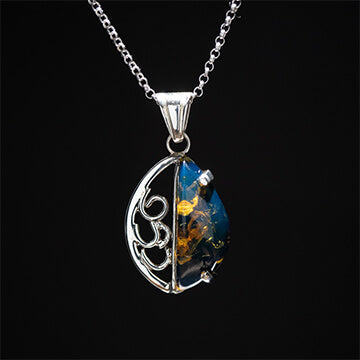
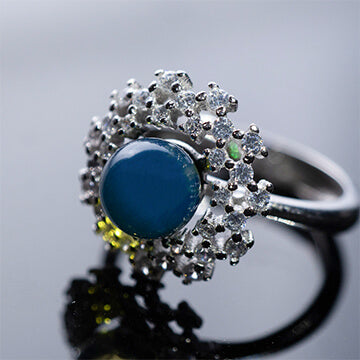
After exploring the world of blue gemstones and what makes each one special, it’s easy to see why these vibrant stones are so captivating. If you’re feeling inspired to add a little serenity to your own collection or share it with someone you care about, you don’t have to look far. Larimar is truly one of a kind—its swirling blue patterns are like a piece of the ocean you can hold close. If you want a gift that’s both unique and meaningful, you can Find the Perfect Gift of Serenity Shop Larimar Pendants with Free Worldwide Delivery.