

Handcrafted in DR.

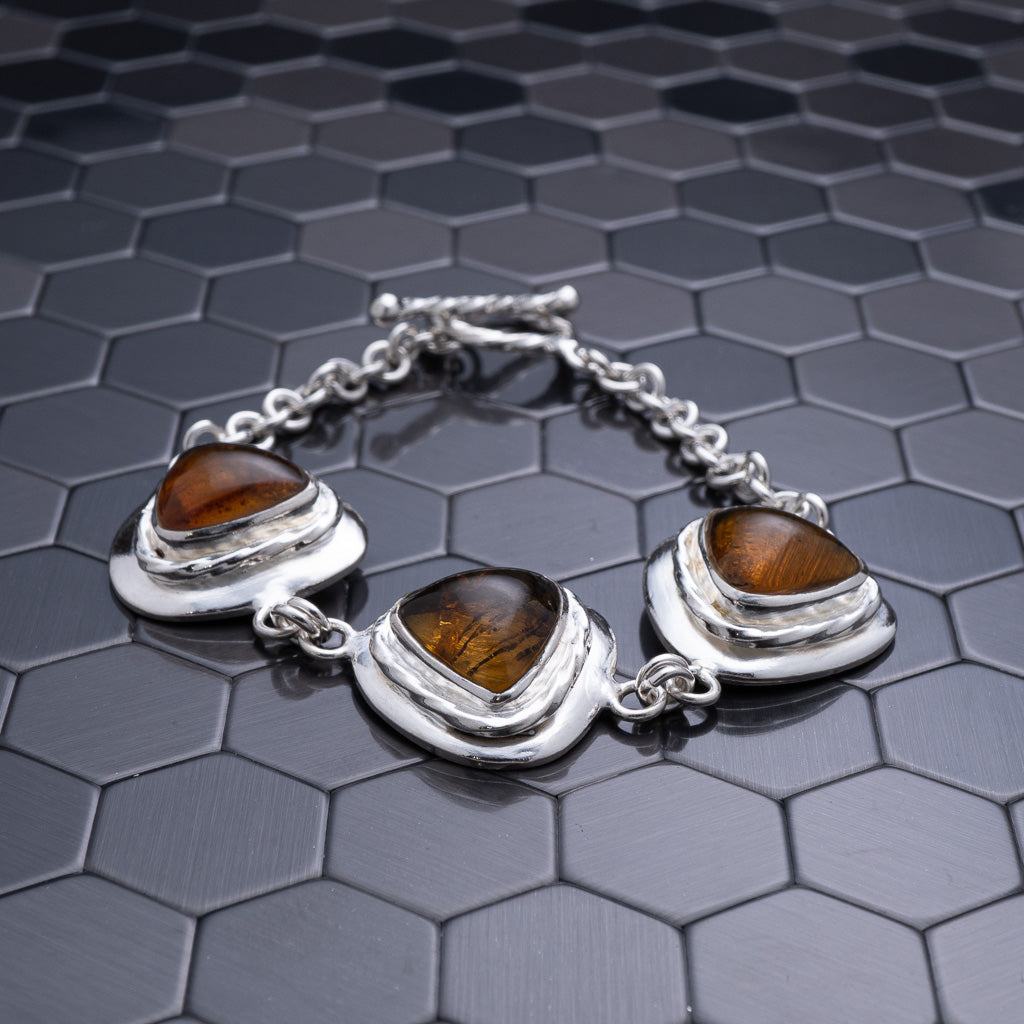
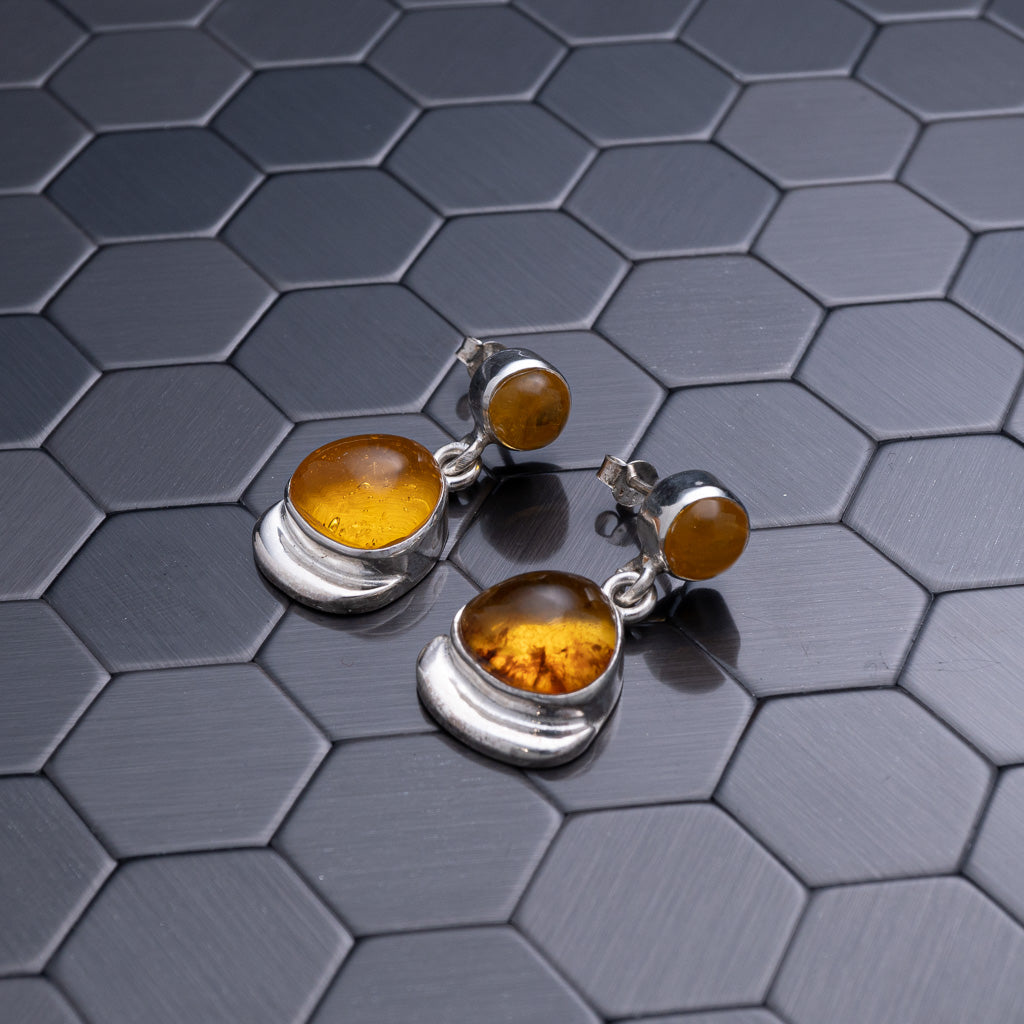


100% Handcrafted in DR.

Blue gemstones have captured human imagination for thousands of years. There's something about that ocean-meets-sky color that stops people in their tracks. Whether you're drawn to the deep midnight hues of sapphire or the ethereal pale blues of aquamarine, blue gemstone jewelry offers more variety than most people realize. And here's what surprised me when I started learning about these stones: the rarest blues aren't always the ones you'd expect.
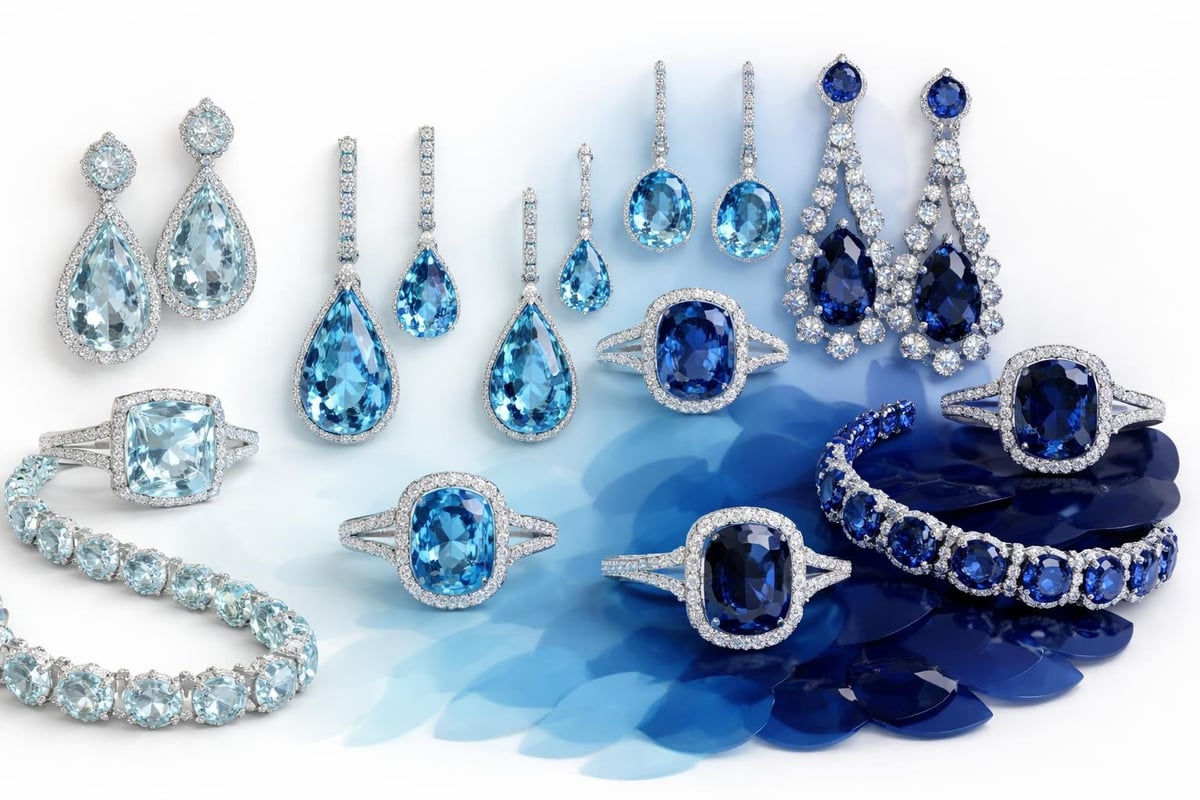
Sapphires dominate the conversation when people talk about blue gemstone jewelry. They're durable, gorgeous, and steeped in history. According to the comprehensive guide from the International Gem Society, sapphires rank second only to diamonds in hardness, making them perfect for everyday wear.
But sapphires aren't monolithic. The Yogo sapphires from Montana show a distinct cornflower blue that's become legendary among collectors. Then you've got the Star of Adam, weighing over 1,400 carats, which shows how extreme these stones can get.
Aquamarine takes a softer approach. This pale-blue to light-green beryl has that water-like clarity that makes it incredibly popular for spring jewelry. It's more affordable than sapphire, which opens doors for people who want blue gemstone jewelry without the hefty price tag.
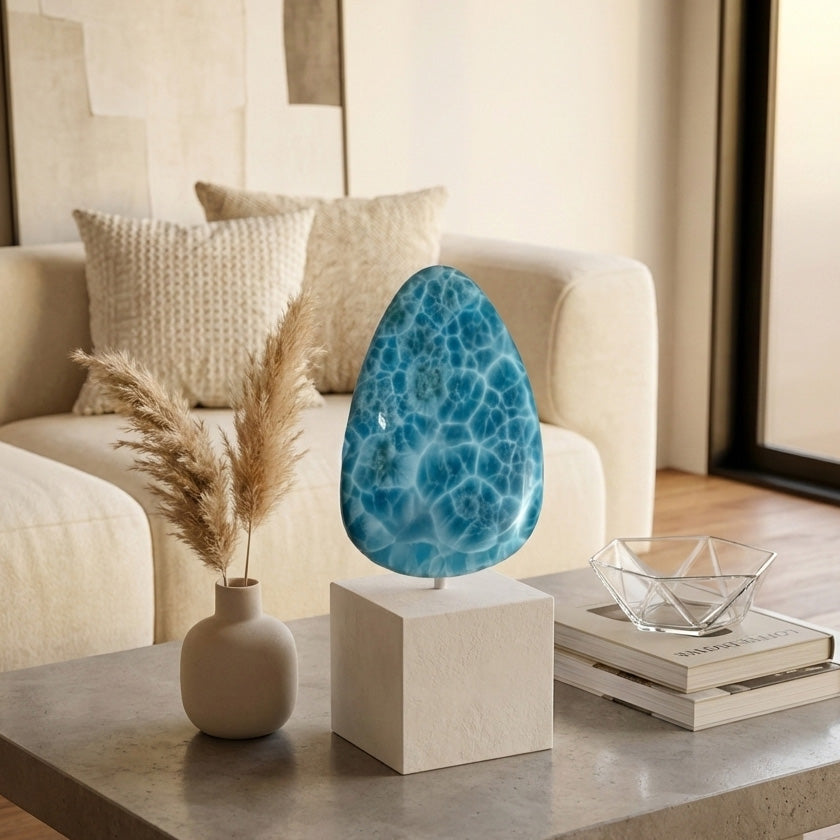
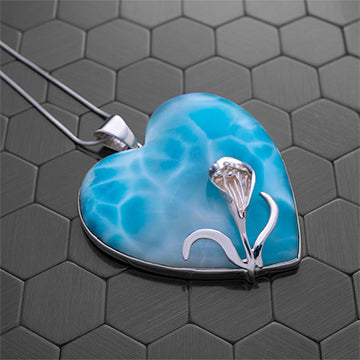
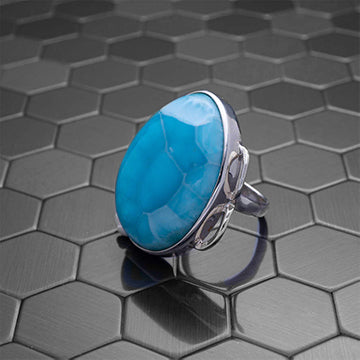
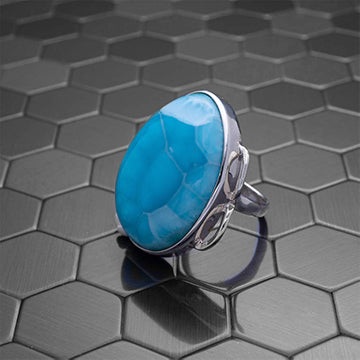
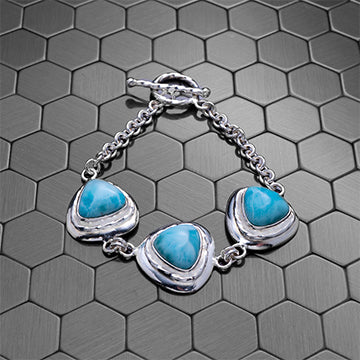
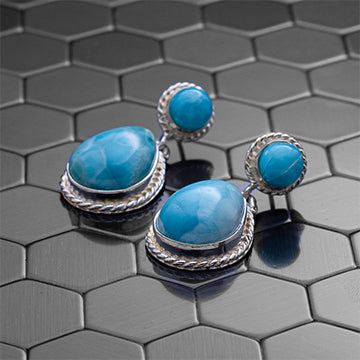
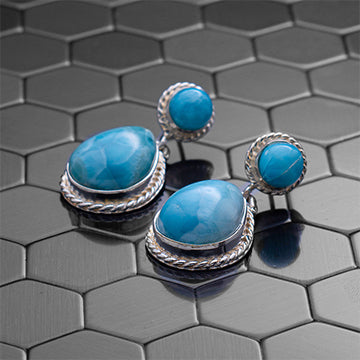
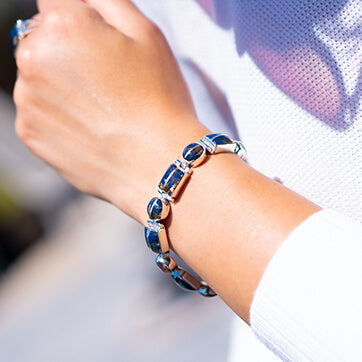
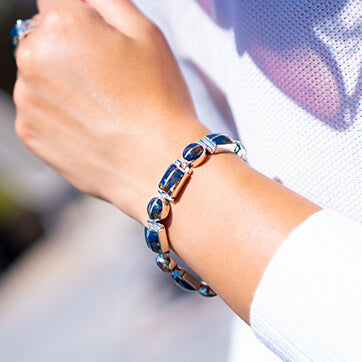
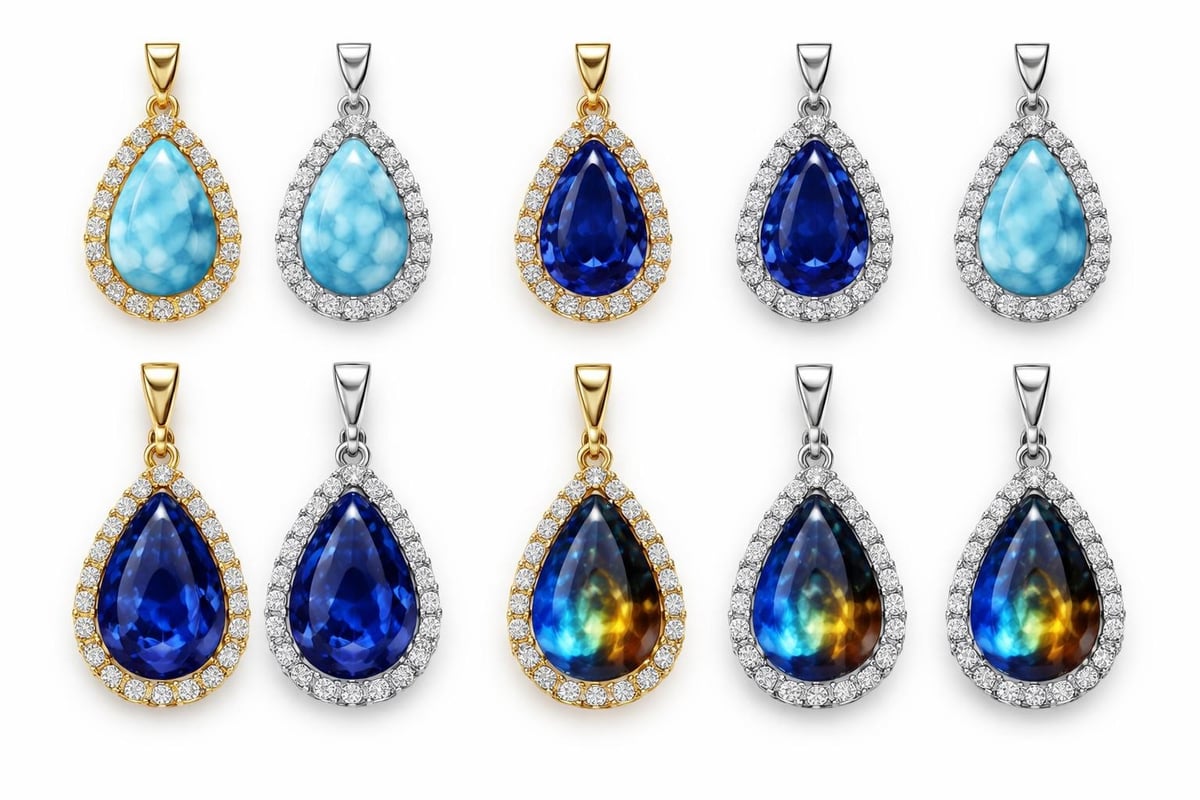
Here's where things get interesting. Larimar only exists in one place on Earth: the Dominican Republic. This rare blue stone ranges from milky sky blue to deep volcanic turquoise. What makes it special isn't just the color, it's the patterns. Each piece looks like frozen ocean waves.
The handcrafted pendants at Larimar Creations showcase these natural patterns beautifully. Because larimar forms in volcanic rock, no two pieces match exactly. You're not buying mass-produced jewelry. You're getting something genuinely one-of-a-kind.
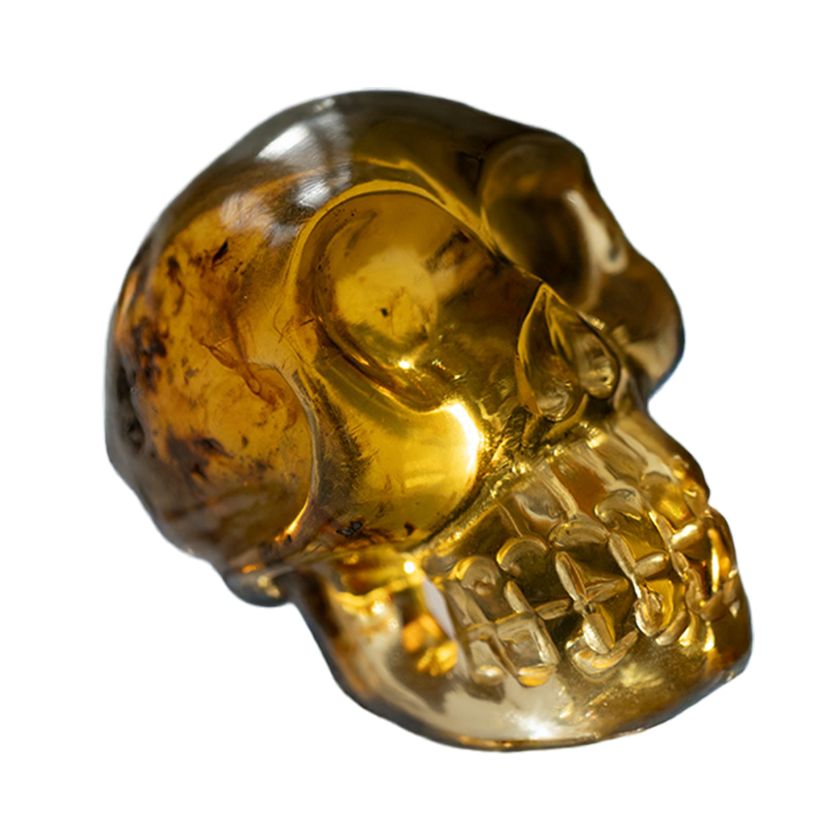
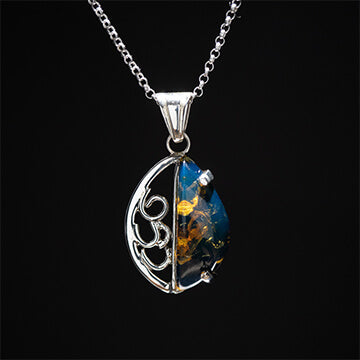
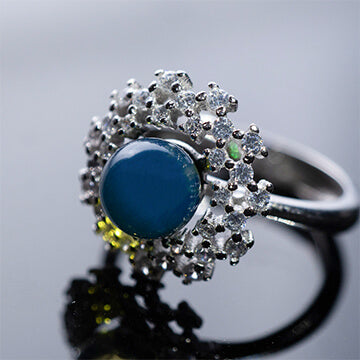
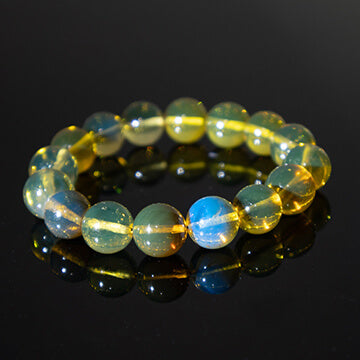
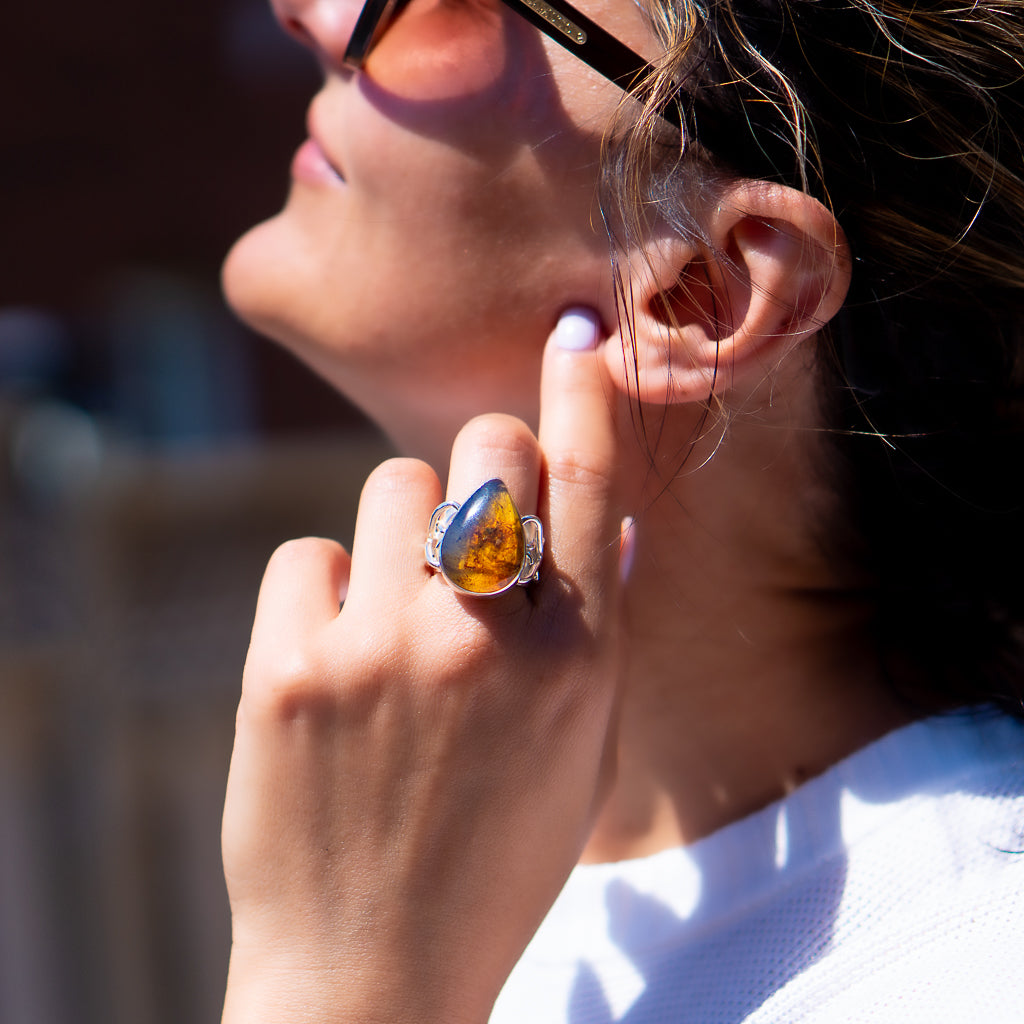
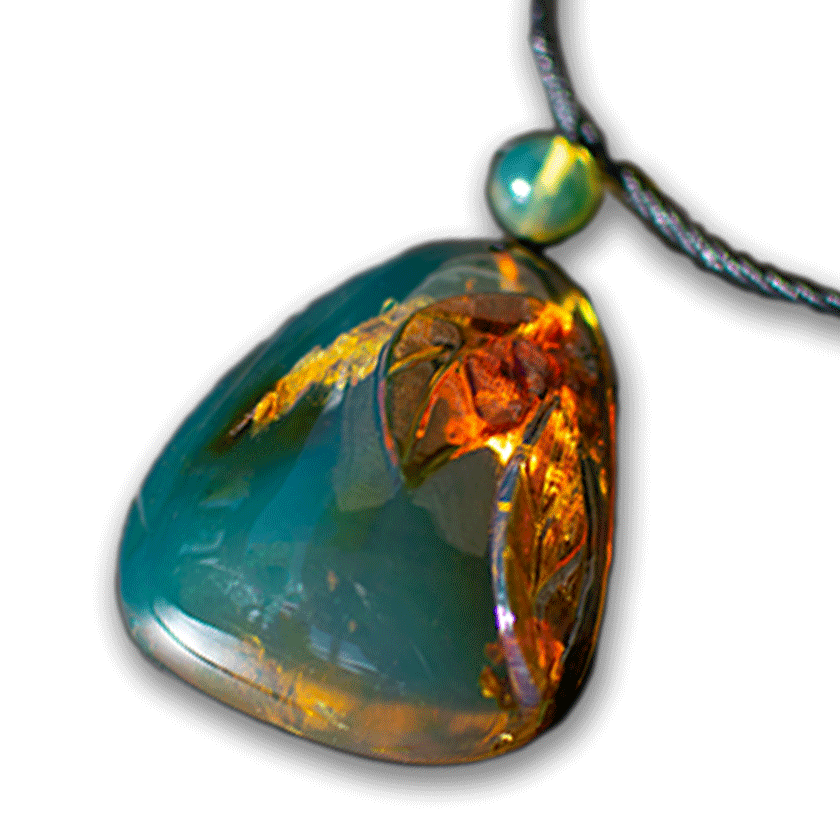
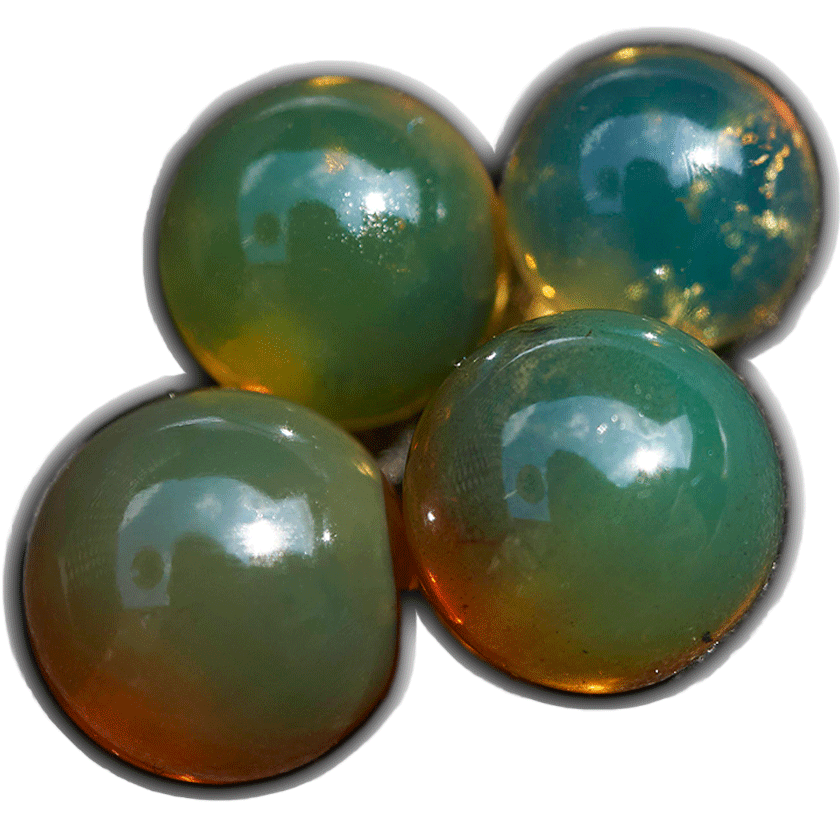
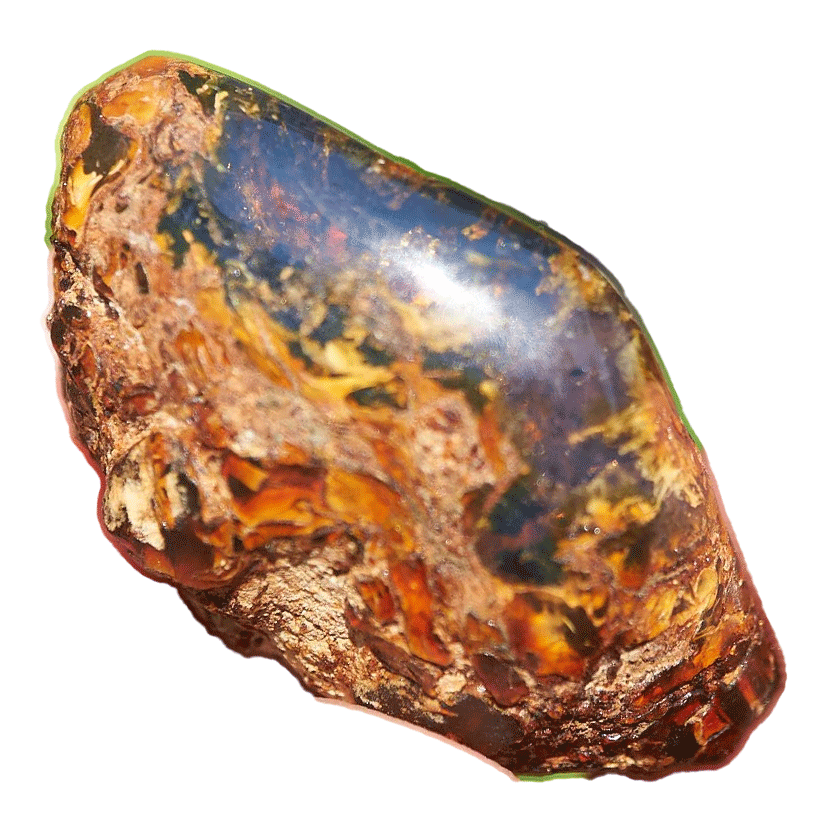
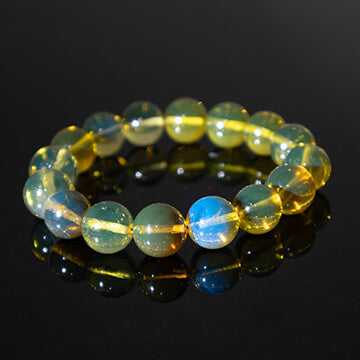
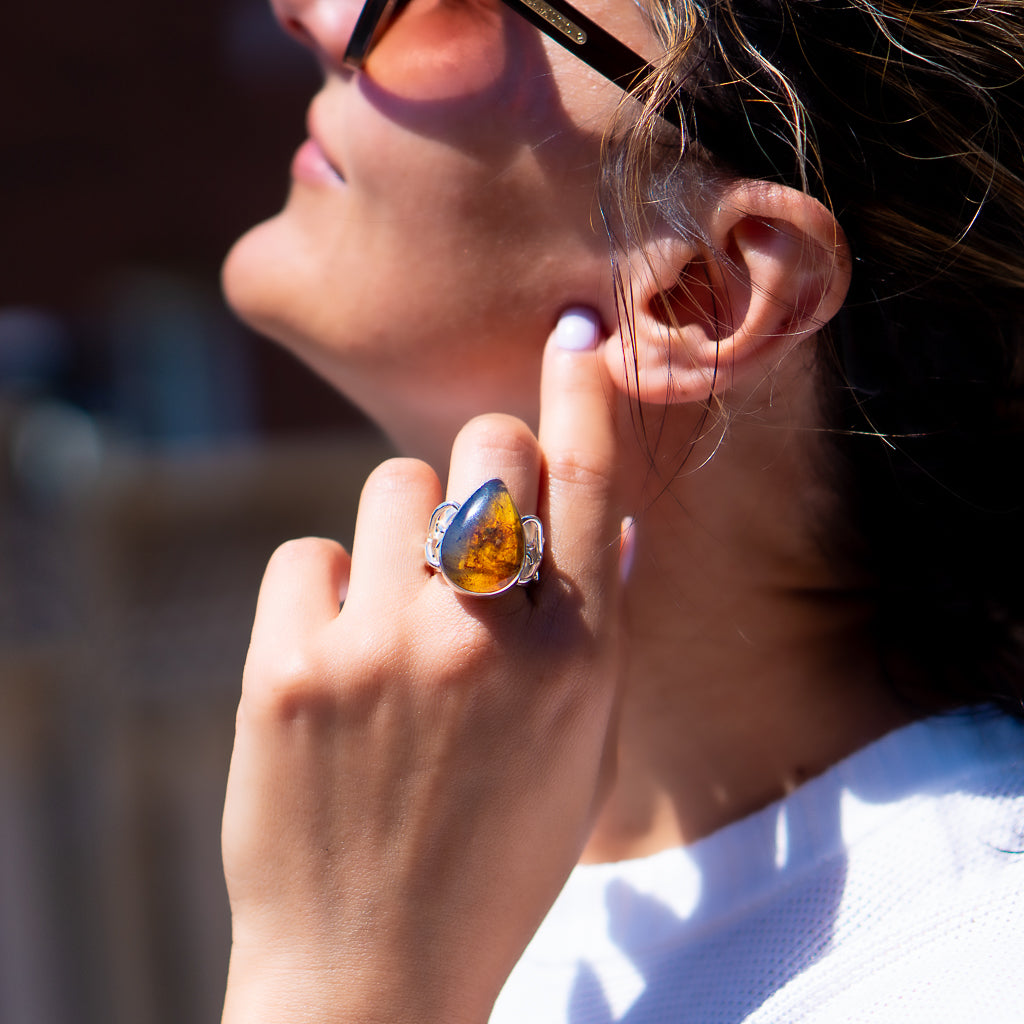
Most people think amber is yellow or orange. Dominican blue amber flips that assumption. Under natural light, it looks honey-colored. Under UV light or against dark backgrounds, it glows electric blue. It's 25-40 million years old, which means you're literally wearing prehistoric resin that's been transformed over millennia.
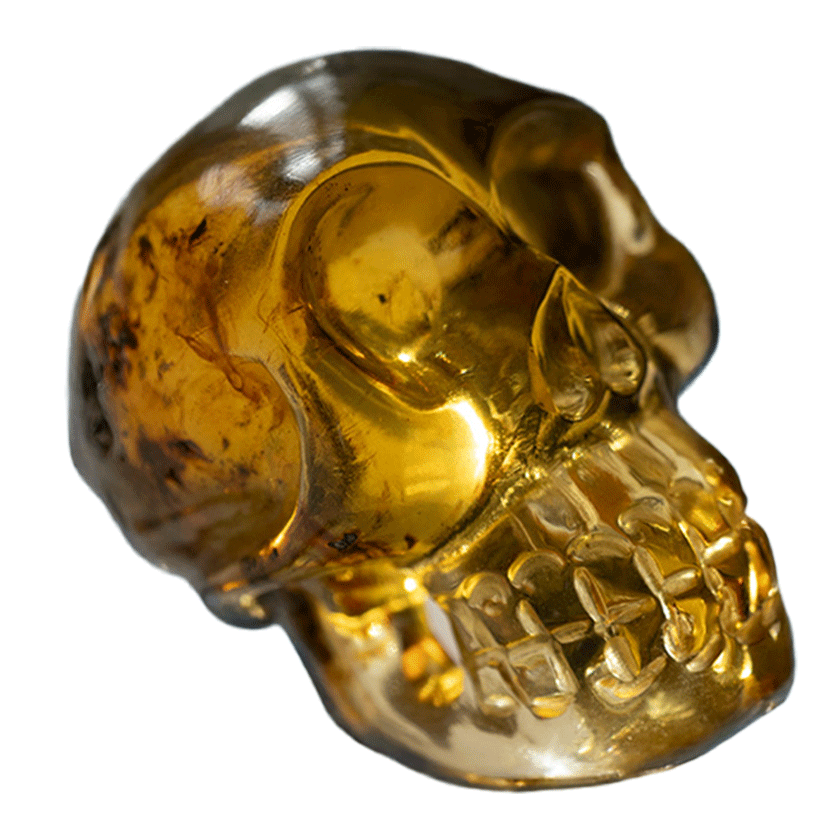
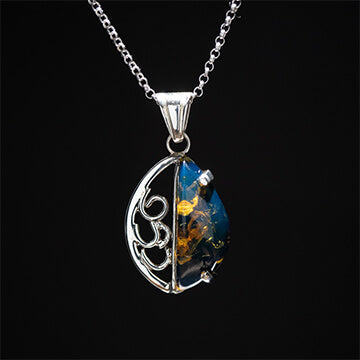
The blue amber carvings show off this dual-color property dramatically. Artisans can work the material to maximize that blue fluorescence, creating pieces that shift and change as you move.
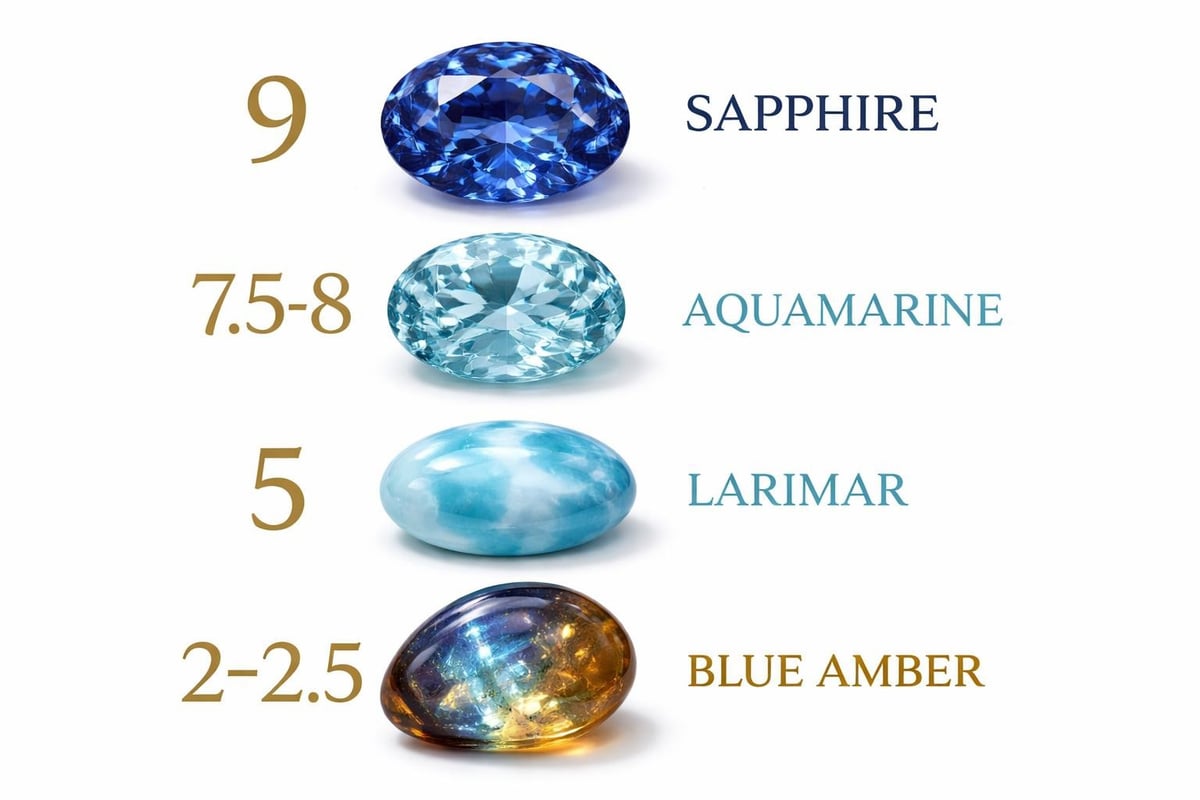
| Stone Type | Durability | Price Range | Best For |
|---|---|---|---|
| Sapphire | Excellent (9/10) | $$$$ | Engagement rings, daily wear |
| Aquamarine | Very Good (7.5-8/10) | $$ | Casual elegance, gifts |
| Larimar | Good (4.5-5/10) | $$-$$$ | Pendants, occasional wear |
| Blue Amber | Fair (2-2.5/10) | $$$-$$$$ | Collectors, special occasions |
Consider your lifestyle first. If you work with your hands or wear jewelry daily, stick with harder stones. Larimar rings can work for careful wearers, but they're not meant for construction sites.
Think about color intensity. Do you want statement-making deep blue or subtle pale tones? The variety of blue gemstones available means you can match your personal style exactly.
Budget matters, obviously. But here's the thing: rarer doesn't always mean more expensive. Dominican blue amber costs more than aquamarine, but less than top-grade sapphire. You're paying for uniqueness and limited supply.
Different stones need different care. Sapphires? Clean them however you want. They're tough. But softer stones require attention.
For larimar and blue amber:
For harder stones like sapphire and aquamarine:
The larimar jewelry collection at Larimar Creations comes with specific care instructions because these Dominican stones need a gentle touch.
Here's what makes blue gemstone jewelry compelling: every stone carries history. Sapphires have been prized since ancient Persia. The historical perspective on blue gemstones reveals that lapis lazuli was ground into ultramarine paint for Renaissance masterpieces.
Larimar was only discovered in 1974. A local Dominican man and a Peace Corps volunteer found it in a riverbed. The name combines "Larissa" (the discoverer's daughter) with "mar" (Spanish for sea). That's recent enough that your grandparents might not have heard of it.
Dominican blue amber tells an even older story. That fluorescent blue comes from organic compounds in prehistoric tree resin, possibly from the extinct Hymenaea protera. You're wearing fossilized forests that existed when giant sloths roamed the Caribbean.
The metal you choose changes everything.
White gold or platinum makes blues look crisp and clean. The cool tones complement each other naturally. This works especially well for sapphires and aquamarine.
Yellow gold creates warmth and contrast. It's traditional for a reason. The combination feels rich without being stuffy. Great for larimar, which picks up golden highlights in certain lights.
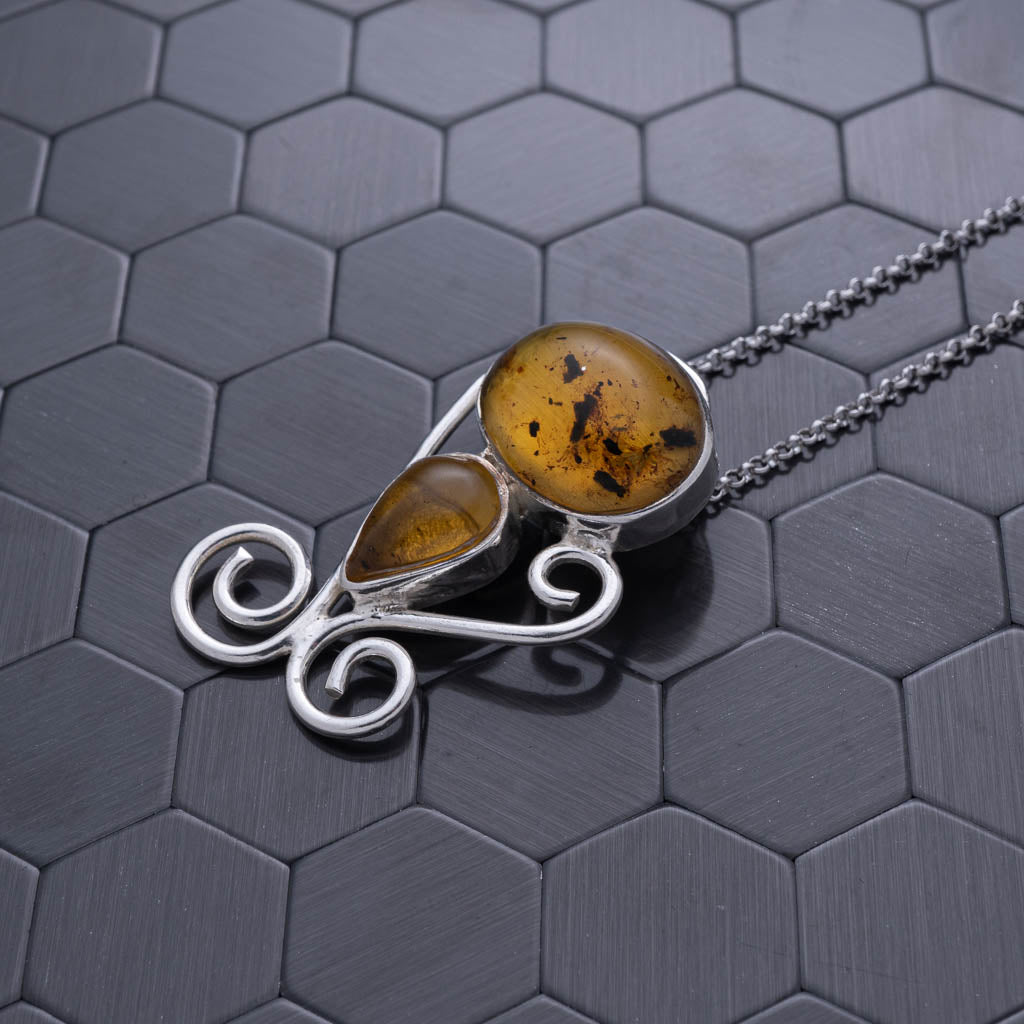
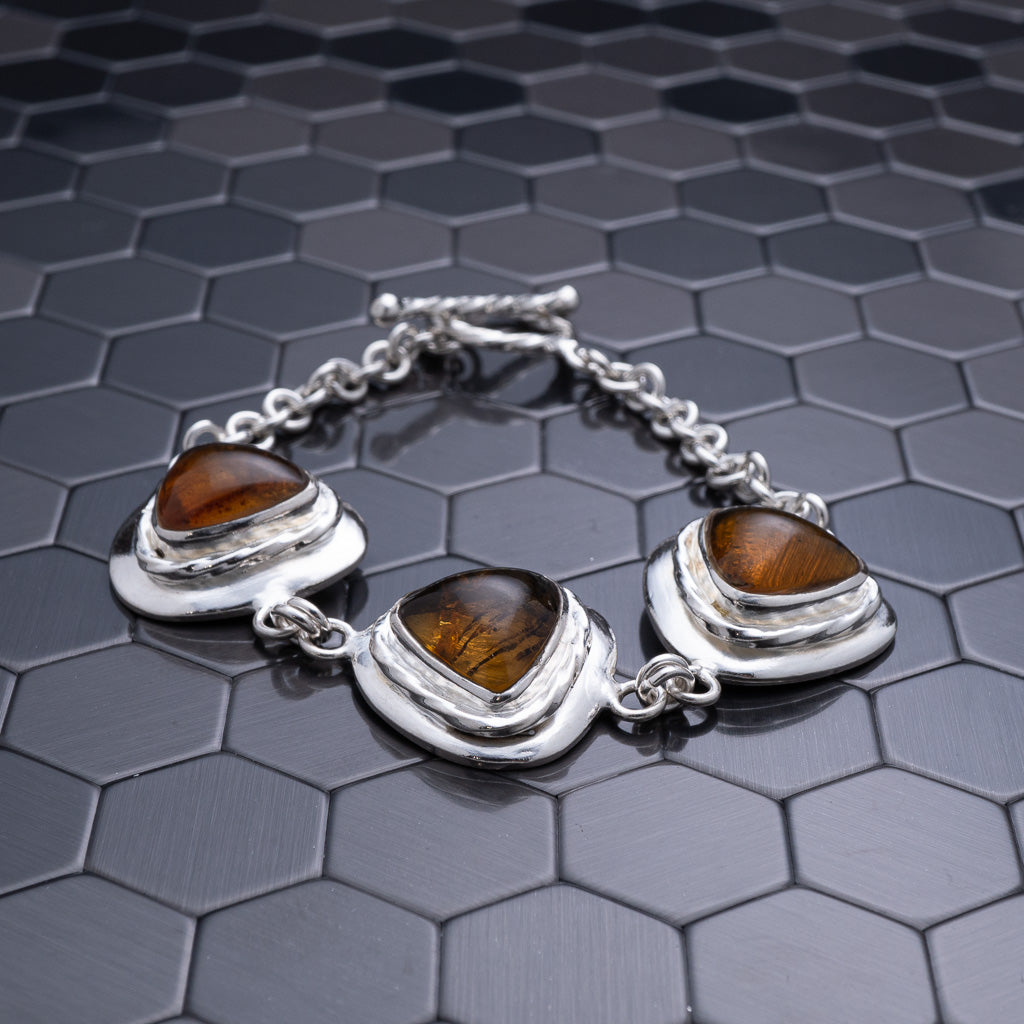
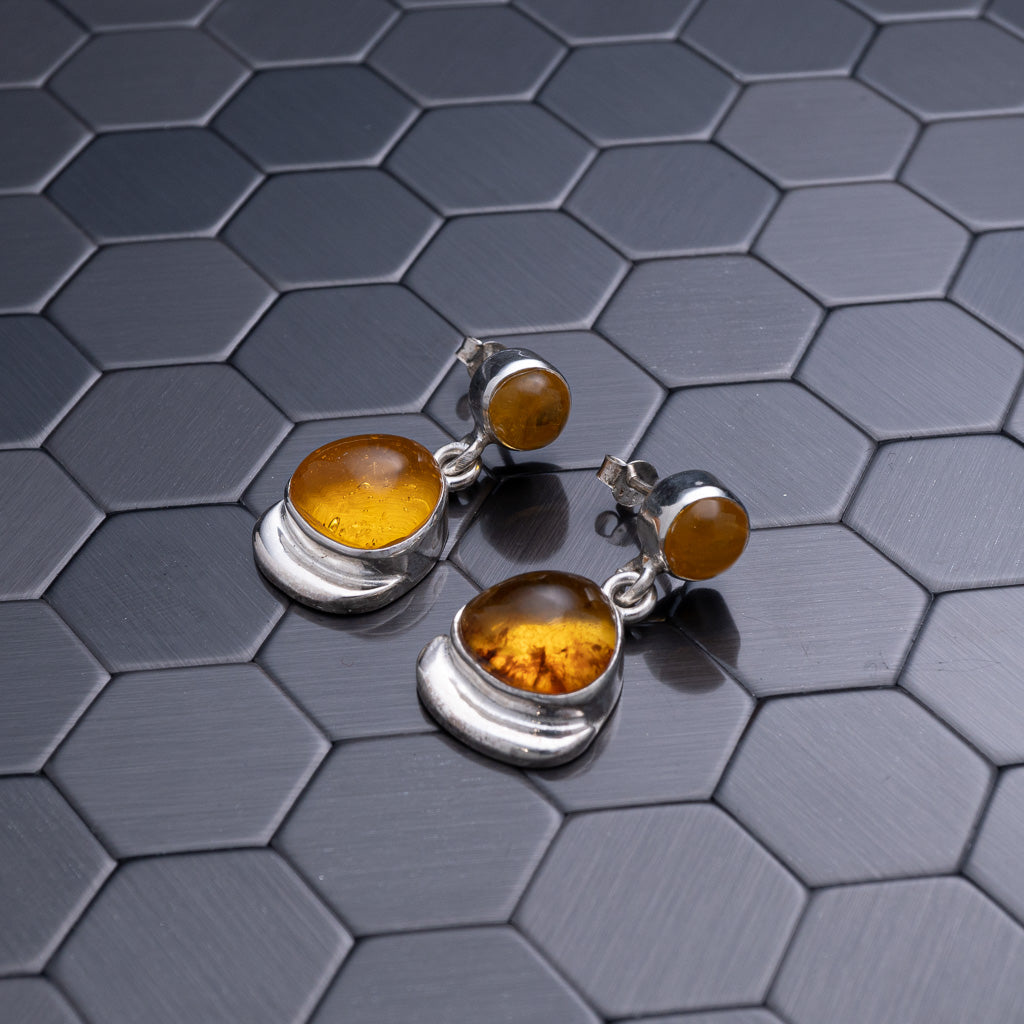
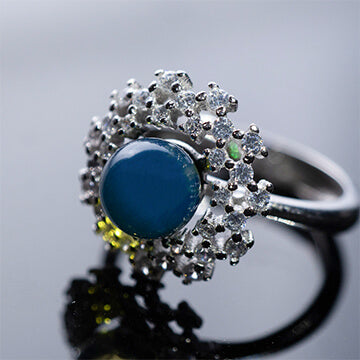
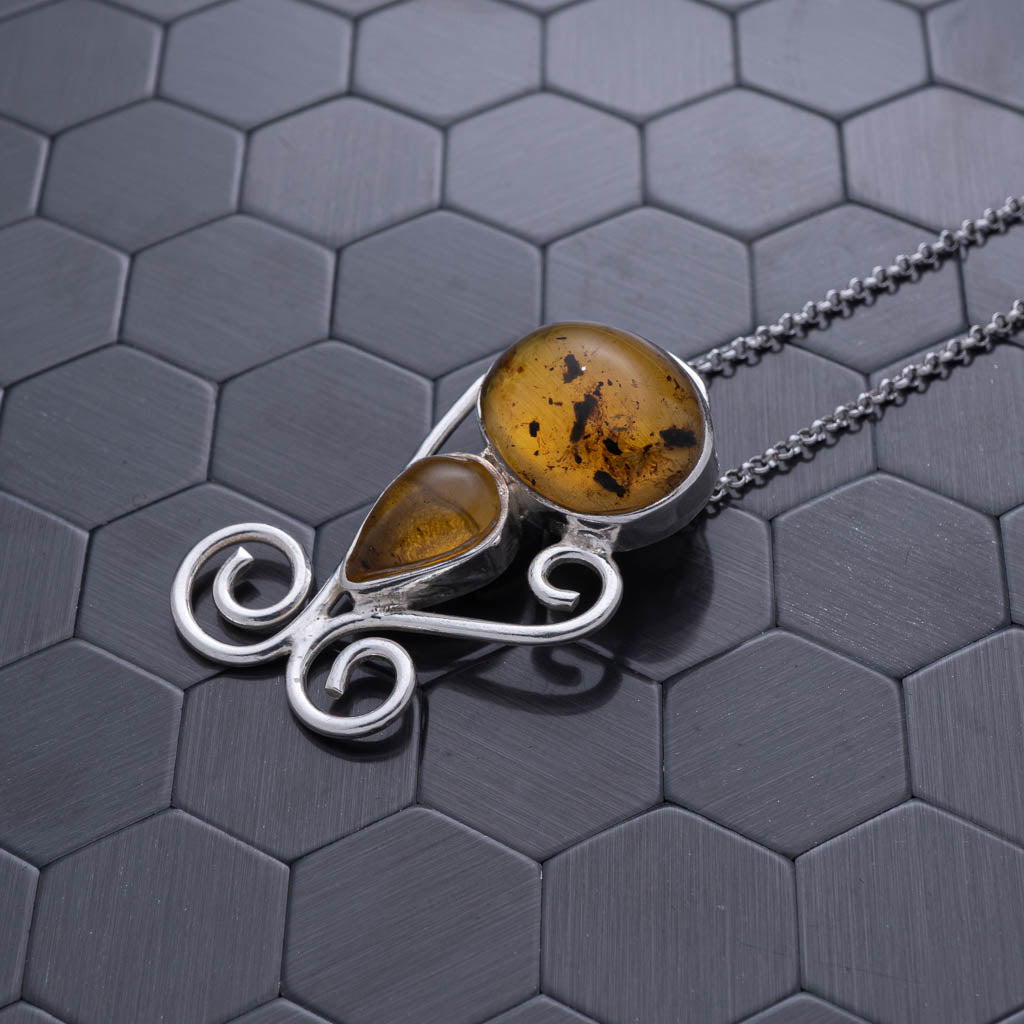
Sterling silver offers affordability and versatility. The blue amber pendants often feature silver settings that let the stone's color take center stage.
Supply and demand tell the whole story. Sapphires come from multiple countries. Aquamarine deposits exist worldwide. But larimar? One mountain in the Dominican Republic. Blue amber? One region in the world produces that specific fluorescence.
When you buy Dominican blue amber, you're getting something that can't be found anywhere else. That geographical exclusivity creates inherent value beyond the material itself.
The gemstone trade has evolved significantly, as evidenced by experts like those featured in gemstone industry profiles, and collectors increasingly seek out these rare, location-specific stones.
Blue gemstone jewelry offers incredible variety, from classic sapphires to rare Caribbean treasures that exist nowhere else on Earth. Whether you choose a stone for its durability, uniqueness, or the story it tells, you're investing in something that captures light and attention in equal measure. If you're drawn to the exceptional blues of the Caribbean, Larimar Creations specializes in handcrafted pieces featuring genuine larimar and Dominican blue amber, with worldwide shipping that brings these rare gemstones directly to you.