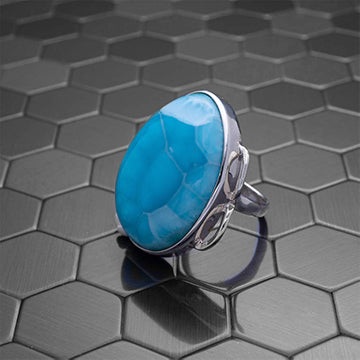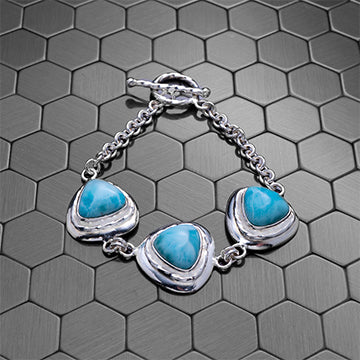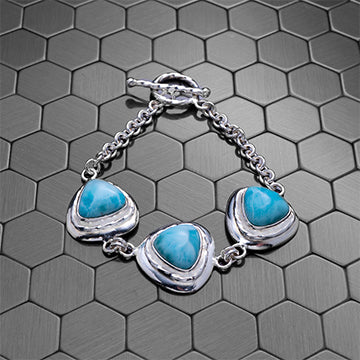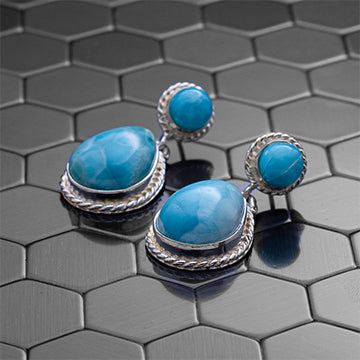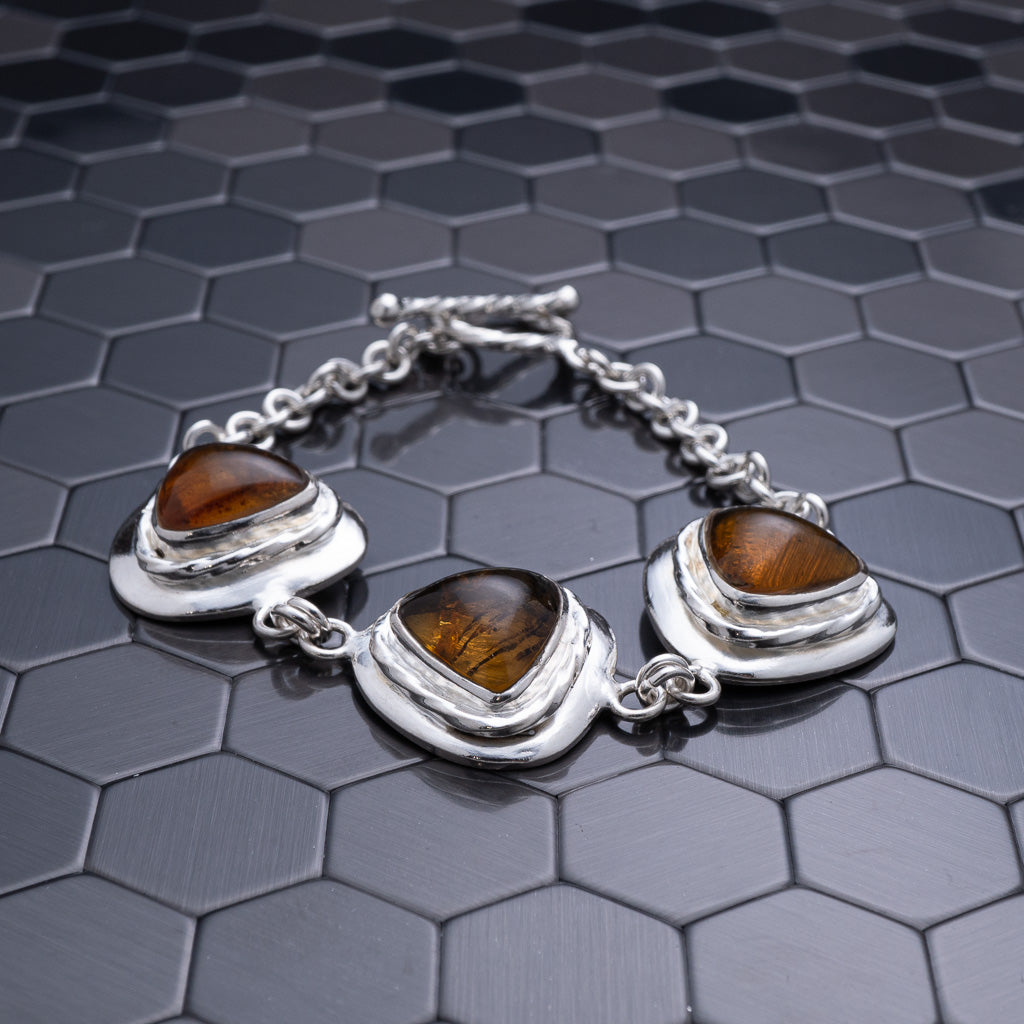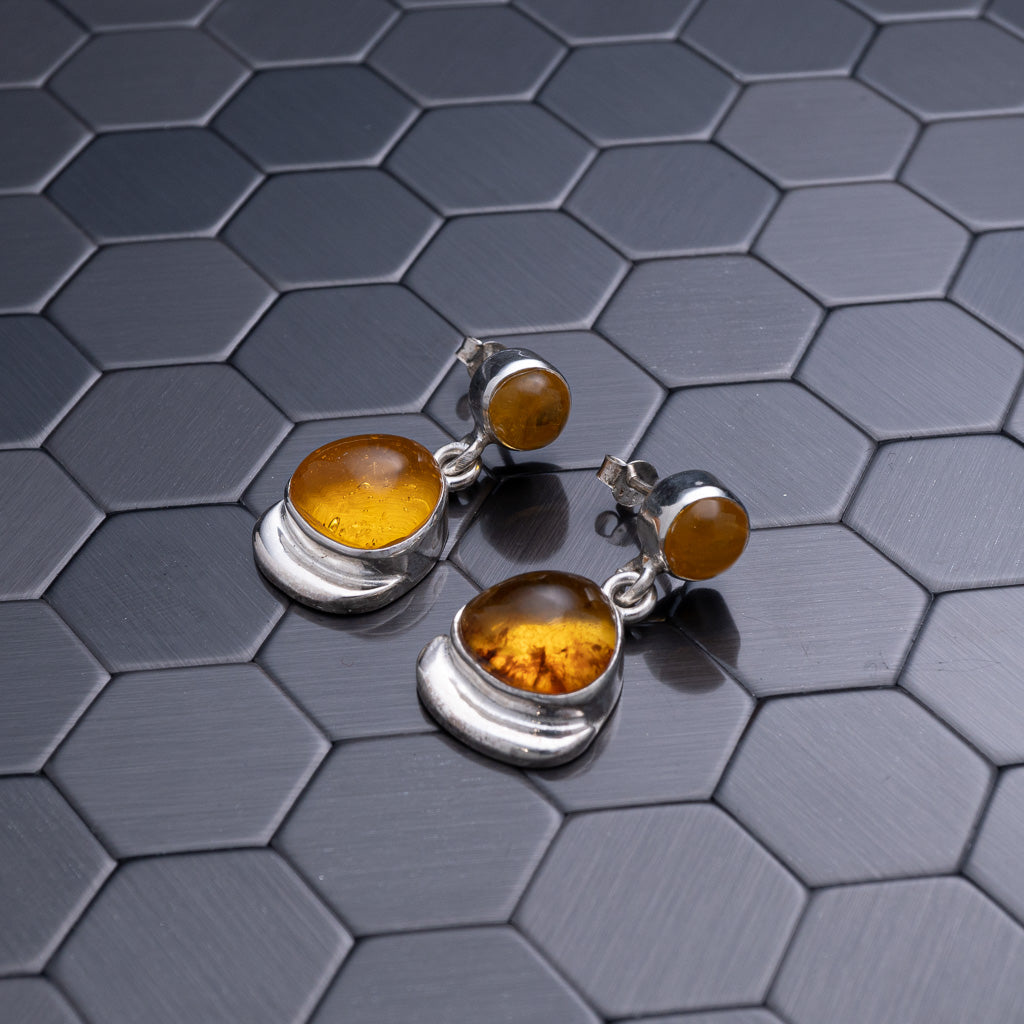


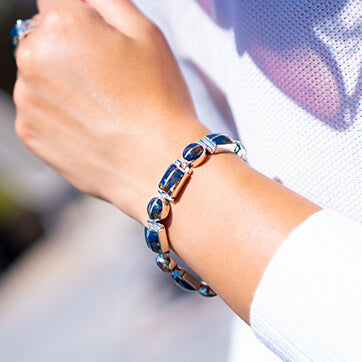
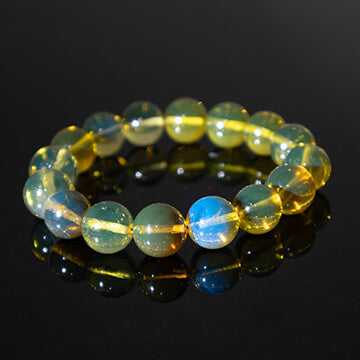
Handcrafted in DR.

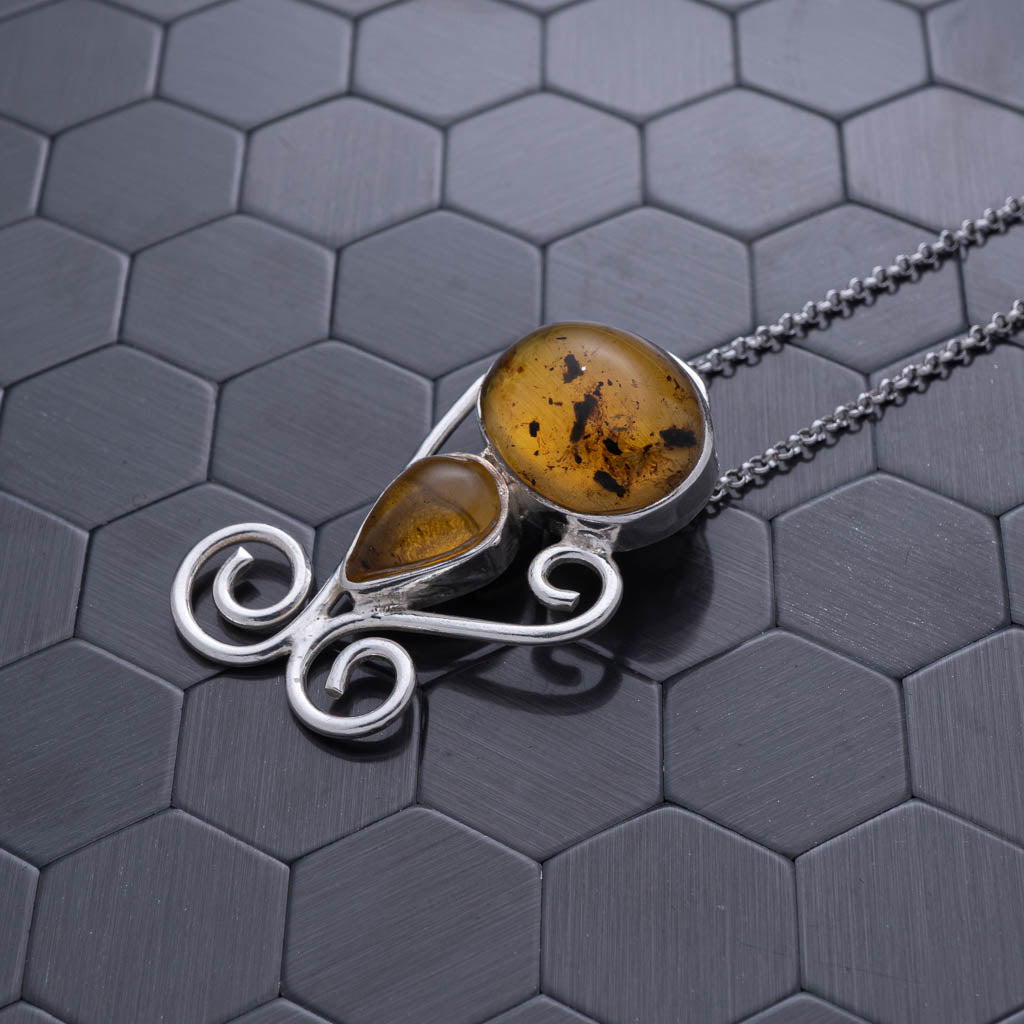
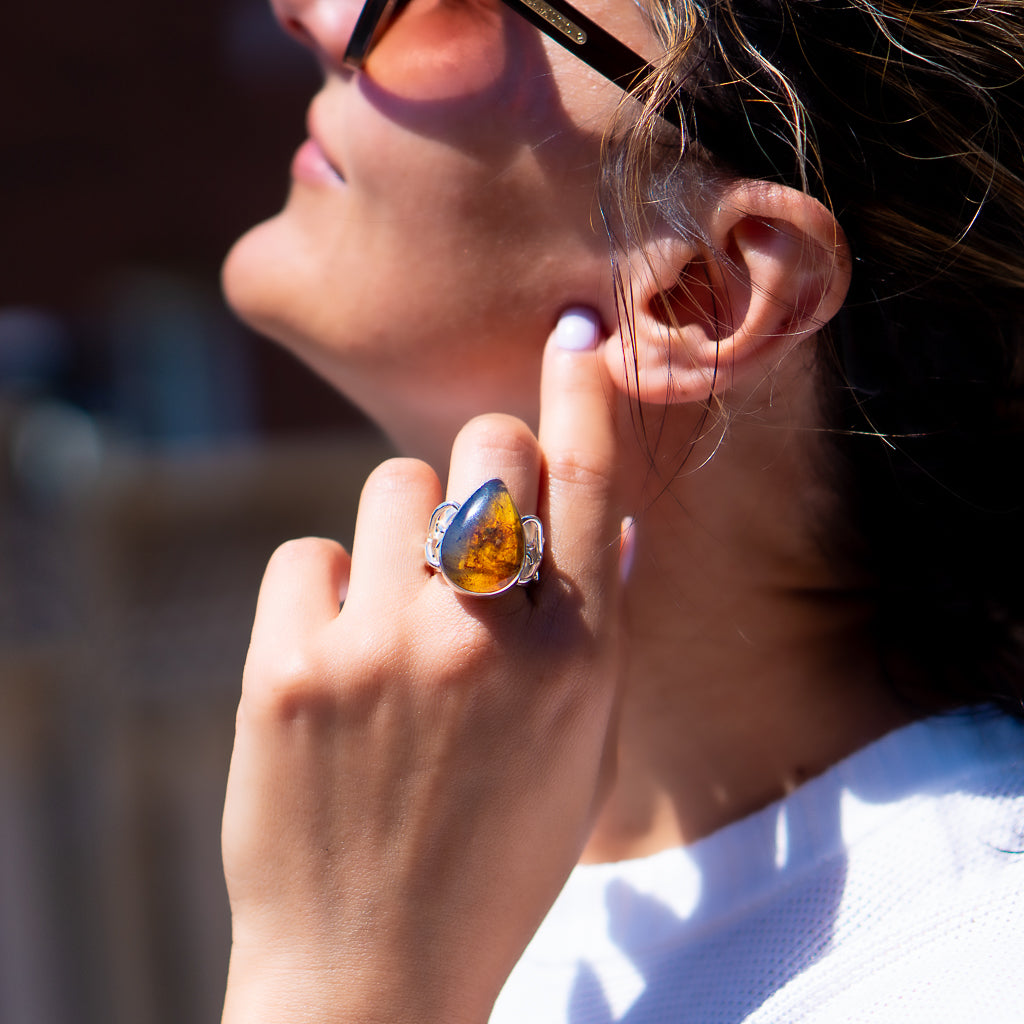
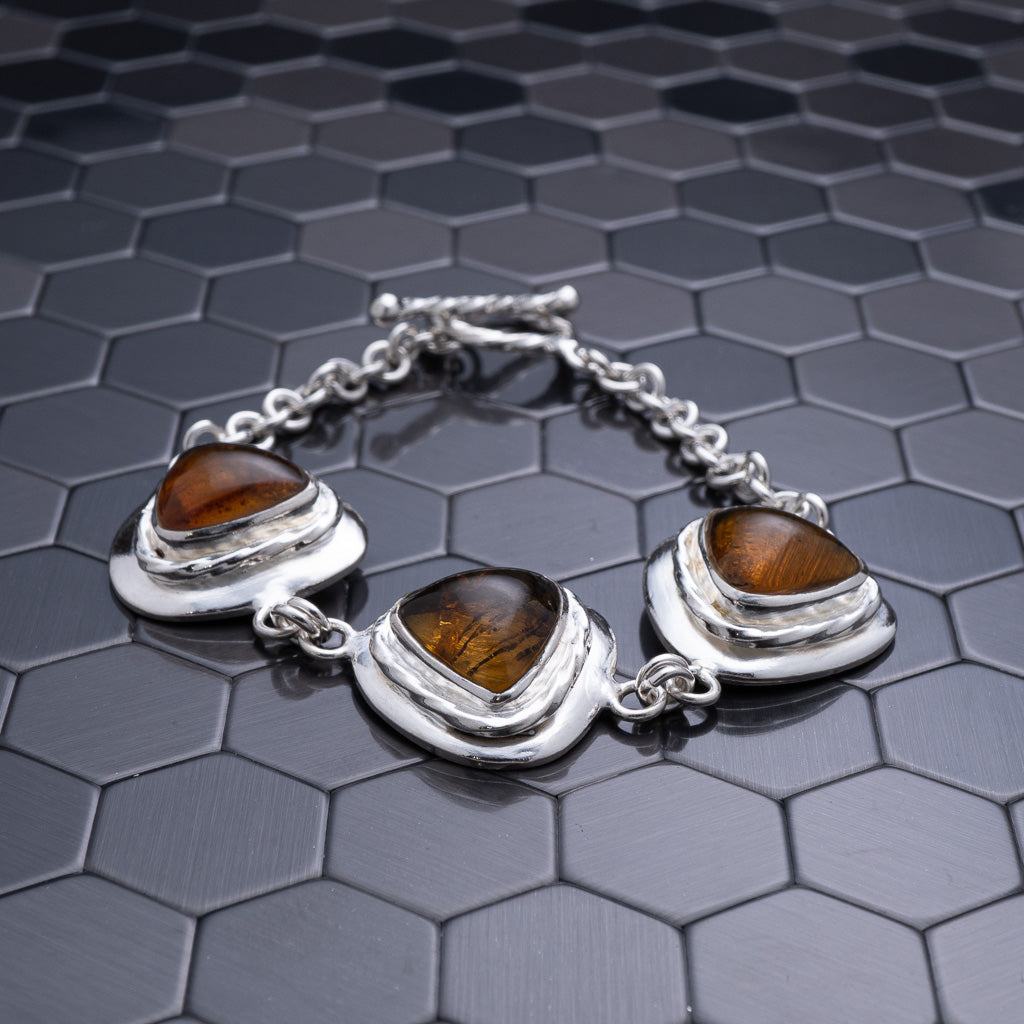
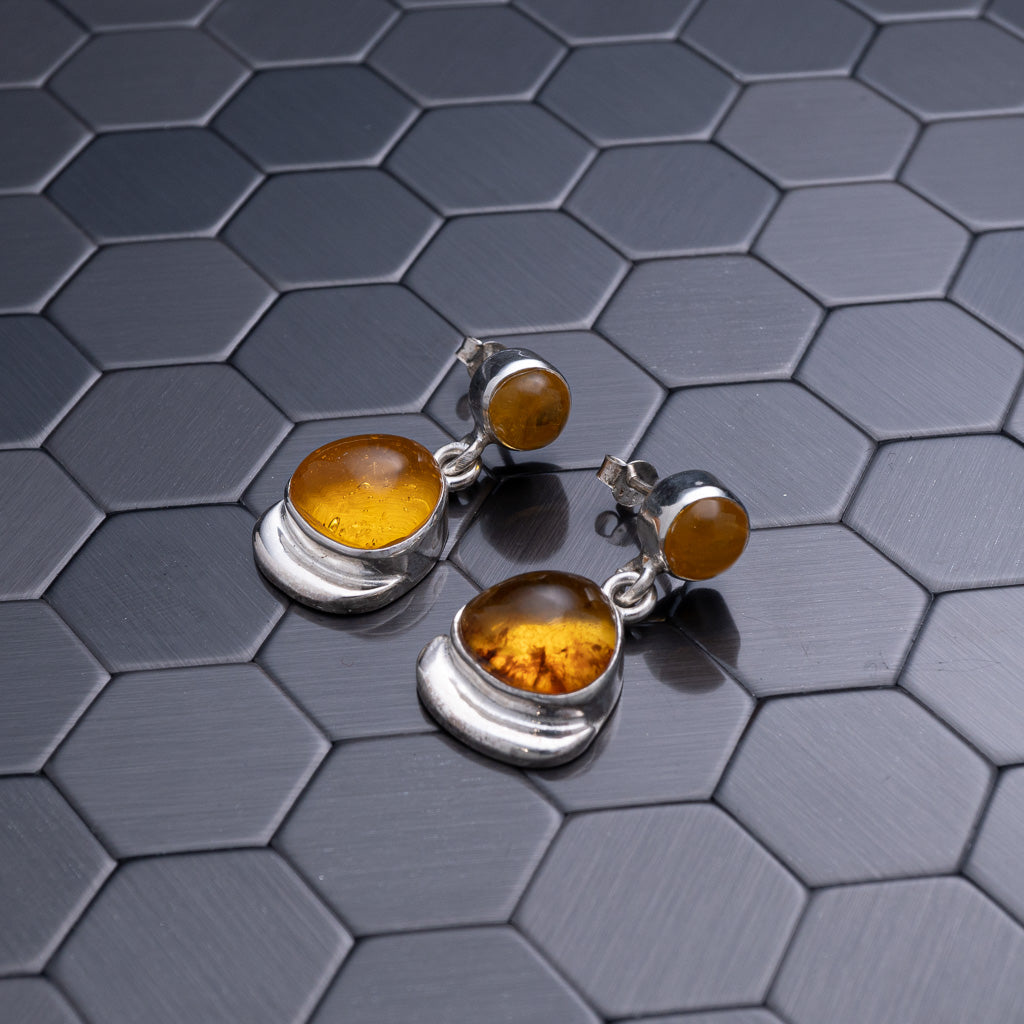


100% Handcrafted in DR.

Larimar, the stunning blue gemstone found exclusively in the Dominican Republic, captivates jewelry enthusiasts worldwide with its ocean-like patterns and serene color palette. Whether you're considering your first purchase or already own a piece, understanding this rare stone's unique characteristics helps you make informed decisions about acquisition, care, and value. This comprehensive guide addresses the most common larimar frequently asked questions to help both newcomers and collectors deepen their knowledge of this extraordinary gemstone.
Larimar is a rare blue variety of the mineral pectolite, discovered in 1974 in the Dominican Republic. The gemstone derives its name from combining "Larissa" (the daughter of the Dominican who introduced it to the world) and "mar" (Spanish for sea), perfectly capturing its ocean-blue essence.
The stone forms through volcanic processes deep within the earth. When copper becomes present during crystallization, it creates the distinctive blue coloration that makes Larimar so sought after. According to geological research on Larimar, this gemstone exists in only one location on Earth: the mountainous region of Barahona in the southwestern Dominican Republic.
This single-source origin makes Larimar exceptionally rare compared to other gemstones. Miners extract the stone from the Los Chupaderos mine and surrounding areas, working in challenging conditions to bring these treasures to the surface.
The exclusivity of this Caribbean gemstone directly impacts its value and desirability. As mining becomes more difficult and deposits harder to access, authentic Larimar continues to appreciate in both monetary and collectible value.
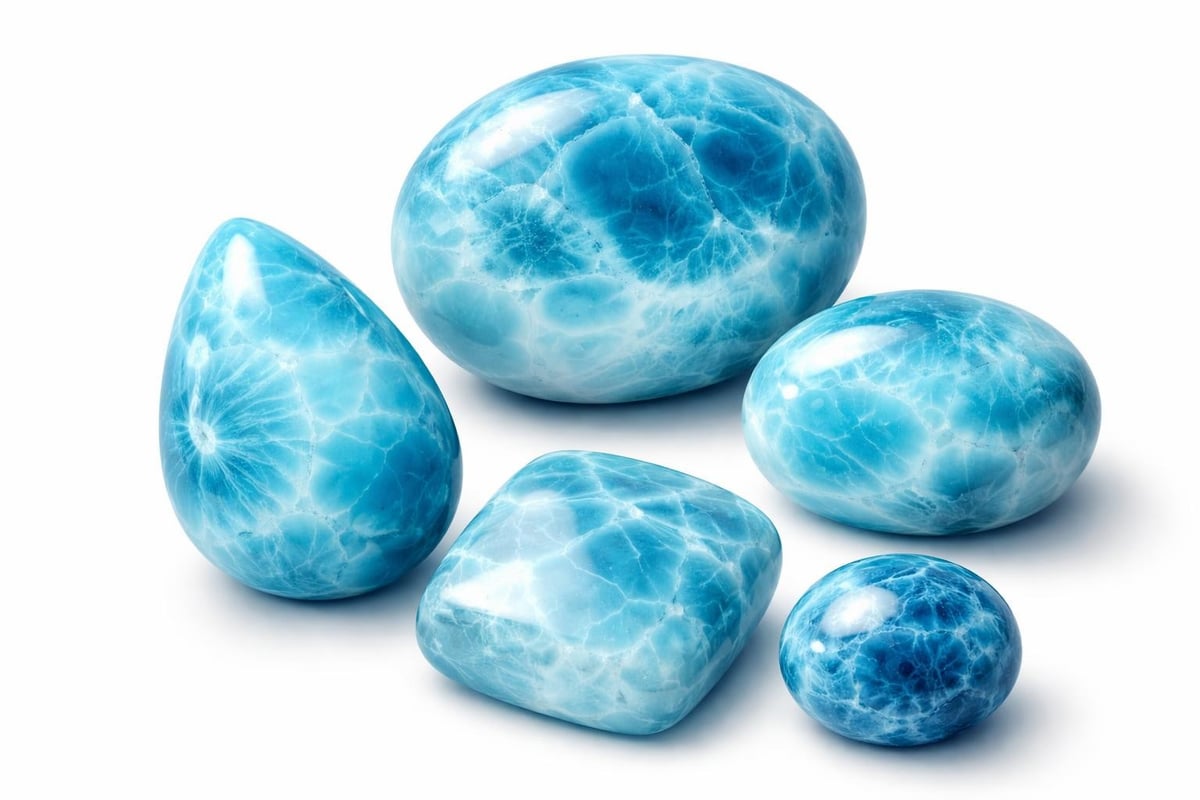
Authentication remains one of the most important larimar frequently asked questions, particularly as synthetic alternatives and imitations enter the market. Genuine Larimar possesses specific characteristics that distinguish it from lookalikes and treated stones.
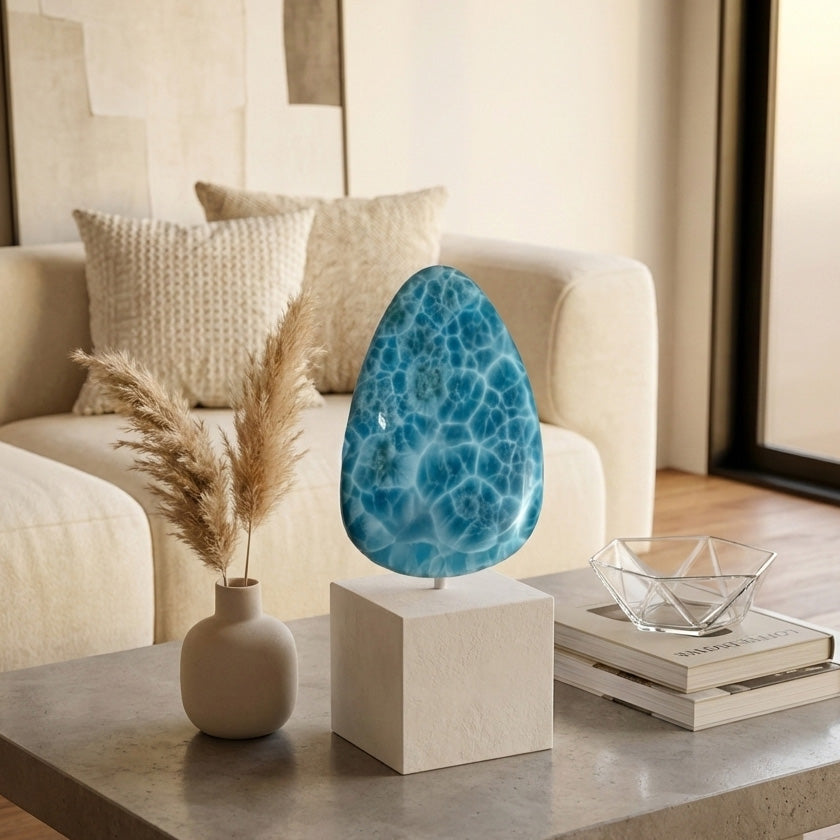
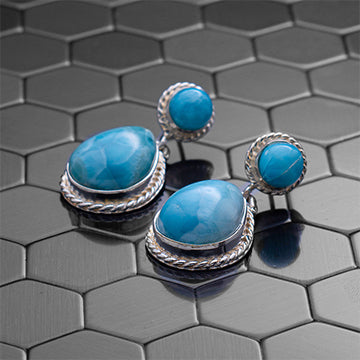
Color patterns in authentic Larimar appear organic and irregular, never perfectly uniform. The stone displays varying shades of blue, often with white streaks or patches of green, creating a marbled appearance reminiscent of ocean waves. This natural variation occurs because of the copper content and crystallization conditions during formation.
Understanding how to identify genuine Larimar protects you from purchasing inferior substitutes or treated materials:
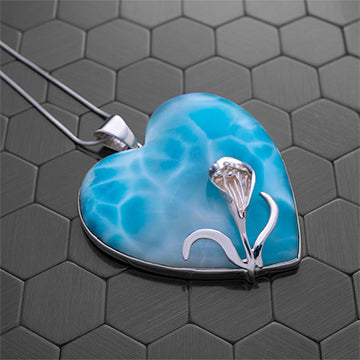
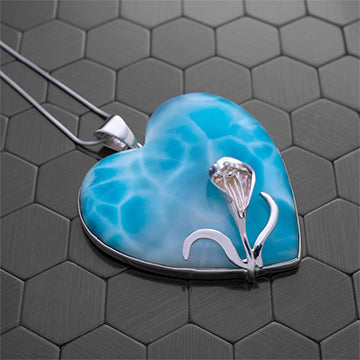
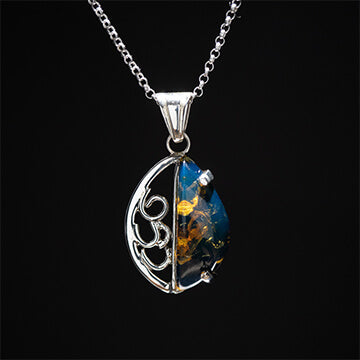
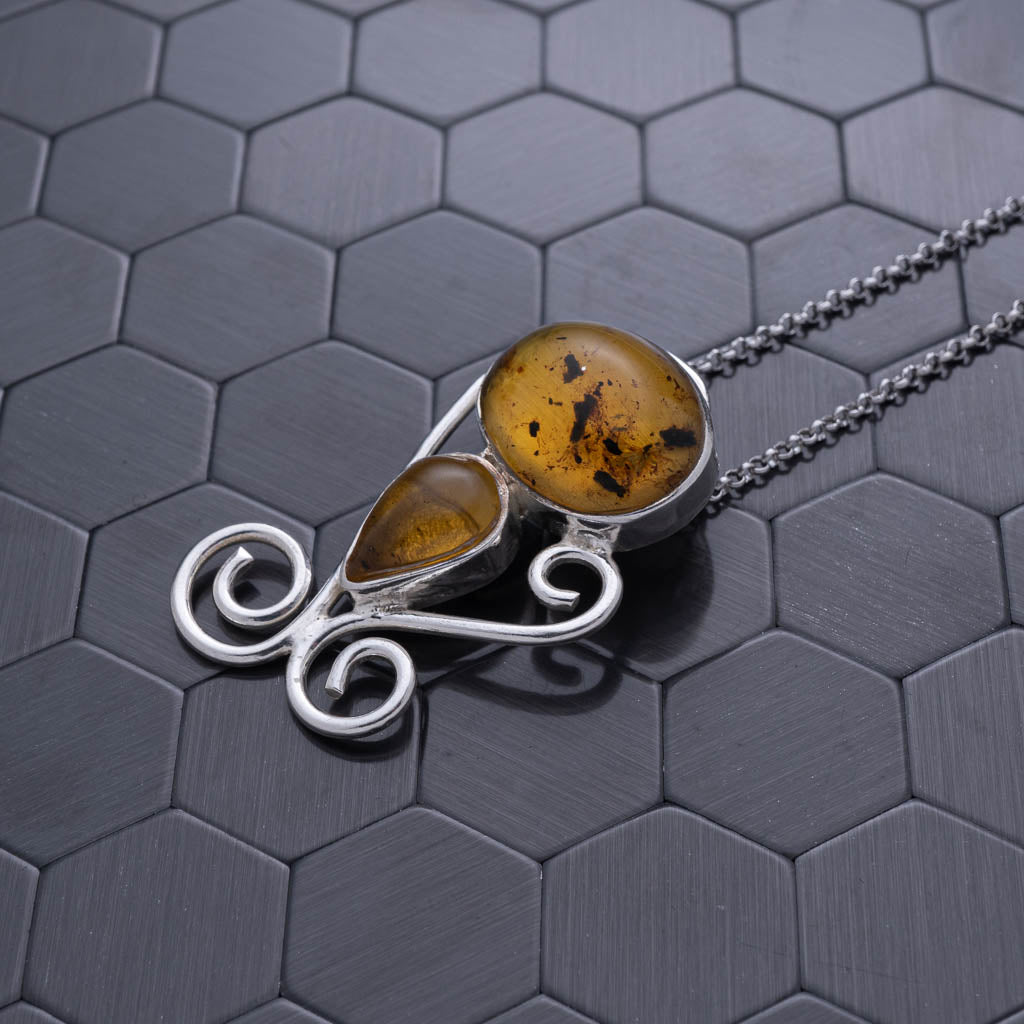
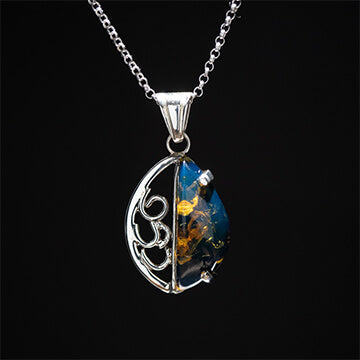
If you're examining Larimar Pendants, these authentication factors become easier to assess when the stone is set in quality silver settings that allow light transmission and full viewing of the gemstone's characteristics.
Quality grading for Larimar considers multiple factors beyond simple color assessment. Professional gemologists and experienced dealers evaluate stones using a comprehensive system that accounts for appearance, rarity, and workability.
| Quality Grade | Color Description | Pattern Characteristics | Typical Use |
|---|---|---|---|
| AAA Volcanic Blue | Deep, intense blue with minimal white | Smooth, flowing patterns | High-end jewelry, collector pieces |
| AA Ocean Blue | Medium to dark blue, moderate white | Attractive patterns, good contrast | Premium jewelry, special occasions |
| A Sky Blue | Light to medium blue, more white present | Mixed patterns, visible veining | Everyday jewelry, affordable pieces |
| B/C Grades | Pale blue to mostly white | Heavy veining, irregular appearance | Cabochons, beads, carved items |
Color intensity represents the primary value determinant. Stones displaying deep, saturated blues without excessive white calcite command premium prices. However, some collectors specifically seek pieces with dramatic white patterns, appreciating the artistic contrast these create.
Large, clean pieces suitable for statement jewelry become increasingly valuable due to their rarity. Most Larimar deposits yield smaller fragments, making sizable stones exceptional finds. Cutters must work carefully with the material's natural cleavage planes to maximize both beauty and durability.
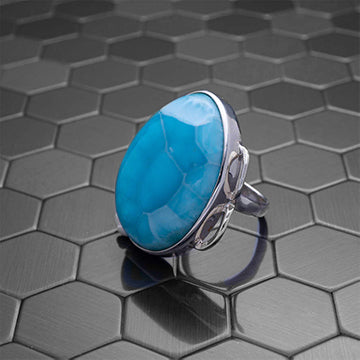
The gemstone's moderate hardness affects its applications. While suitable for pendants, earrings, and occasional-wear rings, Larimar requires more care than harder stones like sapphire or diamond when used in everyday jewelry.
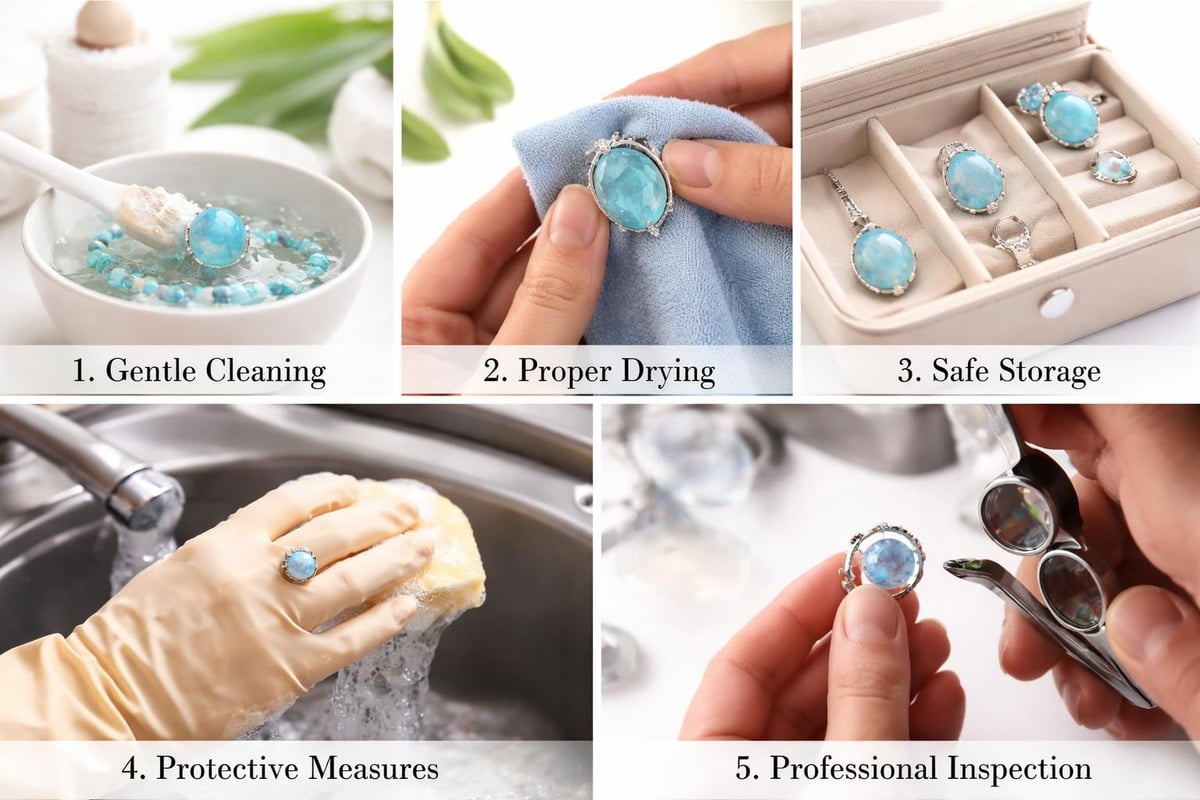
Proper maintenance ensures your Larimar jewelry retains its beauty for generations. This gemstone requires specific care protocols different from harder, more durable stones. Following comprehensive Larimar jewelry care guidelines helps preserve both the stone's appearance and structural integrity.
Avoid exposing Larimar to harsh chemicals, extreme temperatures, or prolonged sunlight. The stone's relatively soft nature and copper-based coloration make it vulnerable to damage from common household products and environmental factors.
For deeper cleaning needs, professional jewelers experienced with softer gemstones provide the safest service. They understand the material's limitations and use appropriate techniques that won't compromise the stone's integrity or finish.
Many gemstone enthusiasts explore Larimar beyond its physical beauty, investigating claimed metaphysical properties. While scientific evidence doesn't support healing claims, the stone holds cultural and spiritual significance for many wearers.
Traditional beliefs associate Larimar with calming energy and emotional balance. Practitioners of crystal healing suggest the stone's ocean-like appearance connects it to water element energies, promoting tranquility and clear communication. The gemstone's discovery location in the Caribbean adds to its association with tropical serenity and peaceful vibrations.
Enthusiasts and metaphysical practitioners often discuss these characteristics:
Whether you approach Larimar from a metaphysical perspective or purely aesthetic appreciation, the stone's serene coloration and unique patterns create an undeniable visual appeal. Many wearers report feeling more connected to calm, centered states when wearing their pieces, regardless of the mechanism behind these experiences.
The gemstone market offers numerous blue options, from affordable turquoise to precious sapphires. Understanding what distinguishes Larimar from alternatives helps collectors appreciate its unique position in the jewelry world.
Larimar's volcanic origin and single-source availability set it apart from most blue gemstones. Unlike aquamarine (found globally) or turquoise (multiple sources), Larimar's geographic restriction creates inherent scarcity that other stones cannot match.
| Gemstone | Hardness | Sources | Color Range | Price Point |
|---|---|---|---|---|
| Larimar | 4.5-5 | Dominican Republic only | Sky to volcanic blue | Moderate to high |
| Turquoise | 5-6 | USA, Iran, China | Blue to green-blue | Low to moderate |
| Aquamarine | 7.5-8 | Brazil, Pakistan, others | Pale to medium blue | Moderate to very high |
| Blue Topaz | 8 | Global | Sky to London blue | Low to moderate |
The stone's distinctive patterning also creates visual differentiation. While treated blue topaz shows uniform color and aquamarine displays clarity, Larimar's marbled appearance makes each piece genuinely unique. No two stones exhibit identical patterns, giving every jewelry item individual character.
Understanding the journey from mountainside to marketplace adds appreciation for finished jewelry pieces. Larimar extraction remains a labor-intensive process requiring significant skill and physical effort.
Miners work in steep, mountainous terrain, often creating tunnels that follow stone deposits into hillsides. The manual nature of this work limits production capacity and contributes to the gemstone's value. Modern machinery proves impractical in these locations, maintaining traditional extraction methods.
The entire process requires expertise at every stage. Poor cutting decisions can destroy a valuable stone's potential, while skilled craftsmanship enhances natural beauty. For those interested in the complete story, our story details how we work directly with artisans who understand these materials intimately.
Design considerations for Larimar differ from harder gemstones due to its moderate position on the Mohs hardness scale. While versatile enough for various jewelry applications, certain styles prove more suitable than others for everyday wear.
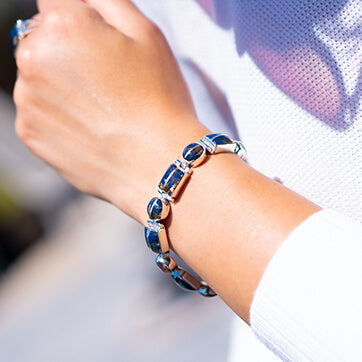
Pendants and earrings represent ideal applications for Larimar, as these jewelry types experience less physical impact than rings or bracelets. The stone's beauty displays exceptionally well in these formats, allowing light to interact with its patterns while minimizing wear risk.
For those seeking everyday wear pieces, protective settings with bezel or partial bezel designs offer additional security. These mounting styles shield the stone's edges and girdle from impacts that could cause chipping. When selecting pieces, consider your lifestyle and how much wear the jewelry will experience.
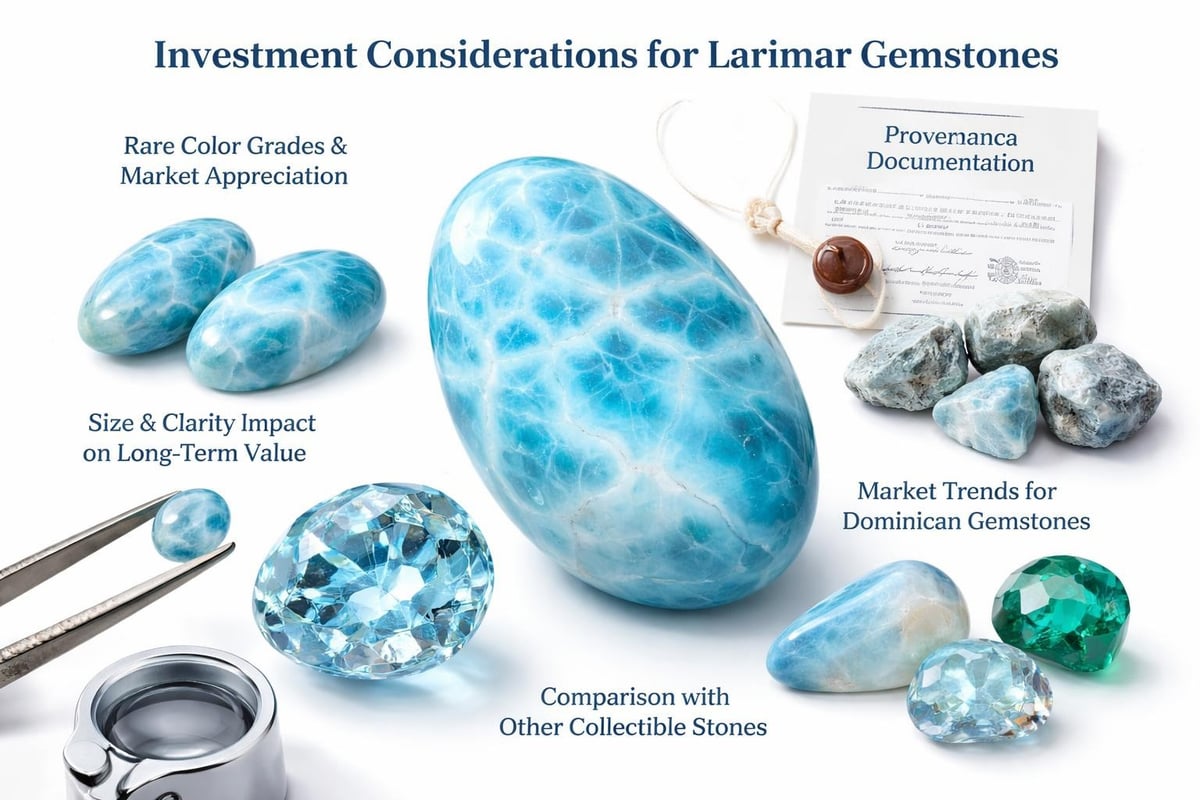
The Larimar market has evolved significantly since the stone's introduction to international jewelry markets in the 1970s and 1980s. Current trends reflect growing awareness, decreasing availability, and increasing appreciation for ethically sourced, rare gemstones.
Collector interest in Larimar has intensified over recent years, particularly among buyers seeking unique alternatives to common gemstones. The sustainability movement also benefits Larimar, as conscientious consumers appreciate its artisanal mining methods and support for Dominican communities.
Pricing trends show steady appreciation, especially for high-quality volcanic blue grades. As accessible deposits diminish, premium-grade material becomes increasingly scarce. Investment-grade pieces with exceptional color and size demonstrate notable value growth, though Larimar remains more affordable than many precious gemstones of comparable rarity.
The contemporary market reflects several converging factors. Increased online accessibility allows collectors worldwide to acquire authentic pieces, expanding the customer base beyond traditional jewelry markets. Social media exposure, particularly Instagram and Pinterest, has introduced younger demographics to the gemstone's appeal.
Simultaneously, mining challenges have reduced the volume of new material entering markets. This supply constraint, combined with growing demand, creates upward pressure on prices. Experts predict continued appreciation, particularly for museum-quality specimens and historically significant pieces.
Beyond the quality grading system mentioned earlier, Larimar exhibits several distinct appearance types based on color dominance, pattern style, and inclusion characteristics. Collectors often develop preferences for specific looks, with debates about which style represents the "finest" expression.
Volcanic blue Larimar, displaying deep navy to cobalt tones, represents the most coveted grade. These pieces show minimal white calcite, instead presenting rich, saturated color reminiscent of deep ocean waters. Their rarity and visual impact command premium pricing in collector markets.
Different pattern presentations appeal to various aesthetic preferences:
Some collectors specifically seek pieces with dramatic white contrast, appreciating the artistic quality these patterns create. Others prefer minimal white presence, favoring color saturation. Neither approach is incorrect; personal preference guides individual selections.
The comprehensive FAQ section on our website addresses additional specific questions about grades, patterns, and selection criteria that help buyers identify their preferred styles.
Digital jewelry purchases present unique challenges, particularly for gemstones where color, pattern, and quality significantly impact value. Successful online buying requires careful evaluation of seller credentials, product information, and policies.
Reputable sellers provide detailed photography showing stones from multiple angles under various lighting conditions. This transparency allows accurate assessment of color, pattern, and quality before purchase. Be cautious of sellers using only single images or photos that appear heavily edited.
Questions about specific pieces should receive prompt, knowledgeable responses. Sellers who cannot answer basic questions about their inventory may lack expertise in Larimar specifically. According to detailed Larimar FAQs from established dealers, transparency about sourcing, grading, and treatment status represents fundamental professional standards.
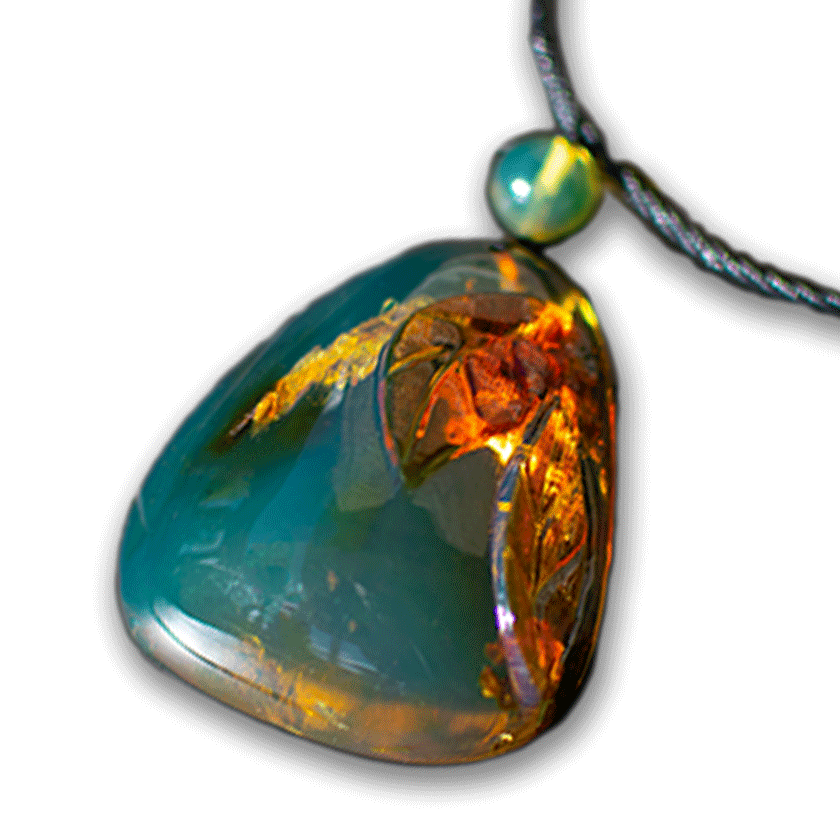
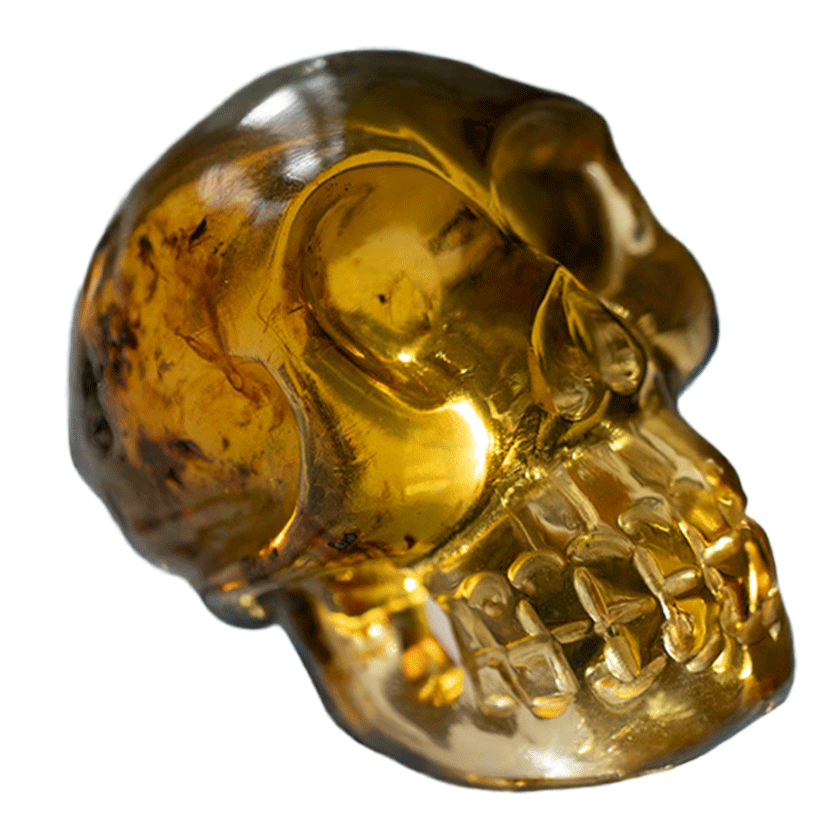
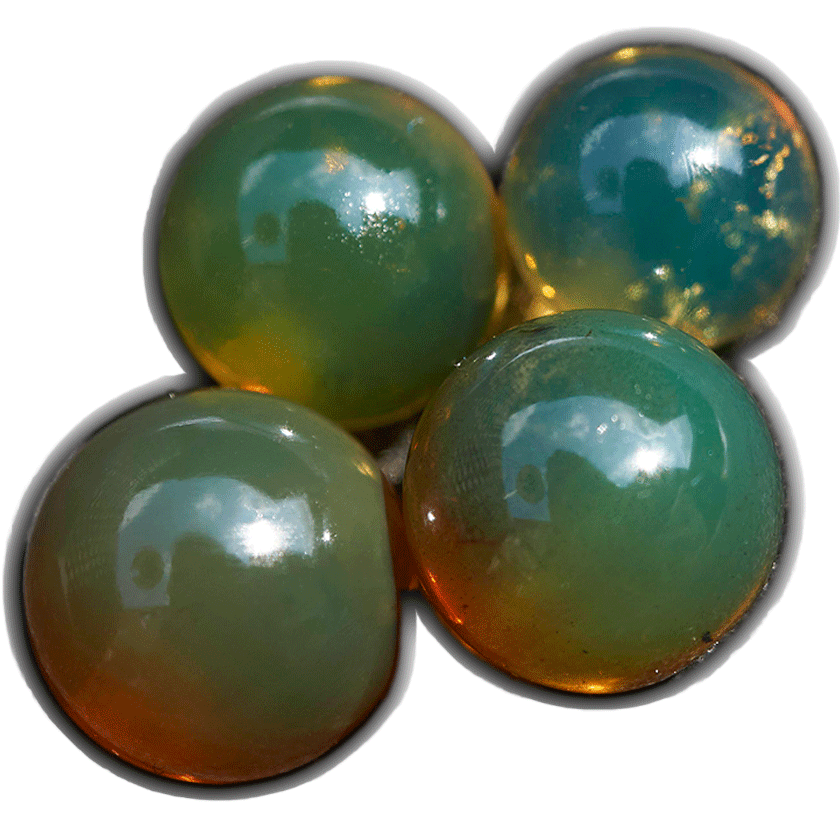
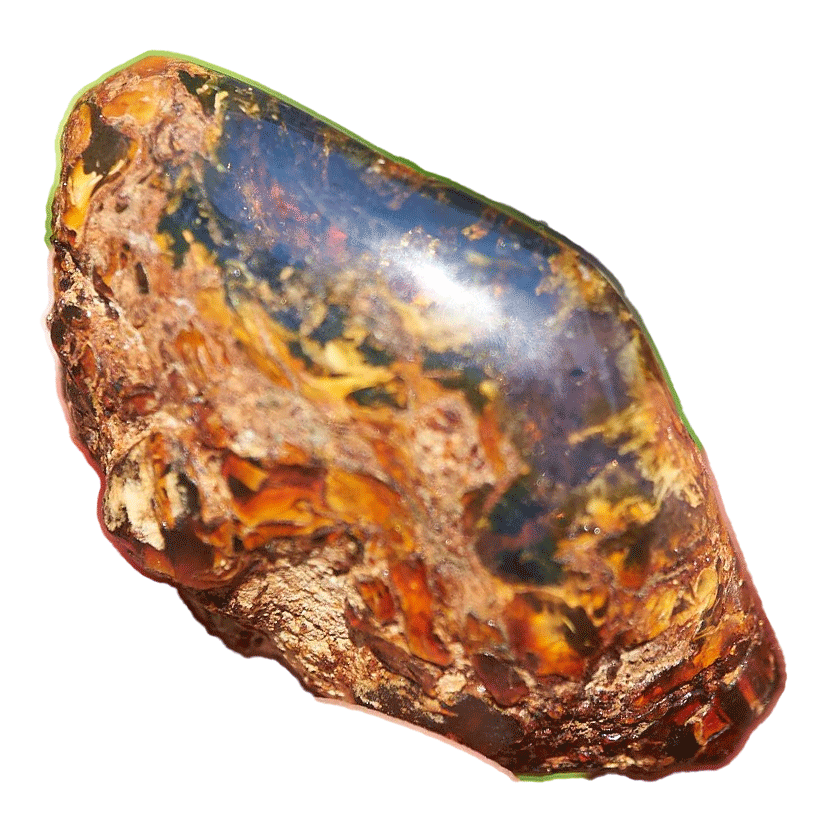
Both Larimar and Dominican Blue Amber originate from the Dominican Republic, creating natural comparison between these two rare gemstones. However, they differ fundamentally in composition, formation, and characteristics.
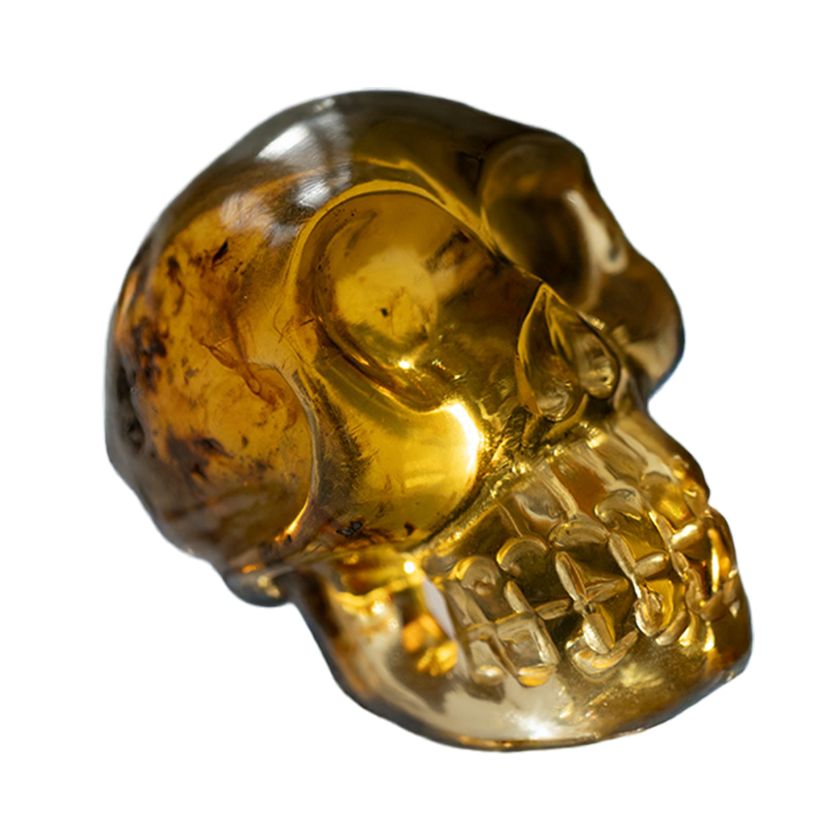
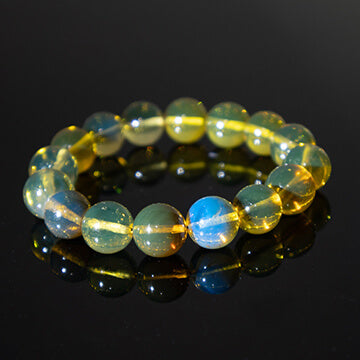
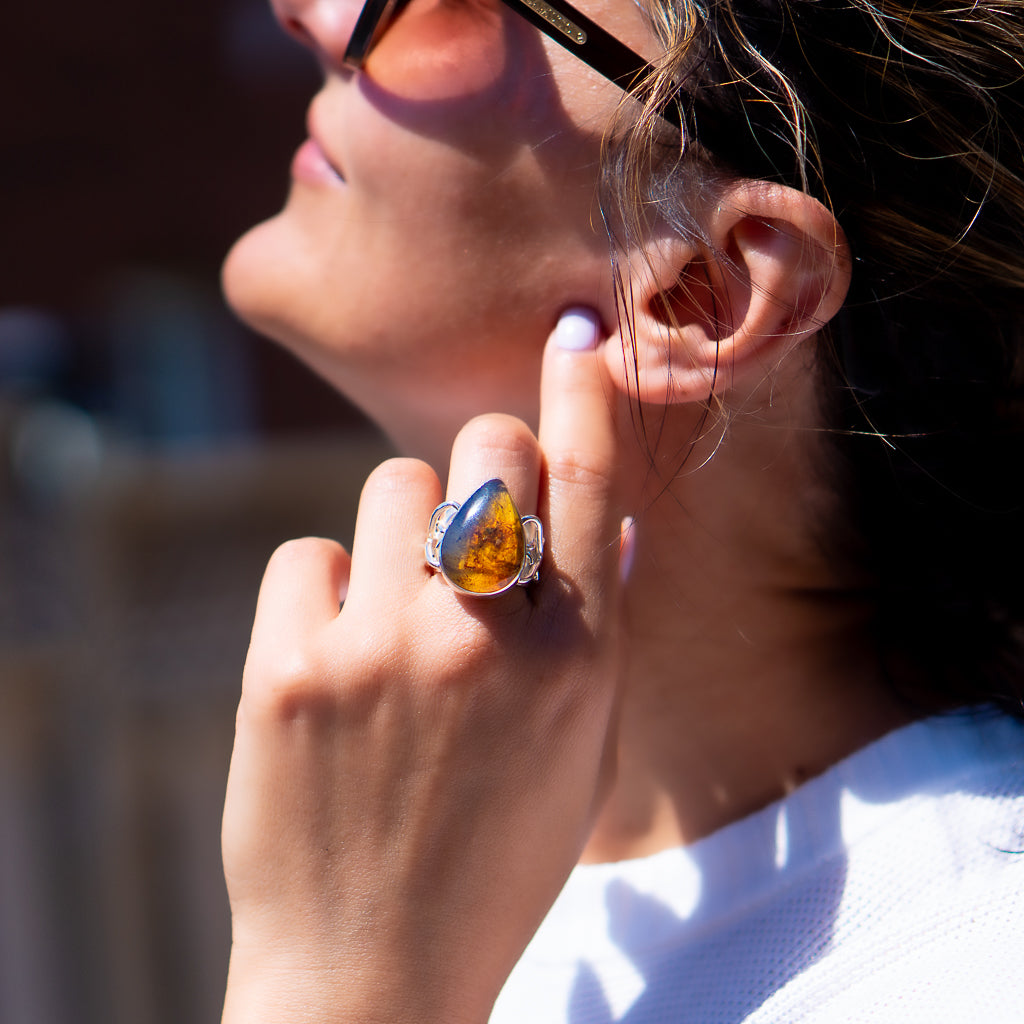
Dominican Blue Amber is fossilized tree resin containing aromatic compounds that fluoresce blue under UV light, while Larimar is a volcanic mineral. This fundamental difference affects their properties, care requirements, and applications. Understanding these distinctions helps collectors appreciate each material's unique qualities.
| Characteristic | Larimar | Dominican Blue Amber |
|---|---|---|
| Material Type | Mineral (pectolite) | Organic (fossilized resin) |
| Formation Age | Millions of years (volcanic) | 25-40 million years |
| Primary Color | Blue (copper-based) | Golden with blue fluorescence |
| Hardness | 4.5-5 | 2-2.5 |
| UV Response | No fluorescence | Strong blue fluorescence |
| Rarity | Single mine location | Limited Dominican sources |
Both gemstones represent excellent additions to collections focused on Caribbean treasures or rare materials. Their different properties and appearances complement each other, allowing collectors to appreciate the Dominican Republic's diverse geological offerings. Those interested in expanding their knowledge can explore our detailed guide on Dominican gemstones.
Beyond its geological and commercial aspects, Larimar carries cultural importance for the Dominican Republic and the Caribbean region. The stone has become a symbol of national pride and cultural identity, appearing in diplomatic gifts and cultural presentations.
The Dominican government recognizes Larimar as a national gemstone, promoting it through tourism initiatives and cultural programs. This official status reflects the stone's economic importance to mining communities and its role in representing Dominican natural resources globally.
Local artisans have developed distinctive design traditions incorporating Larimar with Caribbean cultural motifs. These pieces blend indigenous Taíno cultural elements with contemporary jewelry design, creating works that honor both artistic heritage and natural beauty.
Tourism around Larimar has grown significantly, with visitors seeking authentic pieces as mementos of Caribbean travel. This demand supports local economies but also necessitates consumer education about authentication, as tourist markets sometimes offer imitation materials to unsuspecting buyers.
The gemstone appears in literature and art celebrating Caribbean identity, symbolizing the region's unique natural heritage. Its ocean-like appearance resonates with island cultures, creating emotional connections beyond mere aesthetic appreciation.
Beginning a meaningful Larimar collection requires knowledge, patience, and strategic acquisition planning. Unlike collecting mass-produced items, each Larimar piece offers unique characteristics, making collection development both challenging and rewarding.
Start by educating yourself thoroughly about quality factors, pricing, and authentication methods. This foundation prevents costly mistakes and helps identify exceptional pieces when opportunities arise. Regular review of common Larimar questions keeps knowledge current as market conditions evolve.
Consider beginning with more affordable pieces while developing your eye for quality. As knowledge increases, gradually add premium-grade specimens that represent significant investments. This approach builds both collection value and personal expertise simultaneously.
Advanced collectors often specialize, focusing on specific color ranges, pattern types, or historical periods. Some pursue pieces from particular mines or cutters, creating focused collections with coherent themes. Whatever direction you choose, the journey of building a Larimar jewelry collection offers ongoing learning and appreciation.
Understanding these larimar frequently asked questions provides the foundation for confident purchasing, proper care, and meaningful appreciation of this exceptional gemstone. Whether you're drawn to Larimar's serene beauty, metaphysical associations, or investment potential, informed knowledge enhances every aspect of ownership. At Larimar Creations, we combine expertise with passion to help you discover authentic, expertly crafted pieces that showcase the finest examples of this rare Caribbean treasure, with worldwide shipping bringing these unique creations to collectors everywhere.