
by Admin May 15, 2026 6 min read

A real dominican amber quality review starts with light. Hold a fine piece near a window, turn it slowly, and the stone tells you almost everything - depth of color, natural clarity, internal life, and whether it carries the rare glow that makes Caribbean amber so coveted. For jewelry buyers and collectors, that first impression matters, but true quality goes well beyond surface beauty.

Dominican amber has earned its reputation because it offers something many gemstones cannot: warmth, rarity, and individuality in a single organic material. Formed from ancient tree resin and found in the Dominican Republic, it can appear honey-gold, cognac, red, greenish, and in the most prized cases, blue. No two pieces are identical, which is exactly why quality assessment requires a more careful eye than a simple pass-or-fail standard.

How a dominican amber quality review should be judged

The best Dominican amber is evaluated through a balance of color, transparency, inclusions, cut, size, and authenticity. None of these factors stands alone. A crystal-clear piece may look elegant, but a specimen with dramatic natural inclusions can be more desirable to a collector. A richly saturated blue amber may be small, yet still command more attention than a larger golden cabochon.

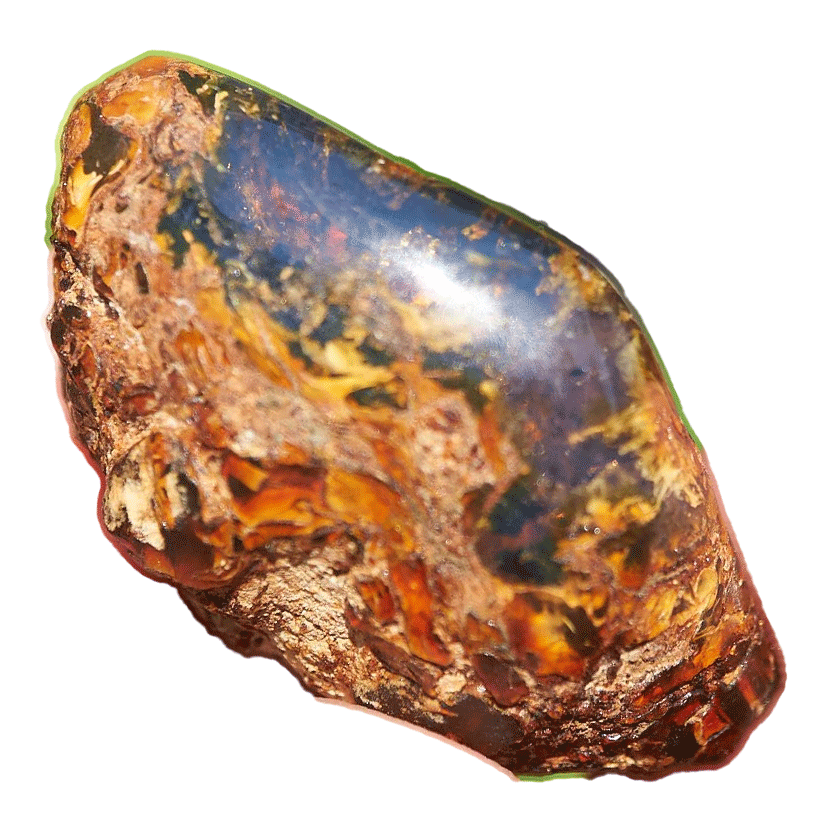
That is the first trade-off to understand: quality depends partly on purpose. Jewelry buyers often want beauty, wearability, and a flattering glow on the skin. Collectors may prioritize uncommon inclusions, unusual fluorescence, or rough pieces that preserve more of the stone's natural character. The finest material sits where rarity and visual appeal meet.

Color is often the first sign of value

Color has an outsized influence on Dominican amber pricing and desirability. Standard golden and honey tones remain classic and beautiful, especially when the material is bright and clean. Cognac shades can feel richer and more dramatic, while lighter yellow amber can appear more luminous in delicate settings.

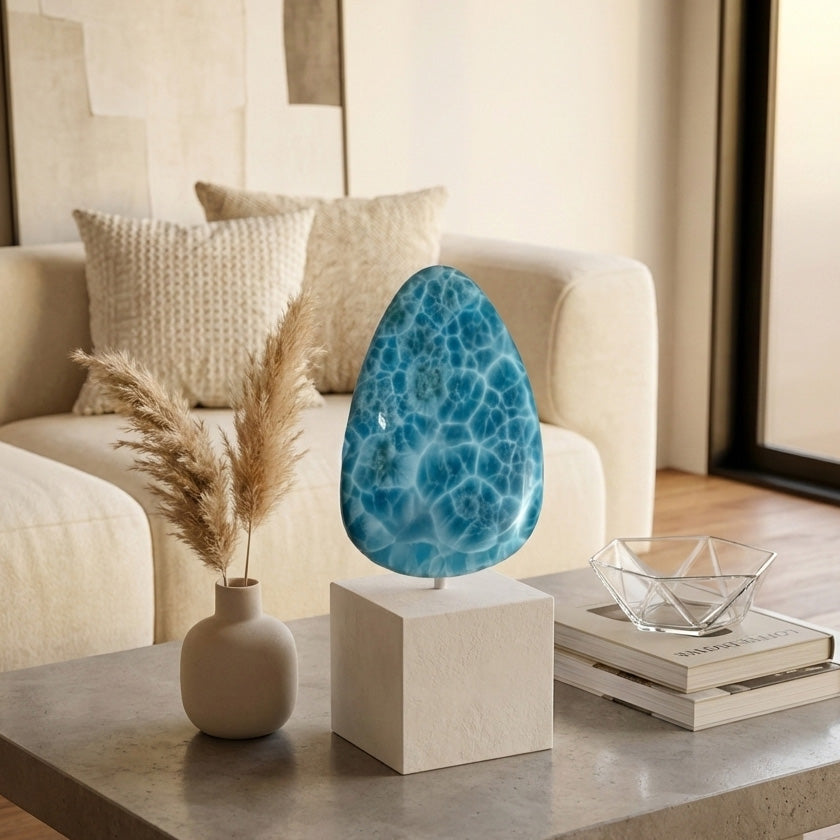
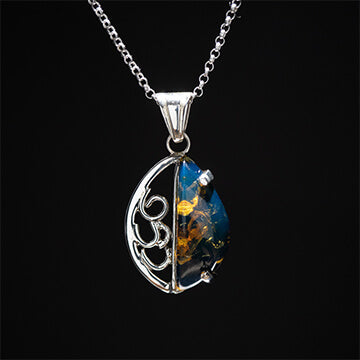
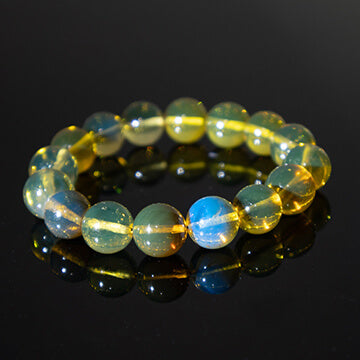
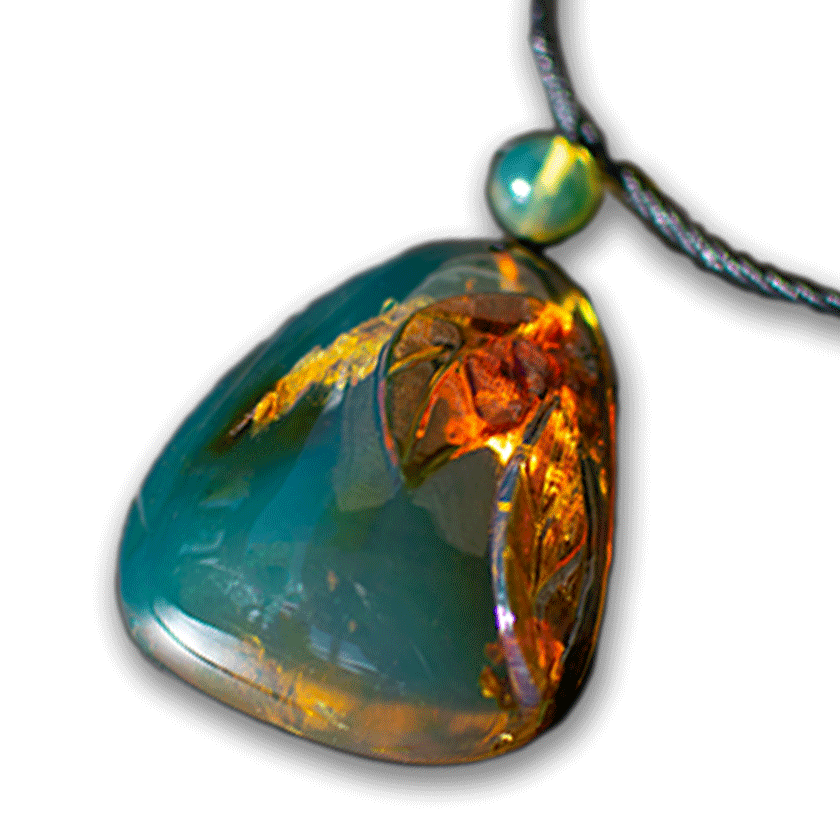
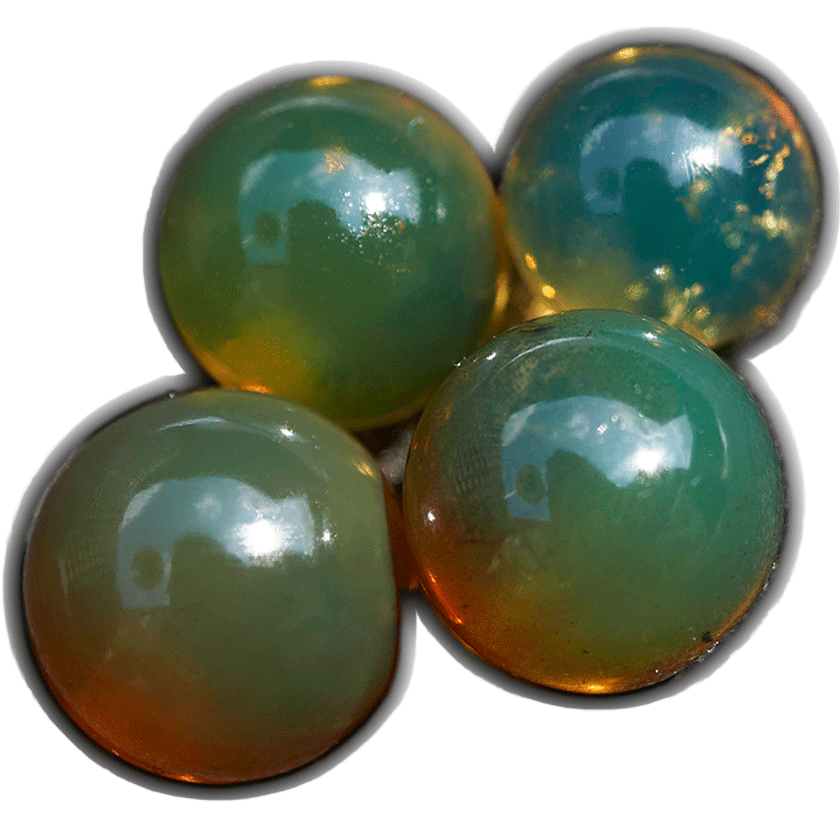
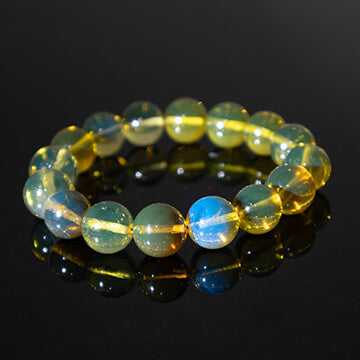
Blue amber is where Dominican origin becomes especially important. This variety is celebrated for the way it can appear pale or warm in ordinary light, then reveal a blue or bluish-violet effect under sunlight or UV exposure. Fine blue amber is rare, and quality rises when that effect is strong, even, and visually striking rather than faint or patchy.

Still, stronger color is not always better in the same way it is with sapphires or rubies. With amber, tone and transparency work together. A darker piece may lose some of the glowing, sunlit character that makes Dominican amber so appealing. The most desirable stones usually show vivid character without looking muddy or opaque.

Why blue amber stands apart

Dominican Blue Amber occupies a category of its own because rarity and visual performance are both part of its appeal. The finest pieces have a clear body, lively internal glow, and a distinct blue presence in the right light. Cheap imitations often try to mimic this effect with plastic, glass, coatings, or heavily altered amber, but natural blue amber has a more nuanced, organic appearance.

For buyers seeking jewelry, this means quality should be judged in motion, not only in still photos. A premium stone changes as it catches light, creating a layered effect rather than a flat flash of color.

Clarity matters, but perfection is not the goal

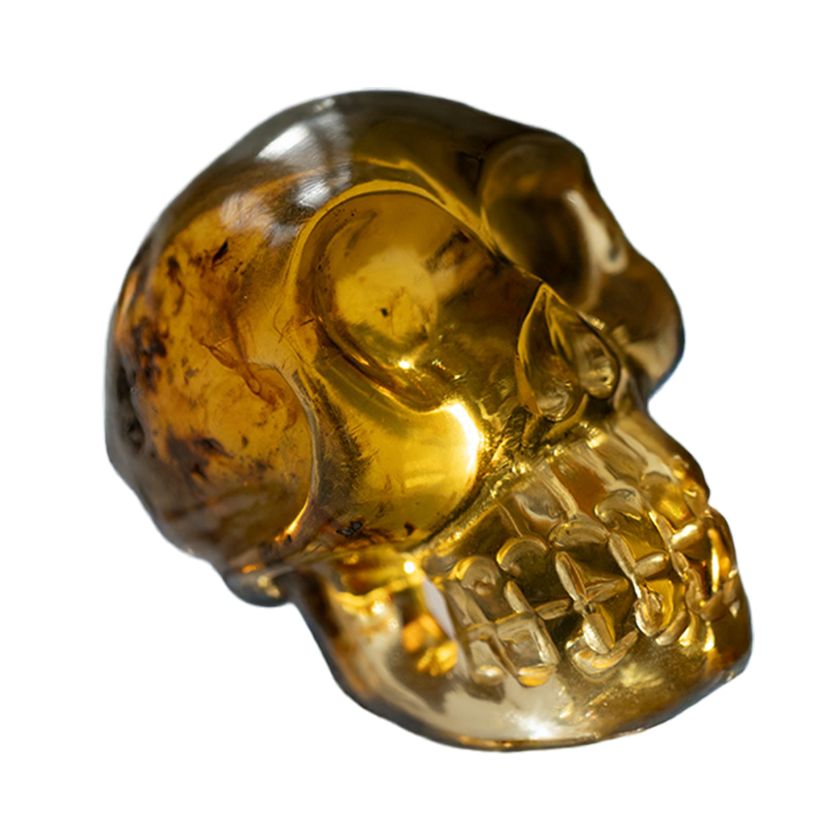
In transparent gemstones, buyers are often taught to chase flawless clarity. Amber asks for a slightly different mindset. Because it is fossilized resin, natural inclusions are expected. Small plant fragments, bubbles, veils, and organic patterns are not defects by default. In many pieces, they are part of the charm.

High-quality Dominican amber used in fine jewelry often has enough clarity to transmit light beautifully, even if it is not perfectly clean. The eye should be drawn into the stone rather than stopped by cloudiness. If a piece appears dull, overly hazy, or structurally weak, quality is lower. If inclusions create beauty, depth, or scientific interest, quality may actually increase.

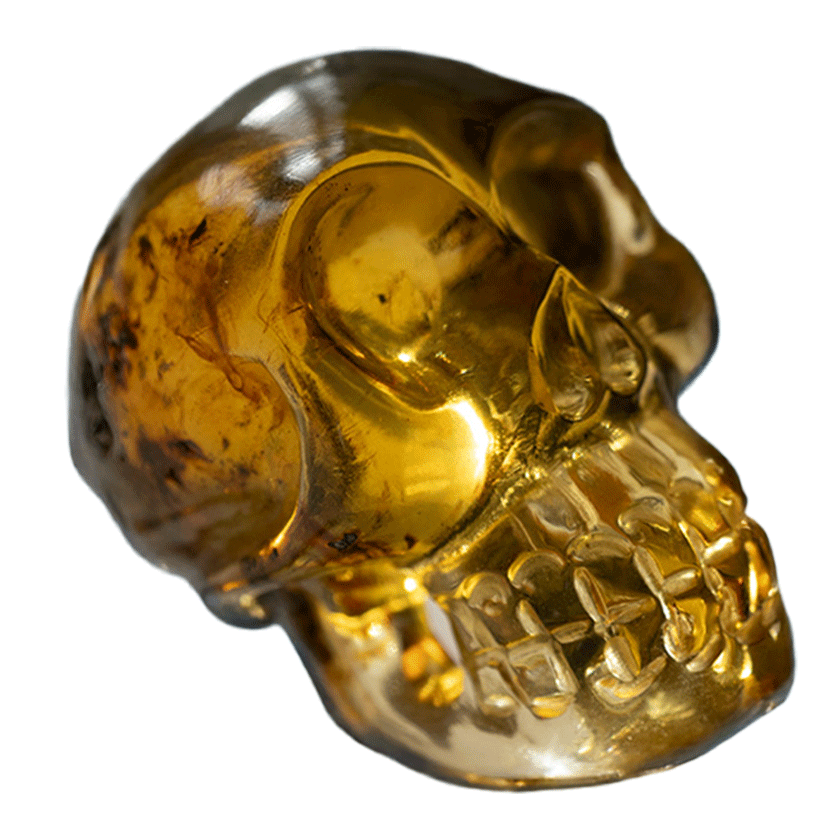
Collector-grade amber with insects or botanical material lives by its own rules. Here, rarity and preservation can outweigh conventional jewelry standards. A specimen may have visible internal matter and still be exceptional if the inclusion is clear, intact, and naturally embedded.

Cut and craftsmanship shape the final impression

Even extraordinary rough amber can lose value in careless hands. Because amber is softer than most gemstones, cutting requires judgment and restraint. A well-made cabochon should feel balanced, polished, and proportionate, with a surface that allows light to travel evenly through the material.

Overcutting is a common problem in lower-quality pieces. Too much material is removed in pursuit of shape, leaving the stone thinner, less dimensional, and less expressive. Poor polish can also mute the glow. Fine Dominican amber should look alive, not waxy, scratched, or overly manufactured.

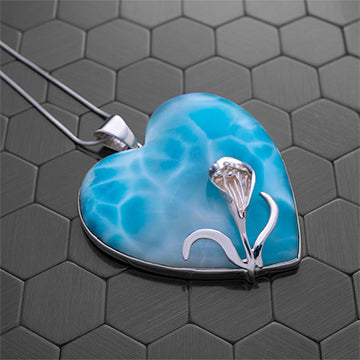
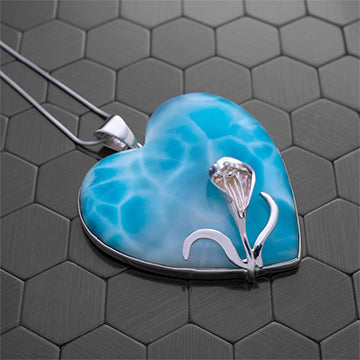
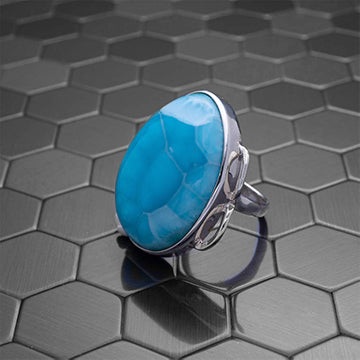
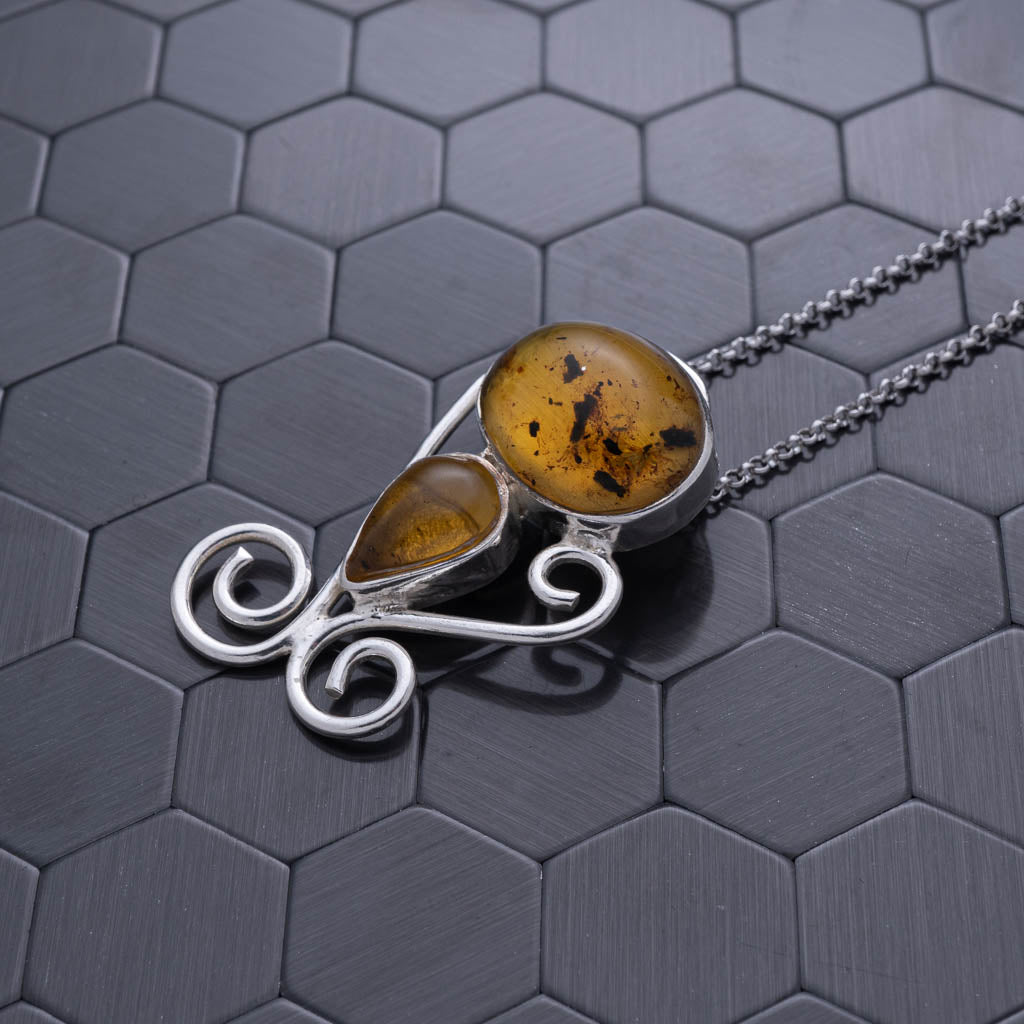
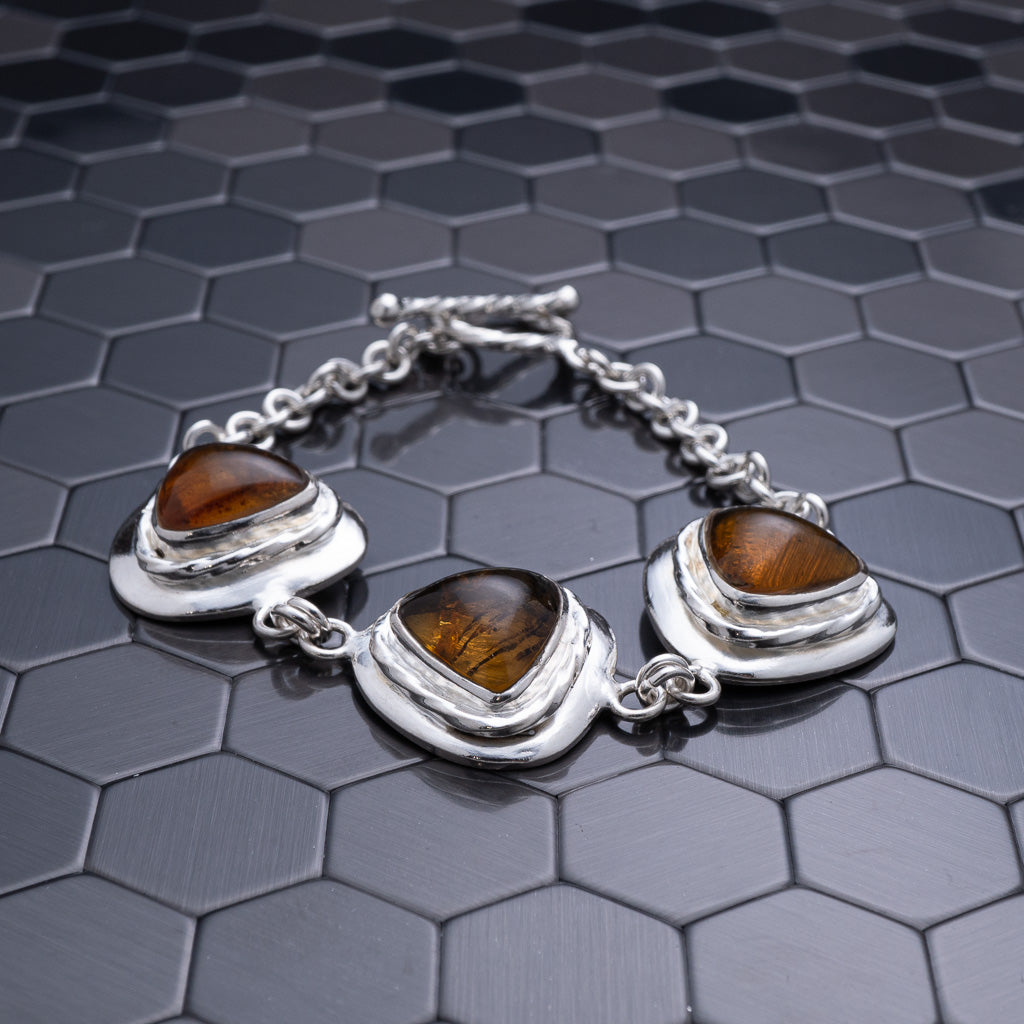
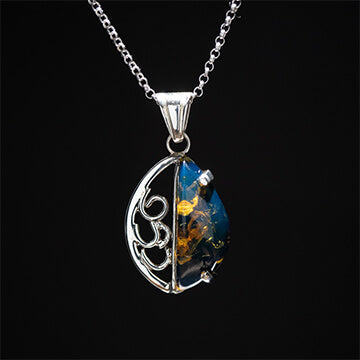
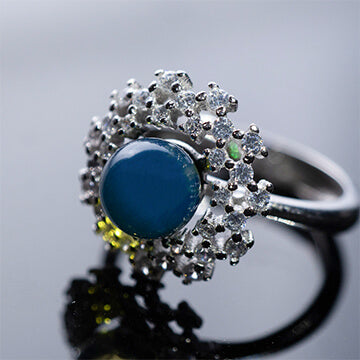
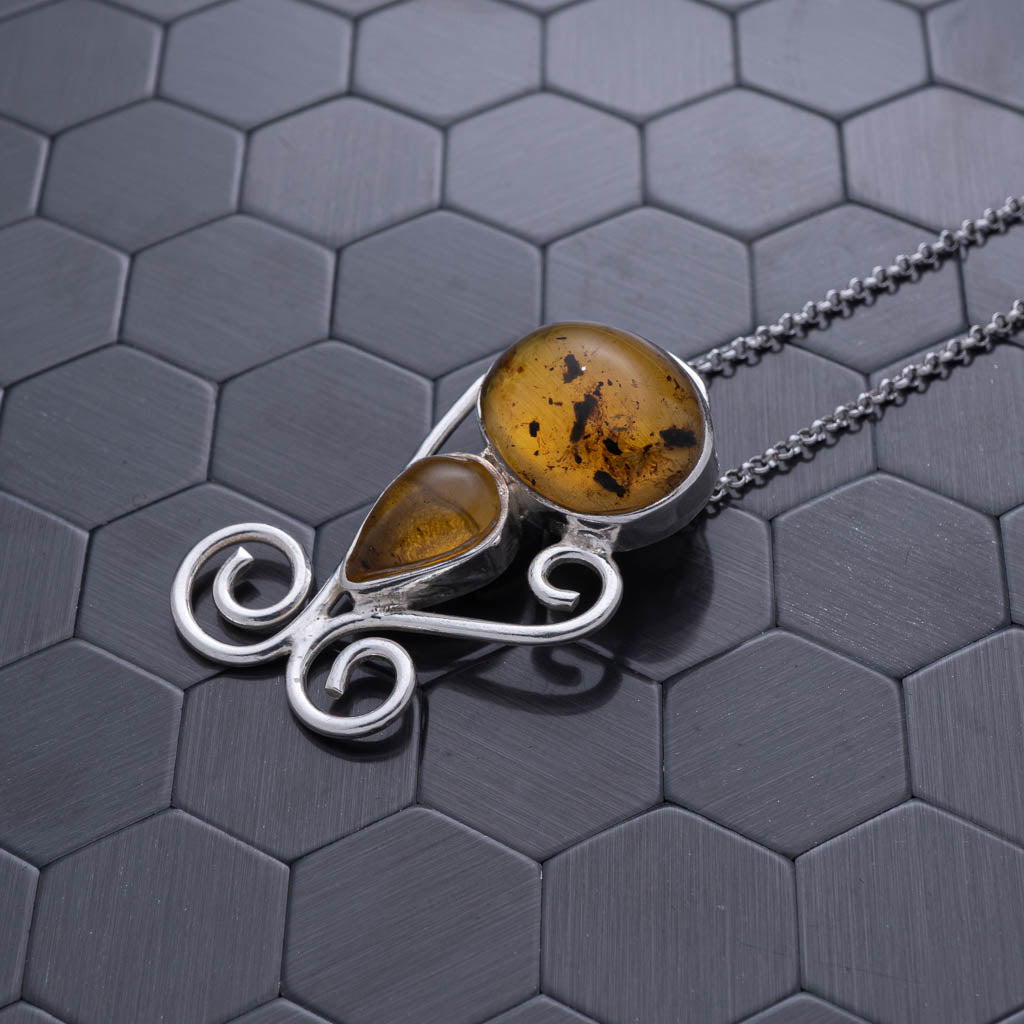
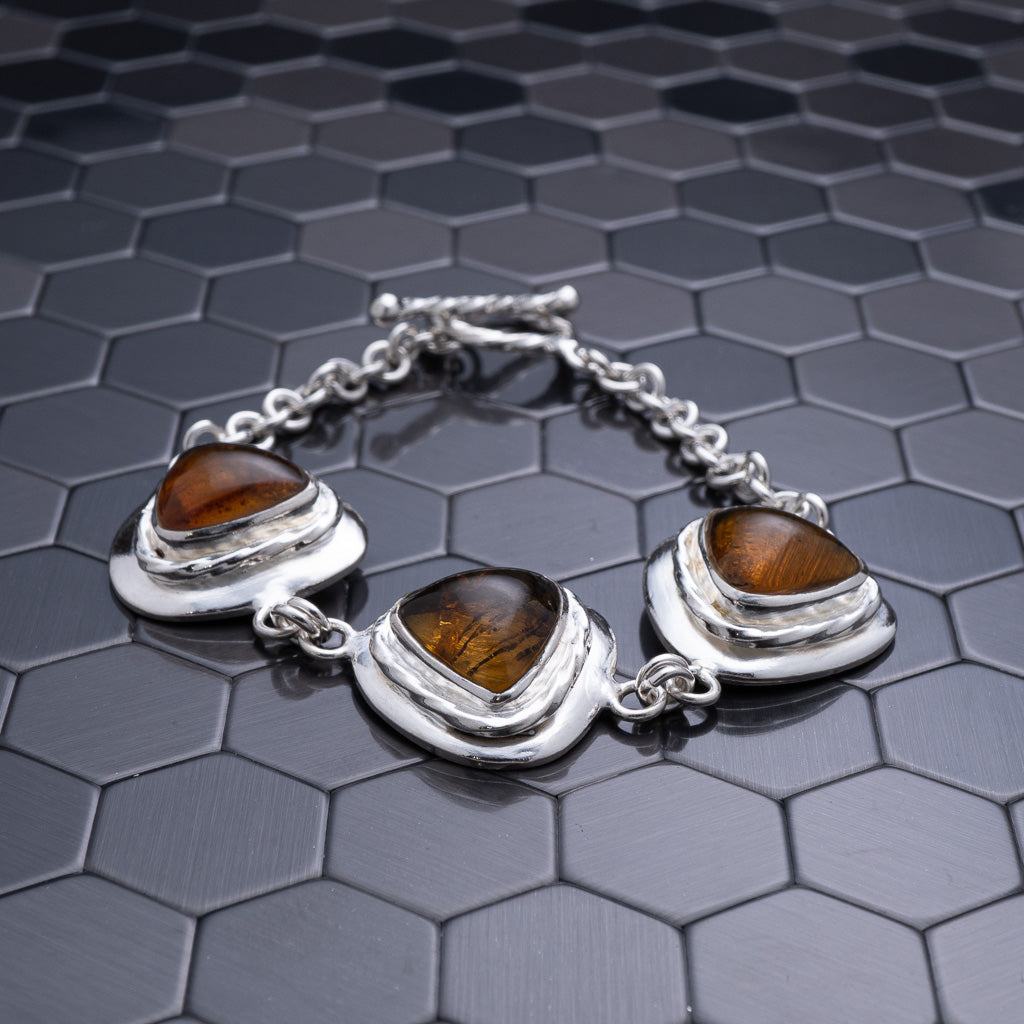
This is where jewelry craftsmanship becomes part of quality. A thoughtfully designed pendant or ring protects the stone while highlighting its color and transparency. Amber should be framed, not overwhelmed. Premium settings respect the gem's softness and natural warmth.

Authenticity is not optional

Any serious dominican amber quality review must address authenticity, because imitation is one of the biggest risks in the amber market. Plastic, pressed amber, copal, and synthetic substitutes are often sold to inexperienced buyers. Some are easy to spot in person, but much harder to identify online.

Natural Dominican amber should be represented clearly and honestly. If a seller avoids discussing origin, treatments, or certification, caution is warranted. Genuine material has natural variation. It should not look mass-produced or unnaturally identical across multiple stones.

Certification and trusted sourcing matter most when buying higher-value pieces, especially blue amber, inclusion specimens, and fine handcrafted jewelry. Larimar Creations, for example, builds trust around authentic Dominican stones and craftsmanship because buyers at this level are not looking for generic amber. They want origin they can believe in and beauty worth keeping.

Treatments and enhancements to watch for

Not all treatments are automatically disqualifying, but they should be disclosed. Heat can alter color or improve apparent clarity. Pressed amber combines smaller amber fragments under heat and pressure, creating a usable material that is not the same as a naturally formed solid piece. Copal, which is younger resin rather than fully fossilized amber, is also frequently misrepresented.

For many buyers, the issue is not simply whether a treatment exists. It is whether the asking price reflects it. A treated stone sold transparently at an appropriate value can still be attractive. A treated or composite material sold as rare natural Dominican amber is another matter entirely.

If a blue amber piece looks too uniformly electric, too cheap for its stated rarity, or too perfect in every way, skepticism is healthy. Rare materials usually show natural individuality.

Size, rarity, and intended use

Larger Dominican amber pieces are less common, but size alone does not guarantee premium quality. A smaller stone with vivid blue effect, strong clarity, and elegant cutting may far outrank a bigger but cloudy specimen. Likewise, a large collector cabochon may be impressive because of unusual internal features rather than transparency.

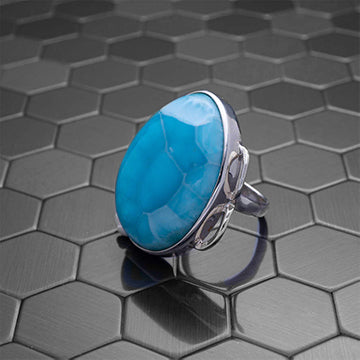
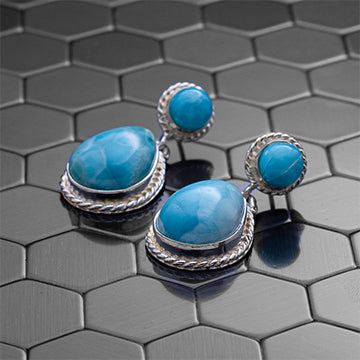
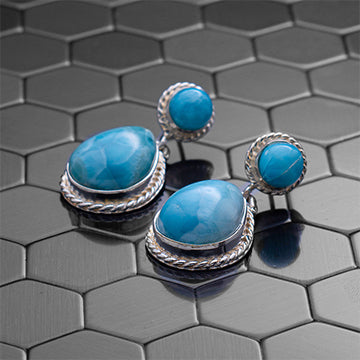
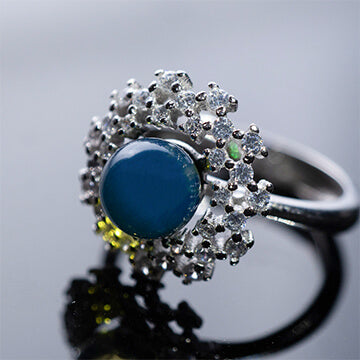
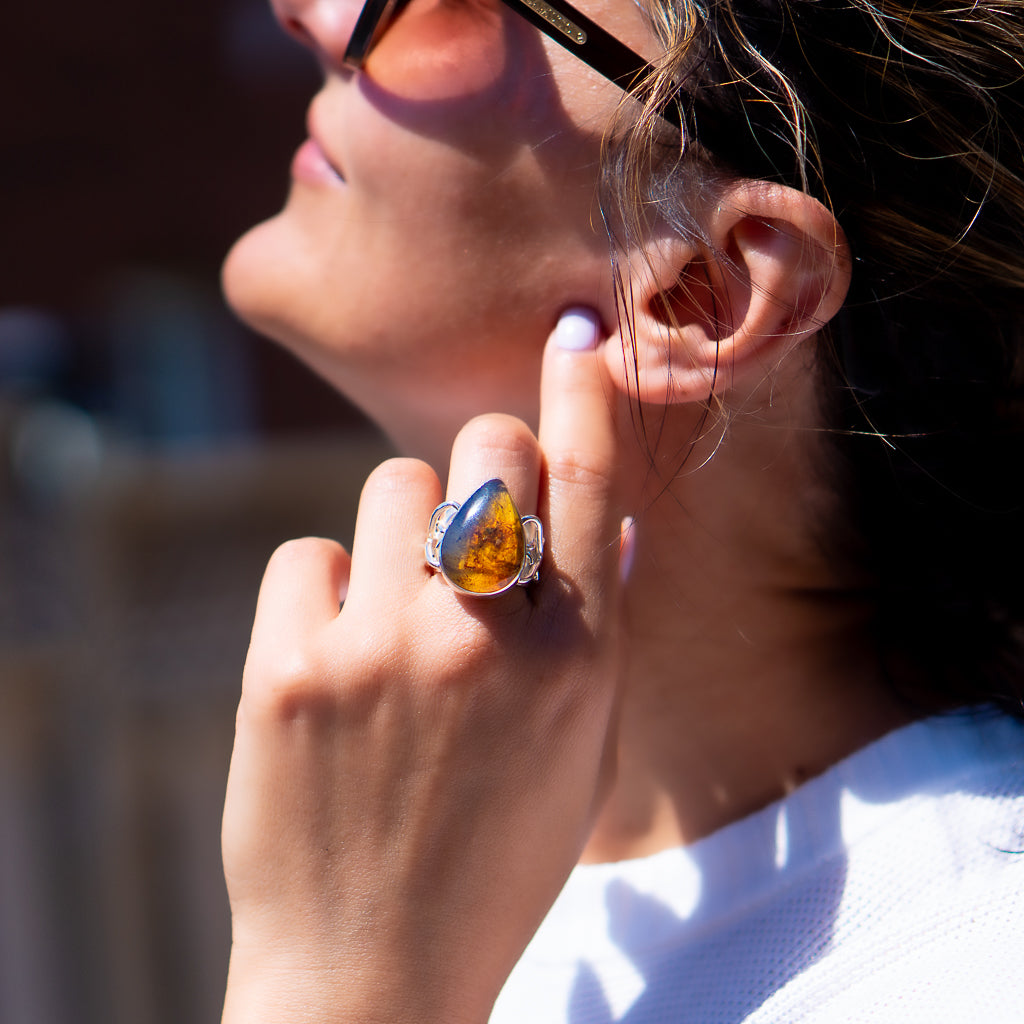
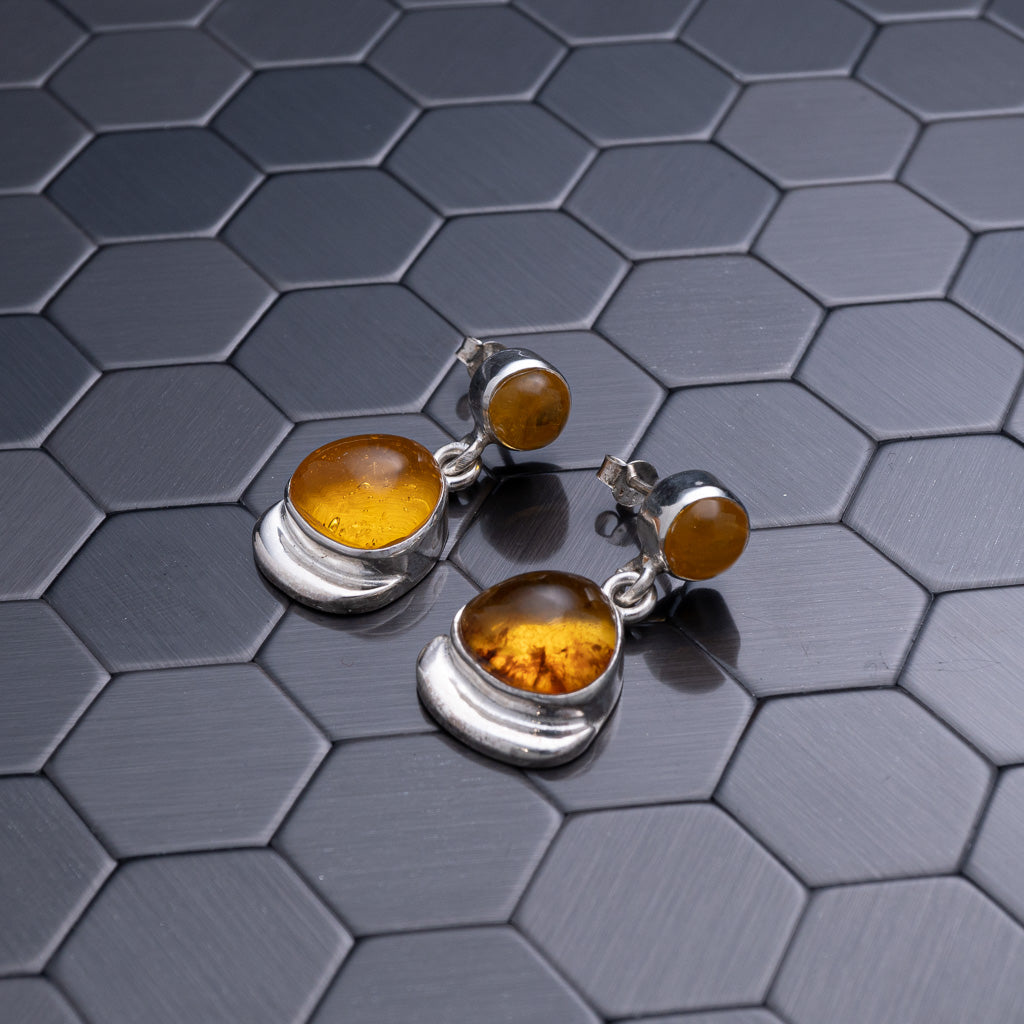
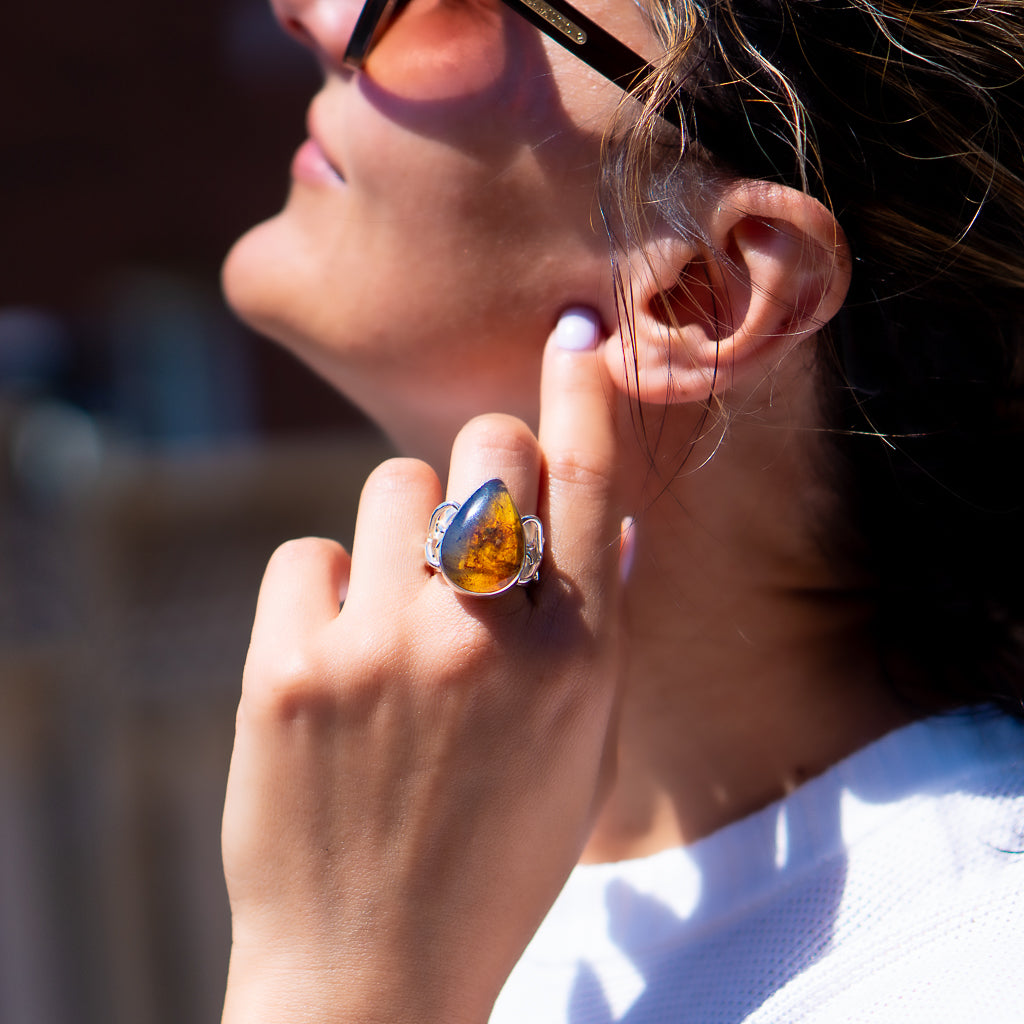
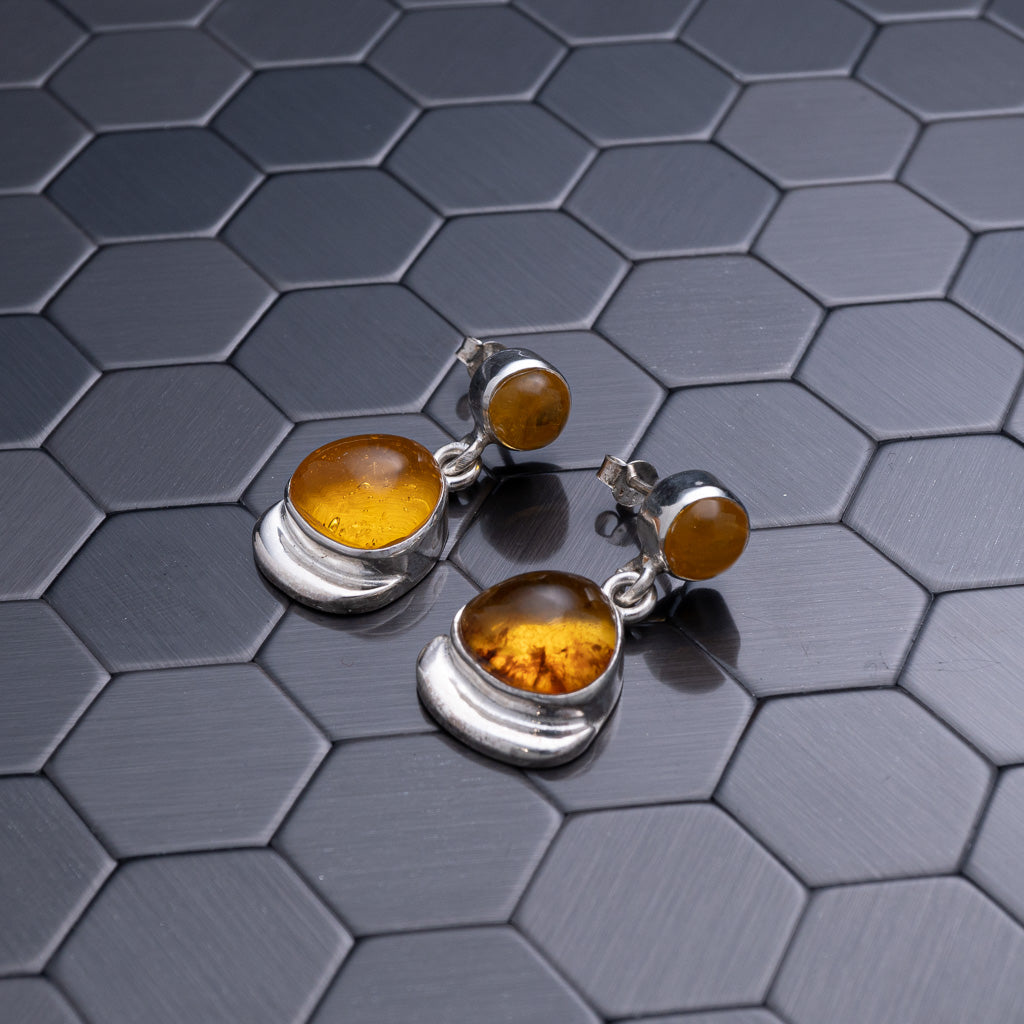
Use matters here. Earrings benefit from lighter, balanced stones. Rings need protective design because amber can scratch more easily than harder gems. Pendants often allow the most dramatic display of color and glow, especially with translucent amber that shines when backlit.

For gift buyers, quality often means choosing a piece that feels personal and wearable rather than simply choosing the largest stone. For collectors, quality may mean chasing a singular visual event - a rare inclusion, an exceptional blue response, or a cut that preserves the natural soul of the material.

What to look for before you buy

When viewing Dominican amber, ask how it performs in different lighting, whether the origin is clearly stated, and whether any treatments have been disclosed. Examine the polish, shape, and overall life of the stone. Good amber has presence. It glows rather than sits flat.

Photos should show enough variation to suggest authenticity, not hide the stone behind heavy editing. Product descriptions should sound informed and specific. Vague language usually accompanies vague quality.

A trustworthy purchase comes from sellers who understand the difference between ordinary amber and exceptional Dominican material, especially when blue amber is involved. That expertise helps buyers choose with confidence instead of guesswork.

The finest Dominican amber carries more than color. It carries origin, natural history, and the unmistakable warmth of a gem shaped by time and human hands. When you choose well, you do not just wear a stone. You wear a piece of the Caribbean that still holds its light.


Let's Stay In Touch