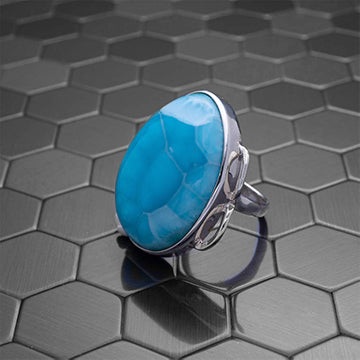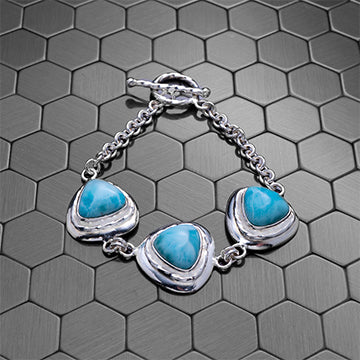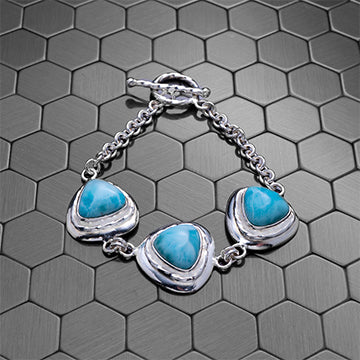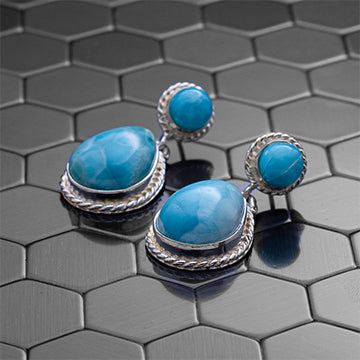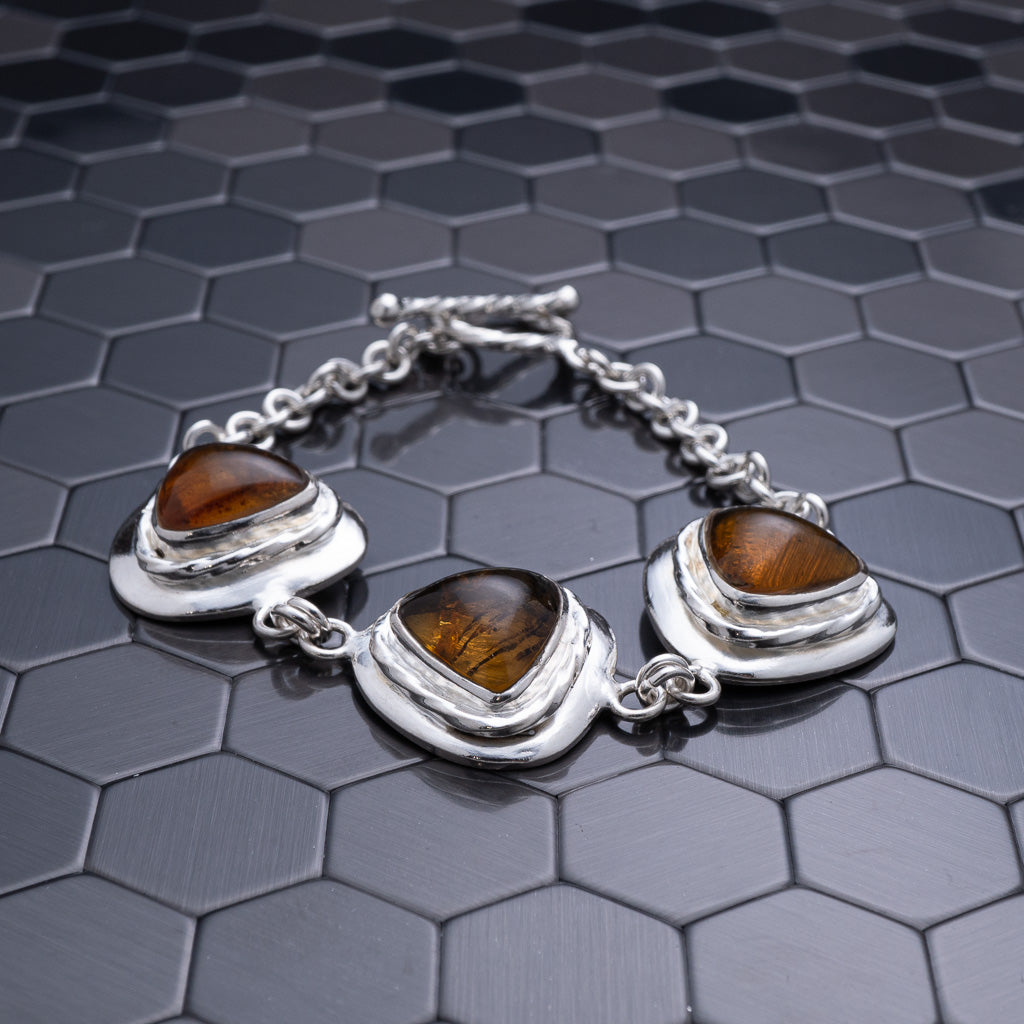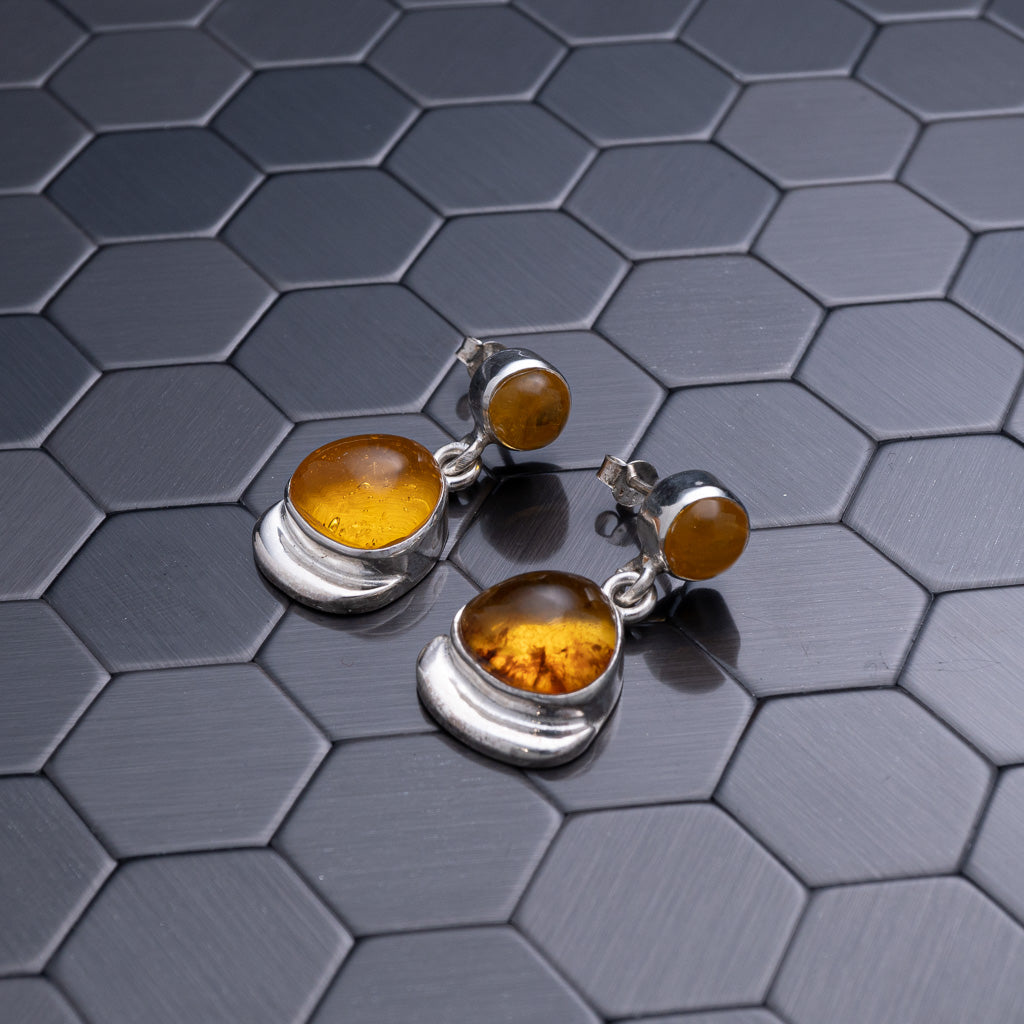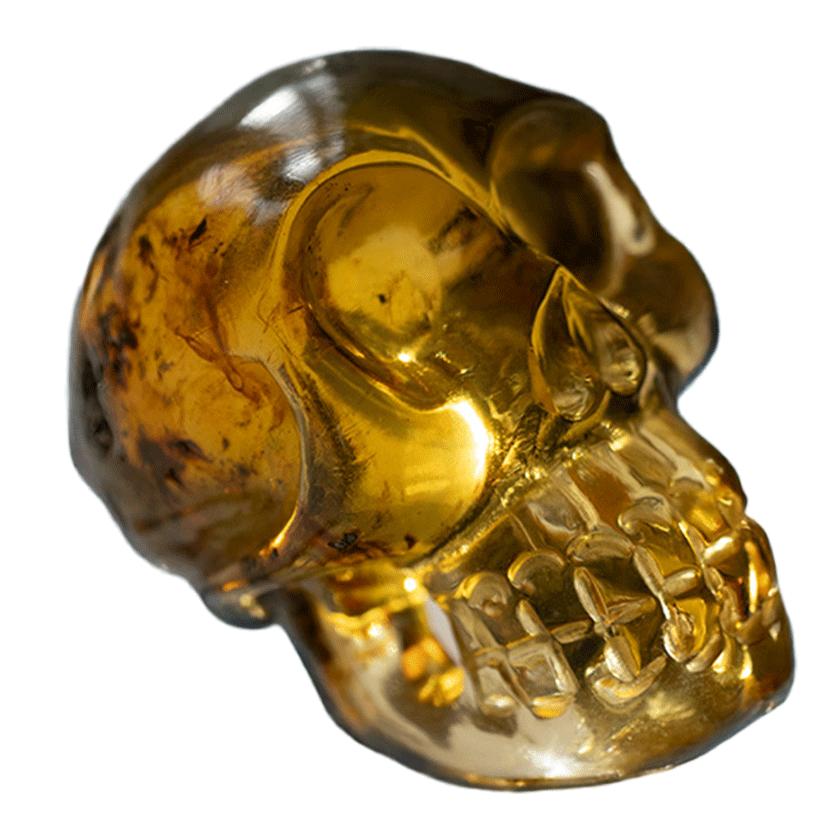


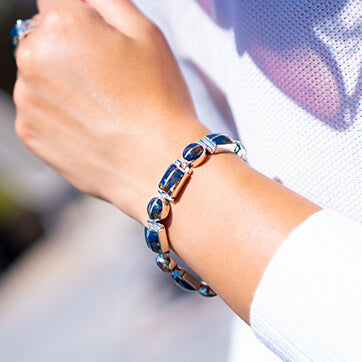
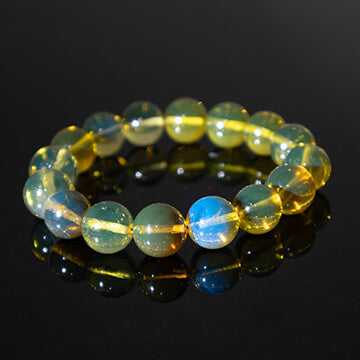
Handcrafted in DR.

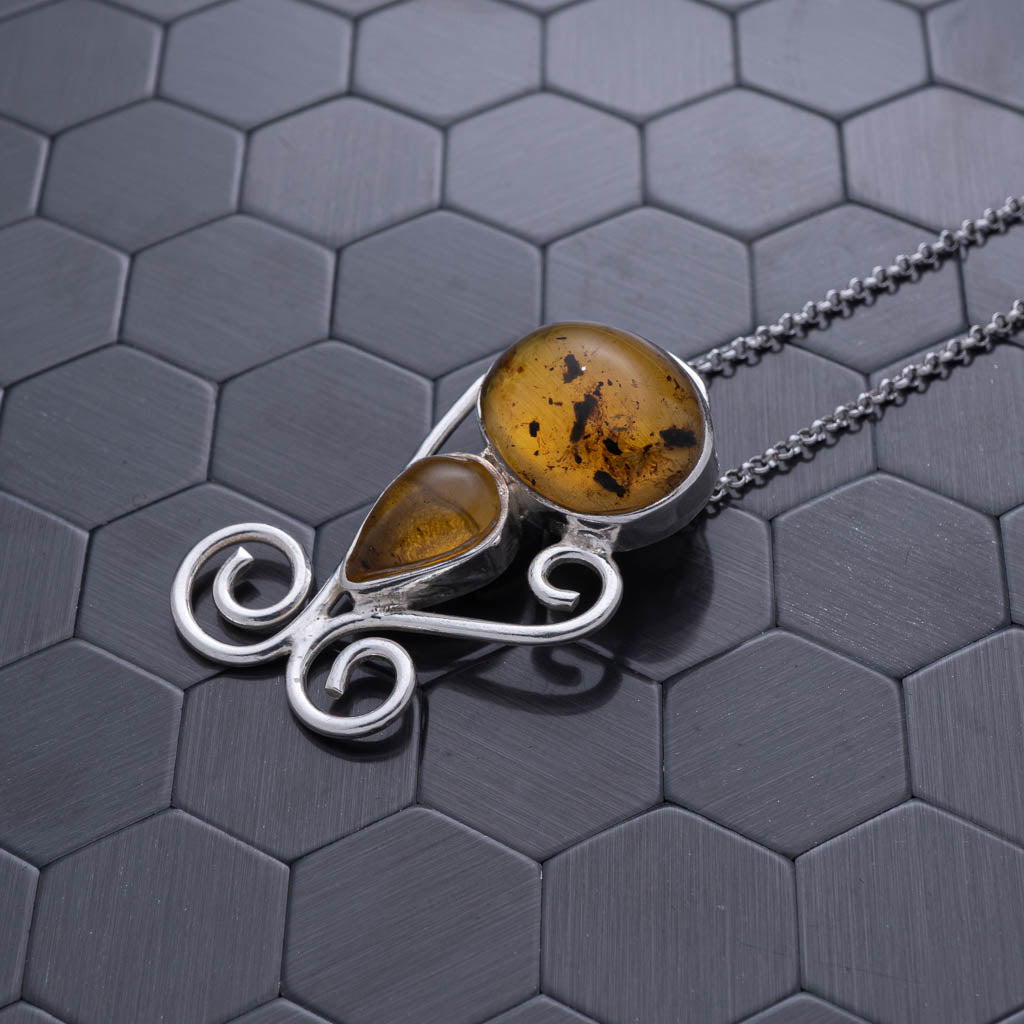
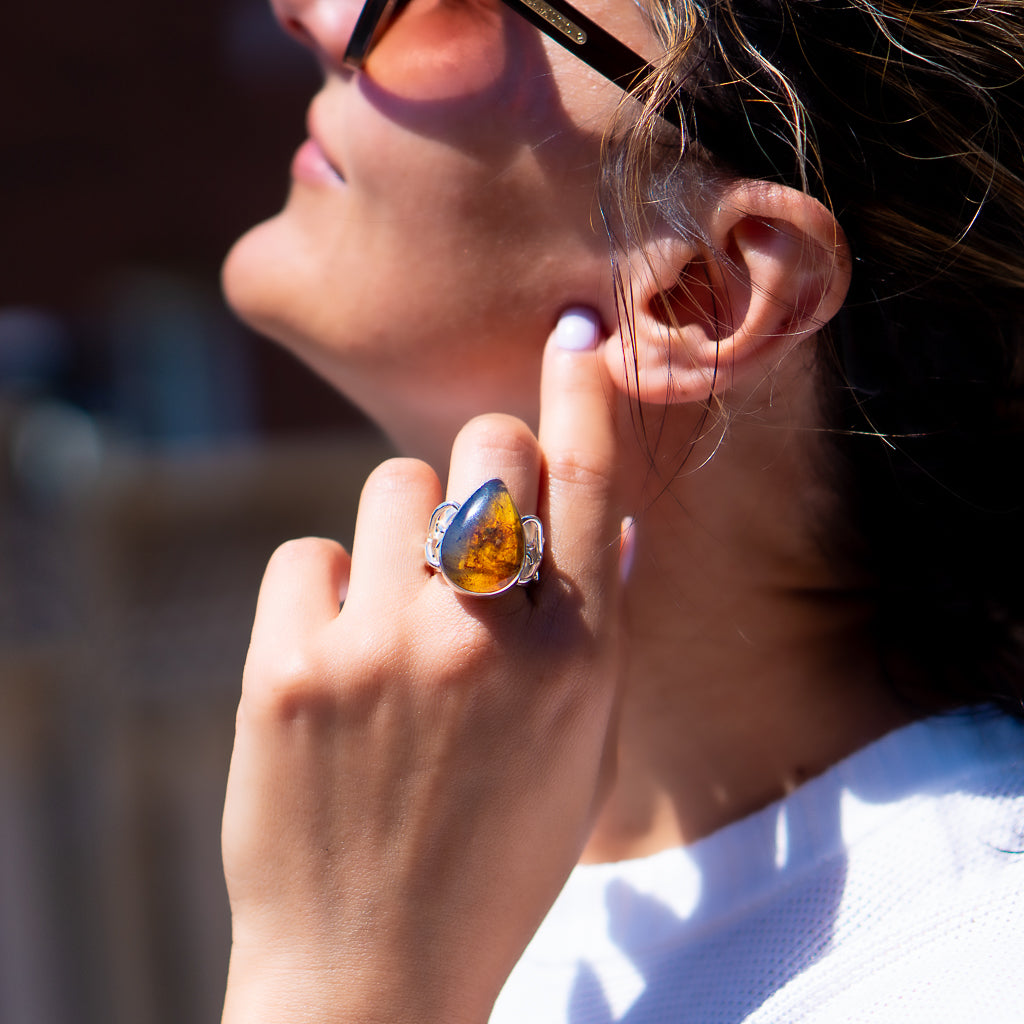
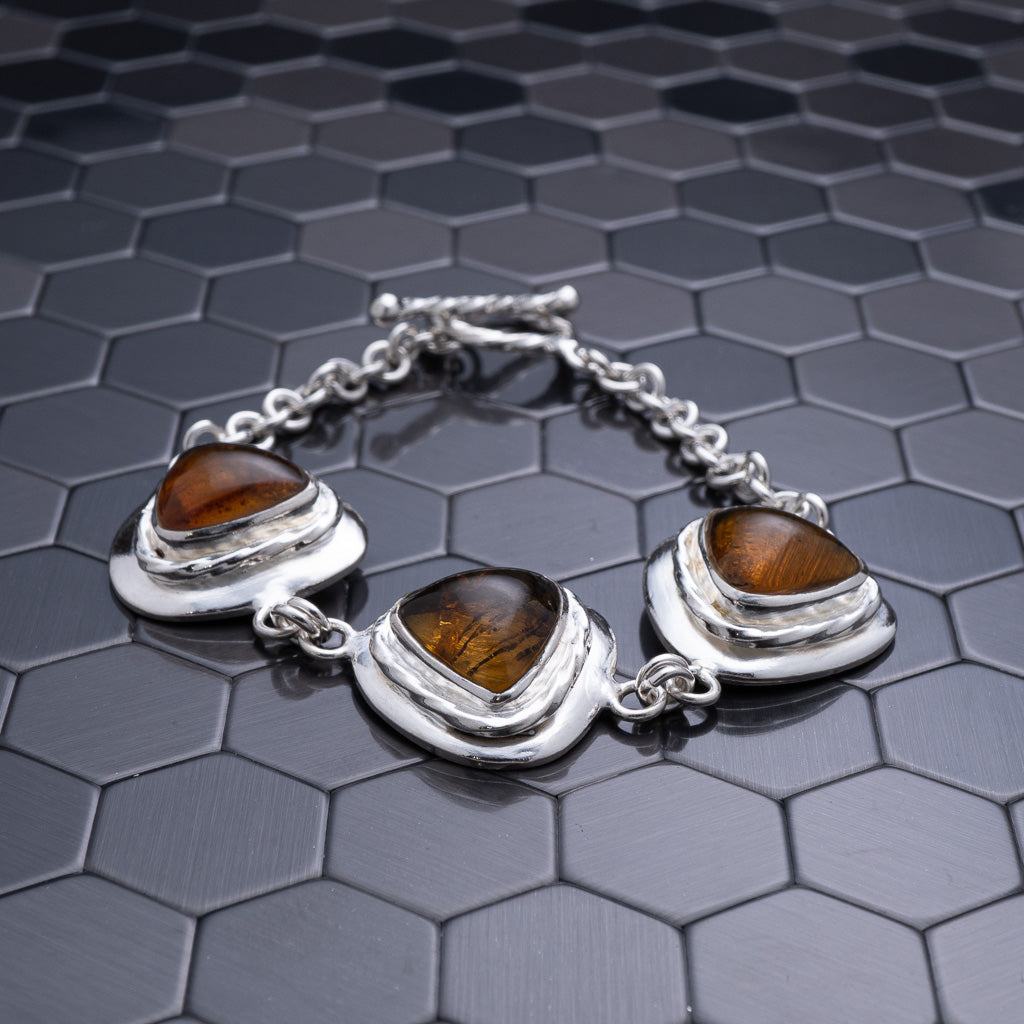
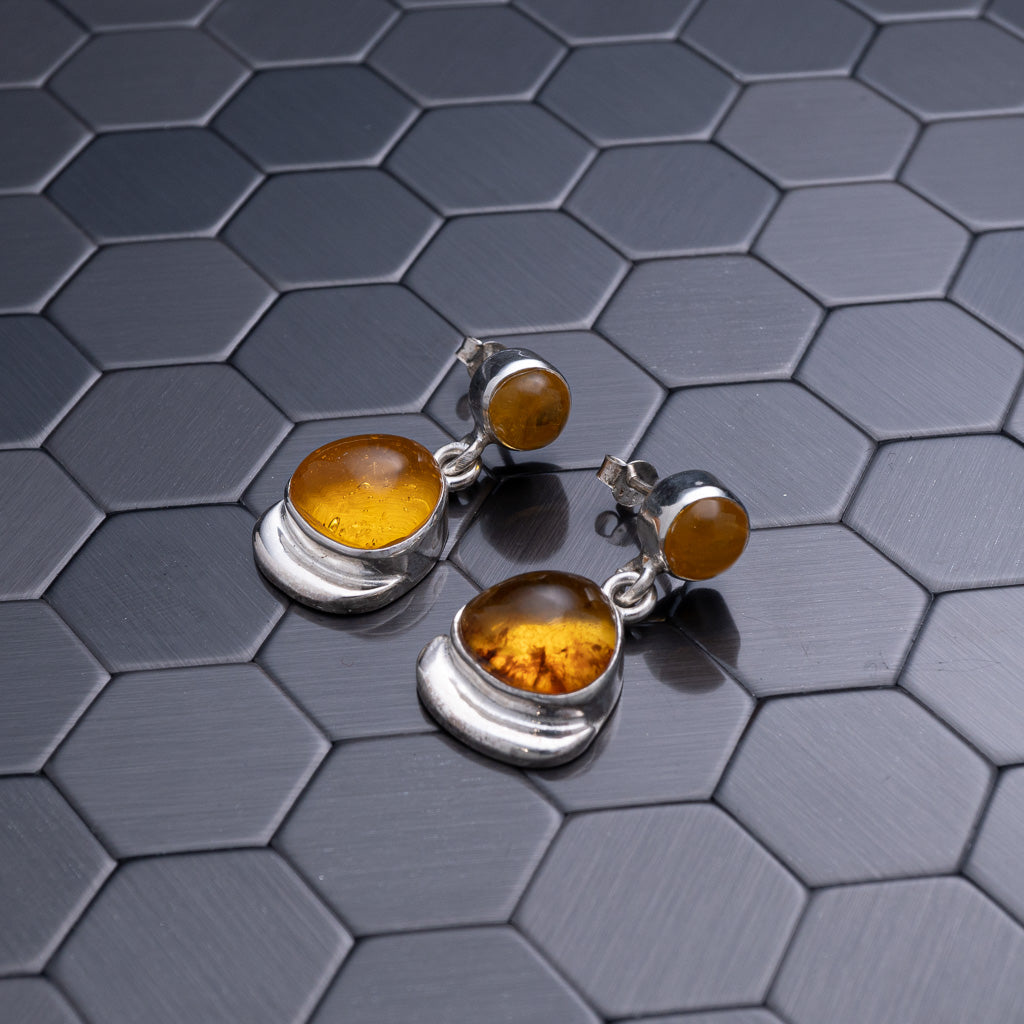


100% Handcrafted in DR.

Blue has captivated humanity for millennia, symbolizing everything from tranquility and wisdom to royalty and protection. In jewelry, this mesmerizing color takes on countless forms, from the pale whisper of aquamarine to the deep intensity of sapphire. As we move through 2026, blue jewelry continues to dominate fashion runways, jewelry showcases, and personal collections worldwide. The current fascination with colored gemstones has positioned blue stones at the forefront of fine jewelry trends, offering wearers an opportunity to express their unique style while embracing a color with profound cultural and aesthetic significance.
Blue stones have maintained their position as some of the most coveted gemstones throughout history. Their rarity in nature makes them particularly valuable, while their varied shades offer something for every preference and occasion.
Popular blue gemstones include:
The rising trend of colored gemstones in fine jewelry reflects a broader shift in consumer preferences toward unique, personalized pieces. Blue stones perfectly satisfy this demand while maintaining classic appeal.
Different cultures have attributed various meanings to blue stones throughout history. Ancient Egyptians associated blue with the heavens and divinity, while Persians believed the sky was blue because it reflected a giant sapphire supporting the earth. In modern contexts, blue jewelry represents calmness, communication, and spiritual awareness.
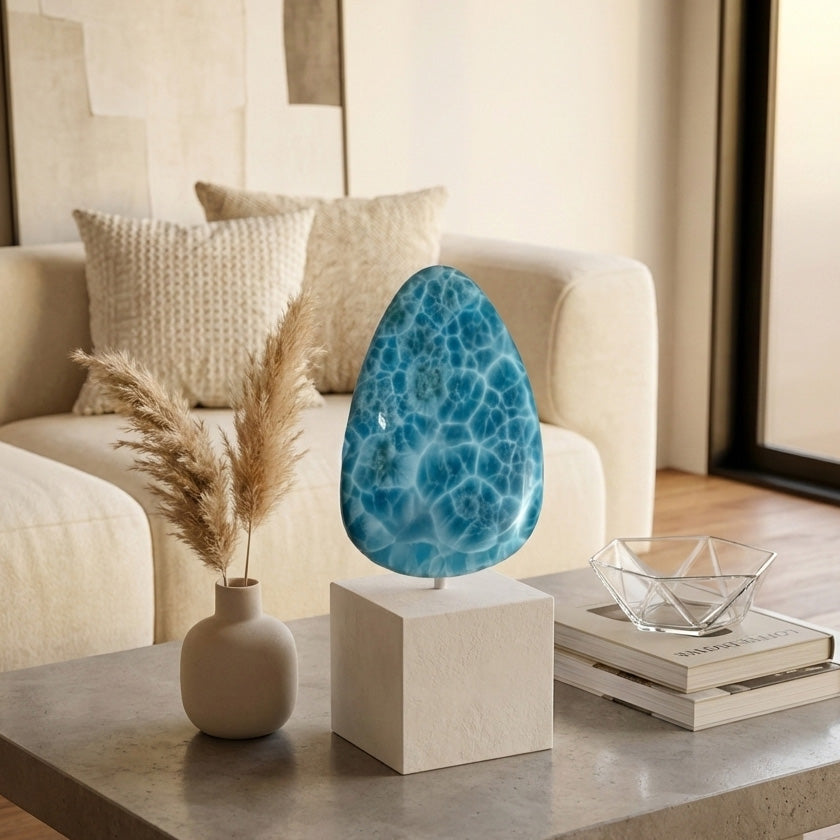
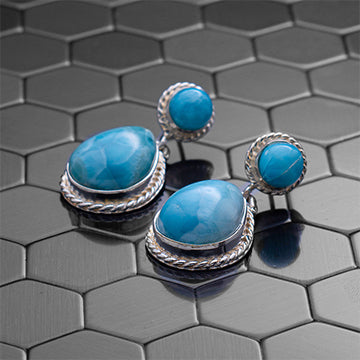
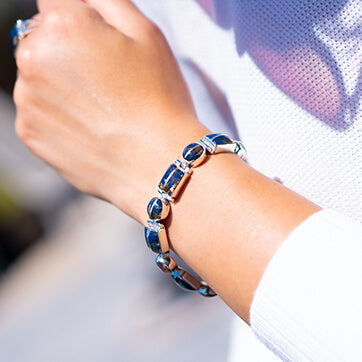
Caribbean cultures particularly revere blue stones found in their region. The discovery of larimar in the Dominican Republic created a gem that embodies the essence of tropical seas and skies, making it a powerful symbol of island heritage and natural beauty.
Understanding the distinctions between various blue gemstones helps collectors and buyers make informed decisions that align with their aesthetic preferences and practical needs.
| Gemstone | Hardness (Mohs) | Color Range | Typical Price Point | Best For |
|---|---|---|---|---|
| Sapphire | 9 | Deep to pale blue | High | Engagement rings, investment pieces |
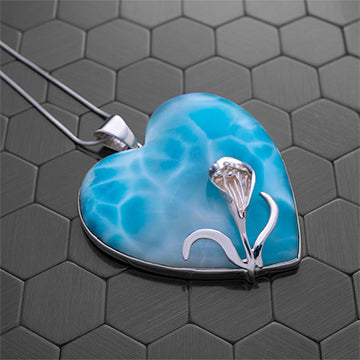
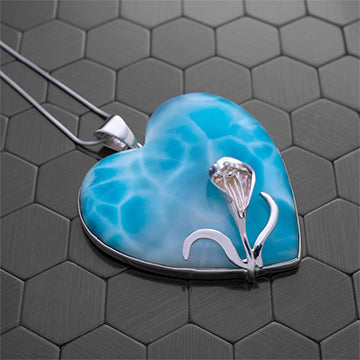
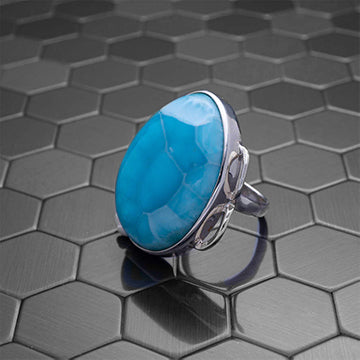
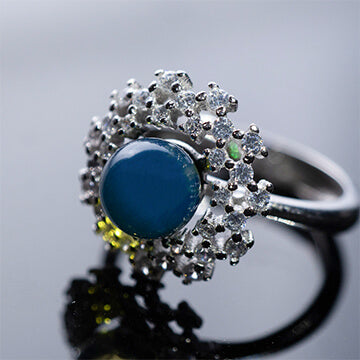
| Larimar | 4.5-5 | Sky to deep turquoise-blue | Moderate | Pendants, statement pieces |
| Aquamarine | 7.5-8 | Pale to medium blue | Moderate to high | Everyday wear, delicate designs |
| Blue Topaz | 8 | Light to deep blue | Low to moderate | Affordable luxury, large stones |
| Tanzanite | 6-7 | Violet-blue to blue | High | Special occasions, collectors |
Beyond mainstream options, rare blue gemstones offer collectors opportunities to own truly distinctive pieces. Larimar stands among the most exclusive, found only in one mountain range in the Dominican Republic. This singular origin point makes authentic larimar particularly valuable to discerning collectors.
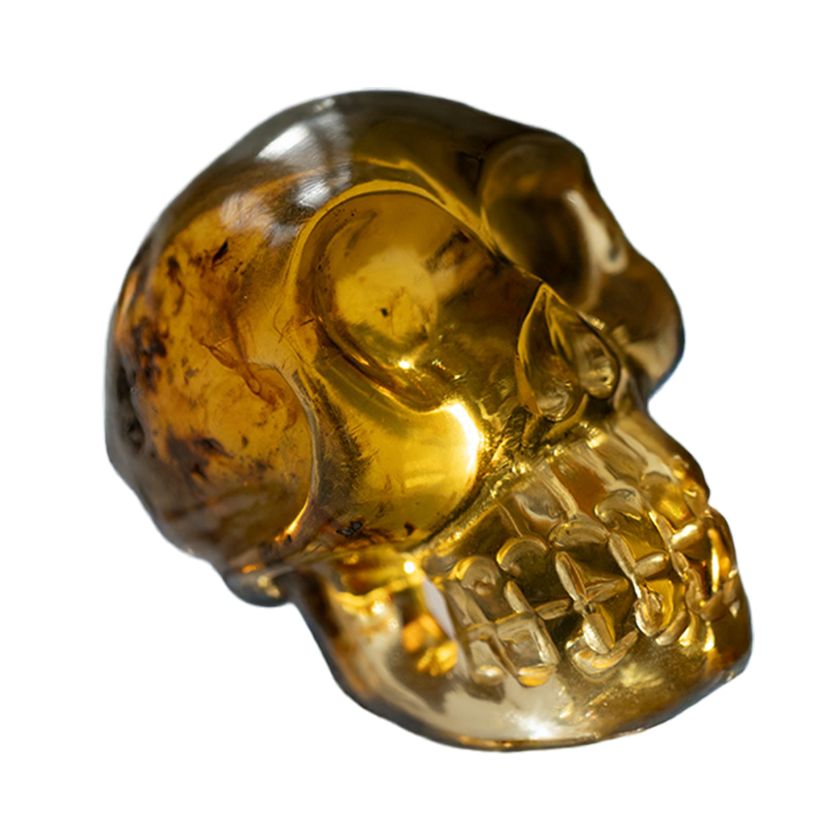
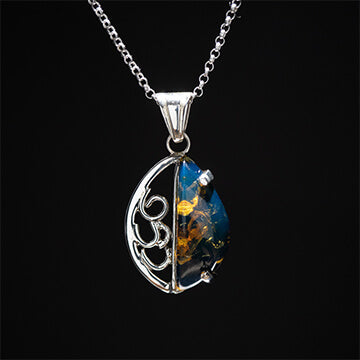
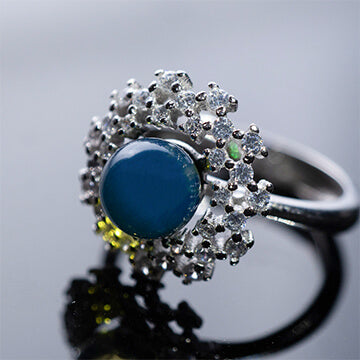
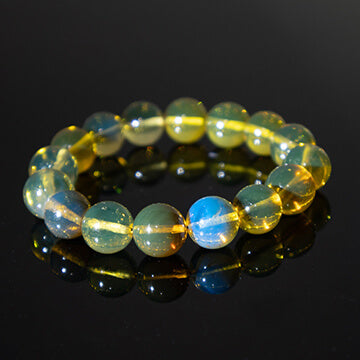
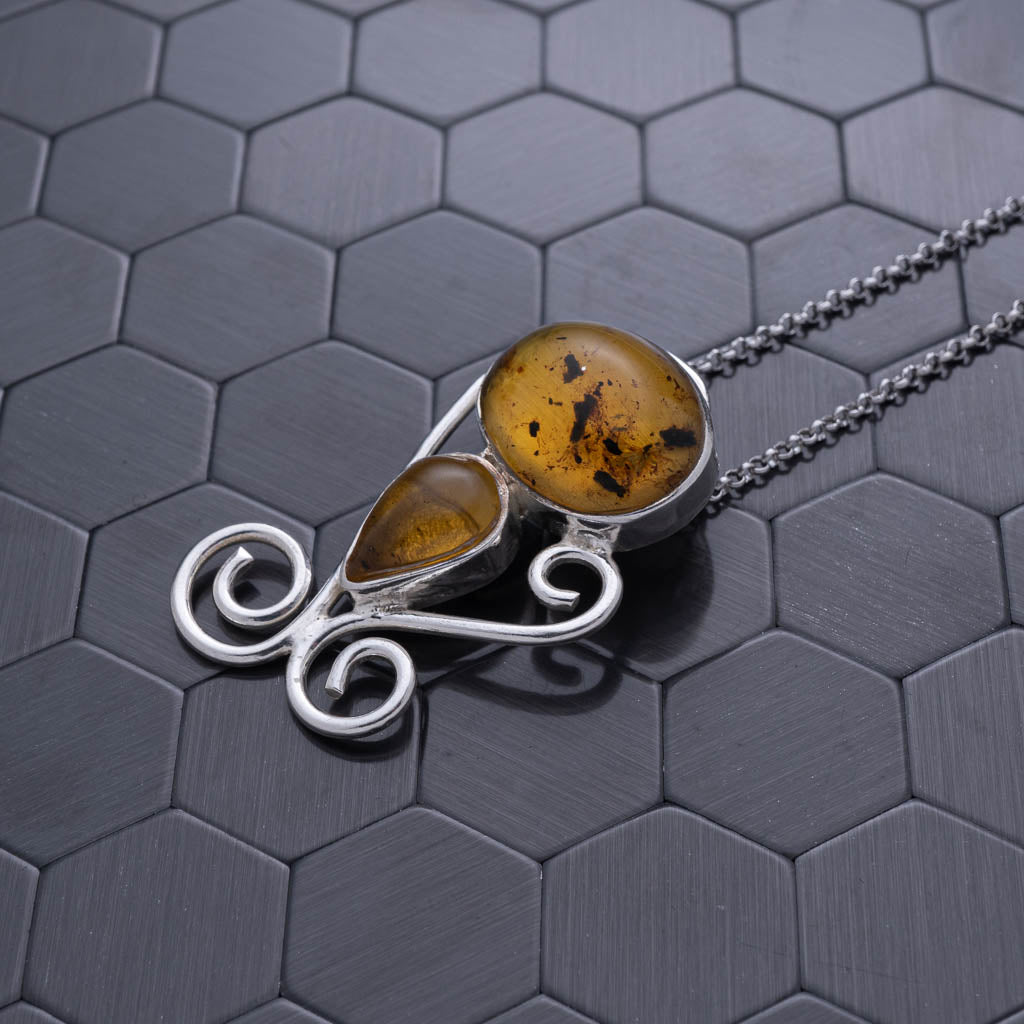
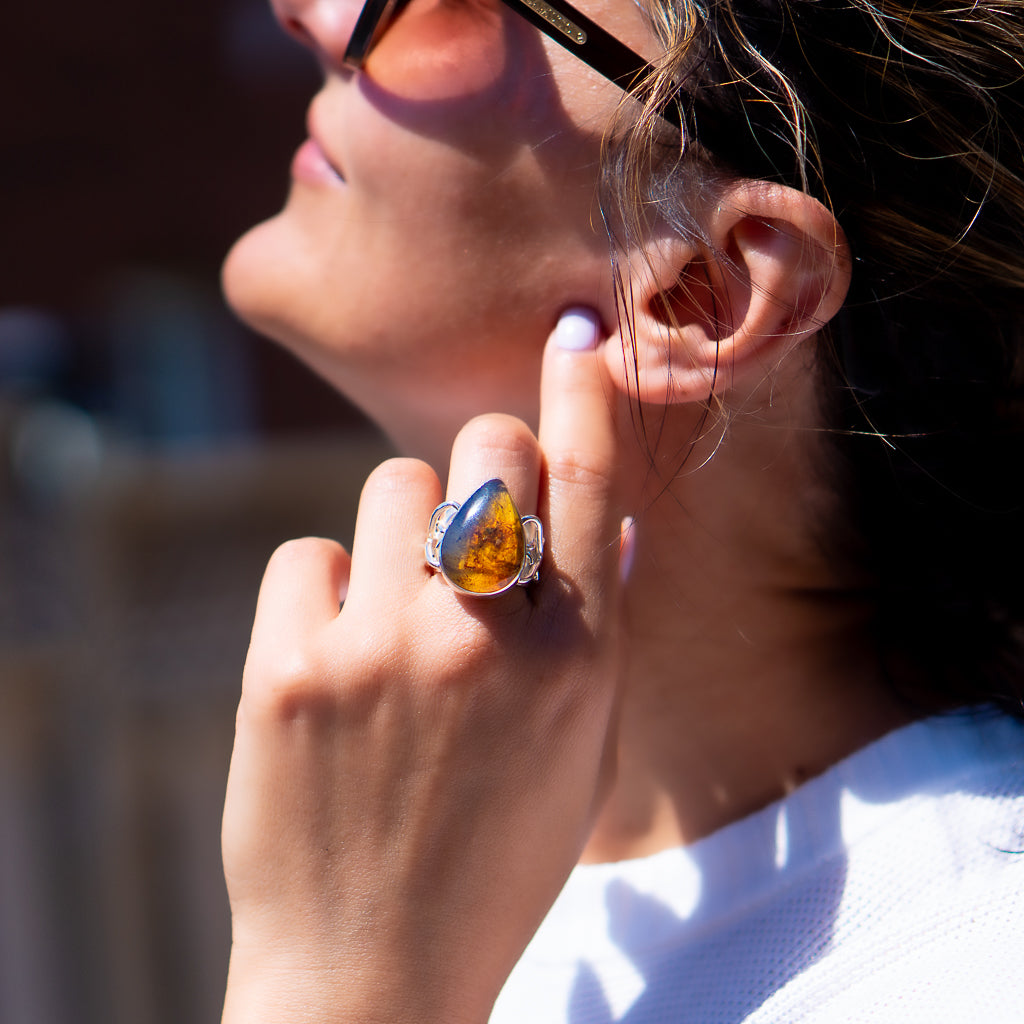
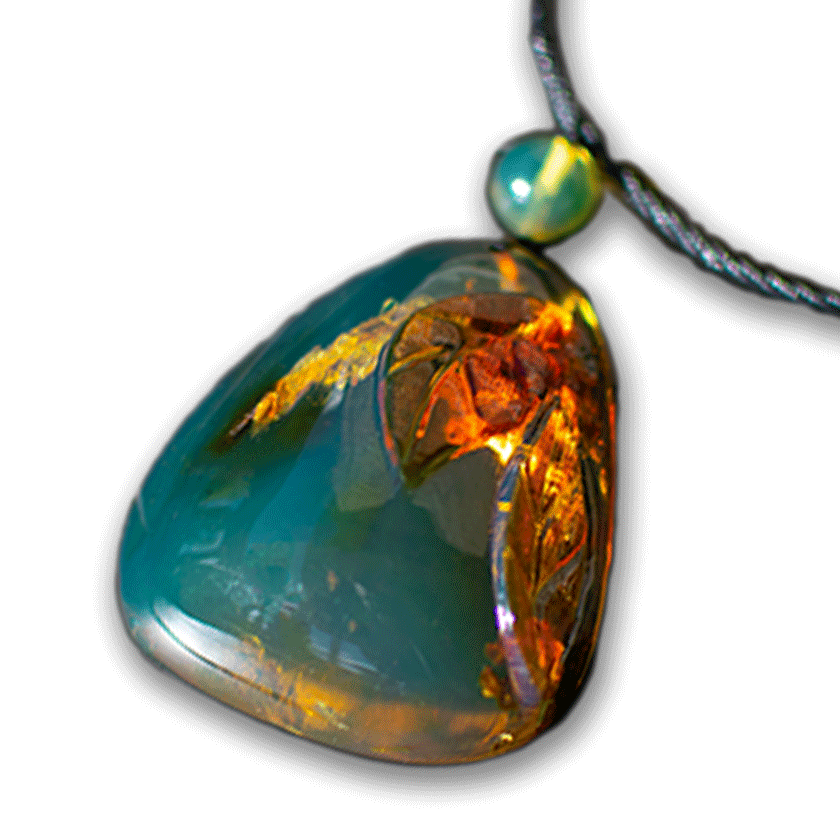
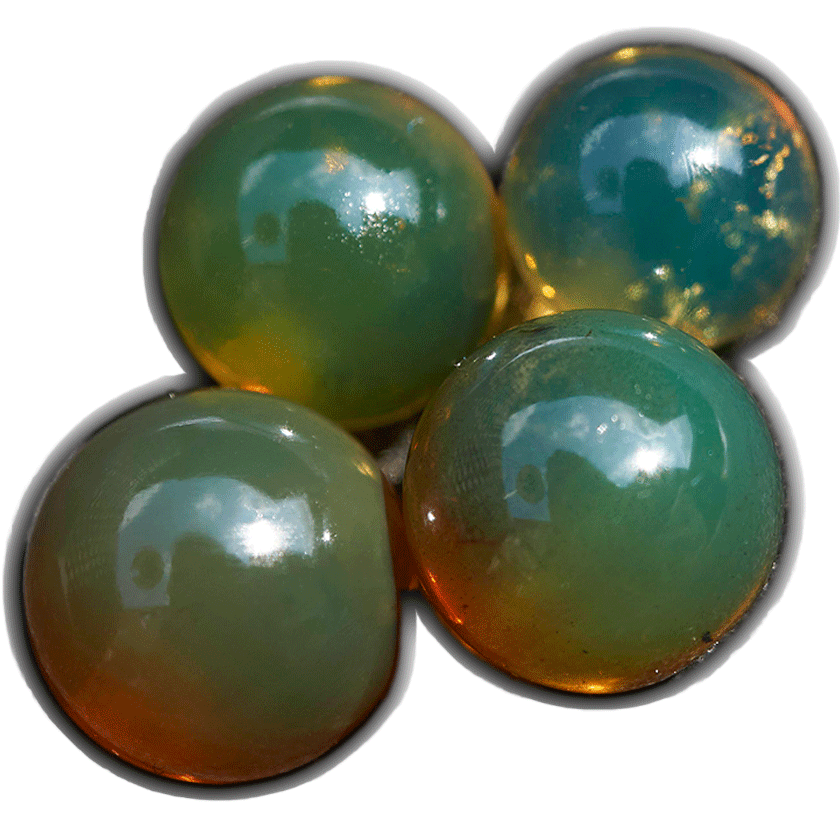
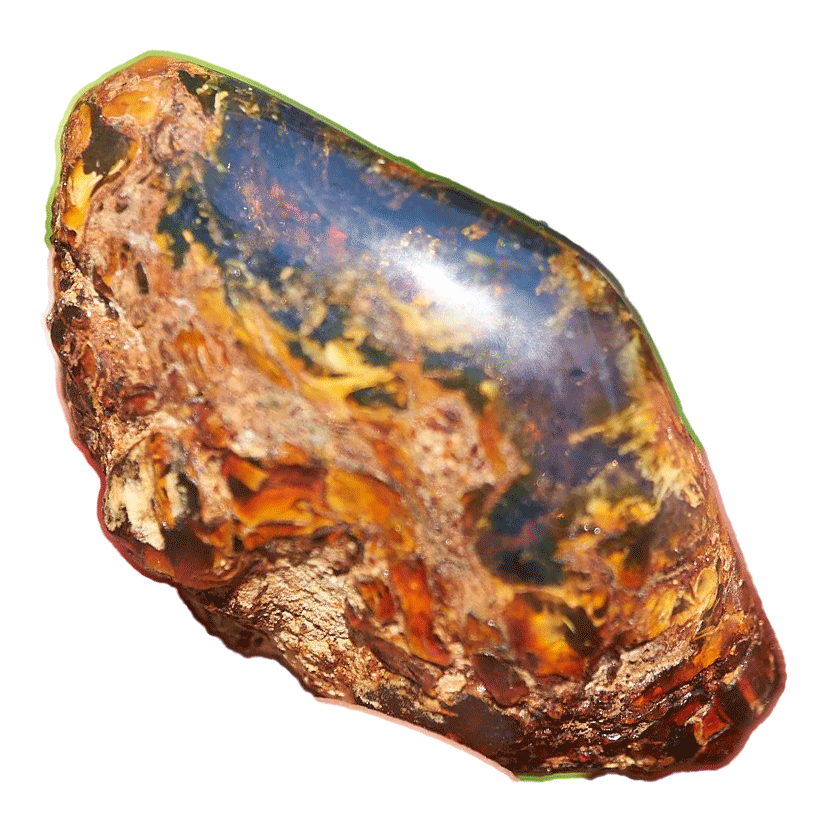
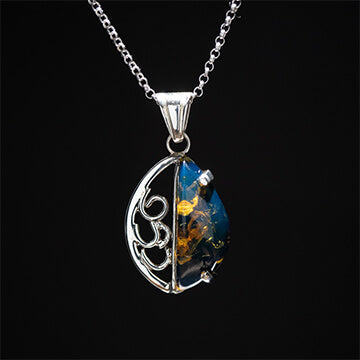
Dominican Blue Amber represents another extraordinary rarity. This fossilized resin displays a remarkable blue fluorescence under UV light, creating an almost magical appearance. The unique properties of blue amber distinguish it from traditional amber varieties and position it as a scientific curiosity alongside its aesthetic appeal.
Blue diamonds, though exceptionally rare and expensive, represent the pinnacle of blue gemstone collecting. Their scarcity drives astronomical prices, making them investment-grade pieces rather than casual purchases.
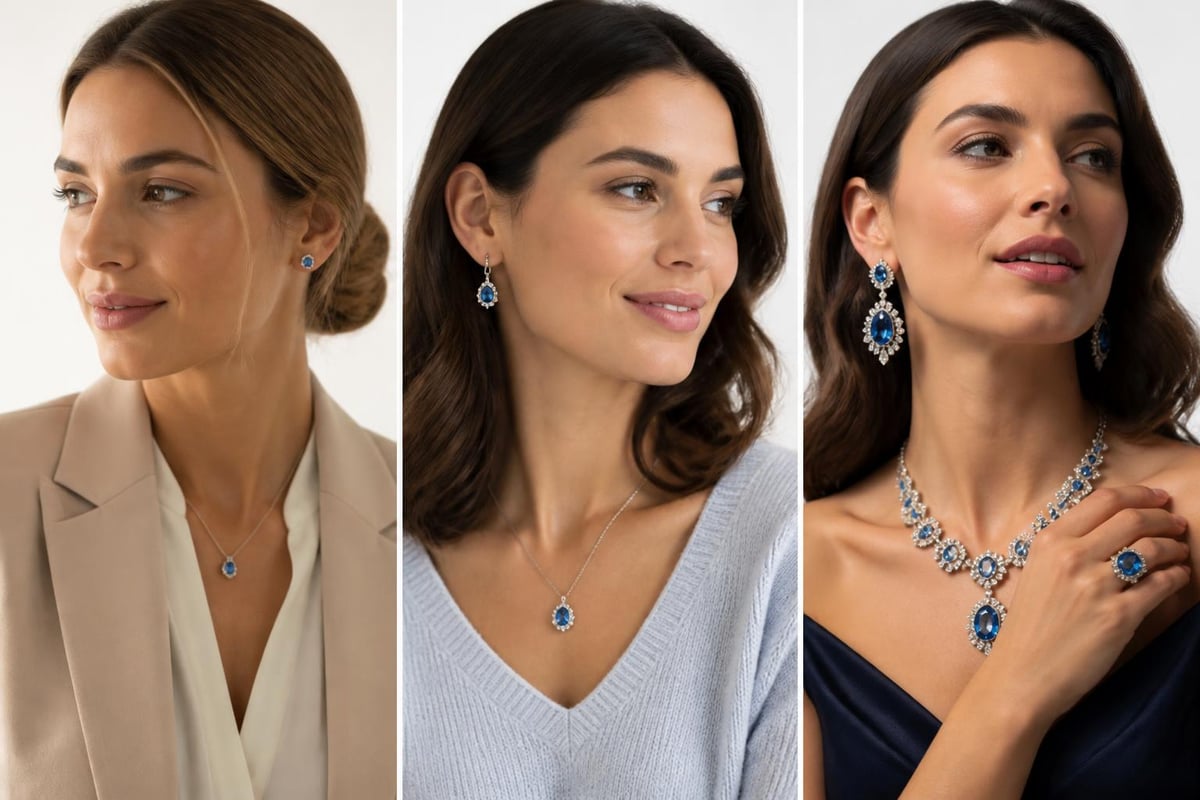
Blue jewelry's versatility allows it to transition seamlessly from casual daytime wear to elegant evening events. The key lies in understanding how different shades and settings create distinct impressions.
For office environments and daytime activities, subtle blue pieces create sophistication without overwhelming professional attire. Pale aquamarine studs or a delicate larimar pendant adds personality while maintaining appropriate workplace boundaries.
Professional styling guidelines:
Medium-blue stones work particularly well with business casual attire, complementing denim while remaining polished enough for client meetings.
Formal occasions provide opportunities to showcase dramatic blue jewelry pieces. Deep sapphire chandelier earrings or a substantial blue topaz cocktail ring commands attention at galas and weddings.
The current fascination with blue extends beyond jewelry into broader fashion and design trends. The "icy blue" aesthetic dominating summer 2026 nail trends demonstrates how blue influences multiple style categories simultaneously, creating a cohesive look when coordinated thoughtfully.
While blue jewelry works year-round, certain shades align particularly well with specific seasons. Summer calls for bright turquoise and Caribbean blues that echo vacation destinations and ocean waters. Winter suits deeper navy sapphires and rich tanzanite that complement heavier fabrics and holiday celebrations.
Spring welcomes pale aquamarine and soft periwinkle tones that mirror blooming flowers and clearing skies. Autumn pairs beautifully with teal and peacock blue hues that echo changing leaves and harvest colors.
Contemporary jewelry designers are reimagining traditional blue stone settings with innovative approaches that appeal to modern sensibilities. These trends reflect broader shifts in consumer values and aesthetic preferences.
Consumers increasingly demand transparency about gemstone origins and mining practices. Responsible jewelry brands now provide detailed provenance information, ensuring stones are ethically sourced and processed. This trend particularly benefits gemstones like larimar and Dominican Blue Amber, which come from specific, traceable sources.
Key sustainability factors:
The movement toward simplicity in design allows blue gemstones themselves to become the focal point. Bezel settings, delicate prong work, and streamlined bands create contemporary pieces that highlight natural stone beauty rather than overwhelming it with elaborate metalwork.
This approach aligns with broader design philosophy emerging across multiple industries. Interior designers like Shea McGee predict blue hues will dominate 2026 aesthetics, emphasizing clean lines and intentional color placement rather than busy patterns.
Modern jewelers increasingly combine gold tones within single pieces, creating dimensional contrast that enhances blue stones. A larimar pendant might feature white gold prongs with yellow gold accent details, while a sapphire ring could incorporate rose gold alongside platinum.
This technique adds visual interest while allowing wearers to coordinate pieces with multiple jewelry collections. The mixed metal trend democratizes jewelry wearing by eliminating strict matching requirements.
Proper maintenance ensures blue jewelry retains its beauty and value across generations. Different gemstones require varying care approaches based on their physical properties.
| Hardness Range | Cleaning Method | Frequency | Avoid |
|---|---|---|---|
| 7+ (Sapphire, Aquamarine) | Ultrasonic or steam cleaning acceptable | Monthly | Extreme temperature changes |
| 4.5-7 (Larimar, Tanzanite) | Gentle soap and water only | As needed | Harsh chemicals, ultrasonic cleaners |
| Below 4.5 (Turquoise) | Soft dry cloth | Weekly dusting | Water exposure, chemicals |
Hard stones like sapphire tolerate vigorous cleaning methods, while softer materials like larimar demand gentler approaches. Understanding these differences prevents damage that diminishes appearance and value.
Proper storage prevents scratching and damage when pieces aren't being worn. Individual soft pouches or compartmentalized jewelry boxes keep pieces separated, preventing harder stones from scratching softer ones.
Storage guidelines:
Blue stones containing water molecules, like opals, require particular attention to humidity levels. Extreme dryness can cause crazing or cracking in these delicate gems.
Annual professional inspections catch potential problems before they result in stone loss or significant damage. Jewelers check prong integrity, look for loose settings, and can professionally clean pieces to restore their original brilliance.
Replating services refresh white gold pieces that have yellowed over time, while repolishing removes minor scratches from metal surfaces. These maintenance services extend jewelry lifespan significantly.
Some blue jewelry serves dual purposes as both beautiful adornments and financial investments. Understanding which pieces hold or appreciate in value helps collectors make strategic purchasing decisions.
High-quality sapphires from Kashmir, Burma, or Ceylon represent some of the most stable gemstone investments. Their established market, consistent demand, and increasing rarity as mines deplete create favorable conditions for value appreciation.
Investment quality indicators:
Rare blue stones like natural Paraiba tourmaline and Kashmir sapphire command premium prices that often appreciate faster than inflation. However, these investment-grade pieces require significant initial capital and expert authentication.
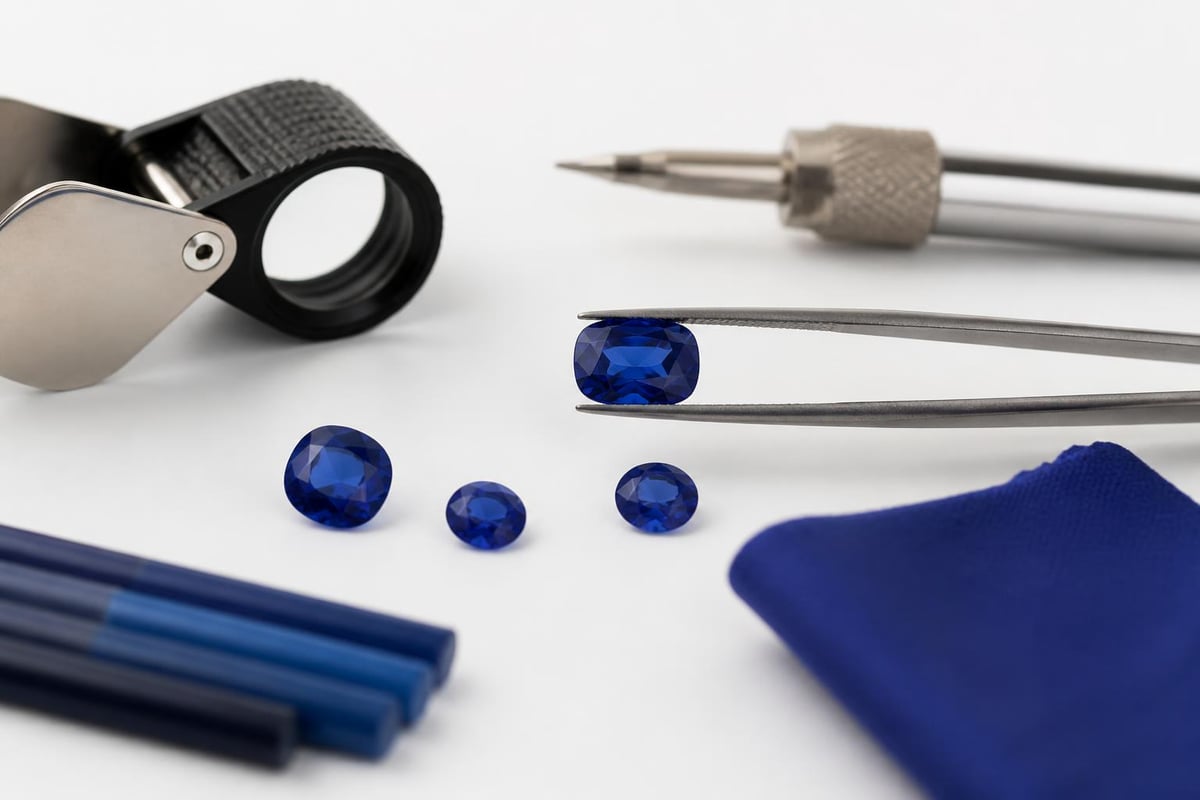
The colored gemstone market operates differently than the more standardized diamond market. Blue stone values fluctuate based on fashion trends, new discoveries, and changing consumer preferences. Staying informed about market conditions helps collectors time purchases and sales advantageously.
Limited-source gemstones like larimar present interesting investment propositions. As raw blue stone becomes increasingly difficult to extract from the single known deposit, scarcity may drive future value appreciation.
Custom jewelry creation allows individuals to design pieces perfectly aligned with their aesthetic vision and practical requirements. This personalization trend continues gaining momentum as consumers seek unique expressions of personal style.
Artisan jewelers bring technical expertise and creative vision to custom projects. The collaboration process typically begins with inspiration images, stone selection, and design sketches before progressing to wax models and final fabrication.
Custom work particularly suits blue stones with unique characteristics. A larimar cabochon with distinctive patterning might inspire an entire design concept, while an unusually shaped aquamarine crystal could dictate setting approaches.
Transforming inherited jewelry into contemporary pieces preserves sentimental value while creating wearable items suited to modern tastes. Grandmothers' sapphire cluster rings might become sleek pendants, while dated aquamarine brooches transform into elegant earrings.
This approach combines sustainability with personalization, giving new life to pieces that might otherwise remain unworn in jewelry boxes. The emotional connection to original stones adds meaning that new purchases cannot replicate.
Different cultures incorporate blue jewelry into traditional practices and ceremonial contexts, reflecting the color's universal appeal and diverse symbolic meanings.
Evil eye talismans featuring blue stones protect wearers from negative energy across Turkish, Greek, and Middle Eastern cultures. These protective pieces blend superstition with aesthetic appeal, creating jewelry that serves both decorative and spiritual functions.
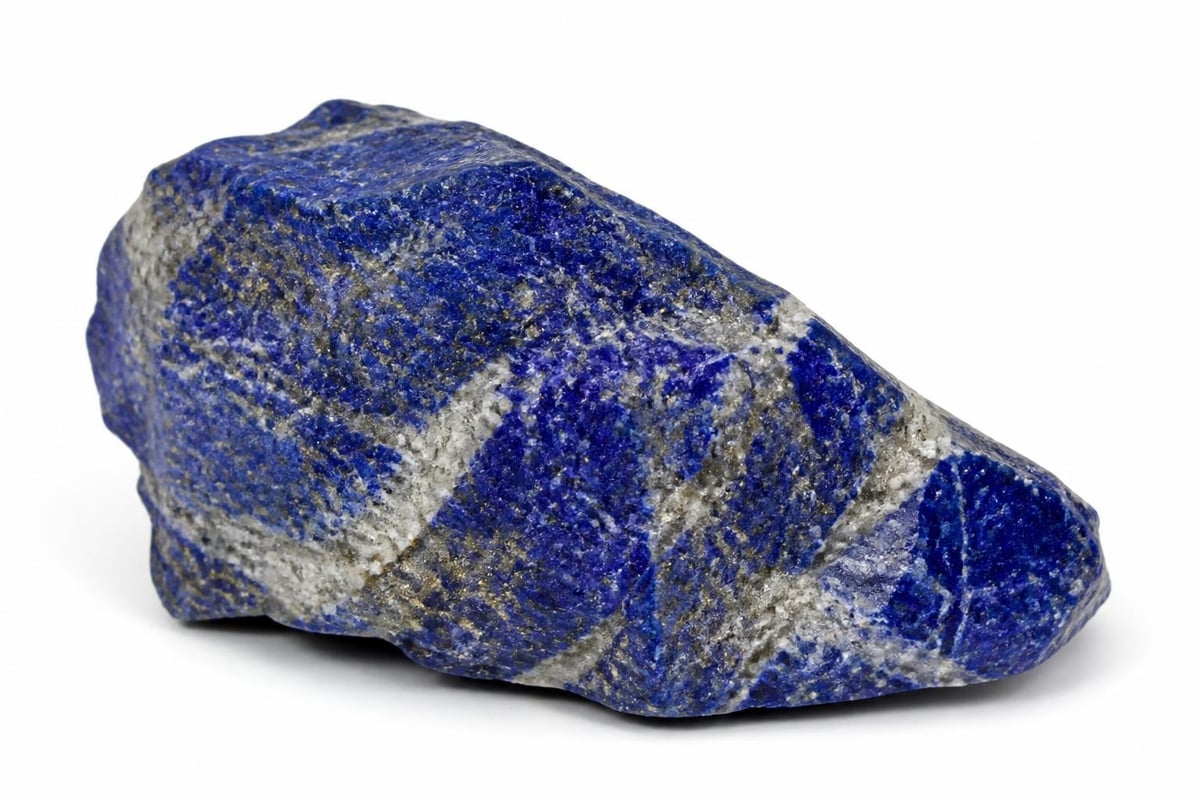
Lapis lazuli holds particular significance in Persian and Afghan traditions, where it has been mined and treasured for over 6,000 years. This deep blue stone appears in everything from casual beaded bracelets to elaborate ceremonial pieces.
Caribbean artisans have embraced regional blue stones as expressions of island identity. Larimar's exclusive Dominican origin makes it a national treasure, appearing in both tourist-oriented pieces and fine jewelry worn locally.
The resurgence of cerulean blue in design parallels renewed appreciation for naturally occurring blue materials, connecting contemporary aesthetics with traditional color preferences.
Chinese tradition associates blue jade with heaven and immortality, though true blue jade remains exceptionally rare. Blue sapphires feature prominently in Indian jewelry traditions, particularly in pieces designed according to Vedic astrology principles that assign specific gemstones to planetary influences.
Thai artisans excel at heat-treating sapphires to enhance their blue coloration, a practice that has made quality blue sapphires more accessible while raising questions about disclosure and treatment transparency.
Modern technology introduces new possibilities for creating and enhancing blue jewelry, though these advances also raise questions about authenticity and value.
Synthetic sapphires, created through flame fusion or hydrothermal processes, offer identical chemical composition to natural stones at fraction of prices. These lab-grown alternatives provide ethical sourcing certainty and environmental benefits, though they lack the rarity premium of natural gemstones.
Consumer acceptance of lab-created stones continues growing, particularly among younger buyers who prioritize sustainability over natural origin. However, disclosure requirements mandate clear distinction between synthetic and natural stones in all marketing and sales contexts.
Heat treatment, irradiation, and diffusion processes improve color and clarity in many blue gemstones. While widely accepted for certain stones like sapphire, these treatments must be disclosed to buyers. Understanding which treatments affect value helps collectors make informed purchasing decisions.
Some blue stones, including larimar, receive minimal treatment beyond cutting and polishing, making them particularly appealing to purists who prefer natural gemstones in their original state.
Computer-aided design (CAD) software allows jewelers to create precise renderings before fabricating pieces, reducing material waste and enabling client approval before production begins. Three-dimensional printing produces wax models with intricate details impossible to achieve through traditional hand-carving.
Blue jewelry remains a timeless choice that transcends fleeting fashion trends while adapting beautifully to contemporary design sensibilities. Whether you're drawn to the deep intensity of sapphire, the Caribbean tranquility of larimar, or the delicate whisper of aquamarine, blue gemstones offer endless opportunities for personal expression and style. Discover the exceptional beauty of Larimar Creations, where expert artisans craft exquisite pieces from rare larimar and Dominican Blue Amber, bringing the unique colors of the Caribbean to jewelry lovers worldwide with authentic, handcrafted quality.