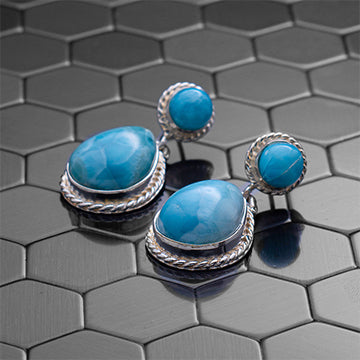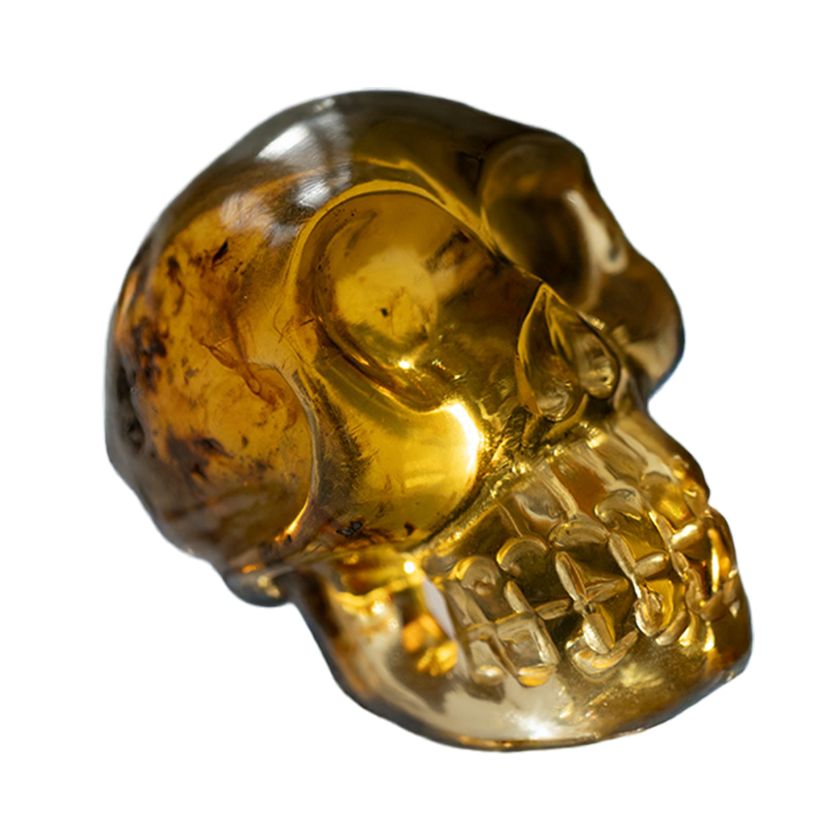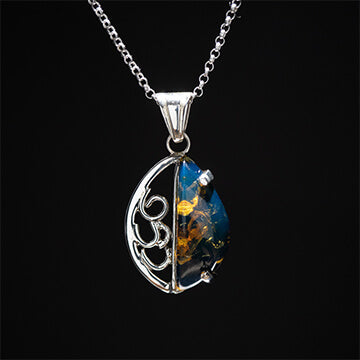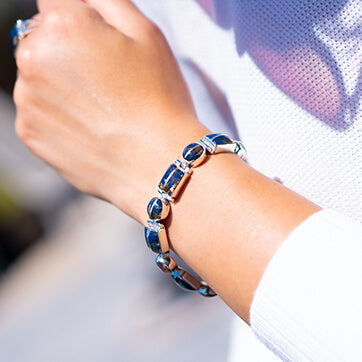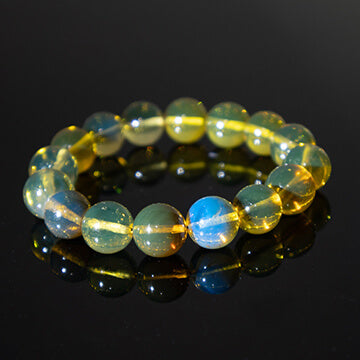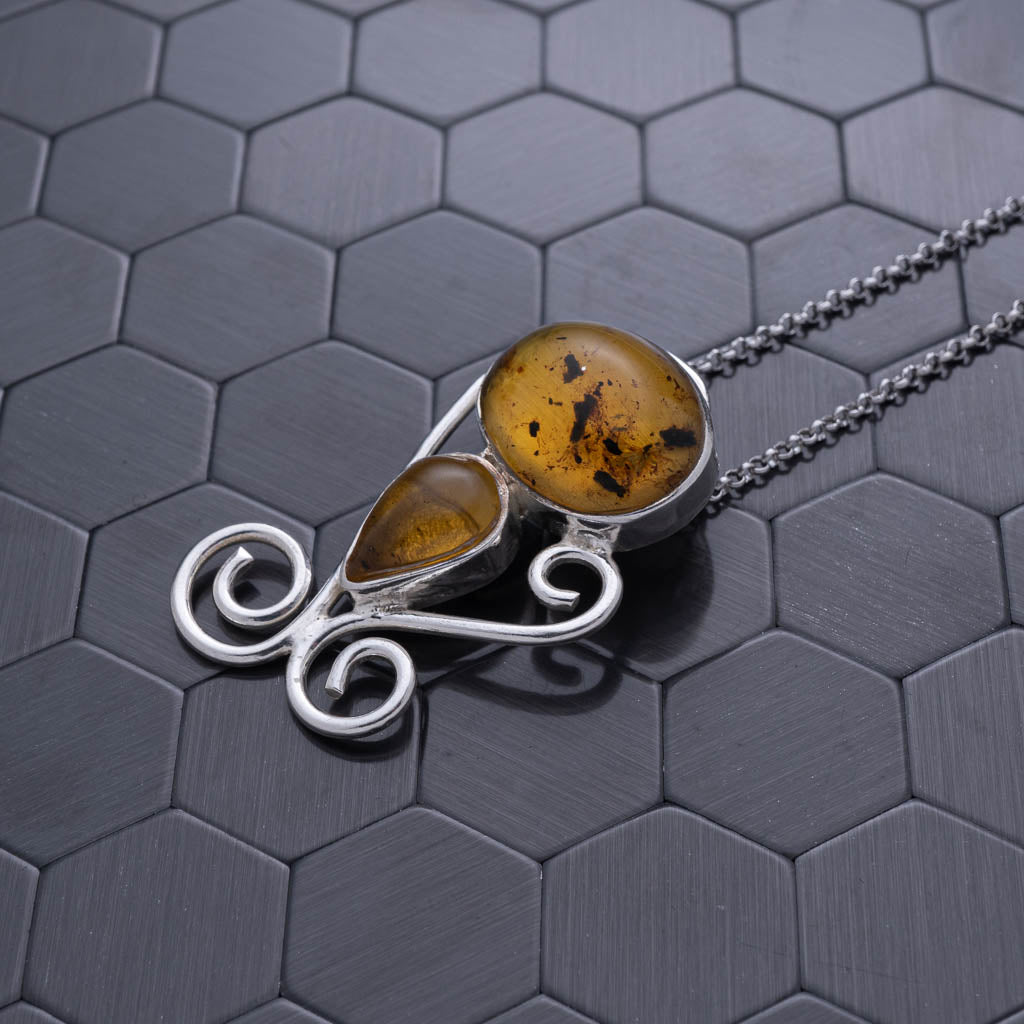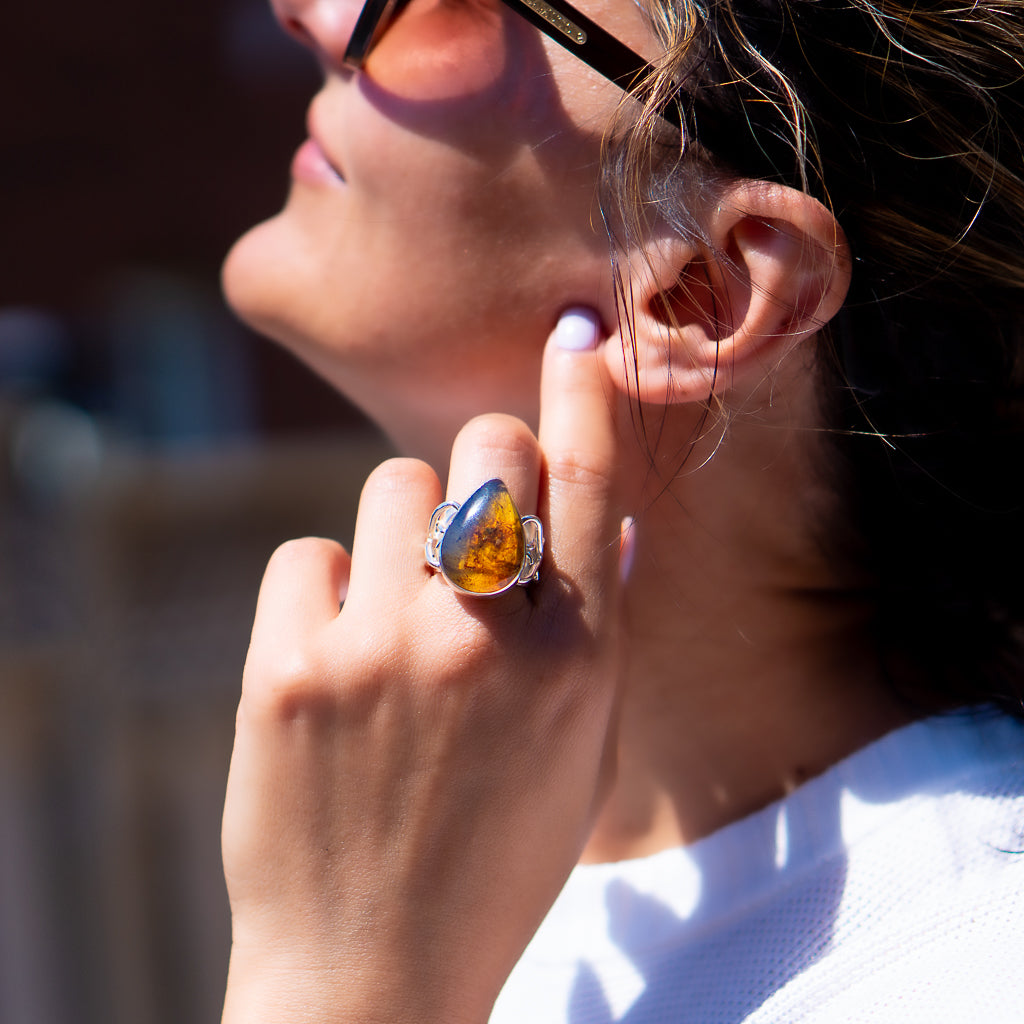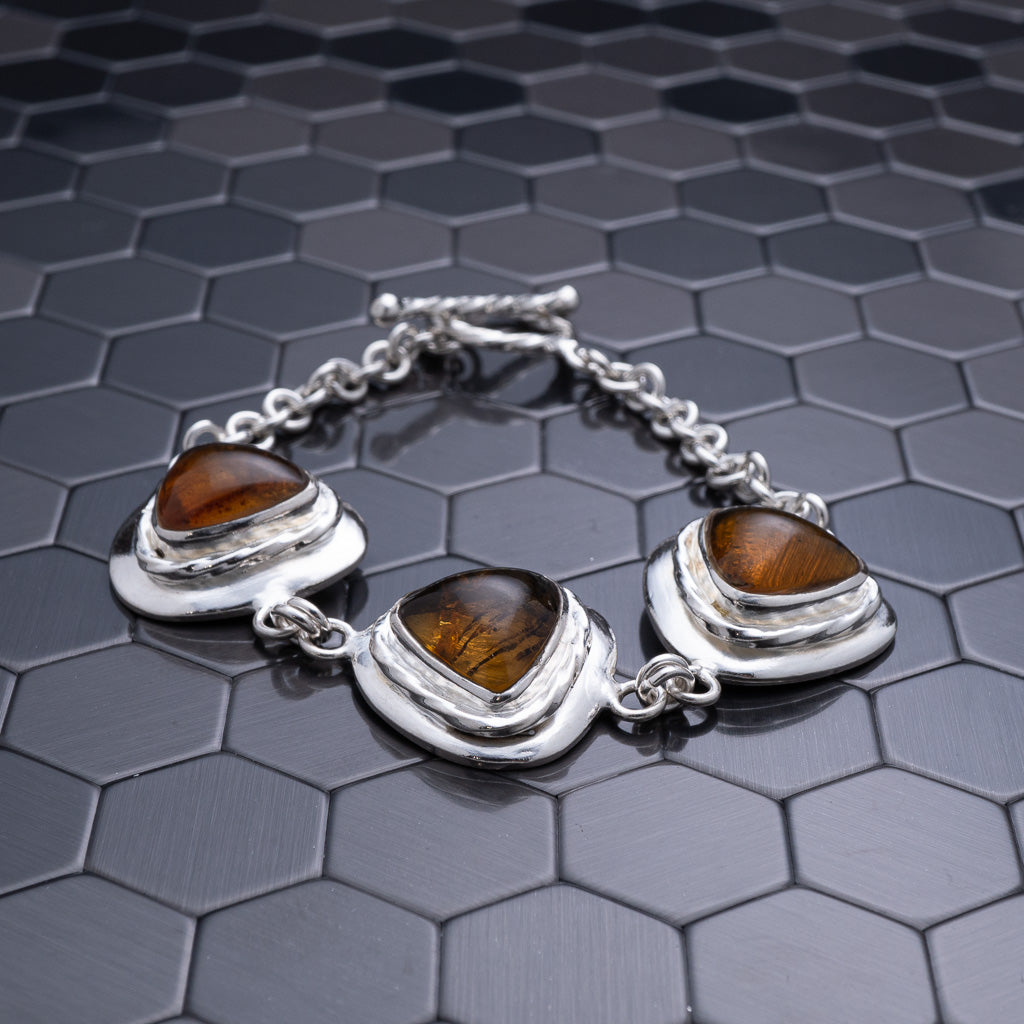



Handcrafted in DR.

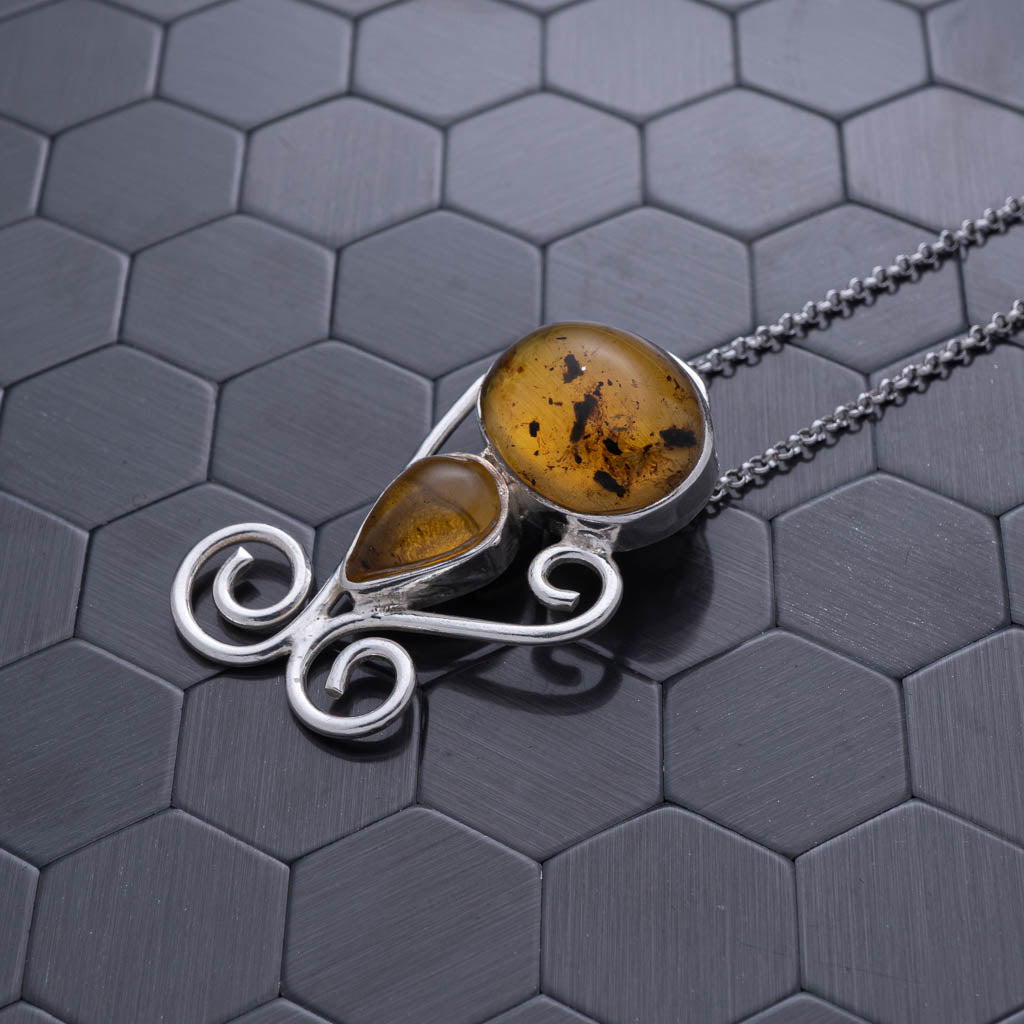
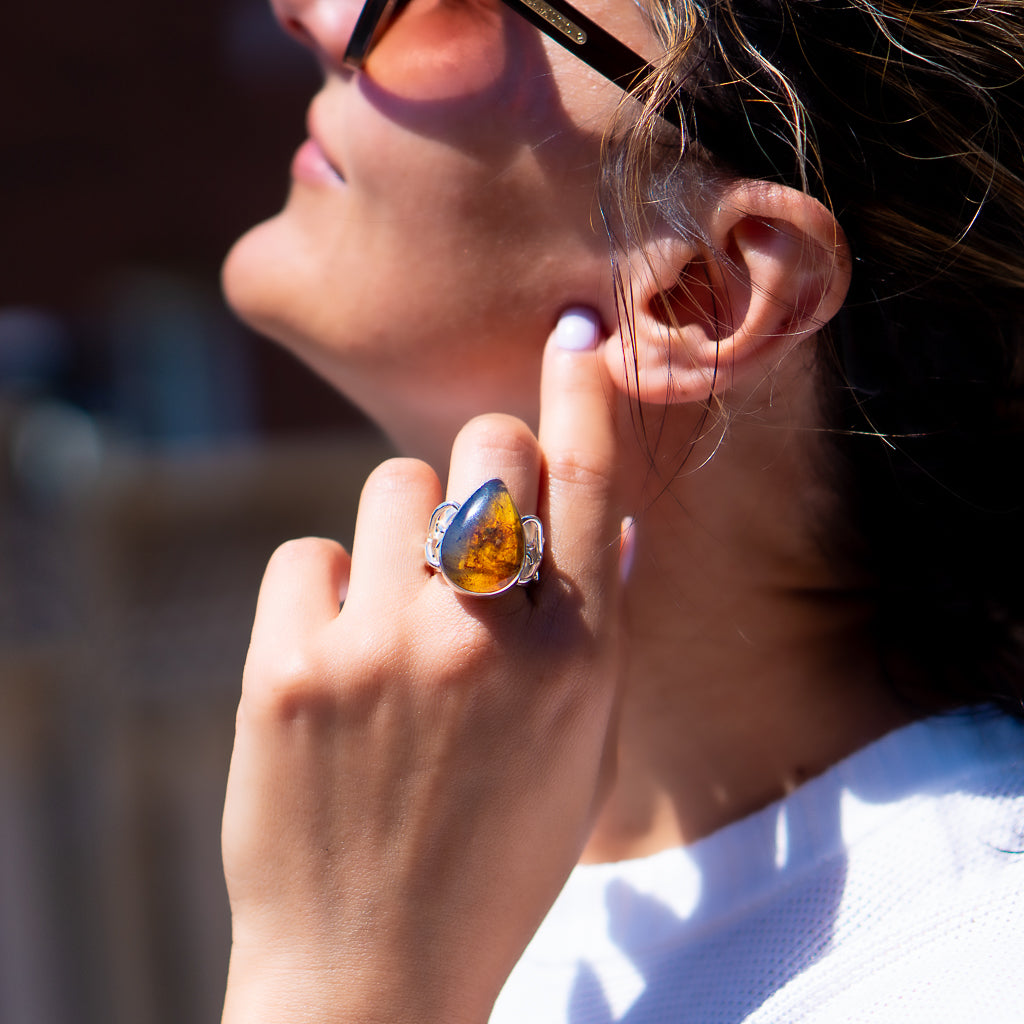
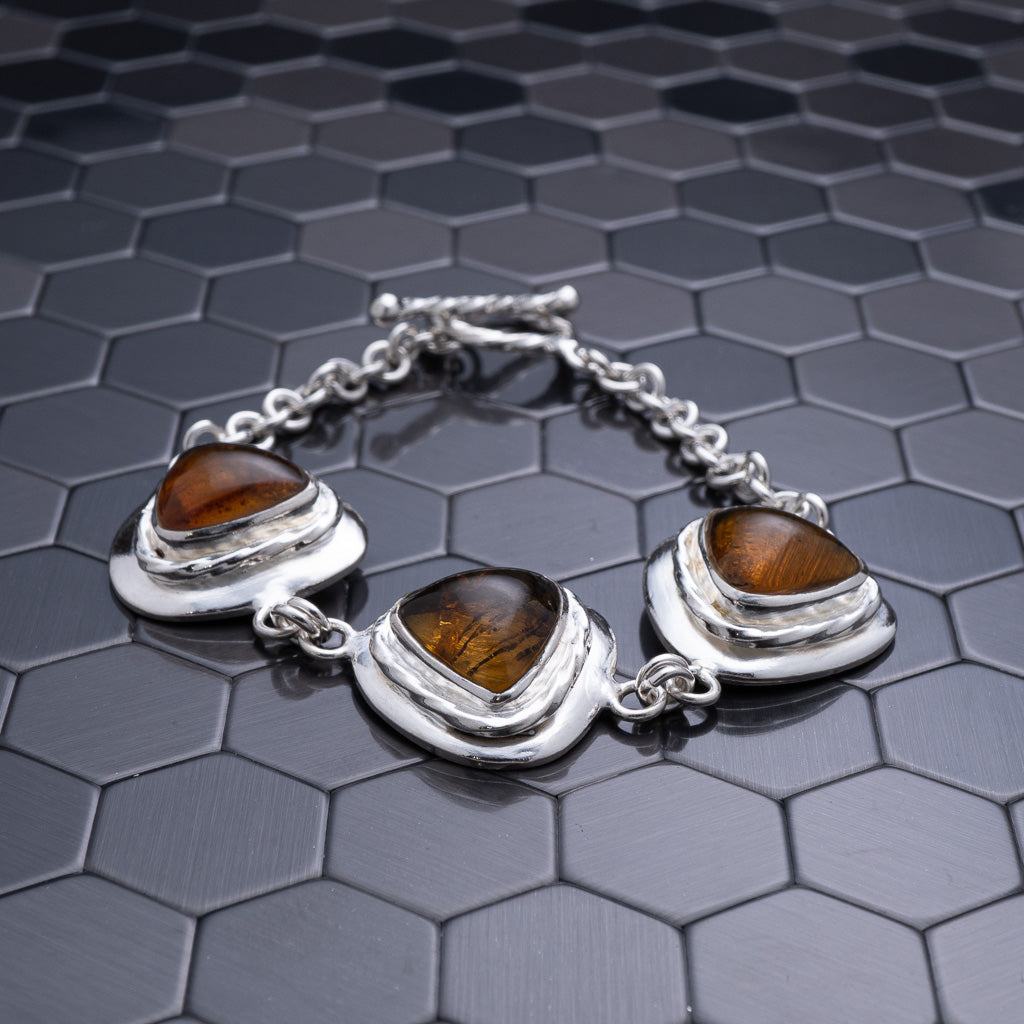
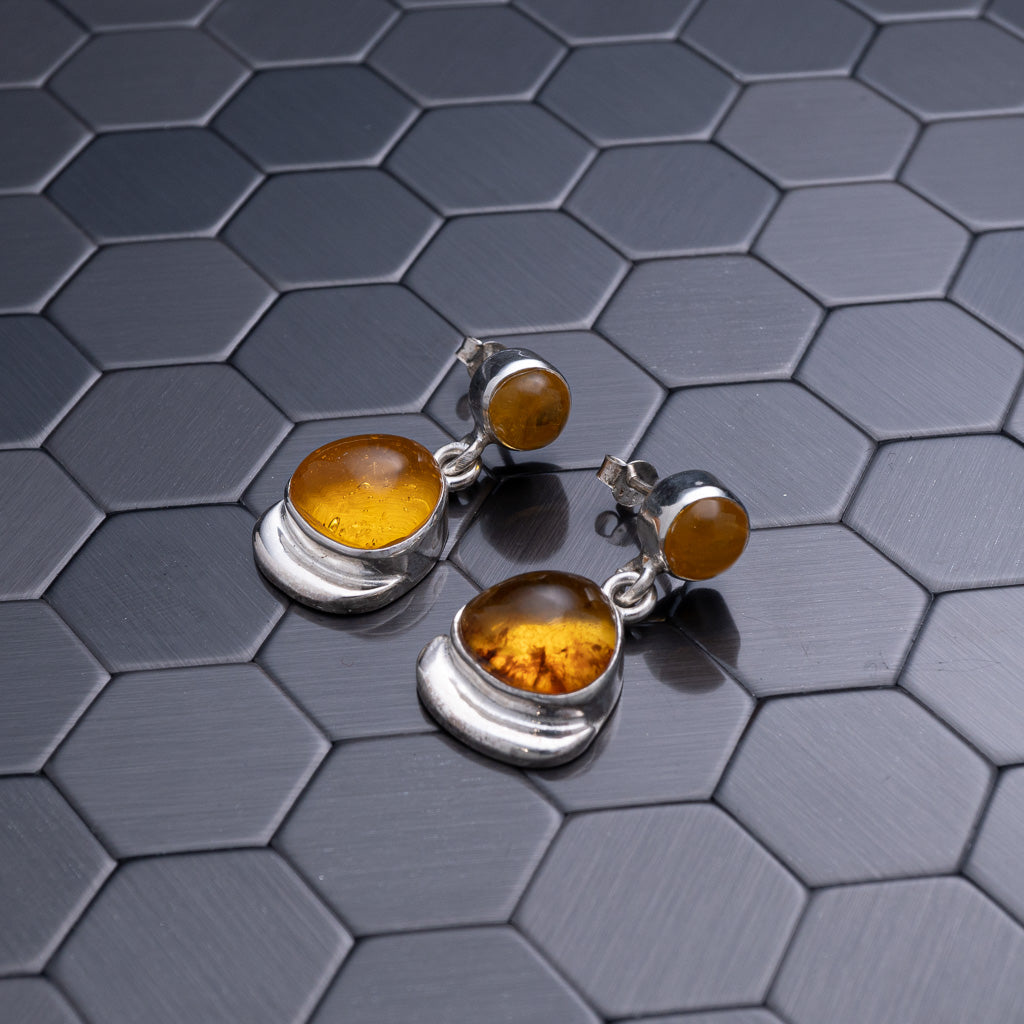


100% Handcrafted in DR.

Dominican Larimar is one of the world’s most captivating and mysterious gemstones. Its Caribbean-blue hues and rare origins have enchanted collectors and jewelry enthusiasts everywhere.
In this guide, you’ll discover everything about this extraordinary stone. We’ll explore its unique geology, fascinating history, and the legends that surround it. You’ll also learn about mining practices, how to identify authentic Larimar, and the latest trends shaping its market value.
Ready to unlock the secrets of Dominican Larimar? Let’s dive in and explore its beauty, value, and why it’s a must-have for any gemstone lover.
Dominican larimar is a gemstone that enchants collectors not just for its beauty, but for the remarkable story of its beginnings. From the moment it was discovered to its formation deep within the earth, every facet of larimar’s origin adds to its mystery and allure.
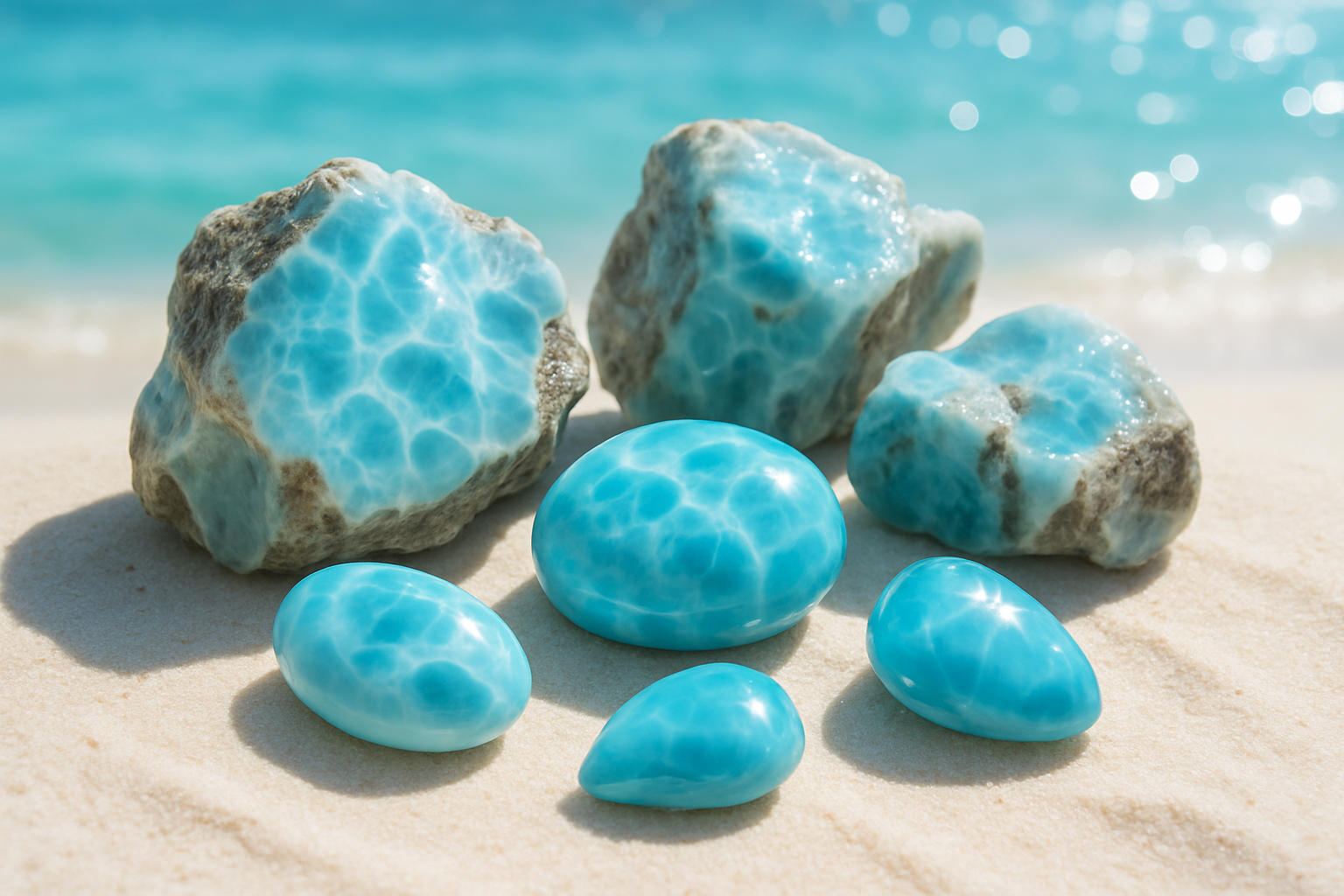
The story of dominican larimar begins in the 1970s, when a local Dominican named Miguel Méndez and Peace Corps volunteer Norman Rilling stumbled upon blue stones along the Barahona Peninsula’s coast. Captivated by their color, Méndez named the gem by blending “Larissa” (his daughter’s name) with “mar,” the Spanish word for sea. This name perfectly captured its oceanic hues.
Initially, locals believed the stone was a relic from the mythical Atlantis, with early legends connecting it to lost civilizations and spiritual powers. Larimar’s journey from a regional curiosity to a global collector’s item is filled with intrigue and cultural heritage. For an even deeper dive into its fascinating past, visit The story and origins of Larimar.
Dominican larimar is actually a rare blue variety of pectolite, scientifically known as NaCa₂Si₃O₈(OH). Its formation is a result of volcanic activity, where hydrothermal fluids rich in minerals interact with basaltic rocks under low temperatures (below 170°C). This unique process creates the stunning blue hues that define larimar.
The coloration is primarily due to copper and trace elements like vanadium and iron, which replace calcium in the crystal structure. Larimar forms as nodules, veins, or impregnations within altered basalt—most notably in the Dumisseau Formation of the southwestern Dominican Republic. The Las Filipinas deposit stands out as the only commercial source of dominican larimar worldwide, making it truly one-of-a-kind.
This gem’s geological exclusivity is remarkable. No other region on Earth has replicated the specific volcanic and hydrothermal conditions required to produce larimar’s signature color and structure.
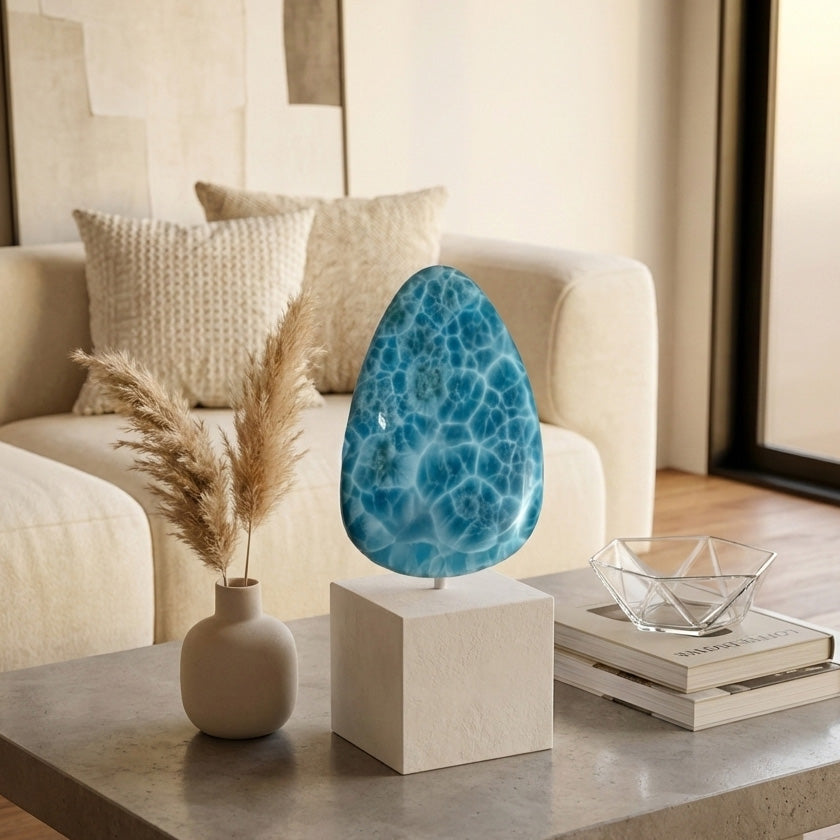
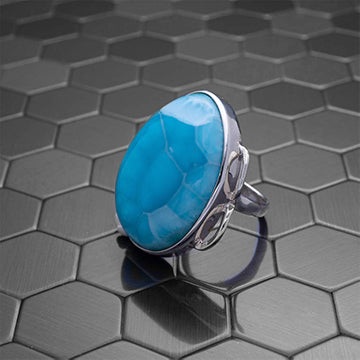
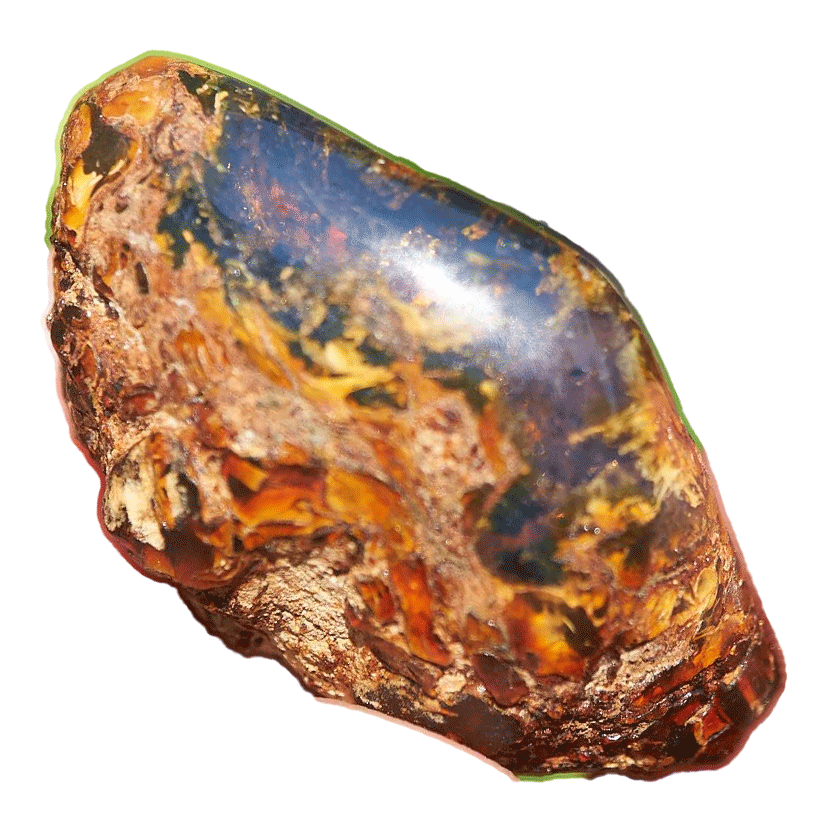
Dominican larimar is instantly recognizable for its captivating blue to greenish-blue shades, often featuring striking white marbling. The gem’s Mohs hardness ranges between 4.5 and 5, which means it is softer than many other gemstones—requiring careful handling and setting in jewelry.
What sets dominican larimar apart are its optical qualities. High-quality stones can display a silky luster and even chatoyancy, a cat’s-eye effect that adds depth to the stone. The level of translucency can vary from nearly opaque to semi-translucent, depending on the quality and thickness of the stone.
Here’s a quick comparison table:
| Property | Dominican Larimar | Typical Pectolite |
|---|---|---|
| Color | Blue, greenish-blue, marbled | White, gray |
| Hardness (Mohs) | 4.5–5 | 5–6 |
| Luster | Silky, sometimes chatoyant | Vitreous |
| Transparency | Opaque to semi-translucent | Usually opaque |
Scientific studies, such as cathodoluminescence imaging, have revealed manganese-rich blue zones within dominican larimar, highlighting its complex formation. These features make each specimen uniquely beautiful.
The rarity of dominican larimar cannot be overstated. With only one known source—Las Filipinas in the Barahona Province—its annual production is naturally limited. Some years, only a few thousand kilograms are mined, making it scarcer than many other collector gemstones like Tanzanite.
Global demand continues to rise, driven by jewelry designers and collectors seeking unique stones. In fact, dominican larimar has become so culturally significant that UNESCO recognizes it as a symbol of Dominican heritage. Its combination of geological uniqueness, stunning appearance, and cultural value cements dominican larimar as a true Caribbean treasure.
Dominican larimar is truly a treasure of the Caribbean, but its journey from earth to jewelry box is both fascinating and complex. Mining this rare gemstone involves unique landscapes, traditional extraction, careful processing, and a growing focus on ethical practices. Let’s explore how dominican larimar makes its way from remote Dominican mountains to collectors and jewelry lovers around the world.
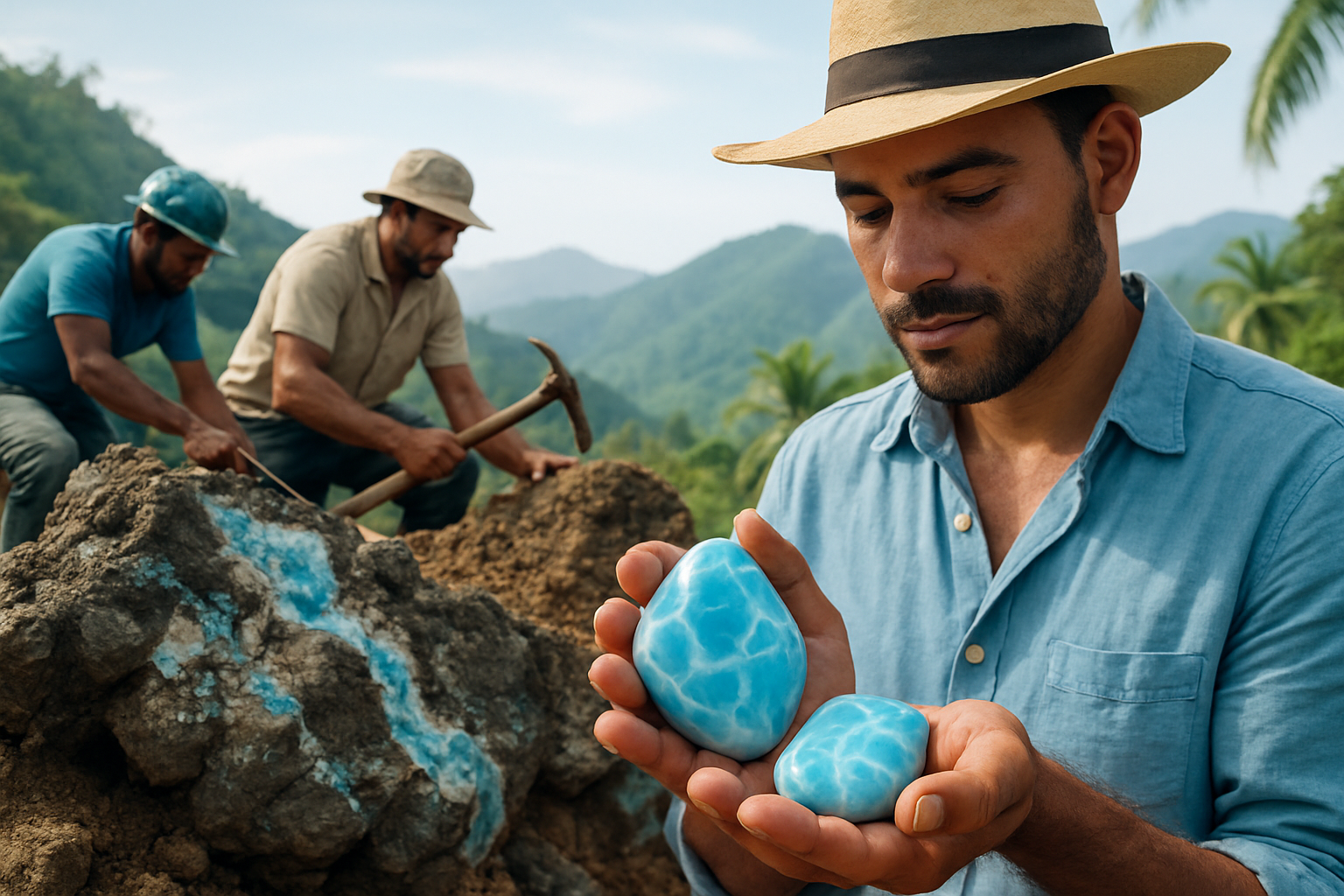
Most dominican larimar is sourced from the rugged Sierra de Bahoruco range in the Barahona Province, southwestern Dominican Republic. The landscape is a dramatic mix of steep hills, dense vegetation, and winding mountain paths.
Within this region, the Las Filipinas mine stands out as the primary source of commercial-quality dominican larimar. Covering about 32 hectares and perched at an elevation of 750 meters, Las Filipinas is both remote and challenging to access. Miners and visitors alike must traverse narrow trails and unpredictable weather to reach the mines.
Mining operations are scattered across the mountainside, with each site holding its own significance. The isolation of these mines adds to the allure and rarity of dominican larimar, making every stone a true product of its unique environment.
Mining dominican larimar remains a largely artisanal process. Local miners use hand tools—such as picks, hammers, and chisels—to carefully extract the stone from volcanic rock. Shafts and tunnels, often hand-dug, snake through the hillside, requiring constant attention to safety and structural support.
Working conditions can be tough. Miners contend with heat, humidity, and the risks of working underground. Community-based cooperatives often manage the mining rights, ensuring local families benefit directly from dominican larimar production.
There is a growing awareness of the environmental impact, with some groups advocating for more sustainable practices. For a deeper look at current challenges and evolving methods, see this analysis of the current state of Larimar mining. Efforts continue to balance tradition, safety, and care for the surrounding ecosystem.
Once extracted, dominican larimar rough is sorted by color, quality, and size right at the source. Only pieces with vibrant blue hues and strong marbling are selected for fine jewelry or collectible pieces.
The transformation from rough to gem involves:
Grading is based on color intensity, clarity, pattern, and size. The process can be tricky, since dominican larimar is relatively soft and brittle. High-grade stones feature deep blue color and minimal inclusions, while commercial-grade pieces may show lighter shades or visible cracks.
Artisans must balance maximizing beauty with minimizing waste, making every finished gem a result of both skill and patience.
As dominican larimar’s popularity grows, so does the importance of ethical sourcing. Responsible mining practices ensure fair wages, safe working conditions, and minimal environmental harm. Certification programs and traceability efforts are increasingly common, helping buyers verify the origin and authenticity of their stones.
Local initiatives, often led by cooperatives, support community development and education. When purchasing dominican larimar, look for sellers who provide certificates of authenticity and information on their sourcing practices. This not only protects the value of your gem but also supports the people and places behind its story.
Ethical choices empower both buyers and mining communities, ensuring a brighter future for dominican larimar.
Dominican larimar is truly a gemstone where science and legend intertwine. Its dazzling blue hues are the result of fascinating geological processes, while its cultural symbolism has inspired stories and spiritual uses for generations. Let’s explore the unique chemistry, rich myths, healing beliefs, and artistic impact of this Caribbean treasure.
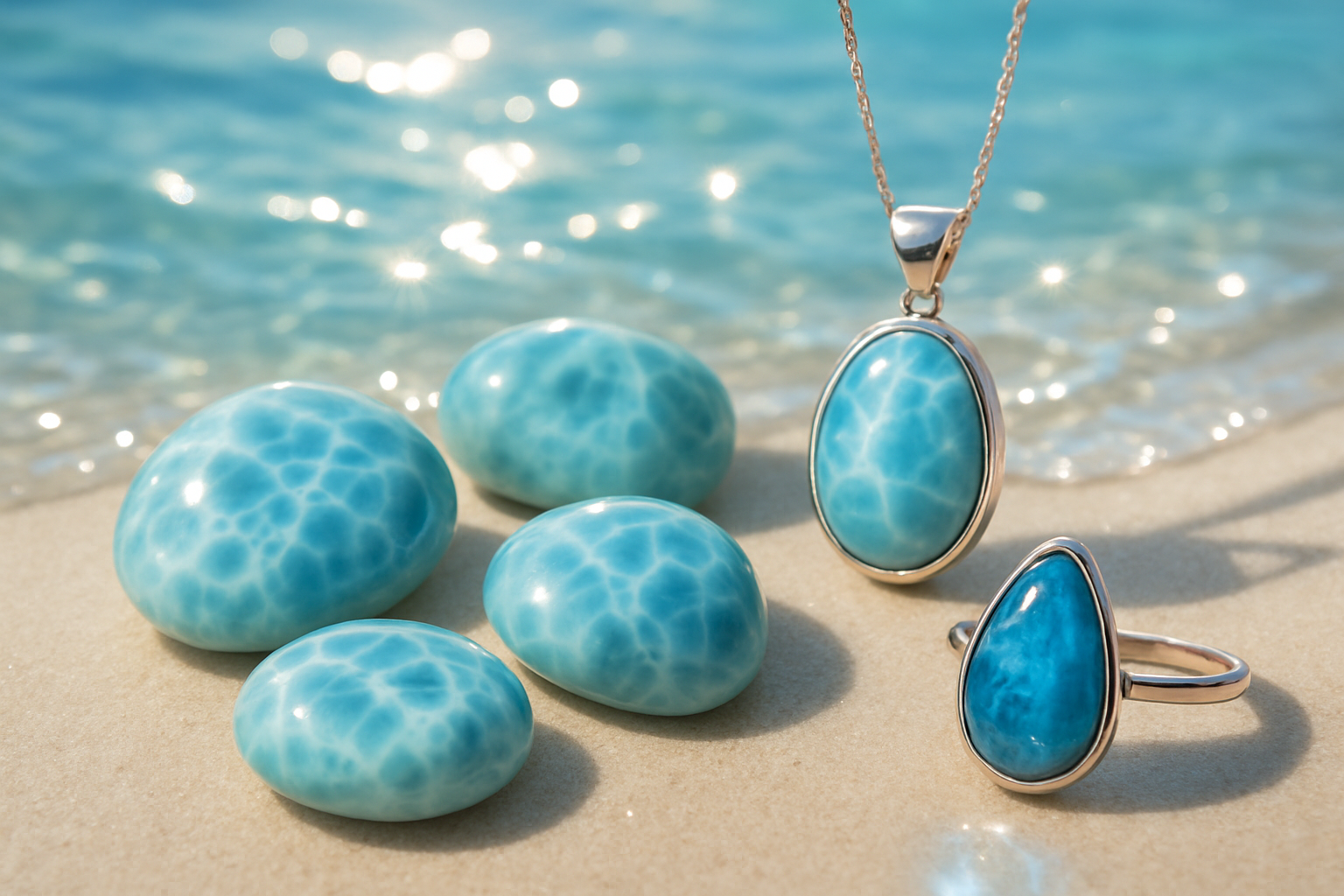
Dominican larimar is a rare blue variety of pectolite, scientifically classified as sodium calcium silicate hydroxide. What sets it apart from other pectolites is its remarkable coloration, which ranges from pale sky blue to vibrant volcanic blue. This color is primarily due to trace elements such as copper, vanadium, manganese, and iron substituting into the mineral structure.
Scientific studies have revealed that these trace elements not only create the signature blue shades but also result in beautiful zoning patterns and inclusions within dominican larimar. Researchers in 2024 used advanced techniques to analyze how hydrothermal conditions and isotope compositions influence larimar’s crystal growth and color intensity.
A fascinating aspect is the variability in color zoning. For example, some specimens show a mix of blue and greenish tones, while others display striking white marbling. Certain zones rich in manganese can even fluoresce under cathodoluminescence, offering a glimpse into the stone’s complex formation history.
To summarize the mineralogical features:
| Trace Element | Color Influence |
|---|---|
| Copper (Cu) | Intense blue shades |
| Vanadium (V) | Greenish-blue tones |
| Manganese (Mn) | Zoning, fluorescence |
| Iron (Fe) | Depth of color |
Dominican larimar’s unique chemistry is a testament to the rare volcanic and hydrothermal environment found only in the Dominican Republic.
Dominican larimar is steeped in legend and cultural lore. Locals have long associated the stone with the lost city of Atlantis, believing its mesmerizing blue hues are remnants of ancient, mystical waters. Indigenous Taino people revered larimar as a symbol of the sea and sky, connecting it to tranquility, healing, and spiritual well-being.
Over the years, the stone’s reputation as the “Stone of the Caribbean” has grown, inspiring jewelry, art, and rituals. Its symbolism of water and calmness remains powerful in Dominican culture today. To dive deeper into the rich folklore and meaning, explore this Larimar gemstone meaning and colors guide.
These stories, whether rooted in history or myth, have added to the mystique that surrounds dominican larimar around the world.
Dominican larimar is cherished not only for its beauty but also for its reputed metaphysical properties. Many believe that the stone can relieve stress, promote clear communication, and restore emotional balance. In spiritual circles, larimar is often used during meditation and energy work, particularly for aligning the throat chakra and enhancing inner peace.
Although there is no scientific evidence to back up these healing claims, countless enthusiasts share personal stories of positive effects. It’s common to see dominican larimar jewelry worn as a talisman for empowerment or calmness.
Some popular metaphysical uses include:
The gentle energy attributed to dominican larimar continues to captivate collectors and spiritual seekers alike.
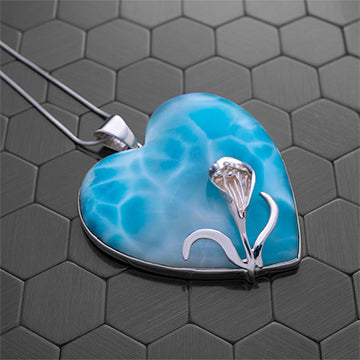
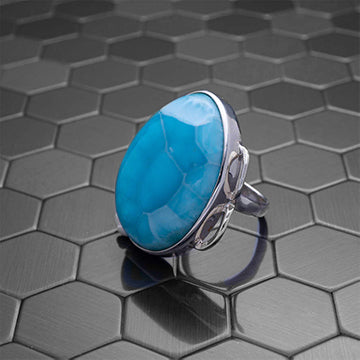
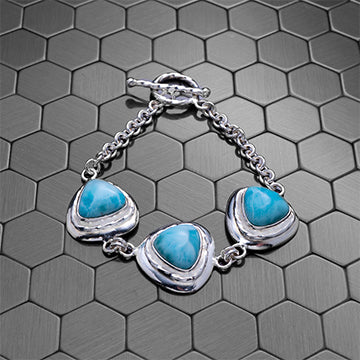
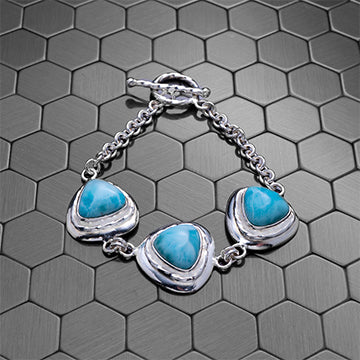
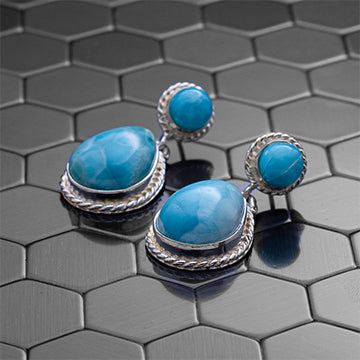
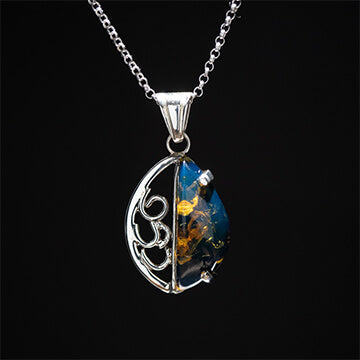
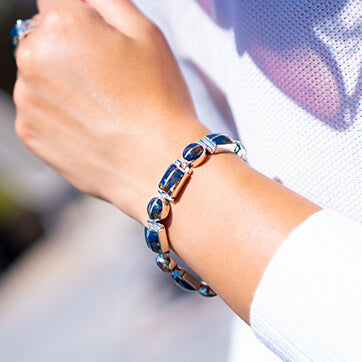
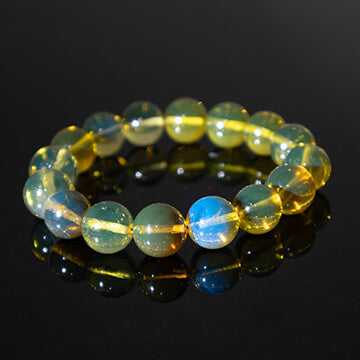
Dominican larimar has become a signature element in Caribbean-inspired jewelry and luxury design. Its oceanic blues and natural marbling make it a favorite for pendants, rings, beads, and even statement pieces in high-end collections. Designers worldwide prize dominican larimar for its uniqueness and versatility.
In the Dominican Republic, larimar is celebrated in both contemporary and traditional art forms. Artisans craft intricate carvings, while jewelers experiment with bold settings and modern styles. Internationally, dominican larimar has graced runway shows and jewelry fairs, earning recognition for its rare beauty and cultural significance.
Notable collaborations between Dominican designers and global brands have brought this gemstone to a wider audience. Whether showcased as a centerpiece in a luxury boutique or worn as a simple charm, dominican larimar captures the essence of Caribbean elegance and creativity.
Unlocking the secrets of authentic dominican larimar can be both exciting and challenging. With its captivating blue hues and natural marbling, this gemstone stands out—if you know what to look for. Whether you’re a collector, jewelry lover, or first-time buyer, understanding how to spot genuine larimar ensures your investment is both beautiful and valuable.
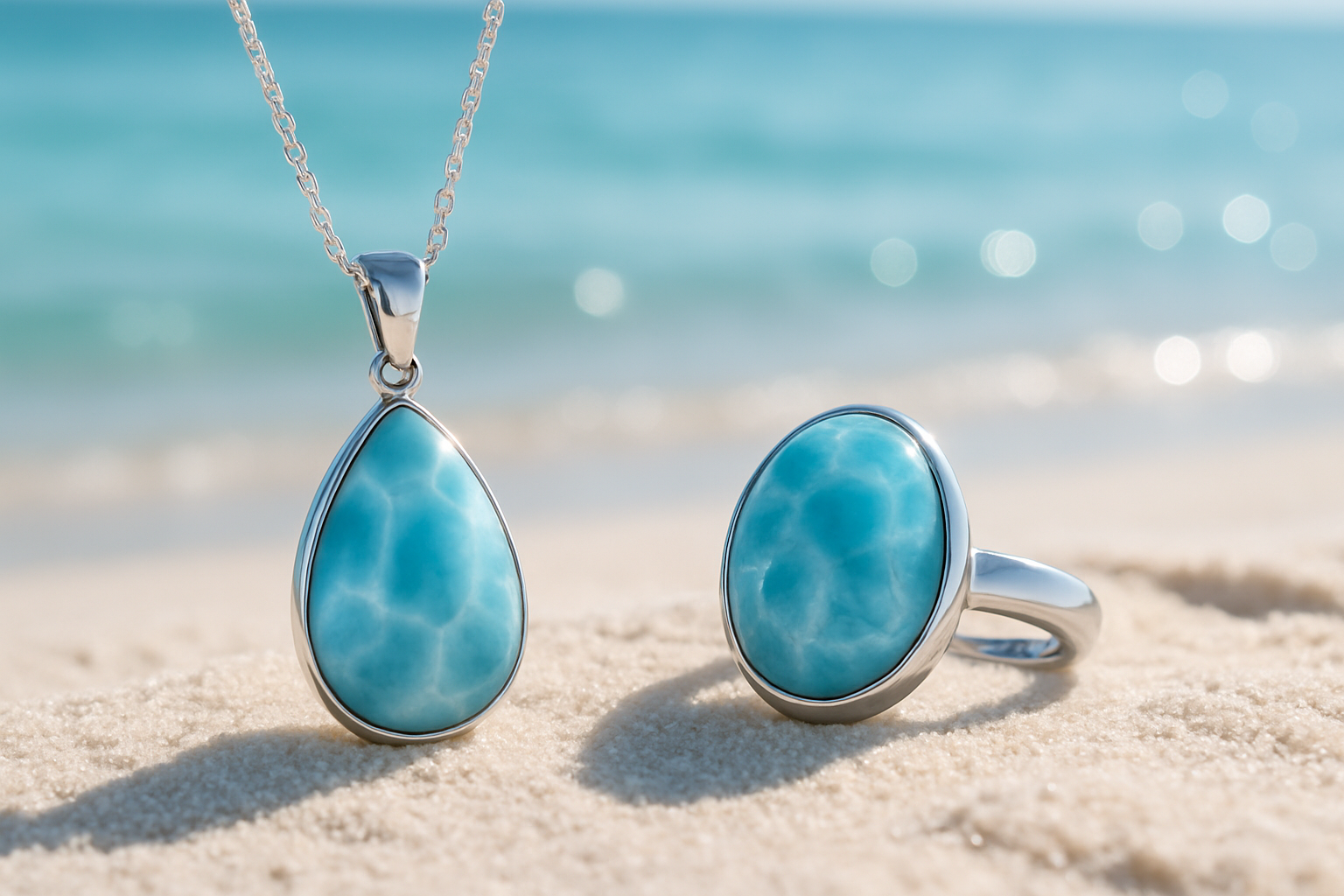
Dominican larimar is instantly recognizable by its unique spectrum of blue shades, ranging from pale sky blue to deep volcanic blue. Genuine stones display swirling white marbling that mimics the movement of Caribbean waters. Natural inclusions and subtle color zoning are expected, adding to their authenticity.
When examining dominican larimar, look for a silky or glassy luster. The stone’s surface should feel smooth, not waxy or overly glossy. High-quality pieces may display chatoyancy—a subtle, silky sheen that dances in the light. Under UV light, genuine stones can show a faint fluorescence, while dyed or synthetic imitations typically do not.
Another hallmark is the presence of natural patterns. No two stones are exactly alike, making each dominican larimar gem a miniature work of art. For an in-depth breakdown of authenticity checks, visit the Authenticity, grades, and buying guide.
With the rising popularity of dominican larimar, imitations have become more common. The most frequent substitutes are dyed howlite, magnesite, and even certain types of turquoise. These materials can mimic larimar’s color but often lack its signature marbling and translucency.
To avoid fakes, watch for:
When in doubt, ask for documentation about the gem’s origin. Trusted sellers should be transparent about the source and treatment of their stones.
The value of dominican larimar is determined by several factors, with color saturation at the top of the list. The most prized stones feature vivid, even blues with striking white webbing or marbling. Stones with a balanced blend of blue and white, minimal brown or gray inclusions, and a smooth surface command premium prices.
Pattern is also essential. Collectors seek out stones with dramatic, cloud-like patterns or rare “volcanic blue” areas. Clarity and size matter as well—larger stones with minimal fractures or pits are more valuable. Cutting and polish quality affect both the appearance and longevity of your dominican larimar jewelry.
Below is a quick summary table for grading:
| Grade | Color | Pattern | Value |
|---|---|---|---|
| High-Grade | Deep blue | Intense marbling | Highest |
| Commercial | Light/mixed | Less distinct | Moderate |
| Low-Grade | Pale/grayish | Faint or patchy | Lowest |
Researching price ranges and comparing multiple pieces can help you make an informed purchase.
To ensure you’re getting authentic dominican larimar, shop with reputable jewelers and established online retailers. Many buyers prefer sourcing directly from Dominican Republic artisan markets, where you can often meet the creators and see the stones up close.
Look for sellers who provide certificates of authenticity and detailed information about the gem’s origin. Auction houses and gemstone fairs can also be excellent places to find rare or collectible pieces. Always check reviews and ratings before making a purchase, and don’t hesitate to ask questions about the stone’s sourcing and treatment.
Larimar Creations is a trusted destination for genuine dominican larimar jewelry and art. Their collection features handcrafted pendants, rings, bracelets, and collectible carvings, all sourced directly from Dominican mines. Each piece is crafted by skilled artisans who honor the stone’s natural beauty and unique patterns.
What sets Larimar Creations apart is their commitment to authenticity, ethical sourcing, and quality craftsmanship. They offer free worldwide shipping and multilingual customer support, making it easy for collectors and gift buyers to find the perfect dominican larimar piece. For those seeking a truly unique Caribbean gemstone, Larimar Creations delivers both beauty and peace of mind.
Dominican larimar has become a captivating force in the global gemstone market. Its allure lies in its Caribbean origins, breathtaking blue hues, and the growing recognition it receives from collectors, designers, and investors. Let’s explore how this rare gem is making waves, what drives its value, and what the future may hold.
Dominican larimar is experiencing a surge in global demand, especially in the United States, Europe, and parts of Asia. Jewelry designers are embracing its unique color palette, and luxury boutiques are featuring more pieces with this gem. Fashion trends and celebrity endorsements have further propelled its popularity.
Export statistics reflect this momentum, with more larimar pieces entering international markets each year. Collectors and jewelry lovers are drawn to its exclusivity and the story behind its single-source origin. The gem’s rising presence at high-profile fairs and in artisan markets signals a bright future for dominican larimar.
Several factors influence the price of dominican larimar: rarity, color intensity, pattern, and overall quality. Stones with deep volcanic blue shades and dramatic marbling command the highest prices. Over the past decade, prices have seen steady appreciation, particularly for top-grade material.
Investors and collectors are beginning to view larimar as a potential store of value, similar to Tanzanite. For deeper insight into rare colors and investment potential, explore this blog post on investment value and rare Larimar colors. As the supply remains limited and global interest continues to climb, dominican larimar shows strong potential for value growth.
Building a dominican larimar collection requires attention to quality, provenance, and authenticity. Always seek stones with vivid color, attractive patterns, and minimal cracks. Documentation and certificates of authenticity are essential, especially for high-value pieces.
Notable auction sales in recent years highlight the growing appeal of investment-grade larimar. As with any collectible, due diligence helps ensure your dominican larimar collection retains its value over time.
The future of dominican larimar depends on sustainable mining and responsible trade practices. With only one known commercial source, supply is inherently limited. Environmental regulations and community-led initiatives are increasingly shaping the industry.
Concerns over mining conditions and resource depletion have prompted calls for sustainable transformation. For a comprehensive look at these challenges and the path forward, see this article on the Larimar mining crisis and sustainable transformation. As awareness grows, ethical sourcing and fair trade are expected to become central to the dominican larimar market in 2025 and beyond.
Caring for your dominican larimar jewelry is essential to preserve its captivating beauty and value. Because this gemstone is softer than many others, it requires special attention and gentle maintenance. Let’s explore the best ways to keep your dominican larimar looking radiant for years to come.
Dominican larimar should always be cleaned with the utmost care. Use a soft, damp cloth and mild soap to gently wipe the surface. Avoid ultrasonic cleaners and harsh chemicals, as these can damage the stone’s delicate structure. Because larimar is relatively soft, as detailed in its geological properties, even small abrasives can dull its polish.
For storage, keep dominican larimar pieces in soft fabric pouches or lined jewelry boxes. This prevents scratches from harder gemstones or metal settings. Never store multiple pieces together without protection, as contact can cause unwanted marks.
Dominican larimar’s Mohs hardness of 4.5–5 means it is more susceptible to scratches and chips than harder gems. To protect your jewelry, avoid wearing it during activities that might expose it to impact or abrasion, such as sports or heavy cleaning. Remove rings and bracelets before household chores, and keep pendants away from rough surfaces.
Exposure to heat or rapid temperature changes can also damage dominican larimar, causing color fading or even cracking. Always store your gemstones away from direct sunlight and sources of heat.
Over time, dominican larimar may show signs of wear, like surface dullness or minor scratches. To maintain its original luster, consider professional re-polishing by a jeweler experienced with softer gemstones. Regularly inspect your jewelry for any changes in color or clarity, especially if frequently worn.
If you notice significant fading or surface damage, restoration may be possible. Gemstone experts can often return dominican larimar to its former brilliance with careful, specialized techniques. Preventive care and prompt attention to issues will help your pieces last for generations.
Choosing the right setting is vital to protect dominican larimar. Bezel or cabochon settings offer greater security by surrounding the stone and minimizing exposure to knocks. Avoid prong settings for rings, as these leave edges vulnerable.
Maintain the metal mountings by polishing silver or gold with non-abrasive cloths. If your dominican larimar jewelry becomes damaged, consult a professional for repairs or resetting. Custom designs should prioritize both aesthetics and protection to ensure your Caribbean treasure endures daily wear.
Now that you’ve explored the fascinating world of Dominican Larimar—its origins, unique beauty, and tips for choosing the real thing—why not bring a piece of that Caribbean serenity into your own life? Whether you’re a passionate collector or looking for a meaningful, one-of-a-kind gift, authentic Larimar jewelry is always a standout choice. You deserve something as rare and calming as this stone, and what better way to start than with a beautiful pendant crafted by skilled artisans? Find your perfect piece and enjoy free worldwide delivery when you Find the Perfect Gift of Serenity – Shop Larimar Pendants with Free Worldwide Delivery.