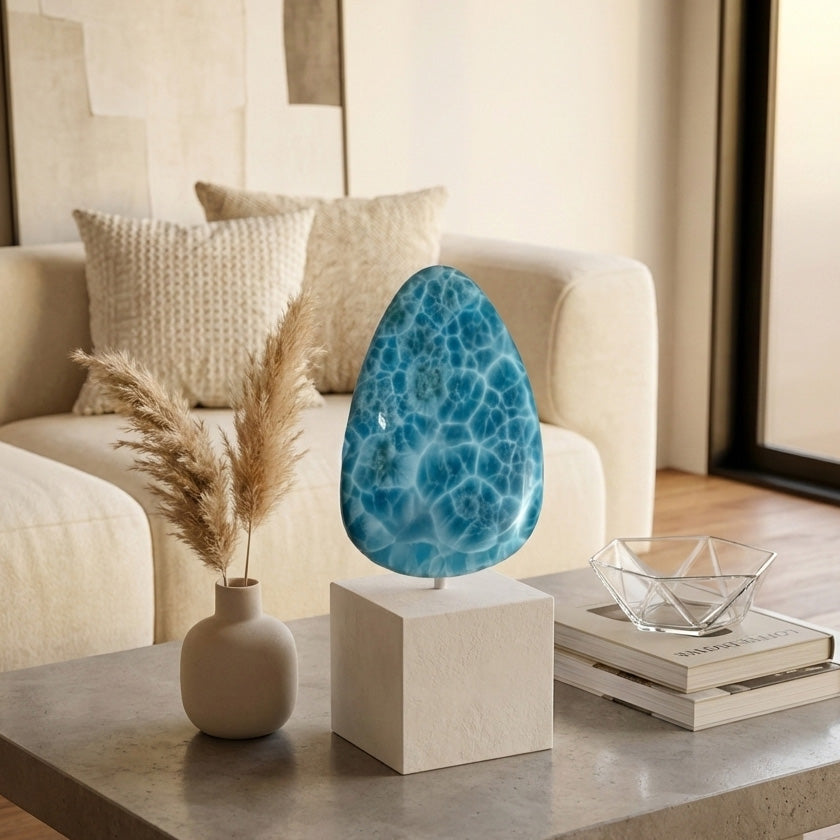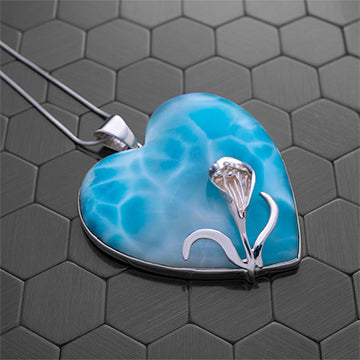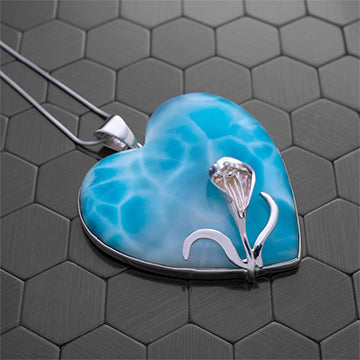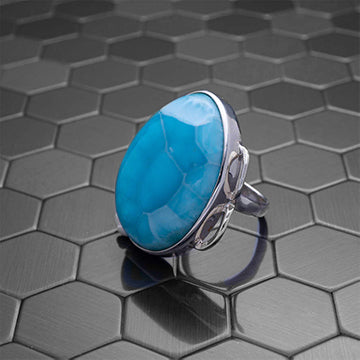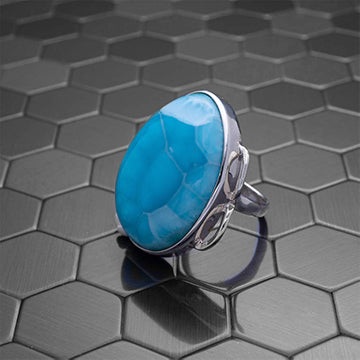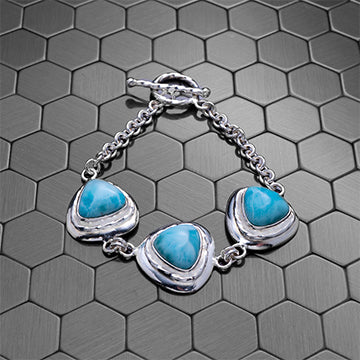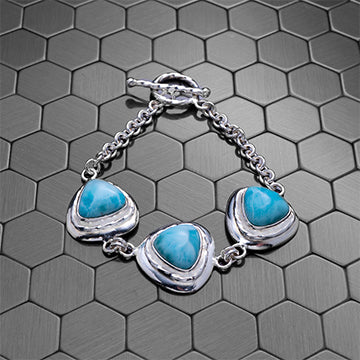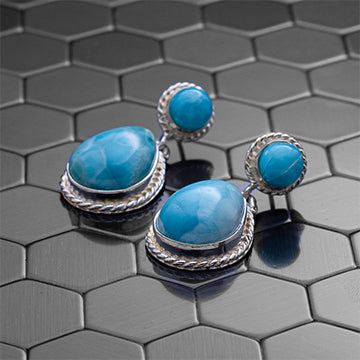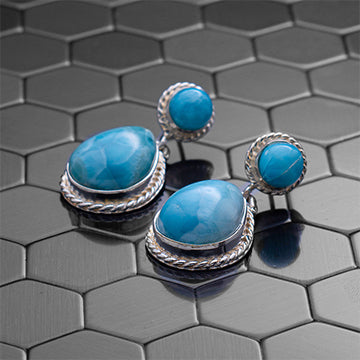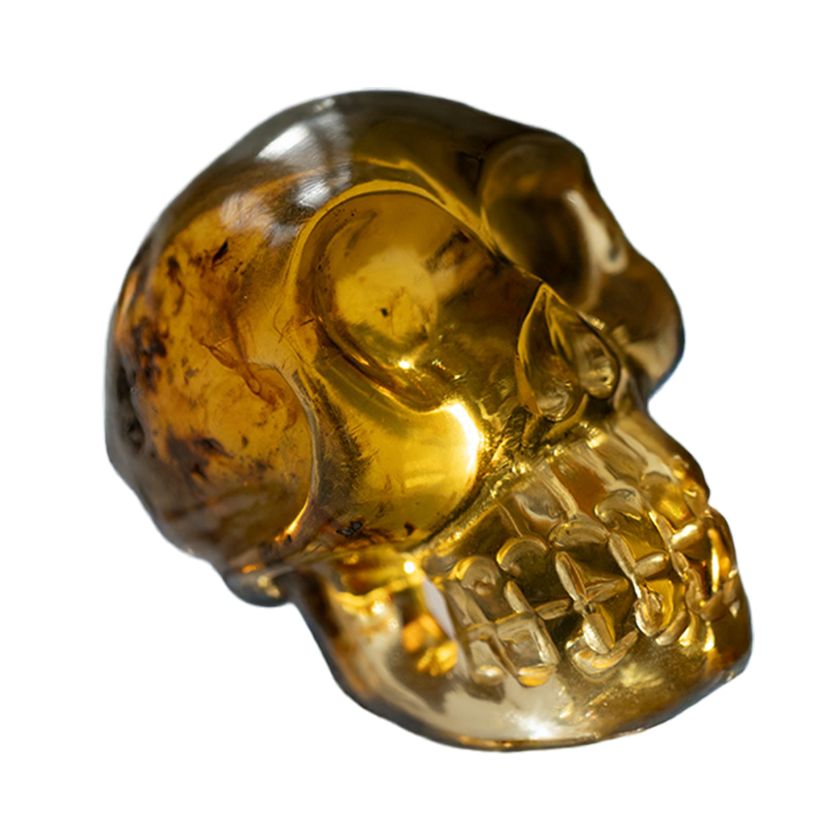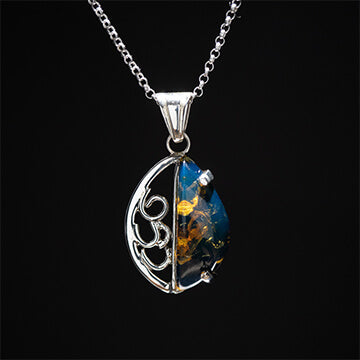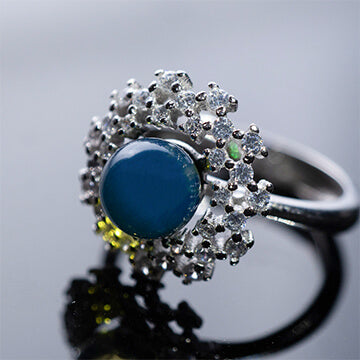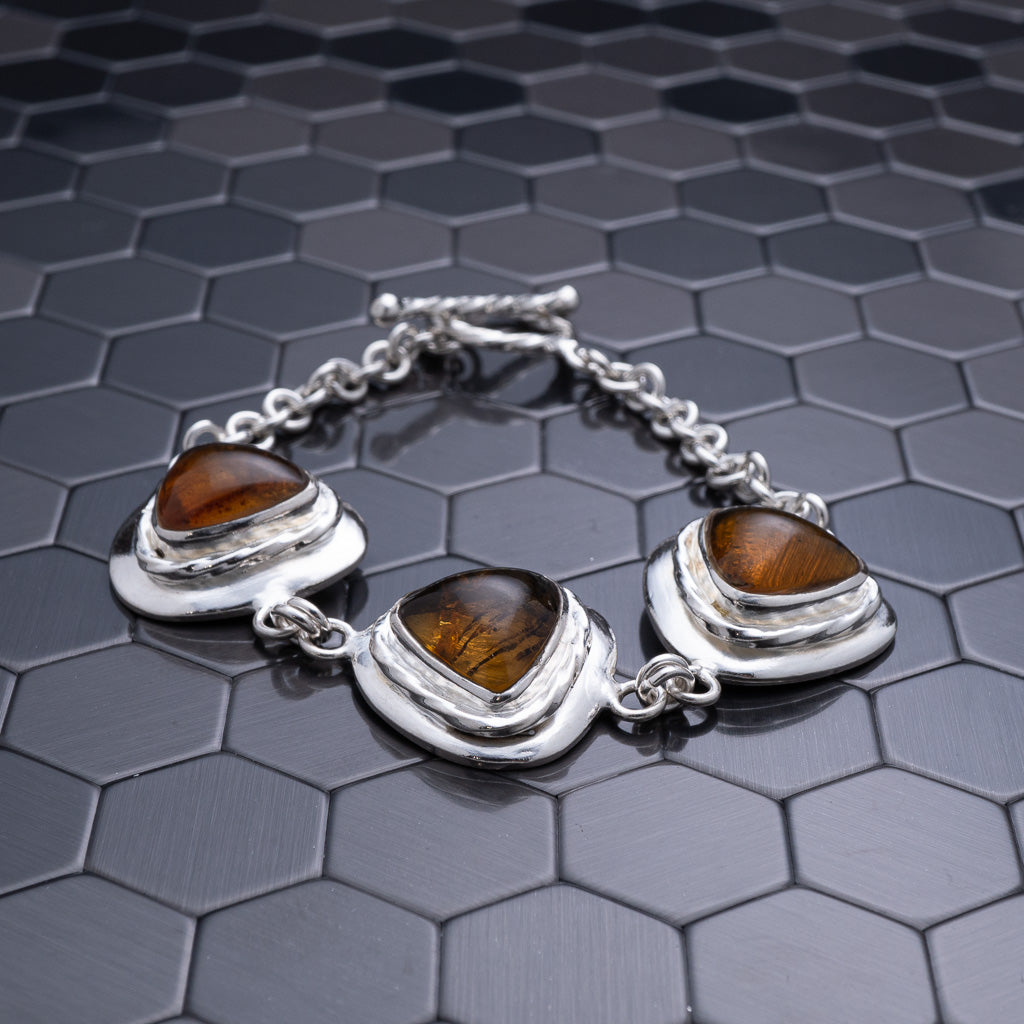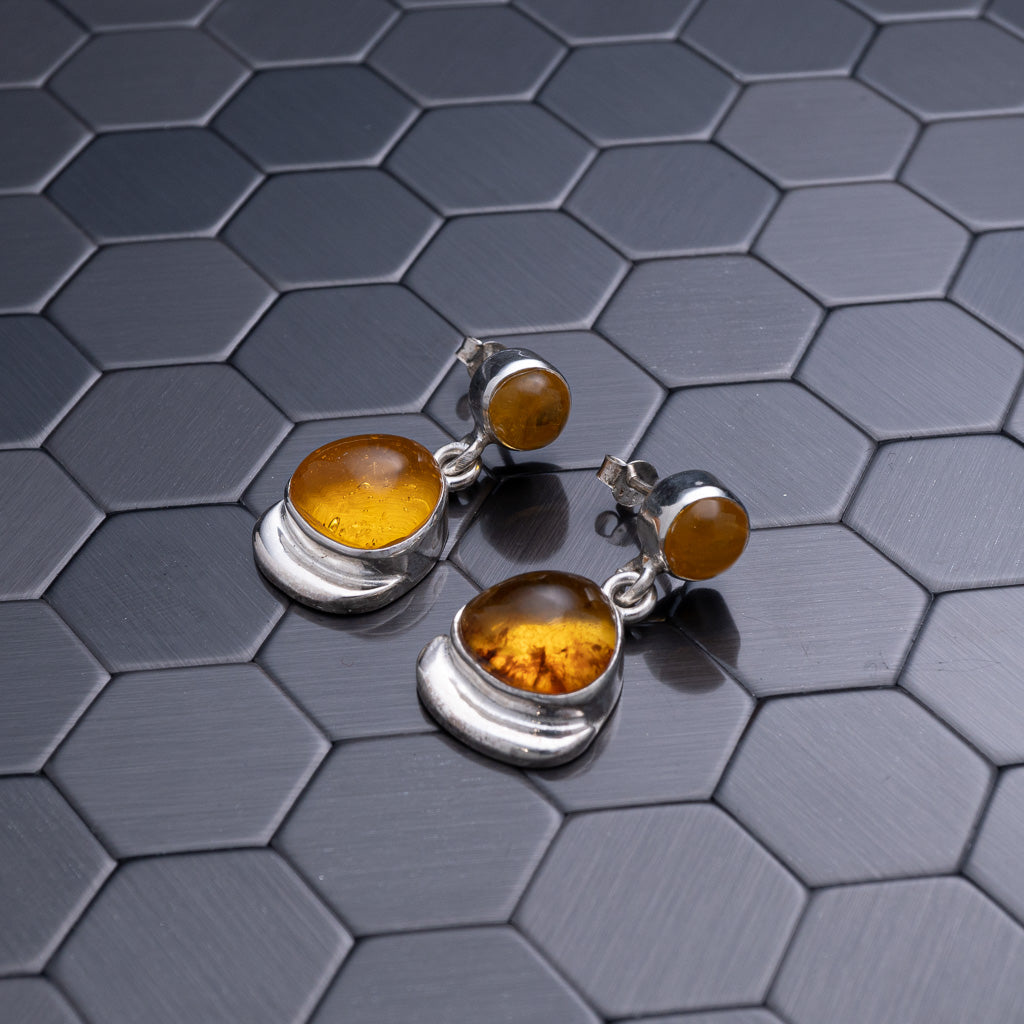


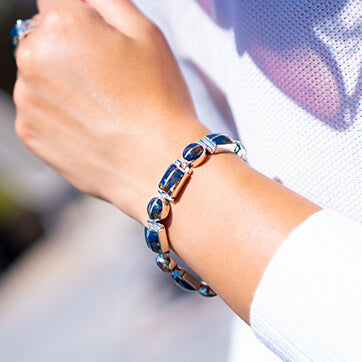
Handcrafted in DR.

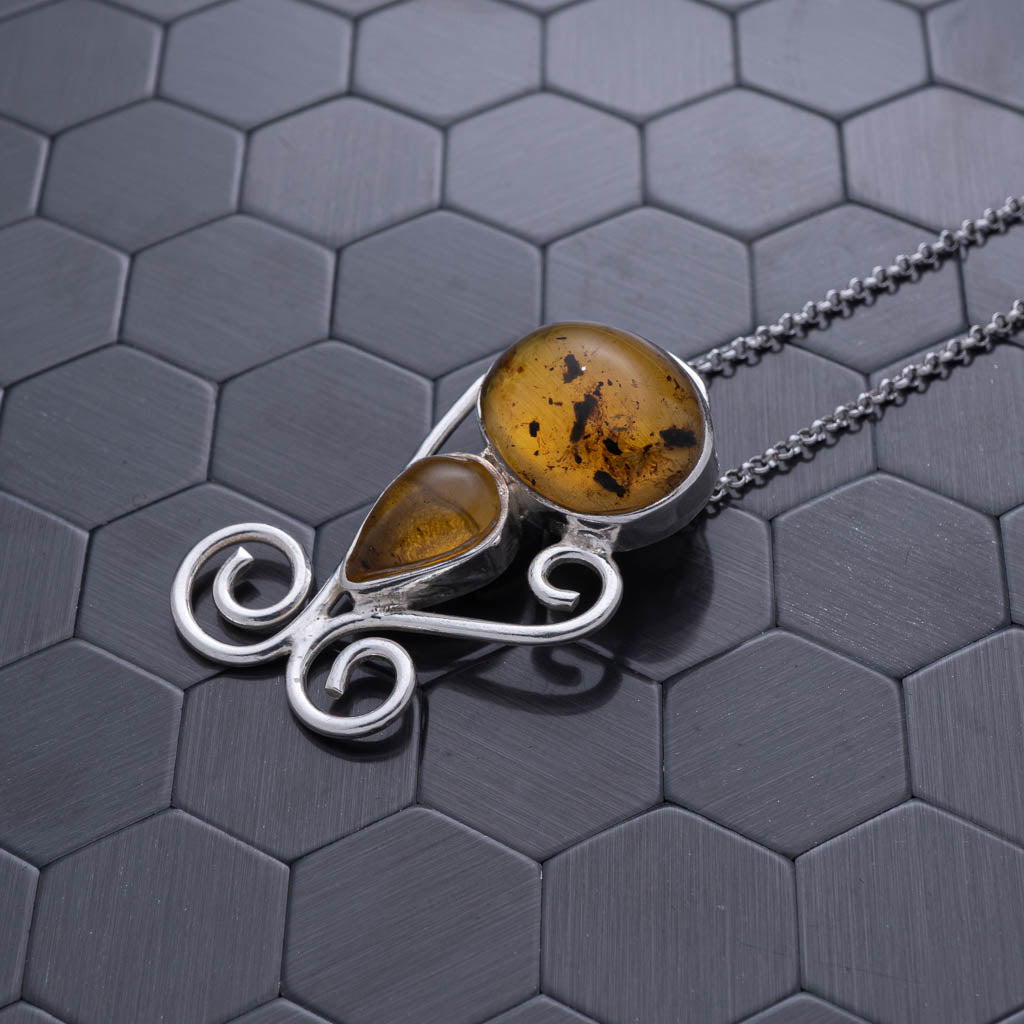
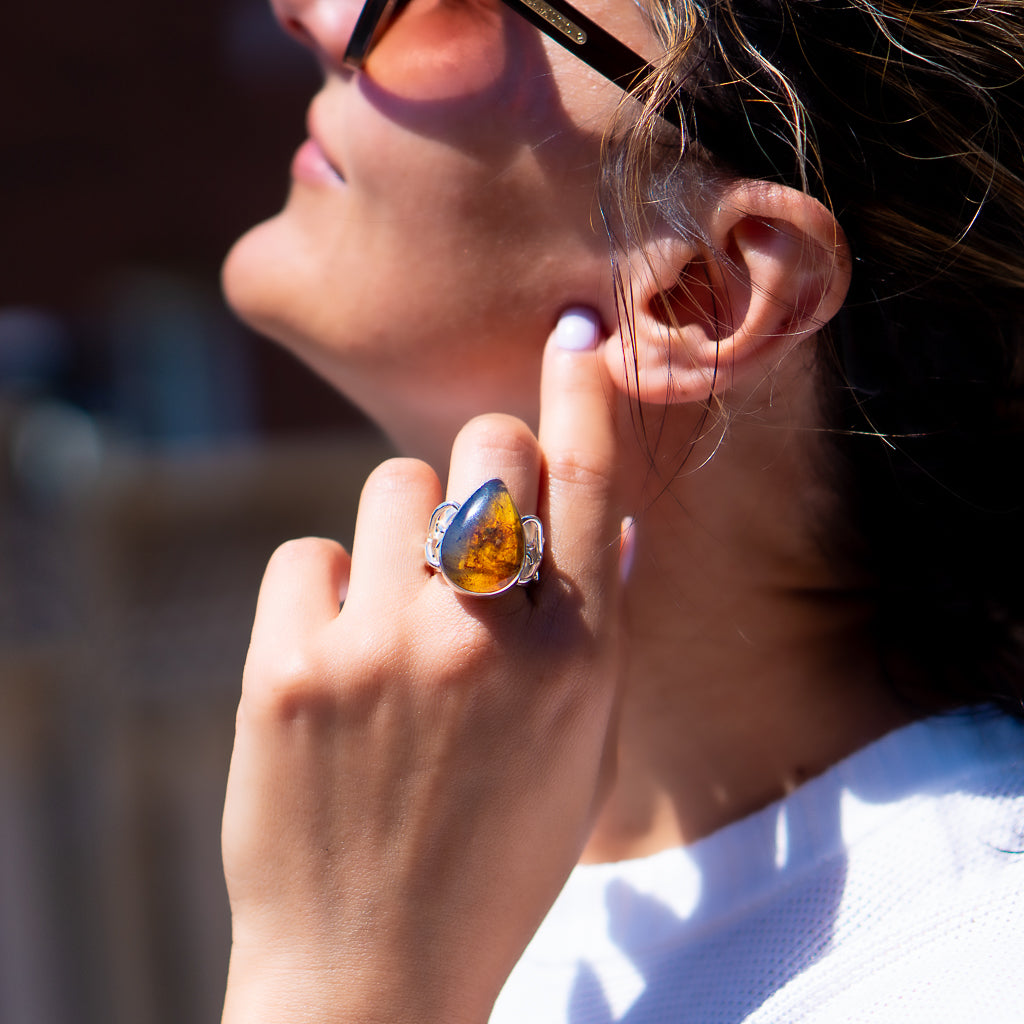
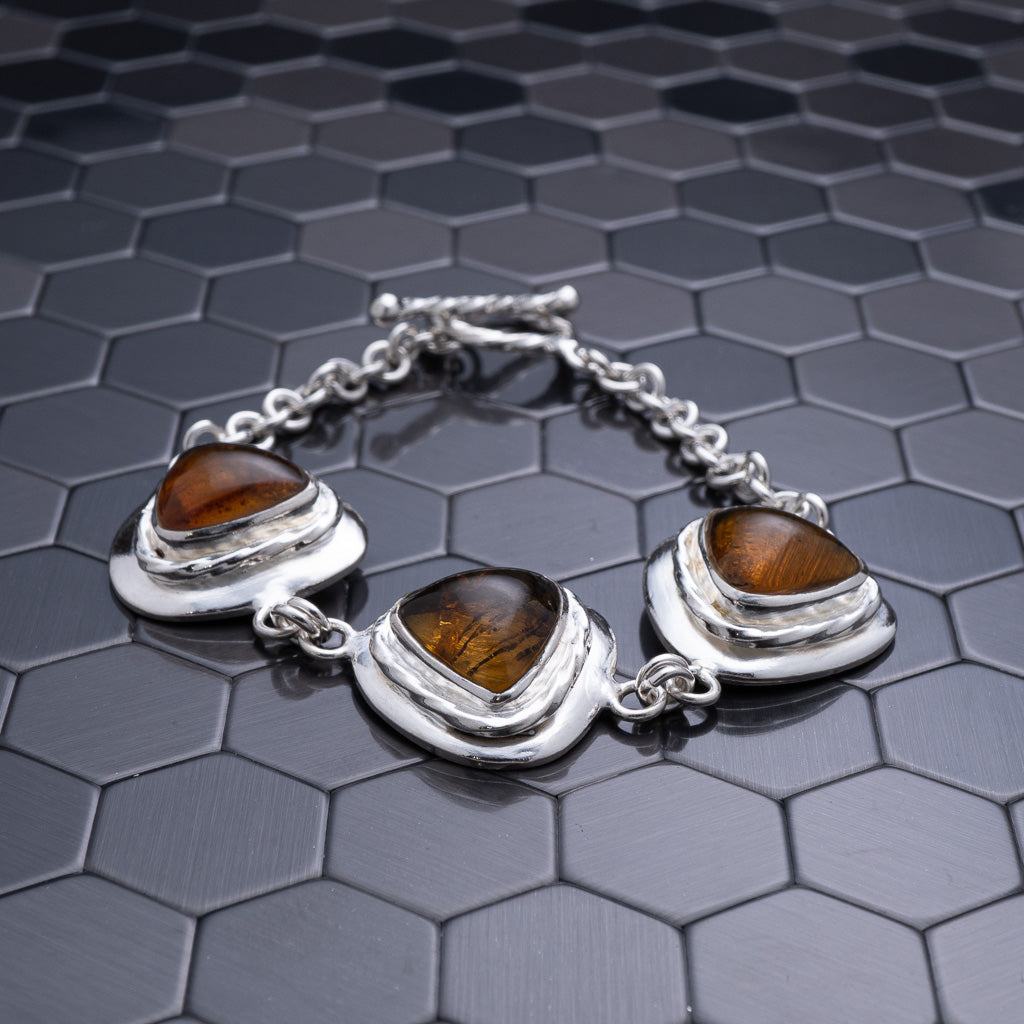
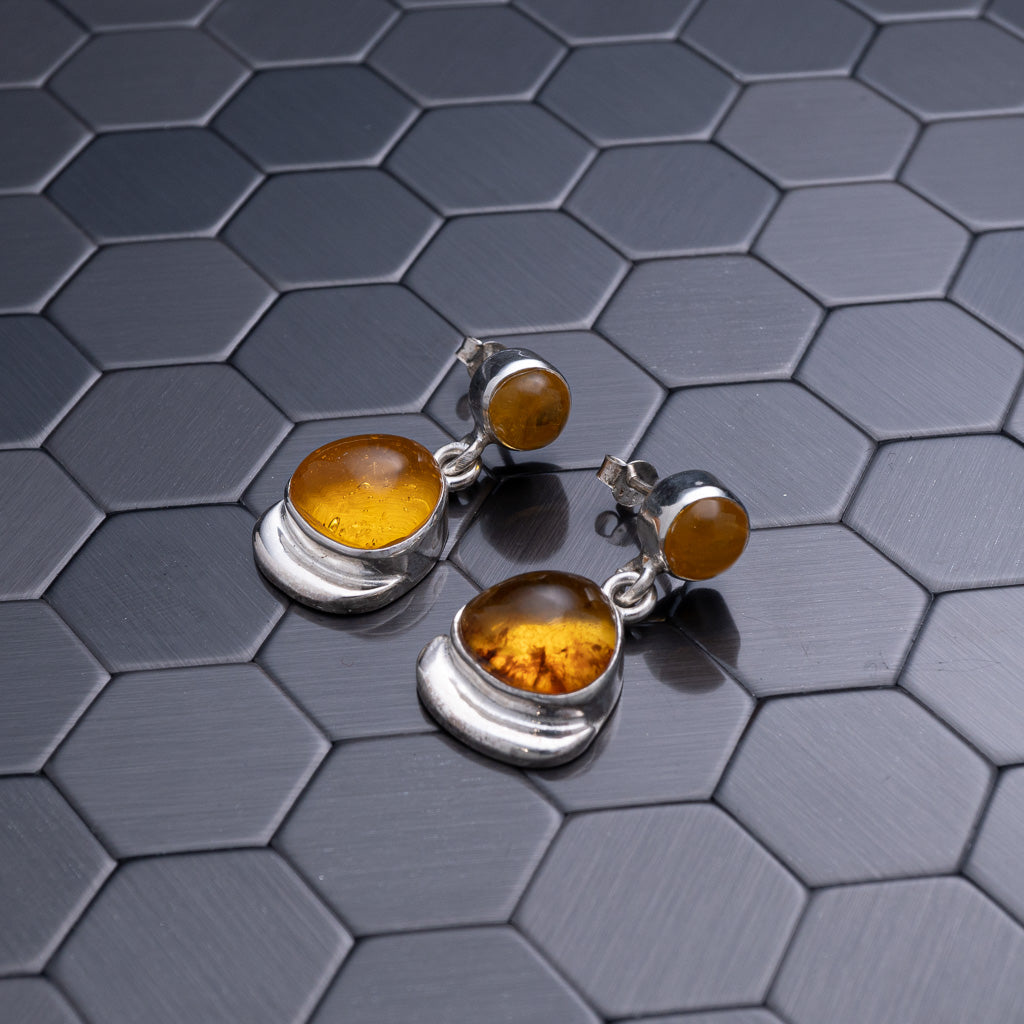


100% Handcrafted in DR.

Discover the captivating allure of dominican blue amber a gemstone rarer than gold that reveals a mesmerizing blue glow when touched by sunlight. This 2026 guide is your all-access pass to the secrets of dominican blue amber, from its ancient origins and rare beauty to insider tips on buying and caring for your own piece. Ready to explore what makes this natural wonder so valuable, how to spot the real deal, and why collectors everywhere are enchanted? Dive in and unlock the world of dominican blue amber.
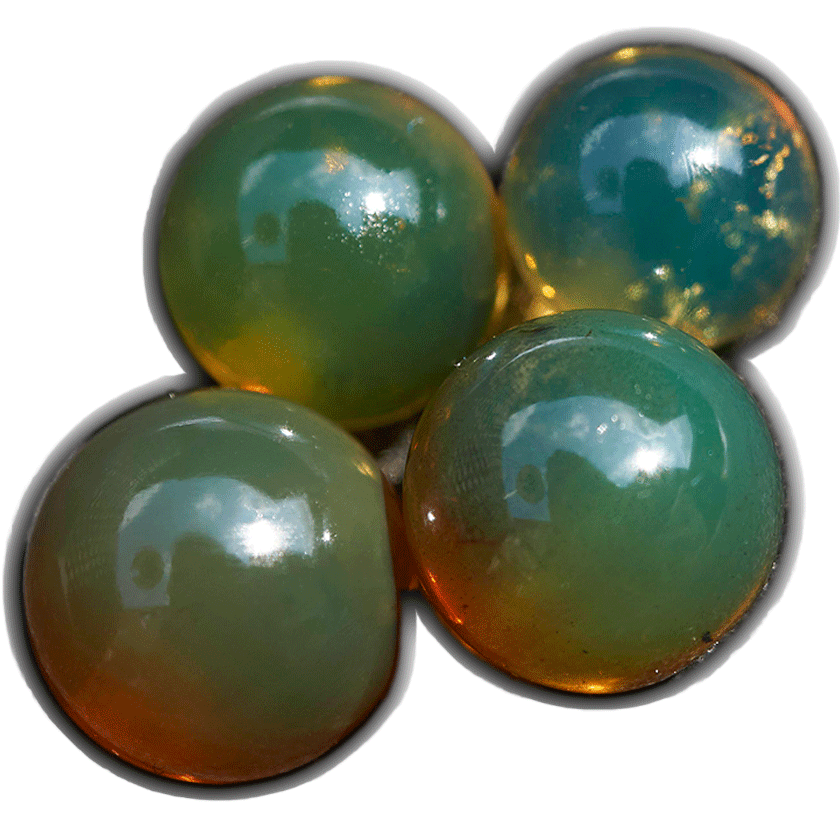
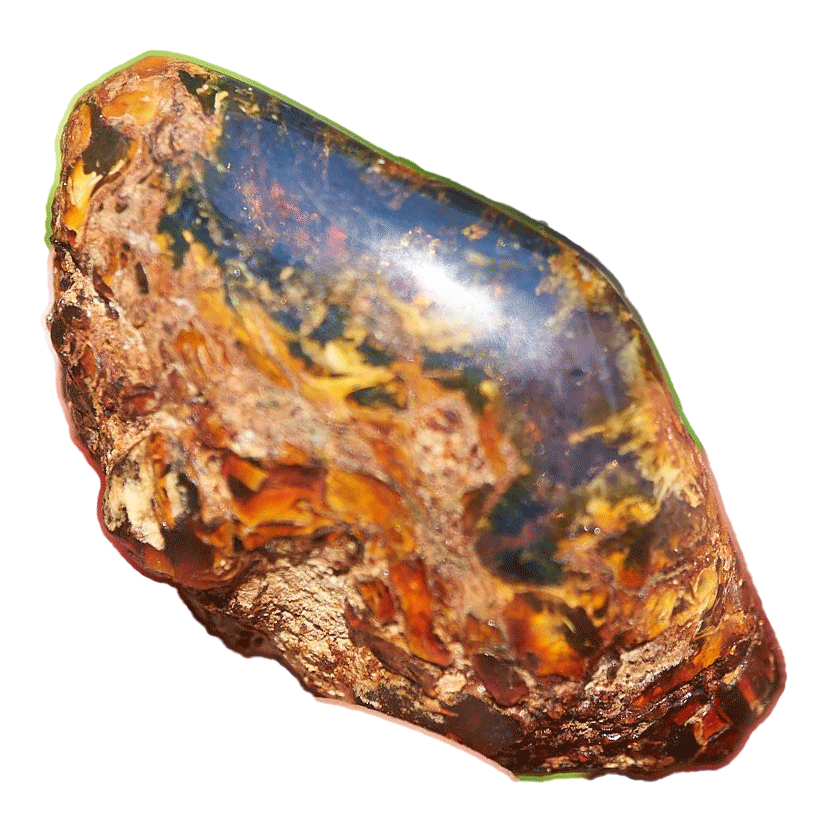
Dominican blue amber is a natural wonder, captivating gem enthusiasts and scientists alike. Unlike typical amber, which is golden or honey-colored, this rare variety glows with a mesmerizing blue when exposed to sunlight or UV light. Its beauty and rarity have made it one of the most sought-after organic gemstones in the world.

Dominican blue amber stands apart from traditional amber due to its extraordinary blue fluorescence. While most amber is prized for its warm, honeyed tones, this variety transforms under sunlight, displaying a vibrant blue or teal glow. This phenomenon is not only visually stunning but also extremely rare among natural resins.
Collectors value dominican blue amber for its captivating play of color and its connection to the ancient ecosystems of the Caribbean. The blue hue is so striking that it often surprises those seeing it for the first time.
Dominican blue amber originates from the fossilized resin of prehistoric Hymenaea trees that once thrived in the Dominican Republic’s lush forests. Over 25 to 40 million years, this sticky tree sap hardened and fossilized deep beneath the earth, preserving ancient life forms and botanical details.
The unique color and fluorescence are believed to result from specific hydrocarbons and chemical compounds within the resin. These compounds absorb ultraviolet and visible light, re-emitting it as a blue glow. For a deeper dive into the chemistry and optical properties, see What Causes Blue Amber's Color.
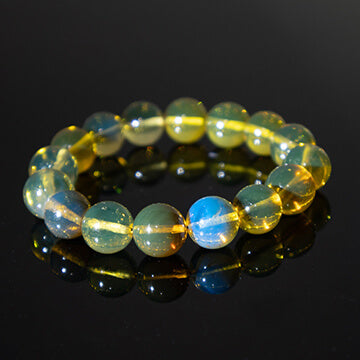
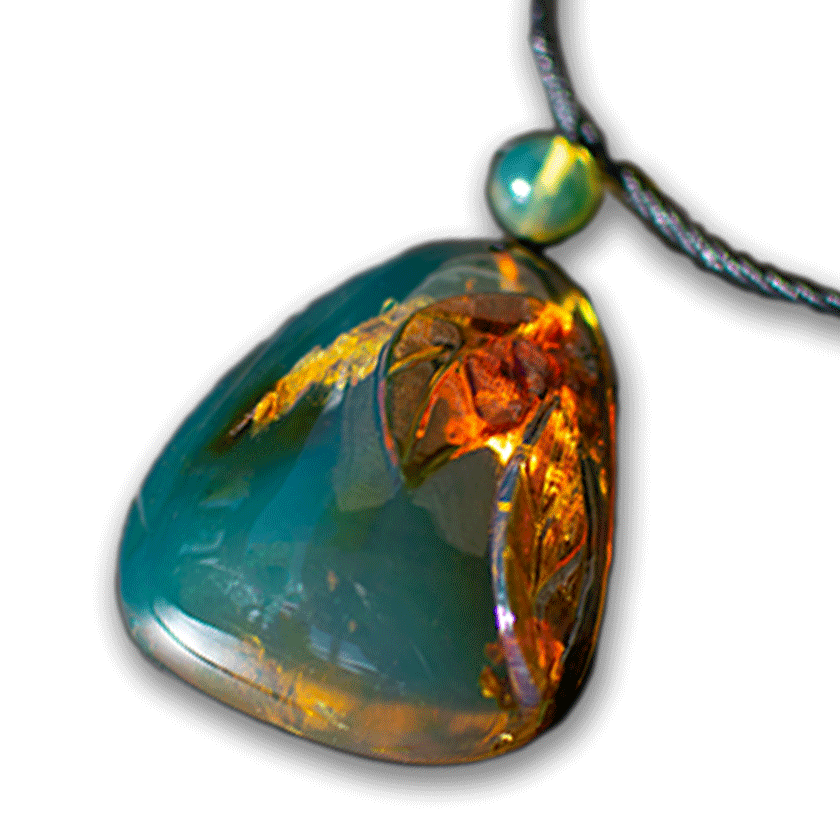
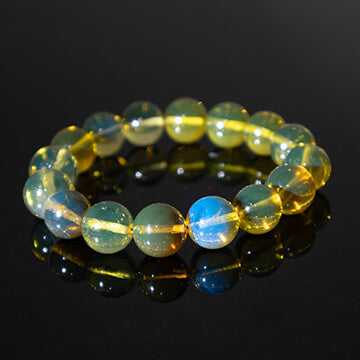
What truly distinguishes dominican blue amber from other ambers is its natural blue fluorescence. When sunlight or UV light strikes the surface, the gemstone emits a glowing blue aura, almost as if it’s illuminated from within.
In normal indoor lighting, dominican blue amber can appear yellow, honey, or even light green. But outdoors, it transforms, dazzling observers with its ethereal blue sheen. This optical effect has fascinated gemologists and artists for decades, cementing its reputation as one of nature’s rarest treasures.
The story of dominican blue amber begins in the mountains of northern Dominican Republic, where locals first discovered these unusual stones. Early indigenous cultures prized amber for its beauty and believed it had protective powers.
During the 20th century, international gemologists began to investigate this blue variety in earnest. The Dominican Republic quickly became recognized as the world’s primary source for blue amber, drawing miners, artisans, and collectors from around the globe.
Dominican blue amber differs from Baltic amber and other types in several key ways. While Baltic amber is older (up to 50 million years) and found in large deposits, blue amber is much rarer and only found in select Dominican mines.
A small fraction of all Dominican amber displays the coveted blue fluorescence, making it even more exclusive. Its clarity, fossil inclusions, and vibrant optical effects set it apart in the amber market.
| Amber Type | Color | Fluorescence | Main Source | Rarity |
|---|---|---|---|---|
| Dominican Blue | Honey/yellow to blue | Blue | Dominican Republic | Extremely rare |
| Baltic | Golden/yellow | None/slight | Baltic region | Common |
| Burmese | Red/yellow/green | Minimal | Myanmar | Rare |
Modern scientific studies have revealed the complex organic makeup of dominican blue amber, helping experts understand its unique properties. Gemologists have found that the blue fluorescence is due to specific aromatic hydrocarbons preserved in the fossil resin.
Famous finds, like large blue amber specimens with trapped insects, have made headlines in the gem world. These discoveries not only showcase the gemstone’s beauty but also provide a window into prehistoric Caribbean life.
Dominican blue amber remains a symbol of rarity, scientific intrigue, and natural artistry, continuing to inspire awe in all who encounter it.
Identifying authentic dominican blue amber is essential for collectors, jewelry lovers, and investors alike. With its rarity and value, this gemstone is often imitated. Knowing what to look for helps ensure you’re buying the real deal and not a cleverly disguised fake.
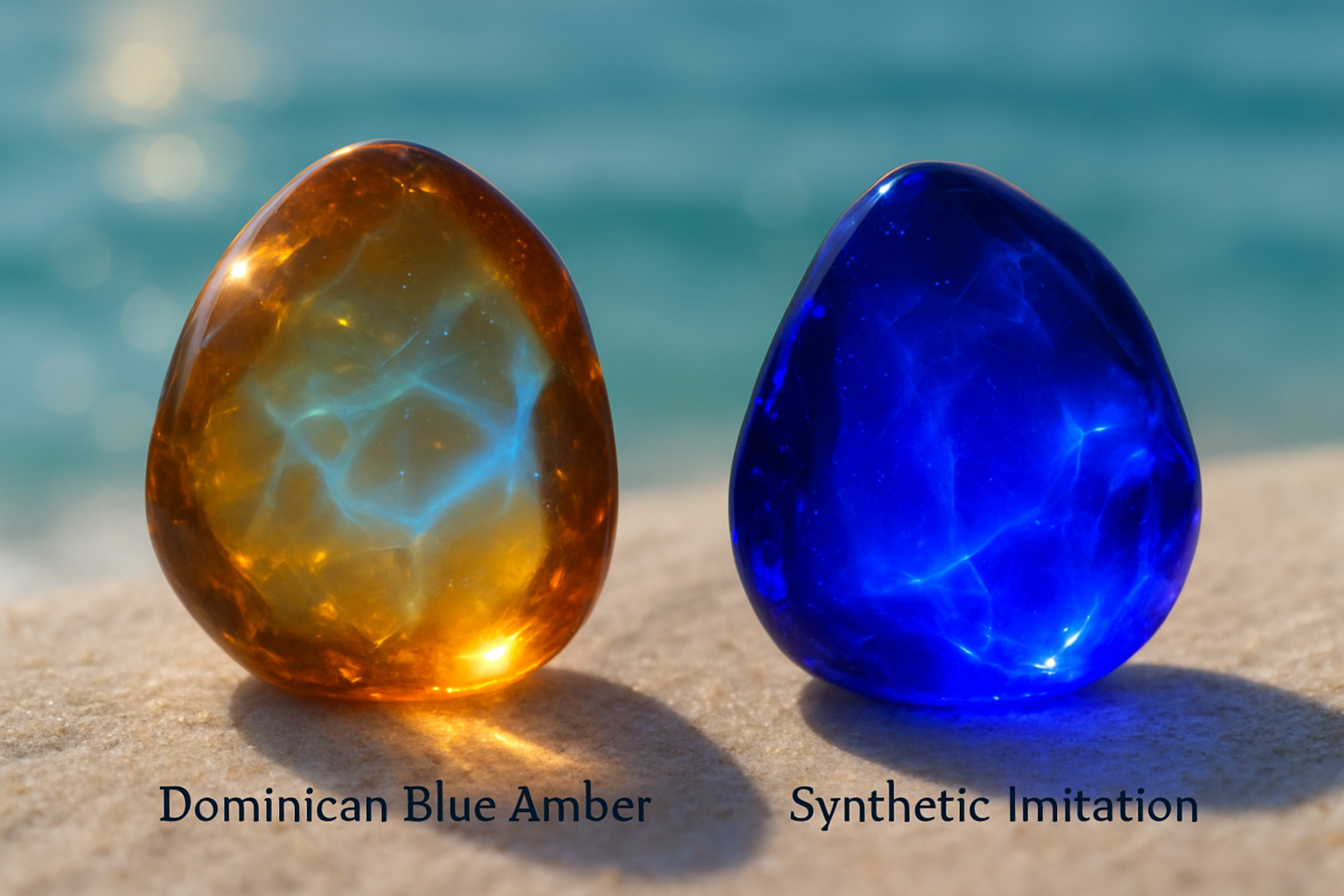
The first step is to observe the gemstone’s unique visual characteristics. Authentic dominican blue amber appears honey-yellow or golden under normal indoor lighting. Under direct sunlight or UV light, it exhibits a striking blue fluorescence. This natural effect is due to its specific molecular structure, which is not easily replicated in imitations.
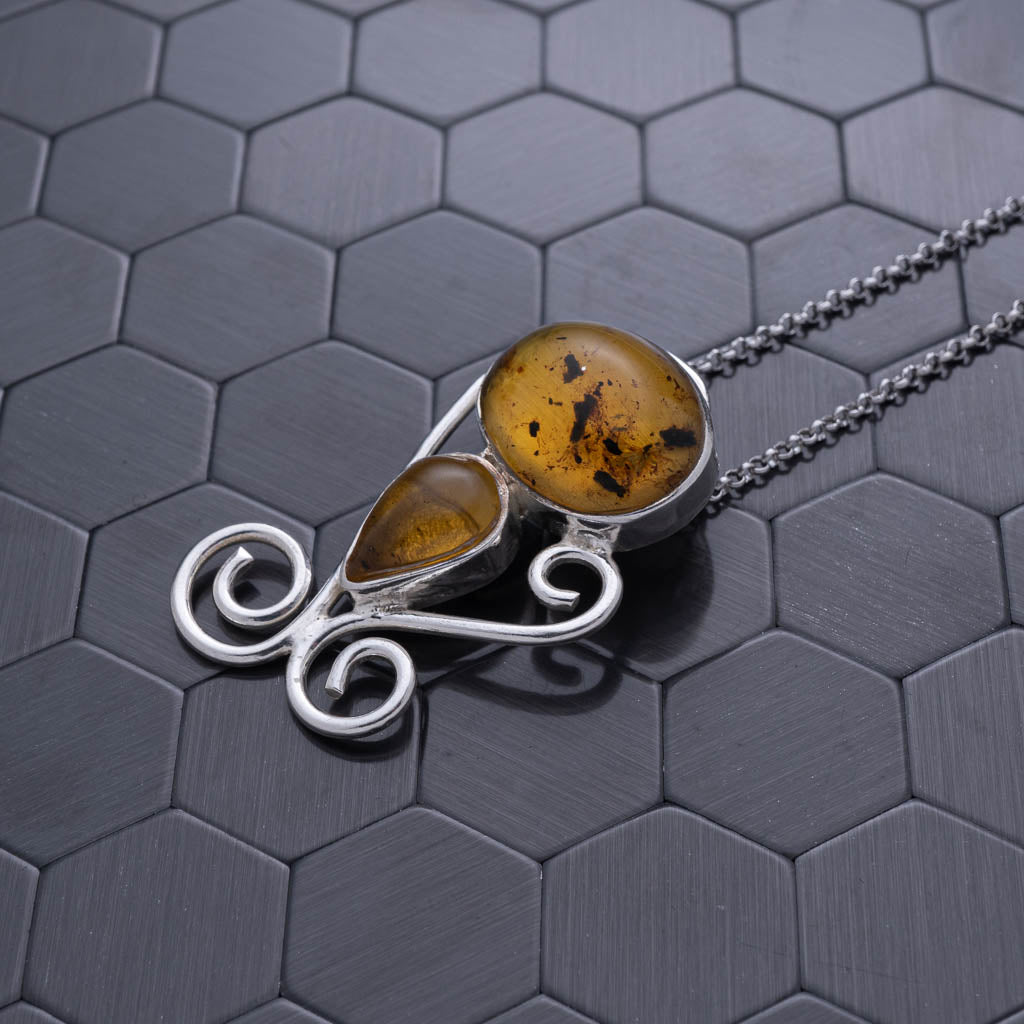
Genuine dominican blue amber often contains fascinating inclusions. Tiny fossilized insects, plant fragments, and air bubbles are common. Rather than detracting from value, these inclusions can make each piece more desirable, as they offer a glimpse into prehistoric times. In fact, collectors frequently seek out pieces that showcase well-preserved inclusions, since they underscore the amber’s authenticity and tell a unique story.
When it comes to scientific verification, there are several reliable tests:
Here’s a quick comparison to help you spot the differences:
| Feature | Real Dominican Blue Amber | Fake/Synthetic Blue Amber |
|---|---|---|
| Blue fluorescence (UV) | Strong, vivid blue | Weak or absent |
| Inclusions | Natural (insects/plants) | Absent or artificial |
| Surface patterns | Organic, random | Too perfect, repetitive |
| Smell (heated/ rubbed) | Pine-like, resinous | Chemical or plastic odor |
| Price | High, reflects rarity | Cheap, suspiciously low |
Imitations are widespread. Some are simple plastics dyed blue, while others are reconstructed amber or treated amber from other sources. Synthetic blue amber often lacks the complex internal patterns, natural inclusions, and authentic fluorescence of dominican blue amber. If a piece looks too perfect or the blue is visible in all lighting (not just sunlight/UV), be cautious.
Always ask for certification and documentation when purchasing. Reputable dealers will provide proof of origin and authenticity. Provenance is particularly important for high-value stones. Trusted sources are transparent about mining locations and treatment history. If the seller hesitates to share these details, it’s a red flag.
Price can also be a revealing factor. Genuine dominican blue amber commands premium prices due to its rarity. If you see unusually low prices, proceed with caution. According to gemological associations, up to 40% of “blue amber” on the market may be misrepresented or fake. This makes due diligence even more crucial for buyers.
For a more detailed breakdown of testing methods and what to look for, you can consult Identifying Authentic Blue Amber. This guide offers expert tips and visuals to help you make informed decisions.
In summary, authenticating dominican blue amber is about combining visual inspection, scientific testing, and common sense. By focusing on fluorescence, inclusions, documentation, and price, you’ll be well equipped to spot the real treasure and avoid costly mistakes.
Dominican blue amber is captivating jewelry lovers and art collectors worldwide. Its rare, glowing blue hue transforms each piece into a wearable treasure. Let’s explore how this remarkable gemstone is shaping trends in jewelry and art for 2025.

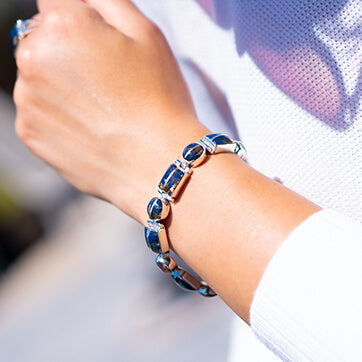
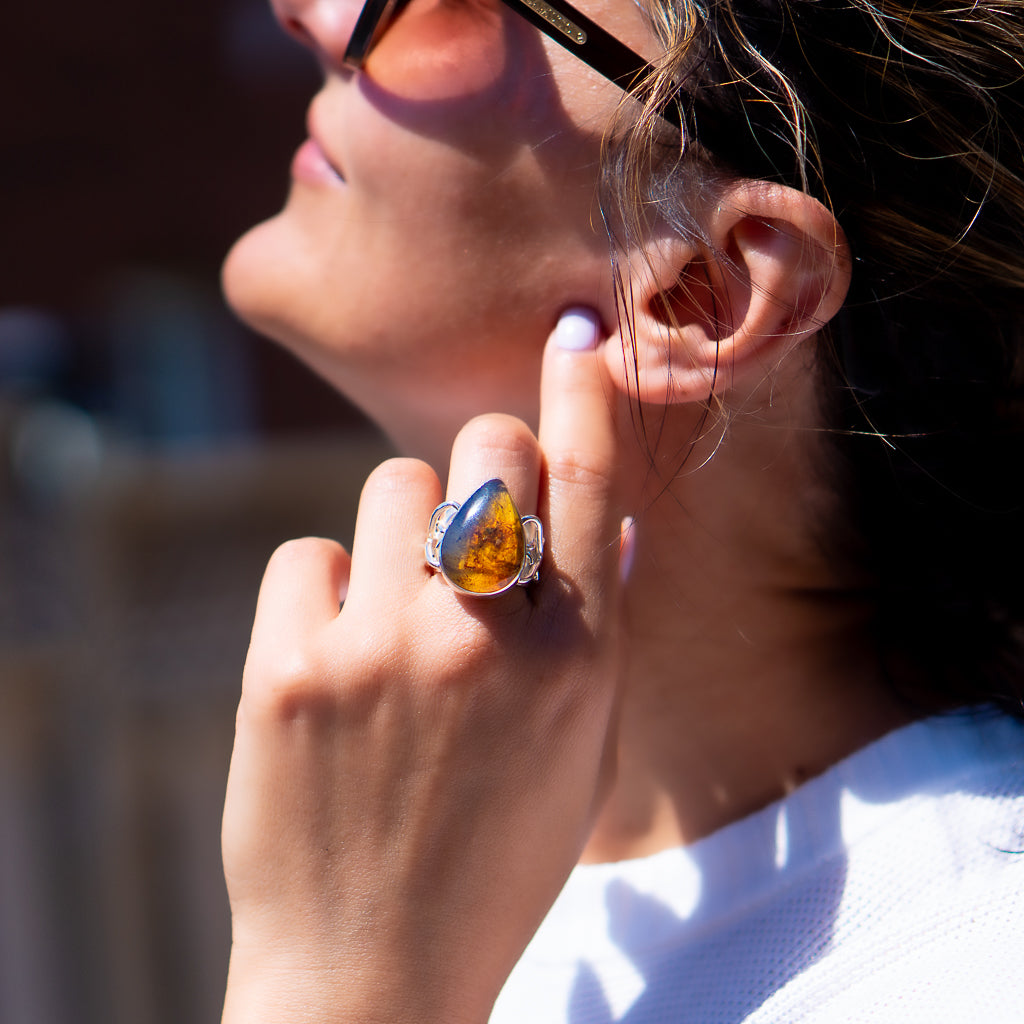
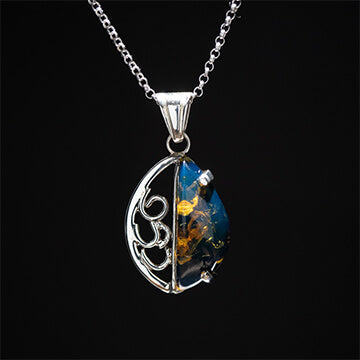
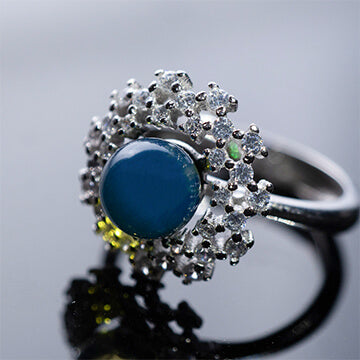
Dominican blue amber is most celebrated in fine jewelry. Designers craft pendants, rings, earrings, and bracelets that showcase its shifting blue and honey tones. Beaded necklaces and statement cuffs highlight the stone’s natural luminescence.
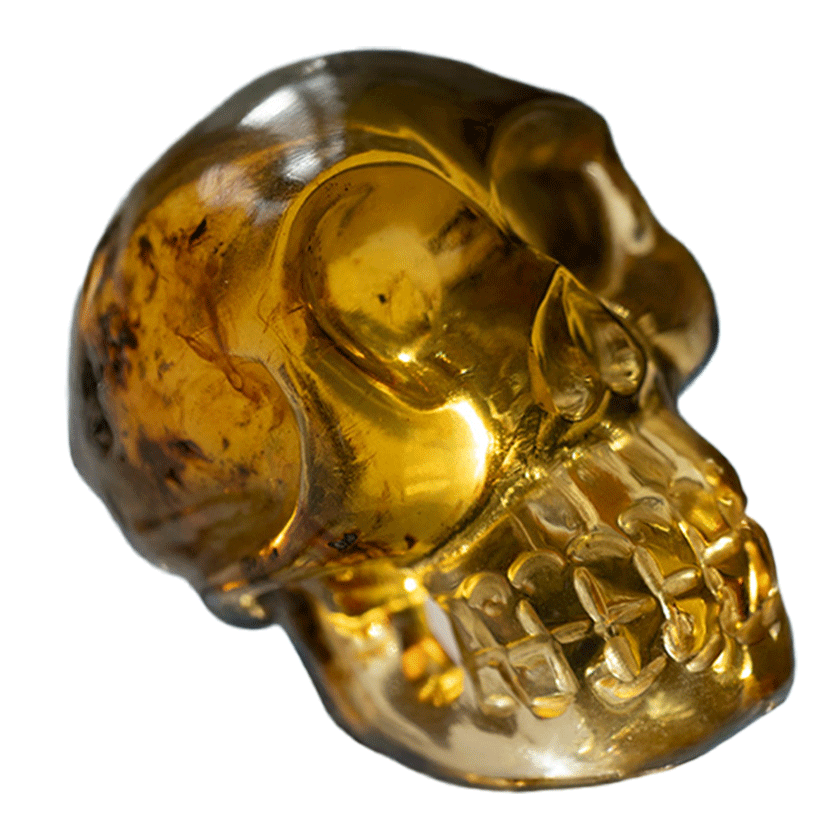
Artisans also carve dominican blue amber into figurines, animal shapes, and religious icons. Specialty items like prayer beads blend tradition with contemporary artistry.
For a glimpse of current jewelry designs, explore the Blue Amber Jewelry Collection, which features a range of expertly crafted pieces.
In 2025, dominican blue amber is at the forefront of jewelry trends. Minimalist settings think sleek silver or gold bands let the gemstone’s color steal the show. Mixed metals, such as rose gold paired with sterling silver, add a modern twist.
Designers are embracing bold, sculptural forms. Large cabochons and dramatic cuts are in demand. Layered necklaces and stackable rings featuring dominican blue amber bring a playful, contemporary edge to classic styles.
Bespoke jewelry is rising in popularity as collectors seek one-of-a-kind dominican blue amber pieces. Skilled Dominican artisans use traditional hand-carving techniques, ensuring each creation is unique.
Many clients commission custom rings, pendants, or even sculptural art objects. The ability to select stone shape, setting, and complementary gems makes the experience deeply personal.
Artisan workshops often highlight the stone’s natural inclusions, like fossilized insects, turning imperfections into focal points. This craftsmanship elevates dominican blue amber from a gem into a true work of art.
Dominican blue amber carries powerful cultural symbolism. Historically, it’s prized for its connection to the island’s prehistoric forests and its rare, transformative beauty.
Many believe dominican blue amber has spiritual and healing properties. It’s thought to bring calm, inspire creativity, and protect against negative energy. Jewelry wearers often choose pieces for both their beauty and their deeper meaning.
In the Dominican Republic, blue amber is a source of national pride and a symbol of the island’s natural heritage.
Leading designers and brands have embraced dominican blue amber in recent collections. Artisans from Santo Domingo to global luxury houses release limited-edition lines each year.
Standout pieces include hand-carved pendants featuring intricate fossil inclusions and modern rings set with large, luminous stones. Some artists incorporate blue amber into mixed-media sculptures, merging organic and contemporary aesthetics.
Collectors prize pieces that highlight the gem’s blue fluorescence, especially those with documented provenance and unique visual patterns.
The market for dominican blue amber jewelry has grown steadily. Demand is driven by rarity, natural beauty, and growing appreciation among collectors and fashion influencers.
Recent data shows a steady rise in consumer interest, especially for AAA-quality dominican blue amber pieces. Jewelry featuring larger stones, minimal settings, or custom designs tends to command higher prices.
As global awareness grows, dominican blue amber continues to set trends in both fine jewelry and collectible art. Its fusion of rarity, history, and modern design ensures it remains a coveted gemstone for years to come.
Dominican blue amber continues to captivate collectors and investors alike, thanks to its mesmerizing glow and limited supply. As demand grows, understanding the market for dominican blue amber is essential for anyone looking to buy, sell, or invest in this rare gemstone.
Price Ranges: Raw Stones vs. Finished Jewelry
The value of dominican blue amber varies widely depending on whether you're purchasing a raw specimen or a finished piece of jewelry. Raw stones typically start at around $10–$30 per gram for lower grades, while premium, gem-quality raw blue amber can reach $100–$400 per gram. Finished jewelry, especially pieces crafted by skilled artisans, often commands significantly higher prices, reflecting both the rarity of the material and the craftsmanship involved.
| Type | Price Range (2025) | Notes |
|---|---|---|
| Raw Blue Amber (low) | $10–$30/gram | Lower clarity, weaker blue effect |
| Raw Blue Amber (AAA) | $100–$400/gram | High clarity, strong blue fluorescence |
| Jewelry (pendant, ring) | $200–$2,500+ per piece | Artisan-crafted, documentation |
What Drives Value?
Several factors influence the price of dominican blue amber:
AAA quality is the gold standard for dominican blue amber, defined by vivid blue color, minimal inclusions, and exceptional clarity. Only a small fraction of mined amber meets these strict criteria.
Investment Insights and Market Trends
Dominican blue amber’s rarity has led to steady appreciation in value over the past decade. Collectors and investors are drawn by both its beauty and its scarcity. Notably, auction records show that exceptional pieces can sell for upwards of $10,000, especially those with unique inclusions or remarkable fluorescence.
When considering dominican blue amber as an investment, it's crucial to verify authenticity and provenance. The market has seen a rise in imitations and treated stones, making documentation from reputable sources essential. For a deeper dive into origins, properties, and buying strategies, the Dominican Blue Amber Guide offers expert insights and practical advice.
Safe Buying: How to Avoid Pitfalls
To ensure your dominican blue amber purchase is sound:
Case Study: Auction Success
A recent high-profile auction featured a 50-gram AAA dominican blue amber cabochon, complete with fossilized insect inclusions and vibrant blue glow. The stone sold for over $15,000, reflecting both its rarity and collector appeal. Such results highlight the strong investment potential for top-grade dominican blue amber in 2025.
The market outlook remains bright, with increasing interest from global buyers and designers. As always, knowledge, patience, and careful sourcing are your best allies in navigating the world of dominican blue amber.

Dominican blue amber stands apart in the world of rare gemstones, captivating collectors and jewelry lovers with its mesmerizing blue glow. But how does it compare to other sought-after ambers and unique gemstones? Let’s break down the differences, from scientific wonders to market trends, so you can see why dominican blue amber is in a league of its own.
Let’s start with a quick snapshot of how dominican blue amber compares to other rare ambers:
| Amber Type | Color Under Light | Main Source | Unique Feature | Rarity |
|---|---|---|---|---|
| Dominican Blue Amber | Blue (sun/UV), honey-yellow | Dominican Republic | Blue fluorescence | Very rare |
| Baltic Amber | Golden to cognac | Baltic Sea region | Oldest known amber | Common |
| Burmese Amber | Deep red, orange, brown | Myanmar | High clarity, insect inclusions | Rare |
| Green Amber | Olive to grass green | Dominican Republic, Baltic | Plant-based hues | Less common |
Dominican blue amber’s blue fluorescence under sunlight and UV light is what truly sets it apart, making it a standout choice for collectors seeking something extraordinary.
The most striking feature of dominican blue amber is its ability to emit a vibrant blue glow when exposed to sunlight or ultraviolet light. This phenomenon is caused by natural aromatic hydrocarbons within the resin a property not shared by most other ambers. According to the Fluorescence Characteristics of Blue Amber, this blue fluorescence is a rare optical effect, seen almost exclusively in amber from the Dominican Republic.
Baltic amber, on the other hand, is prized for its golden warmth and ancient inclusions, while Burmese amber is known for its deep colors and high clarity. Green amber, though visually striking, lacks the dramatic color transformation that makes dominican blue amber so mesmerizing.
Dominican blue amber is significantly rarer than other ambers. Only a tiny fraction of all Dominican amber exhibits the coveted blue fluorescence, and even fewer pieces are gem-quality. This rarity has fueled a surge in global demand, especially among luxury jewelers and collectors.
Baltic amber remains more accessible due to its abundance and long history in the jewelry trade. Burmese amber is rare but has gained popularity for its fossil inclusions. Green amber sees niche demand, often used in artisan jewelry. As of 2025, dominican blue amber commands some of the highest prices per carat among ambers, reflecting its exclusivity and the growing collector interest.
For collectors, dominican blue amber represents both a natural wonder and a sound investment. Its scarcity, coupled with increasing international recognition, has led to steady appreciation in value. High-grade blue amber pieces, especially those with unique inclusions or exceptional fluorescence, often become centerpiece gems in private collections or museums.
Baltic amber, while widely collected, does not see the same rate of value increase due to its availability. Burmese amber appeals to those interested in paleontology, thanks to its preserved prehistoric insects. Green amber is sought after for its unusual color but remains a niche collectible.
In 2026, dominican blue amber is favored by gem enthusiasts who want a gemstone that is both visually stunning and rare, offering a blend of natural beauty, scientific intrigue, and investment potential that few other ambers can match.
Now that you’ve uncovered the fascinating world of Dominican Blue Amber its origins, rarity, and how to spot the real thing you might be curious to see these treasures up close or even add one to your collection. If you want to experience the magic of this gemstone firsthand, there’s nothing like admiring a handcrafted piece made by skilled Dominican artisans. Whether you’re searching for a unique statement or a meaningful gift, you’ll find plenty of inspiration. Ready to explore further? Explore Handmade Dominican Jewelry and discover the one-of-a-kind beauty that only genuine Dominican Blue Amber can offer.