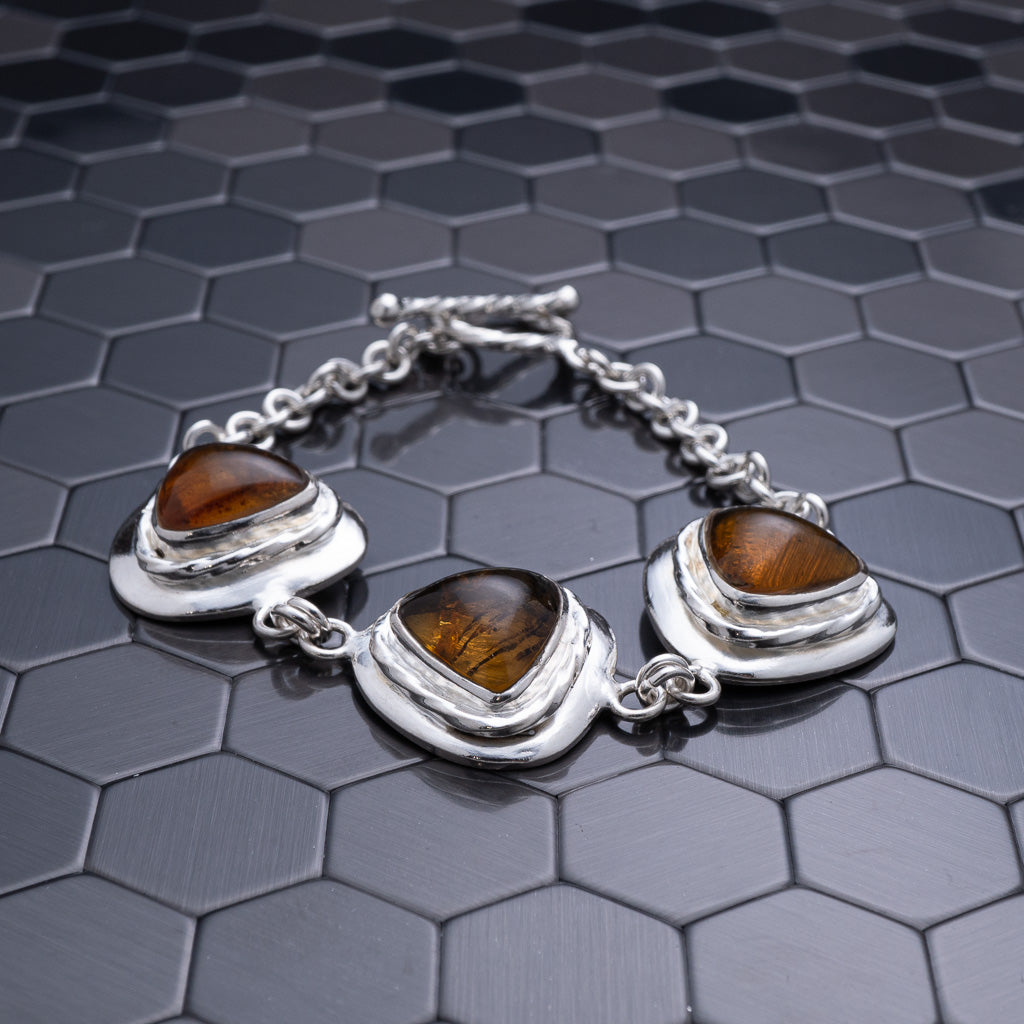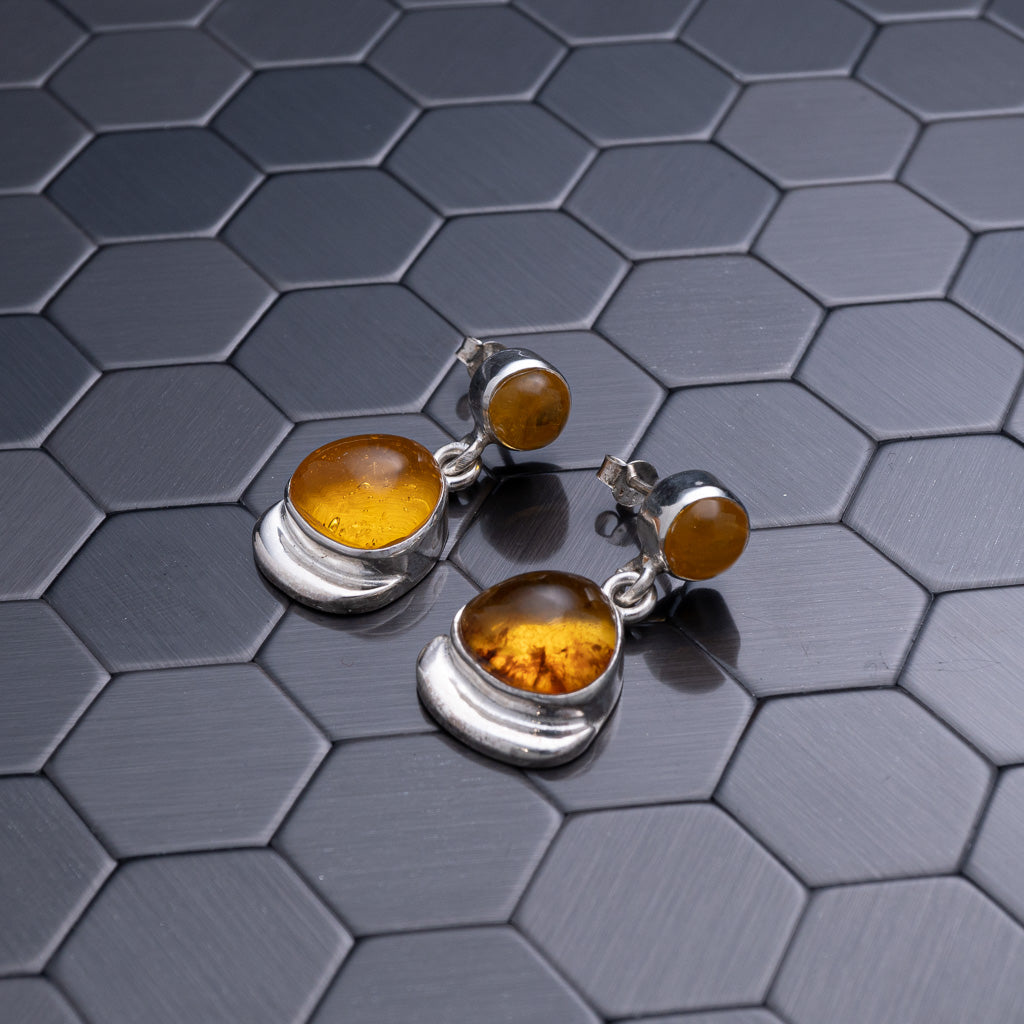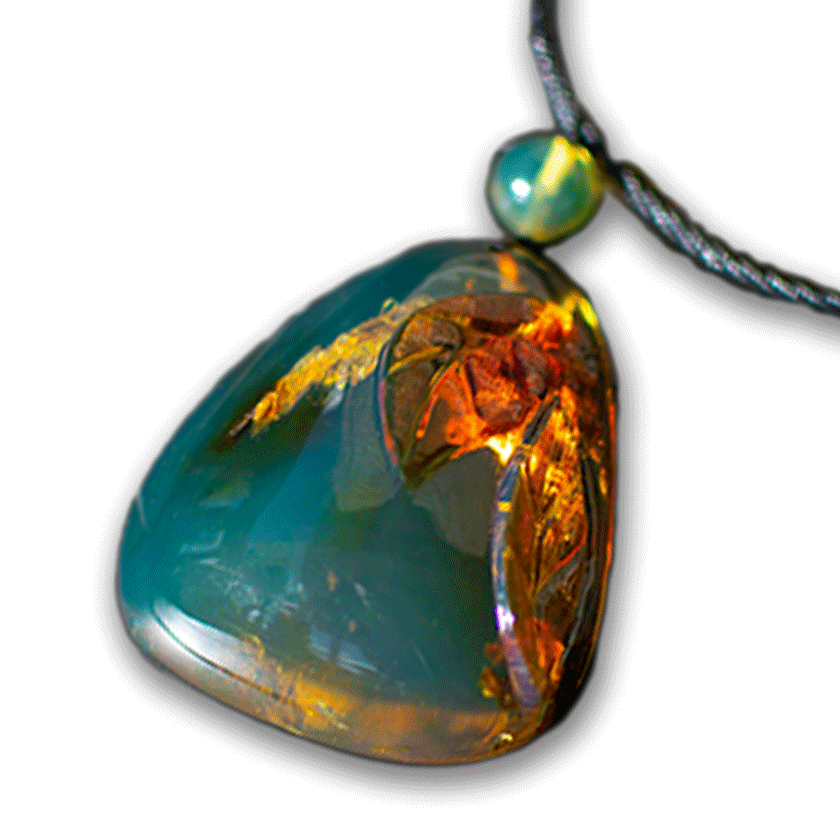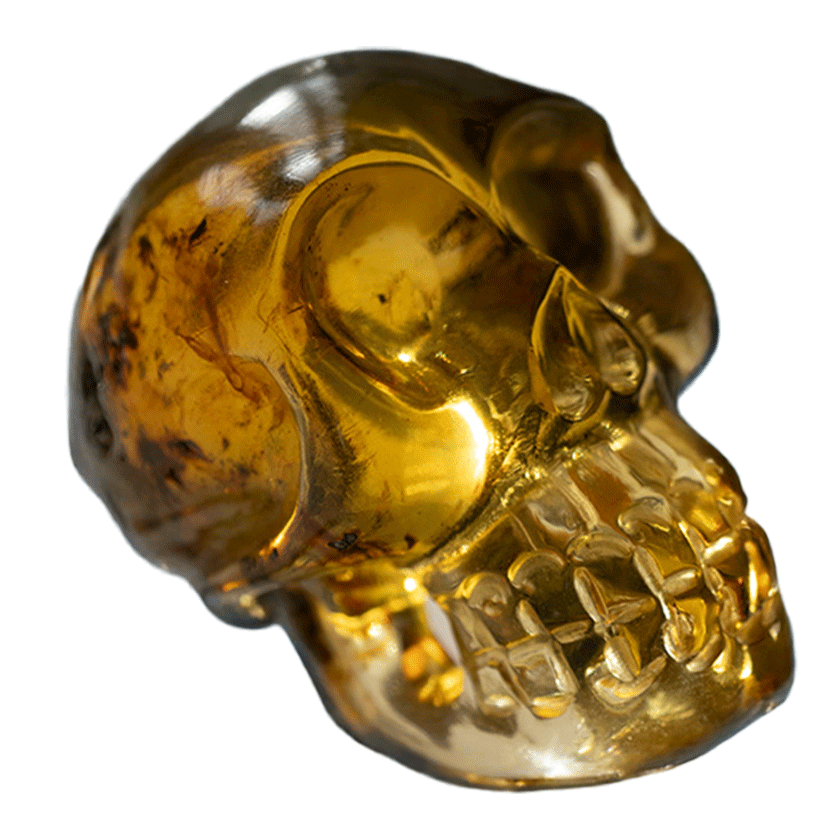


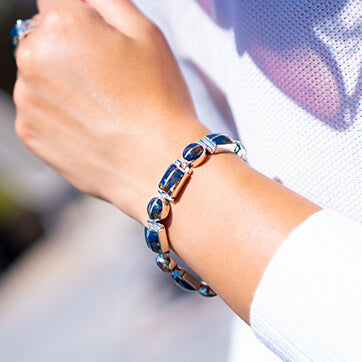
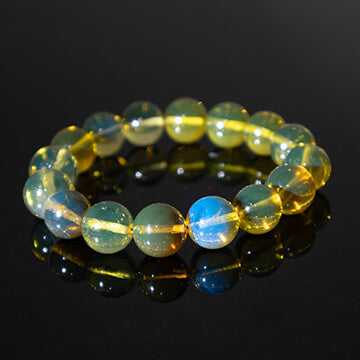
Handcrafted in DR.

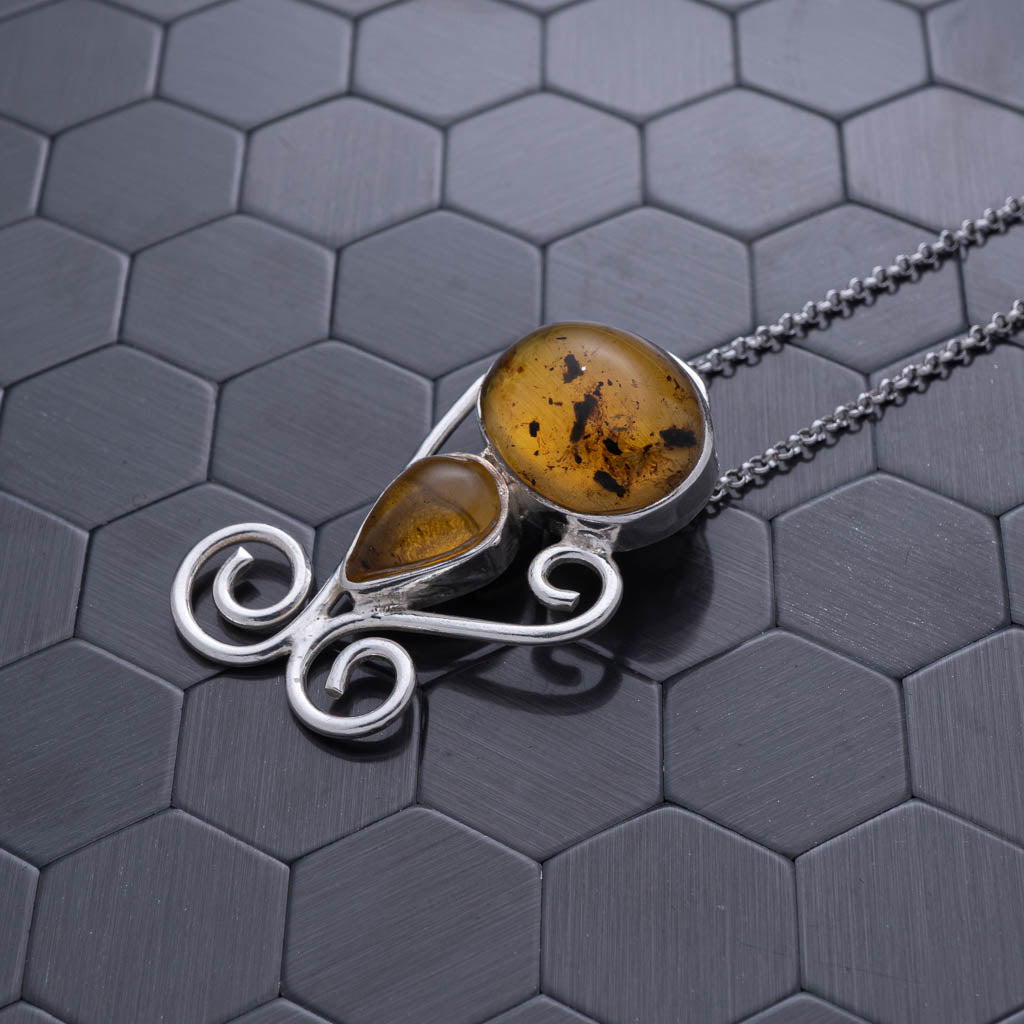
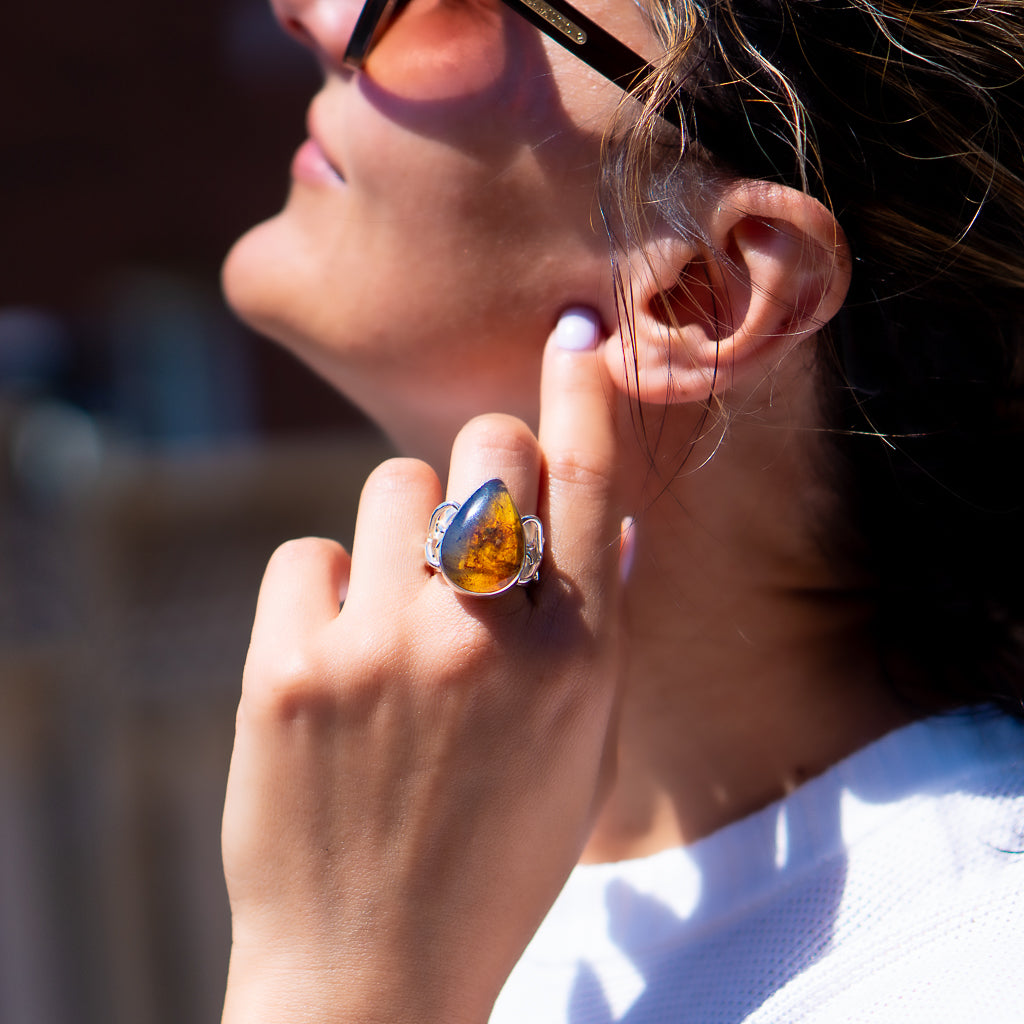
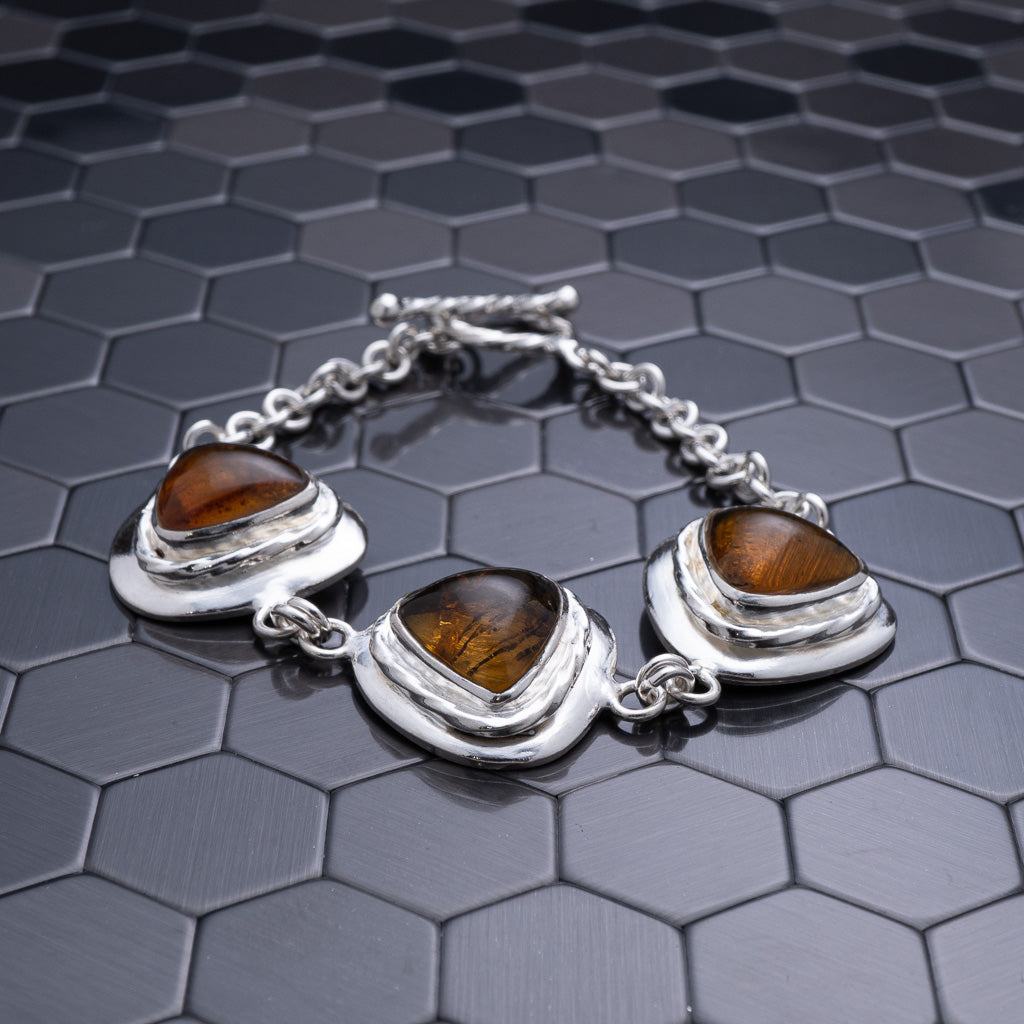
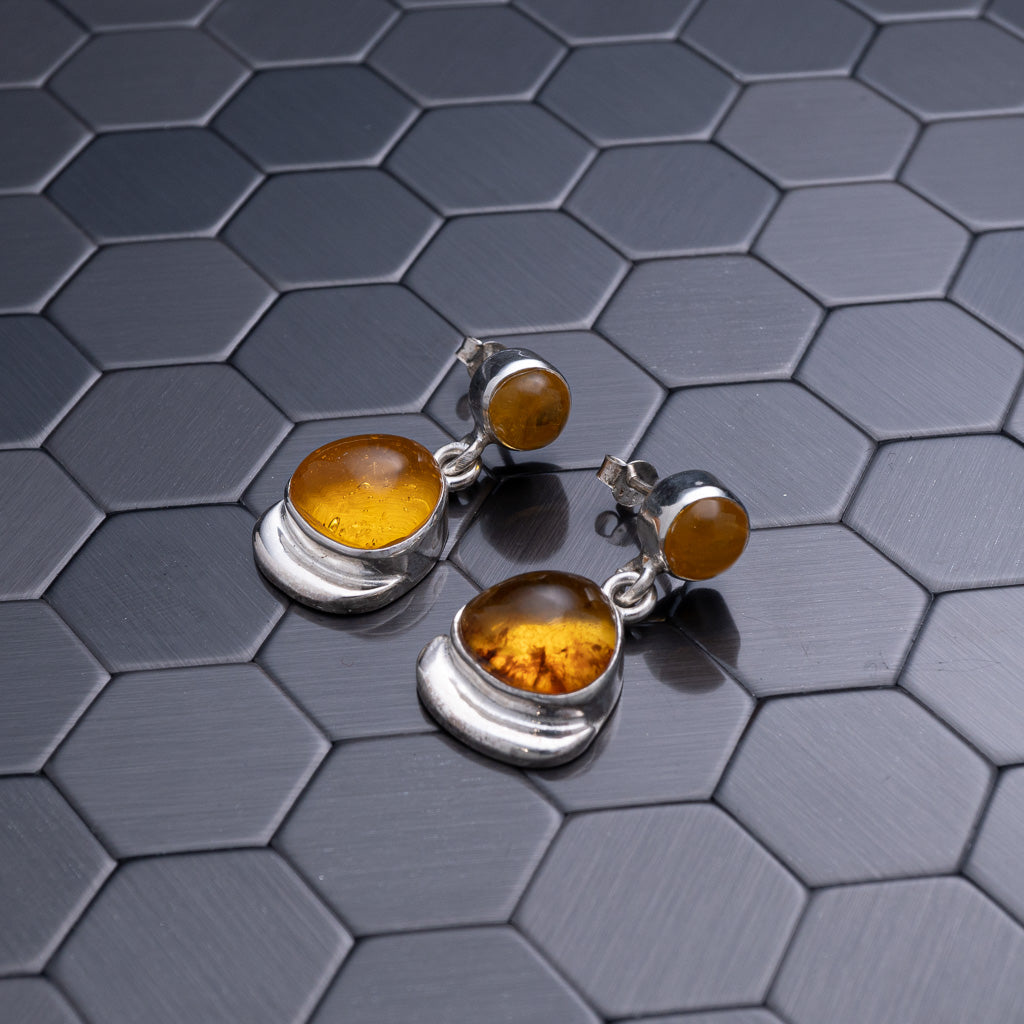


100% Handcrafted in DR.

Step into the world of Caribbean treasures and discover the allure of rare gems shaped by nature and history. From vibrant blue hues to golden fossilized wonders, these stones have sparked fascination among collectors and travelers alike.
What makes these gems so special? Dominican stone holds a unique place in the hearts of jewelry lovers and adventurers, thanks to its captivating beauty and cultural significance.
In this guide, you’ll uncover everything a beginner needs to know: how to spot authentic pieces, appreciate their origins, and care for them properly. Get ready to explore:
Let’s begin your journey to mastering the art of Dominican stone appreciation.
The story of Dominican stone is one of nature’s artistry and human fascination. These gemstones have formed over millions of years beneath the lush landscapes of the Dominican Republic. Their allure is deeply woven into the region’s identity, making dominican stone a true national treasure.
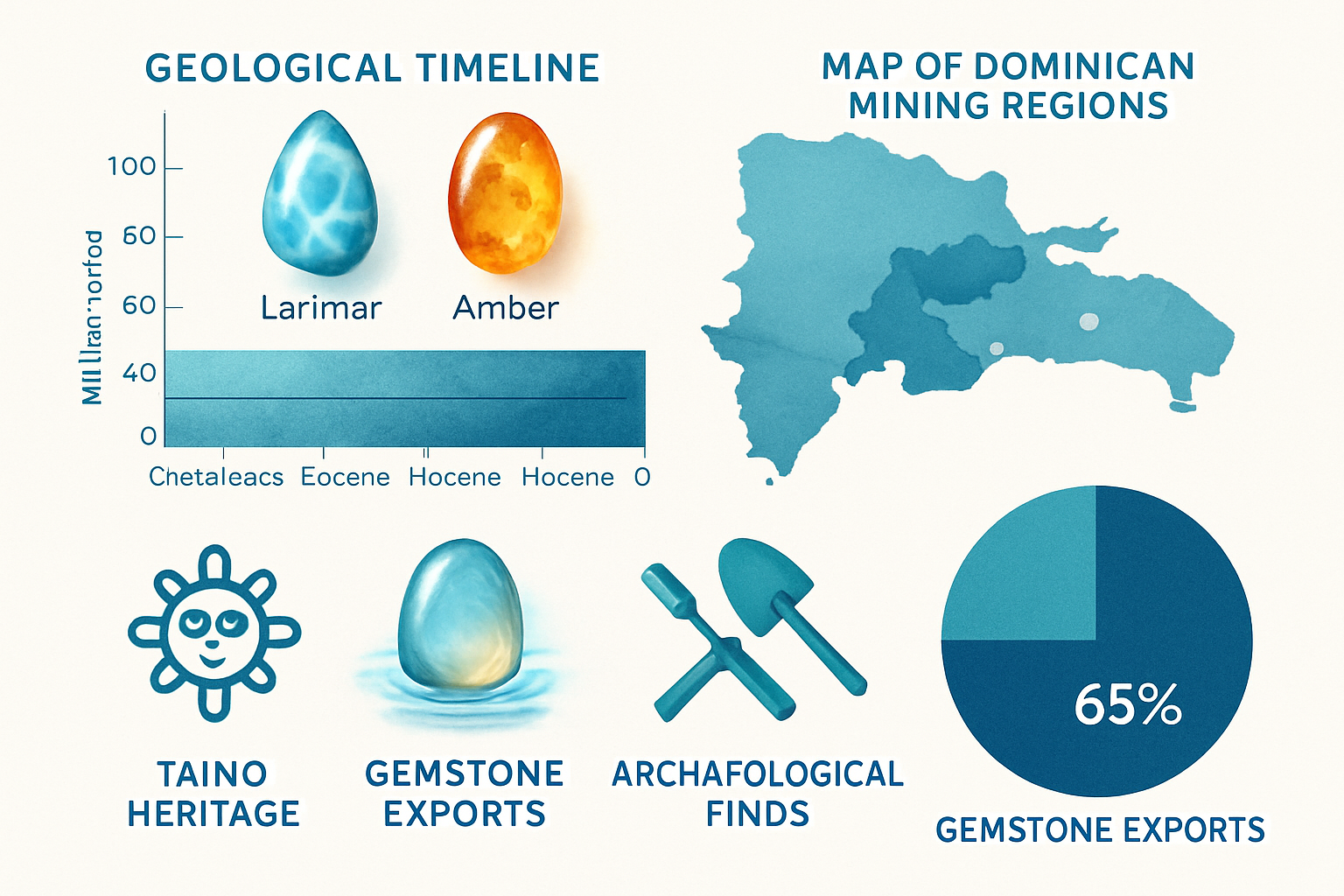
Dominican stone owes its existence to the island’s unique volcanic activity and lush forests. Larimar, a rare blue pectolite, formed in volcanic cavities millions of years ago, while Dominican amber originated from ancient tree resin preserved in sediment. These stones remained hidden until relatively recent discoveries captivated the world. If you’re curious about how Larimar was unearthed and its remarkable backstory, the Geological formation and discovery of Larimar offers fascinating details.
Long before the modern era, indigenous Taino people valued dominican stone for its beauty and spiritual power. Amber beads have been found in pre-Columbian archaeological sites, indicating their use in rituals and adornments. Early Spanish settlers later recognized the value of these stones, incorporating them into trade and religious artifacts.
Dominican stone is found primarily in select regions. Larimar is mined near Barahona in the southwest, while amber is extracted from the mountains of Santiago and El Valle. Here’s a quick overview:
| Stone Type | Key Region | Discovery Year |
|---|---|---|
| Larimar | Barahona | 1974 |
| Blue Amber | Santiago/El Valle | Ancient, global rise in 20th century |
The discovery of Larimar in 1974 marked a turning point, bringing international attention to dominican stone. Amber mining, however, has a much older history, with local use dating back centuries.
Dominican stone plays a vital role in the country’s economy, supporting miners, artisans, and exporters. Local craftspeople transform rough stones into stunning jewelry and decorative art. Culturally, Larimar is seen as a symbol of tranquility and healing, while amber is believed to capture the sun’s energy and ancient wisdom.
Spiritual beliefs often surround these gemstones. Many Dominicans view Larimar as a source of calmness and connection to the sea, while amber’s fossil inclusions are thought to hold protective powers. Both stones appear in traditional ceremonies and are treasured as meaningful gifts.
What sets dominican stone apart from other global gemstones is its rarity and distinct appearance. Larimar’s vibrant blue hue is found only in the Dominican Republic, making it highly sought-after. Dominican amber is famous for its clarity, range of colors, and remarkable inclusions—sometimes containing ancient insects or plants.
Notable archaeological finds, such as Taino amber jewelry and museum exhibits, highlight the enduring legacy of dominican stone. These artifacts tell stories of artistry and reverence that continue to inspire collectors and researchers today.
The world of dominican stone is as colorful and fascinating as the Caribbean itself. From the gentle blue waves of Larimar to the fiery glow of Dominican amber, these gemstones capture the spirit of the island. Whether you’re a collector, a jewelry lover, or simply curious, understanding the main types of dominican stone is essential. For a broader look at the full spectrum of these treasures, check out the Dominican gemstone varieties guide.
Larimar: The Caribbean’s Blue Treasure
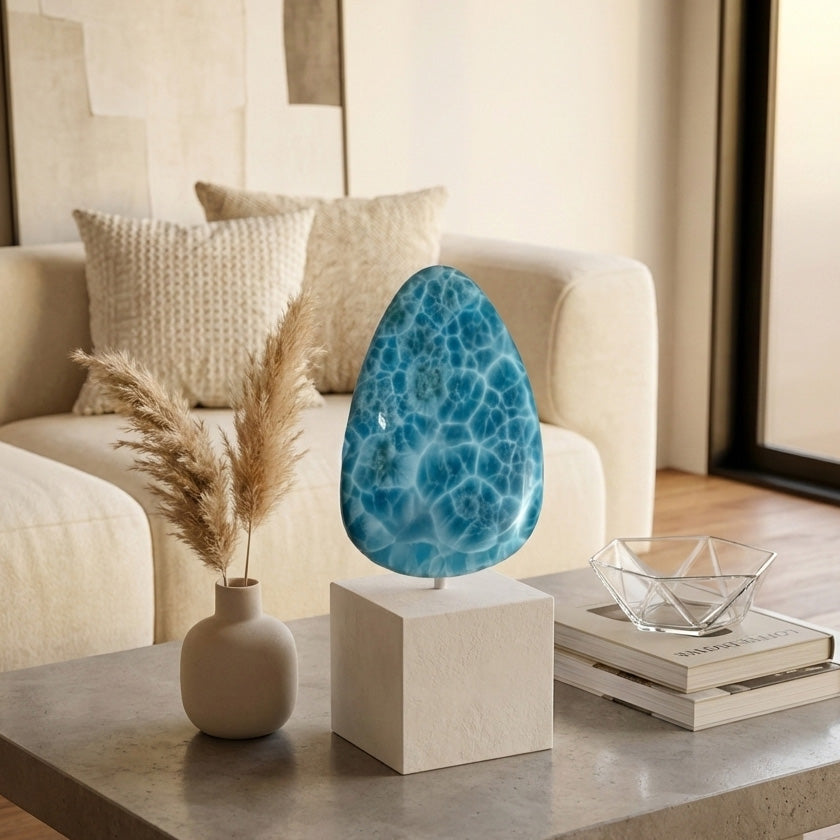
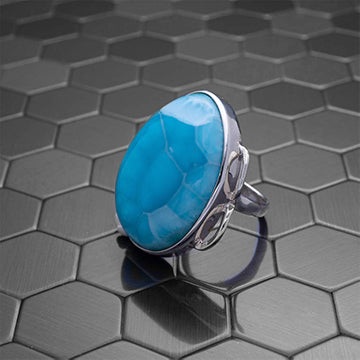
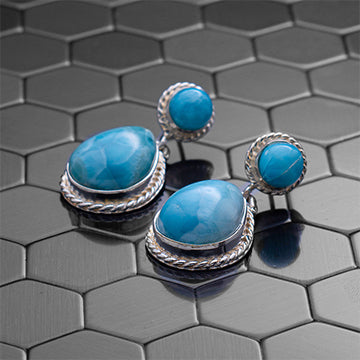
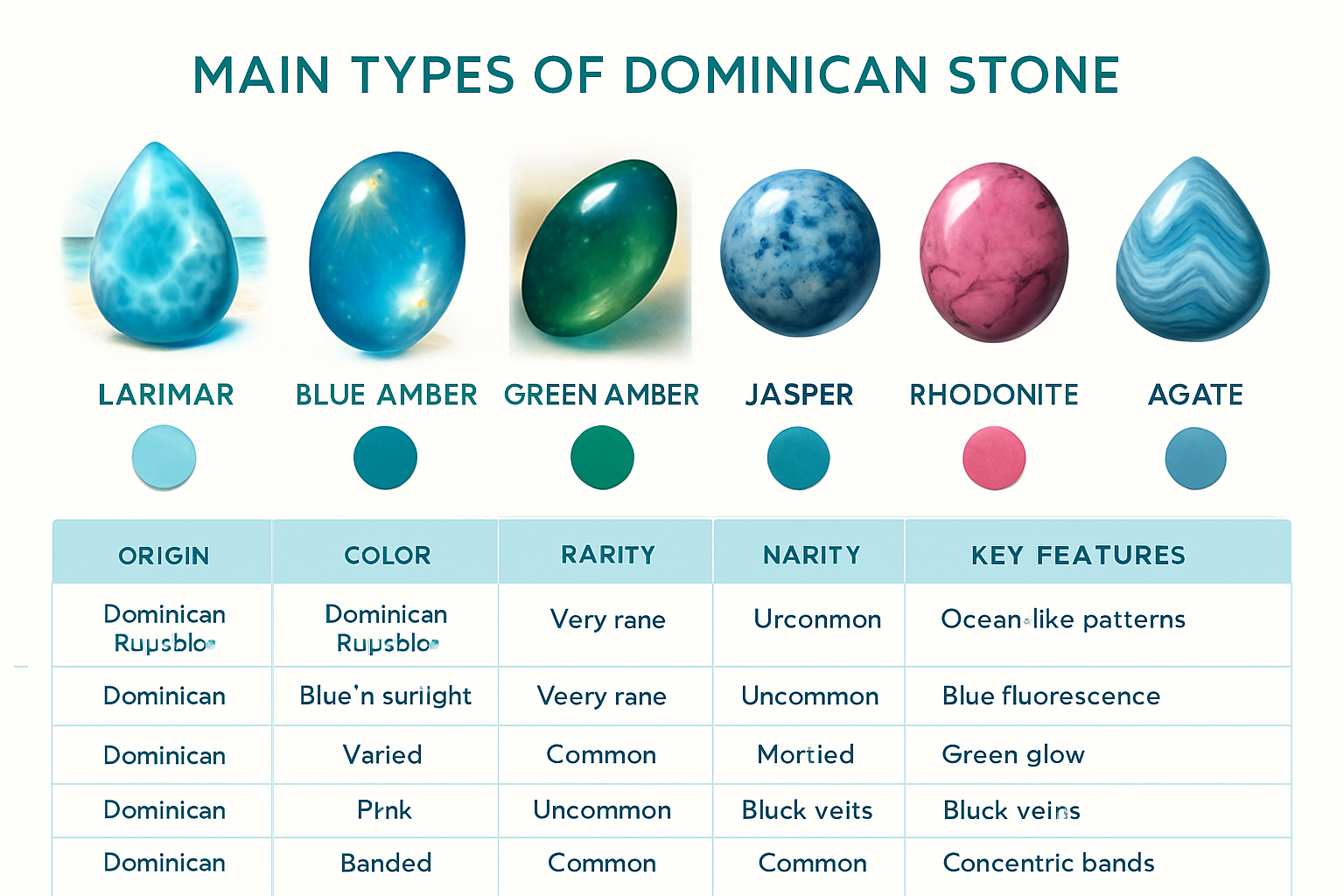
Larimar is the signature dominican stone, known for its sky-blue hues and unique swirling patterns. Found only in the Barahona region, Larimar’s color ranges from pale blue to deep turquoise, often marbled with white or greenish streaks. Its rarity and beauty make it highly sought after. Each Larimar piece is distinct, with patterns reminiscent of sunlight dancing on Caribbean waters. The most prized stones display a vivid blue and have minimal inclusions, making them ideal for fine jewelry.
Dominican Amber: Nature’s Golden Time Capsule
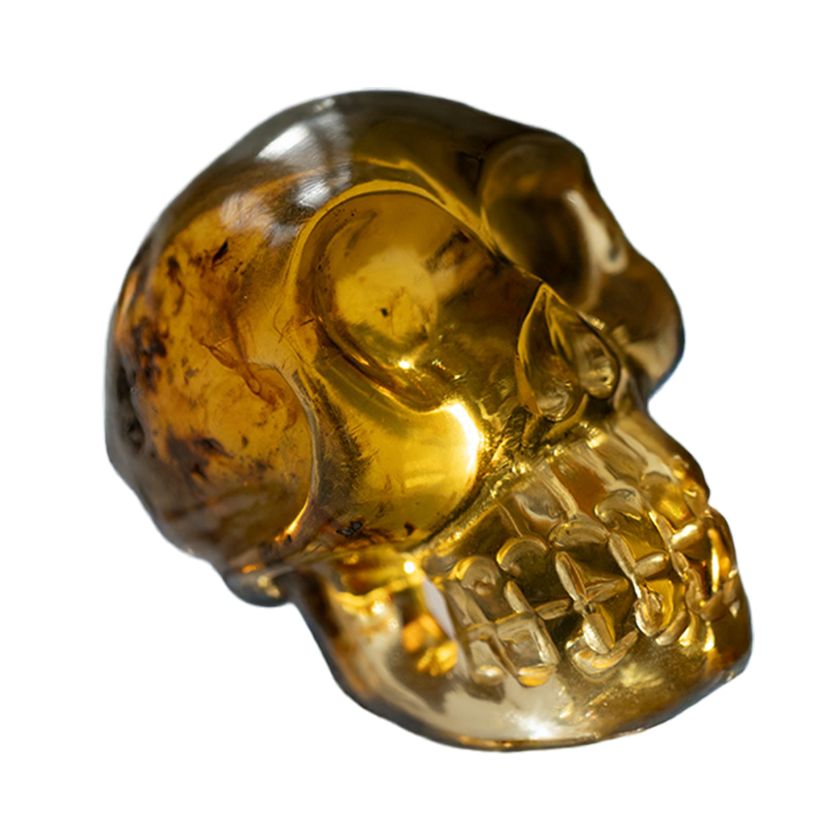
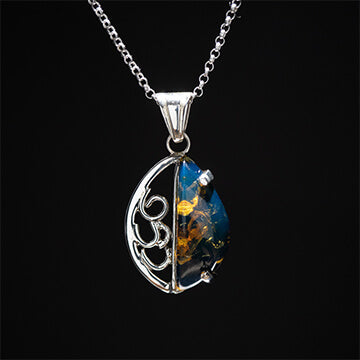
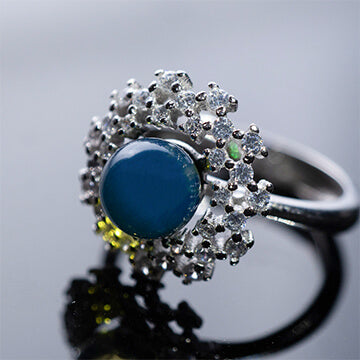
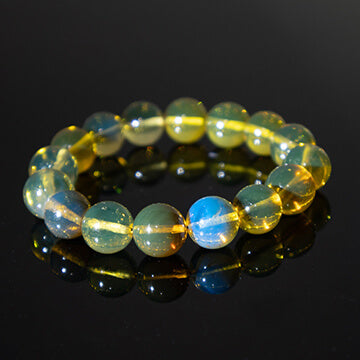
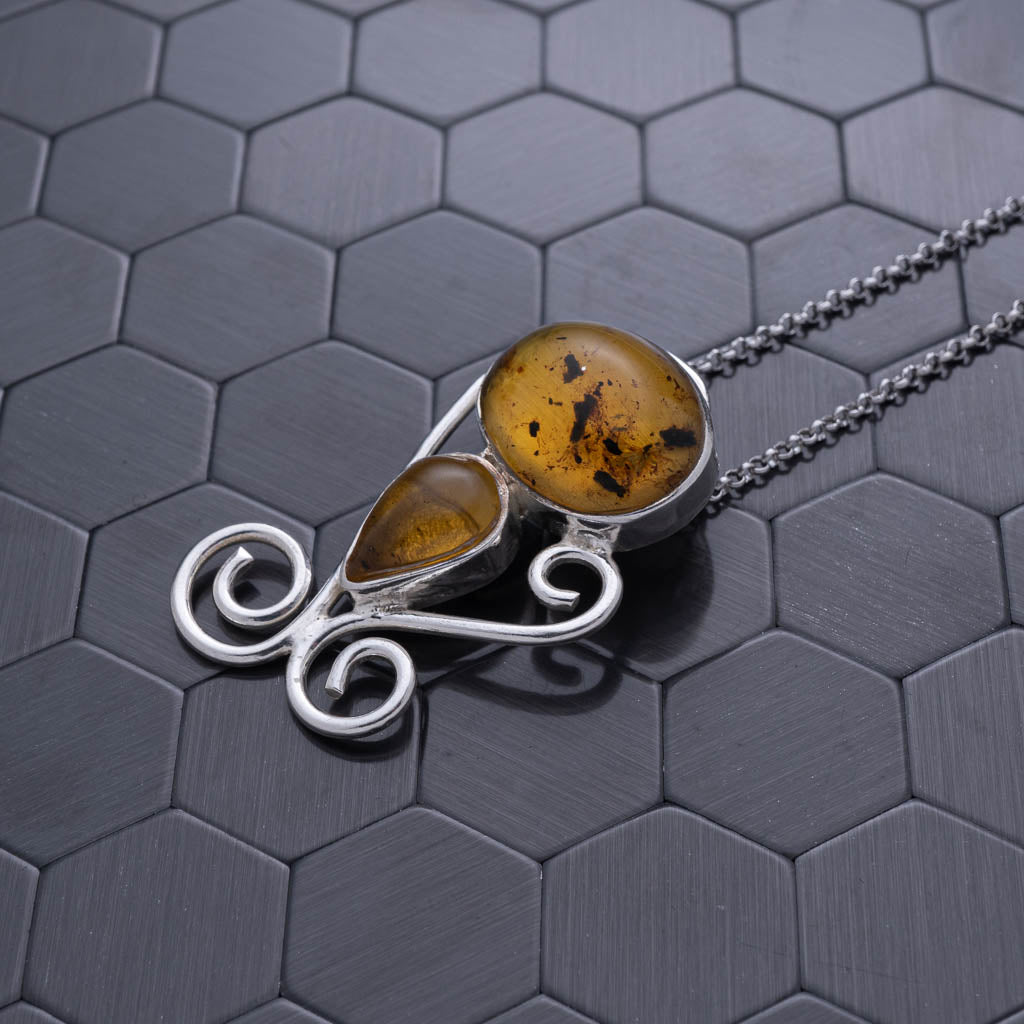
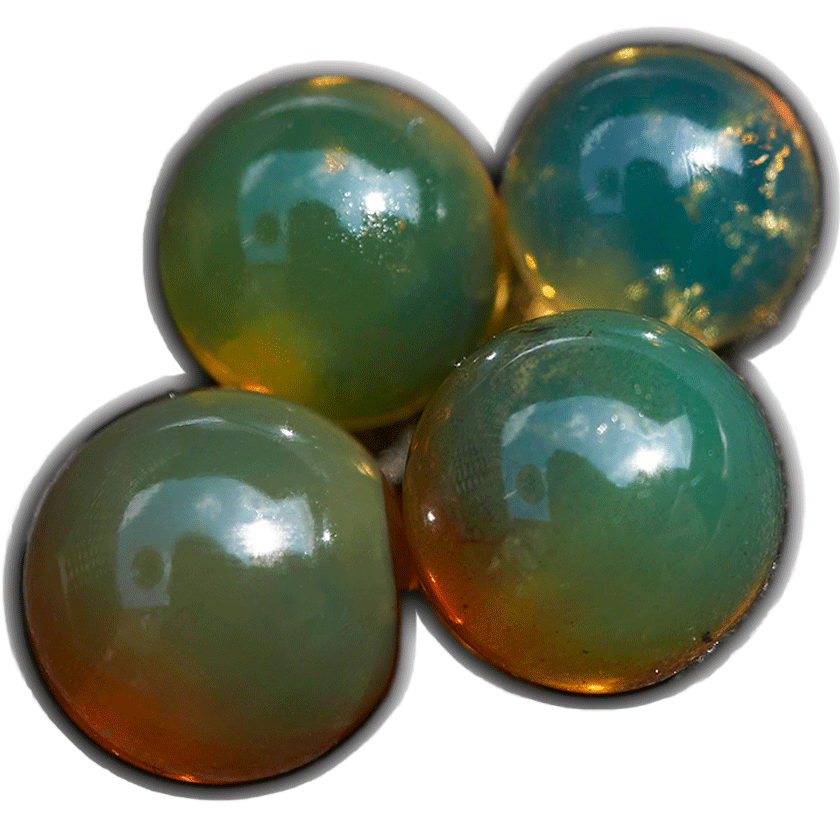
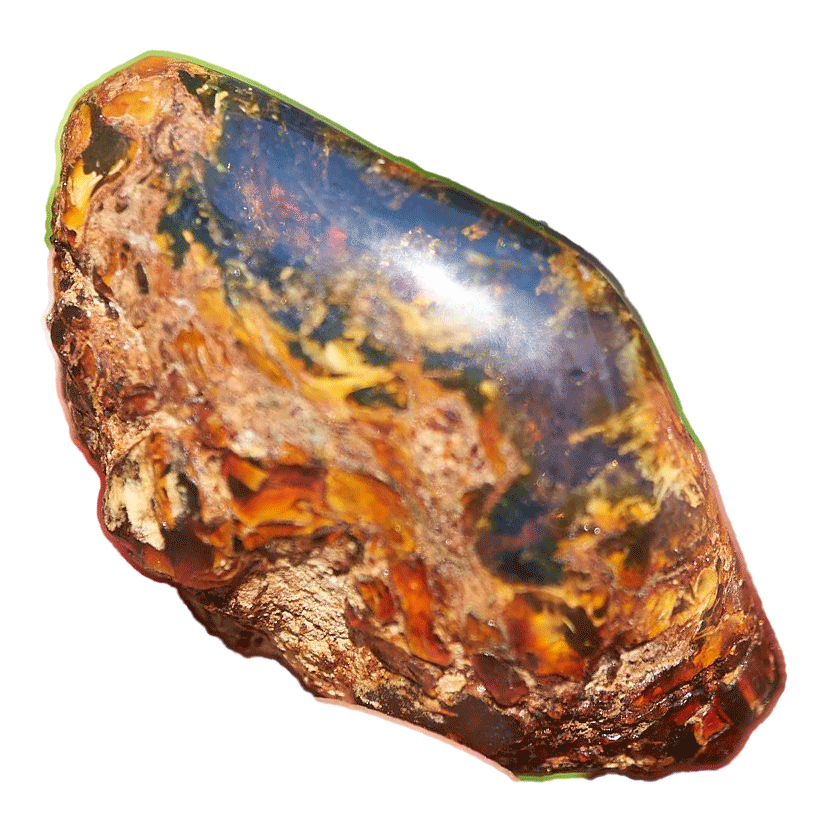
Dominican amber stands out for its rich color spectrum and clarity. Unlike the more common yellow Baltic amber, dominican stone amber can be golden, cognac, green, or even an electric blue. Blue amber, in particular, is famed for its rare fluorescence under UV light, glowing with a surreal blue sheen. Green amber, less common, adds a mysterious touch. Many specimens contain ancient inclusions—tiny insects or plant fragments—making each dominican stone amber a fascinating window into prehistoric life.
Beyond the Famous: Jasper, Rhodonite, and Agate
Dominican stone isn’t limited to Larimar and amber. Jasper, with its earthy reds and browns, is often carved into beads and figurines. Rhodonite, a pink gemstone with black veining, is another local specialty, valued for its gentle pastel tones. Agate, found in various colors and patterns, is used for mosaics and decorative objects. These lesser-known dominican stones offer collectors a chance to explore new palettes and textures, each with its own story and appeal.
How to Identify Dominican Stone: Color, Clarity, and Patterns
Identifying a genuine dominican stone depends on several visual clues. Larimar’s swirling blue-white patterns, amber’s clarity and potential inclusions, and the distinctive colors of jasper and rhodonite all help in recognition. Look for translucency in amber and agate, and note the mineral structure under magnification. Most dominican stones have a smooth, polished surface when cut, but natural roughs reveal their true origins. Understanding these traits is key to appreciating the diversity and authenticity of dominican stone.
Scientific Properties and Famous Finds
Every dominican stone has a unique mineral composition. Larimar is a variety of pectolite, while amber is fossilized tree resin dating back 25–40 million years. Jasper and agate are forms of microcrystalline quartz, and rhodonite is a manganese silicate. Notable finds include the largest Larimar specimen, weighing several kilograms, and amber pieces containing perfectly preserved prehistoric insects. These discoveries highlight the scientific and historical value of dominican stone.
Comparison Table: Dominican Stone Types vs. Global Counterparts
| Stone Type | Origin (Dominican) | Key Color(s) | Unique Features | Global Lookalikes |
|---|---|---|---|---|
| Larimar | Barahona | Blue, greenish | Only Caribbean source | Turquoise, Amazonite |
| Blue Amber | Santiago/El Valle | Blue (UV glow) | Fluorescent, rare inclusions | Baltic Amber |
| Green Amber | Santiago/El Valle | Green, yellow | Rare color, fossil content | Burmese Amber |
| Jasper | Various | Red, brown | Earthy tones, carvings | African Jasper |
| Rhodonite | Various | Pink, black | Pastel shades, veining | Russian Rhodonite |
| Agate | Various | Multi-color | Banded patterns | Brazilian Agate |
Dominican stone stands apart for its exclusive sources, vibrant colors, and the stories captured within. Whether you’re drawn to Larimar’s tranquil blues or amber’s ancient mysteries, these gems offer endless fascination for beginners and experts alike.
Understanding the distinctive physical and metaphysical properties of dominican stone is essential for collectors and enthusiasts. These characteristics not only define each gem’s beauty but also influence how they’re valued, worn, and cared for.
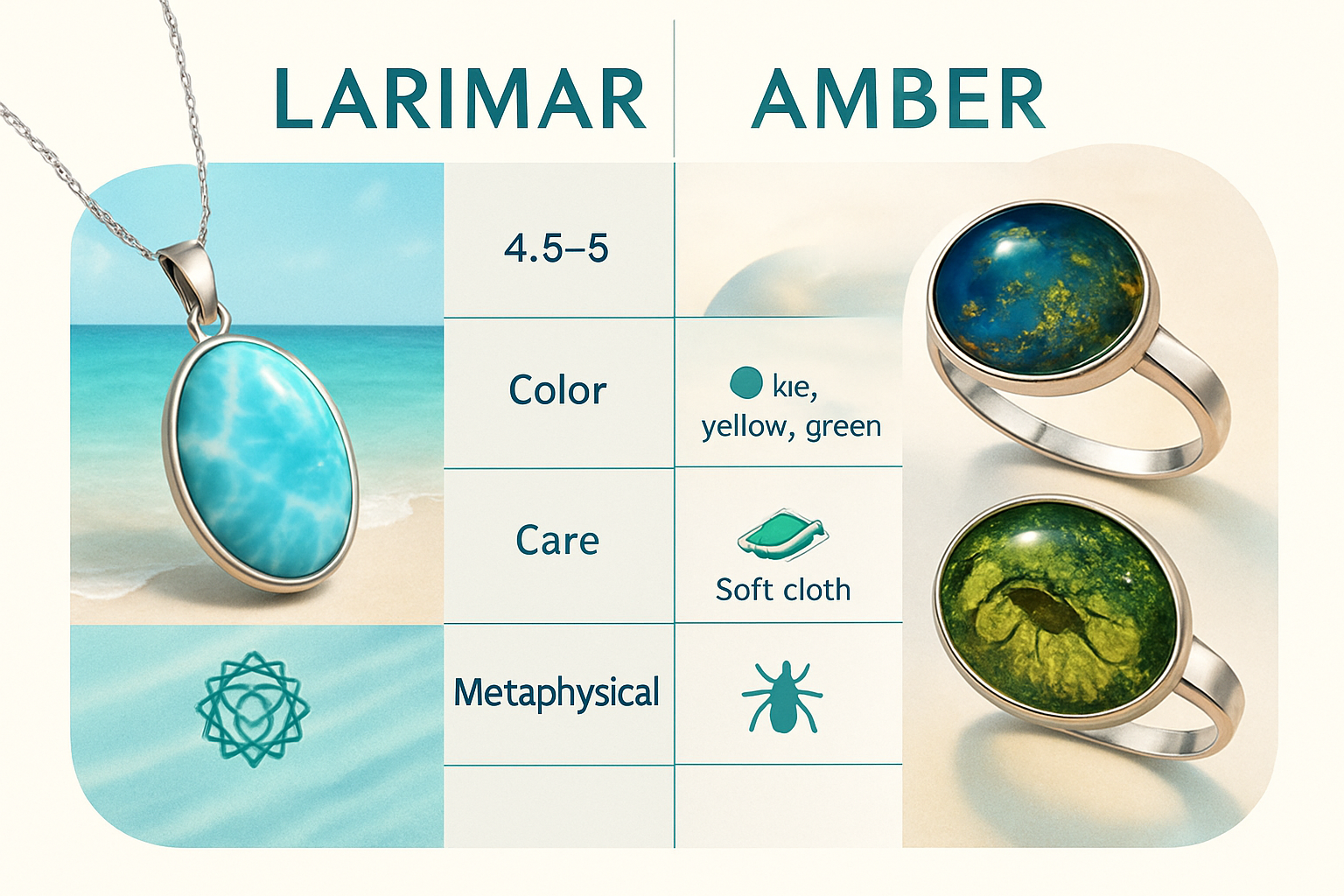
Dominican stone varieties each have unique physical traits that set them apart in the gemstone world. Larimar, exclusive to the Dominican Republic, is prized for its dreamy blue hues, swirling white patterns, and silky texture. Its hardness ranges from 4.5 to 5 on the Mohs scale, making it softer than most gemstones, so gentle handling is essential.
Dominican amber, another standout, is famous for its clarity and rare color spectrum—ranging from golden yellow to rare blue and green. It’s relatively soft (2–2.5 on the Mohs scale) and lightweight, which means it can scratch easily and should be stored separately from harder stones.
Below is a quick comparison:
| Stone | Hardness (Mohs) | Color Range | Care Tips |
|---|---|---|---|
| Larimar | 4.5 – 5 | Blue, white, green | Avoid chemicals, store dry |
| Dominican Amber | 2 – 2.5 | Yellow, blue, green | Keep from heat/sun, gentle |
| Jasper/Agate | 6.5 – 7 | Red, brown, gray | Standard gemstone care |
Clarity and grading also impact how dominican stone is appraised, with flawless, vividly colored pieces fetching the highest prices.
Beyond their physical appeal, dominican stone varieties are steeped in spiritual meaning. Larimar, often called the “Stone of Atlantis,” is associated with tranquility, healing, and emotional balance. Many believe it resonates with the throat chakra, supporting honest communication and inner peace.
Dominican amber is said to channel ancient sunlight, carrying warm, protective energy. It’s linked to the solar plexus chakra, fostering confidence and vitality. Fossil inclusions in amber, sometimes millions of years old, are thought to strengthen its connection to earth’s history and natural wisdom.
Wellness practitioners and collectors have shared personal testimonials about the calming and energizing effects they experience from wearing or meditating with dominican stone. If you want to dive deeper into the unique spiritual and physical aspects of Larimar, the Larimar stone guide offers further insights.
The value of dominican stone is shaped by rarity, color intensity, clarity, and the presence of unique inclusions. Blue amber, for example, is among the rarest ambers globally and commands premium prices. Larimar’s most sought-after specimens display deep ocean blue with minimal white veining.
However, myths abound—some believe all dominican stone glows under UV light or that every piece holds ancient fossils. In reality, only select amber varieties fluoresce, and fossil inclusions are rare treasures, not the norm.
Understanding the real properties and debunking misconceptions about dominican stone will help you buy with confidence and appreciate these Caribbean gems for their true beauty and significance.
Dominican stone is celebrated for its versatility, beauty, and cultural importance. Whether you're drawn to its vibrant colors or its rich Caribbean heritage, dominican stone offers endless ways to express your personal style and appreciation for natural art.
Jewelry Styles: Timeless Elegance Meets Caribbean Flair
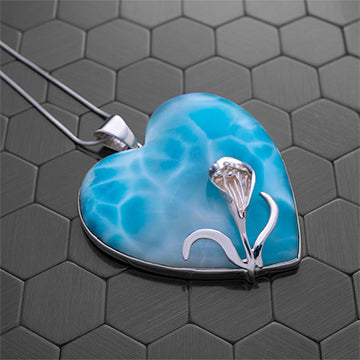
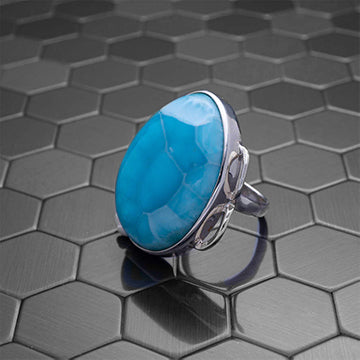
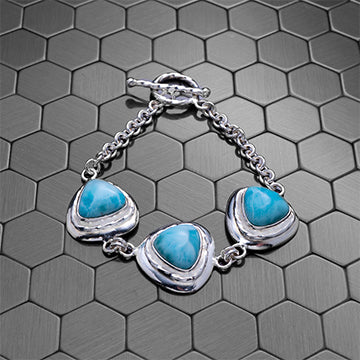
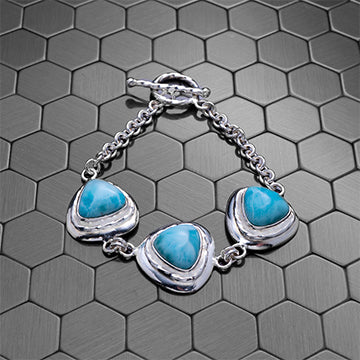
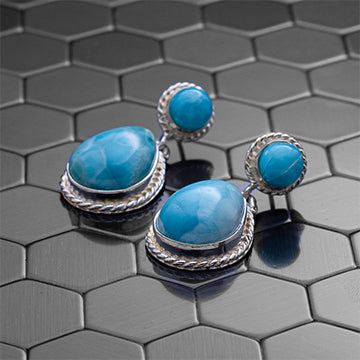
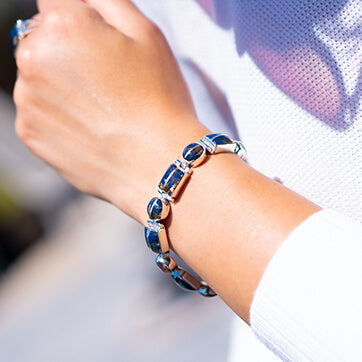
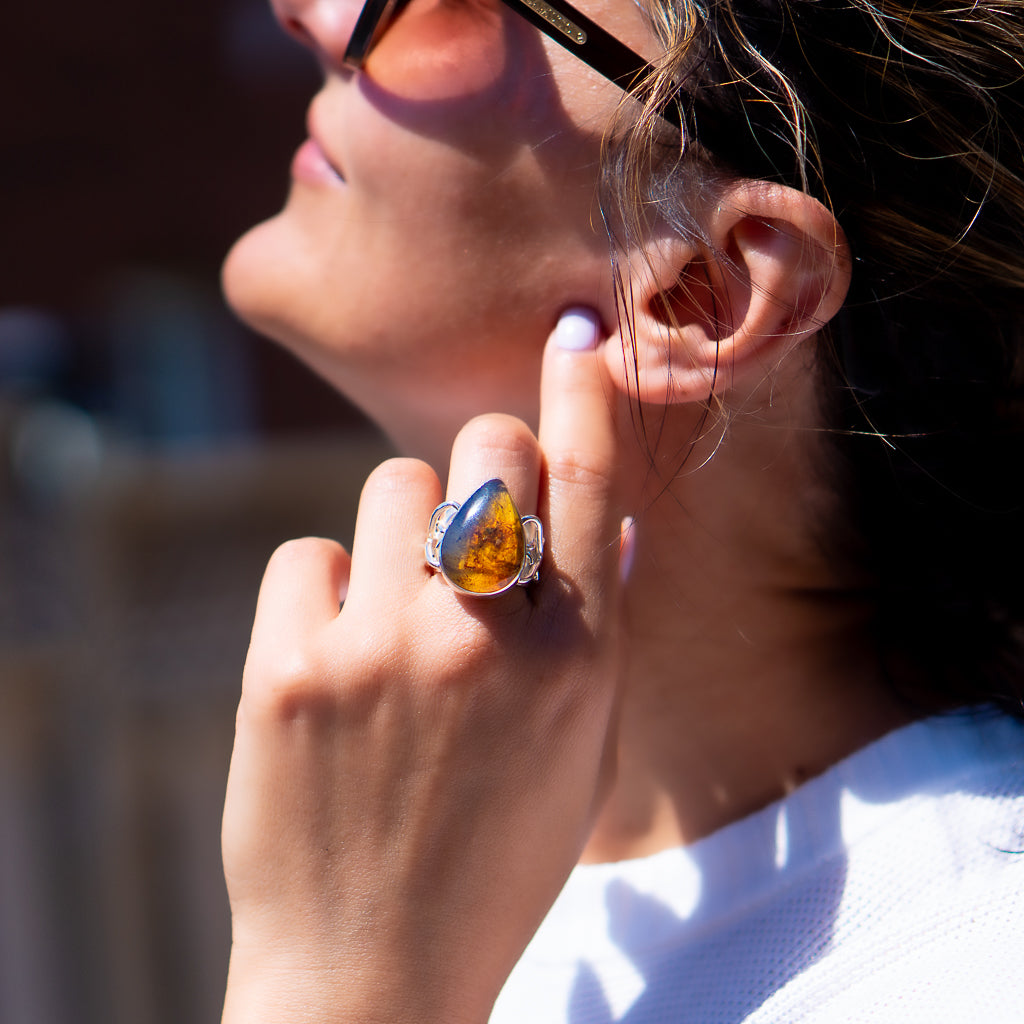
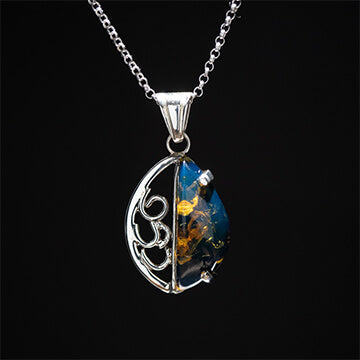
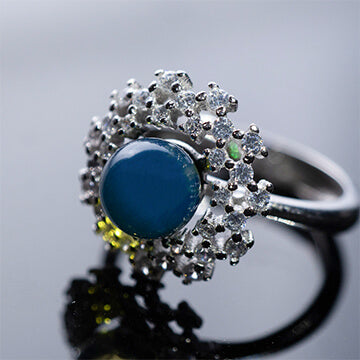
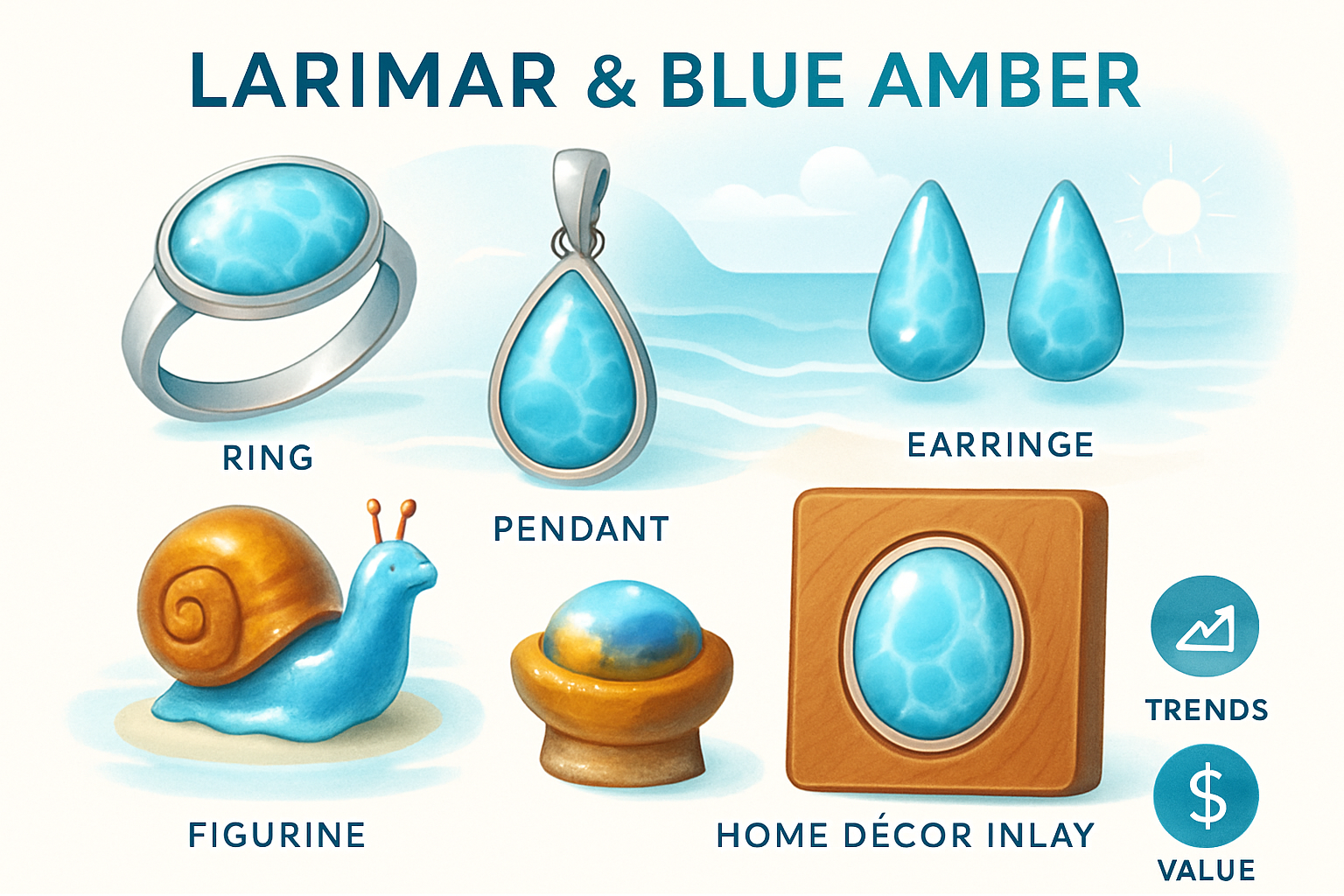
Dominican stone jewelry is a favorite among collectors and fashion enthusiasts. Jewelry designers craft pendants, rings, bracelets, and earrings that showcase the stone’s natural hues and patterns. The soothing blues of Larimar and the fiery glow of Dominican amber are especially sought after in statement pieces.
Popular jewelry styles include:
Artisans often accentuate the stone’s natural patterns, making each piece one of a kind. For more details on Larimar’s authenticity and craftsmanship, see this Authentic Larimar information resource.
Collectibles and Decorative Art: Beyond Wearable Beauty
Dominican stone is not limited to jewelry. Collectors value carved figurines, prayer beads, and rare specimens. Amber with fossilized inclusions—ancient insects or plant fragments—are prized for their scientific and aesthetic appeal.
Home décor is another growing trend. Dominican stone is used for:
These items bring a touch of Caribbean luxury into living spaces, blending tradition with modern design sensibilities.
Collecting Value, Custom Creations, and Cultural Significance
The value of dominican stone collectibles is determined by several factors: color intensity, clarity, rarity, and craftsmanship. Blue amber and high-quality Larimar command premium prices, especially when set in bespoke or custom-designed pieces.
Working with skilled artisans allows buyers to create unique, meaningful items, whether it’s a personalized ring or a custom home accent. In Dominican culture, gifting dominican stone jewelry or art is a gesture of love, protection, and good fortune.
Celebrity endorsements and appearances in high-profile collections have boosted the stone’s global profile. International designers now incorporate dominican stone into luxury lines, making it a staple in both classic and contemporary settings.
Market Trends for 2025: Growing Demand and Creative Expression
In 2025, demand for dominican stone continues to rise, thanks to its unique origin story and sustainable sourcing. Artisans are exploring new designs, blending traditional techniques with modern aesthetics. Collectors appreciate the stone’s authenticity and the emotional connection it brings to their lives.
Whether as a fashion statement, a treasured collectible, or a meaningful gift, dominican stone stands out as a symbol of Caribbean elegance and enduring beauty.
Buying Dominican stone can be both thrilling and daunting for newcomers. With its stunning colors and fascinating history, Dominican stone is highly sought after, making it crucial to know how to purchase with confidence. Whether you’re searching for Larimar, blue amber, or other treasures, understanding the basics will help you recognize genuine pieces and avoid costly mistakes.
Where to Buy Dominican Stone
You can find Dominican stone in bustling local markets, artisan shops across the Dominican Republic, and reputable online retailers. Shopping locally lets you see and touch the stones, often learning from artisans firsthand. Online stores offer convenience and access to a wider range of Dominican stone, but require extra care to ensure authenticity.
When shopping online, always choose sellers with transparent sourcing, clear photos, and detailed descriptions. Look for businesses that provide certificates of authenticity and positive customer reviews. For more guidance on spotting genuine stones, see this resource on identifying and purchasing authentic Larimar.
Key Factors: Authenticity, Certification, and Origin
Authenticity is critical when investing in Dominican stone. Genuine pieces should display natural variations in color and pattern. Avoid items that look too uniform or perfect, as these may be imitations. Certificates from gemological institutes or reputable local labs add another layer of trust.
Ask sellers for details about the stone’s origin. Dominican stone should be mined and crafted in the Dominican Republic. If a seller can’t provide clear provenance, proceed with caution. Certified stones often include information about their mining location and unique properties.
Price Ranges, Grading, and Smart Questions
Prices for Dominican stone vary widely based on type, quality, size, and rarity. Larimar and blue amber command higher prices, especially for vivid colors and intricate patterns. Always compare similar pieces to gauge fair pricing. Understanding grading reports and gemstone certifications will help you make informed decisions, especially when considering rare varieties like blue amber. For more on amber types and value, explore the properties and variations of Dominican amber.
Here are questions to ask before buying:
Red flags include vague answers, inconsistent descriptions, and refusal to show certificates.
Safe Online Shopping and Negotiation Tips
When buying Dominican stone online, prioritize platforms with secure payment methods and clear return policies. Check independent reviews and look for sellers with a strong track record. Be wary of prices that seem too good to be true; they often signal imitations.
Negotiation is common, especially in local markets. Polite bargaining can help you get a better deal, but don’t compromise on authenticity. If possible, request detailed photos and videos to inspect the stone’s features up close.
Real-World Example: Success and Caution
Consider the story of a traveler who purchased a vibrant Larimar pendant from a certified artisan in Barahona, receiving both a certificate and a backstory about the stone’s origin. Contrast this with buyers who received glass imitations after shopping on unverified online platforms—highlighting the importance of due diligence with Dominican stone.
Conclusion: Buy with Confidence
With the right knowledge, buying Dominican stone can be a rewarding experience. Always prioritize authenticity, certification, and reputable sellers. Ask questions, compare prices, and trust your instincts. By following these expert tips, you’ll be well on your way to building a stunning and authentic Dominican stone collection.
The world of dominican stone is entering a new era, shaped by innovation, responsibility, and global demand. As we look ahead to 2025 and beyond, both tradition and technology are reshaping how these Caribbean treasures are sourced, valued, and cherished.
Technological Innovations & Ethical Sourcing
Modern mining technologies are transforming how dominican stone is extracted. Advanced tools help reduce environmental impact, allowing miners to access Larimar and amber deposits more efficiently and safely. Ethical sourcing has become a top priority, with more companies investing in transparent supply chains and fair labor practices.
Many Dominican mines now collaborate with local communities to ensure that dominican stone extraction supports both people and the planet. This shift is not only protecting natural resources but also enhancing the reputation of Caribbean gemstones on the world stage.
Sustainability and Community Initiatives
Sustainability is becoming a cornerstone of the dominican stone industry. Artisanal cooperatives are leading eco-friendly projects, such as reforestation around mining areas and water conservation efforts. These initiatives help restore habitats and provide long-term benefits for local families.
A growing number of workshops now use recycled materials for packaging and promote responsible tourism. By choosing dominican stone from ethical sources, buyers contribute directly to community upliftment and environmental stewardship.
Lab-Created Stones: Friend or Foe?
Lab-created alternatives are making their way into the dominican stone market. While these stones mimic the appearance of natural Larimar and amber, they lack the unique inclusions and geological history that collectors prize. Some see lab-grown gems as a sustainable option, reducing mining pressures.
However, the presence of synthetics also raises concerns about authenticity. Buyers must stay vigilant, ensuring their dominican stone is certified and sourced from reputable dealers. This trend may influence pricing, but natural stones are expected to retain premium value due to their rarity and story.
Market Trends and Predictions for 2025
Global demand for dominican stone is projected to grow, especially as designers embrace Caribbean gems in luxury collections. Export values are on the rise, with high-end jewelry and collectibles leading the charge. Market analysts predict steady price increases for rare varieties like deep blue Larimar and fossil-rich amber.
Here's a quick comparison of predicted trends:
| Trend | 2023 | 2025 (Forecast) |
|---|---|---|
| Export Value (USD) | $12M | $16M+ |
| Lab-Created Share | 8% | 15% |
| Artisanal Jobs | 2,500 | 3,000+ |
Collectors and investors are keeping a close eye on the dominican stone market, anticipating both opportunities and challenges ahead.
Certification, Regulations, and Transparency
Government regulations are tightening to protect the dominican stone legacy. New certification programs ensure that stones are ethically sourced, accurately graded, and properly documented. This improves buyer confidence and helps curb illegal mining.
Transparency initiatives mean that each dominican stone can be traced from mine to market. When shopping, always look for stones with clear certification and ask about origin and treatment history.
Artisans, Craftsmanship, and Global Collaboration
Dominican artisans are at the heart of the industry’s future, blending traditional skills with modern design. Many workshops now collaborate with international designers, bringing dominican stone to new audiences through innovative jewelry and art. The cultural significance of Larimar in the Dominican Republic continues to inspire unique creations that honor heritage while appealing to global tastes.
Supporting local craftsmanship not only preserves tradition but also ensures that each dominican stone piece carries a story of artistry and authenticity.
New Opportunities for Collectors and Investors
The evolving landscape of dominican stone presents exciting opportunities for new collectors and savvy investors. As demand grows for ethically sourced and certified gemstones, early adopters may see significant returns. Look for limited-edition collaborations, rare color variations, and pieces with documented provenance.
Whether you’re drawn by beauty, history, or potential value, the future of dominican stone is bright—and more accessible than ever for those ready to join the journey.
Now that you know what makes Dominican stones like Larimar and blue amber so fascinating, you’re ready to take your first step into this vibrant world. Whether you’re drawn to their rich history, unique beauty, or the thrill of collecting, starting your own collection is easier than you think. At Larimar Creations, you’ll find authentic, ethically sourced pieces crafted with care and perfect for beginners and enthusiasts alike. If you’re excited to begin your journey with these one-of-a-kind gems, why not Start Your Collection Today?