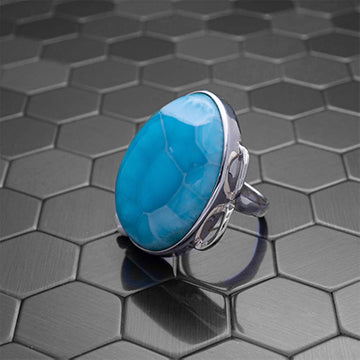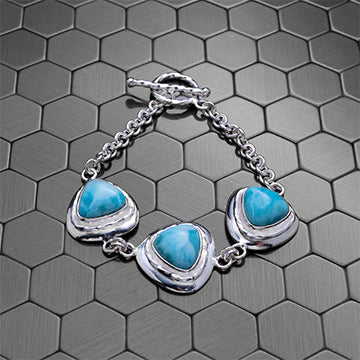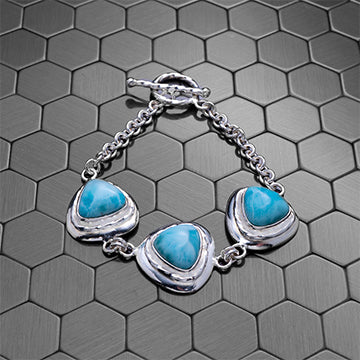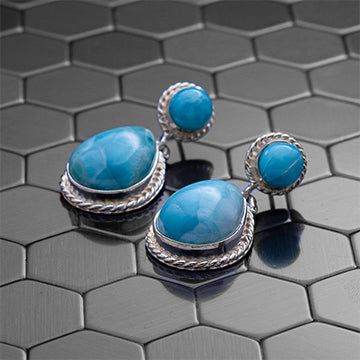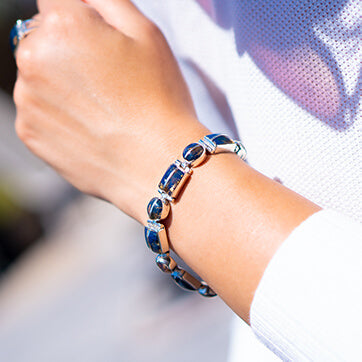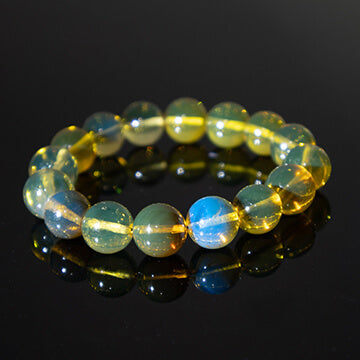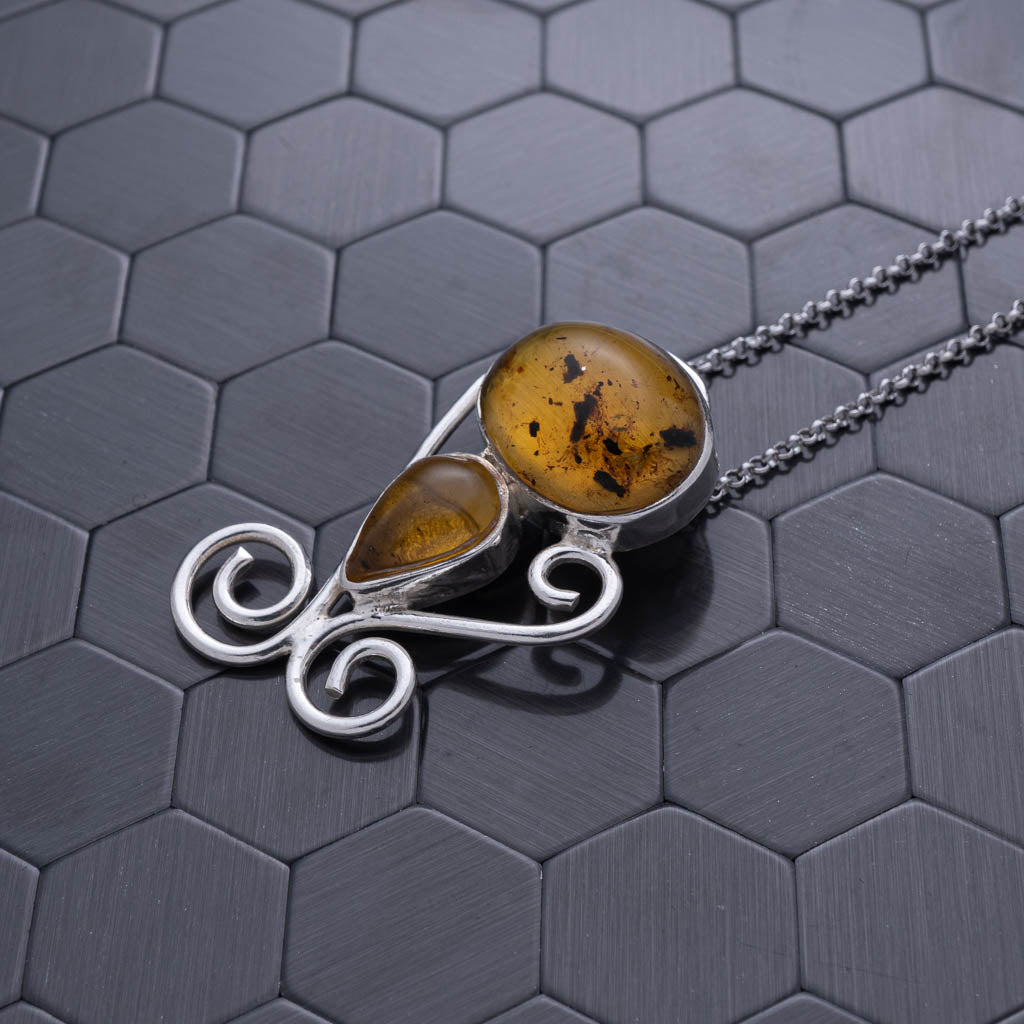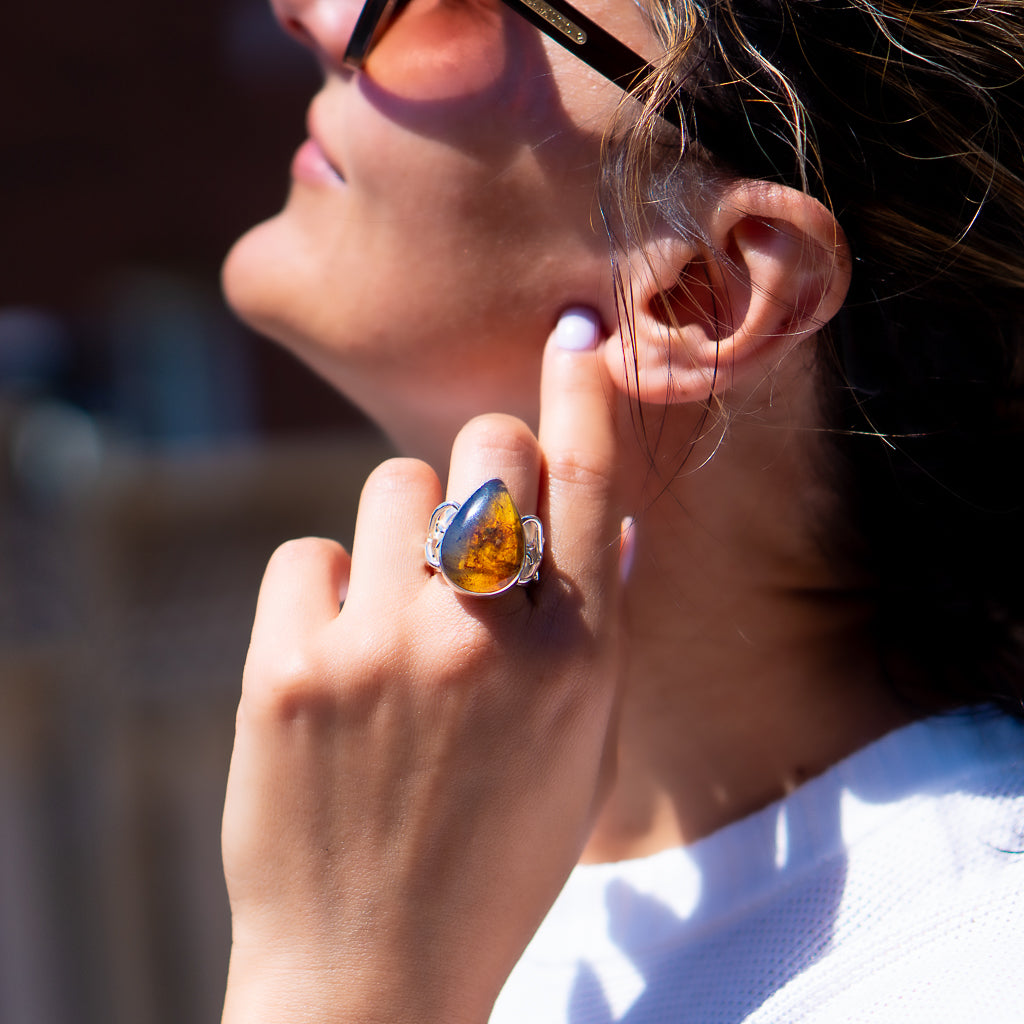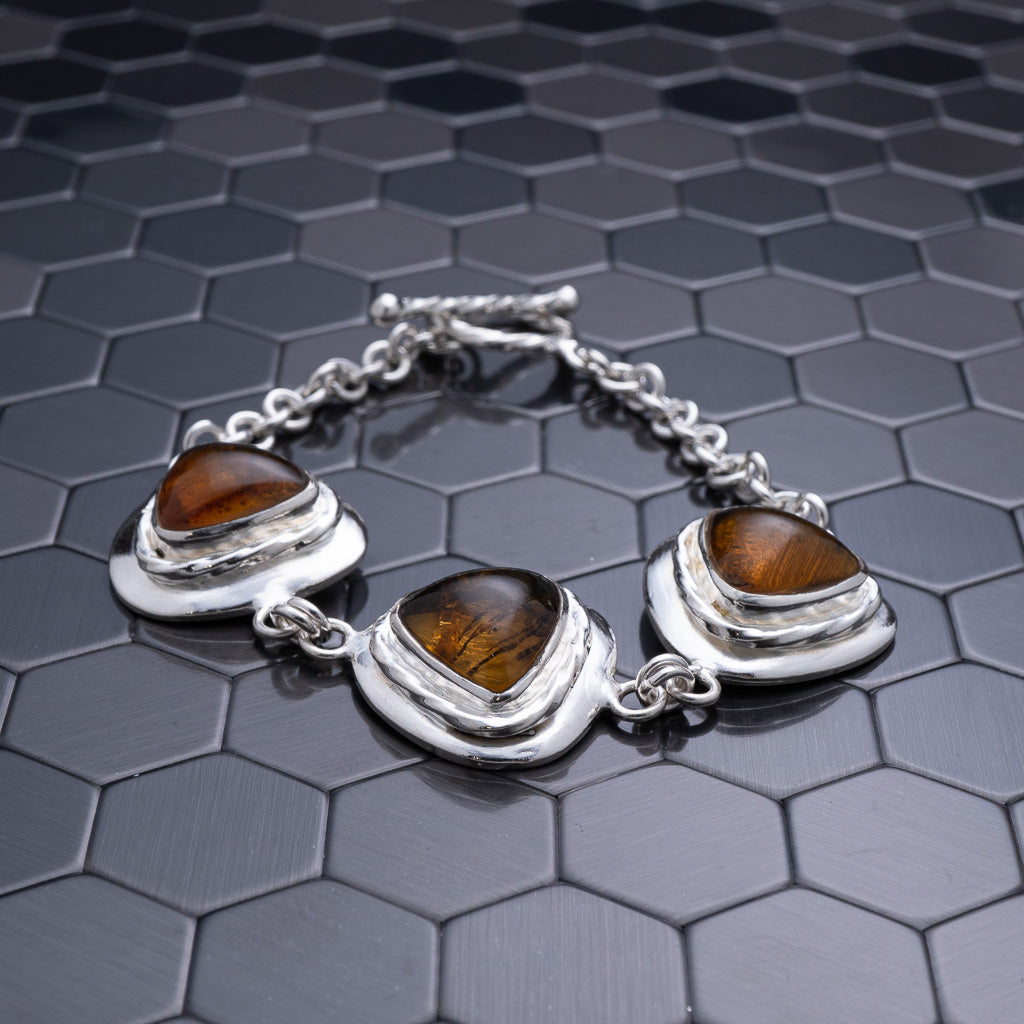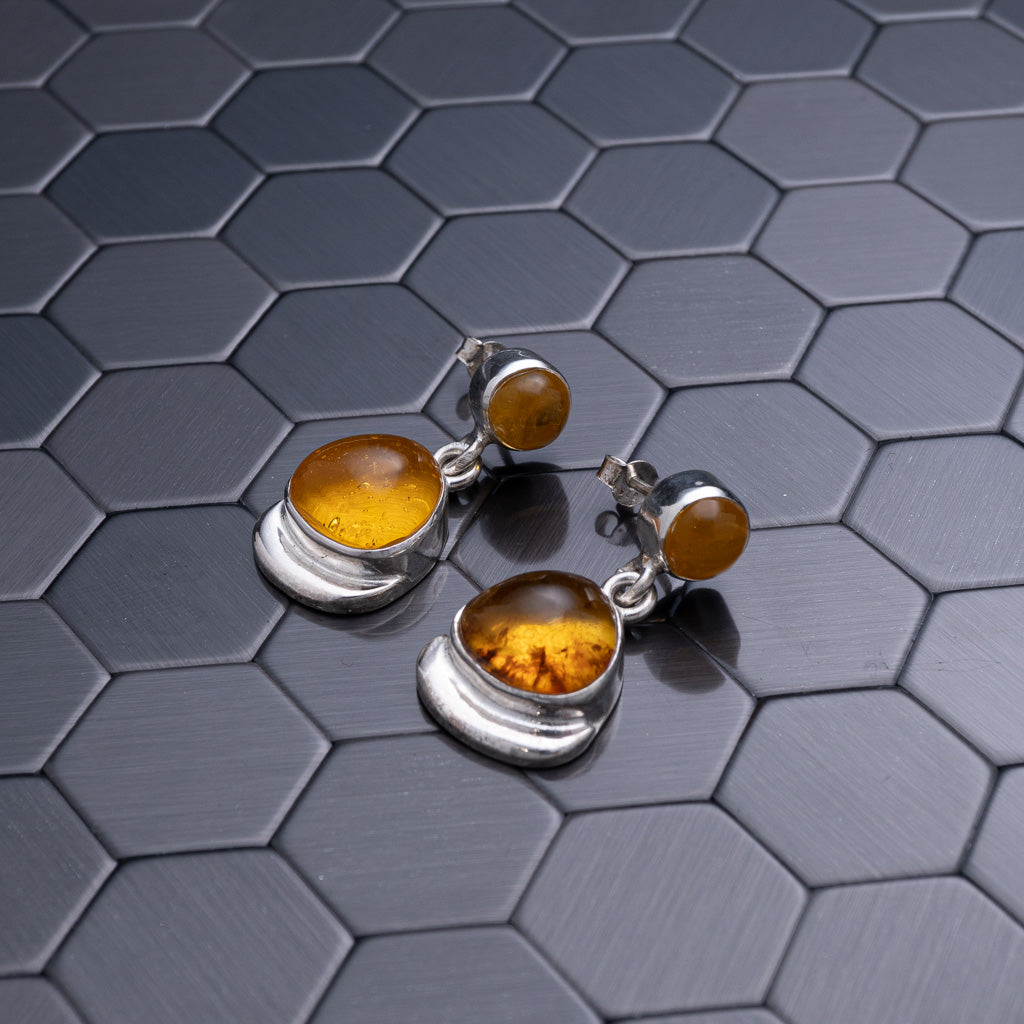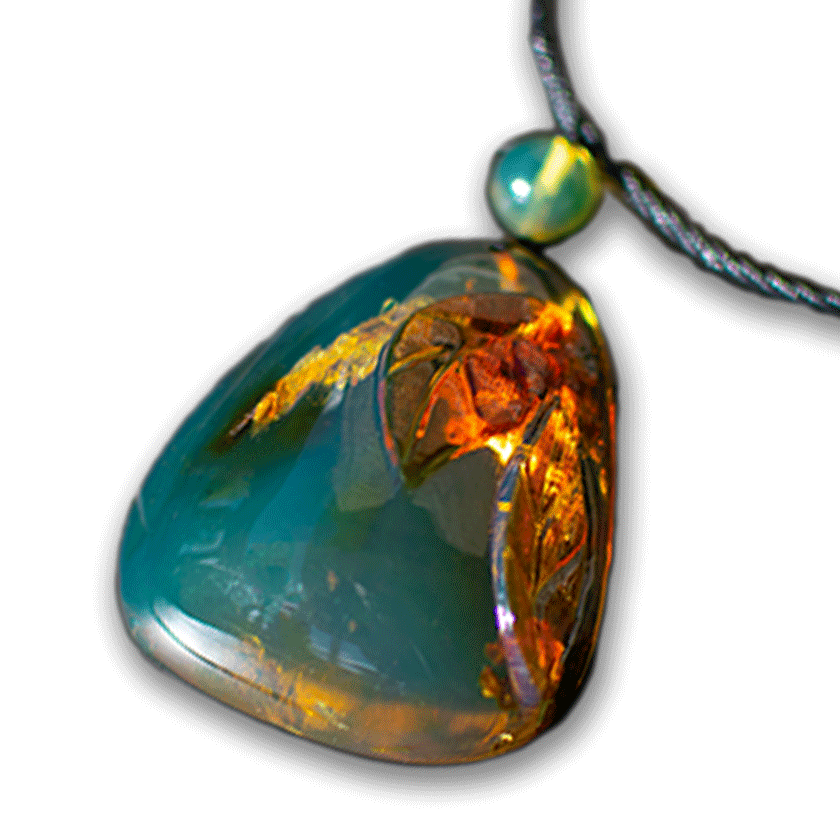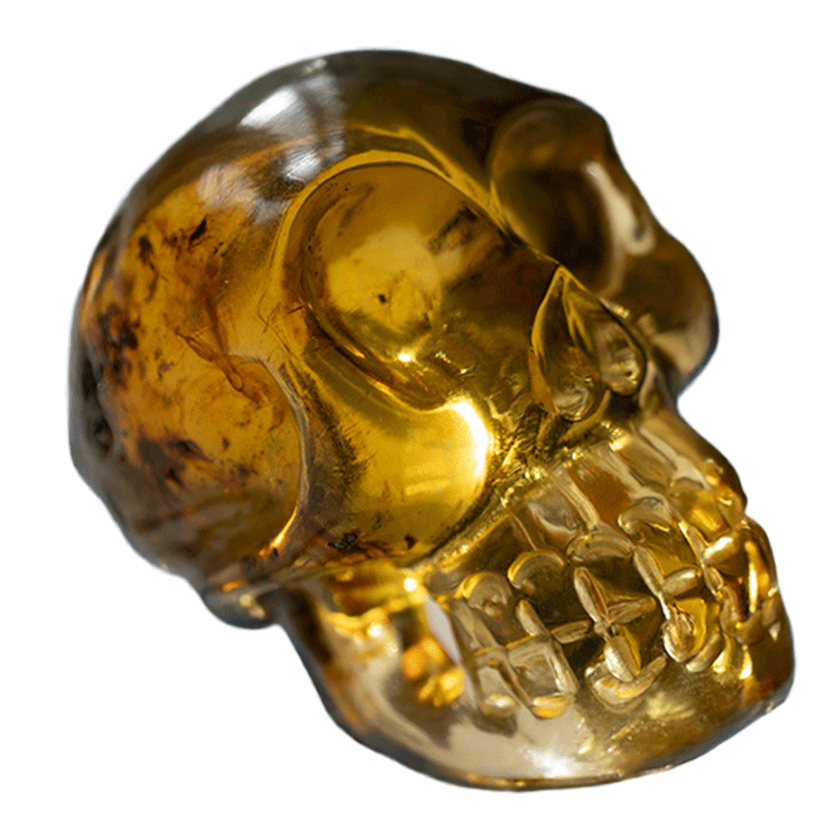


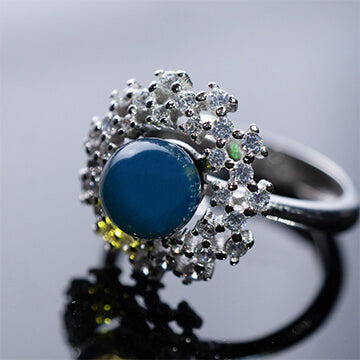
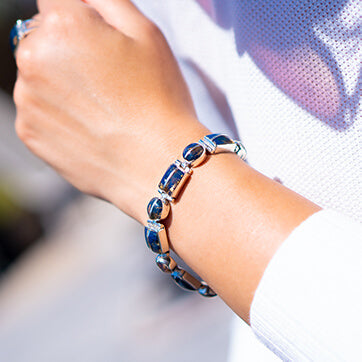
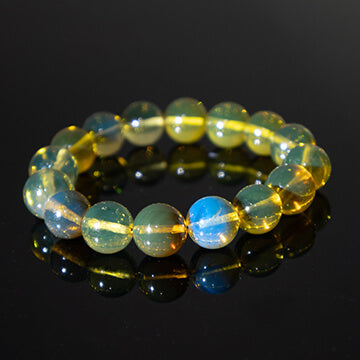
Handcrafted in DR.

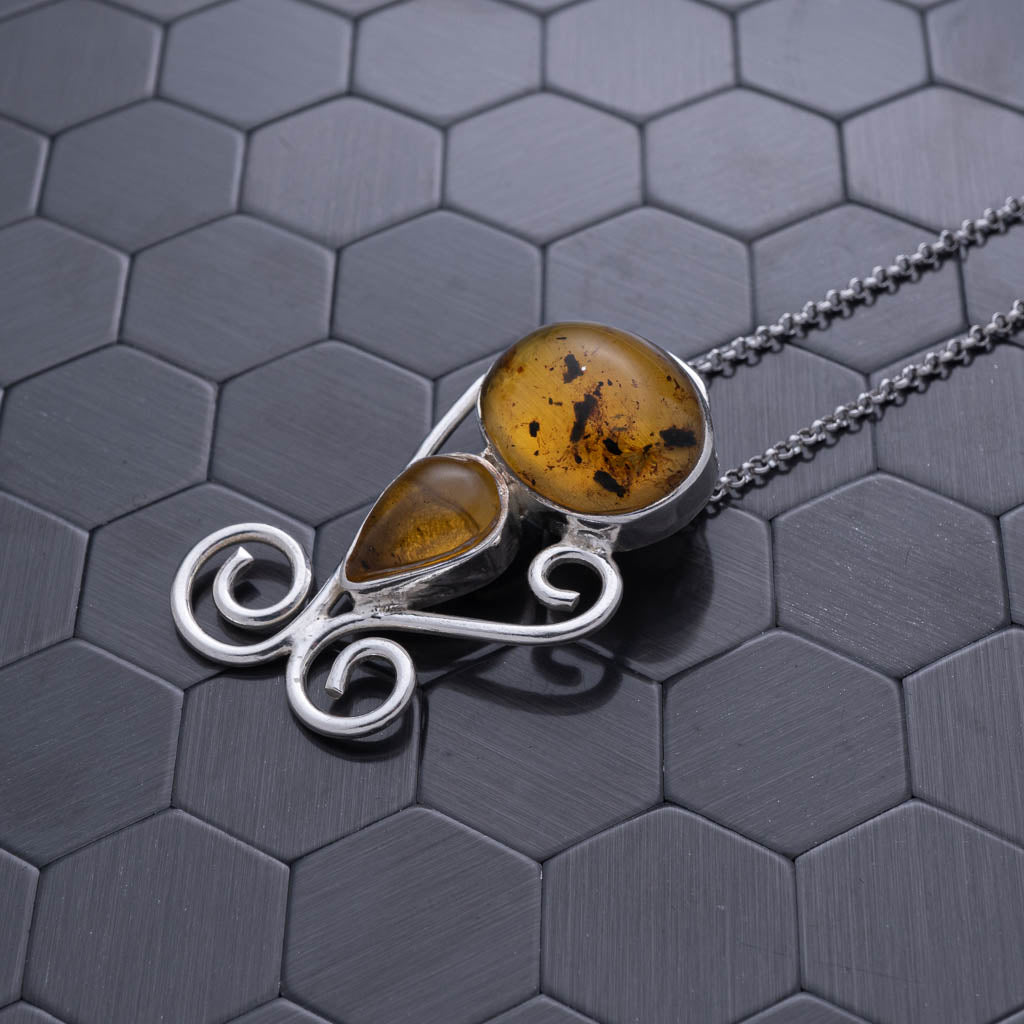
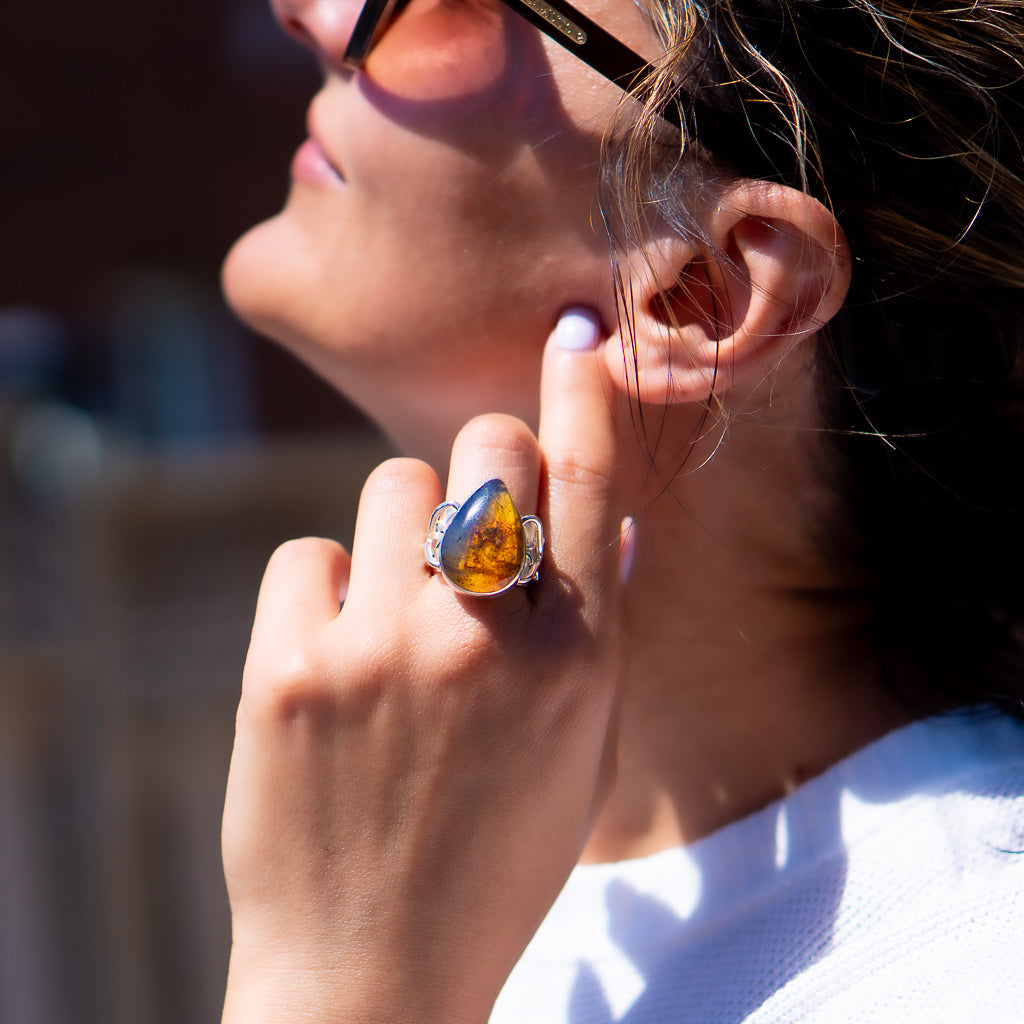
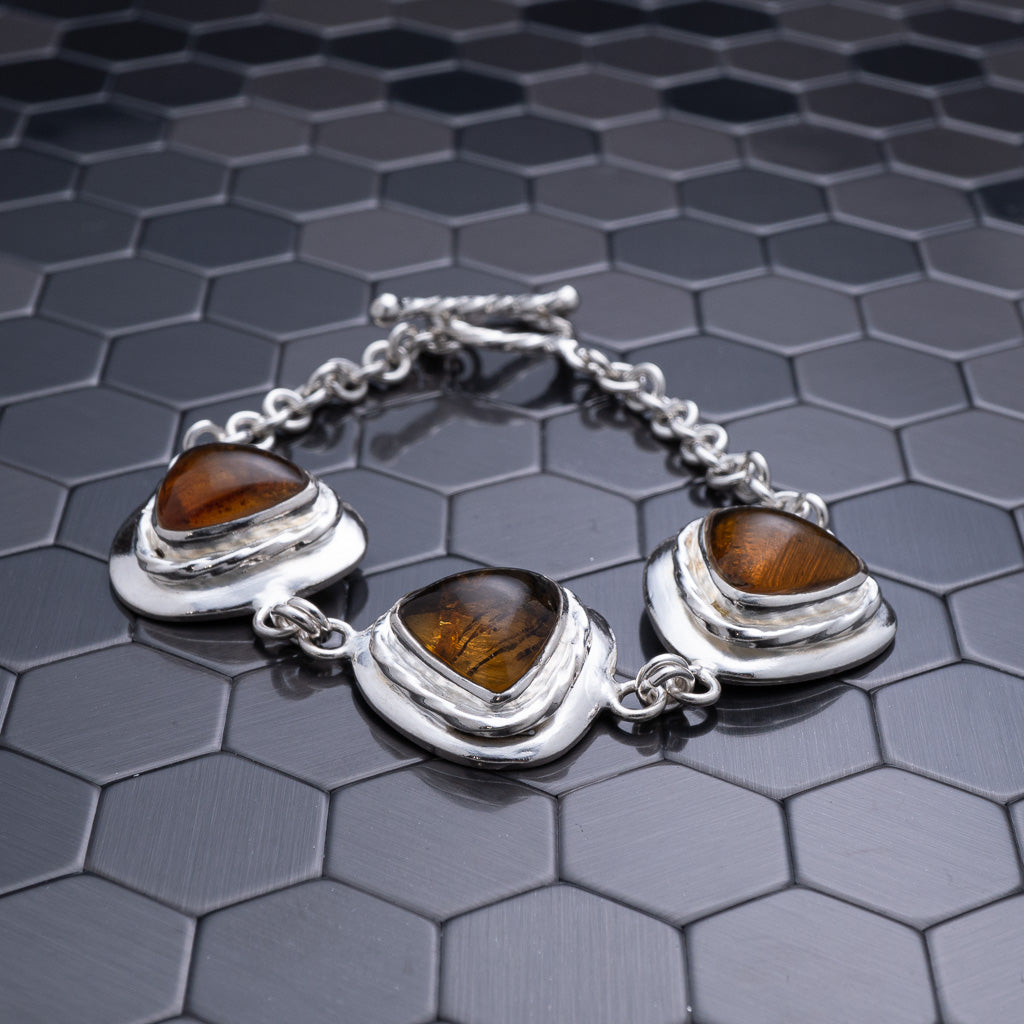
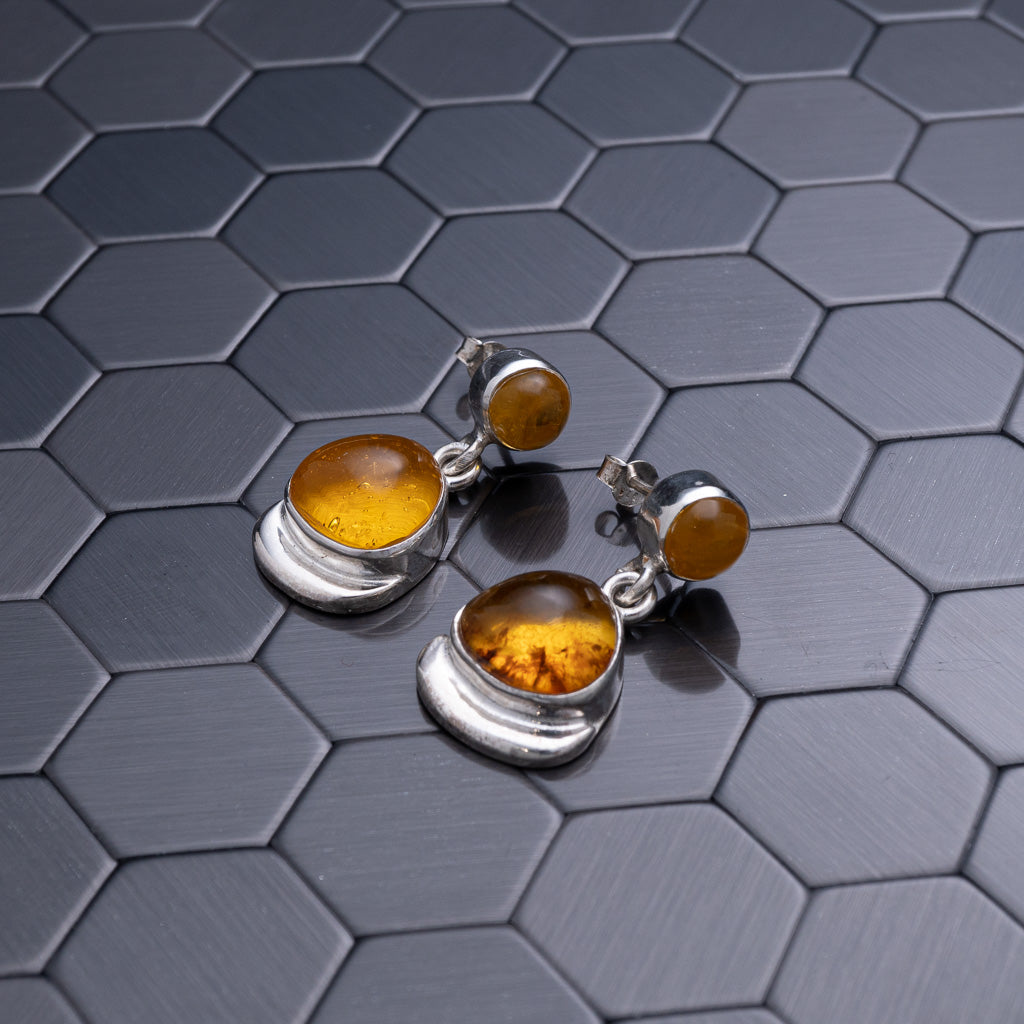


100% Handcrafted in DR.

The market for Caribbean gemstones has exploded in recent years, and with increased demand comes an unfortunate reality: counterfeit stones flooding the marketplace. Fake Dominican larimar has become increasingly sophisticated, with imitations ranging from simple dyed howlite to advanced glass replicas that can fool even experienced collectors. Understanding how to authenticate this rare blue pectolite is essential for anyone investing in larimar jewelry or adding to their gemstone collection. This comprehensive guide explores the science behind larimar identification, common imitation materials, and professional testing methods that separate genuine Dominican stones from convincing fakes.
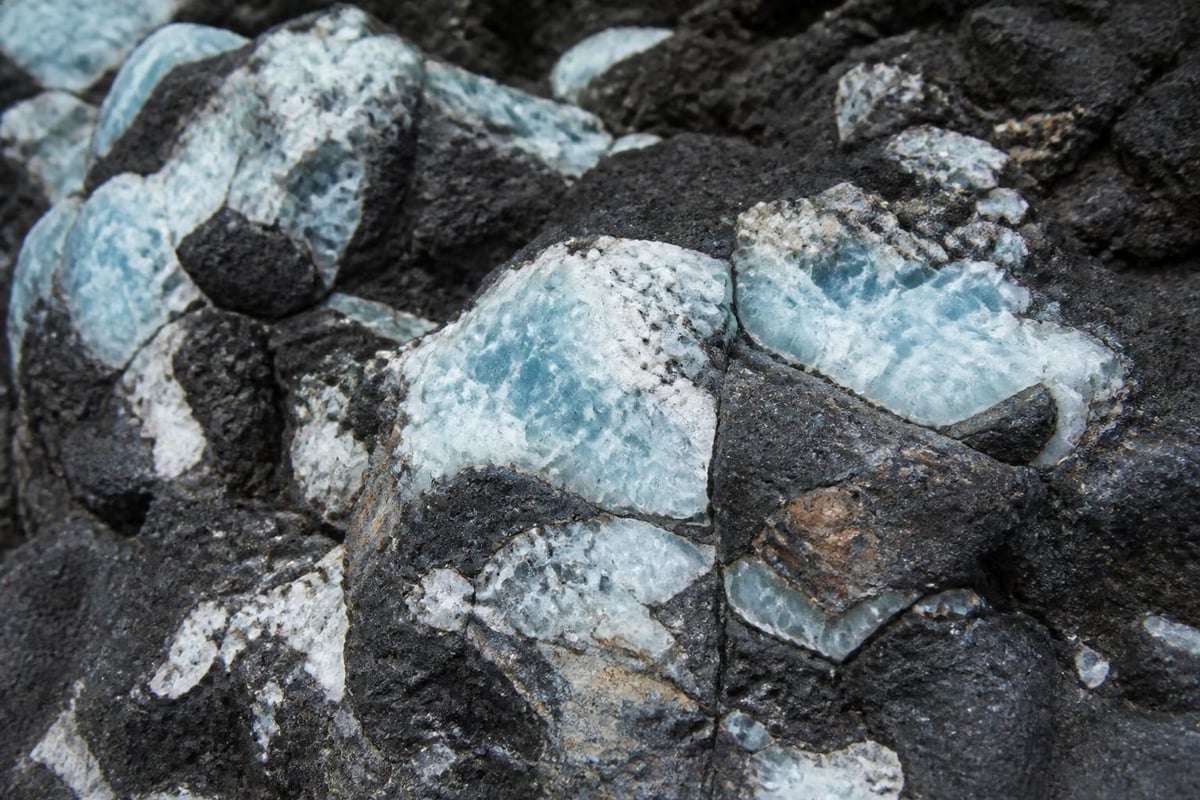
Larimar is a unique variety of pectolite (NaCa₂Si₃O₈(OH)) found exclusively in the Bahoruco Mountain range of the Dominican Republic. The gemstone's distinctive blue coloration results from copper substitution within the mineral structure during hydrothermal formation. This geological rarity makes larimar one of the world's most sought-after semi-precious stones.
The mineral forms through volcanic hydrothermal processes in basaltic rocks, creating the characteristic patterns and color variations that make each piece unique. Vibrational spectroscopic studies have documented the specific molecular signatures of authentic pectolite, providing a scientific foundation for authentication methods.
Only one commercial deposit of gem-quality larimar exists worldwide, located in the Los Chupaderos mine in the Barahona province. This geographic limitation contributes to both the stone's value and the proliferation of imitations. Understanding how rare larimar truly is helps explain why fake Dominican larimar has become such a persistent problem in the gemstone market.
The Dominican Republic Ministry of Energy & Mines regulates larimar exports to maintain quality standards and combat illegal mining operations. These governmental controls provide an additional layer of authentication when purchasing from reputable sources who can document proper provenance.
The gemstone market has seen various materials masquerading as authentic larimar, each with distinct characteristics that trained eyes can identify. Understanding these common substitutes provides the foundation for effective authentication.
The most prevalent fake Dominican larimar involves white howlite or magnesite dyed blue to mimic larimar's appearance. These porous calcium silicate minerals readily absorb dye, creating a superficially similar blue color with white veining.
Key differences include:
Dyed howlite typically displays a chalky white matrix with bright turquoise-blue sections that lack the natural color gradations found in authentic larimar. The dye often pools in surface irregularities, creating an unnatural appearance under magnification.
Advanced glass imitations represent the most challenging fake Dominican larimar to identify without specialized equipment. Recent gemological studies have documented convincing glass replicas that mimic larimar's color and patterning with remarkable accuracy.
| Property | Authentic Larimar | Glass Imitation |
|---|---|---|
| Refractive Index | 1.60-1.64 | 1.50-1.52 |
| Specific Gravity | 2.8-2.9 | 2.3-2.5 |
| Hardness (Mohs) | 4.5-5 | 5-6 |
| Structure | Crystalline | Amorphous |
| Inclusions | Natural mineral | Bubbles, swirls |
Glass fakes often exhibit curved surface features, gas bubbles visible under magnification, and conchoidal fracture patterns. These imitations may feel slightly lighter in hand due to lower specific gravity, though this difference requires experience to detect reliably.
Synthetic turquoise and treated stones represent another category of larimar imitations. Some sellers market stabilized or reconstituted materials as natural larimar, while others use entirely synthetic compounds designed to replicate the stone's appearance.
These materials often display:
Gemological laboratories employ sophisticated testing protocols to distinguish fake Dominican larimar from authentic specimens. These methods combine visual examination with instrumental analysis for conclusive identification.
Raman spectroscopy provides definitive identification by analyzing molecular vibrations unique to pectolite's crystal structure. The technique requires no sample preparation and delivers results within minutes, making it ideal for non-destructive authentication.
Energy-dispersive X-ray fluorescence (EDXRF) analysis reveals elemental composition, confirming the presence of sodium, calcium, and silicon in proper proportions. Copper traces indicate authentic larimar, while other colorants point to imitations. Portable spectroscopic techniques have made these sophisticated methods increasingly accessible for field authentication.
Gemological refractometers measure how light bends through a material, with authentic larimar displaying a refractive index between 1.60 and 1.64. Glass imitations typically show lower values (1.50-1.52), providing a clear distinction.
Standard testing protocol:
Specific gravity testing involves weighing the stone in air and then in water, calculating density from the difference. This simple yet effective method reveals most glass and dyed stone imitations.
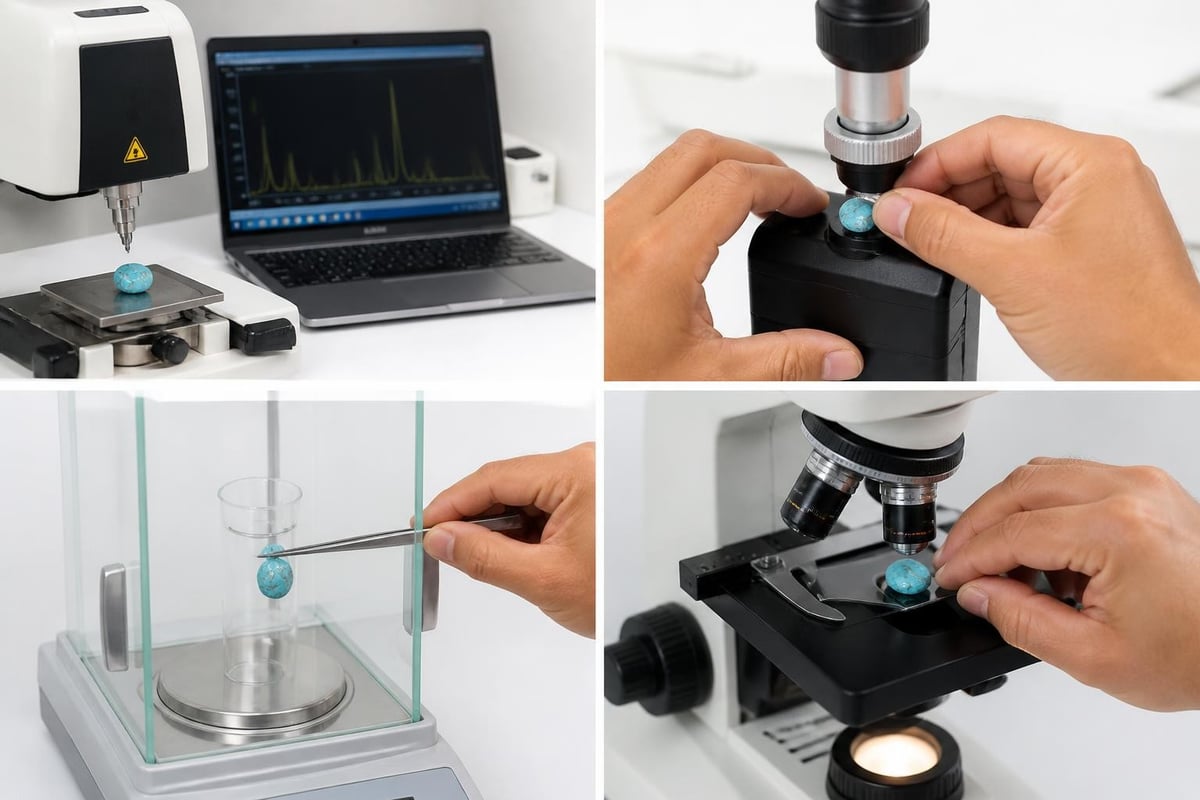
Experienced collectors develop visual recognition skills that flag potential fake Dominican larimar before requiring laboratory testing. These practical observations serve as an initial screening method.
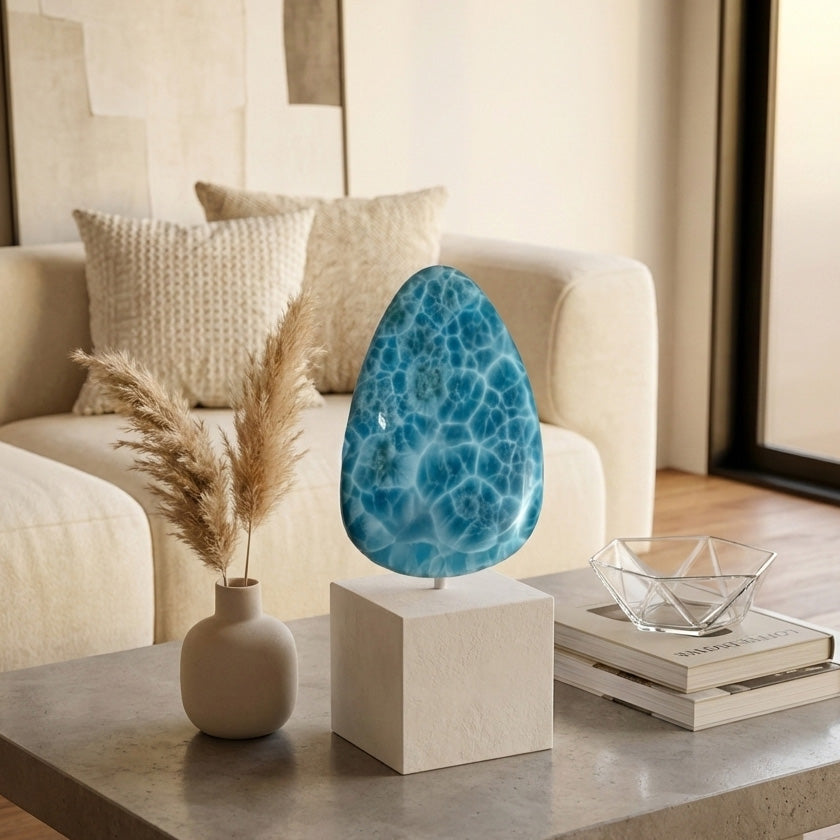
Authentic larimar exhibits organic color variations ranging from white through sky blue to deep volcanic blue. The coloration follows natural mineral growth patterns with gradual transitions and irregular boundaries. Copper concentration creates these color zones, resulting in unique patterns impossible to replicate artificially.
Genuine specimens display:
Fake stones often show repetitive patterns, overly symmetric designs, or unnatural color boundaries that betray their manufactured origin.
Larimar's surface presents a silky to vitreous luster when properly polished, with a distinctive depth to the color. The stone's fibrous crystal structure creates chatoyancy (a cat's-eye effect) in some specimens, particularly visible under direct lighting.
Glass imitations may appear too perfect, lacking the subtle surface irregularities present in natural stones. Dyed materials often display uneven luster where dye has penetrated differently across the surface. Understanding these natural characteristics helps distinguish authentic pieces from sophisticated fakes.
Natural larimar contains characteristic inclusions that provide authentication clues. These may include:
Imitation materials typically lack these natural features or display artificial-looking inclusions such as gas bubbles in glass or dye concentrations in treated stones.
Understanding marketplace practices helps identify situations where fake Dominican larimar is likely being offered. Certain pricing, sourcing, and presentation factors warrant heightened scrutiny.
Authentic larimar commands premium prices due to its rarity and single-source origin. Specimens offered significantly below market rates deserve skepticism. High-quality larimar pendants with deep blue coloration and minimal white matrix typically range from moderate to expensive pricing tiers, reflecting the stone's scarcity.
Warning signs include:
Reputable dealers provide detailed information about their larimar sources, often including photographs from Dominican mines or export documentation. The geological context of larimar formation in the Sierra de Bahoruco region means legitimate sellers can discuss specific mining locations and extraction methods.
Suspicious vendor behaviors:
Ethical sellers disclose any treatments applied to their larimar, though genuine Dominican larimar requires minimal processing beyond cutting and polishing. Stabilization treatments, while common for some gemstones, are unnecessary for quality larimar and may indicate lower-grade material or imitations.
While professional laboratory analysis provides definitive results, several practical tests can be performed at home to screen potential fake Dominican larimar before investing in expensive authentication services.
Larimar registers 4.5-5 on the Mohs hardness scale, harder than most glass but softer than quartz. A steel knife blade (5.5 Mohs) should barely scratch authentic larimar, while easily marking softer materials like dyed howlite.
Testing procedure:
This destructive test should only be performed on areas that won't affect the stone's appearance or value, making it more suitable for rough stones than finished jewelry.
Dyed imitations often reveal their nature when exposed to acetone (nail polish remover). Apply a small amount to a cotton swab and gently rub an inconspicuous area. Blue dye bleeding onto the cotton indicates a fake. Authentic larimar shows no color transfer regardless of exposure duration.
Experienced handlers develop sensitivity to material weight and thermal properties. Genuine larimar feels noticeably heavier than similarly sized glass or resin imitations due to its higher density. The stone also remains cool to the touch longer than glass when warmed, though this subjective test requires practice to master.
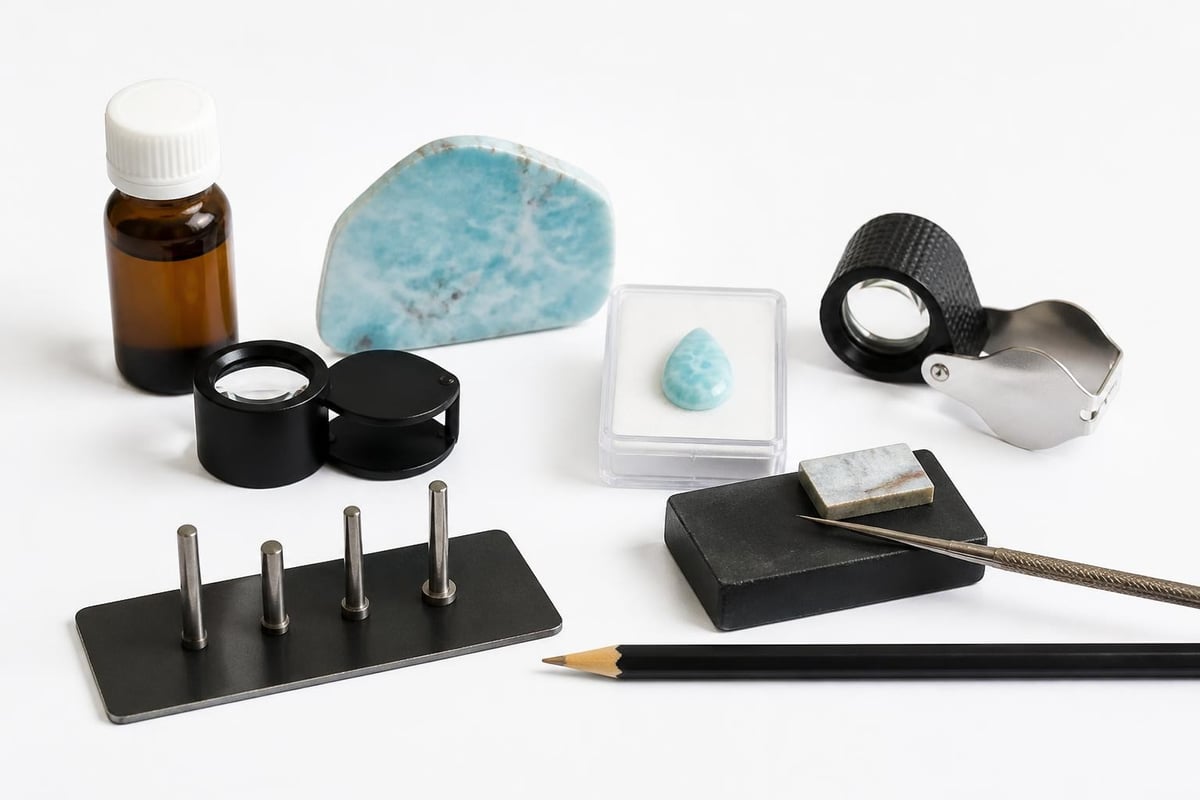
The most effective protection against fake Dominican larimar involves purchasing exclusively from established dealers with verifiable track records. Reputable jewelers specializing in larimar maintain direct relationships with Dominican miners and can provide comprehensive documentation.
Quality dealers offer authentication certificates from recognized gemological laboratories. These documents detail the stone's characteristics, confirm its identity as natural pectolite, and may include photographic documentation. Certificates should specify testing methods used and include contact information for verification.
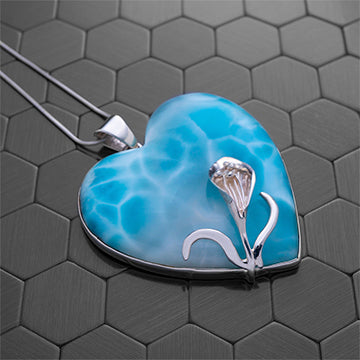
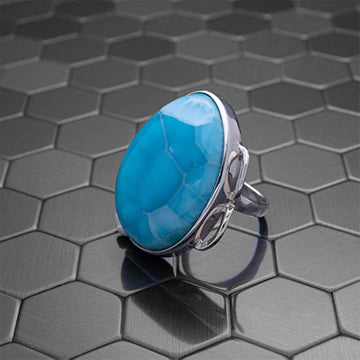
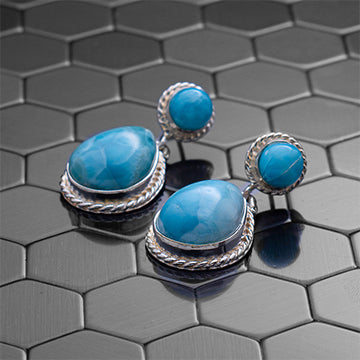
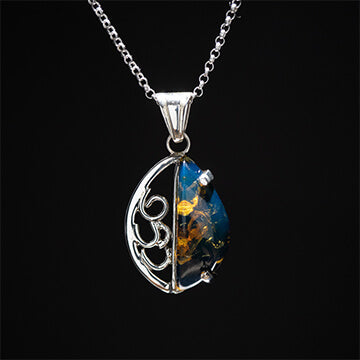
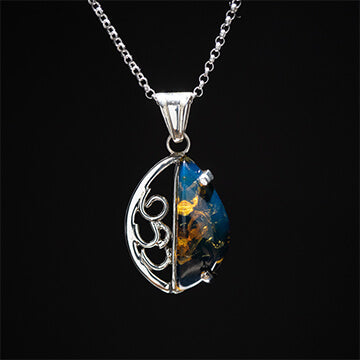
Larimar Creations exemplifies this commitment to authenticity, offering verified Dominican larimar in exquisite handcrafted designs. Their larimar pendants showcase genuine stones with full provenance documentation, ensuring customers receive authentic pieces backed by expertise in Caribbean gemstones.
Companies maintaining direct relationships with Dominican miners can trace each stone's journey from extraction to finished jewelry. This supply chain transparency eliminates opportunities for fake Dominican larimar to enter inventory. Questions about specific mines, extraction dates, and processing methods should receive detailed, knowledgeable responses from legitimate suppliers.
The investment in authentic larimar extends beyond initial purchase price. Genuine stones maintain and often appreciate in value as the limited resource becomes increasingly scarce, while imitations depreciate or become worthless.
High-quality larimar specimens, particularly those with exceptional color saturation and minimal matrix, have demonstrated steady value appreciation. Collectors seeking rare color varieties or unusually large stones pay premium prices for authenticated pieces. This market dynamic makes authentication even more critical for investment-grade purchases.
| Quality Grade | Color Description | Relative Value | Fake Risk Level |
|---|---|---|---|
| Premium | Deep volcanic blue, minimal white | Highest | Very High |
| High | Sky blue with attractive patterns | High | High |
| Medium | Mixed blue and white, good color | Moderate | Moderate |
| Commercial | Light blue, heavy white matrix | Lower | Lower |
Proper authentication documentation supports insurance claims and resale transactions. Policies covering valuable gemstone jewelry typically require appraisals from qualified gemologists, with specific identification of stones as natural versus synthetic or imitation. Fake Dominican larimar, even if initially believed authentic, provides no insurance value once identified.
The prevalence of fake Dominican larimar affects not only individual consumers but also the Dominican mining communities whose livelihoods depend on legitimate trade. Counterfeit stones undermine market prices, reducing income for miners and artisans who extract and process genuine material.
Purchasing authenticated larimar from ethical sources supports sustainable mining practices in the Dominican Republic. The regulatory framework established by Dominican authorities aims to ensure fair compensation for miners while preventing environmental degradation and preserving this unique resource for future generations.
Responsible buyers consider:
Collectors and jewelers share responsibility for educating the market about fake Dominican larimar. Sharing knowledge about authentication methods, reporting fraudulent sellers, and promoting transparency helps protect both consumers and legitimate trade. Online communities dedicated to larimar appreciation serve as valuable resources for verification and education.
Advancing technologies continue improving our ability to distinguish fake Dominican larimar from authentic specimens. Portable analytical devices bring laboratory-quality testing to retail environments, while database systems catalog authentic stone characteristics for comparison.
Handheld X-ray fluorescence (XRF) analyzers now provide elemental analysis in seconds without sample preparation. These devices identify copper traces characteristic of blue larimar while detecting elements present in common imitations. Machine learning algorithms trained on spectroscopic data from thousands of authenticated specimens can flag suspicious stones with increasing accuracy.
Near-infrared spectroscopy offers another non-destructive approach, analyzing molecular bonds to distinguish crystalline pectolite from amorphous glass or other minerals. As these technologies become more affordable and portable, authentication becomes accessible to smaller retailers and individual collectors.
Some forward-thinking suppliers are implementing blockchain-based tracking systems that document each stone's journey from mine to market. These immutable digital records provide unprecedented transparency, making it virtually impossible for fake Dominican larimar to enter verified supply chains. QR codes linked to blockchain records allow customers to verify authenticity instantly via smartphone.
Protecting yourself from fake Dominican larimar requires combining visual assessment skills, understanding of gemological properties, and commitment to purchasing from reputable sources with verifiable supply chains. Armed with knowledge about common imitations, testing methods, and red flags, collectors can confidently build authentic larimar collections that maintain both aesthetic and financial value. Larimar Creations combines decades of expertise with direct Dominican sourcing to deliver certified authentic larimar jewelry, ensuring every piece represents genuine Caribbean craftsmanship. Explore their collection to experience the true beauty of this rare gemstone with complete confidence in its authenticity.