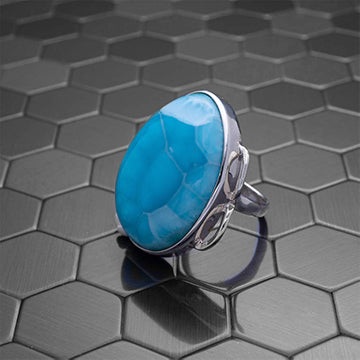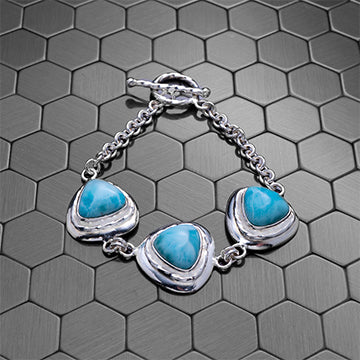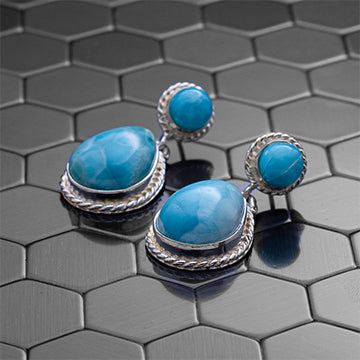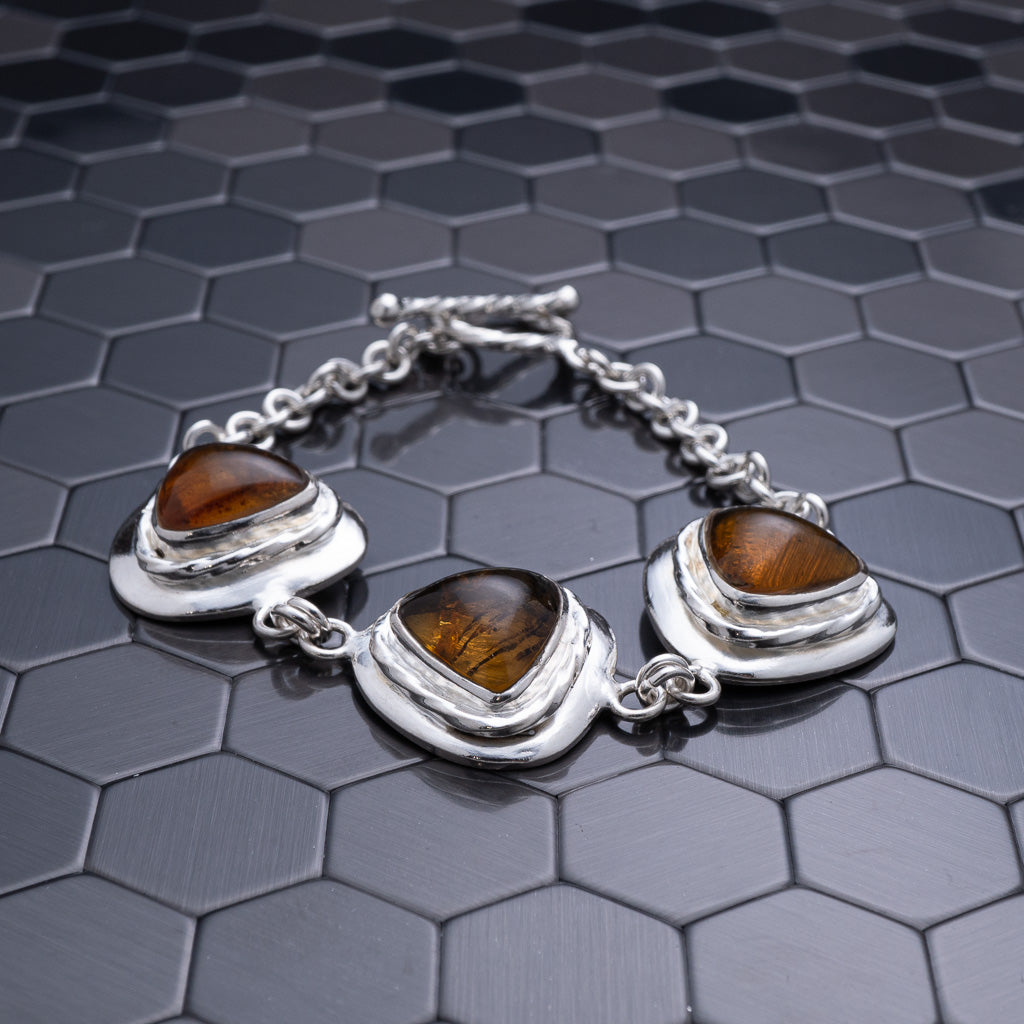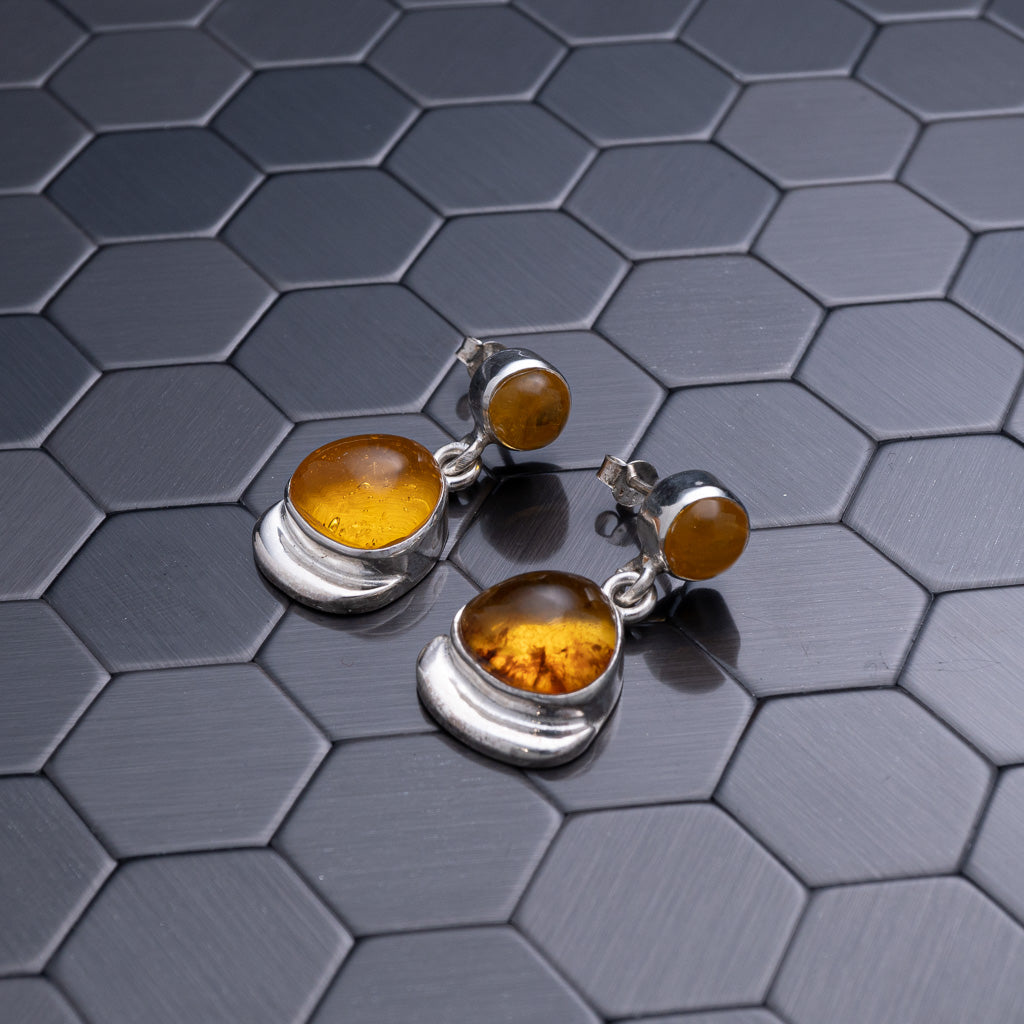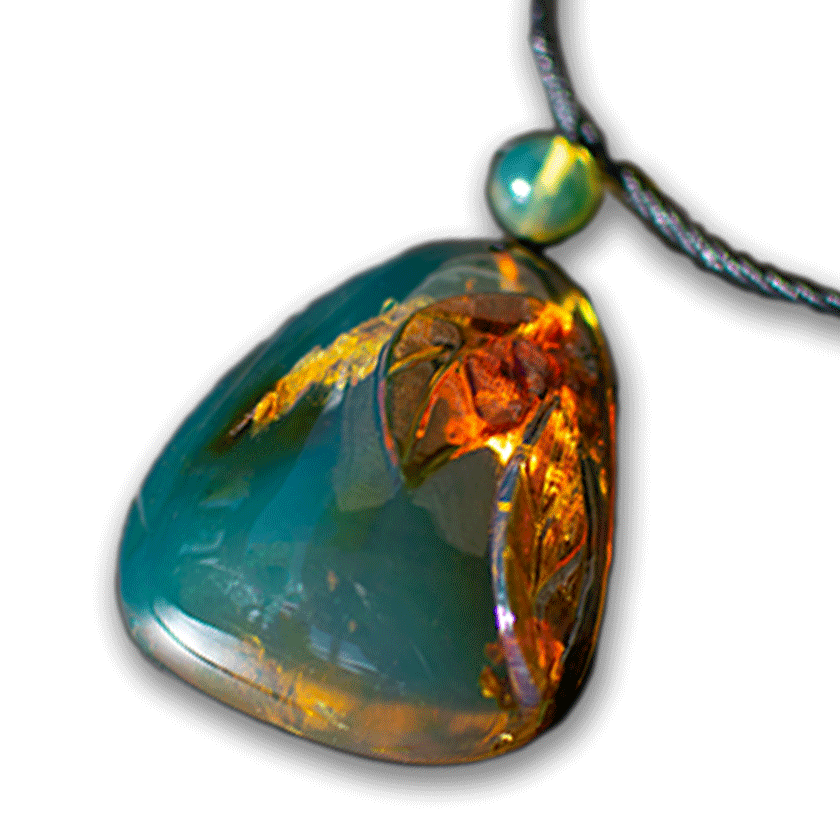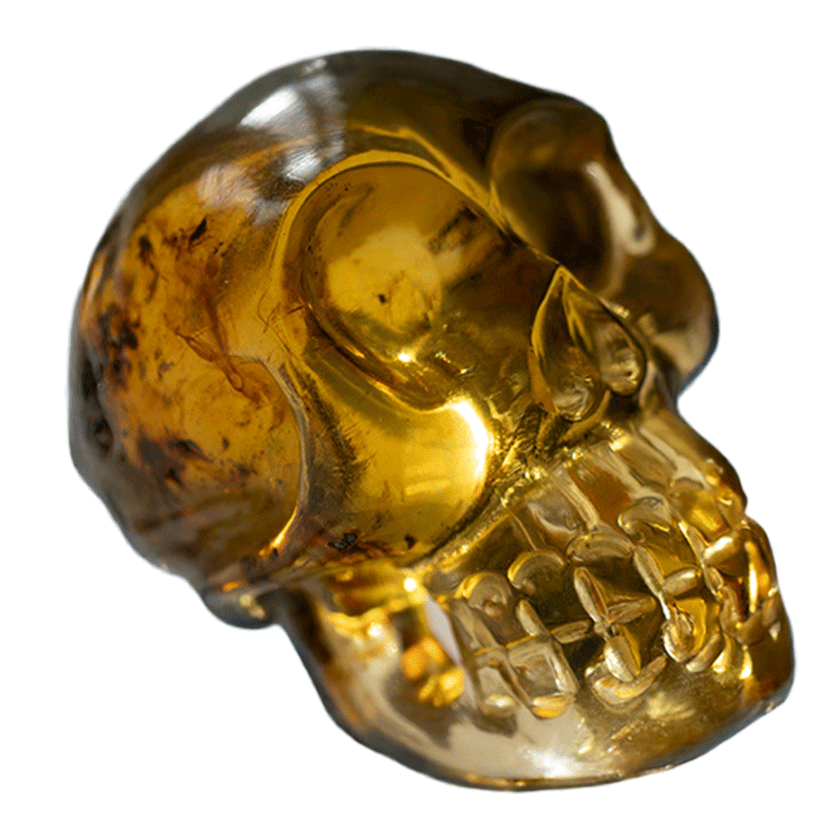


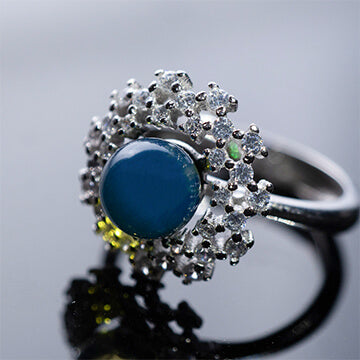
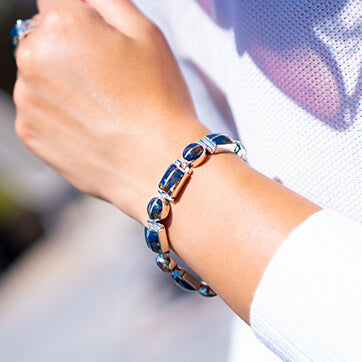
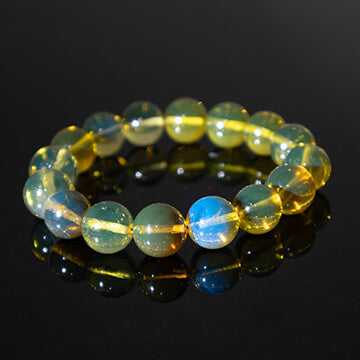
Handcrafted in DR.

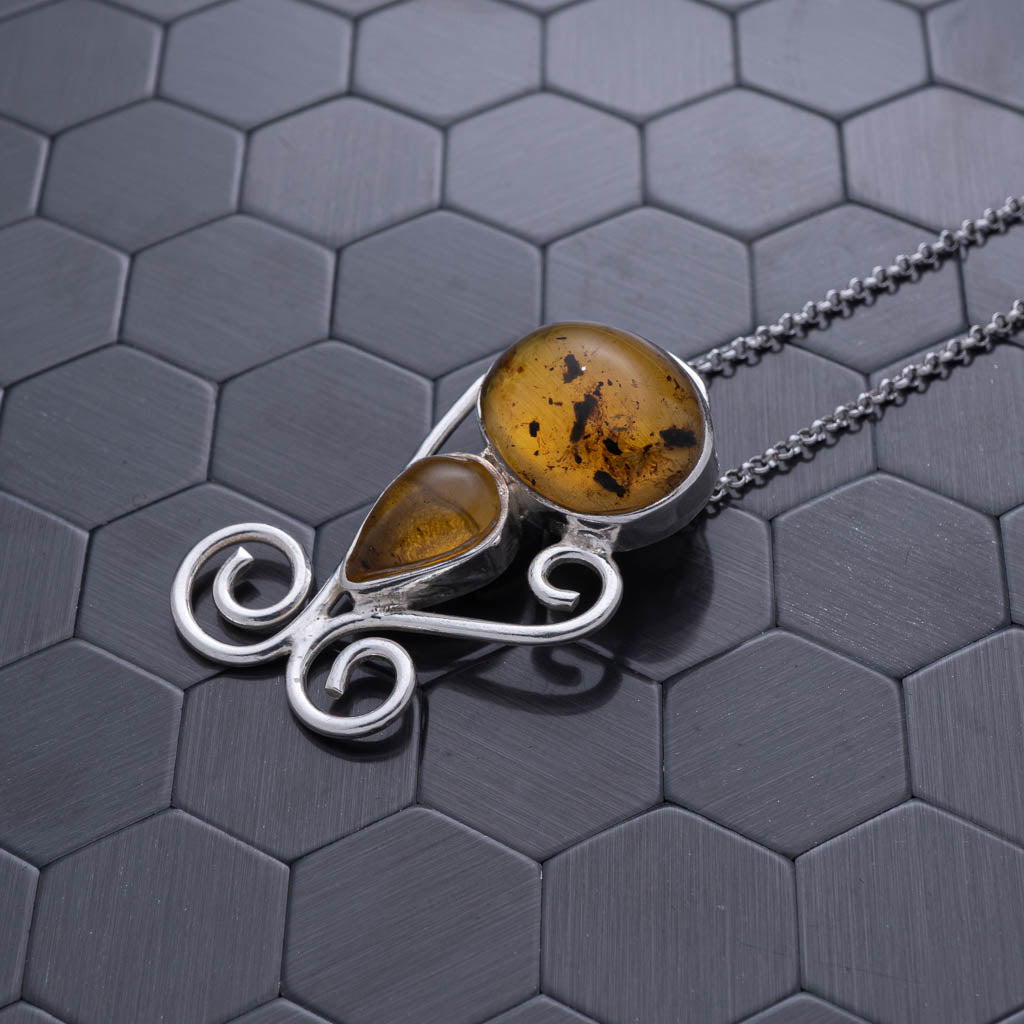


100% Handcrafted in DR.

Ever wondered how rare is larimar and why some pieces of this blue stone can cost a small fortune? You’re not alone. There’s a lot more to Larimar than meets the eye, and its story is as unique as its color.
In this guide, we’ll dig into just how rare is larimar, what makes it so special, and what you should know before you buy or collect it in 2026. From its volcanic origins and tough mining conditions to grading secrets and market trends, we’ll cover everything that sets Larimar apart.
Get ready to discover why this Caribbean gem is turning heads, why collectors are scrambling to get it, and how you can spot the real deal. By the end, you’ll have the facts, the context, and the insider tips you need to appreciate and invest in Larimar with confidence.
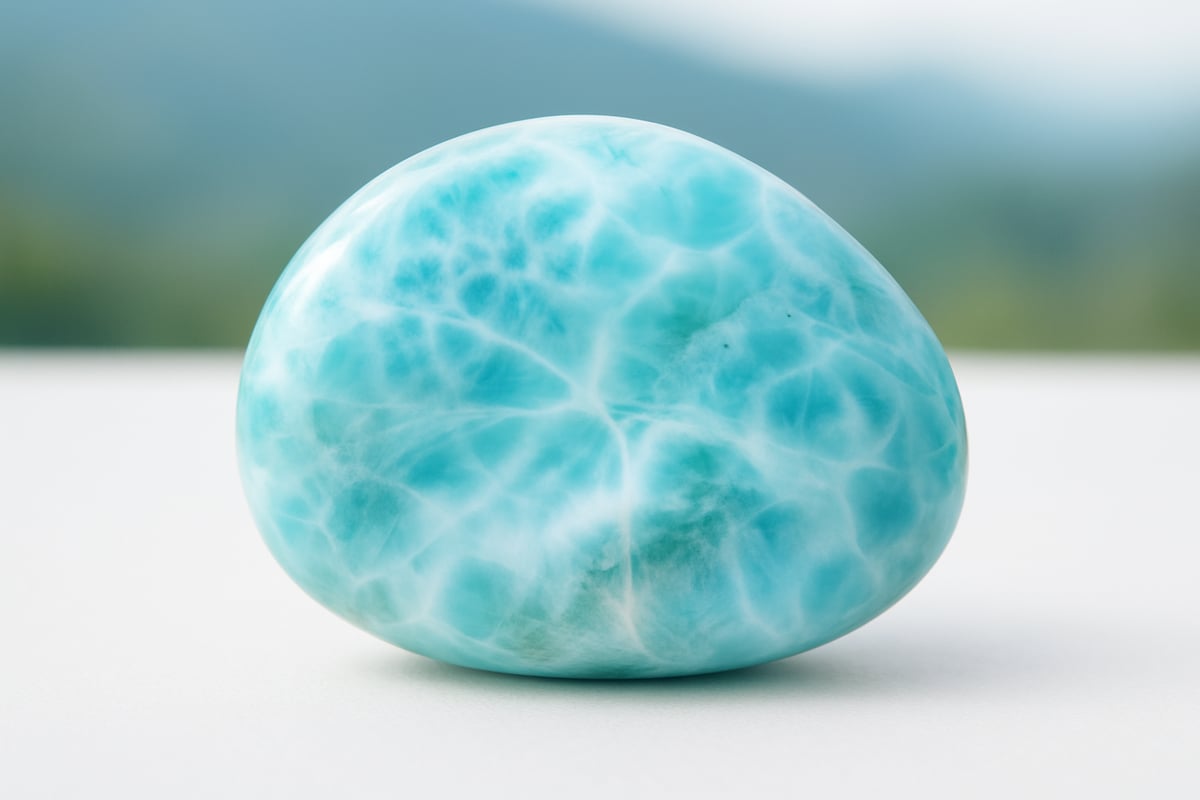
Larimar is a gemstone that grabs attention the moment you see it. It is a rare blue variety of pectolite, and the answer to how rare is larimar really starts here: it comes from just one place on Earth—the Dominican Republic.
The story of Larimar began in 1974, when a local named Miguel Méndez and a Peace Corps volunteer stumbled upon pieces of striking blue stone washed up on a beach. Inspired by his daughter Larissa and the Spanish word for sea, Méndez named the stone Larimar. If you want the full scoop on Larimar’s discovery and its cultural impact, check out The Dominican Republic Gemstone Larimar.
Geologically, Larimar forms inside volcanic rocks, where hot fluids rich in minerals create veins of pectolite. The unique mix of copper and other trace elements gives Larimar its signature blue, which can range from soft sky blue to deep greenish tones.
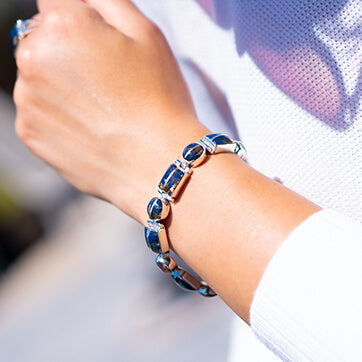
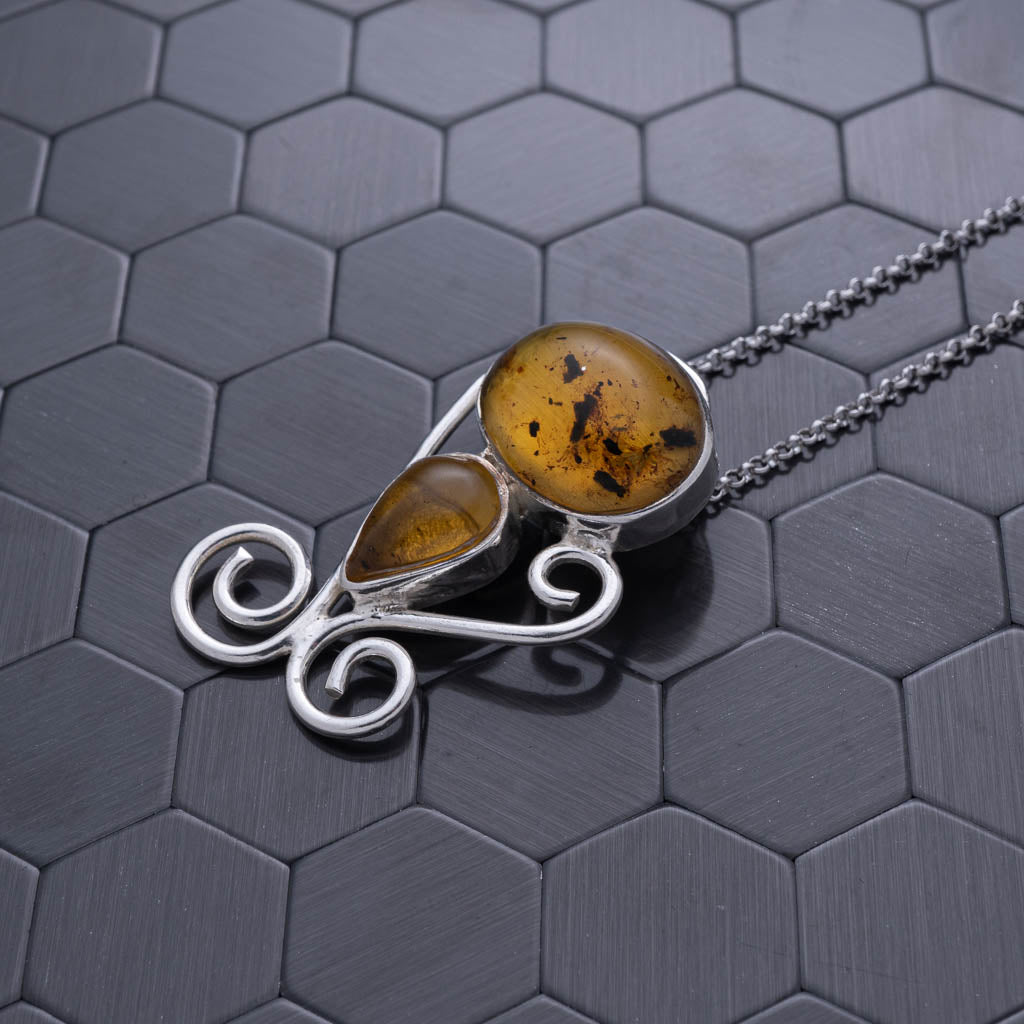
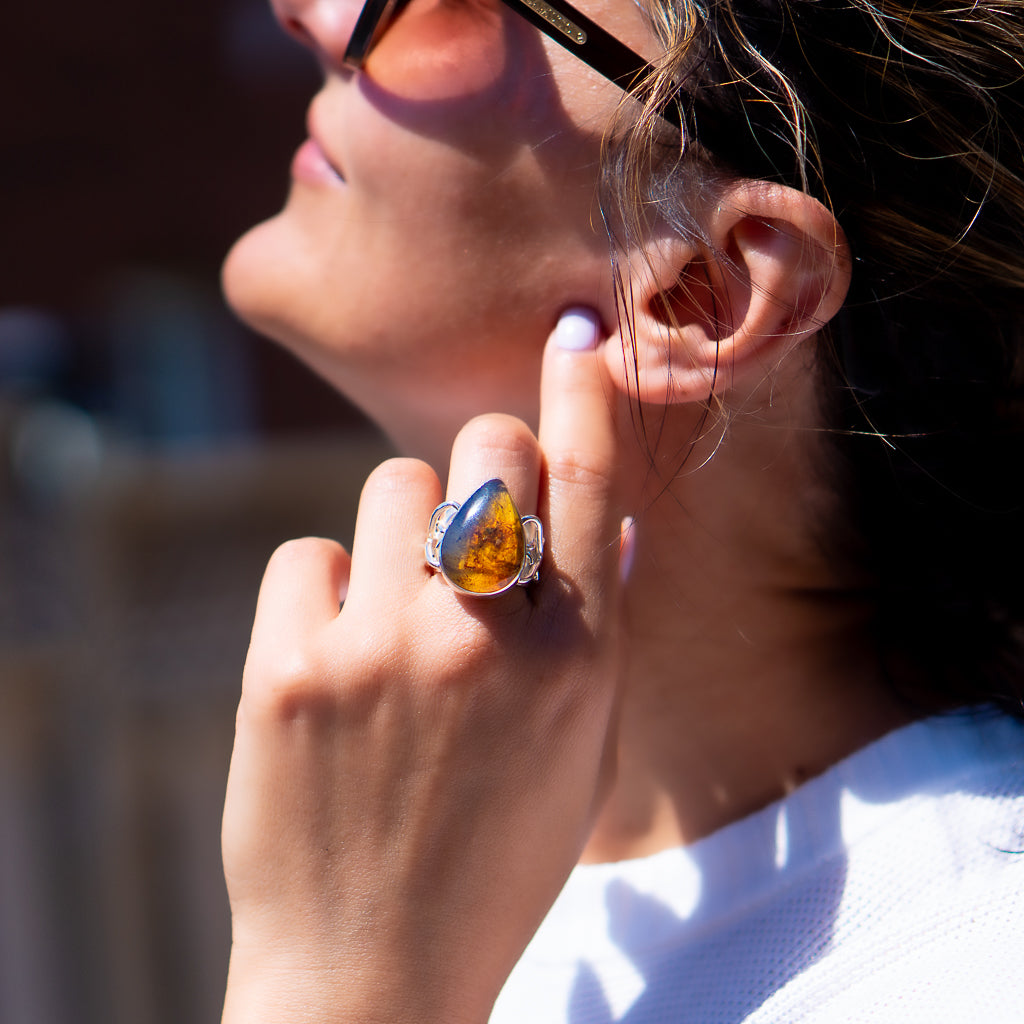
Local legends call Larimar the “Atlantis Stone,” with many believing it holds calming and healing powers. Artisans in the Dominican Republic craft it into pendants, rings, and even museum pieces, each one telling its own story.
To put its rarity in perspective, there is only one known deposit of Larimar in the world. That’s why collectors and gem lovers are always asking how rare is larimar compared to other stones like Tanzanite or Paraiba Tourmaline. The answer: it is truly in a league of its own.
Ever asked yourself how rare is larimar, really? Let’s dig into the facts. This stone comes from just one place on Earth: a rugged stretch of mountains in Barahona, Dominican Republic. That’s it. Nowhere else. The reason? Larimar forms only under a perfect mix of volcanic activity and mineral-rich waters—a geological recipe you just don’t find anywhere else.
If you want to see what makes its origin story so unique, check out this Dominican Larimar Stone Origins breakdown. Annual larimar mining output is tiny, often less than 0.01 percent of global gemstone production. For comparison, even rare gems like Tanzanite or Paraiba Tourmaline have multiple deposits. Larimar stands alone.
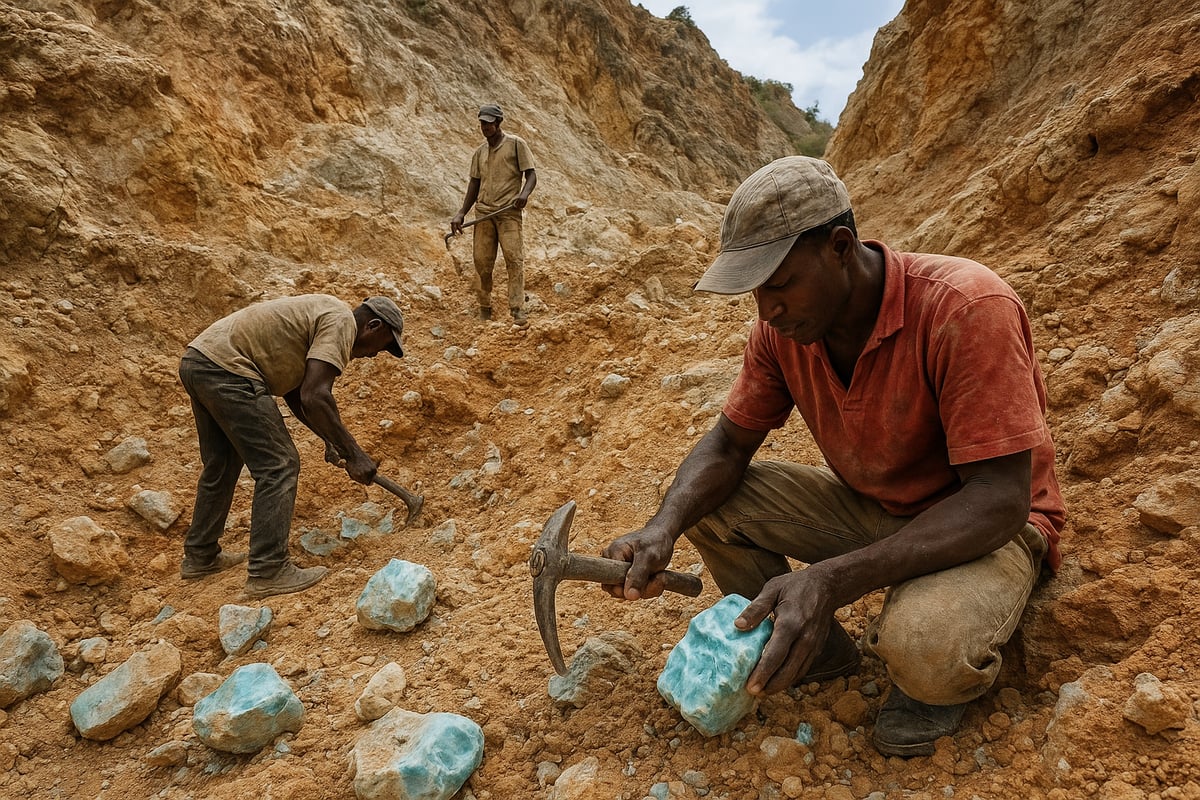
Let’s get practical about how rare is larimar. There’s only one known deposit, and it’s locked inside steep, weather-beaten mountains. The volcanic conditions here are so unique, geologists haven’t found anything like it anywhere else on the planet.
Miners climb tough slopes, often by foot, and dig by hand. No big machines, just sweat and skill. The annual haul is small—Larimar makes up a fraction of a percent of the world’s gemstone supply. If you stack it against other rare stones, Larimar’s single-source status puts it in a league of its own.
Mining Larimar isn’t just about digging. The terrain is unpredictable—think slippery mud during rainy months and dangerous cliffs year-round. Most mining is manual, and the weather can shut down operations for weeks or even months.
Local laws now protect the land and limit how much can be taken out, especially as easy-to-reach veins dry up. These hurdles mean fewer stones make it to market. That’s a big reason why prices keep climbing and supply stays tight. When you see a piece of Larimar jewelry, you’re looking at the result of real effort and shrinking resources.
Ever stare at a piece of Larimar and wonder what makes one stone sell for $20 and another for $500? It all comes down to how rare is larimar, and how experts grade each gem. Let’s break down what actually matters when it comes to quality, value, and the trends shaping Larimar’s price tag in 2026.
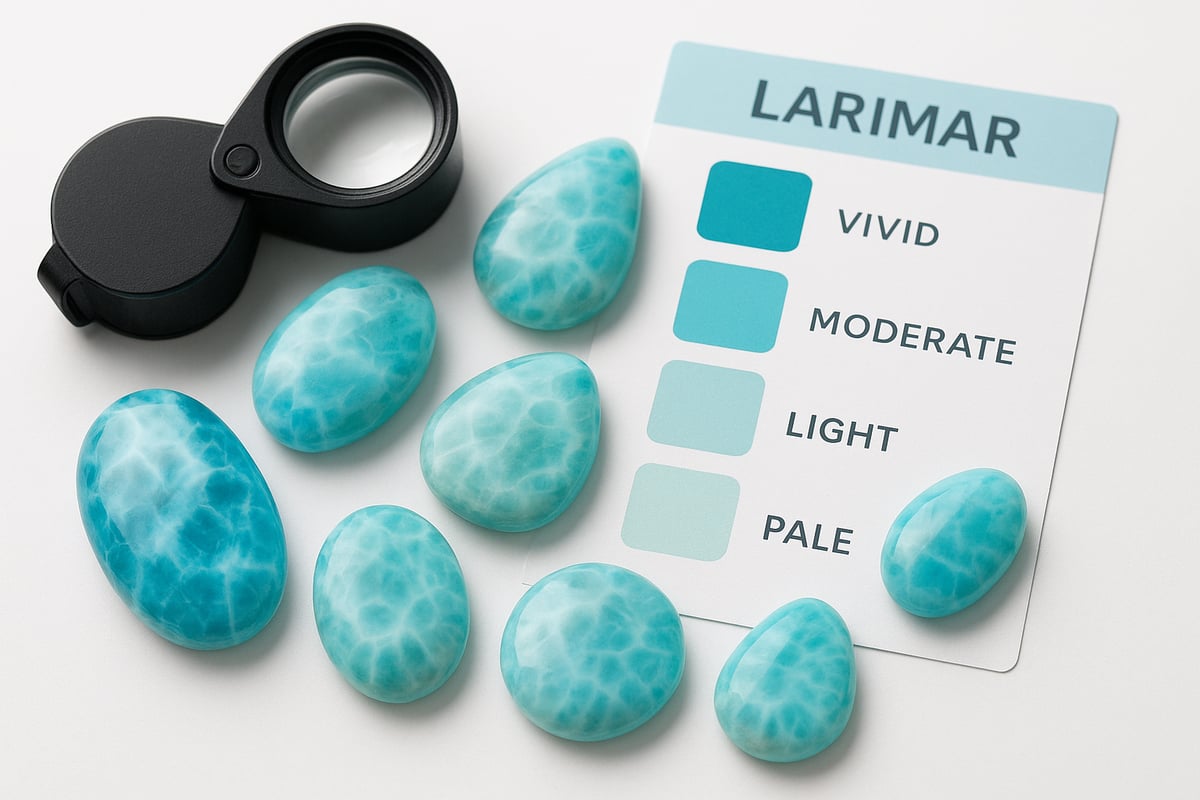
So, what separates a museum-worthy Larimar from the rest? The grading process is both art and science. Experts look for:
| Grading Factor | What Adds Value | What Lowers Value |
|---|---|---|
| Color | Deep, vivid blue | White streaks, greenish tint |
| Clarity/Pattern | Swirls, translucency | Cloudiness, flat color |
| Size | Large, flawless stones | Small, irregular pieces |
| Cut | Skilled craftsmanship | Rough, uneven cuts |
The deeper the blue, the more prized the stone. Patterns that swirl or mimic clouds are highly sought after. Larger pieces are not just rare, they’re exponentially more valuable. A skilled cut brings out the best in each stone, making the most of how rare is larimar really feels in your hand. For a detailed breakdown, check out the Larimar Authenticity and Buying Guide, which covers grading in depth.
In 2026, demand for top-grade Larimar is only going up. High-quality stones fetch anywhere from $10 to $30 per carat. Museum-grade pieces often command much more. What’s driving these numbers?
Auction results from the last five years show a steady climb in prices. Most experts agree that as supply drops, how rare is larimar will keep pushing values higher. If you’re thinking of buying or investing, now is a smart time to pay attention.
Larimar has a cult following, and it’s not hard to see why. When people ask how rare is larimar, the answer shapes the market—rarity is a magnet for collectors, jewelry designers, and anyone who loves a story behind their stones. The blue hues of Larimar are like nothing else, so buyers from all over the world snap it up as soon as it hits the market.
Let’s break down who’s driving this demand. First, jewelry lovers and designers flock to Larimar for its one-of-a-kind look. Collectors are always on the hunt for rare finds, and with how rare is larimar, they see it as a smart investment. Spiritual seekers believe Larimar brings calm and healing, while tourists visiting the Dominican Republic are eager to bring home an authentic piece. Celebrities have been spotted wearing Larimar, fashion magazines feature it, and auction houses have seen record prices for top-grade stones.
Here’s a snapshot of the market:
| Buyer Type | Motivation | Example |
|---|---|---|
| Jewelers | Unique designs | Designer collections |
| Collectors | Investment | Notable auctions |
| Spiritual Buyers | Healing energy | Metaphysical shops |
| Tourists | Souvenirs | Dominican Republic shops |
Exports from the Dominican Republic have steadily climbed, with Larimar jewelry showing up in boutiques from Europe to Asia. For those curious about the investment angle, check out this guide on Rare Larimar Colors and Value to see how color and scarcity impact what collectors pay. With demand rising and supply shrinking, the global market for Larimar isn’t slowing down anytime soon.

Spotting the real deal is crucial if you care about how rare is larimar. The market is full of lookalikes, so knowing what to watch for can save you from disappointment and wasted money.
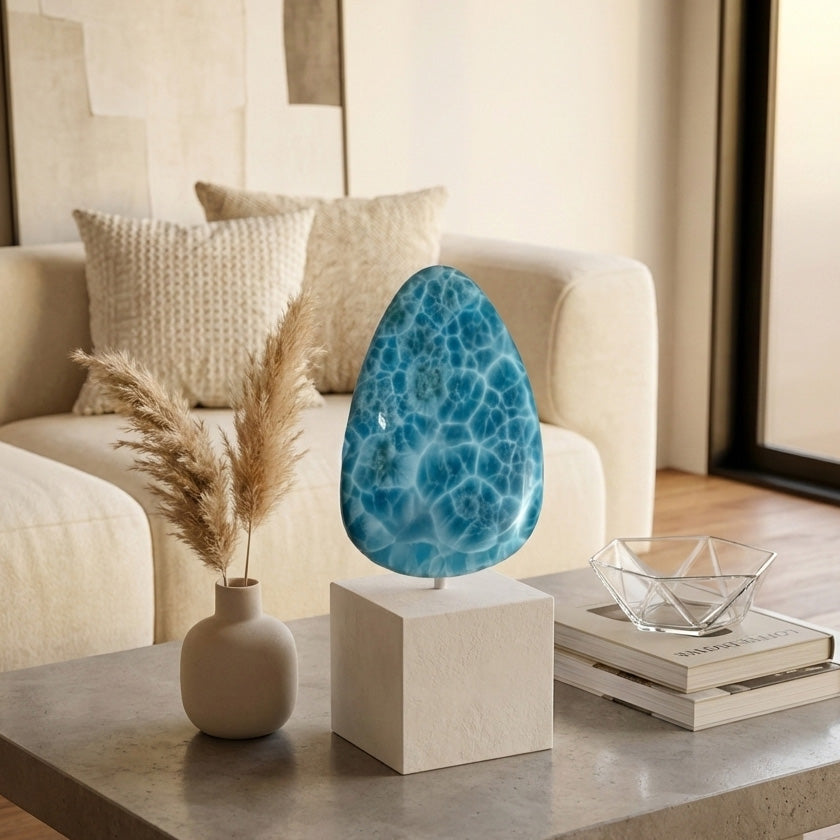
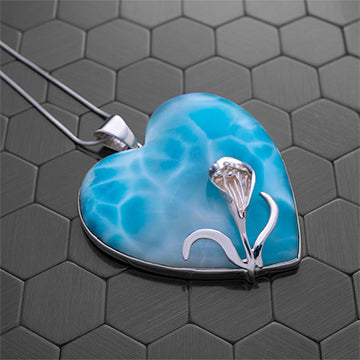
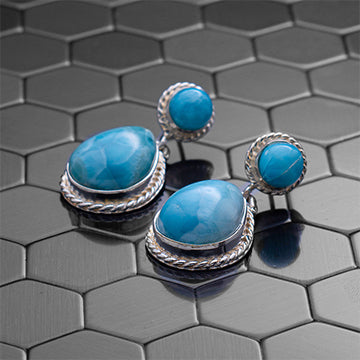
Genuine Larimar catches your eye with its vivid blue or blue-green color, often swirling with soft white. The stone's surface feels smooth and slightly waxy, not plasticky or gritty. It’s denser than cheap fakes, so if it feels surprisingly light, be suspicious.
A real Larimar will never be solid blue or pitch dark. White marbling is always present, and the stone doesn't glow under UV light. If you're curious about how rare is larimar, remember, its unique look is part of what makes it special.
Most fakes are dyed howlite, glass, or resin. They usually show a flat, uniform color or patterns that seem too perfect. Prices that are too good to be true, no proof of origin, or sellers who dodge questions are all red flags.
To dig deeper into spotting imitations, check out this Guide to Identifying & Protecting Against Fake Larimar Jewelry. Always buy from reputable dealers and ask for certification. If the seller won’t provide return options, walk away.
New advances in gemstone testing make it easier to verify authenticity, so request lab reports when possible. Stick to trusted online marketplaces and established shops, especially those with transparent sourcing.
Take time to learn, ask questions, and trust your instincts. In a world where how rare is larimar truly matters, investing in genuine pieces is worth the extra effort.
Larimar is getting harder to find every year. If you’re wondering how rare is larimar right now, the answer is: rarer than ever. Mining yields are dropping as the easiest veins get depleted, and the environmental toll on the Dominican landscape is real.
But there’s hope. Locals and mining cooperatives are working together on conservation projects, teaching sustainable practices, and supporting nearby communities. These changes echo trends in Ethically Mined Gemstones: 7 Powerful Trends Shaping 2026, where traceability and eco-friendly sourcing matter more than ever.
Experts predict supply will keep shrinking, and demand is set to climb. Recent reports from Dominican authorities suggest Larimar could become even scarcer over the next decade. If you’ve ever dreamed of owning a piece, now’s probably the best time to buy before prices and rarity both jump.
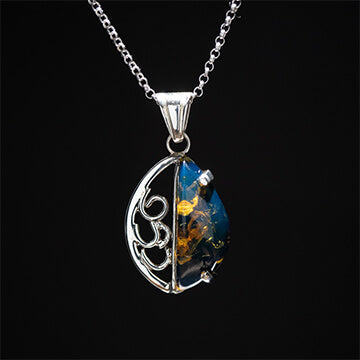
So after digging into just how rare Larimar really is and what makes each piece so unique, it’s easy to see why owning even a small pendant feels special. Whether you’re curious about the stone’s origins or just want something meaningful to wear or give, Larimar really does stand out as a gift with story and substance. If you’re ready to share a little calm and beauty with someone you care about (or treat yourself), you can explore a curated selection here Find the Perfect Gift of Serenity Shop Larimar Pendants with Free Worldwide Delivery and have it shipped anywhere in the world.