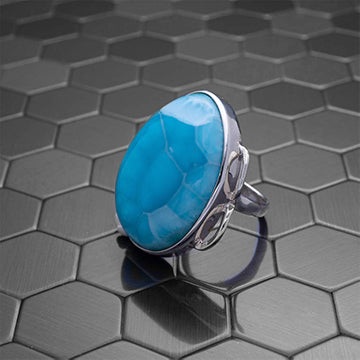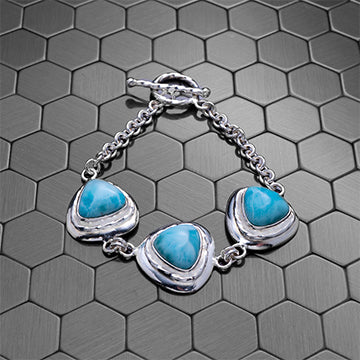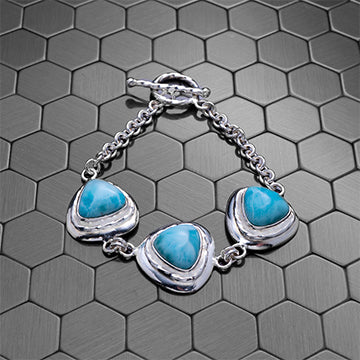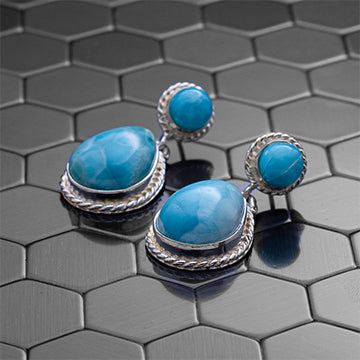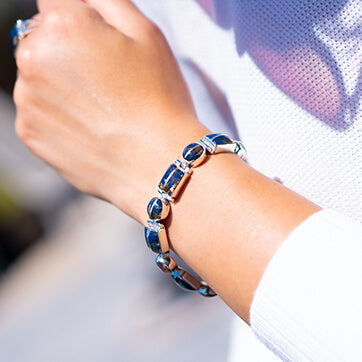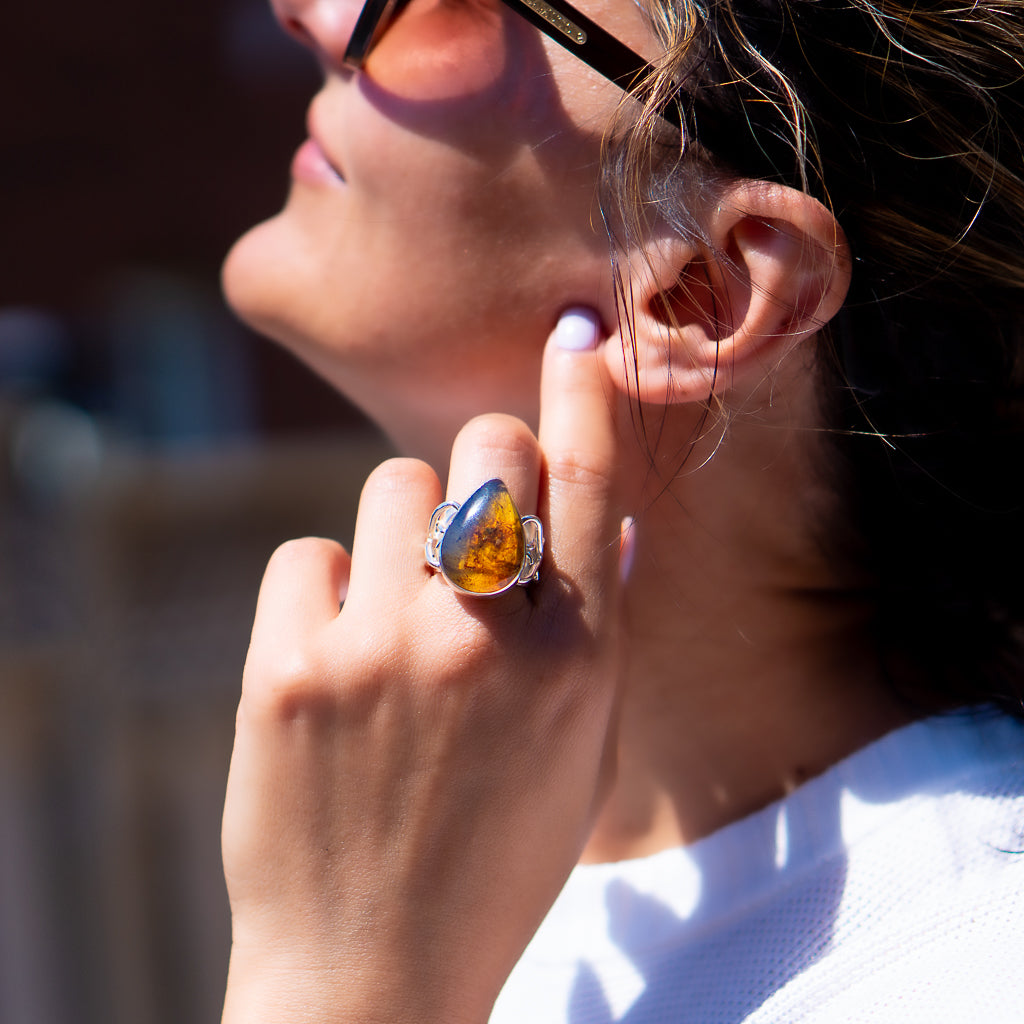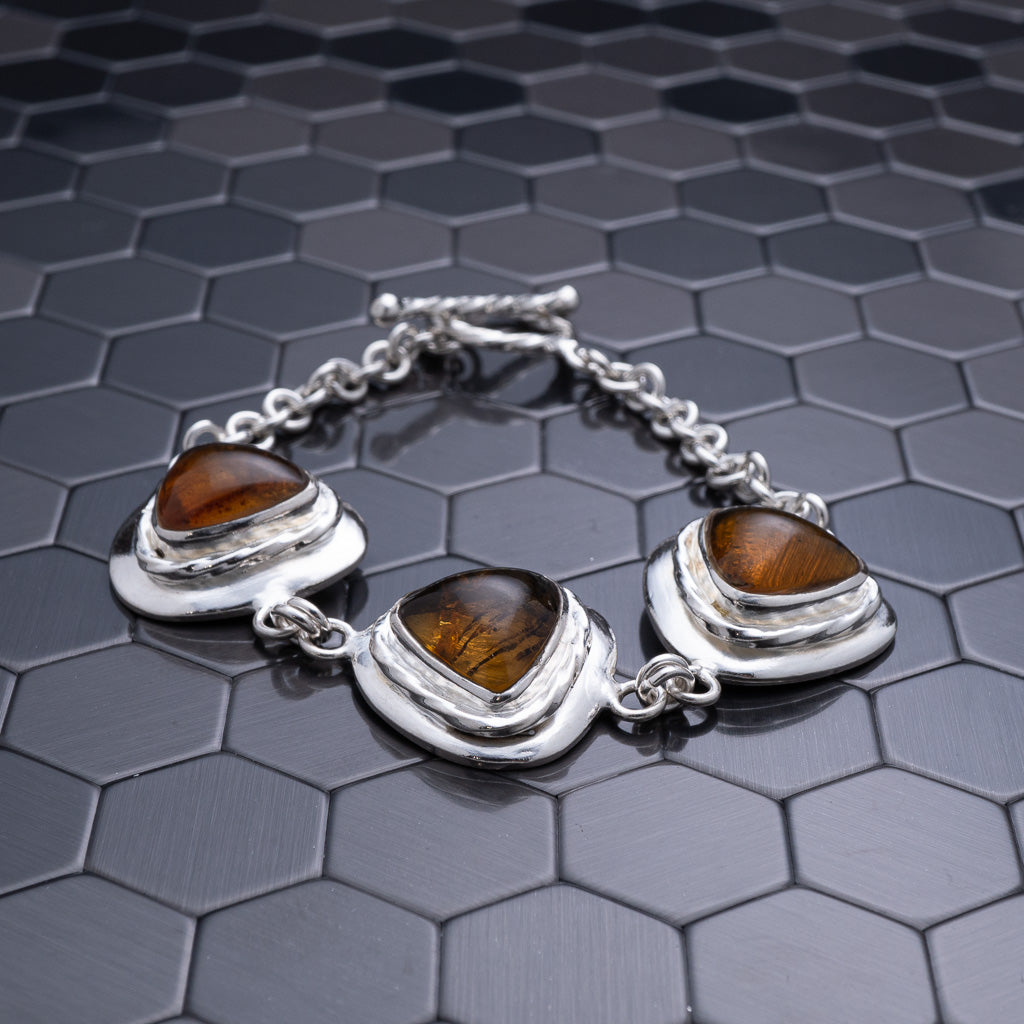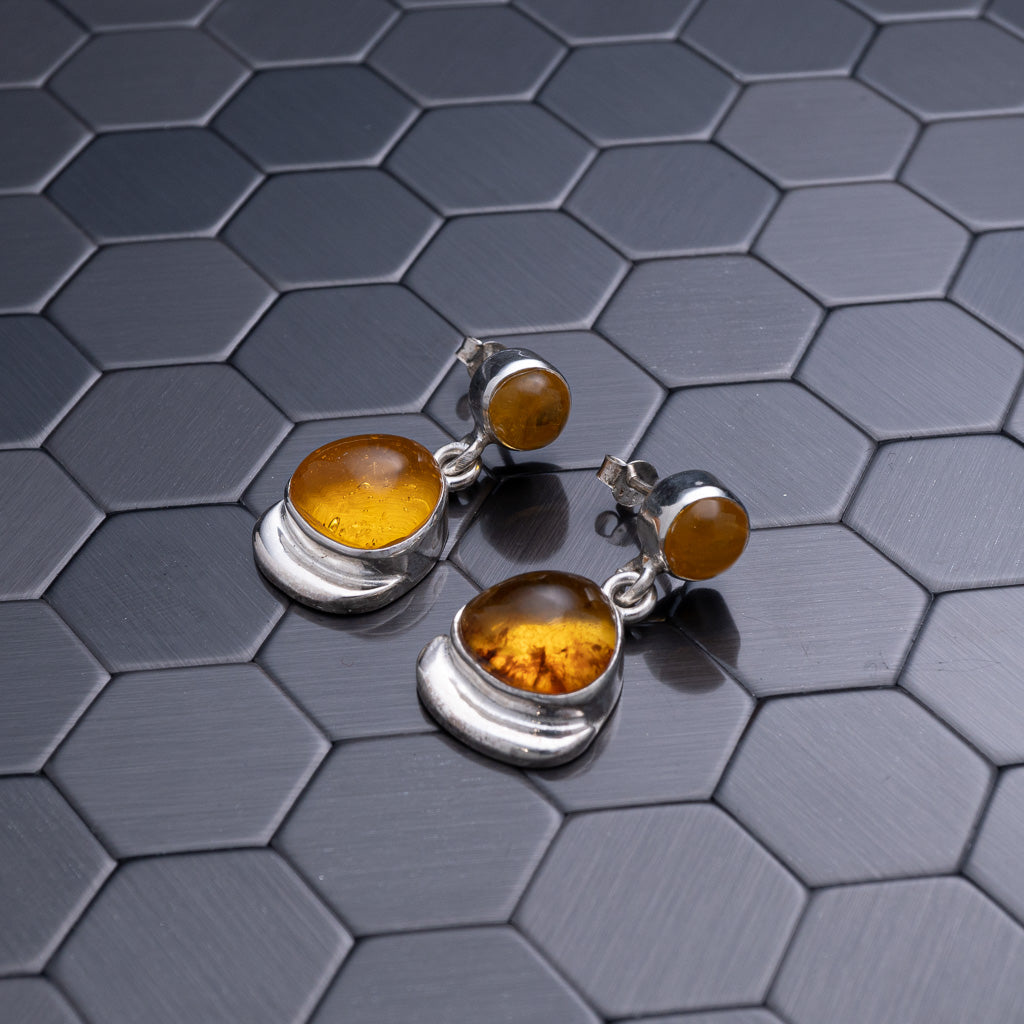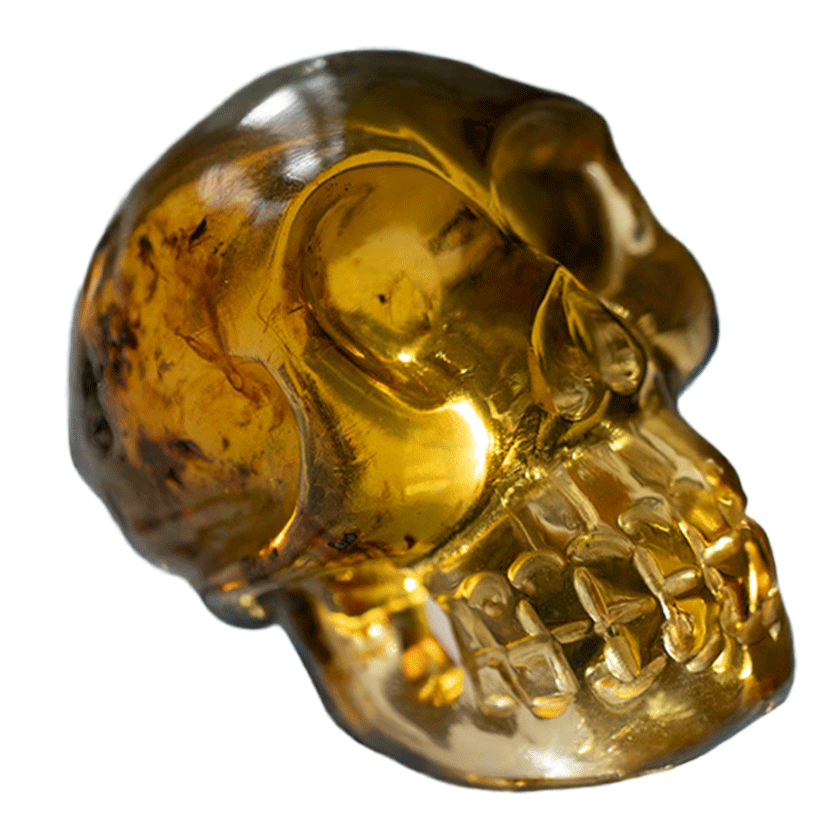


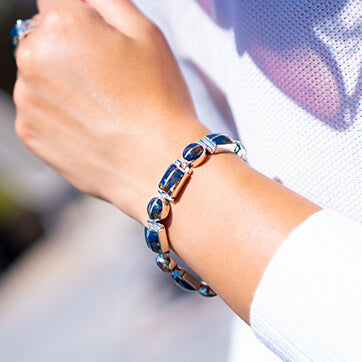
Handcrafted in DR.

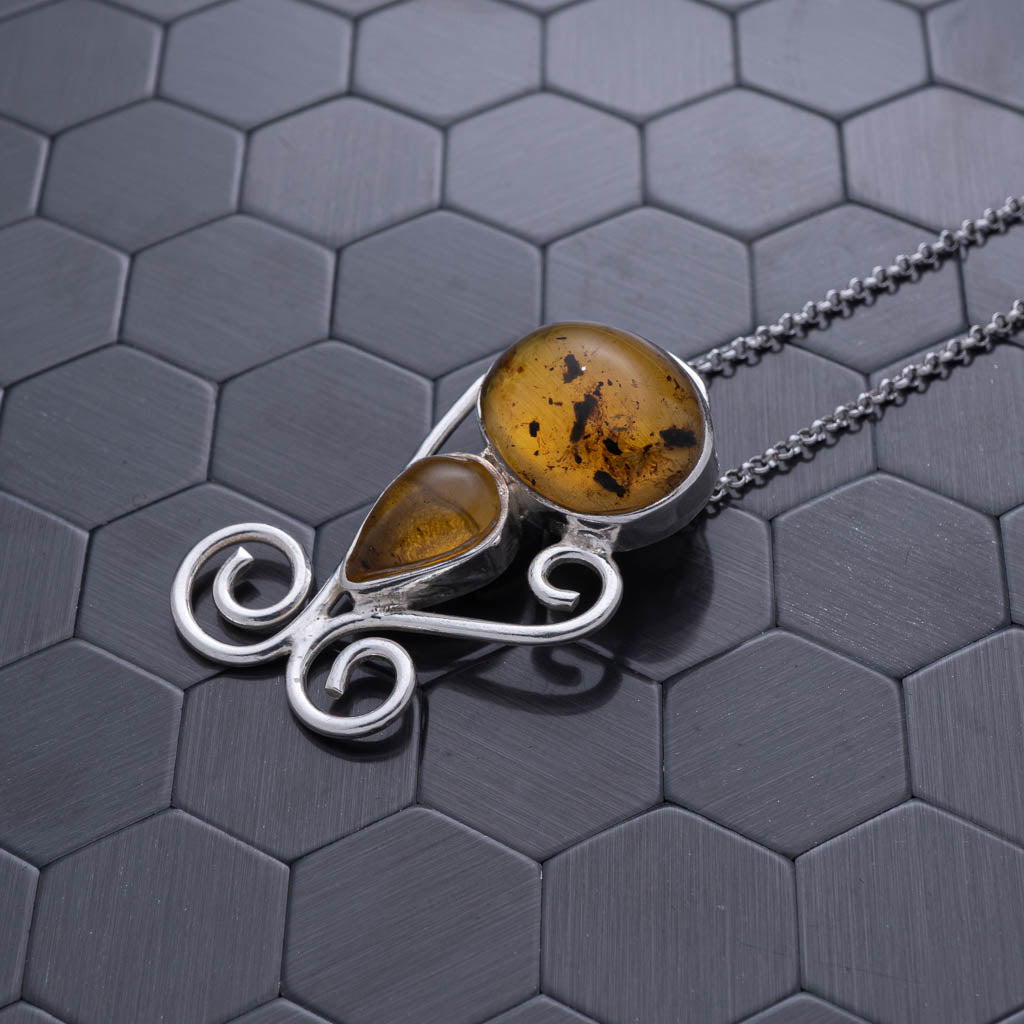
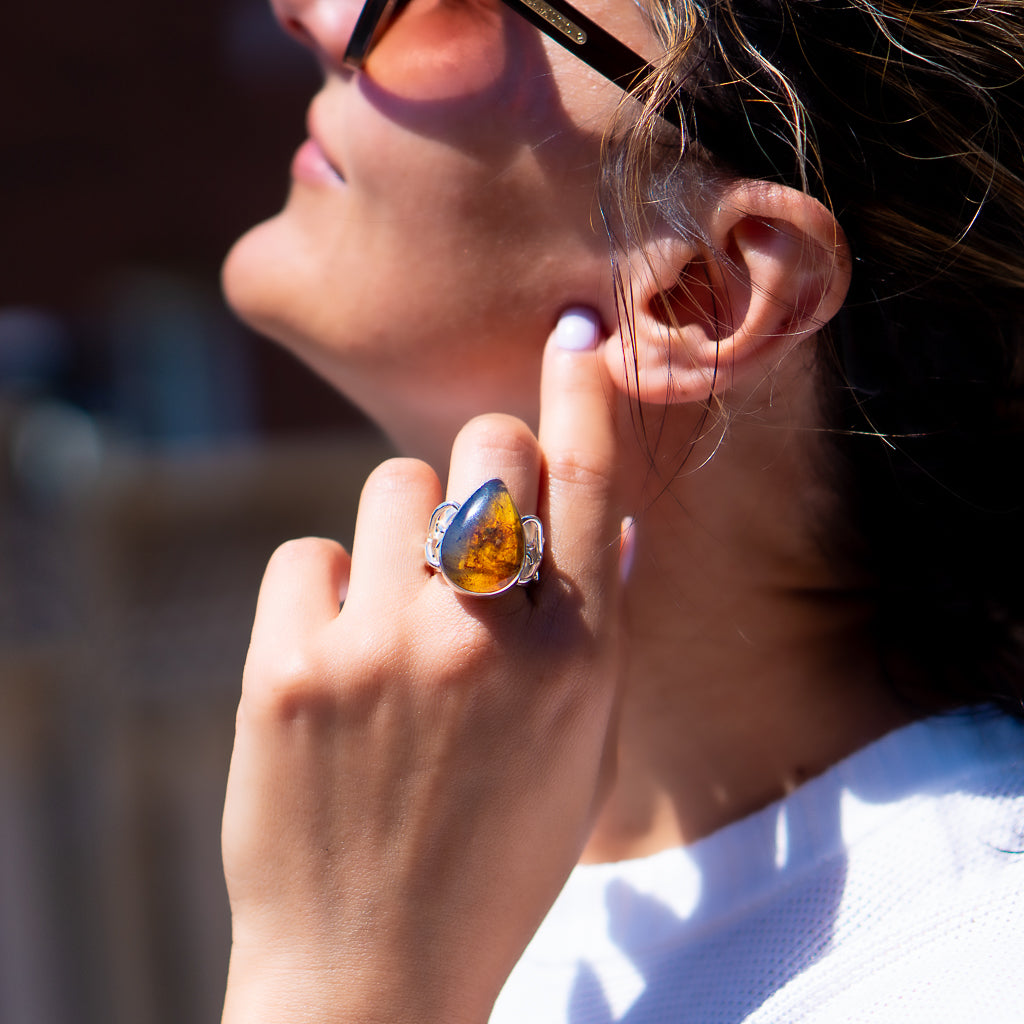
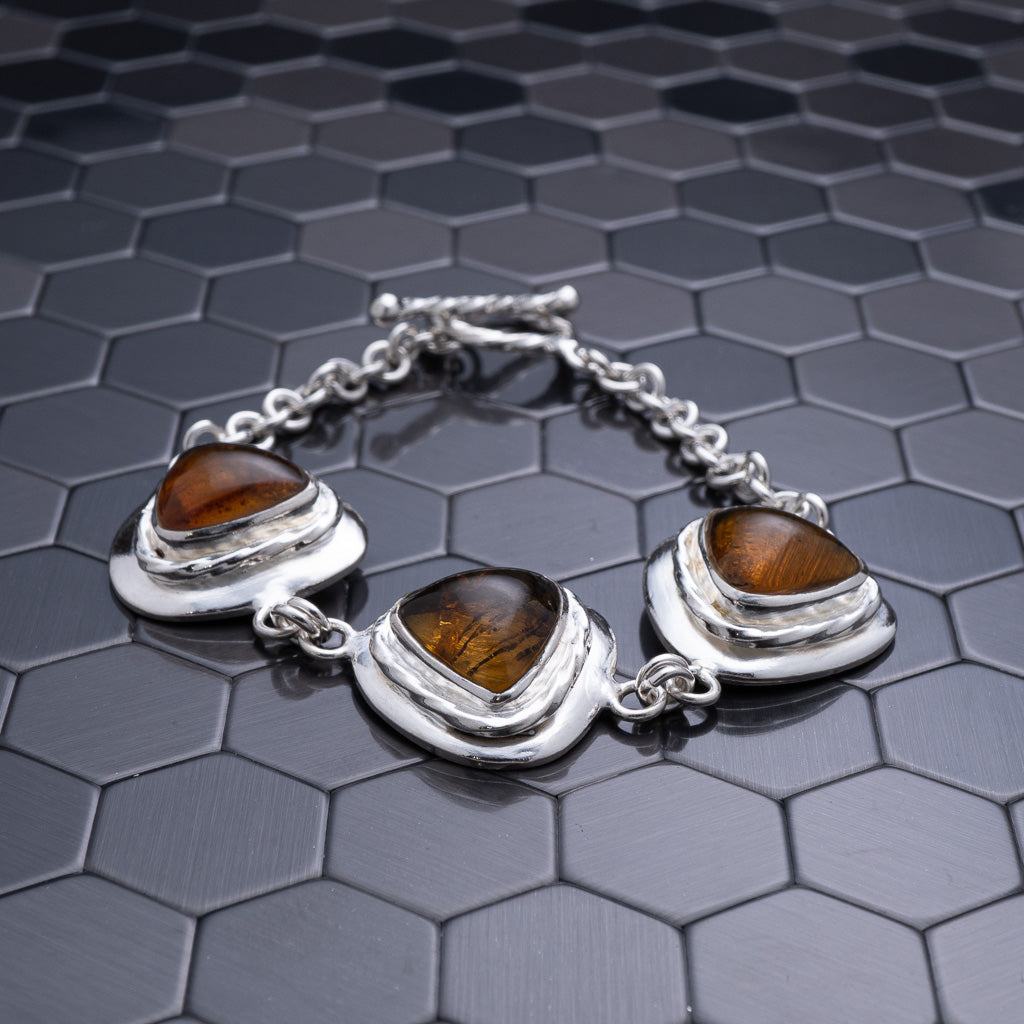
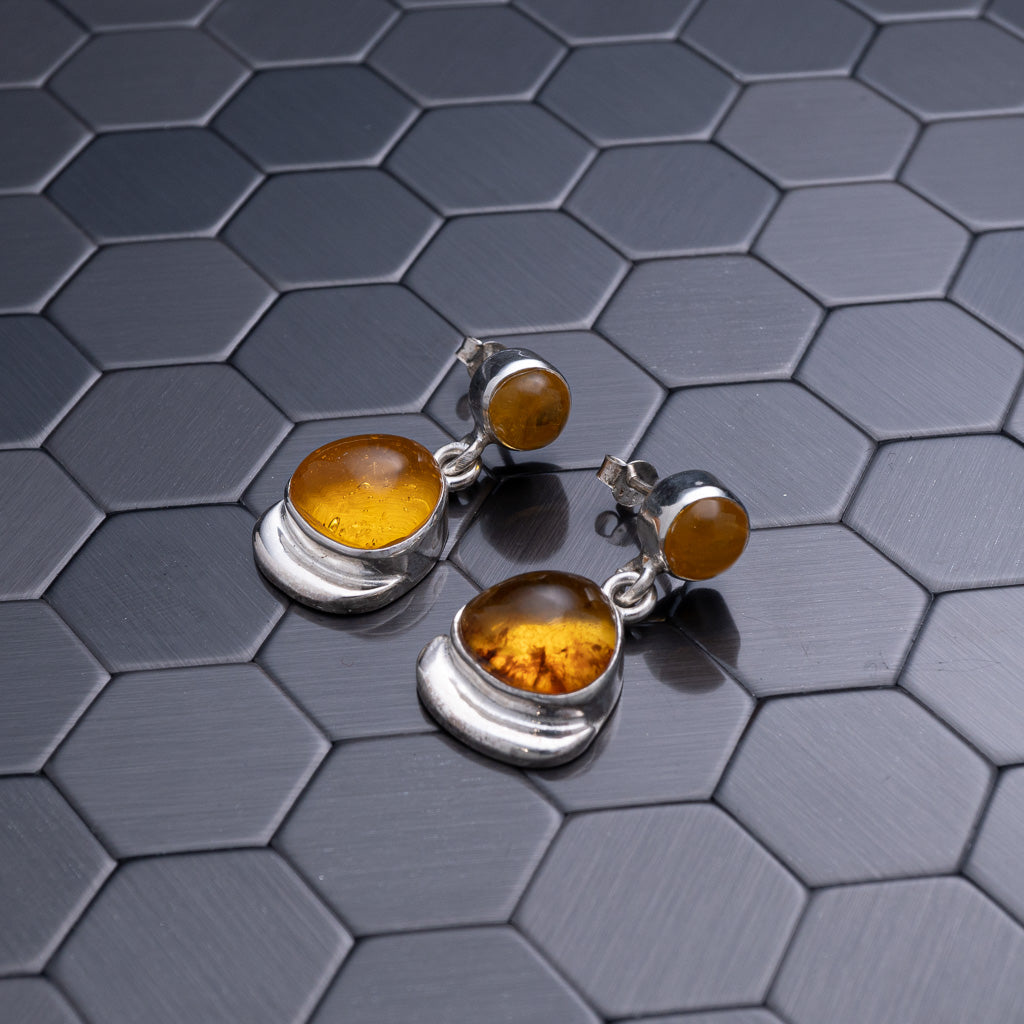


100% Handcrafted in DR.

The world of gemstone and jewelry represents one of humanity's oldest fascinations, combining natural wonder with artistic craftsmanship. Whether you're seeking a statement piece for your collection or a meaningful gift, understanding the fundamentals of gemstones and how they translate into finished jewelry empowers you to make confident purchasing decisions. The market has evolved significantly in 2026, with consumers increasingly valuing authenticity, ethical sourcing, and the unique stories behind rare gemstones.
The quality of gemstone and jewelry pieces depends on several critical factors that determine both aesthetic appeal and market value. Professional gemologists evaluate stones using established criteria, though the weight given to each factor varies depending on the specific gemstone type.
While most people associate the Four Cs with diamonds, these principles apply broadly across the gemstone spectrum. Color stands as the most important factor for many colored stones, with saturation, tone, and hue all playing crucial roles. Clarity refers to the presence or absence of inclusions, though some gemstones are valued for their unique internal characteristics. Cut determines how well a stone interacts with light, and carat weight affects both visual impact and price per carat.
The fundamentals of gemstones extend far beyond these basics, encompassing crystal structure, refractive index, and specific gravity. These technical properties help gemologists identify and authenticate stones, ensuring buyers receive genuine articles.
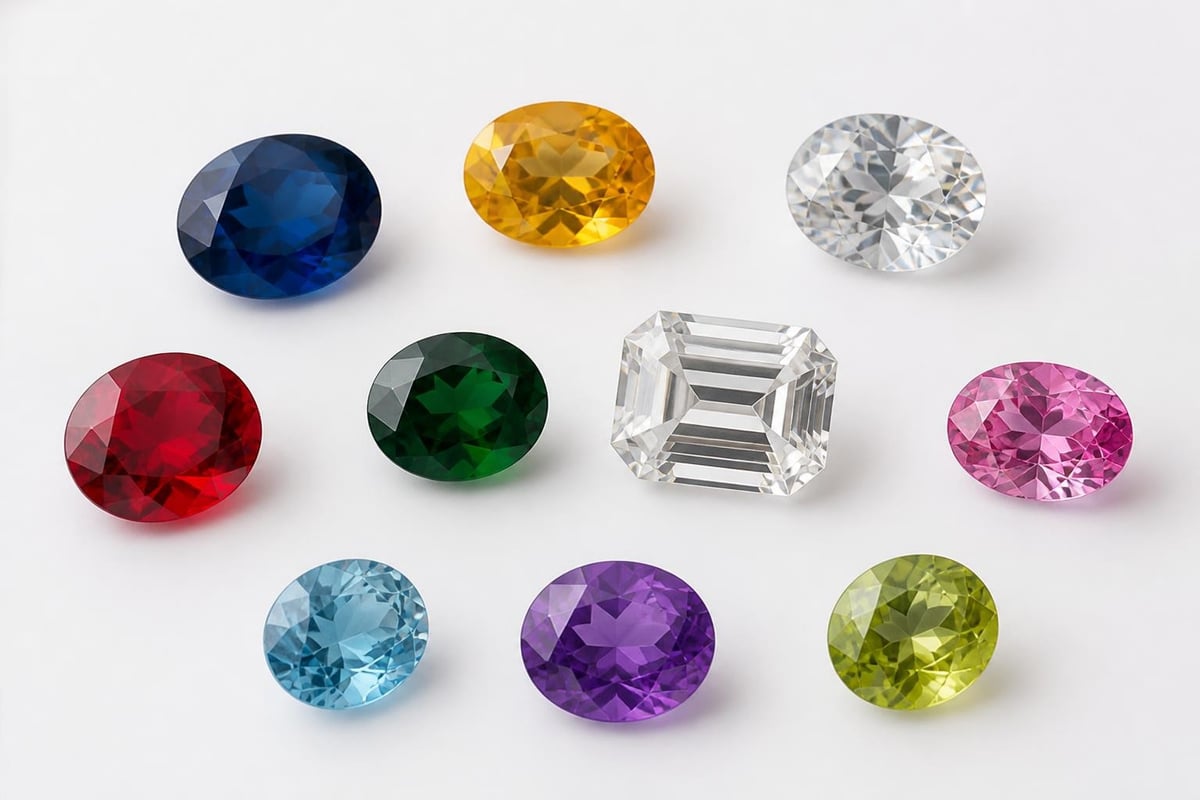
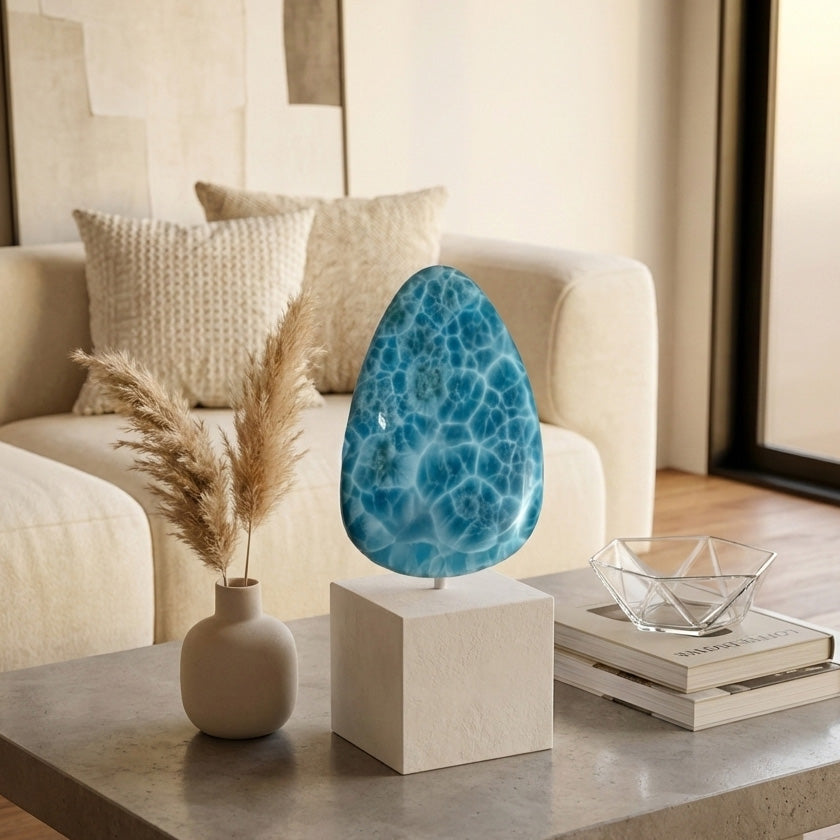
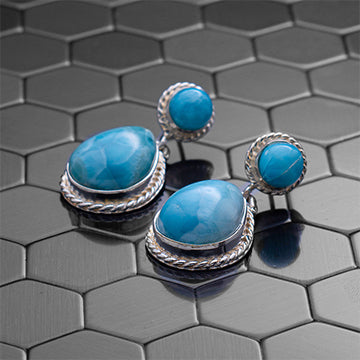
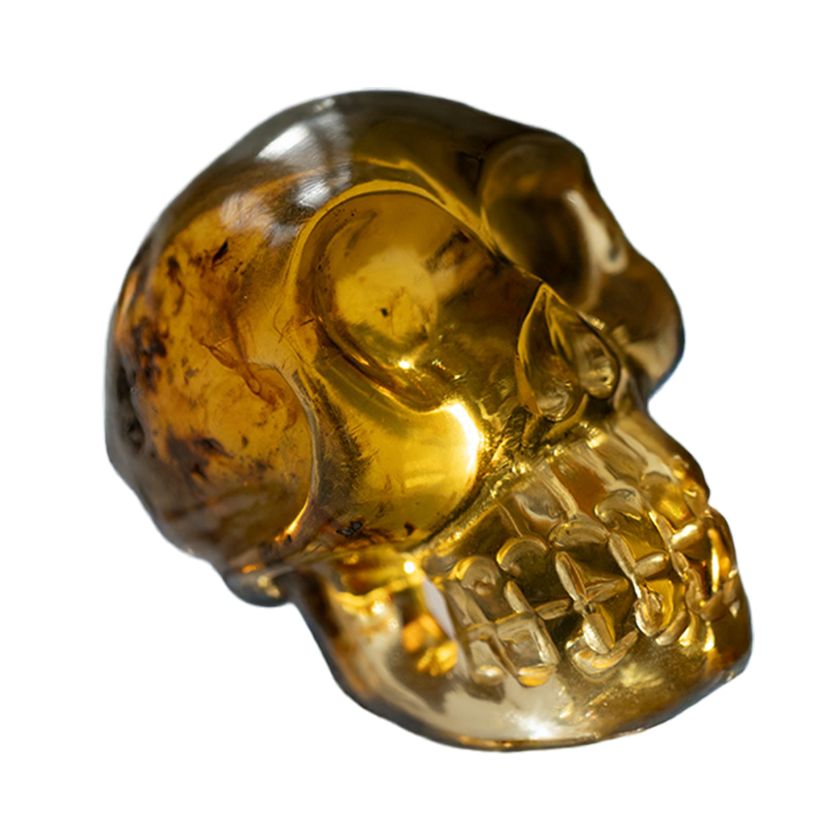
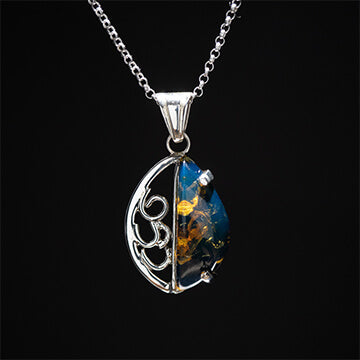
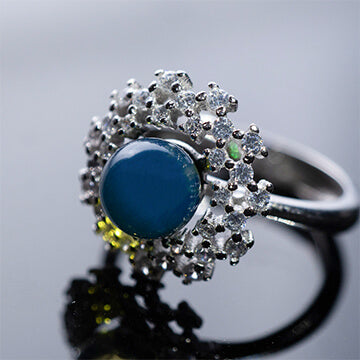
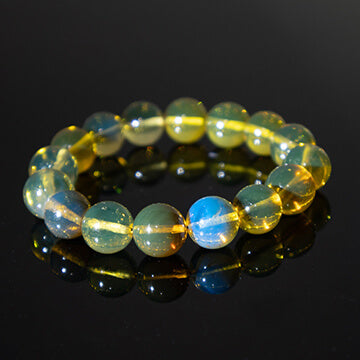
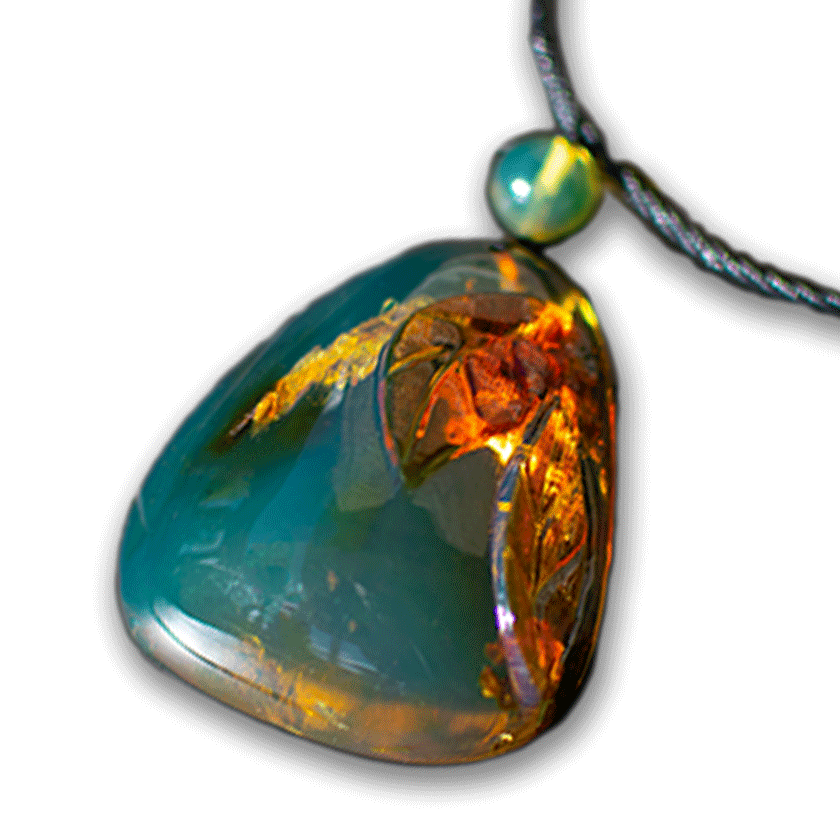
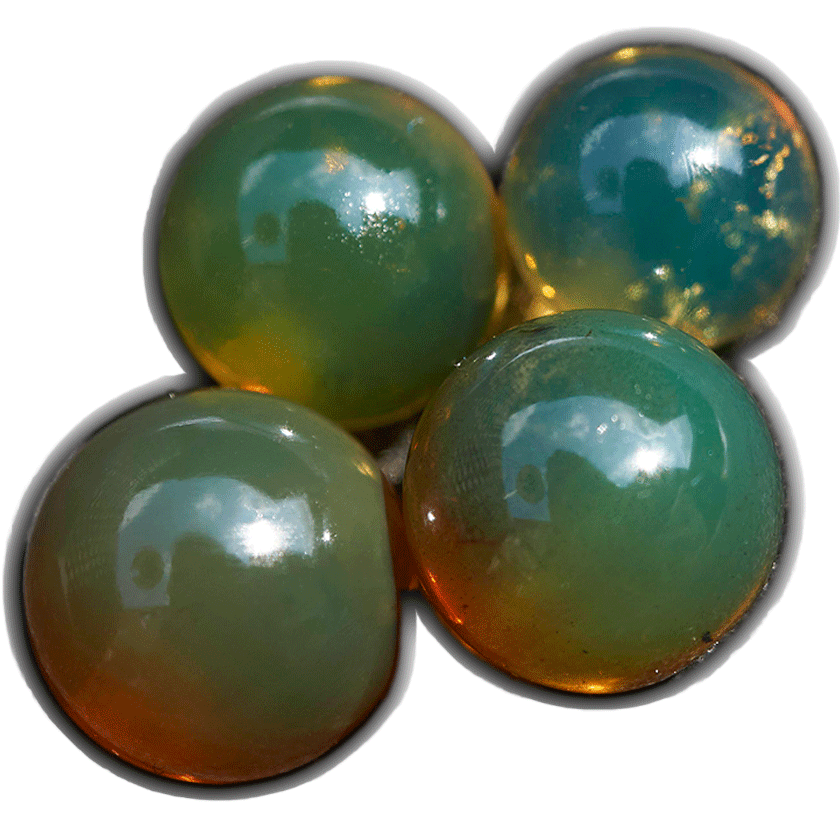
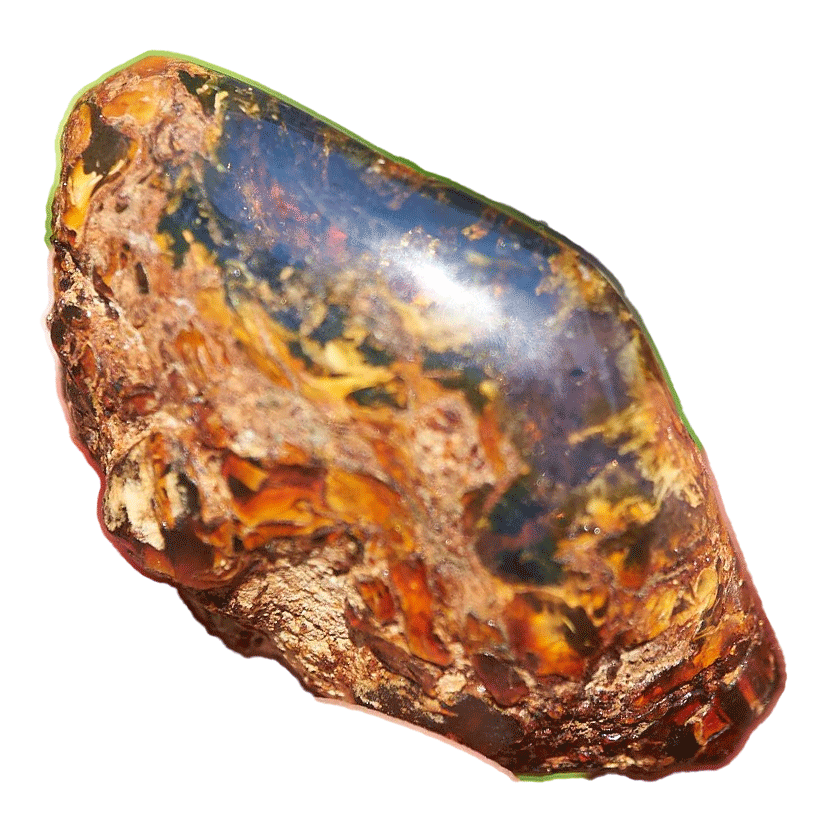
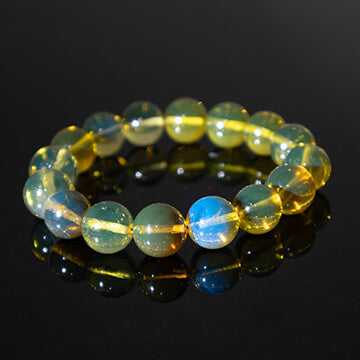
The gemstone market continues to evolve with growing appreciation for rare varieties that offer distinctive characteristics. Larimar, found exclusively in the Dominican Republic, exemplifies this trend with its unique volcanic blue coloration. Similarly, Dominican Blue Amber presents extraordinary fluorescent properties that set it apart from traditional amber varieties.
Collectors and enthusiasts increasingly seek stones with compelling origin stories and limited availability. This shift reflects a broader market trend toward authenticity and uniqueness rather than simply pursuing traditional precious stones. Understanding what makes a gemstone rare helps buyers appreciate the value proposition of specialized offerings like those available through Larimar Creations.
| Rarity Factor | Impact on Value | Examples |
|---|---|---|
| Geographic limitation | High | Larimar (Dominican Republic only) |
| Formation conditions | Very High | Blue Amber (specific fossilization) |
| Color phenomena | High | Color-change garnets, alexandrite |
| Size availability | Medium to High | Large clean emeralds |
When evaluating gemstone and jewelry items, the setting and craftsmanship deserve equal attention to the stones themselves. A exceptional gemstone poorly set loses much of its potential impact, while expert craftsmanship elevates even modest stones into remarkable pieces.
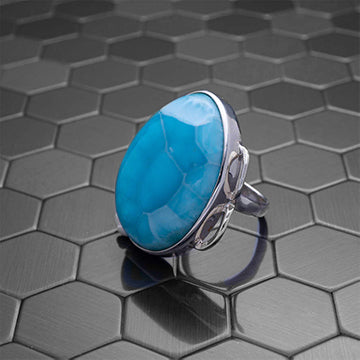
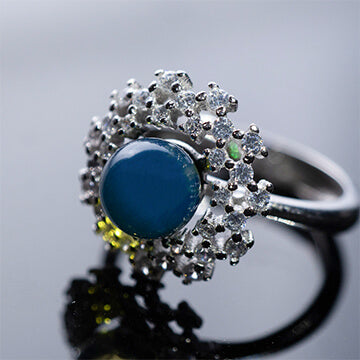
The construction quality of jewelry determines both its durability and how effectively it showcases the featured gemstones. Examine prong settings to ensure they're smooth, even, and securely hold stones without gaps. Bezels should fit precisely around stone edges, and metal work should show consistent thickness without thin spots that might wear through.
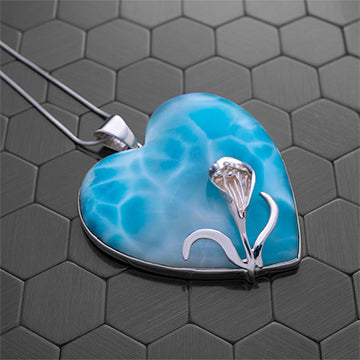
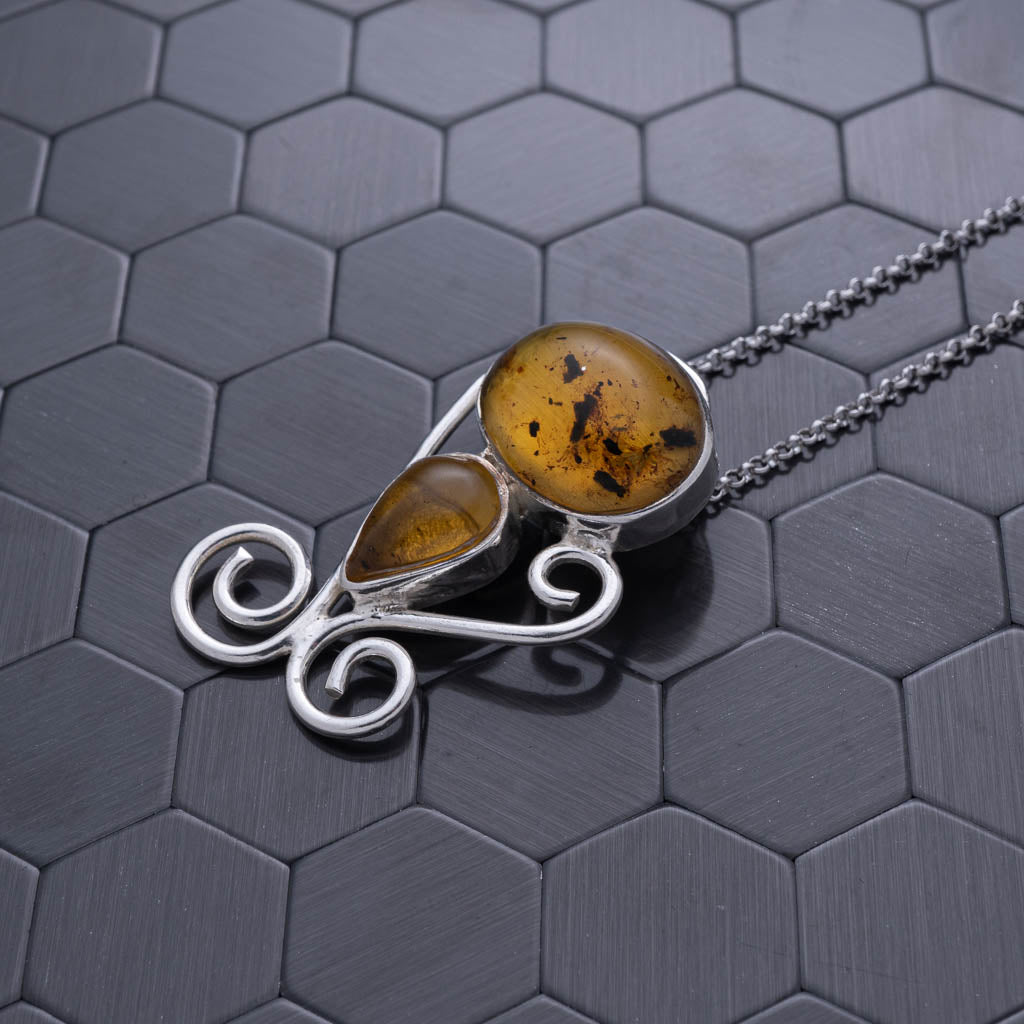
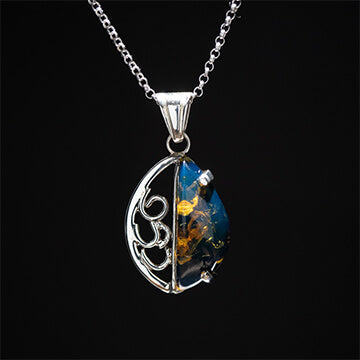
Handcrafted jewelry often exhibits superior attention to detail compared to mass-produced pieces. Artisans who specialize in working with specific gemstones understand how to optimize settings for each stone's unique properties. Larimar pendants, for instance, require setting techniques that complement the stone's distinctive blue patterns and natural variations.
The finishing quality speaks volumes about overall craftsmanship:
The metal chosen for jewelry settings significantly impacts both appearance and longevity. Sterling silver offers affordability and complements cool-toned stones beautifully, though it requires occasional polishing. Gold in various karats provides durability and prestige, with 14k offering an excellent balance of strength and purity. Platinum represents the premium choice, offering exceptional durability and a naturally white appearance that never requires replating.
Consider how metal choice affects gemstone presentation. Yellow gold creates warm contrast with blue stones, while white metals allow cool-toned gemstones to dominate visually. The gemstone buying guide from Jewelers of America provides additional insights into matching metals with specific stone types.
In 2026's gemstone and jewelry market, proper documentation has become increasingly essential. Certificates from recognized gemological laboratories provide independent verification of stone identity, treatments, and quality characteristics.
Reputable gemological laboratories use standardized procedures to evaluate and document gemstones. These reports typically include detailed measurements, weight, color description, clarity grade, and any treatments detected. While not every gemstone requires laboratory certification, significant purchases warrant this added assurance.
The authentication process becomes particularly important with rare varieties. Unique gemstones like Larimar and Dominican Blue Amber benefit from documentation that confirms their geographic origin and natural status. When purchasing high-value pieces, request existing certificates or consider obtaining independent evaluation.
Key certificate elements:
Most gemstones undergo some form of treatment or enhancement, and consumer protection guidelines require sellers to disclose these processes. Heat treatment permanently improves color in many varieties and is widely accepted. Fracture filling, dyeing, and coating represent less stable treatments that require special care.
| Treatment Type | Permanence | Market Acceptance | Common Stones |
|---|---|---|---|
| Heat treatment | Permanent | High | Sapphire, ruby, tanzanite |
| Oiling/resin | Temporary | Moderate | Emerald, jade |
| Dyeing | Variable | Low | Pearls, jade, howlite |
| Irradiation | Permanent | Moderate | Blue topaz, some diamonds |

Developing a gemstone and jewelry collection requires strategy beyond simply acquiring pieces that catch your eye. Thoughtful collectors consider themes, quality benchmarks, and how pieces complement each other while maintaining individual character.
Successful collections often follow coherent themes that reflect the collector's interests and aesthetic preferences. Geographic focus concentrates on stones from specific regions, such as Caribbean gemstones including Larimar and Dominican amber. Color-based collections might emphasize blue stones across multiple varieties, or warm earth tones. Historical periods, specific cutting styles, or particular artisan workshops provide alternative organizing principles.
Thematic collecting deepens your expertise in specific areas while creating a cohesive presentation. It also guides future acquisition decisions, helping you resist impulse purchases that don't advance your collection's narrative. Resources like the International Gem Society's gemology materials offer educational foundations for developing specialized knowledge.
While jewelry should primarily be acquired for personal enjoyment, understanding investment potential adds another dimension to collecting. Rarity, quality, and market demand all influence long-term value retention. Pieces featuring discontinued gemstone sources or exceptional examples of rare varieties tend to appreciate more reliably than common stones.
Documentation becomes crucial for investment-grade pieces. Maintain detailed records including:
The jewelry market has shown increased appreciation for unique, artisan-crafted pieces in 2026. Items that tell compelling stories about their materials or creation process often command premium prices and attract serious collectors. Exploring specialized offerings like those at rare gemstone collections can reveal opportunities in underappreciated markets.
Proper maintenance preserves both the beauty and value of gemstone and jewelry pieces. Different stones require varying care approaches based on their physical properties and sensitivities.
Understanding gemstone hardness helps you make appropriate wearing decisions. The Mohs scale ranks mineral hardness from 1 (talc) to 10 (diamond), indicating scratch resistance. Stones below 7 require extra caution with daily wear, as common dust contains quartz particles (hardness 7) that can abrade softer surfaces.
Remove jewelry before activities involving:
Store pieces separately to prevent harder stones from scratching softer ones. Fabric-lined compartments or individual soft pouches provide ideal protection. Keep jewelry away from extreme temperature changes and prolonged direct sunlight, which can affect some gemstone colors.
Different gemstones tolerate different cleaning approaches. Hard, durable stones like sapphires and diamonds withstand ultrasonic and steam cleaning, while porous or included stones require gentler methods. Always verify appropriate cleaning techniques for your specific gemstones before attempting any maintenance.
| Gemstone Category | Safe Methods | Avoid |
|---|---|---|
| Hard (Mohs 8-10) | Ultrasonic, steam, soap & water | Harsh chemicals |
| Medium (Mohs 6-7.5) | Soft brush, mild soap, water | Ultrasonic, steam |
| Soft or porous | Damp soft cloth only | Water immersion, chemicals |
| Organic (amber, pearl) | Dry soft cloth | All moisture, chemicals, heat |
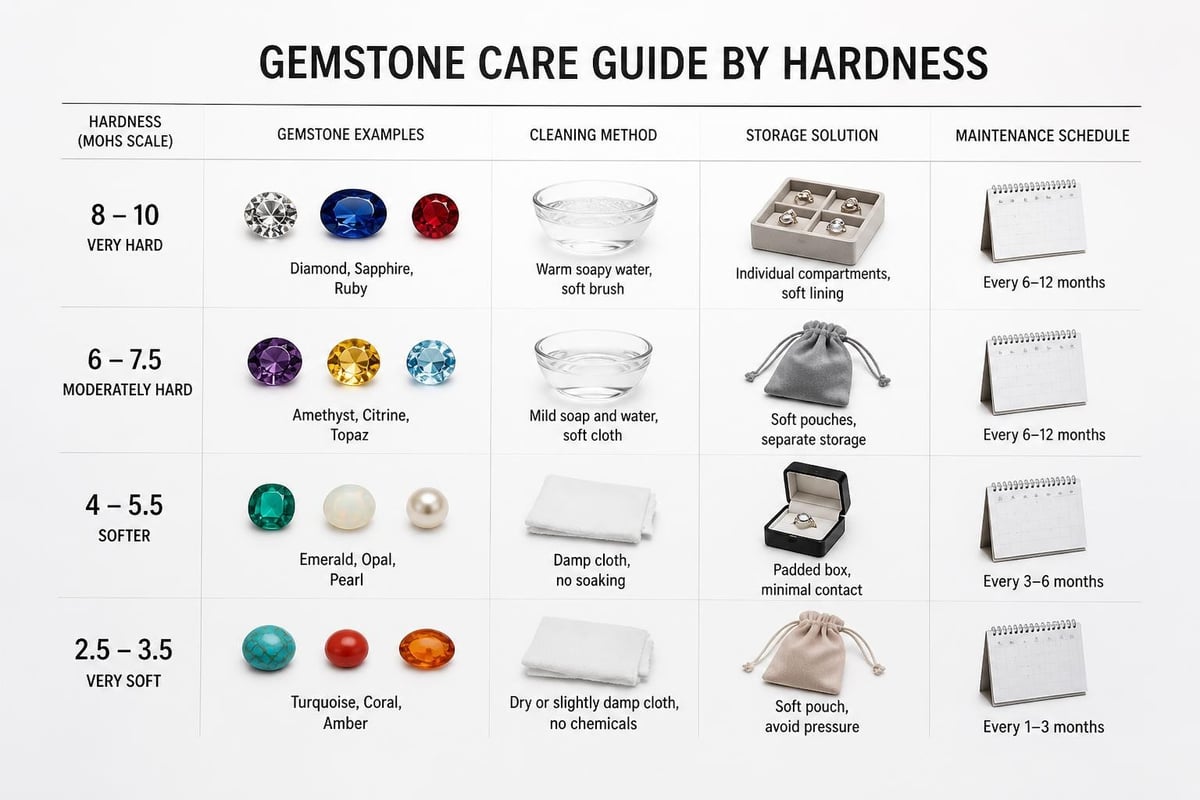
For specialized stones like Larimar and Dominican Blue Amber, gentle cleaning with a slightly damp soft cloth preserves their natural beauty without risking damage. Consult with the artisan or seller about specific care recommendations, especially for handcrafted pieces. The frequently asked questions section from specialized jewelers often addresses care concerns for their specific gemstone offerings.
The gemstone and jewelry landscape in 2026 reflects evolving consumer values around sustainability, authenticity, and personal meaning. Understanding these trends helps both collectors and gift-givers make selections that resonate with contemporary sensibilities.
Modern consumers increasingly demand transparency about gemstone origins and the conditions under which they were mined and processed. This shift has elevated artisan jewelers who maintain direct relationships with gemstone sources and can document the entire chain of custody. Small-scale operations often provide better oversight and more ethical practices than large industrial mining operations.
Geographic specificity adds value, with consumers appreciating knowing exactly where their gemstones originated. Single-source gemstones from well-documented locations command premium prices. This trend particularly benefits rare varieties with limited geographic distribution, where origin authentication becomes straightforward.
The market has shifted away from purely mass-produced jewelry toward pieces that feel unique and personally meaningful. Consumers value:
This personalization trend intersects with growing appreciation for handcrafted work. Jewelry created by skilled artisans who specialize in particular gemstone types often exhibits superior quality and distinctive character compared to factory production. The connection between maker and wearer adds intangible value that collectors increasingly prize.
Smart acquisition of gemstone and jewelry requires balancing quality aspirations with budget realities while avoiding common pitfalls that trap inexperienced buyers.
The seller's expertise and integrity matter as much as the pieces themselves. Established jewelers with specialized knowledge in particular gemstone varieties provide education alongside products, helping buyers understand exactly what they're purchasing. Look for sellers who offer detailed descriptions, clear photography showing natural stone variations, and transparent policies.
Red flags include vague descriptions, stock photography rather than images of actual items, reluctance to discuss treatments or origins, and pressure tactics. Reputable sellers welcome questions and provide comprehensive answers. Review platforms and collector communities offer insights into seller reputations, though recent reviews matter more than historical volume.
Specialist jewelers focusing on specific gemstone types often provide superior value compared to generalists. Their deep expertise allows them to source quality materials, understand optimal working techniques, and educate customers thoroughly. Exploring specialized collections reveals the depth possible when jewelers concentrate their expertise.
Gemstone and jewelry pricing reflects multiple factors beyond simply material costs. The complexity of design, time investment in handcrafting, overhead costs, and profit margins all contribute to final pricing. Understanding these components helps buyers evaluate whether prices represent fair value.
Price components breakdown:
Comparing prices across multiple sellers for similar items establishes market benchmarks. However, recognize that truly unique pieces and rare gemstones defy simple comparison. The lowest price rarely represents the best value, especially with handcrafted items where quality variations significantly impact longevity and satisfaction.
Additional resources like the U.S. Geological Survey gemstone references provide technical background that helps buyers understand what justifies premium pricing for certain varieties. Educational investment pays dividends in confident purchasing decisions.
The artistic design of gemstone and jewelry pieces determines how effectively they showcase featured stones while reflecting personal style preferences. Understanding design principles helps buyers select pieces they'll treasure for decades.
Traditional jewelry designs emphasize symmetry, established motifs, and time-tested proportions that appeal across generations. These pieces often feature formal stone arrangements, conventional settings, and recognizable styles that never truly go out of fashion. Classic designs suit formal occasions and professional settings while offering safe investment potential.
Contemporary designs embrace asymmetry, unconventional materials combinations, and innovative setting techniques. These pieces make bold statements and reflect current aesthetic movements. Modern designs particularly suit casual wear and creative professional environments. They allow gemstones to be showcased in fresh contexts that emphasize their natural characteristics rather than conforming them to traditional expectations.
Many collectors maintain balanced portfolios including both classic pieces for versatile wearing and contemporary items that express personality. Neither approach is inherently superior; alignment with personal style and intended use determines the right choice.
Proper scale ensures jewelry complements rather than overwhelms the wearer. Physical stature, bone structure, and personal style all influence ideal proportions. Petite individuals often look best in delicate pieces with smaller stones, while larger frames can carry substantial jewelry effectively.
Consider these proportion principles:
Workplace environment and lifestyle activities also influence appropriate scale. Professional settings often call for refined, moderate-sized pieces, while creative industries and social occasions permit bolder statements. Build a collection spanning various scales to suit different contexts.
Gemstone and jewelry gifts carry profound emotional significance, making thoughtful selection particularly important. Understanding the recipient's preferences and the occasion's meaning helps identify ideal pieces.
Different occasions call for varying levels of formality, intimacy, and symbolic meaning. Milestone events like engagements, significant anniversaries, and major achievements warrant substantial investment in pieces that will be treasured indefinitely. These gifts should reflect deep knowledge of the recipient's taste and potentially involve some level of customization.
More casual gift-giving occasions allow for creativity and discovery. Introducing someone to a gemstone variety they haven't previously encountered can create memorable experiences. Consider the recipient's existing collection to identify complementary pieces or new directions that expand their range.
Occasion-specific considerations:
| Occasion | Appropriate Pieces | Symbolic Meaning |
|---|---|---|
| Engagement | Rings with durable stones | Commitment, permanence |
| Anniversary | Pieces in annual gemstones | Milestone celebration |
| Graduation | Professional pieces | Achievement, new beginnings |
| Birthday | Personal preference focus | Individual celebration |
Successful jewelry gifts align with the recipient's established tastes while potentially introducing gentle expansions of their aesthetic range. Observe what they currently wear, noting preferred metals, typical stone colors, and whether they favor classic or contemporary designs. Pay attention to comments made while browsing stores or discussing others' jewelry.
When uncertain, pieces with versatile styling work well. Items that transition easily from professional to social settings receive more wear and appreciation. Quality craftsmanship in refined designs pleases even discerning recipients. Educational resources like online gem references help gift-givers understand the stones they're considering.
For truly personalized gifts, some jewelers offer consultation services where recipients participate in selecting specific stones or design elements. This approach ensures satisfaction while maintaining surprise around the overall piece.
Navigating the world of gemstone and jewelry successfully requires balancing aesthetic appreciation with practical knowledge about quality, authenticity, and care. By understanding evaluation criteria, authentication methods, and proper maintenance practices, you can build a collection that provides lasting enjoyment and value. Whether you're drawn to rare varieties like Larimar and Dominican Blue Amber or exploring other unique gemstones, Larimar Creations offers expertly handcrafted pieces that showcase the exceptional beauty of carefully sourced, authentic gemstones with worldwide shipping to bring these treasures directly to collectors and enthusiasts everywhere.