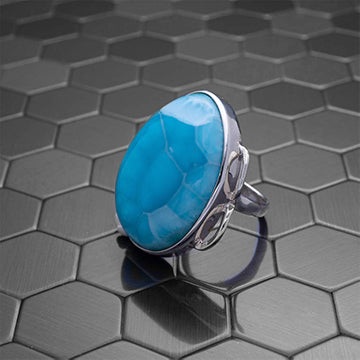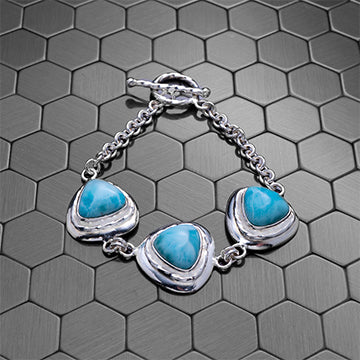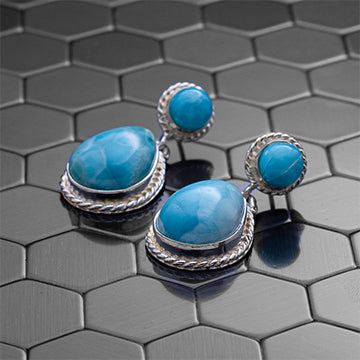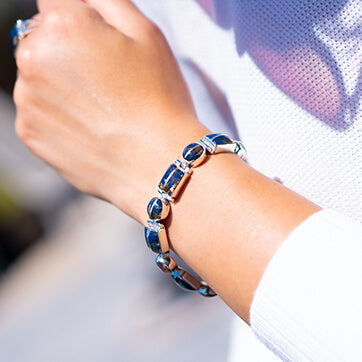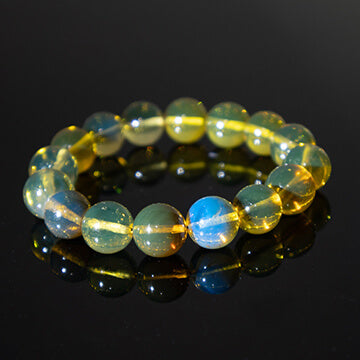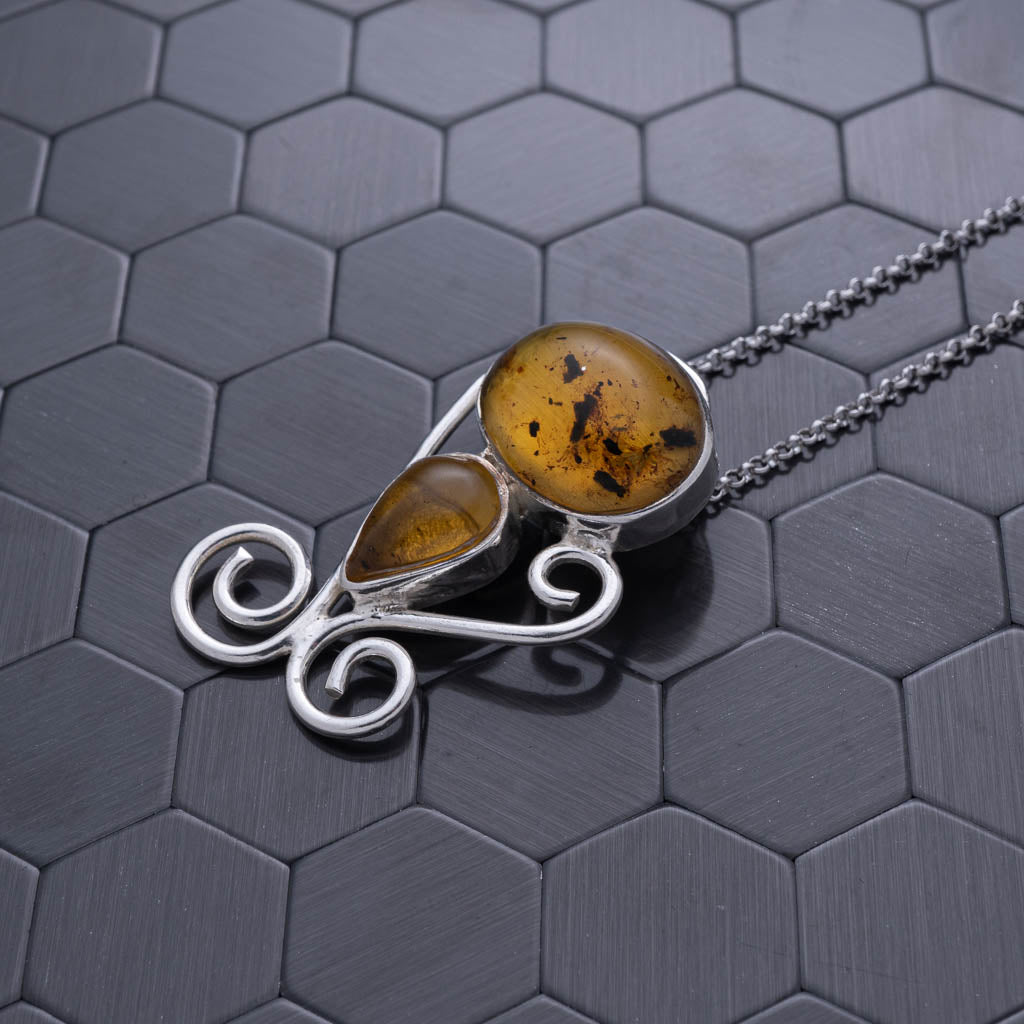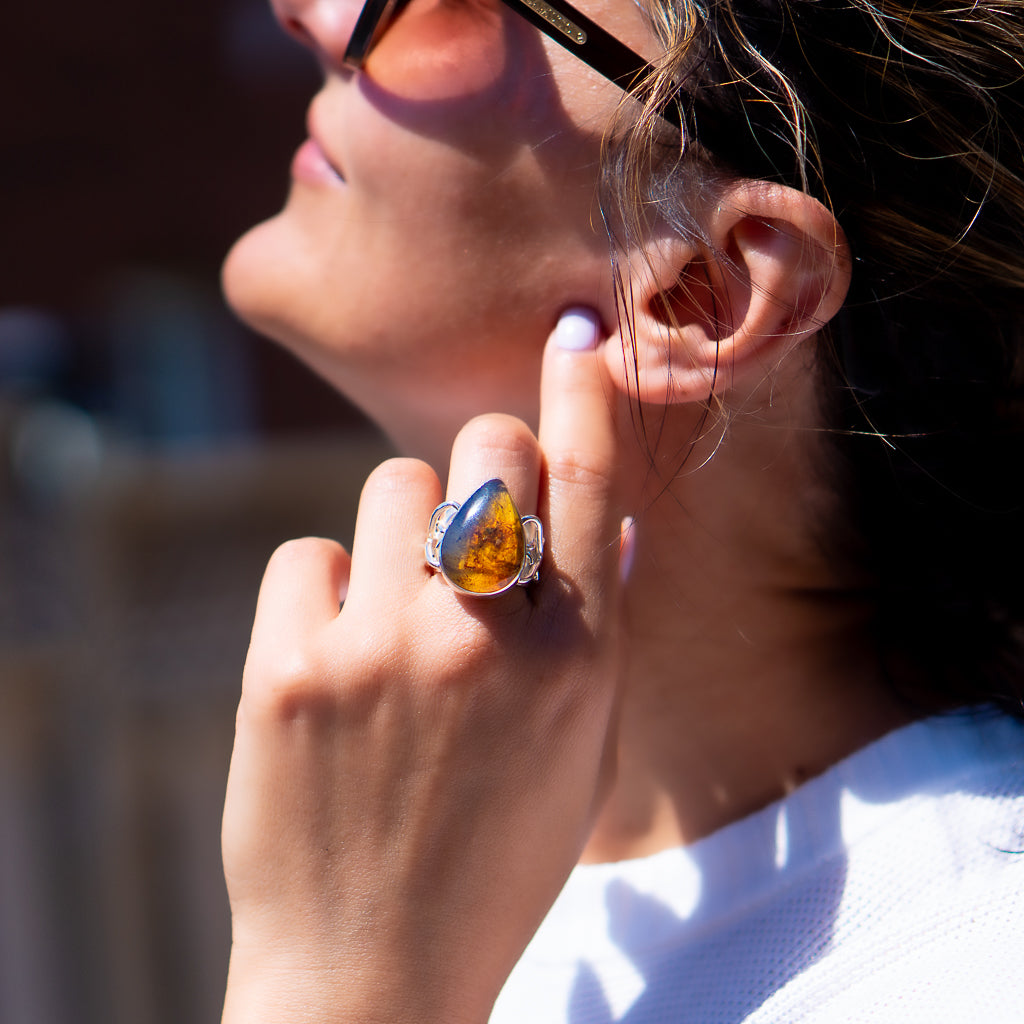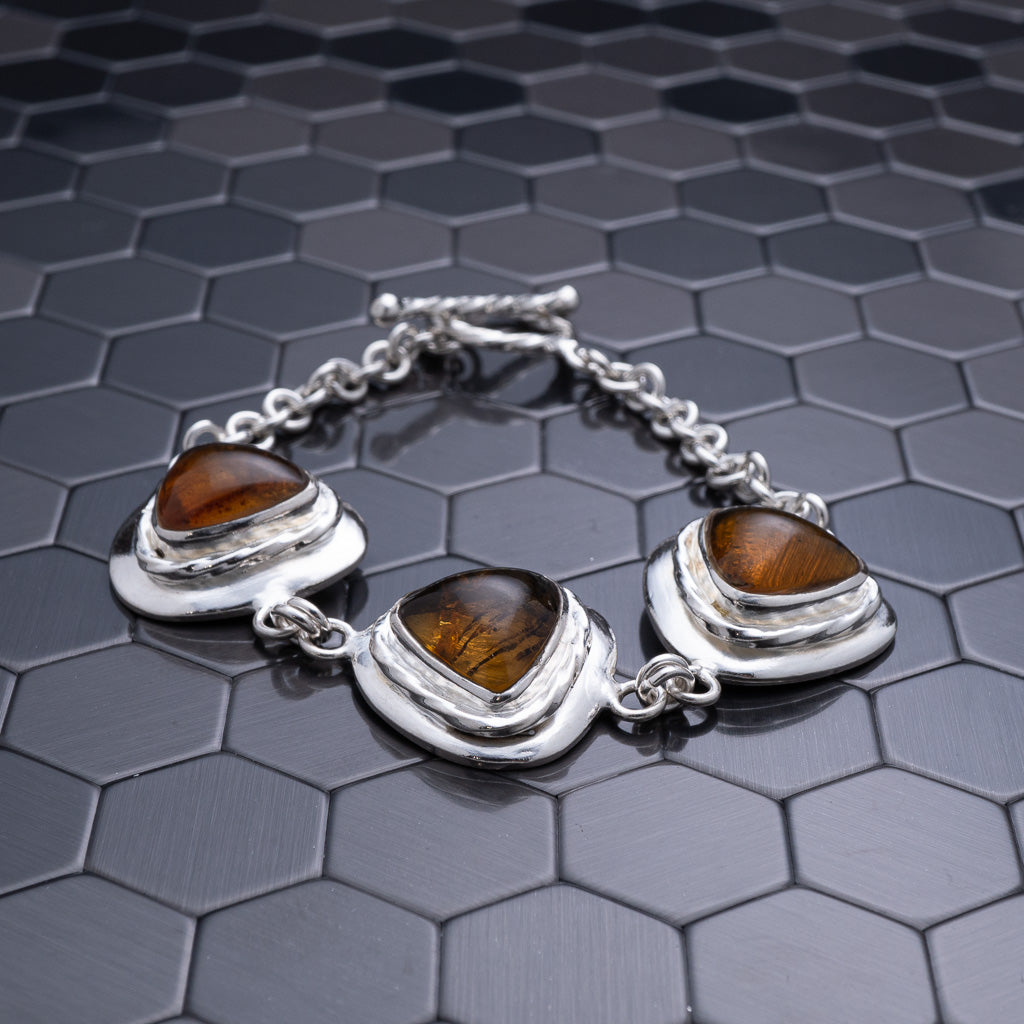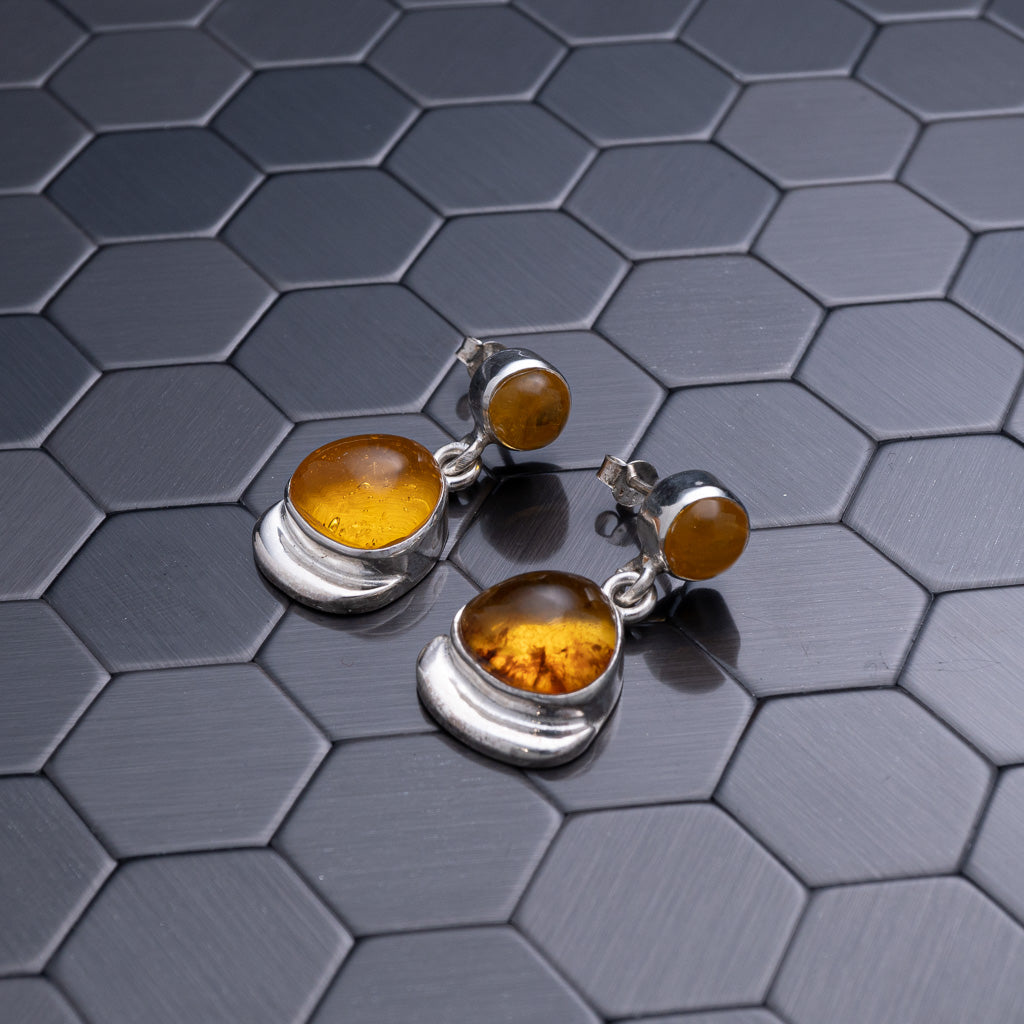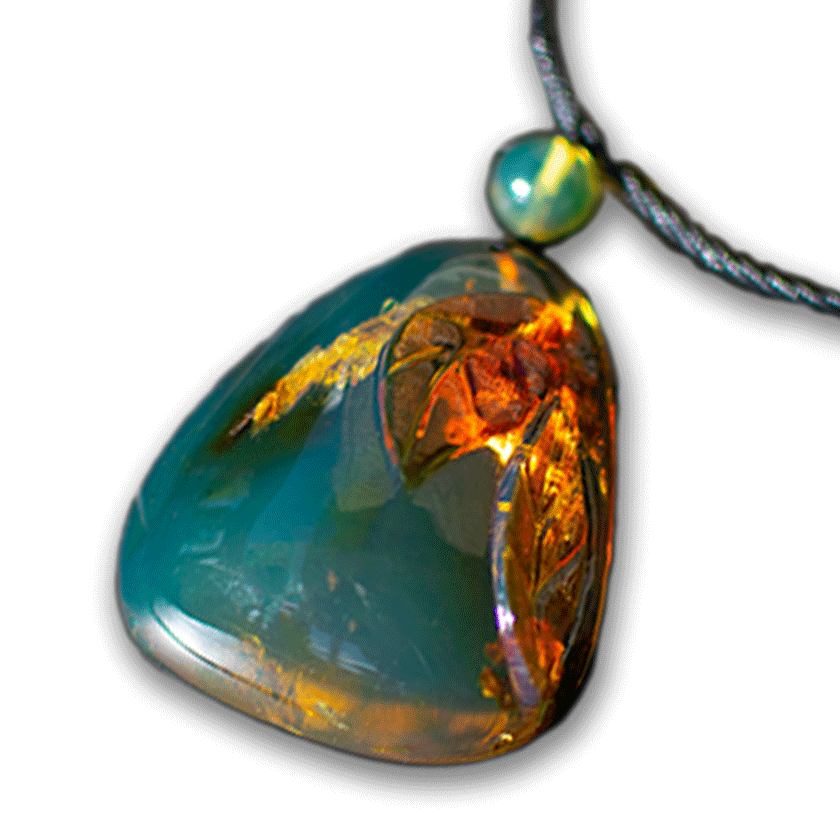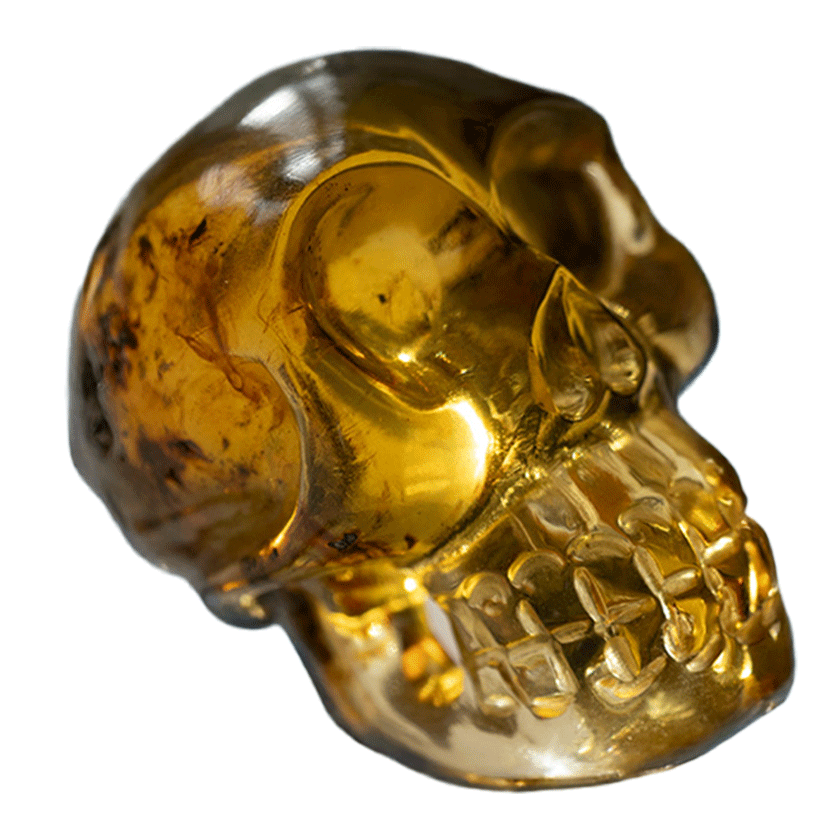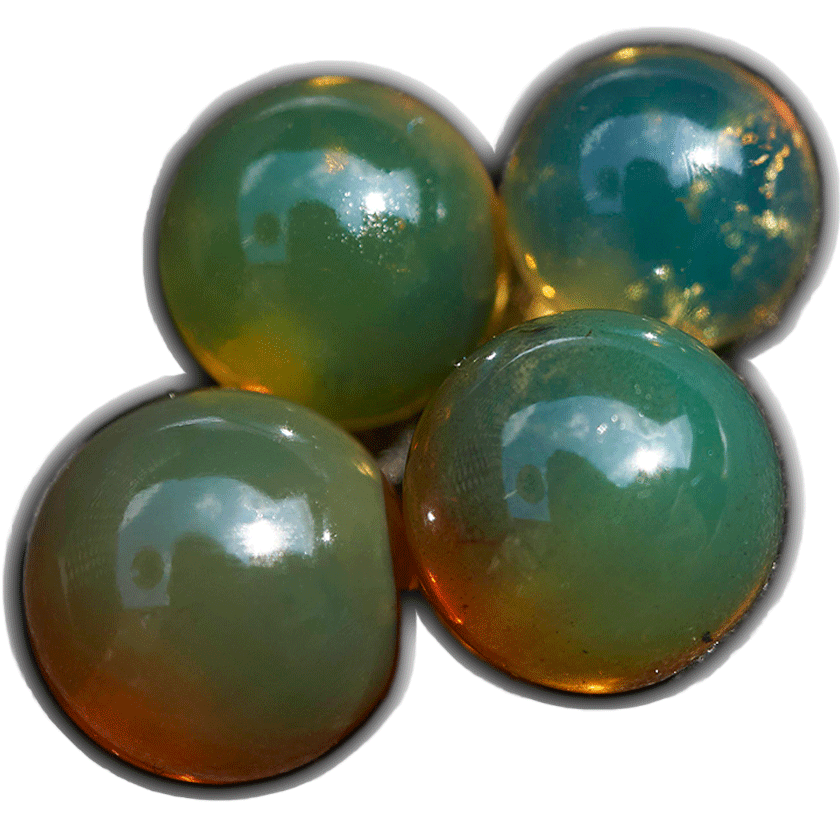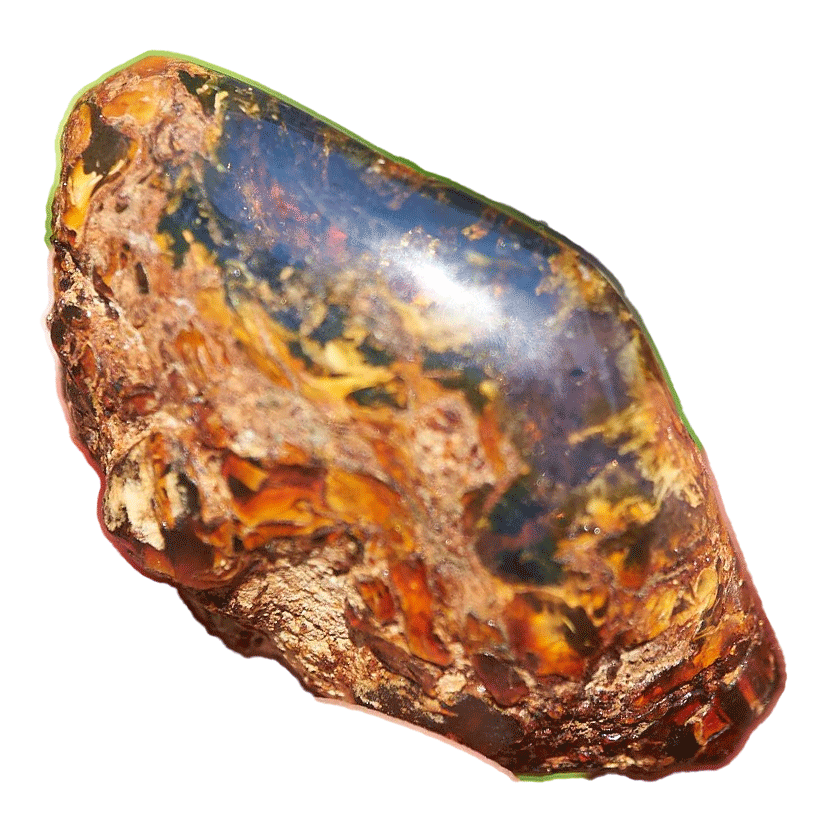


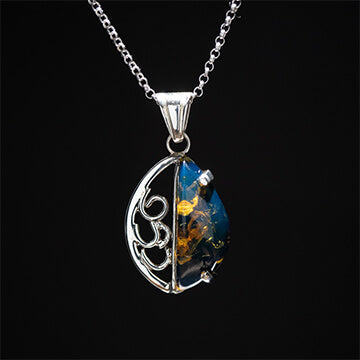
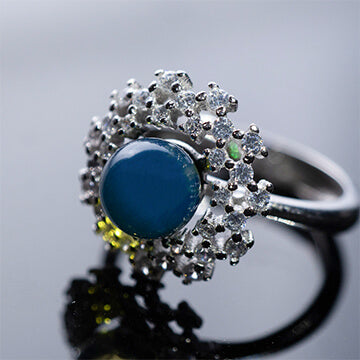
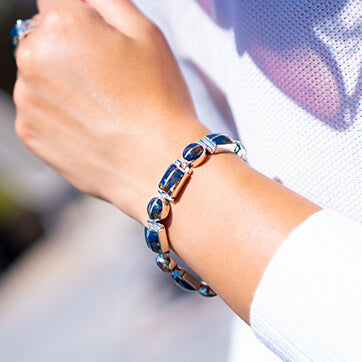
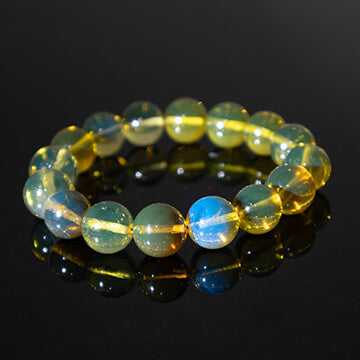
Handcrafted in DR.

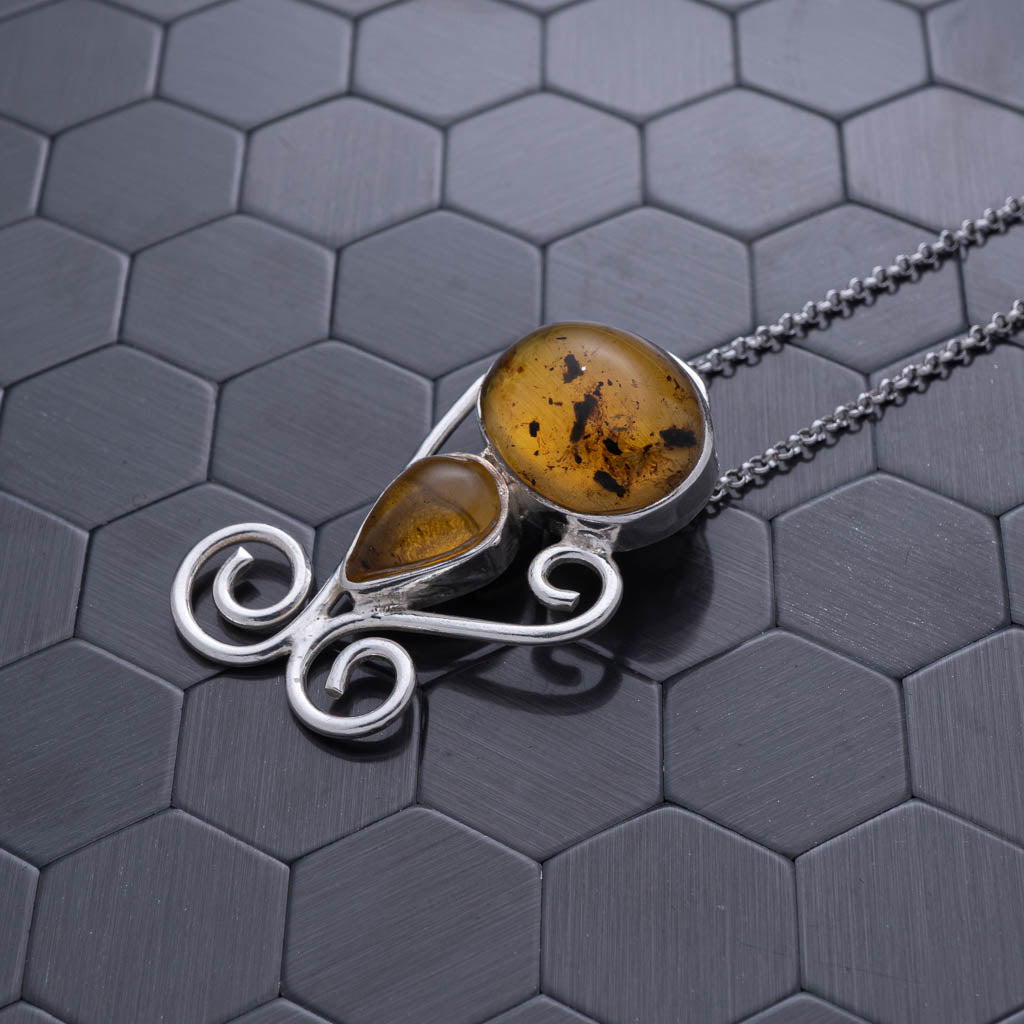
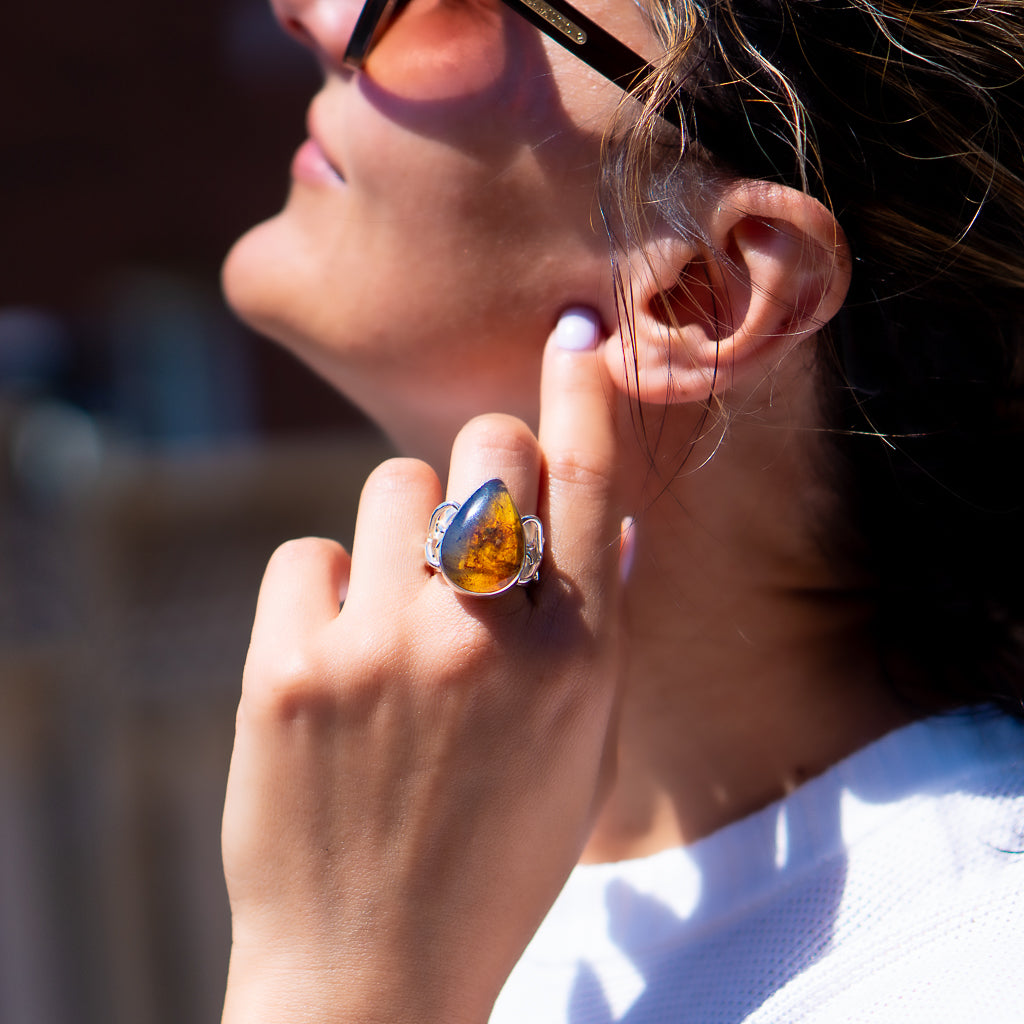
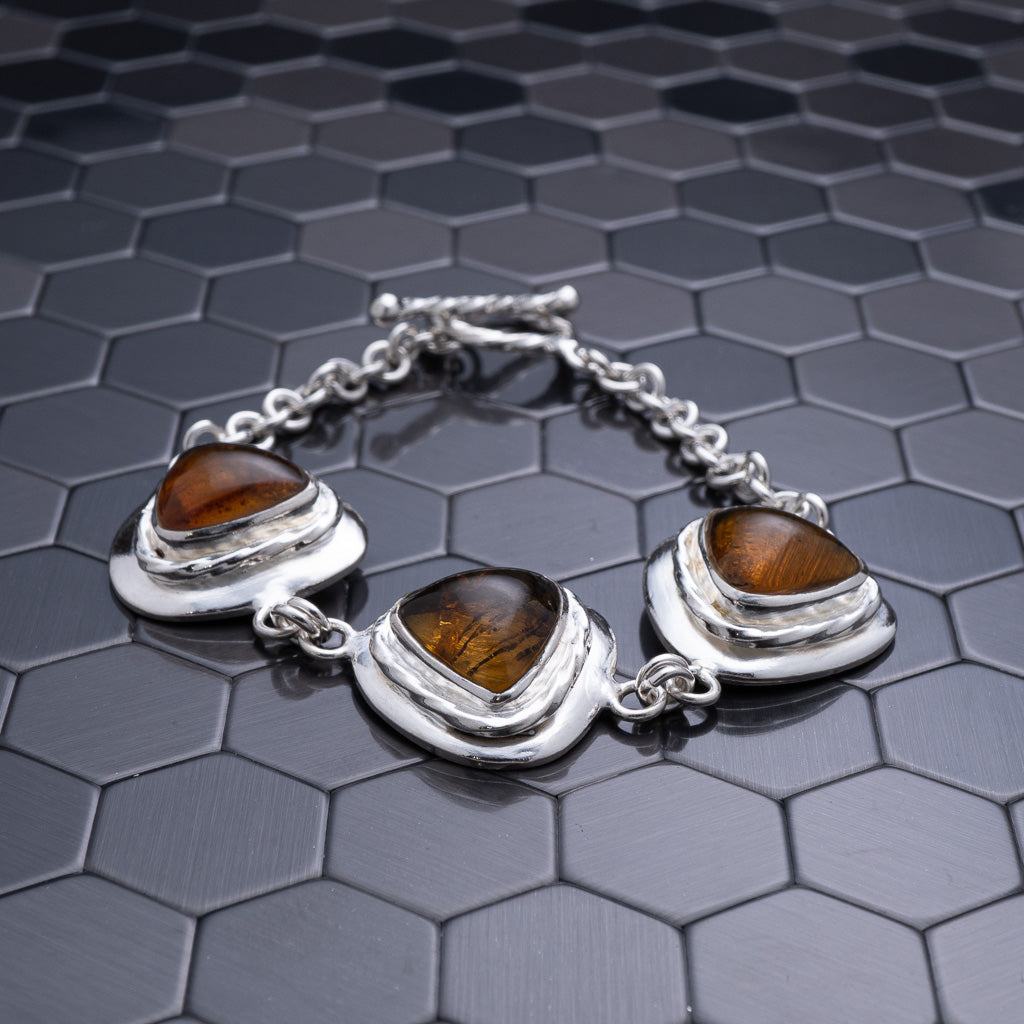
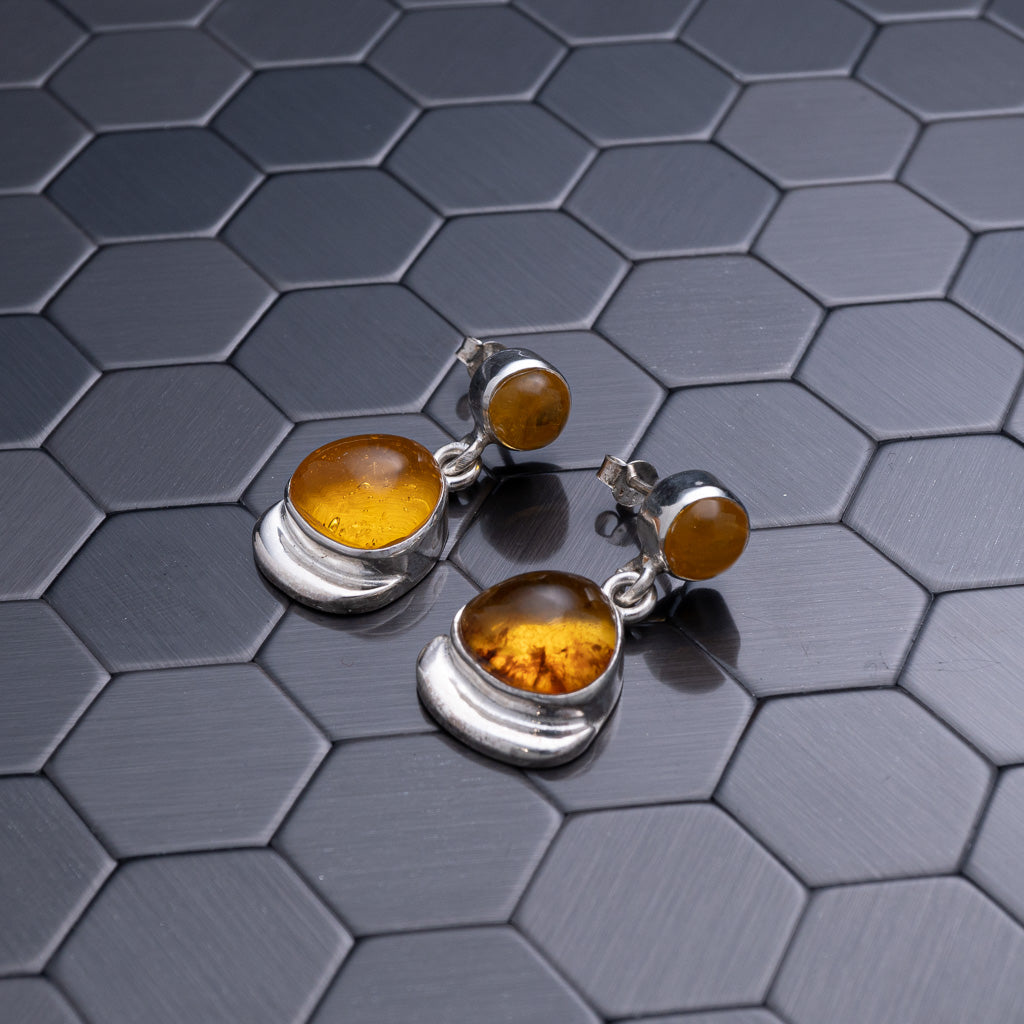


100% Handcrafted in DR.

A gemstone pendant represents one of the most versatile and cherished forms of personal adornment, combining the natural beauty of precious stones with wearable artistry. Whether you're seeking a meaningful gift or adding to your jewelry collection, understanding the nuances of gemstone selection, quality indicators, and design considerations ensures you choose a piece that resonates both aesthetically and personally. This comprehensive guide explores everything you need to know about selecting, wearing, and caring for gemstone pendants in 2026.
The pendant as a jewelry form has evolved significantly throughout human history, transforming from simple talismans to sophisticated expressions of personal style. A gemstone pendant combines this historical significance with the captivating properties of natural minerals.
What defines a quality gemstone pendant:
The relationship between gemstone and setting creates the pendant's overall character. While diamonds remain popular, colored gemstones have experienced renewed interest among collectors and everyday wearers seeking unique alternatives.
Gemstones derive their appeal from specific physical properties that interact with light in remarkable ways. Understanding these characteristics helps you evaluate quality and authenticity when shopping for a gemstone pendant.
| Property | Impact on Appearance | Evaluation Method |
|---|---|---|
| Color | Primary visual appeal | Assess hue, tone, and saturation |
| Clarity | Internal purity | Examine inclusions under magnification |
| Cut | Light reflection and brilliance | Observe symmetry and proportion |
| Carat Weight | Size and presence | Weigh precisely on calibrated scale |
The faceting technique applied to a gemstone dramatically influences how light passes through and reflects from the stone. Master cutters position facets at precise angles to maximize brilliance, particularly important for transparent stones like sapphires, emeralds, and rare specimens like larimar.
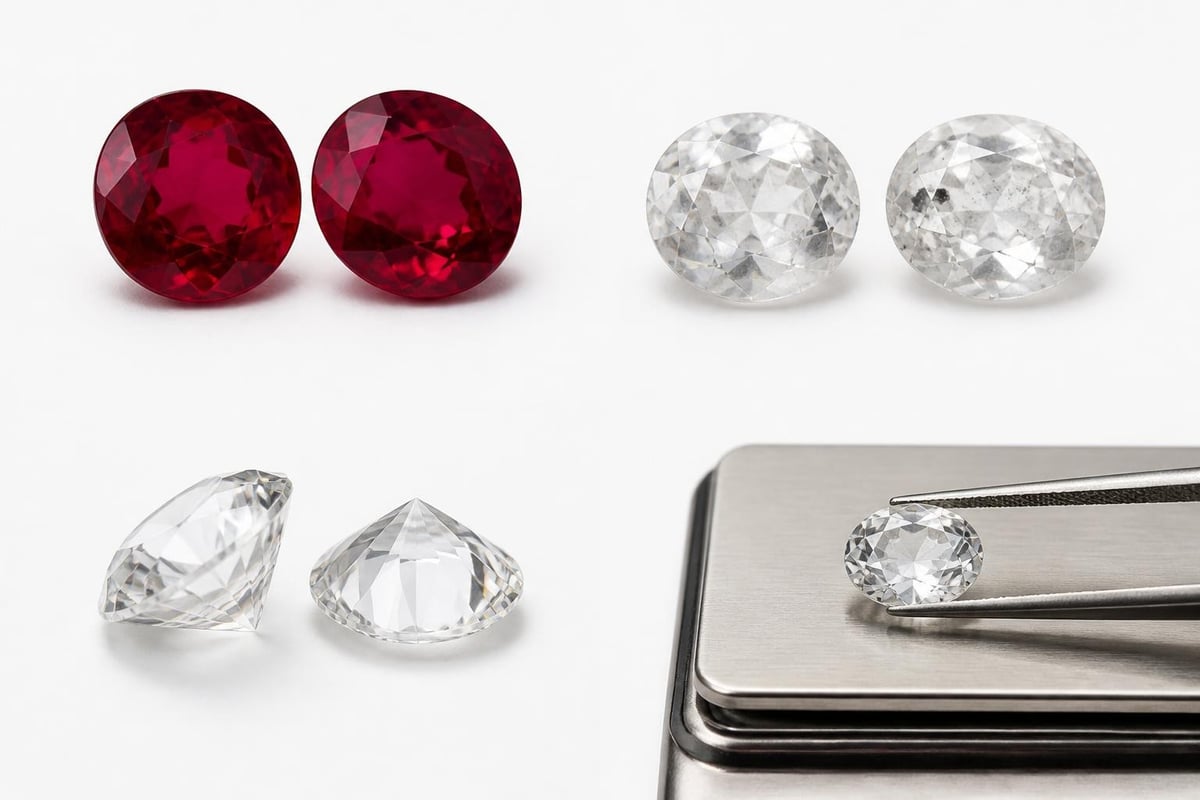
Choosing the appropriate gemstone involves balancing personal preferences with practical considerations. Each stone carries unique characteristics that influence both appearance and longevity.
Traditional choices:
Unique and rare selections:
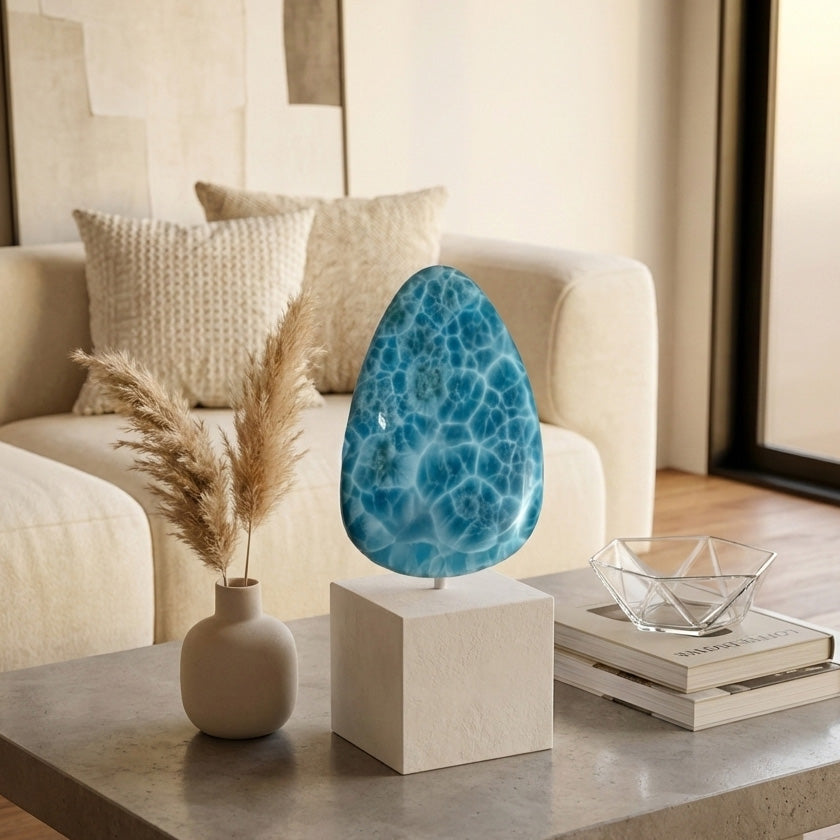
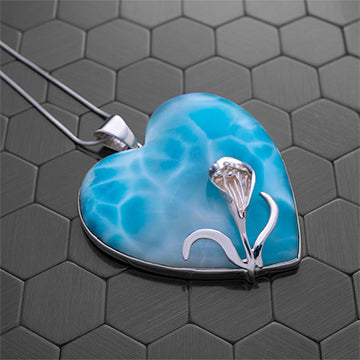
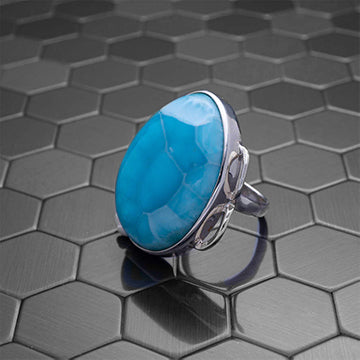
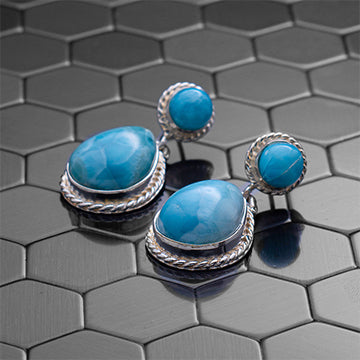
For those drawn to distinctive gemstones, Larimar Pendants offer an exceptional combination of rarity and natural beauty, with patterns that make each piece entirely unique.
The comprehensive gemstone directory from Jewelers of America provides detailed information about each stone's properties, helping you make informed decisions based on durability, color range, and special care requirements.
Your daily activities should influence gemstone selection. Hardness ratings on the Mohs scale indicate scratch resistance and durability.
High durability (7-10 on Mohs scale):
Moderate durability (5-7 on Mohs scale):
Delicate gemstones (below 5 on Mohs scale):
The setting style significantly impacts both appearance and stone security. Modern pendant designs range from minimalist bezels to ornate vintage-inspired settings.
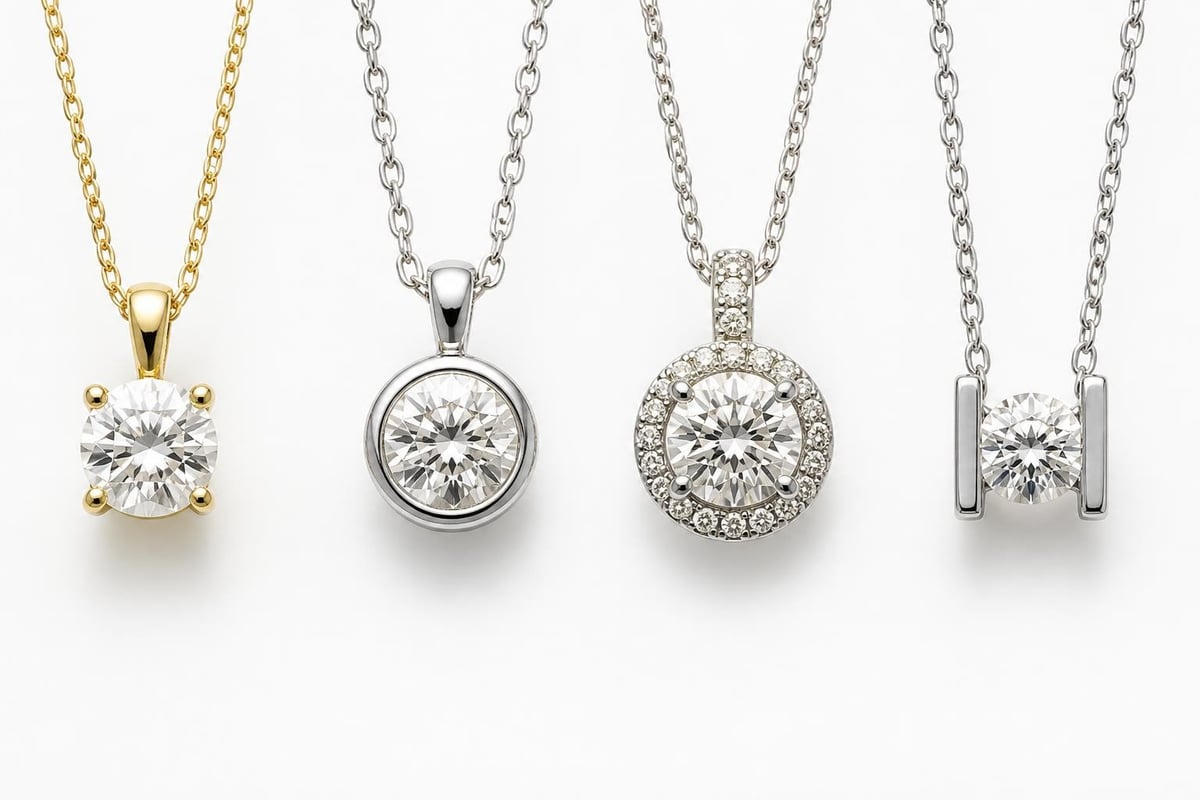
Different setting types serve distinct aesthetic and functional purposes. Your choice affects how the gemstone catches light and withstands daily wear.
| Setting Type | Visual Effect | Best For | Protection Level |
|---|---|---|---|
| Prong | Maximum light exposure | Transparent stones | Moderate |
| Bezel | Sleek, modern appearance | Active lifestyles | High |
| Halo | Enhanced size perception | Smaller center stones | High |
| Tension | Floating appearance | Contemporary designs | Moderate |
Prong settings use metal claws to secure the gemstone while allowing light to enter from multiple angles. This maximizes brilliance but exposes more of the stone to potential impact. Bezel settings surround the gemstone's perimeter with metal, offering superior protection while creating clean, modern lines.
The metal housing your gemstone pendant influences color presentation, durability, and price point.
Precious metal options:
Metal color interacts with gemstone hues in important ways. Yellow gold complements warm-toned stones like citrine and amber, while white metals enhance cool blue stones like sapphire and larimar. Consider how metal tarnishing characteristics align with your maintenance preferences.
Determining gemstone quality requires systematic evaluation of multiple factors. Professional certification provides peace of mind, particularly for significant investments.
Reputable gemological laboratories issue certificates documenting a stone's characteristics. These reports serve as permanent records of quality and authenticity.
Key certification elements:
The Gemological Institute of America (GIA) maintains the most widely recognized certification standards, though other respected laboratories include the American Gem Society (AGS) and International Gemological Institute (IGI). For unique stones like larimar, which lacks standardized grading systems, documentation of authenticity from the source becomes particularly valuable.
Many gemstones undergo treatments to improve color or clarity. Understanding these processes helps set appropriate value expectations.
Common gemstone treatments:
Treated gemstones generally cost less than untreated equivalents with similar appearance. Ethical sellers disclose all treatments, allowing informed purchasing decisions. Natural, untreated gemstones command premium prices due to their rarity, particularly for stones like unheated sapphires or untreated emeralds.
Maximizing the visual impact of your gemstone pendant involves thoughtful consideration of chain selection, length, and coordinating jewelry pieces.
The pendant necklace selection process requires matching chain length to neckline, face shape, and pendant size.
Standard chain lengths and positioning:
Pendant size should correspond proportionally to chain length. Delicate gemstone pendants work beautifully on shorter chains, while substantial pieces require longer lengths to balance properly. Chain thickness also matters - heavier pendants need sturdy chains to prevent breakage and maintain proper drape.
Creating cohesive looks involves balancing metal types, gemstone colors, and design complexity across all worn pieces.
Coordination strategies:
When wearing multiple necklaces, vary lengths by at least two inches to prevent tangling. A gemstone pendant serves as an excellent focal point in layered arrangements, particularly when positioned as the longest or most substantial piece. Collections from specialty makers like those available through Larimar Creations often feature coordinating pieces designed to work together harmoniously.
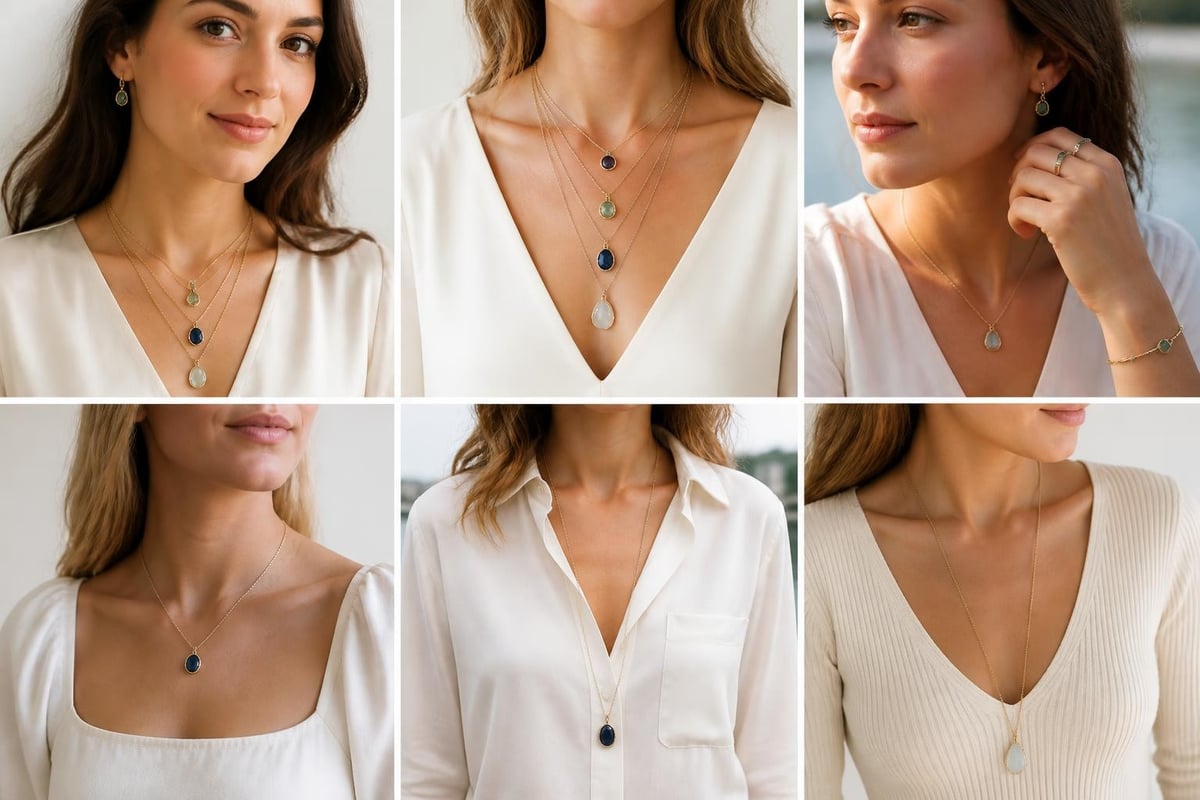
Proper care extends the life and beauty of your gemstone pendant indefinitely. Different stones require specific approaches based on their chemical composition and physical properties.
Safe for ultrasonic cleaning:
Require gentle hand cleaning:
Create a gentle cleaning solution by mixing lukewarm water with mild dish soap. Using a soft-bristled brush, carefully clean around settings where dirt accumulates. Rinse thoroughly under running water, ensuring the drain is protected, then pat dry with a lint-free cloth.
Individual storage prevents scratches between jewelry pieces. Soft pouches or lined jewelry boxes with compartments offer ideal protection.
Storage guidelines:
Chemical exposure poses significant risks to many gemstones. Chlorine can damage gold alloys and certain stones, while harsh cleaning products may etch softer specimens. The comprehensive buying guide from Kohira emphasizes preventative care as the most effective maintenance strategy.
Gemstone pendants range from affordable fashion pieces to significant investments. Understanding value determinants helps align purchases with both budget and expectations.
Primary value drivers:
Rare gemstones like high-quality larimar, Paraiba tourmaline, or Kashmir sapphire command premium prices due to limited sources. Common stones like amethyst or citrine offer beautiful options at accessible price points. The relationship between size and value isn't linear - prices increase exponentially as gemstones reach certain weight thresholds.
Not all gemstone pendants appreciate over time. Understanding which factors contribute to value retention guides smarter purchasing decisions.
| Factor | Appreciation Potential | Considerations |
|---|---|---|
| Rare gemstones | High | Limited supply increases demand |
| Fine craftsmanship | Moderate | Quality endures style changes |
| Precious metals | Moderate | Follows commodity markets |
| Designer pieces | Variable | Depends on maker reputation |
| Treated stones | Low | Technology makes treatments common |
Investment-grade gemstone pendants typically feature untreated stones with exceptional color, clarity, and provenance. While jewelry primarily serves aesthetic and emotional purposes, certain pieces do appreciate significantly. Consulting with gemological experts before major purchases provides valuable perspective on long-term value potential.
The gemstone industry faces increasing scrutiny regarding environmental impact and labor practices. Conscious consumers prioritize transparency in sourcing and production methods.
Ethical gemstone sourcing ensures fair labor conditions, environmental protection, and community benefit. Several certification systems help identify responsibly sourced stones.
Verification approaches:
Small-scale artisanal mining operations often provide the most transparent sourcing, particularly for rare stones with limited geographic distribution. Companies specializing in specific gemstones frequently maintain direct relationships with mining communities, ensuring ethical practices throughout extraction and processing.
Technological advances enable creation of gemstones with identical chemical composition to natural stones. These alternatives offer ethical and environmental benefits while reducing costs.
Advantages of lab-created gemstones:
However, natural gemstones maintain appeal due to their geological rarity and unique formation processes. Each natural stone carries distinctive inclusions and characteristics that serve as identifying markers, creating one-of-a-kind pieces impossible to replicate exactly. The choice between natural and synthetic ultimately reflects personal values and priorities.
Creating a custom gemstone pendant allows complete control over design elements, resulting in a truly unique piece that reflects individual style and meaning.
Working with skilled artisans transforms your vision into wearable reality. The customization process involves multiple decision points that collectively create your ideal pendant.
Customizable components:
Custom designs accommodate stones you already own, including inherited gemstones or meaningful specimens collected during travels. Repurposing existing jewelry into new designs honors sentimental value while creating contemporary pieces you'll actually wear. Craftspeople specializing in particular gemstones, such as those creating handcrafted larimar pieces, bring specialized expertise to working with specific materials.
Understanding typical timelines and steps helps set realistic expectations for custom gemstone pendant projects.
Custom creation typically requires 4-12 weeks depending on design complexity and gemstone availability. Rush services exist but may incur additional fees. The investment in custom work extends beyond monetary cost to include time spent communicating vision and reviewing progress, resulting in a pendant with personal significance far exceeding off-the-shelf alternatives.
Gemstone pendants rank among the most meaningful gifts, combining beauty with symbolic significance. Thoughtful selection demonstrates care and attention to recipient preferences.
Different gemstones carry traditional associations with specific milestones and meanings. These connections add layers of significance to your gift.
Traditional gemstone associations:
Modern birthstone lists evolved from historical traditions, offering options for each month. Some months feature multiple choices, providing flexibility in matching recipient preferences. Beyond birthstones, certain gemstones carry universal meanings - sapphires represent wisdom, emeralds symbolize renewal, while rare stones like larimar connect to peace and tranquility.
How you present a gemstone pendant significantly impacts the gifting experience. Thoughtful packaging demonstrates the value you place on both gift and recipient.
Effective presentation strategies:
Including information about the gemstone's properties, origin, or care requirements adds educational value that enhances appreciation. For rare or unique stones, providing background about geographic sources or formation processes creates context that deepens emotional connection to the piece.
Selecting the perfect gemstone pendant involves balancing aesthetic preferences, quality considerations, practical lifestyle factors, and budget constraints. By understanding gemstone properties, evaluating craftsmanship, and considering personal style, you can confidently choose pieces that provide lasting beauty and satisfaction. Whether you're drawn to classic diamonds, vibrant colored stones, or rare specimens like Caribbean larimar, Larimar Creations offers expertly handcrafted pendants showcasing exceptional gemstones with worldwide delivery, ensuring you can discover your perfect piece regardless of location.