
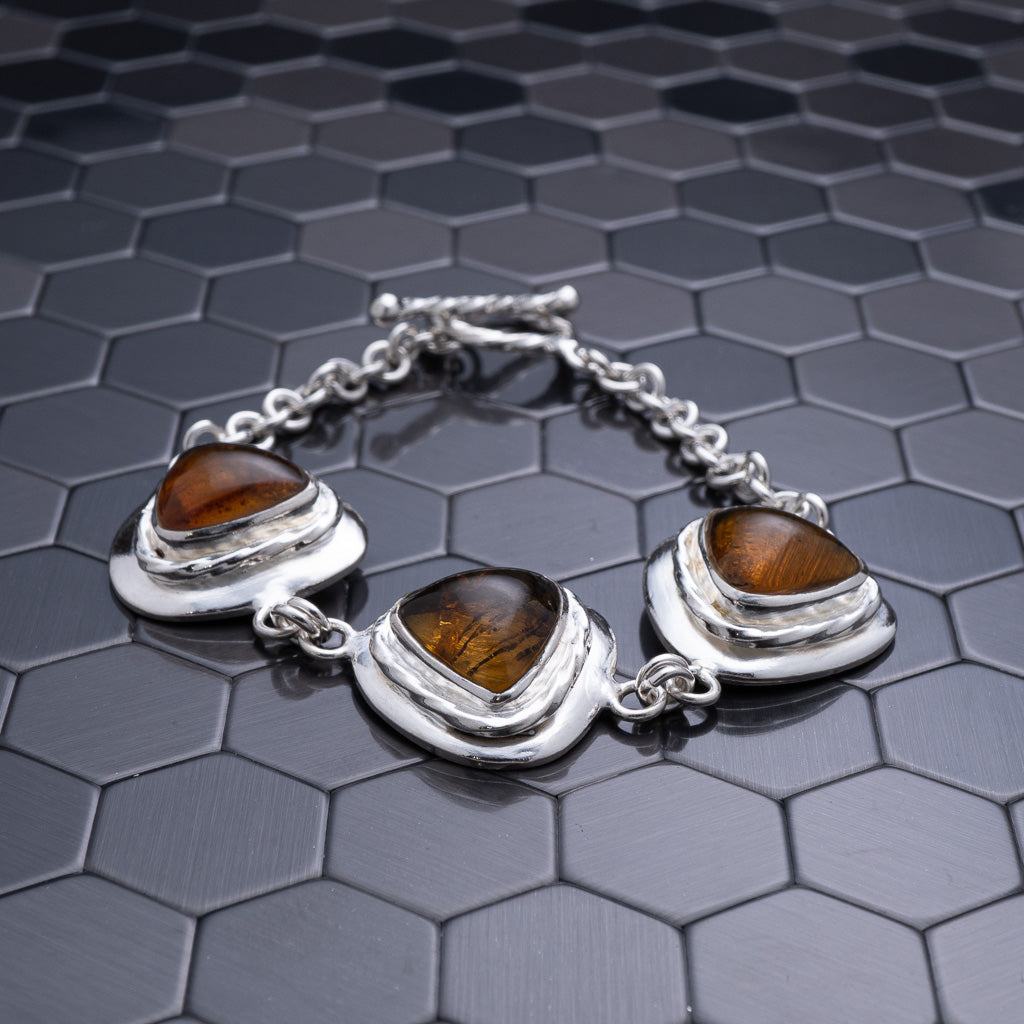
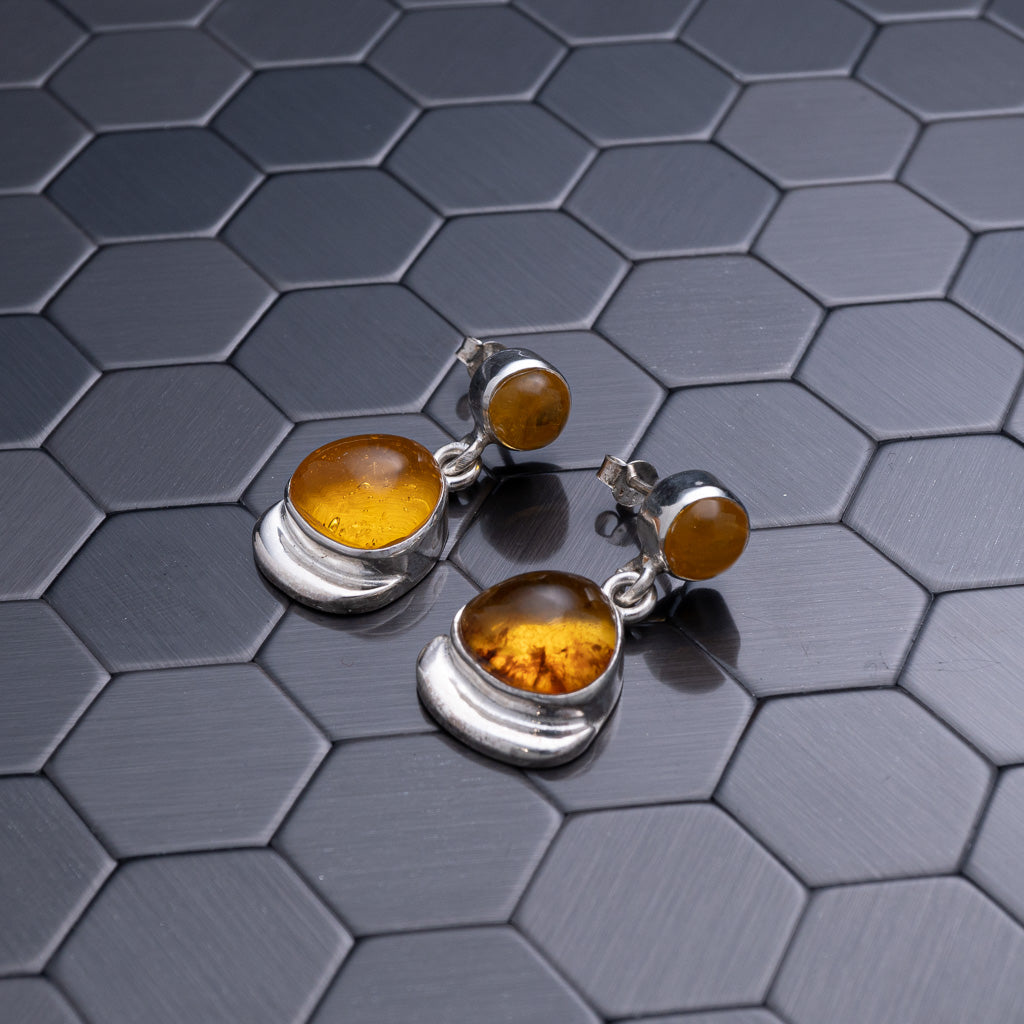
A beautiful amber pendant can stop you in a second. The glow is soft, the color feels lit from within, and no two stones look exactly alike. If you are wondering how to choose amber pendants that feel truly special, the answer starts with more than appearance alone - it starts with authenticity, origin, craftsmanship, and the way the piece lives on the body.
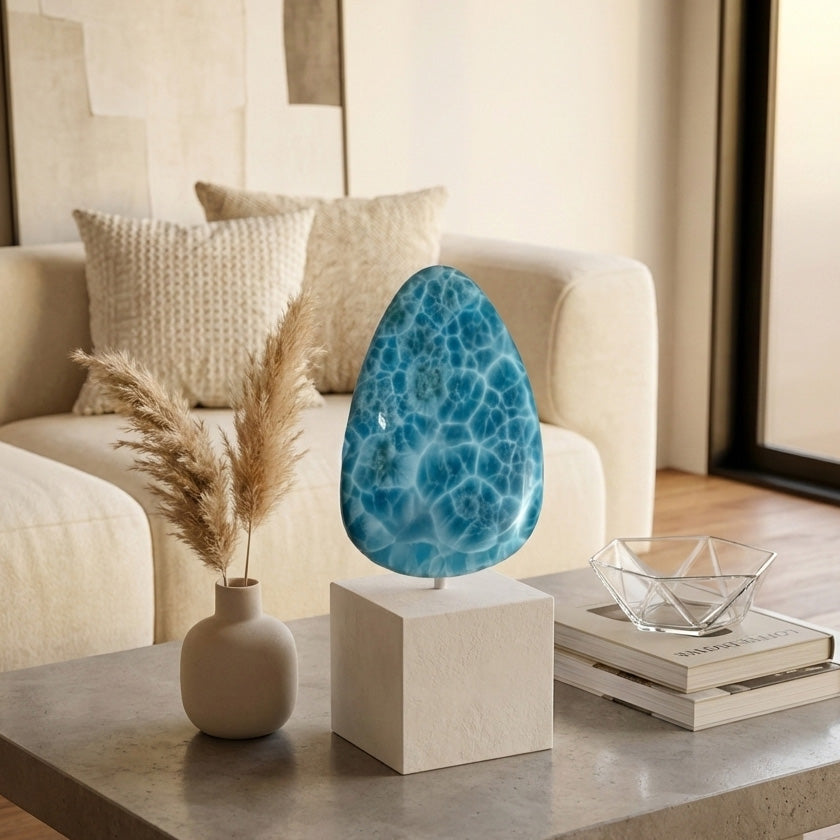
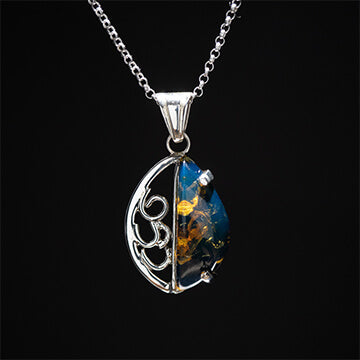
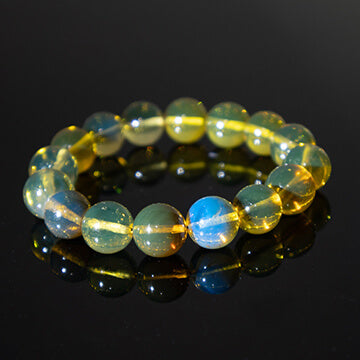
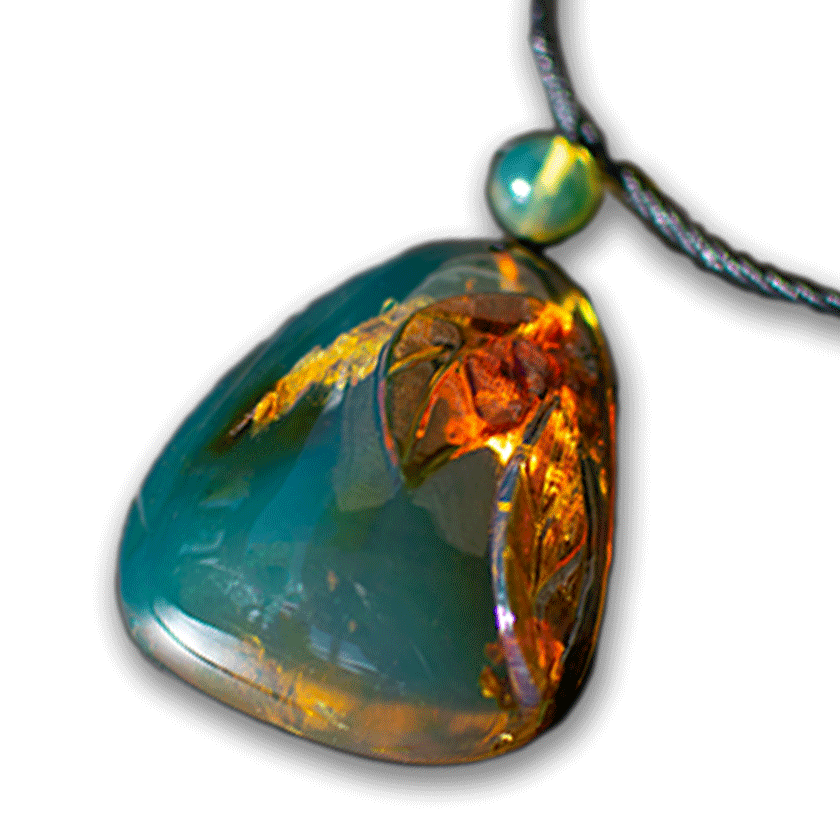
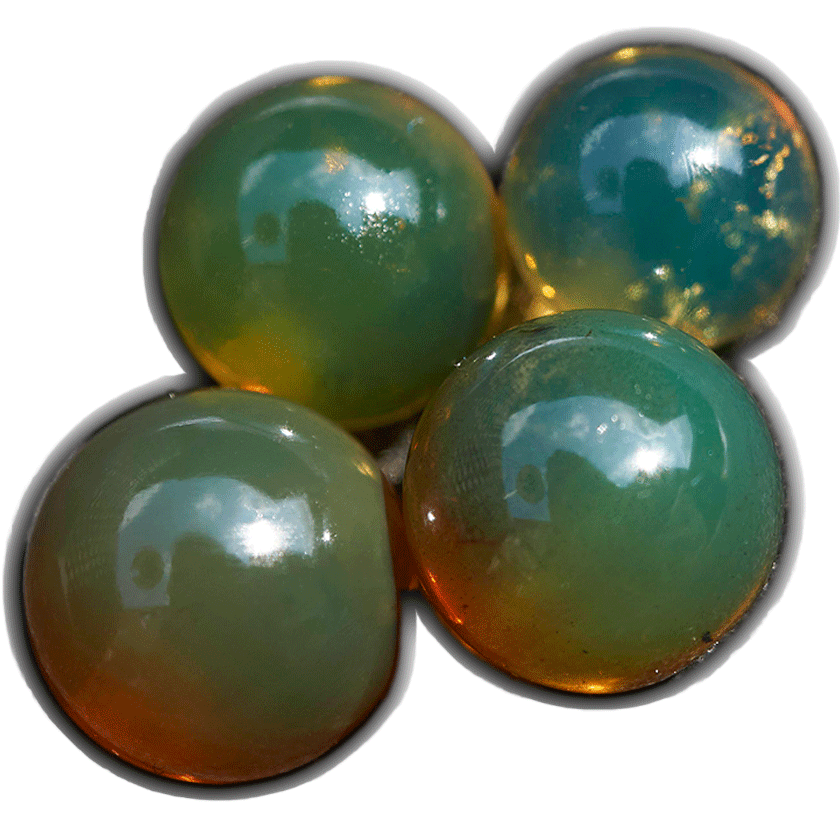
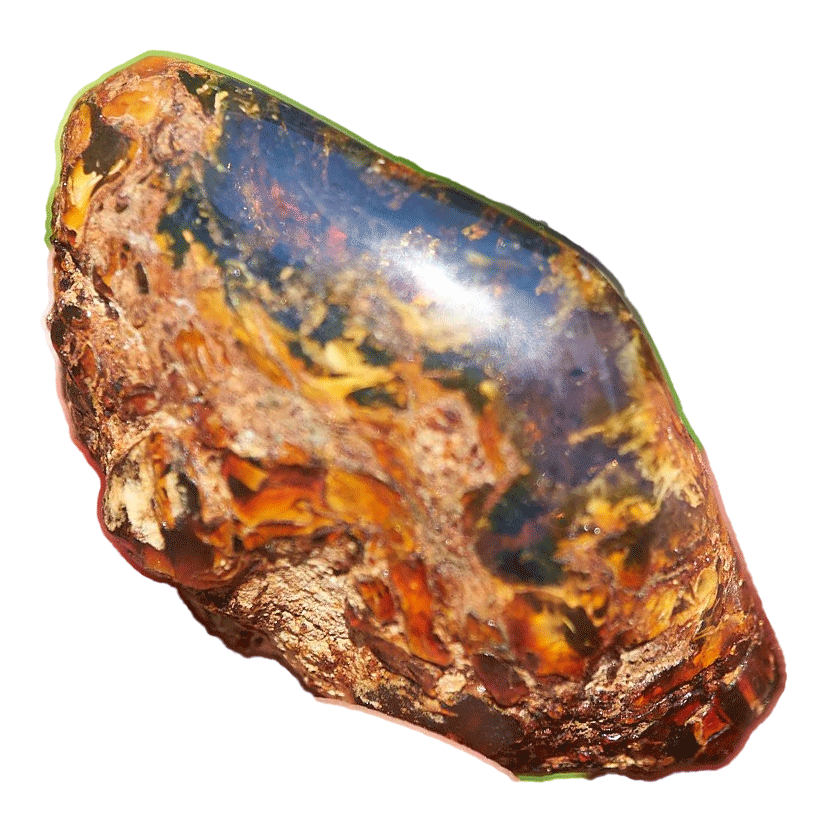
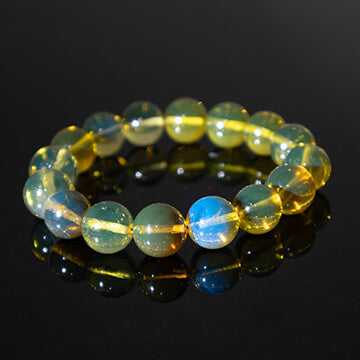
Amber is not a standard gemstone, and that is part of its appeal. It is organic, light in weight, and full of character. Some pendants look bright and golden, others deep and cognac-rich, and rare pieces can show extraordinary tones such as blue amber under the right light. Choosing well means knowing what you are looking at, what quality looks like, and what kind of pendant suits the person who will wear it.
The first question is simple: is the amber genuine? Real amber has a warmth and individuality that imitation materials rarely capture. Because amber is widely copied in resin and plastic, authenticity matters as much as beauty. For a meaningful purchase, especially when buying a pendant as a gift or collectible, look for sellers who clearly state origin, discuss natural variation, and stand behind their stones with confidence.
Origin can shape both value and desirability. Dominican amber is especially admired for its clarity, rich natural tones, and rarity. Within that category, Dominican Blue Amber stands apart as one of the Caribbean's most remarkable treasures, prized for its unusual optical character and collector appeal. If origin is important to you, choose a pendant from a source that treats provenance as part of the piece's identity, not as an afterthought.
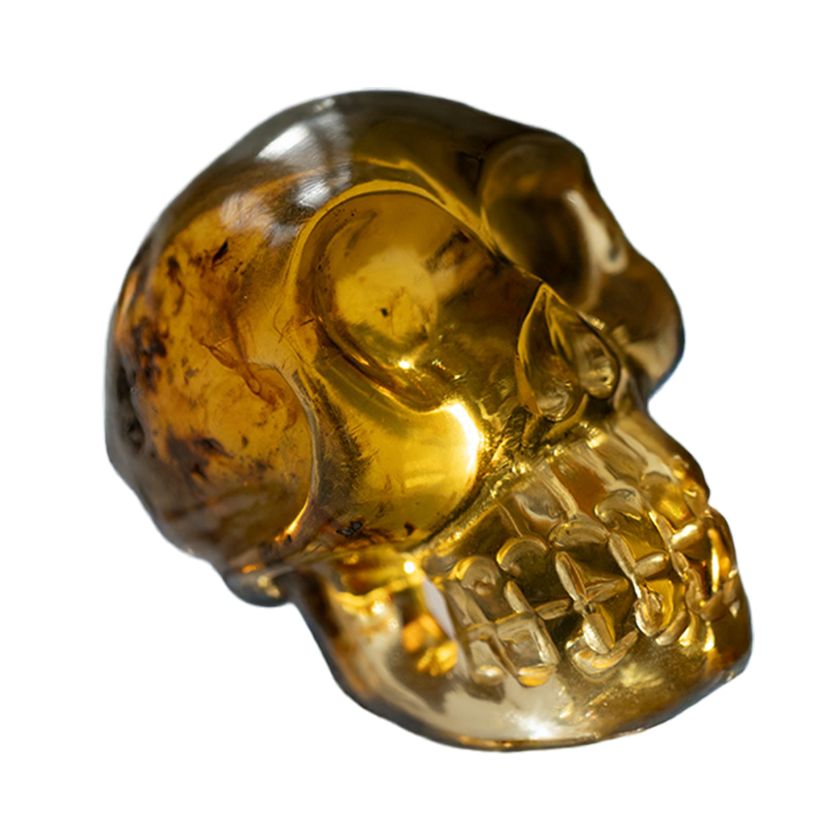
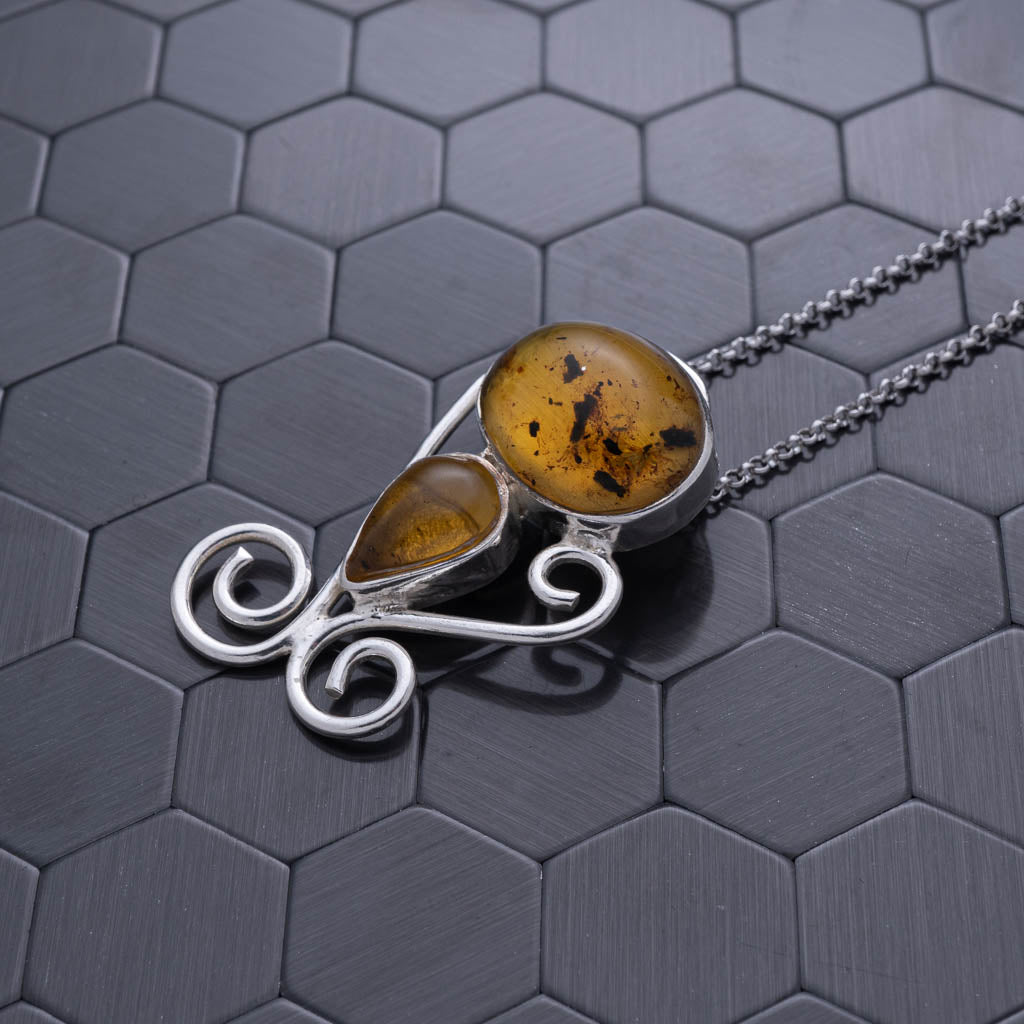
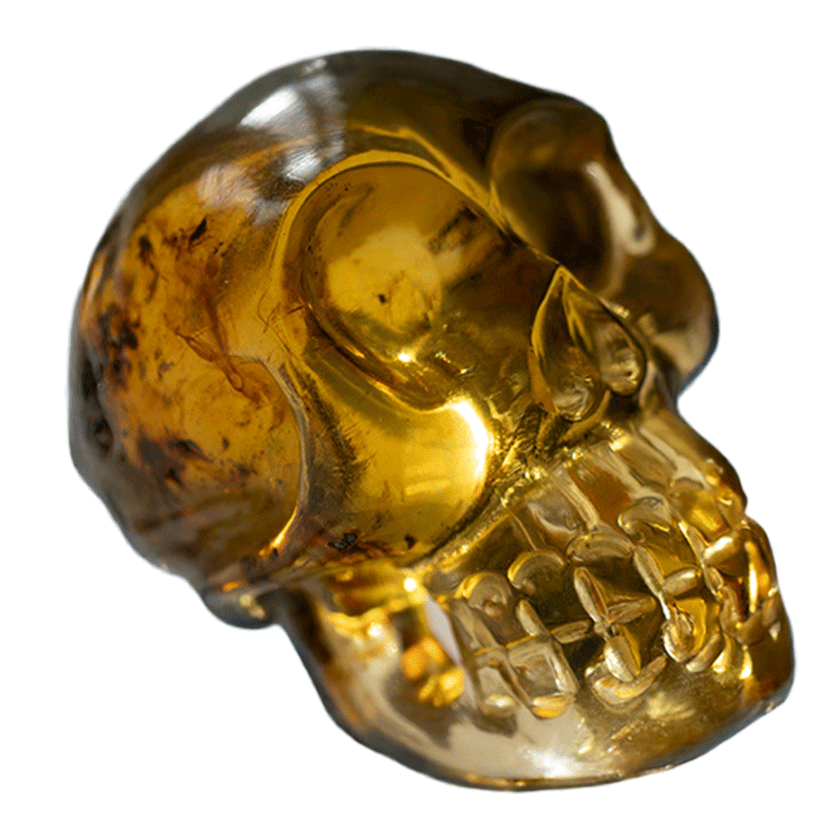
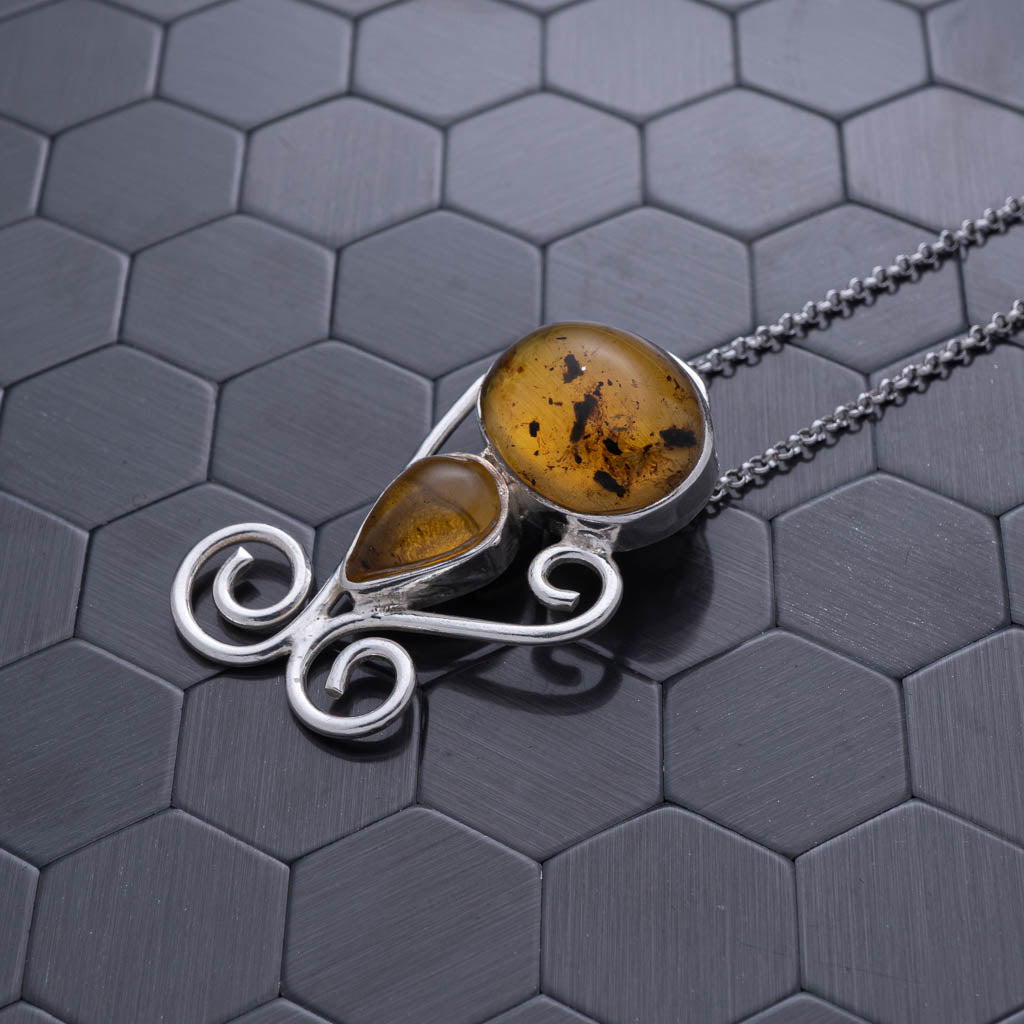
Clarity is the next factor. Some amber pendants are nearly transparent, allowing light to move through the stone with a luminous glow. Others are cloudier, with internal textures that create a softer, more mysterious look. Neither is automatically better. It depends on taste. Cleaner material often feels more refined and elevated, while inclusions and natural internal patterning can make a piece feel more organic and one of a kind.
Color also deserves careful attention. Honey, cognac, butterscotch, golden yellow, and deep reddish tones all have their own personality. Lighter amber can feel airy and sunlit, while darker amber often reads as richer and more dramatic. If you want a pendant that stands out against the skin, consider stronger color saturation. If you want something versatile for daily wear, medium golden tones are often easy to style.
A pendant can be a signature piece, a meaningful gift, or an everyday favorite. That is why scale matters. A large amber pendant makes a statement and draws attention to the stone itself. It is often the right choice for someone who loves artisan jewelry with presence. A smaller pendant is subtler and easier to layer or wear from morning into evening.
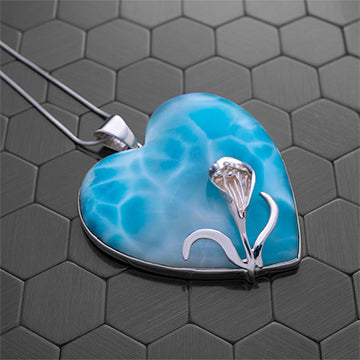
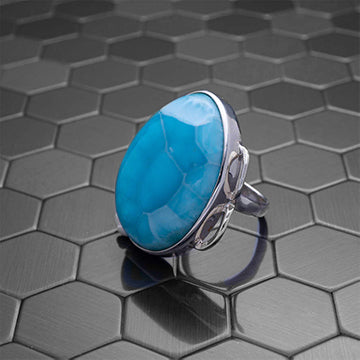
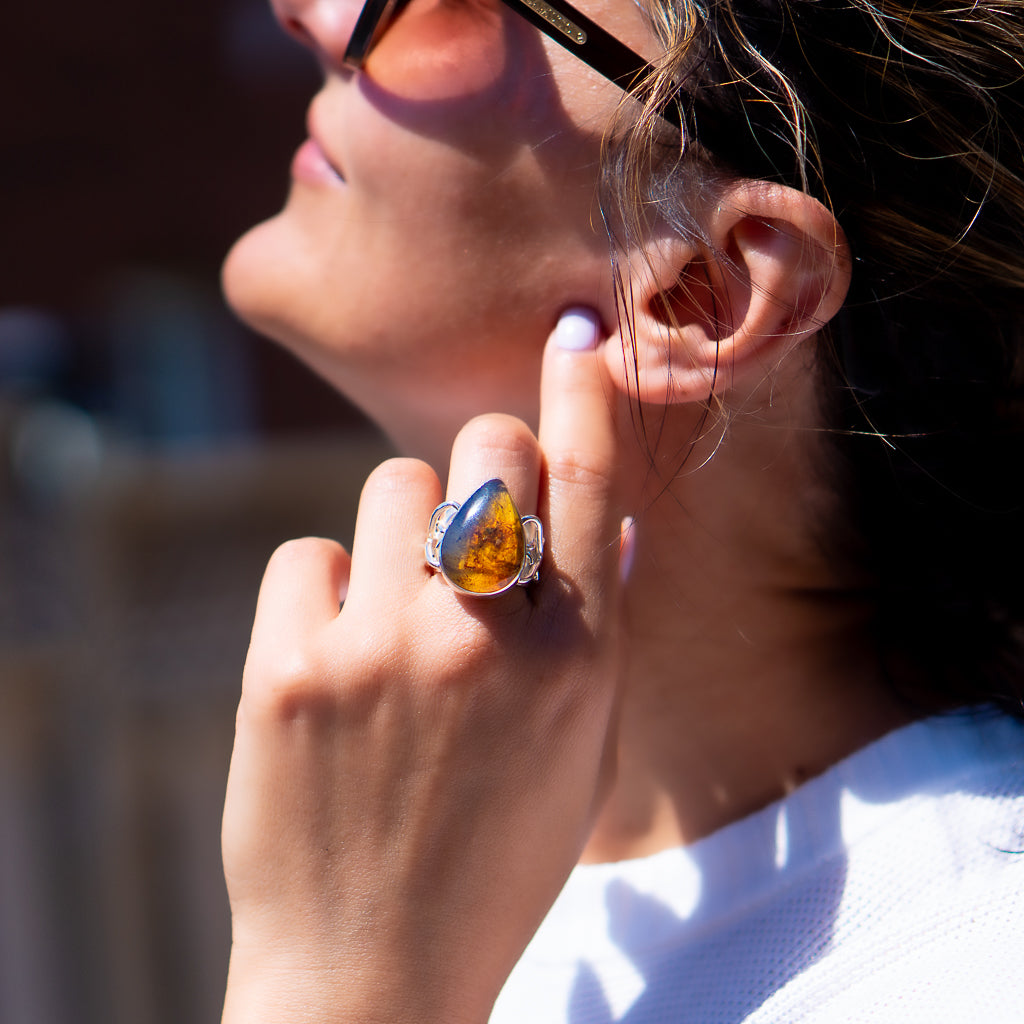
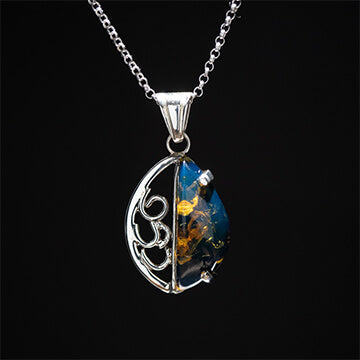
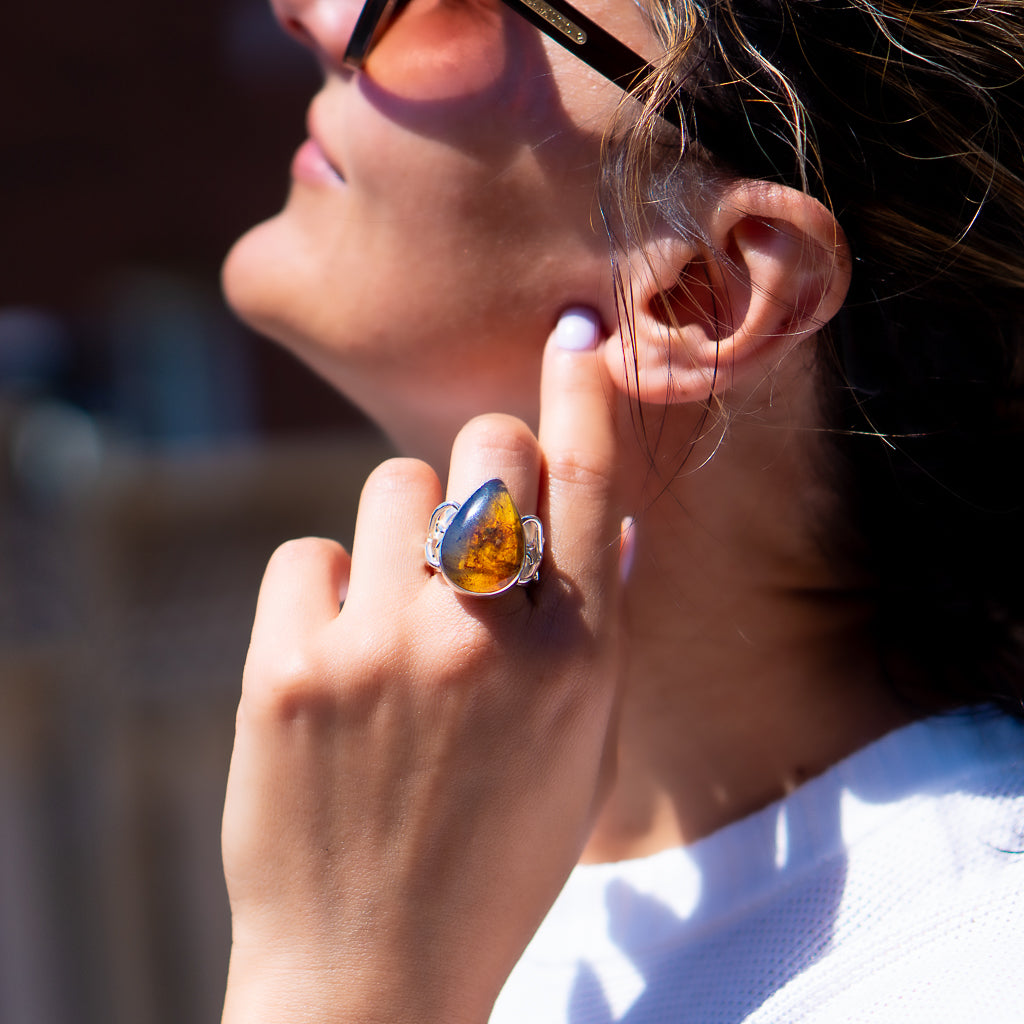
Shape changes the mood of the piece. Freeform pendants highlight amber's natural character and often feel more artisanal. Teardrops and ovals are classic and flattering, with an elegant flow that suits many styles. Hearts add sentiment and romance, making them especially fitting for gifts. Geometric cuts can feel more modern, but with amber, softer silhouettes often showcase the material best.
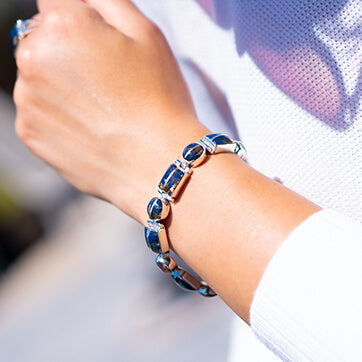
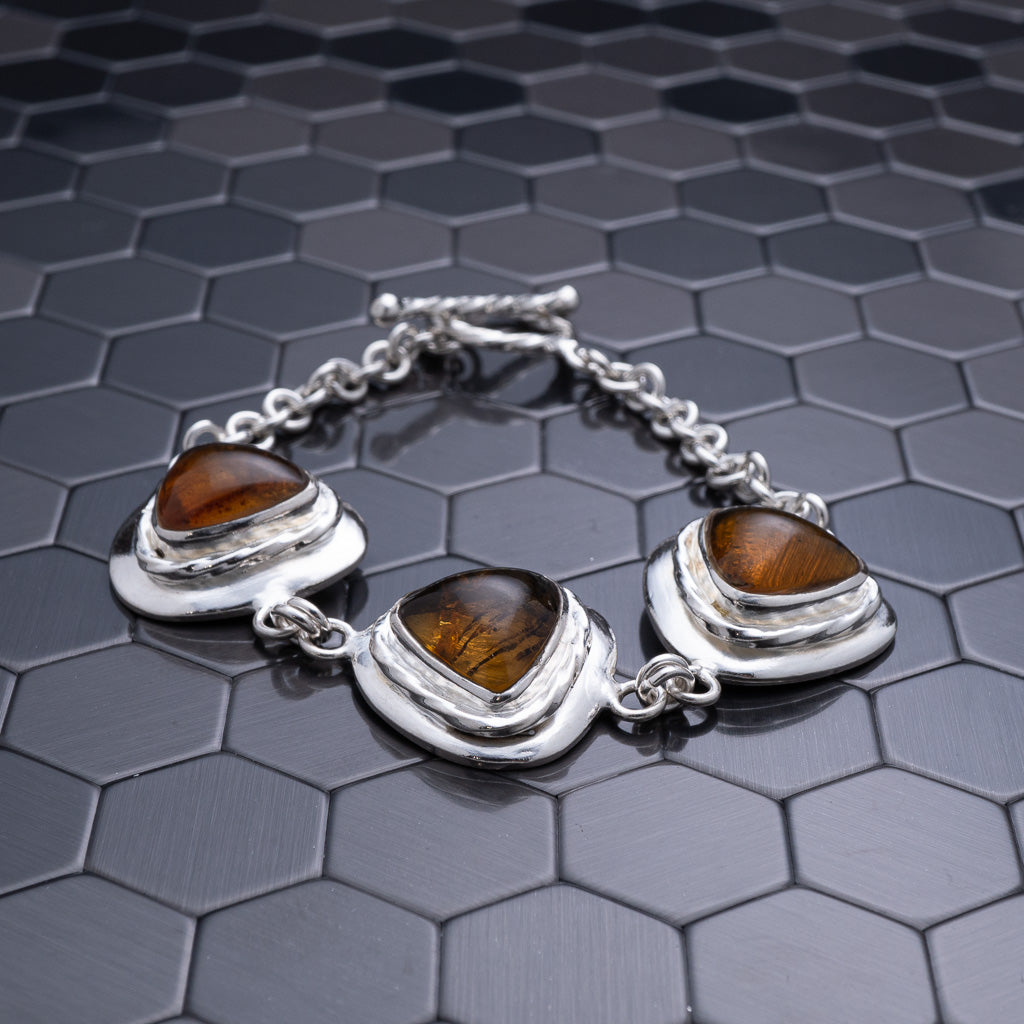
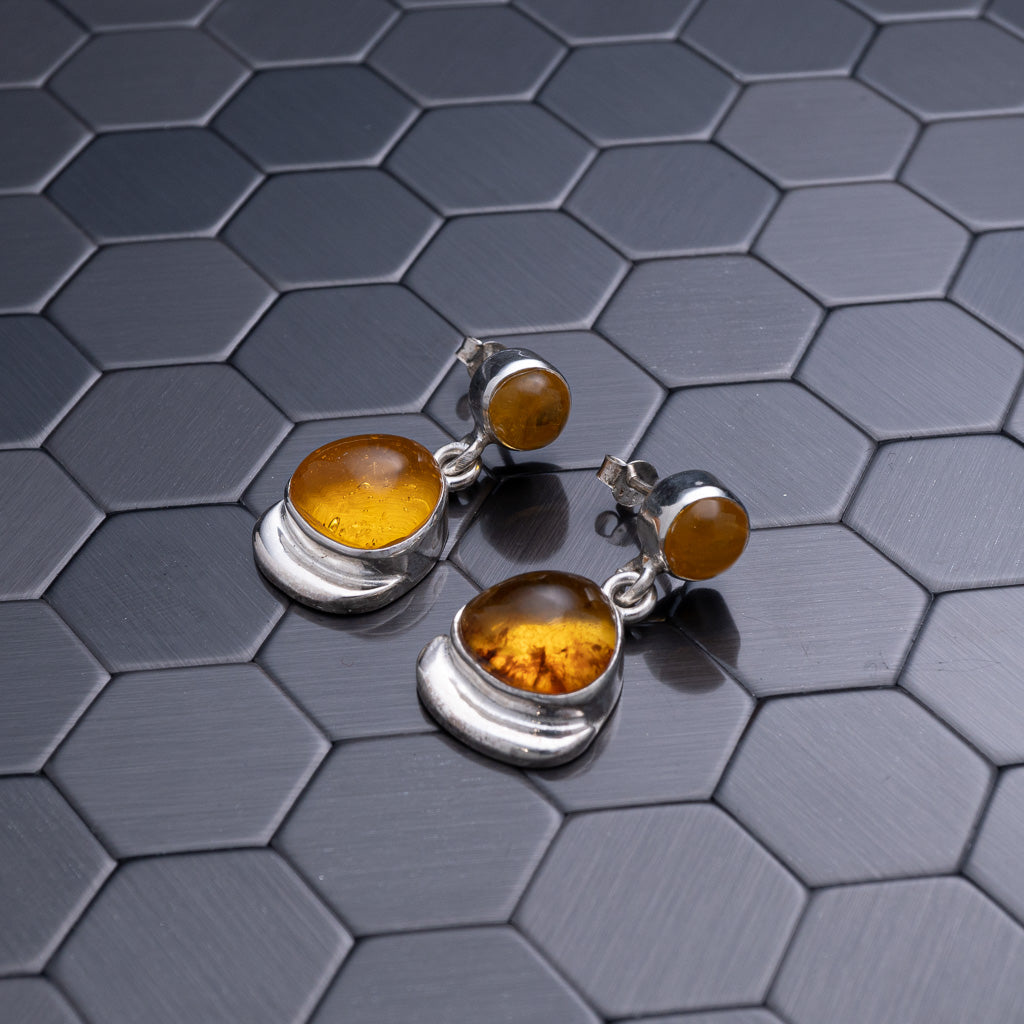
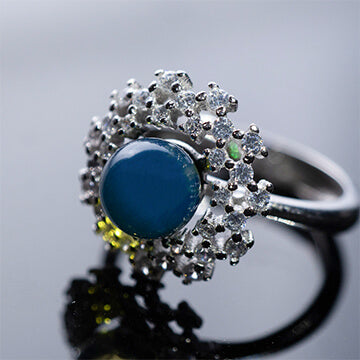
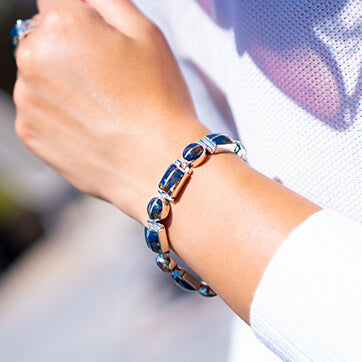
The setting should support the stone rather than compete with it. A well-made pendant frame enhances amber's glow, secures it properly, and complements its color. Sterling silver gives a crisp, luminous contrast that works beautifully with golden or blue amber. Warmer metals can deepen amber's honeyed tones and create a more romantic effect. If the design is overly heavy or decorative, it can distract from what makes amber captivating in the first place.
Amber is unusually wearable because it has natural warmth, but some tones will flatter certain wardrobes and skin tones more easily than others. Golden and honey amber look radiant on warm and neutral undertones. Deeper cognac shades can add sophistication and contrast, especially with black, cream, navy, and earth tones. If your jewelry collection leans coastal, airy, or resort-inspired, lighter amber and rare blue amber can feel especially striking.
Think about necklines too. A longer pendant works well over simple tops and dresses, where the stone has room to be seen. A shorter pendant sits closer to the face and should have enough brightness or clarity to draw the eye upward. If the pendant is intended for frequent wear, choose one that complements your existing jewelry rather than requiring a whole new styling approach.
For gift buyers, the safest path is not always the most generic one. Instead, consider the recipient's habits. Does she wear delicate jewelry every day, or does she prefer bold pieces with story and presence? A pendant with visible natural character can feel deeply personal, while a cleaner, more polished stone may suit someone with a classic taste for refined luxury.
When people search for how to choose amber pendants, they often focus first on appearance. That is understandable, but authenticity is what gives the piece lasting value. Real amber should be sold with transparency about what it is, where it comes from, and whether it has been treated or enhanced. That does not mean every treatment is unacceptable, but it should always be disclosed.
This is especially important if you are shopping for rarer material. Blue amber, for example, inspires strong interest because it is visually unusual and not widely available. That rarity also makes it a category where expertise matters. A reputable specialist will explain the stone clearly, present it honestly, and understand why origin and natural character are central to the purchase.
Craftsmanship should be visible in the finished pendant. Look at the polish, the balance of the setting, and the way the stone is presented. Fine amber jewelry should feel intentional. The bail, edges, and metalwork should all support the gem without making the piece feel mass-produced. At Larimar Creations, that connection between authentic Caribbean material and handcrafted design is what turns a pendant into something more memorable than ordinary jewelry.
Some amber pendants are bought for beauty alone. Others are chosen because they feel rare. If you are shopping with a collector's eye, pay close attention to origin, unusual color, exceptional clarity, and distinctive natural features. Rare Dominican amber can offer that sense of discovery, especially when the material has a strong glow or uncommon visual effect.
If your priority is everyday wear, comfort and versatility matter more. Amber is relatively lightweight, which makes larger pendants easier to wear than many other gemstone styles. Still, a secure setting and practical size will make a difference over time. The best daily pendant is one you reach for instinctively because it feels as good as it looks.
There is also an emotional side to the decision. Amber has long been associated with warmth, protection, and healing symbolism. For spiritually inclined buyers, that meaning can shape the choice as much as color or cut. In that case, choose the pendant that creates an immediate connection. Jewelry with personal resonance tends to stay in the collection for years.
Before purchasing, study the stone in good lighting. Amber should have life to it. Even a more opaque piece should not look flat or artificial. Ask whether the origin is specified. Review how the seller describes authenticity. Notice whether the pendant is presented as a natural gemstone with individual variation rather than a uniform product.
It also helps to be realistic about what perfection means in amber. Because it is an organic material, tiny internal marks, flow lines, or variations in color can be signs of natural character rather than flaws. A flawless look is not always the goal. Often, the most beautiful amber pendant is the one that retains its individuality while still feeling polished and wearable.
Price should reflect rarity, craftsmanship, and authenticity. If a pendant seems unusually cheap for the type of amber being offered, caution is wise. Fine amber jewelry is valuable not because it follows fashion, but because natural material of good quality, especially from respected origins, is limited.
The right amber pendant should feel like more than an accessory. It should carry light, origin, and workmanship in equal measure. When you choose with an eye for authenticity and a sense of personal style, you are not just buying jewelry - you are choosing a piece of the Caribbean to wear close to the heart.