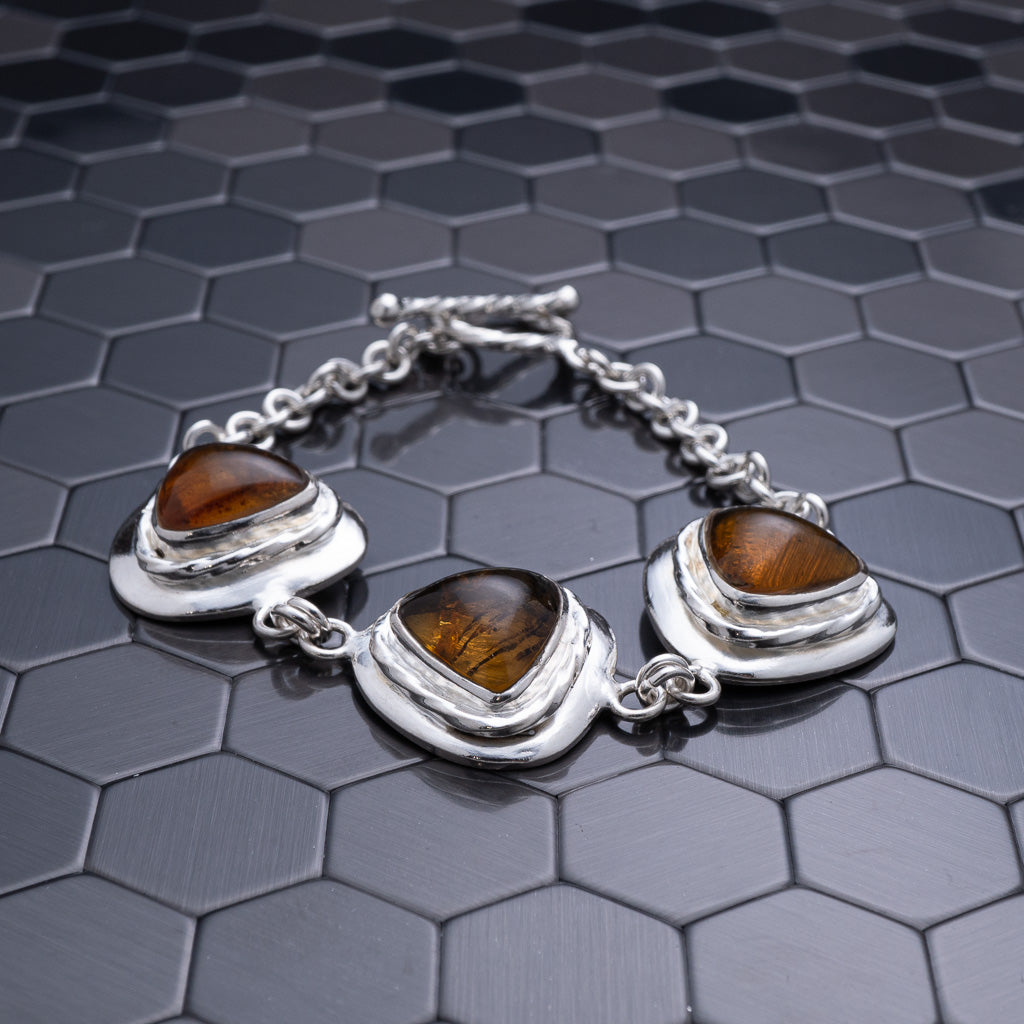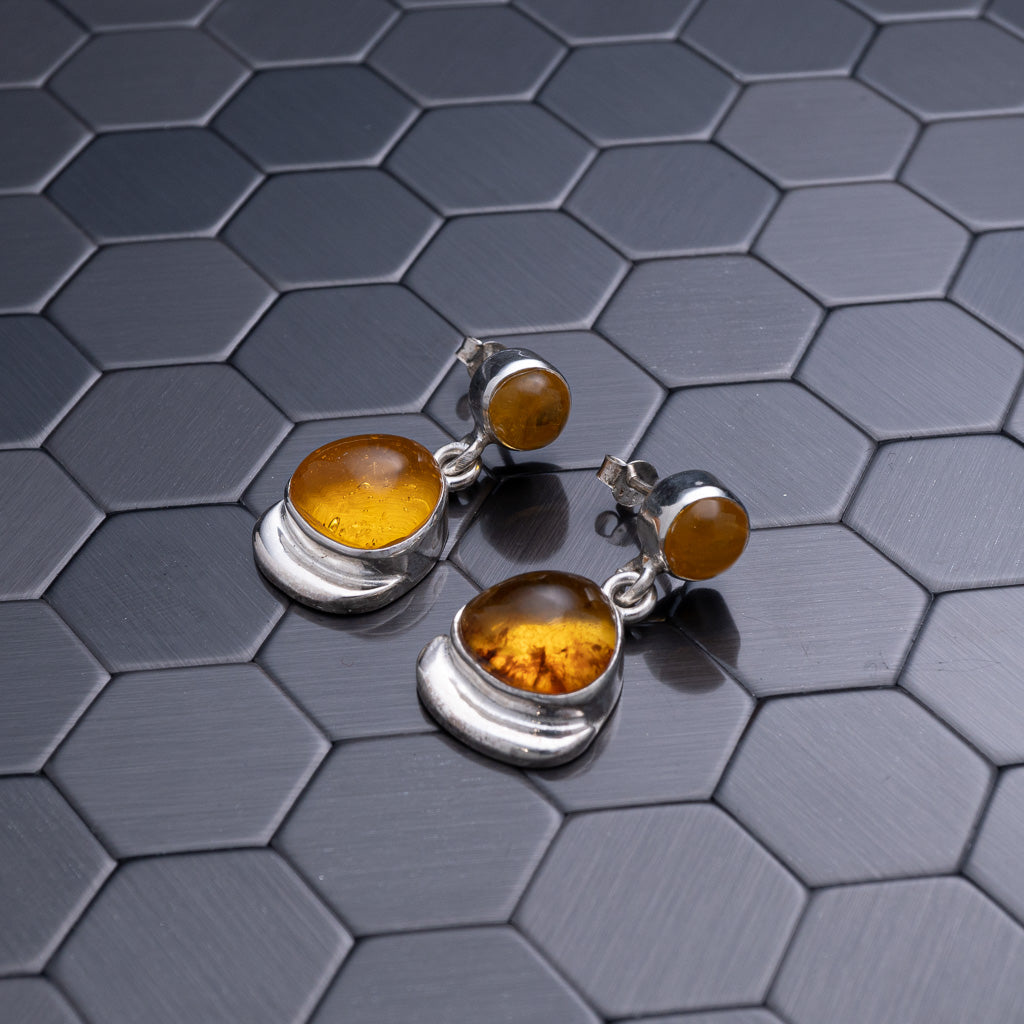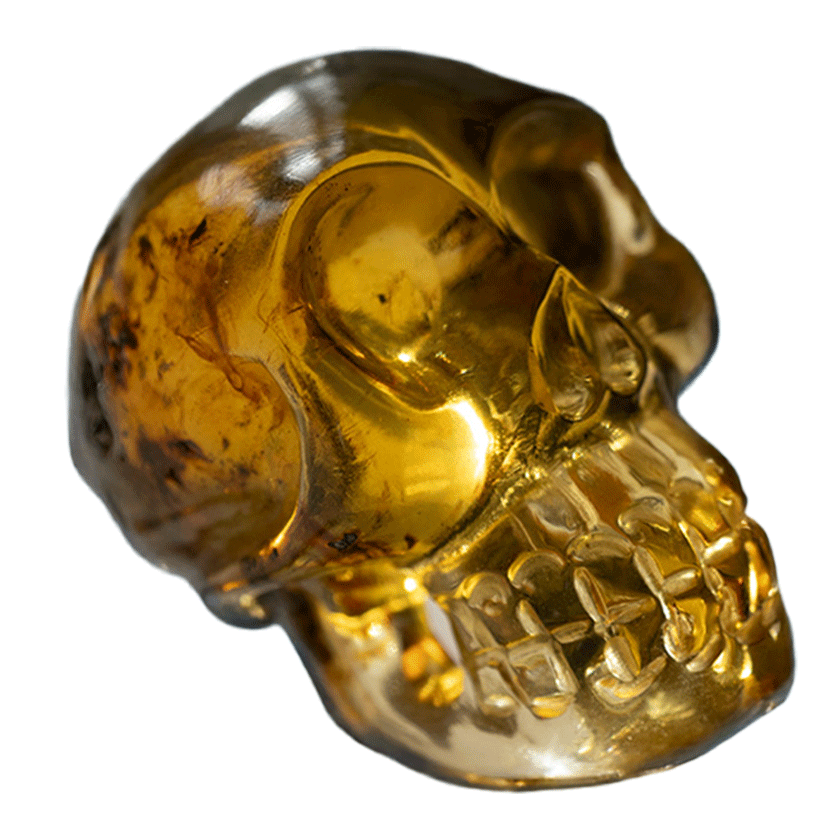


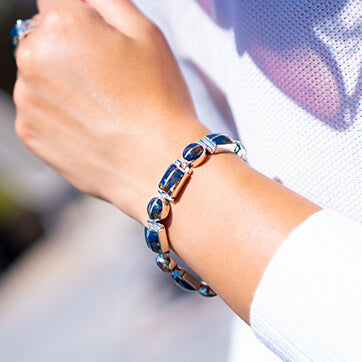
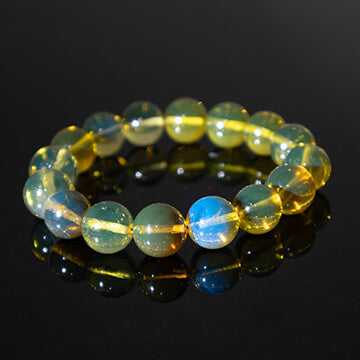
Handcrafted in DR.

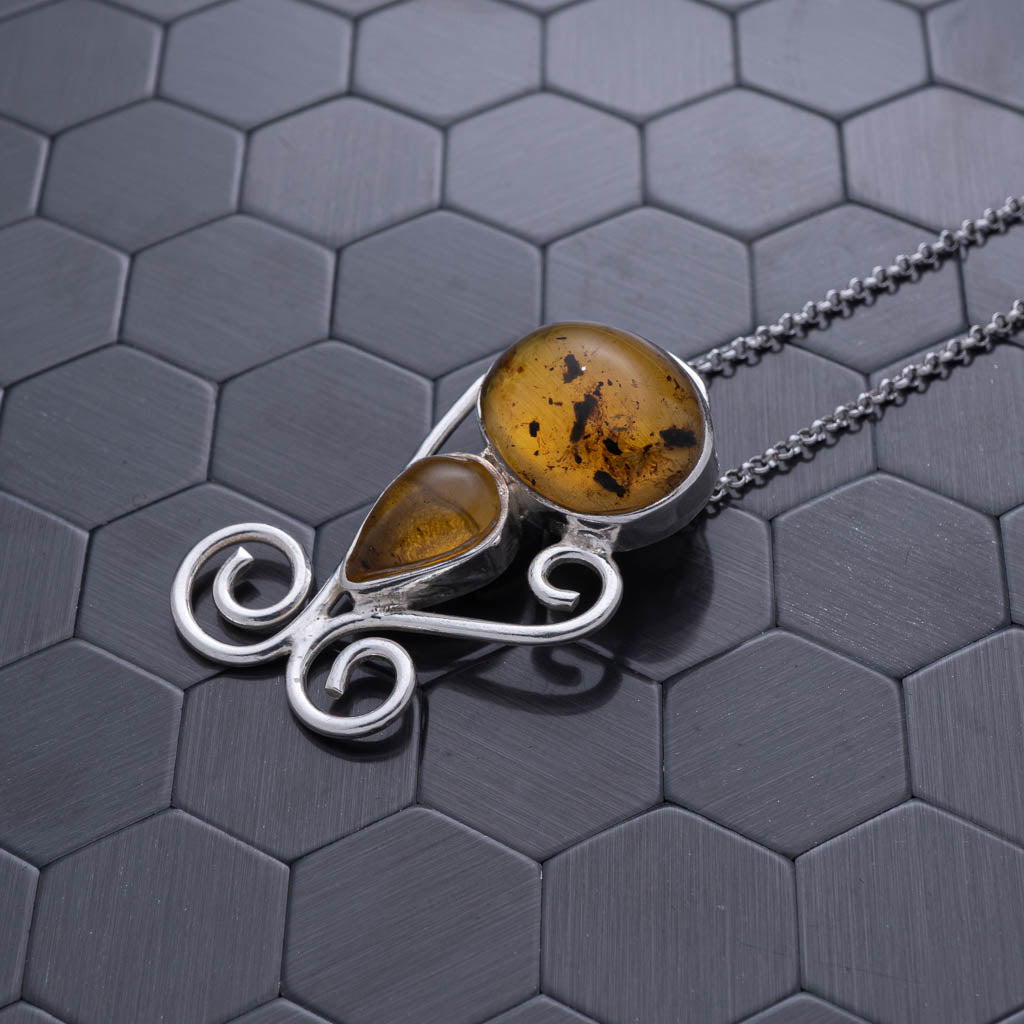
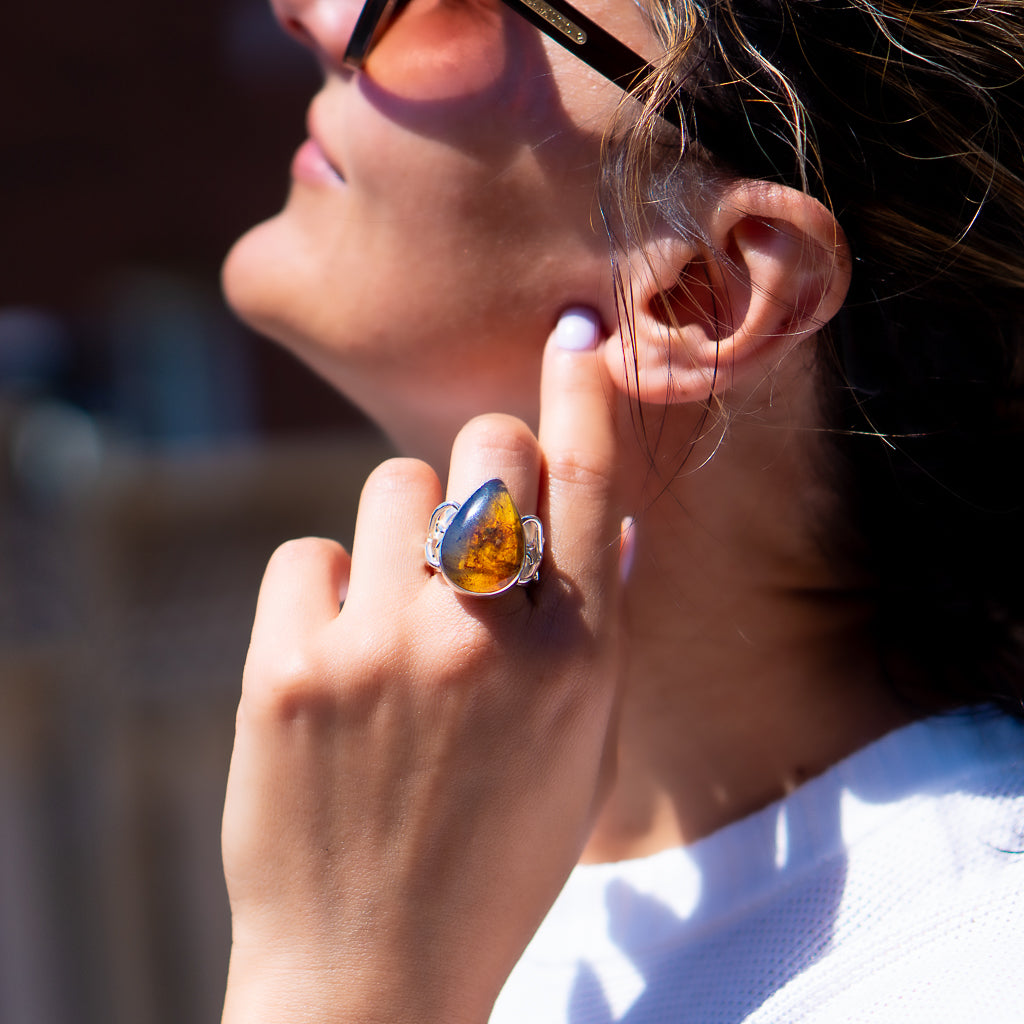
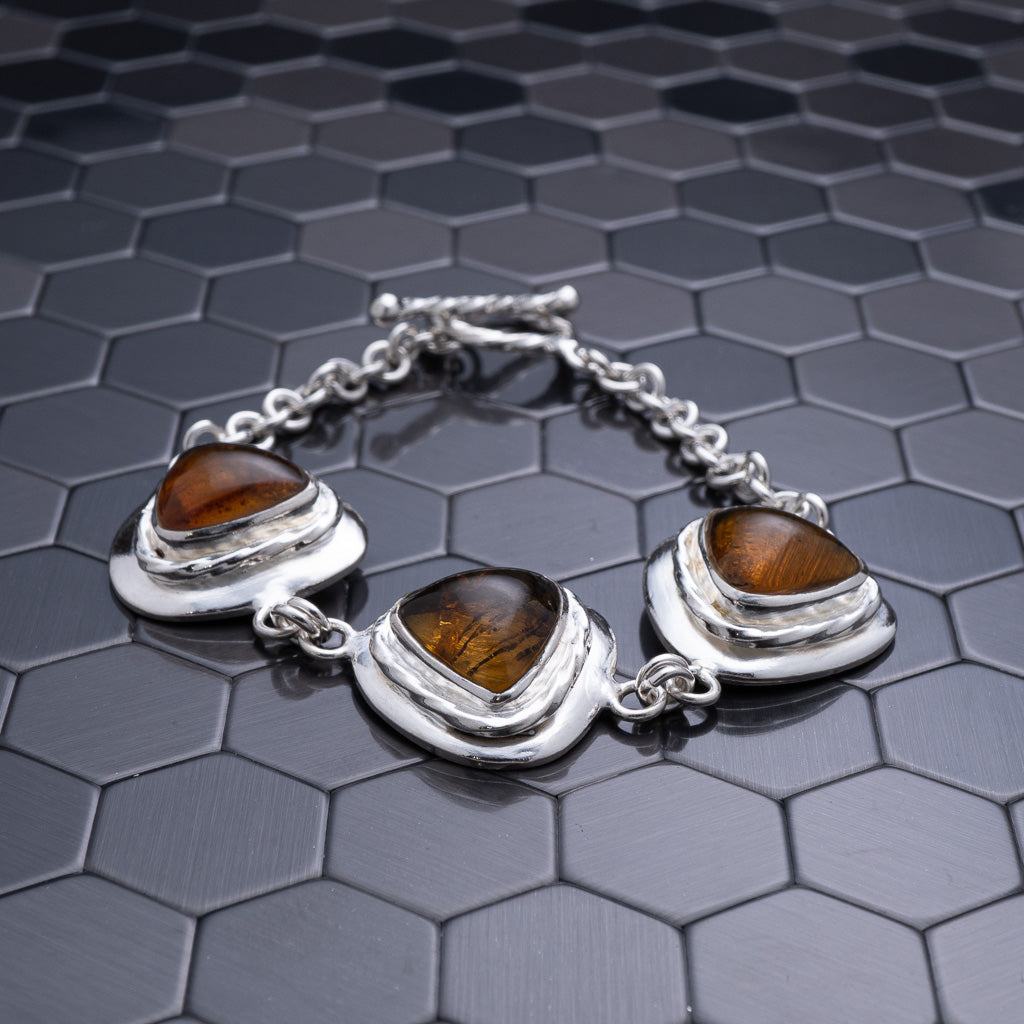
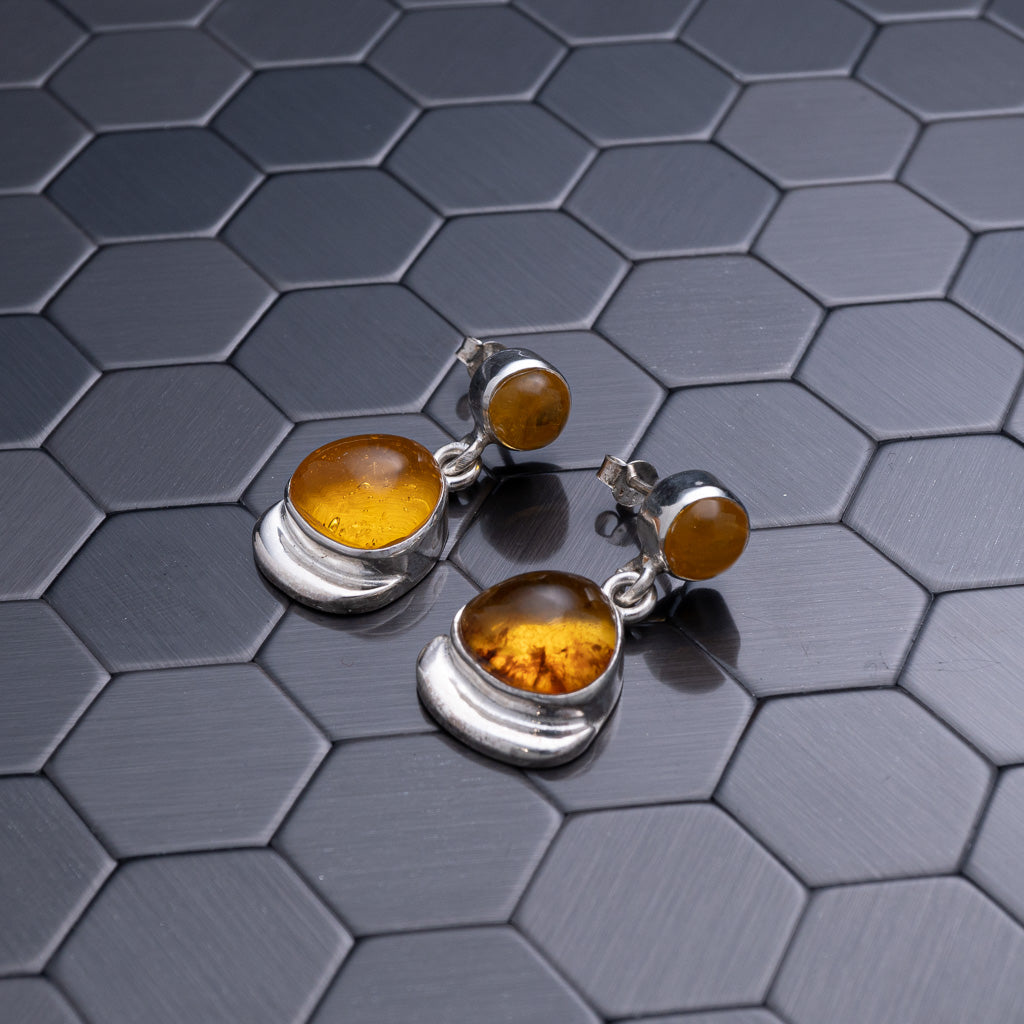


100% Handcrafted in DR.

The world of gemstones offers an extraordinary palette of colors, but few capture the imagination quite like green and blue gemstones. These cool-toned treasures evoke images of pristine oceans, lush forests, and Caribbean waters. From the deep verdant hues of emeralds to the sky-blue brilliance of aquamarines, these gems have adorned royalty, inspired legends, and captivated collectors for millennia. Understanding the diversity within green and blue gemstones opens up a realm of possibilities for jewelry enthusiasts, designers, and collectors seeking stones that embody tranquility, sophistication, and natural beauty. Each gemstone carries its own unique characteristics, geological story, and visual appeal that makes it distinct within this color family.
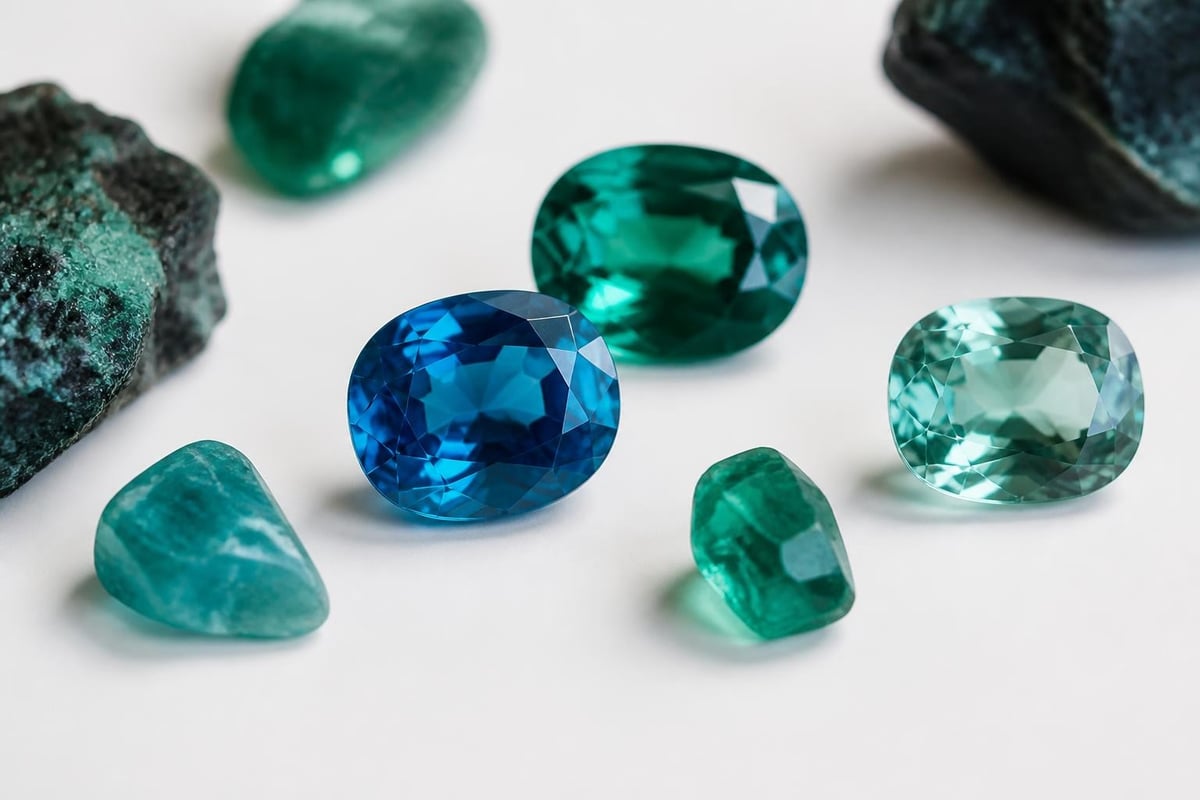
The stunning colors in green and blue gemstones result from specific chemical compositions and crystal structures. Trace elements play a crucial role in determining a gemstone's final appearance. Chromium and vanadium typically produce green coloration, while copper, iron, and titanium create blue hues. The way light interacts with these elements within the crystal lattice determines the exact shade and intensity.
Different geological processes contribute to the formation of these captivating colors. The presence of copper in minerals like turquoise and larimar creates distinctive blue shades that range from pale sky blue to deep ocean tones. Iron can produce both green and blue colors depending on its oxidation state and the host mineral's composition.
Key color-producing elements include:
The geological environments where these stones form also influence their appearance. Understanding blue gemstones requires examining the specific pressure, temperature, and chemical conditions present during crystallization. Hydrothermal processes, volcanic activity, and metamorphic transformations all contribute to creating these magnificent specimens.
Blue gemstones command attention in fine jewelry and collections worldwide. The market offers numerous varieties, each with distinctive properties and appeal. Sapphires rank among the most coveted, with colors ranging from pale cornflower to deep royal blue. Their exceptional hardness (9 on the Mohs scale) makes them ideal for everyday wear in rings and other jewelry pieces.
| Gemstone | Hardness | Color Range | Primary Sources |
|---|---|---|---|
| Blue Sapphire | 9.0 | Pale to deep blue | Sri Lanka, Myanmar, Madagascar |
| Aquamarine | 7.5-8.0 | Light to medium blue | Brazil, Pakistan, Nigeria |
| Blue Topaz | 8.0 | Sky to London blue | Brazil, Sri Lanka, Nigeria |
| Larimar | 4.5-5.0 | Pale to deep Caribbean blue | Dominican Republic (exclusive) |
| Tanzanite | 6.5-7.0 | Violet-blue | Tanzania (exclusive) |
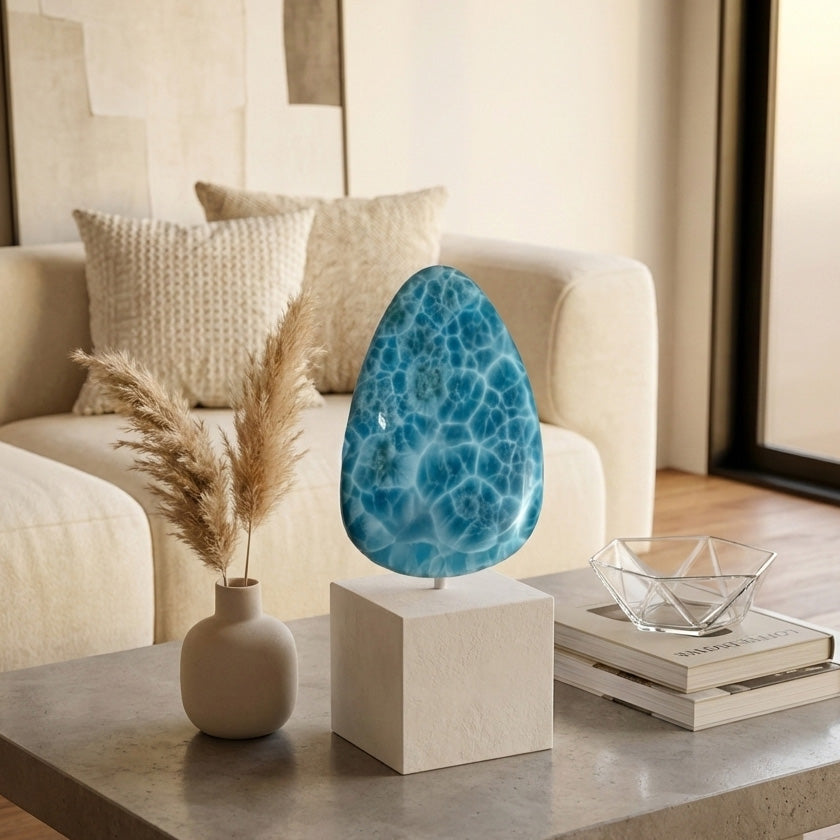
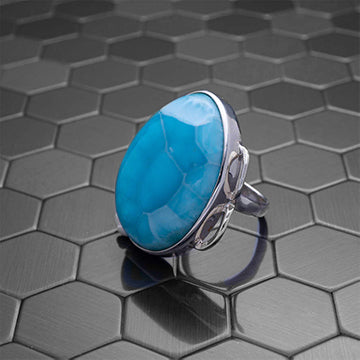
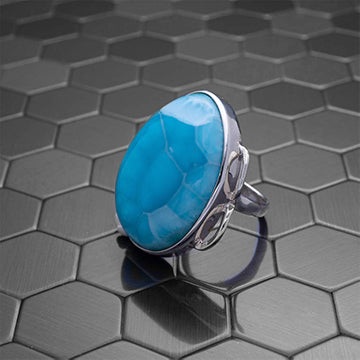
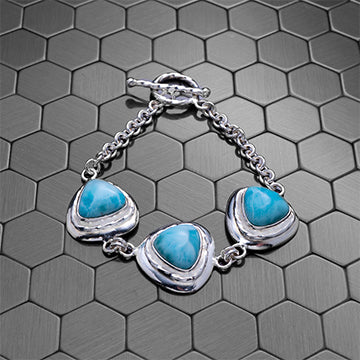
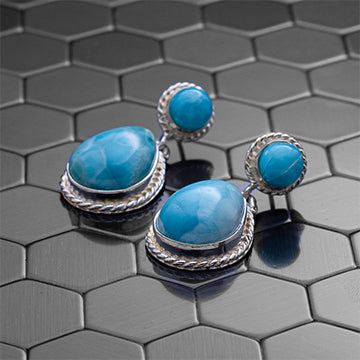
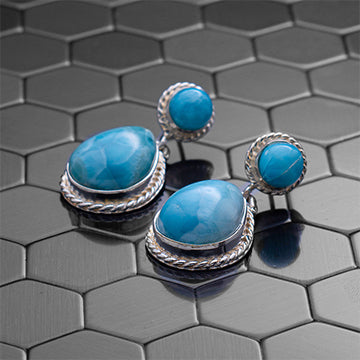
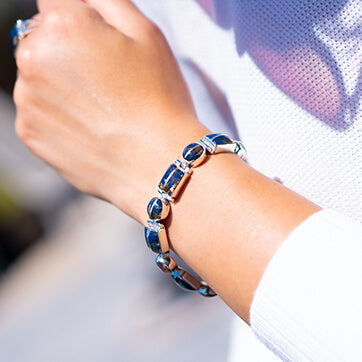
Larimar deserves special recognition as one of the rarest blue gemstones available. Found exclusively in the Dominican Republic, this volcanic stone displays mesmerizing patterns of blue and white that resemble sunlight dancing on Caribbean waters. The unique geological conditions required for larimar formation make it among the most sought-after blue gemstones for collectors.
Blue aventurine offers a more accessible option with its sparkling appearance caused by microscopic mineral inclusions. This stone appeals to those seeking affordable yet distinctive blue gemstones for casual jewelry or decorative items.
Turquoise holds cultural and historical significance spanning thousands of years. As one of the oldest known gemstones ever discovered, it has adorned civilizations from ancient Egypt to Native American tribes. Its porous nature requires careful handling and protection from chemicals and excessive moisture.
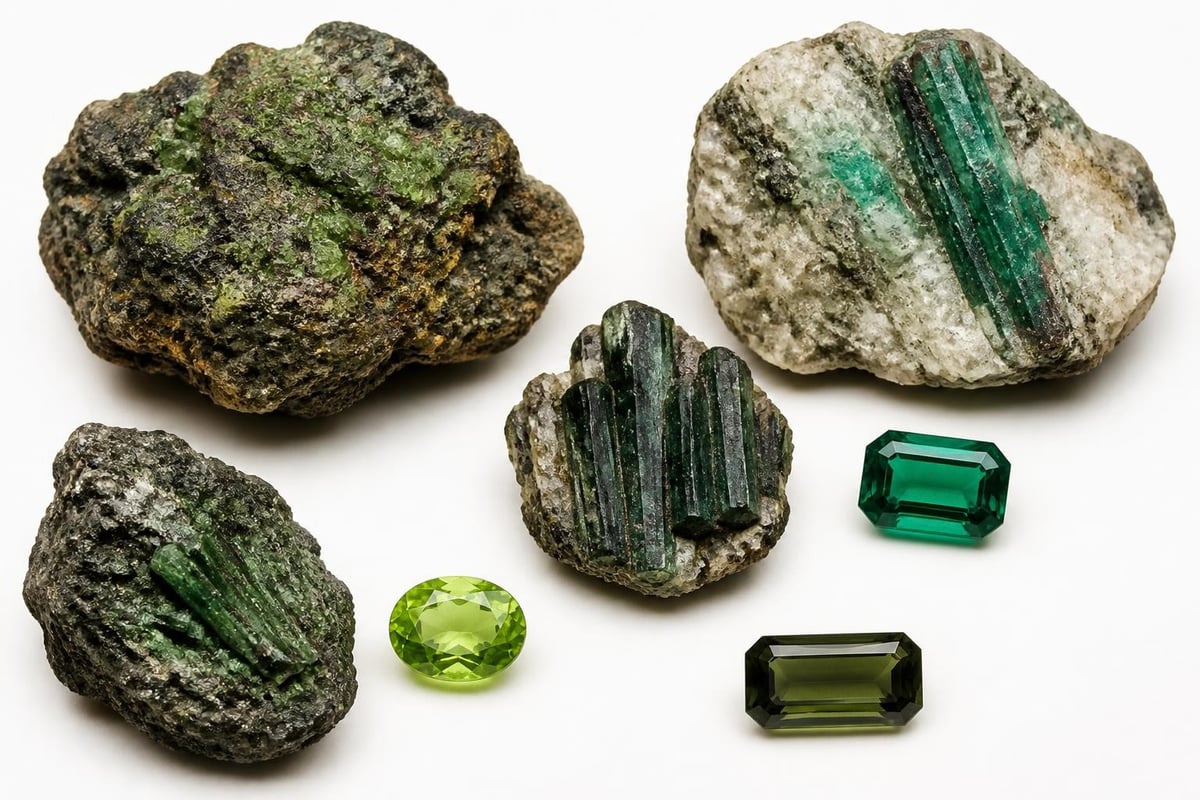
Green gemstones encompass an impressive range from subtle mint tones to deep forest hues. Emeralds reign supreme in this category, prized for their vivid green color created by chromium and sometimes vanadium. Colombian emeralds particularly command premium prices due to their exceptional color saturation and clarity.
The diversity within green gemstones provides options for every preference and budget. Peridot offers bright, lime-green brilliance formed in volcanic environments. Unlike many gemstones that derive color from trace elements, peridot's green comes from its basic chemical composition of iron-rich olivine.
Jade encompasses two distinct minerals: jadeite and nephrite. Jadeite produces the most valuable imperial jade with its intense emerald-green color. This gemstone holds profound cultural significance in Asian traditions, symbolizing purity, protection, and good fortune.
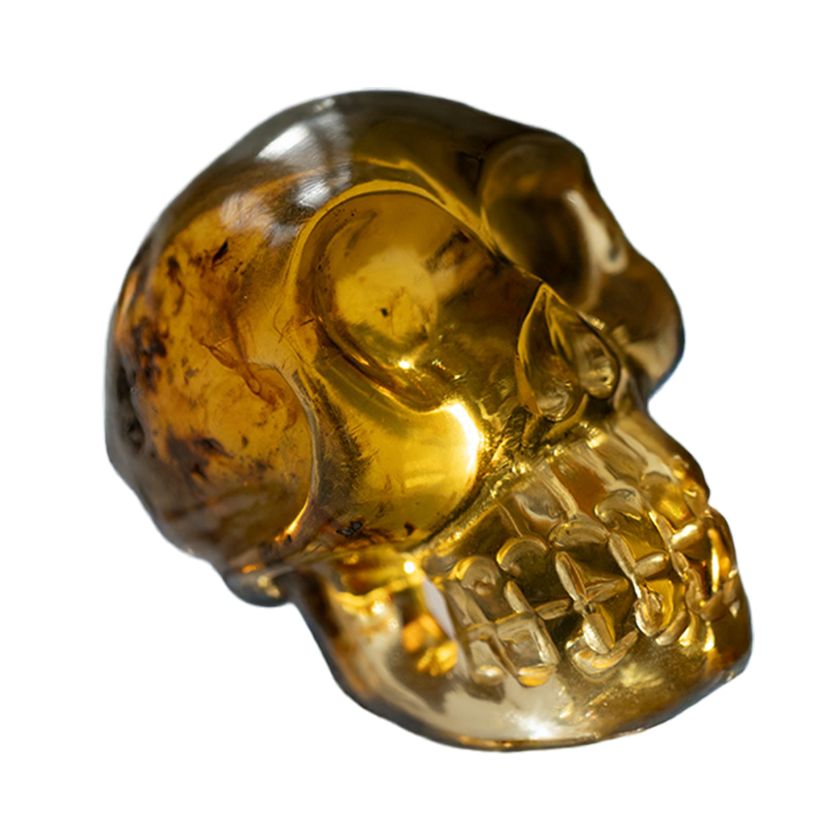
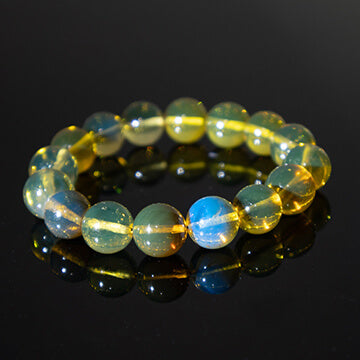
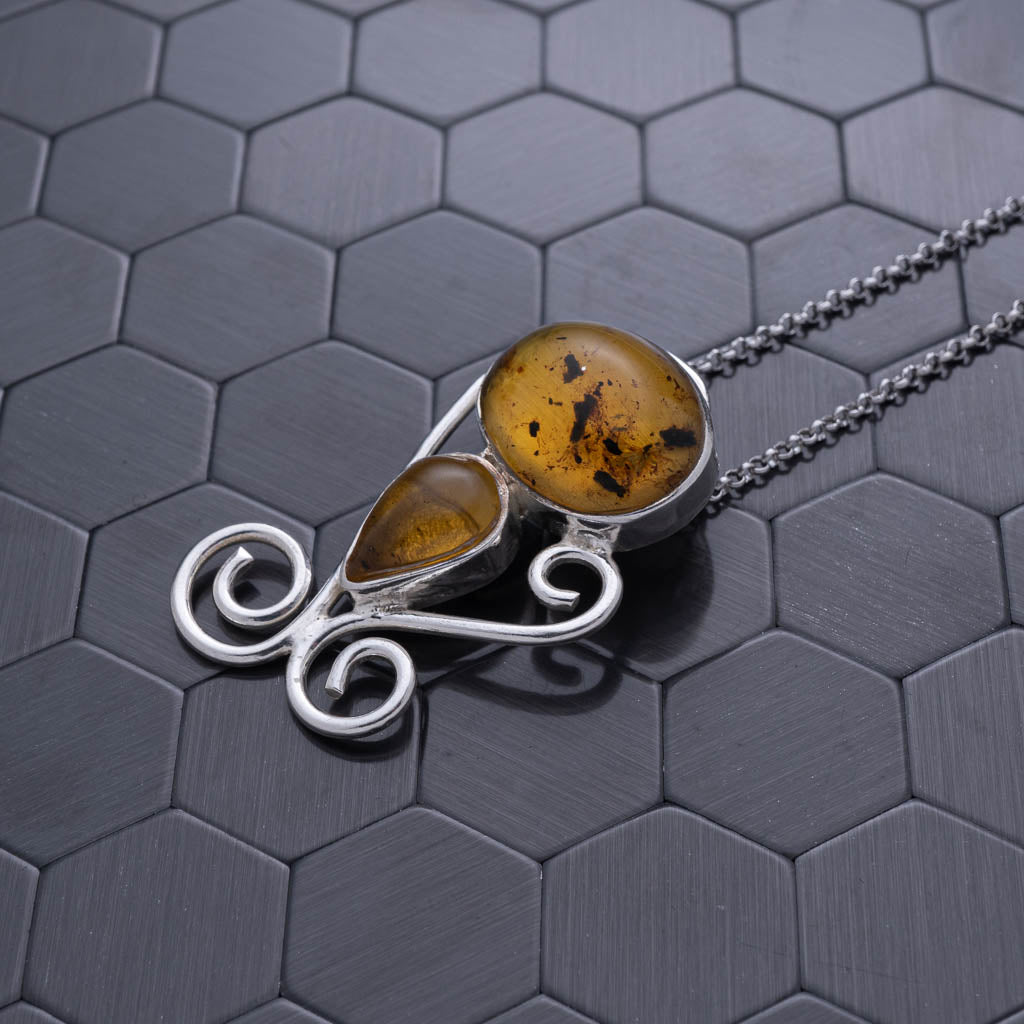
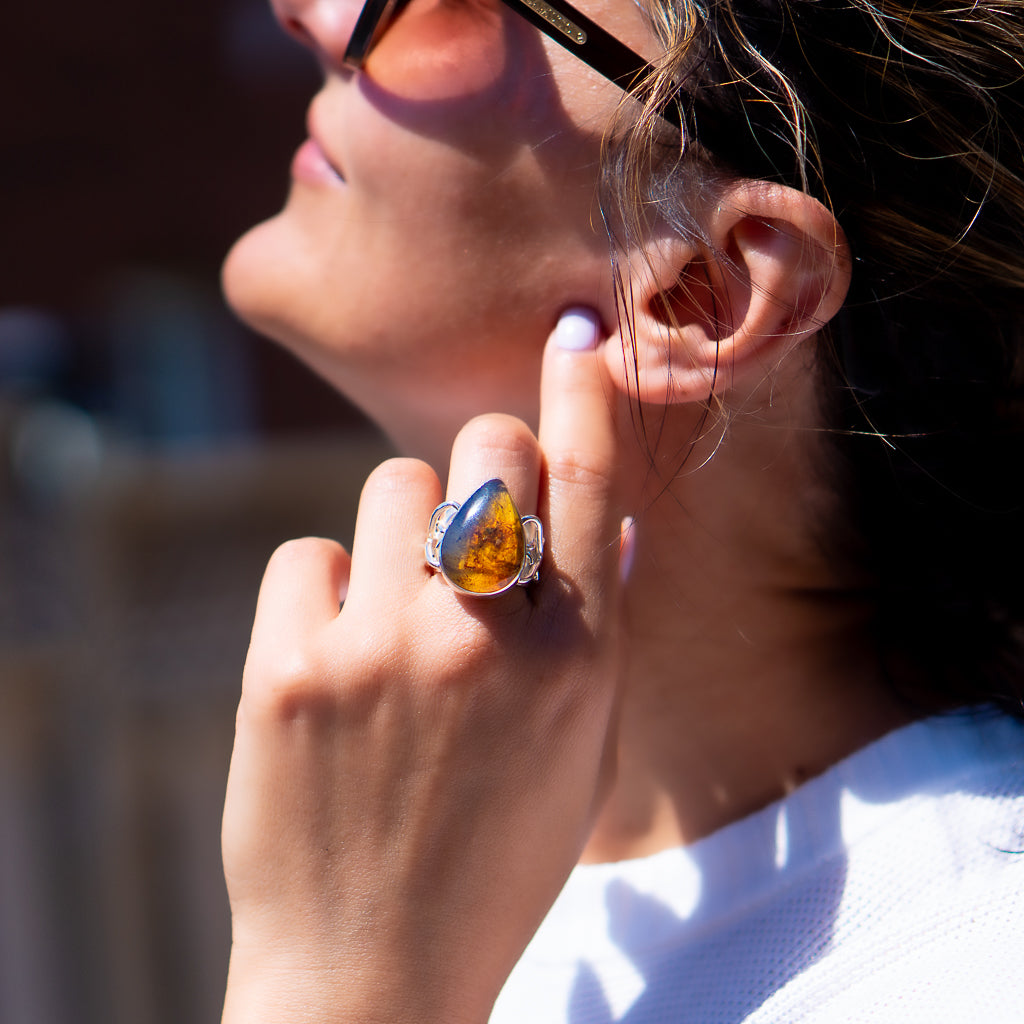
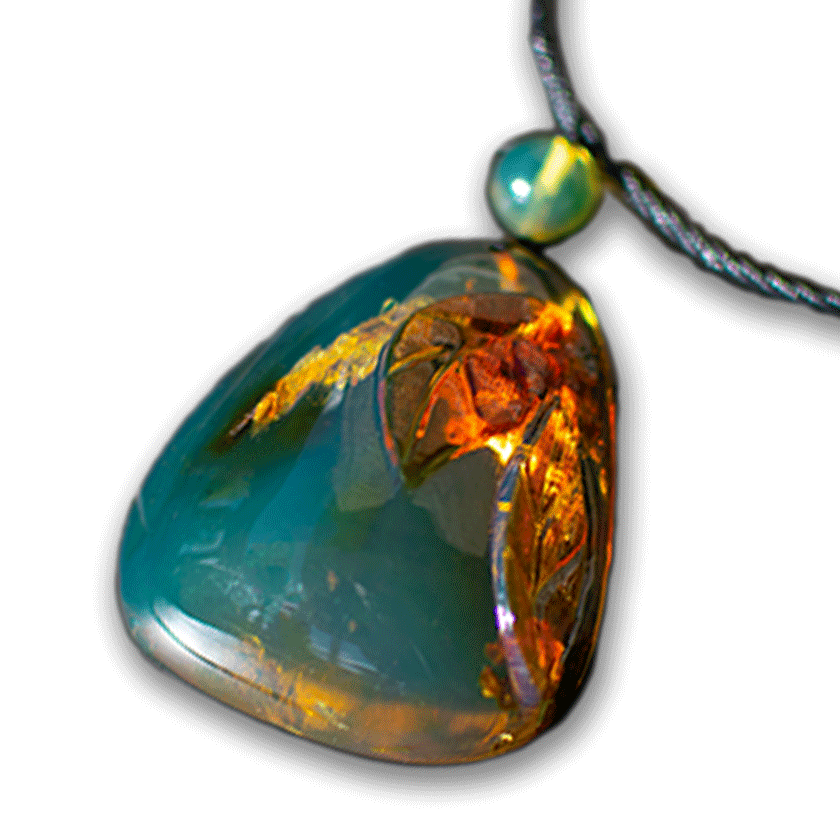
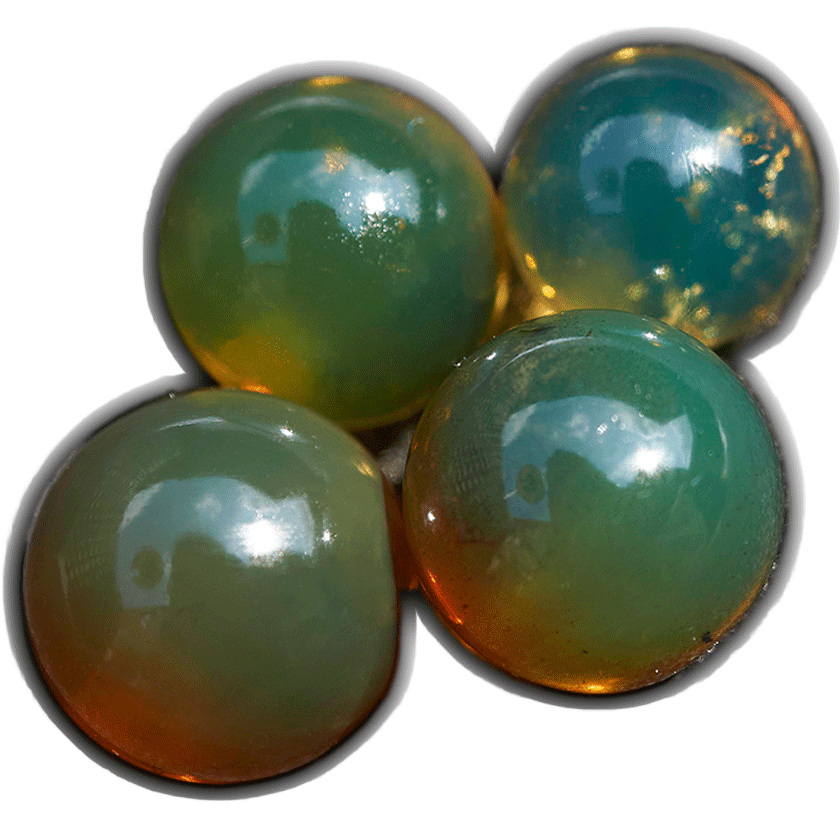
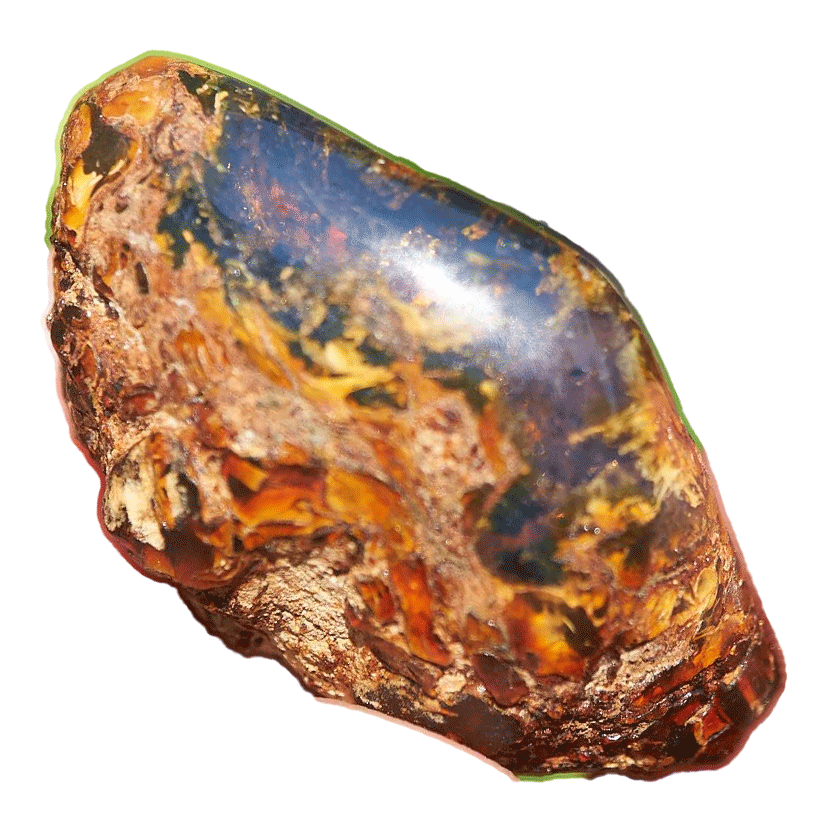
Dominican green amber represents an extraordinary green gemstone variety. When exposed to ultraviolet light, this fossilized resin exhibits a stunning fluorescent green glow. The Dominican green amber collection showcases this rare phenomenon in expertly crafted jewelry pieces.
Green labradorite demonstrates how a typically gray stone can display spectacular green flashes through labradorescence. This optical phenomenon occurs when light reflects from internal structures, creating shifting color displays that make each stone unique.
Some gemstones naturally bridge the gap between blue and green, creating captivating teal and aqua hues. These stones offer versatility for jewelry design and appeal to those who appreciate both color families. Aquamarine often displays blue-green tones, particularly in larger specimens where color saturation increases.
Paraíba tourmaline stands out as one of the most electric blue-green gemstones available. Discovered in Brazil in the 1980s, this copper-bearing tourmaline exhibits neon-like luminosity that seems to glow from within. Similar material later found in Mozambique and Nigeria expanded availability but didn't diminish the extraordinary appeal of these stones.
Azurmalachite combines blue azurite with green malachite in a single stone, creating natural patterns that showcase both colors simultaneously. This copper carbonate mineral forms in oxidation zones of copper ore deposits, producing distinctive blue and green banding.
Fluorite frequently displays blue-green combinations with exceptional transparency and vibrancy. While too soft for most jewelry applications (hardness 4), it makes stunning collector specimens and decorative objects. The color zoning in fluorite crystals often creates geometric patterns that highlight the stone's cubic crystal structure.
Evaluating quality requires understanding the specific characteristics valued in each gemstone type. Unlike diamonds, which follow standardized grading criteria, colored gemstones demand individual assessment based on their particular properties. Color remains the primary value factor for most green and blue gemstones, typically accounting for fifty to seventy percent of the overall worth.
| Factor | Green Stones | Blue Stones |
|---|---|---|
| Optimal color | Vivid, pure green without brown | Rich blue without gray or green |
| Clarity expectations | Minor inclusions acceptable in emeralds | High clarity preferred in aquamarines |
| Cut importance | Maximize color display | Enhance brilliance and minimize extinction |
| Treatment acceptance | Oil filling common in emeralds | Heat treatment standard for sapphires |
The cultural and scientific significance of green stones throughout history demonstrates how value perceptions evolved across different societies. Ancient Egyptians treasured emeralds, while Chinese civilization elevated jade above all other gems.
Clarity considerations vary significantly between gemstone types. Emeralds almost always contain visible inclusions called "jardin" (French for garden), and collectors accept these as authenticity markers. Conversely, aquamarines and blue topaz typically achieve high clarity levels, making eye-visible inclusions less acceptable.
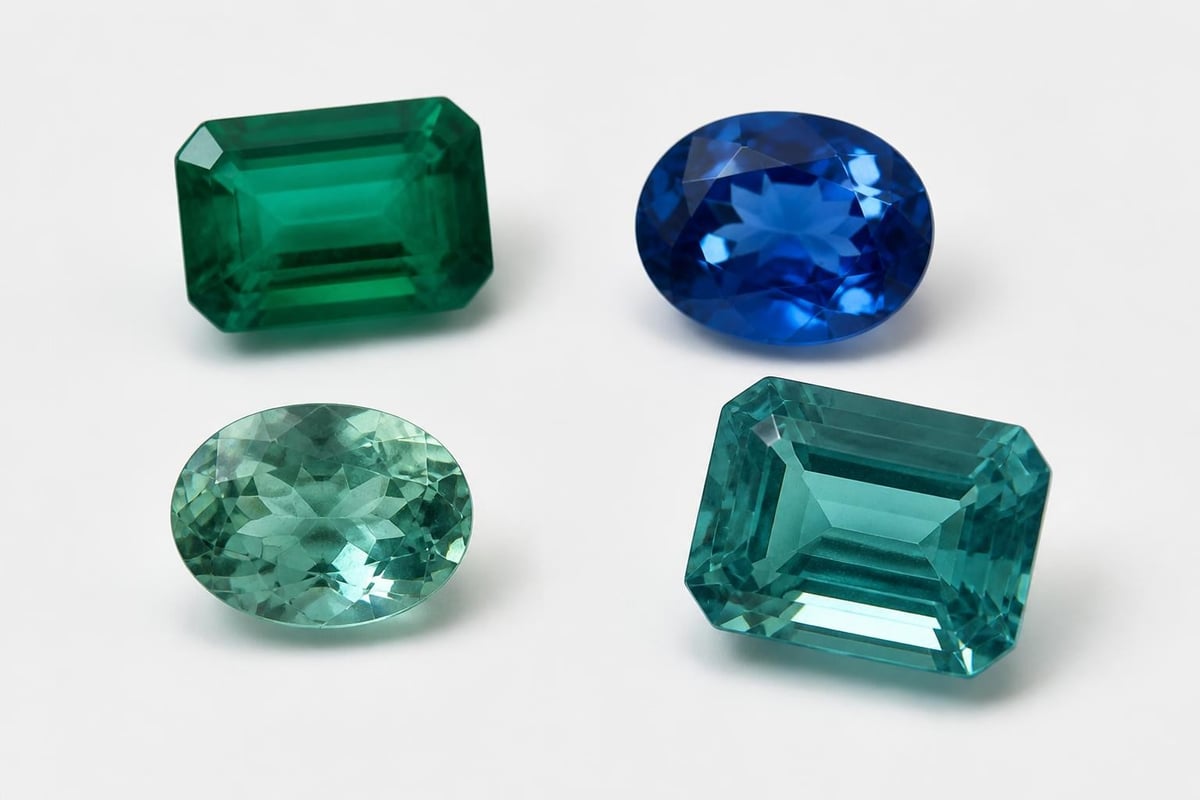
Cut quality dramatically impacts how green and blue gemstones display their color. Skilled lapidaries orient rough material to maximize color saturation and minimize color zoning. For pleochroic stones like tanzanite and iolite, cutting orientation determines which color appears face-up in the finished gem.
Proper care ensures green and blue gemstones maintain their beauty across generations. Different stones require varying levels of protection based on their hardness, porosity, and sensitivity to chemicals or light. Understanding these requirements prevents damage and preserves value.
Stones above 7 on the Mohs scale generally withstand daily wear well. Sapphires, aquamarines, and most tourmalines fall into this category. They resist scratching from common materials but still benefit from protective settings in frequently worn pieces.
Softer stones require special considerations:
Emeralds need particularly gentle treatment despite their reasonable hardness (7.5-8). Their characteristic inclusions create internal stress points that make them vulnerable to thermal shock and sudden impacts. Traditional oil treatments used to minimize the appearance of inclusions require periodic renewal.
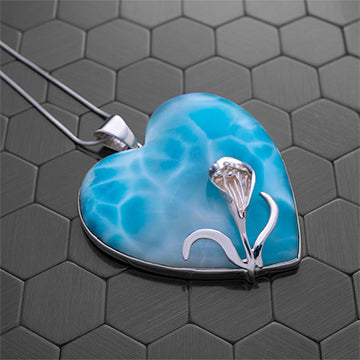
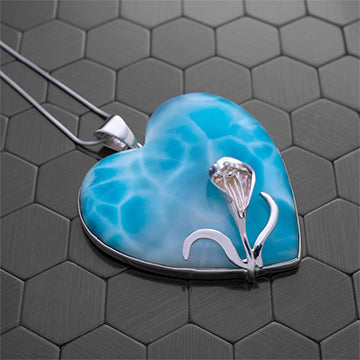
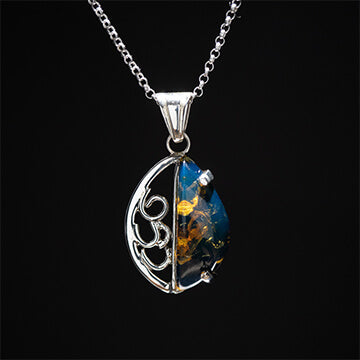
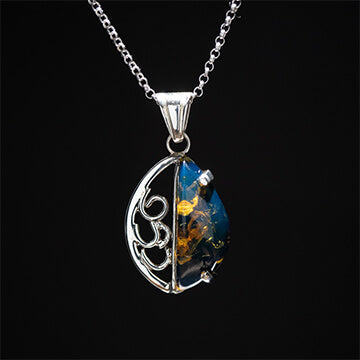
Larimar's moderate hardness (4.5-5) demands protective settings and careful handling. The stone's rarity and beauty make proper care essential for preservation. Larimar pendants often feature bezel or protective prong settings that shield the stone while showcasing its distinctive patterns and coloration.
Turquoise presents unique maintenance challenges due to its porous structure. It readily absorbs oils, perfumes, and cleaning products that can permanently alter its color. Many turquoise pieces receive stabilization treatments during processing to improve durability and resistance to discoloration.
These cool-toned gems offer exceptional versatility in jewelry design. Their calming colors complement both precious metals and work beautifully in combination with other gemstones. Designers appreciate how green and blue gemstones suit various styles from classic to contemporary.
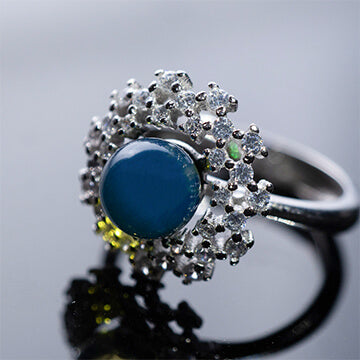
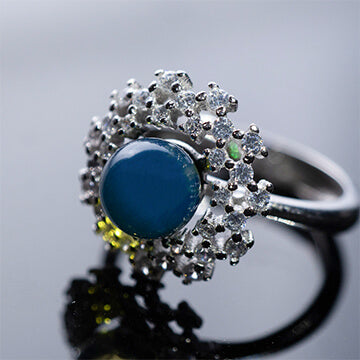
White metals like platinum, white gold, and silver enhance the cool tones of blue gemstones, creating sophisticated, monochromatic looks. The contrast between metal and stone allows the gem's color to dominate visually. Yellow gold creates warmth that balances blue tones while providing traditional elegance.
Color combination approaches include:
The historical significance and properties of emeralds as May birthstones make them popular choices for personalized jewelry. Three-stone designs often feature emeralds flanked by diamonds, creating timeless pieces suitable for engagement rings and anniversary jewelry.
Art Deco and vintage-inspired designs particularly favor green and blue gemstones. The geometric patterns and bold color contrasts characteristic of these styles showcase sapphires, aquamarines, and emeralds to stunning effect. Contemporary minimalist designs use these stones as focal points, allowing their natural beauty to speak without excessive embellishment.
The market for green and blue gemstones includes both affordable options and investment-grade specimens commanding six-figure prices. Understanding value drivers helps collectors make informed decisions. Rarity, quality, size, and provenance all influence pricing.
Kashmir sapphires represent the pinnacle of blue gemstone collecting, with premium prices reflecting their legendary "cornflower blue" color and extreme rarity. Production from the original Himalayan mines ceased over a century ago, making authenticated Kashmir sapphires among the most valuable colored gems.
Paraíba tourmalines from the original Brazilian deposits similarly command extraordinary prices due to their unique color and limited availability. The distinctive copper-induced neon blue-green sets them apart from all other tourmalines.
Investment-grade characteristics include:
Emerging markets in East Africa have introduced new sources for several green and blue gemstones. Tanzanian mining operations produce spectacular sapphires, tanzanite, and tsavorite garnets. These relatively recent discoveries offer opportunities for collectors seeking quality stones at more accessible price points than traditional sources.
The comprehensive guide to green colored gemstones helps collectors understand the breadth of options available. Education about specific varieties enables better decision-making when building collections or selecting pieces for personal enjoyment.
Modern gemology produces synthetic versions of many popular green and blue gemstones. These laboratory-created stones possess identical chemical compositions and crystal structures to their natural counterparts. Distinguishing synthetic from natural requires gemological testing in most cases, as visual identification proves unreliable for high-quality synthetics.
Treatment disclosures remain essential in the gemstone trade. Heat treatment for sapphires has become so standard that untreated stones command significant premiums. This thermal processing improves color and clarity by dissolving rutile silk inclusions and intensifying blue coloration.
| Treatment Type | Common Applications | Permanence | Market Acceptance |
|---|---|---|---|
| Heat treatment | Sapphires, aquamarines, tanzanite | Permanent | Widely accepted |
| Oiling | Emeralds | Requires maintenance | Traditional practice |
| Irradiation | Blue topaz | Permanent | Standard for blue topaz |
| Diffusion | Sapphires (surface) | Permanent but shallow | Lower value |
| Filling | Emeralds, rubies | Semi-permanent | Disclosed required |
Synthetic emeralds from manufacturers like Chatham and Gilson offer beautiful alternatives at lower prices than natural stones. These gems serve well in jewelry where investment value matters less than appearance. Some collectors appreciate synthetics for their superior clarity and color consistency compared to affordable natural emeralds.
The market for untreated gemstones continues growing as collectors seek pristine natural specimens. This trend particularly affects sapphires, where untreated stones with fine color can sell for multiples of treated equivalents. Documentation from respected gemological laboratories adds credibility and value to untreated claims.
Throughout history, green and blue gemstones have carried deep symbolic meanings across cultures. Ancient civilizations attributed protective powers and spiritual significance to these stones. Egyptian pharaohs adorned themselves with emeralds and turquoise, believing these gems connected them to divine forces and ensured safe passage to the afterlife.
Blue sapphires traditionally symbolize wisdom, loyalty, and nobility. European royalty favored these stones for coronation regalia and important state jewelry. The famous engagement ring featuring Princess Diana's blue sapphire, now worn by Catherine, Princess of Wales, continues this tradition and sparked renewed interest in colored gemstone engagement rings.
Modern symbolic associations include:
The calming psychological effects of blue and green colors translate to their gemstone counterparts. Many people select these stones specifically for their perceived ability to promote peace, reduce anxiety, and encourage clear thinking. Whether these benefits stem from genuine energetic properties or psychological associations, the emotional connection people feel toward green and blue gemstones remains powerful.
The exclusive nature of certain varieties enhances their symbolic value. Larimar's restriction to a single mountain in the Dominican Republic makes it a symbol of Caribbean culture and natural rarity. Collectors and jewelry enthusiasts prize pieces from Larimar Creations for their authentic connection to this unique source.
Green and blue gemstones offer extraordinary diversity in color, character, and value, providing options for every taste and purpose. Whether you seek investment-grade specimens, meaningful symbolic pieces, or simply beautiful jewelry, understanding these cool-toned treasures enables confident selection. Larimar Creations specializes in some of the rarest blue and green gemstones available, crafting exquisite handcrafted jewelry from Dominican larimar and amber that captures the essence of Caribbean beauty. Explore their worldwide collection to discover how these exceptional gemstones can become part of your personal story.