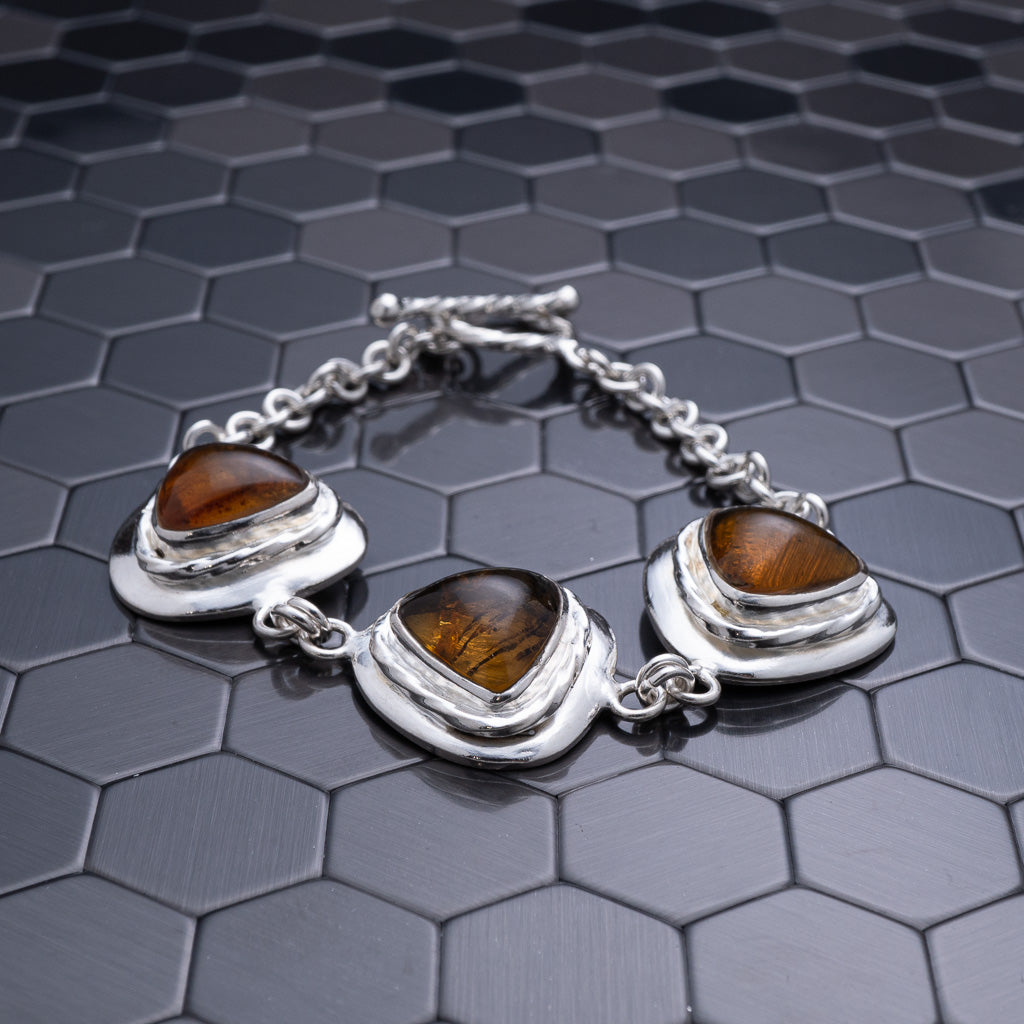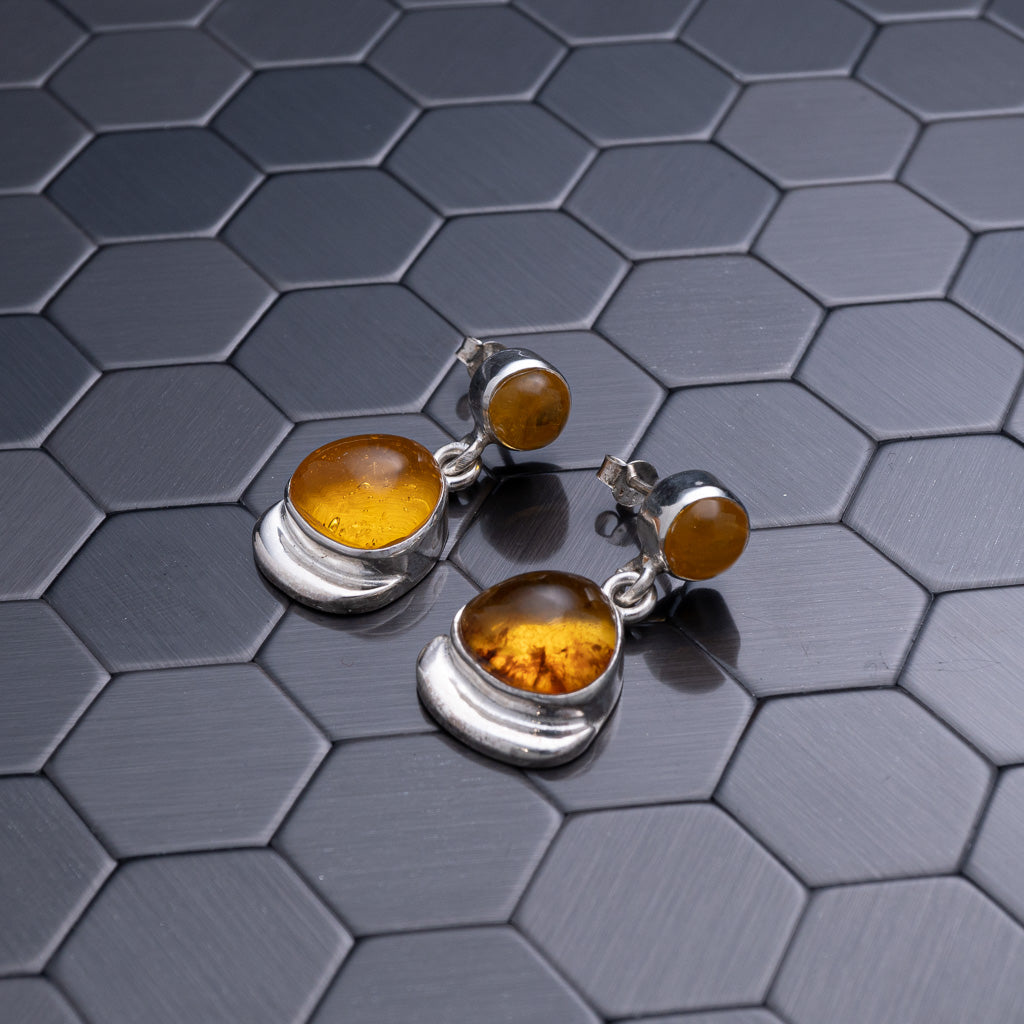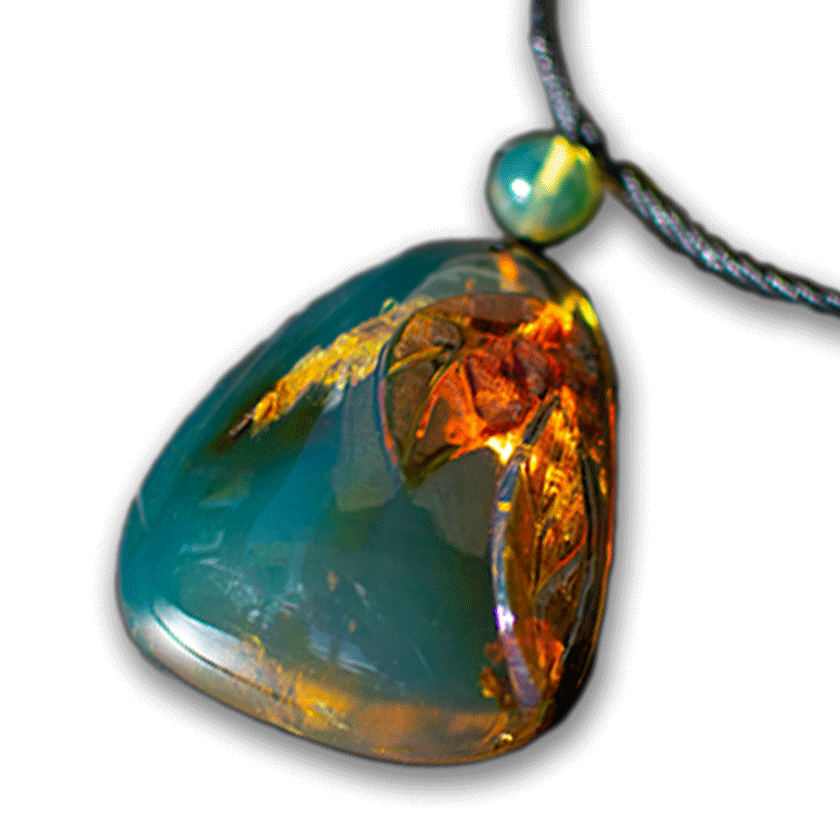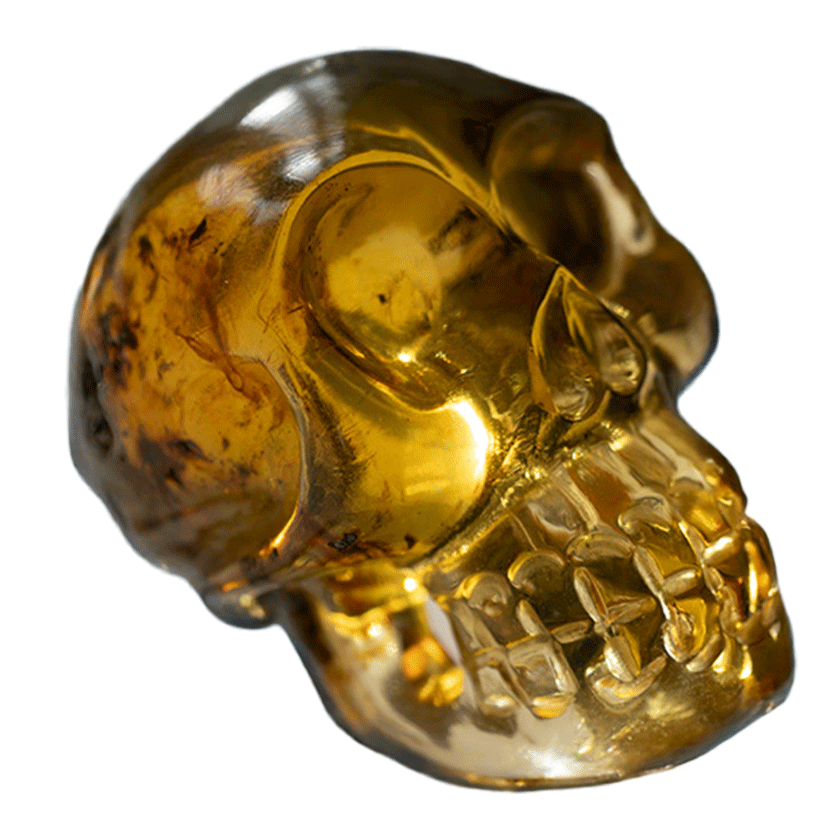

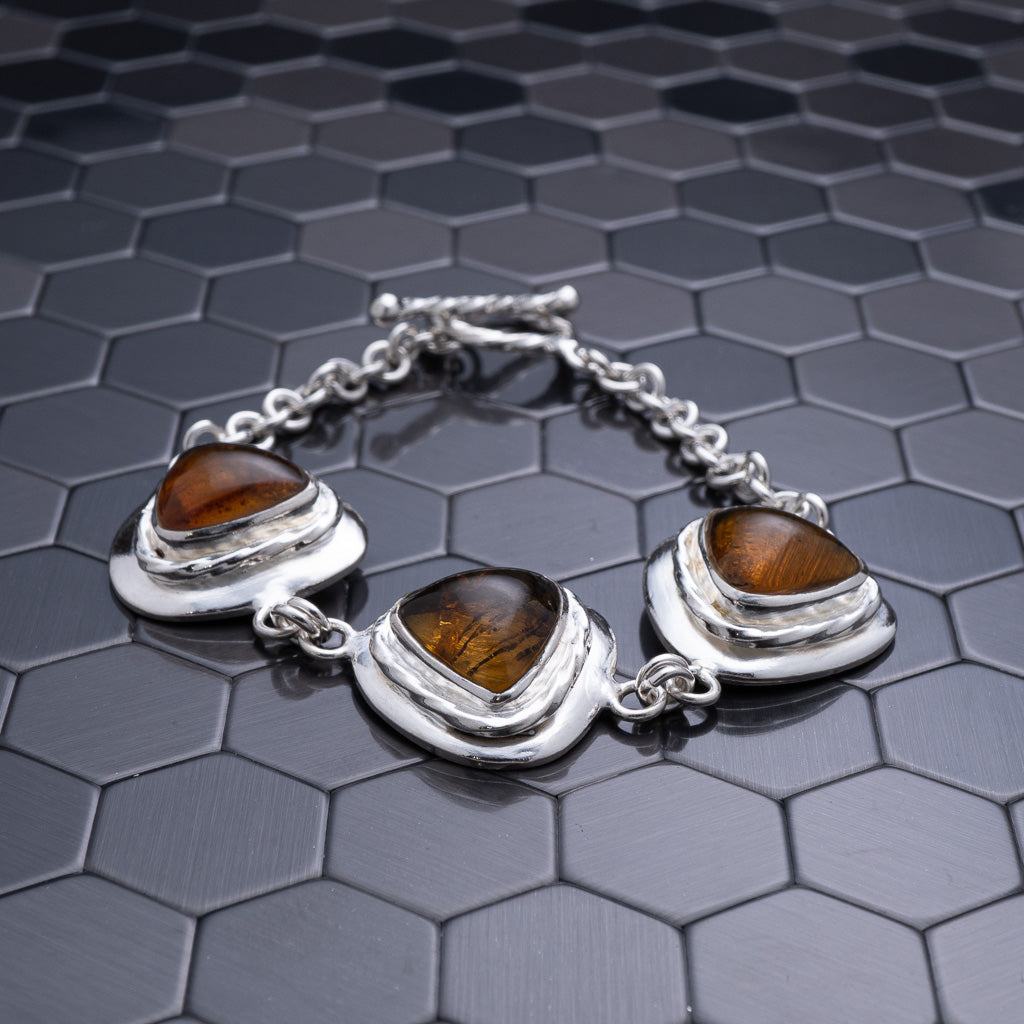
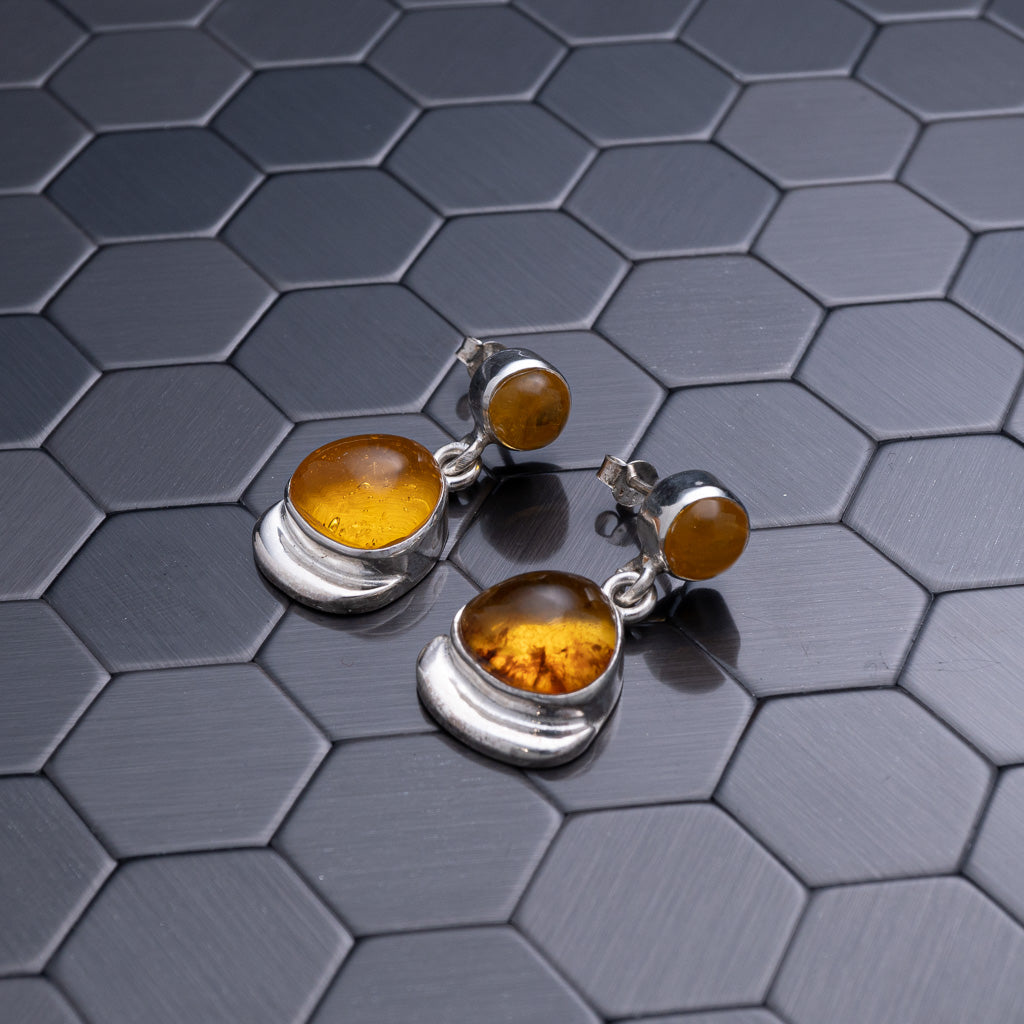
A gemstone can look extraordinary in a photo and still leave a buyer with questions the moment it arrives. Is it natural or treated? Is the origin real? Is the color as rare as claimed? With certified gemstone jewelry, those questions are addressed before the piece becomes part of your collection.
For buyers drawn to rare stones like Larimar, Dominican amber, and Dominican Blue Amber, certification is not a marketing extra. It is part of the value of the piece itself. When jewelry is built around uncommon Caribbean gemstones, authenticity is the story, and certification helps prove that story with clarity.
Certified gemstone jewelry refers to jewelry that includes gemstones evaluated and documented for authenticity, and in some cases, for characteristics such as natural formation, treatment status, and origin. The exact contents of a certificate can vary, which is why the phrase matters most when it is backed by a credible standard rather than vague sales language.
That distinction is important. A seller can describe a ring or pendant as genuine, natural, or premium, but those words do not always tell you how the stone was verified. Certification adds a layer of accountability. It gives buyers something more concrete than appearance alone, especially when shopping online.
For collectors and careful gift buyers, that extra verification changes the buying experience. Instead of relying only on trust or aesthetics, you are choosing with documentation in mind. That feels different, particularly when the stone is rare, high in visual character, or tied to a specific place of origin.
Not every gemstone purchase carries the same level of risk. Common stones sold in commercial volume are one category. Distinctive, region-specific stones are another. The rarer and more niche the material, the more valuable transparent verification becomes.
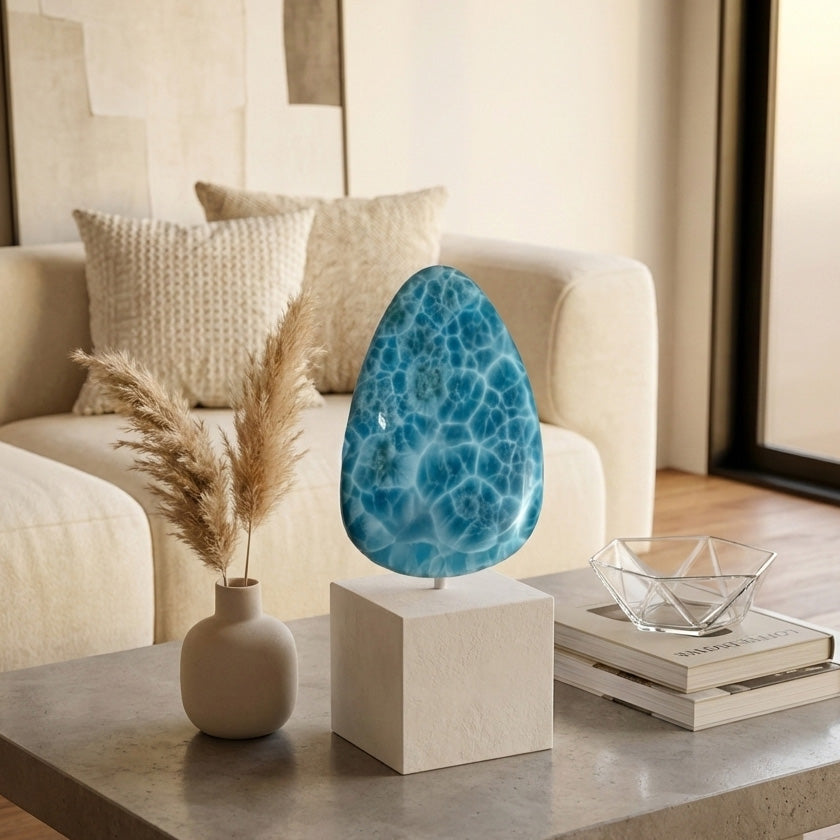
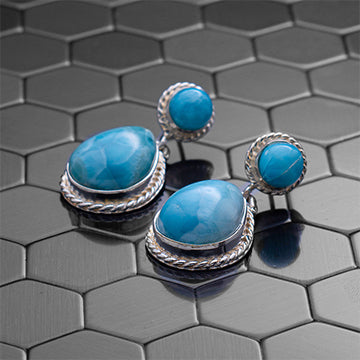
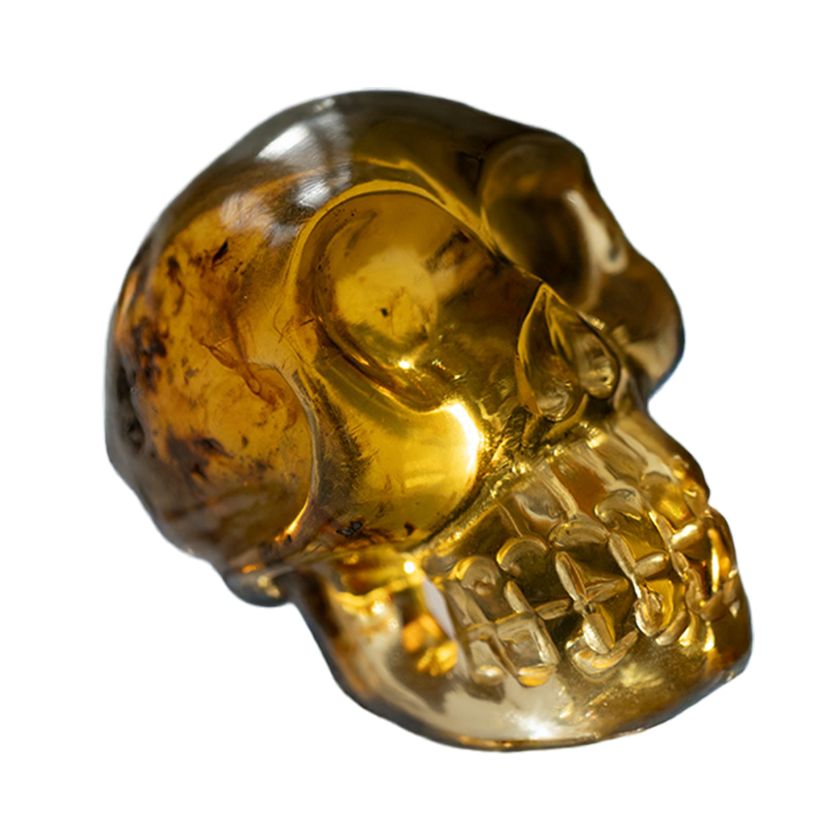
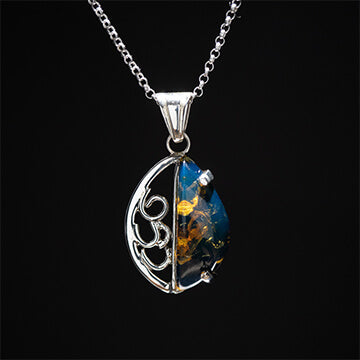
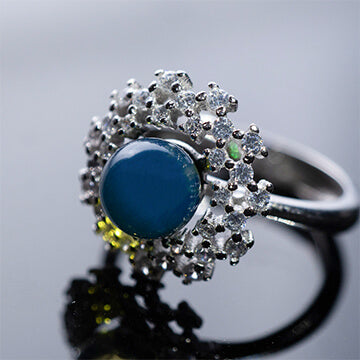
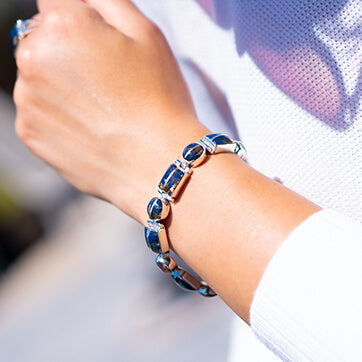
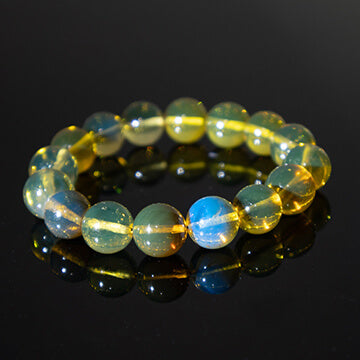
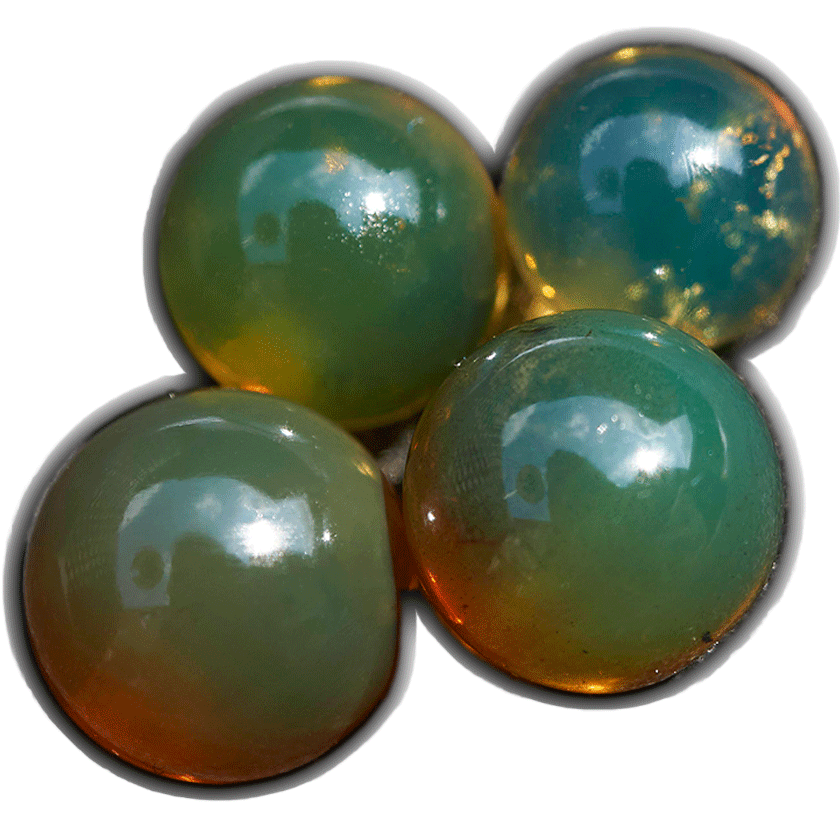
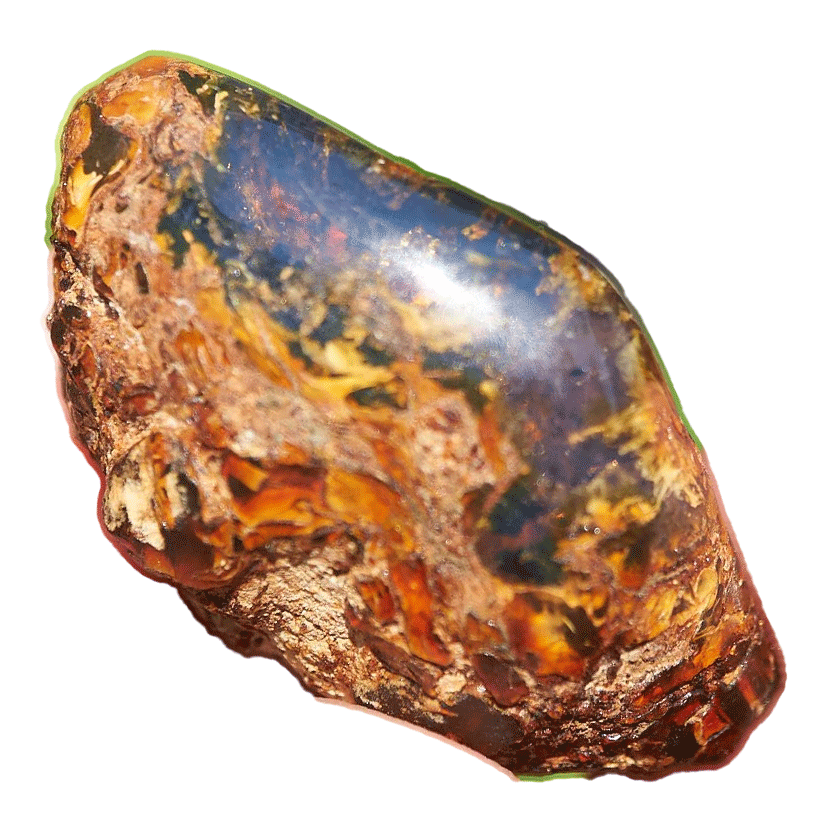
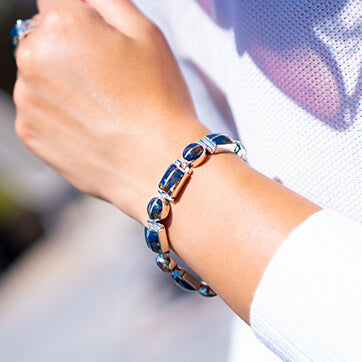
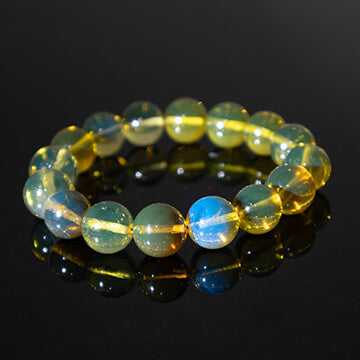
Larimar is a good example. Its appeal comes not only from its blue ocean-like color, but from its rarity and Dominican origin. The same is true for Dominican amber, especially blue amber, which holds unusual optical qualities that are difficult to compare to mainstream gemstone categories. These are stones people seek out because they are not ordinary. That also means buyers deserve a higher standard of proof.
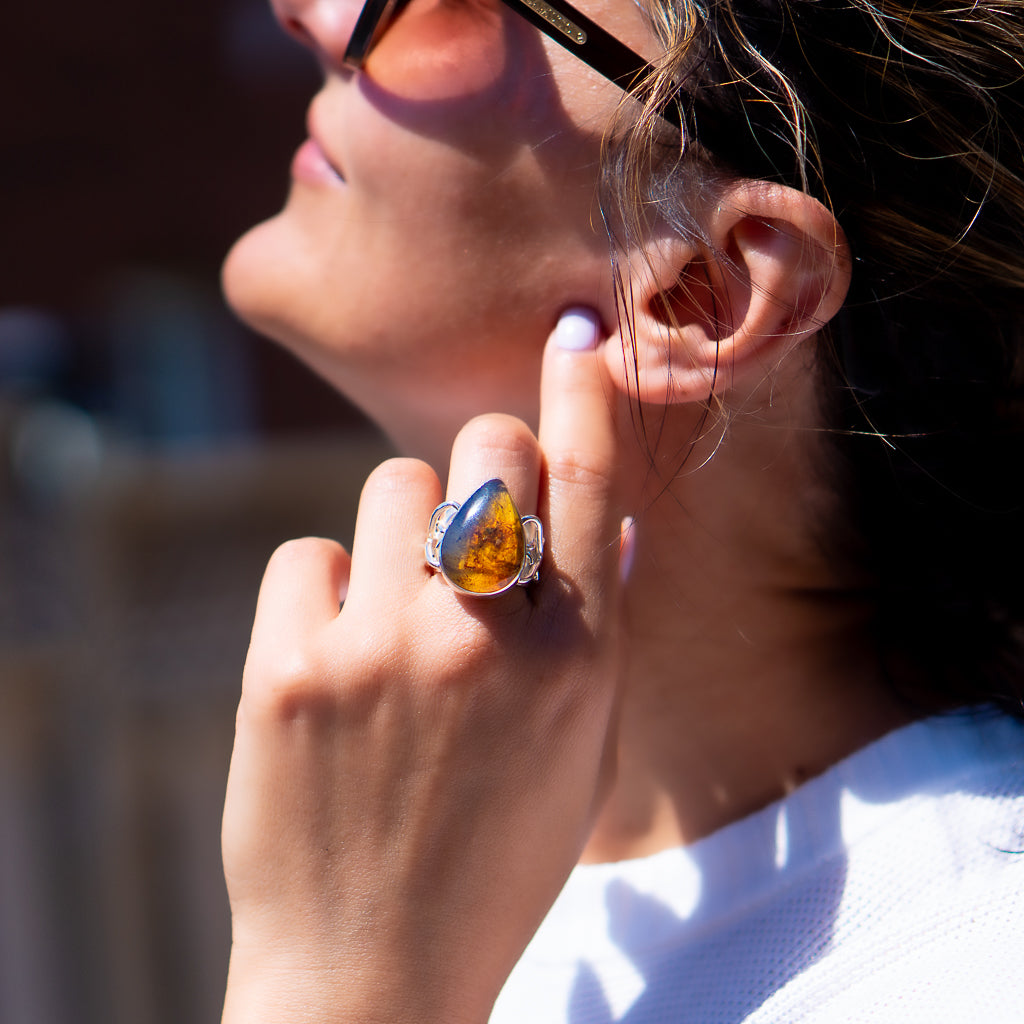
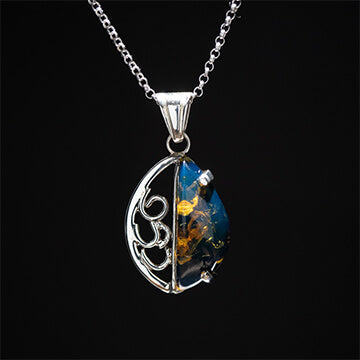
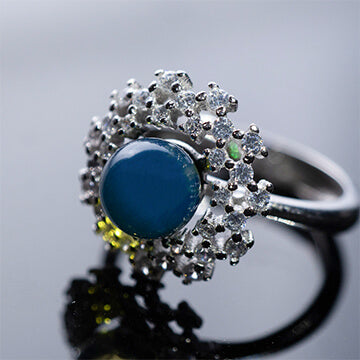
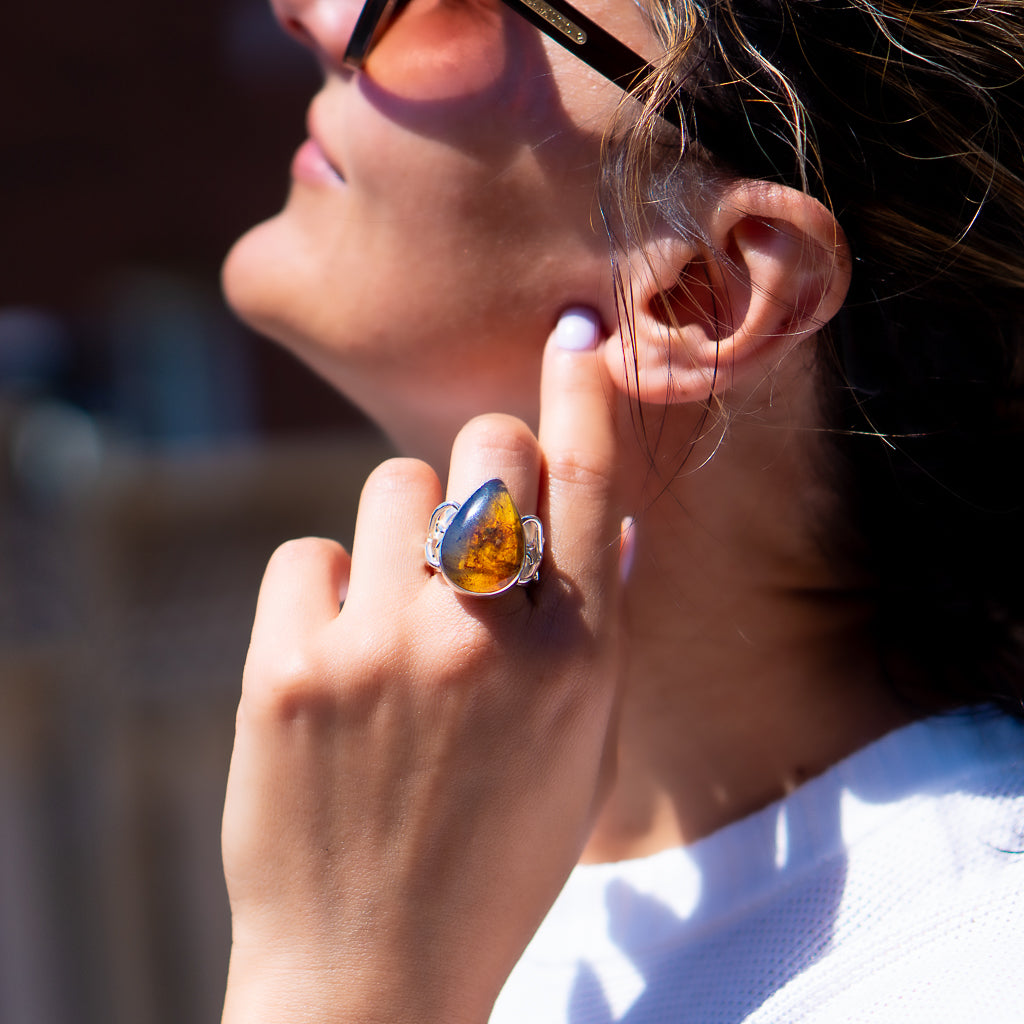
Certified gemstone jewelry helps protect what makes these stones desirable in the first place. It supports the claim that the gem is authentic, not an imitation, not misrepresented, and not just chosen for visual similarity. For a meaningful pendant, a collector cabochon, or a statement ring meant to be treasured for years, that reassurance matters.
A certificate can confirm the stone, but it does not automatically make a piece beautiful. Jewelry still has to succeed as jewelry. The cut, setting, polish, metalwork, and overall balance of the design all shape whether the finished piece feels refined or merely documented.
This is where thoughtful buyers usually look beyond the paper. A certified gemstone in a weak setting is still a weak piece. On the other hand, a handcrafted design that respects the shape and personality of the stone can turn authenticity into something wearable and lasting.
That balance is especially important with artisan jewelry. Natural stones often include color variation, internal character, and shapes that do not behave like calibrated mass-market gems. Good craftsmanship works with those qualities rather than forcing uniformity. The best pieces preserve the individuality of the gem while presenting it in a polished, elegant way.
The smartest buyers tend to slow down at the same moment others rush to checkout. They do not just ask whether a piece is certified. They ask what that certification actually tells them.
Start with the basics. Does the seller clearly state that the gemstone is authentic? Is there specific language around certification rather than broad promises? Is the origin important to the value of the stone, and if so, is that part of the documentation or product description? These details matter more for stones whose identity is strongly connected to place, such as Dominican Larimar or amber from the Caribbean.
Next, look at how the piece is presented. Reputable jewelry tends to be described with confidence and precision, not hype. You should be able to understand what the stone is, why it is special, and what kind of workmanship surrounds it. If every claim sounds dramatic but nothing sounds specific, caution is reasonable.
It also helps to think about your purpose. If you are buying a romantic gift, your priority may be emotional meaning, visual beauty, and proof of authenticity. If you are buying as a collector, you may care more about rarity, natural features, and origin details. Certified gemstone jewelry serves both audiences, but not in exactly the same way.
There is a reason uncommon gemstones make memorable gifts. They feel personal. They suggest that the buyer chose something with intention instead of reaching for the familiar. Certification strengthens that gesture because it shows care not only in style, but in substance.
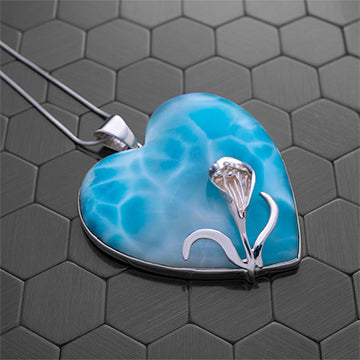
A heart pendant in Larimar, for example, carries a completely different presence when the stone is known to be authentic and responsibly represented. The gift becomes more than blue color and polished silver. It becomes a piece of the Caribbean, selected for its rarity and character.
That said, certification does not need to make the experience clinical. Luxury and romance are not diminished by documentation. If anything, they are supported by it. A beautiful gemstone already speaks to emotion. Knowing it is genuine gives that emotion a steadier foundation.
One common misconception is that certification guarantees investment value. Sometimes it helps support long-term desirability, especially with rare materials, but jewelry is still influenced by design, condition, craftsmanship, and market demand. Certification adds credibility, not automatic appreciation.
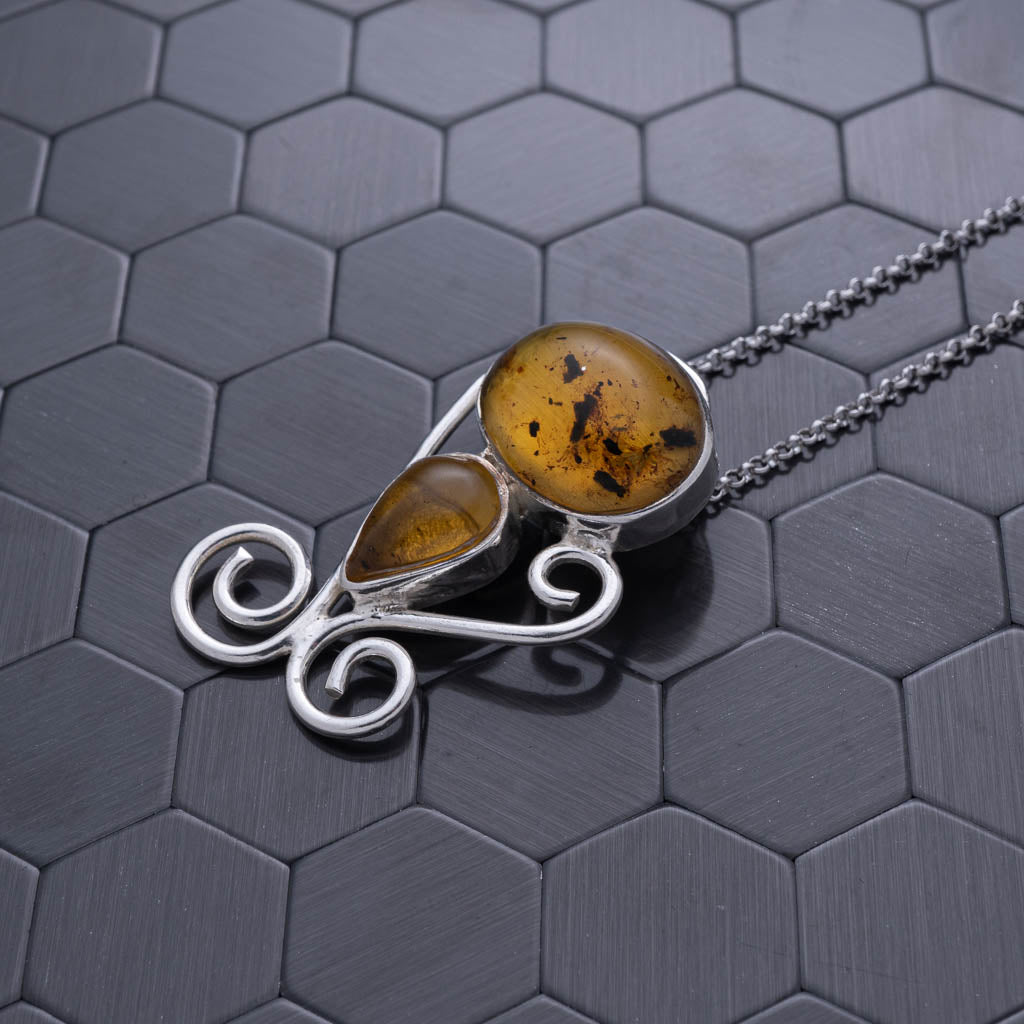
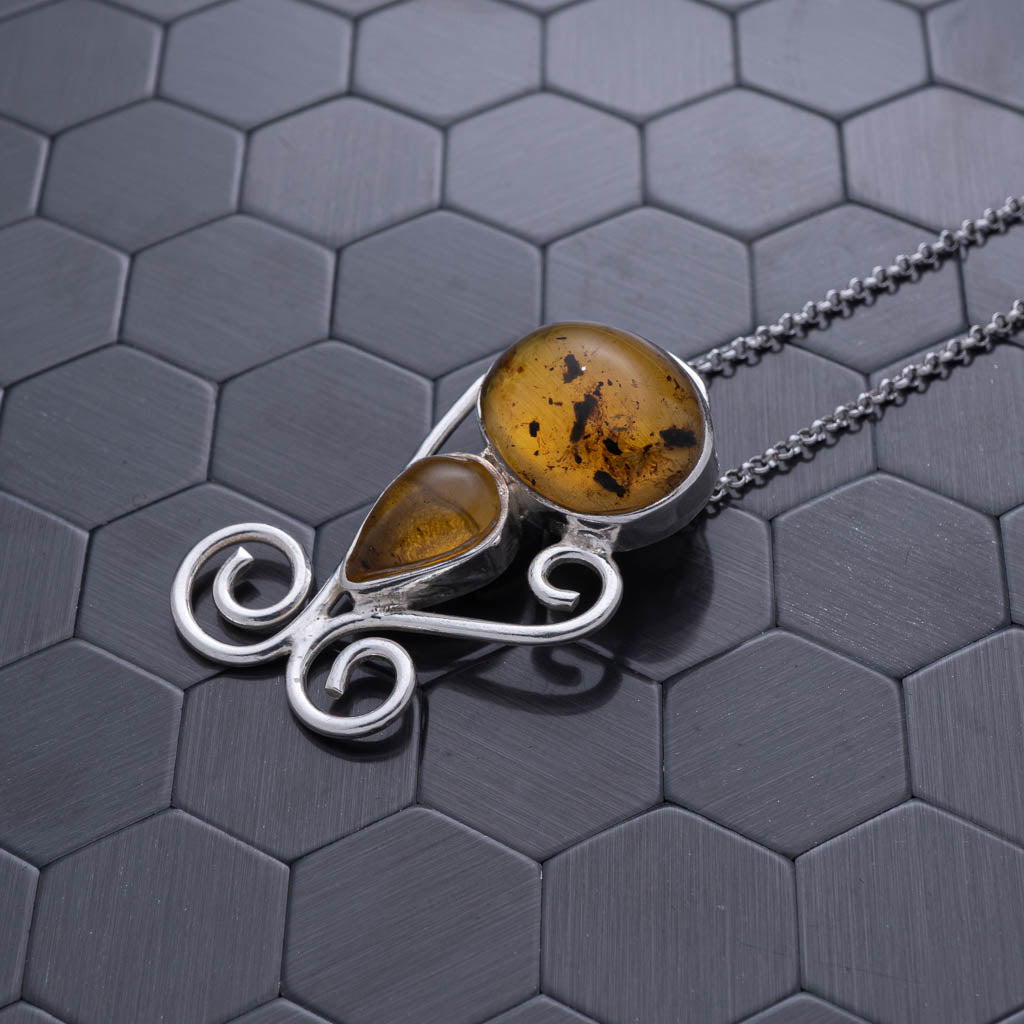
Another misconception is that a certified stone must look flawless. In natural gemstones, visible individuality is often part of the appeal. Amber may show organic internal features. Larimar can reveal pattern shifts and soft variation in tone. These are not always signs of lower quality. In many cases, they are reminders that the stone was formed by nature, not manufactured for uniform perfection.
Buyers also sometimes assume all certificates are equal. They are not. What matters is transparency and whether the certification supports the specific claims being made. A trustworthy seller will present this with clarity instead of relying on jargon.
There is a quiet pleasure in wearing a gemstone you do not have to second-guess. It lets you enjoy the piece for what it is - luminous, rare, handcrafted, and real. That peace of mind is part of luxury, even if it is not the first thing visible in a photograph.
For collectors, certification can deepen the connection to the stone. For gift buyers, it can turn a beautiful purchase into a more meaningful one. For those building a jewelry wardrobe around distinctive natural materials, it creates consistency in how they buy and what they trust.
This is one reason certified gemstone jewelry continues to matter in a market crowded with lookalikes and vague claims. It respects the intelligence of the buyer. It also respects the gemstone itself.
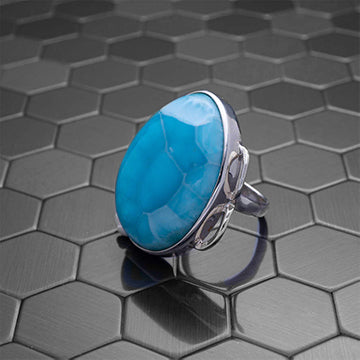
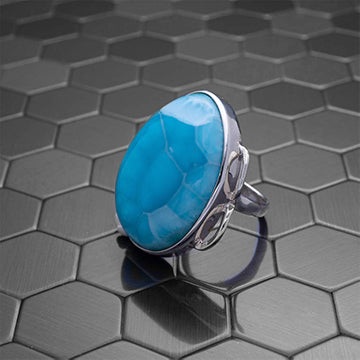
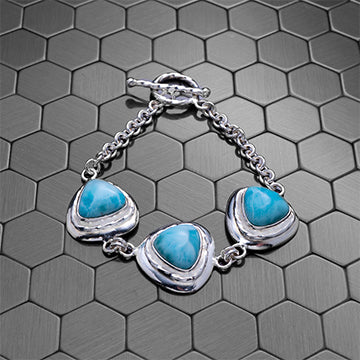
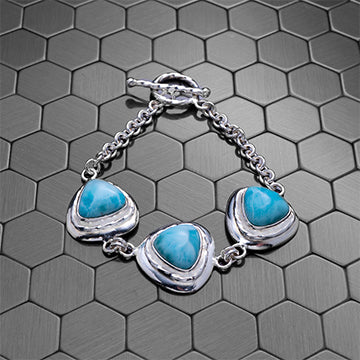
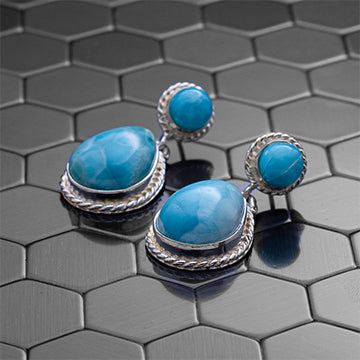
The most compelling jewelry does not ask you to choose between beauty and credibility. It offers both. A well-made pendant, ring, bracelet, or pair of earrings becomes far more compelling when the stone carries documented authenticity and a clear sense of origin.
For those who are drawn to Caribbean gemstones, that combination is especially powerful. The color of the sea in Larimar, the golden warmth of amber, the mysterious glow of blue amber - these are not generic luxuries. They are deeply specific. Brands such as Larimar Creations build their appeal around that specificity, pairing handcrafted design with certified natural stones that feel as rare as they look.
If you are shopping for gemstone jewelry that should feel personal, memorable, and genuine, certification is not a small detail to skim past. It is often the difference between simply admiring a piece and truly trusting it enough to wear, gift, and keep close for years.