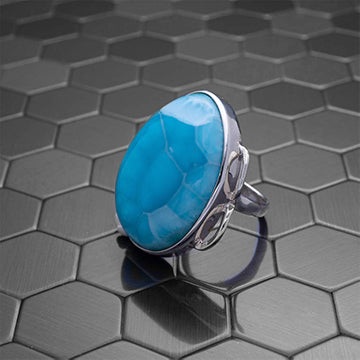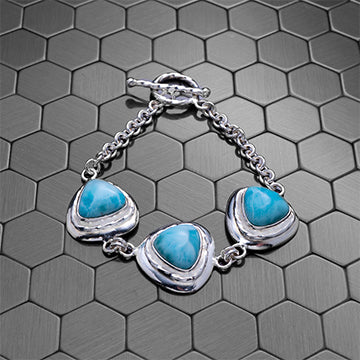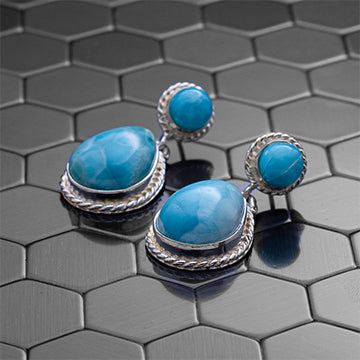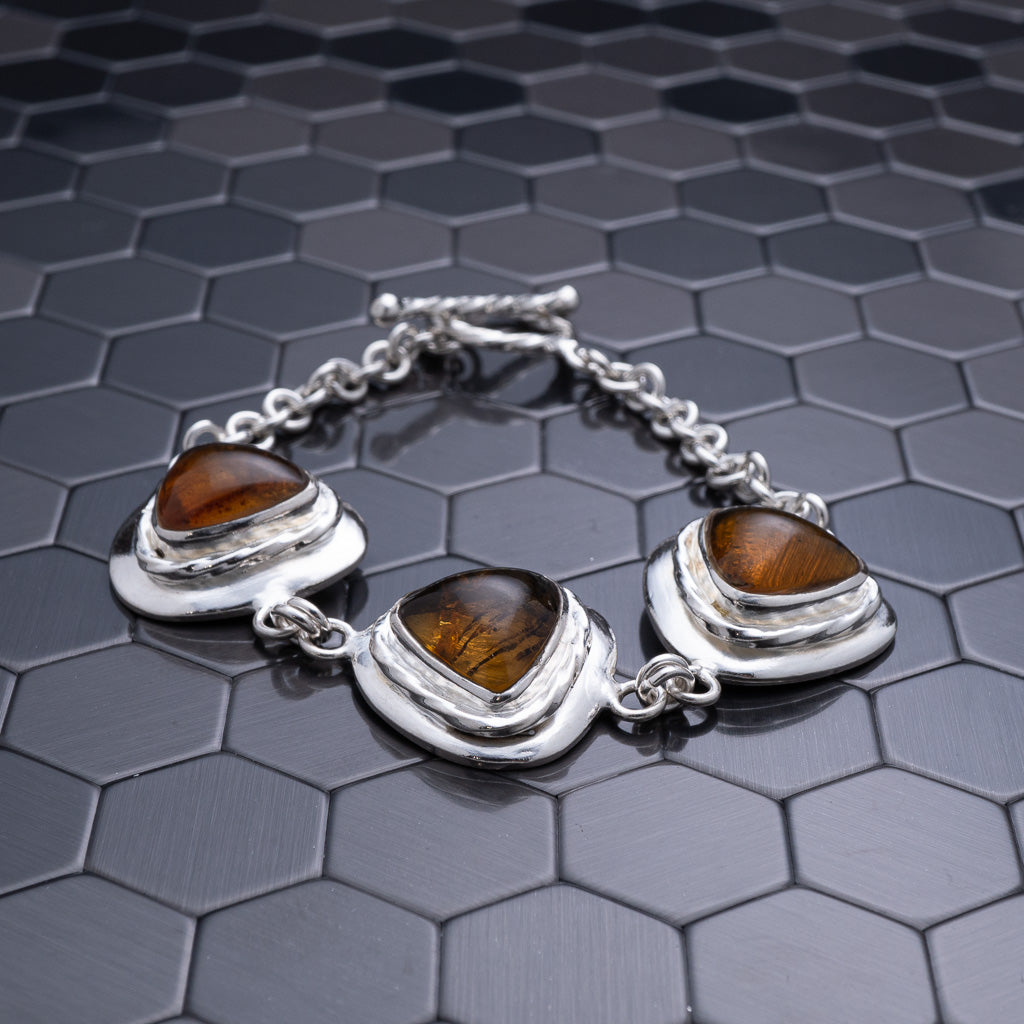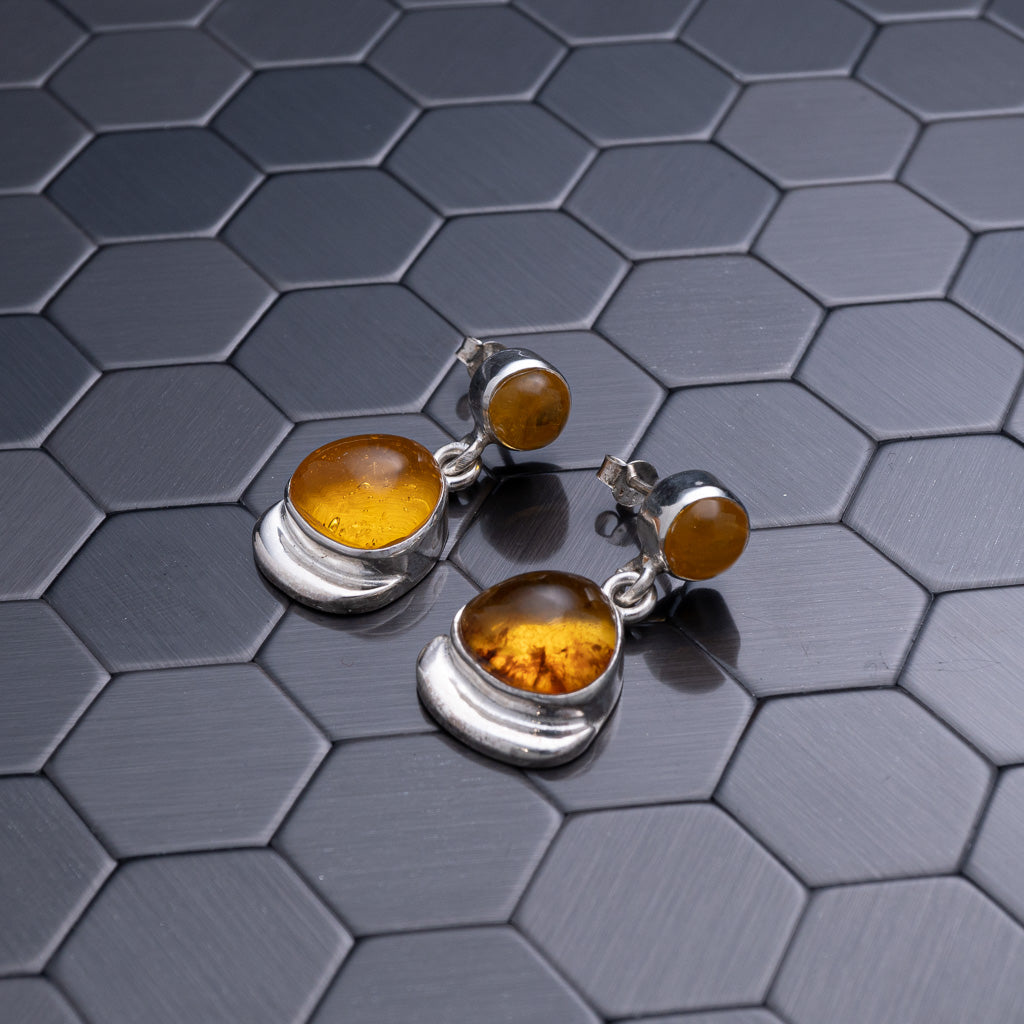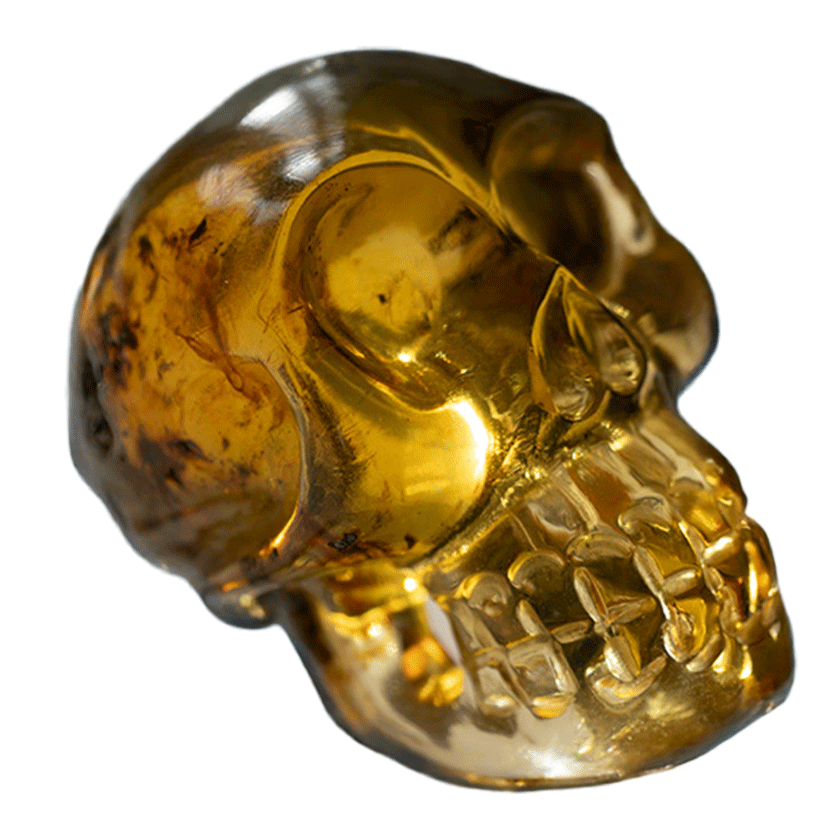


Handcrafted in DR.

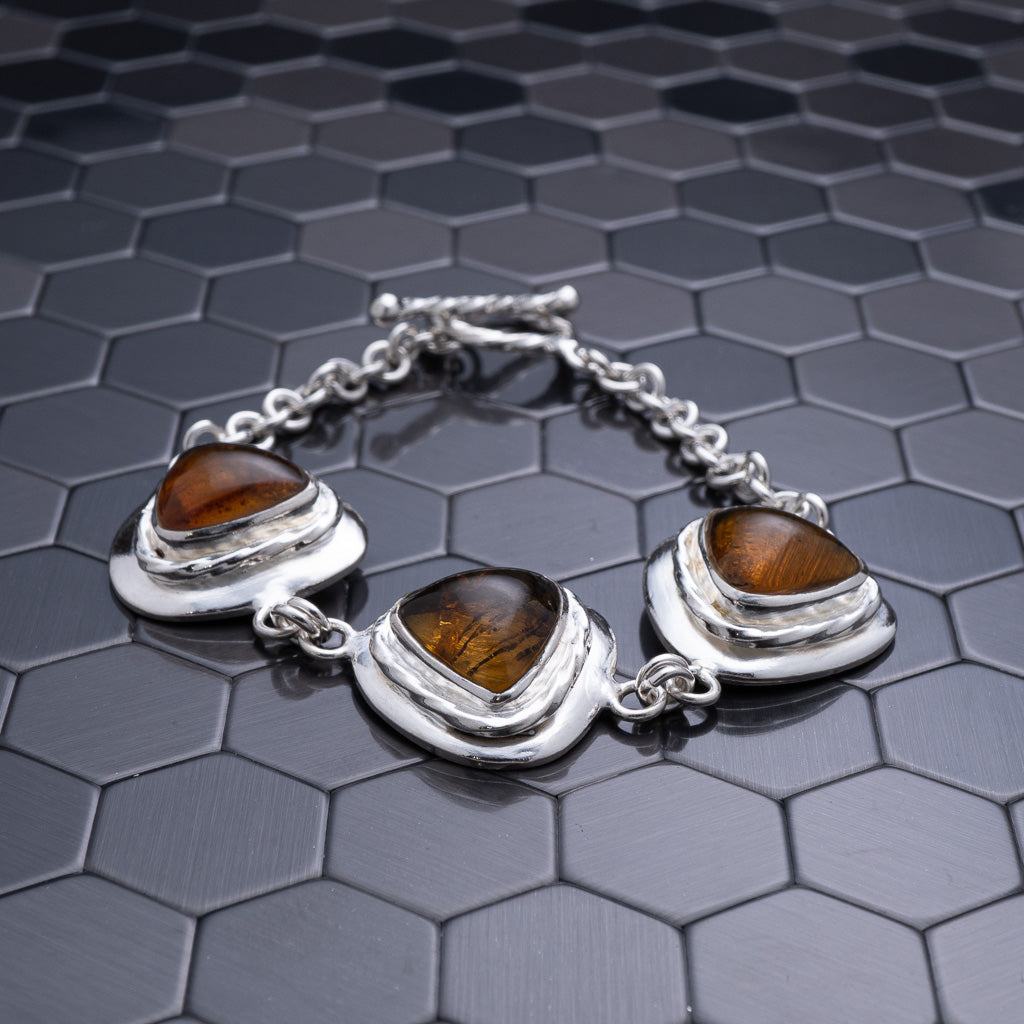
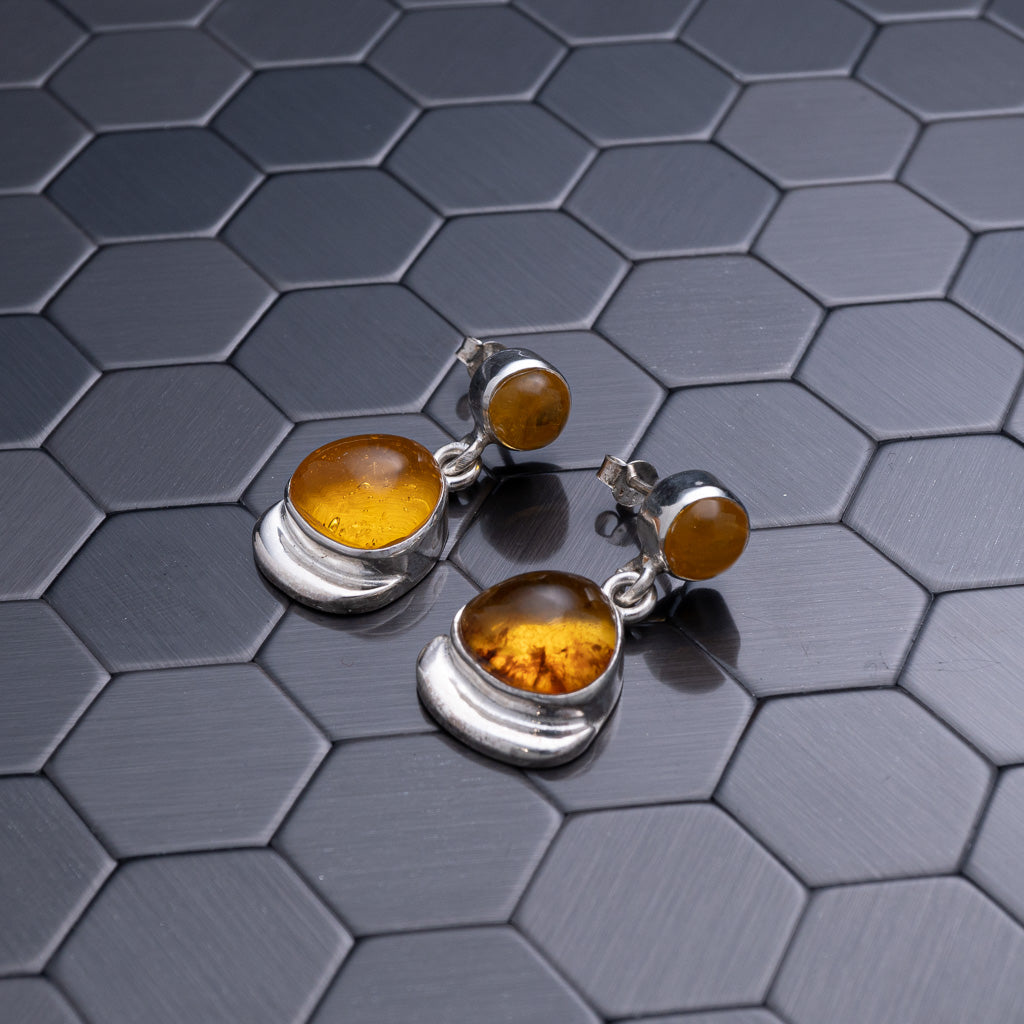


100% Handcrafted in DR.

The world of gemstones offers an extraordinary spectrum of colors, but few combinations captivate collectors and jewelry enthusiasts quite like green and blue stone varieties. These colors evoke the tranquility of tropical waters, the majesty of ancient forests, and the serenity of clear skies. From the verdant depths of emeralds to the Caribbean blues of larimar, green and blue stones represent some of nature's most remarkable mineral achievements. Understanding these gemstones requires knowledge of their geological origins, identification characteristics, quality factors, and proper care techniques. Whether you're a jewelry designer, collector, or someone seeking the perfect gemstone piece, this comprehensive guide explores the fascinating realm of green and blue stone specimens that have captivated humanity for millennia.
The stunning colors in green and blue stone varieties result from specific geological processes that occur deep within the Earth's crust. Green gemstones typically derive their color from trace elements such as chromium, vanadium, or iron that become incorporated into the crystal structure during formation. Blue stones, conversely, often owe their coloration to copper, titanium, or specific structural arrangements that selectively absorb wavelengths of light.
The formation environments vary dramatically across different green and blue stone types. Some develop in metamorphic conditions where extreme heat and pressure transform existing minerals into new crystalline structures. Others form in igneous settings where molten rock slowly cools, allowing complex mineral arrangements to crystallize. Sedimentary processes can also contribute to certain varieties, particularly where mineral-rich waters deposit layers over extended geological timeframes.
The precise mineral composition determines not only color but also durability, clarity, and value. Green stones encompass diverse mineral families:
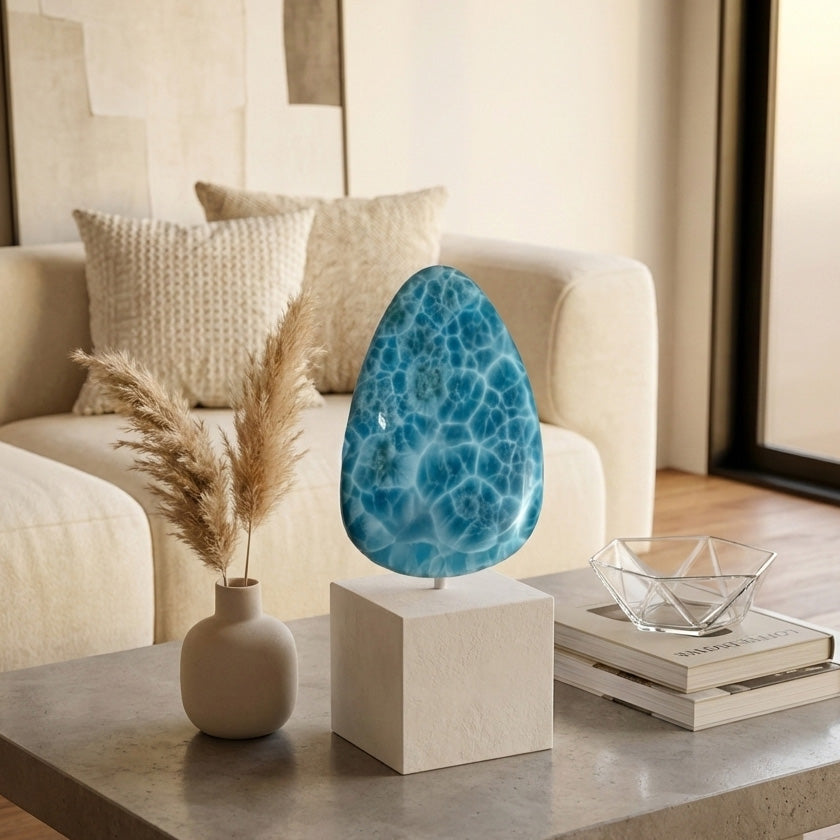
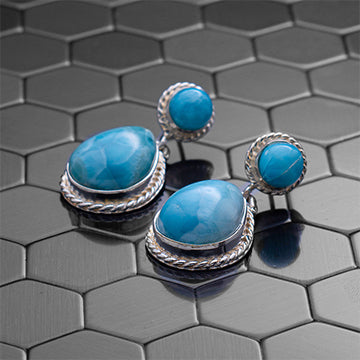
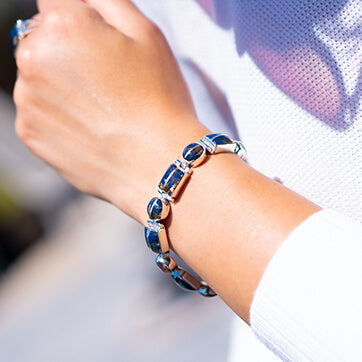
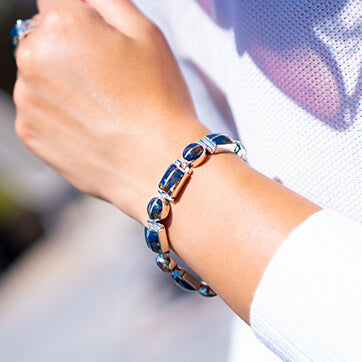
Blue stone varieties demonstrate equally impressive diversity in their chemical makeup. Larimar, for instance, is a rare blue variety of pectolite found exclusively in the Dominican Republic, where copper substitution creates its signature sky-blue to turquoise coloration. The Larimar story exemplifies how geographic exclusivity elevates a gemstone's desirability and market position.
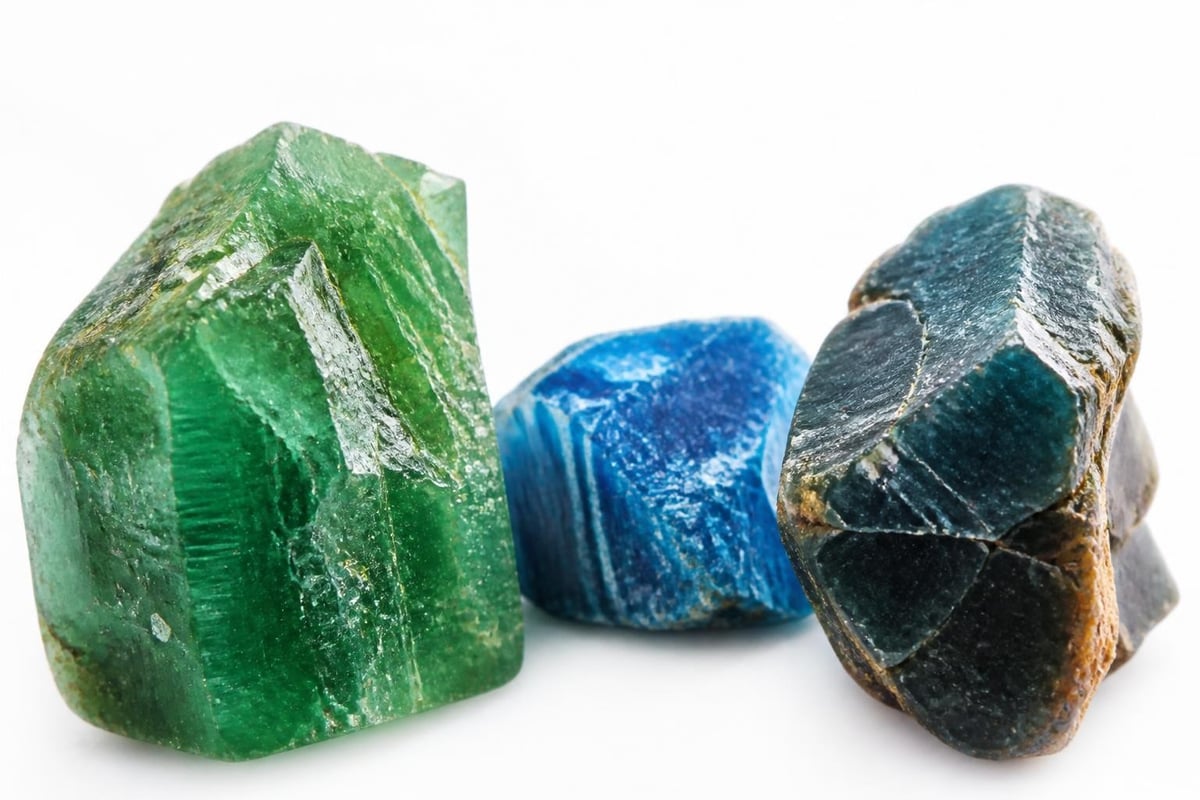
The gemstone market features numerous green and blue stone options, each with distinct characteristics and price points. Understanding the differences helps collectors and buyers make informed decisions aligned with their preferences and budgets.
| Gemstone | Color Range | Hardness (Mohs) | Typical Origin | Relative Value |
|---|---|---|---|---|
| Emerald | Vivid green to bluish-green | 7.5-8 | Colombia, Zambia, Brazil | Very High |
| Jade (Jadeite) | Green to lavender | 6.5-7 | Myanmar, Guatemala | High to Very High |
| Larimar | Light blue to deep blue-green | 4.5-5 | Dominican Republic | Moderate to High |
| Aquamarine | Pale to deep blue | 7.5-8 | Brazil, Pakistan, Madagascar | Moderate to High |
| Turquoise | Sky blue to green-blue | 5-6 | United States, Iran, China | Low to Moderate |
| Peridot | Yellow-green to olive | 6.5-7 | Arizona, Pakistan, Myanmar | Low to Moderate |
Beyond mainstream varieties, the green and blue stone category includes exceptional rarities that command premium prices. Paraiba tourmaline, discovered in Brazil during the late 1980s, exhibits electric blue-green colors caused by copper content. Alexandrite, while often displaying red-purple under incandescent light, can show bluish-green hues in daylight, making it a color-change phenomenon.
Collectors increasingly seek stones with geographic provenance documentation. Kashmir sapphires, for example, represent the pinnacle of blue gemstone achievement, while Colombian emeralds set the standard for green stones. The Responsible Jewellery Council provides comprehensive guidance on ethical sourcing practices that help ensure transparency throughout the supply chain.
Some green and blue stone varieties fall under the broader geological classification of greenstone, a term describing metamorphosed volcanic rocks, though this differs from the colored gemstones discussed here. Understanding proper geological terminology helps collectors communicate accurately with dealers and gemologists.
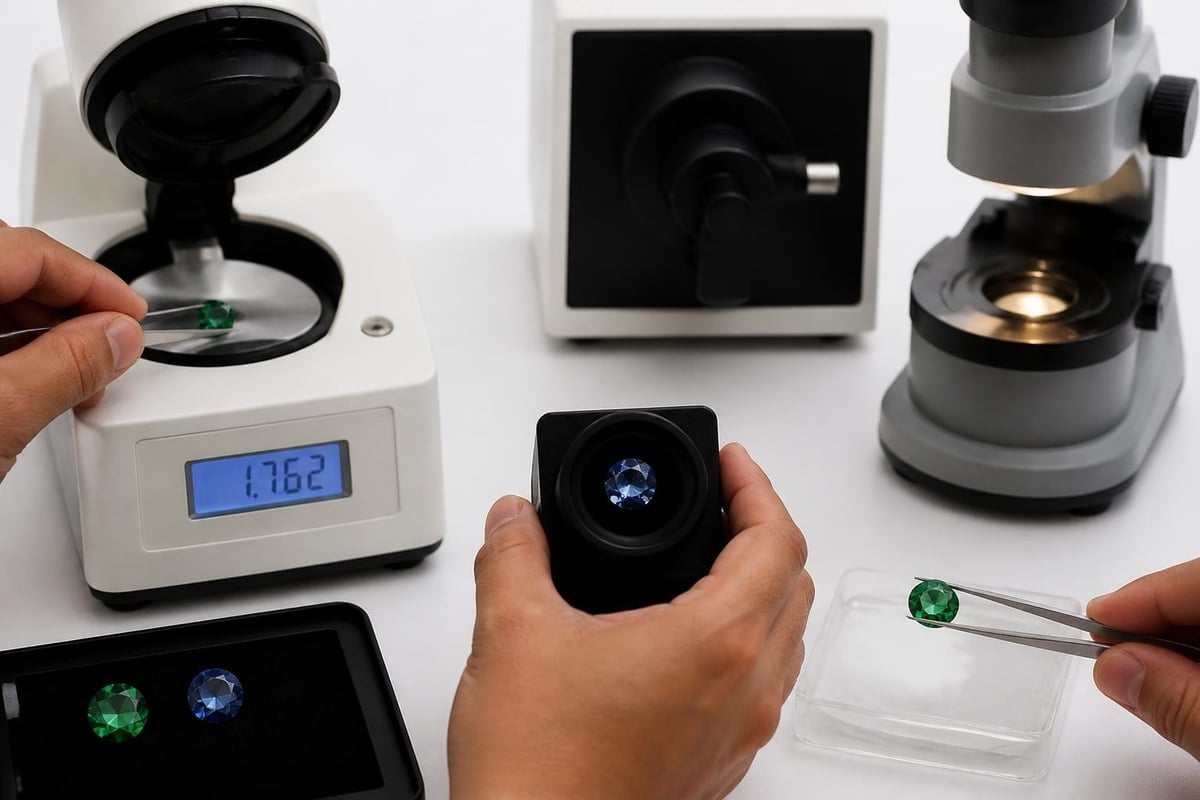
Authentication represents a critical concern in today's gemstone market, where treatments, synthetics, and imitations proliferate. Professional gemological testing provides the most reliable identification, but informed buyers can learn to recognize key indicators that suggest authenticity or raise red flags.
Examining a green and blue stone under magnification often reveals characteristic inclusions that serve as fingerprints for natural formation. Emeralds typically display three-phase inclusions (liquid, gas, and crystal), while larimar shows distinctive needle-like formations. These natural imperfections paradoxically increase confidence in authenticity, as synthetic stones often appear suspiciously flawless.
Refractive index testing provides quantitative data that identifies specific minerals. Each gemstone variety has a characteristic refractive index range:
Spectroscopic analysis reveals absorption patterns unique to each green and blue stone type. Advanced techniques like Raman spectroscopy can definitively identify mineral composition without damaging the specimen, making them ideal for valuable pieces.
Understanding common treatments helps buyers assess value accurately. Many green and blue stones undergo standard enhancements accepted within the industry when properly disclosed:
Reputable dealers provide full disclosure about treatments, and certification from recognized gemological laboratories documents any enhancements. The green gemstones overview from the Gem Society offers additional educational resources about various treatment methods and their impact on value.
The value of any green and blue stone depends on multiple interconnected factors that gemologists assess using standardized criteria. While the famous "Four Cs" (color, clarity, cut, carat) apply broadly, each gemstone type has unique considerations that affect its market position.
Color dominates value determination for colored gemstones, typically accounting for fifty to seventy percent of overall worth. Gemologists evaluate color along three dimensions:
Hue refers to the basic color family. For green stones, the most valuable typically show pure green without excessive yellow or blue modifiers. Blue stones command premium prices when displaying vivid saturation without gray or green secondary hues. Larimar's distinctive volcanic blue represents its most desirable expression, particularly in deeper saturations.
Tone measures lightness or darkness on a scale from colorless to black. Most green and blue stone varieties achieve optimal value in medium to medium-dark tones, where color appears vibrant without becoming murky or washed out.
Saturation indicates color intensity or purity. Highly saturated stones display vivid colors free from gray or brown masking. This factor significantly impacts price, with differences of thousands of dollars between moderately and highly saturated specimens of equal size.
Clarity expectations vary dramatically across different green and blue stone types. Emeralds routinely contain visible inclusions, so even heavily included specimens retain value if color remains strong. Conversely, aquamarine commands premium prices only when eye-clean or nearly so.
| Clarity Grade | Emerald | Aquamarine | Larimar | Turquoise |
|---|---|---|---|---|
| Eye-Clean | Extremely Rare | Expected | Preferred | Uncommon |
| Minor Inclusions | Acceptable | Reduces Value | Acceptable | Common |
| Moderate Inclusions | Standard | Significantly Impacts | Standard | Expected |
| Heavy Inclusions | Still Marketable | Low Value | Reduces Appeal | Acceptable if Solid |
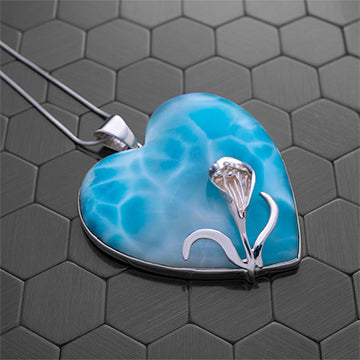
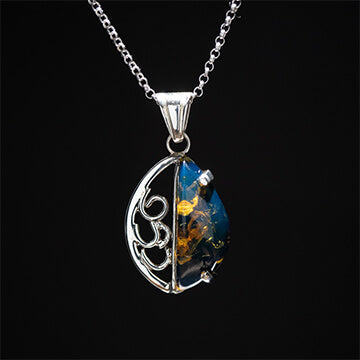
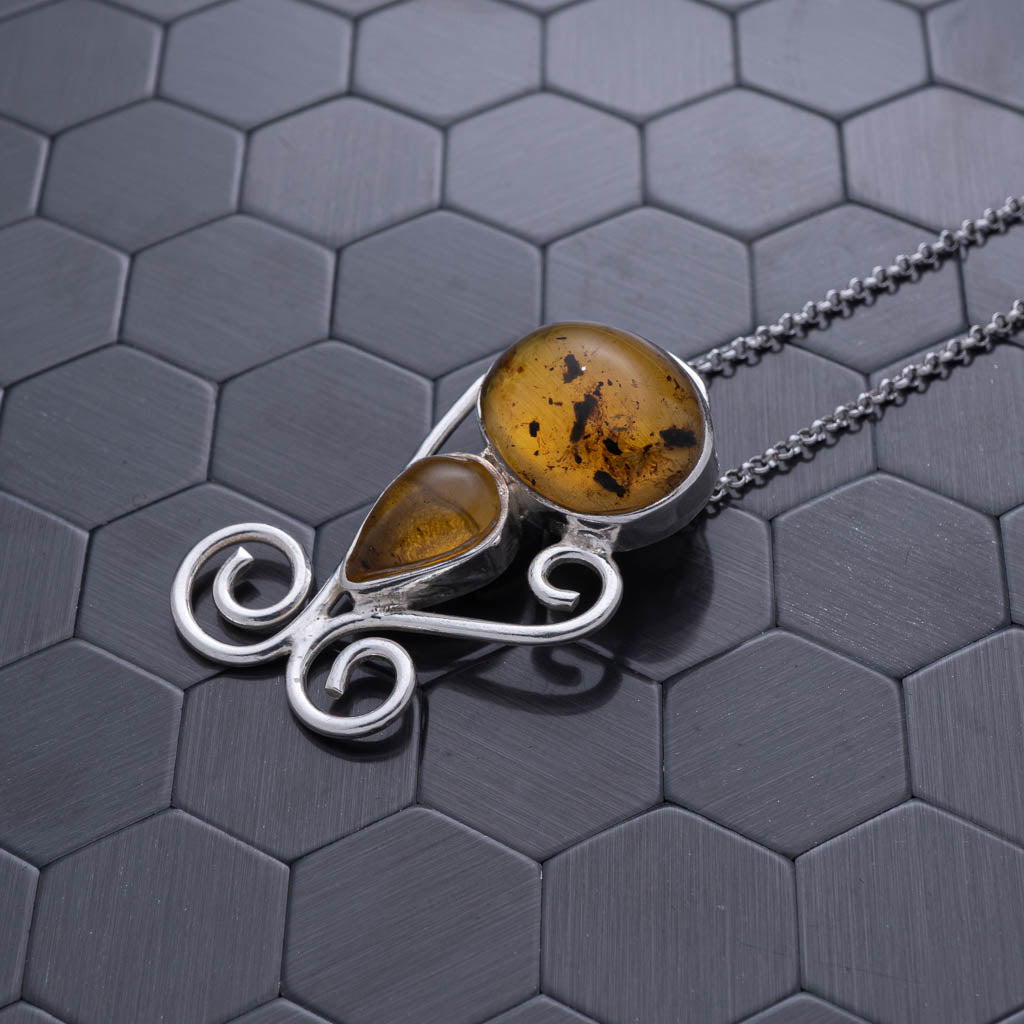
Collectors of Larimar pendants often appreciate the organic patterns within the stone, viewing them as natural artistry rather than flaws. This perspective reflects growing appreciation for gemstones' geological authenticity rather than synthetic perfection.
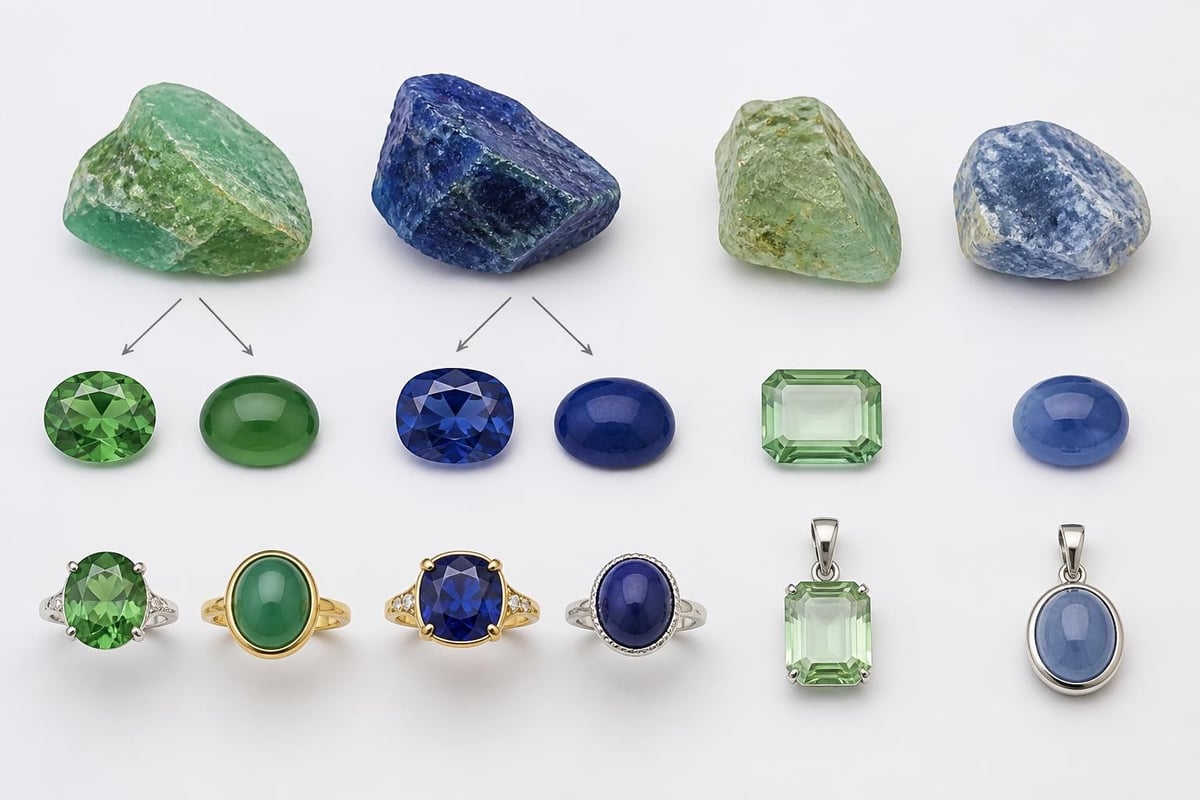
The transformation from rough crystal to finished gemstone requires skilled cutting that maximizes beauty while preserving weight. Green and blue stone varieties present unique challenges that influence cutting decisions and ultimately affect jewelry design possibilities.
Hardness directly impacts cutting approach and appropriate settings. Harder stones like emerald and aquamarine (7.5-8 Mohs) tolerate faceted cuts that maximize brilliance and dispersion. Softer materials like larimar (4.5-5 Mohs) and turquoise (5-6 Mohs) typically receive cabochon cuts that emphasize color and protect the stone from abrasion.
Faceted cuts for green and blue stone specimens include:
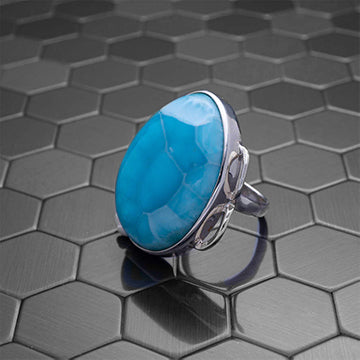
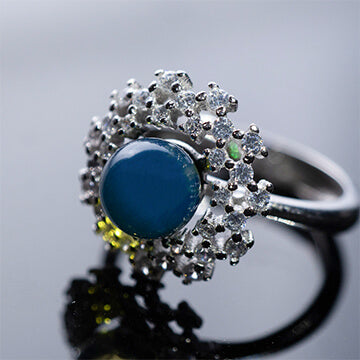
Cabochon cutting suits stones where color, pattern, or phenomena take precedence over brilliance. The smooth, domed surface protects softer materials while showcasing chatoyancy, asterism, or color play. Many larimar jewelry pieces feature cabochon cuts that highlight the stone's distinctive patterning and translucent qualities.
Metal selection influences how green and blue stone colors appear. White metals like platinum, white gold, and silver jewelry settings allow cool-toned stones to display their natural hues without warm metal interference. Yellow and rose gold create complementary contrast with blue stones while harmonizing with warmer green varieties.
Setting security varies by stone hardness. Bezel settings provide maximum protection for softer green and blue stone varieties, encircling the gem's perimeter with metal. Prong settings allow more light entry but require harder stones that resist chipping at stress points where metal contacts stone.
Proper maintenance extends the beauty and longevity of green and blue stone jewelry pieces. Each variety requires specific care protocols based on its physical properties, chemical stability, and treatment history. Understanding these requirements prevents damage and preserves value over generations.
Different green and blue stone varieties tolerate different cleaning approaches:
Ultrasonic cleaning uses high-frequency sound waves to dislodge dirt but can damage treated or fractured stones. Safe for untreated aquamarine and some jade, but avoid with emeralds, turquoise, or any treated specimens.
Steam cleaning applies high-pressure steam but risks thermal shock in stones with inclusions or treatments. Generally unsafe for most green and blue stone types except untreated, inclusion-free varieties.
Warm soapy water represents the safest universal approach. Mix mild dish soap with lukewarm water, gently scrub with a soft brush, rinse thoroughly, and pat dry with a lint-free cloth. This method works for essentially all green and blue stone jewelry.
Hardness differences mean green and blue stone pieces should not contact each other during storage. Harder gems like emerald can scratch softer materials like larimar or turquoise. Individual cloth pouches or compartmentalized jewelry boxes prevent damage.
Chemical exposure poses risks to many green and blue stone varieties. Remove jewelry before:
Periodic professional inspection identifies loose settings, worn prongs, or developing damage before catastrophic loss occurs. Annual checkups provide opportunity for professional cleaning and minor repairs that preserve pieces indefinitely.
The green and blue stone market demonstrates consistent growth driven by increasing consumer awareness, limited supply of premium materials, and expanding global wealth. Understanding market dynamics helps collectors make strategic acquisition decisions while jewelers can anticipate customer preferences.
Geographic exclusivity creates inherent scarcity for certain green and blue stone varieties. Larimar's single-source availability from the Dominican Republic means production cannot expand beyond existing deposits. Similarly, the finest emeralds come from limited Colombian mines, while Kashmir sapphires haven't been commercially mined in decades.
This supply limitation combined with growing demand from emerging markets drives appreciation in premium specimens. Investment-grade stones with documented provenance, superior color, and minimal treatments show strongest price increases over time.
Contemporary buyers increasingly value:
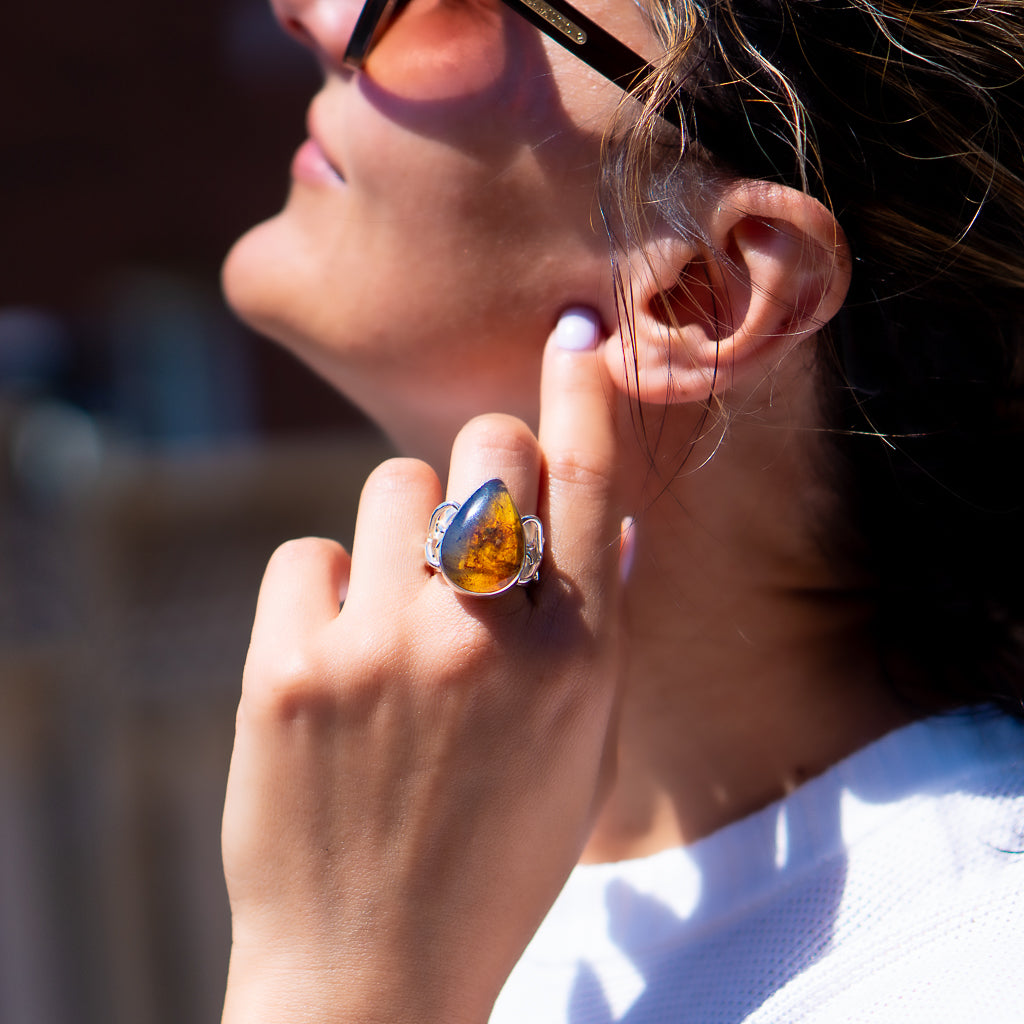
These trends favor businesses emphasizing authenticity, sustainability, and craftsmanship. Jewelers offering Dominican blue amber and other regionally distinctive materials position themselves advantageously in markets saturated with conventional offerings.
The secondary market for exceptional green and blue stone specimens remains robust, with auction houses regularly achieving record prices for historically significant pieces. While most consumer-grade jewelry doesn't appreciate dramatically, top-tier specimens from renowned sources represent tangible assets with intrinsic value independent of currency fluctuations.
Geography profoundly influences green and blue stone characteristics, with specific locations producing distinctive variations recognized by collectors worldwide. Understanding these geographic relationships enhances appreciation for regional specialties while guiding sourcing decisions.
The Dominican Republic produces two extraordinary gemstones unavailable elsewhere. Larimar, discovered in 1974, occurs exclusively in the southwestern Barahona province, where volcanic activity created the specific conditions necessary for its formation. The stone's blue coloration intensifies in deeper mining levels, where higher temperatures during formation enhanced copper incorporation.
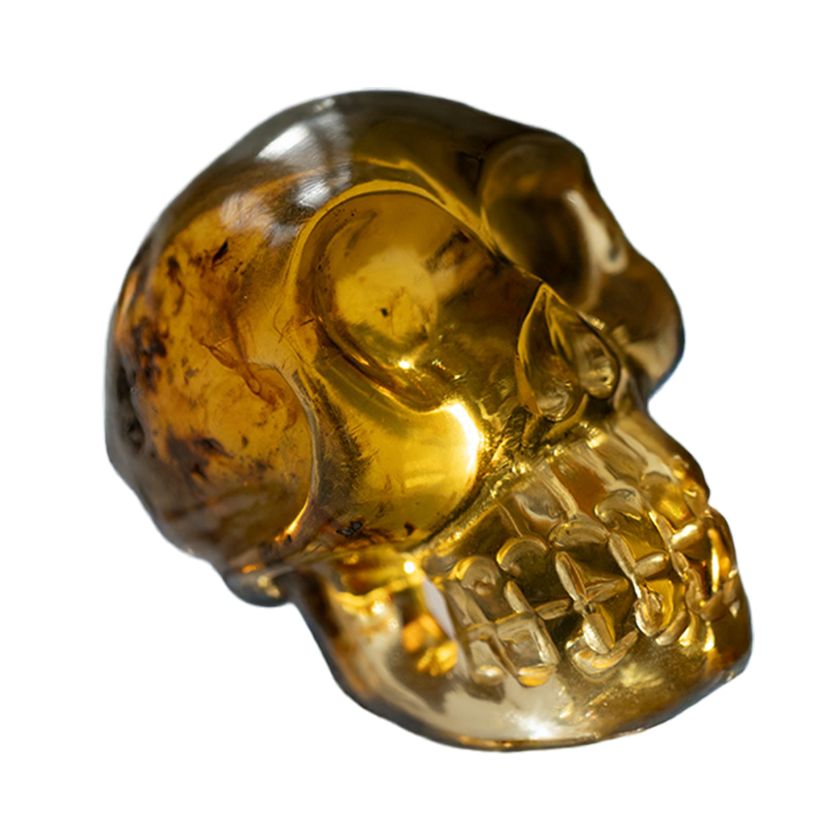
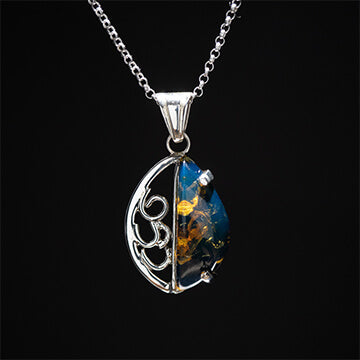
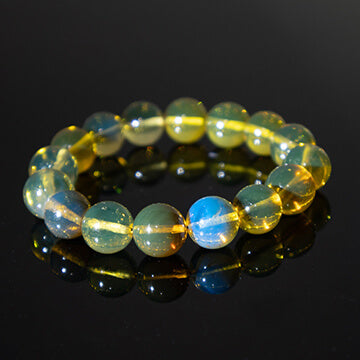
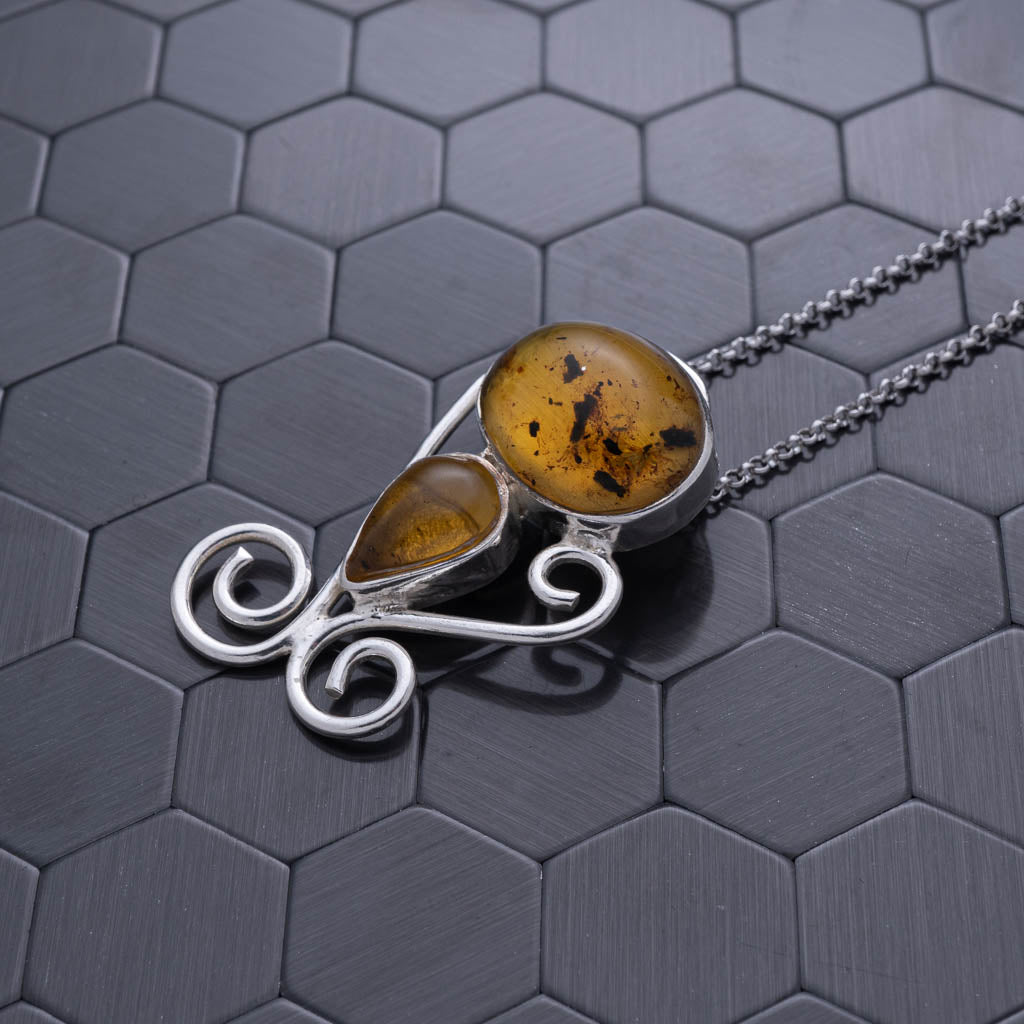
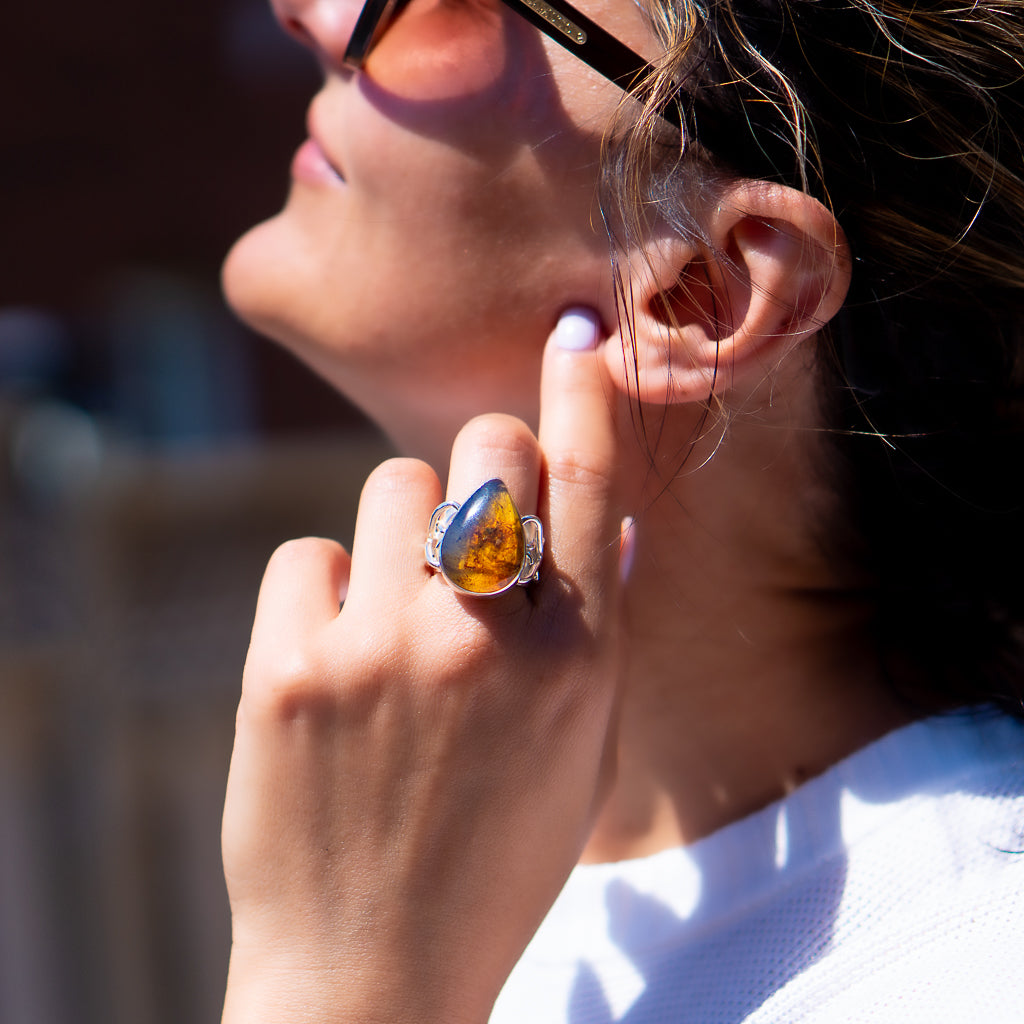
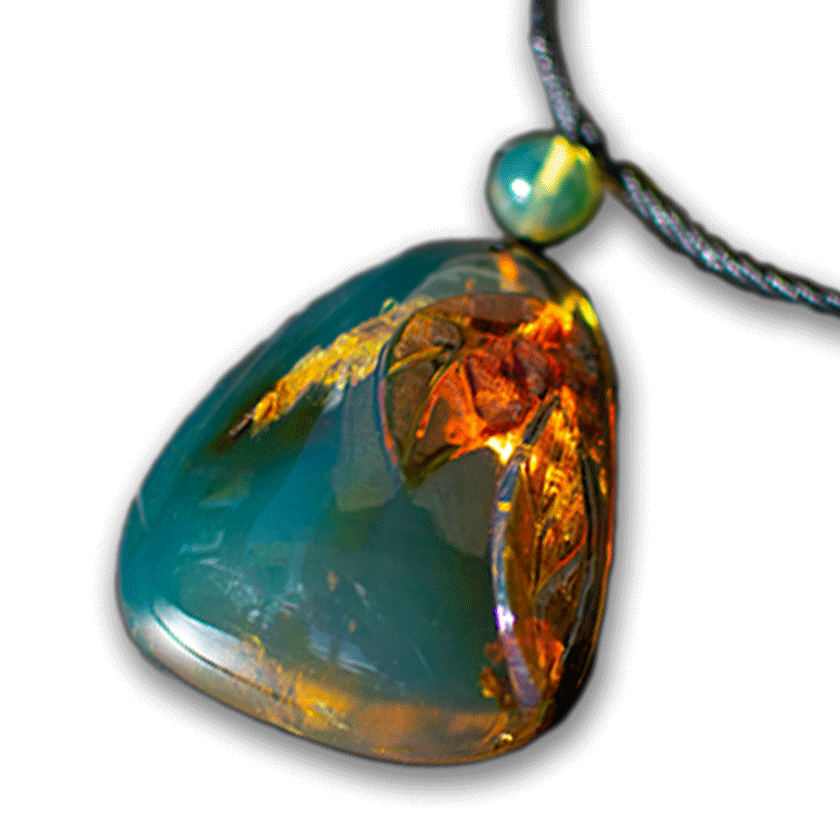
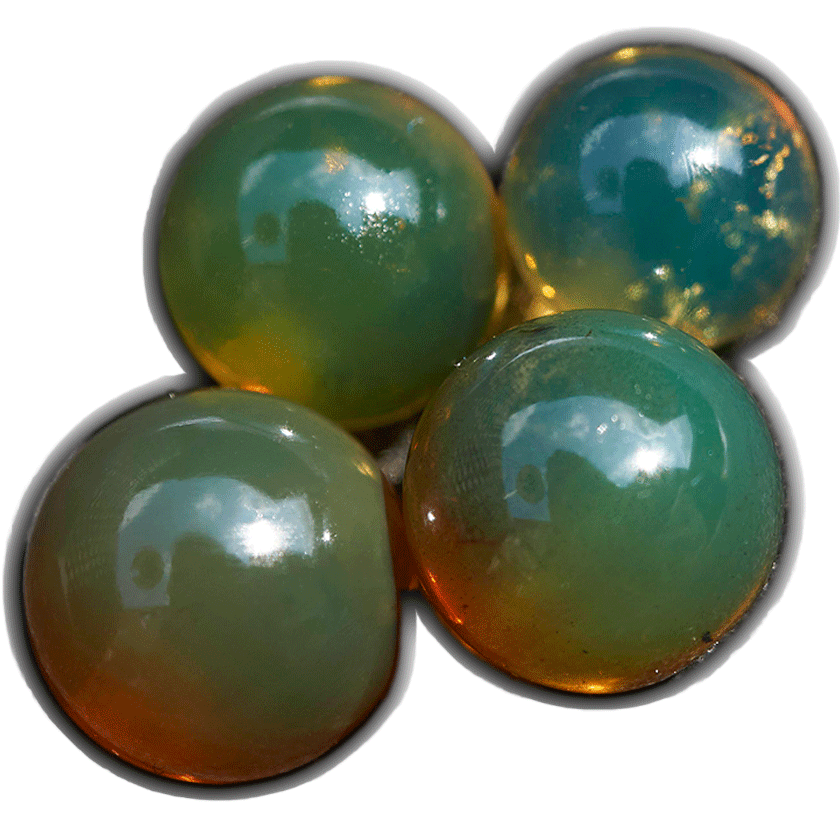
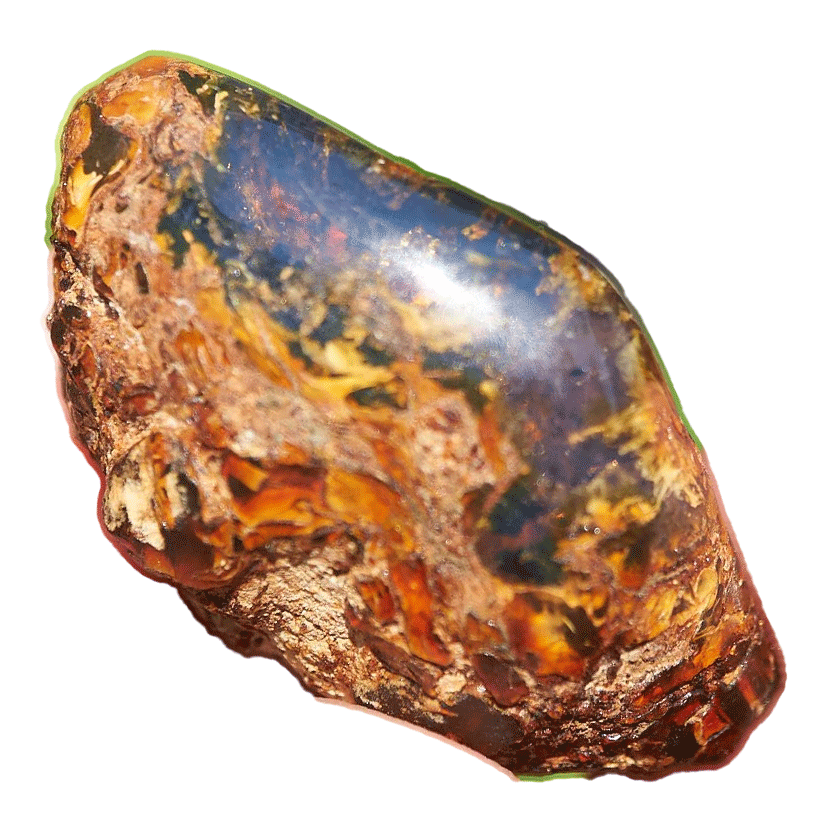
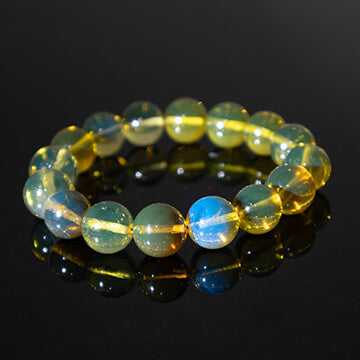
Dominican blue amber represents another geological marvel, displaying blue fluorescence under ultraviolet light despite appearing golden in normal illumination. This phenomenon results from specific organic compounds within the fossilized resin, creating a green and blue stone effect unique to this region's prehistoric forests.
Colombia dominates emerald production, with Muzo and Chivor mines producing the world's finest specimens. Colombian emeralds display pure green without blue modifiers, achieving the highest prices per carat among all green stones.
Myanmar supplies the majority of fine jadeite, with imperial jade's vivid green commanding extraordinary prices. The country's jade mines have operated for centuries, developing sophisticated extraction and trading networks.
Brazil produces diverse green and blue stone varieties including aquamarine, paraiba tourmaline, and emeralds. The country's geological diversity supports multiple gem-producing regions, each with characteristic material.
United States contributes significantly to turquoise production, with Nevada, Arizona, and New Mexico mines producing distinctive varieties. American turquoise ranges from sky blue to deep green-blue, with matrix patterns adding character.
Technological advancement enables laboratory creation of green and blue stone alternatives that serve various market segments. Understanding differences between natural, synthetic, and simulated stones helps buyers align purchases with their values and budgets.
Synthetic stones possess identical chemical composition and physical properties to natural counterparts but form in controlled laboratory environments. Processes include:
Synthetic emeralds, sapphires, and other green and blue stone varieties offer consistent quality at lower prices than natural specimens. They serve customers prioritizing size and perfection over natural origin, particularly in commercial jewelry applications.
Simulants mimic appearance without matching composition. Glass, cubic zirconia, and various plastic materials imitate green and blue stone varieties at minimal cost. While legitimate when sold with proper disclosure, simulants sometimes enter the market misrepresented as natural gems.
Common green and blue stone simulants include:
Educated buyers recognize simulants through density testing, hardness assessment, and examination of optical properties that rarely perfectly match natural gemstones.
Green and blue stone varieties carry profound cultural meanings across civilizations, with specific gems achieving symbolic importance in religious, medicinal, and decorative contexts. These historical associations enhance contemporary appreciation while influencing market demand.
Emeralds held sacred status in ancient Egypt, where they symbolized eternal life and were buried with pharaohs. Cleopatra's legendary emerald mines supplied the ancient world, though modern researchers question whether all "emeralds" described in historical texts match today's strict gemological definition.
Jade achieved supreme importance in Chinese culture, representing virtue, immortality, and cosmic connection. Confucian philosophy associated jade's characteristics with ideal human qualities, establishing traditions that continue influencing jade appreciation and pricing.
Turquoise protected Native American peoples, who incorporated the stone into ceremonial objects, jewelry, and architectural elements. Different tribes developed distinct design aesthetics, with Navajo, Zuni, and Hopi silverwork showcasing turquoise's versatility.
Contemporary crystal healing communities attribute specific properties to green and blue stone varieties, though scientific evidence doesn't support these claims. Nevertheless, these associations influence consumer preferences and marketing strategies.
Green stones commonly symbolize growth, renewal, and heart-centered emotions. Blue stones represent communication, tranquility, and spiritual connection. These symbolic frameworks help jewelers craft narratives around pieces, enhancing emotional connection beyond purely aesthetic appreciation.
The birthstone tradition assigns specific gems to birth months, with emerald representing May and aquamarine or bloodstone representing March. These conventional associations drive significant retail sales as consumers purchase birthstone jewelry for personal wear or gifting.
Green and blue stone varieties offer exceptional beauty, remarkable diversity, and enduring value for collectors and jewelry enthusiasts worldwide. Understanding their geological origins, quality factors, and proper care ensures informed decisions whether acquiring investment-grade specimens or personally meaningful pieces. Larimar Creations specializes in showcasing rare Caribbean gemstones through expertly crafted jewelry, combining the distinctive beauty of larimar and Dominican blue amber with skilled artisanship that honors each stone's unique character.