
FREE WORLD WIDE SHIPPING
HANDCRAFTED IN THE DOMINICAN REPUBLIC
30% DISCOUNT APPLIED AT CHECKOUT
FREE WORLD WIDE SHIPPING
HANDCRAFTED IN THE DOMINICAN REPUBLIC
30% DISCOUNT APPLIED AT CHECKOUT
FREE WORLD WIDE SHIPPING
HANDCRAFTED IN THE DOMINICAN REPUBLIC
30% DISCOUNT APPLIED AT CHECKOUT
FREE WORLD WIDE SHIPPING
HANDCRAFTED IN THE DOMINICAN REPUBLIC
30% DISCOUNT APPLIED AT CHECKOUT
FREE WORLD WIDE SHIPPING
HANDCRAFTED IN THE DOMINICAN REPUBLIC
30% DISCOUNT APPLIED AT CHECKOUT
FREE WORLD WIDE SHIPPING
HANDCRAFTED IN THE DOMINICAN REPUBLIC
30% DISCOUNT APPLIED AT CHECKOUT
100% Handcrafted in DR.
by Admin October 17, 2026 6 min read
A setting does more than hold a gemstone in place. It shapes how the stone catches the light, how much of its natural character you can see, and how confidently you can wear it every day. When considering bezel setting versus prong setting, the right choice depends not only on personal style but also on the nature of the gemstone itself. This is especially true for rare Caribbean treasures such as Larimar and Dominican amber, whose beauty deserves thoughtful protection.
Larimar’s ocean-blue patterns and Dominican Blue Amber’s extraordinary glow are never quite repeated. Each stone has its own movement, inclusions, color shifts, and hand-cut silhouette. A well-chosen setting should honor that individuality while meeting the practical needs of the person who will wear it.
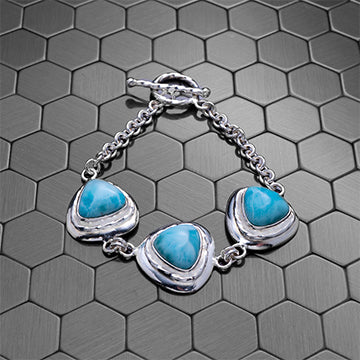
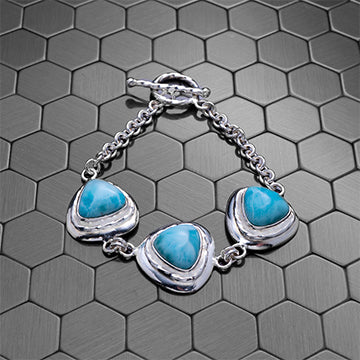
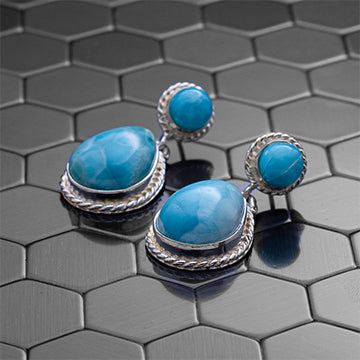
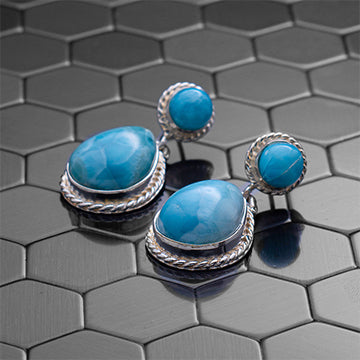
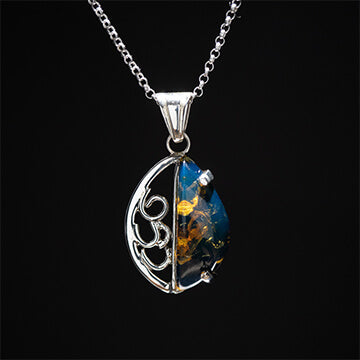
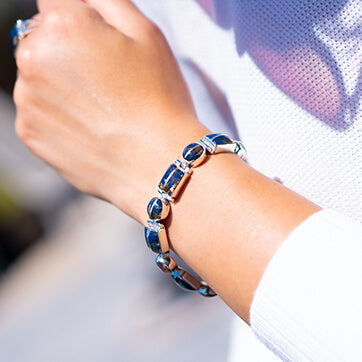
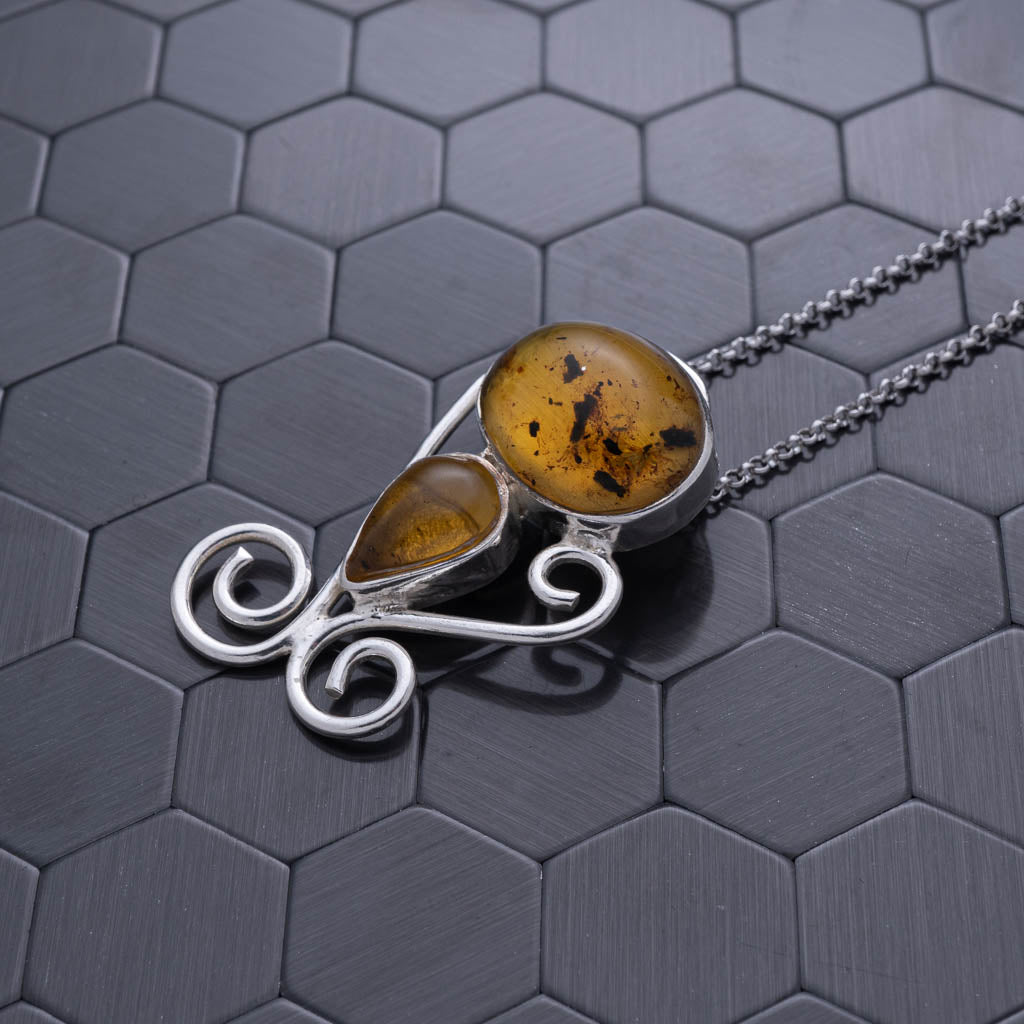
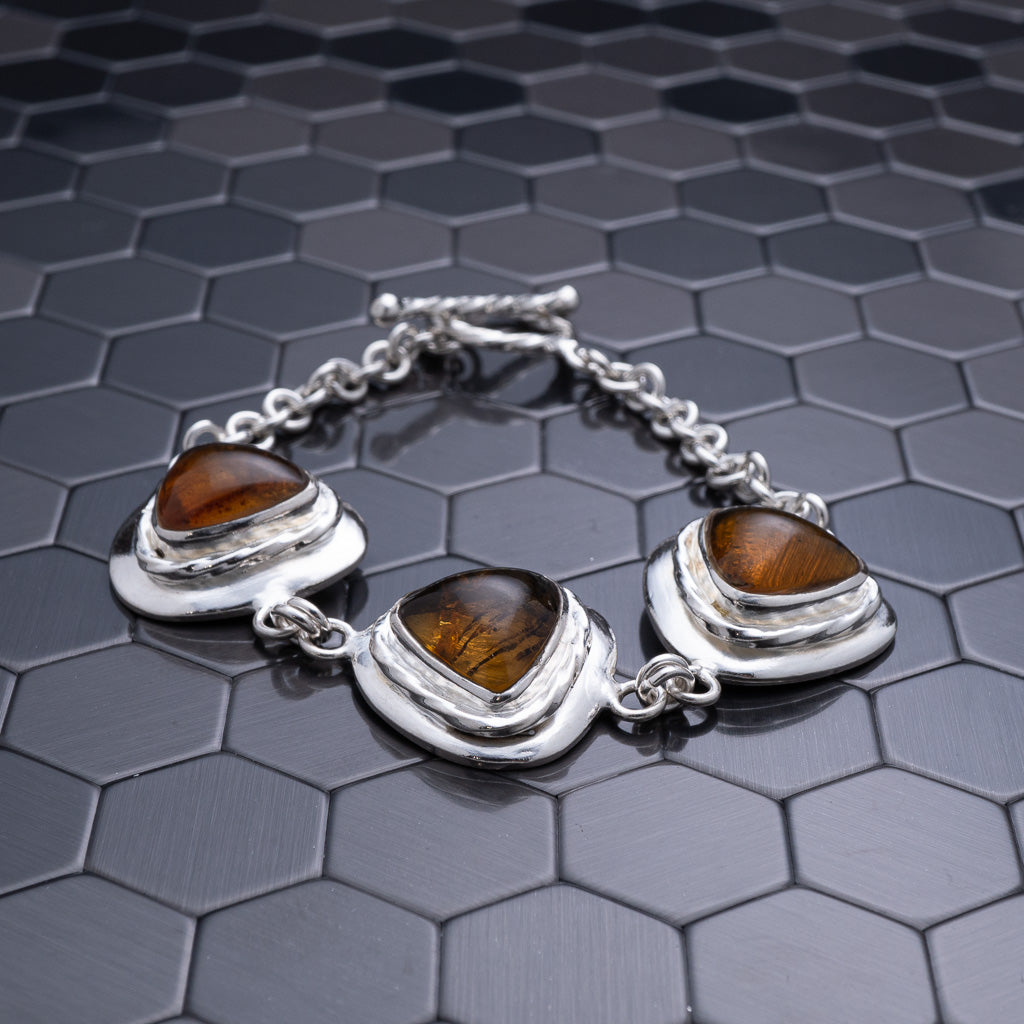
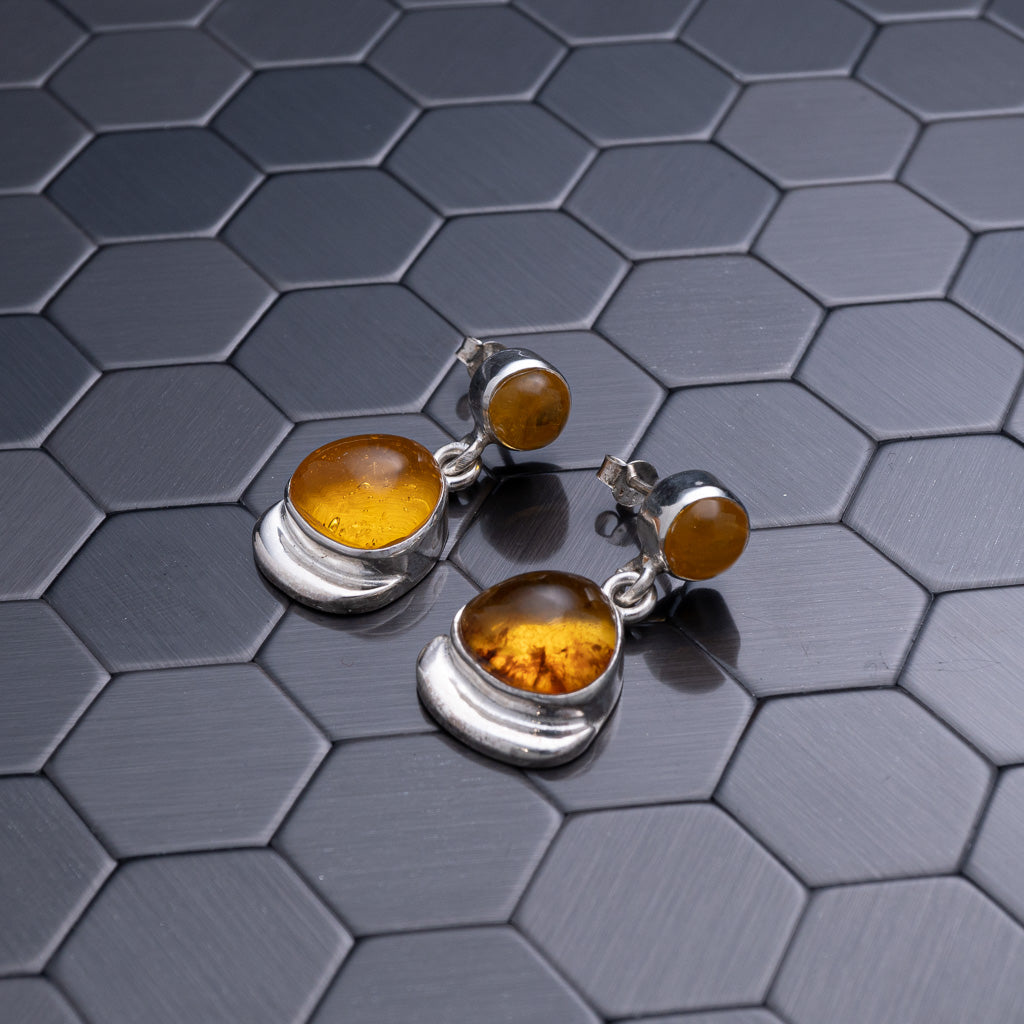
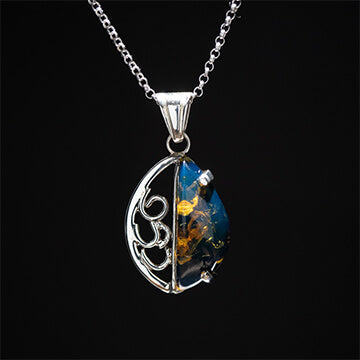
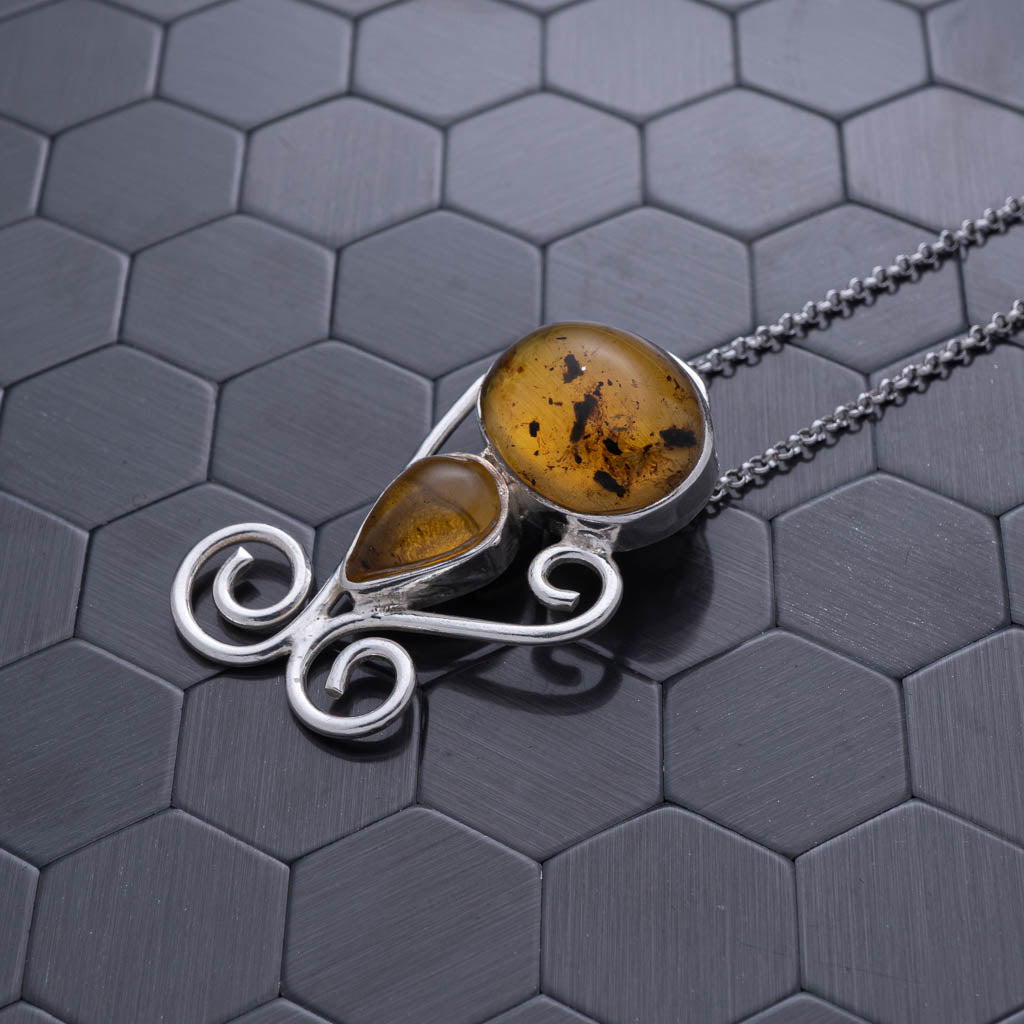
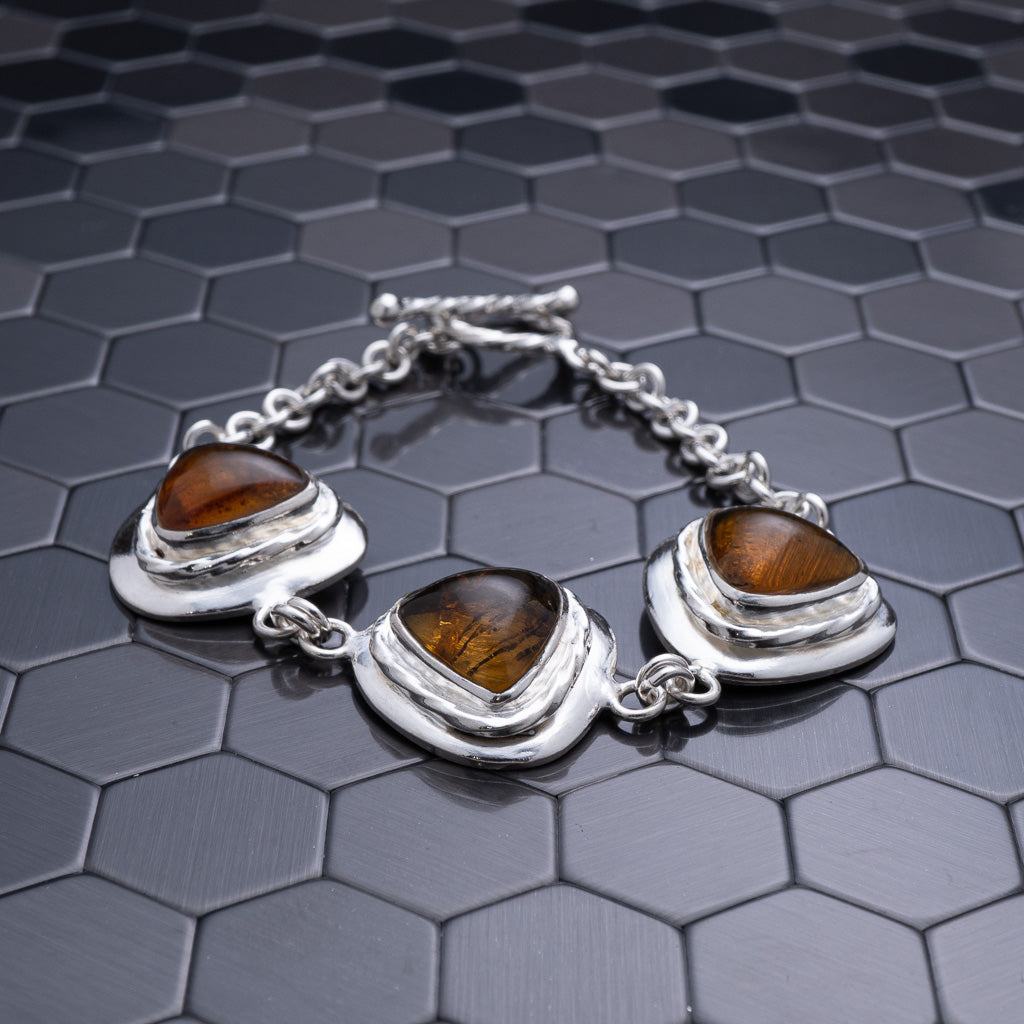
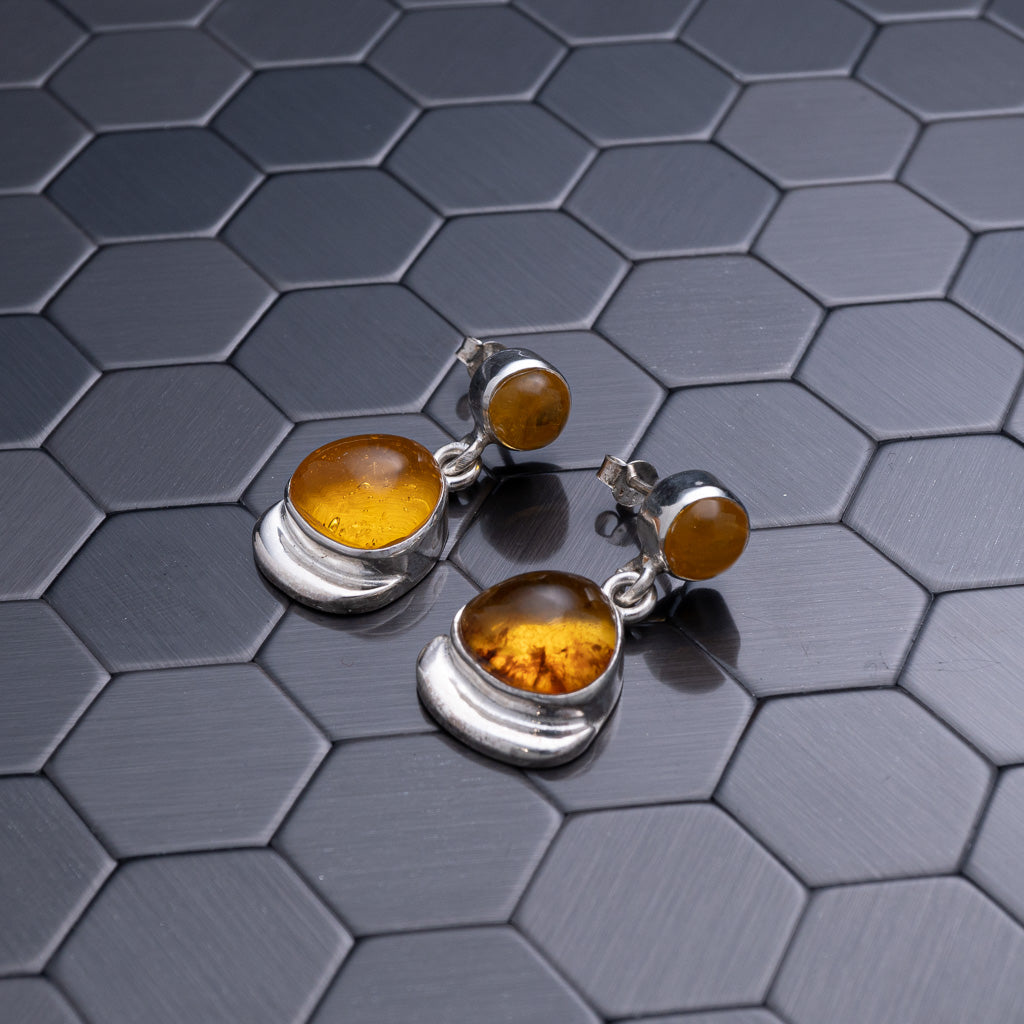
A bezel setting surrounds all or part of a gemstone’s outer edge with a rim of metal. The rim may be smooth and continuous, creating a clean frame around the stone, or it may be partially open, often called a half bezel or semi-bezel. Because the gemstone is held around its perimeter, this setting offers a secure, streamlined finish.
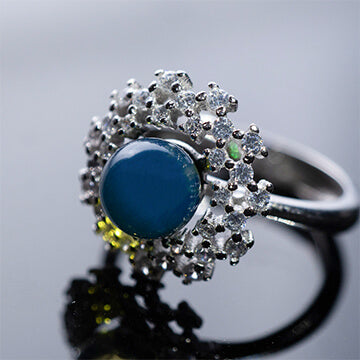
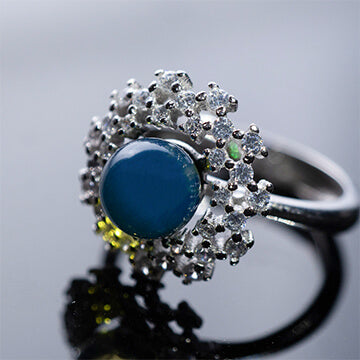
A prong setting uses small metal claws to hold the stone in place. Four, six, or more prongs rise around the gem and leave much of its edge exposed. This traditional approach is particularly familiar in faceted diamond jewelry, but it can also be used for colored gemstones, cabochons, and artisan-cut stones when designed with care.
Neither setting is automatically superior. The best choice comes down to the stone’s cut, hardness, profile, the jewelry design, and whether the piece will be an everyday favorite or reserved for special occasions.
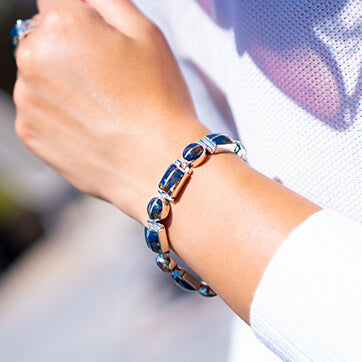
Bezel settings are beloved for their protective quality. The metal border creates a barrier around the gem’s vulnerable edge, helping reduce the chance of chips from an accidental knock. For rings, bracelets, and pendants worn close to the body, that added security can make a meaningful difference.
This is particularly valuable for Larimar. Although it has a luminous, watery appearance, Larimar is softer than many traditional fine-jewelry stones. Its pale blue surface can be affected by impact, abrasion, chemicals, and prolonged exposure to strong heat. A custom-fitted bezel protects the edge while presenting the stone like a small window into Caribbean water.
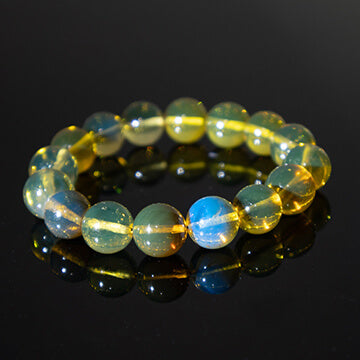
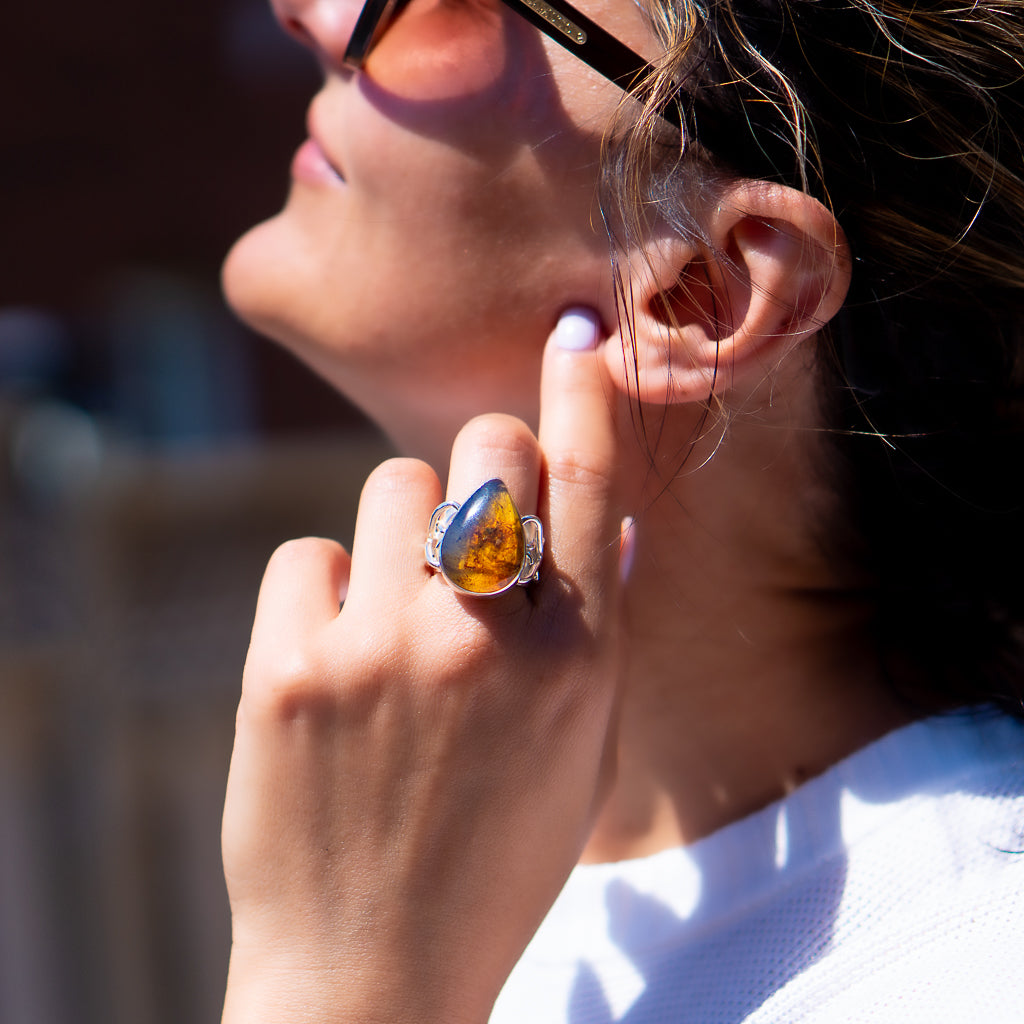
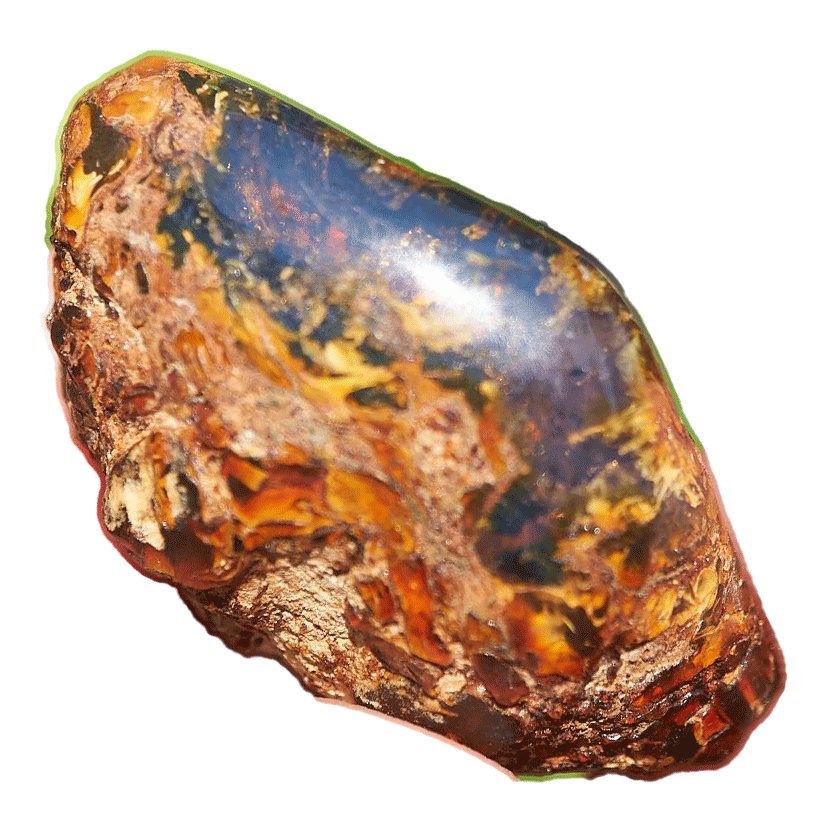
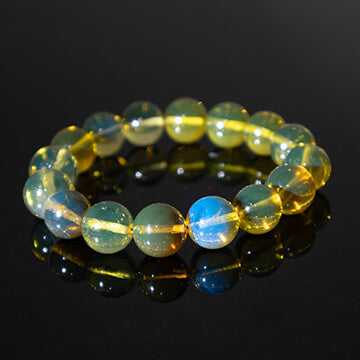
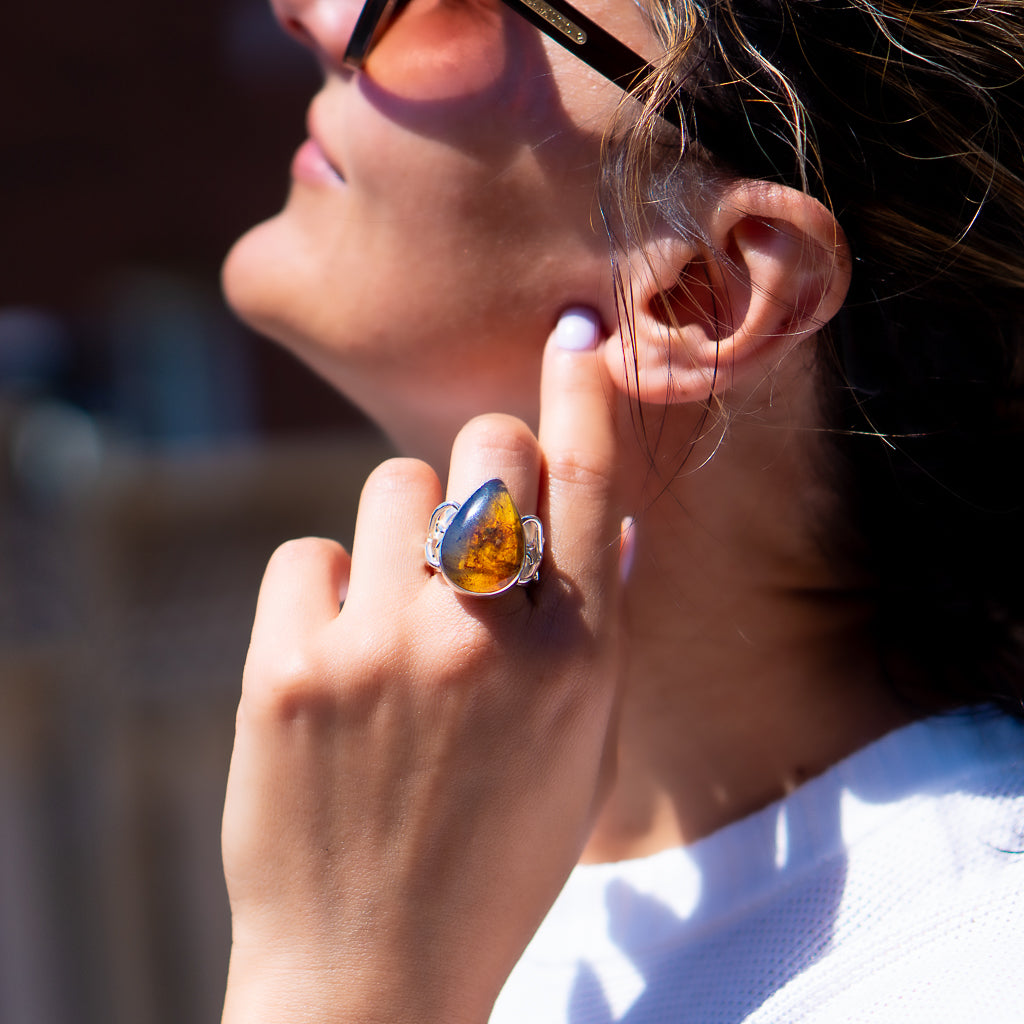
Dominican amber also benefits from considered protection. Amber is an ancient organic gem rather than a mineral crystal, and it is more delicate than sapphire, diamond, or quartz. A bezel can guard its perimeter without distracting from its warm honey tones or electric blue fluorescence. For a treasured amber ring, a bezel often offers the peace of mind that makes frequent wear more realistic.
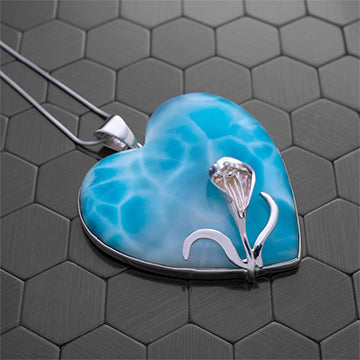
There is also an aesthetic advantage. Bezels create a refined outline that can make a cabochon appear more intentional and sculptural. Since Larimar is often cut as a smooth cabochon to showcase its cloudlike color, a bezel complements its natural form beautifully. It gives artisan jewelry a polished, substantial presence without asking the stone to imitate a conventional faceted gem.
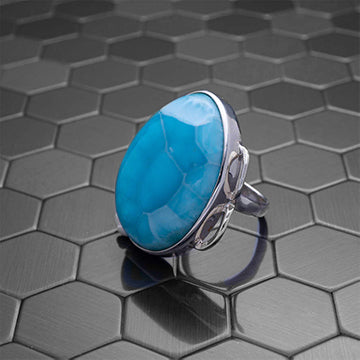
Choose a bezel setting when protection is a priority, particularly for a Larimar or amber ring you plan to wear regularly. It is also an excellent choice for stones with unusual outlines, low domes, or softened organic shapes that do not sit naturally in standard prongs.
A bezel can be ideal if you prefer jewelry with a smooth profile. It is less likely to catch on knitwear, hair, or delicate fabrics than raised prongs. This makes it a practical and elegant option for those who work with their hands, travel often, or simply want a gemstone ring that feels easy to live in.
Prong settings reveal more of the gemstone. Because metal touches only select points along the edge, the sides of the stone remain open to view. In a transparent, faceted gem, this can allow more light to enter and reflect through the stone, creating greater sparkle and visual movement.
This is why prongs remain a classic choice for diamonds and many faceted colored stones. They create a lighter, more elevated appearance and can make a gemstone look larger than a surrounding metal frame would. A carefully made prong setting also brings a sense of airiness that suits solitaire rings, drop earrings, and fine pendants.
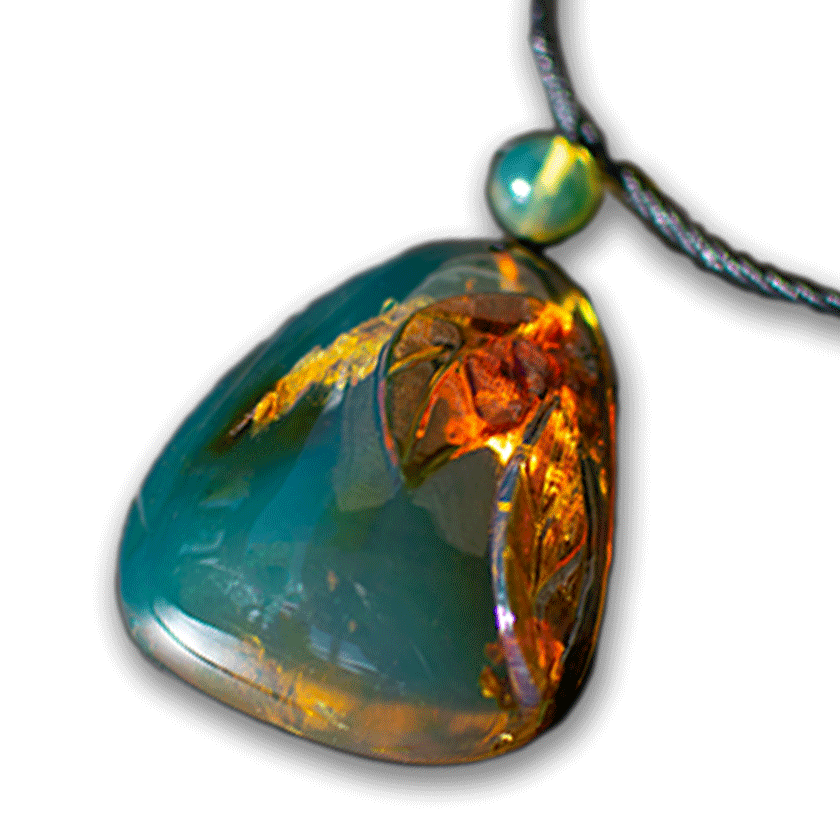
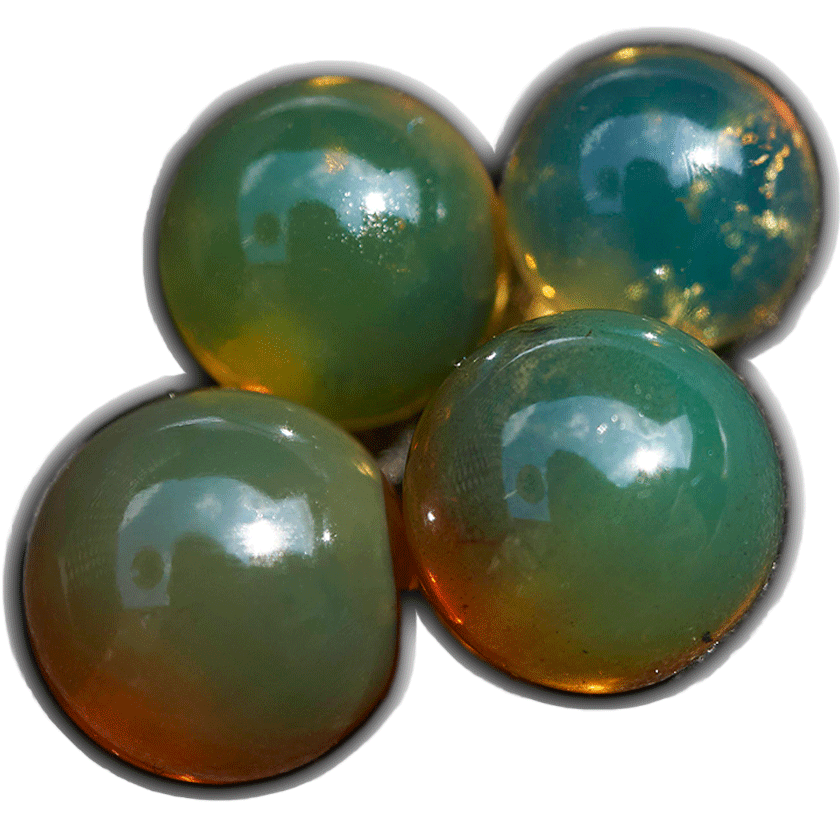
For Dominican Blue Amber, prongs can be especially striking when the stone is cut with facets or has exceptional clarity. An open setting may allow light to pass through the amber, highlighting its internal glow and its rare blue effect under sunlight or ultraviolet light. The result can feel almost weightless, as though the gemstone is suspended rather than enclosed.
Still, openness is both the appeal and the trade-off. Prongs leave the stone’s edge more exposed, and prongs themselves can bend, wear down, or catch over time. This does not make prong-set jewelry fragile by definition. It means the craftsmanship, fit, and future maintenance deserve attention.
Consider prongs when the stone is faceted, transparent, and chosen for its light performance. They are also a natural fit when you want a classic fine-jewelry silhouette with minimal metal visible around the gem.
Prongs can work beautifully with a durable gemstone or with a special-occasion piece that will not face daily wear. They may also suit an amber pendant or earrings better than an amber ring, since those pieces are less likely to strike hard surfaces. For softer gems, low-profile, protective prongs and a thoughtful design are far more important than following a standard setting style.
The practical decision often begins with where and how you will wear the piece. A ring meets door handles, countertops, luggage, exercise equipment, and the ordinary movement of daily life. A pendant usually encounters far less impact. Earrings are generally low-contact pieces, though long drops can still be vulnerable.
For a Larimar ring intended for regular wear, a full or partial bezel is often the wiser choice. It protects the edge, supports the cabochon, and gives the stone a graceful ocean-inspired frame. For a Larimar pendant, either setting can work well. A bezel emphasizes the stone’s painterly blue patterns, while prongs can create a lighter, more open presentation if the cut and shape permit it.
With amber, avoid assuming that a setting alone solves every care concern. Even a fully protected amber stone can be damaged by perfume, hairspray, household cleaners, high heat, or rough impact. Bezel settings provide valuable edge protection, but gentle care remains part of owning an authentic organic gemstone.
The metal itself also changes the final look. Warm yellow gold can deepen the golden fire of Dominican amber. Sterling silver or white metals can sharpen the cool, tranquil blue of Larimar. A substantial bezel creates contrast and definition, while fine prongs let the gemstone take center stage. The best design is one in which stone, metal, and setting feel purposefully matched.
A beautiful setting is only as dependable as the workmanship behind it. A bezel should fit closely and evenly, without gaps that allow the stone to shift. The metal should be properly burnished over the gem without covering more of the face than necessary. On softer stones, excessive pressure during setting can be harmful, so experience matters.
Prongs require equal precision. They should sit symmetrically, hold the stone securely, and be shaped smoothly enough not to snag. A prong that is too thin, poorly placed, or insufficiently tightened can put both the gemstone and the wearer’s confidence at risk. Periodic inspection is wise for any prong-set ring, especially one worn often.
At Larimar Creations, the appeal of handcrafted Caribbean gemstone jewelry lies in these details: a natural stone selected for its character, a design that respects its individual shape, and a setting made to preserve its beauty beyond the first wear.
If you are drawn to a bold cabochon Larimar ring, a bezel setting may give you the protection and polished artistry the stone deserves. If you love the luminous transparency of a faceted amber pendant, prongs may offer the open light and delicate elegance you seek. There is room for both in a meaningful jewelry collection.
Let the gemstone lead the decision. A rare stone should never be forced into a setting chosen only for fashion. When its natural qualities, your lifestyle, and skilled craftsmanship meet, you can wear a piece of the Caribbean with confidence and lasting affection.
Sign up to get the latest on sales, new releases and more …
6 min read
8 min read
9 min read