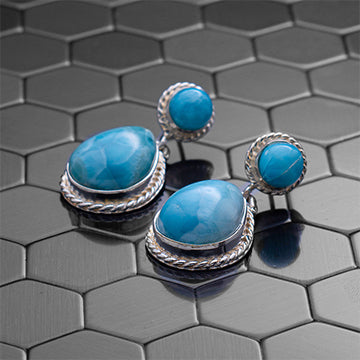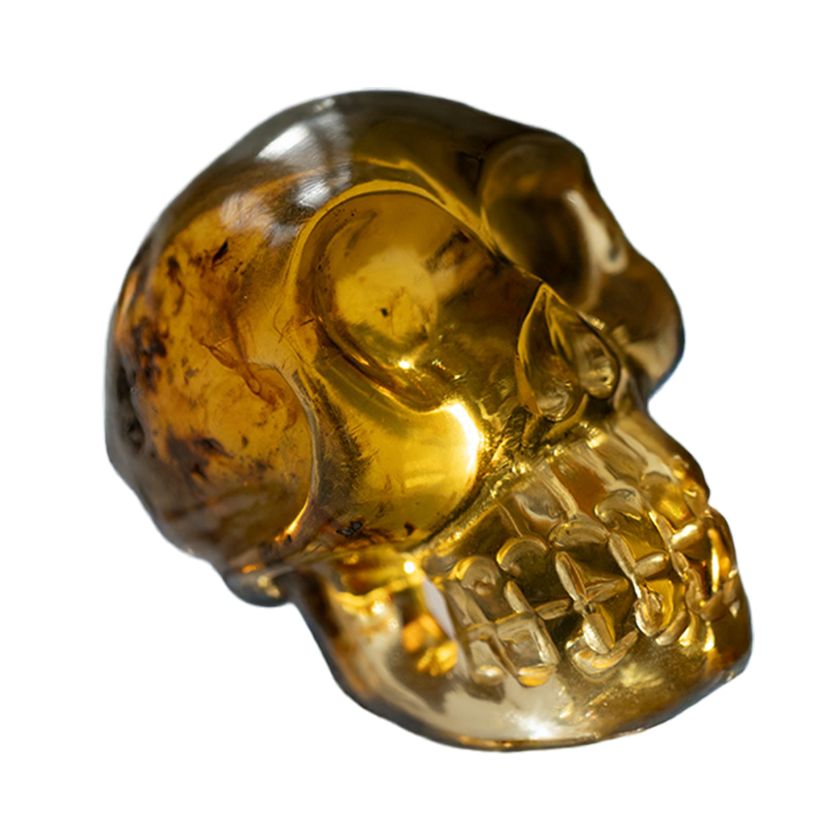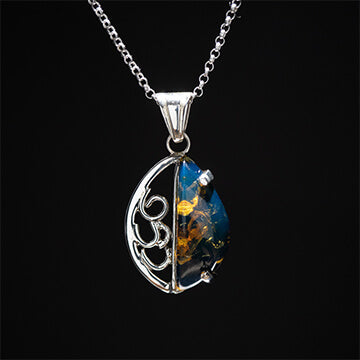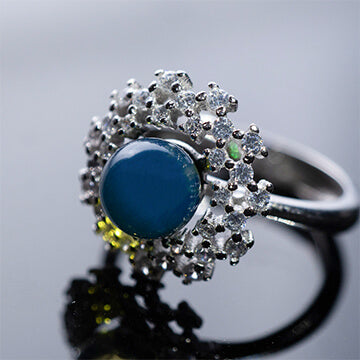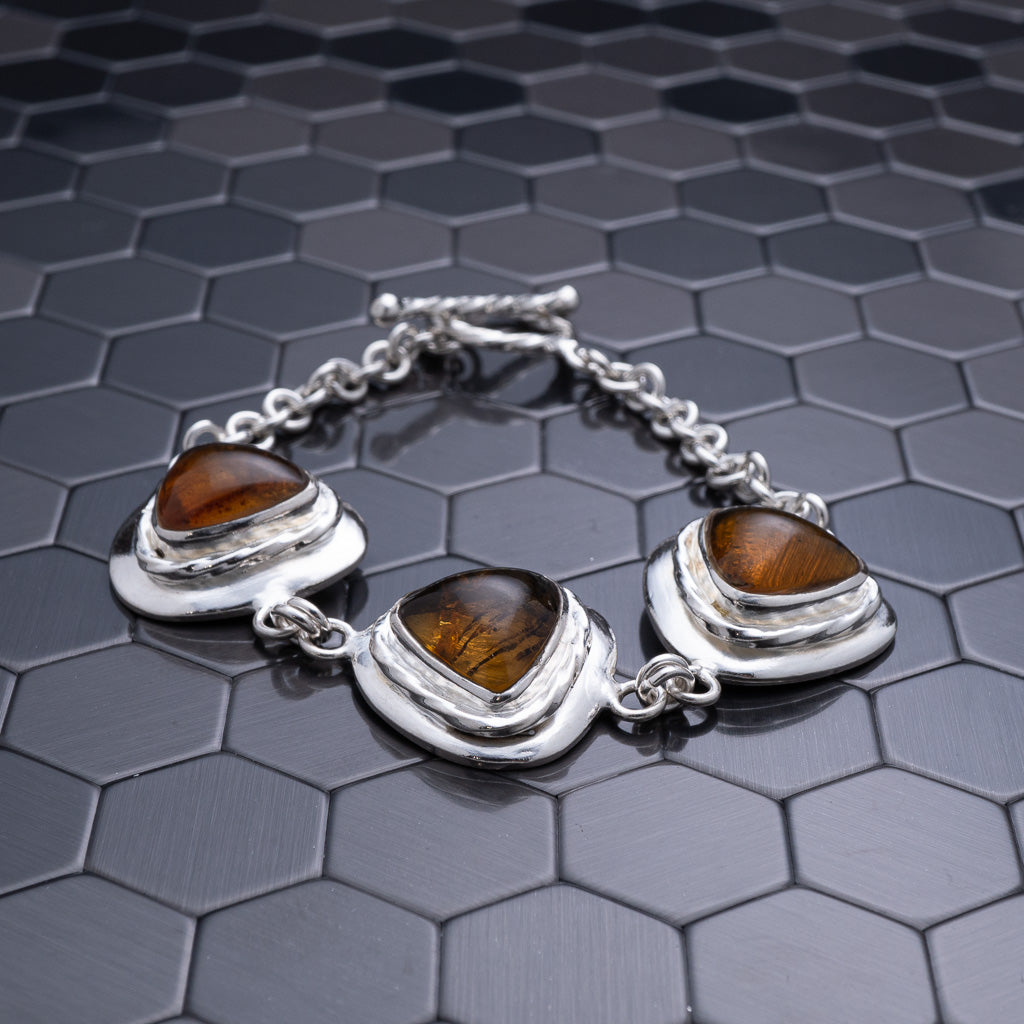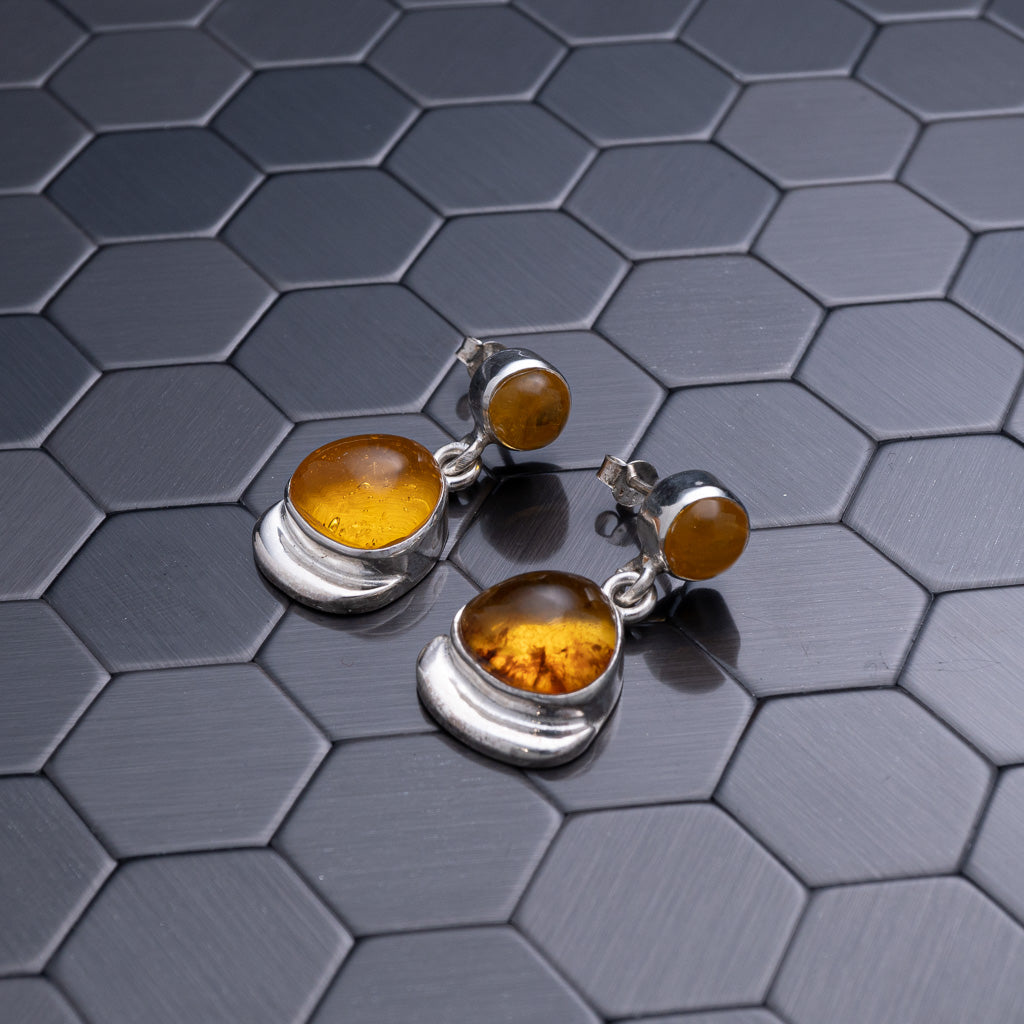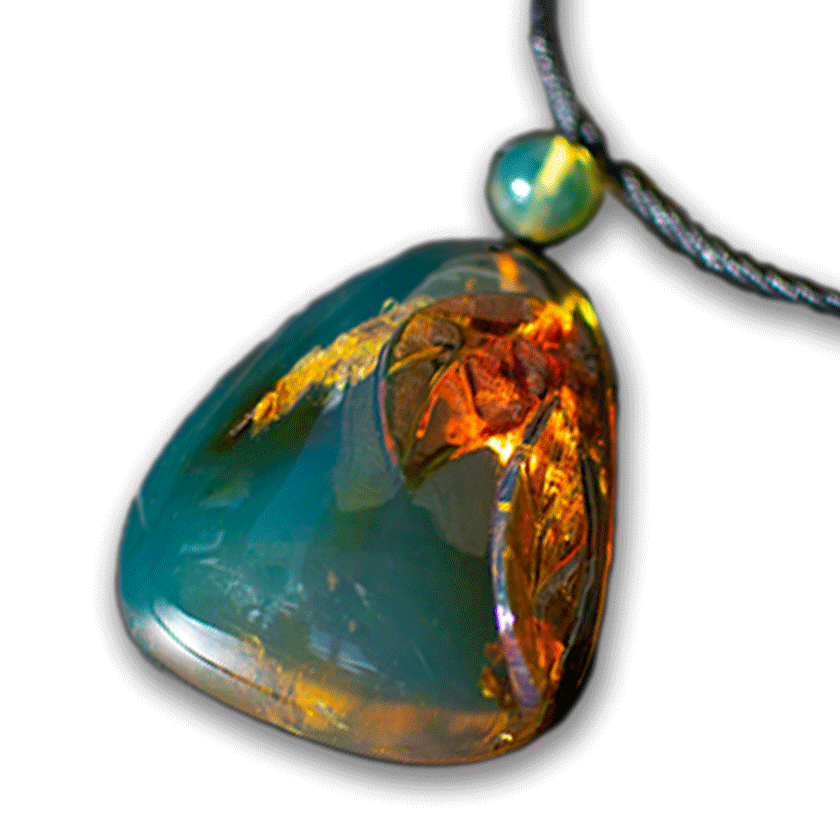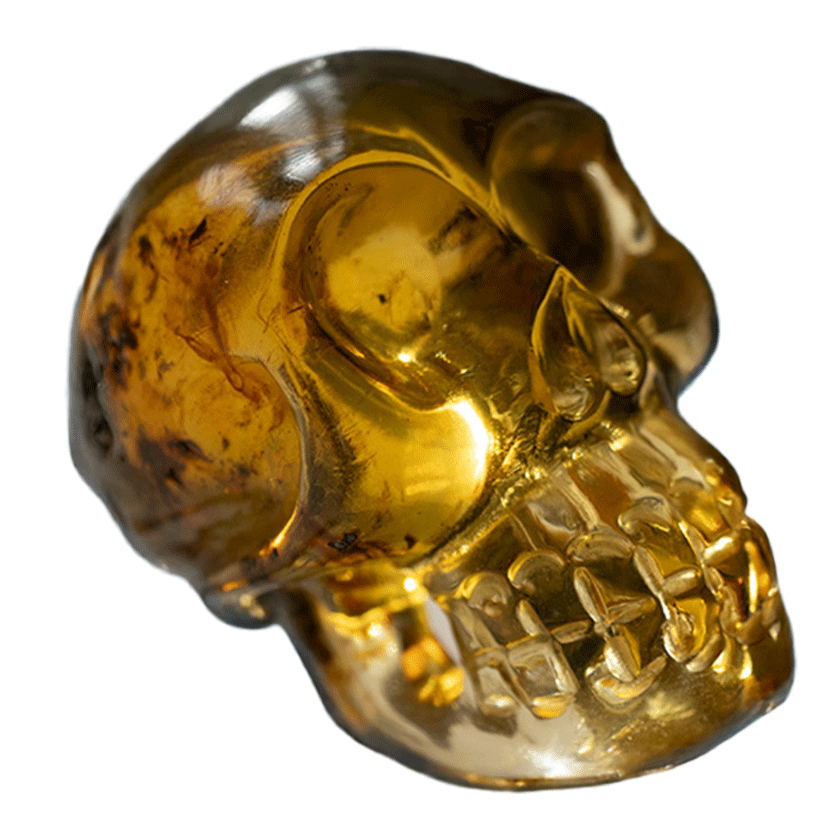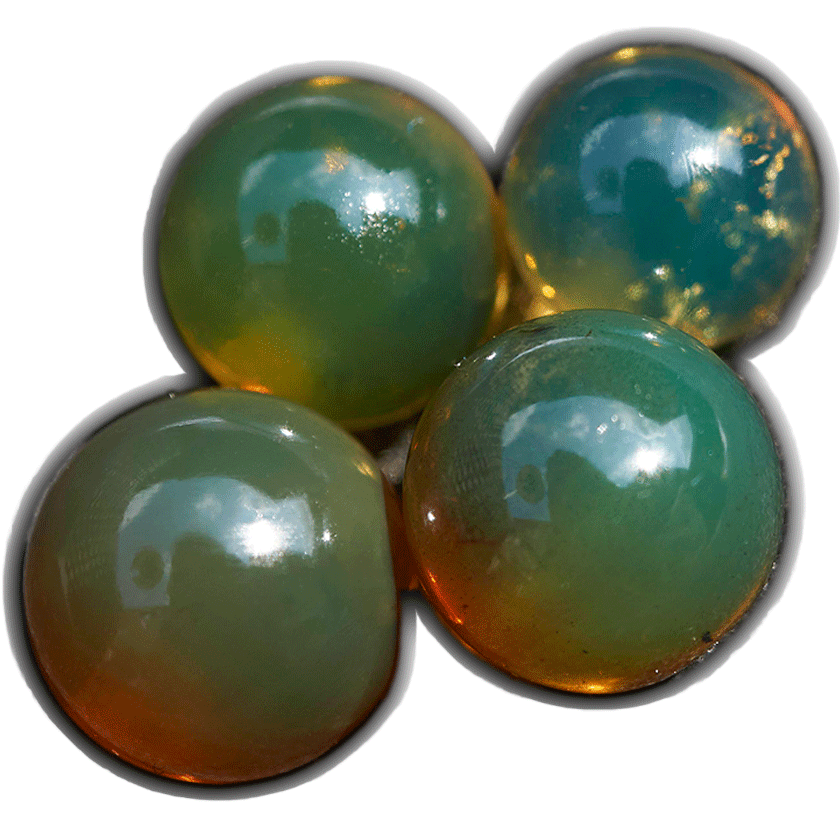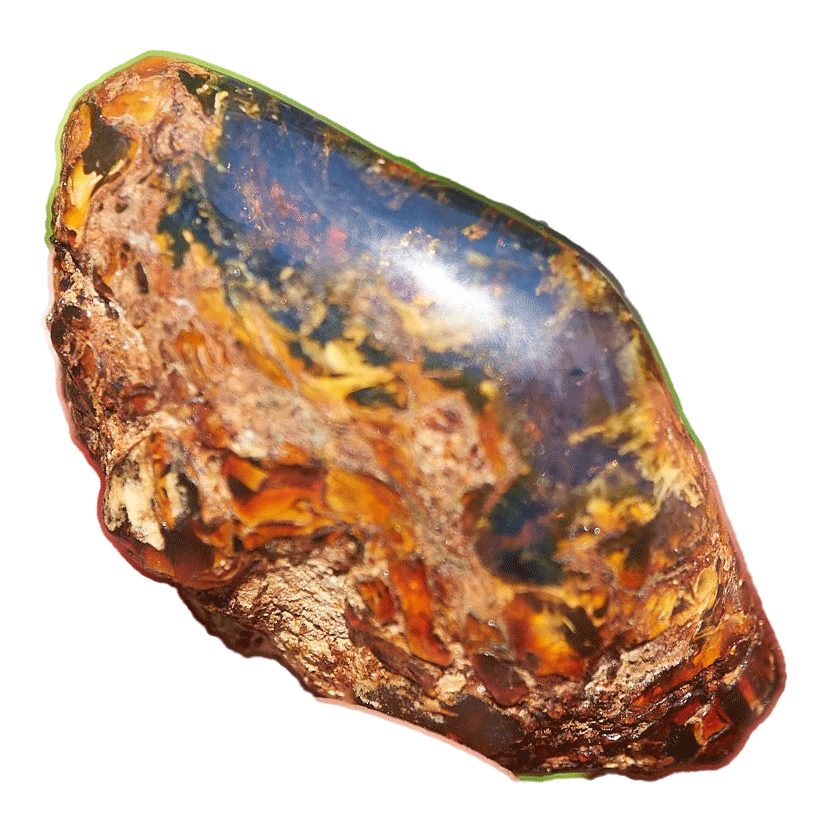


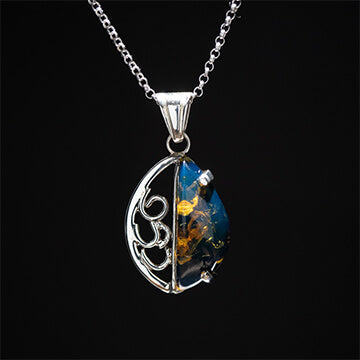
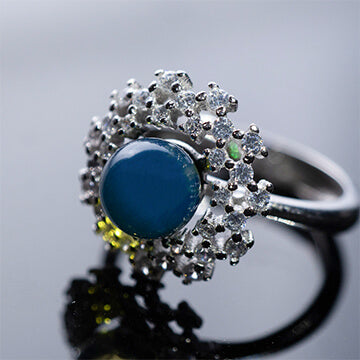
Handcrafted in DR.

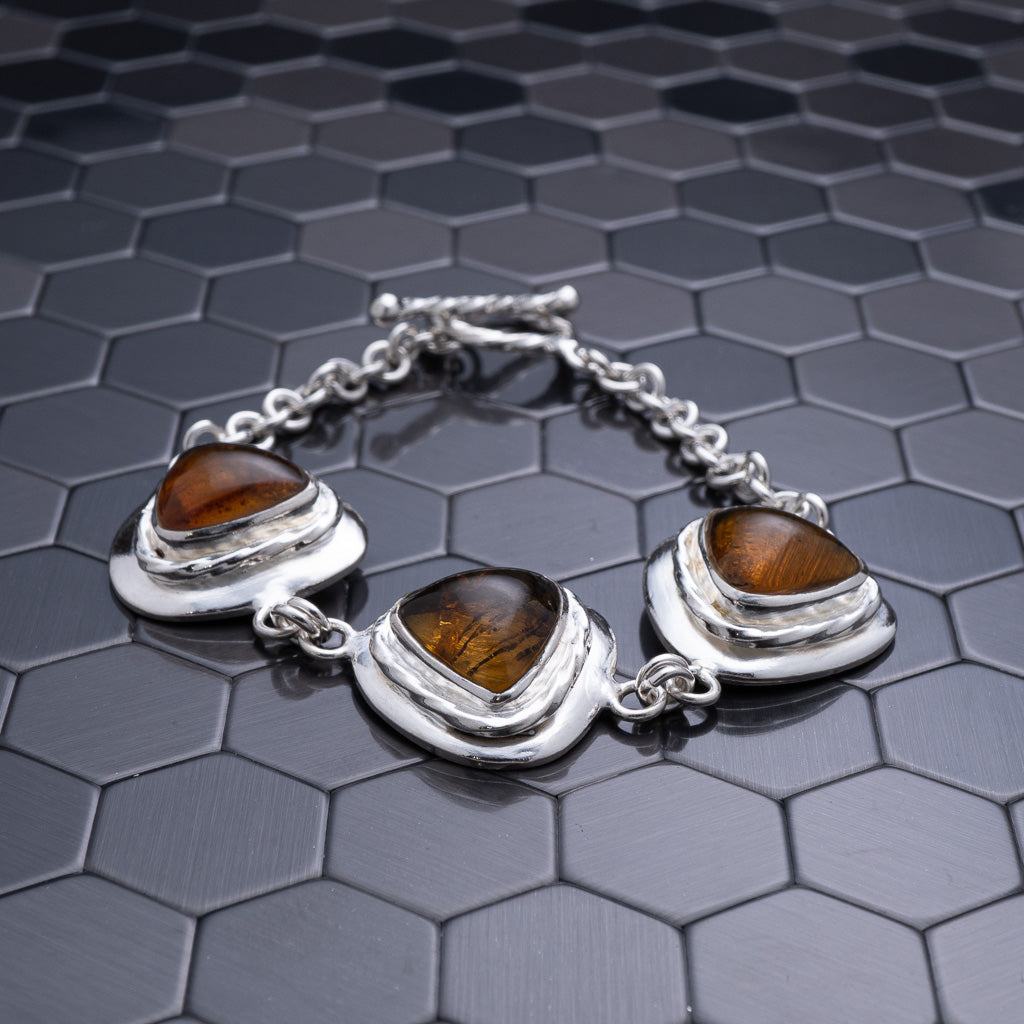
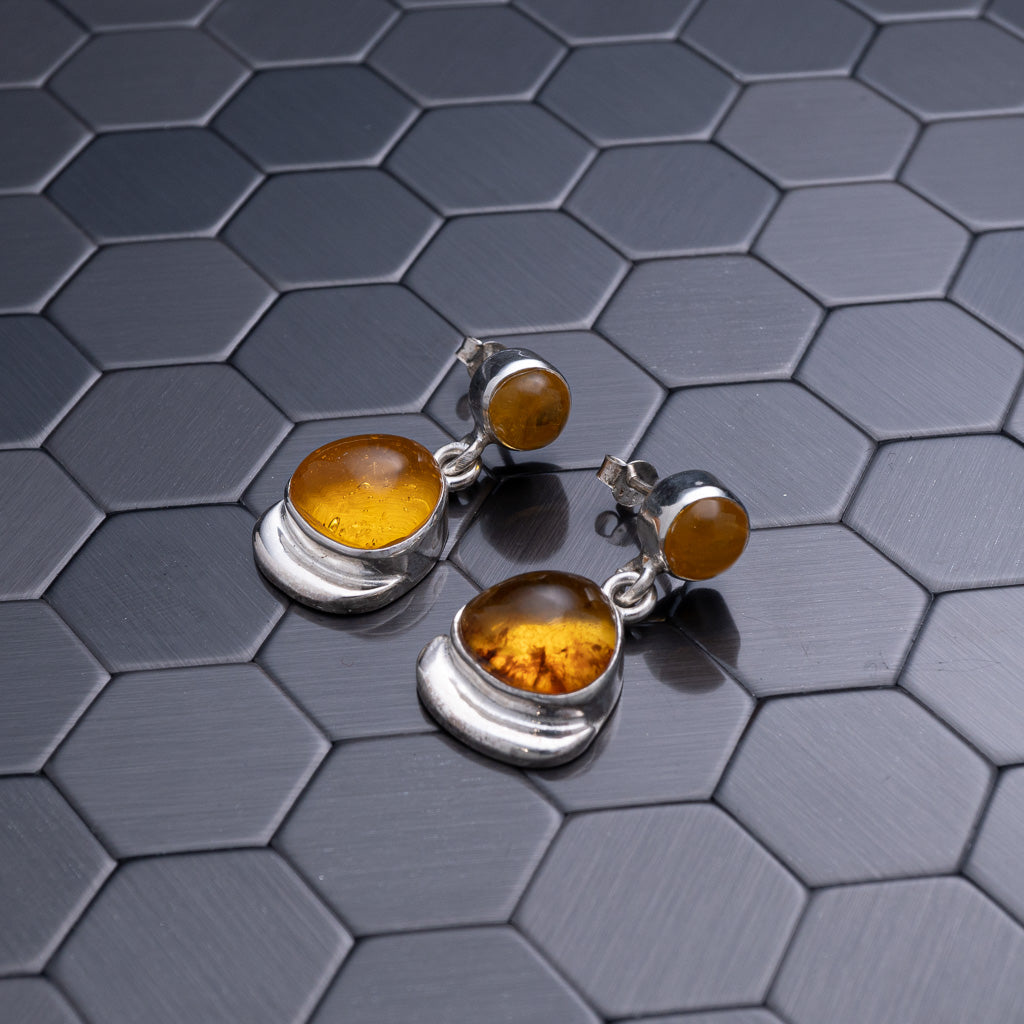


100% Handcrafted in DR.

The allure of handcrafted silver bracelets lies in their unique combination of artisan skill, precious metal beauty, and personal expression. Unlike mass-produced jewelry, each piece carries the distinct signature of its maker, reflecting hours of meticulous work and generations of metalworking tradition. For discerning jewelry enthusiasts seeking exceptional quality and authenticity, understanding the craftsmanship behind these treasured accessories enhances appreciation and informs purchasing decisions. Whether adorned with rare gemstones or showcasing pure silverwork, these bracelets represent wearable art that transcends fleeting fashion trends.
Creating handcrafted silver bracelets requires mastery of techniques refined over centuries. Artisans begin with raw silver, typically sterling silver (92.5% pure silver combined with other metals for durability), and transform it through heating, hammering, and shaping processes. The history of silverwork reveals how these methods have evolved while maintaining core principles of craftsmanship.
Professional silversmiths employ several fundamental techniques when crafting bracelets:
Each technique contributes distinct characteristics to the finished piece. The choice of method depends on the design vision, intended durability, and artistic style. Many contemporary artisans blend traditional approaches with modern tools, creating pieces that honor heritage while embracing innovation.
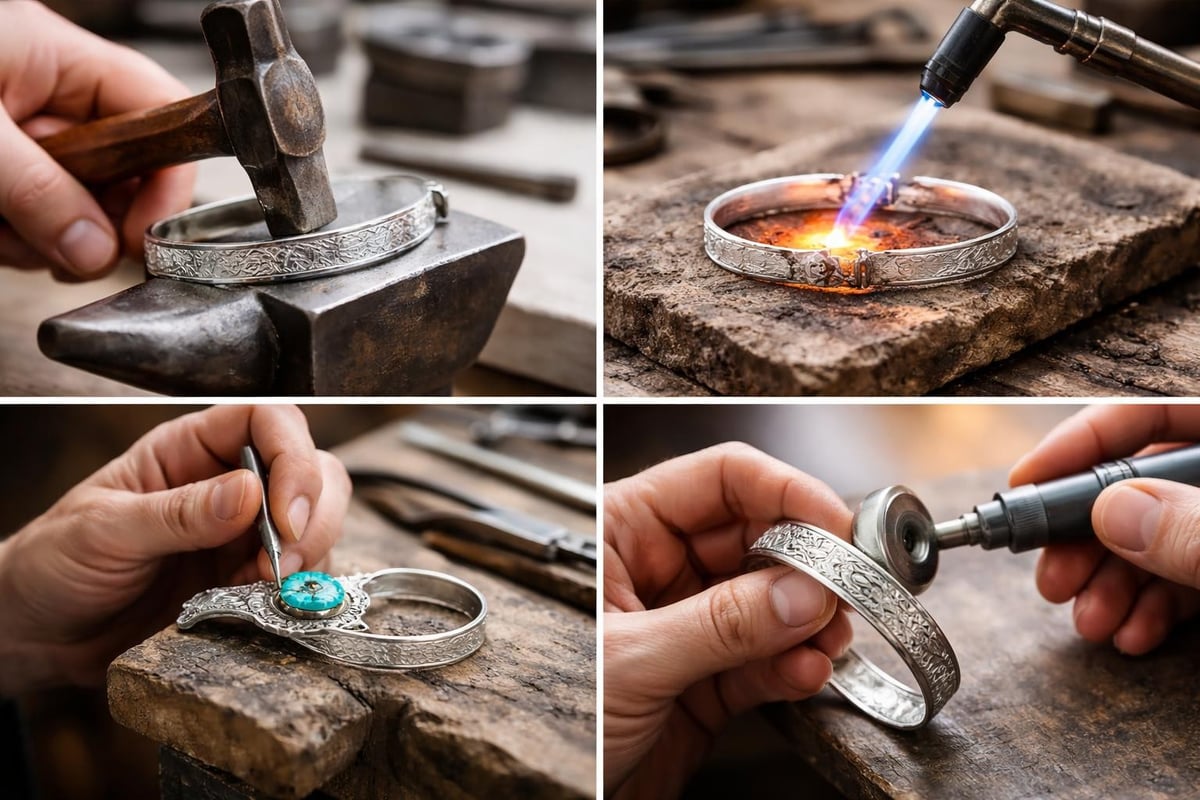
Unlike industrial manufacturing, handcrafted silver bracelets rely on specialized tools wielded by skilled hands. Jeweler's torches control precise heating, mandrels shape circular forms, and various hammers create specific textures. Files, burnishers, and polishing compounds bring surfaces to mirror finishes or deliberate matte textures.
The physical connection between artisan and material produces subtle variations that distinguish handmade pieces. No two hammer strikes land identically, no two saw cuts follow exactly the same path. These microscopic differences accumulate into bracelets with genuine character and soul.
Handcrafted silver bracelets showcase remarkable diversity in design approaches. From minimalist bands to elaborate statement pieces, each style reflects cultural influences, personal aesthetics, and technical capabilities. Understanding these design elements helps collectors identify pieces that resonate with their individual taste.
| Style Type | Characteristics | Best For |
|---|---|---|
| Cuff Bracelets | Open-backed, adjustable, bold statement | Wrist sizes that vary, dramatic looks |
| Bangle Bracelets | Closed circular form, slides over hand | Stacking, minimalist aesthetics |
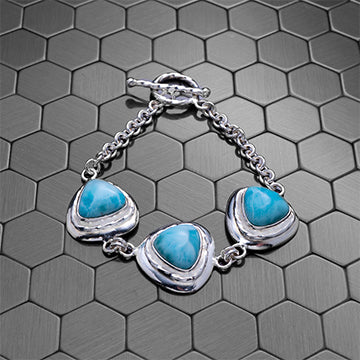
| Chain Bracelets | Linked segments, flexible movement | Delicate designs, adjustable fit |
| Hinged Bracelets | Opens via mechanical hinge, secure closure | Precise fit, maximum comfort |
The structural foundation determines how the bracelet sits on the wrist, influences comfort during wear, and affects overall visual impact. Artisans carefully consider wrist anatomy and movement patterns when selecting appropriate forms for their designs.
Beyond basic shape, surface treatment dramatically transforms the appearance of handcrafted silver bracelets. Polished finishes reflect light brilliantly, creating jewelry that sparkles and catches attention. Brushed or satin finishes offer sophisticated restraint, reducing shine while highlighting form. Oxidized silver develops rich, dark patinas that emphasize recessed details and create vintage aesthetics.
Hammered textures add organic, natural qualities that celebrate the handmade process. Some artisans incorporate granulation (tiny silver spheres fused to surfaces) or filigree (delicate wirework patterns) for intricate visual interest. These surface choices communicate different moods and complement various wardrobe styles.
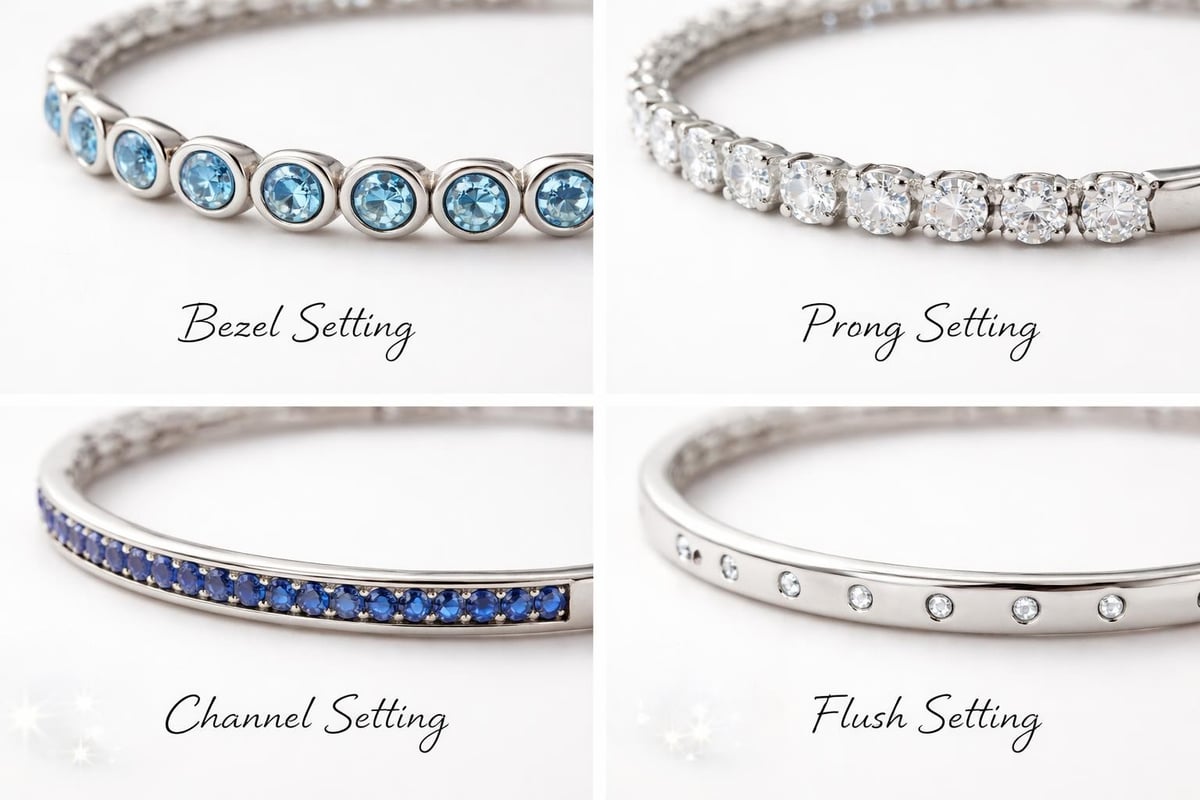
Many handcrafted silver bracelets feature gemstones that add color, meaning, and value. The integration of stones requires additional expertise in setting techniques that secure gems while showcasing their beauty. Bezel settings surround stones with silver frames, offering maximum protection and clean, modern aesthetics. Prong settings use metal claws to grip stones, allowing maximum light transmission and traditional elegance.
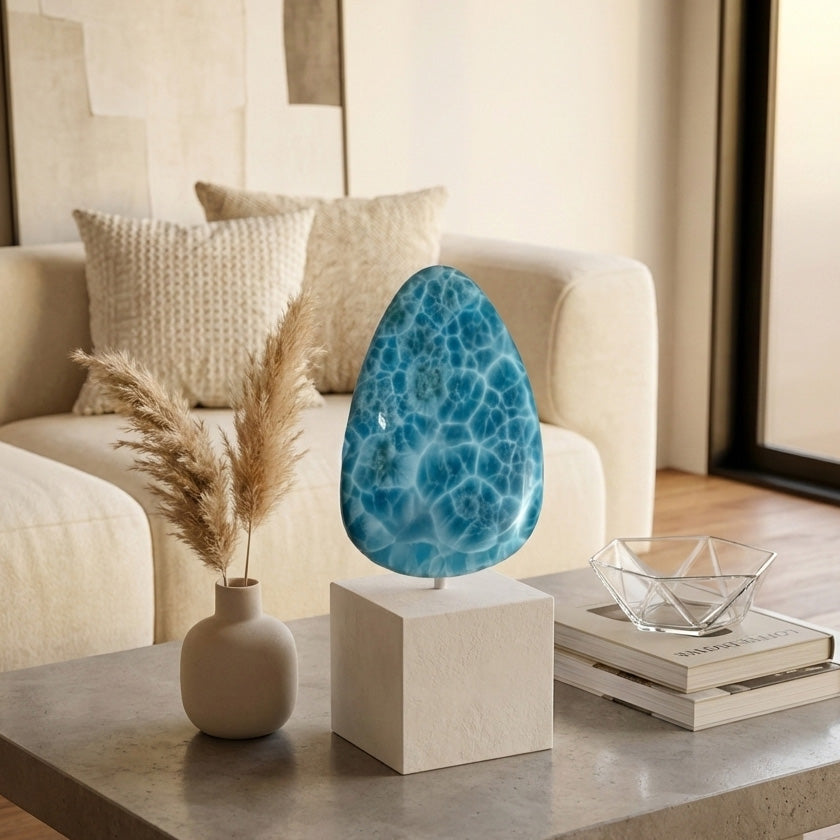
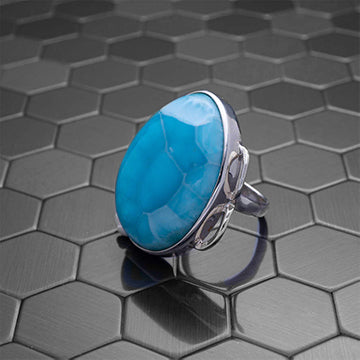
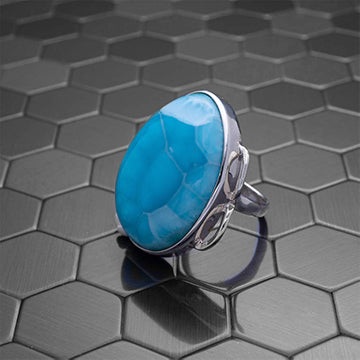
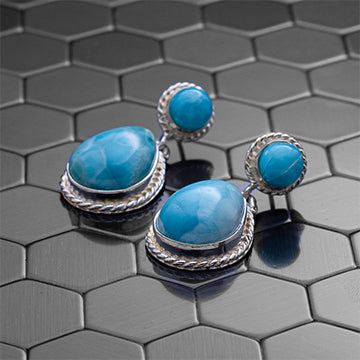
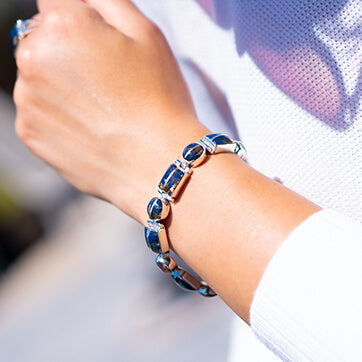
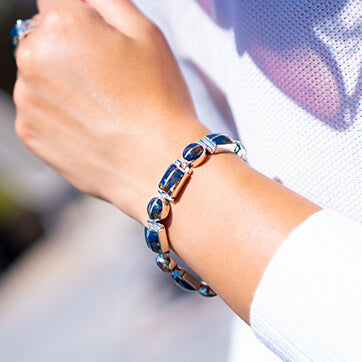
Artisans choose gemstones based on color harmony, metaphysical properties, and durability considerations. Turquoise has adorned silver bracelets in Southwestern traditions for centuries, while contemporary designers explore diverse options. Rare stones like Larimar, found exclusively in the Dominican Republic, offer distinctive blue hues that pair beautifully with silver's cool tones.
When evaluating handcrafted silver bracelets with gemstones, examine how securely stones sit in their settings. Quality workmanship ensures stones don't shift or rattle, and metal surrounds stones evenly without gaps. The transition between silver and stone should appear seamless, demonstrating the setter's skill.
Distinguishing exceptional handcrafted silver bracelets from inferior alternatives requires knowledge of quality markers. Authentic sterling silver bears hallmarks stamping "925," "Sterling," or specific maker's marks that identify the artisan or studio. These tiny stamps, typically placed on the interior surface, verify metal content and origin.
Weight provides initial quality clues. Solid, well-crafted bracelets possess substantial heft, while thin, lightweight pieces may indicate inadequate silver content or flimsy construction. However, delicate designs naturally weigh less than bold cuffs, so consider weight relative to style.
Solder joints reveal technical proficiency. Skilled artisans create nearly invisible connections where separate elements join. Examine joints under good lighting; excess solder, gaps, or discoloration suggest rushed or inexperienced work.
Finish consistency across all surfaces indicates attention to detail. Quality pieces show uniform polishing or texturing, with no overlooked areas or rough spots that might snag clothing or scratch skin.
| Quality Indicator | Superior Craftsmanship | Inferior Work |
|---|---|---|
| Hallmarks | Clear, properly placed stamps | Missing, illegible, or fake marks |
| Edges | Smooth, deliberately finished | Sharp, unfinished, irregular |
| Stone Settings | Secure, level, tight | Loose, crooked, gapped |
| Surface | Even finish throughout | Inconsistent, spotted, scratched |
Beyond standard purity marks, many artisans apply personal maker's marks that function as signatures. These unique symbols or initials identify the creator and, over time, become associated with particular quality levels and styles. Silversmithing traditions emphasize the importance of these marks for authentication and provenance.
Collecting work from recognized makers adds investment value while supporting individual artisans. Research makers whose aesthetic resonates with your preferences, and build relationships with studios that consistently deliver exceptional craftsmanship.
Handcrafted silver bracelets require proper care to maintain their beauty across generations. Silver naturally tarnishes when exposed to sulfur compounds in air, forming dark surface layers. While some designs intentionally use oxidation for artistic effect, most benefit from regular cleaning and protective storage.
Activities involving impact, pressure, or abrasive contact pose risks to handcrafted silver bracelets. Gardening, weightlifting, and manual labor can bend delicate elements, loosen stone settings, or scratch surfaces. Removing jewelry during these activities preserves structural integrity and appearance.
For routine cleaning, warm water with mild dish soap and a soft brush gently removes accumulated dirt. Rinse thoroughly and dry with lint-free cloth to prevent water spots. For tarnish removal, specialized silver polishing cloths or liquid cleaners restore shine effectively.
Avoid ultrasonic cleaners unless certain your bracelet contains no delicate elements, soft stones, or adhesive-set components. These devices use vibrations that may damage certain construction methods. When in doubt, consult the artisan who created your piece for specific care recommendations.
Handcrafted silver bracelets offer versatile styling options suitable for diverse occasions and aesthetics. Stacking multiple bracelets creates dynamic, personalized looks that evolve with mood and outfit. Combine different widths, textures, and styles for visual interest while maintaining cohesive metal tones.
Delicate chain bracelets suit professional environments where subtlety matters, while bold cuffs make statements appropriate for creative industries or evening events. Consider your lifestyle and wardrobe when building a collection. Pieces that complement existing clothing choices receive more wear and deliver better value.
Mixing metals has become increasingly acceptable in contemporary styling. Pairing handcrafted silver bracelets with gold watches or rose gold rings creates sophisticated contrast. The key lies in intentional combination rather than accidental mismatch-wear multiple metals confidently and deliberately.
Silver's cool brilliance particularly suits spring and summer wardrobes, complementing light fabrics and bright colors. However, these bracelets transition beautifully into fall and winter when paired with rich jewel tones, earth tones, and textured knits. The versatility of handcrafted silver bracelets makes them year-round wardrobe staples.
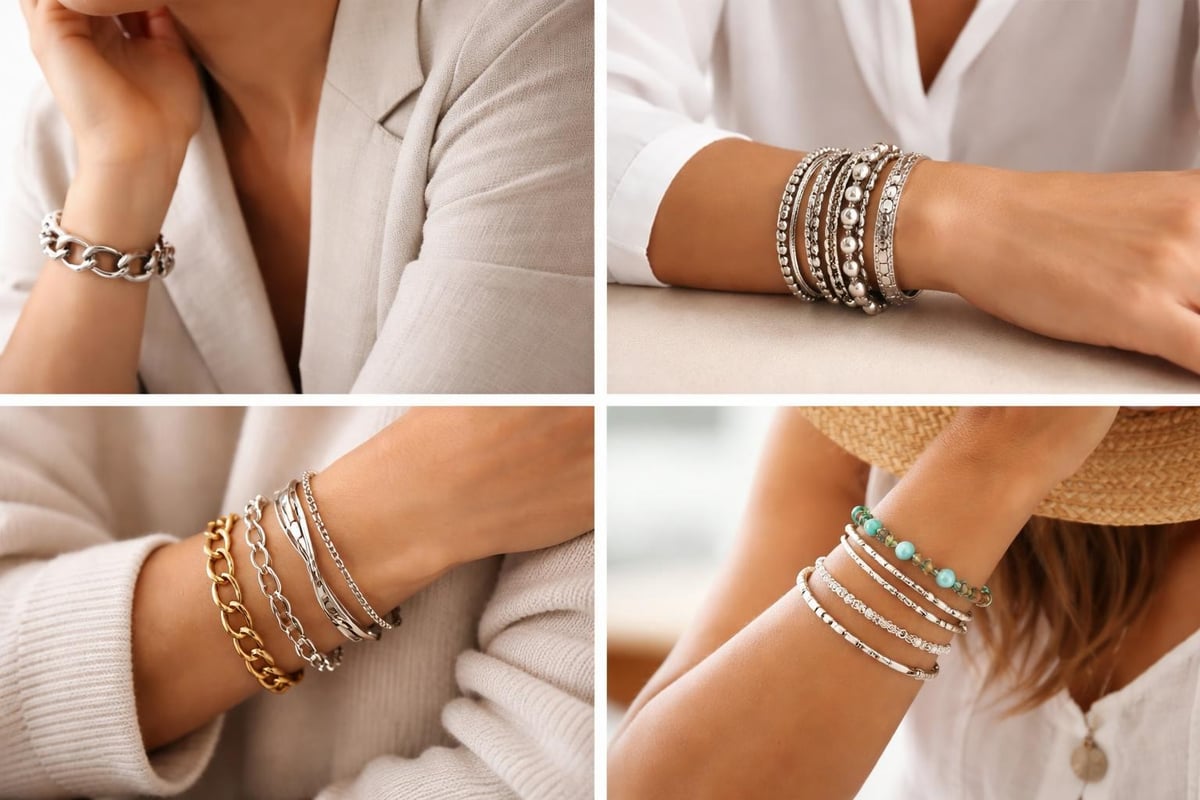
Beyond personal adornment, handcrafted silver bracelets represent tangible investments in artisan skills and precious metals. While mass-produced jewelry depreciates immediately, well-crafted pieces from recognized makers may appreciate as artists gain recognition and vintage examples become scarce.
Artist reputation significantly influences collectibility. Emerging artisans offer accessible entry points, while established names command premium prices. Research artists whose work appears in galleries, wins awards, or receives critical acclaim. Documentation authenticating provenance enhances resale value should you eventually sell pieces.
Design innovation distinguishes investment-worthy pieces from generic offerings. Bracelets showcasing unique techniques, unusual stone combinations, or groundbreaking aesthetics maintain relevance beyond temporary trends. Consider whether designs possess timeless qualities or reflect passing fashions.
Condition preservation directly impacts value retention. Properly maintained bracelets retain maximum worth, while damaged or poorly restored pieces lose significant value. Store pieces carefully, address repairs promptly with qualified jewelers, and maintain documentation of maintenance history.
Some artisans specialize in limited editions or numbered series, creating inherent scarcity that supports value. While not guaranteeing appreciation, limited availability combined with quality craftsmanship improves investment potential compared to unlimited production pieces.
Handcrafted silver bracelets reflect rich cultural traditions worldwide. Southwestern American jewelry incorporates Native American influences, featuring turquoise, coral, and distinctive stamp work. Scandinavian designs emphasize clean lines, minimalist forms, and modernist aesthetics. Asian traditions bring intricate wirework, symbolic motifs, and spiritual significance.
Studying these regional approaches deepens appreciation for diverse silversmithing philosophies. Mexican silver work, particularly from Taxco, showcases elaborate designs and masterful stone setting. Thai hill tribe silver celebrates textured, organic forms with high silver content. Each tradition offers unique perspectives on what handcrafted silver bracelets can achieve.
Contemporary artisans increasingly blend influences, creating fusion styles that honor multiple traditions. A bracelet might combine Southwestern turquoise settings with Scandinavian minimalist forms, resulting in fresh interpretations that respect heritage while pushing boundaries. This cross-cultural dialogue enriches the handcrafted jewelry landscape.
For truly personalized handcrafted silver bracelets, commissioning custom pieces allows direct collaboration with artisans. This process transforms jewelry from accessory into meaningful heirloom embodying personal stories, important relationships, or significant life events.
Initial consultations establish design direction, budget parameters, and timeline expectations. Share inspiration images, describe intended symbolism, and explain practical requirements like preferred fit or closure mechanisms. Experienced artisans translate these inputs into sketches or digital renderings for approval.
Communication throughout the process ensures satisfaction with the evolving design. Request progress updates, provide feedback on work-in-progress photos, and clarify any concerns before completion. Clear expectations regarding revision policies, deposit requirements, and final payment terms prevent misunderstandings.
Custom commissions typically require longer production timelines than purchasing ready-made pieces. Allow 4-12 weeks depending on design complexity, stone sourcing requirements, and artisan workload. Rush fees may accelerate production but can compromise quality; patience yields superior results.
Conscientious consumers increasingly evaluate the environmental and social impact of jewelry purchases. Handcrafted silver bracelets generally offer advantages over mass-produced alternatives in sustainability and ethical production. Small-scale artisans typically maintain lower environmental footprints, use recycled metals, and provide fair compensation to makers.
Inquire about silver sources when purchasing handcrafted pieces. Recycled sterling silver reduces mining demand while maintaining quality standards. Some artisans prioritize certified ethical silver from suppliers meeting environmental and labor standards. Transparency regarding material sourcing indicates commitment to responsible practices.
When bracelets incorporate gemstones, ethical sourcing becomes equally important. Stones obtained through fair trade channels, small-scale mining operations, or reclaimed vintage jewelry support responsible supply chains. Artisans passionate about ethics typically document stone origins and gladly discuss their sourcing practices.
Supporting independent artisans directly impacts local economies and preserves traditional crafts threatened by industrial manufacturing. Each purchase of handcrafted silver bracelets sustains livelihoods, funds continued artistic development, and votes for a jewelry industry valuing human skill over mass production.
Handcrafted silver bracelets coordinate beautifully with other jewelry pieces to create cohesive personal style statements. Sterling silver necklaces naturally complement silver bracelets, creating harmonious metal consistency throughout an ensemble. When combining pieces, consider scale, proportion, and design language.
Matching bracelet and ring sets from the same artisan ensure stylistic continuity while allowing mix-and-match flexibility. Shared design elements like similar textures, repeated motifs, or consistent stone choices unify separate pieces into coherent collections.
Some jewelry enthusiasts prefer eclectic combinations, deliberately mixing different artistic voices and styles. This approach celebrates diversity and creates highly personal expressions. The connecting thread becomes the wearer's individual taste rather than matching design elements. Both approaches work; choose strategies aligning with your aesthetic preferences.
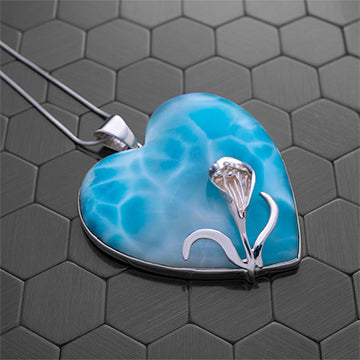
For those incorporating rare gemstones, Larimar pendants provide stunning focal points that pair exceptionally well with simpler silver bracelets. The Caribbean blue stone's distinctive color creates visual interest without overwhelming coordinating pieces, allowing each element to shine while contributing to unified overall looks.
Distinguishing genuinely handcrafted silver bracelets from machine-made imposters requires careful observation. Surface irregularities in truly handmade pieces reflect human touch rather than indicating flaws. Slight variations in hammer marks, minor asymmetries in shapes, and unique character marks demonstrate authentic handwork.
Machine-made bracelets display perfect uniformity, identical repeated patterns, and flawless symmetry. While technically impressive, these pieces lack the subtle individuality that makes handcrafted jewelry special. Examine multiple examples from the same maker; handcrafted pieces show variations while maintaining consistent quality standards and recognizable style signatures.
Tool marks visible under magnification reveal production methods. Hand files leave directional scratches different from mechanical buffing patterns. Solder joints in handmade pieces may show slight variations in fillet sizes, while machine soldering produces identical joints throughout.
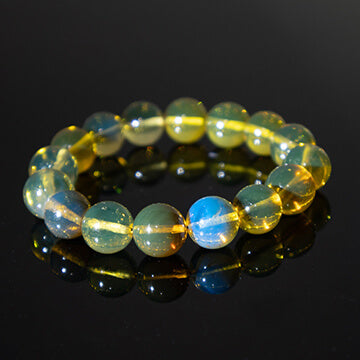
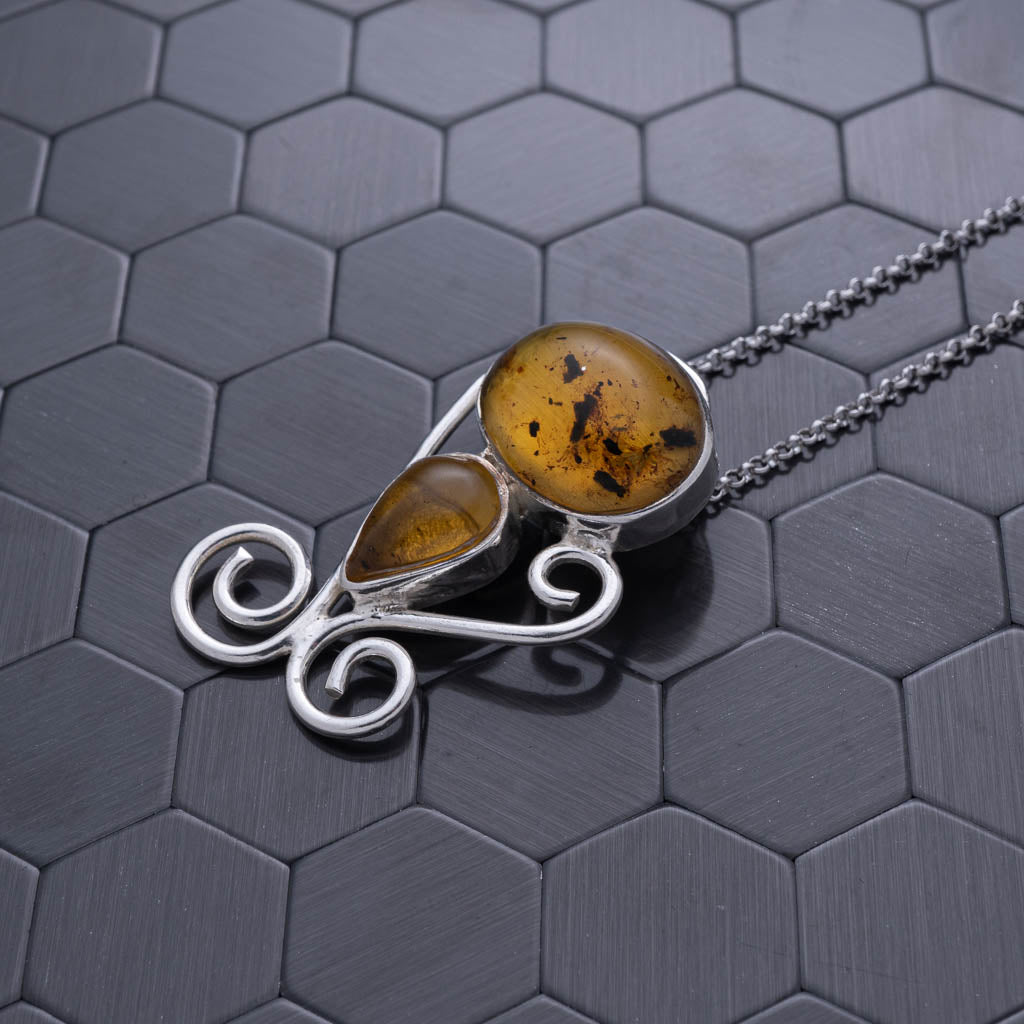
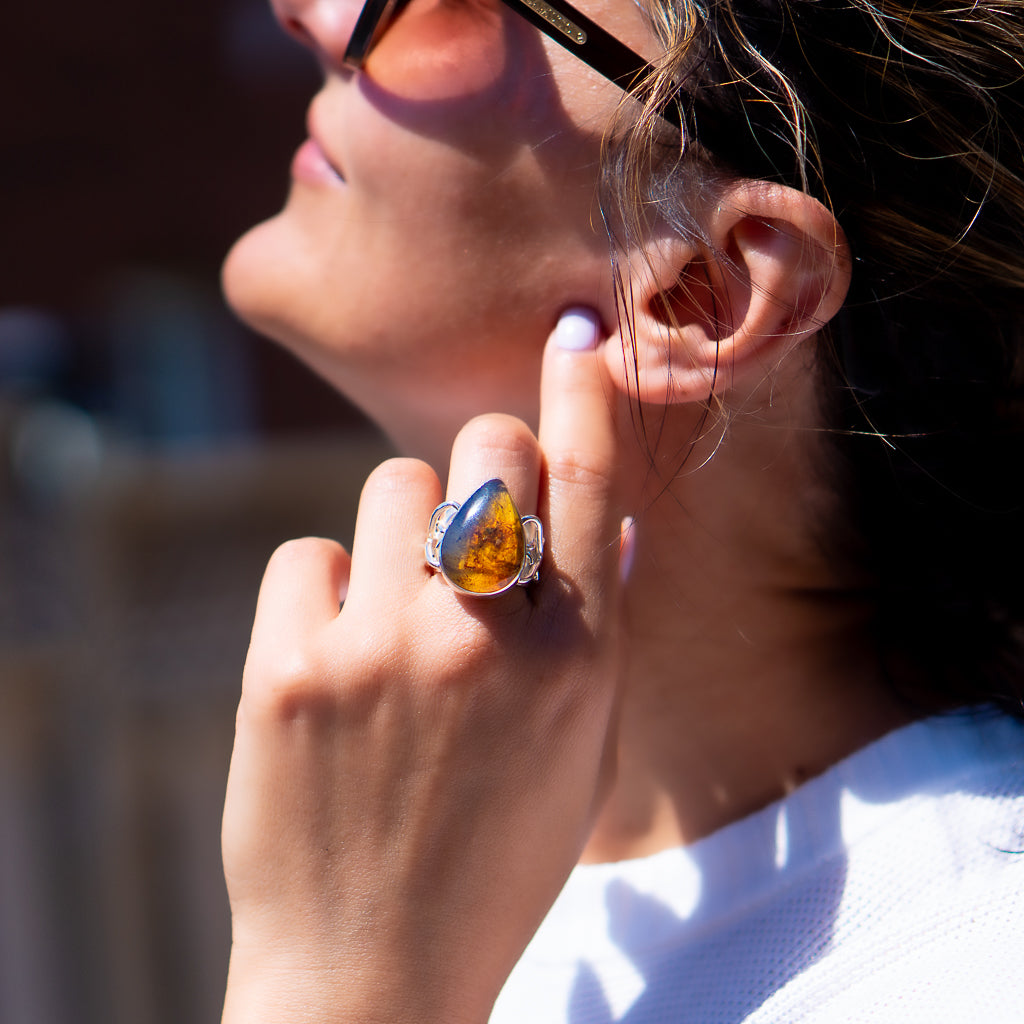
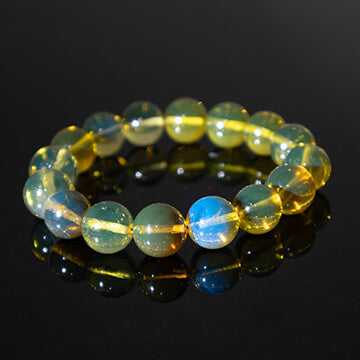
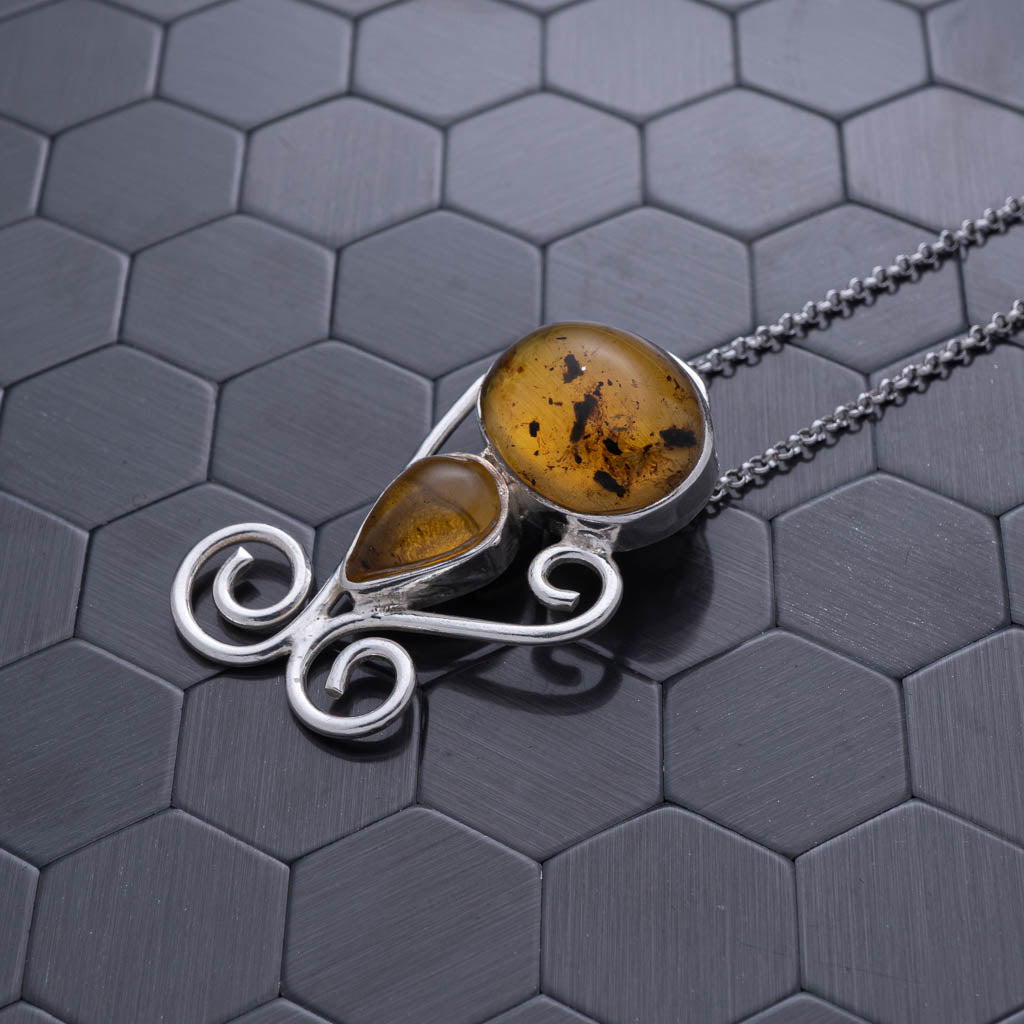
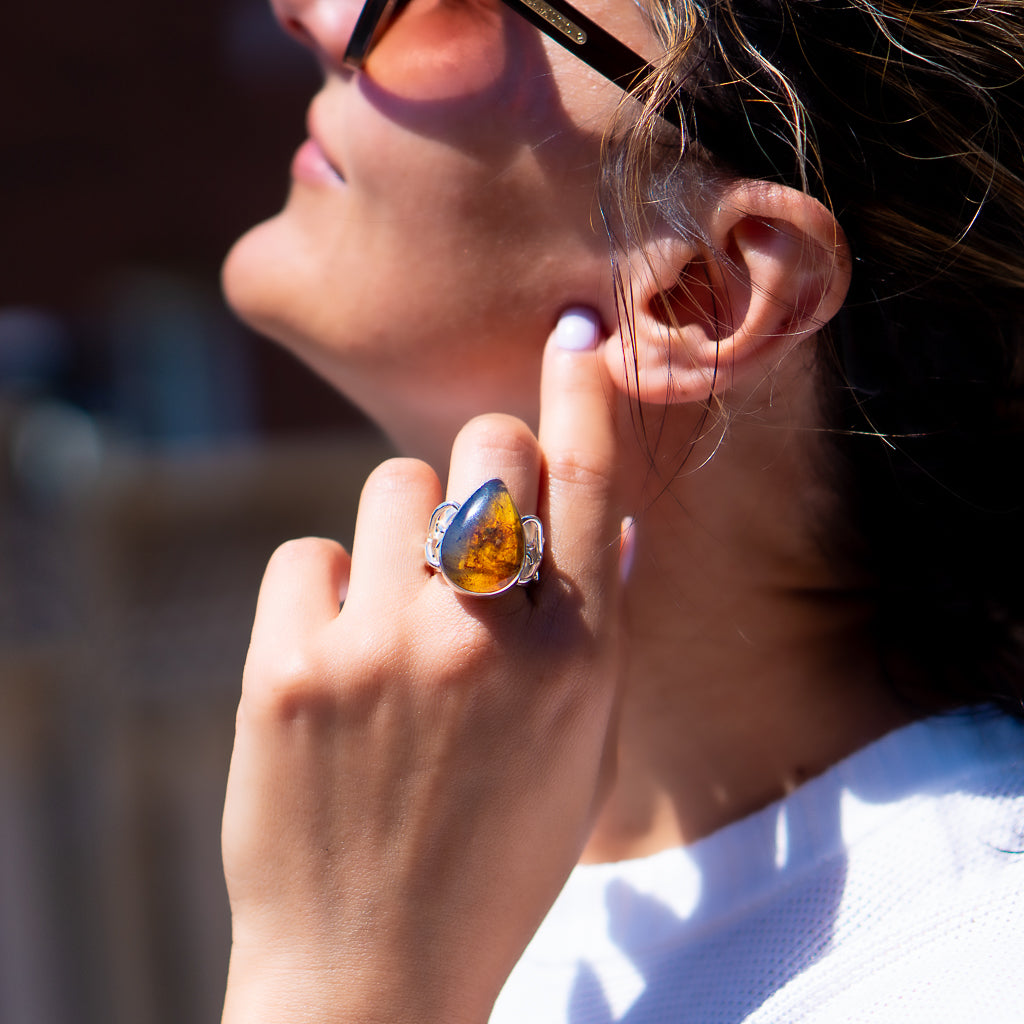
Handcrafted silver bracelets represent exceptional investments in artisan skill, precious materials, and timeless design that transcend temporary fashion trends. Understanding quality markers, proper care techniques, and the craftsmanship behind these pieces enhances appreciation and guides informed purchasing decisions. When you're ready to explore exquisite handcrafted jewelry featuring rare gemstones set in sterling silver, Larimar Creations offers exceptional pieces that showcase traditional techniques combined with the unique beauty of Larimar and Dominican Blue Amber, with worldwide shipping bringing artisan quality directly to discerning collectors everywhere.