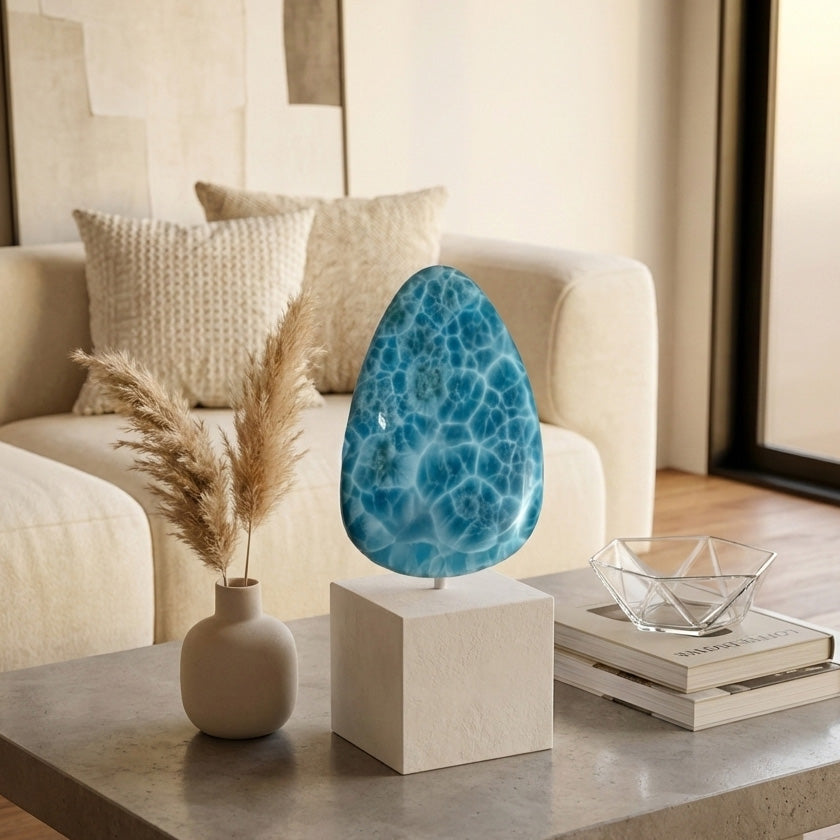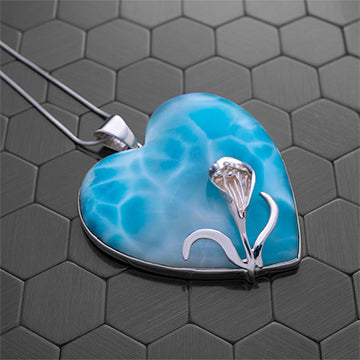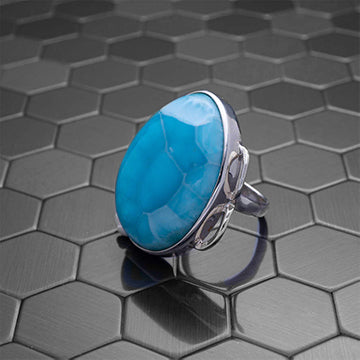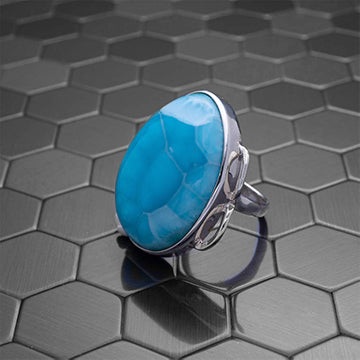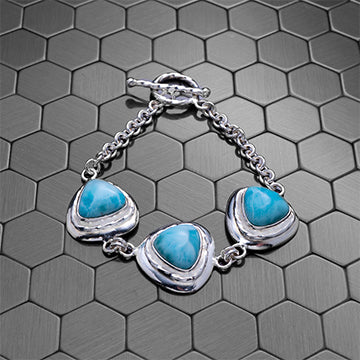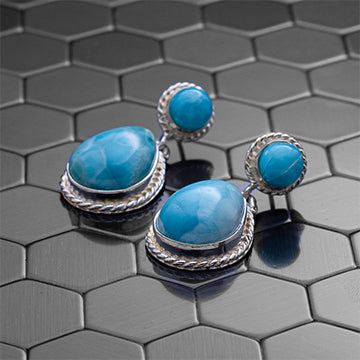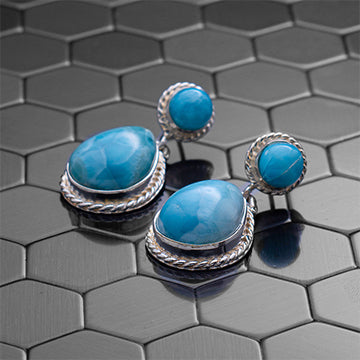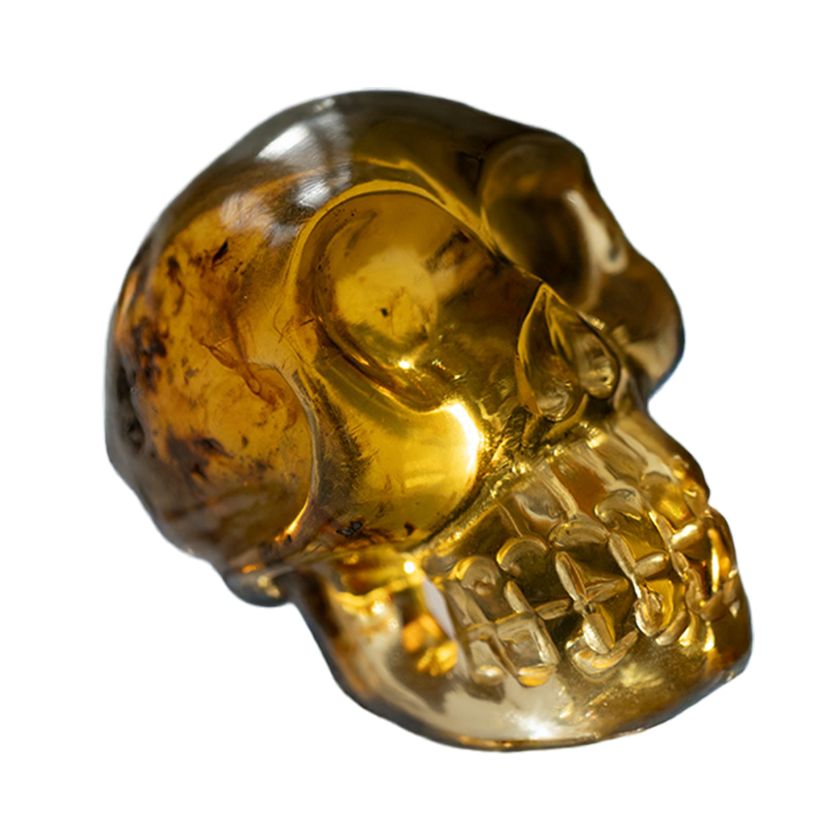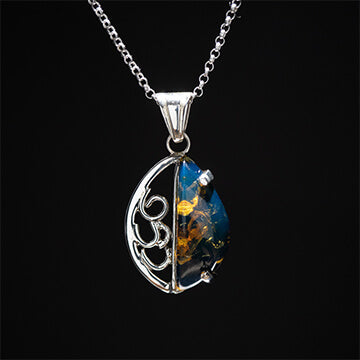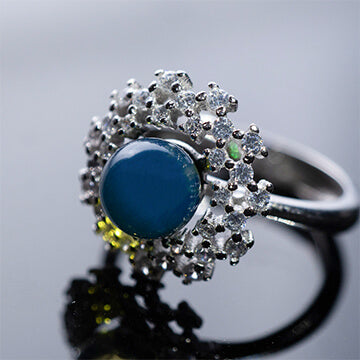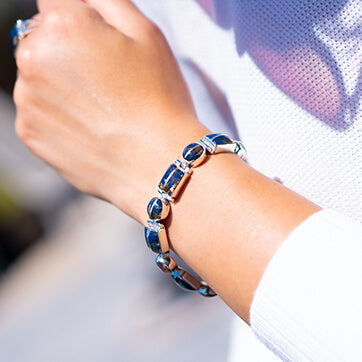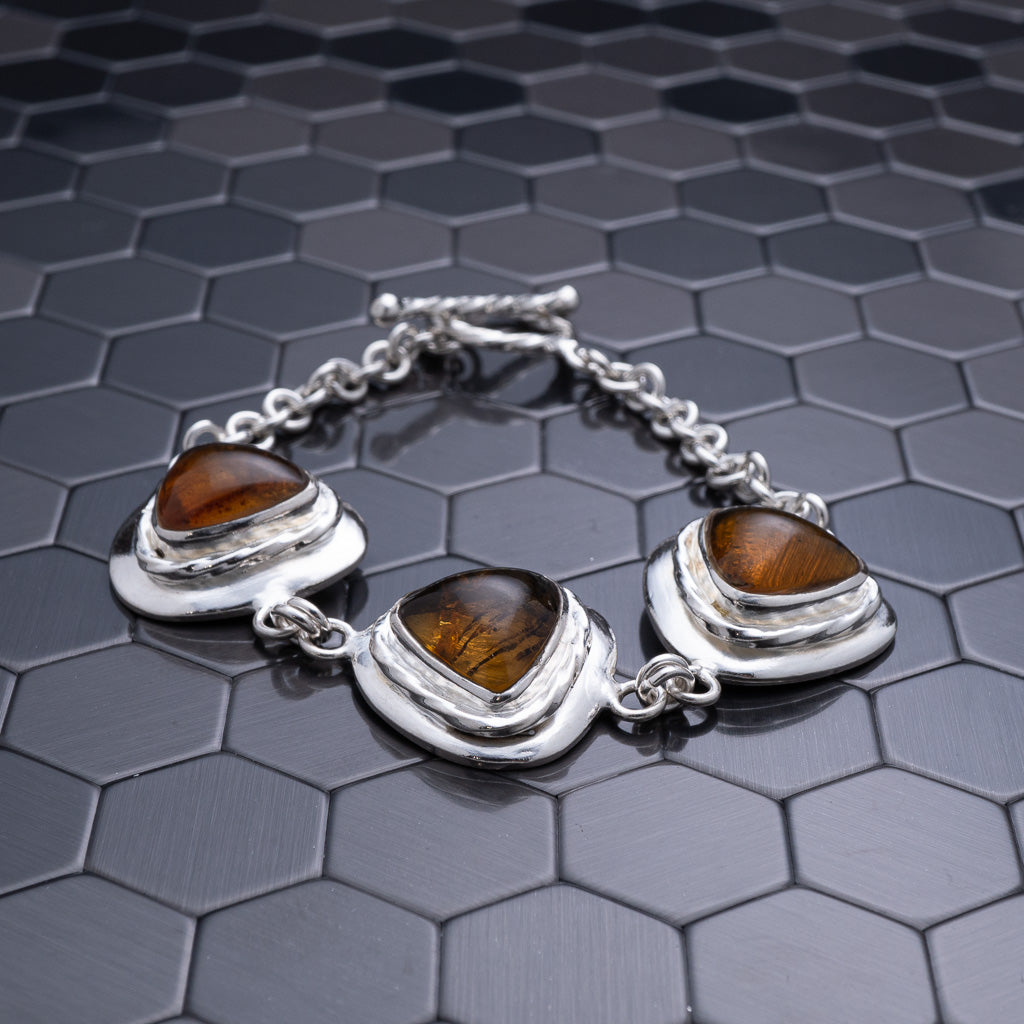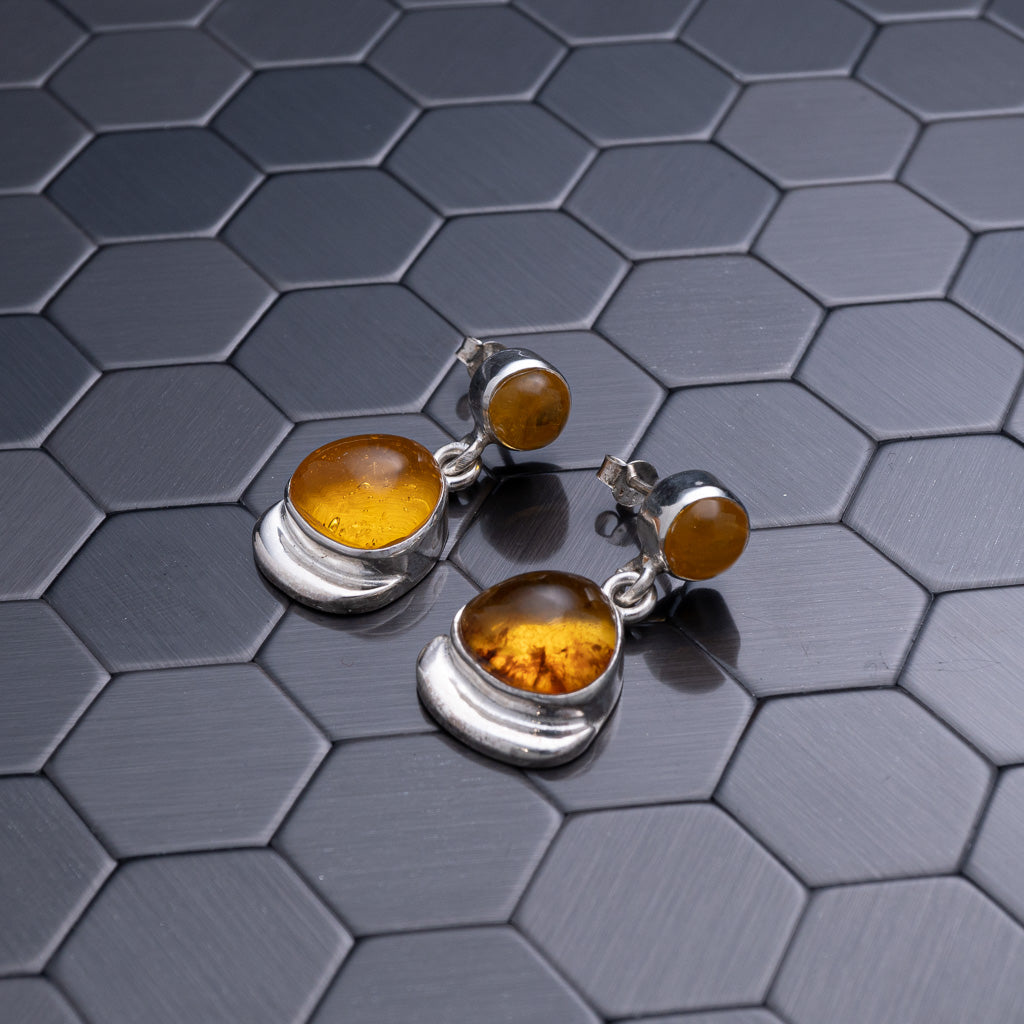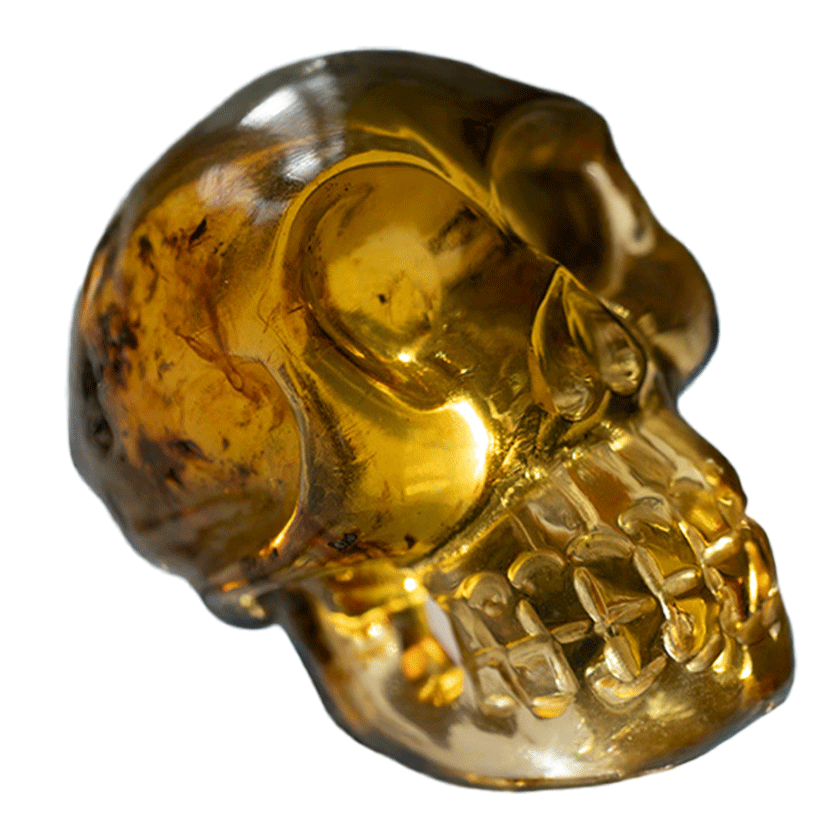


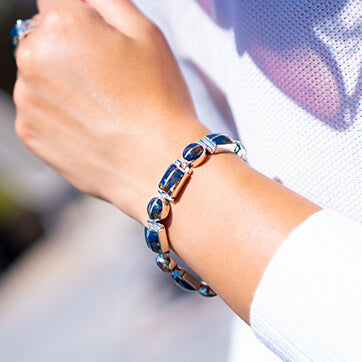
Handcrafted in DR.

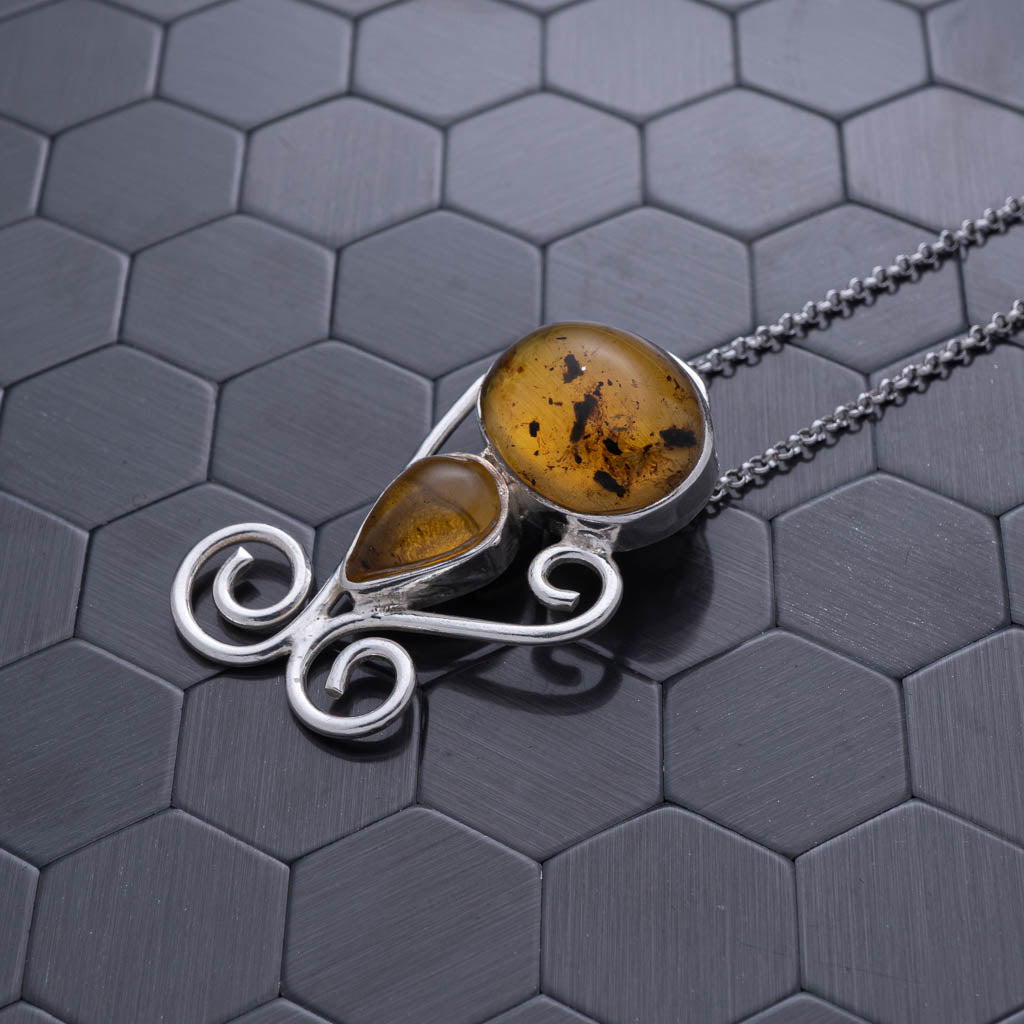
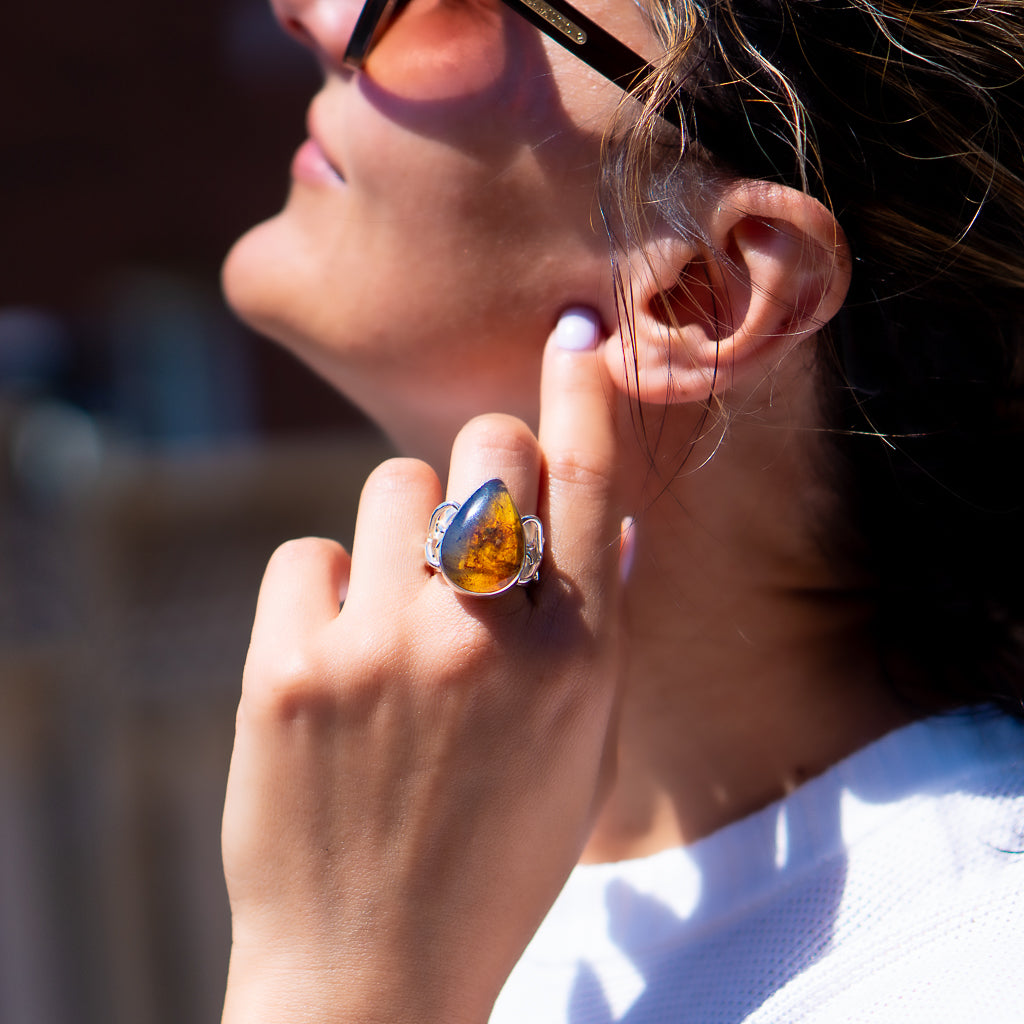
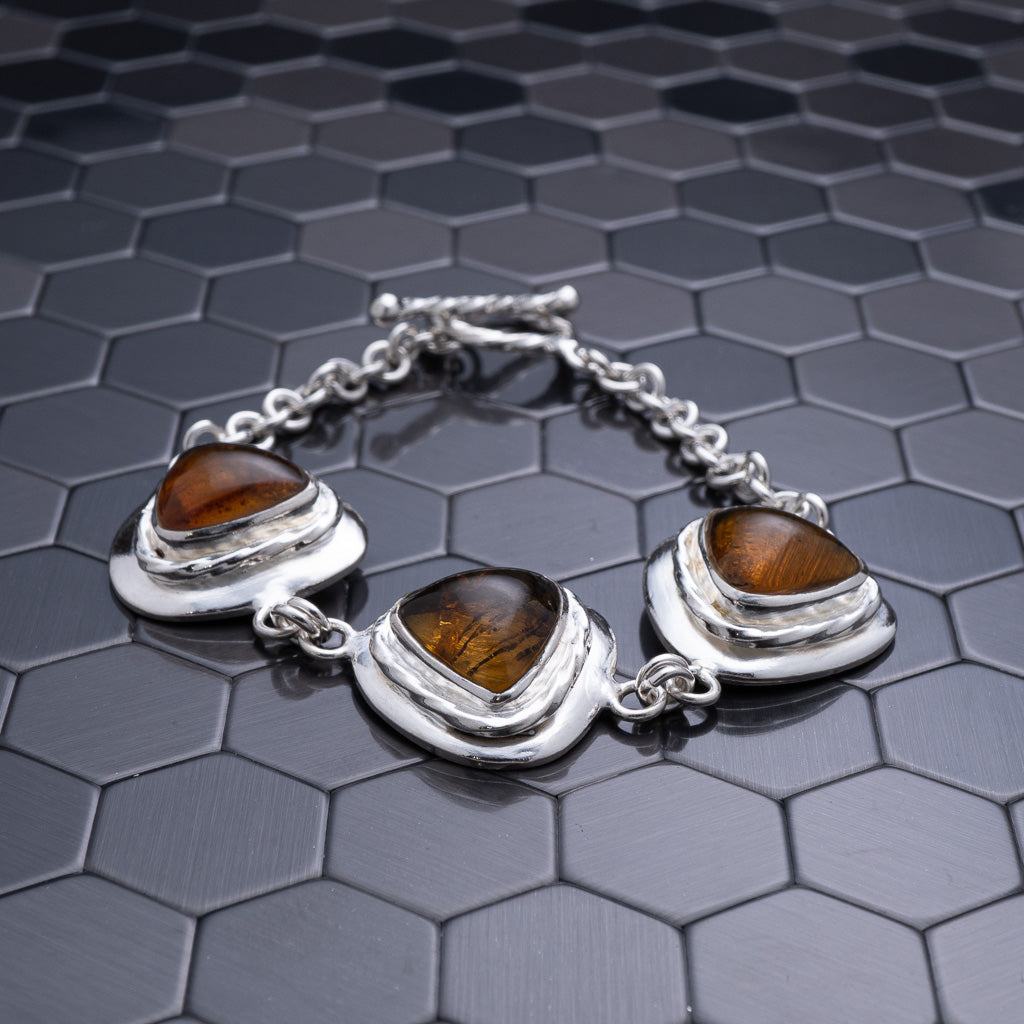
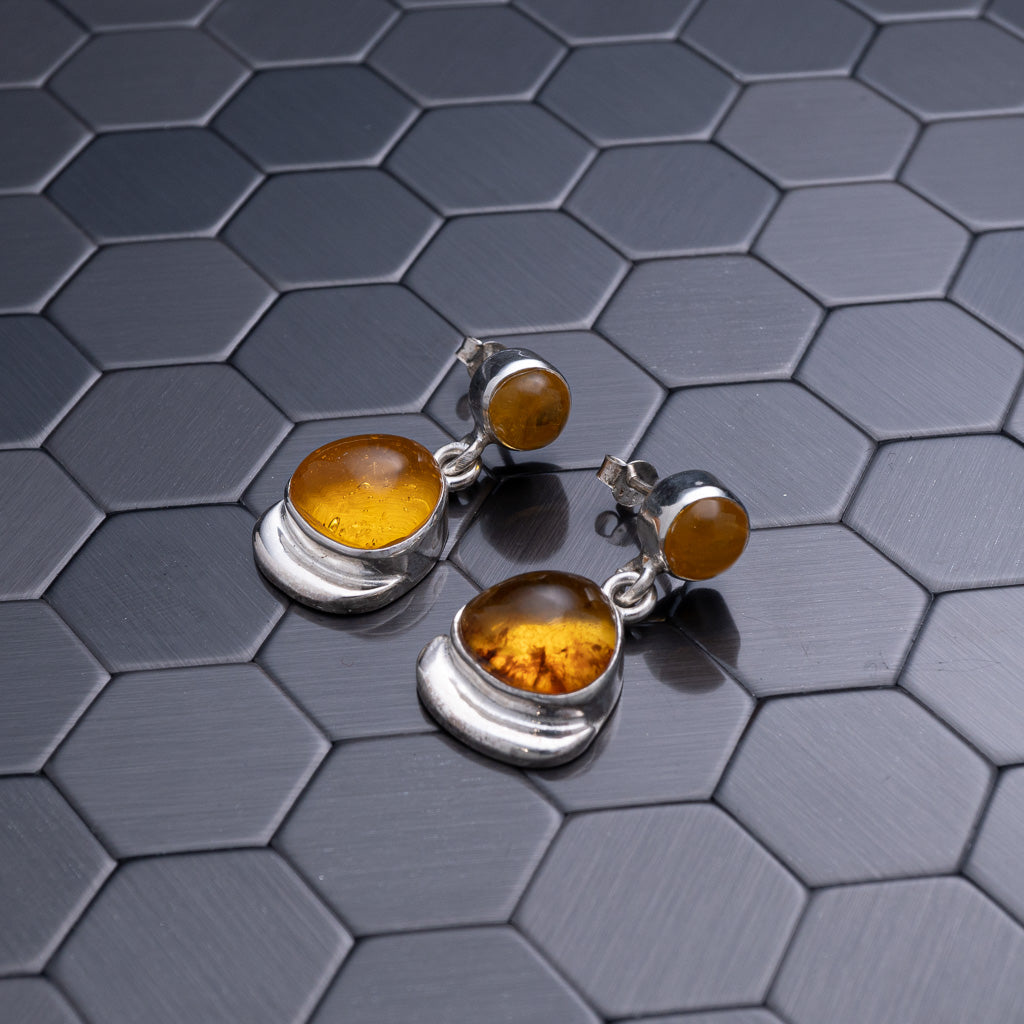


100% Handcrafted in DR.

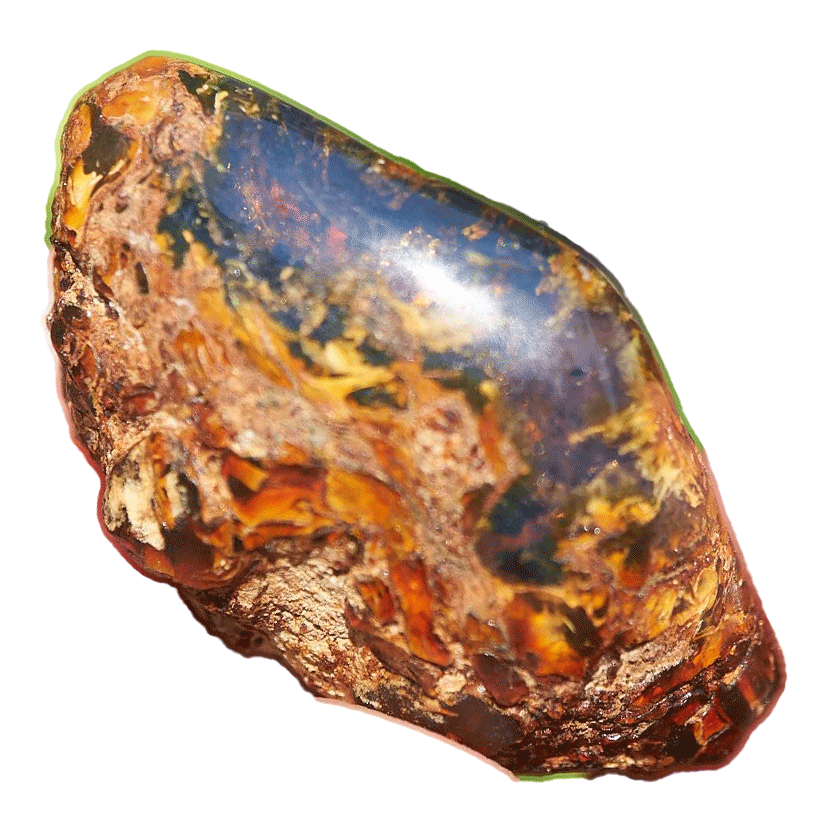
Amber raw stone represents one of nature's most fascinating transformations, capturing ancient botanical history within its golden depths. Unlike traditional minerals formed through geological processes, this organic gemstone emerges from fossilized tree resin that has undergone millions of years of chemical transformation. For collectors, jewelry makers, and enthusiasts seeking authentic specimens, understanding the characteristics and value factors of amber raw stone provides essential knowledge for making informed purchasing decisions. The unpolished, natural state of these stones reveals intricate details, inclusions, and color variations that polished pieces may conceal, offering a direct connection to prehistoric forests.
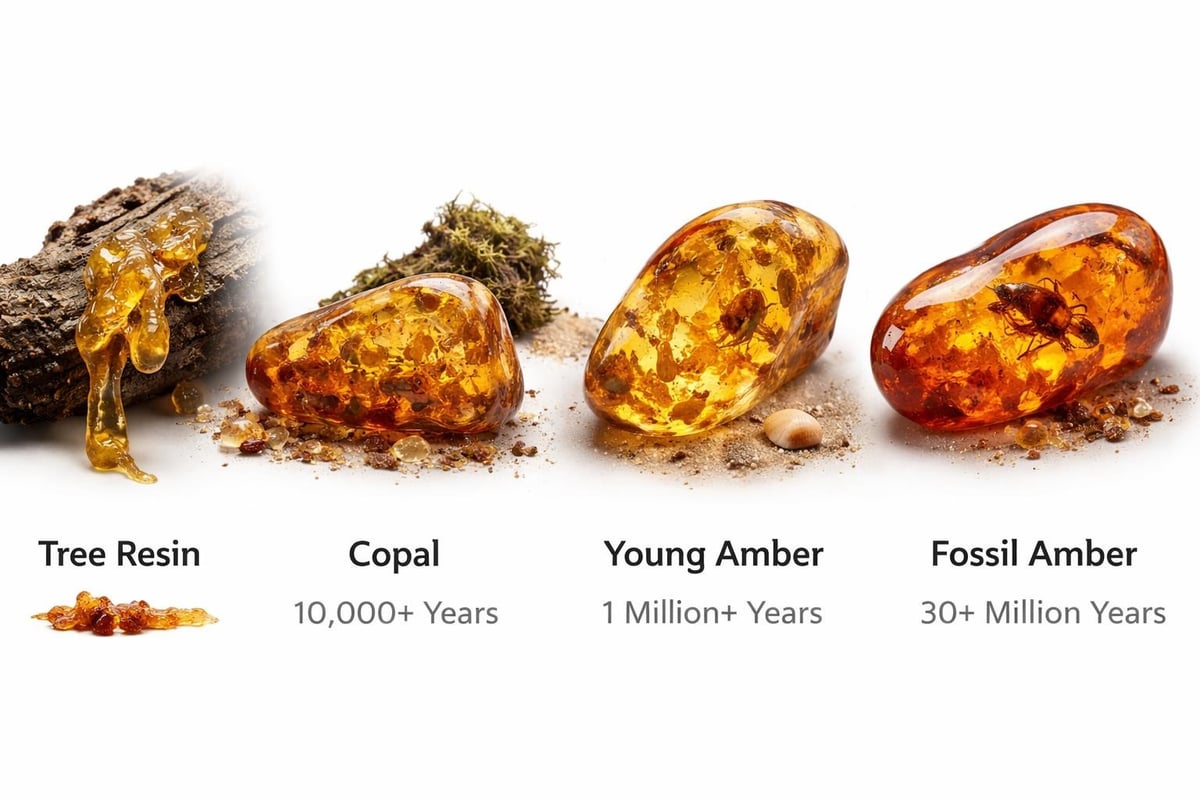
The journey from sticky tree resin to amber raw stone spans millions of years and requires specific environmental conditions. Ancient coniferous trees secreted resin as a protective response to injury or infection, and this viscous substance trapped everything from insects to plant matter as it flowed down tree trunks. According to experts who study what amber truly is, the resin must undergo polymerization and fossilization under precise conditions of pressure, temperature, and chemical composition to transform into the gemstone we recognize today.
The fossilization process occurs in several distinct stages:
Most authentic amber raw stone specimens date between 30 and 90 million years old, though some Baltic amber deposits reach back 44 million years. The geological conditions must remain stable throughout this period, protecting the resin from excessive heat, erosion, or chemical degradation that would destroy the material.
Amber raw stone deposits occur worldwide, though certain regions dominate the market due to their exceptional quality and quantity. The Baltic region, encompassing areas around Lithuania, Poland, and Russia, produces approximately 90% of the world's amber supply. These deposits formed from ancient forests during the Eocene epoch, when subtropical conditions extended far north of today's climate zones.
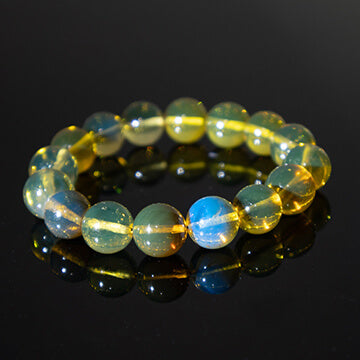
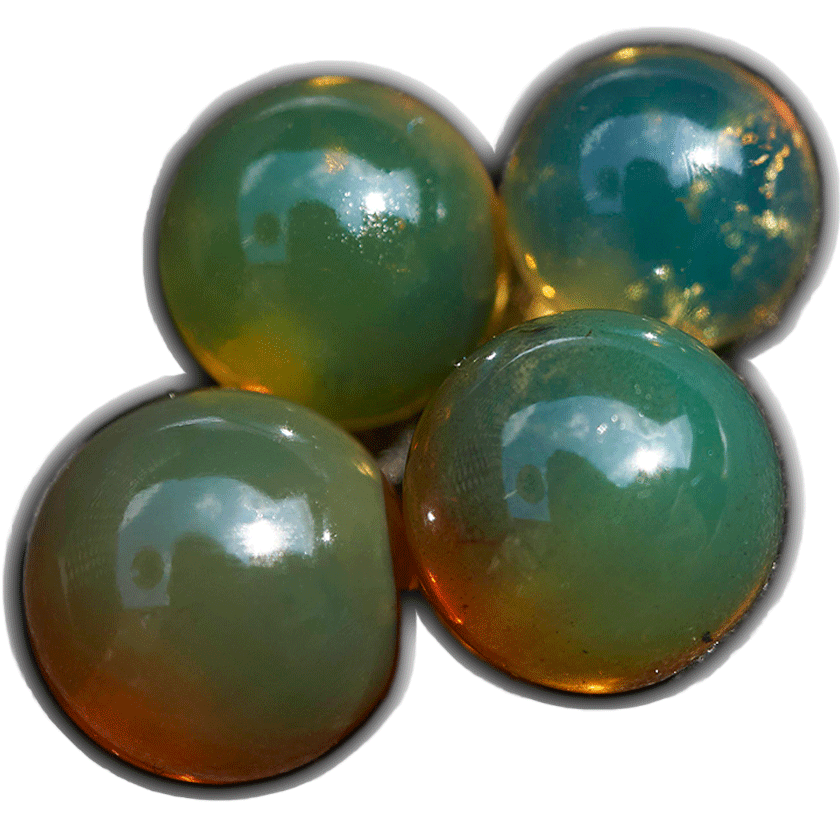
The Dominican Republic yields particularly valuable amber raw stone specimens known for their clarity and blue fluorescence. This Caribbean amber formed more recently, roughly 15-20 million years ago, from extinct Hymenaea trees. Similarly, understanding what causes blue amber reveals the unique geological conditions that create this rare phenomenon in Dominican deposits.
| Region | Age (Million Years) | Characteristics | Market Position |
|---|---|---|---|
| Baltic | 40-50 | Golden, large deposits, often cloudy | Most abundant, affordable |
| Dominican | 15-20 | Clear, blue fluorescence, rare inclusions | Premium pricing |
| Mexican | 20-25 | Red to brown tones, clarity | Mid-range value |
| Myanmar | 99 | Highest diversity of inclusions | Scientific value |
Amber raw stone exhibits distinctive physical properties that distinguish it from imitations and synthetic materials. The material registers between 2.0 and 2.5 on the Mohs hardness scale, making it relatively soft compared to traditional gemstones like quartz or topaz. This softness means amber raw stone requires careful handling during storage and processing, as it scratches easily and can fracture under impact.
Natural amber raw stone displays an extraordinary spectrum of colors beyond the familiar golden-yellow most people envision. Specimens range from nearly colorless through yellow, orange, red, brown, and even green or blue under ultraviolet light. The color intensity and distribution within amber raw stone depend on several factors:
Transparency varies dramatically in amber raw stone specimens. Clear pieces without internal cloudiness command premium prices in jewelry applications, while opaque stones with interesting inclusions appeal to collectors. The cloudiness results from microscopic air bubbles trapped during resin formation, and their density determines the stone's overall clarity.
Distinguishing genuine amber raw stone from synthetics, copal, or glass imitations requires multiple testing approaches. The market contains numerous simulants designed to deceive buyers, making authentication knowledge essential for anyone investing in raw specimens. Just as collectors learn to identify genuine Larimar vs fake stones, amber buyers must develop similar expertise.
Physical Testing Methods:
The saltwater flotation test provides a simple initial screening method. Genuine amber raw stone floats in a saturated saltwater solution (approximately 1 part salt to 2 parts water), while most imitations sink. However, some plastics also float, requiring additional confirmation tests.
The hot needle test involves gently touching a heated needle to an inconspicuous area of the specimen. Authentic amber raw stone produces a pleasant pine or forest scent and doesn't melt quickly, while plastic creates acrid fumes and melts immediately. Copal, though natural, behaves differently than fully fossilized amber when subjected to solvents like acetone.
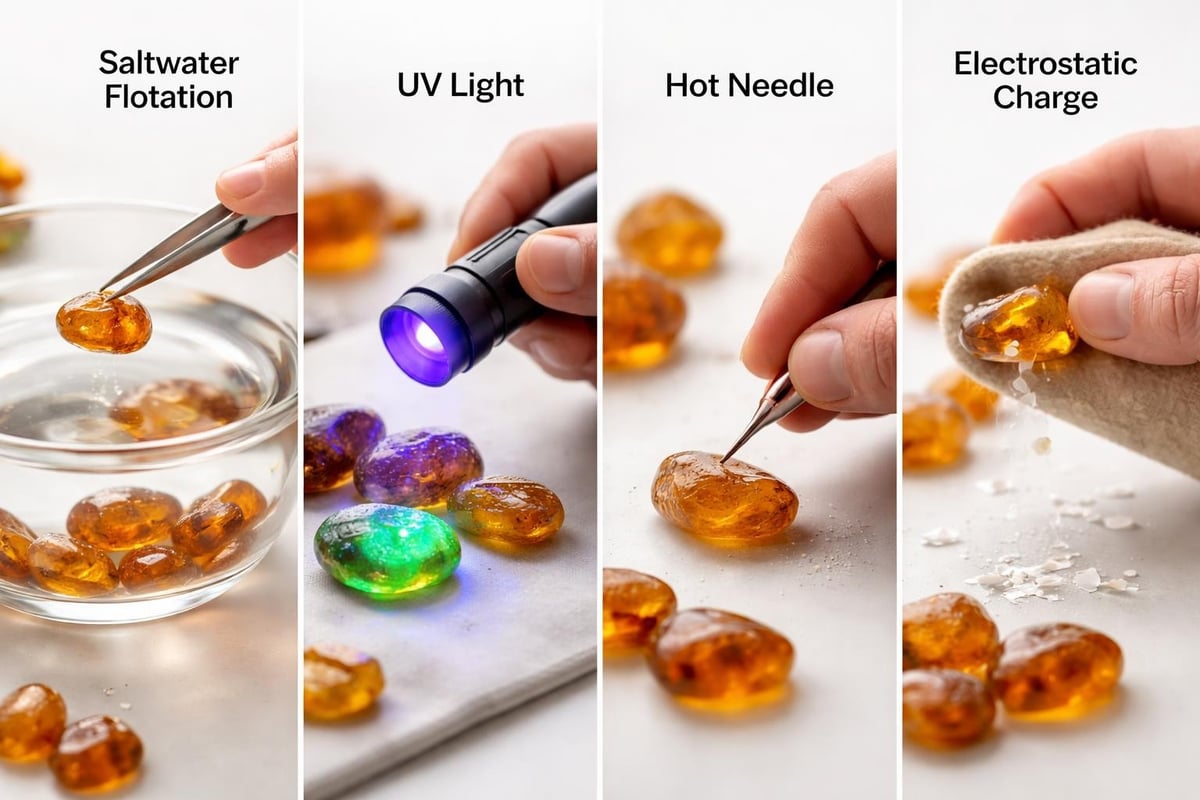
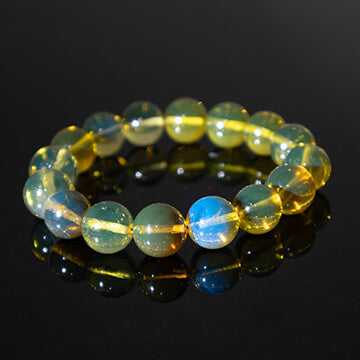
Ultraviolet light examination reveals fluorescence patterns unique to certain amber types. Dominican amber raw stone exhibits striking blue fluorescence under UV light, a characteristic that helps distinguish it from Baltic varieties. The fluorescence intensity and color provide clues about the specimen's geographic origin and authenticity.
Infrared spectroscopy offers definitive identification for valuable specimens, as genuine amber displays characteristic absorption bands in the infrared spectrum. Commercial laboratories use this non-destructive method to confirm authenticity and sometimes determine geographic origin based on spectral signatures.
The market value of amber raw stone varies dramatically based on multiple quality factors. Size, clarity, color, inclusions, and origin all influence pricing, with exceptional specimens commanding substantial premiums. Understanding these value drivers helps buyers make informed decisions and recognize fair market pricing.
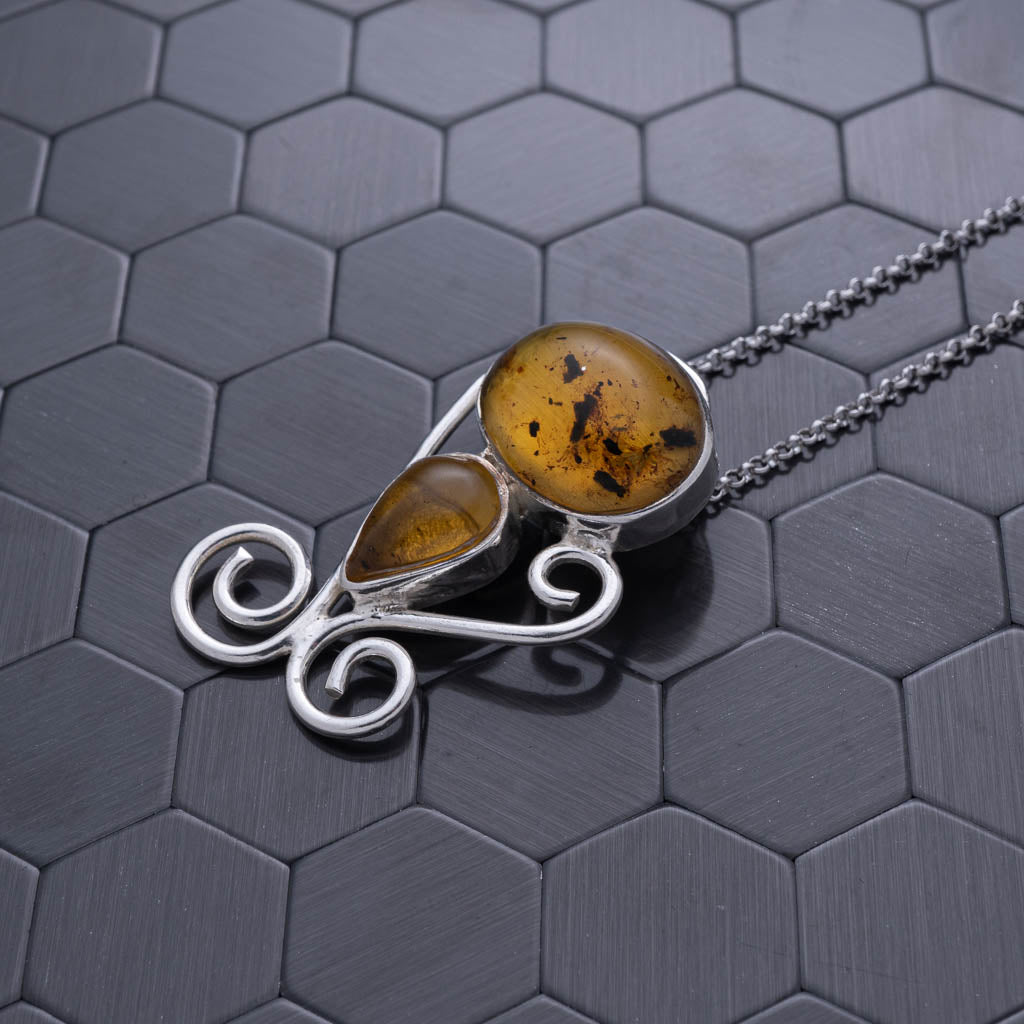
Amber raw stone containing well-preserved biological inclusions represents the most valuable category in the collector market. Insects, spiders, plant fragments, and even vertebrate remains frozen in time command prices far exceeding plain amber specimens. According to information from gemstone buying guides, rare inclusions can increase values by 100 to 1000 times compared to similar-sized pieces without inclusions.
The inclusion's scientific significance, preservation quality, and visual appeal all contribute to value. Complete insects in clear matrix with extended wings or unusual species fetch premium prices at auction. Multiple organisms interacting or predator-prey relationships captured in amber raw stone create museum-quality specimens worth thousands of dollars per piece.
| Specimen Type | Size Range | Typical Price Range (2026) |
|---|---|---|
| Plain amber raw stone | 10-50g | $5-$50 |
| Color variety specimens | 10-50g | $20-$200 |
| Common insect inclusion | 5-20g | $100-$500 |
| Rare inclusion or vertebrate | 5-20g | $1,000-$50,000+ |
| Large clear specimens | 100g+ | $200-$2,000 |
Larger amber raw stone specimens naturally cost more than smaller pieces, though the relationship isn't strictly linear. Exceptionally large pieces suitable for carving or display command premium per-gram pricing due to their rarity. The resources at Gems.jewelry explain how amber's relative softness makes large, intact specimens more vulnerable to damage over geological time, increasing their scarcity.
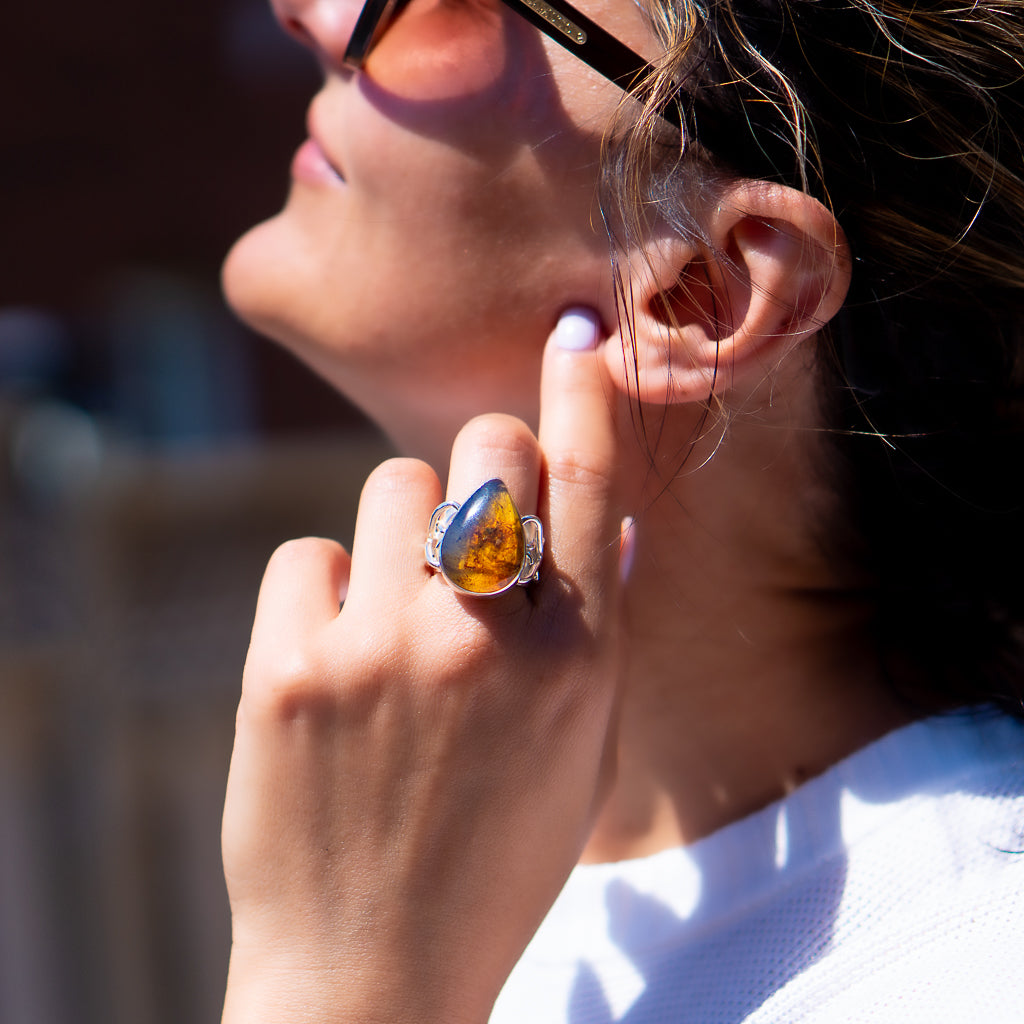
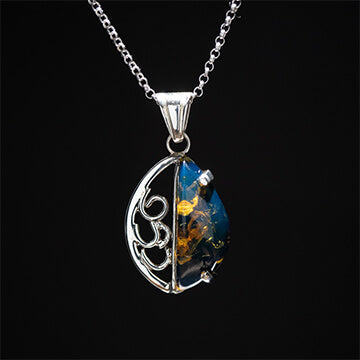
For jewelry applications, medium-sized amber raw stone pieces between 5 and 30 grams provide optimal versatility for Larimar Pendants and similar designs. These sizes balance visual impact with wearability, allowing artisans to showcase the stone's natural beauty without excessive weight.
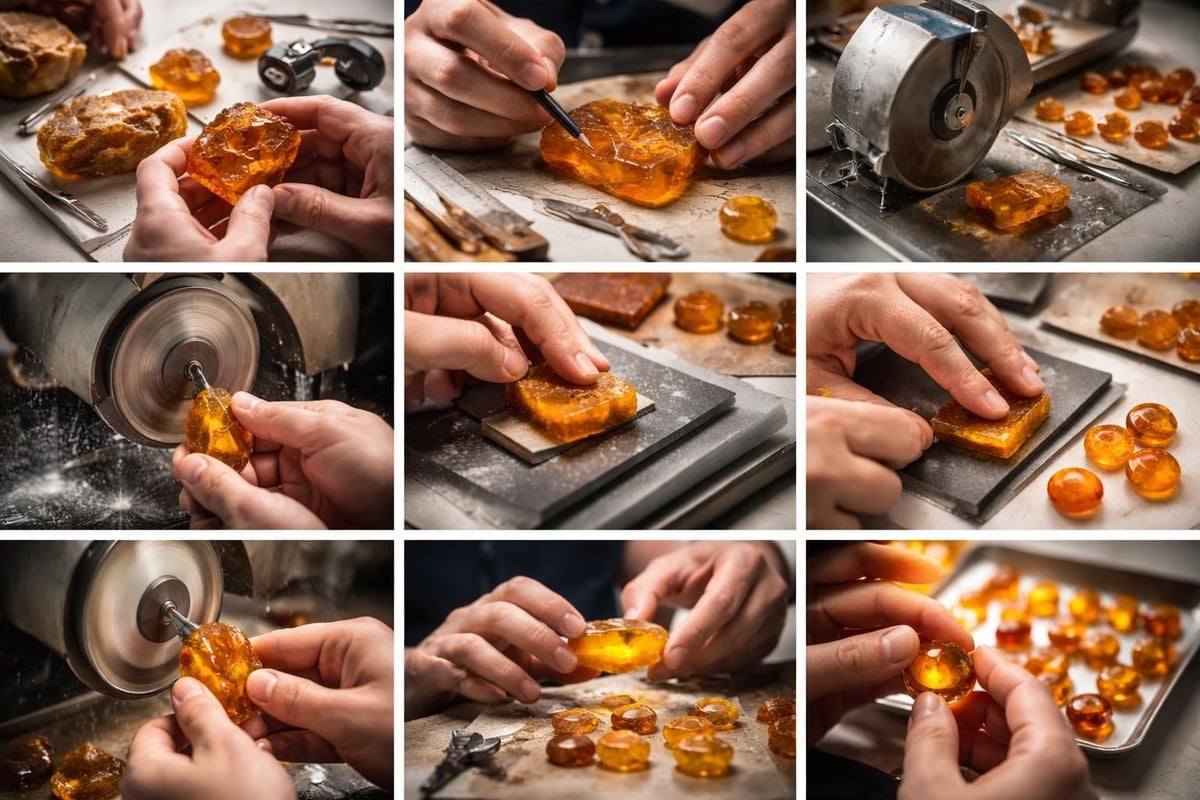
Craftspeople and jewelry makers face unique challenges when working with amber raw stone due to its organic composition and relative softness. Unlike cutting conventional gemstones, amber requires specific techniques that accommodate its low melting point and tendency to chip or fracture under improper handling.
Processing amber raw stone begins with careful examination to identify the best orientation for cutting. Natural fractures, inclusion positions, and color distributions guide the initial decisions about how to maximize the stone's beauty and value. Sharp tools and slow cutting speeds prevent heat buildup that could damage the amber.
Essential considerations when working amber raw stone:
Polishing transforms rough amber raw stone into gleaming finished pieces. Progressive grits from coarse to fine remove scratching, while final buffing with specialty compounds creates the characteristic glossy surface. Some collectors prefer partially polished pieces that retain areas of natural weathered surface, connecting the finished piece to its geological origins.
Proper storage preserves amber raw stone's beauty and integrity for generations. The material's organic nature makes it susceptible to environmental damage that doesn't affect traditional minerals. Temperature extremes, chemical exposure, and prolonged sunlight can degrade amber over time, causing color changes, surface crazing, or structural weakening.
Store amber raw stone in stable environmental conditions away from direct sunlight and heat sources. The ideal temperature range falls between 60-75°F with moderate humidity levels. Extreme dryness can cause surface cracking, while excessive moisture encourages degradation. According to comprehensive amber care guidelines, individual storage in soft cloth bags prevents scratching from contact with harder materials.
Amber raw stone reacts negatively to numerous common substances. Perfumes, hairsprays, cleaning products, and even some lotions contain chemicals that can damage amber's surface or alter its color. Acetone and other strong solvents dissolve amber entirely, while alcohol-based products cause surface dulling and whitening.
Clean amber raw stone using only lukewarm water and mild soap, followed by thorough rinsing and gentle drying with soft cloth. Avoid ultrasonic cleaners and steam cleaning equipment, as the vibrations and heat can fracture specimens or cause internal stress cracks. The detailed information about maintaining amber's quality emphasizes gentle handling and minimal chemical exposure.
Throughout human history, cultures worldwide have attributed special properties to amber raw stone beyond its physical beauty. Ancient civilizations incorporated amber into religious ceremonies, healing practices, and protective talismans. While scientific evidence for metaphysical properties remains limited, the cultural and historical significance of amber raw stone contributes to its enduring appeal.
Traditional beliefs associate amber raw stone with solar energy, warmth, and life force. The spiritual and healing properties attributed to amber include emotional balance, mental clarity, and physical vitality enhancement. Practitioners of crystal healing often recommend amber raw stone for clearing negative energy and promoting positive transformation, though these applications lack scientific validation.
Archaeological evidence shows amber raw stone adorned humans as early as 13,000 years ago in northern Europe. The ancient Greeks called amber "electron" after observing its ability to generate static electricity when rubbed, a property that ultimately gave us the word "electricity." Roman traders established extensive networks to transport Baltic amber raw stone throughout the empire, where it served as currency, decoration, and medicine.
Medieval physicians prescribed powdered amber for various ailments, while wealthy Europeans commissioned elaborate amber decorations and furniture. The famous Amber Room in Russia, completed in 1770, contained over six tons of amber raw stone panels and decorations, representing one of history's most ambitious amber projects. Understanding amber's historical context reveals how this fossilized resin transcended mere ornamental use to become a cultural touchstone across civilizations.
The amber raw stone market experiences ongoing evolution driven by supply dynamics, collector demand, and emerging sources. Baltic deposits continue dominating supply, though environmental regulations and extraction costs influence availability. Dominican amber raw stone maintains premium positioning due to limited production and unique characteristics, particularly the prized blue variety.
Investment-grade amber raw stone focuses on exceptional specimens with rare inclusions, unusual colors, or significant size. Market analysts project steady appreciation for museum-quality pieces, while common amber remains readily available at modest prices. The market for authentic Dominican blue amber demonstrates how rarity and unique characteristics drive premium valuations in specialized segments.
Current market dynamics affecting amber raw stone values:
Comparing amber to other gemstones reveals interesting value patterns. While rare jadeite or ruby can reach millions per carat, exceptional amber raw stone with significant paleontological value approaches similar per-specimen prices. The scientific community's interest in amber inclusions as windows into ancient ecosystems adds non-traditional demand beyond jewelry and decorative markets.
Acquiring quality amber raw stone requires careful vendor selection and authentication verification. The market contains numerous sellers offering everything from beach-collected specimens to professionally mined material. Establishing relationships with reputable dealers who provide authenticity guarantees protects buyers from costly mistakes.
Beach collecting remains popular along Baltic coastlines, where storms regularly expose amber raw stone from underwater deposits. However, beach specimens often show extensive weathering and rarely include the clear material desired for jewelry applications. Professional mining operations extract fresh material with minimal weathering, though environmental concerns increasingly restrict large-scale operations.
Online marketplaces expand access to global amber raw stone suppliers but require heightened vigilance regarding authenticity. Request detailed photographs showing multiple angles, close-ups of surfaces and inclusions, and information about origin and any treatments. Serious collectors should consider investing in basic testing equipment or building relationships with local gemologists who can authenticate purchases.
Sustainable sourcing concerns increasingly influence amber raw stone purchasing decisions. Some regions experience environmental degradation from unregulated mining, while others implement strict controls balancing extraction with ecosystem protection. Buyers interested in ethical sourcing should inquire about mining methods, environmental impact, and whether operations support local communities.
The Baltic region's established regulatory frameworks generally ensure responsible extraction practices, though illegal operations occasionally surface. Dominican amber mining occurs primarily through small-scale family operations with minimal environmental impact, though buyers should still verify ethical practices. The detailed perspective from The Stone Sanctuary discusses how conscious sourcing aligns with broader appreciation for amber's natural and spiritual significance.
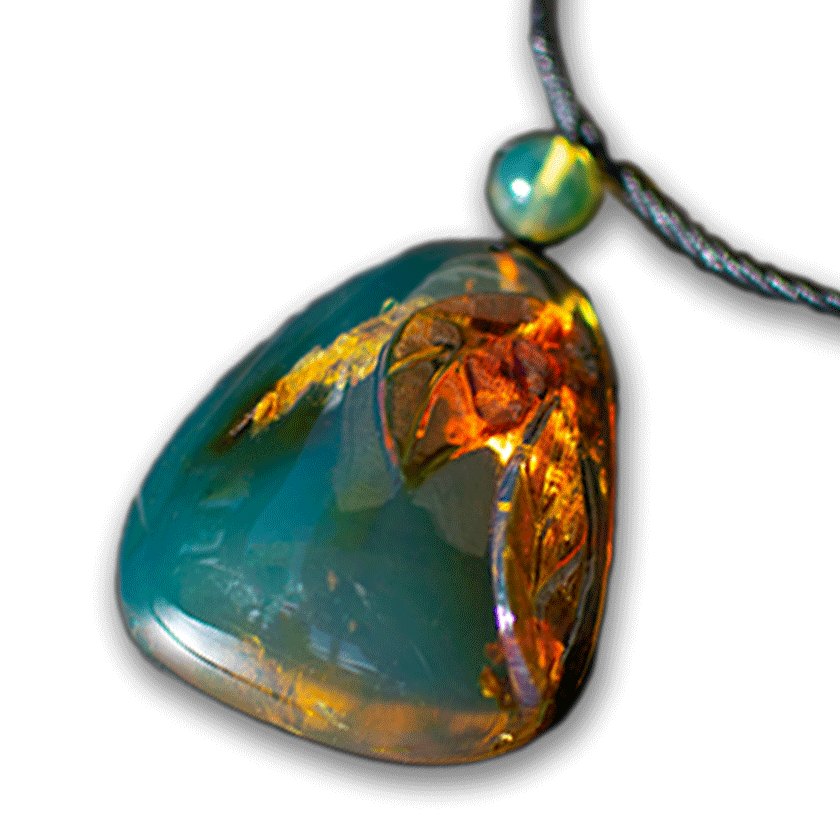
Among amber varieties, Dominican blue amber raw stone represents the most distinctive and valuable type. This exceptional material exhibits ordinary golden-brown coloring in normal light but fluoresces brilliant blue under ultraviolet exposure. The phenomenon results from specific aromatic compounds within the resin, creating an optical effect unmatched by amber from other regions.
The scarcity of quality blue amber raw stone drives premium pricing, with clear specimens commanding substantially higher prices than comparable Baltic material. Mining occurs in limited mountain regions of the Dominican Republic, where difficult access and small-scale operations restrict supply. Collectors and jewelry designers prize this material for its unique visual characteristics and rarity. For those interested in this exceptional gemstone, exploring Dominican blue amber collections reveals the range of colors and qualities available in raw form.
Processing blue amber raw stone requires particular care to preserve the fluorescent properties while achieving desired shapes and finishes. Excessive heat during cutting or polishing can alter the chemical compounds responsible for fluorescence, diminishing the stone's most valuable characteristic. Experienced craftspeople working with this material understand the delicate balance between revealing the stone's beauty and preserving its unique optical properties.
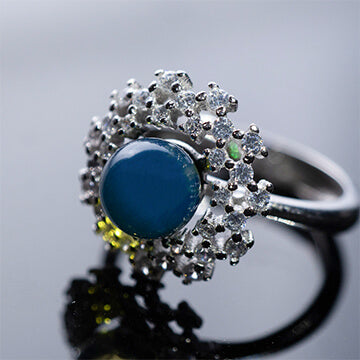
Amber raw stone offers collectors, jewelers, and enthusiasts an tangible connection to ancient forests preserved across millions of years, combining scientific fascination with aesthetic appeal. Whether you're drawn to specimens with remarkable inclusions, rare color variations, or the unique fluorescence of Dominican blue amber, understanding authenticity, value factors, and proper care ensures satisfying acquisitions. Larimar Creations brings this same commitment to quality and authenticity to their Dominican gemstone collections, offering handcrafted jewelry that showcases nature's most exceptional treasures with worldwide shipping to collectors who appreciate rare, genuine specimens.