
by Admin May 31, 2026 6 min read

You do not need a gem lab to start learning how to spot fake amber. In many cases, the first clues are right in your hand - the way a piece feels, the way it holds light, and whether its beauty looks naturally formed or a little too perfect. For anyone investing in amber jewelry or collector stones, that distinction matters. Genuine amber carries age, rarity, and origin. Imitations only borrow the look.

Amber has always invited fascination because it is not a mineral in the usual sense. It is fossilized tree resin, shaped by time and often rich with warm golden tones, honey depth, or in rarer cases, extraordinary color effects like blue amber. That organic origin gives real amber a character that is difficult to copy convincingly. Still, the market includes plastic replicas, glass substitutes, copal sold as amber, and pressed amber made from smaller fragments. Some are inexpensive costume materials. Others are presented in ways that can mislead even careful buyers.

Why fake amber is so common

Amber is visually approachable, which makes it easy to imitate. A polished bead in a warm cognac color can look convincing in a photo, especially when lighting is flattering and details are limited. Many buyers also assume that all amber should look clear, bright, and flawless. That expectation works in favor of imitations, because plastic and glass can appear more uniform than natural material ever would.

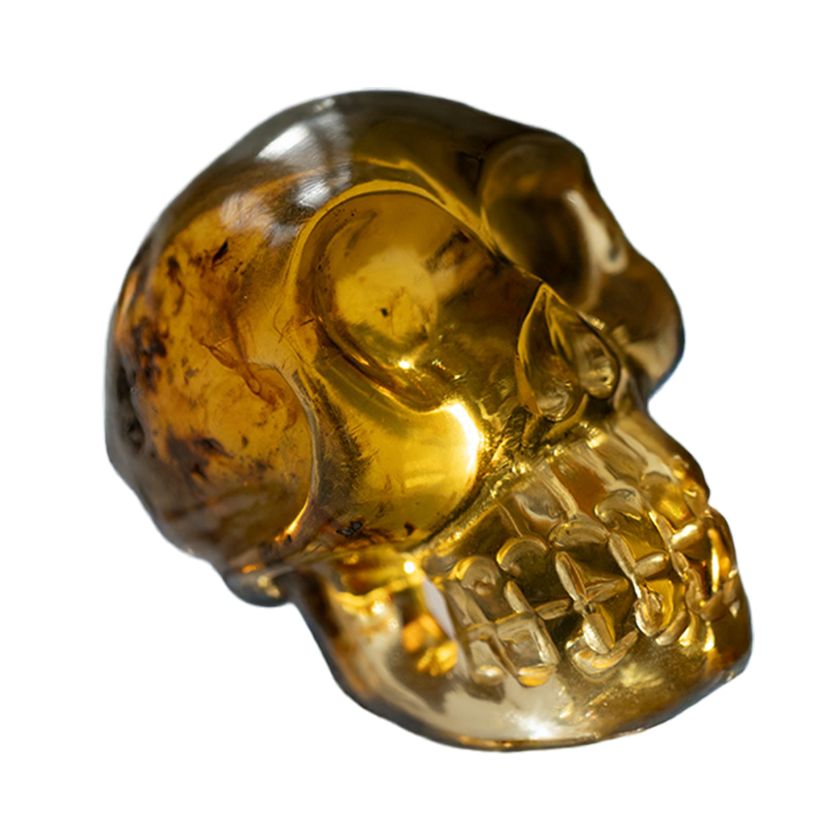
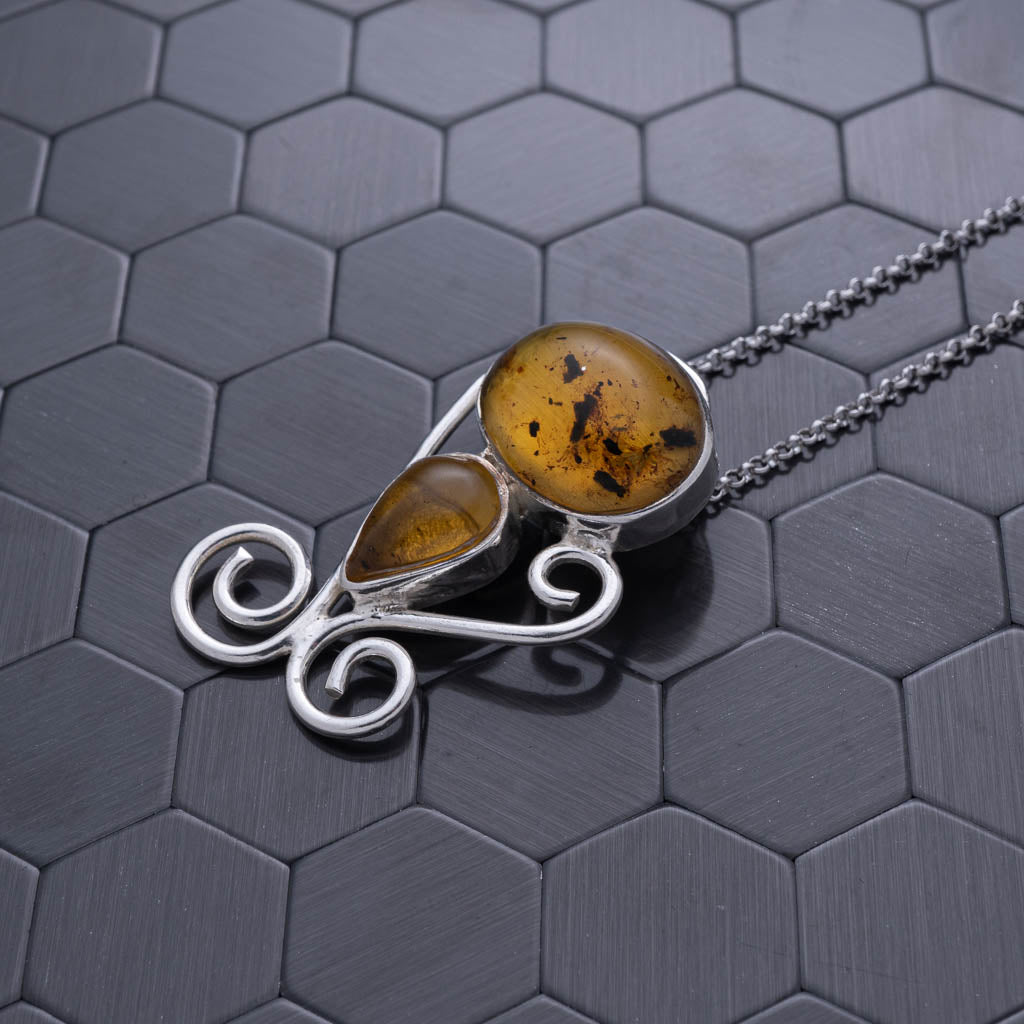
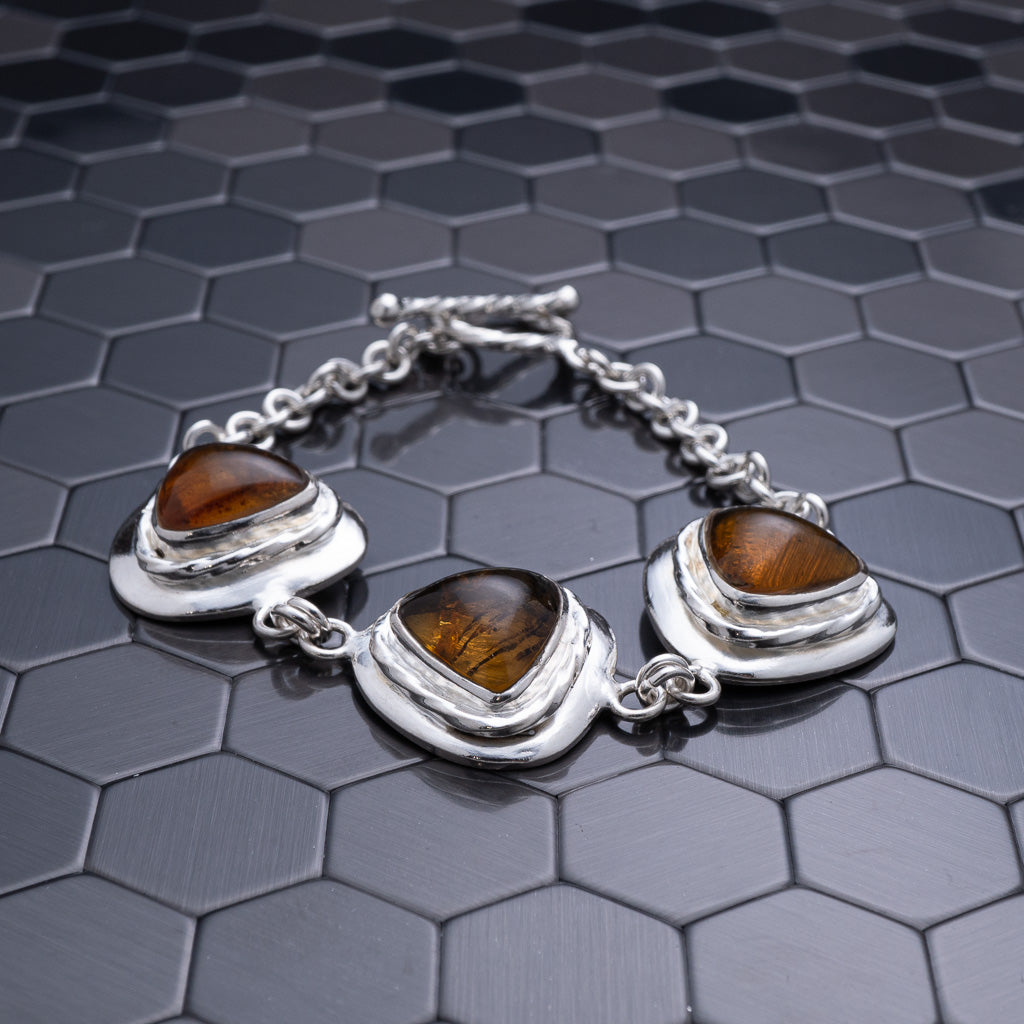
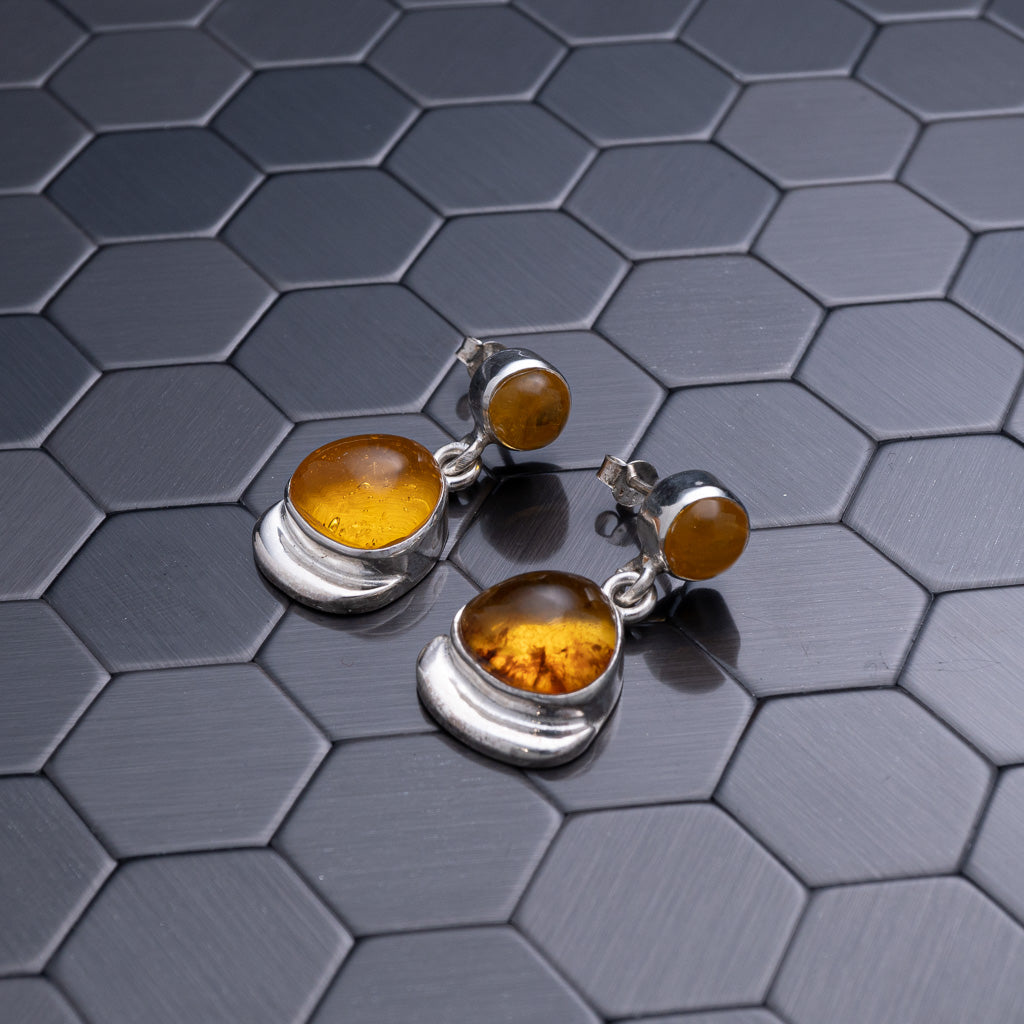
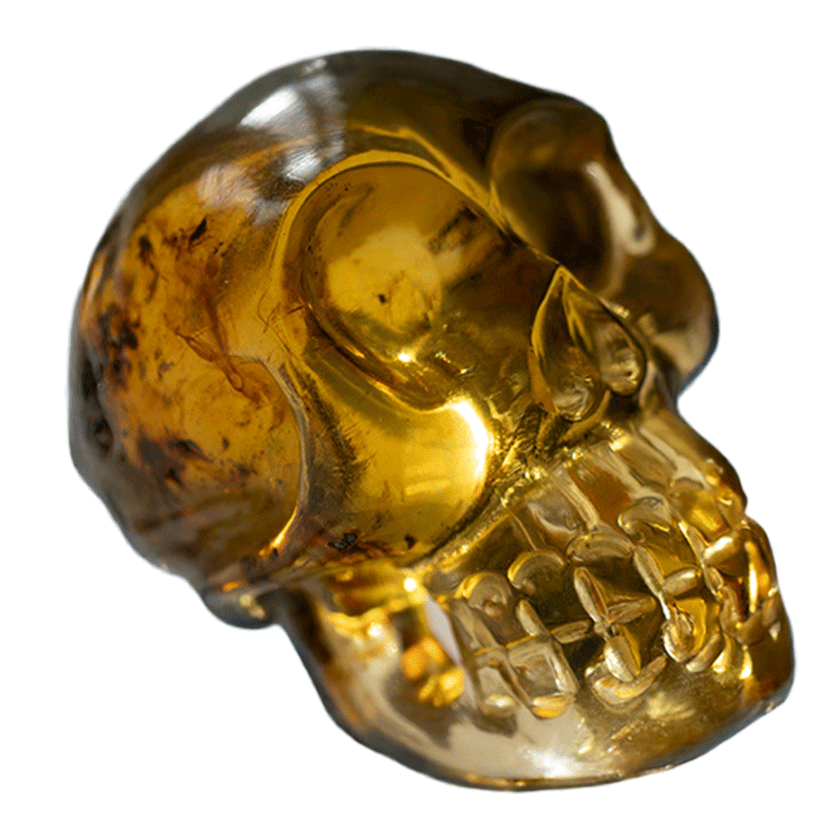
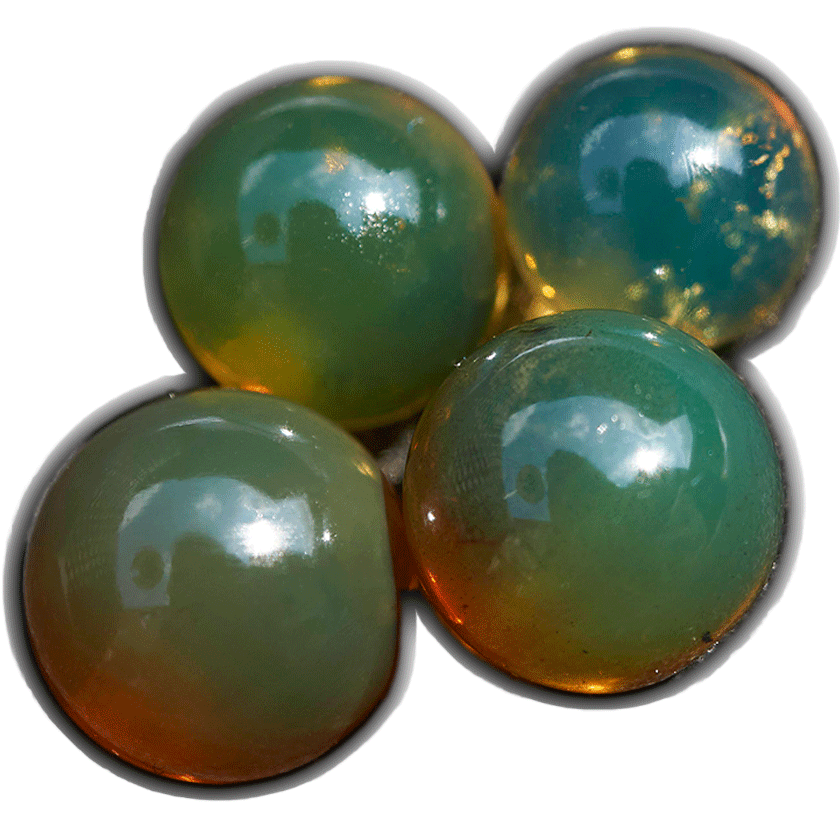
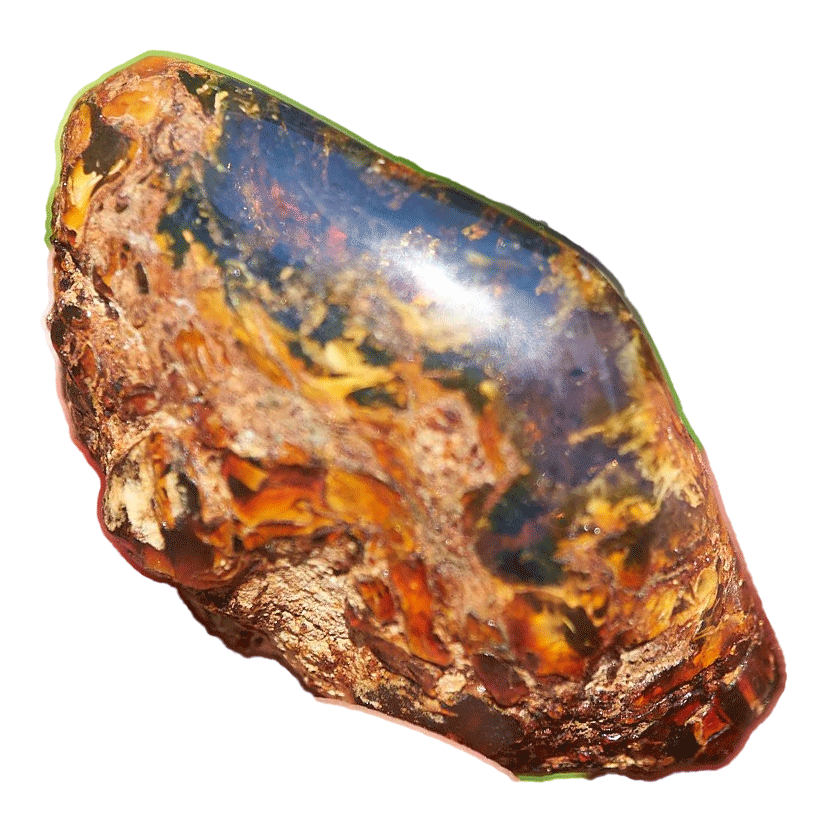
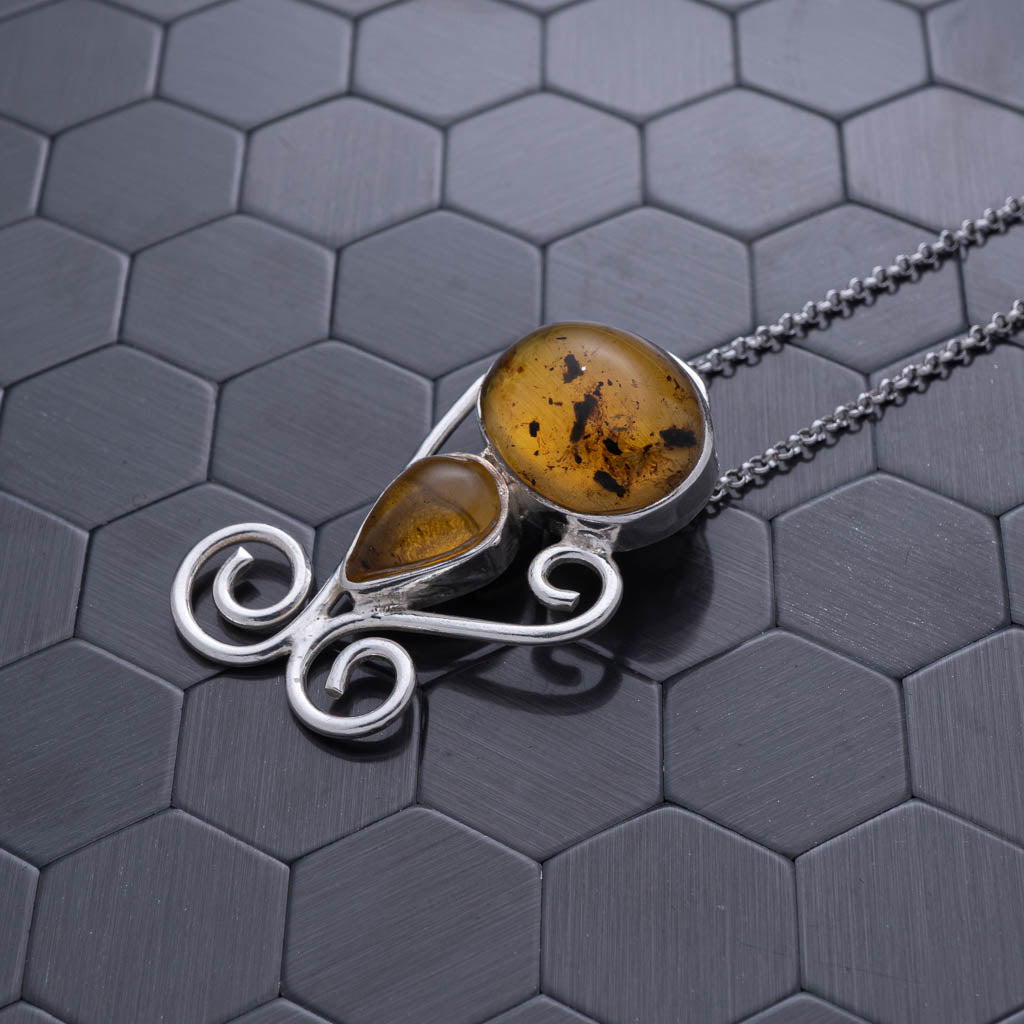
Real amber usually shows variation. You may see soft cloudiness, internal flow lines, tiny natural inclusions, or uneven color zones. These are not defects. They are often signs that the material formed naturally rather than in a factory mold. If a strand or pendant looks perfectly identical from piece to piece, caution is wise.

How to spot fake amber by sight

The first and safest test is visual inspection. Before trying any at-home method, take a close look in natural light. Real amber rarely looks manufactured. Its beauty is often subtle at first, then more complex the longer you study it.

A common warning sign is excessive perfection. If every bead has the same color density, the same internal pattern, and the same exact clarity, it may be synthetic or heavily processed. Plastic often appears too clean or too uniform, while glass can look too hard and too crisp inside.

Look for natural inclusions, not staged drama

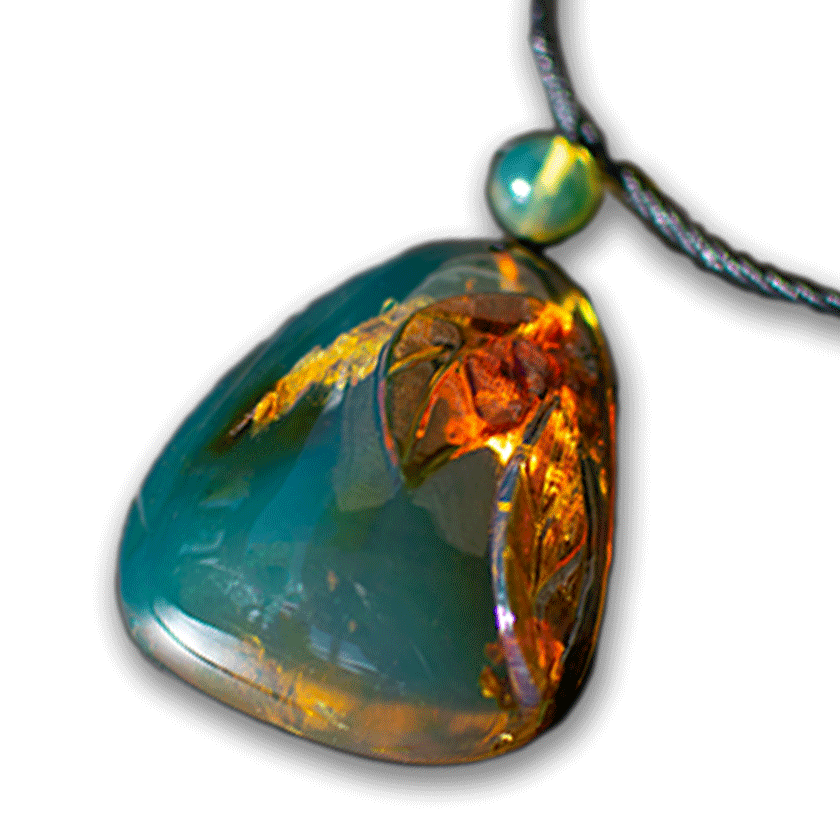
Buyers are often drawn to pieces with insects or plant matter inside. Authentic inclusions do exist, but they are also widely faked. In imitation amber, an insect may look oddly centered, too visible, or suspiciously dramatic, as if placed for display. In real amber, inclusions tend to appear more incidental. They may be partially obscured, angled awkwardly, or surrounded by natural internal texture.

Air bubbles also tell a story. In plastic, bubbles are often round and obvious. In natural amber, internal features are usually less predictable. This is not a perfect rule, but it is a helpful one.

Check the surface character

Amber has a softer, warmer visual presence than glass. Even when polished to a high shine, it does not usually have the same cold, mirror-like finish. Under magnification, molded imitations may show seam lines or repeating surface patterns. Those are immediate red flags.

Touch can reveal more than you expect

Real amber tends to feel light for its size and warm to the touch more quickly than glass. If you hold a piece in your palm, it should not stay icy. Glass imitations usually feel heavier and colder, especially in larger cabochons or beads.

Plastic can be trickier, because it is also lightweight. But plastic often feels less refined in a different way - less alive, less nuanced, and sometimes a bit greasy or artificial on the surface. Genuine amber has an organic softness in the hand that experienced buyers learn to recognize quickly.

The smell test and why it helps

Among home methods, the smell test can be useful, but it should be approached carefully. When amber is warmed gently by friction, it may release a light resinous or pine-like scent. Plastic, by contrast, often smells chemical or sharp.

This is why some people rub a piece briskly with a soft cloth and then smell it. That method is far safer than using a hot needle, which can damage the surface and is never a good idea for finished jewelry. If a seller encourages destructive testing, that alone raises questions about quality and care.

Saltwater tests have limits

You may have heard that amber floats in saltwater while many fakes do not. There is some truth here. Amber has relatively low density, and in properly mixed saltwater, some genuine pieces will float. But this is not a complete answer.

The problem is that certain plastics can also float, and jewelry settings can affect the result. Saltwater can also leave residue, which is not ideal for fine pieces. It is best to treat this as a minor clue, not proof.

Copal vs amber - an important distinction

One of the most common sources of confusion is copal. Copal is younger tree resin that has not fully fossilized to the degree amber has. It can be beautiful, natural, and even sold honestly when labeled correctly. The issue begins when copal is marketed as true amber.

Copal is generally softer and less stable than amber. It can feel tackier, scratch more easily, and react differently to solvents or heat. To an untrained eye, it may look similar, especially in polished jewelry. This is where origin, seller transparency, and gemstone knowledge matter as much as visual testing.

How to spot fake amber when shopping online

Learning how to spot fake amber becomes even more important when you cannot hold the piece before buying. Photos can disguise a lot, and vague product descriptions often do the rest.

Start with how the material is described. Trustworthy sellers usually state the amber type, origin, and whether the piece is natural, treated, or pressed. If the listing leans on fantasy language but avoids direct material facts, step back. Amber worthy of investment should not need mystery to sell.

Price is another clue, though not a perfect one. A very low price on a large, inclusion-rich, highly polished amber piece should prompt skepticism. Rare material, especially distinctive origin amber or unusual color varieties, carries value because it is genuinely uncommon.

Photos should also show variation and detail. If every image is overly filtered, aggressively backlit, or too soft to inspect, that is not reassuring. Serious gemstone merchants understand that informed buyers want to see the stone clearly.

Pressed amber is real, but it is not the same

Pressed amber is made from smaller amber fragments fused under heat and pressure. It is not fake in the same way plastic or glass is fake, but it is a reconstructed material. That difference should be disclosed.

For some buyers, pressed amber is a perfectly acceptable choice, especially in fashion jewelry. For others, particularly collectors or those seeking a one-of-a-kind artisan gemstone, natural solid amber is far more desirable. The key is honesty. You should know exactly what you are buying.

Buy from sellers who respect origin and authenticity

The easiest way to avoid imitation is to buy from specialists who treat amber as a gemstone with provenance, not just a color trend. That means clear material descriptions, transparent sourcing, and confidence about authenticity. When a brand speaks specifically about origin and craftsmanship, it usually reflects a deeper relationship to the stone itself.

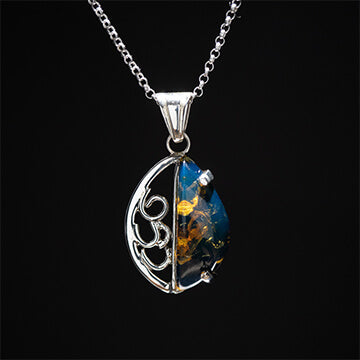
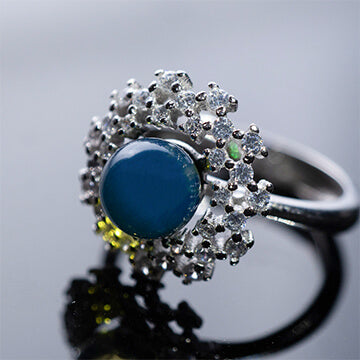
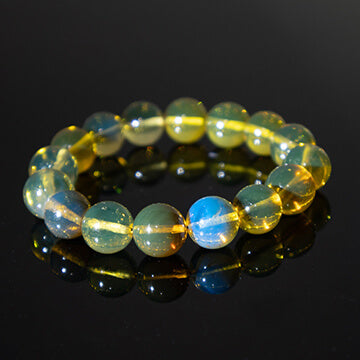
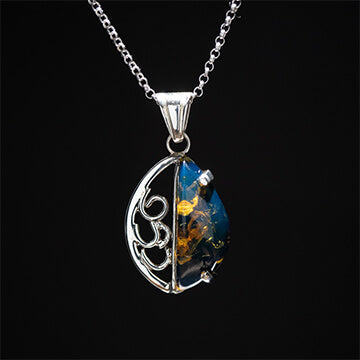
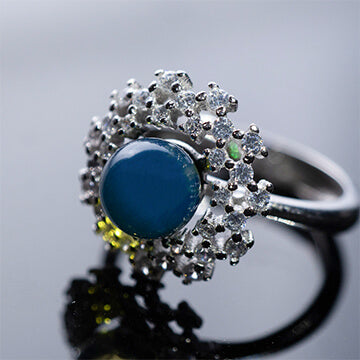
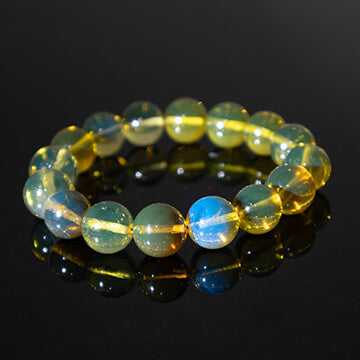
This matters even more with rarer categories such as Dominican amber and Dominican Blue Amber, where color, formation, and source contribute significantly to value. At Larimar Creations, that standard of authenticity is part of what makes fine Caribbean gemstone jewelry feel so personal. You are not simply choosing an accessory. You are choosing material with history, place, and character.

When professional verification is worth it

If you are considering a significant purchase, professional verification is wise. This is especially true for collector pieces, high-value cabochons, carvings, or jewelry advertised as rare origin amber. A reputable jeweler or gem professional can often identify red flags quickly and may use specialized methods that go beyond home testing.

That extra step is not about suspicion for its own sake. It is about protecting the meaning and value of what you wear. Real amber is treasured because no two pieces are exactly alike. Its glow comes from nature and time, not mass production.

The best amber purchases tend to feel unmistakable after a while. The piece has depth instead of glare, warmth instead of imitation, and a quiet individuality that cheap substitutes never quite capture. When you learn to recognize that difference, you shop with more confidence - and you bring home a piece of the Caribbean, or the earth itself, that truly deserves to be cherished.


Let's Stay In Touch