
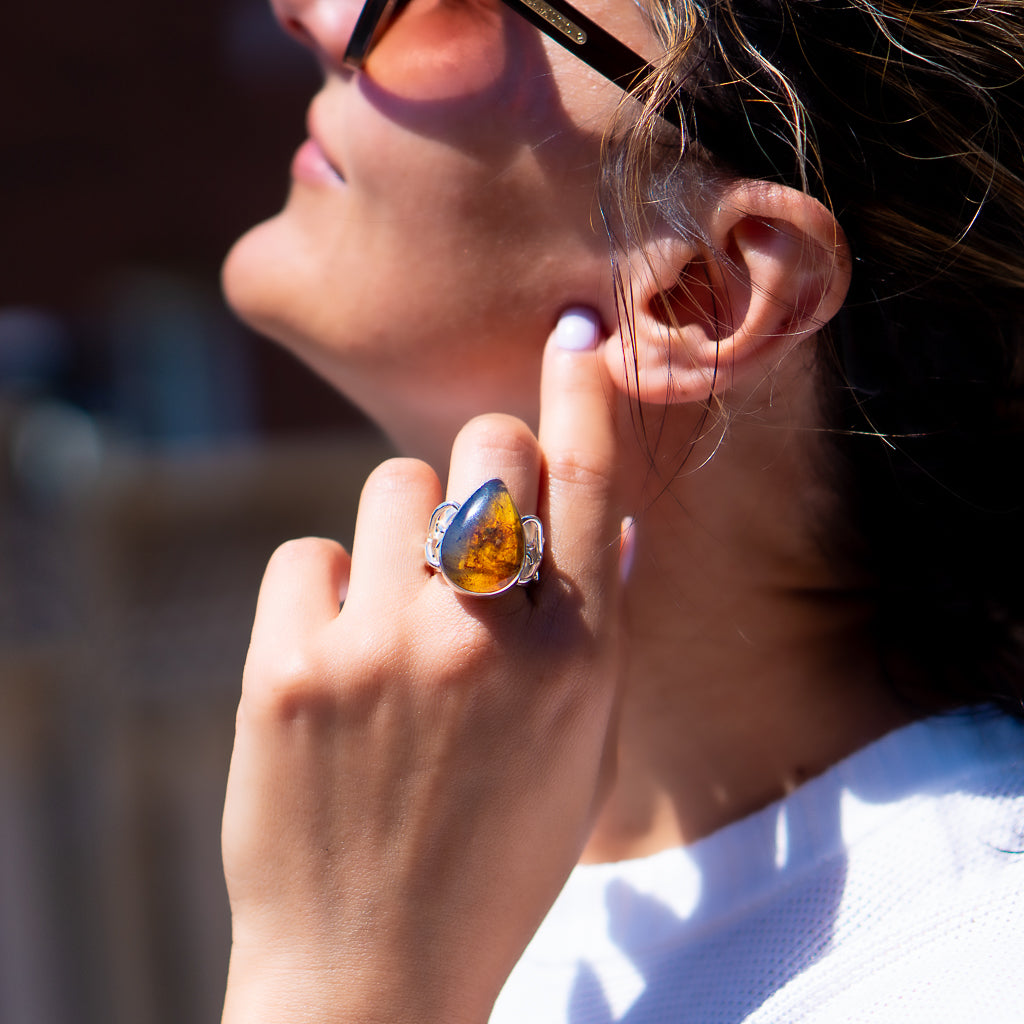
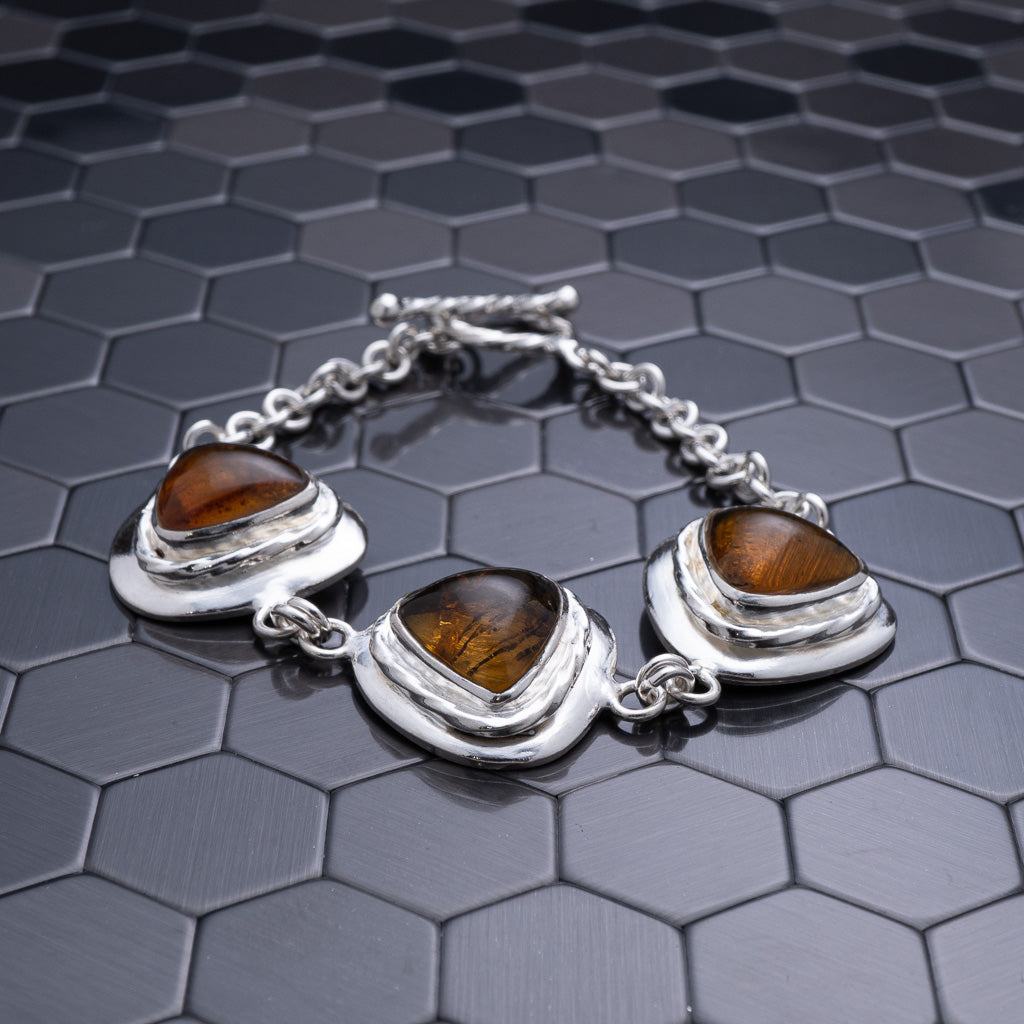
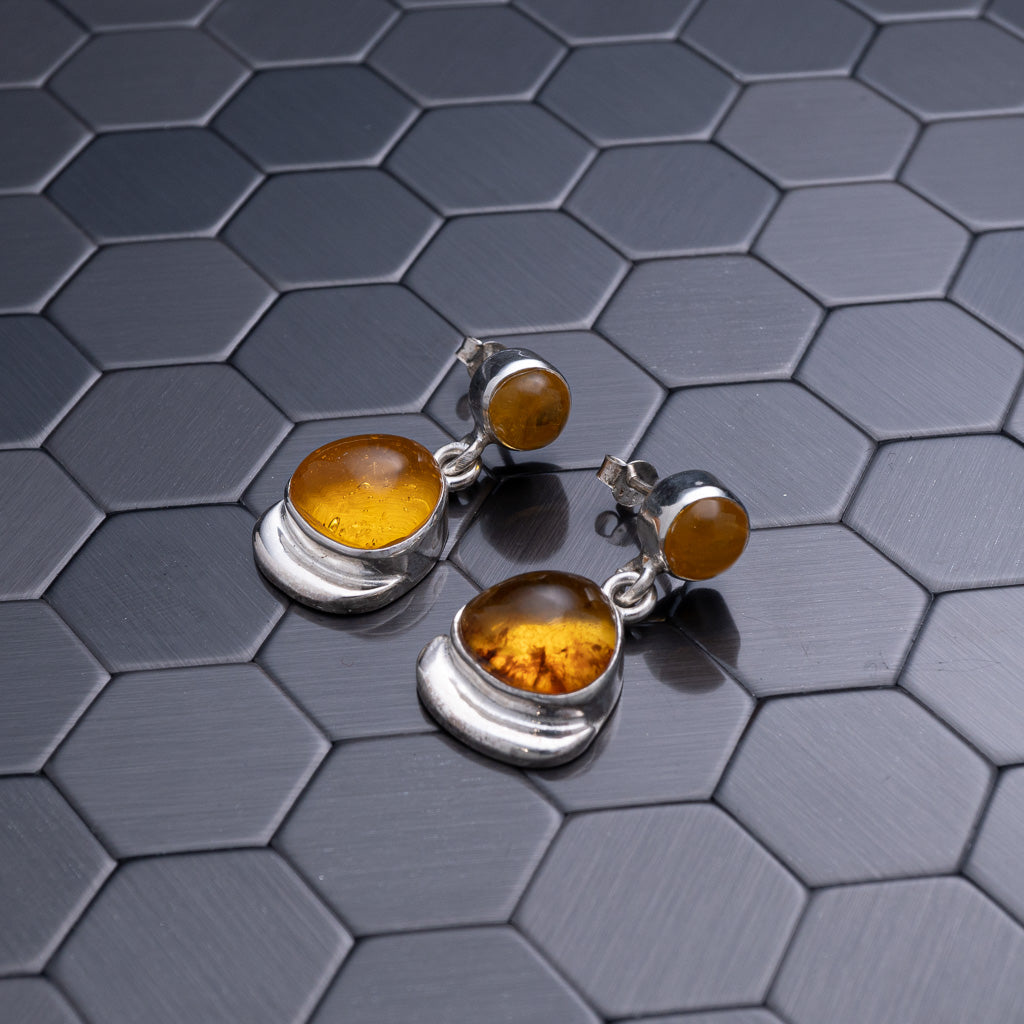
A stone that looks too perfect is often the first warning sign. If you are wondering how to tell real larimar, the answer starts with accepting that genuine larimar is a natural gemstone - and nature rarely repeats itself in flawless, uniform patterns. Real larimar carries the spirit of the Caribbean in its shifting blues, soft white marbling, and one-of-a-kind character.
For jewelry lovers, gift buyers, and collectors alike, authenticity matters. Larimar is rare, found only in the Dominican Republic, and prized for its ocean-like beauty. That rarity also makes it a target for imitation. Some substitutes are obvious, while others are polished and convincing enough to mislead even careful shoppers at first glance.
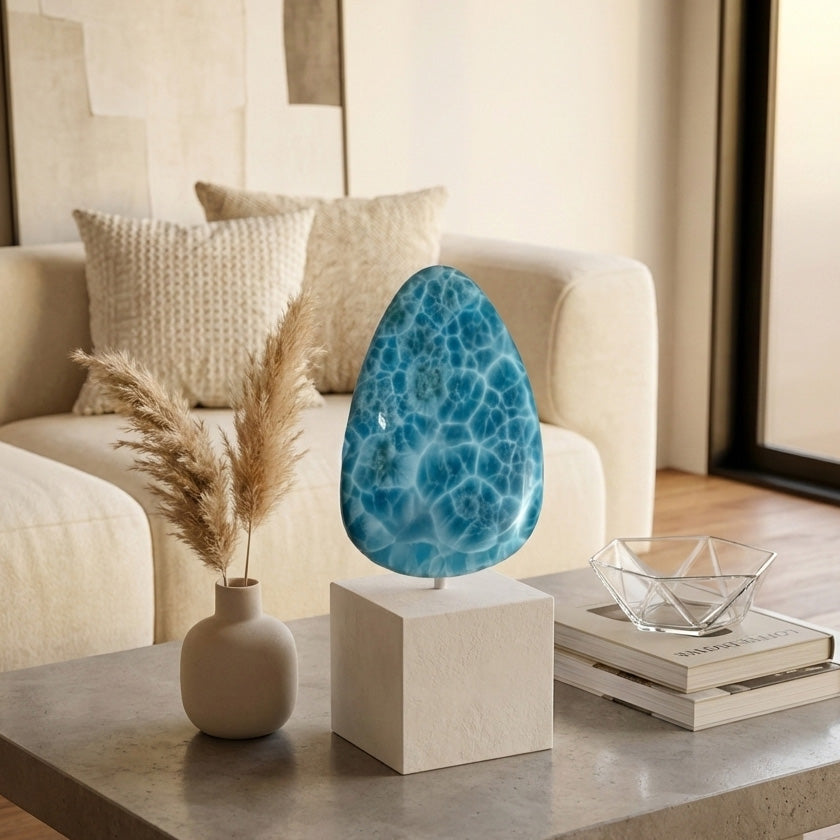
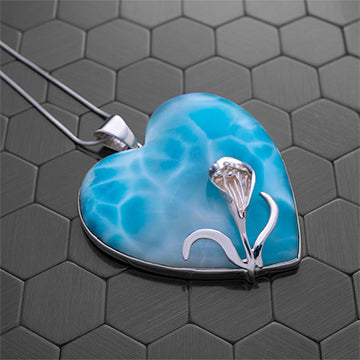
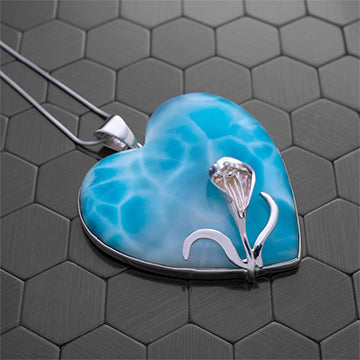
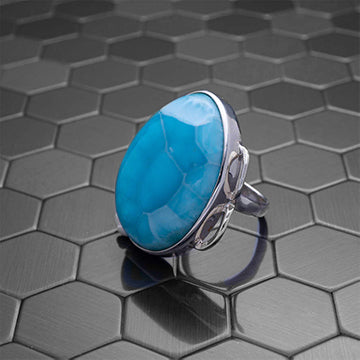
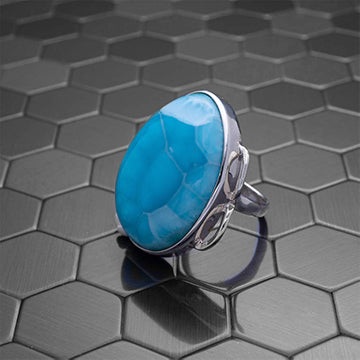
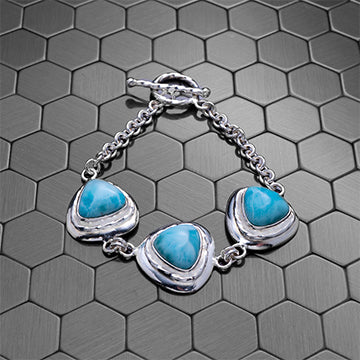
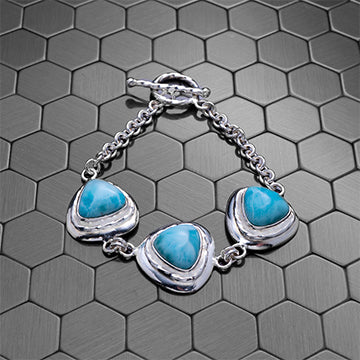
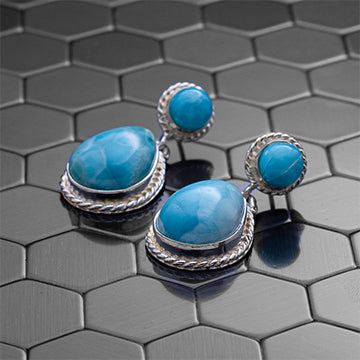
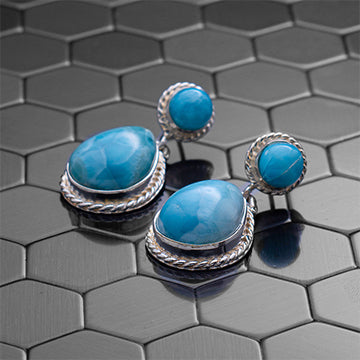
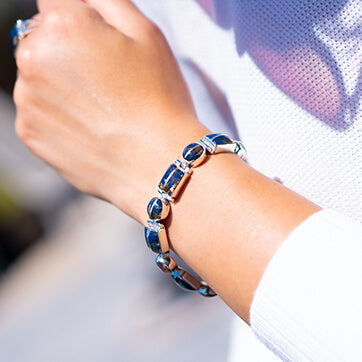
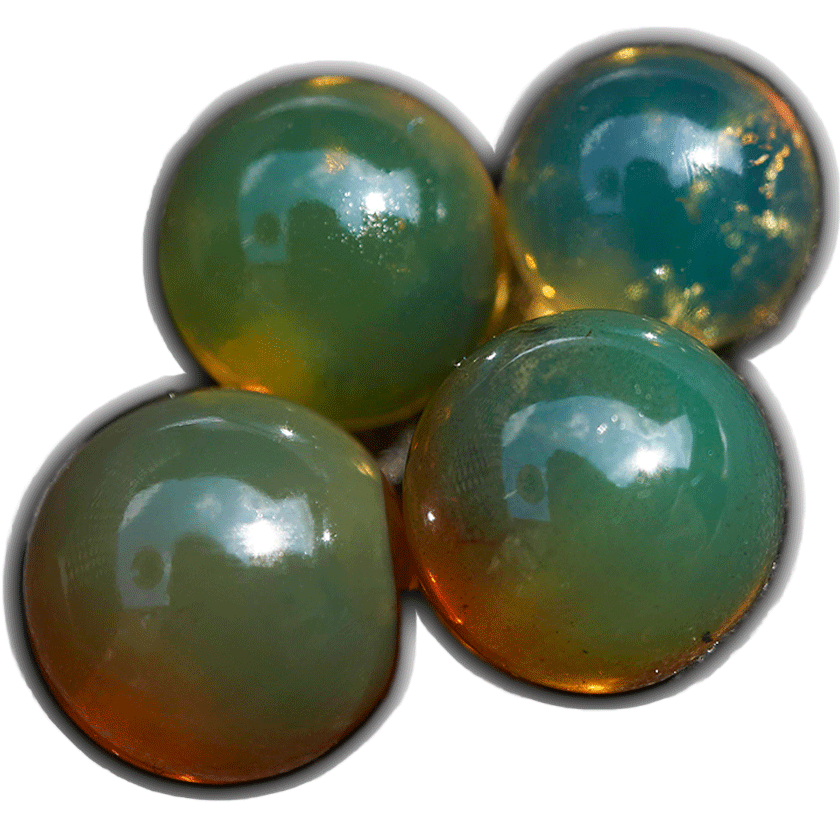
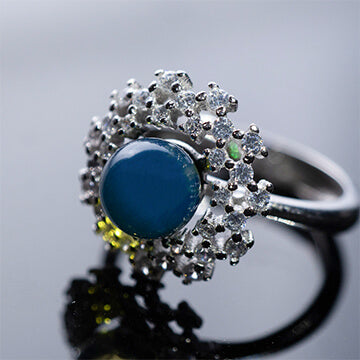
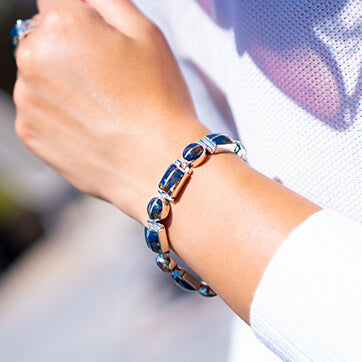
The quickest place to begin is with the visual identity of the stone itself. Genuine larimar usually shows a blend of sky blue, volcanic blue, teal-blue, and white, often arranged in cloud-like or wave-like patterns. The look is organic rather than graphic. You should not expect sharp printed lines, repeated swirls, or a flat block of identical color from edge to edge.
Authentic larimar often resembles sunlight moving across shallow Caribbean water. Some pieces are pale and airy. Others are more saturated and dramatic. White areas may appear as soft marbling, streaks, or islands of contrast. This variation is a strength, not a flaw.
A fake stone often gives itself away by looking overly even or manufactured. Dyed howlite and resin imitations can appear too bright, too clean, or too repetitive. If several pieces look exactly alike, that is reason to pause. Real larimar may be cut into matching styles, but the internal patterning should still differ from stone to stone.
Color alone cannot confirm authenticity, but it can reveal a lot. Natural larimar ranges from light blue to deeper blue-green tones with white matrix patterns. It does not usually display neon saturation or an artificial turquoise that feels disconnected from the stone.
If the blue looks painted on rather than embedded within the material, it may be dyed. Some imitation stones have color concentrated in cracks or surface areas, which can signal treatment or substitution. Real larimar tends to have visual depth, with transitions that feel soft and natural rather than abrupt.
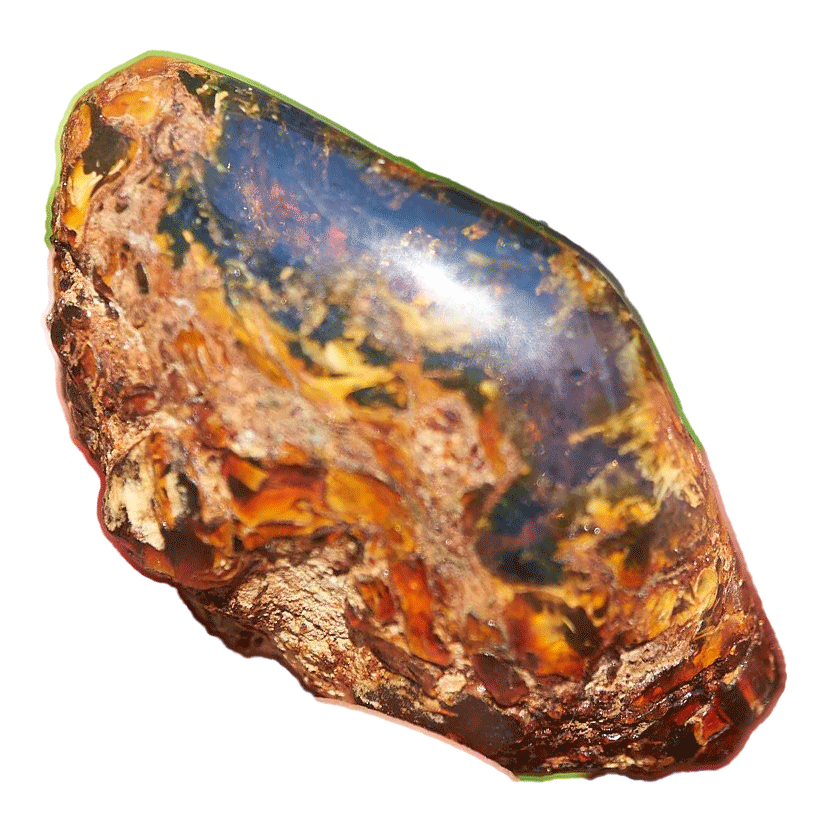
Pattern is one of the strongest clues. Genuine larimar has an irregular, almost painterly structure formed by nature. Think flowing movement, not symmetry. You may see patches that resemble foam, waves, clouds, or fragmented light.
Counterfeit pieces often rely on exaggerated marbling because shoppers expect a dramatic look. But natural beauty is subtler. If every section of the stone appears equally decorative, equally blue, and equally balanced, it may have been manufactured to meet an idea of larimar rather than reflect the real material.
Larimar is a form of pectolite, so it should feel like a genuine stone, not plastic or glass. In the hand, real larimar has a satisfying mineral weight for its size. It also tends to feel cool when first touched, especially compared with resin imitations, which warm quickly and can feel lighter than expected.
The polish matters too. Fine larimar jewelry is often cut and finished to a smooth, elegant surface, but even a high polish should not erase the stone's natural identity. You are looking for a refined finish over authentic material, not a glossy shell hiding something synthetic.
If a piece feels suspiciously light, overly warm, or almost toy-like, trust that instinct. That does not prove it is fake, but it does justify asking more questions.
A major part of how to tell real larimar is knowing where it comes from. True larimar is found only in the Dominican Republic. That geographic origin is not just part of the story - it is part of the definition.
If a seller cannot clearly state Dominican origin, that is a concern. If a product is marketed vaguely as blue pectolite without origin details, or described with broad language that avoids saying Dominican Republic, take a closer look. Reputable sellers of authentic larimar are usually proud to highlight provenance because it supports rarity, value, and trust.
For serious buyers, origin should be paired with transparency. Ask whether the stone is natural, whether it has been dyed or stabilized, and whether certification or authenticity documentation is available. A premium larimar seller should be ready for those questions.
Larimar is rare, handcrafted larimar jewelry takes skill, and high-grade material commands higher prices. That means extremely cheap larimar is often questionable. Still, price by itself is not a perfect test.
A small larimar bead or a lower-grade cabochon can cost less than a large, vivid, expertly set pendant. Pale stones can also be authentic. So the real issue is whether the price matches the claimed quality. If a seller presents deep blue, flawless, large larimar pieces at bargain-bin pricing, skepticism is warranted.
Authentic larimar exists across a range of grades. The finest material typically shows stronger blue saturation, attractive contrast, and excellent polish. More affordable pieces may include softer color, more matrix, or smaller sizes. That range is normal. What is not normal is luxury language attached to pricing that makes no sense for a rare Caribbean gemstone.
Online shopping requires a sharper eye because you cannot feel the stone in person. Start with the photos. High-quality sellers usually show multiple angles, close-up views, and enough detail to let the stone speak for itself. Be cautious of heavily edited images where every stone glows with the exact same tropical blue.
Product descriptions should also be specific. Look for mention of Dominican origin, natural variation, handcrafted settings, and realistic grading language. Words like authentic and genuine matter, but they should be supported by substance. Certification, sourcing details, or a clear statement of authenticity carry more weight than vague promises.
Reviews can help, especially when buyers mention the actual stone's appearance, quality, and resemblance to product photos. A trustworthy brand will usually build confidence through consistency - not only in claims, but in the level of detail across its collections.
If you are buying a one-of-a-kind ring, pendant, bracelet, or collector stone, ask whether the photographed piece is the exact item you will receive. With a gemstone as visually distinctive as larimar, that question matters.
The most common substitutes are dyed howlite, resin, glass, and other blue stones sold under misleading names. Dyed howlite often has gray or dark veining that looks more web-like than larimar's softer white movement. Resin imitations can mimic color surprisingly well, but they usually lack mineral depth and natural complexity. Glass may appear too uniform and too glossy.
There are also cases where genuine pectolite is sold without meaningful disclosure around treatment, quality, or origin. Since true gem-grade larimar is specifically Dominican, origin remains one of the strongest filters.
This is where expertise matters. A specialist brand such as Larimar Creations understands the difference between generic blue stone marketing and authentic, sourced larimar selected for both beauty and credibility.
Sometimes the answer is not obvious from appearance alone. A polished imitation can look convincing in photos, and even natural stones vary more than many buyers expect. If you are uncertain, ask for additional images in natural lighting, ask whether the stone is certified or verified, and ask direct questions about sourcing.
A trustworthy seller will not be offended by careful buying. In fact, authenticity-focused brands expect it. Larimar is not mass-market fashion jewelry. It is a rare gemstone with a distinct place of origin, and it deserves the same level of scrutiny you would give any meaningful fine or artisan purchase.
The most beautiful larimar pieces are not the ones that look artificially perfect. They are the ones that carry natural variation, skilled craftsmanship, and a clear connection to the Dominican Republic. When you know what to look for, authenticity becomes easier to recognize - and far more rewarding to wear.