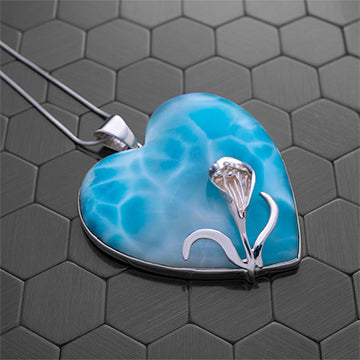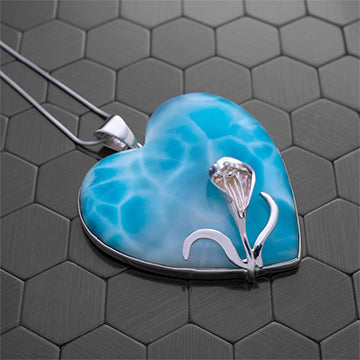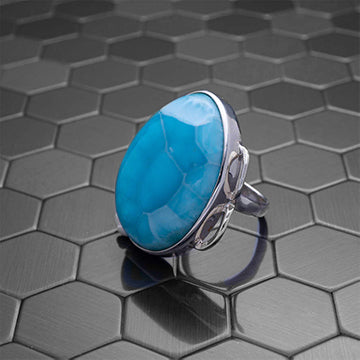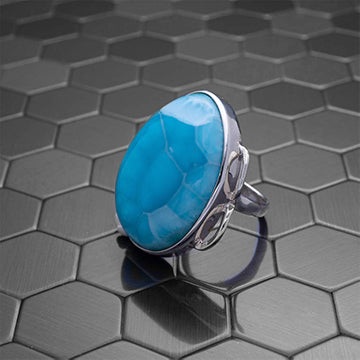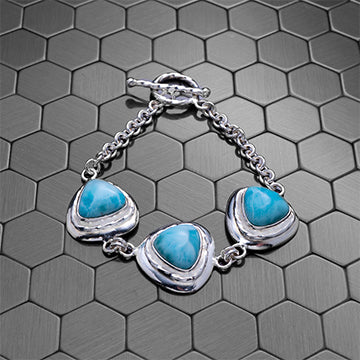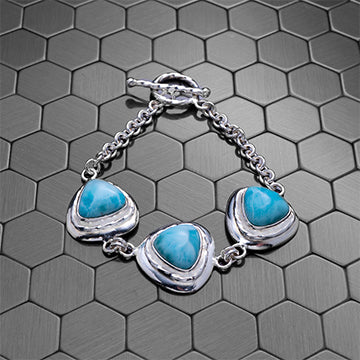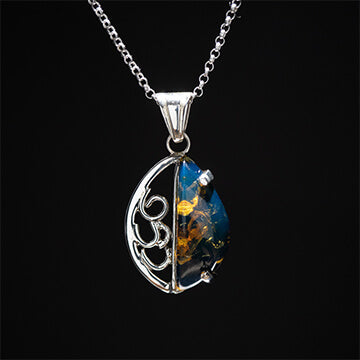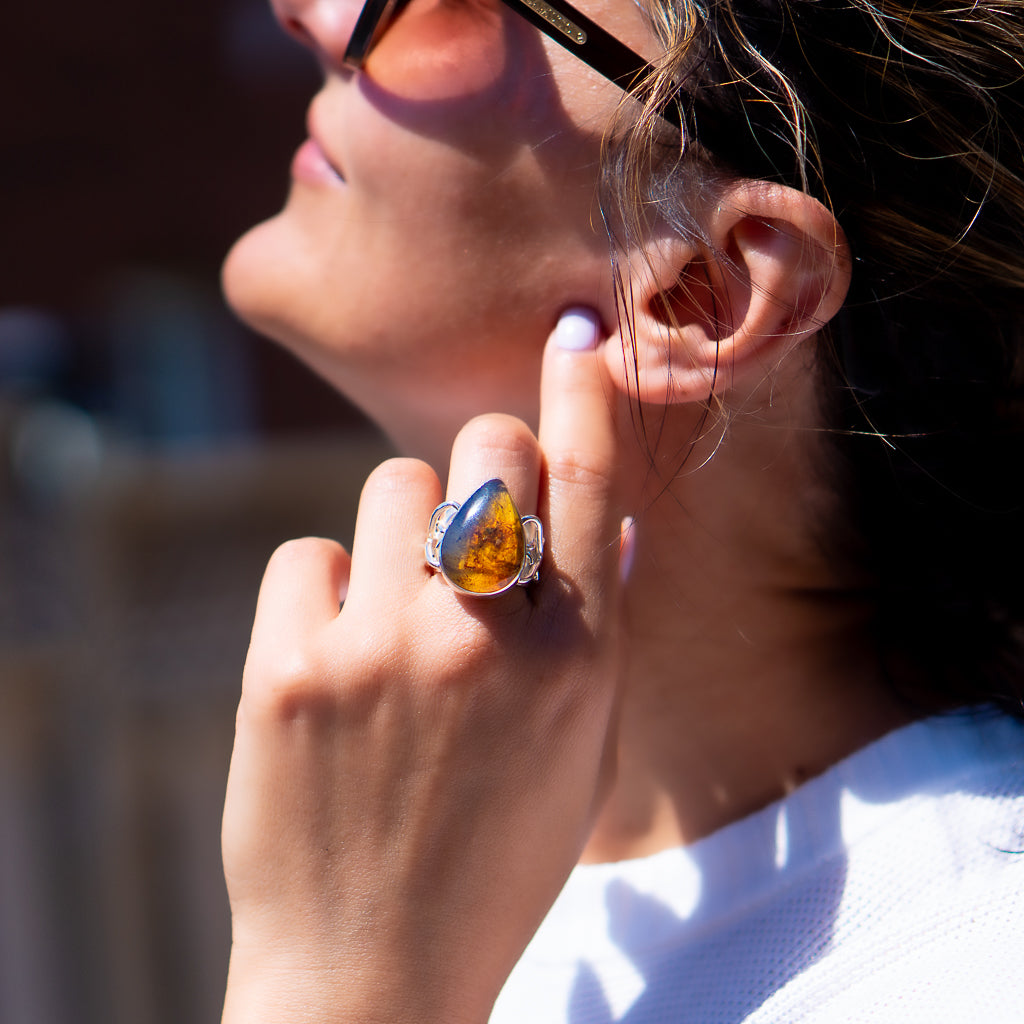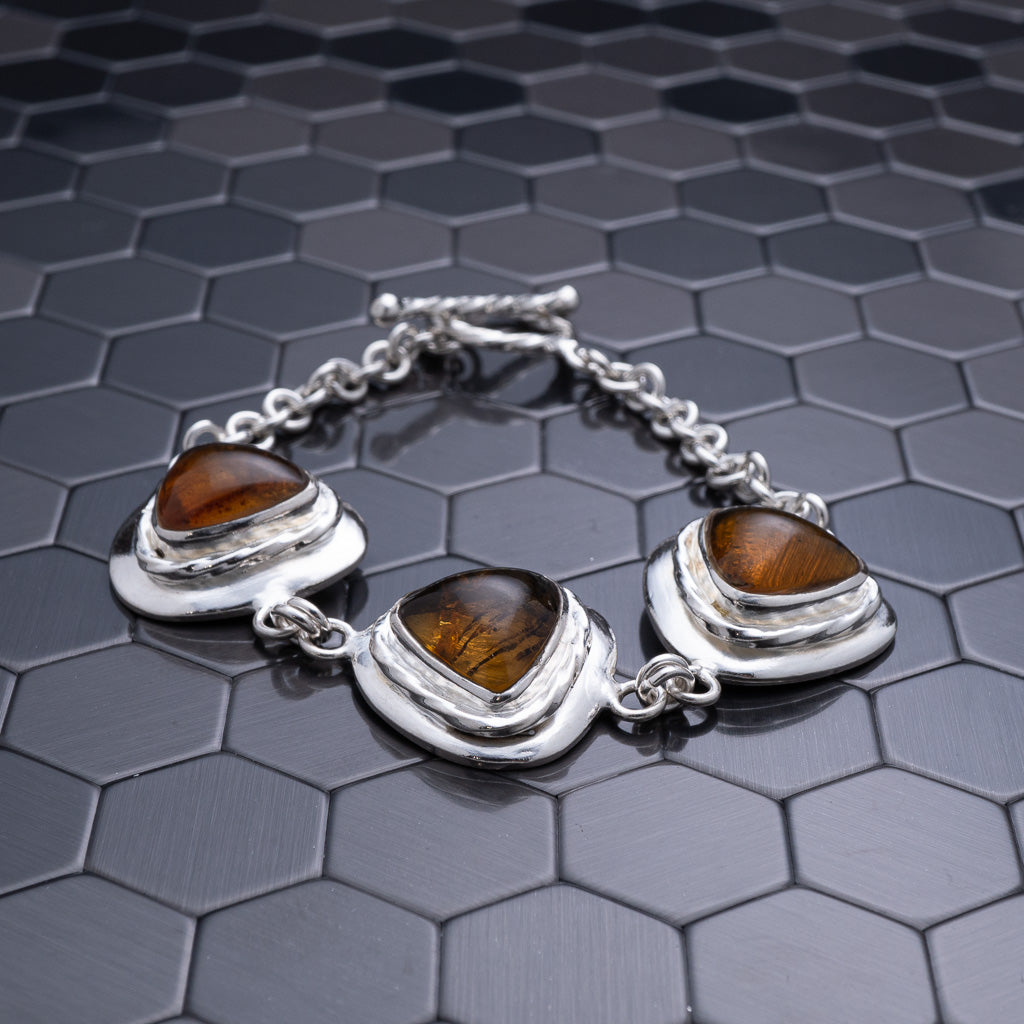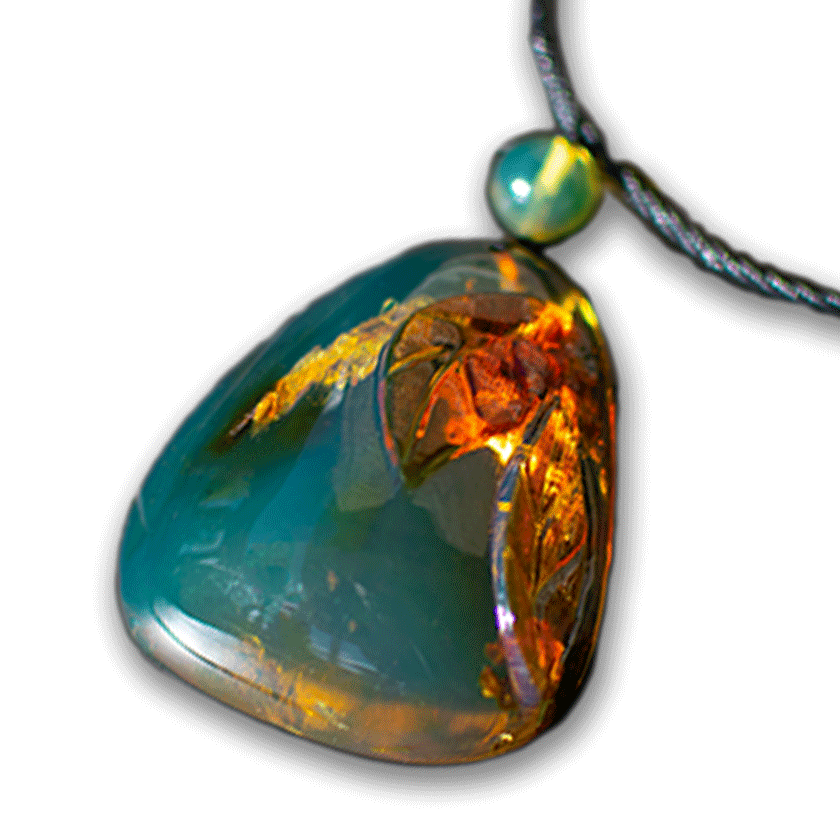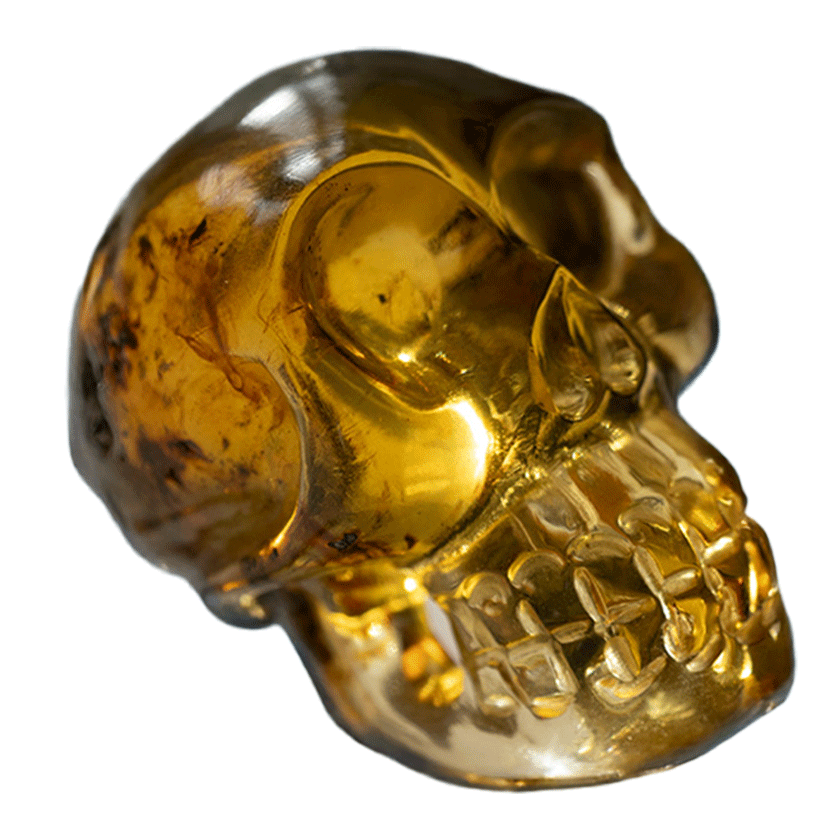





Handcrafted in DR.


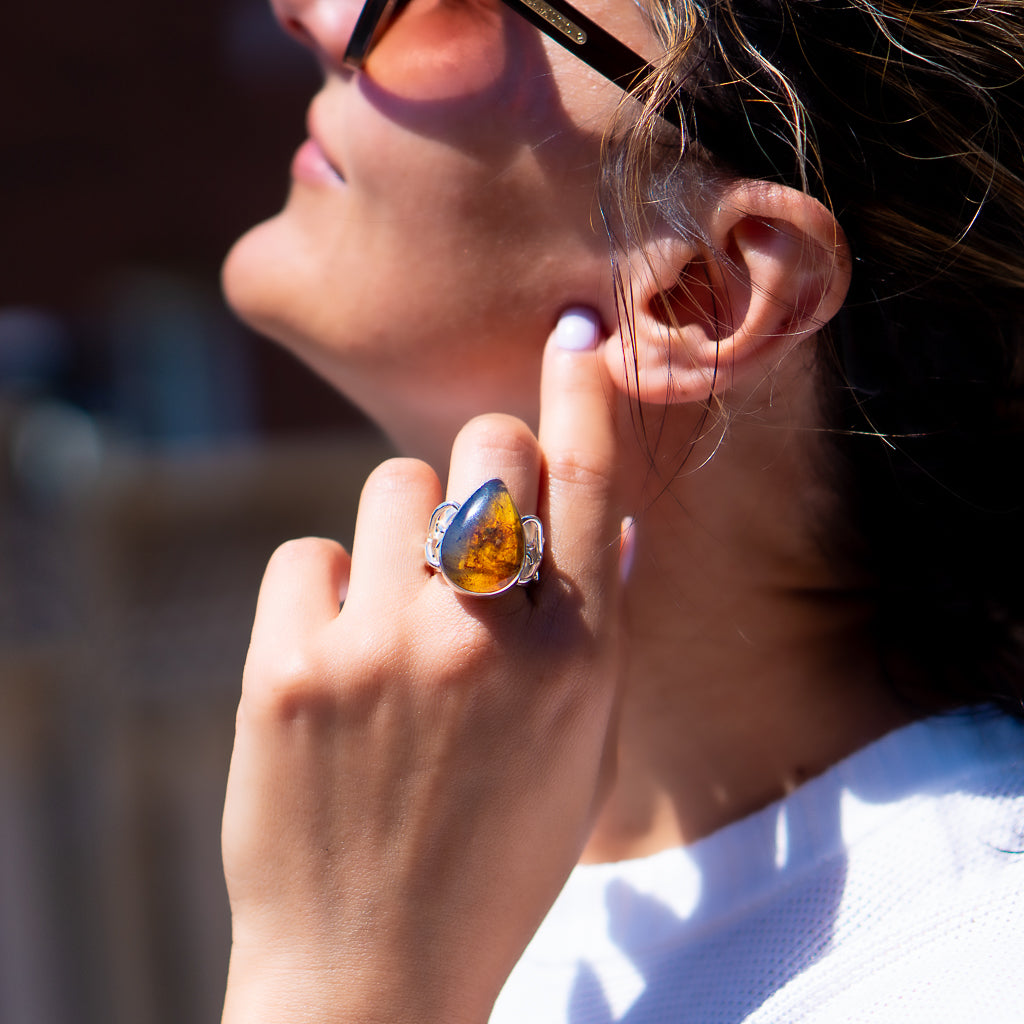
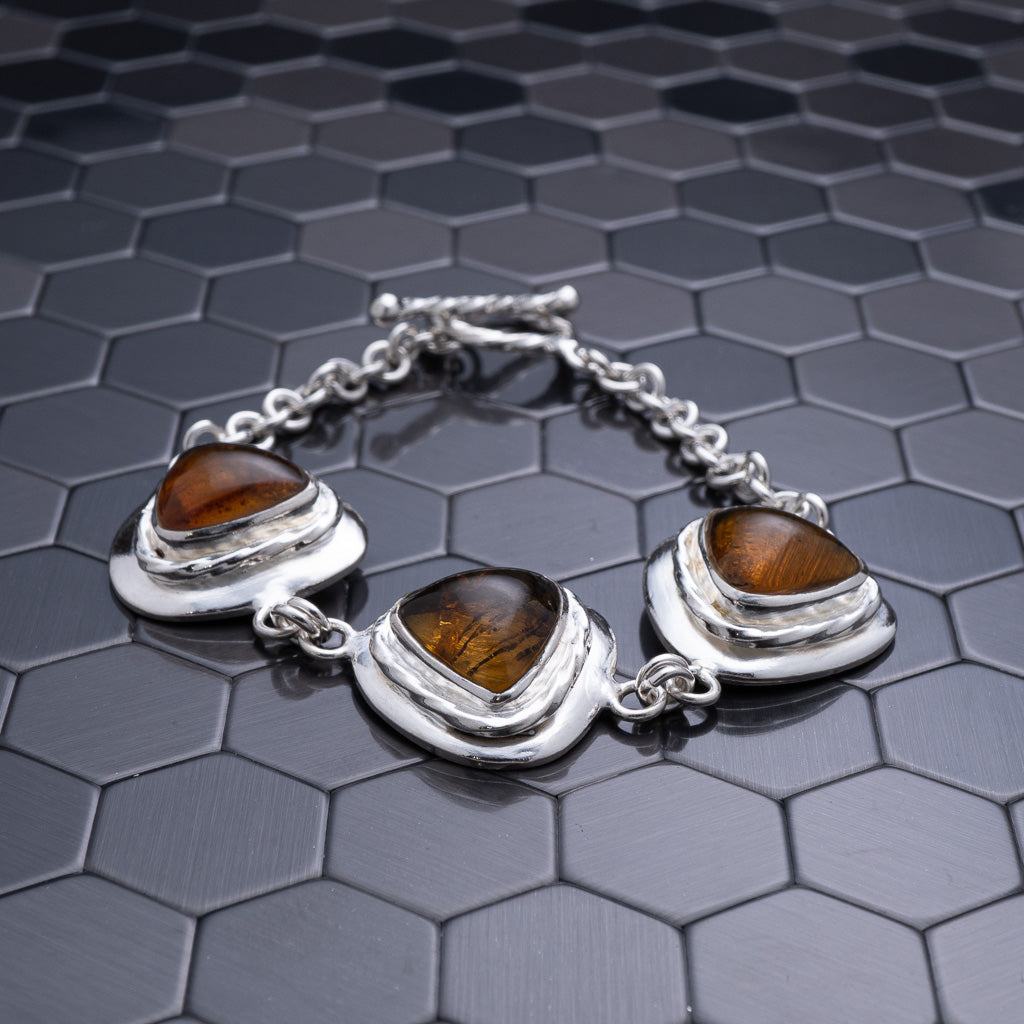



100% Handcrafted in DR.

The captivating blue gemstone known as larimar has fascinated collectors, jewelry enthusiasts, and geologists since its official discovery in 1974. This rare pectolite mineral displays ethereal shades of blue reminiscent of Caribbean waters, making it one of the most sought-after gemstones in contemporary jewelry design. Yet despite its growing popularity worldwide, many people remain unaware of the remarkable exclusivity surrounding this stone's origins. Understanding where is larimar found reveals not only the gemstone's geological uniqueness but also explains why authentic pieces command premium prices and why sourcing becomes such a critical consideration for discerning buyers.
When exploring where is larimar found, the answer is remarkably singular and specific. Larimar exists in only one location on Earth: the Dominican Republic, specifically within the southwestern region of this Caribbean nation. This unprecedented geographic limitation makes larimar one of the rarest gemstones globally, rivaling even precious stones in terms of scarcity based purely on mining location.
The primary mining area centers around the Bahoruco mountain range in the Barahona Province. This remote, mountainous terrain features rugged landscapes that present significant challenges for extraction operations. The main Larimar mining operation occurs near the small village of Los Chupaderos, situated approximately 10 kilometers from the coastal town of Barahona.
The Sierra de Baoruco mountain range serves as the geological birthplace of all natural larimar. This mountain system formed through volcanic activity millions of years ago, creating the precise conditions necessary for larimar's formation. The unique combination of volcanic rock, copper minerals, and specific temperature and pressure conditions exists nowhere else on the planet in the exact configuration required to produce this distinctive blue pectolite variety.
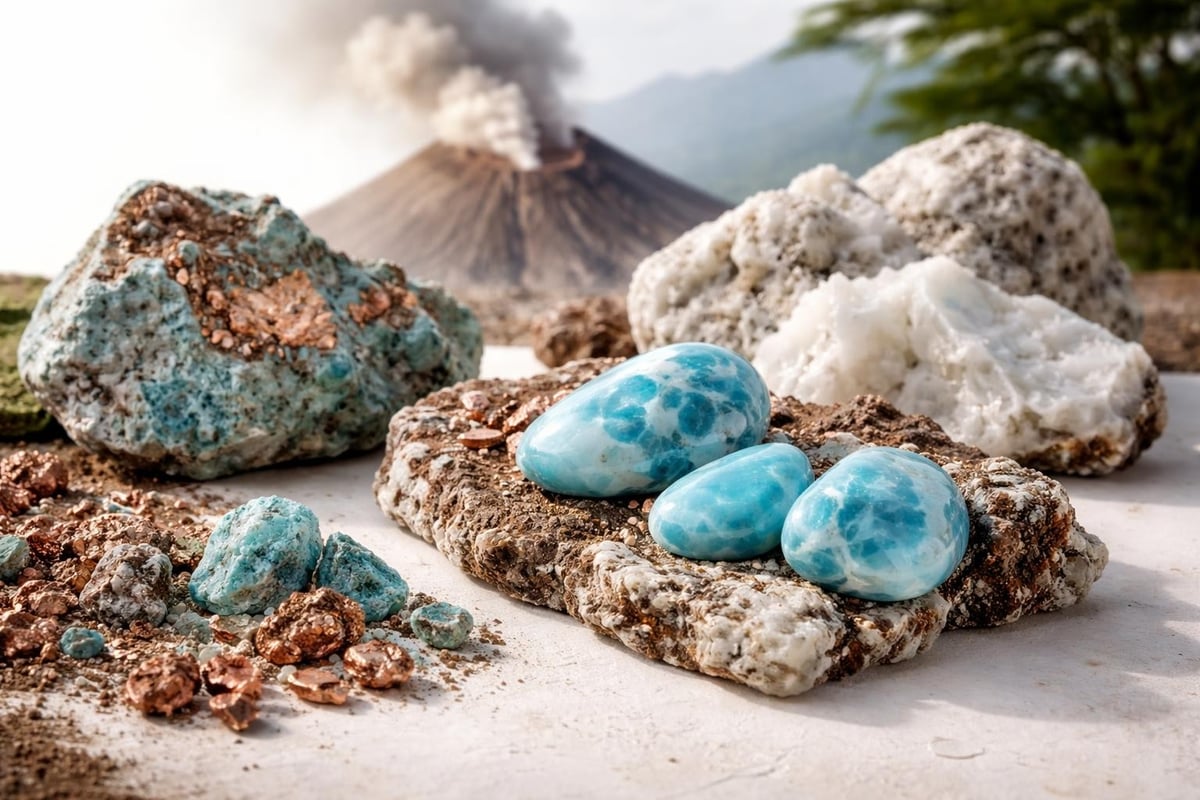
Mining operations extend through several square kilometers of mountainous terrain, with extraction sites reaching depths of 200 to 300 feet underground. The mineral deposits occur in narrow veins and pockets within the volcanic bedrock, requiring intensive manual labor and careful excavation techniques to prevent damaging the delicate stone during extraction.
The question of where is larimar found connects directly to understanding why this gemstone forms exclusively in this Caribbean location. The geological formation of larimar requires an extraordinary convergence of factors that occurred during the Dominican Republic's volcanic past.
Larimar belongs to the pectolite mineral family, which forms in cavities within basaltic volcanic rock. While pectolite deposits exist in various locations worldwide, including Canada, Italy, and the United States, these formations lack the distinctive blue coloration that defines larimar. The vibrant blue hue results from copper substitution within the calcium and sodium mineral structure during formation.
Critical formation requirements include:
The Dominican Republic's geological history provided this precise combination. Approximately 10 to 25 million years ago during the Miocene epoch, volcanic activity created the Bahoruco mountain range. Copper-rich hydrothermal fluids circulated through fractures in the cooling volcanic rock, depositing the distinctive blue pectolite crystals we now recognize as larimar.
Numerous geological surveys and exploration efforts have attempted to locate larimar deposits beyond the Dominican Republic. Despite promising volcanic formations in neighboring Caribbean islands and similar geological zones worldwide, no verified larimar deposits have ever been confirmed outside Barahona Province.
This exclusivity has prompted researchers to study the unique aspects of larimar formation, seeking to understand what makes the Dominican Republic's geological conditions so singular. Current theories suggest the specific composition of the Bahoruco volcanic rocks, combined with the unique groundwater chemistry during the Miocene period, created an unrepeatable geological event.
Understanding where is larimar found also involves appreciating the relatively recent human discovery of this ancient gemstone. Although the stone formed millions of years ago, its official recognition as a unique mineral occurred in 1974 when Miguel Méndez, a local Dominican, encountered blue stones washed down from the mountains near Bahoruco Beach.
The historical background of larimar reveals that local inhabitants may have known about the blue stones for generations before the 1974 formal discovery. However, Méndez's collaboration with Peace Corps volunteer Norman Rilling brought scientific attention and international recognition to the gemstone. Méndez named the stone "larimar" by combining his daughter's name, Larissa, with "mar" (Spanish for sea), reflecting the stone's oceanic blue appearance.
| Historical Milestone | Year | Significance |
|---|---|---|
| Geological formation | 10-25 million years ago | Volcanic activity creates larimar deposits |
| Local awareness | Pre-1974 (undocumented) | Indigenous and local communities observe blue stones |
| Official discovery | 1974 | Miguel Méndez and Norman Rilling document the mineral |
| Mining development | 1976-1980 | First organized mining operations established |
| International recognition | 1980s-1990s | Larimar gains popularity in global gem markets |
| Modern safety initiatives | 2025 | Enhanced safety protocols implemented in mines |
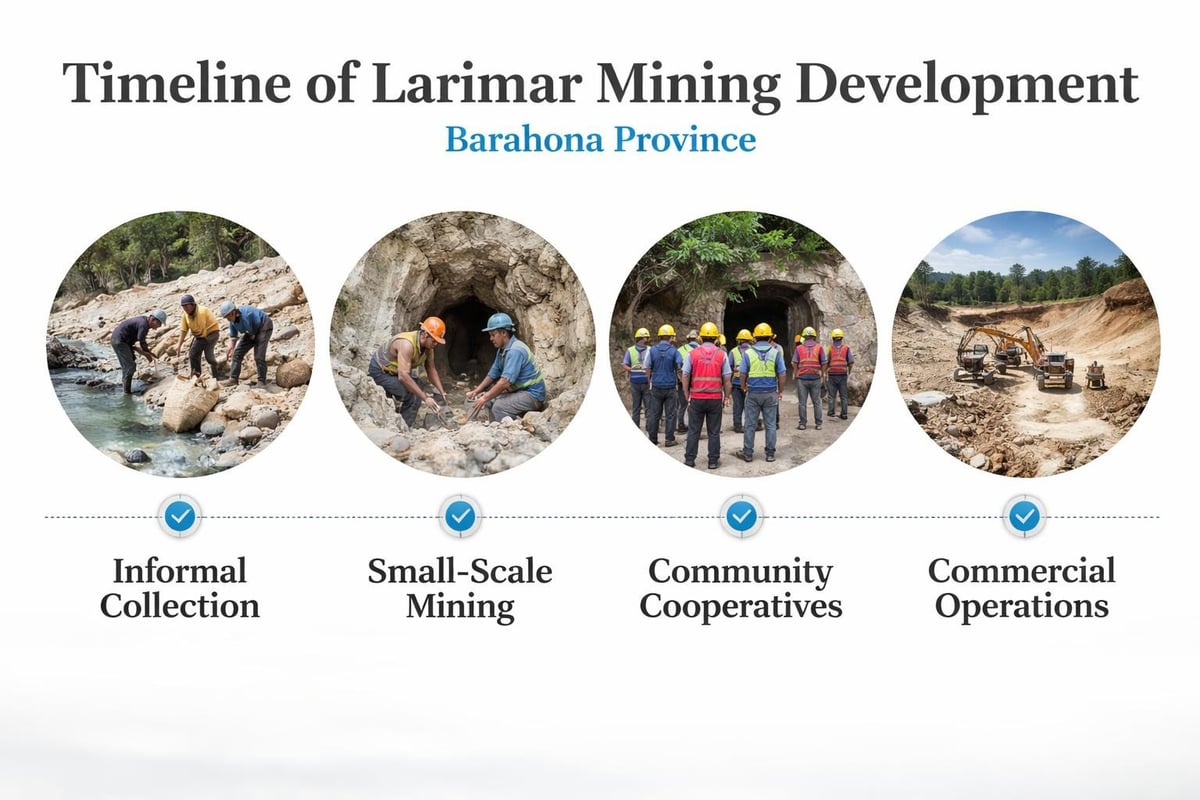
Today's answer to where is larimar found encompasses several specific mining sites within the Bahoruco region, though all remain within a relatively small geographic area. The primary extraction zones include Los Chupaderos, El Arroyo, and La Ciénaga, all situated within a 15-kilometer radius.
Los Chupaderos represents the largest and most productive larimar mining area. This site features multiple tunnel systems extending deep into the mountainside, where miners work in challenging conditions to extract the precious blue stone. The mining and grading processes involve careful hand-extraction to preserve the integrity of each piece.
Mining operations follow traditional methods rather than industrial techniques:
The lack of mechanization stems partly from the terrain's inaccessibility and partly from the need to prevent damage to the delicate stone. Heavy machinery would likely shatter many valuable pieces, making hand-extraction more economically viable despite the increased labor intensity.
The mountainous terrain where is larimar found presents numerous obstacles for mining operations. Steep slopes, limited infrastructure, and seasonal weather patterns complicate extraction efforts. The rainy season, typically from May through November, can render mining tunnels unstable and dangerous, frequently limiting operations during these months.
Access to mining sites requires navigating unpaved mountain roads that become treacherous during wet conditions. The remote location also means limited access to modern safety equipment and medical facilities, contributing to the hazardous nature of larimar mining work.
Not all larimar from the Dominican Republic exhibits identical characteristics. Different mining sites within the Barahona Province produce stones with varying color intensity, pattern distribution, and clarity. Understanding these location-based variations helps collectors and jewelers appreciate the nuances of genuine larimar.
The depth at which larimar is extracted significantly influences its color characteristics. Deeper deposits generally yield stones with more intense, saturated blue coloration, while surface-level finds often display lighter, more translucent appearances. The most prized specimens feature deep volcanic blue with distinctive white pattern resemblances to ocean waves or clouds.
Quality factors influenced by extraction location:
Because where is larimar found is so geographically limited, provenance documentation becomes crucial for authenticity verification. Reputable dealers and jewelers provide information about the specific mining area and can often trace pieces to particular extraction sites. This traceability helps distinguish genuine Dominican larimar from imitations or treated stones marketed deceptively.
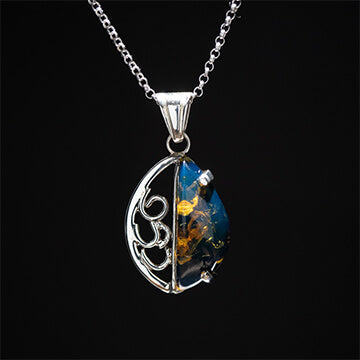
Collections featuring larimar pendants from verified Dominican sources offer buyers confidence in authenticity, as the exclusive geographic origin makes counterfeiting easier to detect when proper documentation exists. The limited source also contributes to the stone's investment value, as depletion of accessible deposits increases scarcity over time.
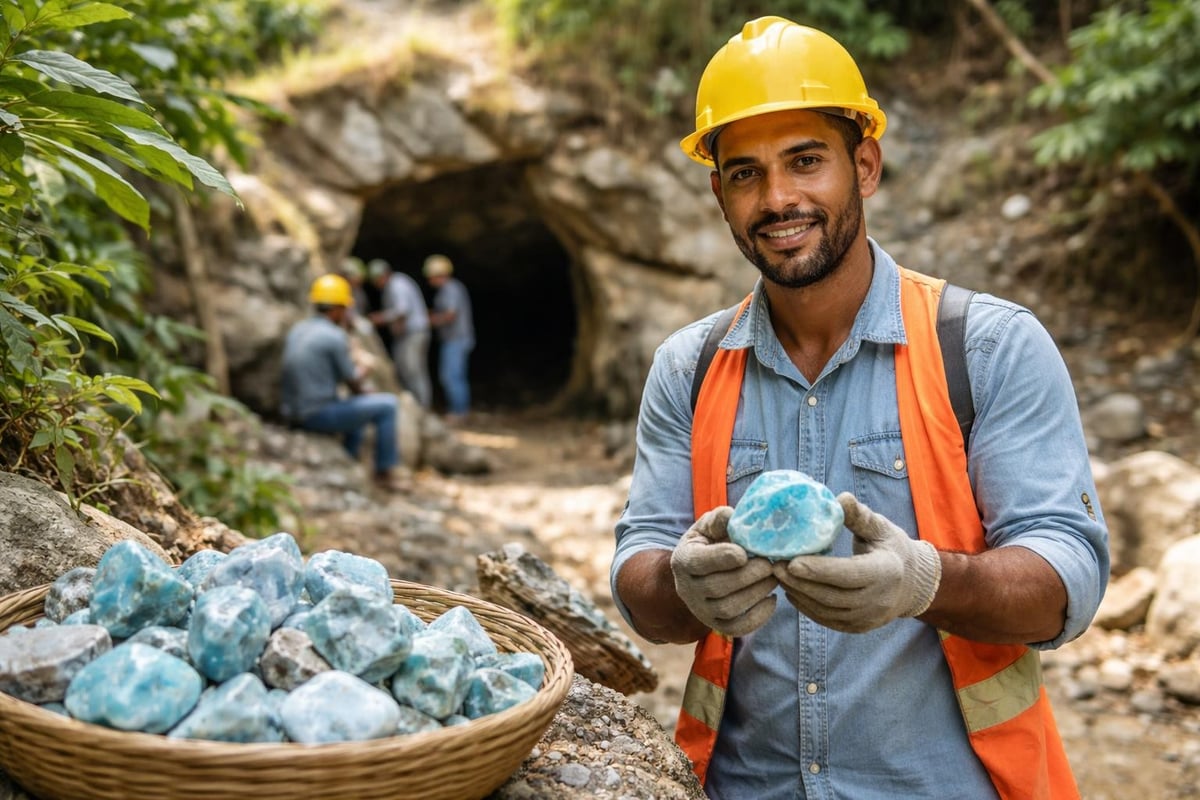
As awareness of where is larimar found spreads globally, concerns about deposit sustainability have intensified. Geological surveys suggest that easily accessible larimar deposits represent a finite resource, with estimates varying regarding how long current extraction rates can continue before depletion.
Ongoing geological exploration within the Bahoruco region seeks to identify previously undiscovered larimar veins. These surveys use modern prospecting techniques while respecting the environmental sensitivity of the mountainous terrain. Some promising areas have been identified, though many remain difficult to access given the infrastructure limitations.
The Dominican government has implemented regulations governing larimar extraction to prevent overexploitation and ensure sustainable practices. These measures include licensing requirements for miners, environmental impact assessments, and restrictions on certain mining techniques that could cause excessive environmental damage.
The unique answer to where is larimar found has transformed local economies in Barahona Province. Communities that once relied primarily on agriculture now have diversified income sources through mining, stone processing, jewelry crafting, and tourism related to the gemstone industry.
| Economic Sector | Impact Level | Description |
|---|---|---|
| Direct mining employment | High | Hundreds of miners work extraction sites |
| Processing and cutting | Medium | Artisans prepare rough stones for jewelry |
| Jewelry craftsmanship | High | Local workshops create finished pieces |
| Tourism | Growing | Visitors tour mines and purchase directly |
| Export commerce | High | International trade in rough and finished larimar |
This economic transformation emphasizes the importance of sustainable practices, as the communities depend on the continued availability of larimar deposits. Organizations and cooperatives have formed to balance extraction efficiency with long-term resource conservation, recognizing that preserving where is larimar found benefits current and future generations.
While the mining answer to where is larimar found remains exclusively Dominican, the finished gemstone enjoys worldwide distribution. After extraction, sorting, and processing in the Dominican Republic, larimar reaches international markets through several channels.
Rough larimar stones are exported to cutting centers in various countries where skilled lapidaries shape and polish the material. Major jewelry markets in the United States, Europe, and Asia feature Dominican larimar in both mass-market and high-end collections. The stone's distinctive appearance and rare provenance make it particularly popular among collectors seeking unique pieces with compelling origin stories.
According to the comprehensive information about larimar, international demand has grown steadily since the 1990s, with prices reflecting both the stone's beauty and its singular geographic source. This demand drives continued interest in the question of where is larimar found, as consumers increasingly value gemstone provenance and ethical sourcing.
The exclusive location where is larimar found creates both opportunities and challenges in global commerce. Authentic Dominican larimar commands premium prices, incentivizing some sellers to market imitations or treated materials as genuine larimar. Common substitutes include blue calcite, artificially colored howlite, and synthetic materials designed to mimic larimar's appearance.
Educated consumers examine several authentication factors:
Understanding the benefits of authentic larimar versus imitations helps buyers make informed purchasing decisions, ensuring they receive genuine Dominican material with the purported metaphysical and aesthetic properties associated with this rare gemstone.
The restricted answer to where is larimar found directly influences the value proposition of larimar jewelry. Unlike gemstones with multiple global sources, larimar's singular origin creates inherent scarcity that supports sustained value. This geographic exclusivity means that depletion of accessible deposits could significantly impact availability and pricing in coming decades.
For jewelry enthusiasts and collectors, understanding the stone's unique provenance enhances appreciation for each piece. A larimar pendant or ring represents not just attractive blue coloration but a geological phenomenon that occurred once in Earth's history in one specific location. This narrative dimension adds emotional and collectible value beyond the stone's physical beauty.
Jewelers who emphasize the exclusive nature of where is larimar found educate their customers about the gemstone's significance. This educational approach helps distinguish larimar from more common blue stones like turquoise or blue topaz, which, while beautiful, lack the singular geographic story that makes larimar exceptional.
The limited source also necessitates responsible consumption practices. As with any finite natural resource, purchasing larimar jewelry should involve consideration of ethical extraction practices, fair compensation for miners, and long-term sustainability of the deposits. Supporting businesses that prioritize these values helps ensure the preservation of both the geological resource and the communities dependent on it.
The geological exclusivity of larimar, found solely in the Dominican Republic's Bahoruco mountains, makes each piece a testament to Earth's unique creative processes. Whether you're seeking a meaningful gift or building a collection of rare gemstones, understanding this singular origin enhances the value and significance of every larimar piece. Larimar Creations offers authenticated Dominican larimar jewelry, handcrafted to showcase the stone's natural beauty while ensuring ethical sourcing and worldwide delivery to collectors who appreciate the remarkable story behind this Caribbean treasure.