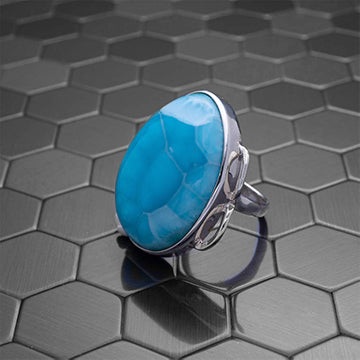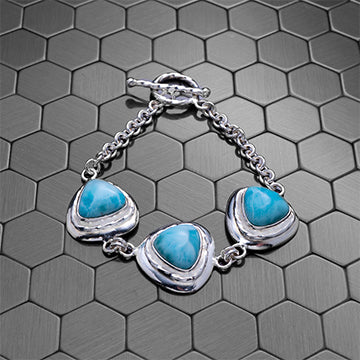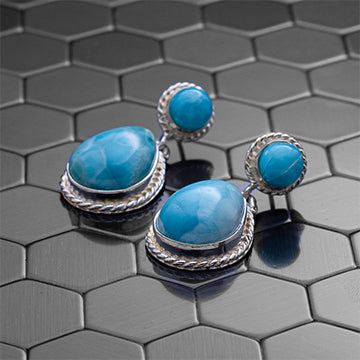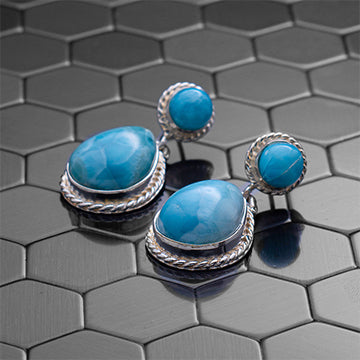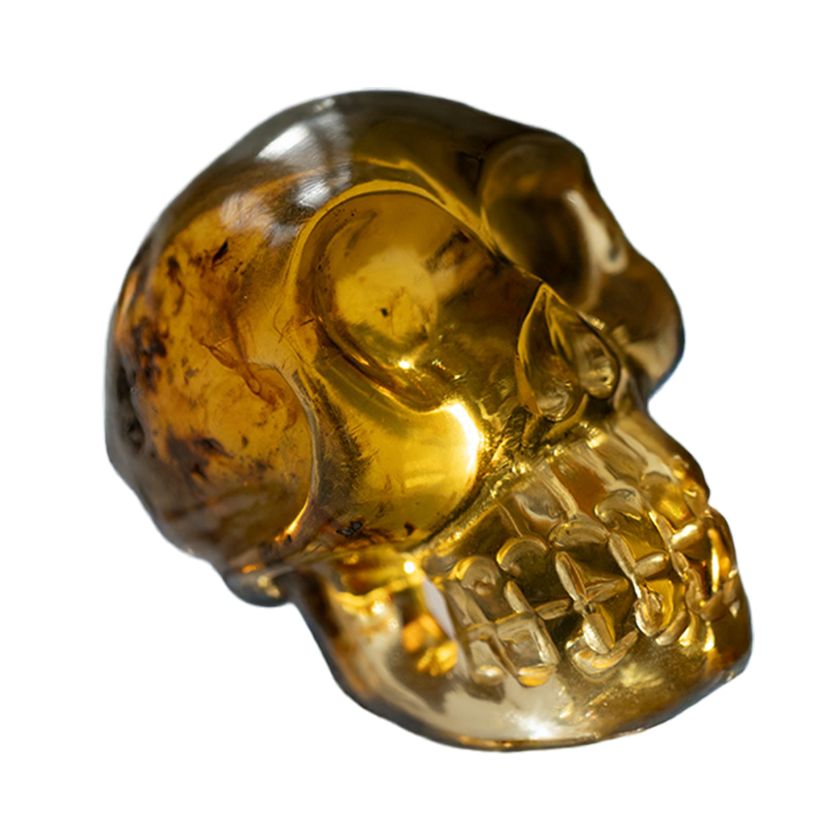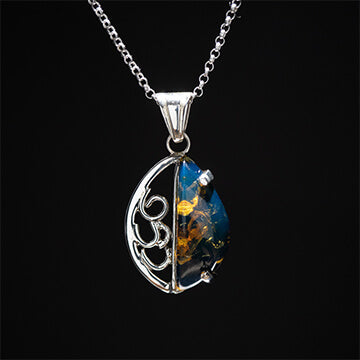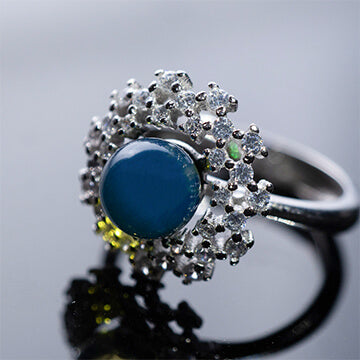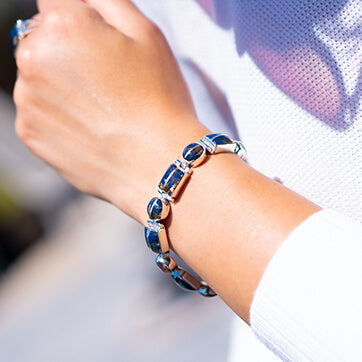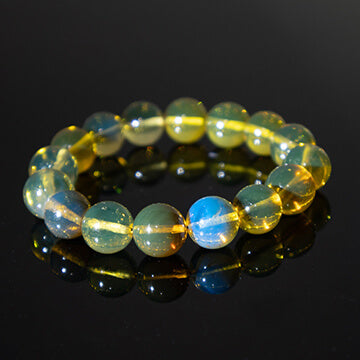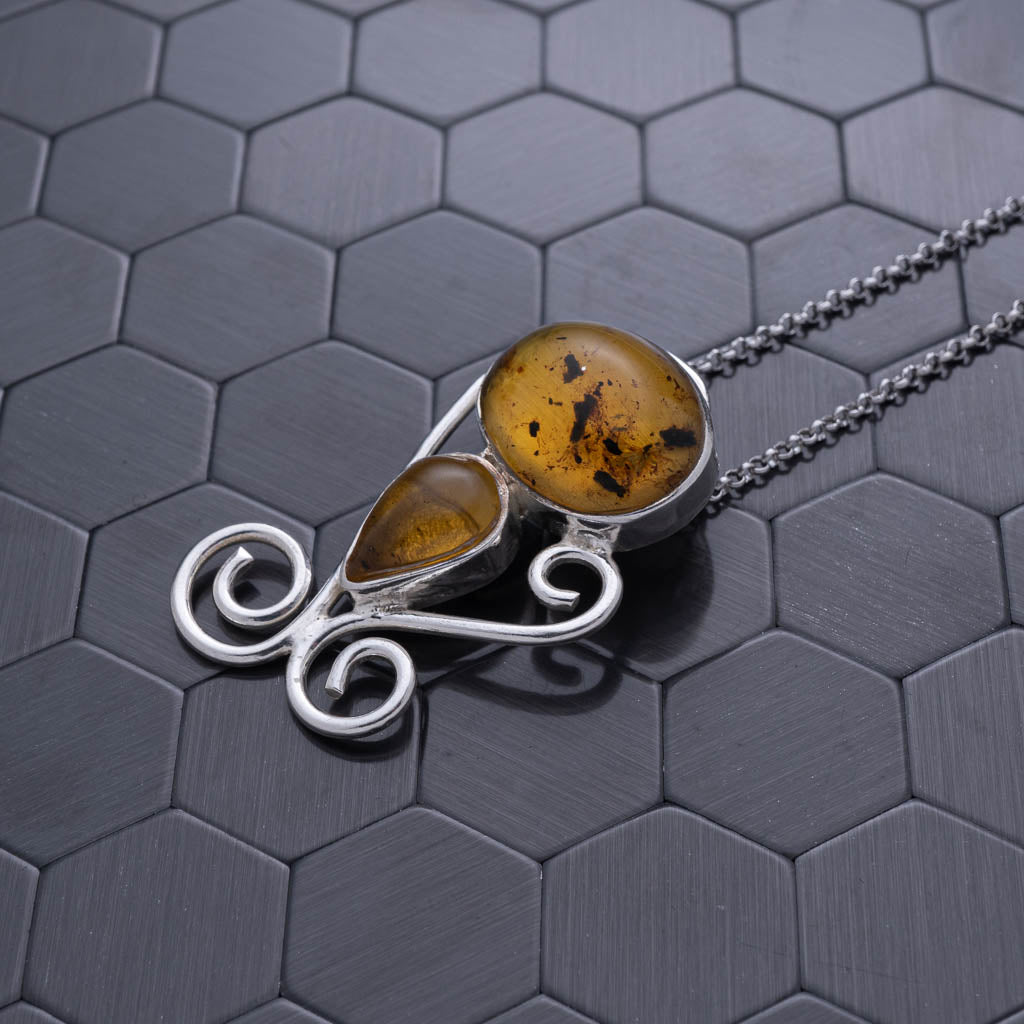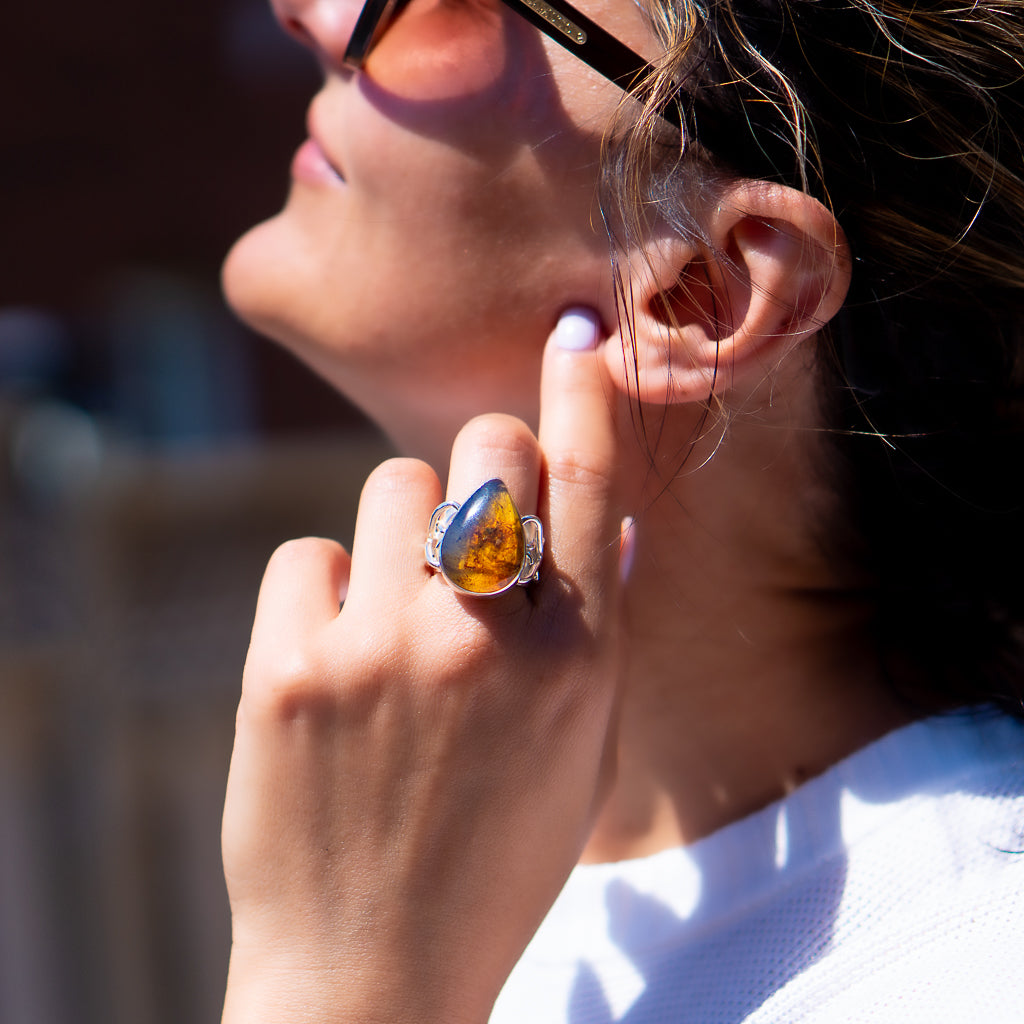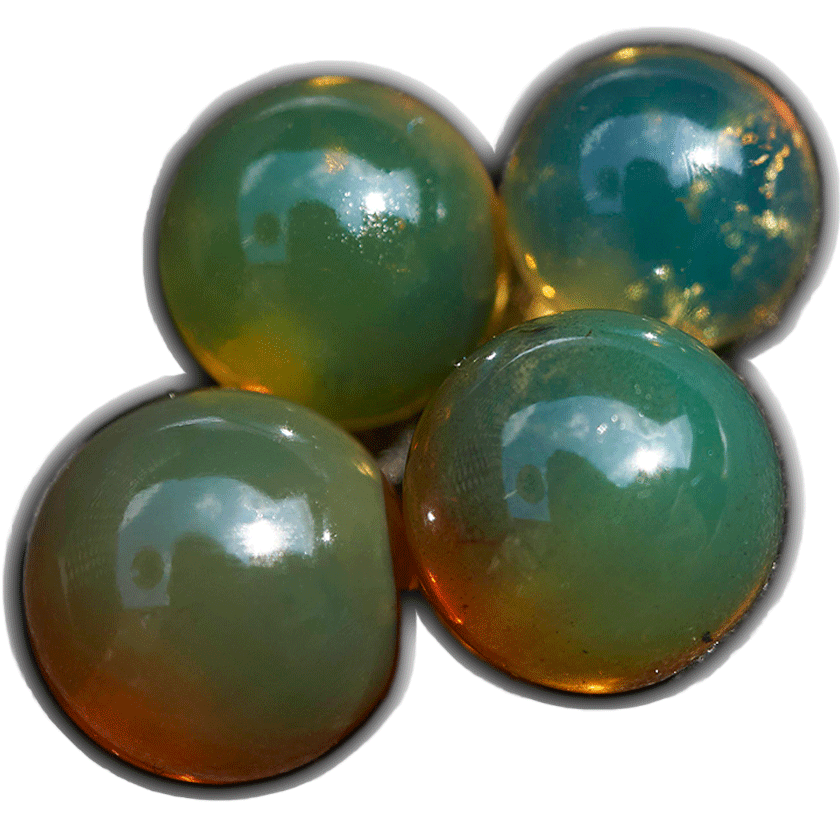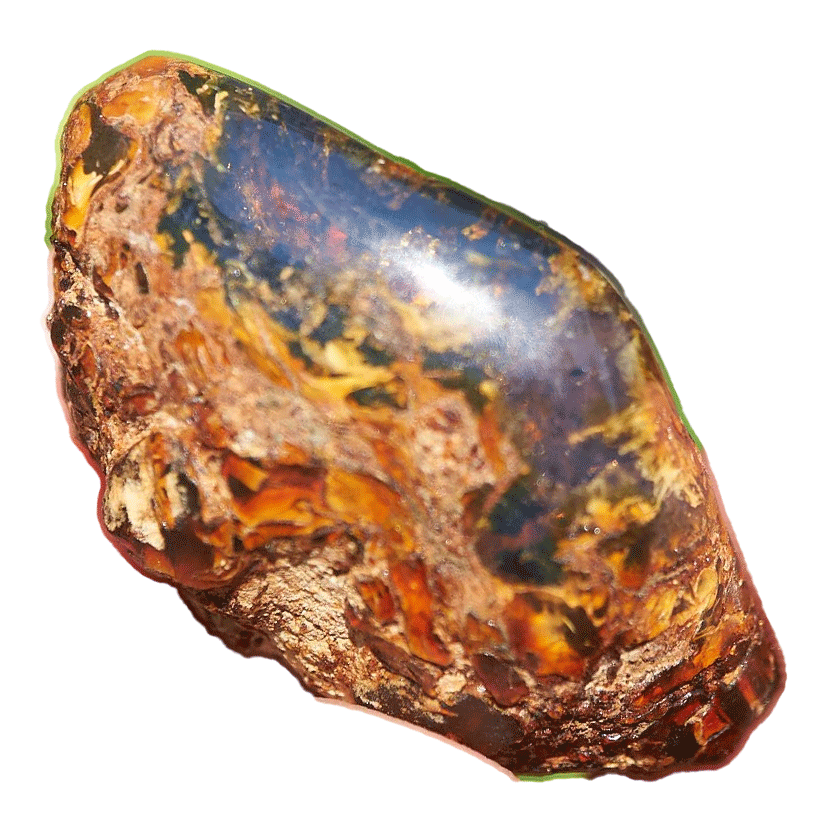

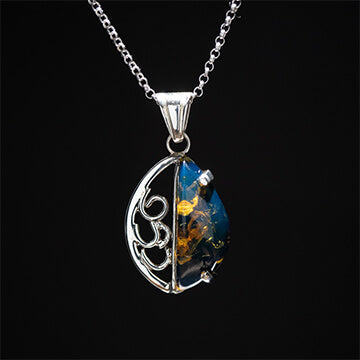
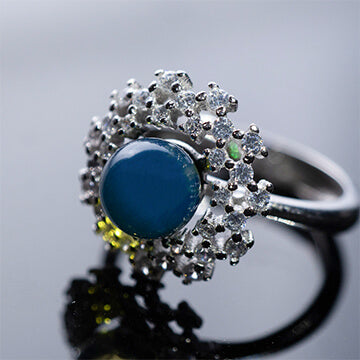
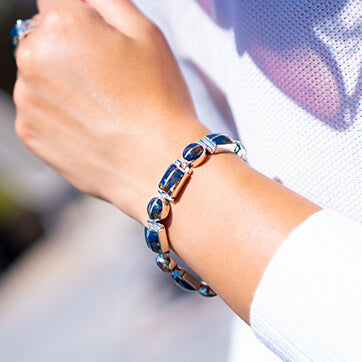
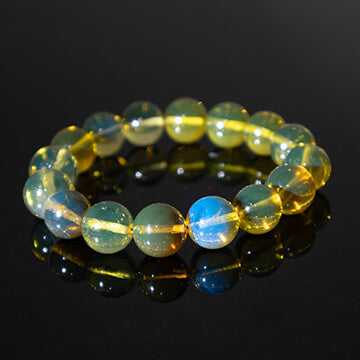
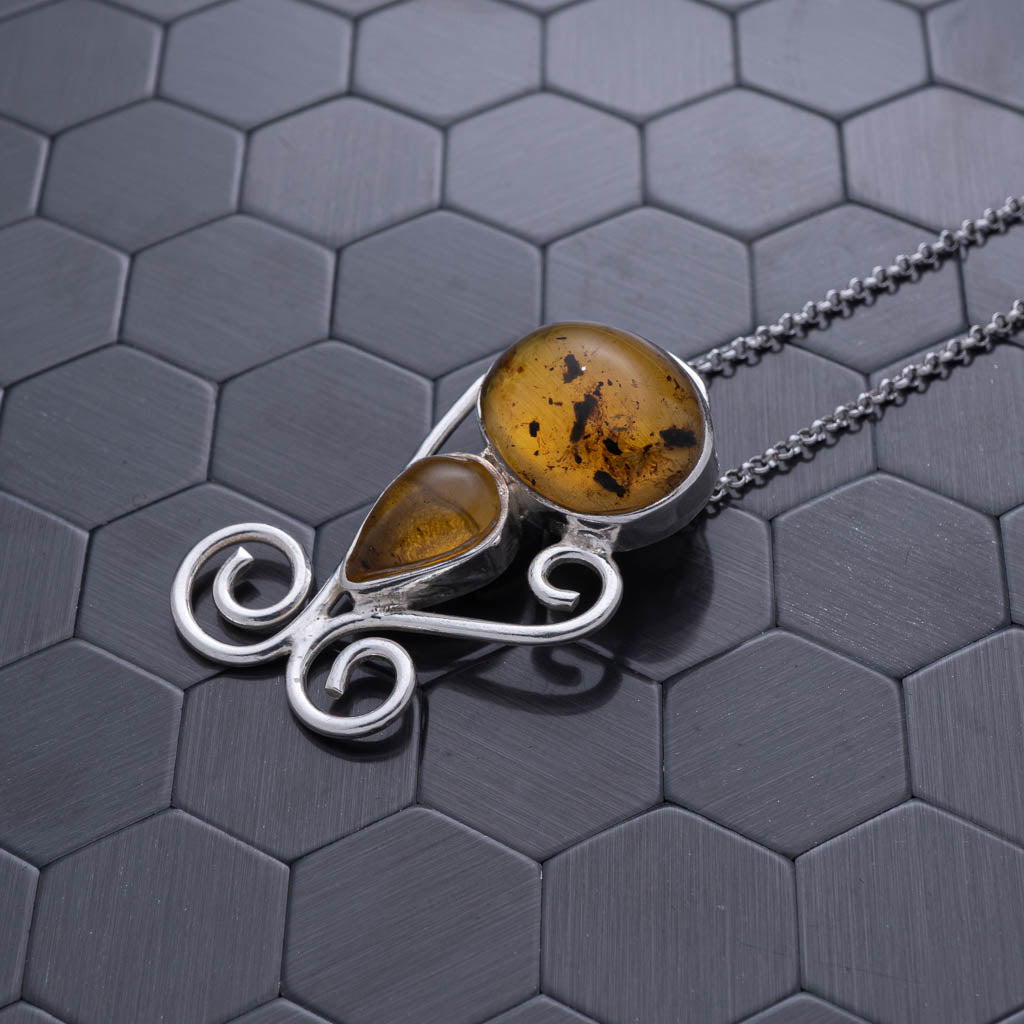
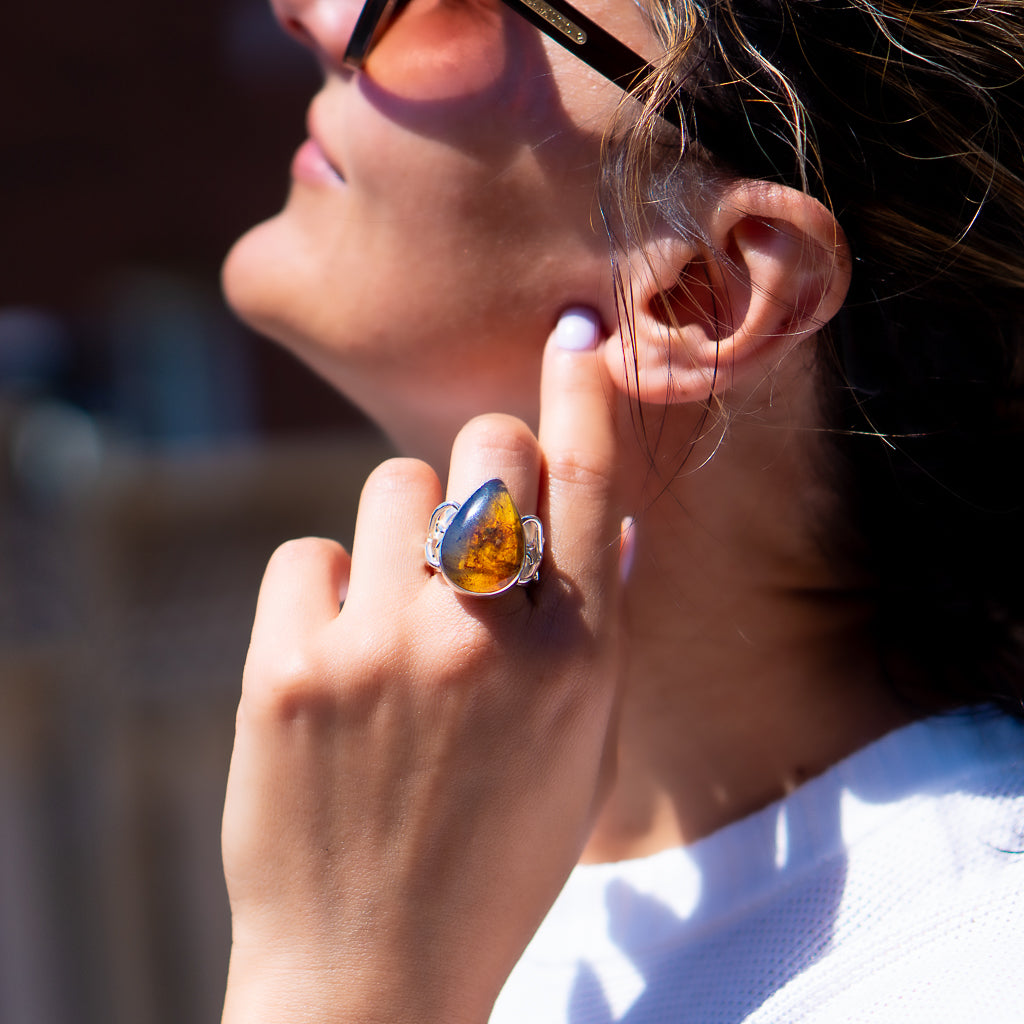
A larimar cabochon can look breathtaking in a photo and still disappoint in person. The difference usually comes down to details that serious buyers notice right away - color depth, pattern balance, polish quality, and whether the stone truly reflects the ocean-born character that makes Larimar so prized. This larimar cabochon review guide is designed to help you judge those details with confidence before you buy, whether you are choosing a collector stone, commissioning custom jewelry, or selecting a centerpiece for a pendant or ring.
Larimar is not a mass-market gem. Its appeal comes from rarity, origin, and visual individuality. Mined in the Dominican Republic, it carries a distinct Caribbean identity that no imitation can fully capture. That is why reviewing a cabochon is not just about asking whether it is pretty. It is about asking whether it is authentic, well cut, and worthy of becoming a lasting piece in your collection.
A strong cabochon starts with material quality, but quality in Larimar is never one-dimensional. Buyers are often drawn first to vivid blue color, and for good reason. Rich sky blue to deep volcanic-water blue tones tend to command the most attention. Still, color alone does not decide value. Some stones with softer blue and white contrast can be just as beautiful when the pattern is striking and the polish is exceptional.
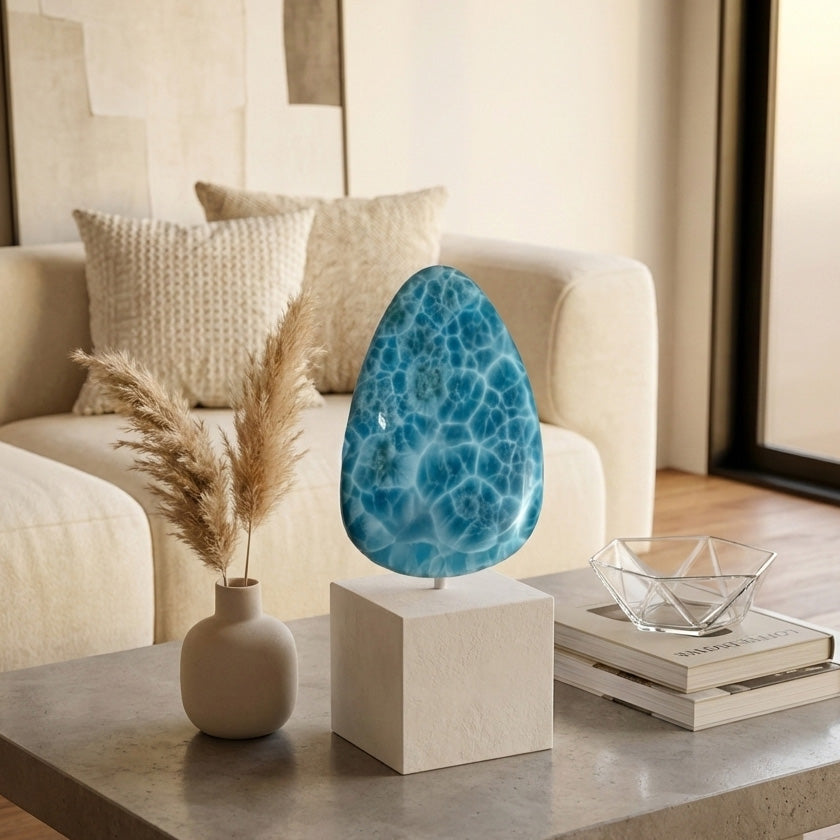
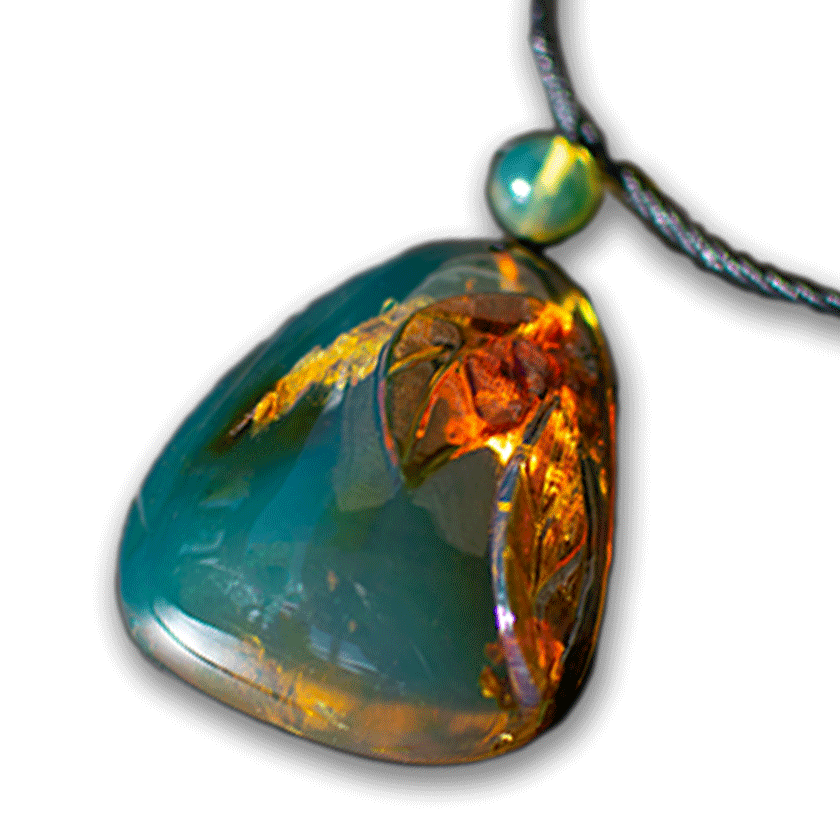
The most desirable cabochons usually show a pleasing balance of blue, white, and occasional greenish or turquoise undertones. Many collectors prefer patterns that resemble waves, sea foam, or drifting clouds. Those visual cues are part of Larimar’s romance, but they also signal natural character. A flat, overly uniform appearance can feel less special, even if the color is technically strong.
Shape matters too. Cabochons are meant to showcase surface beauty, so the dome should feel intentional rather than too shallow or overly high. A balanced dome helps the stone catch light softly and gives it a finished, luxurious look when set in fine jewelry. Poor shaping can make even a good piece of Larimar feel ordinary.
When you review a Larimar cabochon, begin with the face of the stone. This is where beauty and craftsmanship meet most clearly. Look at the polish first. A premium cabochon should have a smooth, reflective surface without dull patches, drag lines, or uneven finishing. Larimar is not faceted, so polish carries much of the visual impact.
Next, study the pattern distribution. The best stones often feel dynamic from edge to edge. That does not mean every inch needs dramatic marbling. It means the composition should look considered and attractive as a whole. If one side is visually dead or heavily washed out, the cabochon may feel unbalanced once set.
Then check for common natural features. Minor inclusions or matrix can appear in genuine Larimar, and they are not automatically a flaw. The question is whether those features add character or interrupt beauty. A slight natural marking may be acceptable in a larger collector piece, while a prominent fracture line in a ring stone is more concerning because rings take more wear.
Thickness is another point many buyers overlook. A very thin cabochon may lower cost, but it can also affect durability and the quality of the final setting. A properly proportioned stone feels substantial and gives artisans more flexibility for secure mounting. If you are buying loose, thickness deserves as much attention as face dimensions.
Color is where emotion enters the buying decision, but honest review requires a calmer eye. Lighting changes everything. Under bright studio light, a mediocre stone can appear more vivid than it really is. Under soft natural light, better material often reveals itself through depth and complexity rather than flash.
The strongest Larimar color is usually a vivid blue with a clean, fresh look rather than a muddy cast. Grayish tones can reduce desirability, especially if they mute the stone’s Caribbean brightness. Very pale Larimar can still be attractive, particularly for delicate or romantic jewelry, but it generally does not carry the same collector appeal as saturated blue material.
It also depends on what you want from the piece. For a statement pendant, dramatic blue pattern may be the priority. For earrings or a more refined ring, a softer, more consistent color can be elegant and easier to style. That trade-off is not about right or wrong. It is about matching the stone to its purpose.
Any larimar cabochon review guide should place authenticity near the top, because a beautiful stone loses much of its value if its origin or identity is unclear. Genuine Larimar comes from the Dominican Republic, and reputable sellers should be transparent about that. If a listing avoids origin details or relies on vague gemstone language, caution is wise.
Authenticity also includes honest representation. Natural Larimar has variation. If every stone in a seller’s inventory looks unnaturally identical, that can raise questions. Trustworthy gemstone merchants understand that no two cabochons are exactly alike, and they present each piece with that individuality in mind.
Certification or a clear authenticity promise adds confidence, especially for higher-ticket purchases. This matters even more if you are buying a stone intended for custom work. Once a cabochon is set, returning or replacing it becomes more complicated. Starting with a verified, well-presented stone protects both your investment and your creative plans.
Cabochon cutting is subtle work. It does not announce itself the way faceting does, yet it heavily influences the final result. A well-cut Larimar cabochon should have smooth symmetry, a clean outline, and edges that are ready for setting. Oval, pear, round, and freeform shapes can all work beautifully, but each should feel deliberate rather than improvised.
Polish is often the easiest way to separate premium craftsmanship from average finishing. Fine polish reveals the stone’s inner movement and gives the blue-and-white pattern a more liquid appearance. That soft glow is part of what makes Larimar feel so luxurious in person.
The back of the stone matters too. Buyers naturally focus on the face, but the reverse should be clean and properly finished, especially in loose cabochons intended for jewelers or collectors. An unfinished back can be acceptable in some cases, though it should be disclosed. For premium stones, a tidy finish reflects pride in workmanship.
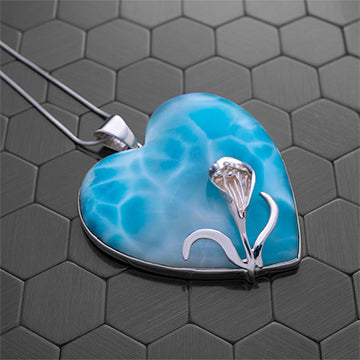
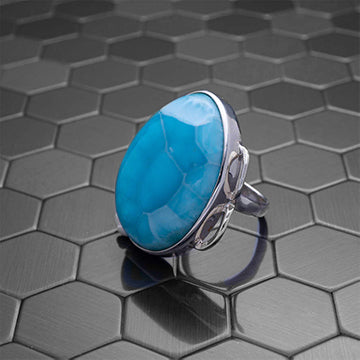
Not every excellent cabochon is right for every use. If you are buying for a ring, durability and practical shape should guide the decision. Lower domes and secure outlines can be easier to set and wear. For pendants, you can prioritize visual drama, larger dimensions, and more expressive patterns because pendants face less daily impact.
Collectors often have a different standard. They may want a rare pattern, an unusually vivid blue field, or a freeform cut that preserves the natural art of the stone. In that context, slight asymmetry or natural matrix may add appeal rather than reduce it. Jewelry buyers tend to lean toward polish and wearability. Collectors may accept more natural variation in exchange for rarity.
This is where a specialist seller becomes especially valuable. A focused source such as Larimar Creations understands the difference between a cabochon meant for a refined ring and one chosen as a showcase stone. That level of curation can save buyers from choosing solely by size or color and missing the bigger picture.
Some warning signs are easy to spot once you know what to look for. Overedited product images are one of the biggest. If the blue appears unnaturally electric in every photo, expect a gap between image and reality. Lack of multiple angles is another issue, since cabochons need to be reviewed for dome, thickness, and edge quality.
Pricing can also tell a story. While good values exist, unusually cheap Larimar should prompt questions about grade, authenticity, treatment, or cutting quality. Rare Caribbean stones with strong color and craftsmanship do not usually sit at bargain-bin prices.
Finally, be cautious with vague descriptions. Serious gemstone sellers discuss origin, dimensions, and visual character with precision. They do not rely only on romantic language. Beauty sells Larimar, but credibility secures the purchase.
The best Larimar cabochon is not always the darkest blue, the biggest size, or the most dramatic photo. It is the stone that holds up under closer review - authentic in origin, compelling in pattern, well polished, and suited to the way you intend to wear or collect it. When those elements come together, you are not just buying a gemstone. You are choosing a rare piece of the Caribbean, shaped by nature and craftsmanship into something genuinely personal.
Take your time with the decision. A memorable cabochon should still feel special after the first impression fades, and that kind of beauty is always worth a closer look.