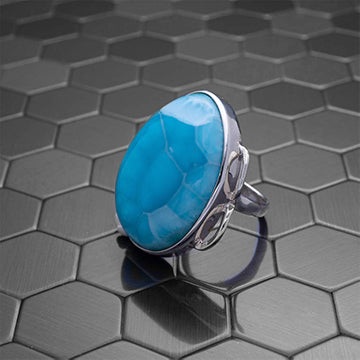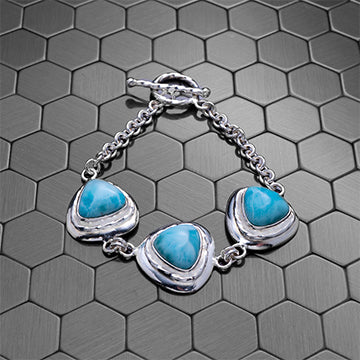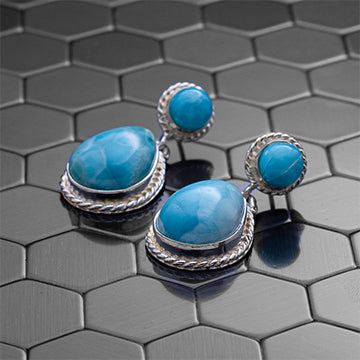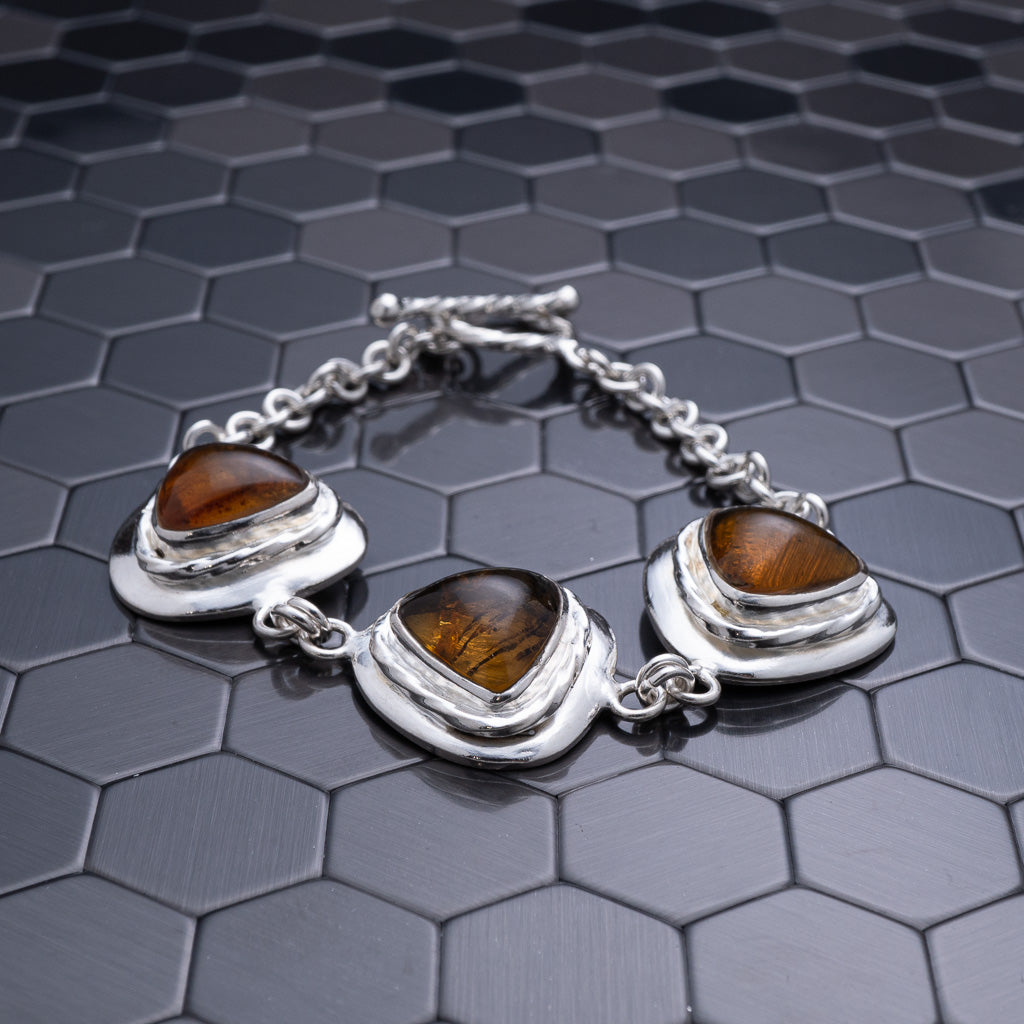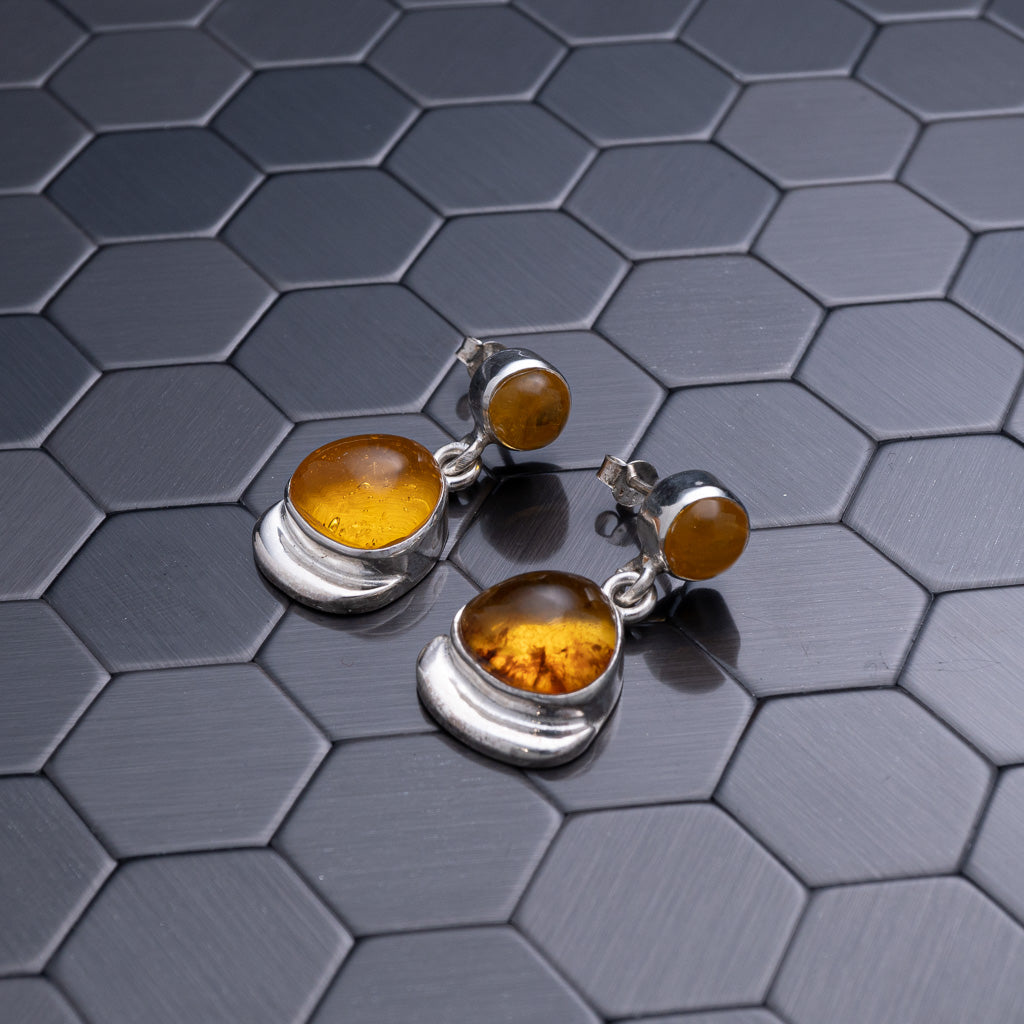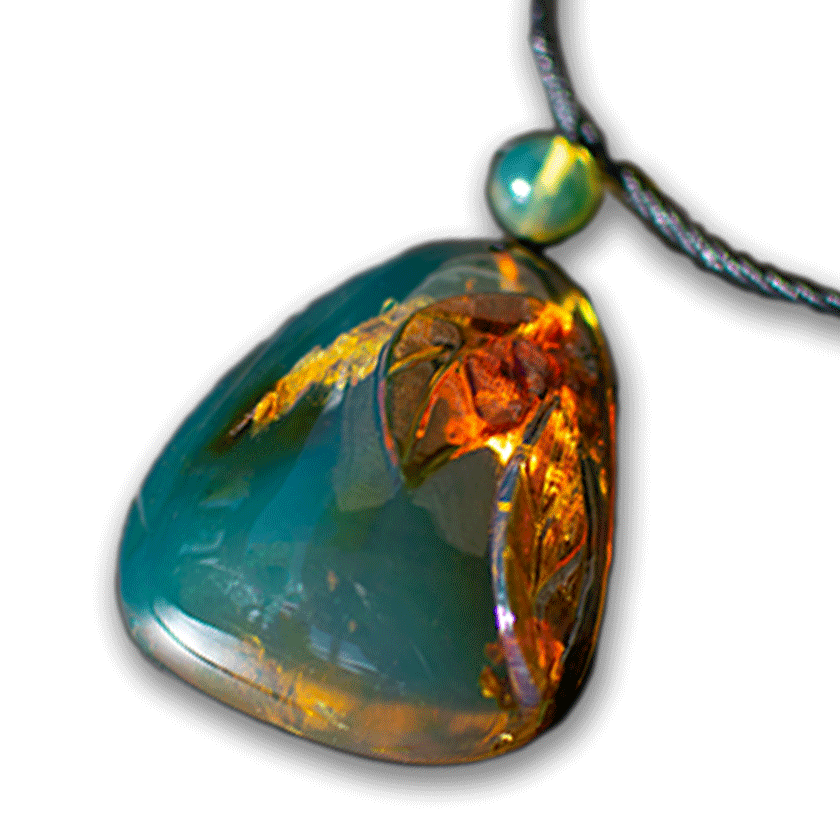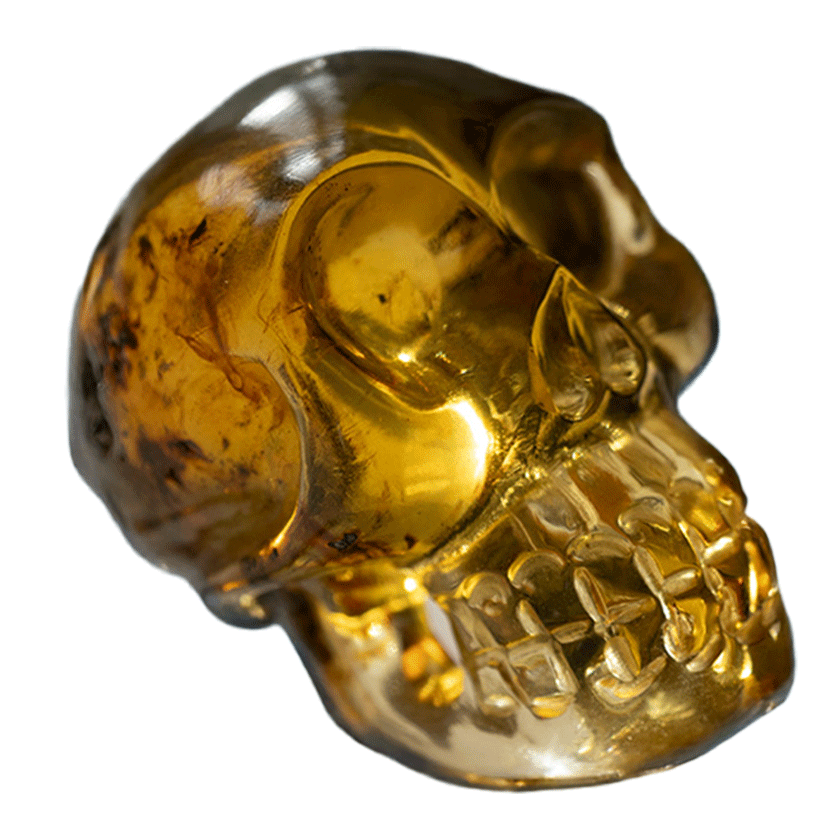


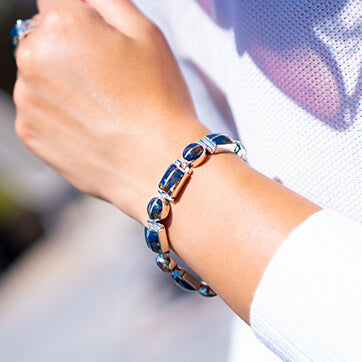
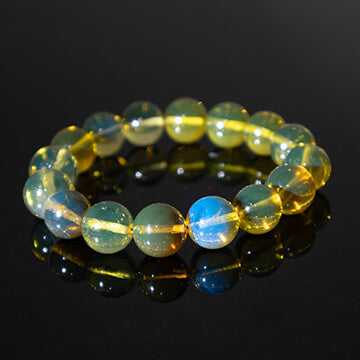
Handcrafted in DR.

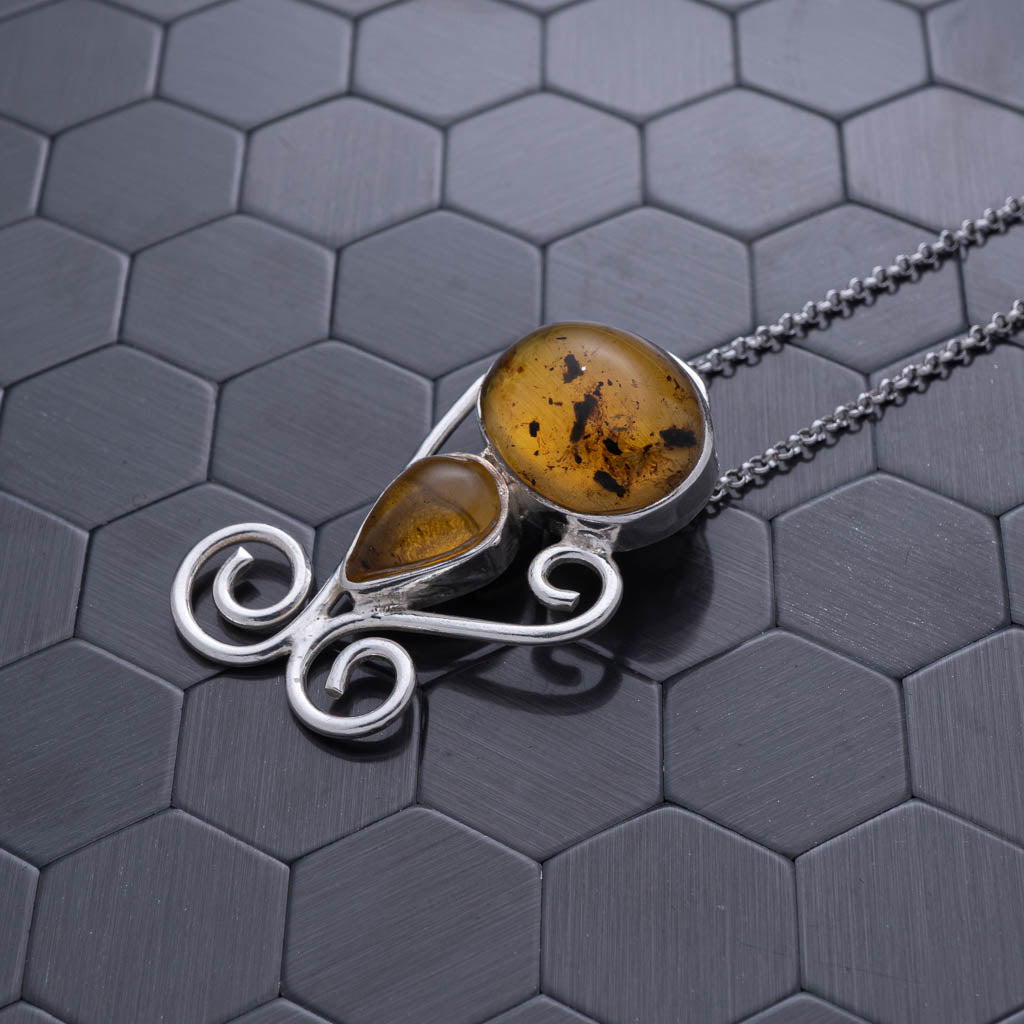
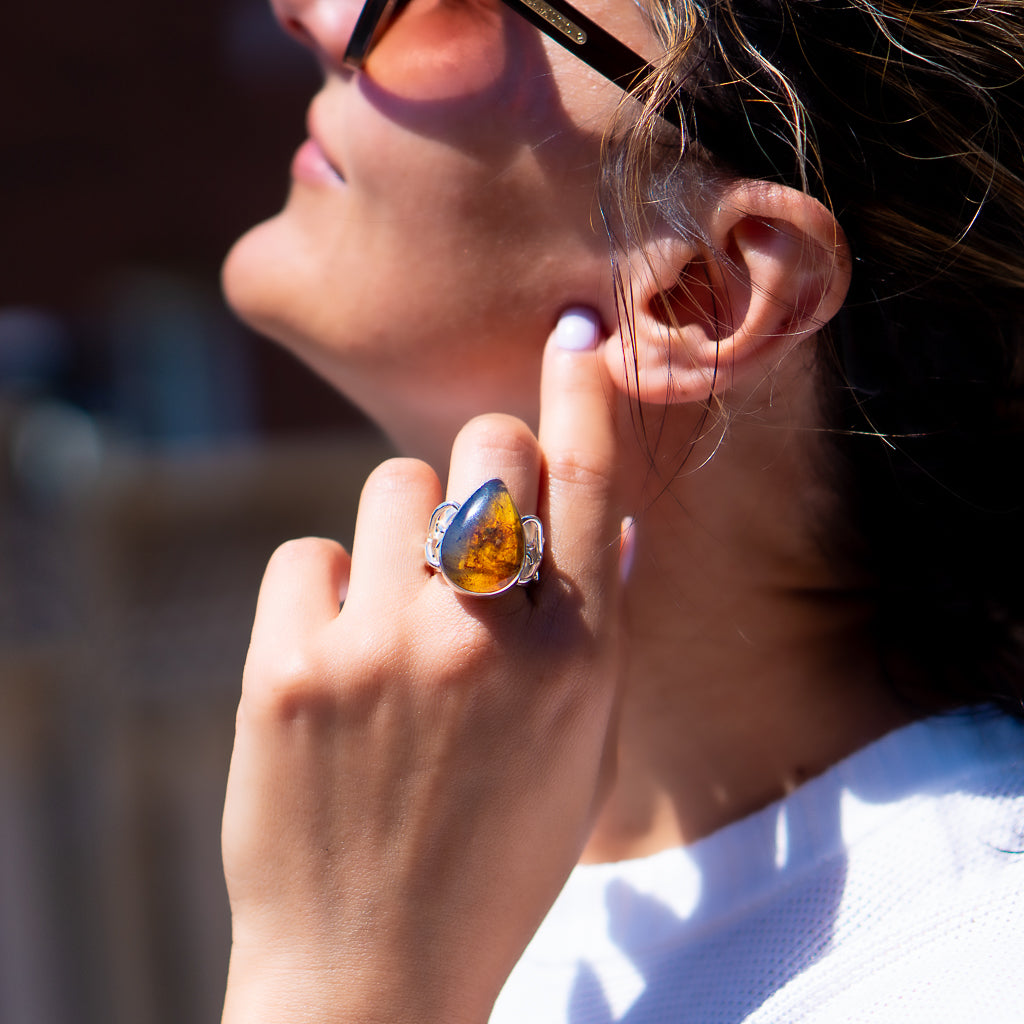
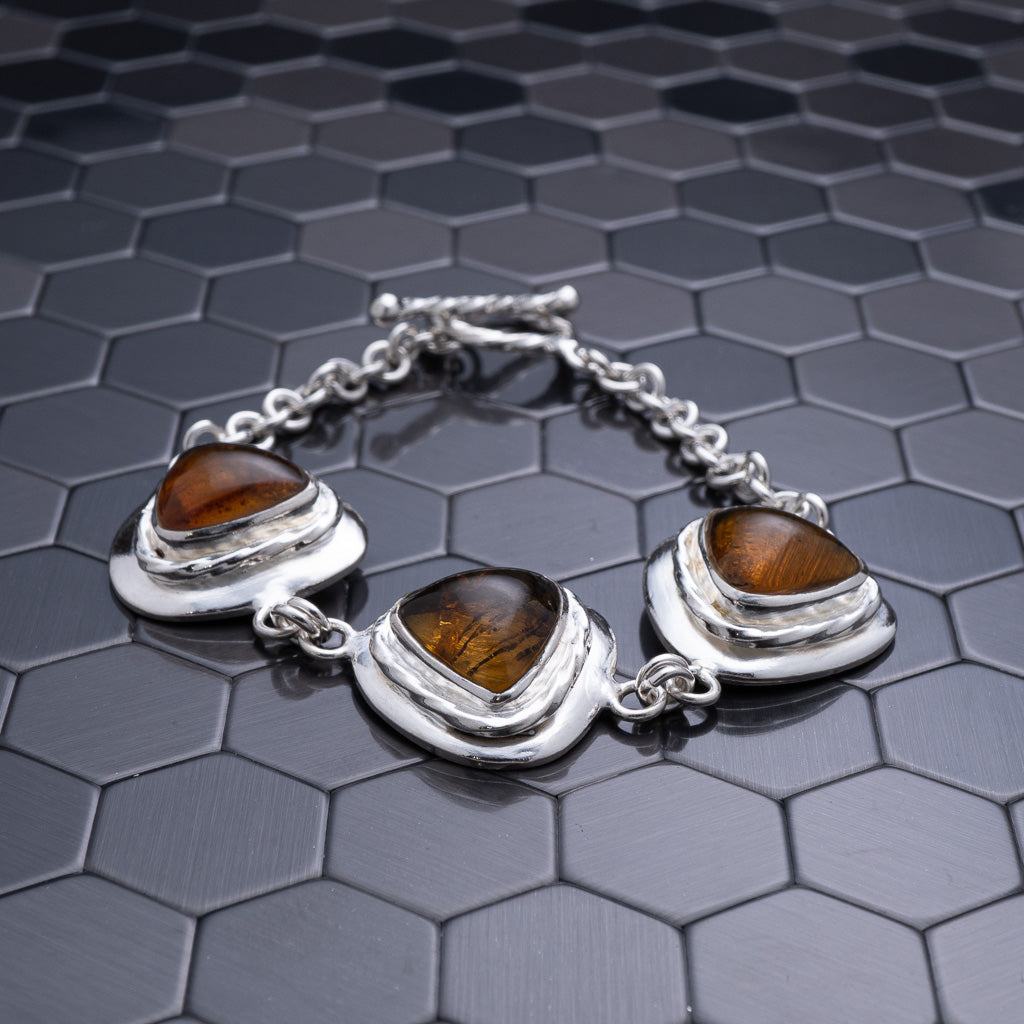
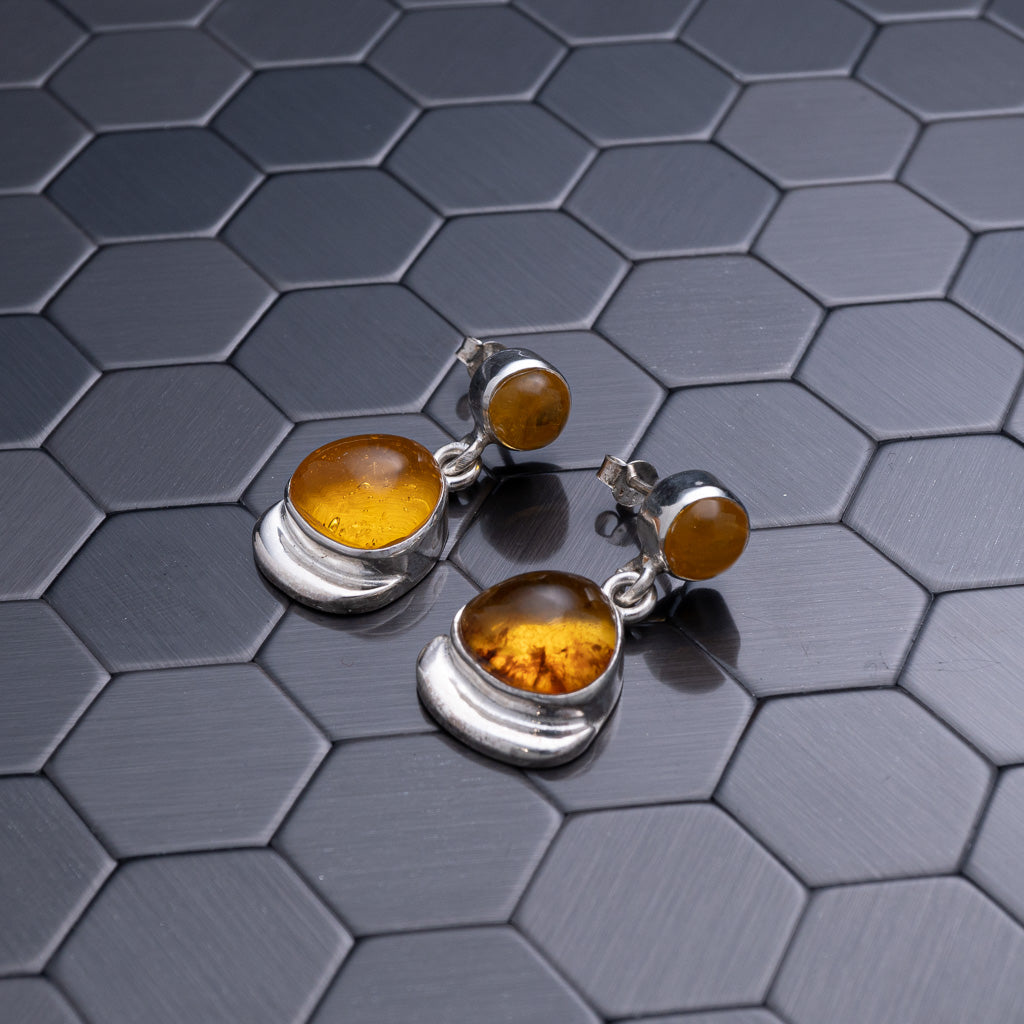


100% Handcrafted in DR.

A stone pendant represents one of the most timeless forms of personal adornment, combining natural beauty with artistic craftsmanship. From ancient civilizations to contemporary fashion, these gemstone necklaces have adorned humanity across cultures and centuries. Whether you're drawn to the calming blues of Caribbean gemstones or the warm amber tones from tropical regions, understanding the intricacies of stone pendants helps you make informed choices about quality, authenticity, and style. This comprehensive guide explores everything from historical significance to modern design trends, ensuring you appreciate both the aesthetic appeal and deeper meaning behind these captivating jewelry pieces.
The tradition of wearing stone pendants dates back thousands of years, with archaeological evidence revealing their importance across diverse cultures. Ancient Egyptians adorned themselves with lapis lazuli and carnelian pendants, believing these stones held protective powers. One fascinating example involves a lion's head pendant that was originally an ancient Egyptian game piece, later repurposed into a magical religious object, demonstrating how stone pendants evolved beyond mere decoration.
Medieval Europe saw the rise of bezoar stone pendants, considered powerful antidotes to poison. The 17th-century bezoar stone pendant housed in the London Museum exemplifies how these pieces served both ornamental and medicinal purposes. Wealthy aristocrats commissioned elaborate settings for these rare stones, creating heirlooms that passed through generations.
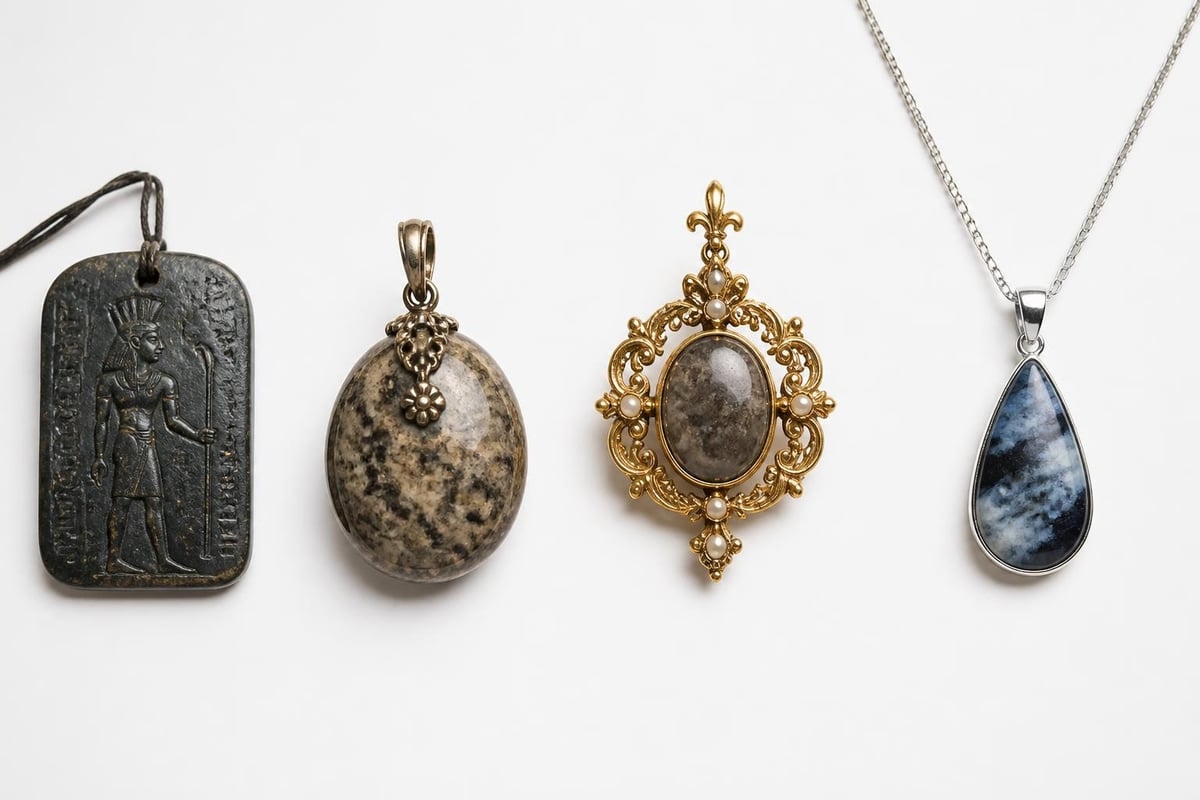
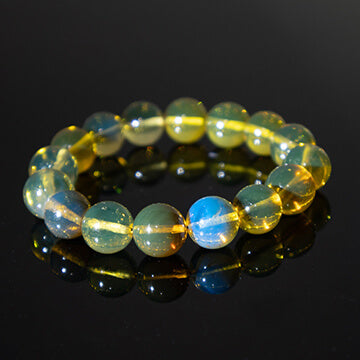
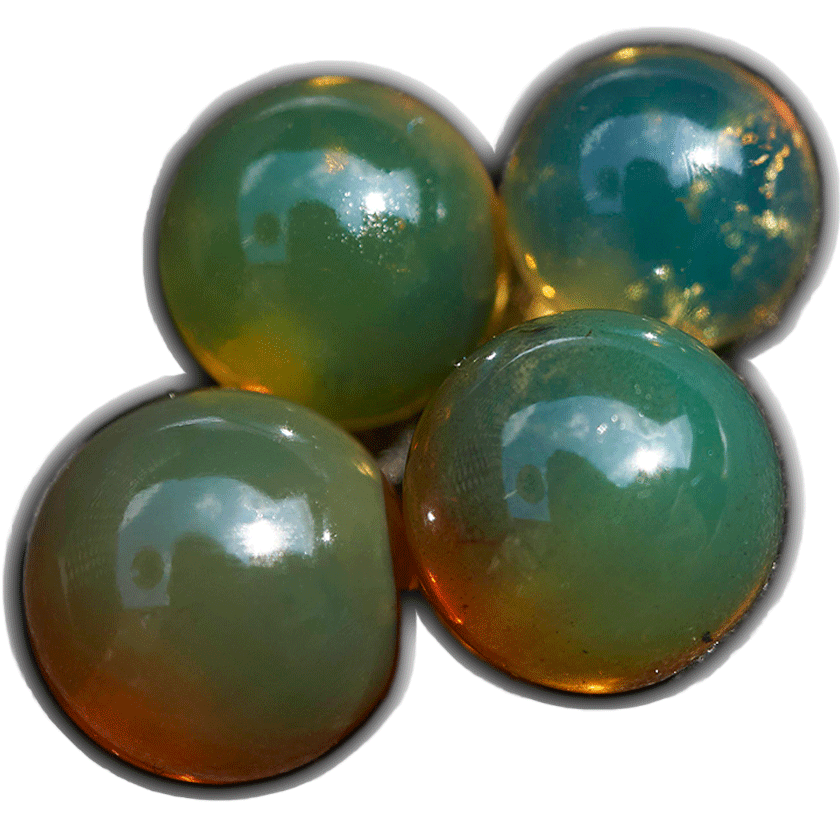
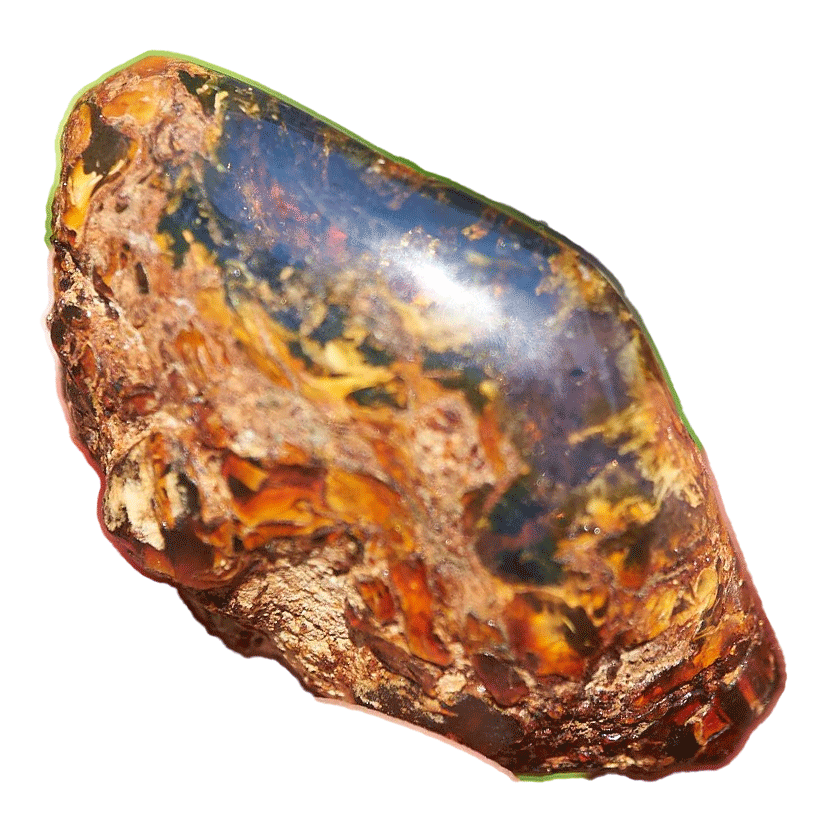
Different cultures attribute varied meanings to specific gemstones. Caribbean blue stones symbolize tranquility and ocean connections, while amber represents warmth and ancient wisdom. Understanding these cultural associations adds depth to your stone pendant selection, transforming it from simple jewelry into a meaningful talisman.
Not all stones suitable for pendants possess identical characteristics. Hardness, durability, and color stability significantly impact a stone's suitability for everyday wear versus special occasions.
| Gemstone Property | Importance Level | Impact on Pendant Longevity |
|---|---|---|
| Mohs Hardness | Critical | Determines scratch resistance |
| Cleavage | High | Affects breakage susceptibility |
| Chemical Stability | Medium | Influences reaction to cosmetics |
| UV Sensitivity | Medium | Impacts color permanence |
Hardness ratings range from 1 to 10 on the Mohs scale, with diamonds topping the chart at 10. For pendants experiencing regular wear, selecting stones with hardness above 6.5 ensures longevity. Softer stones require protective settings and mindful handling.
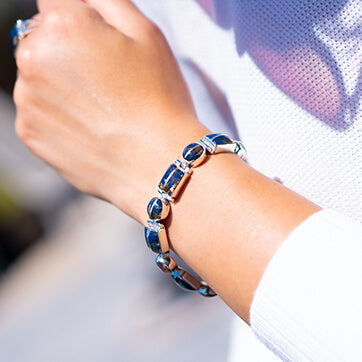
The unique geological formation of certain gemstones creates distinctive patterns and colors impossible to replicate. Caribbean pectolite stones, for instance, display swirling blue and white patterns reminiscent of tropical waters. These natural variations make each stone pendant genuinely one-of-a-kind.
Creating an exceptional stone pendant involves balancing aesthetic appeal with structural integrity. The setting must secure the gemstone while allowing light to enhance its natural beauty.
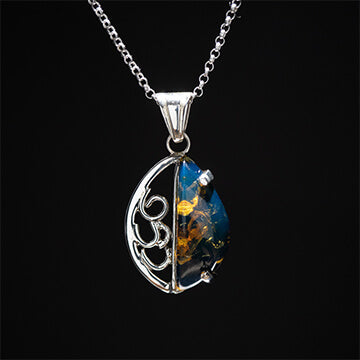
Different pendant settings without stones demonstrate how various designs accommodate different gemstone shapes and sizes. Understanding these options helps when commissioning custom pieces or selecting ready-made jewelry.
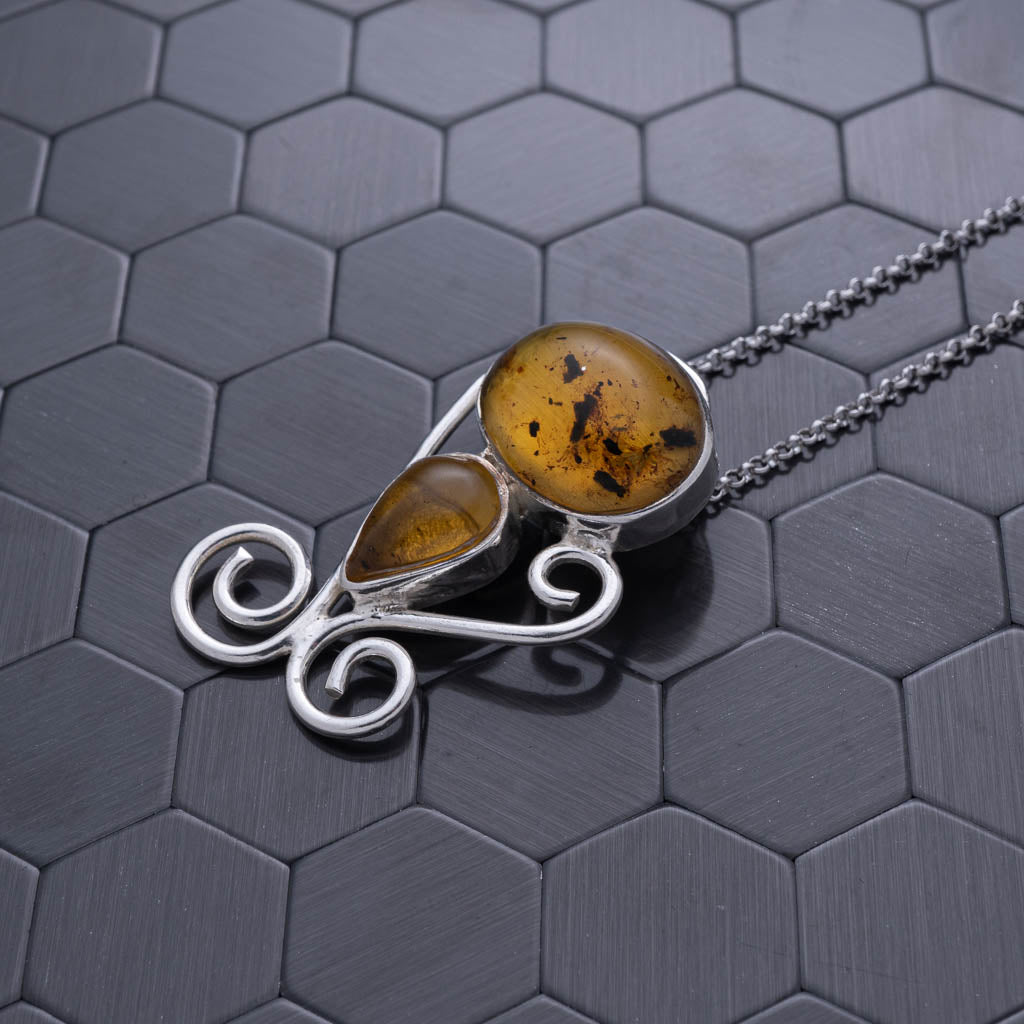
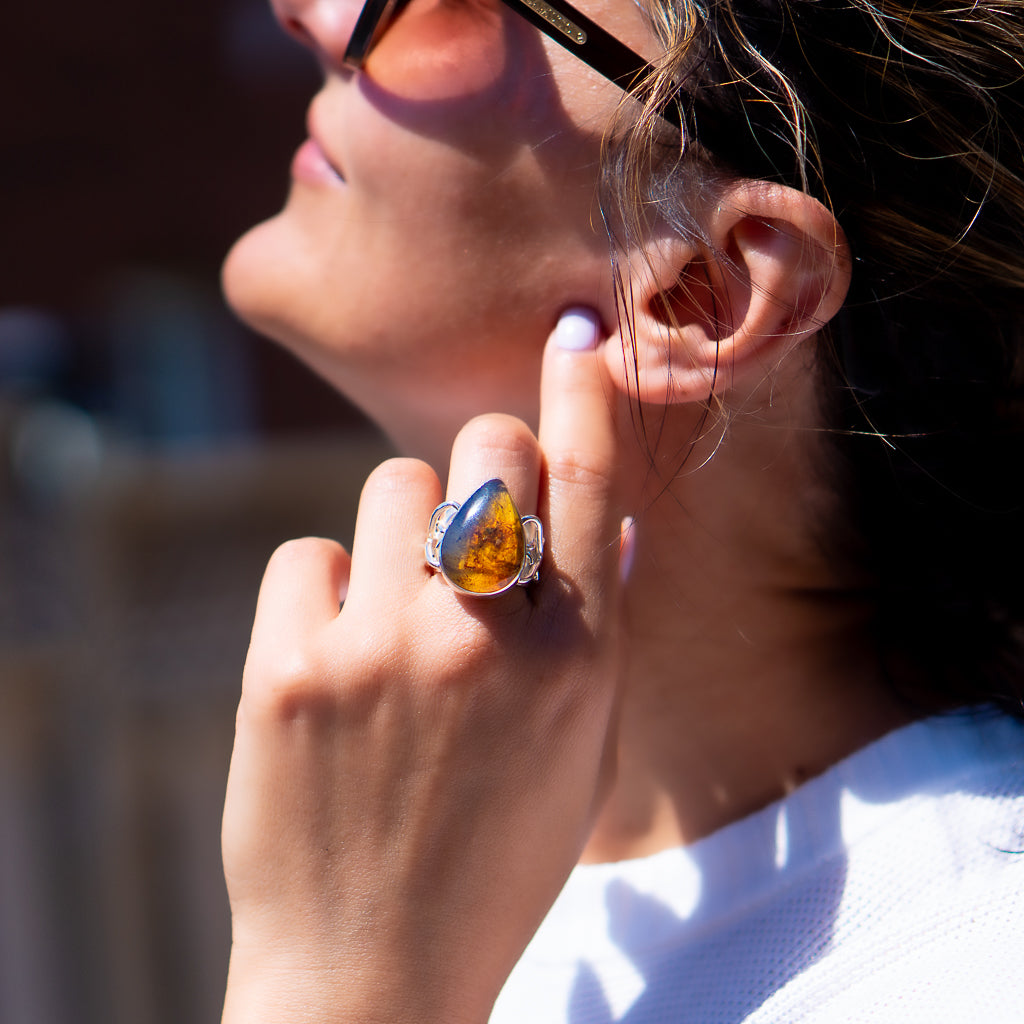
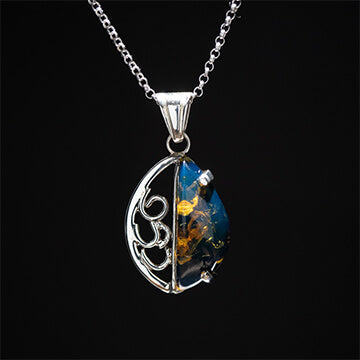
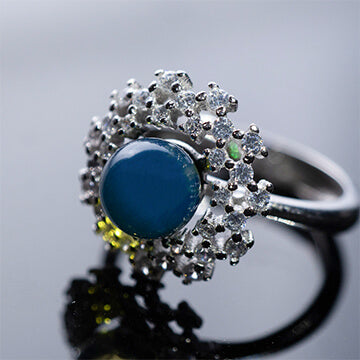
The metal choice significantly affects the overall appearance. Sterling silver complements blue-toned stones beautifully, while yellow gold enhances warm amber hues. White gold and platinum offer neutral backdrops that allow the gemstone to command attention.
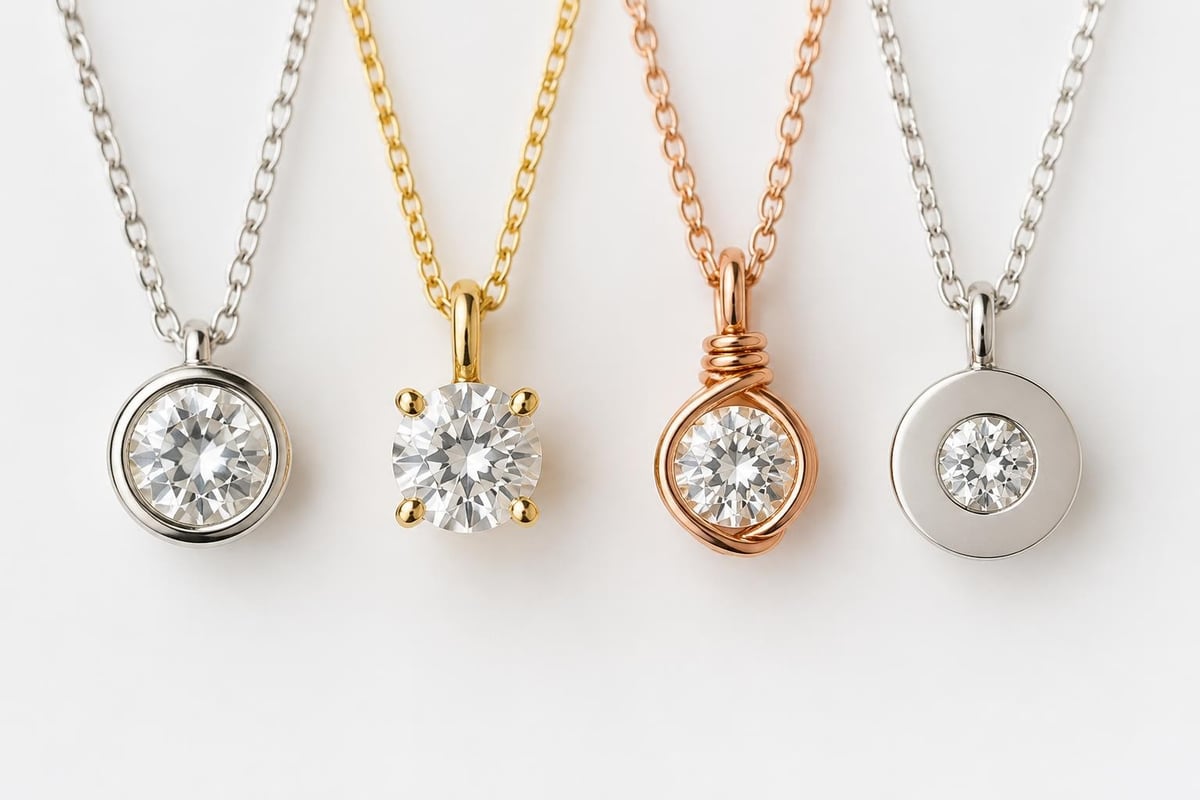
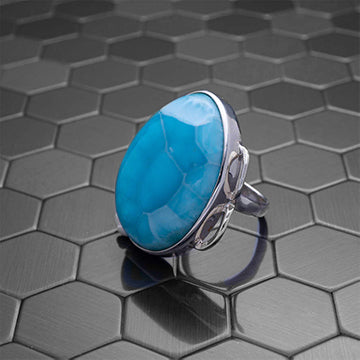
Stone pendant shapes range from classic round and oval to contemporary geometric designs. Cabochon cuts, with smooth domed surfaces, showcase stones with natural patterns or phenomena like chatoyancy. Faceted cuts create sparkle through precisely angled surfaces.
Size selection depends on both personal preference and intended occasion:
Distinguishing genuine gemstone pendants from synthetic or treated alternatives requires knowledge and sometimes professional assistance. Natural stones typically display minor inclusions or color variations, while laboratory-created stones often appear too perfect.
Visual inspection under magnification reveals natural growth patterns, inclusions, and color zoning. Synthetic stones frequently show curved growth lines or gas bubbles absent in natural specimens. However, sophisticated treatments make visual identification challenging without gemological equipment.
Reputable jewelers provide certification from recognized gemological laboratories. These documents detail the stone's identity, origin, treatments, and quality characteristics. When investing in higher-value stone pendants, certification ensures authenticity and aids in insurance documentation.
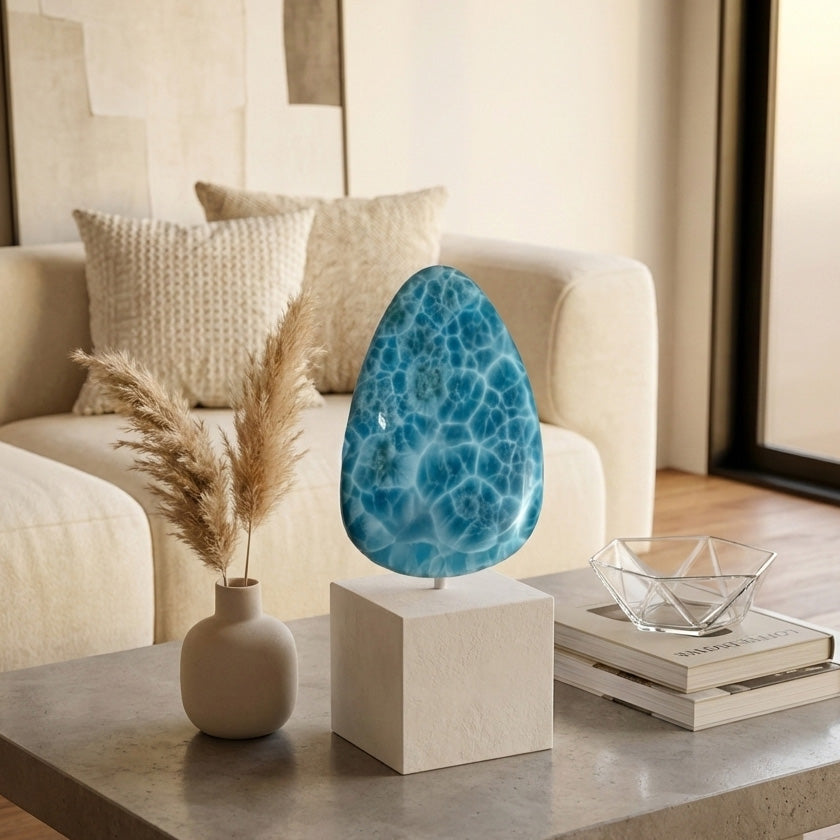
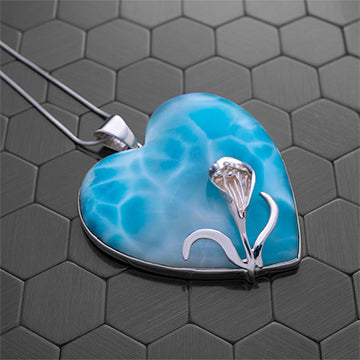
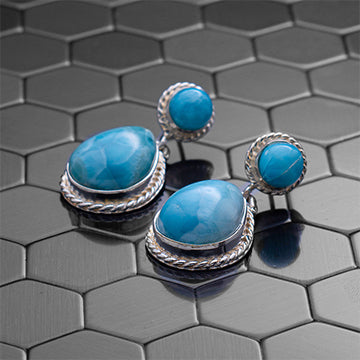
For Larimar Pendants, authentication proves particularly important since this rare blue stone originates exclusively from a single Caribbean location. Genuine pieces display the characteristic volcanic blue coloration with white calcite patterns, making them ideal gifts symbolizing love, peace, and calmness.
Many gemstones undergo treatments to enhance color or clarity. Common treatments include:
Ethical sellers disclose all treatments, allowing informed purchasing decisions. Untreated natural stones typically command premium prices due to their rarity and authenticity.
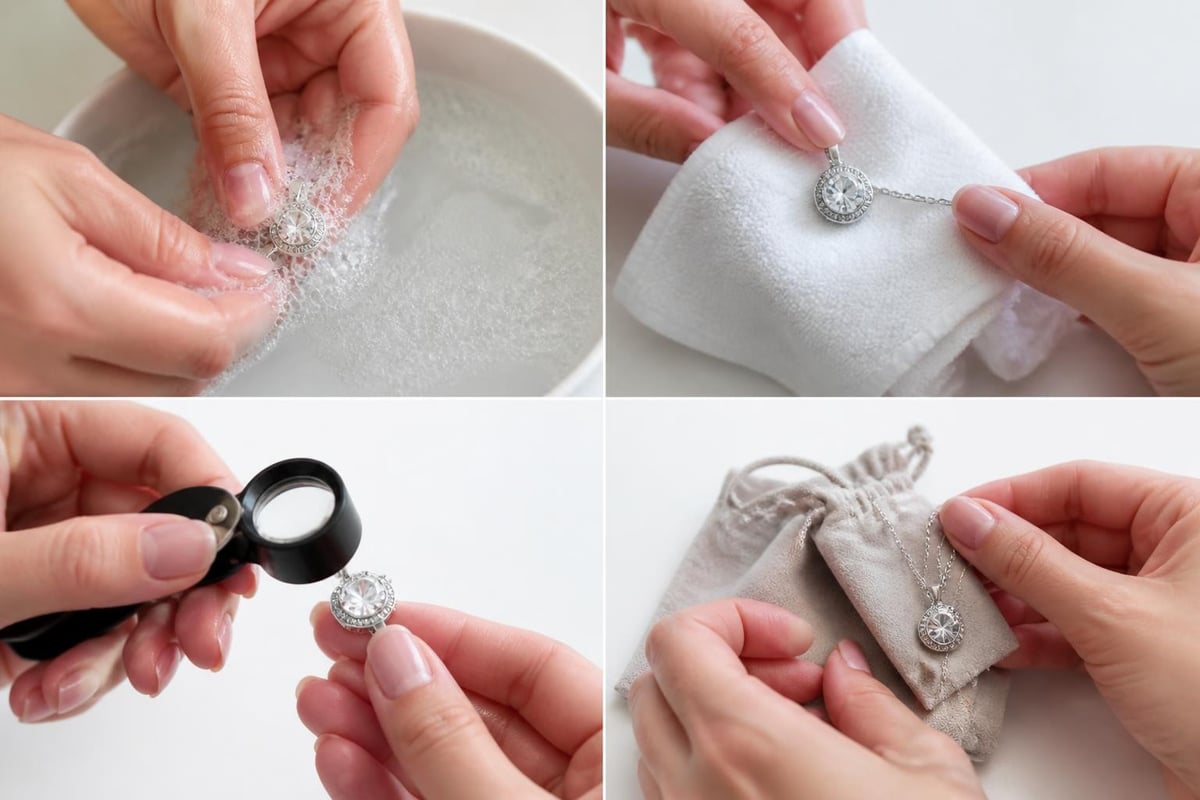
Proper care extends the lifespan of your stone pendant indefinitely. Different gemstones require specific maintenance approaches based on their chemical composition and physical properties.
Remove your stone pendant before activities involving harsh chemicals, intense physical activity, or temperature extremes. Chlorine in swimming pools, for instance, can damage certain settings and affect some gemstone treatments.
Storage practices significantly impact pendant condition. Individual soft pouches prevent scratches from contact with other jewelry. Avoid storing pendants in direct sunlight, which can fade certain gemstone colors over time.
| Cleaning Method | Safe For | Avoid With |
|---|---|---|
| Warm soapy water | Most hard stones | Porous stones, treated gems |
| Ultrasonic cleaner | Diamonds, sapphires | Emeralds, opals, larimar |
| Steam cleaning | Heat-resistant stones | Heat-sensitive materials |
| Professional cleaning | All types (safest option) | None |
For stones like larimar and amber, gentle cleaning with lukewarm water and mild soap preserves their natural luster without causing damage. Pat dry with soft cloth rather than air drying to prevent water spots.
Contemporary pendant styles with stones reflect both timeless elegance and modern innovation. Layering multiple pendants creates personalized combinations, while statement pieces anchor minimalist ensembles.
Successful layering combines varying lengths and pendant sizes. Start with a shorter 16-inch chain featuring a delicate stone pendant, add a 20-inch chain with medium-sized stone, and complete with a 24-inch chain holding a complementary accent piece. Mixing metal tones adds contemporary edge to traditional stone pendants.
Color coordination between stones creates cohesive looks. Monochromatic schemes using different shades of blue stones establish calming sophistication, while contrasting warm and cool tones deliver dynamic visual interest.
Professional settings benefit from understated stone pendants in classic shapes and modest sizes. A simple oval or round cabochon in neutral tones complements business attire without overwhelming.
Evening events allow bolder expression through larger stones, dramatic shapes, or vibrant colors. The comprehensive history of pendants reveals how these pieces have always marked special occasions across cultures.
Casual daily wear suits durable stones in comfortable settings that withstand routine activities. Consider your lifestyle when selecting a primary stone pendant for regular use.
Custom stone pendants transform meaningful gemstones into unique personal expressions. Many artisans at Larimar Creations specialize in creating bespoke pieces that reflect individual stories and preferences.
Working with skilled artisans ensures your vision materializes while benefiting from their technical expertise regarding what designs function best for specific stone types.
Engravings, birthstones, or stones from meaningful locations add sentimental value. A stone pendant created from a gemstone collected during travel becomes a wearable memory. Combining family birthstones in a single design celebrates connections across generations.
Quality stone pendants appreciate over time, particularly those featuring rare gemstones or exceptional craftsmanship. Investment-grade pieces require careful selection based on multiple factors beyond initial aesthetic appeal.
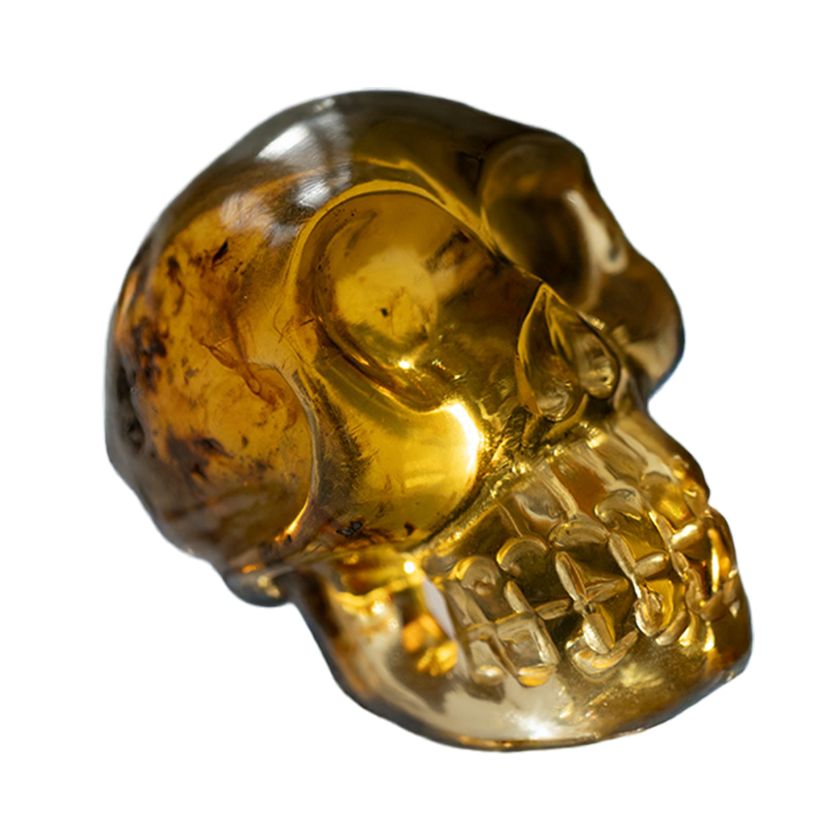
Rarity influences appreciation potential significantly. Gemstones from depleted or limited sources increase in value as availability decreases. Caribbean volcanic stones, Dominican amber, and other geologically unique materials exemplify this principle.
Craftsmanship quality determines durability and timeless appeal. Hand-fabricated settings by skilled artisans often surpass mass-produced alternatives in both construction integrity and artistic merit.
Maintaining comprehensive records enhances resale value and facilitates insurance claims. Keep original receipts, certificates of authenticity, appraisals, and photographs. Document the stone's origin story, particularly for ethically sourced or location-specific gemstones.
Periodic appraisals track value changes and ensure adequate insurance coverage. Schedule professional evaluations every three to five years or following significant market shifts in gemstone values.
Conscientious consumers increasingly prioritize ethical considerations when purchasing stone pendants. Understanding supply chains and sourcing practices supports responsible industry development.
Ethical mining operations prioritize environmental rehabilitation, fair labor conditions, and community benefit. Certifications from organizations monitoring these practices provide verification, though not all small-scale artisanal operations pursue formal certification despite maintaining high standards.
Traceability from mine to market ensures transparency. Some gemstone sources provide detailed provenance information, allowing buyers to verify ethical compliance throughout the supply chain. This proves particularly important for stones from regions with historically problematic labor practices.
Purchasing directly from craftspeople or companies maintaining close artisan relationships ensures fair compensation reaches creators. Small-batch production by skilled artisans preserves traditional techniques while providing sustainable livelihoods.
Many Caribbean and Central American artisan communities depend on gemstone crafts as primary income sources. Supporting these makers through thoughtful purchases sustains cultural traditions and economic stability.
Selecting an ideal stone pendant requires balancing aesthetic preferences, practical considerations, and budget constraints. Begin by identifying your primary use case and style preferences.
Ask yourself these guiding questions:
Budget allocation should prioritize quality over size. A smaller, high-quality genuine stone pendant provides greater satisfaction and longevity than larger, lower-quality alternatives.
Knowledgeable jewelers educate rather than pressure, helping you understand options and make informed decisions. They should readily discuss gemstone origins, treatments, and care requirements. Transparency regarding sourcing and pricing indicates trustworthy business practices.
Request to view multiple options within your parameters. Comparing different stones, settings, and designs in person reveals preferences that photographs cannot capture. Natural lighting showcases gemstone color most accurately, while various lighting conditions demonstrate how the piece performs throughout daily wear.
Understanding the nuances of stone pendants transforms your selection process from overwhelming to enlightening, ensuring you choose pieces that provide lasting beauty and meaning. Whether drawn to the serene blues of Caribbean gemstones or the warm glow of ancient amber, quality craftsmanship and authentic materials create heirlooms worth treasuring. Explore the exceptional collection at Larimar Creations, where artisans transform rare gemstones into exquisite handcrafted pendants that capture the essence of tropical beauty, with worldwide shipping bringing these unique treasures directly to discerning collectors everywhere.