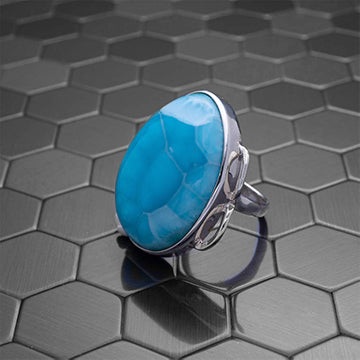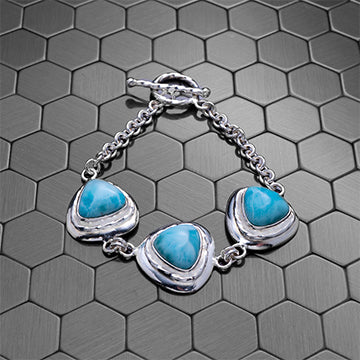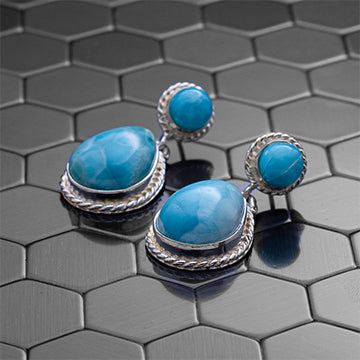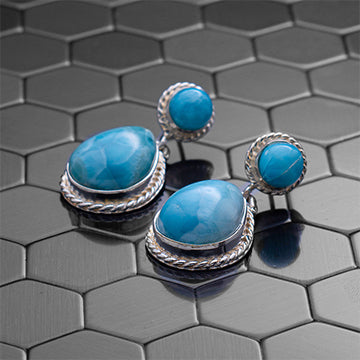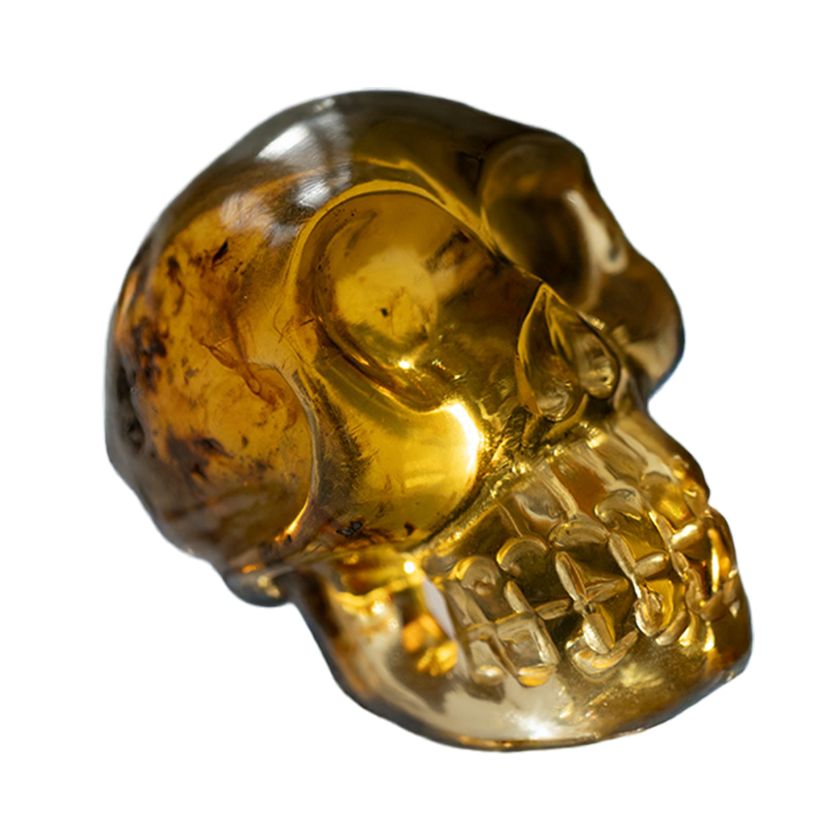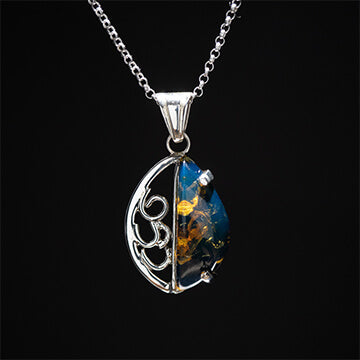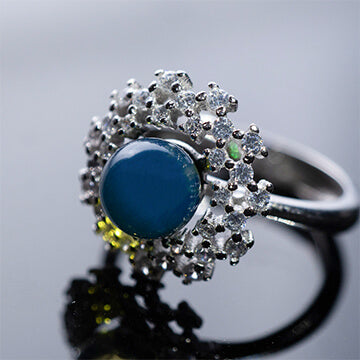


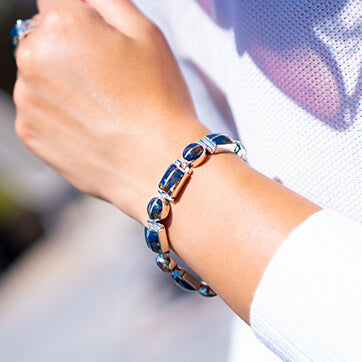
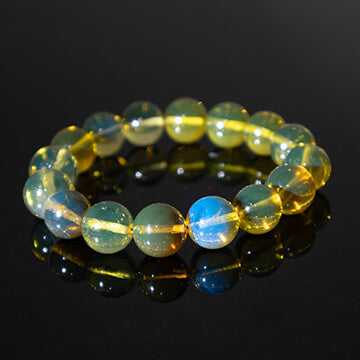
Handcrafted in DR.

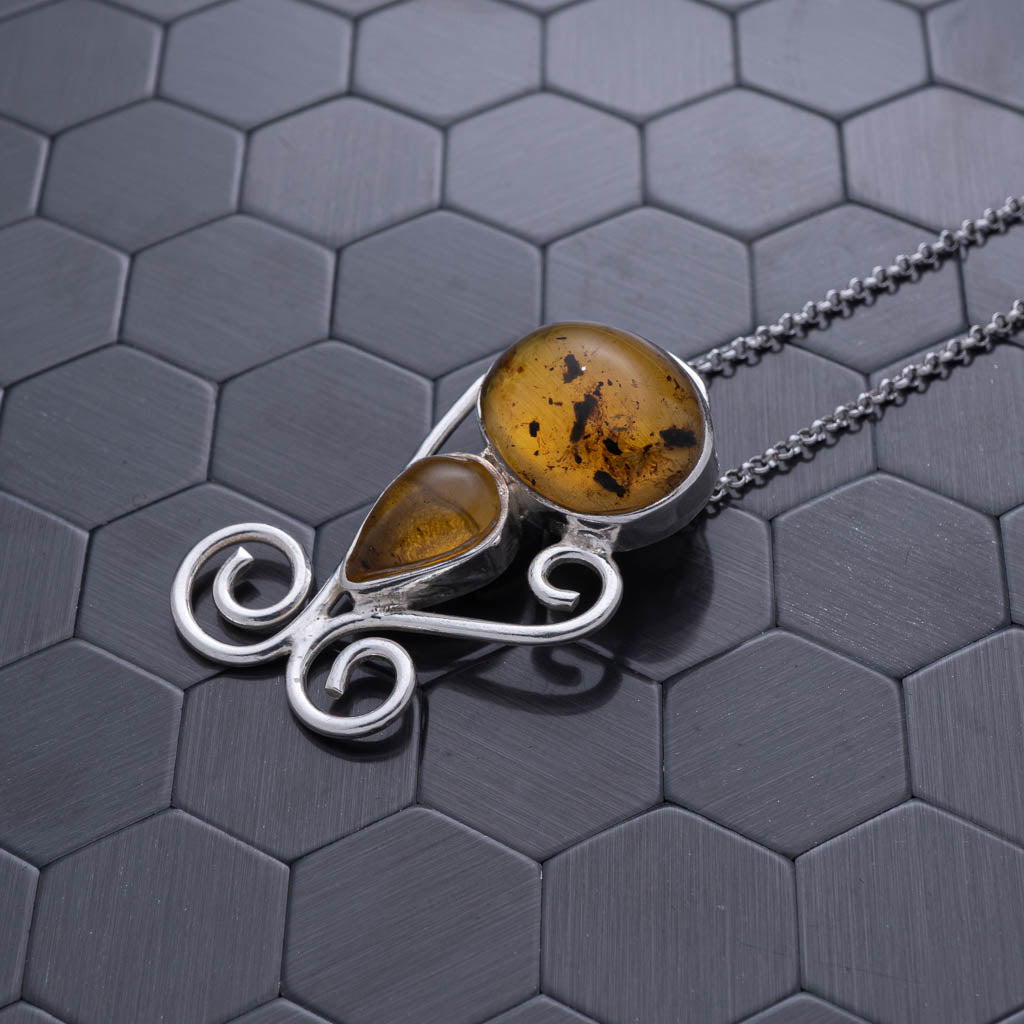
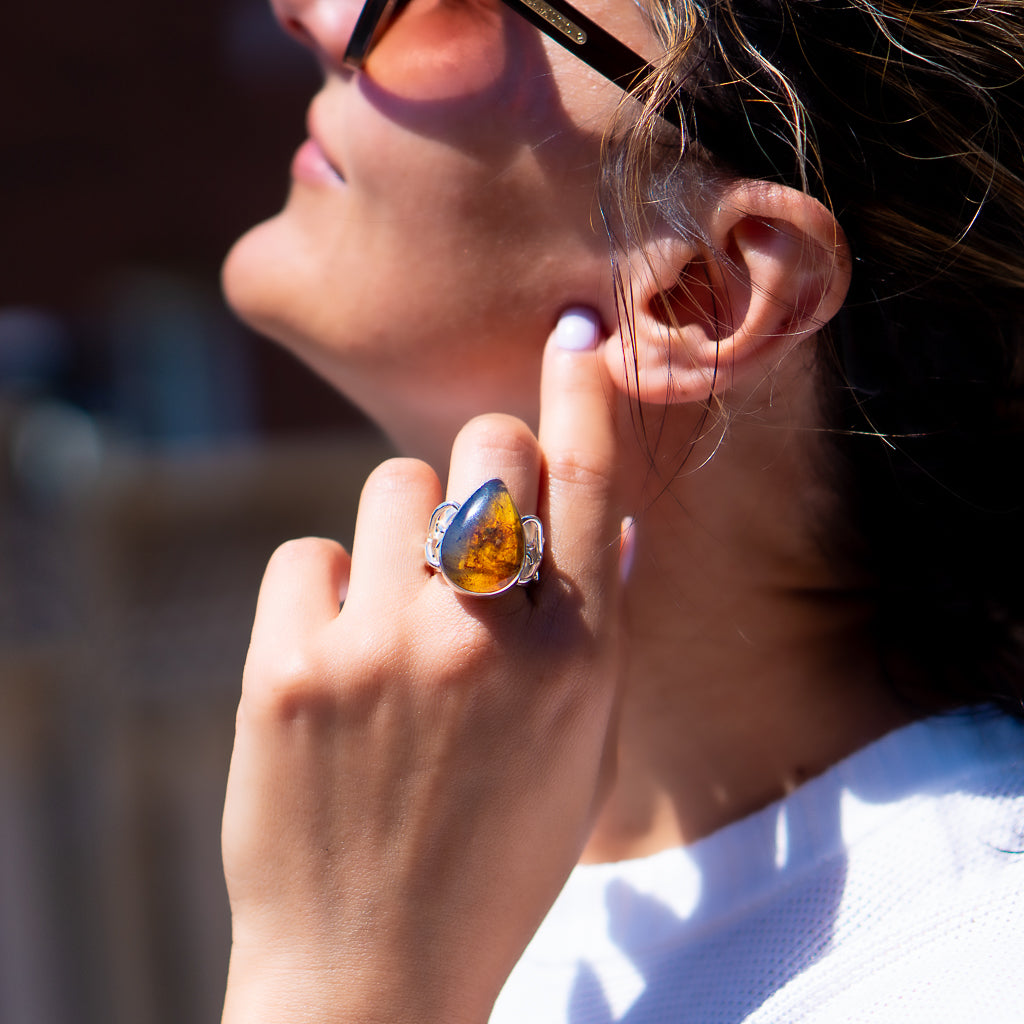
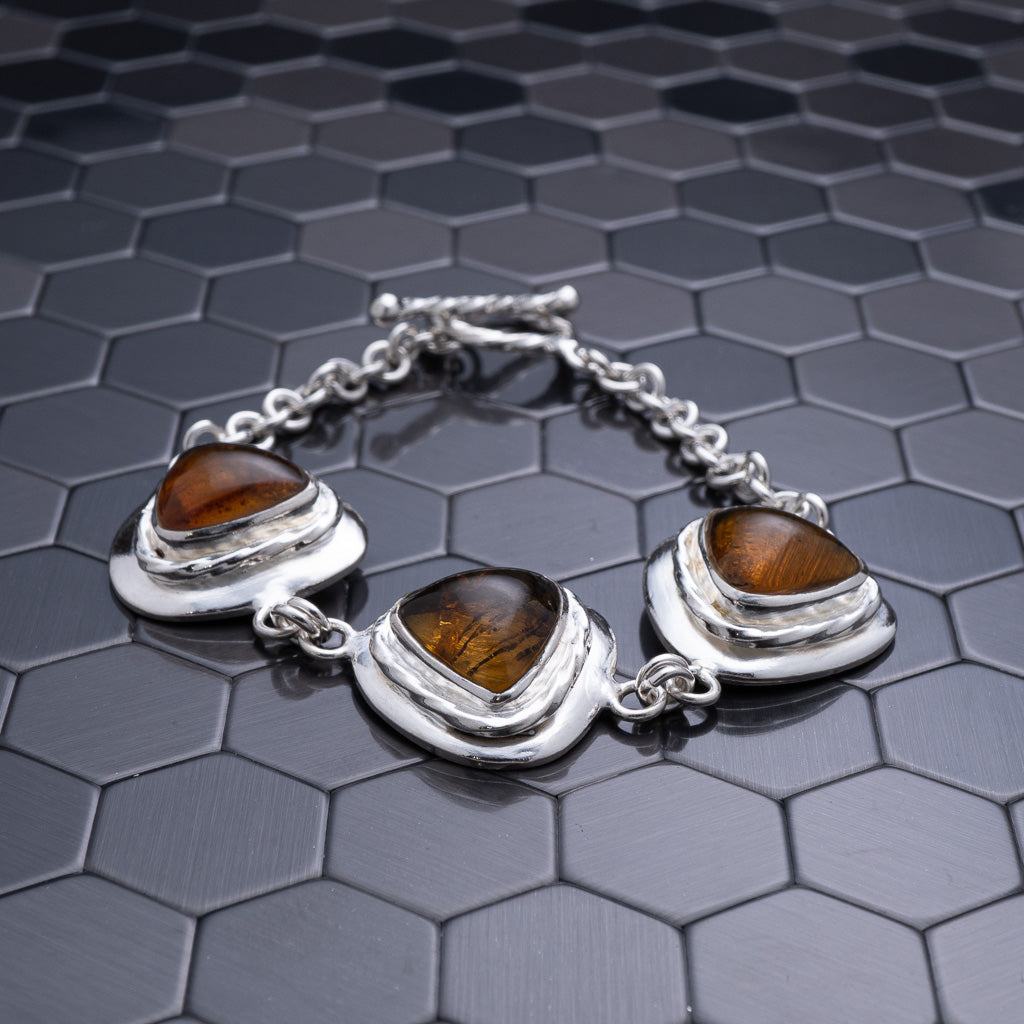
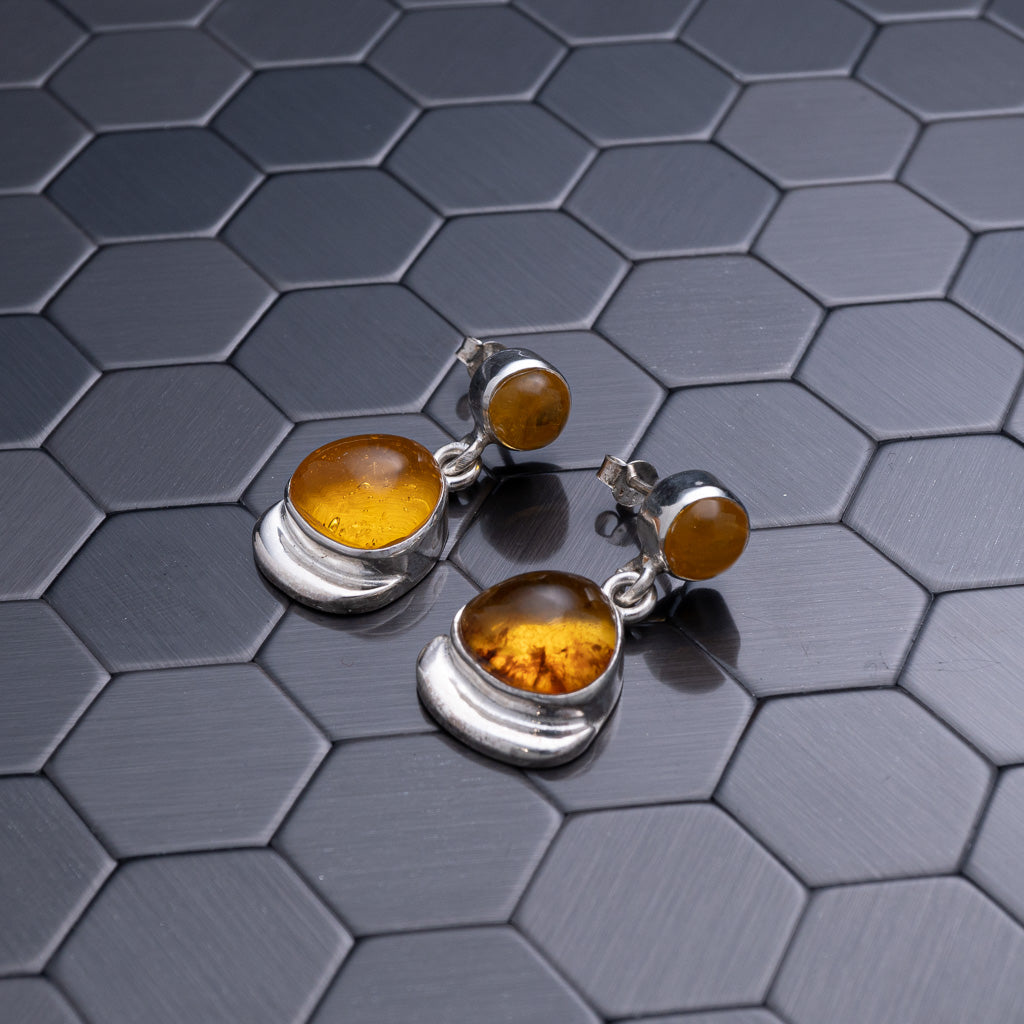


100% Handcrafted in DR.

A pendant in jewelry represents one of the most versatile and enduring forms of personal adornment, transcending cultures, centuries, and fashion trends. Unlike fixed jewelry pieces, pendants offer wearers the ability to showcase individual stones, symbols, or artistic creations suspended from chains or cords, creating focal points that draw attention and express personal meaning. From ancient civilizations to contemporary artisans, the pendant has maintained its position as a cherished jewelry element, valued for both aesthetic beauty and symbolic significance. Understanding what makes pendants special, how they've evolved, and how to select the perfect piece requires exploring their rich history, diverse styles, and the craftsmanship behind exceptional designs.
The history of pendants extends back thousands of years, with archaeological evidence revealing their presence in virtually every ancient culture. These early ornamental pieces served purposes beyond mere decoration, functioning as talismans, status symbols, and religious artifacts.
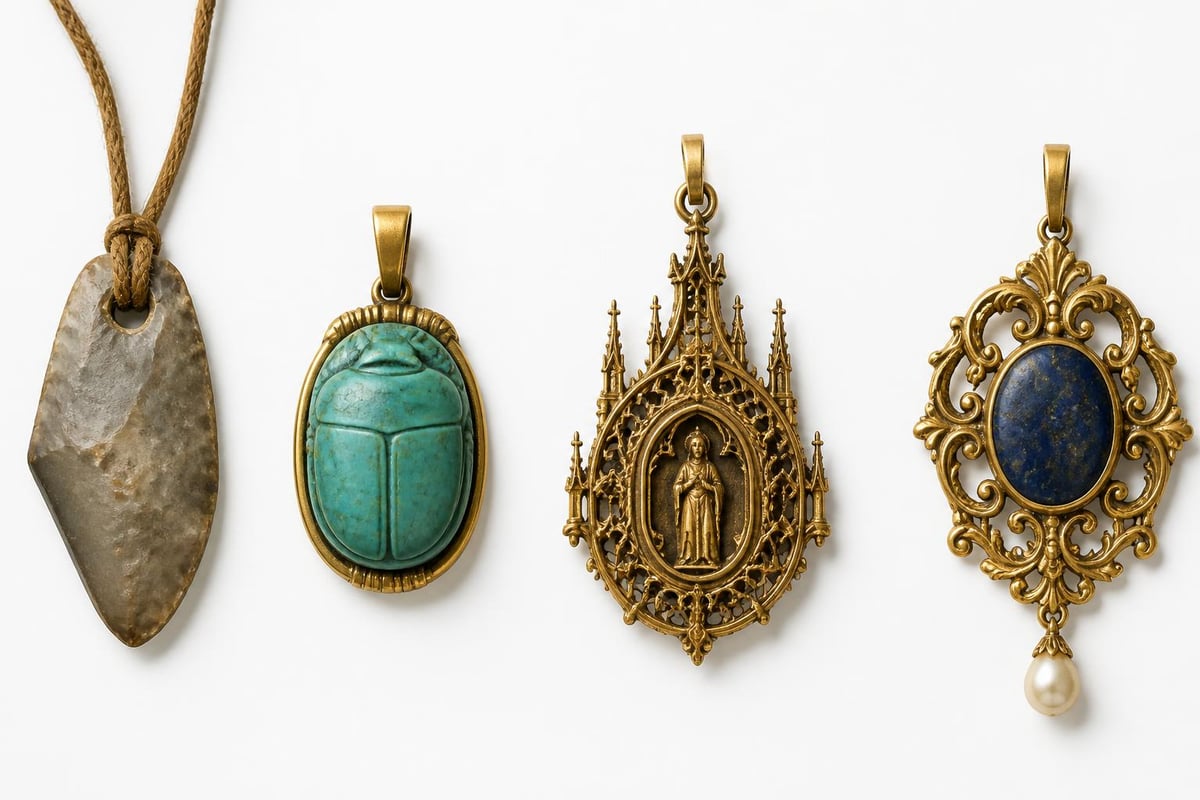
Archaeological discoveries continue to reveal spectacular examples of ancient pendant craftsmanship. The Malia Bee Pendant, created approximately 3,800 years ago in Minoan Crete, demonstrates the sophisticated metalworking techniques available to ancient artisans. This gold accessory showcases intricate detail work that rivals modern jewelry production.
Viking-era jewelry provides equally fascinating insights into cultural symbolism. The Ash Pendant, a unique 10th-century artifact depicting a pregnant woman, illustrates how pendants served as cultural documentation and symbolic expression during medieval times.
During the medieval period, pendant jewelry took on new forms and functions. Religious pendants containing relics became widespread throughout Christian Europe, while noble families commissioned elaborate pieces featuring gemstones and precious metals.
The lavaliere pendant emerged as a fashionable style during the 17th century, characterized by its elegant drop design suspended from delicate chains. This style particularly appealed to European aristocracy and remains influential in contemporary jewelry design.
Early Scandinavian civilizations created distinctive bracteate pendants, thin gold disks featuring embossed designs. These pieces demonstrated advanced metalworking capabilities and served both decorative and symbolic purposes within Norse culture.
Modern pendant jewelry encompasses an extraordinary range of styles, materials, and design philosophies. Various pendant types cater to different tastes, occasions, and personal preferences, ensuring that every jewelry enthusiast can find pieces that resonate with their individual style.
Gemstone pendants remain among the most popular pendant categories, featuring natural stones that capture light and attention. These designs highlight the inherent beauty of minerals, with settings designed to maximize visual impact while protecting precious stones.
Popular gemstone pendant varieties include:
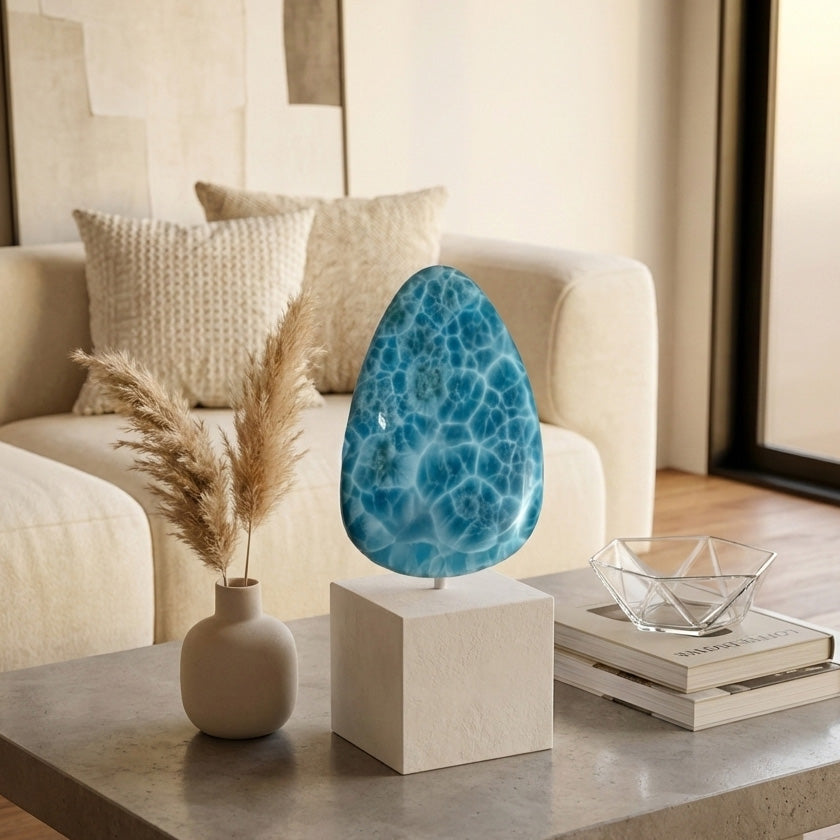
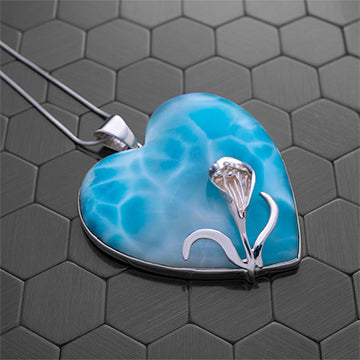
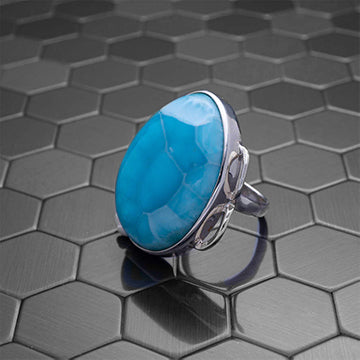
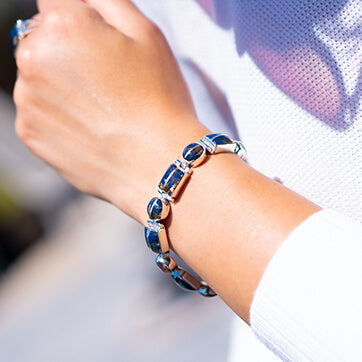
Rare gemstones create particularly distinctive pendant jewelry. Larimar Pendants exemplify this category, featuring the unique Caribbean blue stone found exclusively in the Dominican Republic. This gemstone's distinctive coloration and pattern make each pendant genuinely one-of-a-kind.
Symbolic pendants carry personal meaning beyond their aesthetic qualities. Religious symbols, cultural icons, and personal emblems allow wearers to express beliefs, heritage, or values through jewelry.
Common symbolic pendant categories:
Locket pendants offer unique functionality, opening to reveal compartments for photographs, messages, or small mementos. These sentimental pieces create portable shrines to cherished memories and loved ones.
The materials used in pendant necklaces significantly influence durability, appearance, and value. Different metals and stones offer distinct advantages depending on intended use, budget, and aesthetic preferences.
| Material | Advantages | Considerations | Best For |
|---|---|---|---|
| Gold | Timeless appeal, hypoallergenic, retains value | Higher cost, requires maintenance | Heirloom pieces, luxury jewelry |
| Silver | Affordable, versatile, lustrous finish | Requires polishing, may tarnish | Everyday wear, budget-conscious buyers |
| Platinum | Extremely durable, naturally white, prestigious | Most expensive metal option | Investment pieces, engagement jewelry |
| Titanium | Lightweight, hypoallergenic, modern aesthetic | Limited traditional appeal | Contemporary designs, active lifestyles |
| Natural Stones | Unique patterns, spiritual properties, variety | Varying durability levels | Statement pieces, meaningful jewelry |
Precious metals provide the foundation for most fine pendant jewelry. Gold remains the most traditional choice, available in yellow, white, and rose variations depending on alloy composition. Each gold color offers different aesthetic qualities suited to various skin tones and style preferences.
Sterling silver presents an accessible alternative for pendant settings, offering bright luster at moderate price points. However, silver requires regular maintenance to prevent tarnishing and maintain its reflective finish.
Platinum represents the premium metal choice, offering exceptional durability and a naturally white appearance that never fades. This metal's density makes it ideal for securing valuable gemstones in pendant settings.
Natural gemstones bring color, sparkle, and geological wonder to pendant designs. Beyond traditional diamonds, sapphires, and rubies, numerous semi-precious stones offer unique character at various price points.
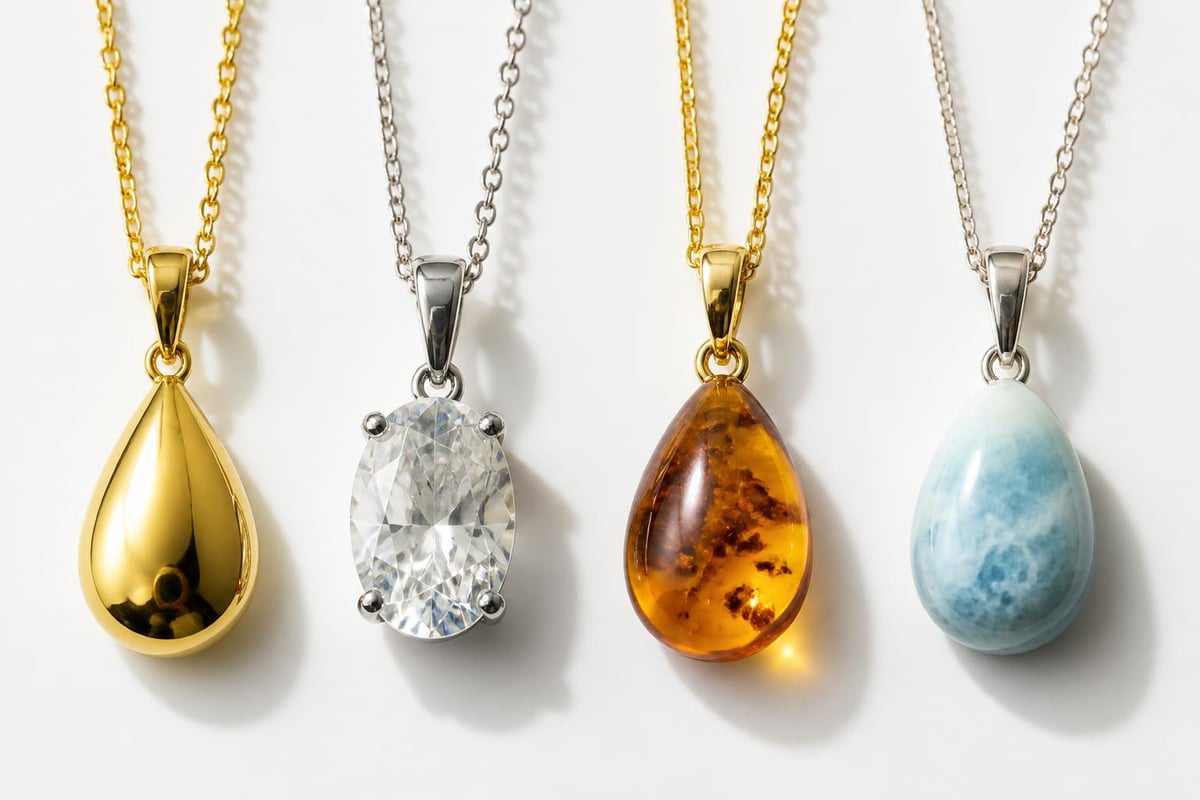
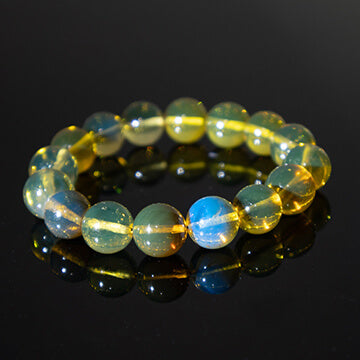
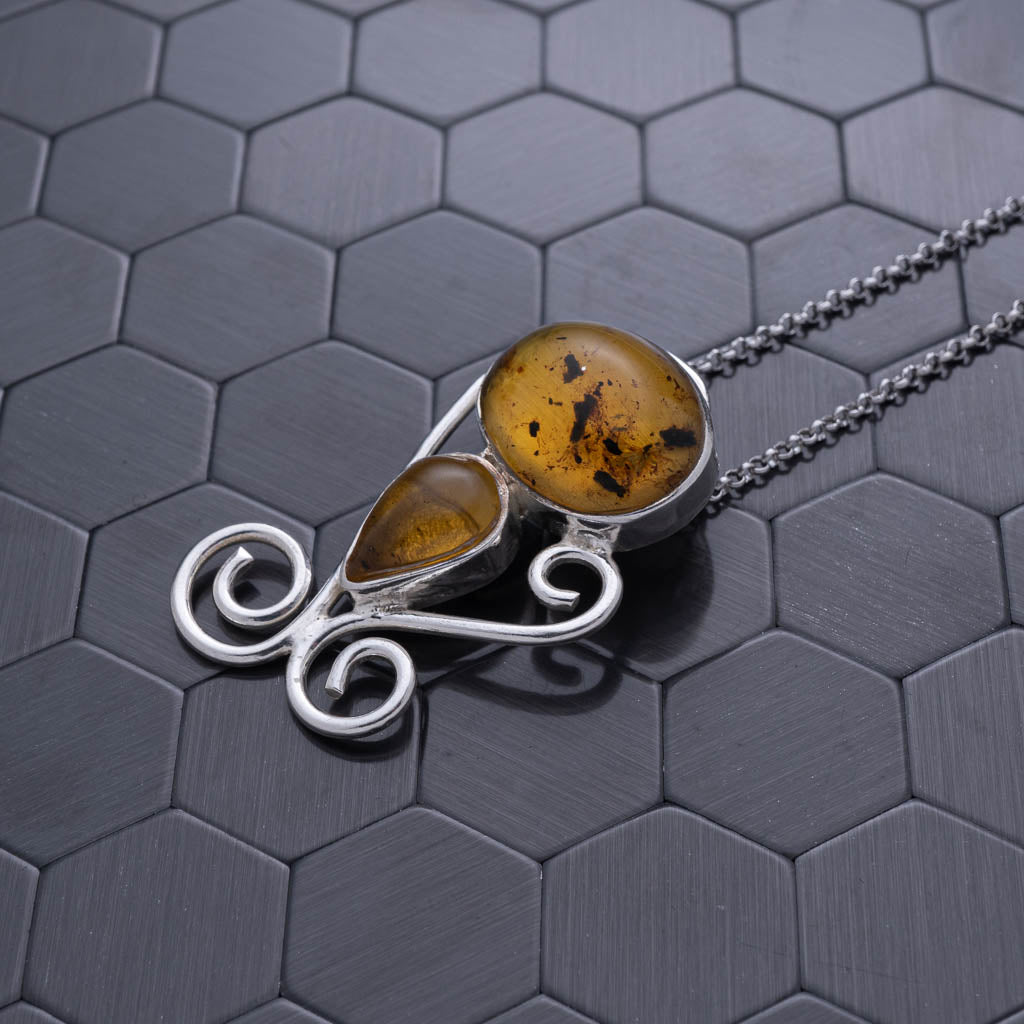
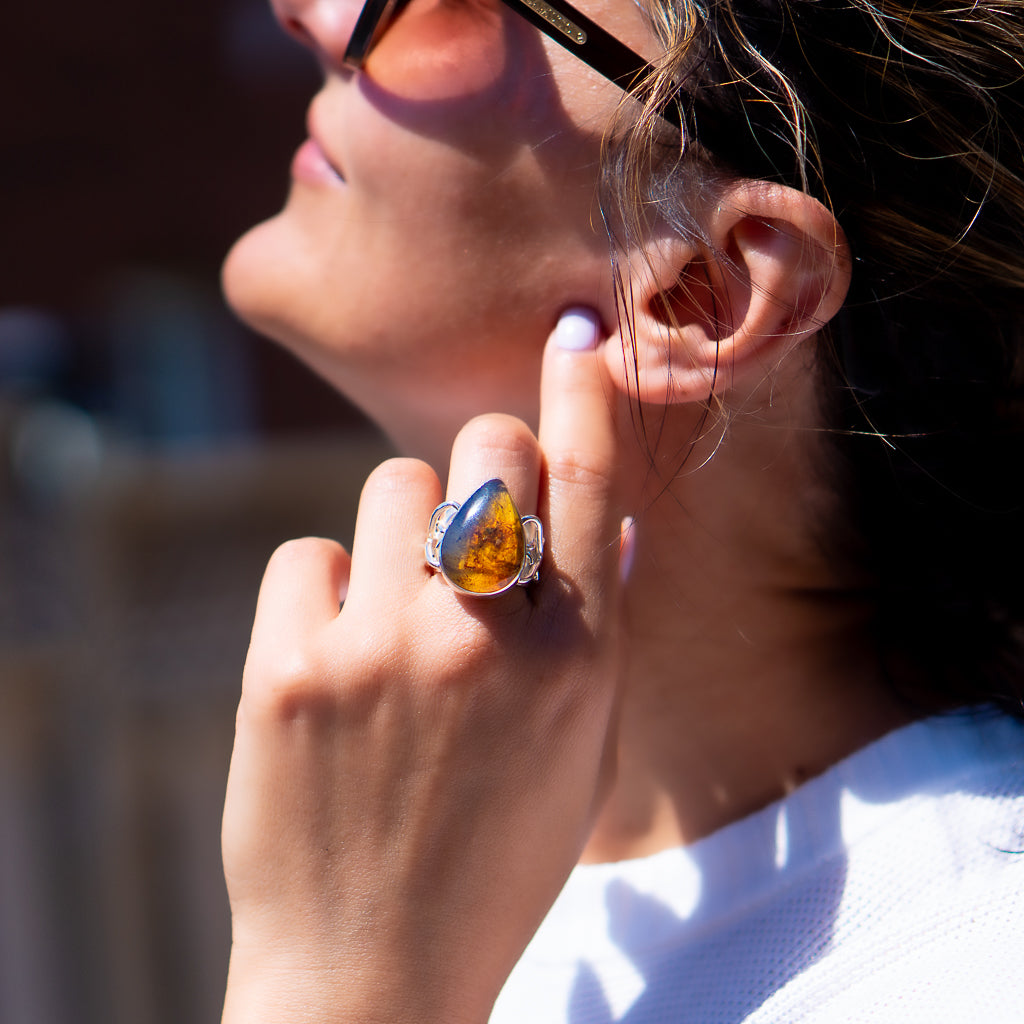
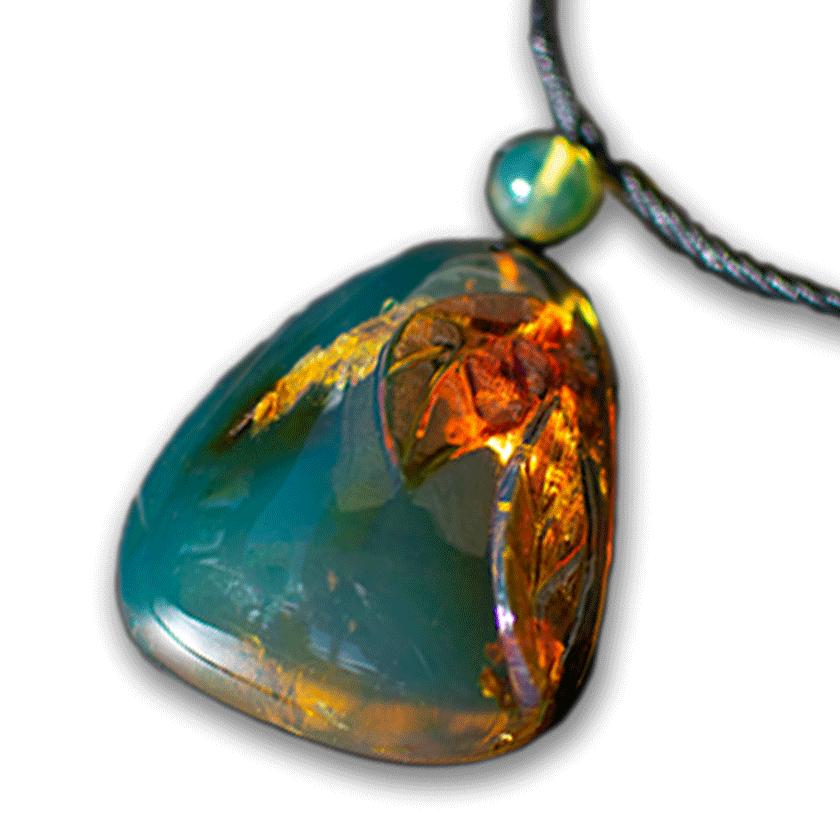
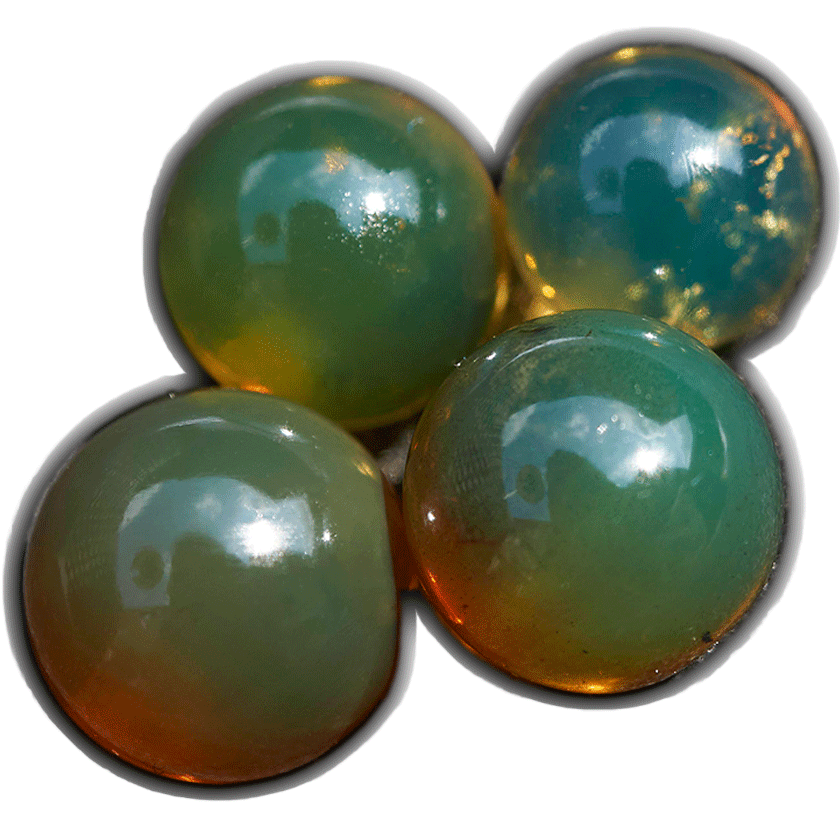
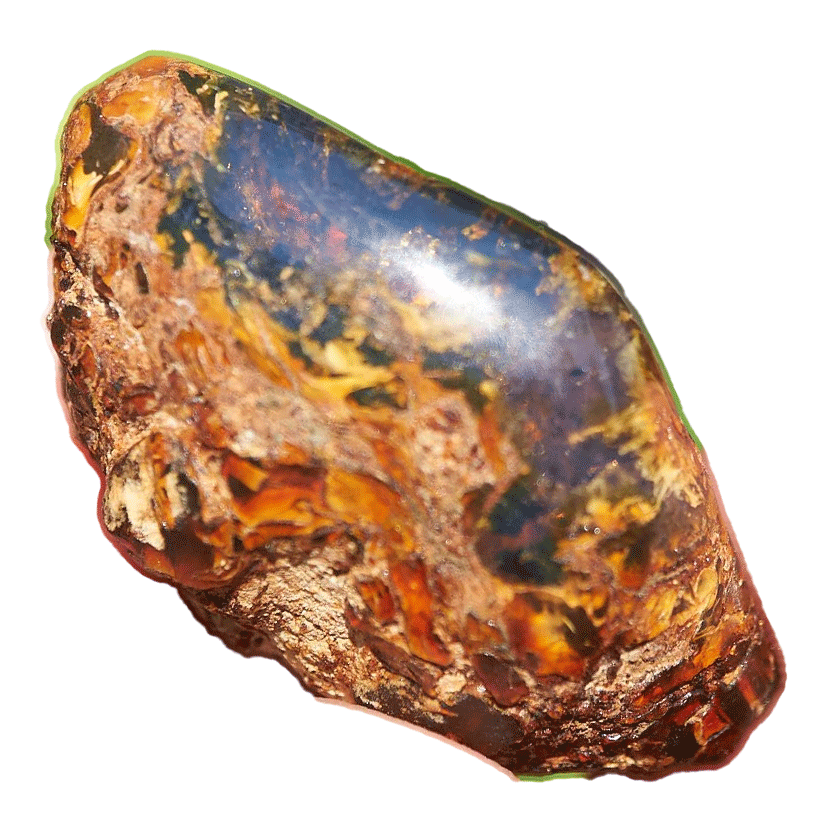
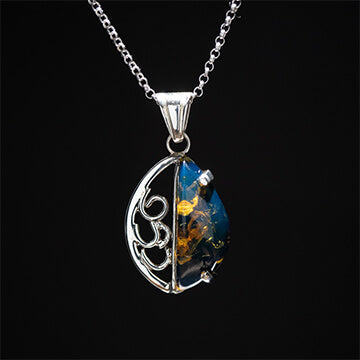
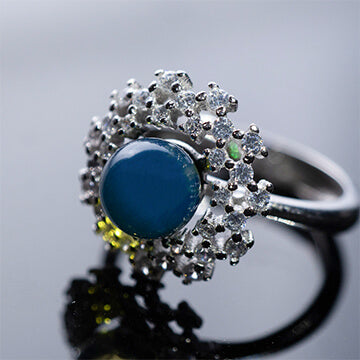
Organic materials create distinctive pendant options. Dominican Blue Amber represents one such material, displaying rare fluorescent properties that create stunning visual effects under different lighting conditions. Understanding what causes blue amber helps appreciate the geological rarity of this exceptional material.
Creating exceptional pendant jewelry requires balancing aesthetic vision with practical wearability. Successful designs consider proportion, weight distribution, and how pieces interact with chains or cords.
A pendant in jewelry must maintain appropriate scale relative to both the wearer and the chain supporting it. Oversized pendants demand substantial chains to prevent tangling and ensure comfortable wear, while delicate designs pair best with refined chains that don't overwhelm subtle details.
Design proportion guidelines:
The method used to secure gemstones within pendant settings dramatically affects both appearance and durability. Different setting styles suit various stone types, pendant shapes, and design aesthetics.
Professional jewelers employ several setting techniques:
Selecting a pendant in jewelry involves considering personal style, intended use, and quality factors that ensure lasting satisfaction. Whether purchasing for yourself or selecting gifts, informed choices lead to pieces that bring enjoyment for years.
Evaluating pendant quality requires examining multiple aspects of construction and materials. Professional craftsmanship reveals itself through attention to detail, secure settings, and refined finishing.
| Quality Indicator | What to Examine | Red Flags |
|---|---|---|
| Stone Setting | Security, symmetry, prong integrity | Loose stones, uneven spacing |
| Metal Finish | Smooth surfaces, consistent coloring | Rough spots, discoloration |
| Bail Construction | Strength, smooth edges, proper sizing | Thin metal, sharp edges |
| Clasp Mechanism | Ease of operation, secure closure | Difficult operation, weak springs |
| Overall Weight | Balanced, substantial feel | Excessive lightness suggesting hollow construction |
When considering rare gemstone pendants, authentication becomes crucial. Learning to identify genuine Larimar versus fake stones protects against counterfeit materials, while understanding Larimar gemstone certification ensures documented authenticity.
The most satisfying pendant purchases align with personal aesthetic preferences and lifestyle requirements. Consider how pendants complement existing jewelry collections, typical clothing styles, and daily activities.
Style consideration questions:
Proper care extends the life and beauty of pendant jewelry, protecting investments and preserving sentimental pieces. Different materials require specific maintenance approaches to maintain optimal appearance.
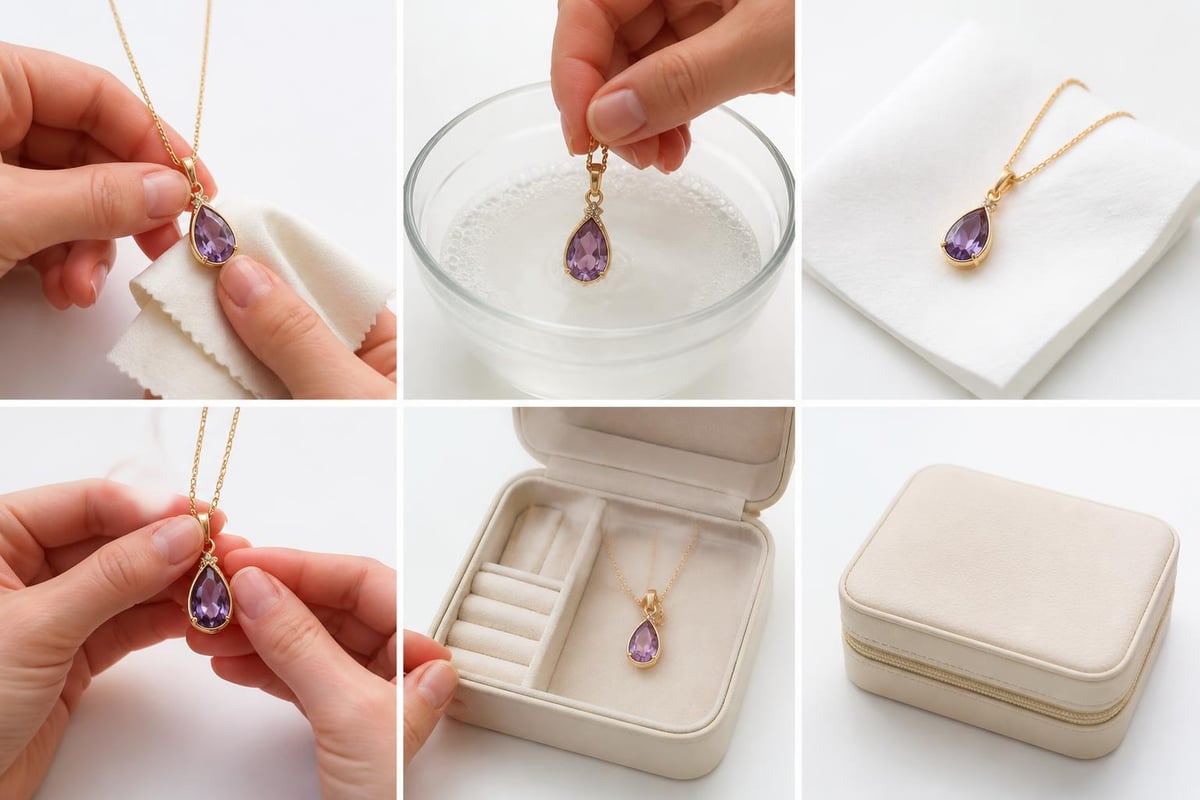
Regular cleaning prevents buildup that dulls gemstone brilliance and tarnishes metal surfaces. Most pendants benefit from gentle cleaning using mild soap and warm water, though specific materials may require specialized approaches.
Material-specific cleaning recommendations:
Proper storage prevents scratching, tangling, and environmental damage. Individual compartments or soft pouches protect pendants when not worn, while appropriate environmental conditions prevent tarnishing and deterioration.
Store pendant jewelry in:
Modern pendant jewelry reflects evolving aesthetic sensibilities, technological capabilities, and cultural values. Contemporary designers push boundaries while respecting traditional craftsmanship principles that define quality jewelry.
Recent years have seen growing appreciation for understated pendant designs emphasizing clean lines, geometric shapes, and refined simplicity. These pieces complement modern fashion's preference for versatile accessories that transition seamlessly between contexts.
Minimalist pendant characteristics include simple geometric forms, monochromatic color schemes, delicate proportions, and emphasis on negative space. This approach allows the inherent beauty of materials to take center stage without excessive ornamentation.
Consumer awareness regarding jewelry sourcing has elevated demand for ethically produced pendants. Buyers increasingly seek transparency about material origins, environmental impact, and labor practices involved in jewelry creation.
Sustainable pendant jewelry priorities:
Custom and personalized pendants allow wearers to create unique pieces reflecting individual stories, relationships, or values. Modern technology enables sophisticated customization while maintaining artisanal quality.
Popular personalization approaches:
Beyond aesthetic enjoyment, certain pendants represent financial investments appreciating over time. Understanding which pieces hold value helps collectors and investors make informed acquisition decisions.
A pendant in jewelry gains investment value through material rarity, craftsmanship quality, designer reputation, and historical significance. Pieces combining multiple value factors often appreciate most reliably.
Investment-grade pendant characteristics:
Serious collectors approach pendant acquisition strategically, focusing on specific categories, periods, or materials that align with personal interest and market opportunities. Diversified collections balance aesthetic enjoyment with investment potential.
Successful collection strategies include focusing on specific gemstone types, particular designer periods, cultural or regional styles, and historical eras. This concentrated approach develops expertise enabling informed purchase decisions.
The adaptability of pendant jewelry makes it indispensable within contemporary accessory collections. Single pendants can transform appearance across diverse contexts through simple chain adjustments or layering techniques.
Chain length dramatically affects how pendants present visually and functionally. Different lengths create various silhouettes, complement specific necklines, and suit different occasions.
| Chain Length | Name | Best For | Typical Use |
|---|---|---|---|
| 14-16 inches | Choker | High necklines, delicate pendants | Formal events, layering |
| 18 inches | Princess | Most necklines, medium pendants | Daily wear, professional settings |
| 20-24 inches | Matinee | Lower necklines, statement pendants | Casual wear, artistic looks |
| 30+ inches | Opera | Layering, bold pendants | Fashion-forward styling, special occasions |
Contemporary styling often involves wearing multiple pendant necklaces simultaneously, creating dimensional looks with visual interest. Successful layering requires attention to length variation, weight balance, and aesthetic cohesion.
Effective pendant layering combines different chain lengths for separation, varies pendant sizes for hierarchy, mixes metals thoughtfully for contrast, and balances statement pieces with delicate accents. Understanding which pieces complement rather than compete creates harmonious multi-pendant presentations.
Those interested in combining pendants with other jewelry forms can explore necklace combinations with amber and similar blue amber jewelry from the Dominican Republic for inspiration on creating coordinated looks.
Throughout human history, a pendant in jewelry has carried profound cultural meaning beyond ornamental function. Different societies imbue pendants with spiritual significance, social messaging, and ceremonial importance that continues influencing modern designs.
Many cultures traditionally wore pendants as protective charms believed to ward off evil, attract good fortune, or channel spiritual energy. While contemporary wearers may appreciate these pieces primarily aesthetically, understanding their original purposes adds depth to jewelry appreciation.
Traditional protective pendant forms include evil eye symbols from Mediterranean cultures, hamsa hands in Middle Eastern traditions, and jade carvings in Asian societies. These ancient forms continue inspiring modern jewelry designs that honor historical significance while appealing to contemporary sensibilities.
Historically, pendant jewelry frequently signaled social position, tribal affiliation, or professional status. Royal insignias, guild symbols, and family crests transformed pendants into wearable identification announcing wearer identity to informed observers.
This tradition persists in modified forms through corporate pins, organizational medallions, and achievement awards worn as pendants. The human desire to signal belonging and accomplishment through visible symbols remains constant across centuries.
The enduring appeal of pendant jewelry lies in its perfect balance between personal expression and timeless elegance, offering wearers the ability to showcase exceptional materials while conveying individual meaning. Whether drawn to ancient symbolism, contemporary minimalism, or rare gemstone beauty, understanding pendant history, craftsmanship, and quality ensures informed selections that bring lasting satisfaction. Larimar Creations specializes in handcrafted pendant jewelry featuring rare Dominican gemstones, combining traditional artisan techniques with exceptional materials to create distinctive pieces worthy of becoming treasured heirlooms. Explore their collection to discover how unique Larimar and Blue Amber pendants can add meaningful beauty to your jewelry collection.