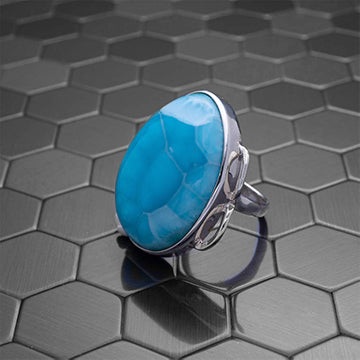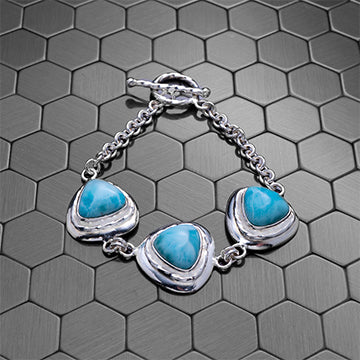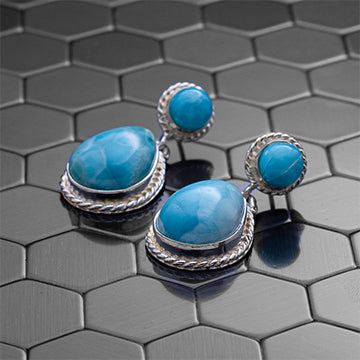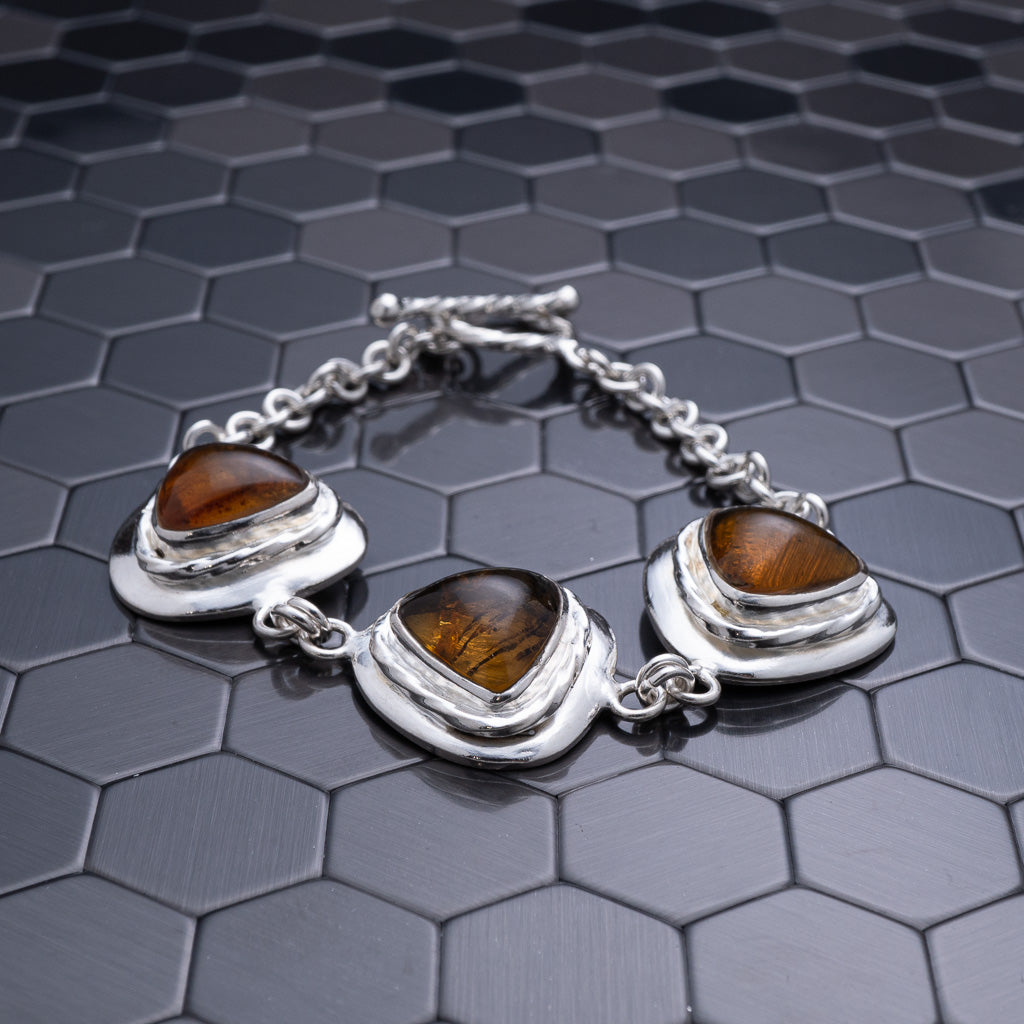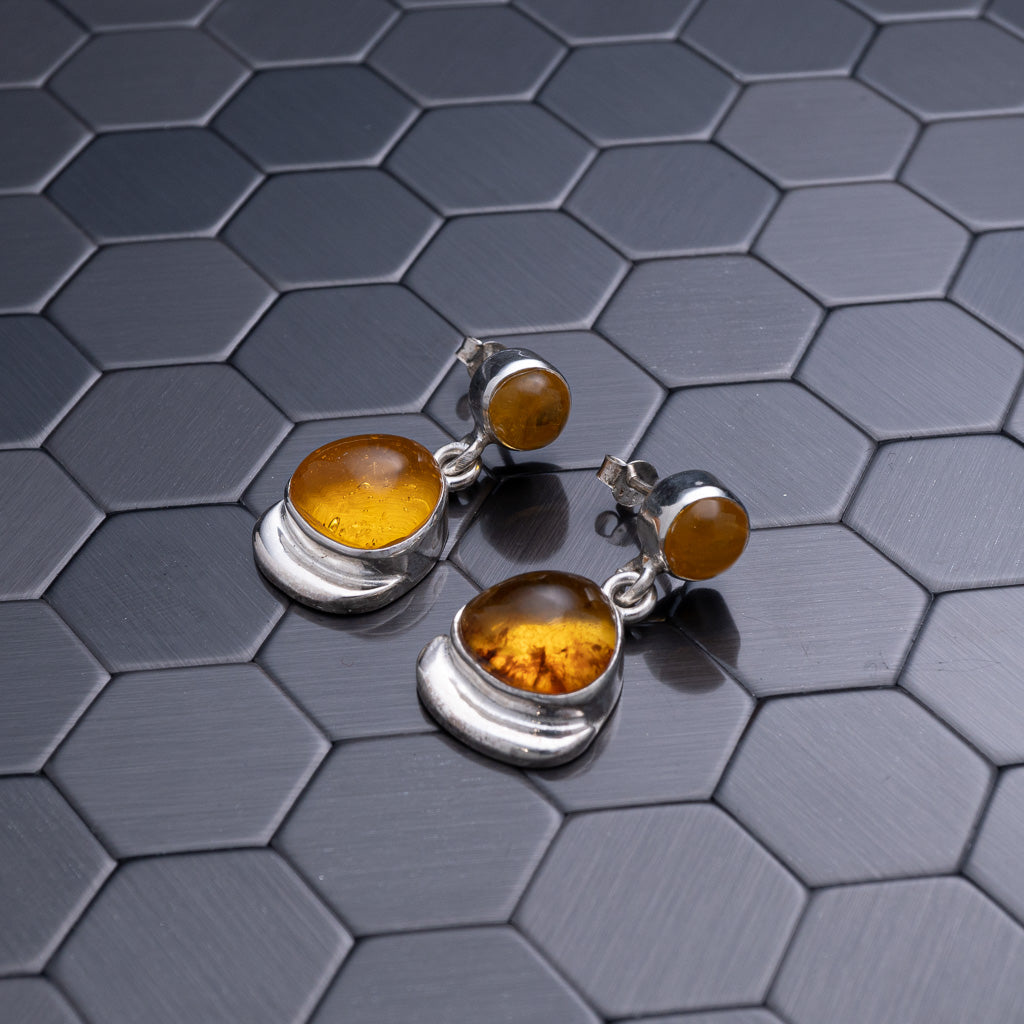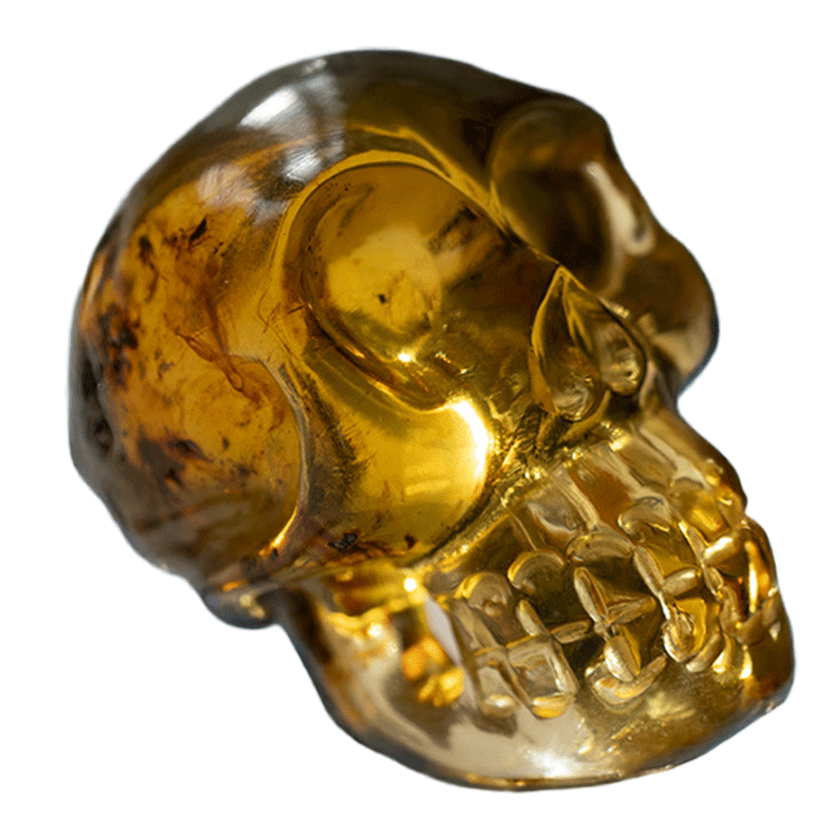


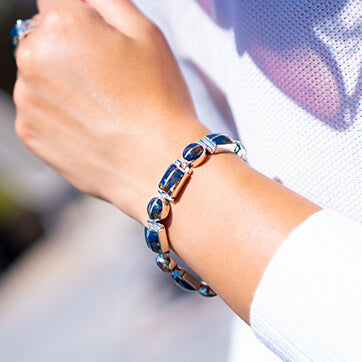
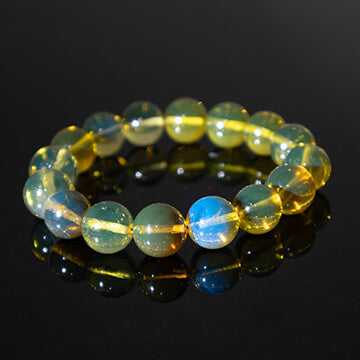
Handcrafted in DR.

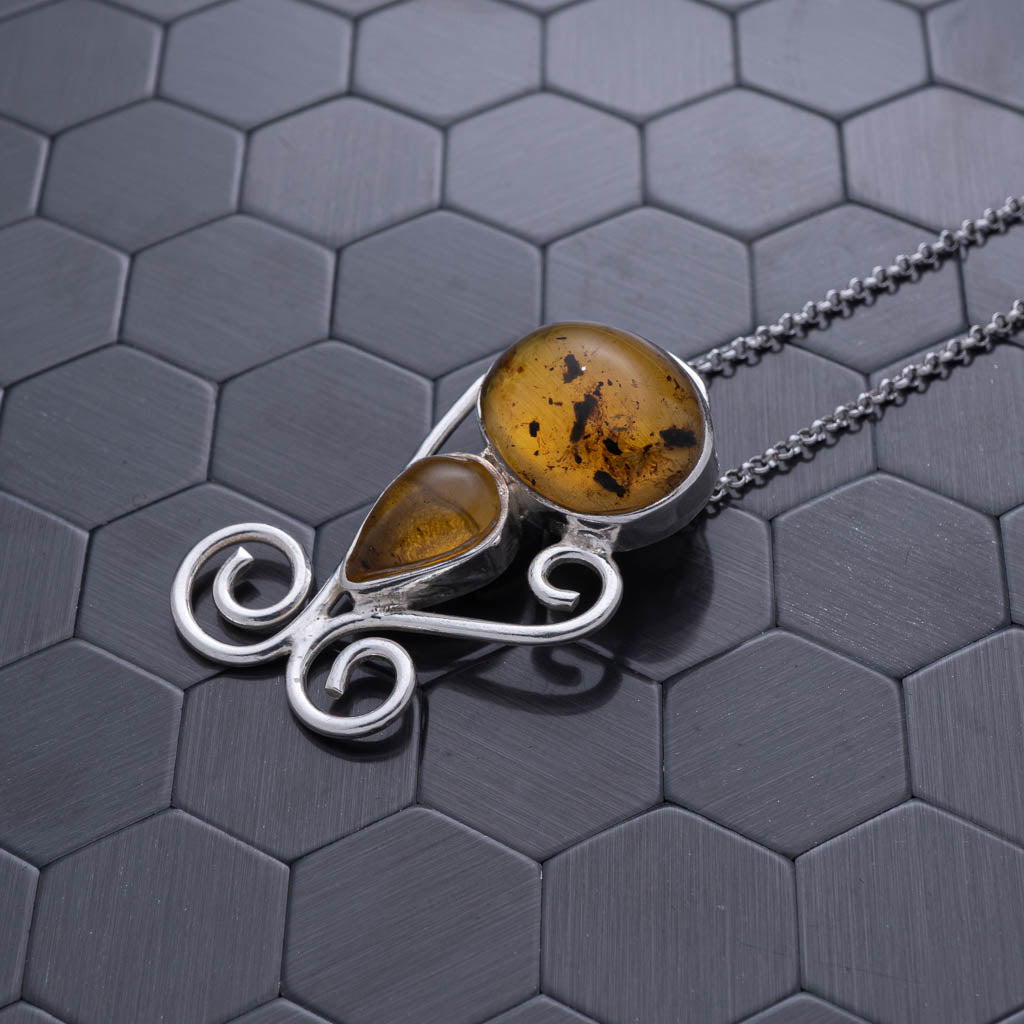
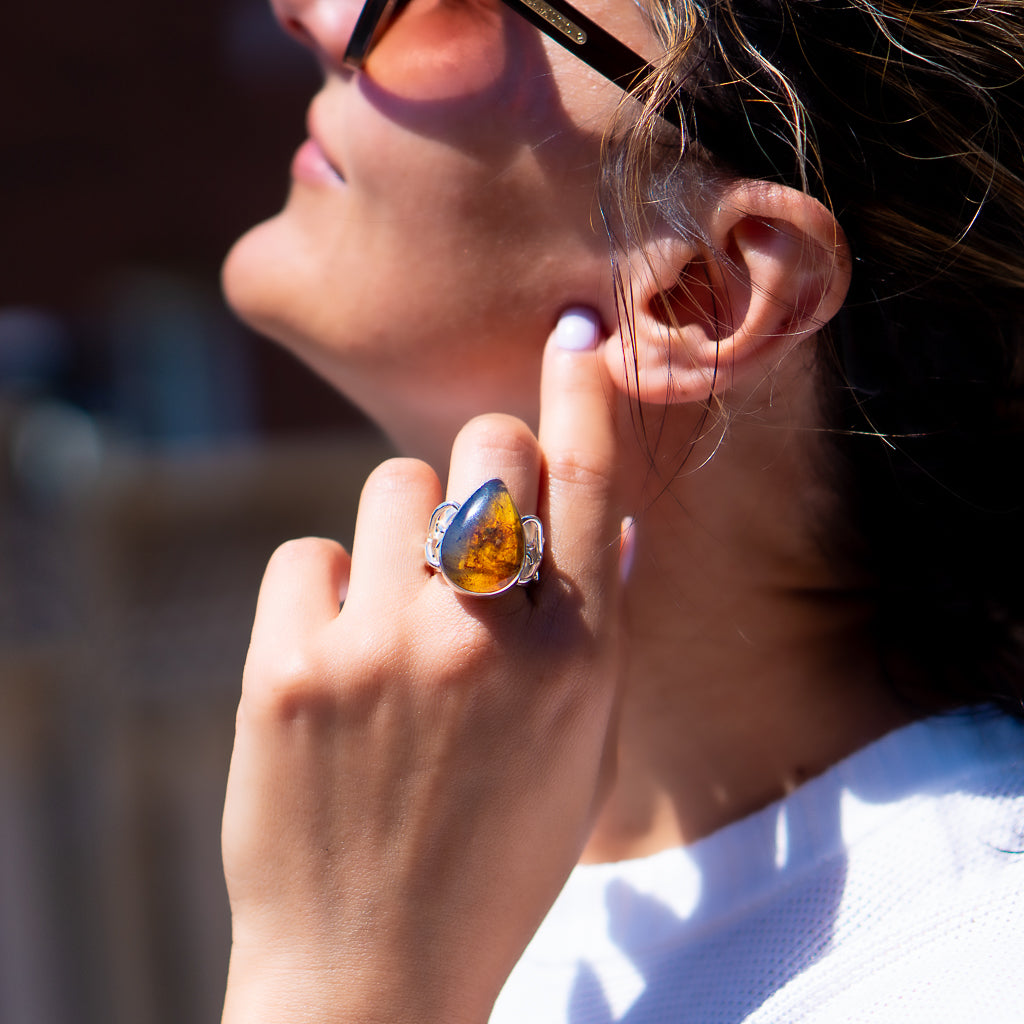
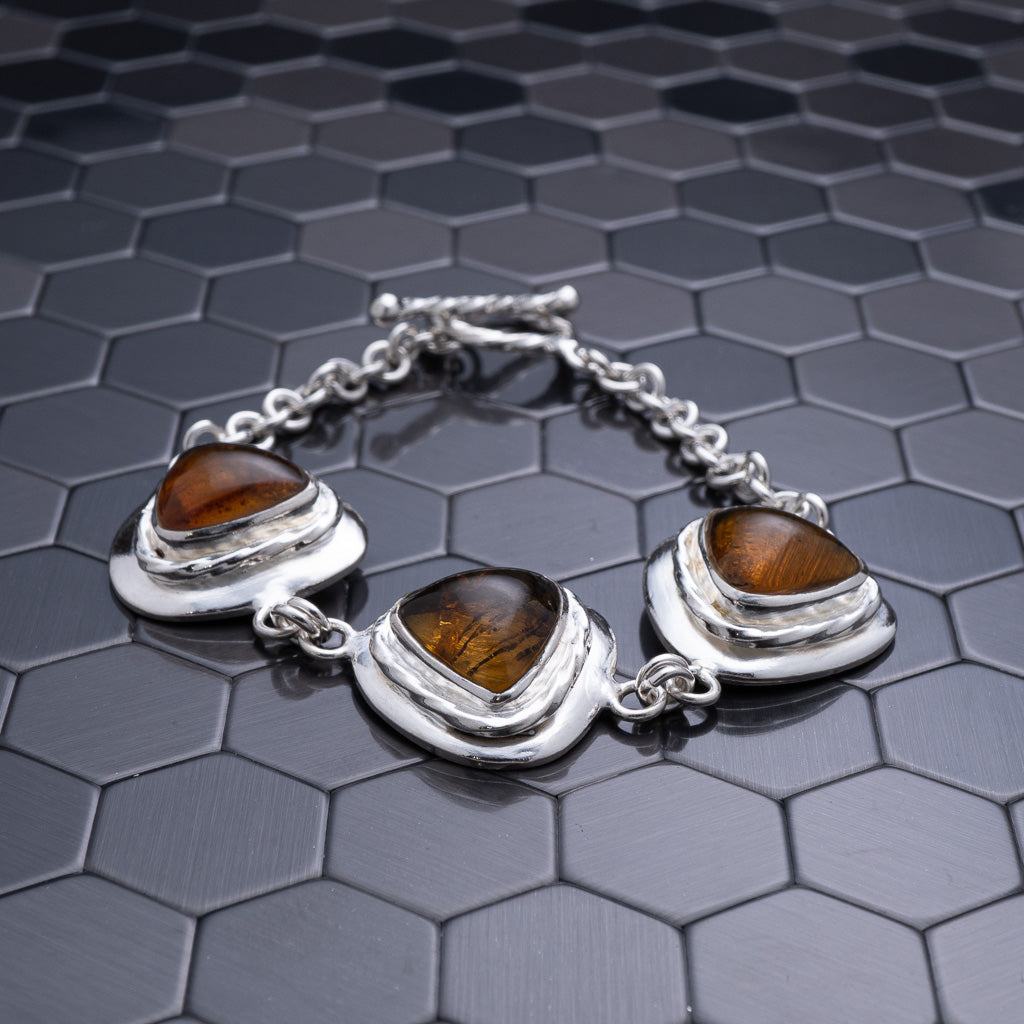
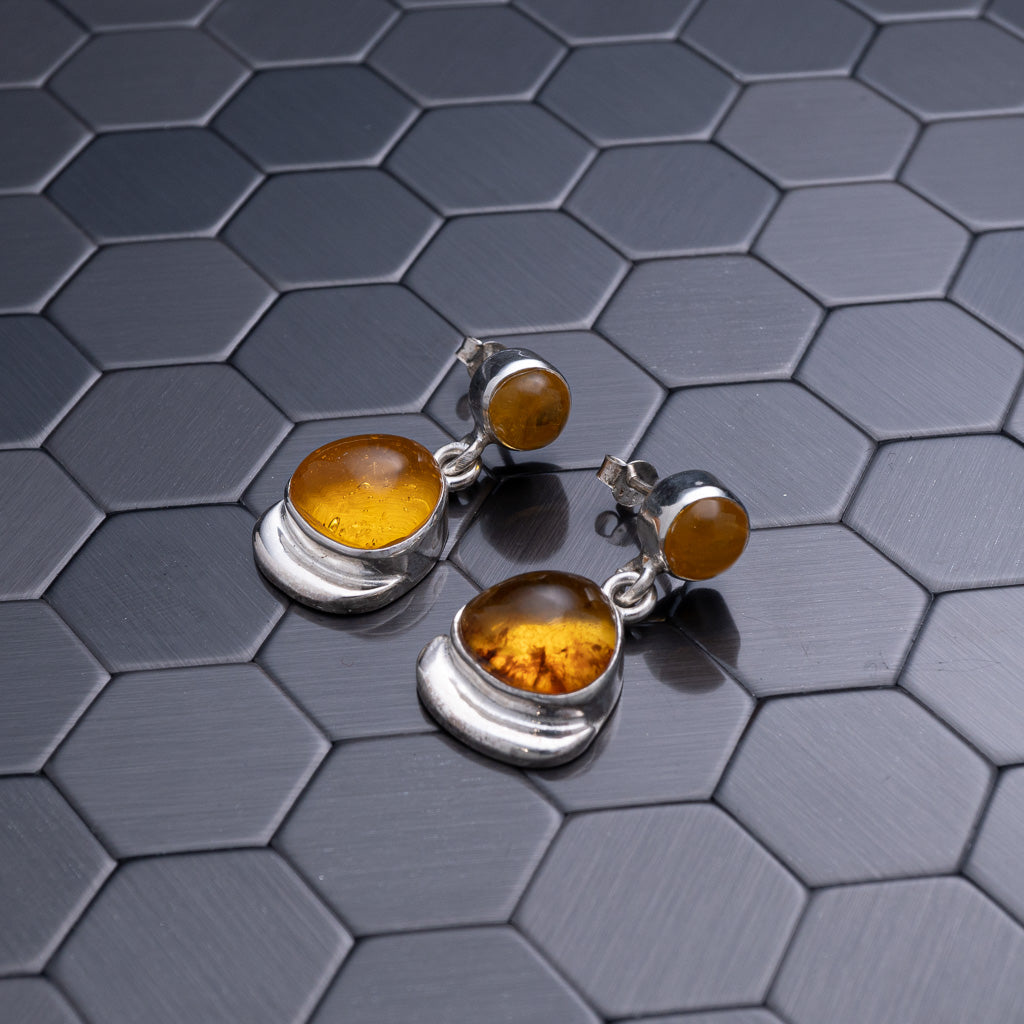


100% Handcrafted in DR.

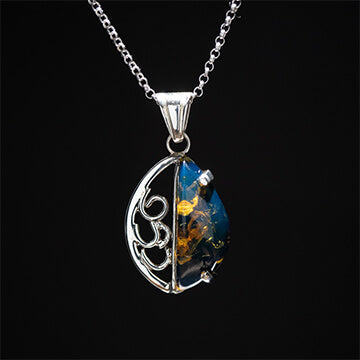
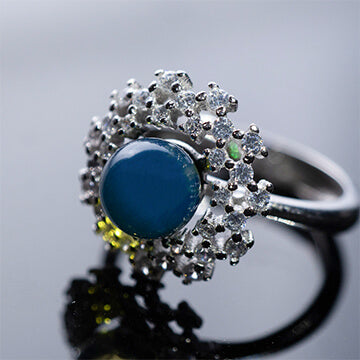
A pendant with gemstone represents more than just an accessory; it serves as a personal statement, a cherished gift, or a meaningful connection to nature's artistry. The selection of gemstone jewelry requires understanding quality factors, design considerations, and how different stones complement individual style preferences. Whether you're seeking a rare blue gemstone from the Caribbean or a classic precious stone, knowing what defines exceptional craftsmanship and authenticity ensures your investment becomes a treasured piece for years to come.
The foundation of any exceptional pendant with gemstone begins with understanding the characteristics that determine stone quality. Gemologists assess stones using specific criteria that directly impact both appearance and value.
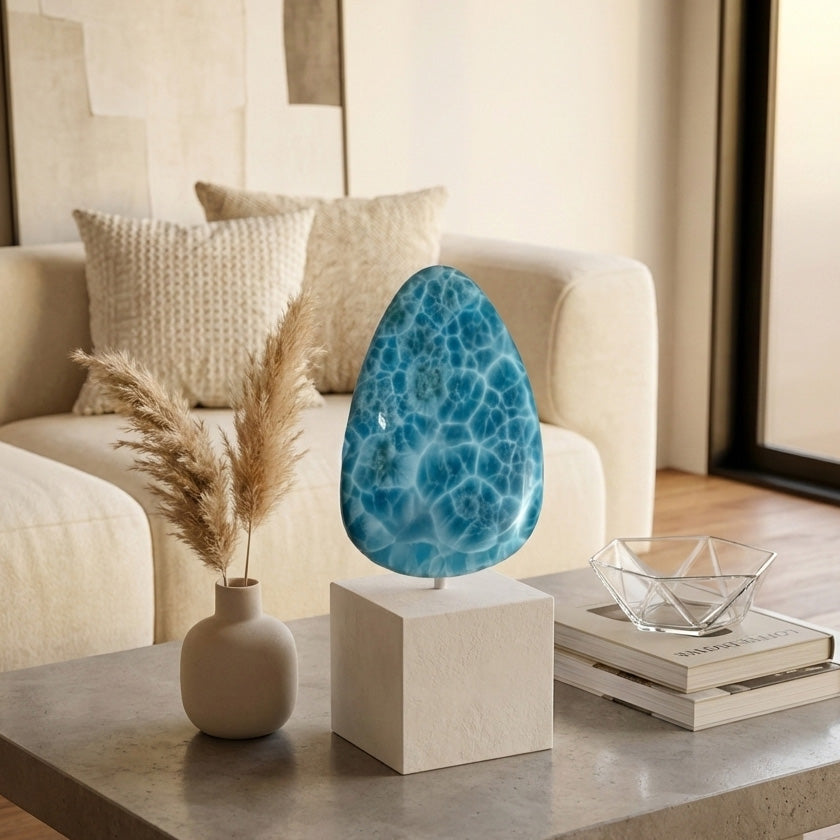
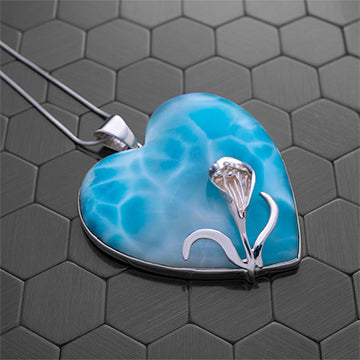
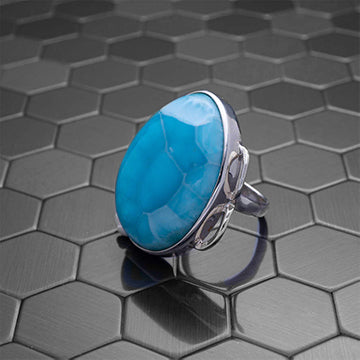
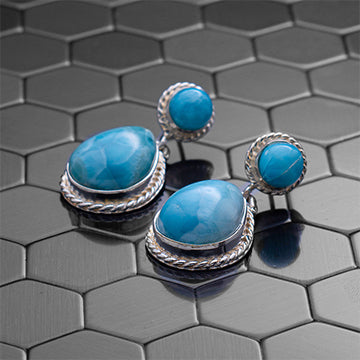
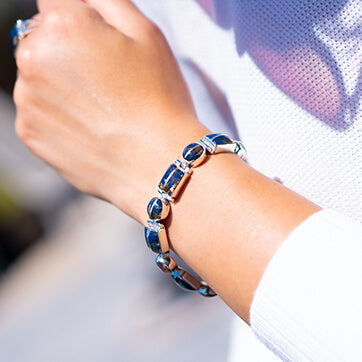
Color stands as the most critical factor for colored gemstones. The ideal stone exhibits rich, saturated hues without being too dark or too light. For unique stones like larimar, the prized volcanic blue tones with white pectolite patterns create distinctive appeal. Color distribution should appear even throughout the stone, though some natural variations add character.
Clarity refers to the presence or absence of inclusions and blemishes. While flawless stones command premium prices, many gemstones naturally contain inclusions that verify authenticity. Understanding which inclusions are acceptable for specific stone types helps buyers make informed decisions.
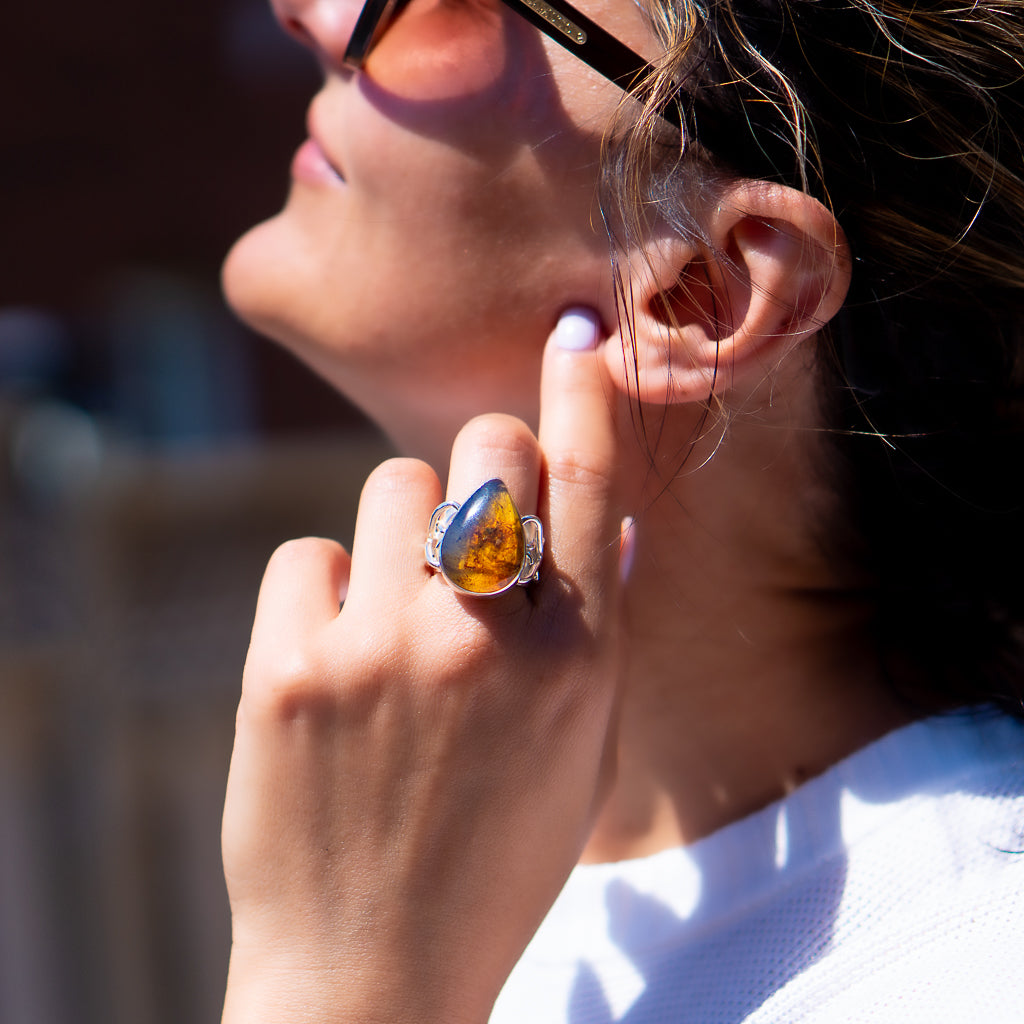
Cut quality determines how effectively light interacts with the gemstone. Master cutters shape stones to maximize brilliance and color saturation while preserving carat weight. For cabochon-cut stones, smooth domes without flat spots or asymmetry indicate skilled craftsmanship.
Carat weight measures the physical size of the stone. Larger stones are rarer and typically more valuable per carat, though quality always supersedes size. A smaller, high-quality pendant with gemstone outperforms a larger, inferior piece.
Professional gemstone certification provides documented verification of a stone's characteristics and natural origin. Reputable gemological laboratories examine stones using specialized equipment and issue detailed reports. For rare stones like larimar, which only originates from the Dominican Republic, certification provides essential authenticity verification that protects buyers from substitutes.
| Certification Element | What It Verifies | Why It Matters |
|---|---|---|
| Species Identification | Exact gemstone type | Confirms authenticity |
| Origin Determination | Geographic source | Validates rarity claims |
| Treatment Disclosure | Enhancement methods | Affects value and care |
| Measurement Details | Dimensions and weight | Ensures accurate description |
Different gemstones offer distinct aesthetic qualities and symbolic meanings. Understanding these variations helps buyers select stones that resonate personally while meeting practical requirements.
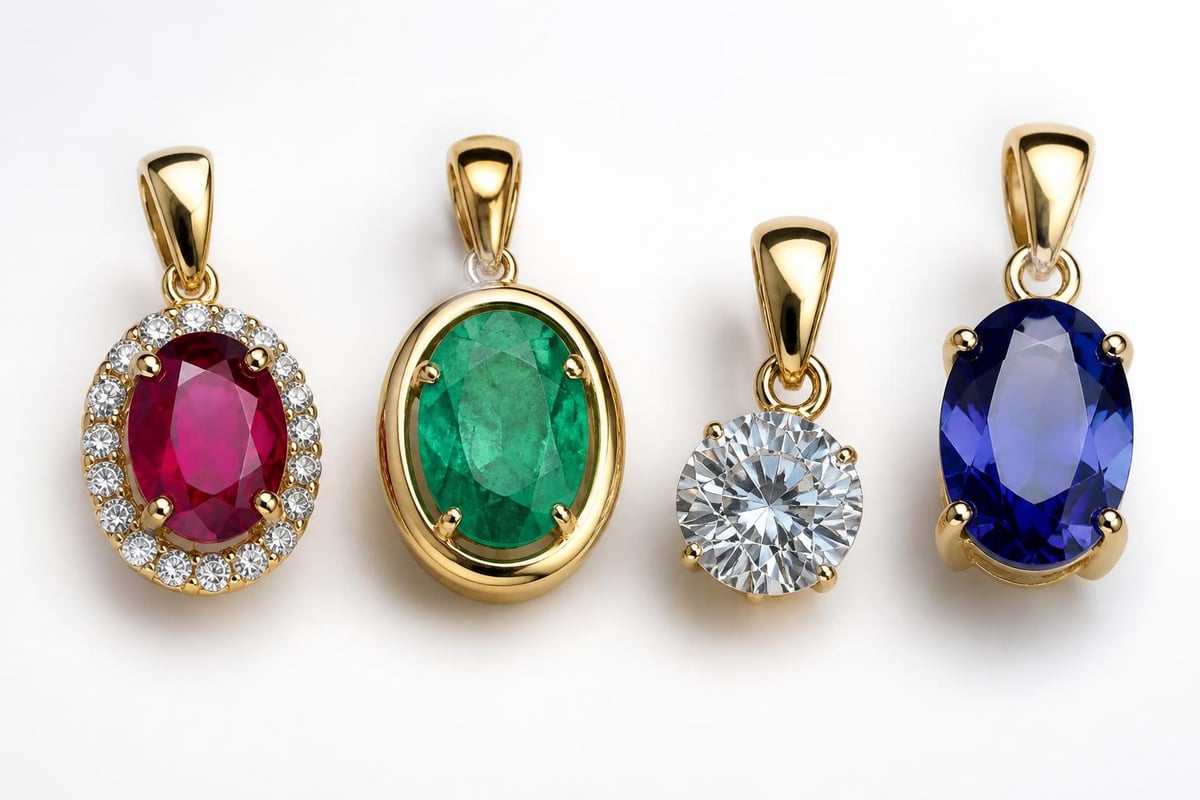
Diamonds, rubies, sapphires, and emeralds classified as precious stones maintain enduring value and widespread recognition. These stones offer exceptional hardness ratings on the Mohs scale, making them suitable for daily wear. Their rarity and cultural significance contribute to premium pricing structures.
Diamond pendants provide unmatched brilliance and versatility. Clear diamonds suit any occasion, while fancy colored diamonds offer unique alternatives. Sapphires extend beyond traditional blue, available in pink, yellow, and padparadscha orange varieties.
The category of semi-precious stones encompasses remarkable diversity, including rare specimens that rival precious stones in beauty and value. A pendant with gemstone from this category often provides exceptional uniqueness at more accessible price points.
Larimar stands among the world's rarest gemstones, found exclusively in one mountain region of the Dominican Republic. Its volcanic blue coloration resembles Caribbean waters, ranging from light sky blue to deep volcanic blue. The stone's limited geographic availability and finite supply make authentic pieces increasingly valuable.
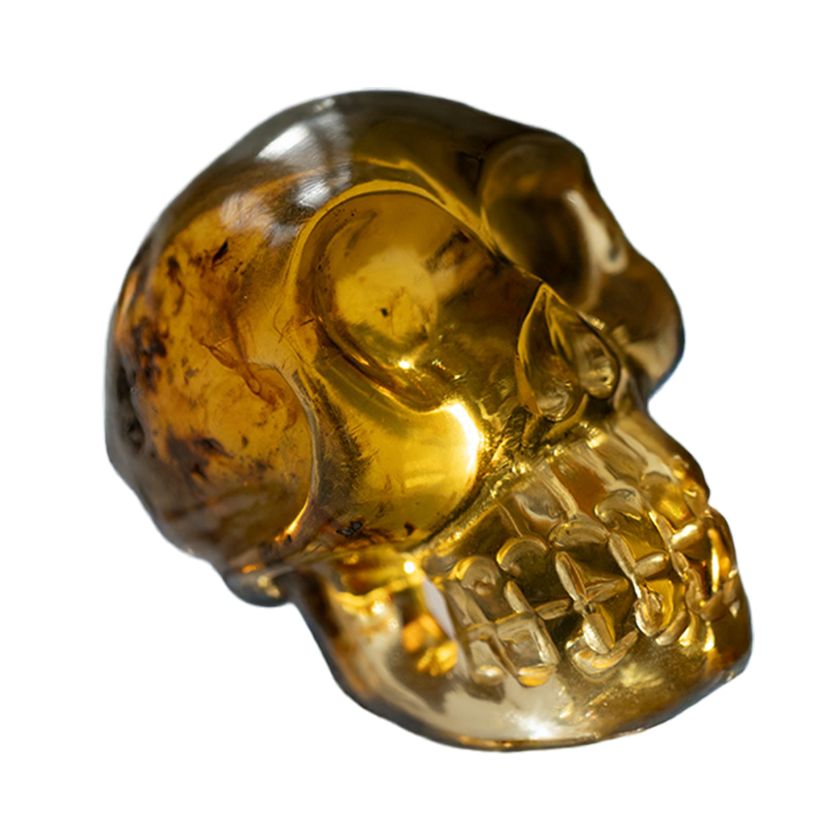
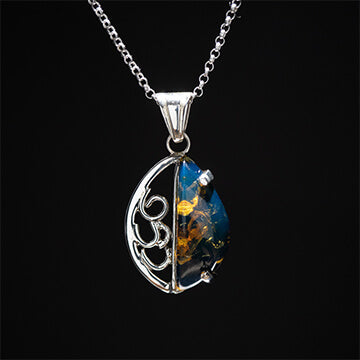
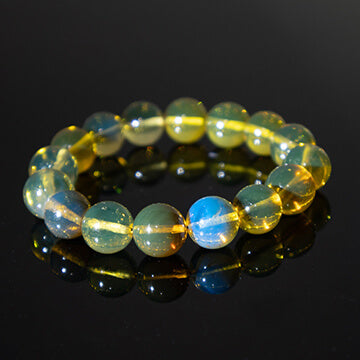
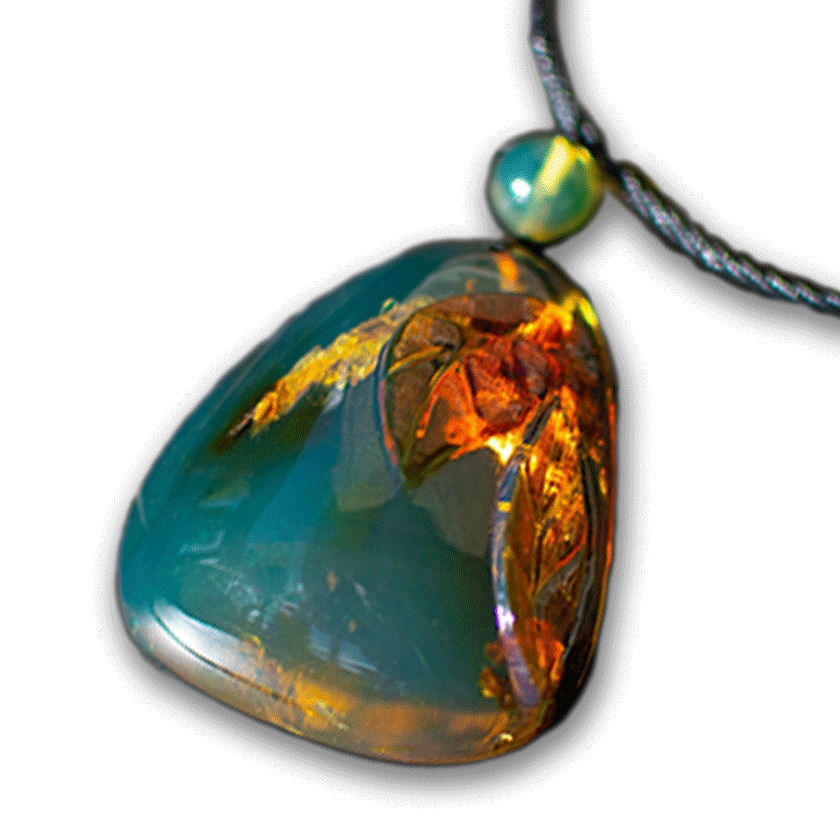
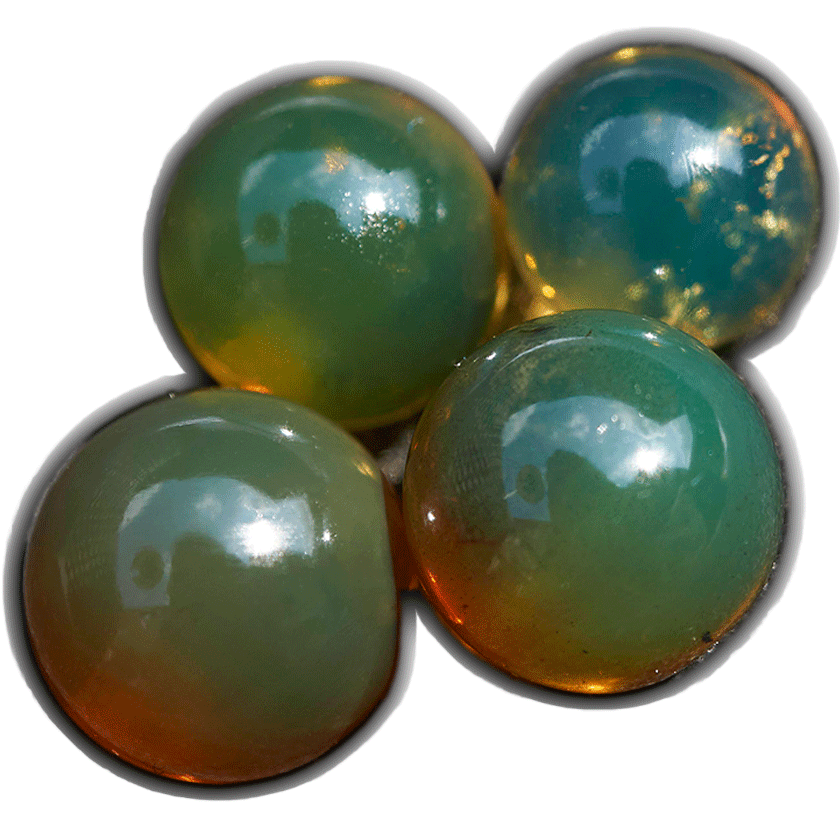
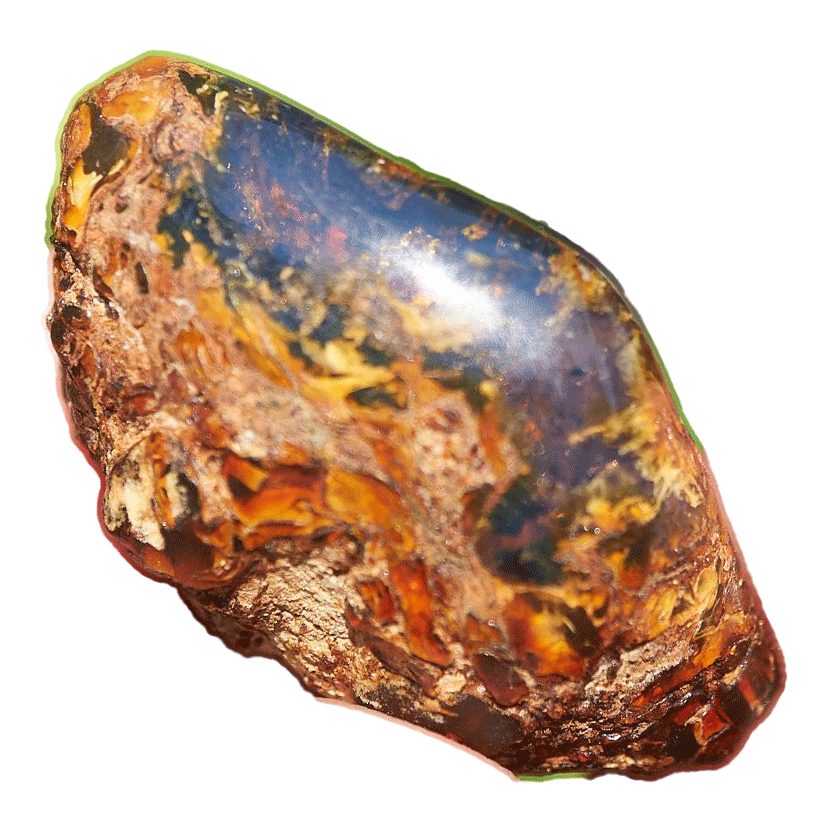
Blue Amber from the Dominican Republic represents another extraordinary rarity. Unlike traditional amber's golden tones, Dominican blue amber exhibits remarkable blue fluorescence under UV light while maintaining honey tones in natural light.
Aquamarine offers sea-blue transparency with excellent clarity and durability. Its association with calm waters and clear communication makes it popular for meaningful gifts.
Monthly birthstones provide personal connections that enhance a pendant's meaning beyond aesthetic appeal. These traditional associations create thoughtful gift options while allowing wearers to celebrate their birth month.
The setting that holds a gemstone significantly influences the overall design and durability of a pendant with gemstone. Different setting styles offer varying levels of stone security, light exposure, and aesthetic character.
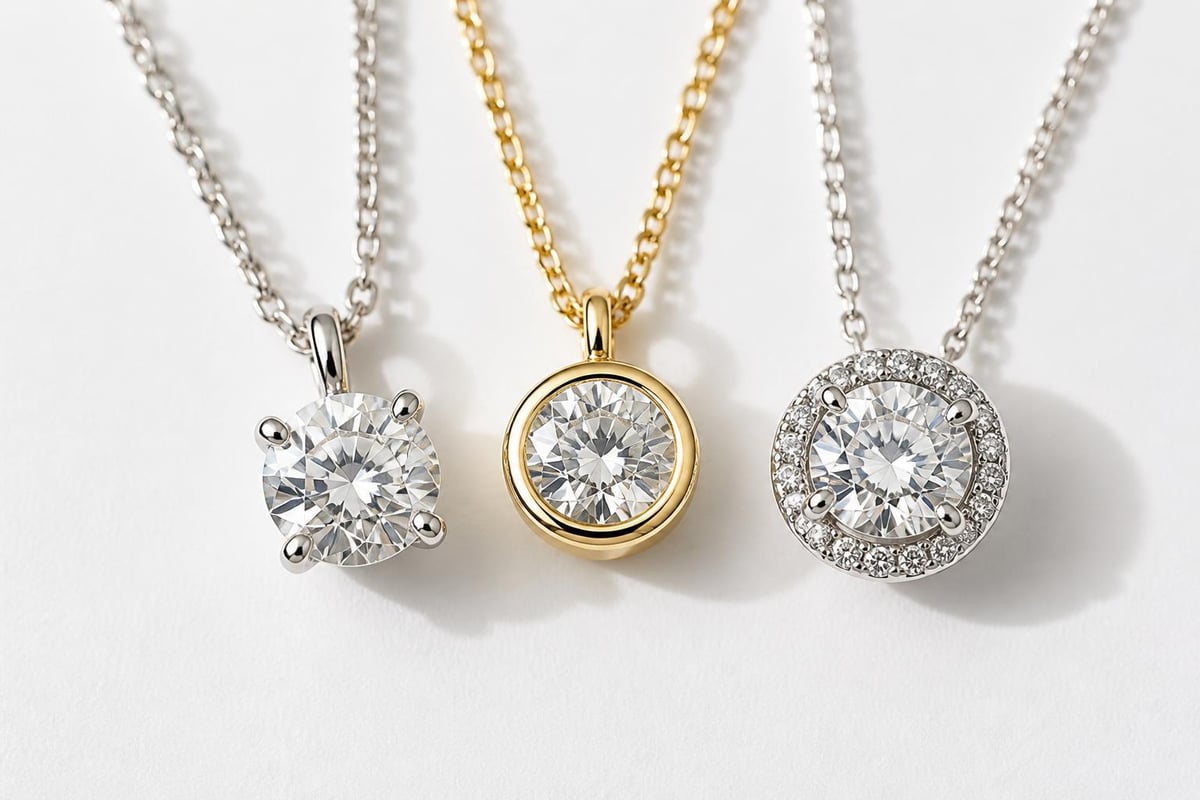
Prong settings use metal claws to secure the stone while maximizing light exposure from multiple angles. Four-prong settings provide sufficient security for most stones, while six-prong configurations add extra protection for valuable pieces. This setting style showcases the gemstone as the focal point with minimal metal interference.
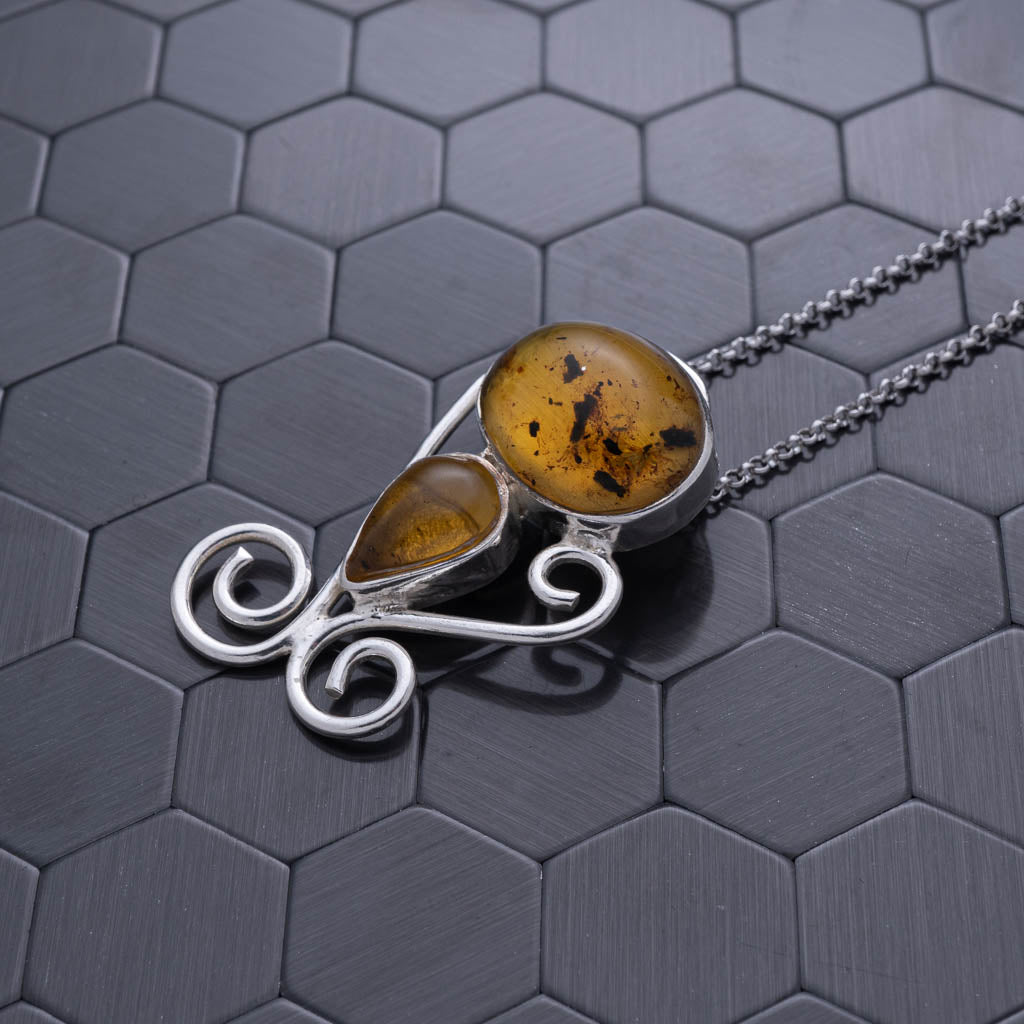
Bezel settings surround the stone's perimeter with a metal rim, offering maximum protection for softer stones or active lifestyles. Full bezels completely encircle the gemstone, while partial bezels leave portions exposed for enhanced brilliance. This contemporary style suits both traditional and modern designs.
Channel settings position multiple smaller stones in a metal channel, creating continuous sparkle around or beneath a center stone. This technique works exceptionally well for accent stones that complement a primary gemstone.
The metal choice for a pendant with gemstone affects both appearance and longevity. Each metal offers distinct properties that suit different preferences and budgets.
| Metal Type | Characteristics | Best For | Maintenance |
|---|---|---|---|
| Sterling Silver | Affordable, versatile, requires polishing | Casual wear, budget-conscious buyers | Regular cleaning to prevent tarnish |
| 14K Gold | Durable, warm tones, good value | Daily wear, traditional styling | Minimal maintenance, occasional cleaning |
| 18K Gold | Richer color, softer metal, premium | Special occasions, luxury pieces | Gentle handling, professional cleaning |
| Platinum | Extremely durable, hypoallergenic, prestigious | Investment pieces, sensitive skin | Develops patina, periodic polishing |
| White Gold | Modern appearance, rhodium-plated | Contemporary designs, diamond accents | Re-plating every few years |
White metals like platinum and white gold complement cool-toned gemstones such as blue stones, while yellow and rose gold enhance warm-toned stones like citrine and amber. For unique blue gemstones, the metal choice dramatically alters the piece's overall aesthetic impact.
A pendant with gemstone serves as a versatile jewelry element that adapts to various fashion contexts and personal style expressions. Strategic styling maximizes visual impact while ensuring comfort and appropriateness.
Different necklines require specific pendant lengths and sizes for optimal proportion. A V-neck naturally complements V-shaped or teardrop pendants, while crew necks pair well with shorter chains featuring smaller stones. Scoop necklines accommodate larger pendants on medium-length chains.
Chain length guidelines:
Chain thickness should balance with pendant size. Delicate chains suit smaller gemstones under one carat, while substantial pendants require sturdier chains that support their weight without appearing overwhelmed.
Contemporary styling embraces layered necklaces that combine multiple pieces at varying lengths. A pendant with gemstone works beautifully as either an anchor piece or accent element within layered arrangements.
Start with your longest chain, then add progressively shorter pieces, maintaining at least two inches between each layer. Mix textures and chain styles while limiting yourself to three layers maximum to avoid overwhelming the look. Consider incorporating one statement pendant with simpler chain accompaniments.
Professional environments typically call for understated elegance. A single pendant with gemstone in conservative size, paired with classic metal settings, maintains professionalism while expressing personality. Blue stones convey trust and competence in business contexts.
Casual settings allow more creative freedom. Layer multiple pendants, experiment with longer chains, or pair gemstone pendants with more relaxed attire. Weekend wear provides opportunities to showcase colorful or larger stones that might overwhelm formal settings.
Evening and formal occasions welcome dramatic statement pieces. Larger pendants with gemstone featuring rare or precious stones become conversation starters. Match the pendant's formality level to the event's dress code.
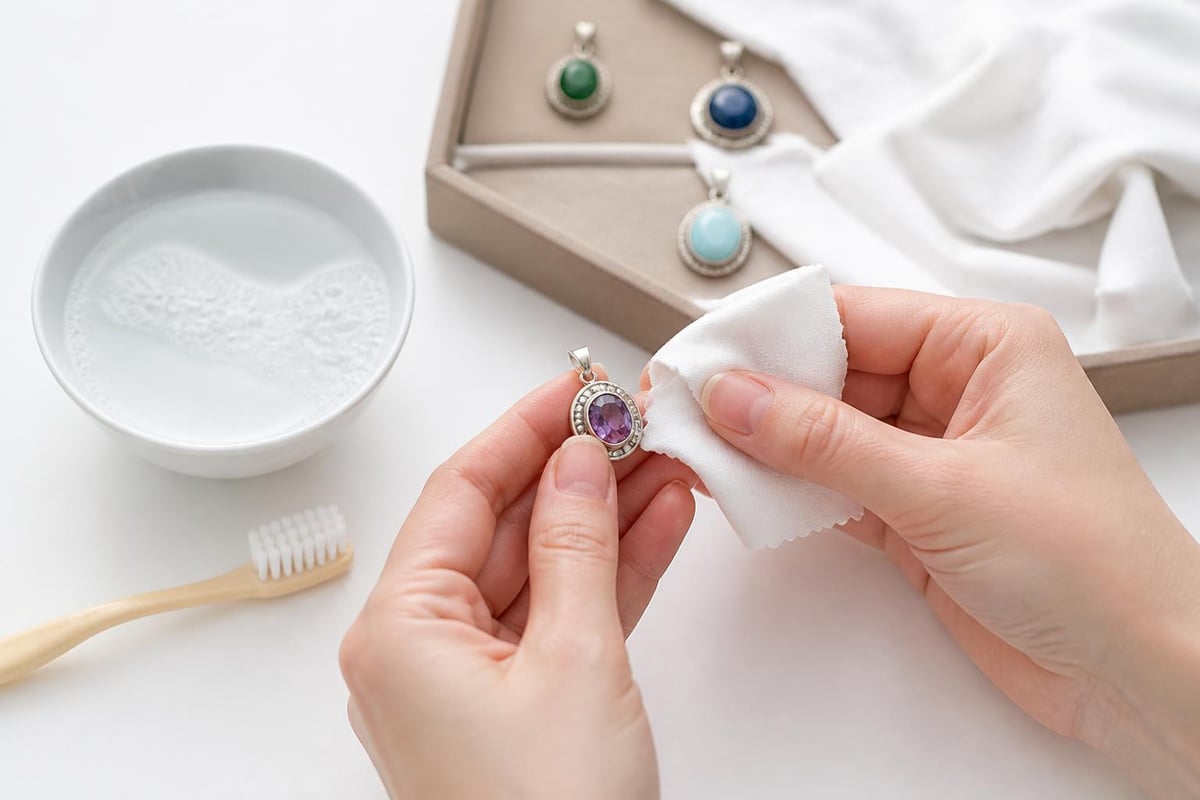
Proper care preserves the beauty and longevity of any pendant with gemstone. Different stones require specific maintenance approaches based on their hardness, porosity, and treatment history.
Remove gemstone pendants before activities that risk impact or exposure to harsh chemicals. Exercise, swimming in chlorinated pools, cleaning with household chemicals, and gardening all pose risks to both stones and metal settings. Apply cosmetics, hairspray, and perfume before wearing jewelry to minimize chemical exposure.
Store pendants separately in soft pouches or compartments to prevent scratching. Harder stones can damage softer ones when stored together. Keep pieces away from extreme temperature fluctuations and direct sunlight, which can fade certain stones over time.
Hard stones (diamonds, sapphires, rubies):
Moderate hardness stones (amethyst, citrine, aquamarine):
Soft or porous stones (larimar, turquoise, opal, pearl):
Professional cleaning by experienced jewelers ensures thorough maintenance without risking damage. Annual professional inspections identify loose prongs or setting issues before stones become lost.
Selecting the perfect pendant with gemstone requires balancing aesthetic preferences with practical considerations and budget constraints. Informed buyers recognize quality indicators and understand reasonable price expectations.
Examine stones under various lighting conditions. Natural daylight provides the most accurate color assessment, while indoor lighting may alter appearance significantly. For rare stones like larimar, understanding how to identify genuine versus fake specimens protects against substitutes.
Request documentation for all significant purchases. Reputable sellers provide certificates, receipts with detailed descriptions, and return policies that allow proper evaluation. Avoid sellers who hesitate to provide authentication or detailed stone information.
Price reflects multiple factors including stone quality, rarity, size, metal choice, and craftsmanship complexity. Establish a realistic budget before shopping, recognizing that exceptional quality in rare stones justifies premium pricing. A smaller, high-quality pendant with gemstone from a master craftsman outperforms larger, inferior alternatives as both a wearable piece and potential investment.
Value optimization strategies:
Handcrafted pendants offer unique character and superior quality compared to mass-produced alternatives. Artisan jewelers bring expertise, attention to detail, and passion to each creation. Larimar Pendants exemplify how specialized craftspeople showcase rare gemstones through thoughtful design and meticulous execution, creating pieces that tell stories beyond mere ornamentation.
When purchasing from artisan jewelers, buyers access exclusive designs, customization options, and direct relationships with creators who understand their materials intimately. This connection ensures authenticity, quality, and the satisfaction of supporting skilled craftsmanship.
A pendant with gemstone can serve as both beautiful adornment and tangible asset. Certain factors determine whether a piece appreciates, maintains, or depreciates in value over time.
Rarity significantly influences investment potential. Gemstones from limited geographic sources, particularly those with depleting mines, tend to appreciate as supply diminishes. Larimar's exclusive Dominican origin and finite availability position it as an emerging collectible gemstone.
Quality grade directly correlates with value retention. Stones with exceptional color, clarity, and cut maintain worth more effectively than lower-grade alternatives. Documentation proving quality through professional certification enhances resale potential.
Craftsmanship quality separates lasting pieces from disposable fashion jewelry. Well-executed settings by master jewelers, using substantial precious metals and secure mounting techniques, ensure pieces survive generations intact.
Design timelessness affects desirability across decades. Classic styles transcend fashion cycles, maintaining appeal to successive generations. Overly trendy designs may lose relevance as aesthetics evolve.
Creating jewelry intended for inheritance requires selecting pieces that communicate family values, celebrate milestones, or represent cultural heritage. A pendant with gemstone becomes particularly meaningful when its story connects to family history, such as a stone from ancestors' homeland or a piece commemorating significant achievements.
Document the piece's history, including purchase details, stone origin, and the story behind its selection. This narrative adds emotional value that transcends monetary worth, transforming jewelry into cherished family legacy.
Custom-designed pendants allow complete control over every aesthetic and symbolic element. Personalization transforms a pendant with gemstone from beautiful jewelry into deeply meaningful personal expression.
Working with skilled jewelers begins with concept discussions. Share inspiration images, describe preferred styles, and communicate the piece's intended purpose. Experienced artisans translate these ideas into technical designs that balance beauty with structural integrity.
Expect multiple design iterations before finalizing details. Computer-aided design (CAD) renderings provide realistic previews, allowing adjustments before production begins. This collaborative process ensures the finished piece exceeds expectations while remaining within budget parameters.
Stone selection offers the first customization opportunity. Choose gemstones based on color preference, birthstone significance, or symbolic meaning. For rare stones, work with specialists who source exceptional specimens specifically for custom projects.
Setting modifications adapt standard designs to individual preferences. Adjust prong numbers, add decorative elements to bezels, or incorporate accent stones in complementary colors. These refinements create distinction without requiring completely original designs.
Engraving adds private messages, dates, initials, or symbols to metal surfaces. Inside settings or on pendant backs provide discrete locations for personal inscriptions that remain hidden during wear.
Mixed metal combinations create visual interest through contrasting colors. Two-tone designs pair yellow gold with white metals, while tri-color pieces incorporate rose gold accents for complex appearance.
Selecting a pendant with gemstone involves understanding quality factors, exploring diverse stone options, and matching designs to personal style and occasion requirements. Whether choosing rare specimens like larimar or classic precious stones, informed buyers recognize authentic craftsmanship and make investments that provide lasting beauty and meaning. Larimar Creations combines expertise in rare Caribbean gemstones with handcrafted excellence, offering worldwide access to distinctive pendants that celebrate nature's artistry through meticulous design and authentic materials.