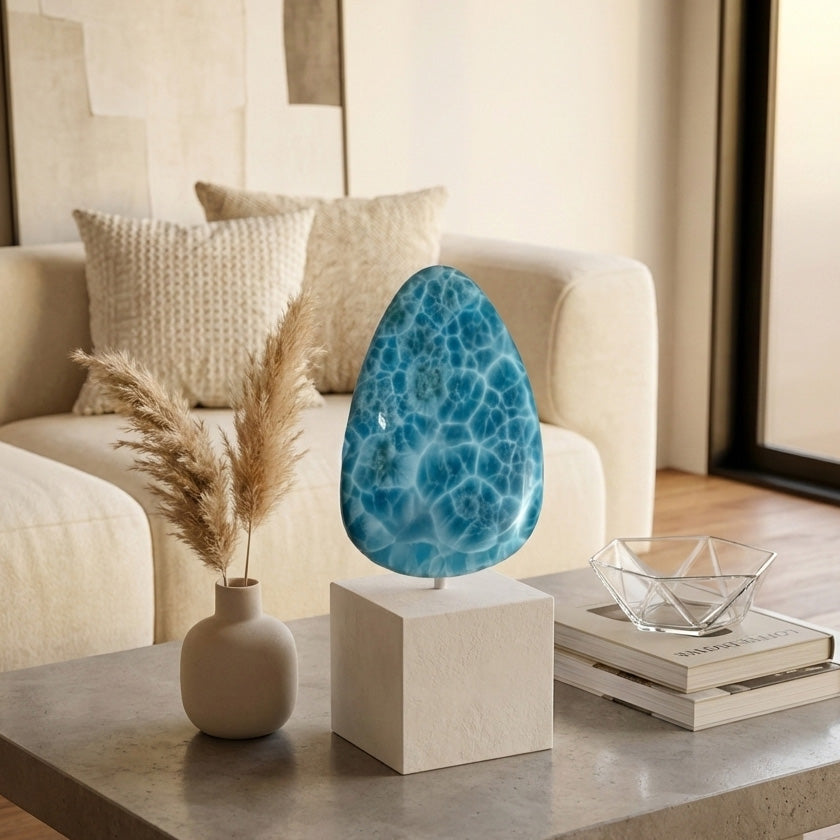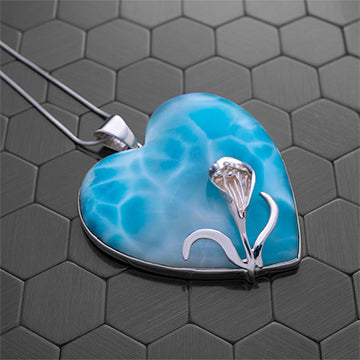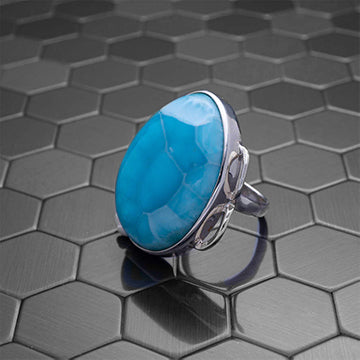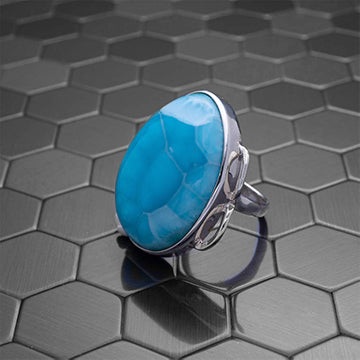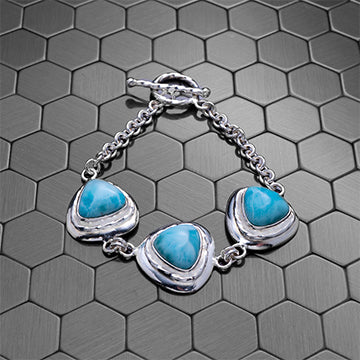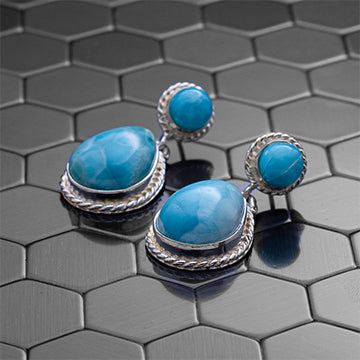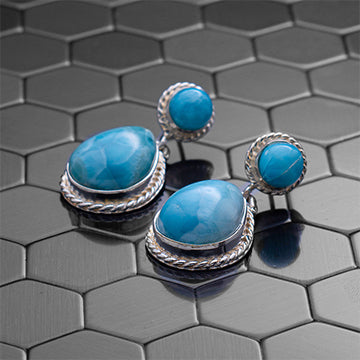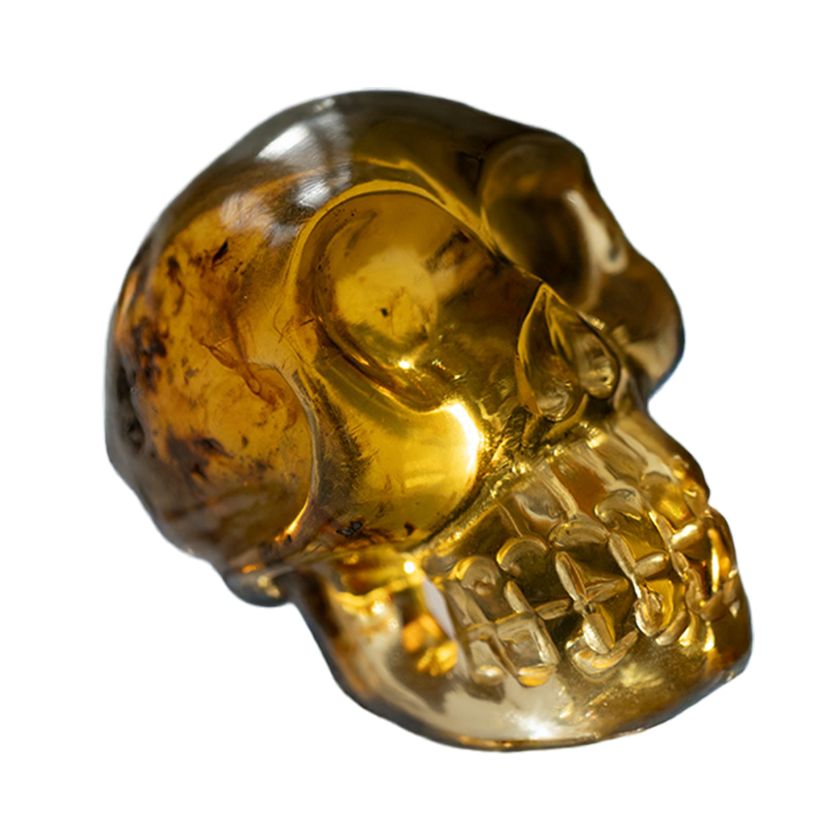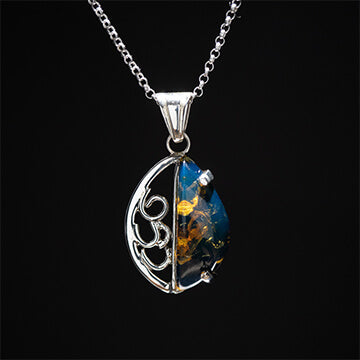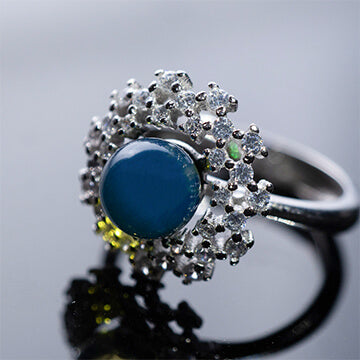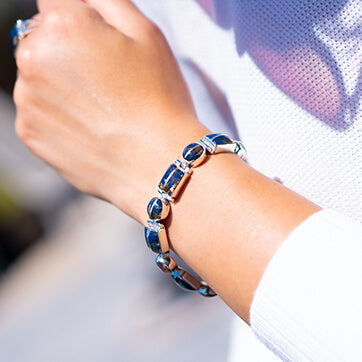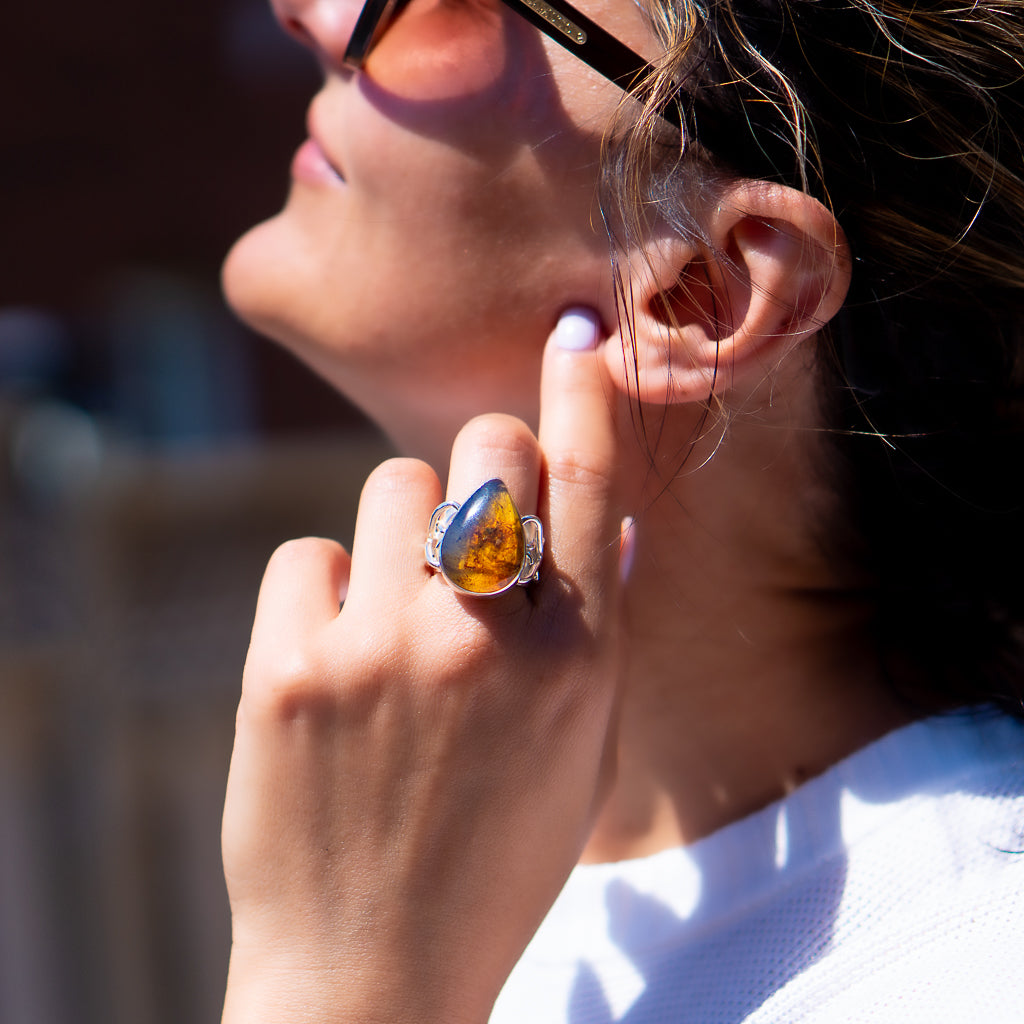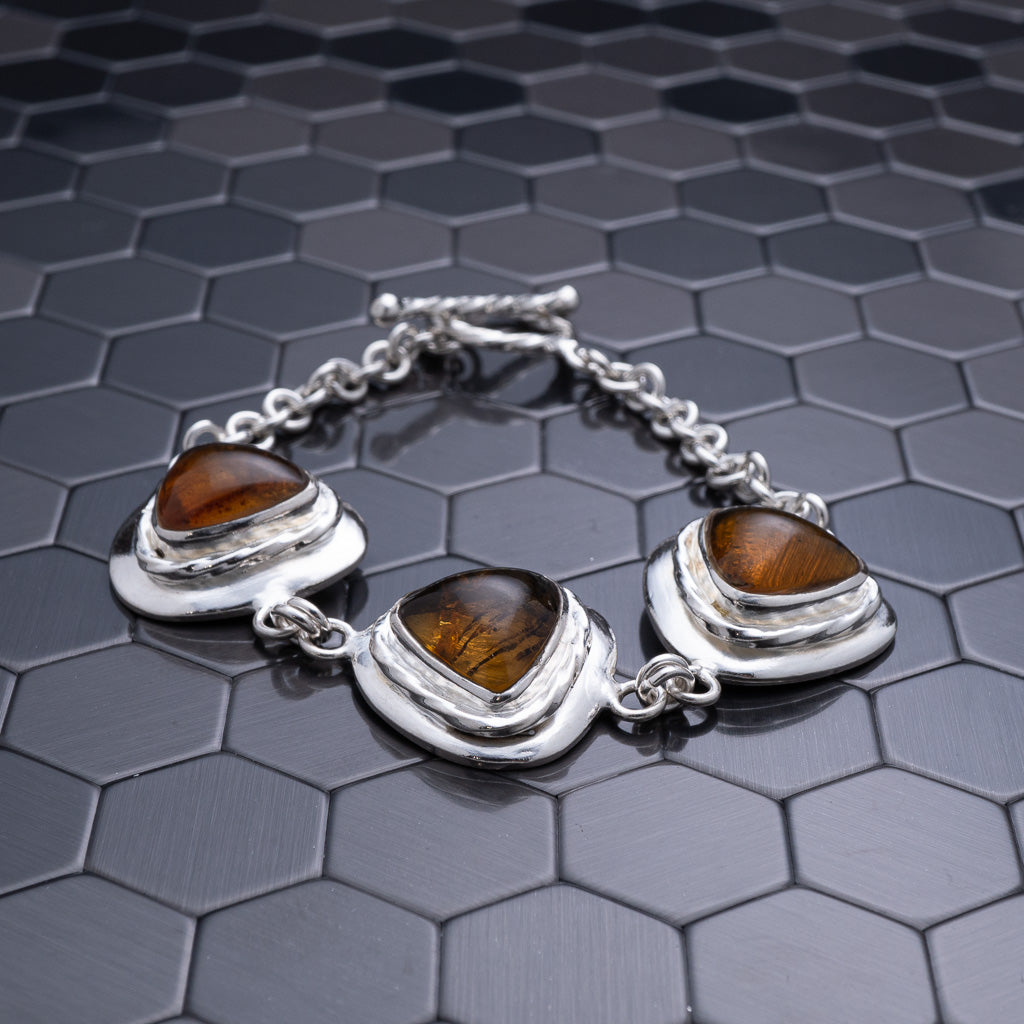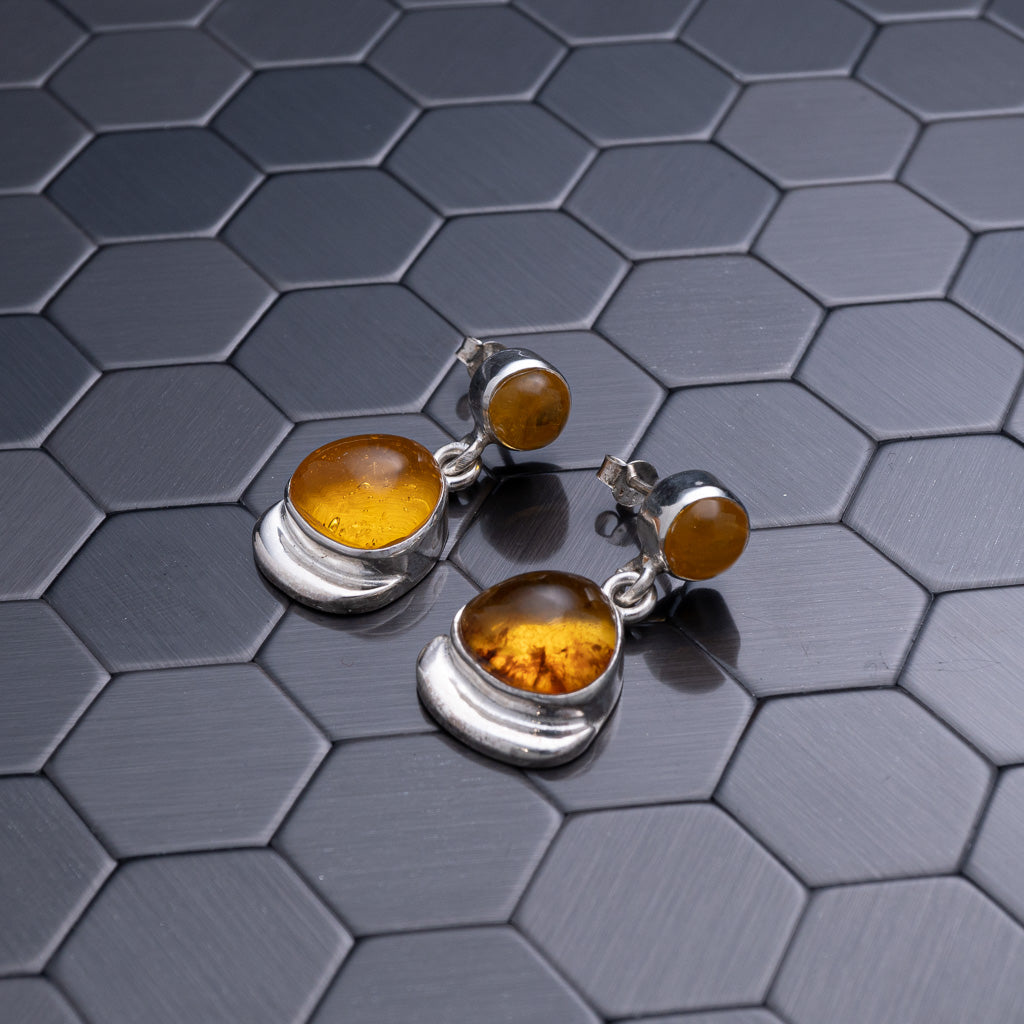


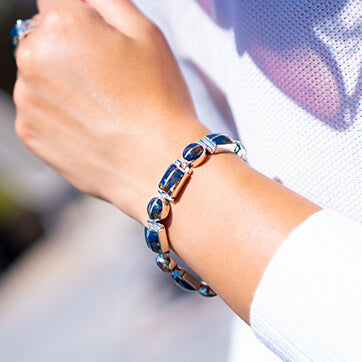
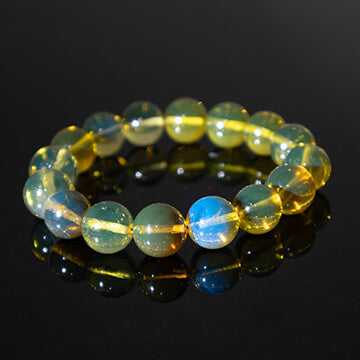
Handcrafted in DR.

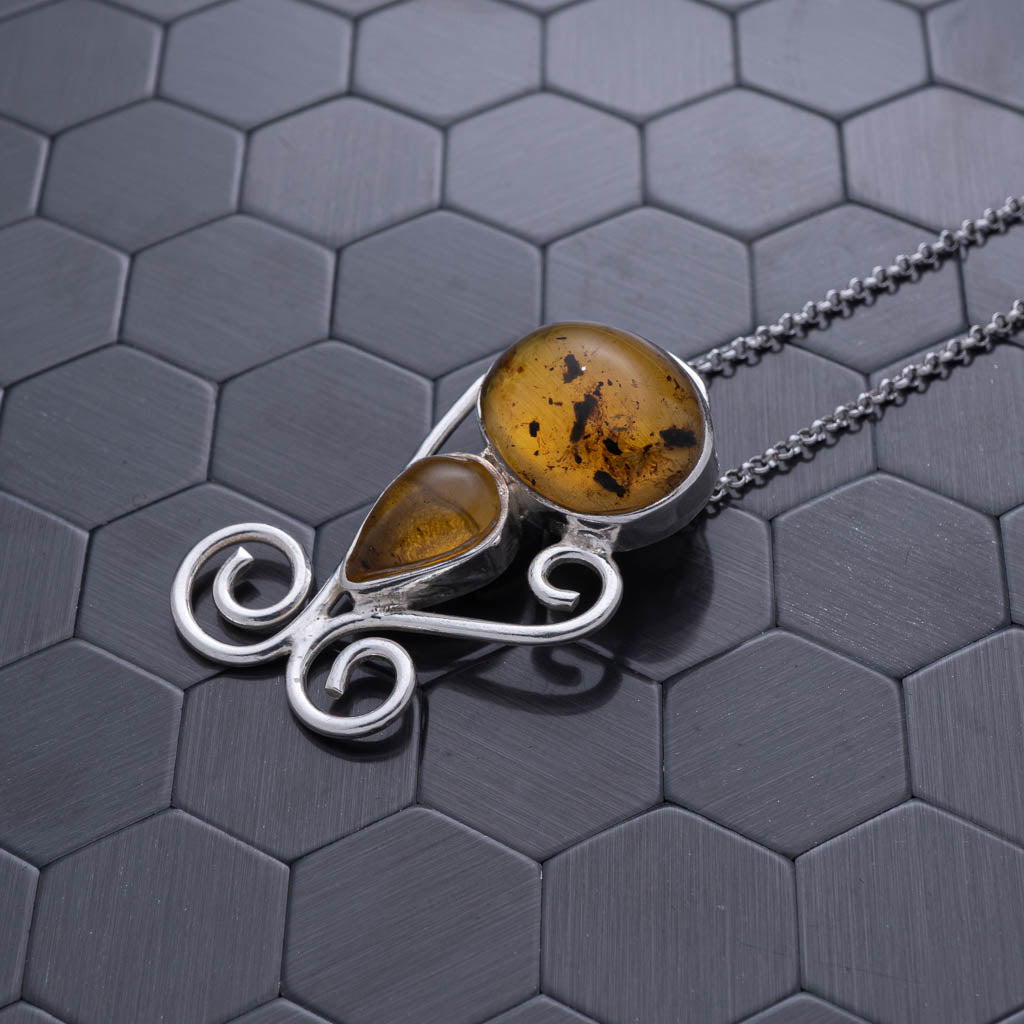
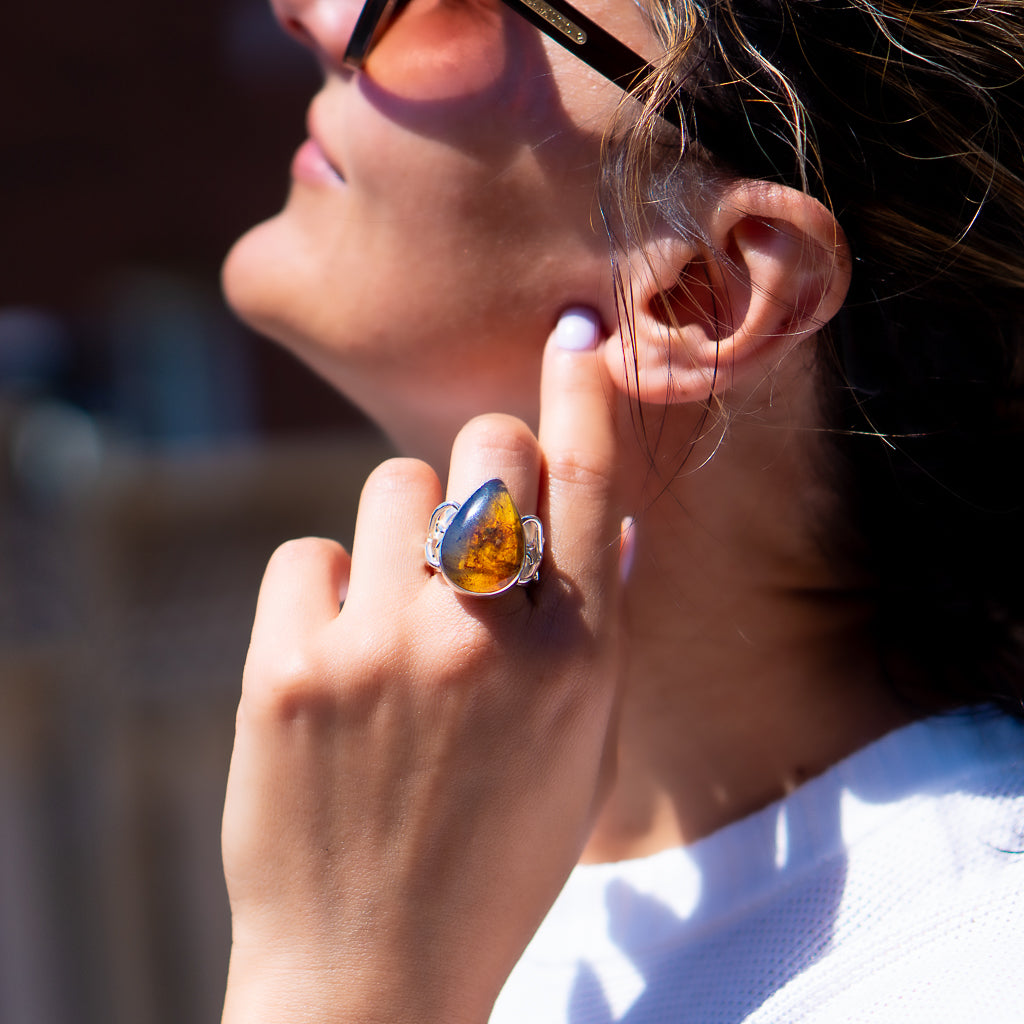
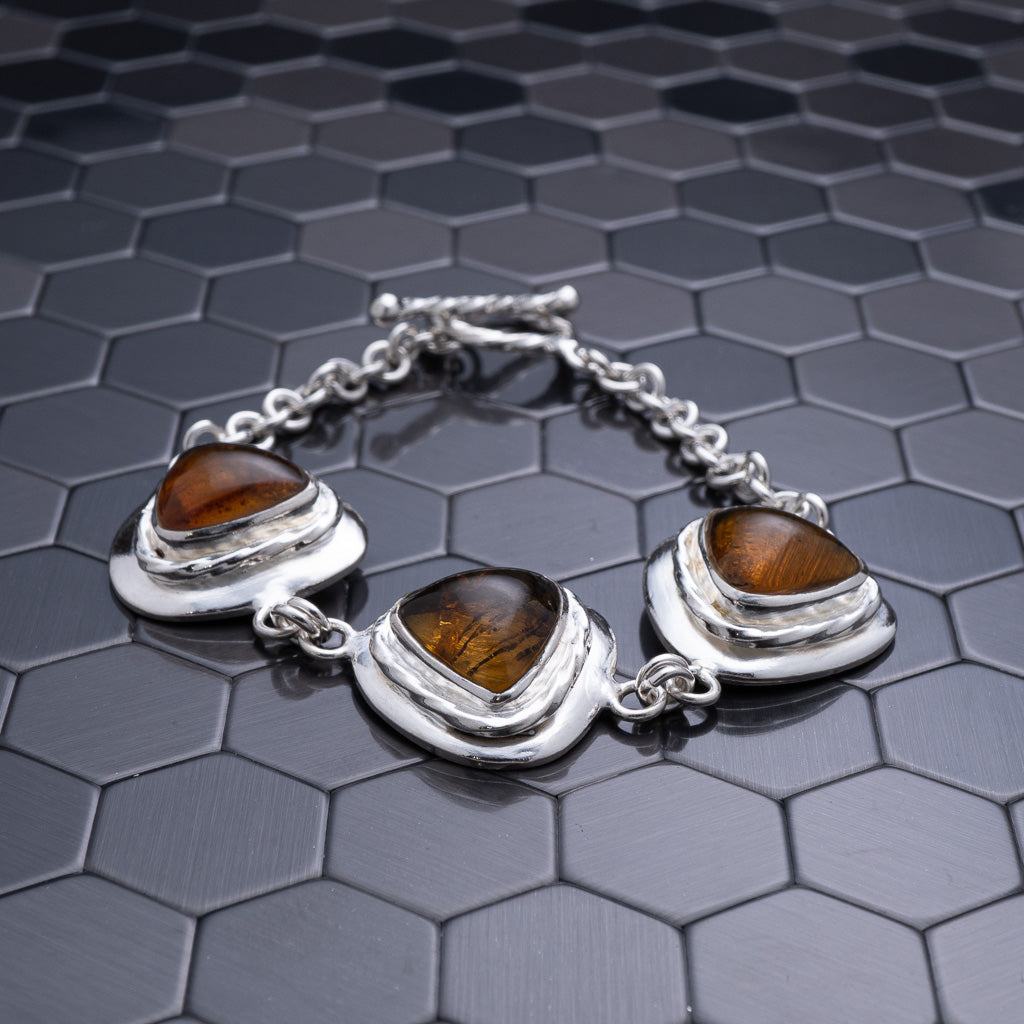
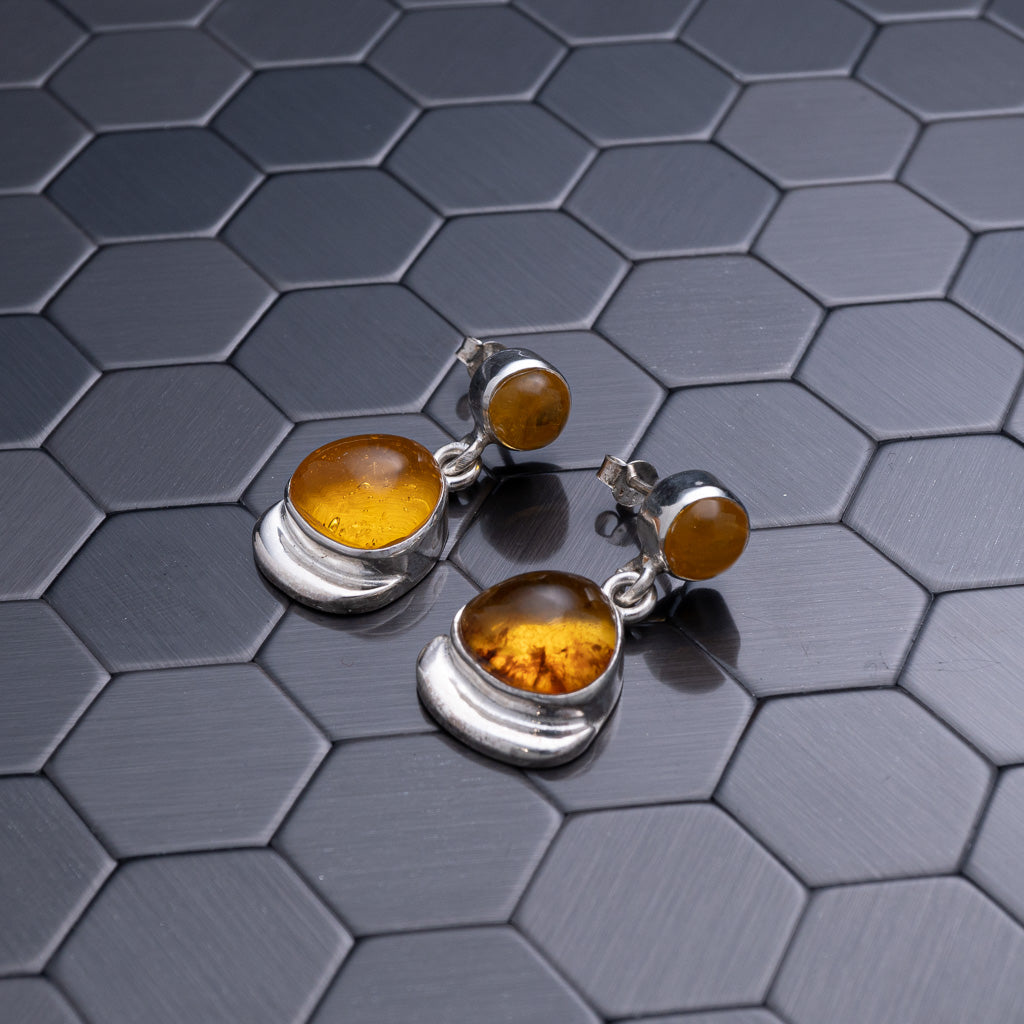


100% Handcrafted in DR.

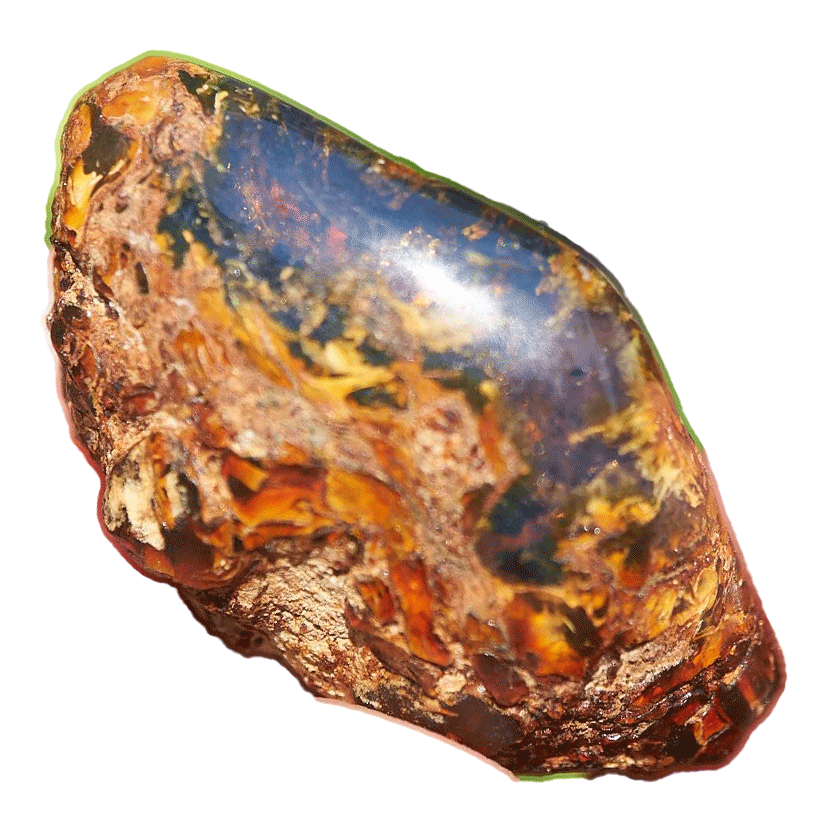
Raw amber represents one of nature's most fascinating treasures, formed millions of years ago from fossilized tree resin. This organic gemstone has captivated civilizations throughout history, valued for its warm golden hues, remarkable preservation properties, and unique inclusions. Unlike polished amber found in finished jewelry, raw amber in its natural state offers collectors and artisans an unrefined glimpse into ancient ecosystems, often containing perfectly preserved plant matter, insects, and air bubbles frozen in time. Understanding raw amber's characteristics, formation, and extraction methods provides essential knowledge for gemstone enthusiasts and jewelry makers who work with this extraordinary material.
The creation of raw amber begins with tree resin secreted by ancient coniferous trees as a protective mechanism against injury or disease. Over millions of years, this sticky resin undergoes a complex transformation through heat, pressure, and chemical changes within the earth.
The fossilization process requires specific geological conditions to preserve the resin successfully. As amber's historical significance demonstrates, most deposits formed during the Paleogene period, approximately 44 million years ago, though some specimens date back over 300 million years.
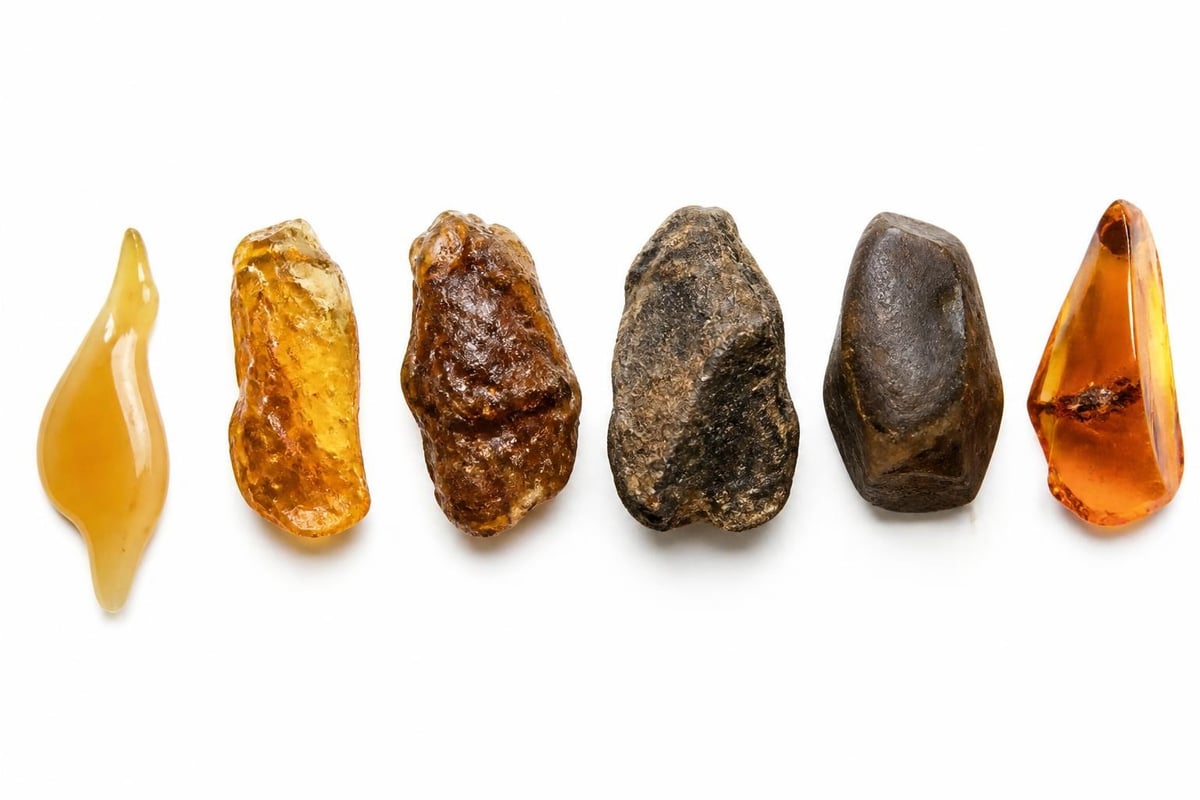
Raw amber consists primarily of carbon, hydrogen, and oxygen, with its exact composition varying by source location. The material forms as a complex polymer of organic compounds, creating its characteristic hardness and durability.
Key Physical Characteristics:
The chemical structure of raw amber distinguishes authentic specimens from modern imitations. Baltic amber, the most abundant variety, contains 3-8% succinic acid, giving it distinctive properties valued in both jewelry and historical medicinal applications.
The world's largest deposits of raw amber concentrate in specific regions with ideal geological conditions. The Baltic Sea region accounts for approximately 90% of global amber reserves, with significant extraction operations in Poland, Russia, Lithuania, and Latvia.
| Region | Primary Characteristics | Notable Features |
|---|---|---|
| Baltic States | Golden to honey colors, high succinic acid content | Largest commercial deposits worldwide |
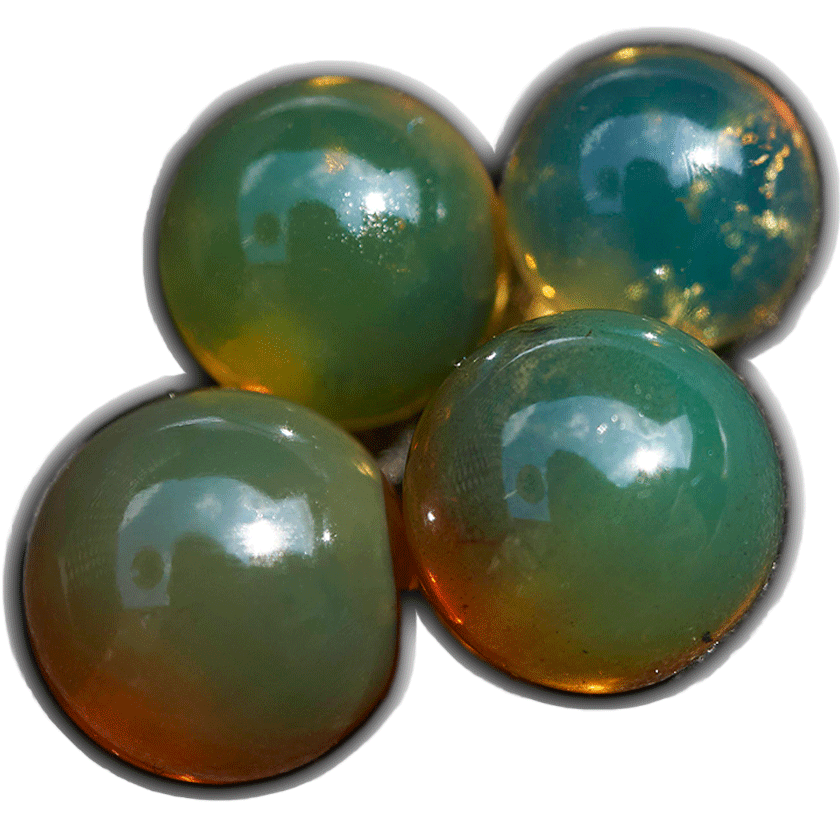
| Dominican Republic | Blue and green fluorescence under UV light | Rare color variations, younger formation |
| Mexico | Deep red to cherry colors | Chiapas region production |
| Myanmar | Dark red to brown hues | Ancient Cretaceous-period specimens |
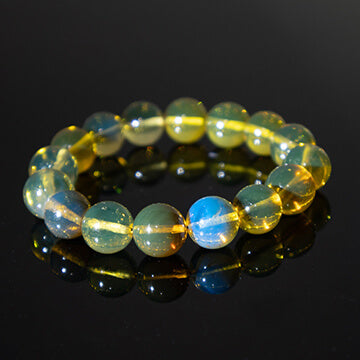
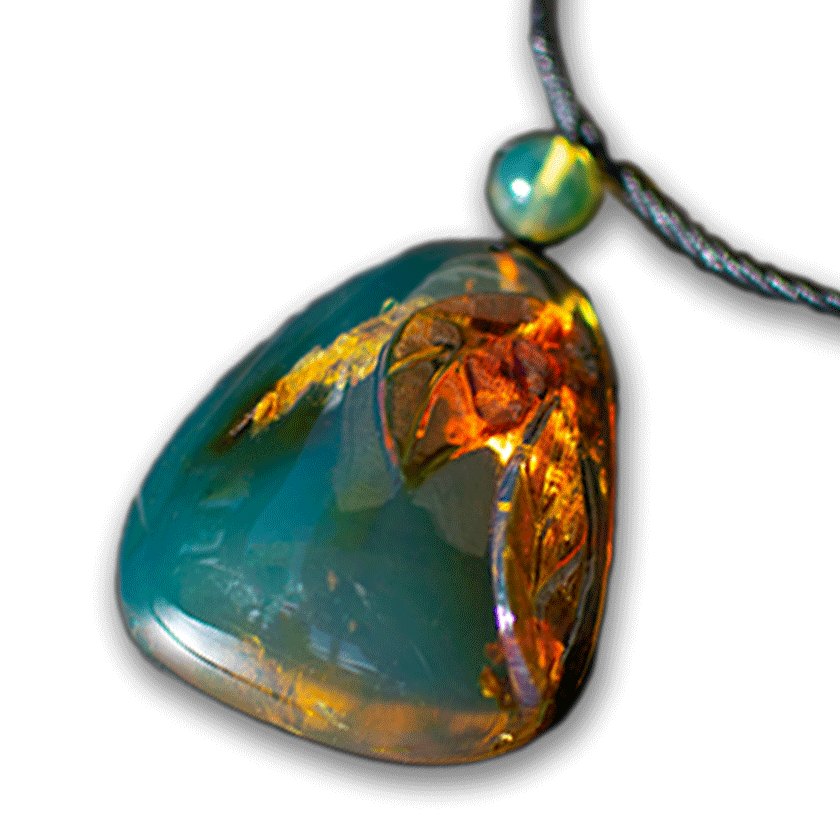
Dominican amber deposits, while smaller in volume, produce some of the world's most valuable specimens due to their unique blue and green fluorescence. This rare characteristic makes Dominican blue amber particularly sought after by collectors and jewelry designers.
The Kaliningrad region of Russia hosts the world's largest single deposit, with the Kaliningrad Amber Combine producing hundreds of tons annually. These commercial operations supply raw material to global markets for jewelry manufacturing, collectibles, and industrial applications.
Obtaining raw amber from geological deposits requires various extraction techniques adapted to specific environmental conditions. Modern mining methods range from traditional hand-gathering to sophisticated industrial operations.
Large-scale commercial extraction typically employs open-pit mining where amber-bearing sediment lies near the surface. Excavators remove overburden layers to expose amber-rich "blue earth" formations containing fossilized resin deposits.
This method proves most efficient for large deposits but requires significant environmental management. Operators must carefully separate amber from surrounding clay, sand, and organic matter through washing and screening processes.
Hydraulic extraction methods use high-pressure water jets to dislodge amber from sedimentary layers. This technique minimizes manual labor while accessing deeper deposits previously unreachable through conventional digging.
Advantages of Hydraulic Methods:
Coastal dredging operations harvest raw amber washed into seas and oceans over millennia. After storms, Baltic Sea beaches yield significant quantities of amber naturally separated from bedrock through wave action and erosion.
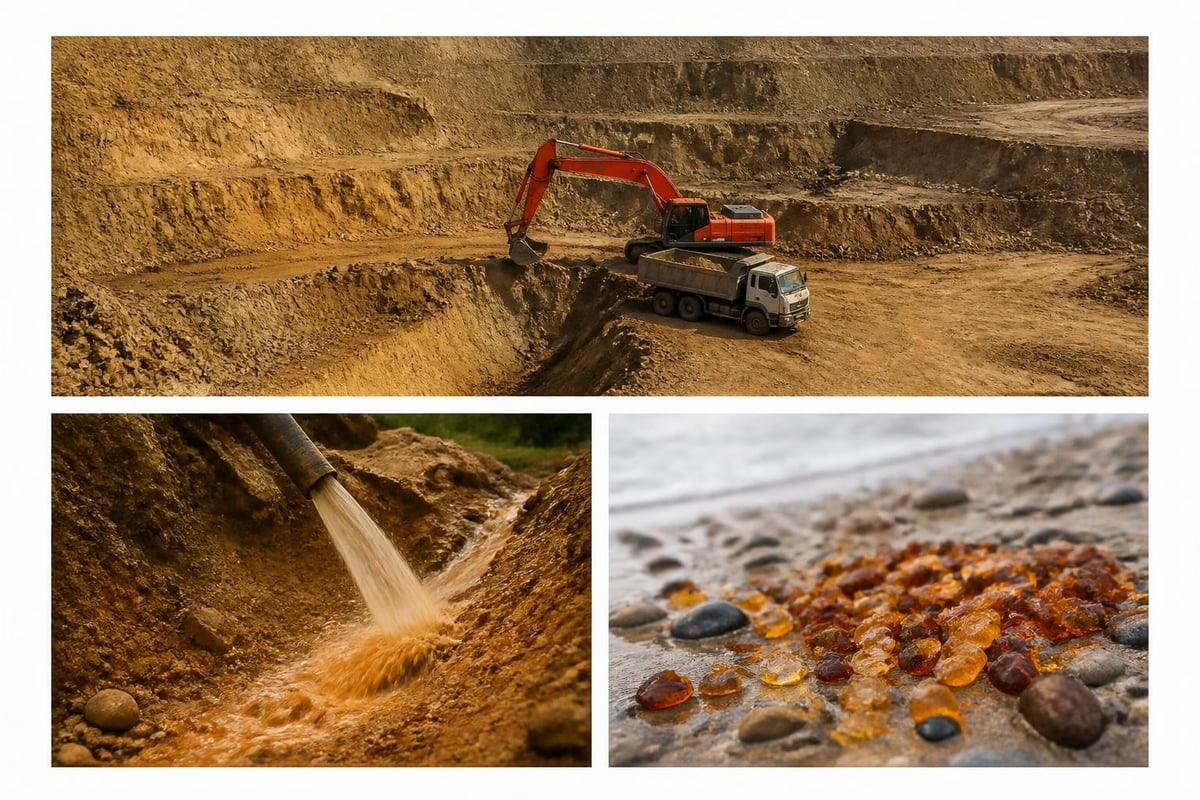
Small-scale collectors and artisanal miners continue using traditional extraction techniques passed down through generations. Beach combing after storms, shallow pit digging, and manual sifting provide sustainable alternatives to industrial operations.
These methods prove particularly important in regions where amber deposits occur sporadically or in protected environmental areas. Hand-gathering preserves specimen integrity and allows careful selection of high-quality pieces for jewelry applications.
Raw amber quality assessment involves multiple factors affecting both aesthetic appeal and commercial value. Professional graders evaluate color, clarity, size, inclusions, and overall condition when classifying specimens.
Natural raw amber exhibits an extraordinary spectrum of colors beyond the familiar golden yellow. Each hue results from different botanical origins, geological conditions, and trace mineral content.
The rarest color variations command premium prices in raw material markets. Blue amber specimens, particularly those from the Dominican Republic, represent the pinnacle of collector interest due to their extraordinary fluorescence properties.
Raw amber specimens range from perfectly transparent to completely opaque, with clarity significantly impacting value and intended use. Clear specimens suit faceted jewelry applications, while included pieces attract scientific and collector interest.
| Clarity Grade | Characteristics | Typical Applications |
|---|---|---|
| Crystal Clear | Complete transparency, no visible inclusions | High-end jewelry, faceted stones |
| Semi-Clear | Slight cloudiness, minor inclusions | Standard jewelry applications |
| Cloudy | Significant opacity, air bubbles | Decorative carvings, beads |
| Opaque | No transparency, high bubble content | Ornamental objects, powder |
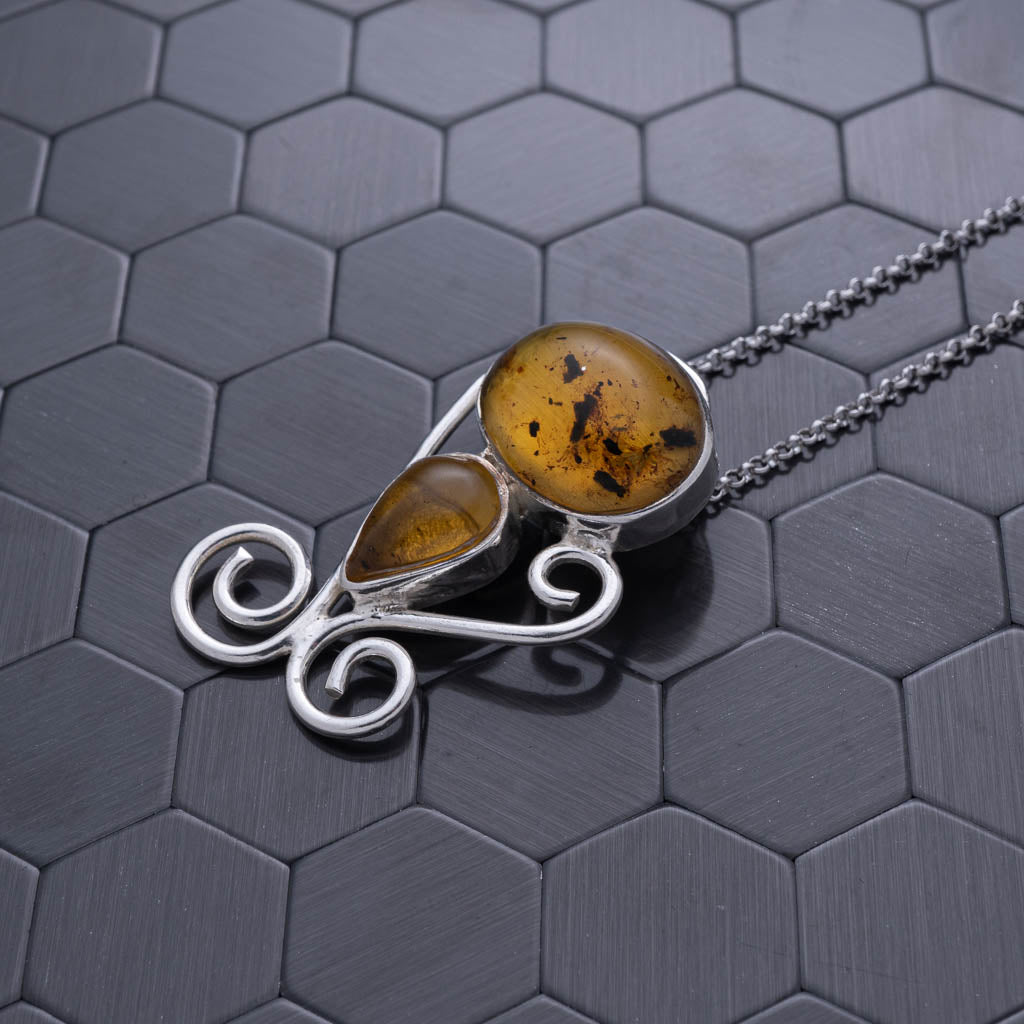
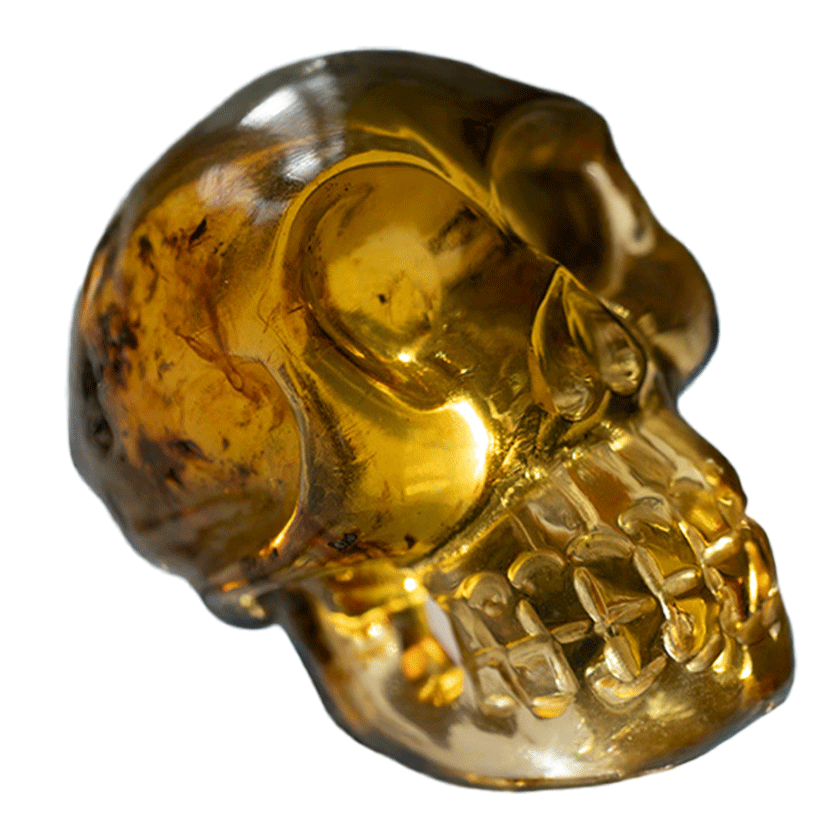
Specimens containing perfectly preserved insects, plant materials, or other biological matter often exceed the value of clear amber. These scientific specimens provide invaluable insights into ancient ecosystems and command substantial prices from museums and collectors.
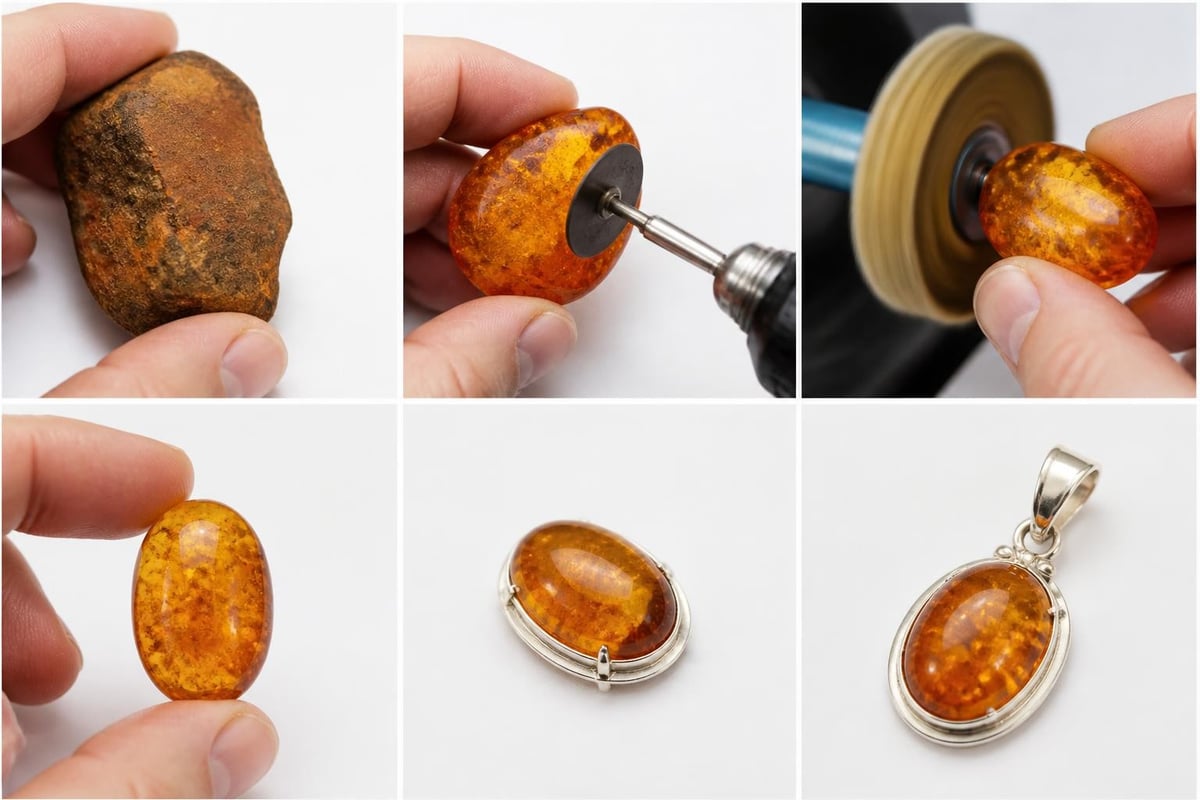
Transforming raw amber from its natural state into finished jewelry components requires specialized knowledge and careful craftsmanship. Artisans must understand material properties to maximize beauty while preserving structural integrity.
Fresh raw amber arrives covered in sediment, oxidation layers, and weathering crusts requiring removal before evaluation. Gentle mechanical cleaning with soft brushes and water removes loose debris without damaging the surface.
Processing techniques must account for amber's relative softness and sensitivity to heat. Harsh chemicals or abrasive cleaning methods can damage specimens irreparably, reducing both aesthetic appeal and market value.
Professional lapidaries use specialized equipment designed for organic gemstones when working with raw amber. Diamond-tipped saws operating at low speeds minimize heat generation that could fracture or discolor specimens.
Essential Cutting Considerations:
After initial shaping, progressive sanding with increasingly fine grits smooths surfaces without generating excessive heat. Many artisans work amber while submerged in water, ensuring consistent cooling and dust control.
Beyond aesthetic applications, raw amber possesses unique properties that have inspired diverse uses throughout human history. Traditional beliefs and practices attributed healing powers to amber, particularly in Baltic cultures where the material held sacred significance.
When rubbed vigorously, raw amber generates static electricity, a property recognized since ancient times. The Greek word "elektron" originally described amber, eventually giving rise to our modern term "electricity."
This characteristic provides a simple authenticity test for raw amber specimens. Genuine amber rubbed against fabric attracts small paper pieces or hair through electrostatic charge, while most imitations fail this test.
Ancient civilizations incorporated raw amber into medical treatments, believing it possessed healing and protective qualities. Ground amber powder appeared in remedies for respiratory ailments, digestive issues, and skin conditions throughout medieval Europe and Asia.
While modern science questions many traditional claims, ongoing research explores amber's antimicrobial properties and potential pharmaceutical applications. The succinic acid content in Baltic amber continues attracting scientific interest for various health-related studies.
The raw amber market experiences fluctuating demand driven by jewelry trends, collector interest, and industrial applications. Premium specimens command prices ranging from moderate to extraordinary, depending on size, quality, and special characteristics.
Factors Influencing Market Value:
Dominican blue amber consistently achieves the highest per-gram prices in raw material markets. These exceptional specimens attract both jewelry manufacturers and collectors willing to pay premium rates for documented authenticity and superior quality.
Artisan jewelers, particularly those specializing in unique gemstone pieces like Larimar pendants, increasingly incorporate rare amber varieties into their collections. The combination of different organic gemstones creates striking contrasts while celebrating the natural beauty of earth's ancient materials.
Distinguishing genuine raw amber from imitations, treated materials, and synthetic alternatives requires knowledge and sometimes laboratory testing. The proliferation of convincing fakes in consumer markets makes authentication essential for serious collectors and jewelry manufacturers.
Several non-destructive tests help verify raw amber authenticity without damaging specimens. The saltwater flotation test exploits amber's low specific gravity, as genuine specimens float in saturated saltwater solutions while most imitations sink.
The hot needle test requires extreme caution, as it creates small damage points on specimen surfaces. Collectors should use this method only on inconspicuous areas or when other tests prove inconclusive.
Advanced authentication employs spectroscopic analysis, including Fourier-transform infrared spectroscopy (FTIR), which identifies molecular composition without damaging specimens. This technique definitively distinguishes amber from copal, plastic, and other substitutes.
| Authentication Method | Reliability | Cost | Specimen Impact |
|---|---|---|---|
| Visual Inspection | Low-Medium | Free | None |
| Flotation Test | Medium | Minimal | None |
| Hot Needle Test | Medium-High | Minimal | Minor damage |
| UV Fluorescence | Medium | Low | None |
| FTIR Spectroscopy | Very High | Moderate-High | None |
Professional gemological laboratories provide certification services for valuable raw amber specimens, documenting authenticity, origin, and special characteristics. These certificates significantly enhance resale value and collector confidence.
Responsible raw amber extraction balances commercial interests with environmental protection and resource conservation. Modern mining operations face increasing pressure to minimize ecological impact while maintaining economic viability.
Large-scale amber mining operations disturb significant land areas, affecting local ecosystems and water tables. Progressive companies implement rehabilitation programs, restoring mined areas to functional natural states after extraction completes.
Sustainable Mining Practices:
Small-scale and artisanal mining generally creates less environmental disruption than industrial operations. Beach collection and shallow manual extraction methods provide sustainable alternatives supporting local economies without extensive habitat destruction.
Jewelry manufacturers and designers increasingly prioritize ethically sourced raw materials, including amber from verified sustainable operations. Consumer awareness drives demand for transparency throughout supply chains, from extraction through final retail sales.
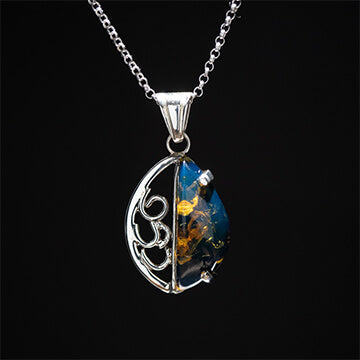
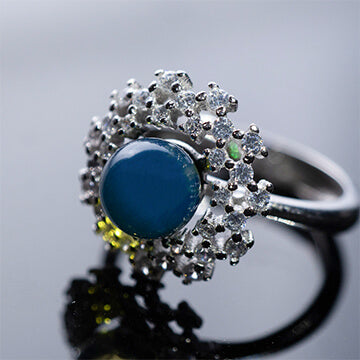
For those interested in ethically crafted gemstone jewelry, companies like Larimar Creations demonstrate commitment to quality and authenticity while offering responsibly sourced rare gemstones. Their Dominican blue amber collections showcase the exceptional beauty achievable when artisan craftsmanship meets premium natural materials.
Proper storage protects raw amber specimens from degradation, maintaining their beauty and value over decades or centuries. Understanding amber's vulnerabilities helps collectors and jewelers preserve these ancient treasures for future generations.
Raw amber remains vulnerable to several environmental stressors despite surviving millions of years underground. Excessive heat, direct sunlight, and chemical exposure can cause discoloration, cracking, or complete deterioration.
Ultraviolet radiation gradually oxidizes amber surfaces, creating darker surface layers that obscure internal clarity. While this natural aging process affects all exposed specimens, proper storage significantly slows deterioration rates.
Climate-controlled environments with stable temperature and moderate humidity provide ideal preservation conditions. Raw amber specimens should remain away from heat sources, direct sunlight, and chemicals including perfumes, cleaning agents, and cosmetics.
Storage Recommendations:
Regular inspection identifies developing issues before significant damage occurs. Surface checking, color changes, or increased fragility signal environmental problems requiring immediate correction.
While jewelry represents the primary commercial application for processed amber, raw amber serves various industrial, scientific, and artistic purposes. These diverse applications demonstrate the material's versatility and continuing relevance in modern contexts.
Raw amber specimens containing biological inclusions provide invaluable data for paleontological research. These preserved organisms offer detailed information about ancient ecosystems, evolutionary processes, and prehistoric biodiversity.
Museums worldwide maintain extensive amber collections, with specimens ranging from common insects to extraordinary finds like feathered dinosaur remains. Each discovery enhances our understanding of life on Earth millions of years ago.
Ground raw amber appears in specialized varnishes, lacquers, and coating compounds valued for their durability and natural origin. The electronics industry uses amber derivatives in certain insulating materials and specialty compounds.
Traditional violin makers continue incorporating amber into varnish formulations, believing it contributes to superior tonal qualities. While scientific evidence remains debated, this practice maintains centuries-old lutherie traditions.
Raw amber stands as a testament to nature's remarkable preservation abilities, transforming ancient tree resin into treasured gemstones that captivate collectors and jewelry enthusiasts worldwide. Understanding its formation, extraction, and unique properties enriches appreciation for these organic treasures and informs responsible acquisition decisions. Whether you're drawn to the golden warmth of Baltic amber or the extraordinary blue fluorescence of Dominican specimens, Larimar Creations offers expertly crafted jewelry that celebrates rare gemstones with authenticity and artistry, bringing millions of years of natural history into stunning wearable form.