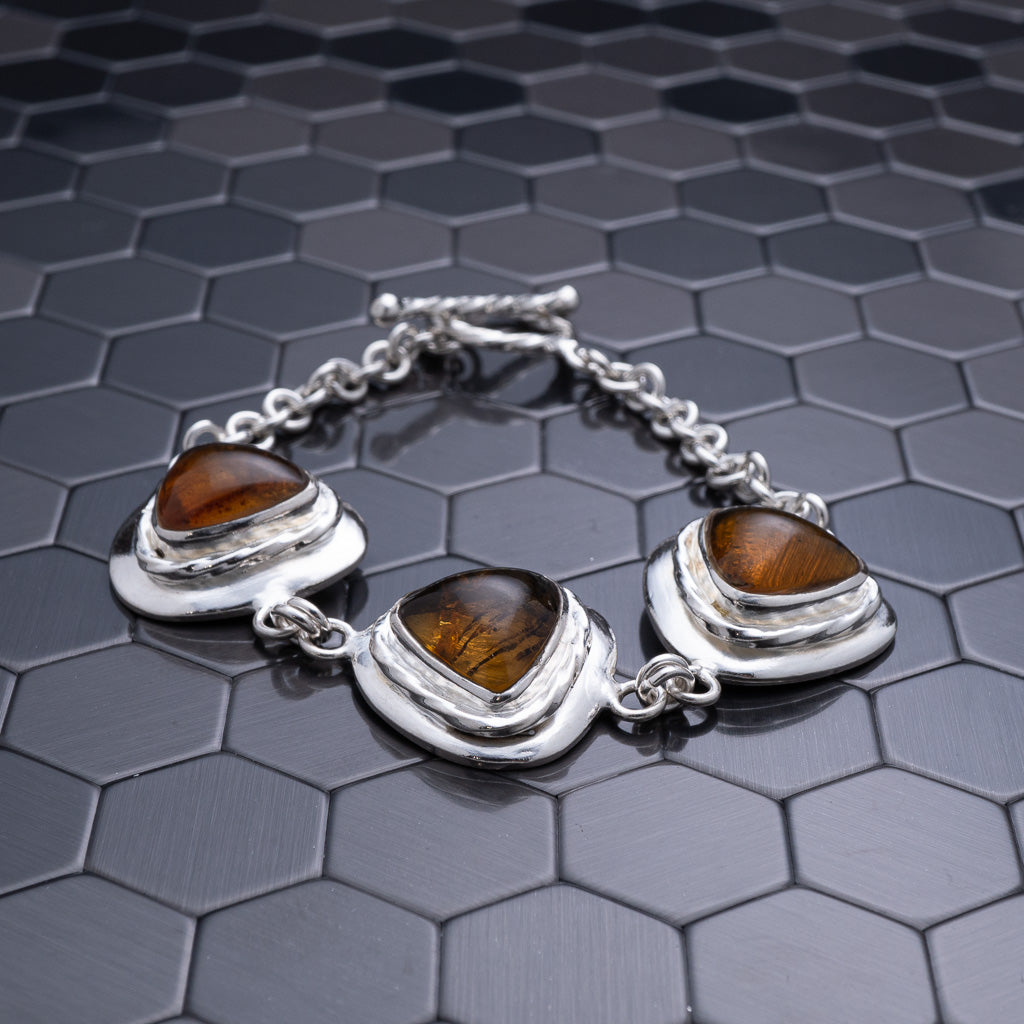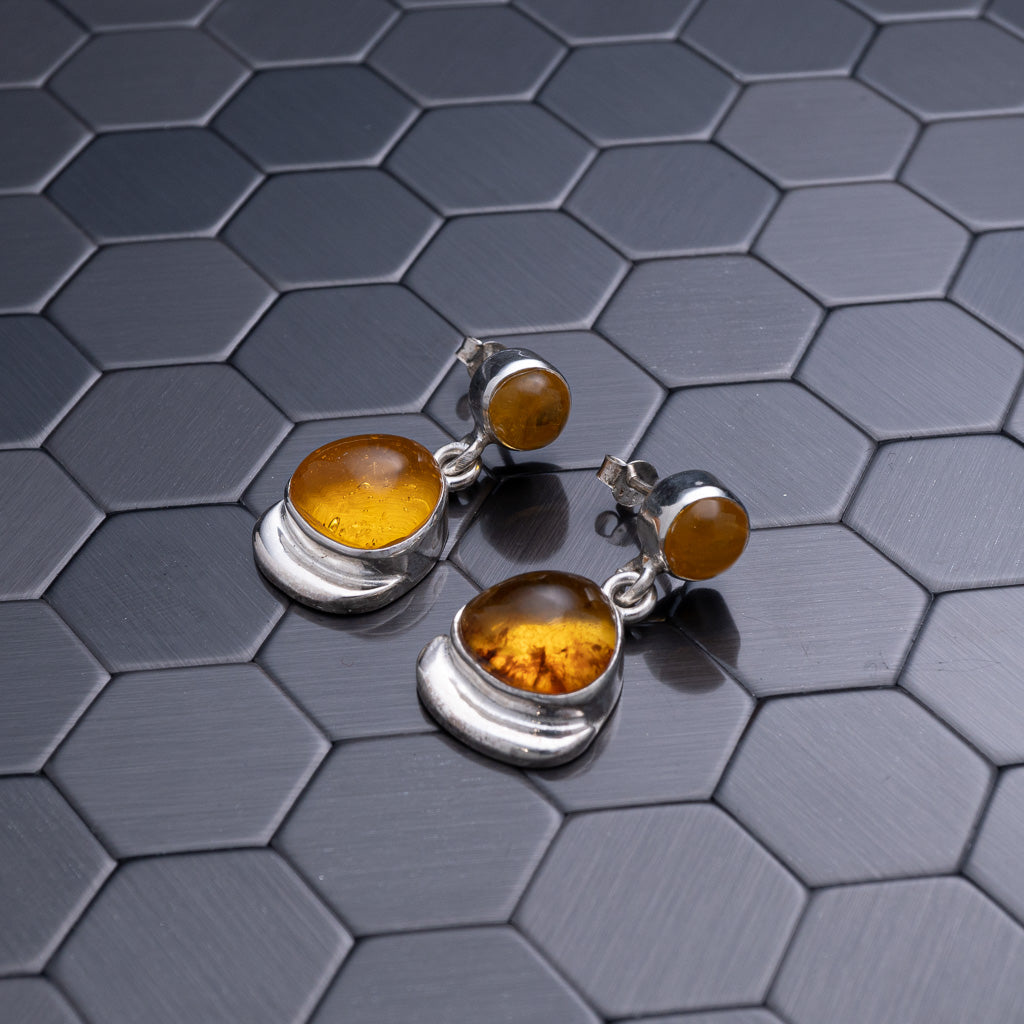

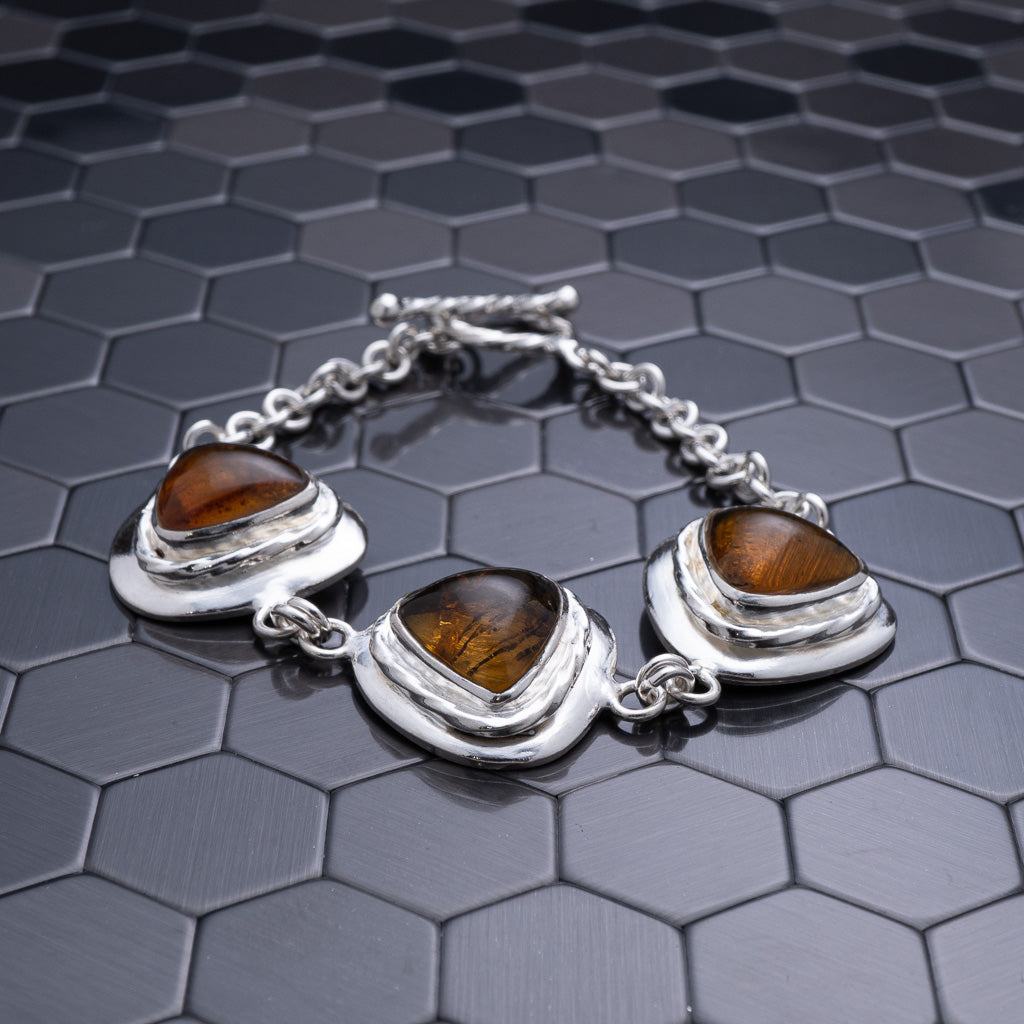
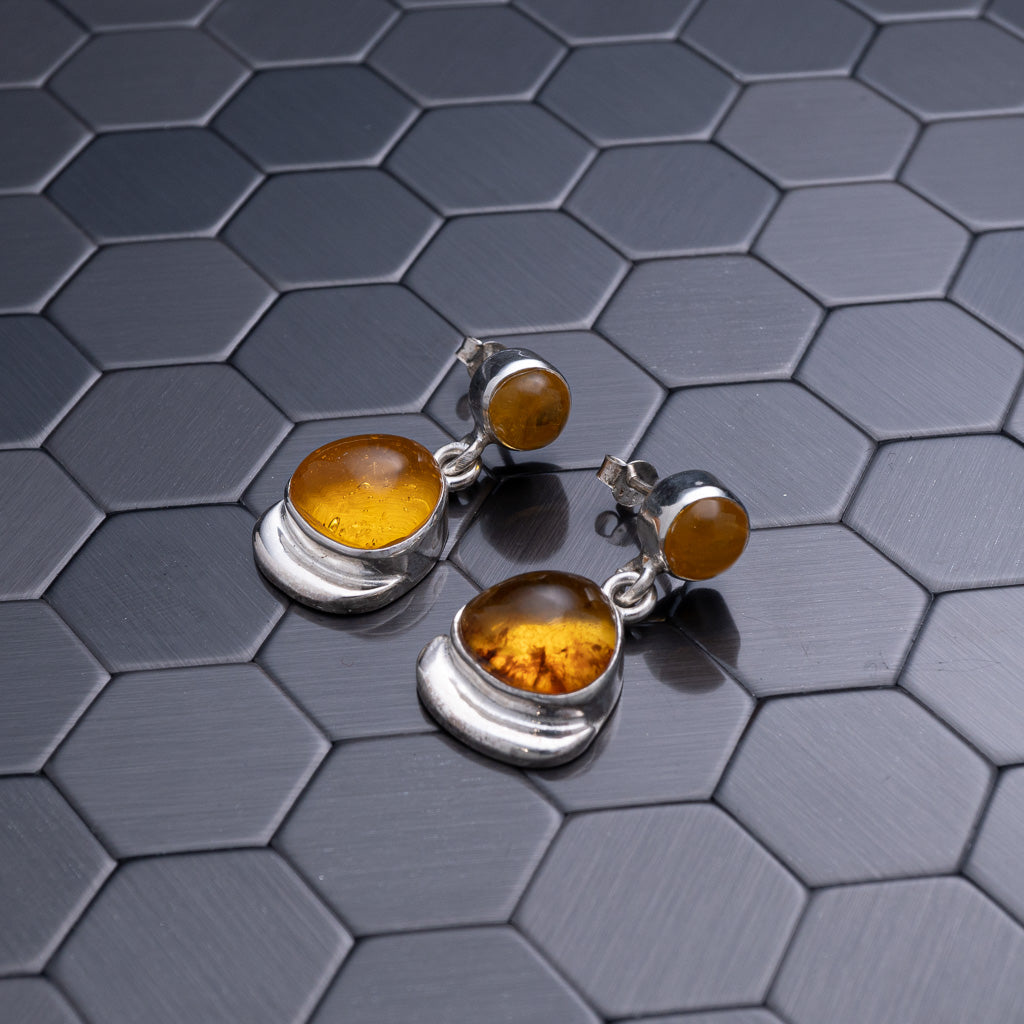
A piece of amber with a preserved insect can stop even seasoned gemstone lovers in their tracks. It carries warmth, rarity, and a sense of suspended time that few natural materials can match. This guide to amber fossil collecting is designed for buyers and collectors who want more than visual appeal - they want authenticity, origin, and lasting value.
Amber fossils sit at the meeting point of jewelry, natural history, and personal collecting. For some, the attraction is aesthetic: golden clarity, organic textures, and flashes of light that feel almost liquid. For others, it is the thrill of holding a specimen that preserves a fragment of ancient life. The best collections usually begin with both instincts - beauty and discernment.
Not every amber fossil is equally rare, equally desirable, or equally well suited to a collection. Some pieces are best appreciated as wearable art, while others are valued for scientific interest, unusual inclusions, or exceptional color. That distinction matters, especially when you are buying in a market where natural amber, treated amber, copal, and outright imitations are often presented side by side.
Collectors who approach amber casually can end up with pieces that look striking at first glance but have limited authenticity or long-term appeal. A thoughtful approach leads to better decisions. You begin to notice the quality of preservation, the character of the host amber, and the importance of source material. In premium collecting, provenance is not a small detail. It shapes confidence.
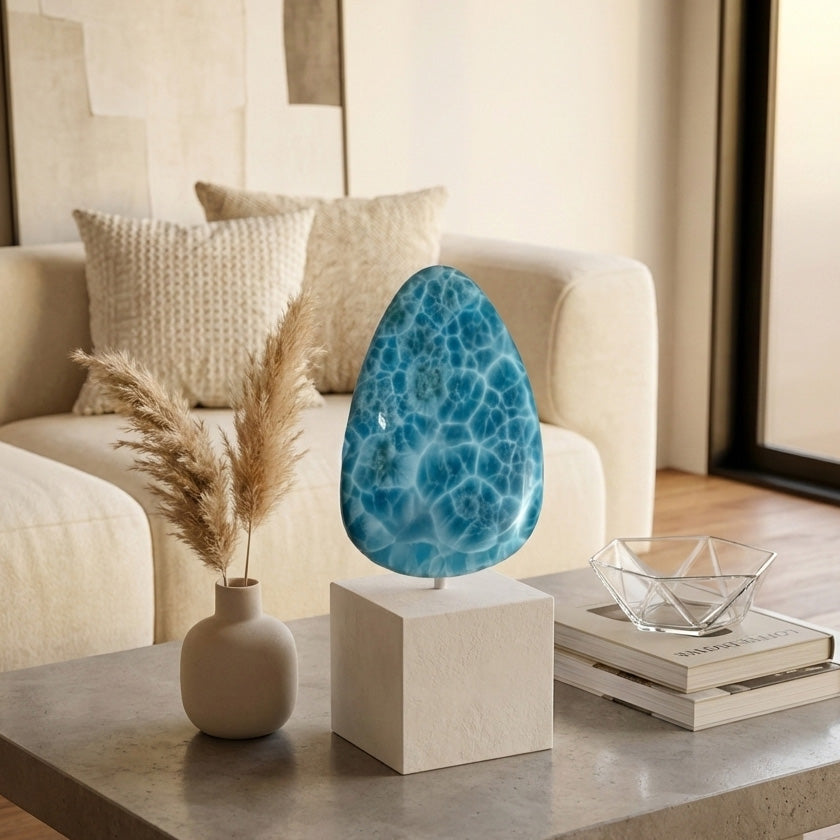
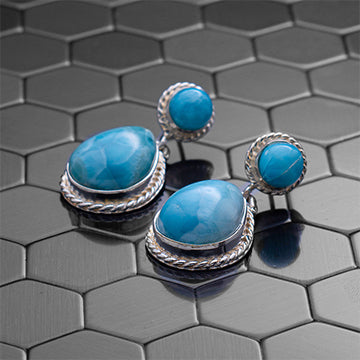
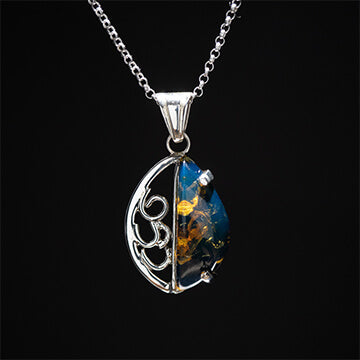
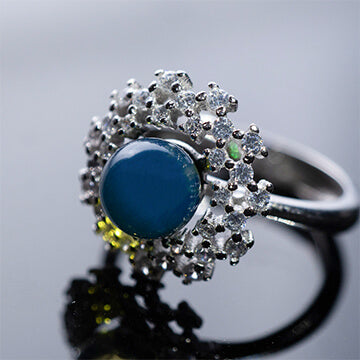
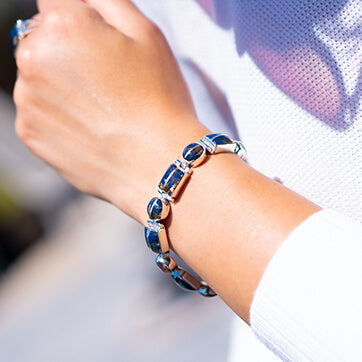
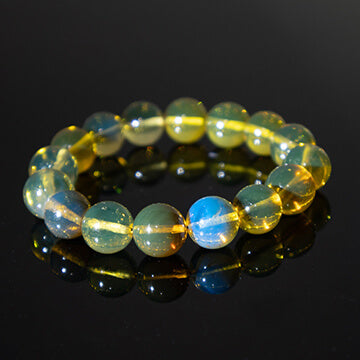
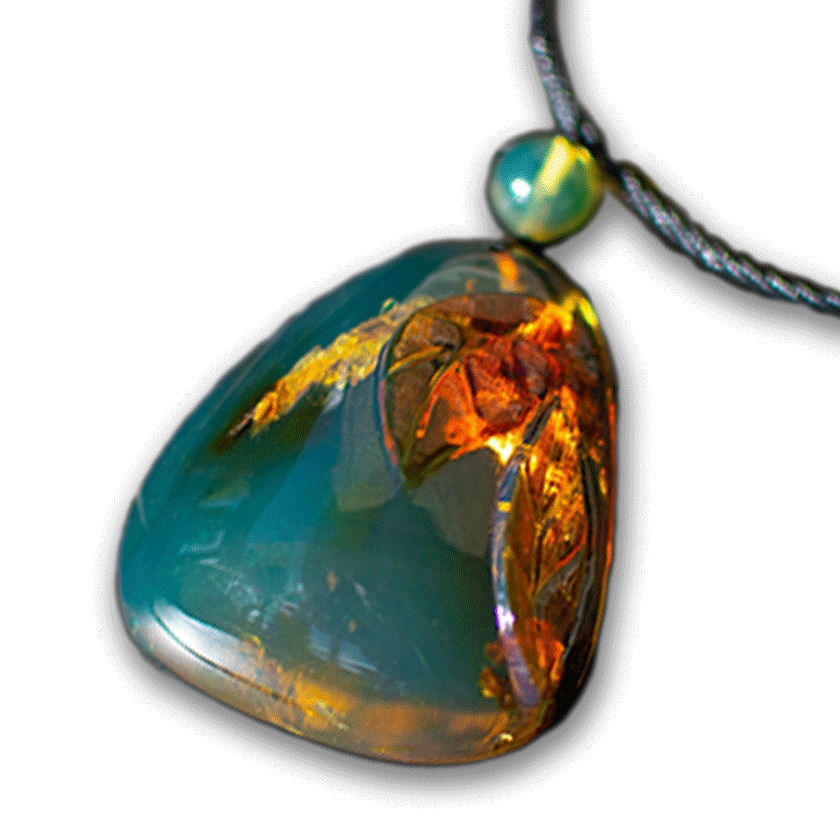
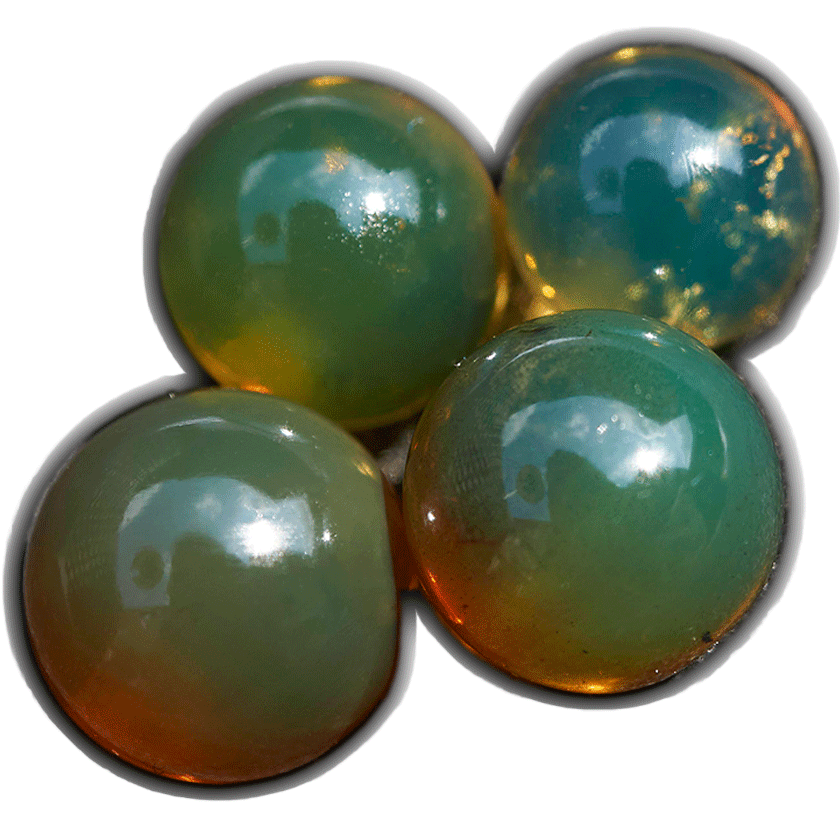
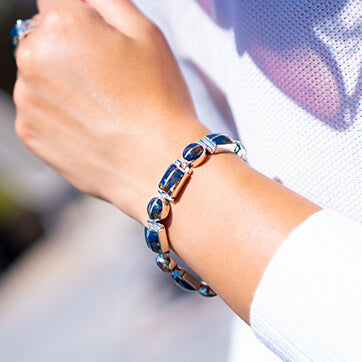
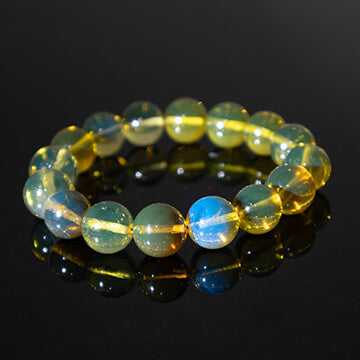
Dominican amber is particularly admired because it can offer remarkable clarity, vivid natural color, and highly visible inclusions. Dominican Blue Amber, in particular, has earned a devoted following for its rarity and luminous character. For collectors who value Caribbean gemstones with a strong sense of place, this origin carries both beauty and prestige.
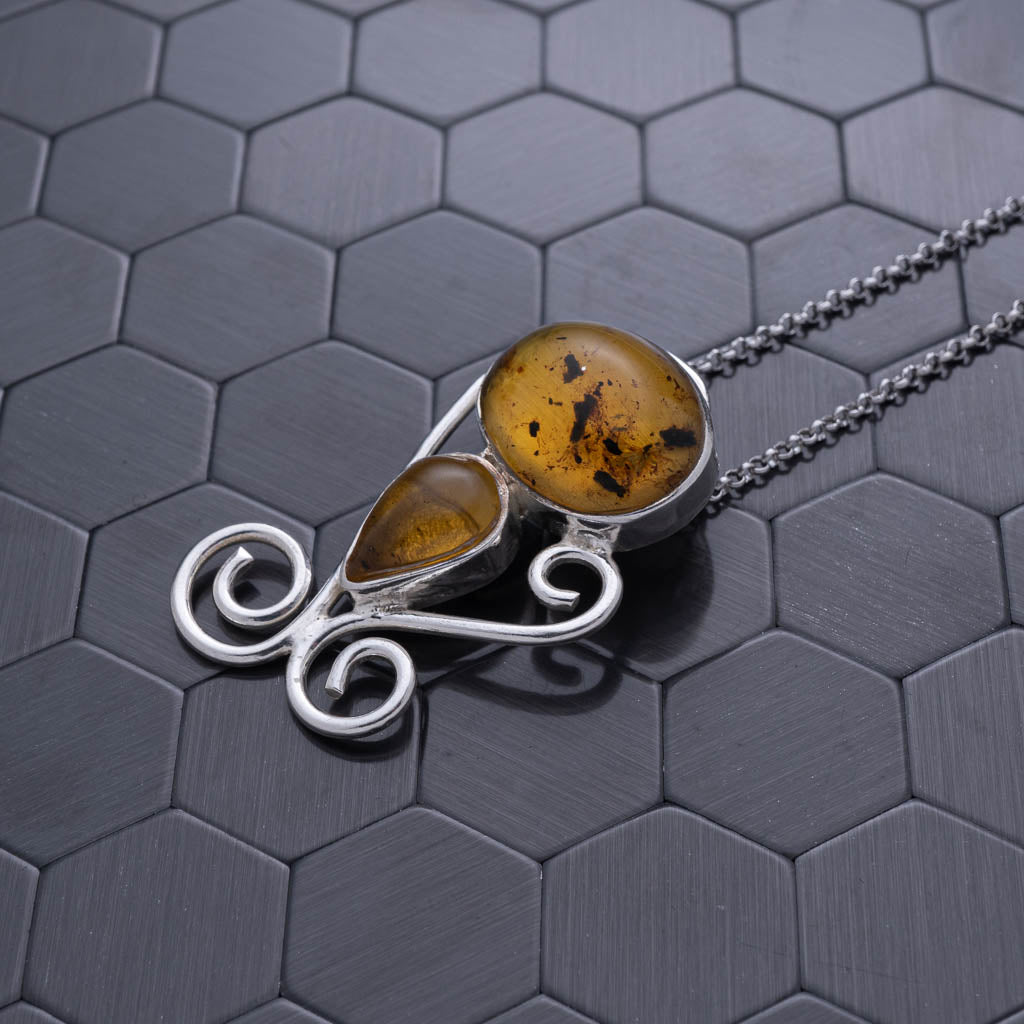
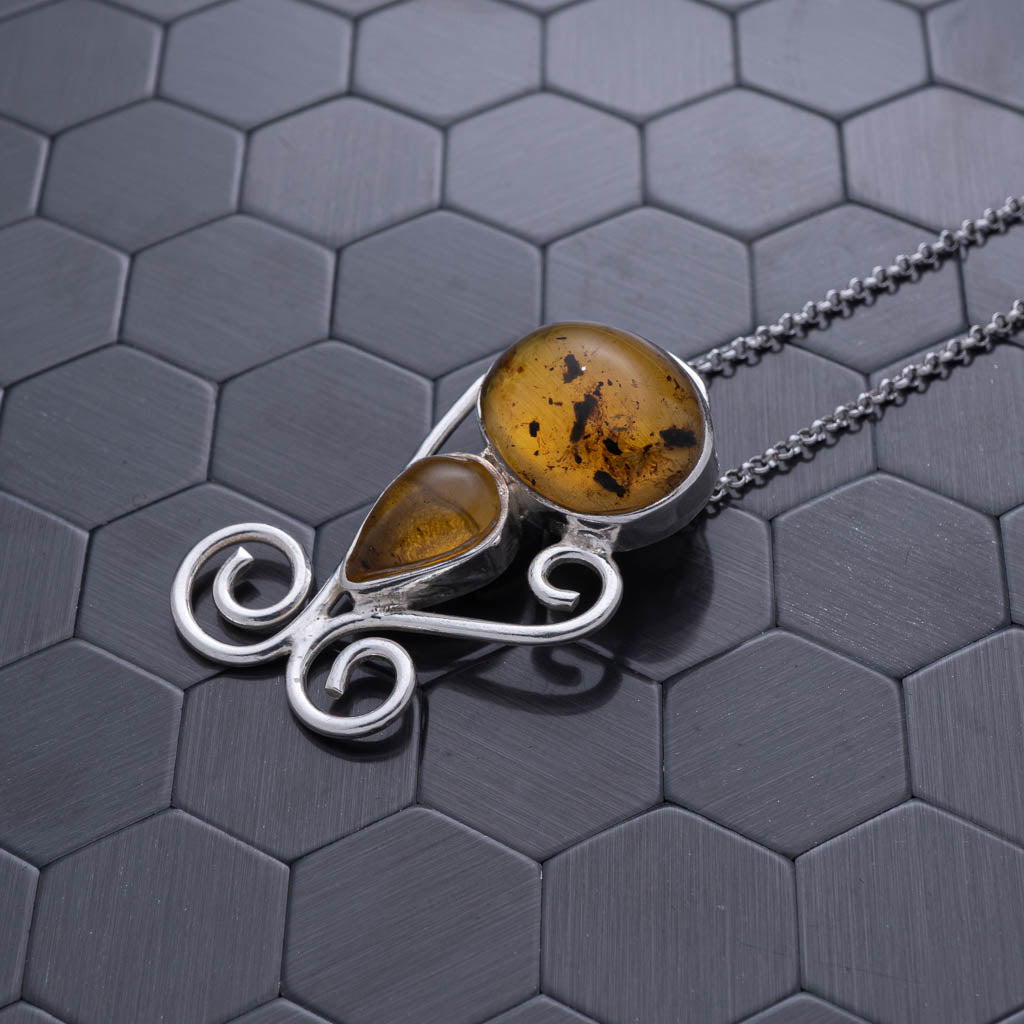
If you are building your first collection, start with the amber itself before focusing only on the fossil inside. A dramatic insect inclusion may catch the eye, but the host material still determines much of the piece’s beauty and value. Look for color, transparency, surface integrity, and overall presentation. A fossil in cloudy, heavily fractured material may still be interesting, but it appeals differently than a well-preserved inclusion suspended in clear amber.
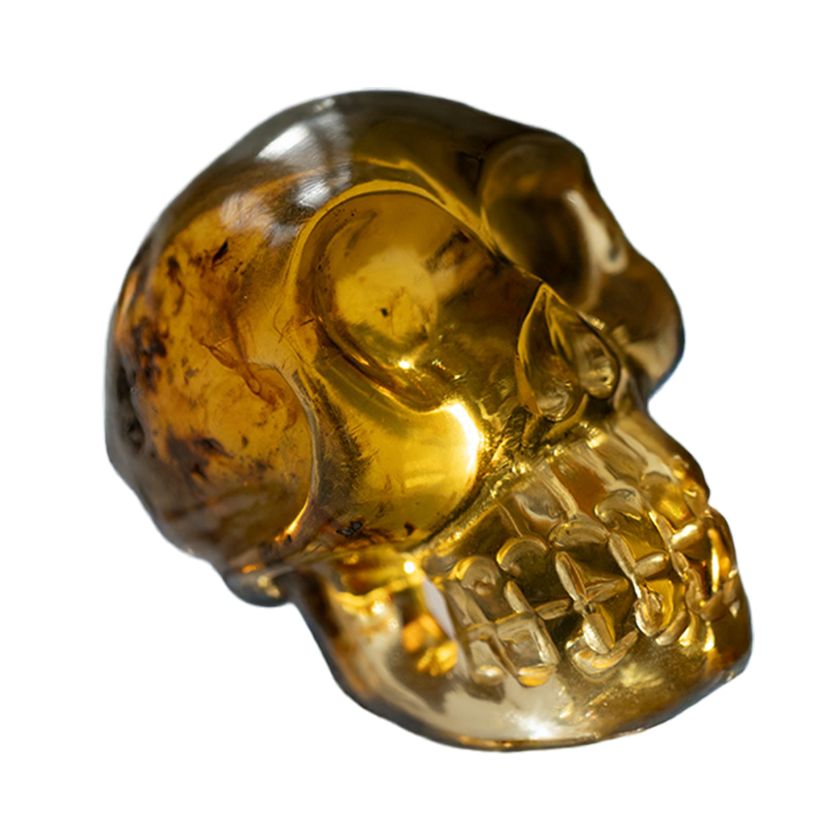
Clarity is one of the first traits to evaluate. Clear amber tends to display inclusions more elegantly, especially if you want a specimen that feels refined enough for display or even for custom jewelry. More opaque amber can still be beautiful, particularly when it has rich honey, cognac, or rare blue tones, but it may obscure finer fossil details.
Then examine the inclusion itself. Insects are among the most sought-after inclusions, but rarity depends on type, completeness, position, and visibility. A fully preserved winged insect in a balanced, centered pose generally commands more interest than a partial fragment pressed against a fracture line. Plant material, air bubbles, and mixed inclusions can also be desirable, especially when they create a compelling natural scene.
Size matters, but not in a simple way. Larger pieces often feel more impressive, yet smaller specimens with exceptional clarity or rare inclusions can be more collectible. Quality usually outweighs scale. A modest piece with excellent preservation can feel far more luxurious than a bulky specimen with poor visibility.
This is where new collectors need patience. Genuine amber is fossilized tree resin, and it differs from younger resin such as copal. Copal can look attractive and may contain inclusions, but it is younger, softer, and generally less valuable in a fossil-collecting context. Plastic and resin imitations are even more common, especially in tourist markets and low-trust online listings.
Visual inspection helps. Real amber often shows organic flow lines, natural variations, and a soft internal glow rather than a flat manufactured look. Perfectly uniform color can be a warning sign. So can suspiciously dramatic inclusions that appear too centered or too pristine.
Touch also tells a story. Amber is lightweight and warm compared to many gemstones, but it should not feel like cheap plastic. Surface polish can vary, especially on artisanal specimens, yet the material should still show a natural character rather than a synthetic gloss.
For serious purchases, documentation matters. Reputable sellers should clearly identify whether a piece is natural amber, heat treated amber, reconstructed amber, or copal. If certification is offered, that adds a layer of confidence. For collectors who care about authenticity, trust should never depend on appearance alone.
Amber value is shaped by more than one feature, and trade-offs are common. A specimen may have an extraordinary inclusion but average clarity. Another may have stunning blue fluorescence or exceptional transparency but a more common fossil type. The strongest pieces tend to balance several qualities well.
Origin has a major influence. Baltic amber, Dominican amber, and amber from other regions each attract different buyers. Dominican material is especially prized for its clarity and the possibility of blue amber, which gives it a distinctive place in both jewelry and collector markets. That blend of rarity and visual sophistication makes it especially attractive to buyers who want natural luxury with a collector’s edge.
Condition also matters. Chips, cracks, clouding, or overly aggressive polishing can reduce appeal. Some natural imperfections are expected and even desirable, since amber is an organic material, but damage that distracts from the specimen lowers its refinement. In a premium collection, presentation matters almost as much as preservation.
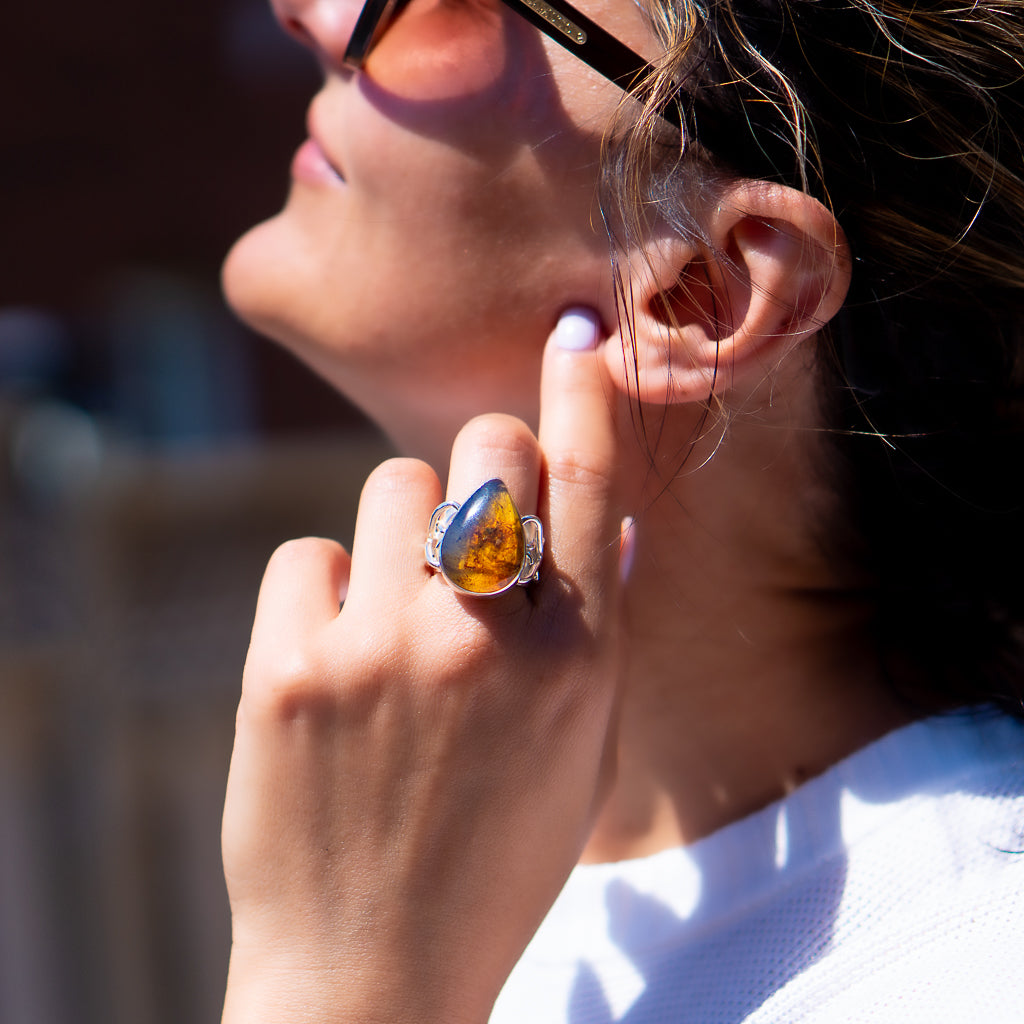
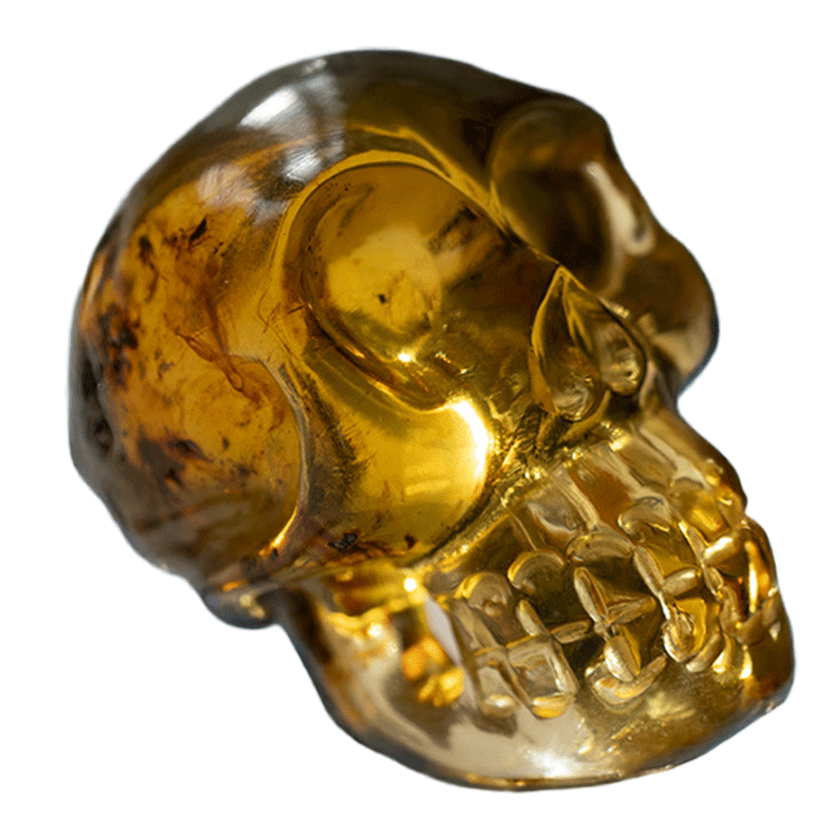
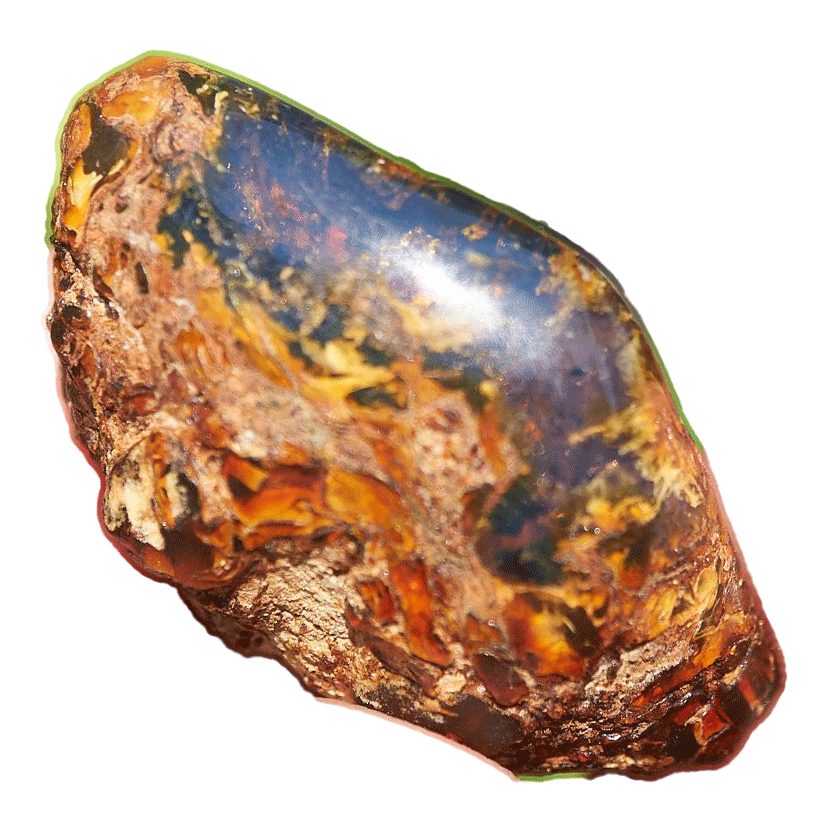
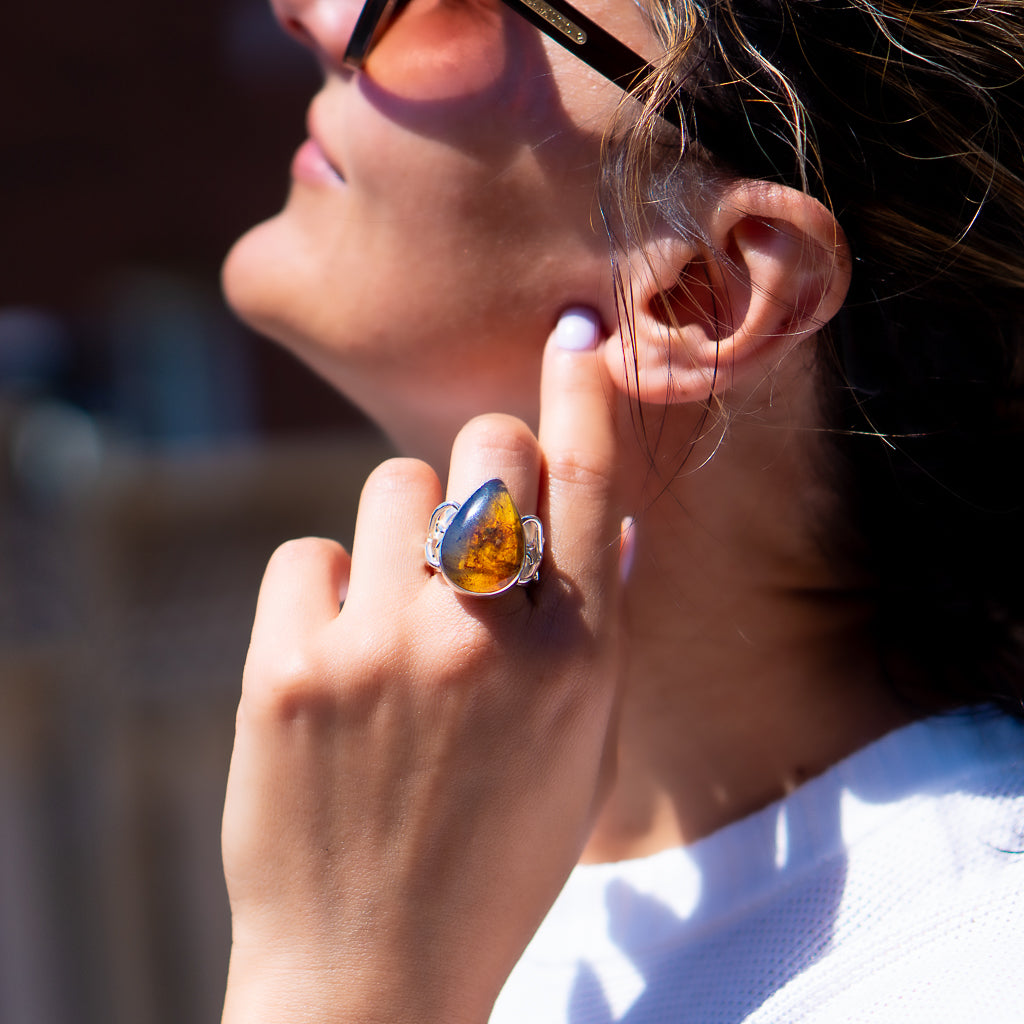
The most satisfying amber collections have a point of view. Some collectors focus on insect inclusions only. Others collect by origin, color, or specimen size. Some prefer polished cabochon-style pieces that can transition into jewelry, while others favor freeform display specimens with a more natural profile.
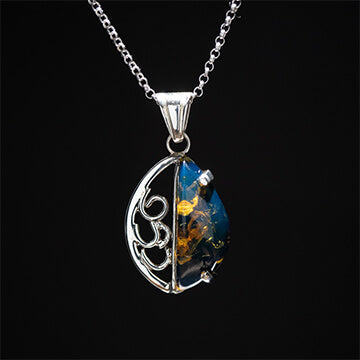
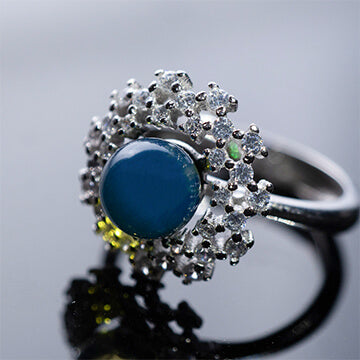
There is no single correct path, but consistency helps. A collection built around Dominican amber fossils, for example, can feel especially cohesive if you are drawn to Caribbean stones and want specimens that pair naturally with fine artisan jewelry. This is one reason collectors often move between gemstone collecting and jewelry collecting with ease. The visual language overlaps - warmth, rarity, craftsmanship, and origin.
Budget should guide your strategy without narrowing your taste too quickly. Entry-level pieces can still be beautiful and authentic. If you are new, it may be wiser to buy fewer pieces with trustworthy provenance than several lower-cost specimens with uncertain identification. Over time, a smaller, well-chosen collection usually feels more valuable than an assortment of questionable buys.
Online buying opens access to rare material, but it also requires discipline. Product images should show the specimen from multiple angles and in clear lighting. Descriptions should identify origin, treatment status if any, dimensions, and the nature of the inclusion. Vague listings usually deserve caution.
Ask yourself whether the seller demonstrates real category expertise. Brands that specialize in authentic amber and collector-grade gemstone material tend to present information with more precision than general gift shops or trend-driven marketplaces. For a buyer who values rarity and authenticity, expertise is part of the product.
This is where a specialist brand such as Larimar Creations naturally stands apart. When a company is already rooted in certified Caribbean gemstones and known for origin-focused craftsmanship, that commitment to authenticity carries weight for amber buyers as well.
Amber is beautiful, but it is not indestructible. It is softer than many gemstones and can be scratched, cracked, or dulled by poor storage. Keep pieces away from prolonged heat, direct harsh sunlight, perfumes, and chemical cleaners. A soft cloth and gentle handling are usually enough.
Storage should be thoughtful. Wrap individual pieces or keep them in separate compartments so they do not rub against harder materials. If a specimen is mounted in jewelry, treat it with the same care you would give a fine artisan piece. Amber rewards gentleness.
The best amber fossils are not always the most expensive ones. They are the pieces that still command your attention after the first excitement fades. Sometimes that comes from a rare inclusion. Sometimes it comes from extraordinary blue tone, luminous clarity, or a shape that feels naturally sculptural.
Collecting amber well means learning to balance emotion with evidence. Let the beauty draw you in, but let authenticity, condition, and origin decide whether a piece deserves a place in your collection. When you choose with that level of care, amber becomes more than an object of curiosity. It becomes a lasting piece of the Caribbean’s natural story, ready to be admired for years to come.