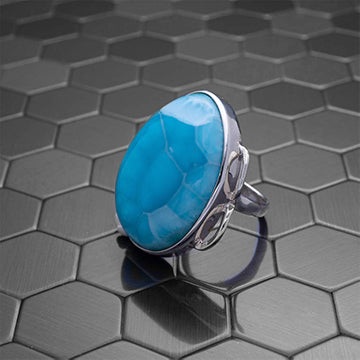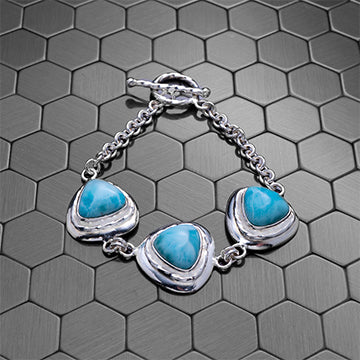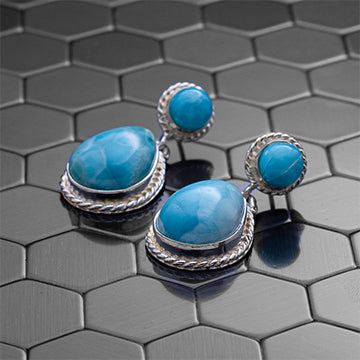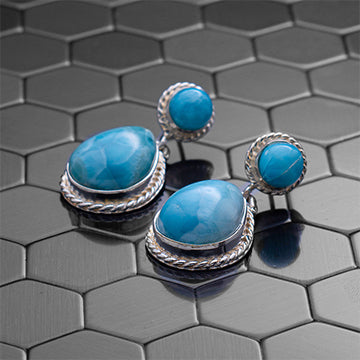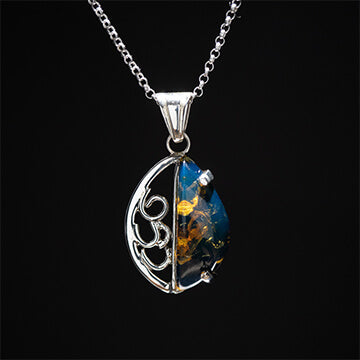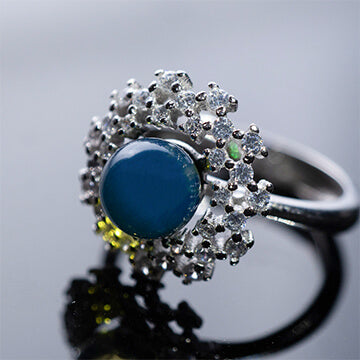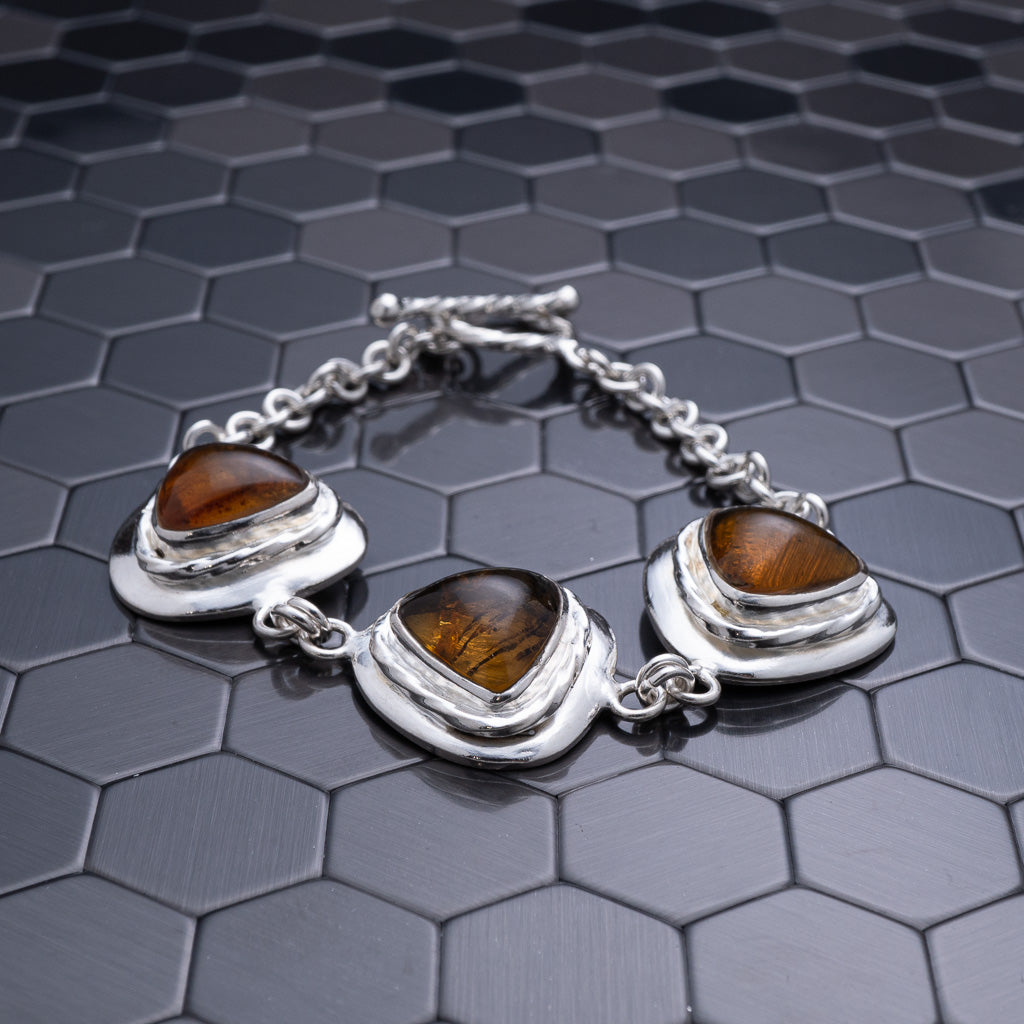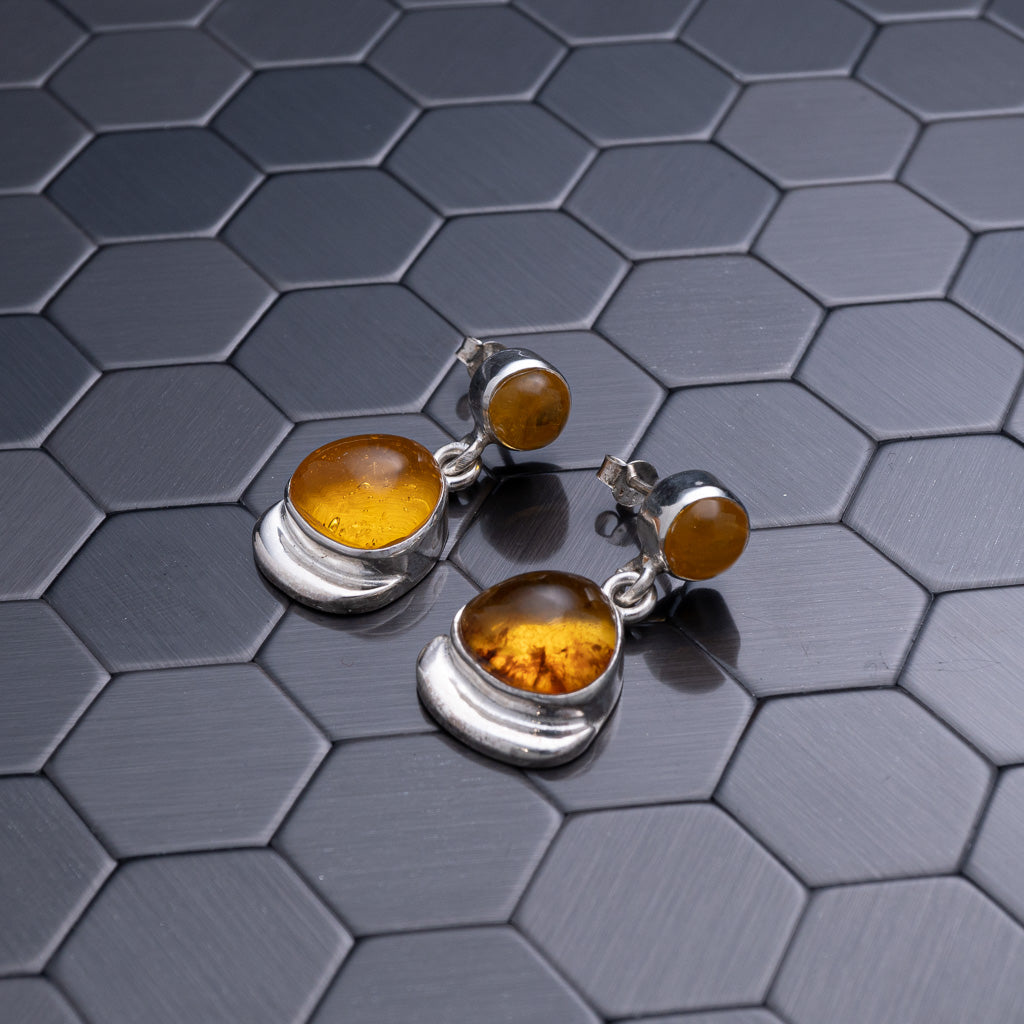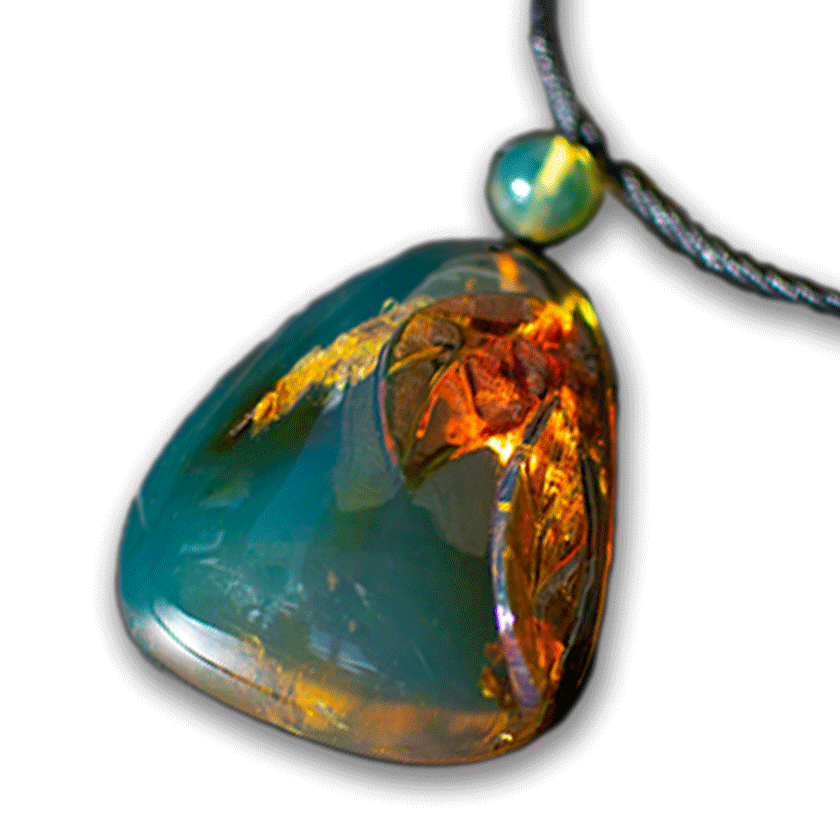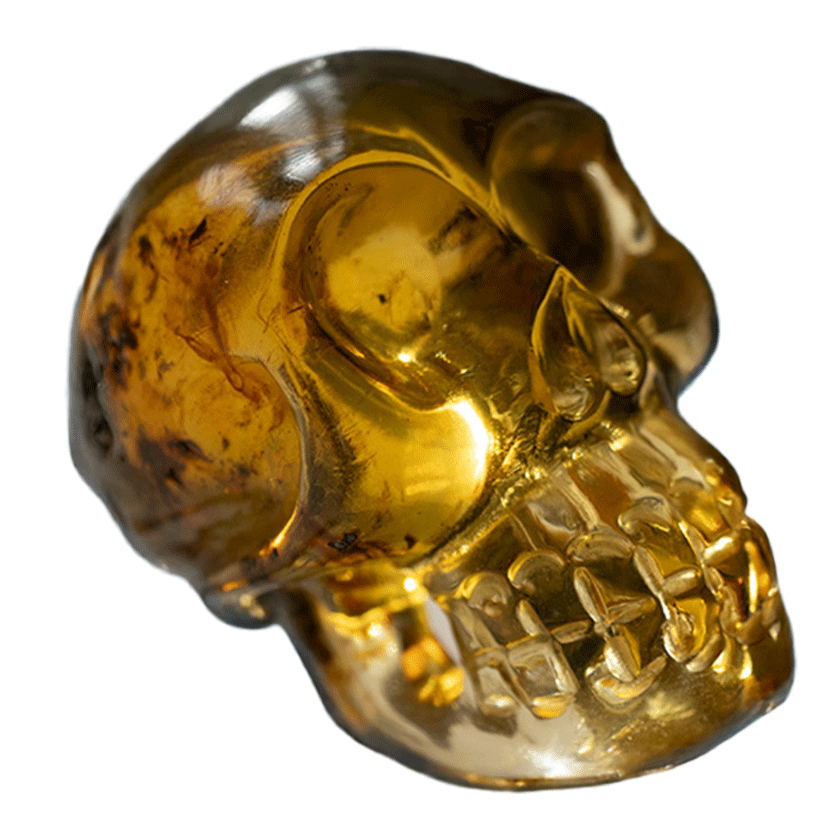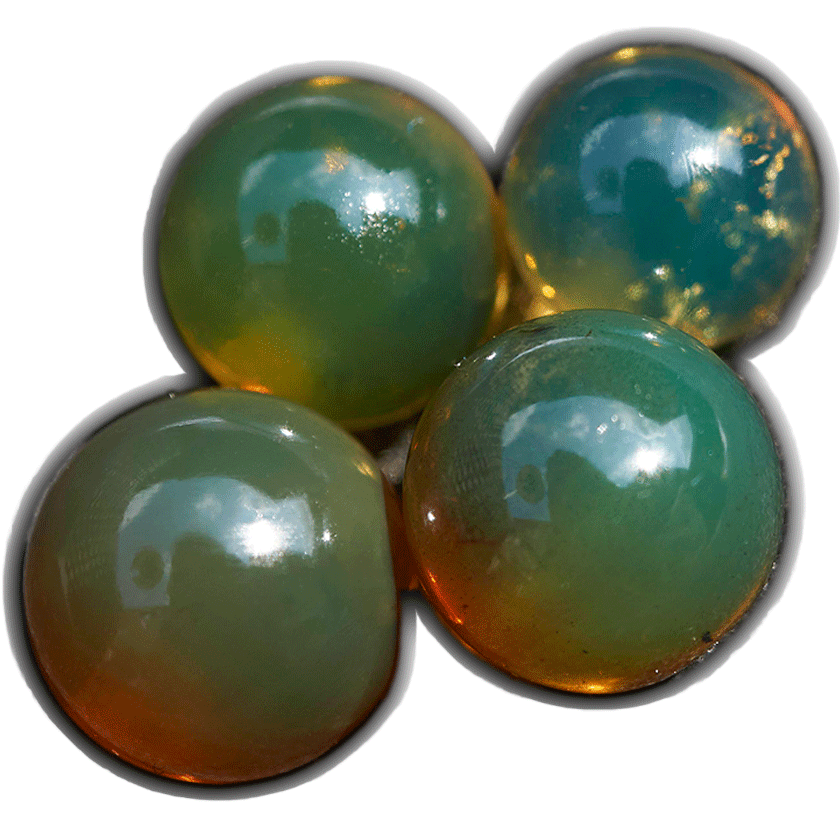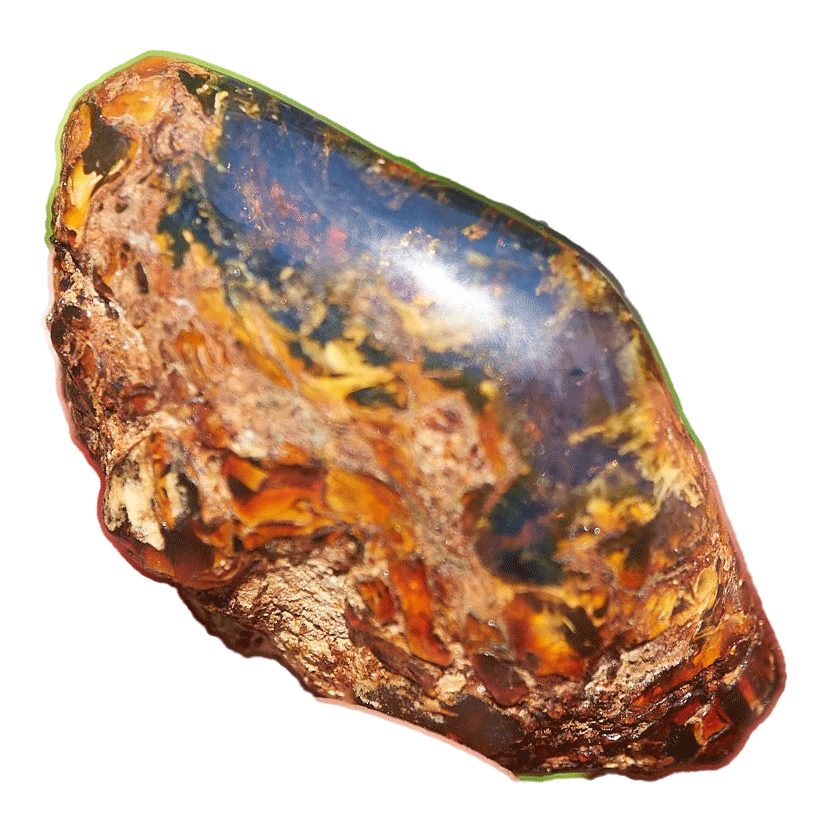


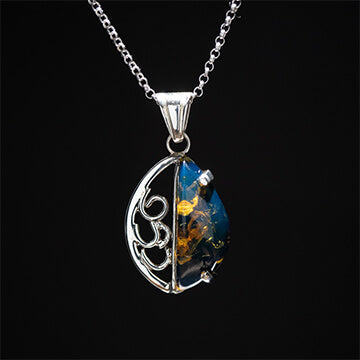
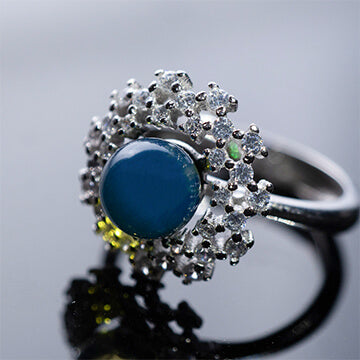
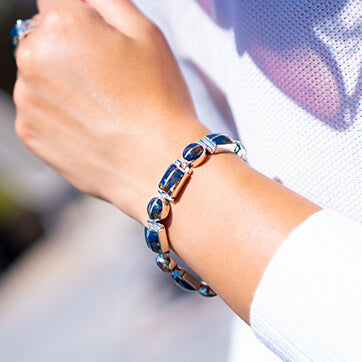
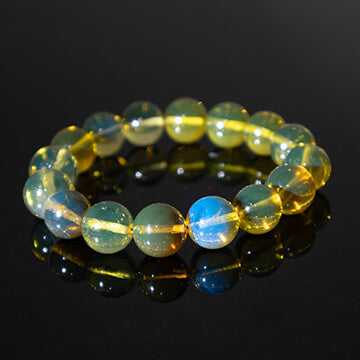
Handcrafted in DR.

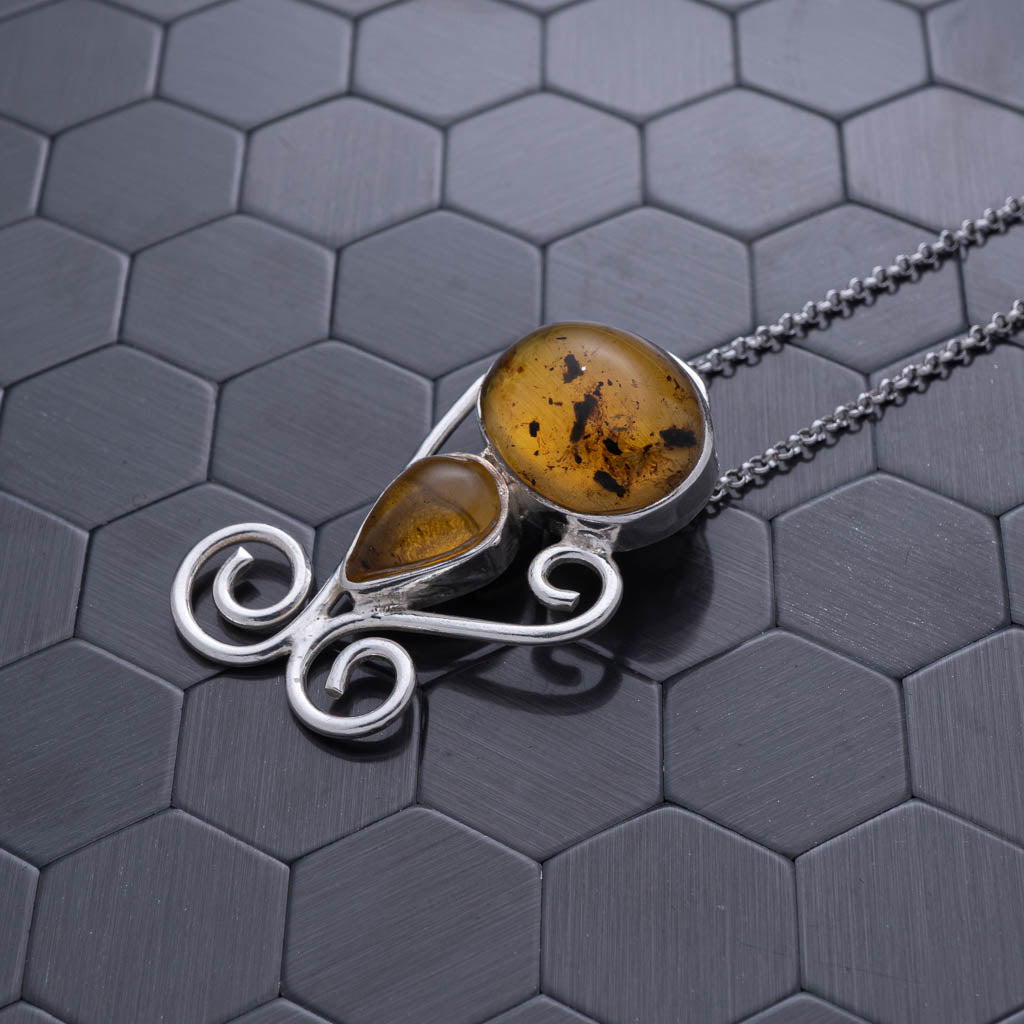
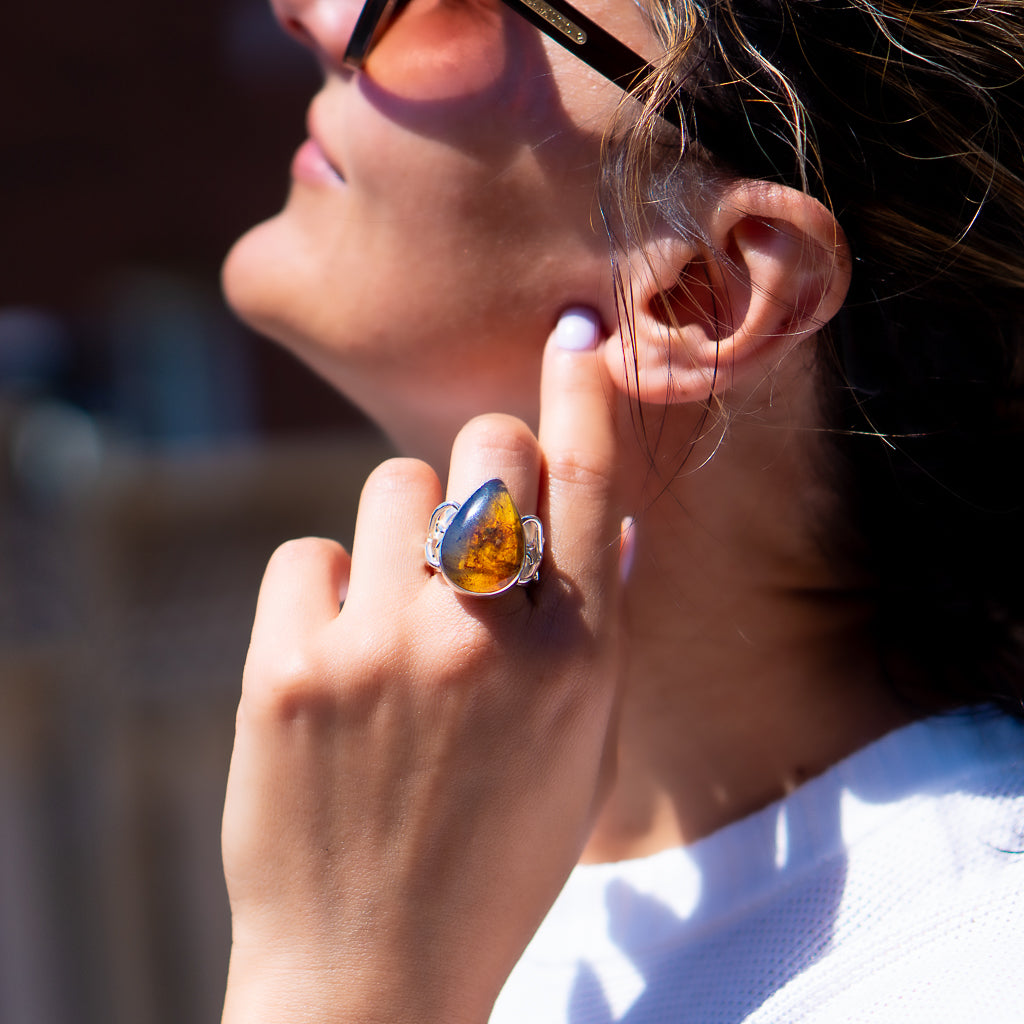


100% Handcrafted in DR.

Ever wondered why some silver rings or necklaces stay shiny while others turn dark in the back of a drawer? You’re not alone. The buzz around sterling silver 925 silver is everywhere right now, especially as we head into 2025, but it’s easy to get lost in all the talk and marketing.
This guide is here to clear things up. We’ll break down exactly what sterling silver 925 silver means, why it’s become so popular, and how you can keep your favorite pieces looking their best.
Curious about spotting real silver, the pros and cons, or how it stacks up against other metals? You’re in the right place. Let’s dive in and make sense of everything you need to know about sterling silver 925 silver.
Let’s clear up the mystery behind sterling silver 925 silver. If you’ve ever flipped over a ring or bracelet and spotted a tiny “925” stamped inside, you’ve already met this metal. But what does that number actually mean, and why does it matter for your jewelry?
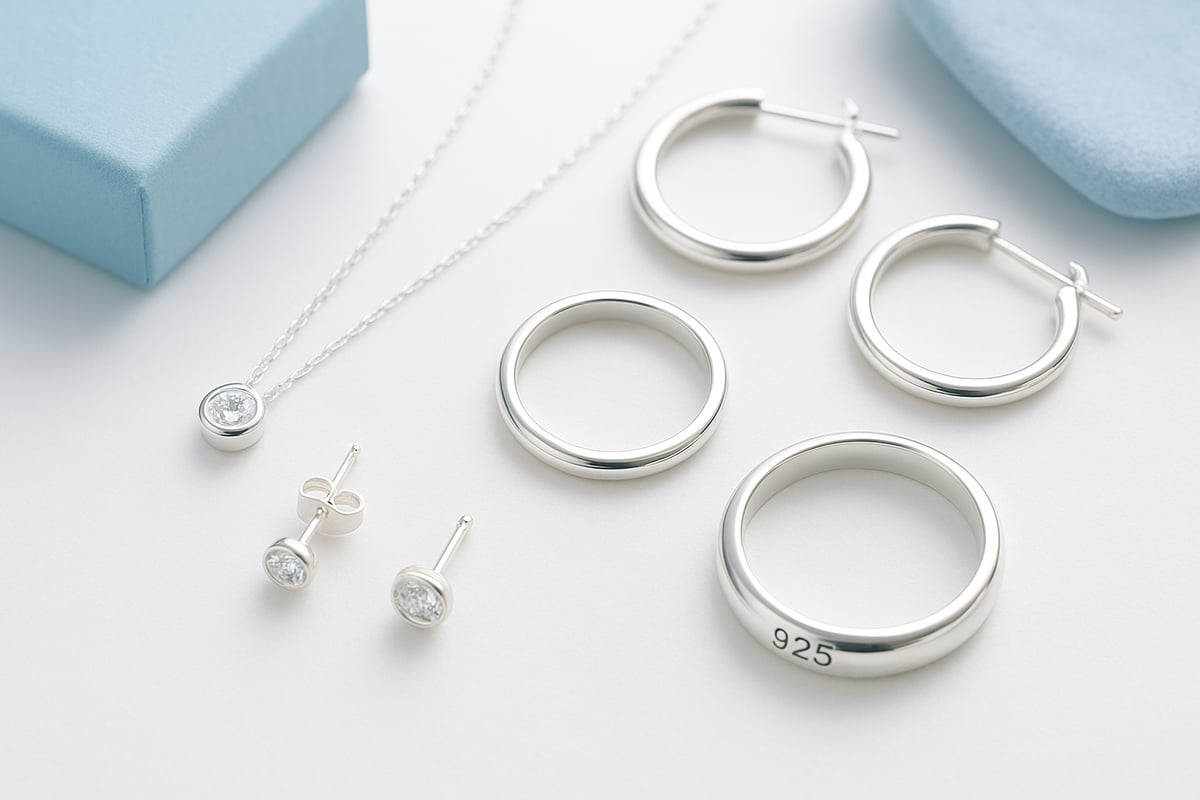
Sterling silver 925 silver is an alloy, which means it’s a blend of metals. It’s made from 92.5% pure silver, with the other 7.5% usually being copper. The “925” stamp acts as a worldwide badge of quality, showing your piece is genuine and not just coated with silver. This number comes from the millesimal fineness system, which measures purity as 925 parts per thousand. If you want to dig deeper into purity standards, check out this Silver Standards Overview for more background.
Pure silver is beautiful, but it’s also super soft. That means it bends and scratches way too easily for daily wear. By mixing in a bit of copper, jewelers make sterling silver 925 silver much tougher while keeping its shine. The result is jewelry that lasts, looks great, and doesn’t lose its luster after a few wears.
When you’re shopping for sterling silver 925 silver, you’ll notice certain stamps that prove authenticity. Look for marks like:
If a piece doesn’t have any of these, it might be fake or just silver-plated. In the US and UK, real sterling silver 925 silver jewelry must have visible markings by law, so always check for these tiny but important details.
Ever held a necklace and wondered if it’s the real deal or just a clever fake? Spotting authentic sterling silver 925 silver is easier than you might think when you know what to look for.
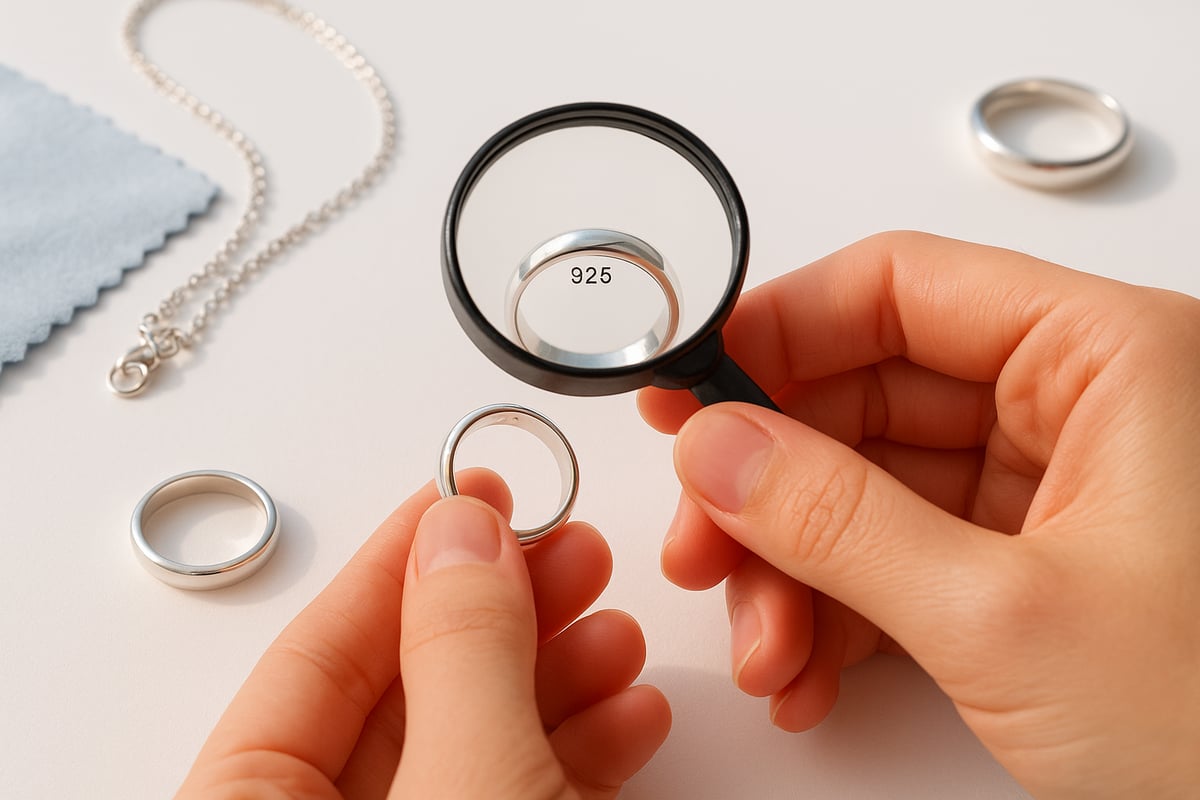
Start with a close look. Genuine sterling silver 925 silver usually carries a tiny stamp reading "925" or "Sterling" in a discreet spot. If you don’t see it, be cautious. Authentic pieces shine with a soft, metallic glow, not a blinding mirror finish. Real silver feels cool to the touch and is slightly bendable, not stiff or brittle. These clues often reveal the truth before you dig deeper.
A few quick tricks can help confirm your sterling silver 925 silver. Try these:
For even more tips, check out the How to Identify Real Silver Jewelry guide—it covers practical ways to spot the real thing at home.
If you want total certainty, visit a jeweler. They use special acid tests to confirm silver content. For valuable or sentimental pieces, a professional opinion is always worth it.
Thinking about sterling silver 925 silver? Let’s talk about what makes it a favorite—and what might make you hesitate. Here’s a look at the upsides, the downsides, and how it compares to other metals you might be considering.
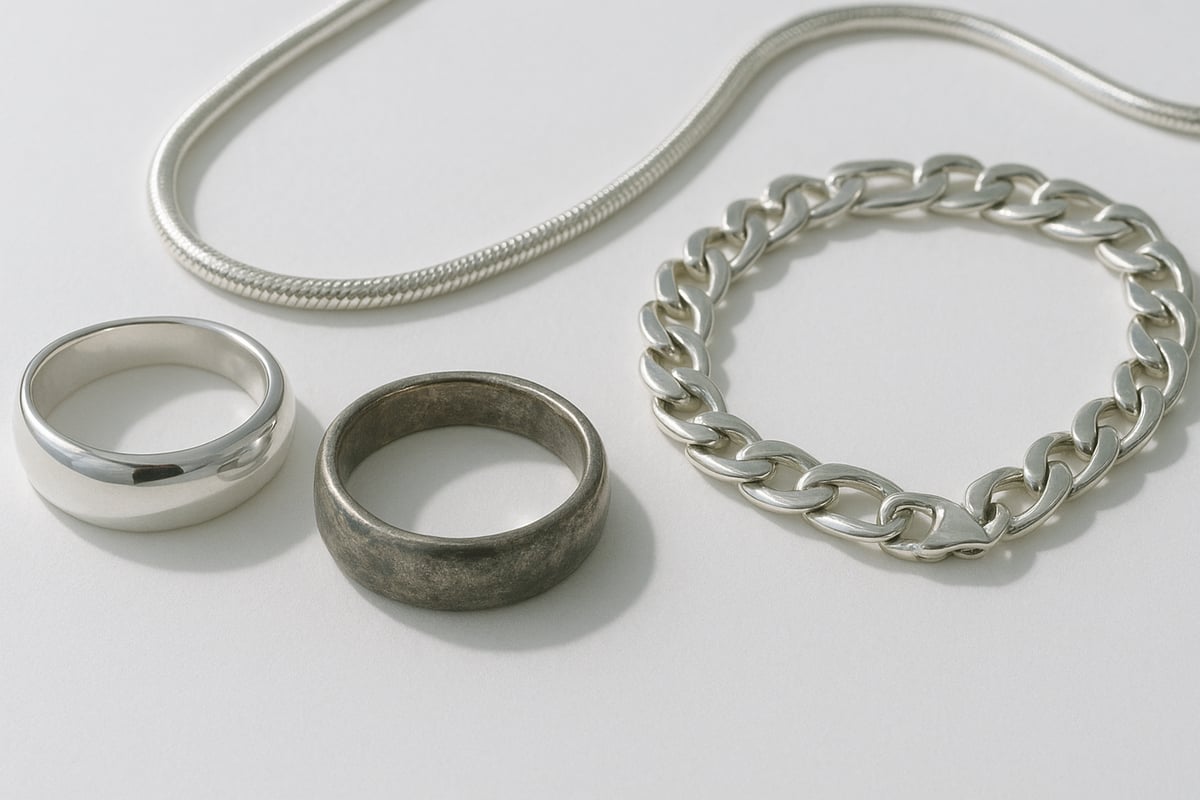
Sterling silver 925 silver is a crowd-pleaser for a reason. It’s much more affordable than gold or platinum, but still feels like a luxury. You can wear it every day—rings, necklaces, earrings, even chunky bracelets. Most people find it gentle on their skin, with very few allergic reactions.
It’s also practical. If your favorite piece gets scratched or tarnished, you can polish it right back to its old self. Even if it turns dark, a little cleaning brings back the shine. For a deeper dive, check out this Benefits of 925 Sterling Silver guide for more details on what makes it so popular.
Sterling silver 925 silver is a great pick if you want stylish, accessible jewelry that lasts.
It’s not all sunshine. Because sterling silver 925 silver has copper mixed in, it can tarnish over time, turning black if left out in the air or moisture. Some folks might notice green marks on their skin, especially if they sweat a lot or wear lotion—again, that’s the copper talking.
It’s also a bit softer than metals like stainless steel, so if you’re rough on your jewelry, scratches can happen. If you want something that never needs a polish, this might not be your top choice.
A little care goes a long way, but it’s something to keep in mind.
Here’s a quick side-by-side:
| Metal Type | Durability | Value | Luster |
|---|---|---|---|
| Sterling silver 925 silver | Good | High | Bright, classic |
| Silver-plated | Low | Low | Fades quickly |
| Stainless steel | Excellent | Medium | Dull, modern |
Sterling silver 925 silver shines brighter and lasts longer than plated jewelry, but is softer than steel. It offers the best mix of beauty, value, and tradition for everyday wear.
Sterling silver 925 silver is beautiful, but it brings up a lot of questions. If you have ever wondered why your jewelry changes color, if it can get wet, or if it is safe for sensitive skin, you are not alone. Let us clear up the most common questions people ask about sterling silver 925 silver.
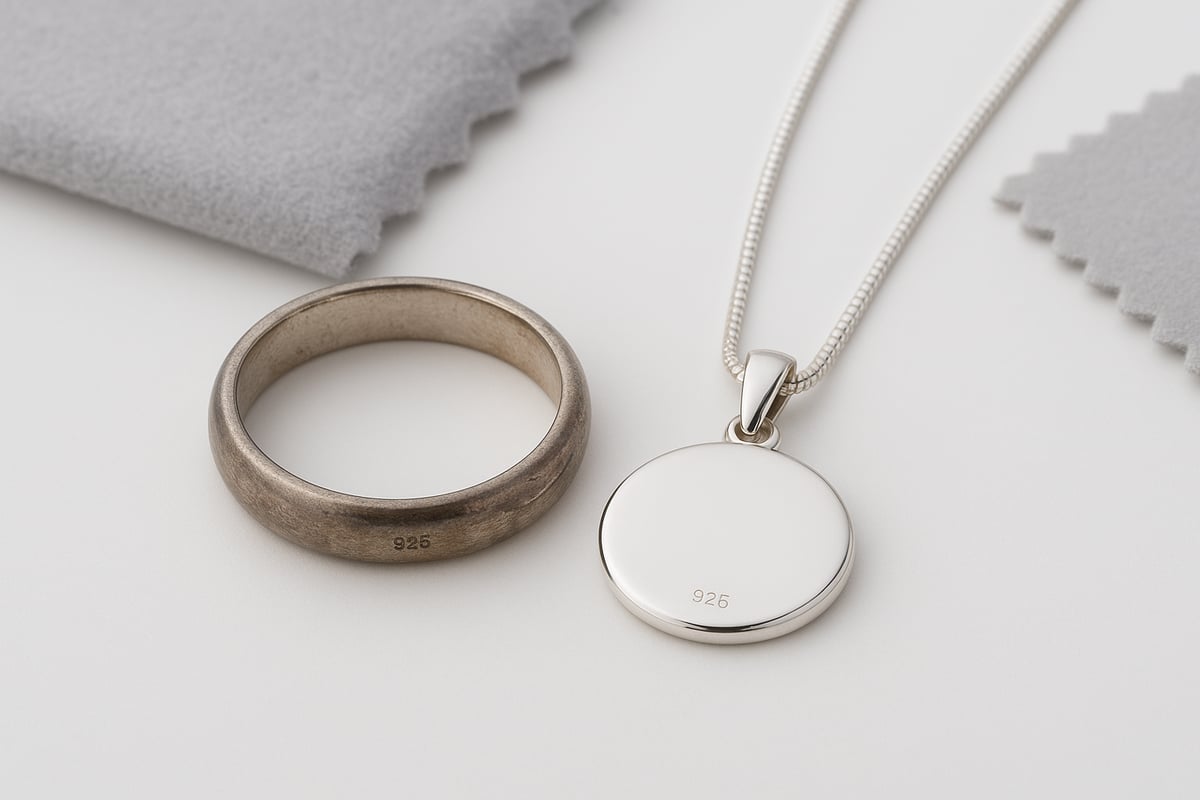
Tarnishing is totally normal with sterling silver 925 silver. Over time, it reacts with air and moisture, which can make it look black or dull. This is not a sign of fake silver. The good news? Sterling silver 925 silver does not rust, since only iron-based metals rust.
Most people find sterling silver 925 silver safe for their skin. It is typically nickel-free, which means fewer allergic reactions. If you have sensitive skin, stick with reputable brands that avoid nickel in their silver blends.
Getting your sterling silver 925 silver wet will not ruin it, but water can speed up tarnishing. Everyday splashes are fine, but it is smart to take jewelry off before swimming in pools or the ocean. Chlorine and salt can be harsh. For more details on keeping your silver in top shape, check out these Silver Jewelry Care Tips.
Ever notice a green mark on your skin? That is copper in the silver reacting with sweat or lotion. Black tarnish is a reaction with sulfur in the air. Both are normal and can be cleaned away with the right care.
Prices for sterling silver 925 silver change with the market, design, and craftsmanship. Simple rings usually start around fifty to one hundred dollars. More intricate or branded pieces can cost much more.
Let’s talk about keeping your sterling silver 925 silver looking its best. With the right habits, you can keep your favorite pieces bright and shiny for years. Here’s how to make care and cleaning part of your routine.
Treat your sterling silver 925 silver like a favorite shirt. Take it off before swimming, bathing, or hitting the gym. Moisture and chemicals can speed up tarnish.
Store each piece in a dry, airtight pouch or box. Keeping jewelry separate avoids scratches. If you want to go the extra mile, use anti-tarnish strips in your storage.
A soft polishing cloth is your best friend for regular touch-ups. For deeper cleaning, try this:
For tough tarnish, commercial dips work well. For more tips, check out these Sterling Silver Cleaning Methods.
Give your jewelry a quick clean every so often, even if it’s tucked away. Avoid contact with lotions, perfumes, or cleaning products, which can dull sterling silver 925 silver over time.
Inspect clasps and stones when you clean. Catching a loose part early can save you a repair later.
Some pieces are just too delicate or valuable for at-home cleaning. If you own intricate, antique, or sentimental jewelry, a professional jeweler can clean and check it safely.
Professional cleaning keeps details sharp and helps your silver last for generations.
Ever wondered how sterling silver 925 silver stacks up against other metals? Let's break it down, side by side, so you can make the smartest choice for your next jewelry buy.
Pure silver is beautiful but incredibly soft. It bends and scratches easily, so it rarely shows up in daily-wear jewelry. Sterling silver 925 silver, on the other hand, is much stronger and better for detailed designs. You get the shine of silver with durability you can actually rely on.
Silver-plated jewelry might look like the real deal at first. But underneath that thin silver layer is a base metal that can show through once the plating wears off. With sterling silver 925 silver, your piece is solid all the way through, so it lasts for years. For a deeper dive, check out this Sterling Silver vs. Silver Necklaces comparison.
Stainless steel is tough and doesn't tarnish, but it lacks the warmth and prestige of real silver. Gold is timeless and never tarnishes, but it comes with a much higher price tag. Sterling silver offers a classic, elegant look at a fraction of the cost, making it a popular choice for stylish, budget-conscious shoppers.
Think about your skin sensitivity, budget, and how much maintenance you want to do. Sterling silver 925 silver is perfect if you want affordable luxury and a piece that never goes out of style.
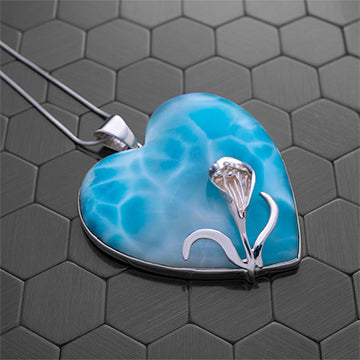
So now you know why sterling silver 925 is such a favorite for everyday jewelry—it’s durable, beautiful, and carries a value that lasts. If you’re drawn to unique pieces that blend artistry with rare gemstones, there’s something special about wearing silver that highlights a stone’s natural beauty. Maybe you’re thinking about a gift or just want something meaningful for yourself. Why not explore a pendant that brings calm and elegance into your collection? You can Find the Perfect Gift of Serenity Shop Larimar Pendants with Free Worldwide Delivery and enjoy quality that shines for years to come.