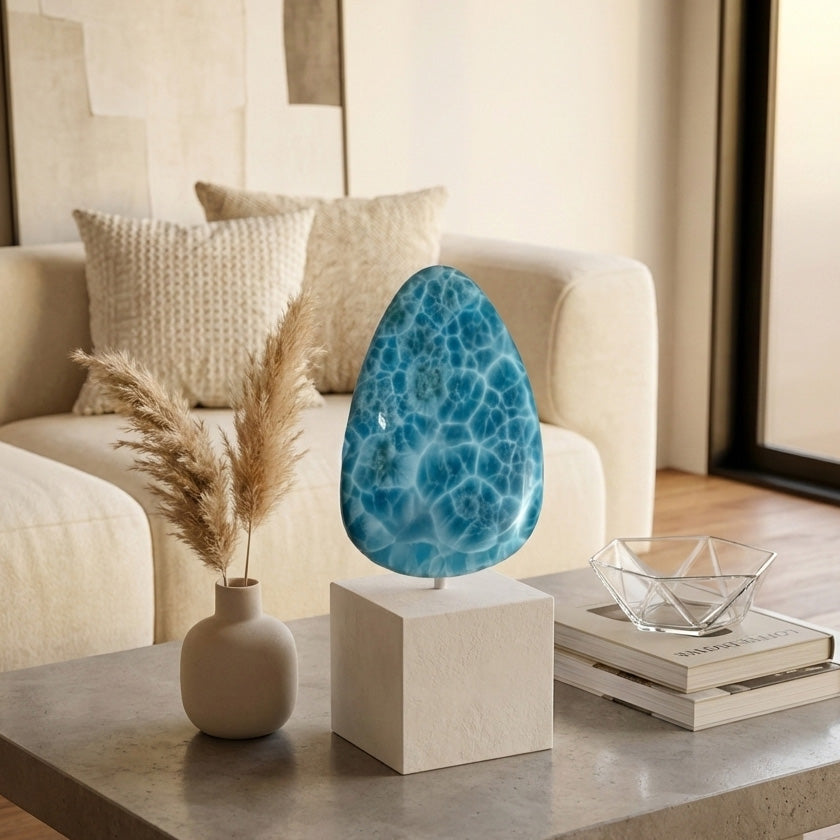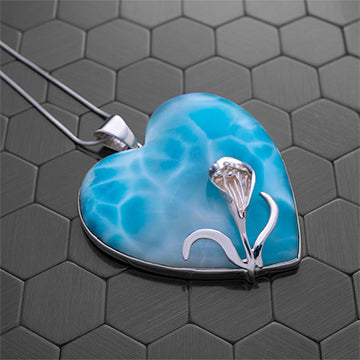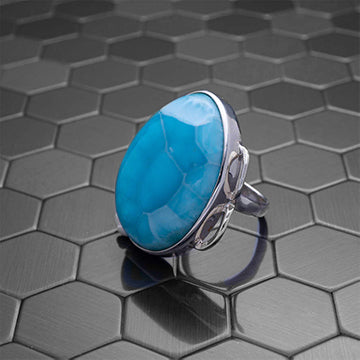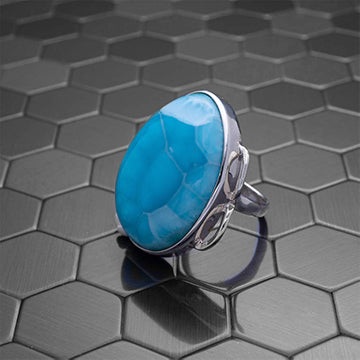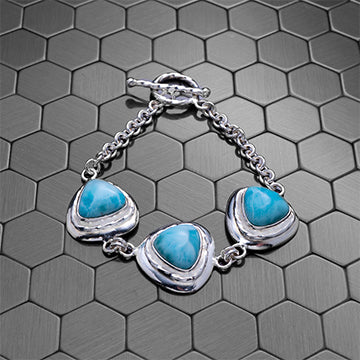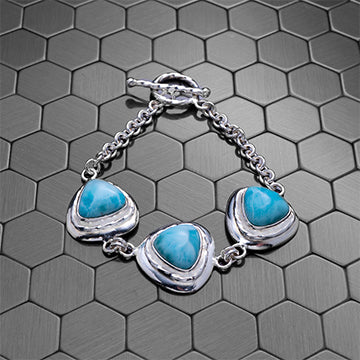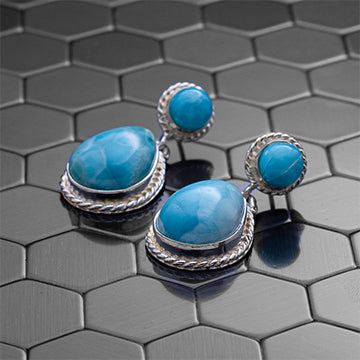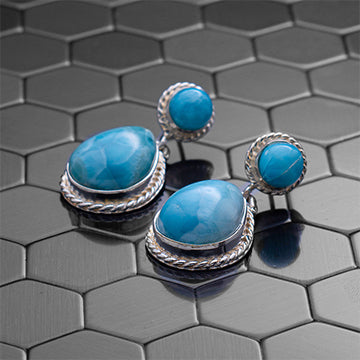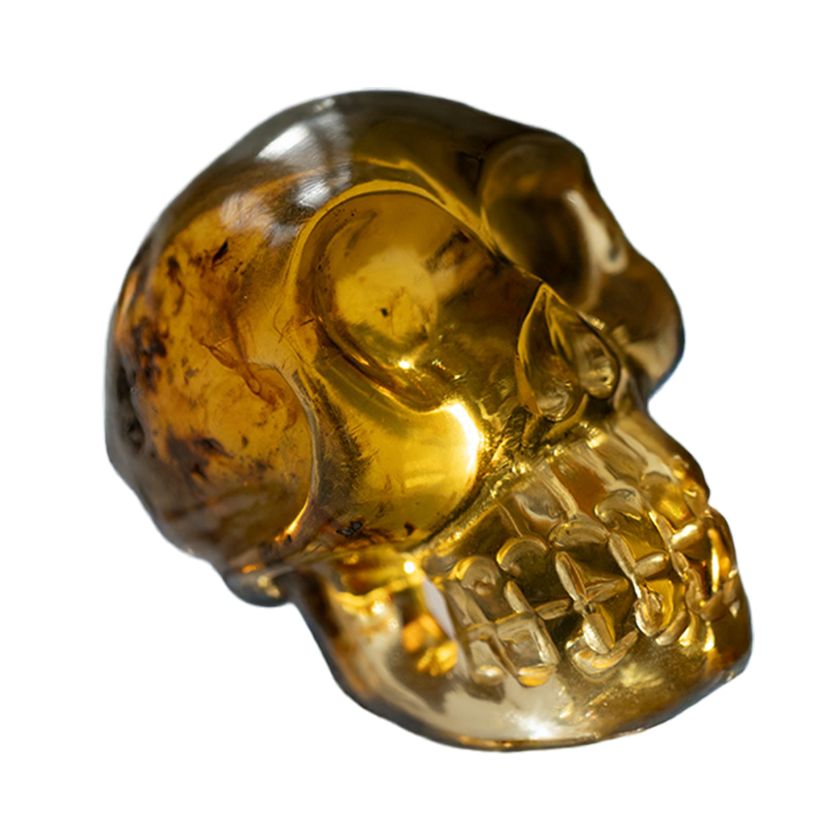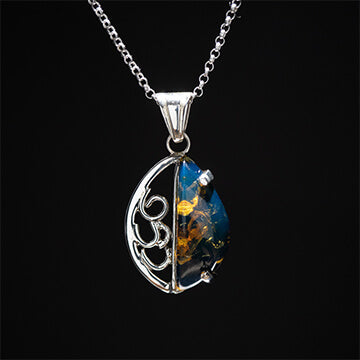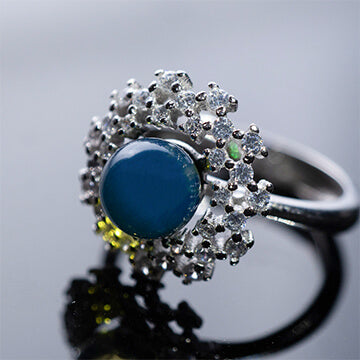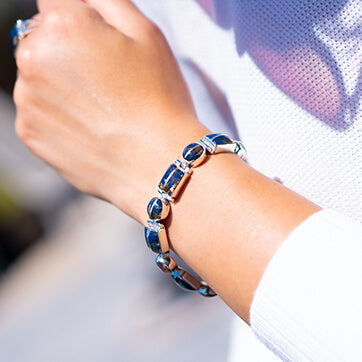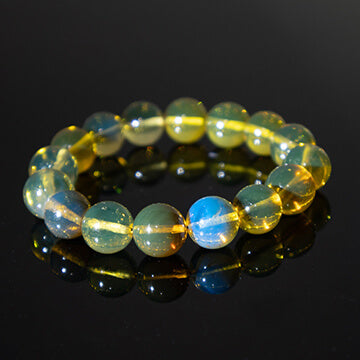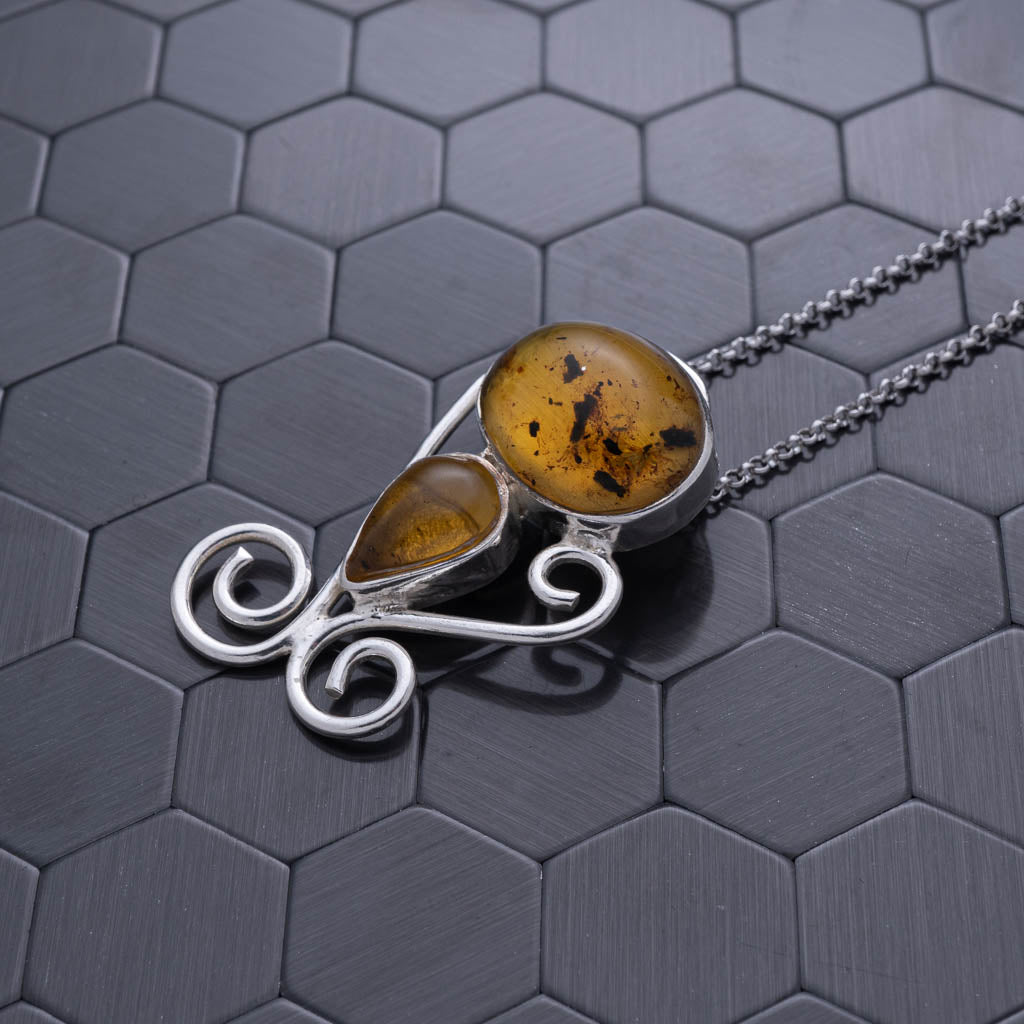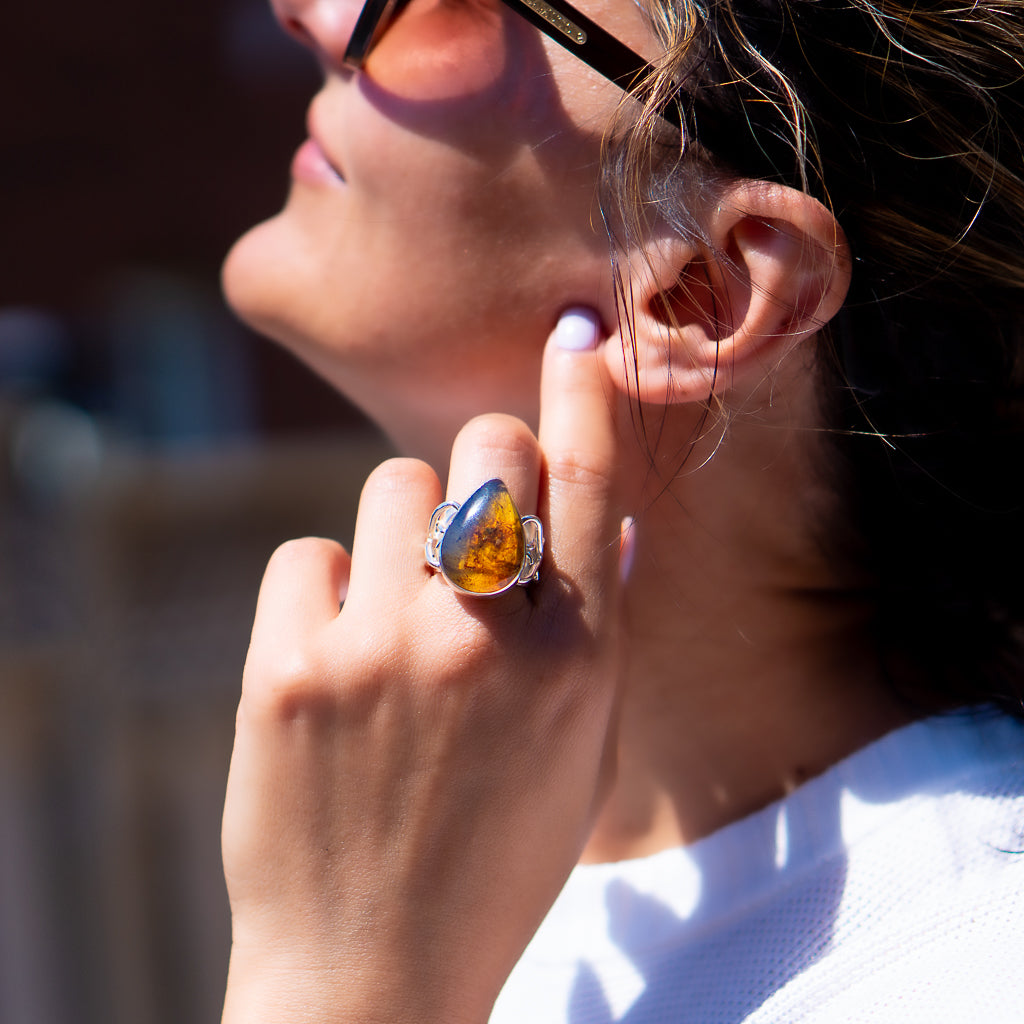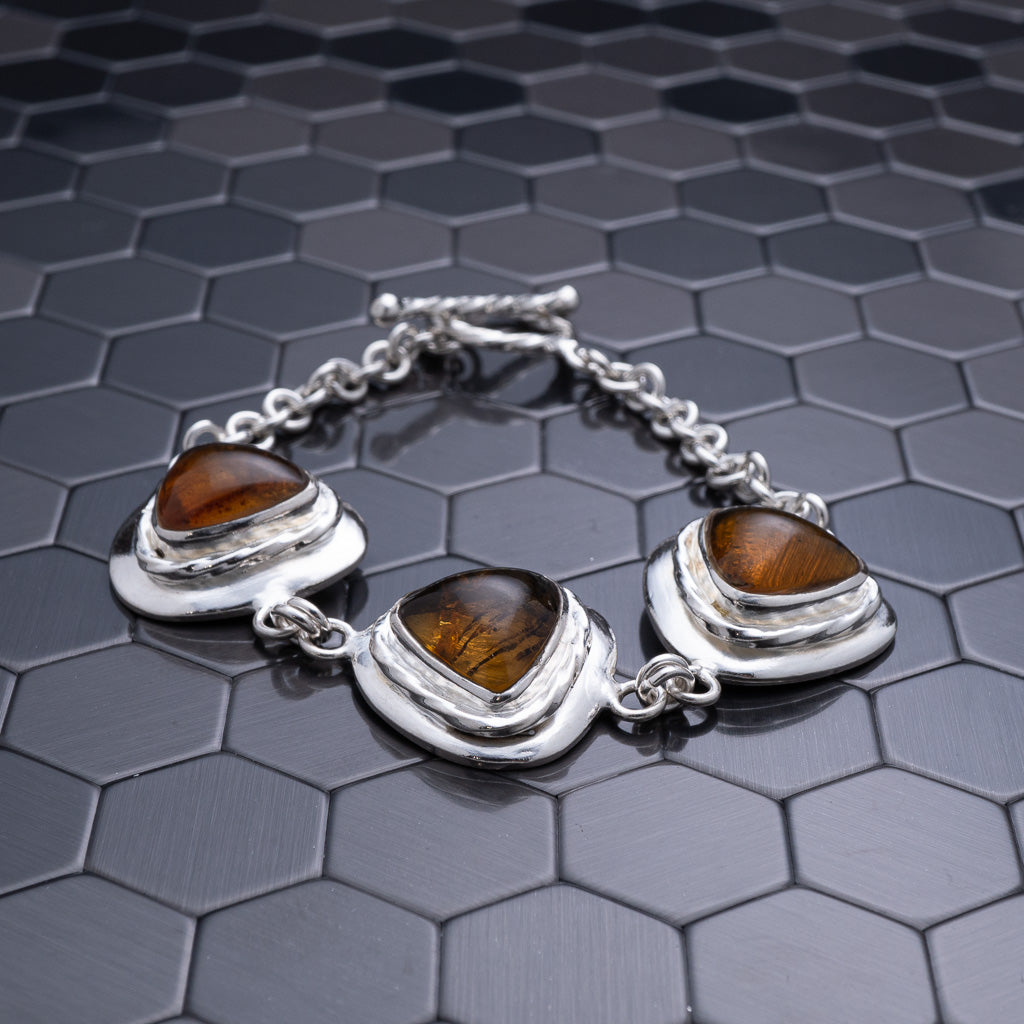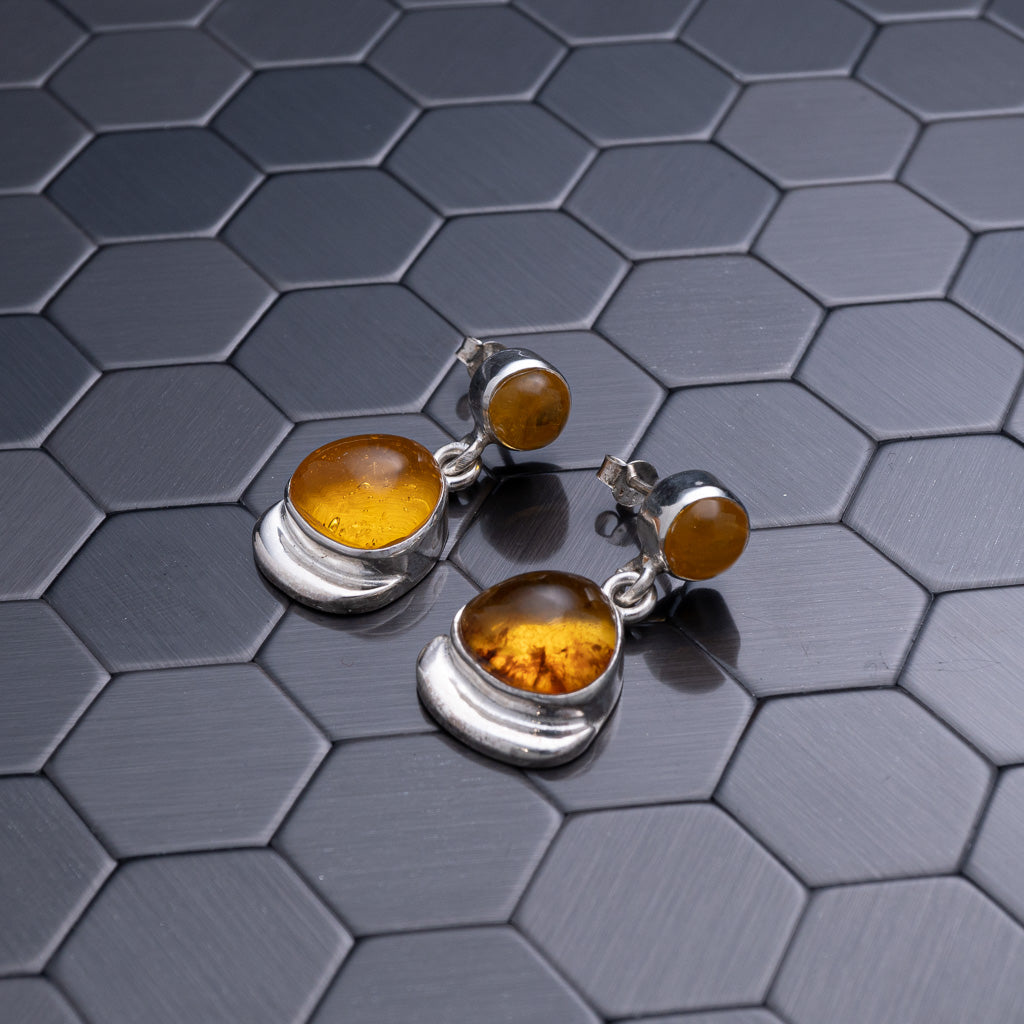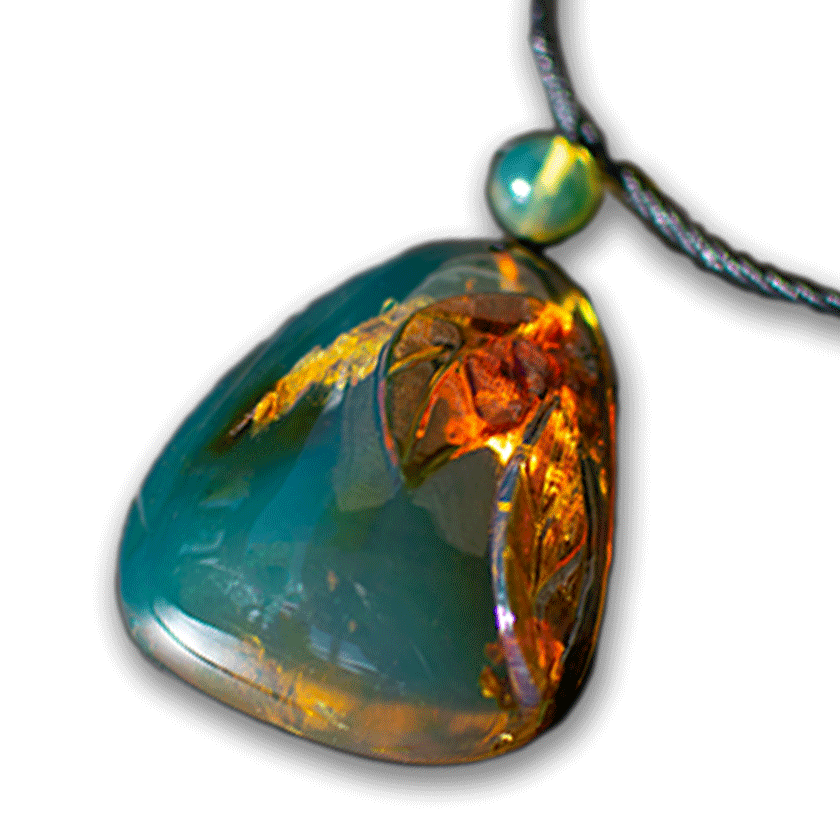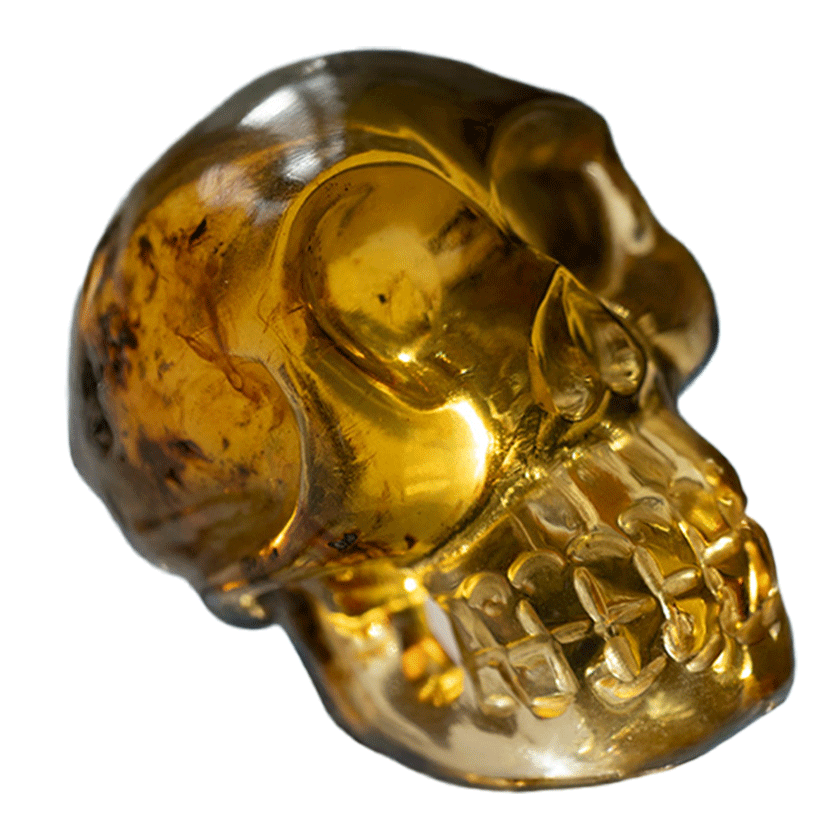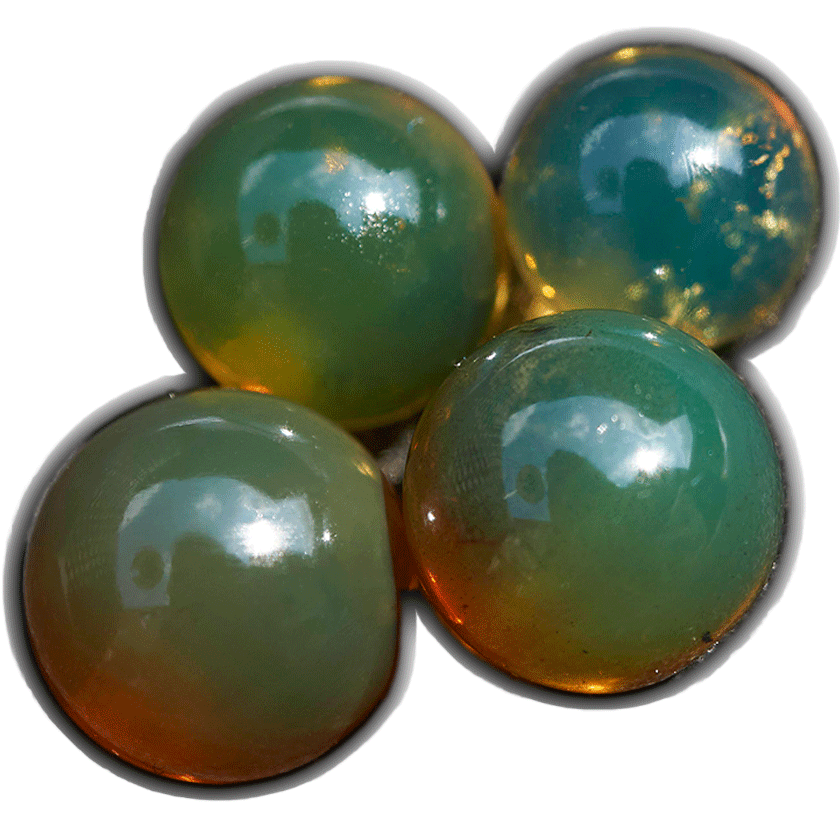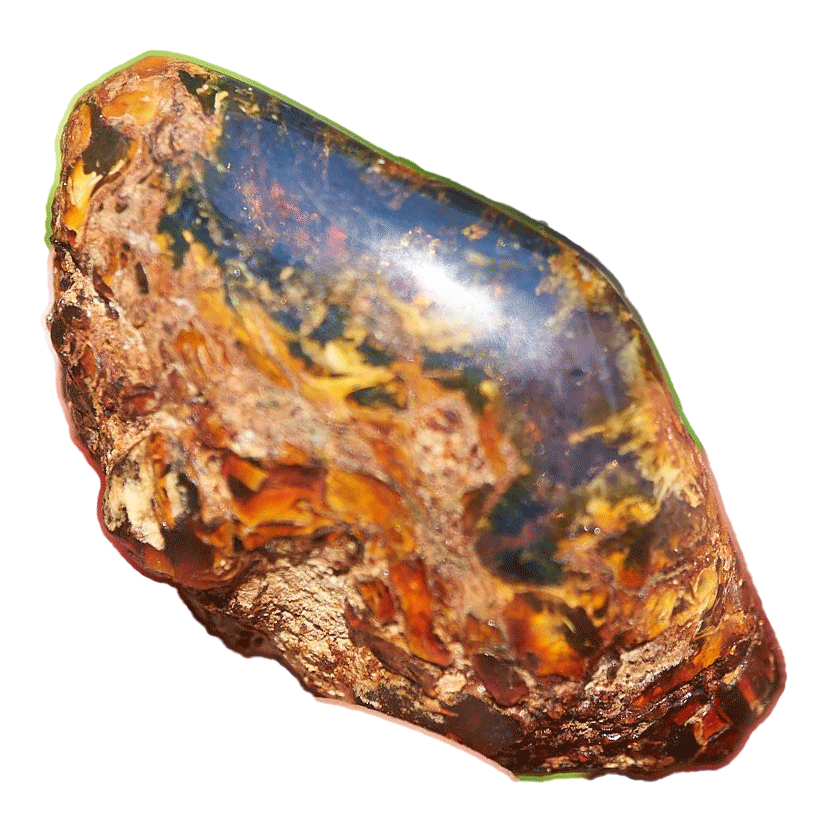


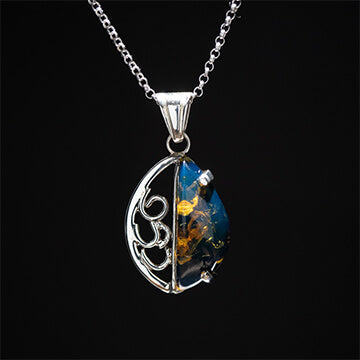
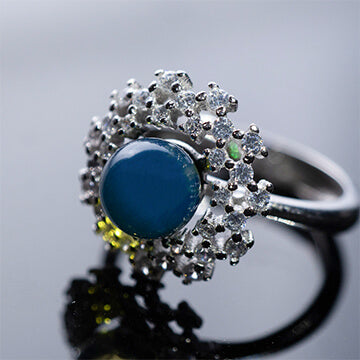
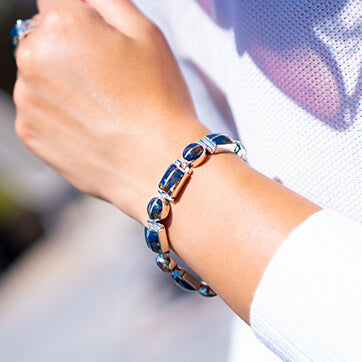
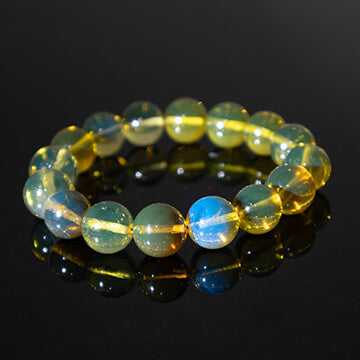
Handcrafted in DR.

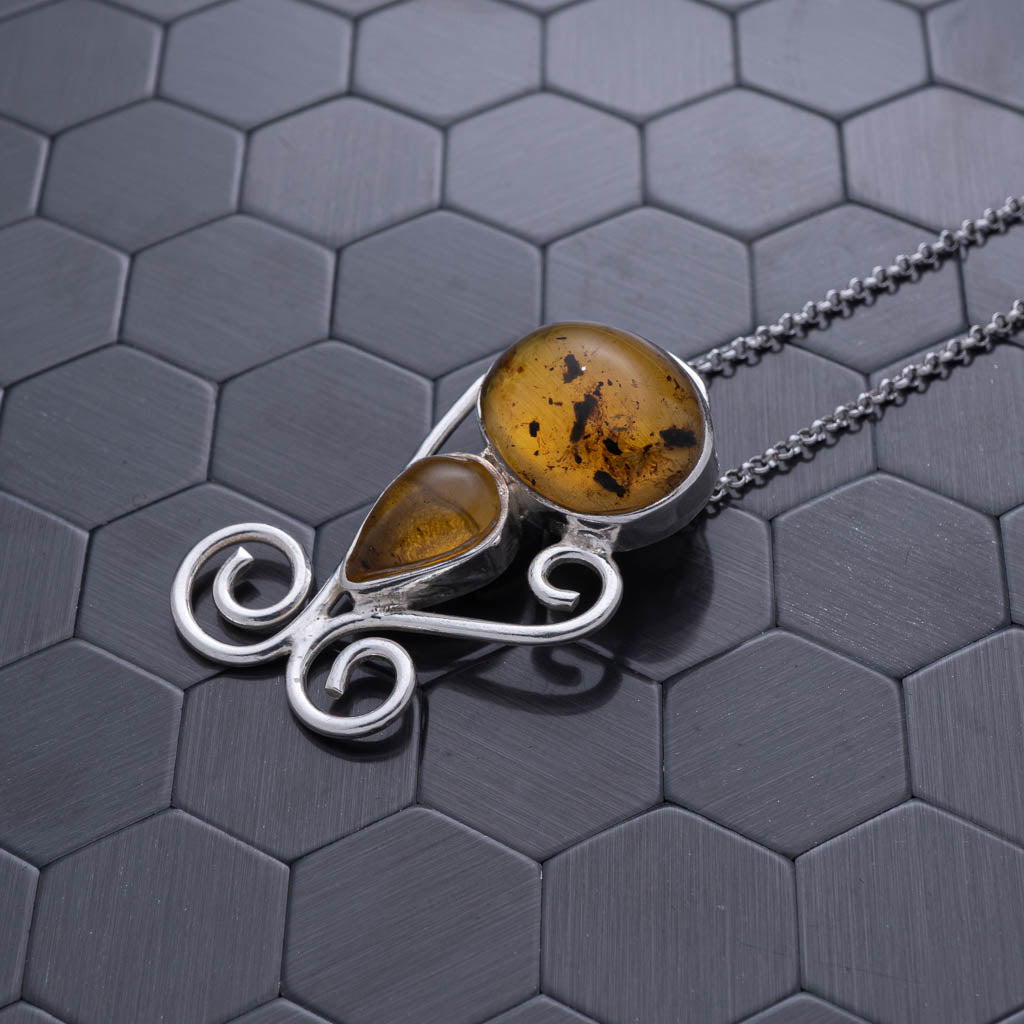
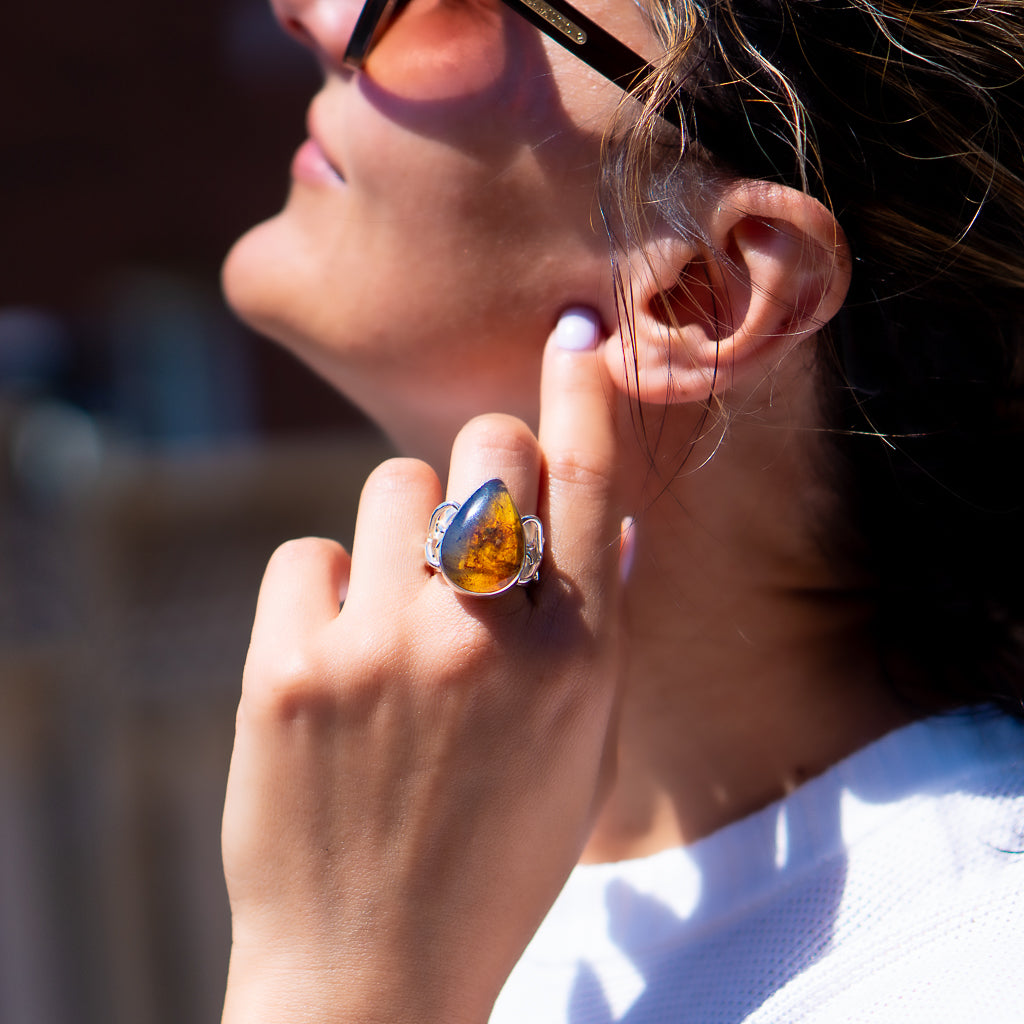
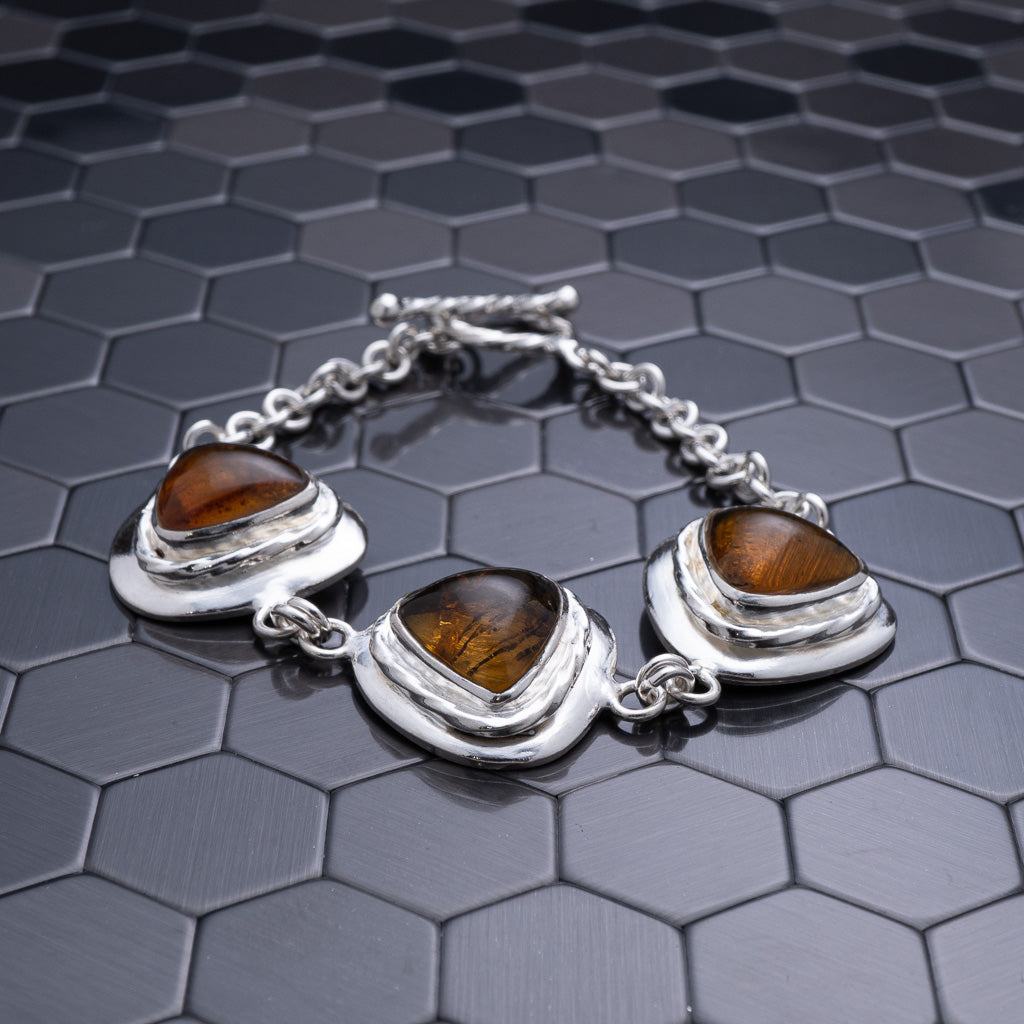
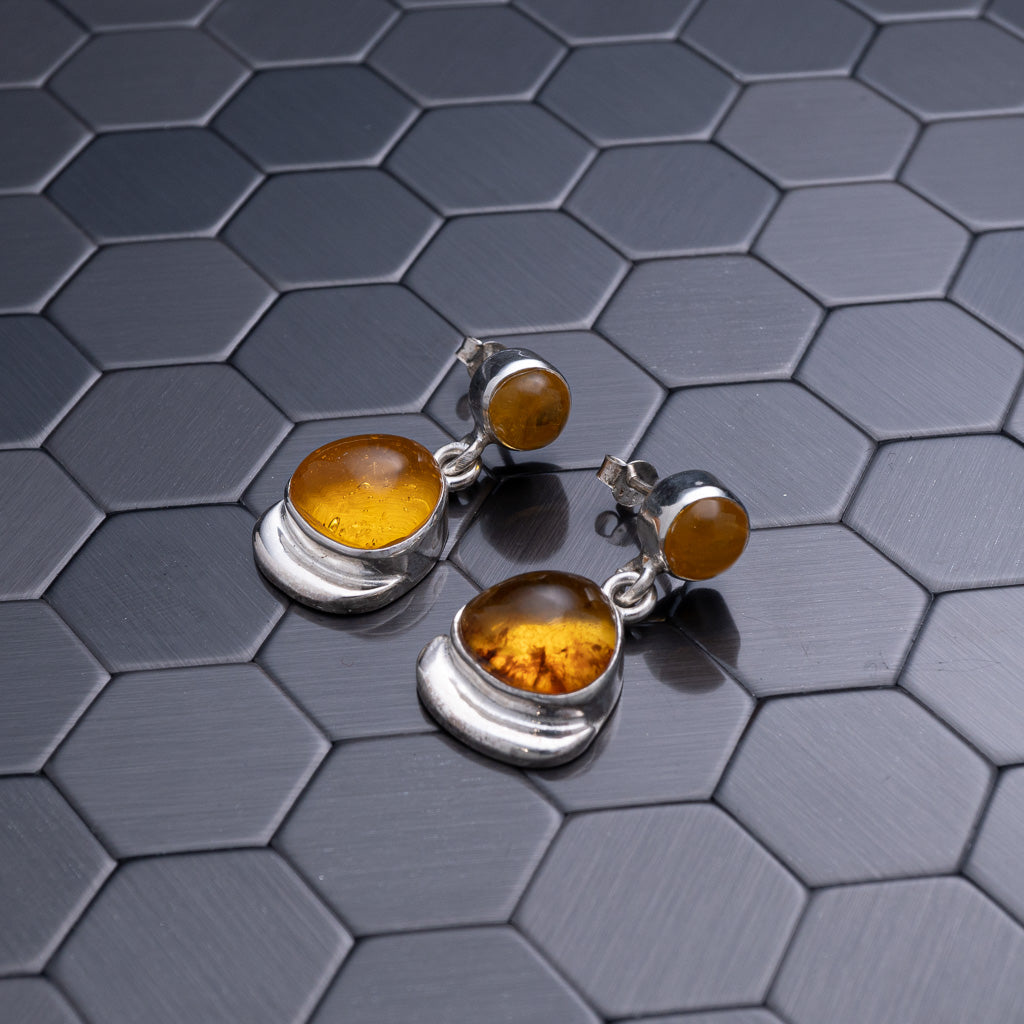


100% Handcrafted in DR.

Few materials in the world of jewelry rival the timeless beauty and adaptability of 925 silver sterling silver. Whether you’re new to fine jewelry or a seasoned collector, understanding this alloy is essential in 2025.
This guide unpacks every aspect of 925 silver sterling silver. You’ll discover its true meaning, how it compares with other metals, its benefits and drawbacks, and how to keep it looking stunning.
Ready to choose wisely and care for your favorite pieces? Let’s dive in and make every purchase shine.
925 silver sterling silver is one of the most recognized and valued metals in the world of jewelry and fine craftsmanship. But what exactly makes this material so special, and why does it remain a top choice for artisans and collectors alike?

Sterling silver is not just pure silver. Instead, it is an alloy made from 92.5% pure silver mixed with 7.5% other metals, mainly copper. The term "925" in 925 silver sterling silver refers to this exact proportion: 925 parts per thousand of pure silver, with the remainder ensuring strength and durability.
Why not use pure silver? Pure silver, also known as fine silver, is too soft for everyday wear and tear. To make it suitable for intricate jewelry and functional pieces, other metals are added. This alloying process dates back centuries, with sterling silver standards first emerging in medieval Europe for coins and luxury goods.
Today, industry regulations require all 925 silver sterling silver jewelry to be stamped with a "925" or "sterling" mark. These hallmarks guarantee both quality and authenticity, meeting a minimum millesimal fineness standard that assures buyers of its composition.
The uses of 925 silver sterling silver are vast. You'll find it in rings, necklaces, bracelets, earrings, flatware, decorative art, and collectible coins. Its bright, reflective surface and versatility make it a favorite for both classic and contemporary designs. For a glimpse of beautifully crafted examples, visit this Sterling Silver Jewelry Collection.
Sterling silver’s legacy as the most widely used silver alloy in fine jewelry is no accident. Its balance of beauty, strength, and affordability continues to appeal to designers and consumers worldwide.
Visually, 925 silver sterling silver stands out for its brilliant luster and mirror-like finish. This shine is a result of its high silver content, making it eye-catching and elegant for all occasions. The alloying metals, usually copper, give it a durable edge, so it resists bending and scratching better than pure silver.
However, the copper addition means 925 silver sterling silver is prone to tarnishing. When exposed to air, moisture, or sulfur, it can develop a subtle patina. The good news? Tarnish only affects the surface and can be easily polished away.
Many people wonder about skin sensitivities. High-quality 925 silver sterling silver is generally hypoallergenic, making it a safe choice for most wearers. Only those with extreme metal allergies might experience irritation, and even then, it’s rare with reputable pieces.
How does it compare with other silver grades? Here’s a quick look:
| Silver Type | Purity (%) | Durability | Tarnish Resistance | Common Uses |
|---|---|---|---|---|
| Fine Silver | 99.9 | Low | High | Bullion, collectibles |
| 925 Sterling | 92.5 | High | Moderate | Jewelry, flatware |
| Coin Silver | ~90 | Moderate | Moderate | Older coins, antiques |
The blend of visual appeal, improved strength, and hypoallergenic qualities cements 925 silver sterling silver as a top-tier choice for jewelry and decorative pieces.
Choosing jewelry is about more than just appearance. When you consider 925 silver sterling silver, you’re weighing a blend of beauty, practicality, and investment. Let’s break down what makes this precious metal so appealing—and what you should watch out for.
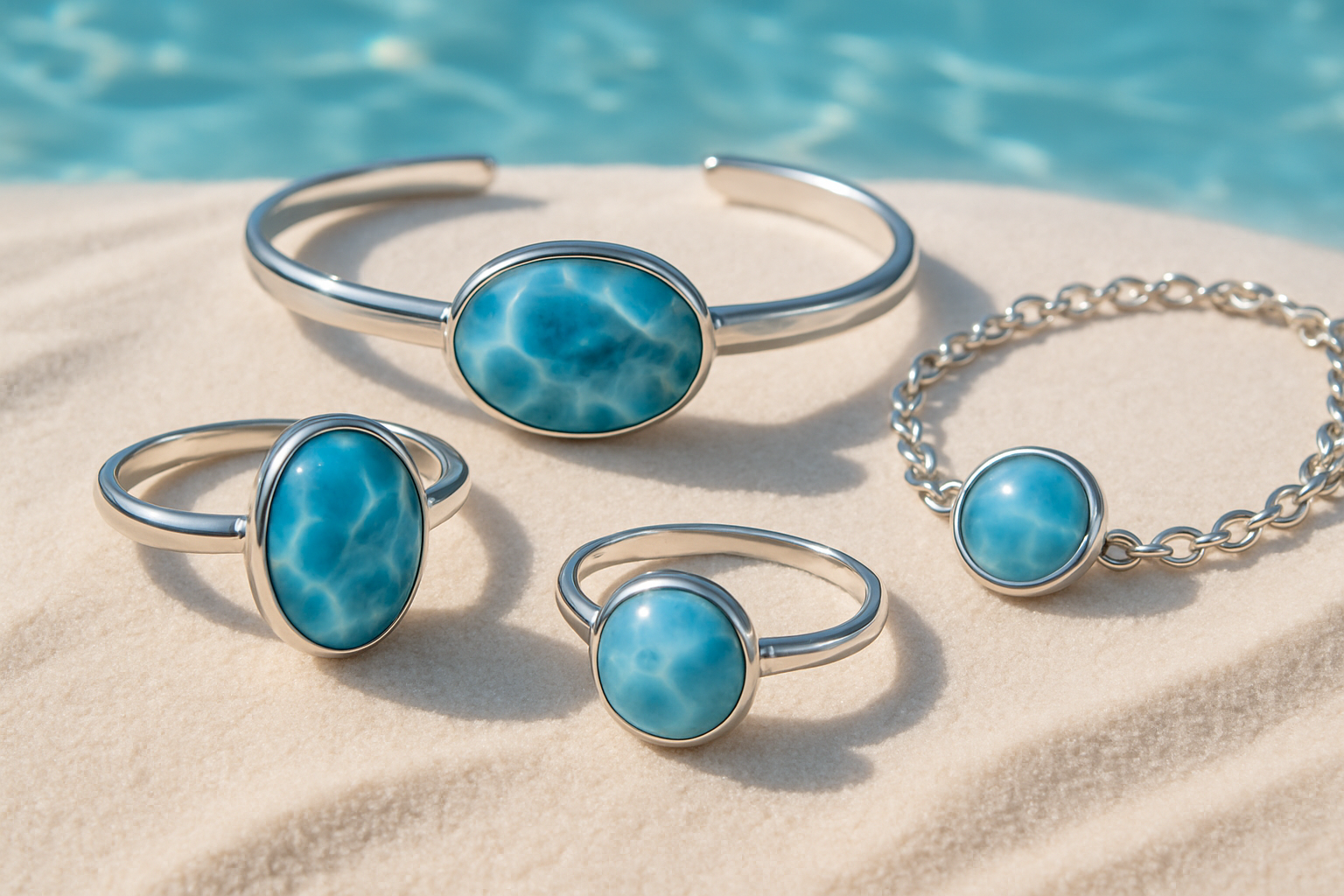
925 silver sterling silver has a timeless charm that complements any style. Its classic, lustrous look flatters all skin tones and pairs effortlessly with both casual and formal wear.
Let’s look at why so many people choose 925 silver sterling silver:
While 925 silver sterling silver offers many benefits, it’s important to consider its limitations before making a purchase.
Here’s a quick comparison:
| Feature | 925 Silver Sterling Silver | Other Metals (Gold, Steel, etc.) |
|---|---|---|
| Price | Affordable | Varies (often higher) |
| Tarnish | Yes | Less (for gold/platinum) |
| Hypoallergenic | Usually | Depends on alloy |
| Durability | Good, but softer | Often harder |
| Maintenance | Regular cleaning needed | Varies |
Ultimately, 925 silver sterling silver stands out for its blend of beauty, value, and adaptability. If you’re seeking jewelry that balances luxury with practicality, it’s a top contender. However, be mindful of its need for ongoing care and the importance of verifying authenticity. With the right approach, your 925 silver sterling silver pieces can remain stunning for years to come.
When shopping for jewelry or fine objects, understanding how 925 silver sterling silver compares to other metals is essential. Each material brings unique qualities to the table, impacting everything from beauty to budget. Let’s break down these differences so you can choose confidently.
The main difference between 925 silver sterling silver and pure silver is composition. Pure silver, often called fine silver, is 99.9% silver. While beautiful, it’s soft and easily scratched, making it less practical for jewelry. In contrast, 925 silver sterling silver is 92.5% silver mixed with 7.5% copper, giving it extra durability for daily wear.
Coin silver, historically used in older US coins, usually contains around 90% silver. It’s less common in jewelry today. Here’s a quick comparison:
| Metal | Silver Content | Durability | Common Uses | Tarnish Resistance |
|---|---|---|---|---|
| Pure Silver | 99.9% | Soft | Collectibles, bars | High |
| 925 Silver Sterling Silver | 92.5% | Durable | Jewelry, décor | Moderate |
| Coin Silver | ~90% | Fair | Antique items | Moderate |
So, 925 silver sterling silver strikes the ideal balance between shine, strength, and value for most jewelry lovers.
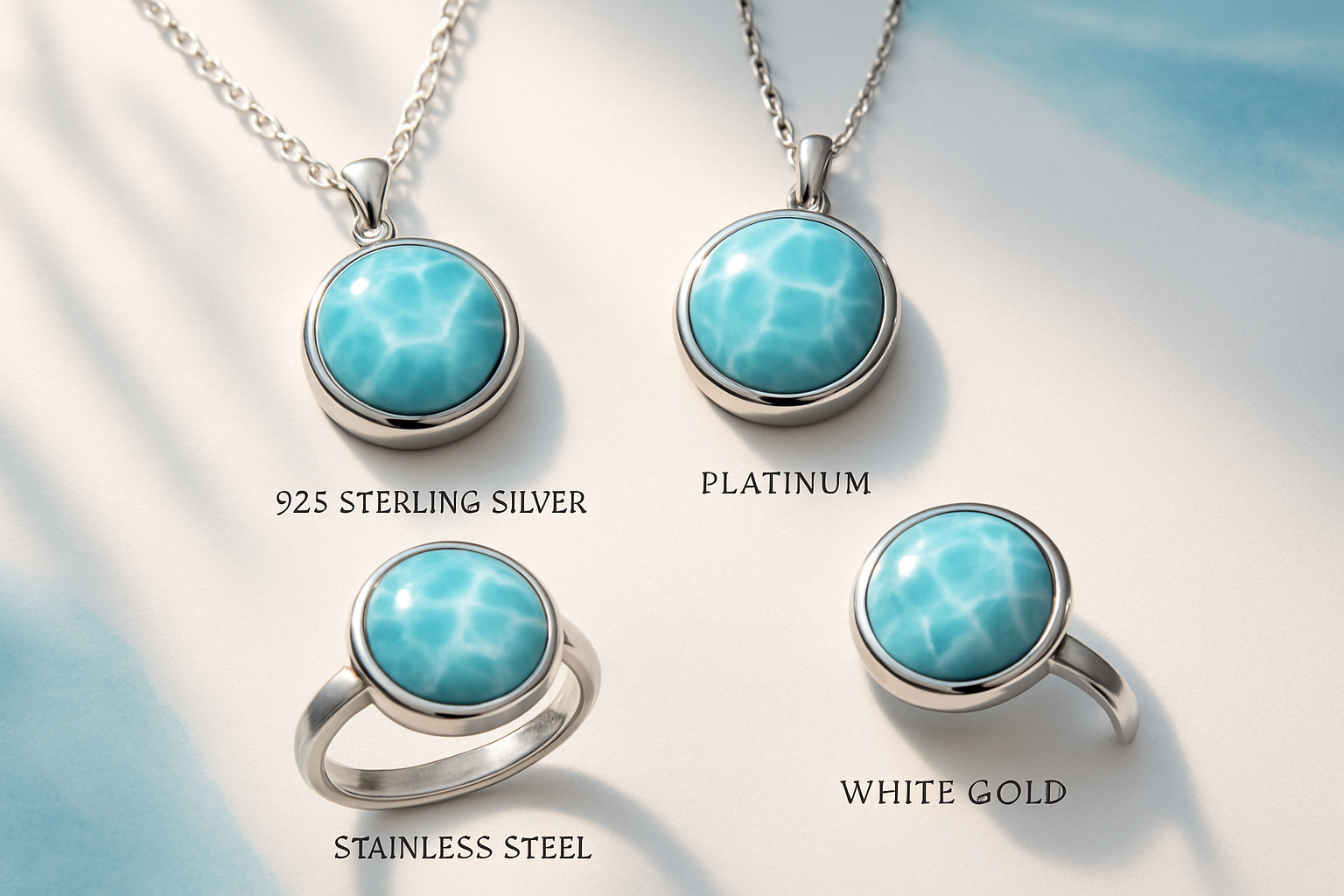
When comparing 925 silver sterling silver to stainless steel and platinum, differences in appearance, price, and care are clear. Stainless steel is an affordable, corrosion-resistant metal. It doesn’t tarnish, making it a low-maintenance option. However, stainless steel lacks the intrinsic value and prestige of 925 silver sterling silver.
Platinum, on the other hand, is a precious metal like silver, but far rarer and more expensive. It’s hypoallergenic and nearly indestructible but commands a premium price. In terms of investment, 925 silver sterling silver offers a blend of elegance and value, while platinum is a luxury choice.
Price trends also matter. Recent reports like the HSBC raises silver price outlook suggest silver’s value may rise, making 925 silver sterling silver an attractive option for buyers in 2025.
White gold and 925 silver sterling silver can look similar, but their composition and care needs differ. White gold is made by alloying gold with metals like nickel or palladium, then coating it with rhodium for extra shine. This plating can wear off, requiring reapplication over time.
925 silver sterling silver is solid throughout, so scratches don’t alter its color. White gold is usually more expensive and sometimes less hypoallergenic due to nickel content. Other alloys, like titanium or brass, offer durability but lack the classic luster and value of 925 silver sterling silver.
If you want timeless shine with easy upkeep, 925 silver sterling silver often wins out in daily jewelry.
Choosing between 925 silver sterling silver and other metals depends on your needs:
Consider what matters most to you—style, value, comfort, or maintenance—when making your choice.
Identifying genuine 925 silver sterling silver can feel daunting, especially with so many lookalikes on the market. However, knowing what to look for helps you avoid disappointment and ensures your jewelry is both beautiful and authentic. Let’s break down the key steps and warning signs so you can shop with confidence.
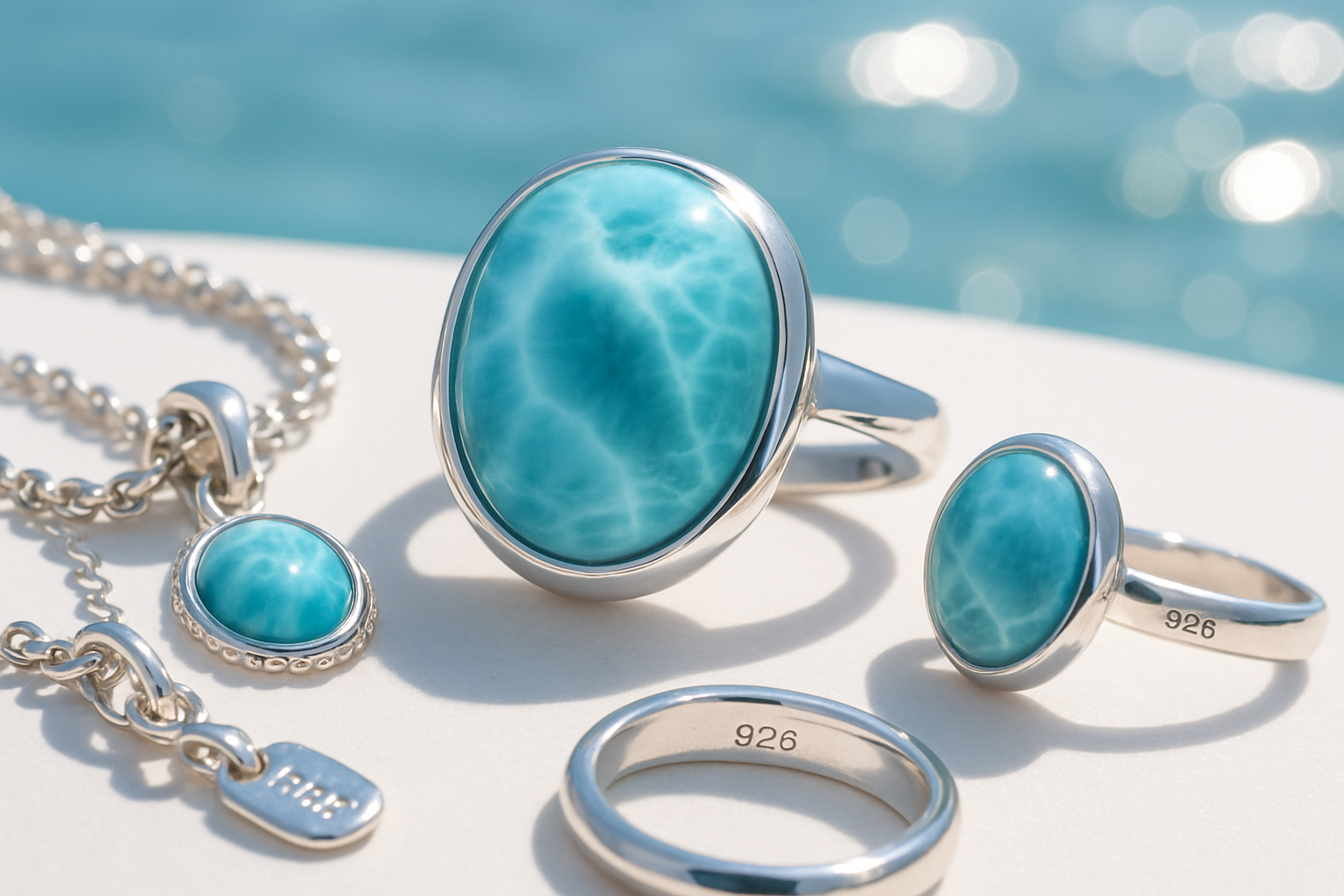
The first step in identifying real 925 silver sterling silver is checking for hallmarks. Authentic pieces are typically stamped with “925,” “Sterling,” or “Sterling Silver.” This mark indicates the alloy contains 92.5% pure silver, meeting the industry standard for quality.
Look for these common markings:
Be wary of missing or poorly stamped hallmarks. Some countries have unique symbols to further prove authenticity. If you’re unsure, compare the stamp to official guides or consult a reputable jeweler.
For a deeper dive into what these marks mean and how to spot fakes, check out this Authenticity and Buying Guide to ensure your next 925 silver sterling silver purchase is the real deal.
WHERE TO BUY YOUR JEWELRY: Larimar Creations
After checking hallmarks, try simple at-home tests to confirm if your item is true 925 silver sterling silver. The ice test is a favorite: place an ice cube on the metal—real silver conducts heat rapidly, so the ice melts quickly. The magnet test is another easy method; genuine silver is not magnetic, so your piece should not be attracted to a magnet.
Professionals may use a nitric acid test, where a drop of acid reacts differently with silver than with base metals. However, this test can damage jewelry, so it’s best left to experts.
You can also check weight and sound. Sterling silver is relatively dense and produces a distinct, clear “ring” when gently tapped. For high-value or sentimental items, consider professional verification, especially if the 925 silver sterling silver piece is antique or intricately designed.
Remember, at-home tests are helpful, but a mix of methods gives you the most reliable results. Never hesitate to ask for a certificate of authenticity or a jeweler’s opinion.
Even with hallmarks and home tests, fakes do circulate. Watch for these red flags when buying 925 silver sterling silver:
Scammers may use misleading stamps or plate base metals with a thin silver layer. If you spot inconsistencies in color, feel, or markings, trust your instincts and walk away.
Staying informed and alert means you’ll enjoy the lasting beauty and value of genuine 925 silver sterling silver for years to come.
Caring for 925 silver sterling silver is the secret to keeping your favorite jewelry and keepsakes looking radiant year after year. Even though sterling silver is known for its strength and beauty, it does need a little attention to maintain its glow. Let’s explore why tarnish happens, the best cleaning methods, and how to avoid common pitfalls so your pieces always shine.
Tarnishing is a natural process that affects all 925 silver sterling silver jewelry. It happens when the copper in the alloy reacts with air, moisture, and trace sulfur compounds in the environment. This reaction forms a thin layer of discoloration on the surface—what you see as tarnish.
Humidity, pollution, lotions, and even your skin’s chemistry can speed up tarnishing. If you live near the coast or in a humid climate, you might notice your 925 silver sterling silver pieces darken more quickly. The good news? Tarnish is only on the surface and doesn’t harm the metal underneath.
Most people find that with regular wear and a little maintenance, 925 silver sterling silver stays bright for a long time. The frequency of cleaning depends on how often you wear your jewelry and the conditions it’s exposed to.
Keeping your 925 silver sterling silver sparkling is easy if you follow a few simple steps. For daily care, gently wipe each piece with a soft, lint-free cloth after wearing. This removes oils and moisture that can cause tarnish.
For a deeper clean at home:
Commercial silver polishing cloths and creams can also help, especially for stubborn tarnish. For heirlooms or intricate designs, consider professional cleaning.
For more practical cleaning and care tips, check out these Care Tips for Silver Jewelry.
The best way to protect 925 silver sterling silver is to prevent tarnish before it starts. Here’s how:
Don’t wear your silver in pools, hot tubs, or while cleaning with harsh chemicals. Regular inspections and gentle handling will keep your collection in top shape for generations.
Even with the best intentions, it’s easy to make mistakes when caring for 925 silver sterling silver. Avoid these common pitfalls:
One customer learned the hard way after using a rough cloth on her 925 silver sterling silver bracelet—tiny scratches dulled its shine. Stick to soft cloths and gentle products to preserve your jewelry’s luster.
Shopping for 925 silver sterling silver in 2025 is more exciting than ever. With so many styles and sellers available, it’s important to know how to spot quality, what’s trending, and which myths to ignore. Whether you’re a first-time buyer or a seasoned collector, this section will help you make smart choices and keep your jewelry shining.
When shopping for 925 silver sterling silver, authenticity is everything. Always check for the “925” stamp, which signals 92.5% pure silver content. Look for clear, well-placed hallmarks such as “925,” “Sterling,” or “Sterling Silver.” These are your first signs of genuine quality.
Next, examine craftsmanship. High-quality 925 silver sterling silver should feel solid—never flimsy or lightweight for its size. Inspect clasps, settings, and details. Reputable sellers will provide certification or documentation confirming the metal’s purity.
Consider shopping with established jewelers who offer transparent return policies and warranties. This is especially important when buying online. Review the seller’s reputation, read customer feedback, and avoid deals that seem too good to be true.
Use this quick checklist before you buy:
Finally, remember that proper care extends the life of your 925 silver sterling silver. For expert cleaning and storage advice, see these silver care tips.
In 2025, the 925 silver sterling silver market is seeing new trends that every buyer should know. Demand for sustainable and ethically sourced silver is higher than ever. Many brands now highlight their eco-friendly practices and transparent supply chains.
Online jewelry shopping continues to grow, making it easier to access global styles and competitive prices. Minimalist, vintage-inspired, and customized pieces are especially popular. Artisans are experimenting with new alloying techniques, making 925 silver sterling silver even more durable and resistant to tarnish.
Here’s a snapshot of current trends:
| Trend | Description |
|---|---|
| Sustainability | Focus on recycled and ethically sourced silver |
| Online Shopping | More global access and secure digital purchases |
| Customization | Personalized and made-to-order pieces |
| Vintage & Minimalist | Styles inspired by past eras and clean, modern design |
| Improved Durability | Innovations in alloying for longer-lasting jewelry |
Sterling silver jewelry remains a top seller worldwide, with consumers valuing both the beauty and the investment potential of 925 silver sterling silver.
Despite its popularity, several myths about 925 silver sterling silver still circulate. Let’s clear up the most common misunderstandings:
“Sterling silver isn’t real silver.”
False—sterling silver is real silver, alloyed for strength and durability.
“Tarnish means poor quality.”
Not true. All 925 silver sterling silver can tarnish over time, but this is a natural surface reaction, not a flaw.
“Sterling silver always causes allergies.”
High-quality 925 silver sterling silver is generally hypoallergenic, especially when alloyed with metals like copper instead of nickel.
“All 925 silver sterling silver is the same.”
In reality, quality varies based on craftsmanship, alloying, and finishing processes.
By understanding these facts, you can confidently choose and care for 925 silver sterling silver that fits your style and needs.
Have questions about 925 silver sterling silver? You're not alone. With its popularity in jewelry and collectibles, it's natural to want clarity about quality, care, and everyday wear. Below, you'll find answers to the most common questions people ask about 925 silver sterling silver, plus troubleshooting tips to keep your pieces shining for years.
When it comes to 925 silver sterling silver, shoppers want reassurance about its quality, care, and suitability for everyday use. Here are the most frequent questions, answered by experts:
| Question | Quick Answer |
|---|---|
| Is 925 silver sterling silver hypoallergenic? | Yes, it is generally safe for most skin types, as it contains 92.5% pure silver. However, a small percentage of people may react to the alloy metals, usually copper. |
| Will it turn my skin green? | Rarely. This can happen if your skin reacts to the copper content in some 925 silver sterling silver pieces, but high-quality, well-made jewelry usually prevents this effect. |
| Can I shower or swim with 925 silver sterling silver? | It's best to avoid prolonged exposure to water, especially in pools or hot tubs, as chemicals can speed up tarnishing. Occasional water contact is fine, but dry your jewelry thoroughly. |
| How long does 925 silver sterling silver jewelry last? | With proper care, it can last a lifetime. Its durability and value retention make it a favorite for heirloom pieces. |
| Why does my jewelry turn black? | Tarnishing is a natural reaction between the copper in 925 silver sterling silver and sulfur in the air. It doesn't harm the metal and can be easily polished away. |
| How can I check if my jewelry is genuine? | Look for "925" or "sterling" stamps. For more tips, check out these Frequently Asked Jewelry Questions for visuals and expert guidance. |
Wondering about the current price or market value of 925 silver sterling silver? Prices fluctuate based on global silver rates, but it remains an affordable precious metal compared to gold or platinum.
If you're comparing 925 silver sterling silver to other metals for daily wear, sterling silver offers a balance of elegance, comfort, and affordability. It can be resized or repaired by most jewelers, making it a flexible choice for evolving styles.
Even with the best care, 925 silver sterling silver can face issues like heavy tarnish or accidental damage. Here’s how to troubleshoot and keep your jewelry looking its best.
What should you do if your jewelry tarnishes heavily?
Start with a gentle polish using a soft cloth. For stubborn tarnish, try a homemade cleaning solution: line a bowl with aluminum foil, add hot water, baking soda, and salt, then soak your piece for a few minutes. This simple method restores shine without harsh chemicals.
How do you revive old or antique 925 silver sterling silver?
Use non-abrasive cleaning products and avoid over-polishing, which can wear down details. For intricate designs or valuable heirlooms, seek professional cleaning to ensure safety and preservation.
When is it time to call an expert?
If your 925 silver sterling silver is badly scratched, bent, or set with delicate gemstones, professional repair is best. Jewelers can also help with resizing or restoring antique finishes.
Common mistakes to avoid:
For more expert advice on caring for your 925 silver sterling silver, visit the Tiffany & Co. sterling silver care page for step-by-step tips and maintenance ideas.
If you’re ever unsure, consult a trusted jeweler or refer to reputable online resources for guidance. With proper care, your 925 silver sterling silver can remain bright, beautiful, and cherished for generations.
Now that you know all about the beauty, value, and care of 925 sterling silver, why not take the next step and make it a part of your own collection? Whether you’re just starting out or looking to add something special, there’s nothing quite like owning a piece that’s both timeless and unique. At Larimar Creations, each handcrafted item reflects genuine artistry and the enduring allure of quality silver jewelry. If you’re ready to find a piece that speaks to you, Start Your Collection Today and discover the perfect addition to your style.