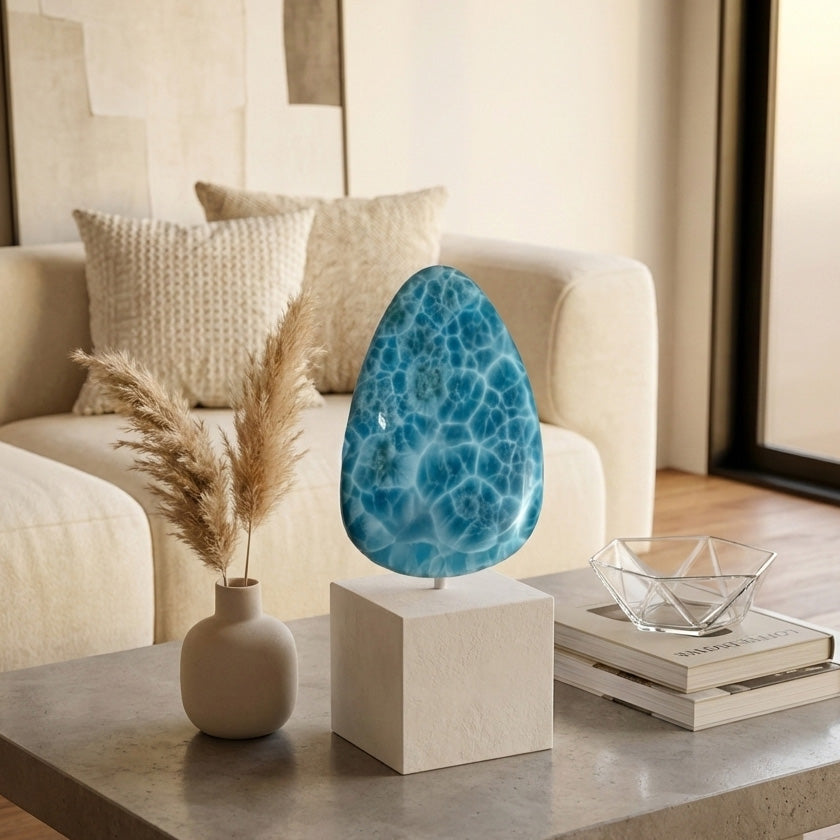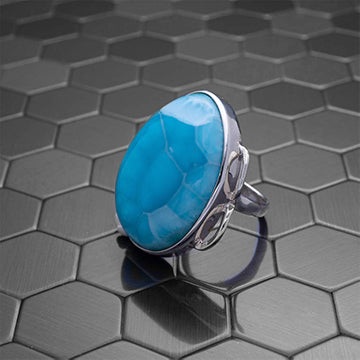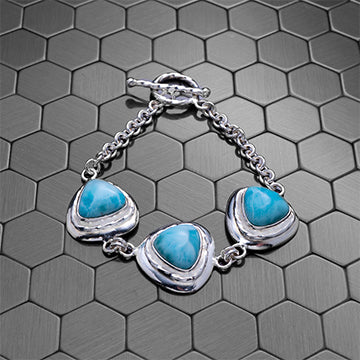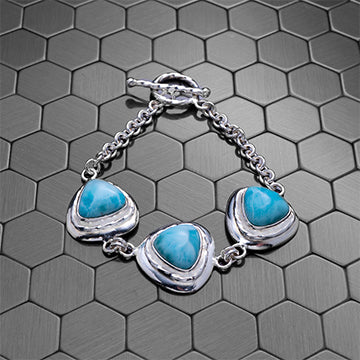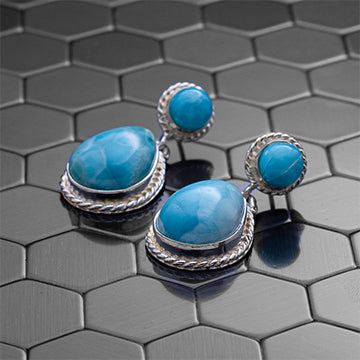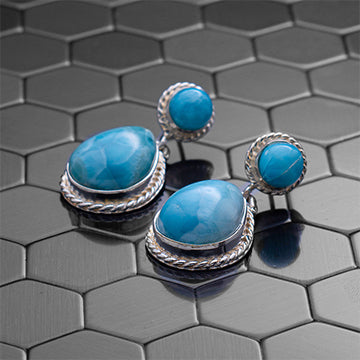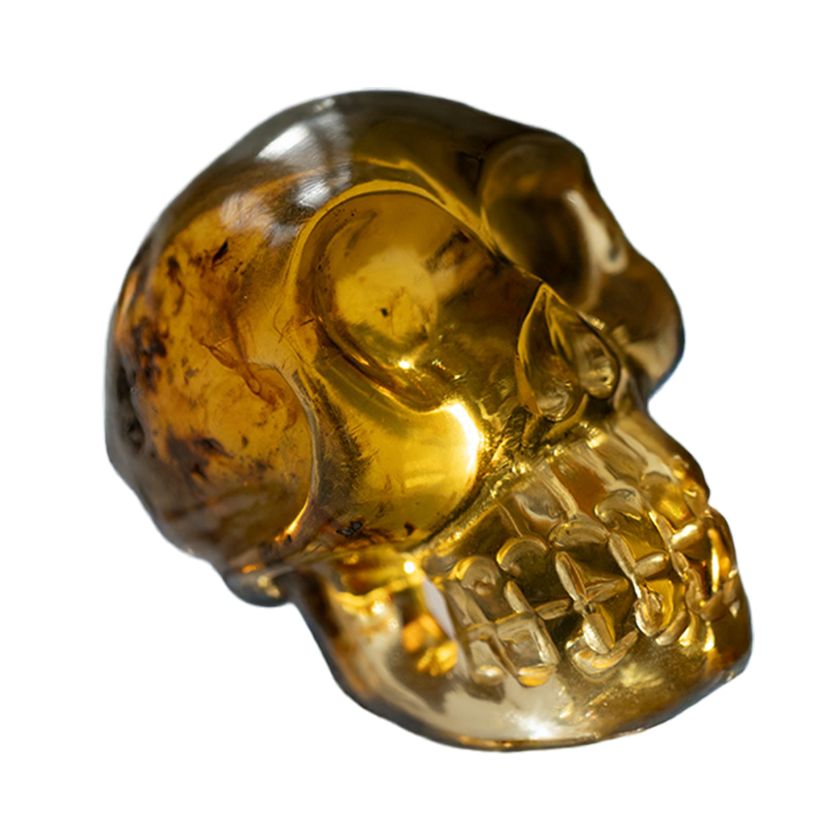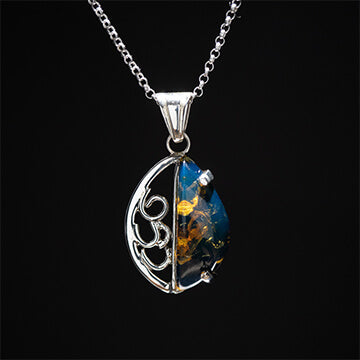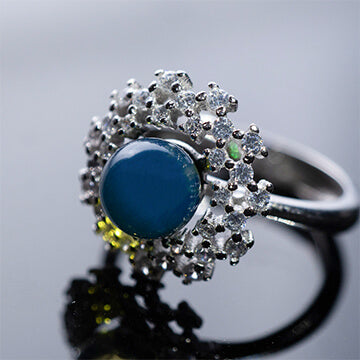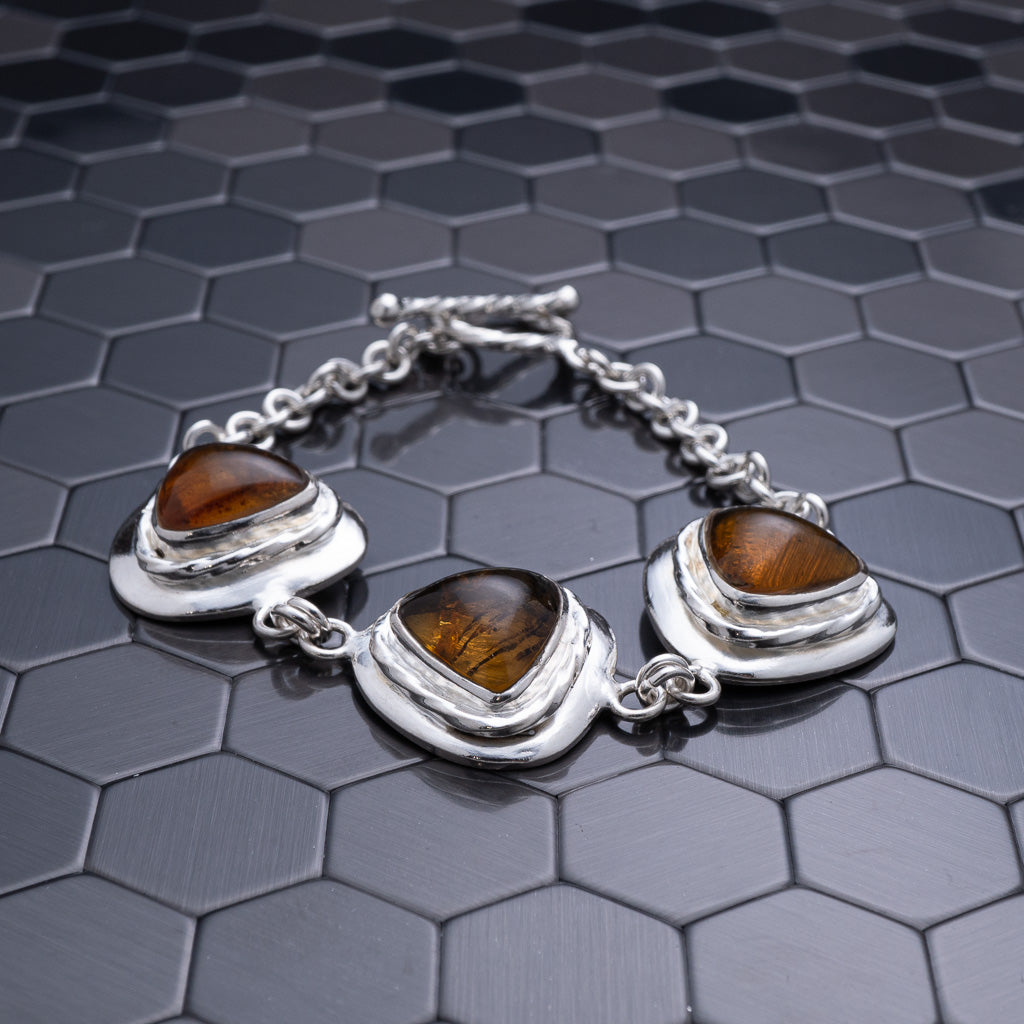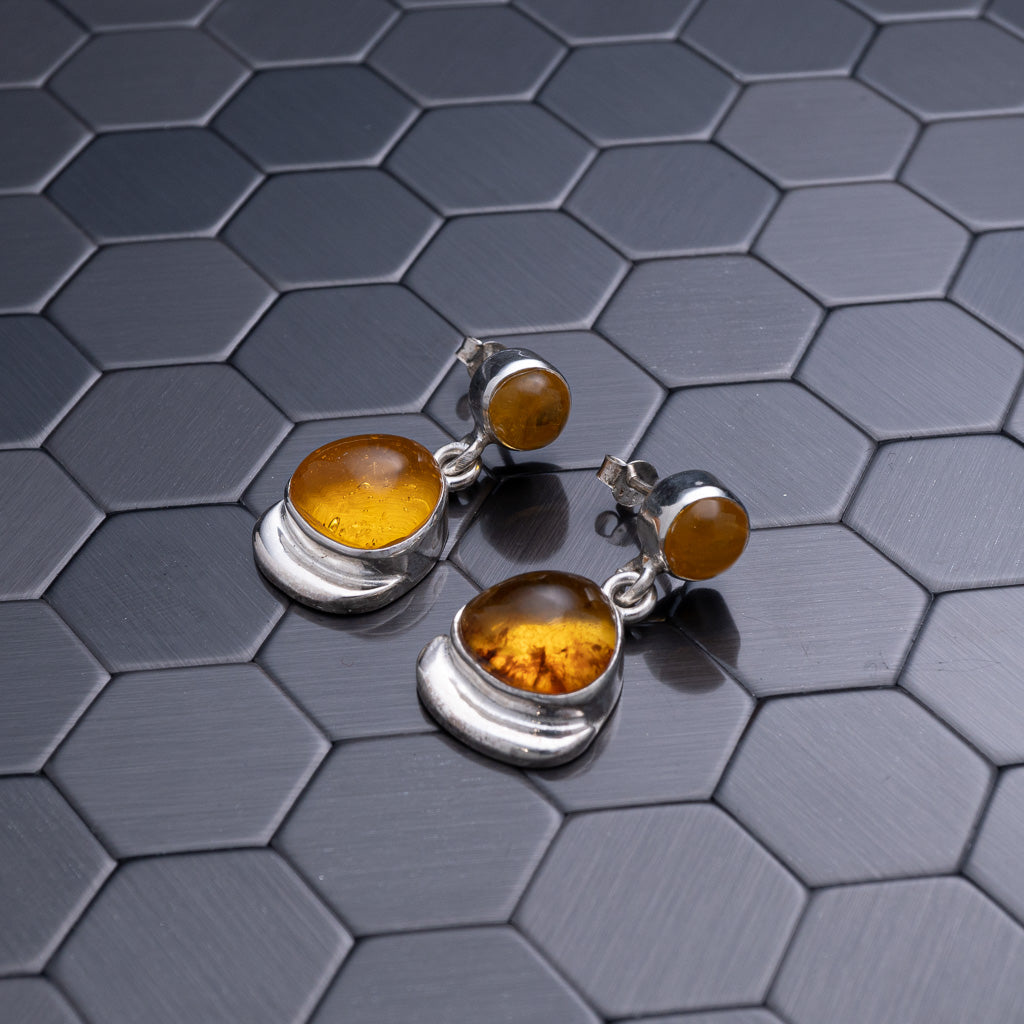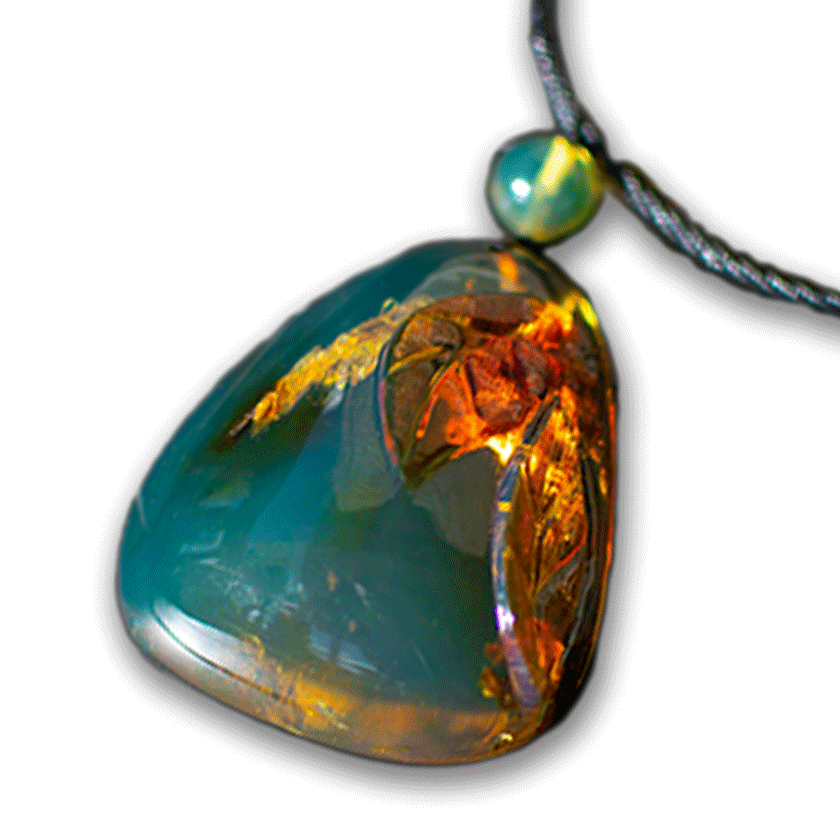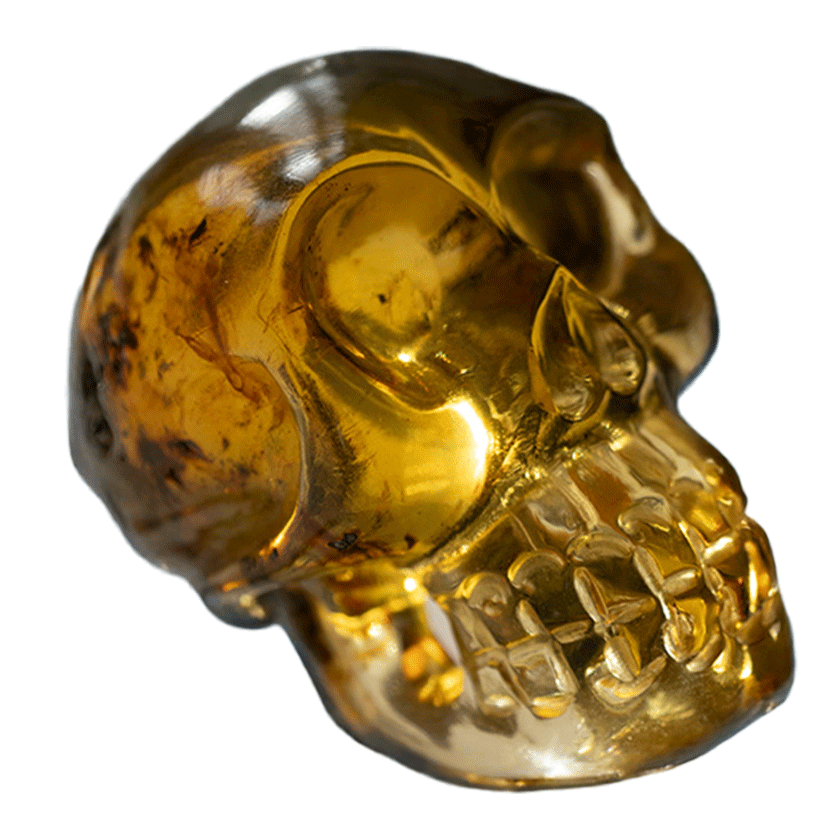

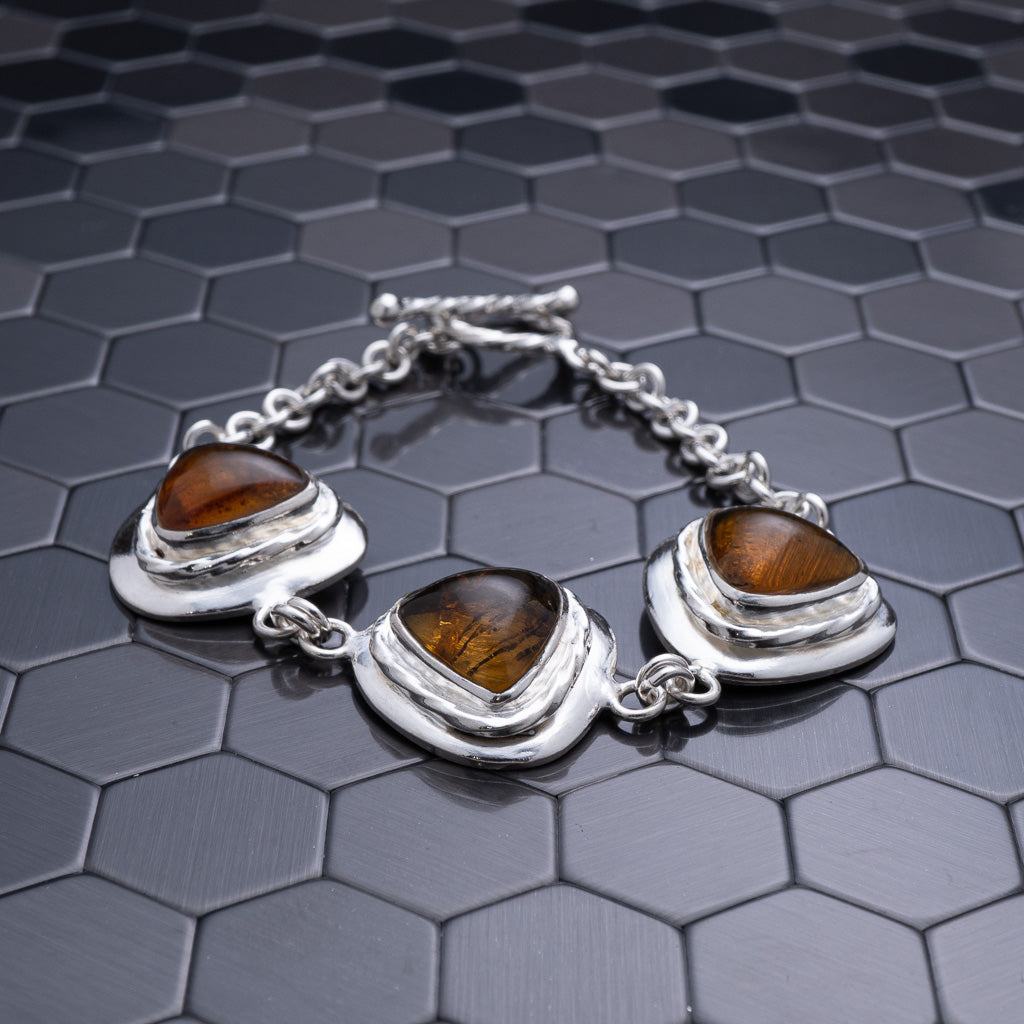
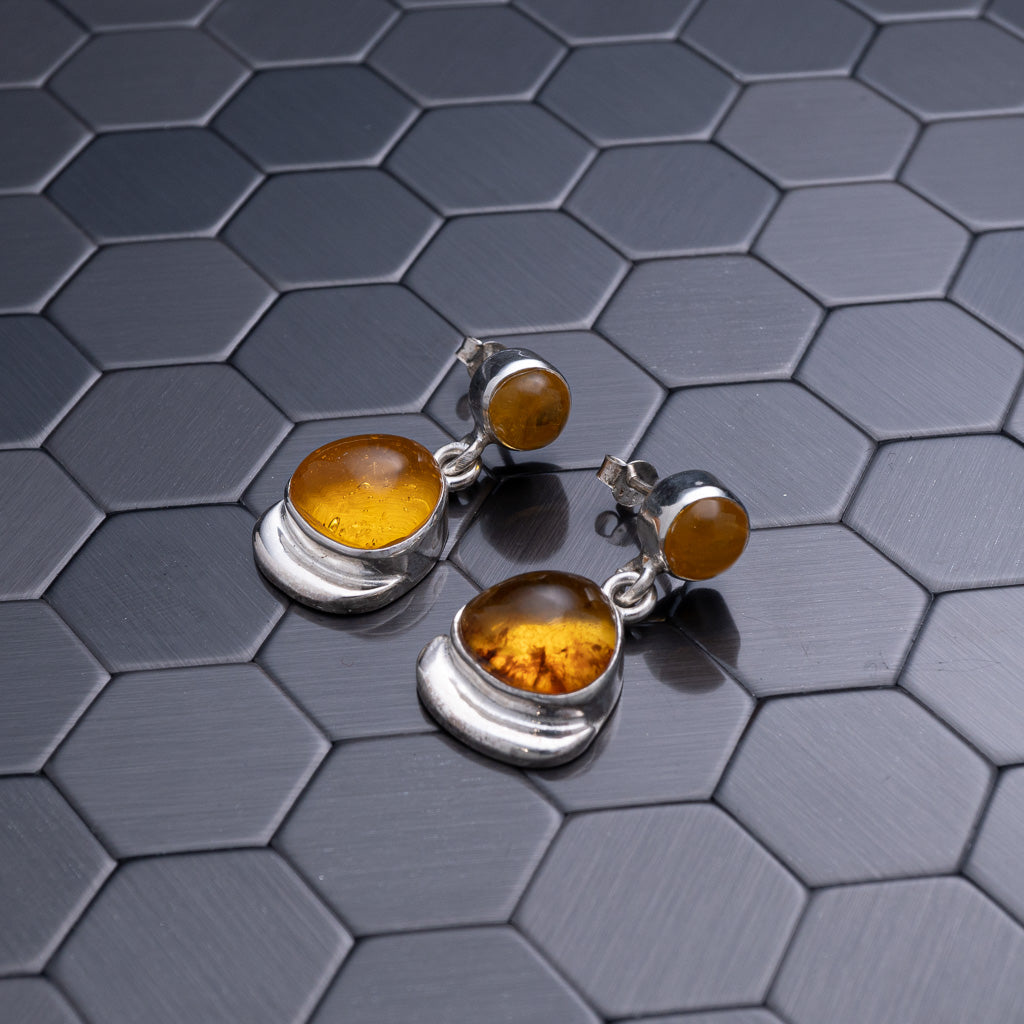
A piece of genuine blue amber can look almost understated indoors, then suddenly flash an electric blue glow in sunlight or UV light. That moment is exactly why collectors pause, jewelry lovers fall in love, and buyers ask the same question: why is blue amber rare?
The short answer is that true blue amber requires an unusually specific combination of origin, organic chemistry, geological history, and optical behavior. It is not simply amber that happens to be blue. It is a highly uncommon natural resin fossilized under the right conditions and found in meaningful quantities in only a very limited part of the world, most famously the Dominican Republic. When that rarity is paired with beauty, authenticity matters even more.
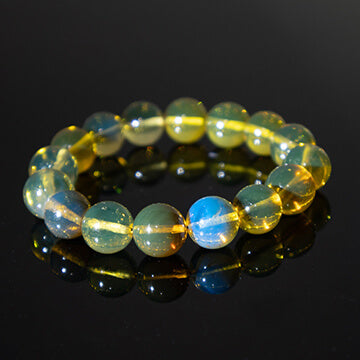
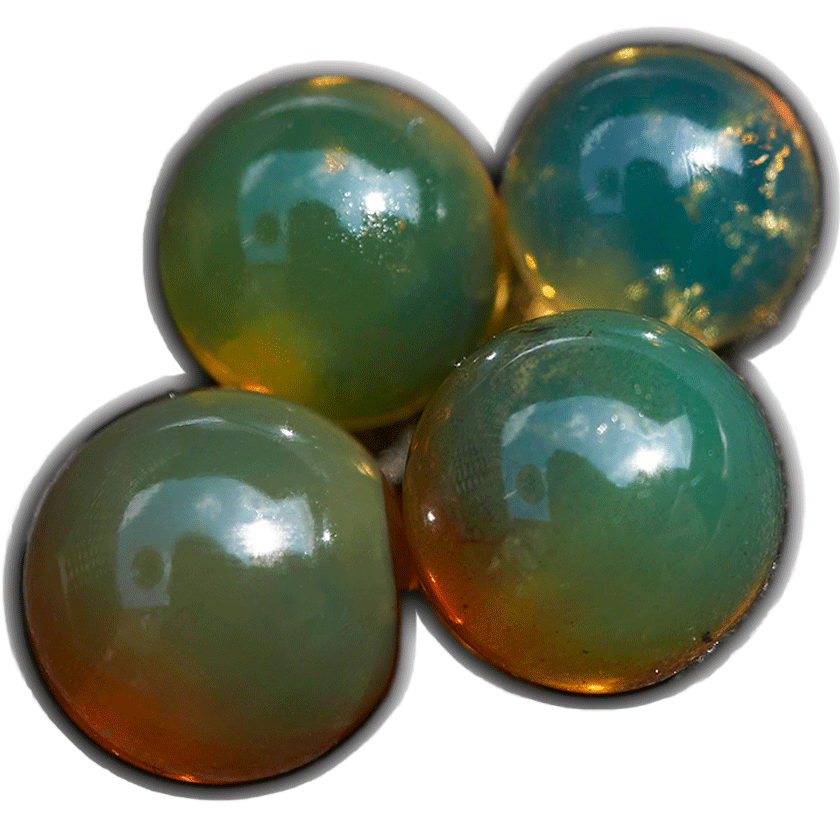
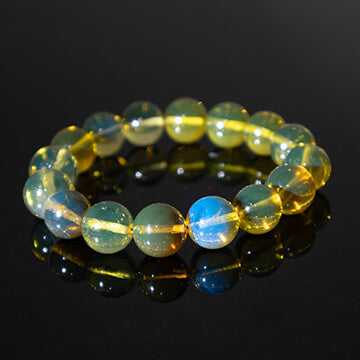
Most amber in the world appears honey, golden, cognac, or deep brown because that is how fossilized tree resin usually presents after millions of years of burial and oxidation. Blue amber is different. Its blue appearance is not a standard body color in the way a sapphire is blue. Instead, much of its visual magic comes from fluorescence - the way the material reacts to certain light conditions.
That alone makes it unusual. A gemstone that depends on a special interaction with light will always be rarer than one whose color shows consistently in every setting. Many people first encounter blue amber and assume it has been treated, coated, or artificially enhanced because the glow can look almost unreal. In natural Dominican material, however, that effect is part of what makes it so prized.
The rarity begins at the source. Blue amber is associated most strongly with deposits in the Dominican Republic, where ancient resin from an extinct tree species fossilized over time. Not every piece from these deposits shows blue fluorescence, and not every mine produces material of equal quality. Even within a recognized source region, only a small portion of recovered amber displays the vivid blue effect buyers hope to see.
When discussing why blue amber is rare, origin is central. Dominican amber is already respected for its clarity, age, and wide range of natural colors. Blue amber sits at the most exclusive end of that spectrum.
The Dominican Republic offers a unique geological setting that helped preserve resin with the organic compounds needed for this optical phenomenon. Researchers and gem experts have long connected the blue effect to fluorescent aromatic hydrocarbons within the amber. In plain terms, the chemistry of the original resin matters, and so does the environment that transformed it into amber over millions of years.
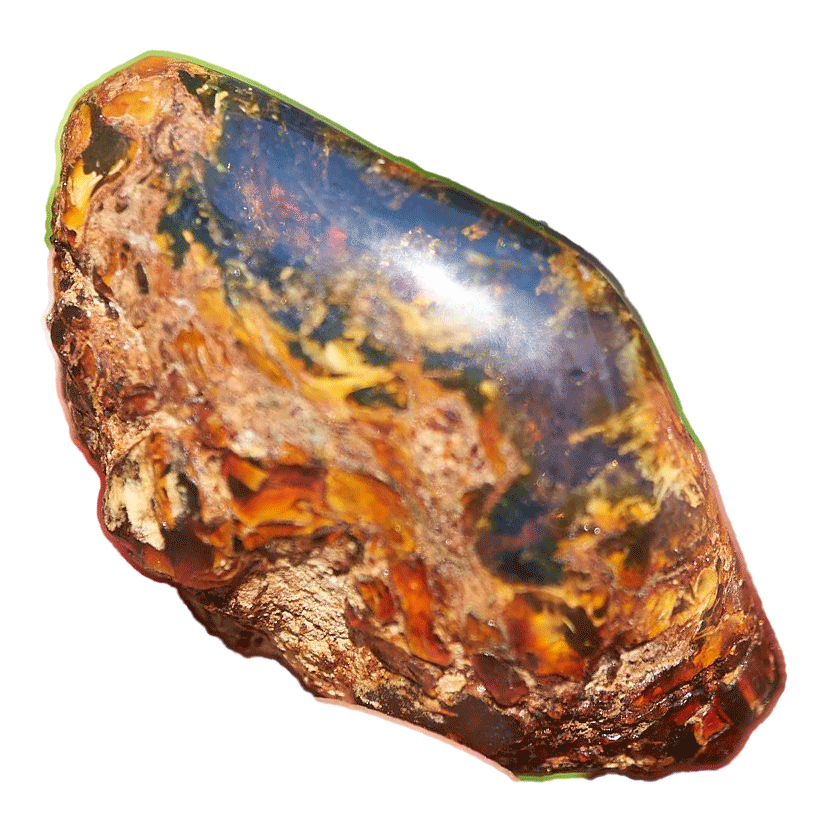
This is where rarity becomes more than a marketing word. Blue amber is not rare simply because it is fashionable. It is rare because nature did not produce it often, and even when it did, mining recoverable material is difficult. Many pieces are small, fractured, clouded, or unsuitable for fine jewelry. Fine gem-grade blue amber with strong visual appeal is a much narrower category than rough amber found in the ground.
One reason buyers are sometimes surprised by blue amber is that its appearance changes with lighting. In some conditions it may look pale yellow, golden, or slightly smoky. Under sunlight, especially against a dark background, the blue fluorescence becomes much more visible. Under UV light, the effect can be even more dramatic.
This selective visibility is part of what makes the stone enchanting, but it also explains why truly exceptional pieces are harder to source. The finest examples show a stronger, cleaner, more consistent blue effect. Lesser pieces may technically qualify as blue amber but display only a faint shift or require very specific lighting to reveal it.
That creates an important distinction in the market. Not all blue amber is equally rare. A lightly reactive specimen is uncommon. A transparent, well-cut, richly glowing Dominican blue amber suitable for a pendant, ring, or collector cabochon is considerably more scarce.
Scarcity in gemstones often comes down to supply. With blue amber, supply is constrained both by geography and by recovery conditions. Amber mining in the Dominican Republic is labor-intensive and often carried out in challenging environments. Deposits are not unlimited, and extraction does not guarantee gem-quality results.
Even after mining, the material must be sorted. Some rough may contain inclusions, fractures, surface weathering, or cloudiness that reduce its suitability for jewelry. Inclusions can be fascinating from a collector perspective, especially in fossil-bearing pieces, but for many wearable designs, clarity and visual light play a major role.
Then comes cutting. Amber is softer than many traditional gemstones, so shaping it requires care. A cutter must preserve the material, reveal its best optical effect, and avoid waste. That means beautifully proportioned blue amber jewelry stones are not only rare in origin but also rare in finished form.
Golden amber is far more common because it reflects the normal visual range of fossilized resin. Green, red, and other amber variations can also occur, but blue remains one of the most talked-about because of its striking fluorescence and limited source reputation.
Compared with standard amber colors, blue amber depends on more variables lining up at once. The resin chemistry must be right. The fossilization process must preserve the relevant compounds. The mined piece must have enough clarity to transmit the effect. The cut must support the way light interacts with the gem. And the viewer must often see it in favorable lighting.
That layered rarity matters. In gemstones, a rare origin alone can create value. A rare optical effect can create value. Blue amber combines both.
Any gemstone category associated with scarcity and beauty will attract imitations, exaggerations, or vague labeling. Blue amber is no exception. Some materials may be sold as blue amber because they show a bluish tint in photographs or because resin has been altered to mimic the effect. Others may be genuine amber but not the highly prized Dominican material most buyers are seeking.
For jewelry buyers and collectors, this is where trust becomes essential. Authentic blue amber should be represented honestly in terms of origin, treatment status, and visual expectations. Because the gem can look different across lighting conditions, photography can also mislead if it is overly stylized.
A reputable seller should understand the difference between ordinary amber with a cool cast and true blue amber with recognized fluorescence. Certification, source knowledge, and careful curation are not extras here. They are part of buying responsibly.
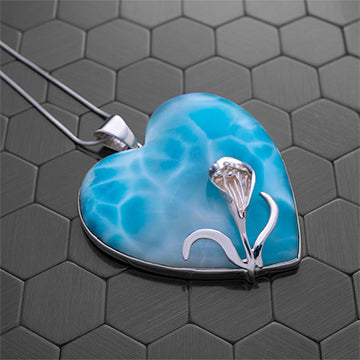
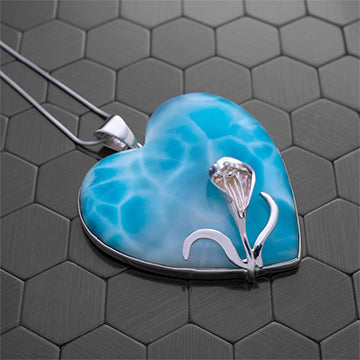
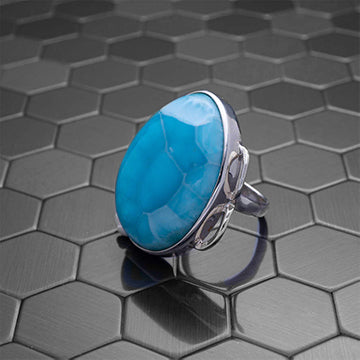
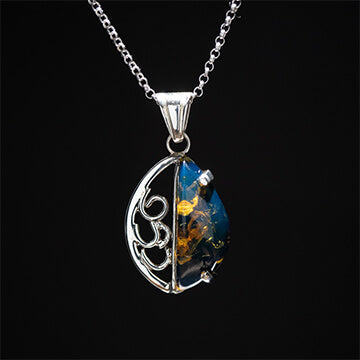
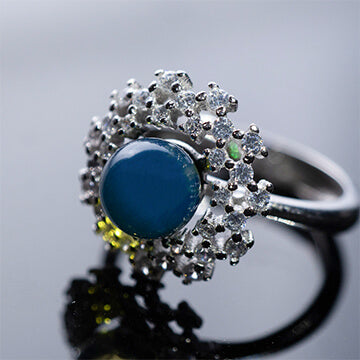
There is a practical side to the question why is blue amber rare. Are you looking for a museum-worthy collector specimen, a polished cabochon, a heart pendant, or a wearable everyday ring? The rarer the combination of size, clarity, strong blue effect, and finished craftsmanship, the fewer pieces exist.
Large stones are harder to find than small ones. Clean stones are harder to find than included ones. Stones with vivid fluorescence are harder to find than stones with a soft effect. Matching pairs for earrings are harder to find than a single pendant stone. If you want all of those qualities together, rarity rises quickly.
That does not mean only the most dramatic pieces are worth owning. Some buyers prefer softer color play and more organic character. Others want a statement gem that reveals its full Caribbean glow in sunlight. It depends on whether you are buying for collection, symbolism, gifting, or daily wear.
Blue amber is desirable not only because it is hard to find, but because it offers an experience other gems do not. It feels alive in light. It carries ancient natural history and unmistakable Caribbean identity. In fine jewelry, that combination gives the stone emotional depth as well as visual distinction.
For many buyers, Dominican blue amber represents the meeting point of rarity, authenticity, and craftsmanship. It is a gem that invites a closer look. It does not perform the same way in every room, and that is part of its charm. The stone asks for discernment, and it rewards it.
At Larimar Creations, that is exactly why blue amber continues to captivate serious gemstone lovers. It is not simply rare because supply is low. It is rare because nature made it selectively, light reveals it selectively, and only careful sourcing can bring its finest expression forward.
If you are drawn to blue amber, trust that instinct. Some gemstones impress at first glance. Blue amber keeps revealing itself, and that is often the surest sign you are looking at something truly exceptional.