
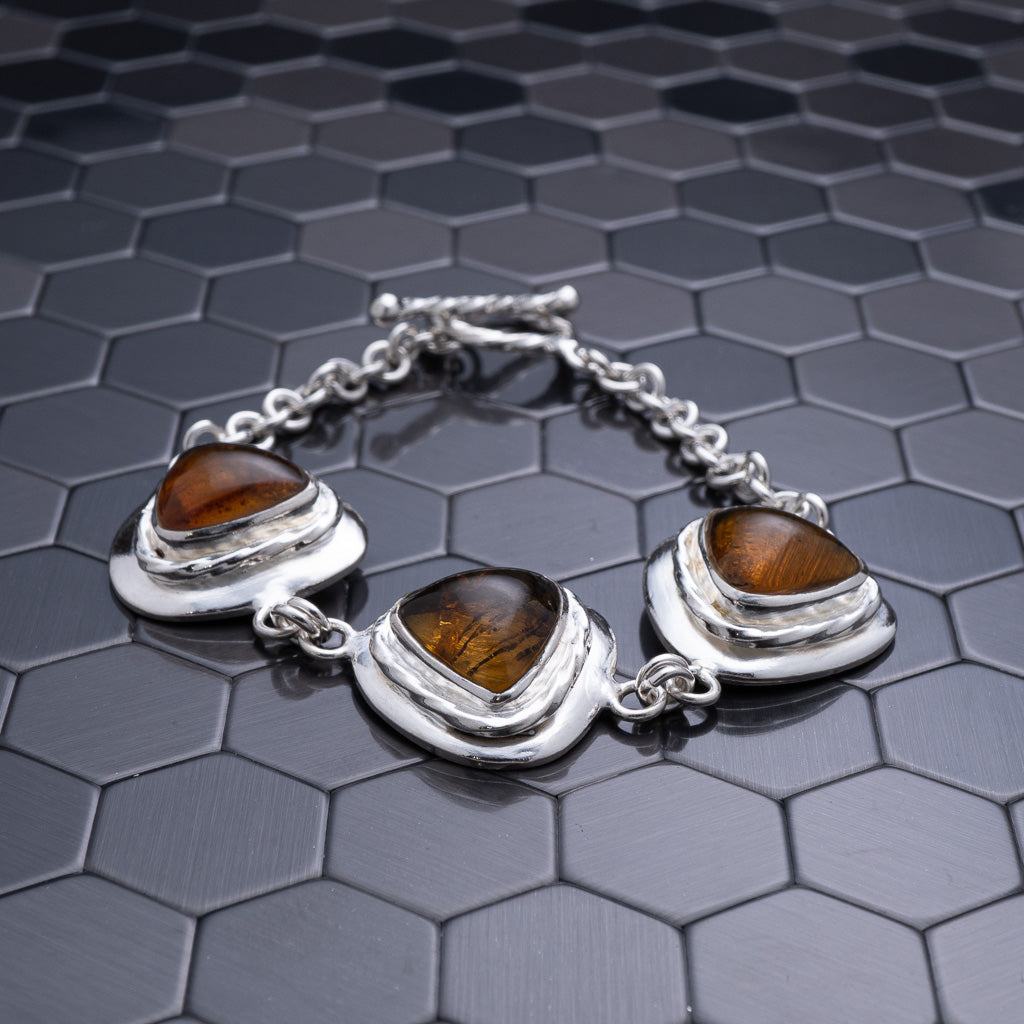
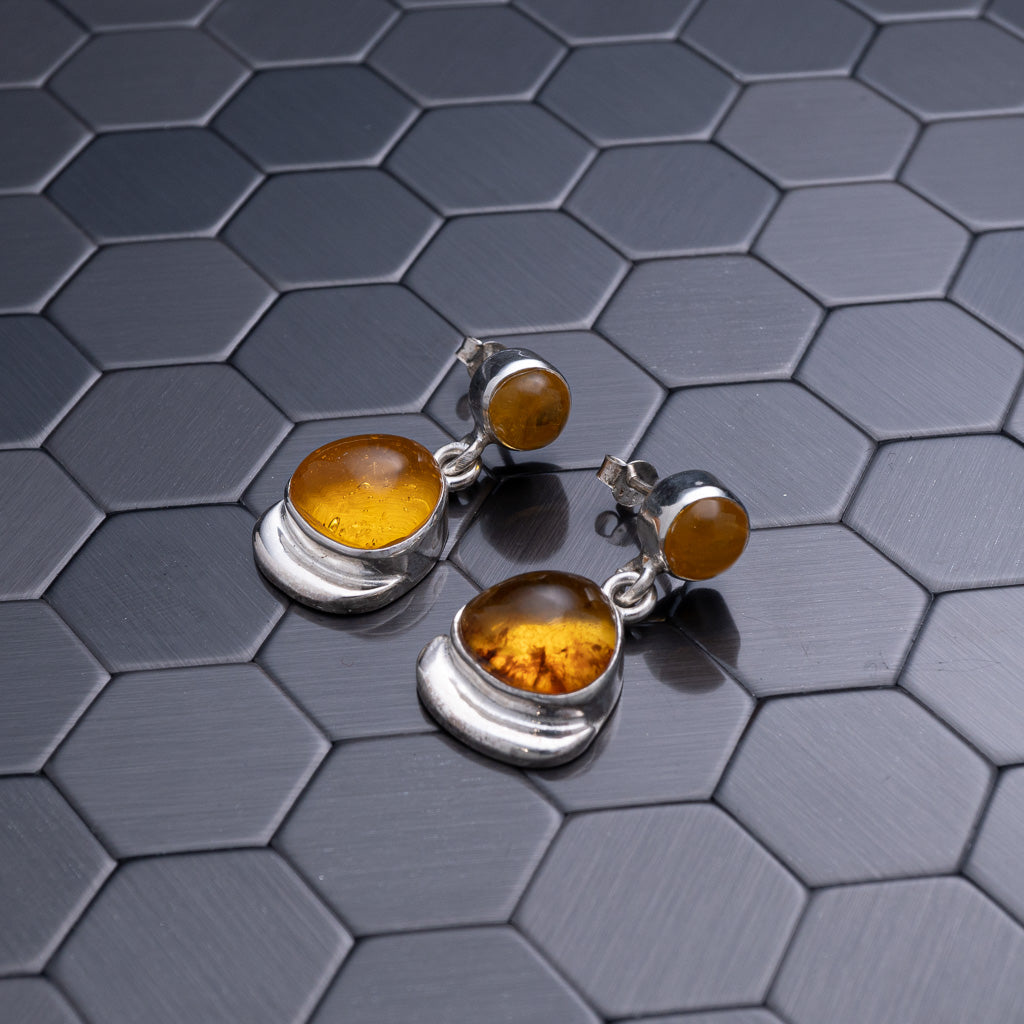
A piece of amber can look golden in one light, glow greenish-blue in another, and carry a price difference that surprises even experienced jewelry buyers. That is exactly why blue amber vs baltic amber is not a simple style choice. It is a question of origin, rarity, appearance, and what kind of gemstone story you want to wear.
For buyers who care about authenticity, the distinction matters. Baltic amber is the name most people recognize first, but blue amber occupies a far rarer space in the gemstone world. Each has beauty, history, and devoted admirers. The right choice depends on whether you are drawn to classic warmth or exceptional rarity.
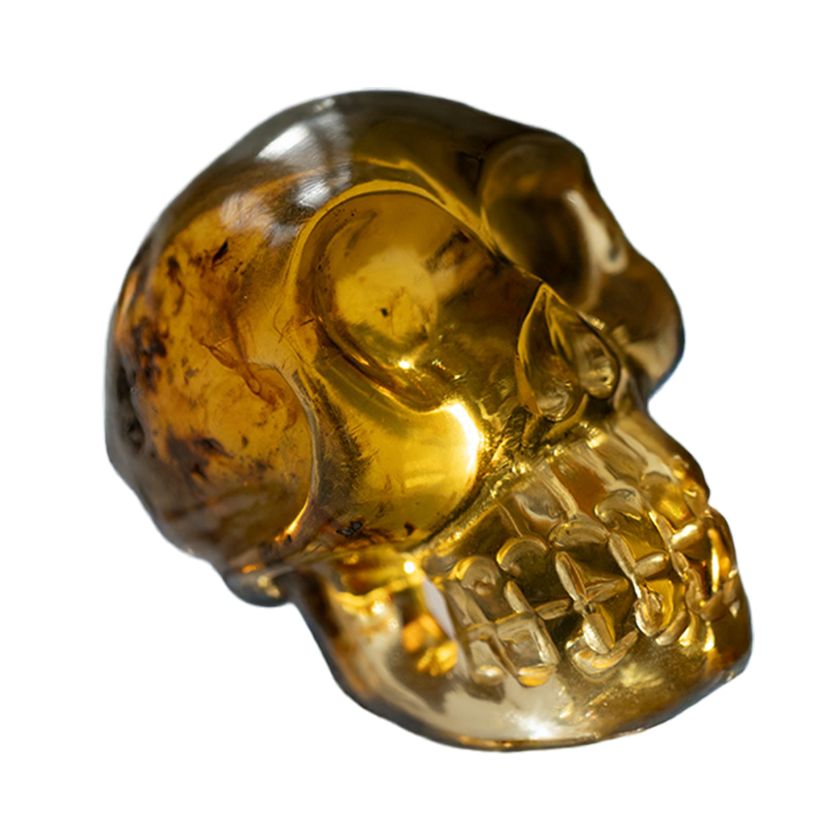
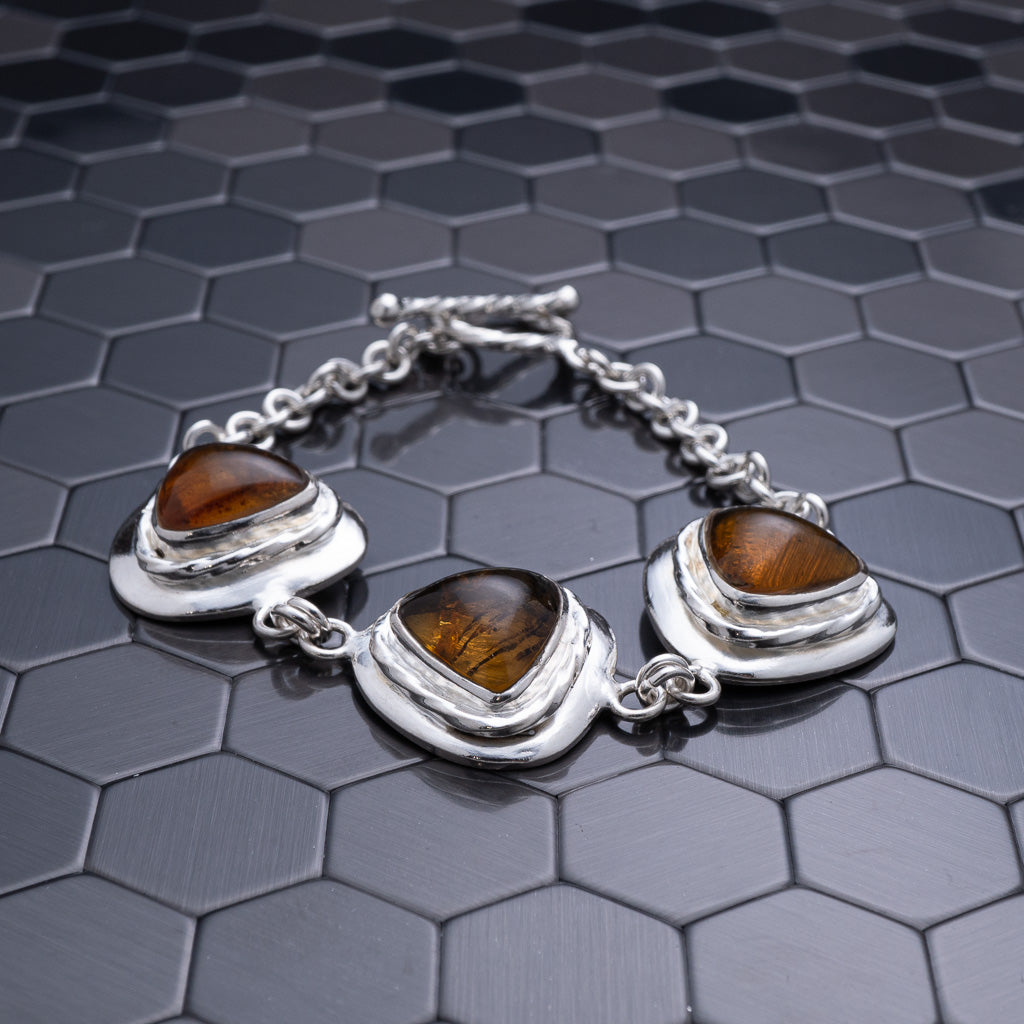
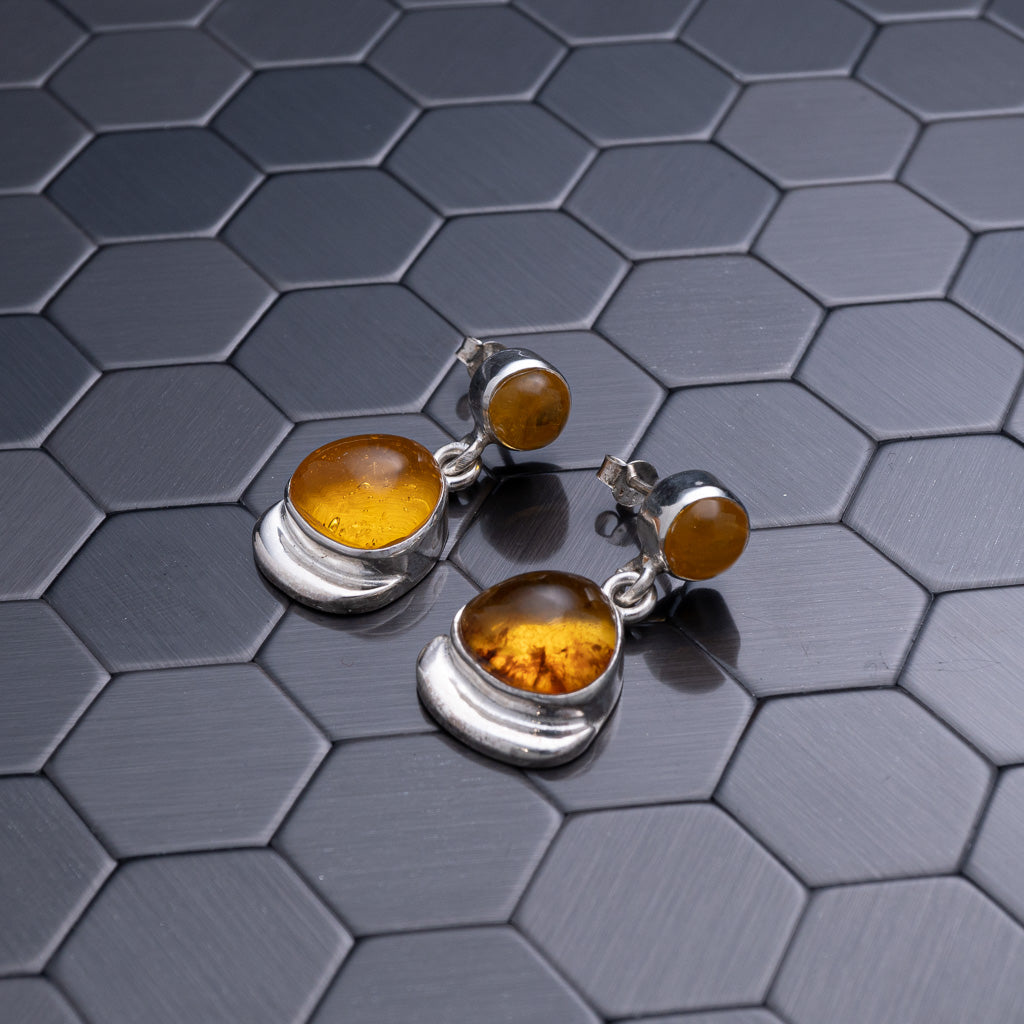
The clearest difference between these two ambers is where they come from and how they interact with light. Baltic amber comes primarily from the Baltic Sea region, especially areas around Poland, Lithuania, Latvia, and Russia. It is famous for its warm honey, cognac, butterscotch, and golden tones.
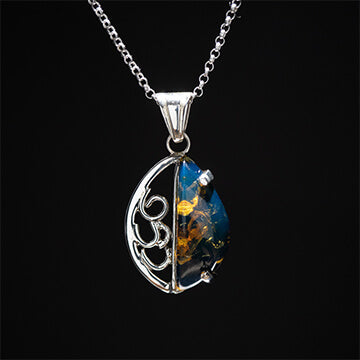
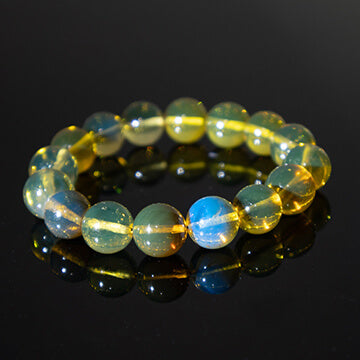
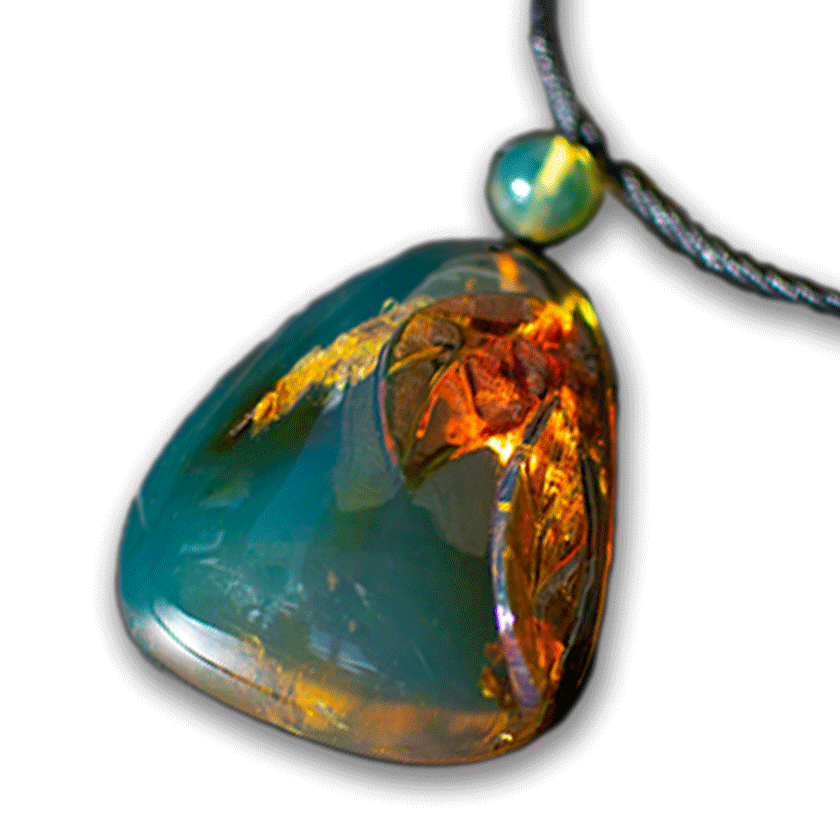
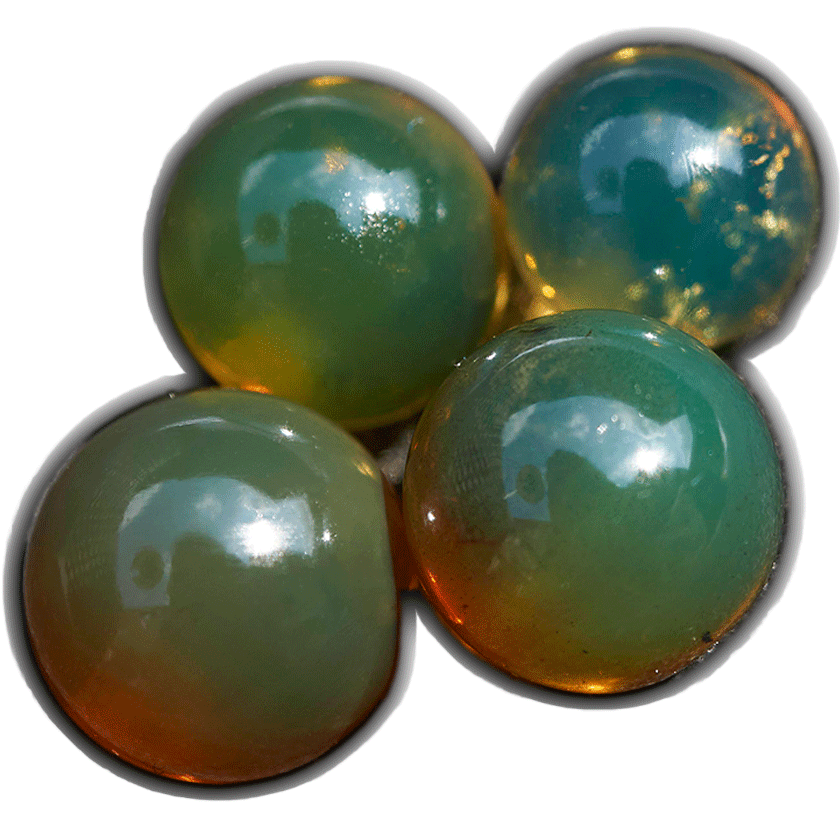
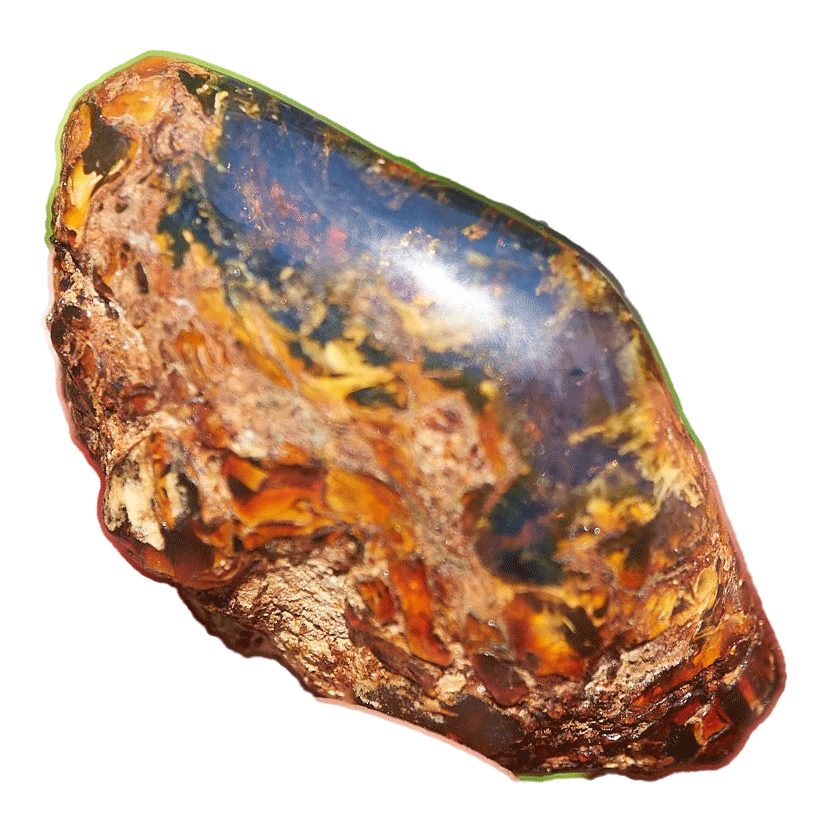
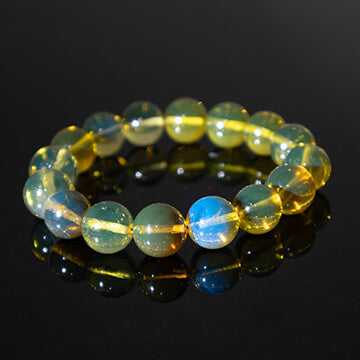
Blue amber is most closely associated with the Dominican Republic. In normal lighting, it may appear yellowish, brownish, or tea-colored. Under sunlight or ultraviolet-rich light, however, it can display a striking blue glow or blue fluorescence. That effect is what makes it so captivating and so collectible.
This means the comparison is not simply blue versus gold as a permanent body color. It is more nuanced. Baltic amber is generally appreciated for the color you see directly. Blue amber is often prized for the optical phenomenon it reveals when light conditions are right.
Amber is fossilized tree resin, but not all amber forms under the same conditions or from the same botanical sources. Baltic amber is older in commercial and cultural recognition. It has been traded across Europe for centuries and remains the most widely known amber on the market.
Dominican blue amber is rarer and more geographically specific. That limited origin gives it a strong sense of identity. For many jewelry lovers and collectors, that matters as much as appearance. A gemstone tied to a distinct Caribbean source feels more personal, more unusual, and more difficult to replace.
Rarity affects availability, but it also affects how a piece feels when worn. Baltic amber can be classic and approachable. Blue amber often feels like a find.
This is where many shoppers get confused. Blue amber is not always solid blue like turquoise or larimar. Its blue effect comes from fluorescence caused by organic compounds within the amber. In sunlight or under UV exposure, the surface or body can emit a blue appearance that seems to shift as the stone moves.
That shifting quality gives Dominican blue amber much of its mystique. It can look understated indoors and extraordinary outdoors. If you love gemstones with movement, depth, and a sense of discovery, blue amber offers a very different experience from amber that presents one stable color all day.
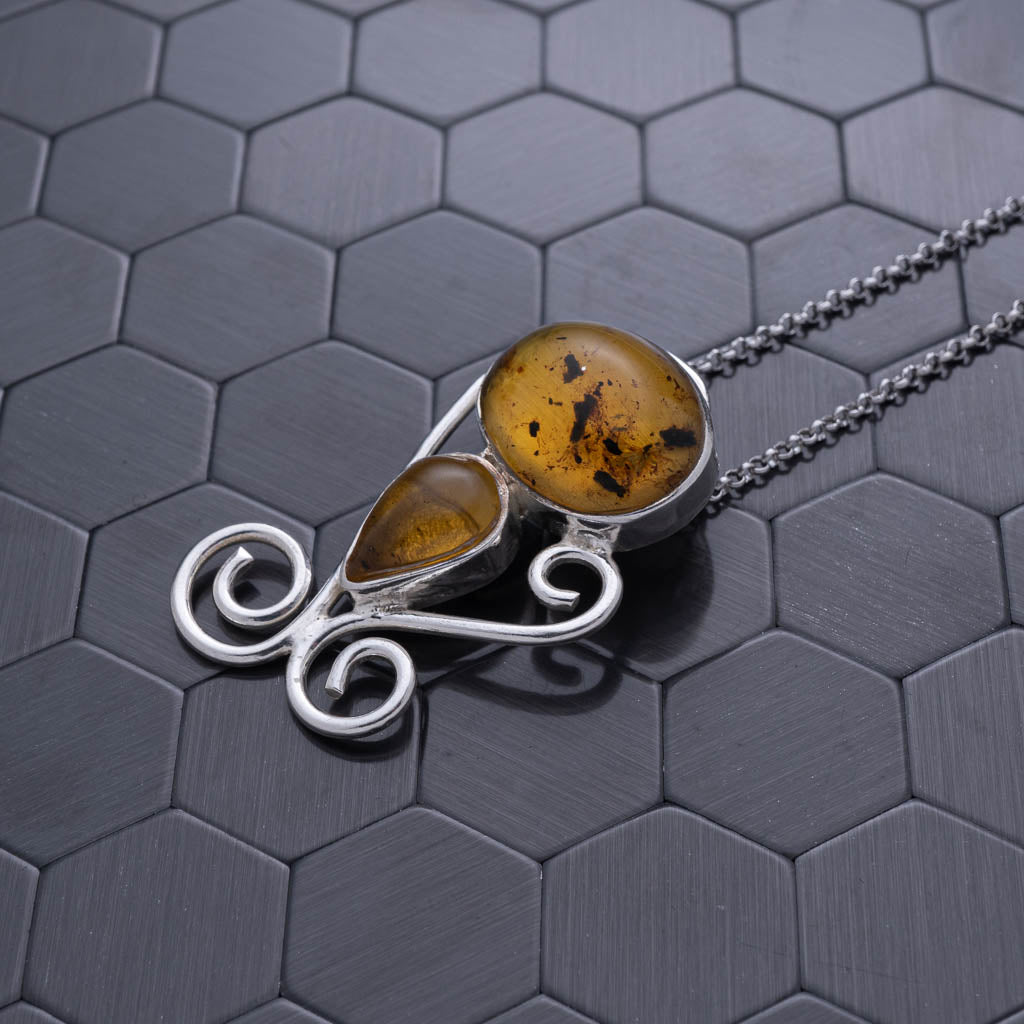
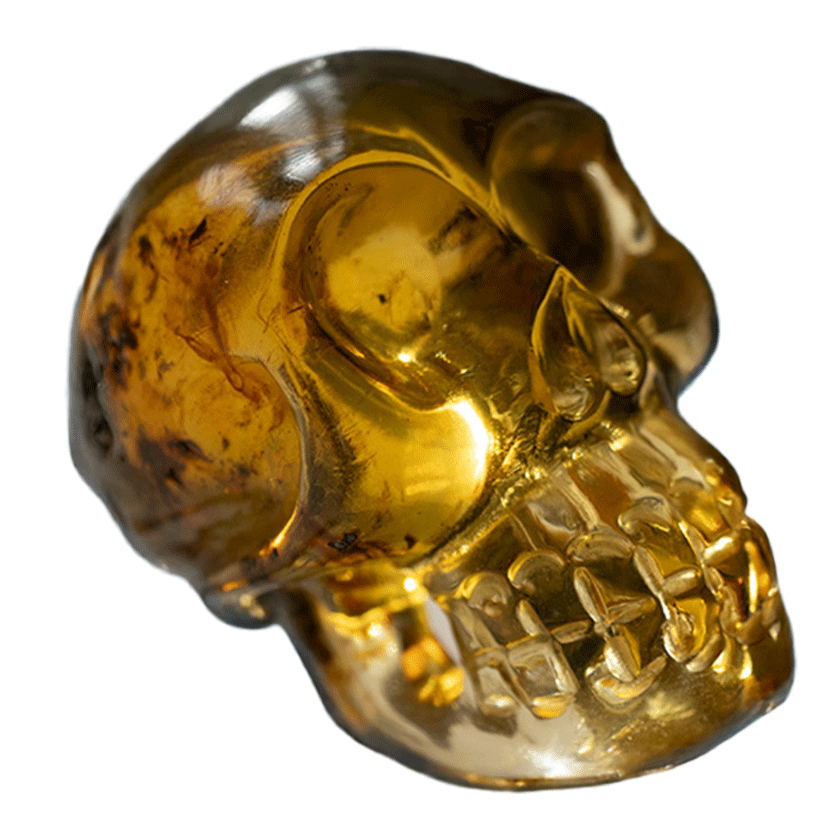
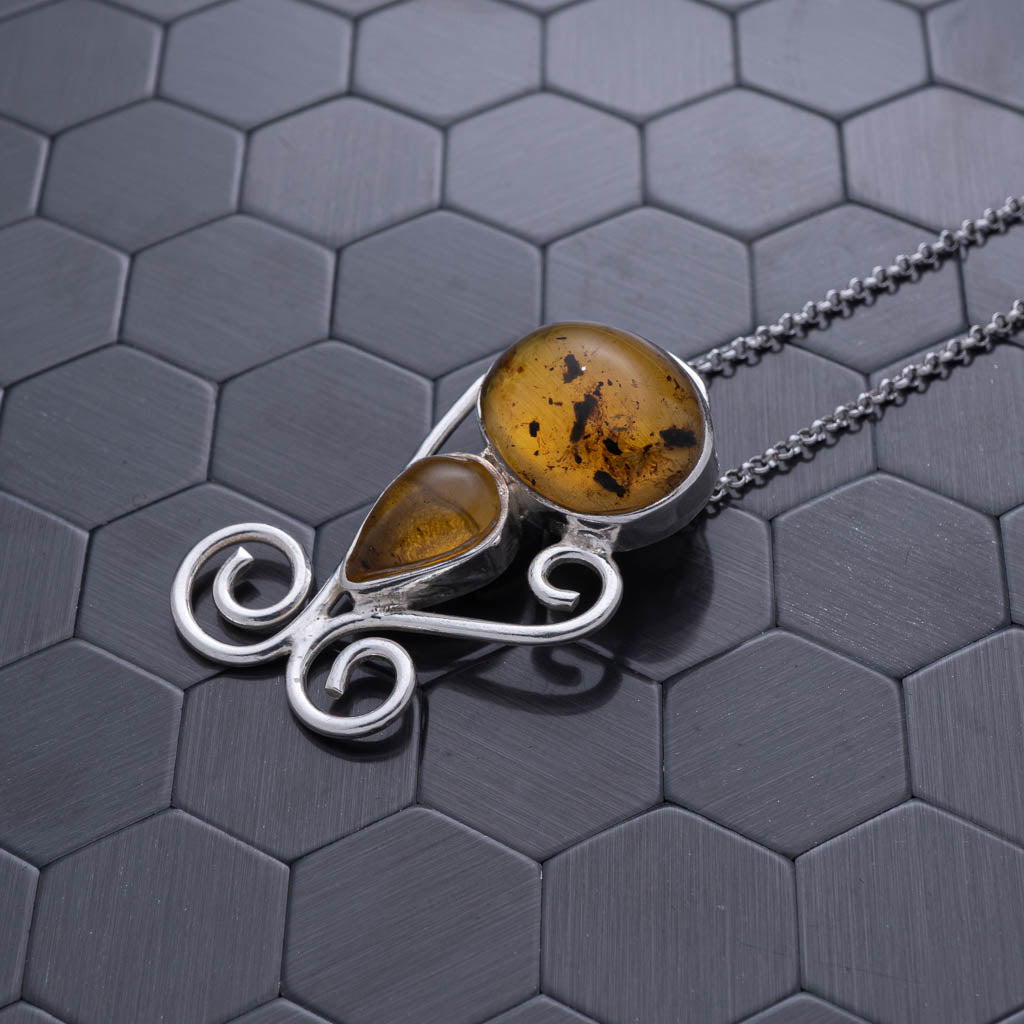
Baltic amber is celebrated for warmth. It often has a soft internal glow that works beautifully in beads, cabochons, carvings, and traditional jewelry. Some pieces contain inclusions, clouding, or natural textures that collectors appreciate. Its appeal is timeless rather than dramatic.
For many buyers, Baltic amber feels familiar in the best way. It has a heritage quality and a broad design history, especially in statement necklaces, prayer beads, and heirloom-inspired pieces.
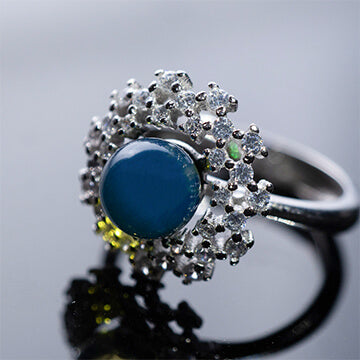
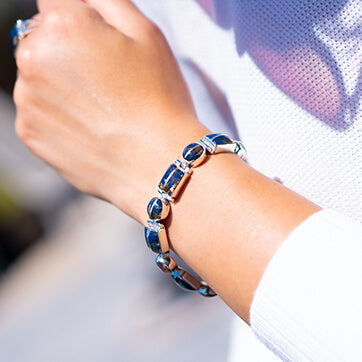
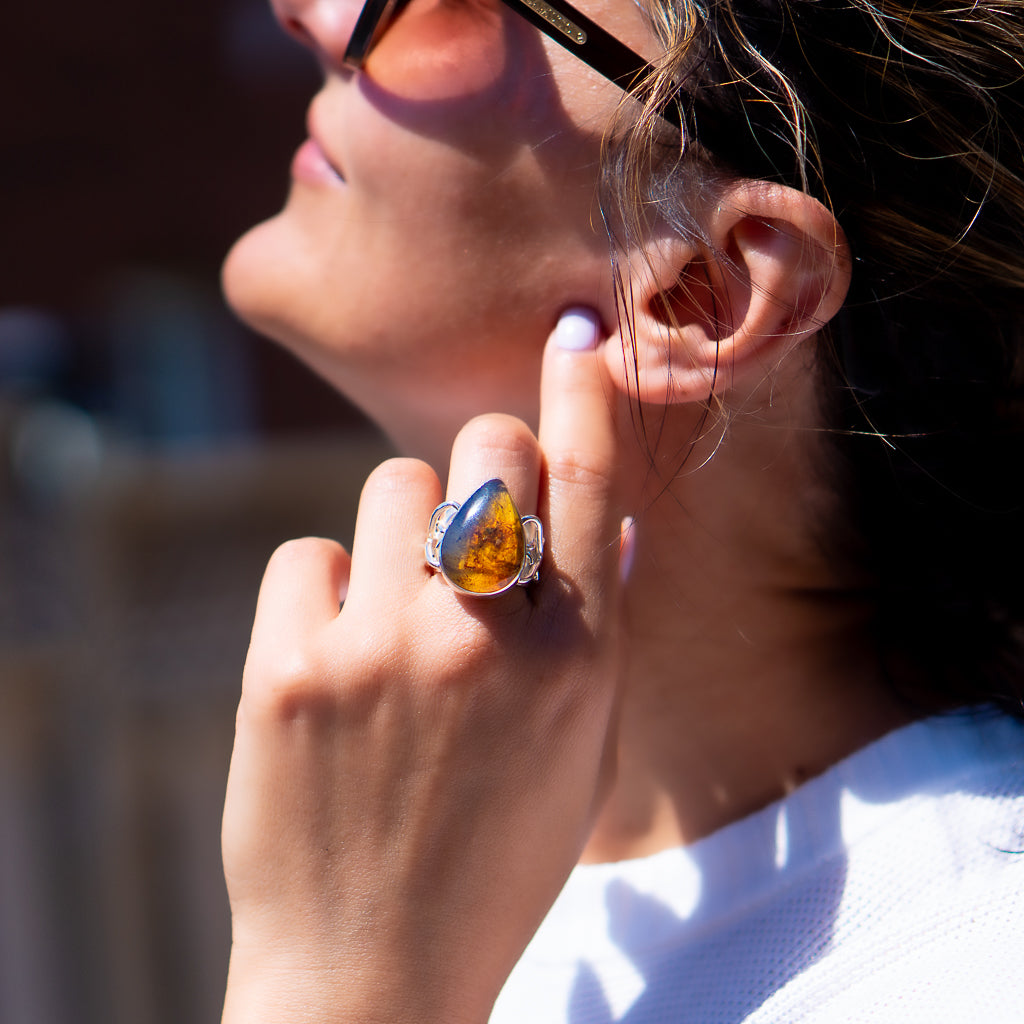
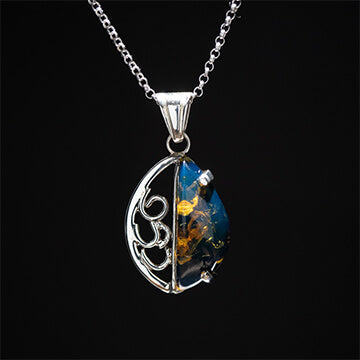
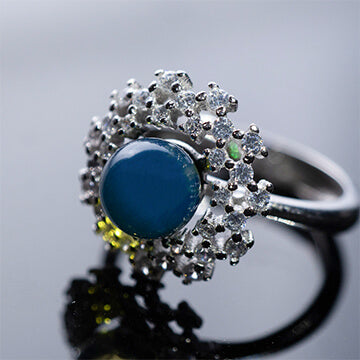
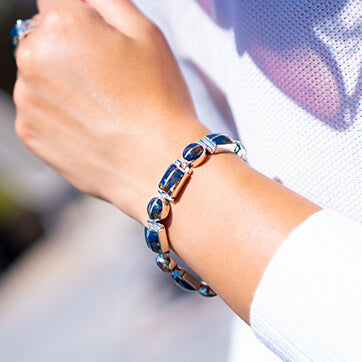
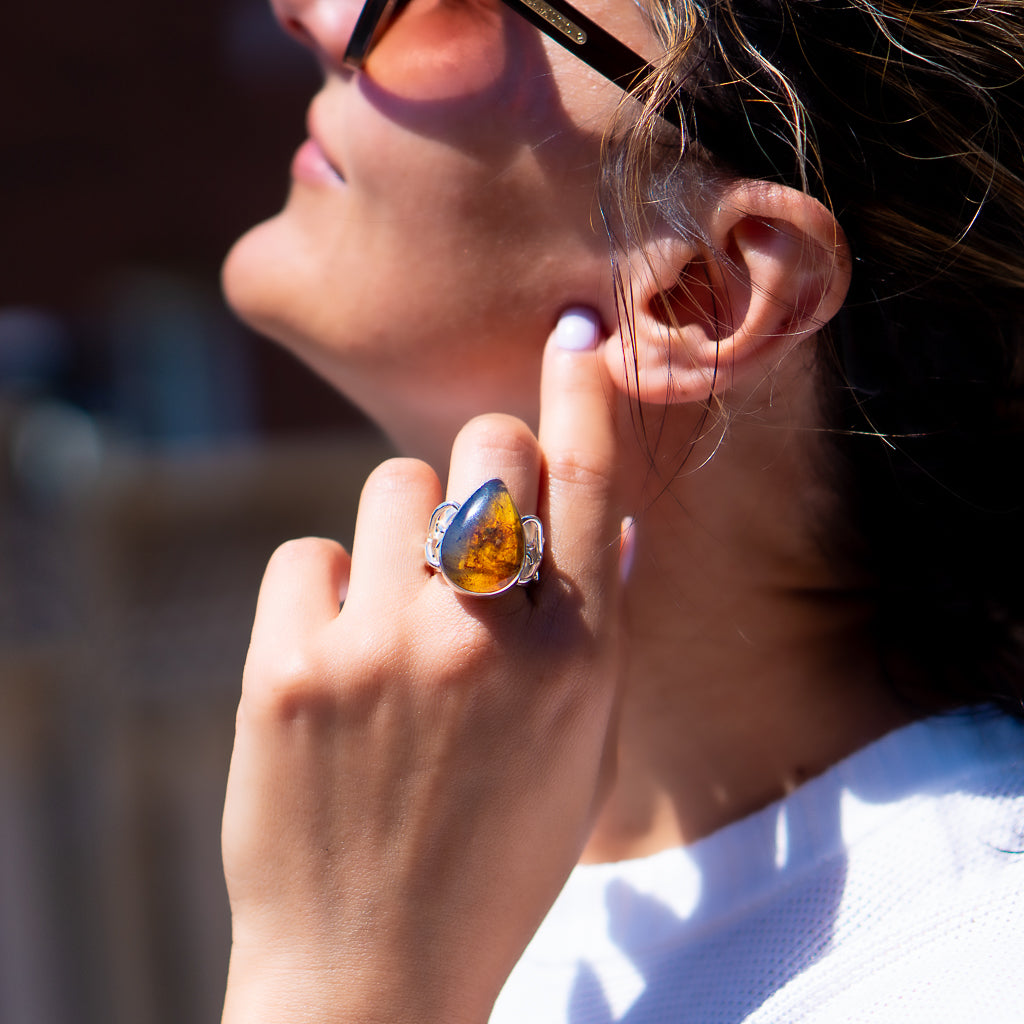
When set in fine or artisan jewelry, blue amber and Baltic amber create very different moods. Blue amber tends to feel luminous, rare, and conversation-starting. It pairs beautifully with designs that let light pass through the stone, such as pendants, earrings, and polished cabochon rings. Because its visual magic depends on light, open settings often show it at its best.
Baltic amber brings warmth and richness. It can feel earthy, golden, and softly luxurious. In larger beads or carved pieces, it makes a strong visual statement without looking flashy. In polished silver or gold settings, it reads as elegant and grounded.
If your style leans toward unusual gemstones and refined statement pieces, blue amber often stands apart. If you prefer classic amber character and a more traditional look, Baltic amber may feel like a natural fit.
One of the most common questions in blue amber vs baltic amber comparisons is value. In general, authentic Dominican blue amber commands higher prices because it is rarer, more visually distinctive, and harder to source in fine quality. Strong fluorescence, good clarity, appealing shape, and skilled cutting can all increase value.
Baltic amber can also be valuable, especially in large, well-preserved, old, or inclusion-rich pieces. But because it is more widely available, entry points are often lower. That makes Baltic amber attractive to buyers who want natural amber jewelry without stepping into the premium niche that blue amber often occupies.
Still, price alone should not decide the purchase. A modest but genuine blue amber pendant may hold more emotional value for one buyer than a larger Baltic piece. The reverse can also be true. It depends on whether you are shopping for rarity, visual warmth, collectibility, or everyday wear.
Amber is one of the gemstone categories where imitation is a real concern. Plastic, copal, resin composites, and treated material can all appear on the market. That makes provenance and certification especially important.
With Baltic amber, the market is broad, and quality varies widely. With blue amber, the rarity itself attracts more skepticism because buyers know it carries a premium. If a piece is marketed as blue amber, the seller should be able to clearly explain origin and authenticity.
This is where trusted sourcing becomes essential. A genuine amber piece should be sold with confidence, transparency, and a clear respect for the material. For collectors and thoughtful jewelry buyers, that credibility is part of the luxury.
Collectors often gravitate toward blue amber because it is less common and more visually intriguing. The optical effect gives each piece personality. Fine blue amber can feel almost alive in changing light, which adds to its appeal as a collector gemstone.
That said, Baltic amber has its own serious collector market. Antique pieces, unusual inclusions, and historically significant carvings can be deeply desirable. If your collecting style favors heritage, age-old trade traditions, and organic variety, Baltic amber offers plenty to explore.
So which is better? It depends on what you collect for. Blue amber suits those who want rarity and optical drama. Baltic amber suits those who appreciate amber history, warmth, and a wider range of forms.
For a gift, the answer often comes down to personality. Blue amber feels rare and romantic. It suits milestone occasions, meaningful anniversaries, and gifts meant to stand apart from conventional gemstone jewelry. Its Caribbean origin and unusual glow add a memorable story.
Baltic amber feels comforting and timeless. It works beautifully for someone who loves natural materials, golden tones, and jewelry with traditional appeal. It can also be an easier introduction to amber for a first-time buyer.
If the recipient values uniqueness, blue amber usually makes the stronger impression. If they prefer classic beauty with centuries of recognition behind it, Baltic amber may be the better choice.
The best way to choose is to think beyond the label. Ask yourself what draws you in when you look at gemstones. If you want rarity, light play, and a distinctly Caribbean identity, blue amber is hard to match. It offers something few gems can: a quiet appearance that transforms into something extraordinary.
If you are drawn to warmth, heritage, and the familiar glow most people associate with amber, Baltic amber remains a beautiful and credible choice. It is easier to find, often more budget-flexible, and deeply established in jewelry history.
There is also the question of how you will wear it. Blue amber often shines in special pieces where its unusual character can be appreciated. Baltic amber can transition easily into everyday jewelry and larger classic designs.
For buyers seeking certified, origin-conscious gemstones, the answer often comes down to whether you want the known classic or the rare conversation piece. At Larimar Creations, that distinction matters because authenticity is never separate from beauty.
A remarkable gemstone should do more than match your outfit. It should reflect your taste, your standards, and the story you want to carry with you - whether that story glows with Baltic gold or flashes blue in the Caribbean sun.